Most first-time visitors plan the same week for their Tokyo bucket list: Shibuya crossing, a conveyor-belt sushi lunch, Senso-ji. None of these are wrong – each one is well-worth doing. But Tokyo is large and layered enough that you can fill seven days with only the obvious things and still leave without touching what actually makes the city singular.
This guide is for going past that first layer. Not because the famous spots aren’t worth your time, but because Tokyo holds a second set of experiences – some open to anyone, some needing a bit more planning – that are genuinely hard to replicate anywhere else in the world.
Set a 4am alarm for the tuna auction at Toyosu market, where a single fish has sold for over three million dollars at the New Year sale. Take the train to Nikko for mountains and hot springs, or head to Yanaka for an old downtown atmosphere the locals still claim as their own.
Sleep in an onsen ryokan
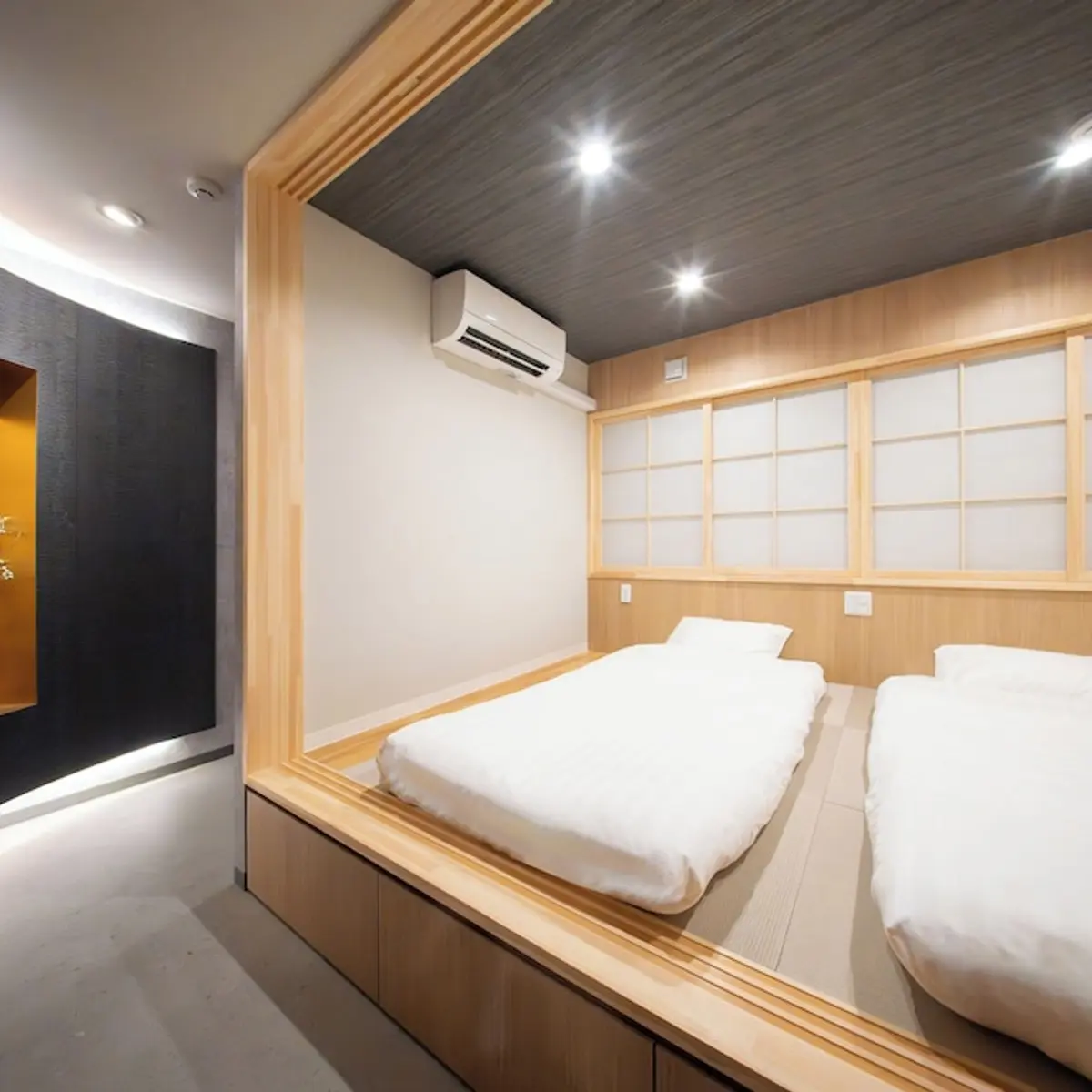
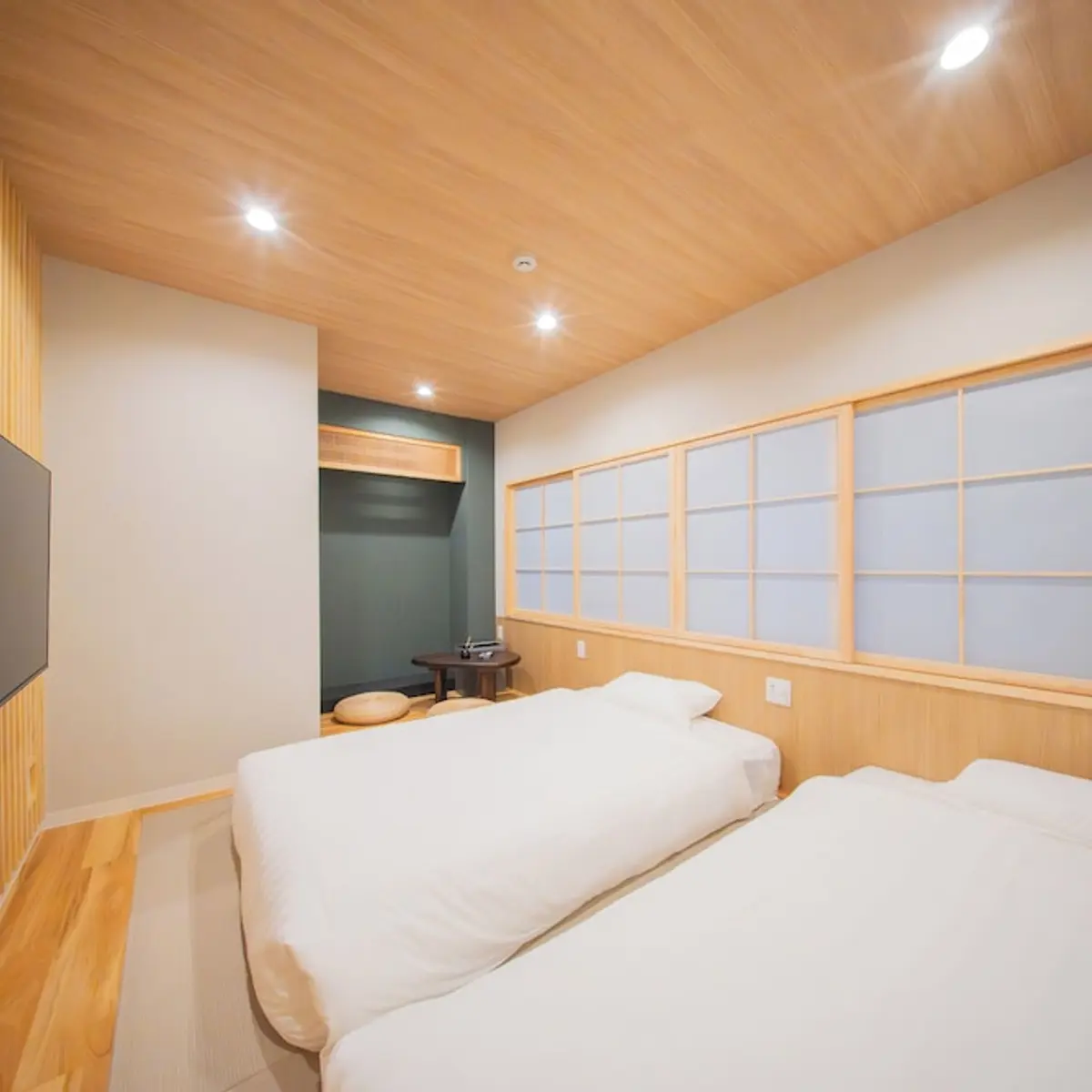
Arrive at a ryokan (traditional Japanese inn) built around a geothermal hot spring, and you’ll be shown to a tatami room with a yukata folded neatly on the futon. Time it right, and the bath schedule could mean you have the stone tub onsen filled with mineral-rich waters all to yourself.
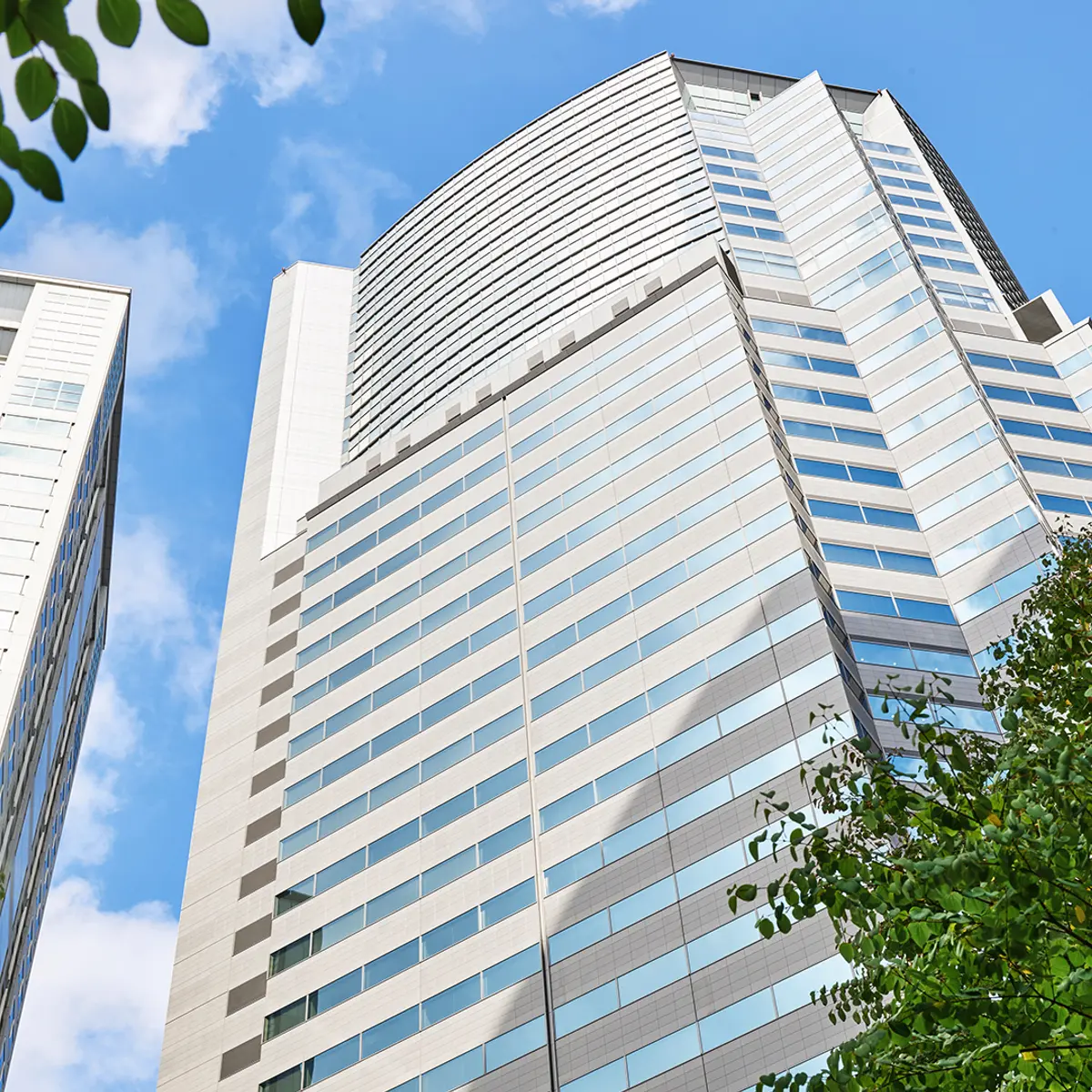
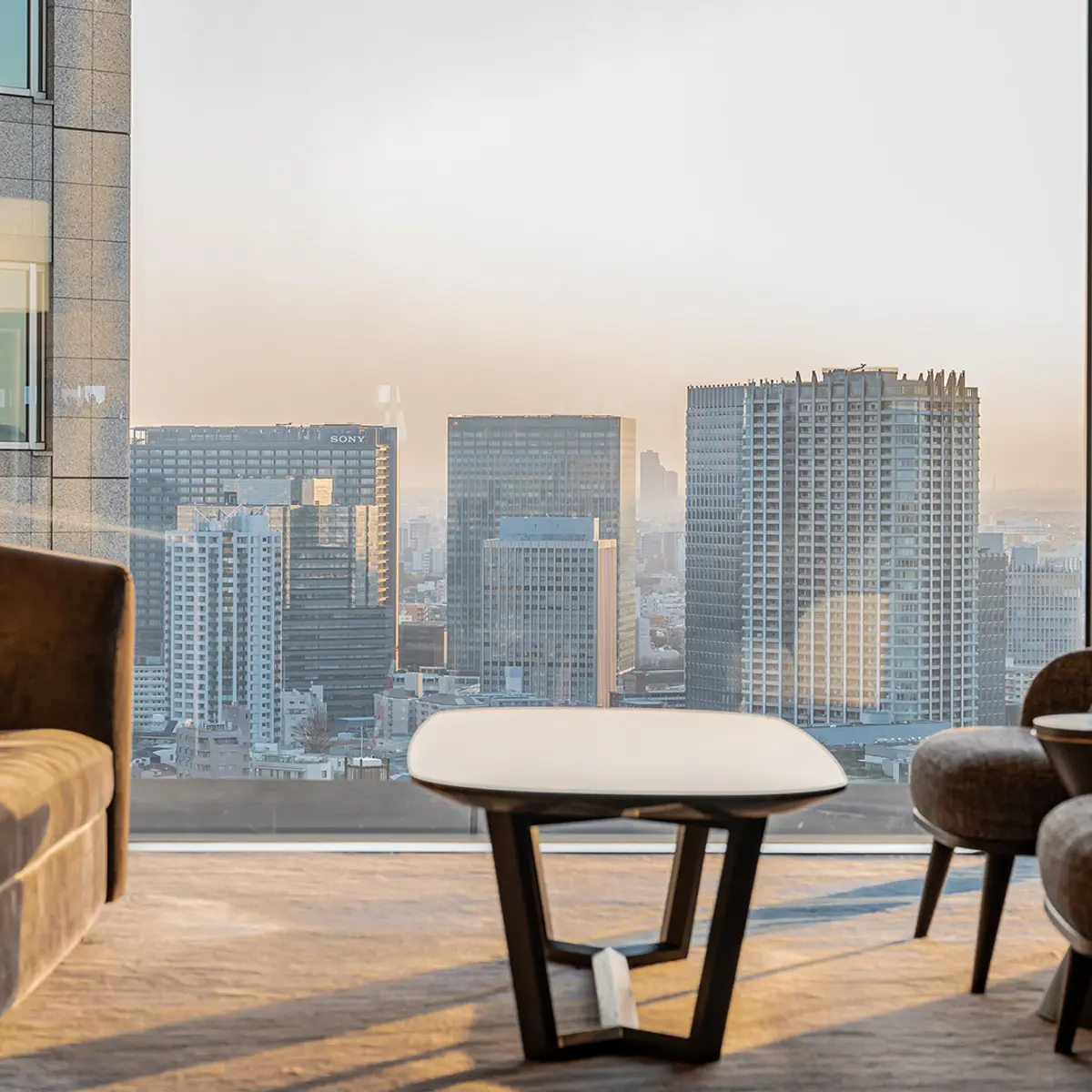
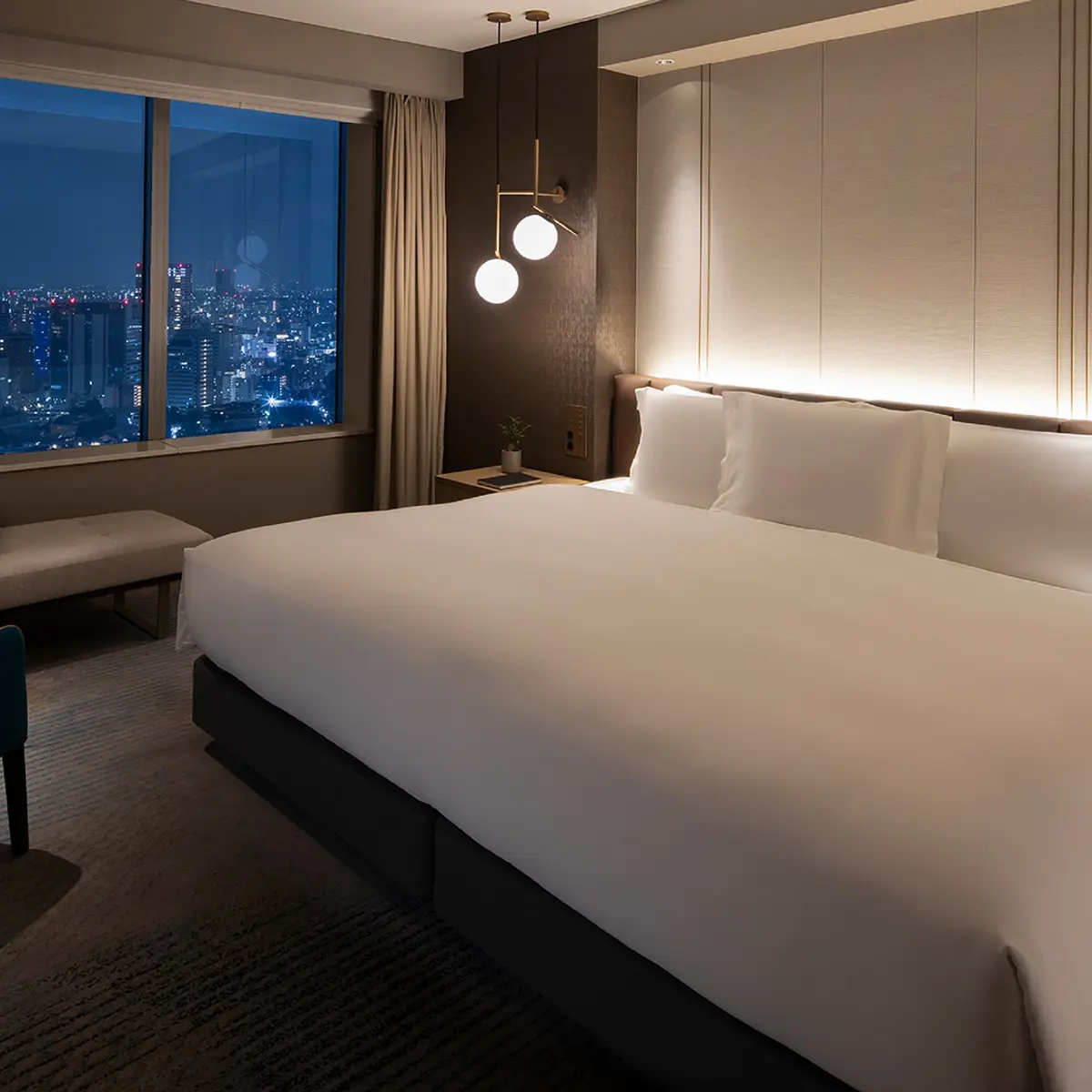
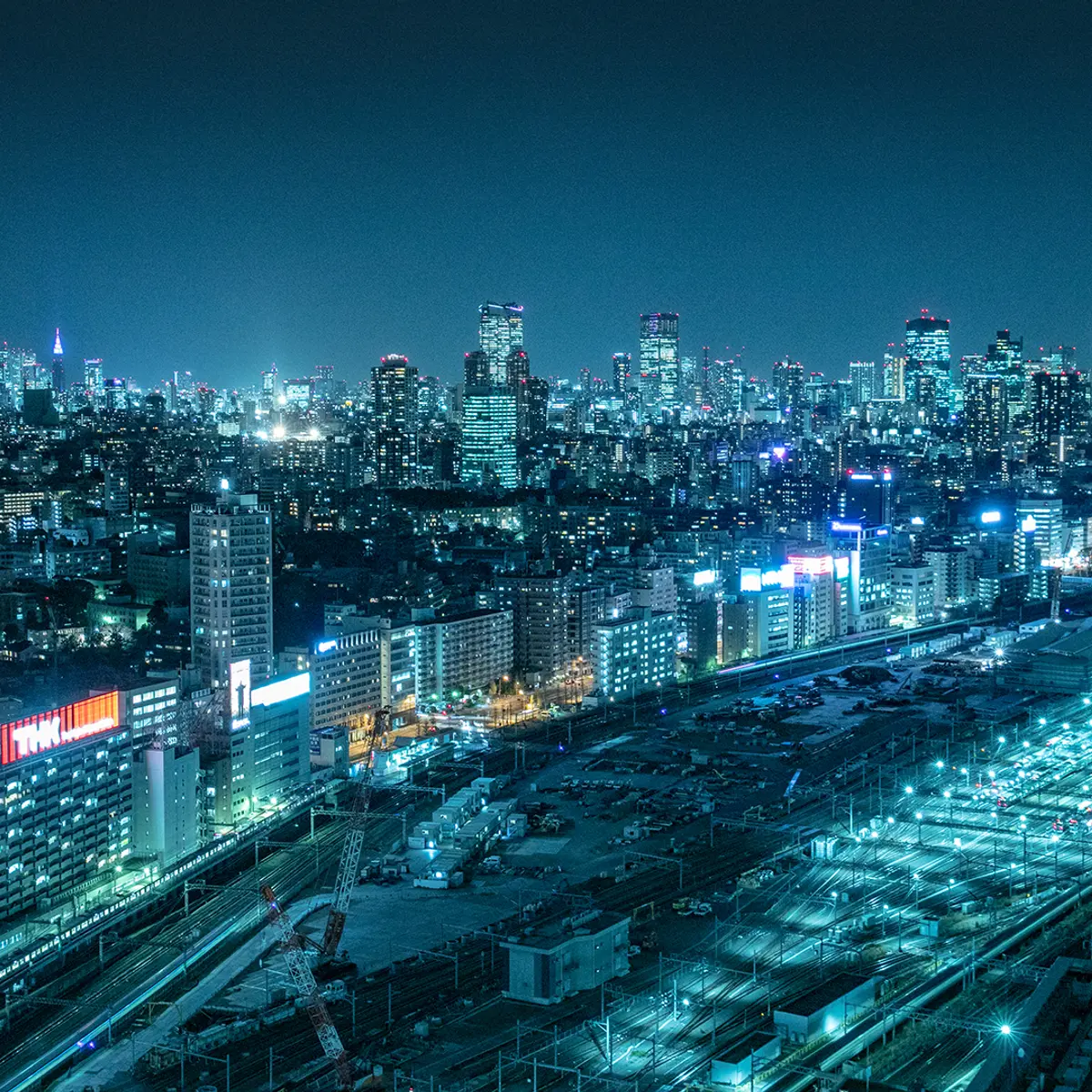
You don’t have to leave the city to get a version of this. Hoshinoya Tokyo, near Tokyo Station, has a rooftop bath drawn from a real geothermal source within the city itself, rare for central Tokyo and priced accordingly. Yuen Shinjuku pipes in hot spring water transported from Hakone, with open-air baths on its rooftop – a far more affordable way to soak in the real thing without booking a train.
For something closer to the full ryokan experience, Okutama – still close to Tokyo’s city limits despite feeling like a different prefecture – has small local ryokan with river views. Reach it in under two hours by train from Shinjuku.
For the full immersive version, leave the city. Hakone is about 90 minutes from central Tokyo via the Odakyu Romancecar, while Nikko takes closer to two hours by limited express train. Both have ryokan options across a wide range of price points.
Please note: tattoos are still prohibited at many traditional onsen.
Cherry blossom season’s best-kept secrets
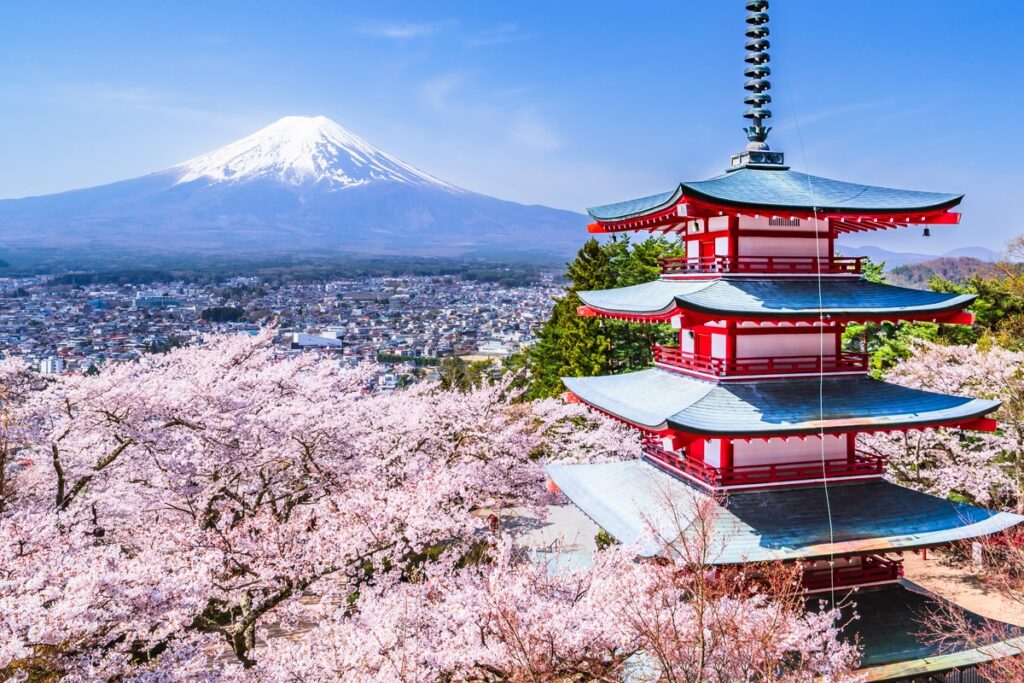
Cherry blossom season runs roughly from late March to mid-April, shifting a few days earlier or later depending on the year. The key to seeing popular spots without the crowds? Go at dawn. If you wake early, the roads are quiet and the atmosphere is quaint.
Shinjuku Gyoen, Meguro River, Ueno Park, Sumida Park and Chidorigafuchi are the established options: hundreds of blooms, lantern-lit evening festivals and food stalls. On weekday mornings, the popular spots are less busy.
For quieter cherry blossom watching, Kyodo no Mori Park draws a fraction of the crowds. Further out, the stretch of Tama River around Fussa and Haijima offers more than 500 riverside cherry trees strung with lanterns at dusk. On Saturdays and Sundays there are music and dance performances, as well as food vendors selling yakitori and yakisoba.
Breakfast at Tsukiji Outer Market after Toyosu’s tuna auction
Get to Toyosu before 6am on market days and you’ll catch the tuna auction from the free second-floor viewing gallery – no ticket, no lottery, just the willingness to set that early alarm. It’s not the closest view (that’s a separate, harder-to-book lottery deck one floor down), but it’s the real thing, and most first-timers never make it here at all.
Once the auction wraps, don’t head straight back to bed. Walk or taxi over to Tsukiji Outer Market – the old market’s retail half – and have breakfast the way Tokyo actually eats it: fresh uni on rice, a skewer of grilled scallops, a slice of tamagoyaki from the vendor who’s been making it the same way for decades, and tuna in some form at a standing sushi counter that fits maybe eight people. If you’re not a fish fan, there are plenty of cafes offering hearty breakfasts in the surrounding streets.
This is the order almost nobody does it in – auction first, then breakfast at the market most people don’t know about. Both halves take under three hours combined, and you’ll be back at the hotel before the rest of Tokyo has finished its coffee.
A day trip to Nikko
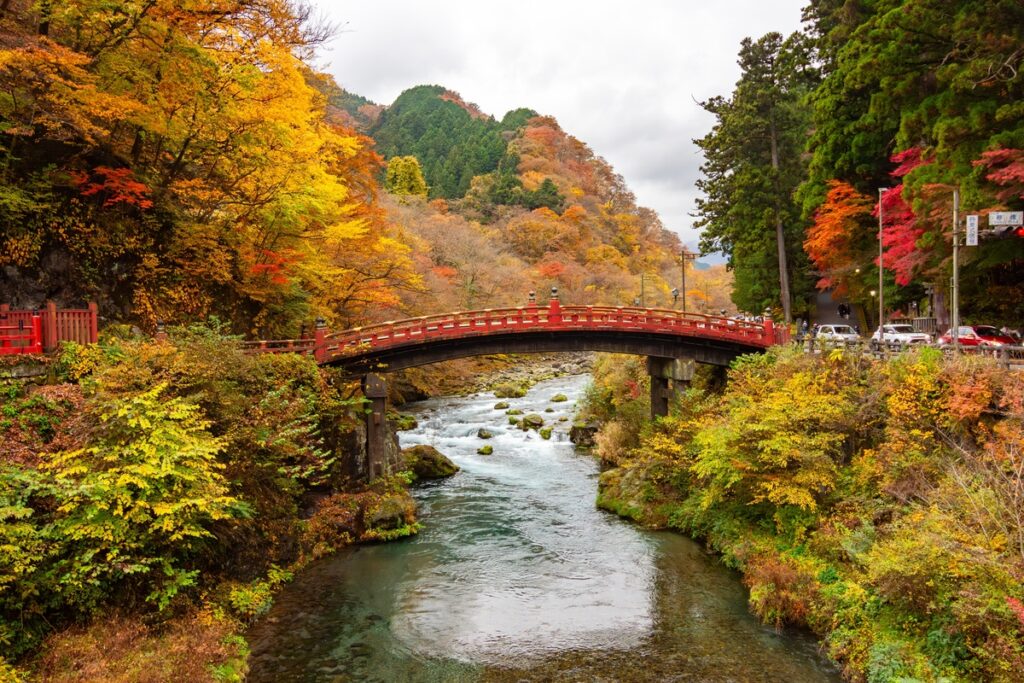
Nikko sits around 130 kilometres north of Tokyo and is reachable in under two hours on the Tobu Nikko line. The Nikko Toshogu shrine, over 400 years old, is one of the most ornate sites in Japan: carved wooden panels, lacquered gates in deep red and gold, and a cedar-lined approach leading to the place where Lord Tokugawa Ieyasu is enshrined.
Give yourself a full day rather than just half. Walk the cedar avenue at Nikko’s approaches, climb to the quieter shrines above the main complex, and time your return for early evening.
While you’re there, take the 50-minute bus ride up into the mountains to Kegon Waterfall, climbing the Irohazaka Slope’s 48 hairpin turns on the way. Kegon Waterfall itself is 97 metres high and widely regarded as one of Japan’s most beautiful waterfalls. Deep green in early summer, it turns shades of red and gold in autumn, while in winter the falls slow to a half-frozen crawl.
Stay overnight in Hakone for Mt. Fuji views
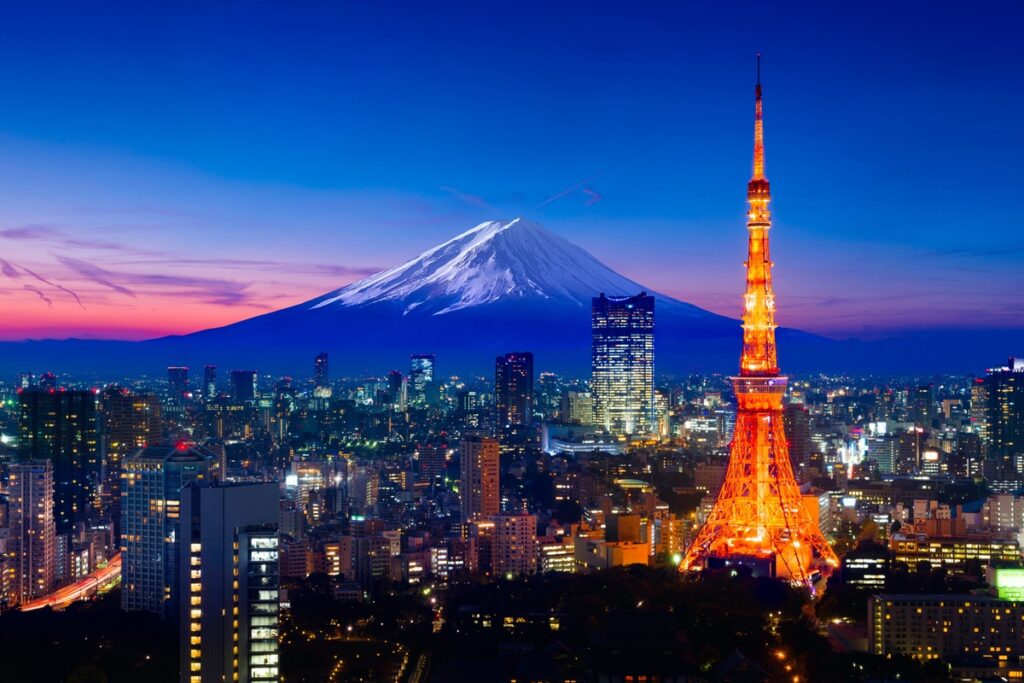
Hakone works better overnight than as a rushed day trip, even though most first-timers treat it as the latter. You can just about squeeze the Open-Air Museum and the ropeway into a single day out of Tokyo, but you’ll spend more of it on trains than you’d like, and you’ll miss the reason people actually stay over: the ryokan dinner.
Stay the night and the day opens up properly. Give the Hakone Open-Air Museum two to three hours – it’s a hillside sculpture park, and the Picasso Pavilion alone holds over 300 of his works, from ceramics to tapestries. From there, take the Hakone Ropeway over the active Owakudani volcanic valley, where sulphur vents steam through the rock and the local speciality is an egg boiled black in the hot springs. On a clear day, you’ll get some of the best Mt. Fuji views reachable from Tokyo in a single trip.
Check into a ryokan for the night, and the real pay-off is dinner: a multi-course kaiseki meal served in your room, followed by your futon laid out on the tatami while you’re still finishing dessert. Take one more soak before checkout the next morning, and you’ll understand why an overnight beats squeezing Hakone into a single afternoon.
The depachika: Tokyo’s best food is underground
A depachika is a high-end food hall, located on the basement floors of Tokyo’s great department stores. They’re not a secret, exactly, but are routinely missed by visitors who assume good eating happens at street level. Depachika (the word collapses ‘department store’ and ‘chika’, the Japanese for underground) are for the serious foodies: counter-to-counter prepared dishes, patisseries, bento makers, specialist confectioners, sake purveyors, and premium produce sections put most food halls to shame.
Isetan in Shinjuku sets the benchmark – over 8,000 square metres of floor space and more than 180 vendors, connected directly to Shinjuku Station, with a rotating cast of guest confectioners that keeps regulars coming back to see what’s new. The depachika of Nihonbashi Mitsukoshi and Mitsukoshi in Ginza cover similar ground with a more traditional bent: fresh seafood, delicate wagashi (traditional Japanese sweets), and long-established sweets shops that Isetan’s faster-moving, trend-led model doesn’t really try to replicate.
One neighbourhood the guidebooks don’t oversell
Tokyo’s most interesting neighbourhoods thrive in their uniqueness: Yanaka in the city’s northeast is the best example of this. It is one of the few areas that survived the 1923 earthquake and came out of the Second World War largely intact, and it still looks the historic part: narrow lanes, wooden temples, a cemetery that doubles as a park, and a shotengai (covered shopping street) where the shops are staffed by the people who own them.
Shimokitazawa is for a different mood: vintage clothing, live music venues, coffee served by people who have opinions about it, and the comfortable sensation of being in a city that has no interest in your tourist status.
Koenji on a Sunday morning, when the market stalls set up outside the station, is worth the train ride. It’s one of Tokyo’s three big vintage shopping hubs alongside Shimokitazawa and Harajuku, with over 100 secondhand stores concentrated south of the station around Pal and Look shopping streets. It also hosts the Awa Odori dance festival each August, one of Tokyo’s largest, drawing roughly a million spectators.
Catch a sumo tournament
Sumo has six 15-day tournaments a year, three of which are held in Tokyo at Ryogoku Kokugikan: January, May, and September. Getting a ticket in advance is strongly recommended, particularly for the later days, when the top-ranked wrestlers compete and the atmosphere shifts. They can be purchased in advance through the official vendor, via convenience stores and at the stadiums. Same-day tickets exist in theory, but tournaments regularly sell out within hours of going on sale weeks ahead, especially for the closing days – don’t count on the box-office queue as a backup plan.
The pre-match ritual is long, building tension that the actual throw (often over in seconds) releases suddenly. Arrive early enough to watch the lower-division wrestlers, when the stadium is still relatively empty; the pace of the day is part of the experience.
Kaiseki: the definitive Tokyo splurge for foodies
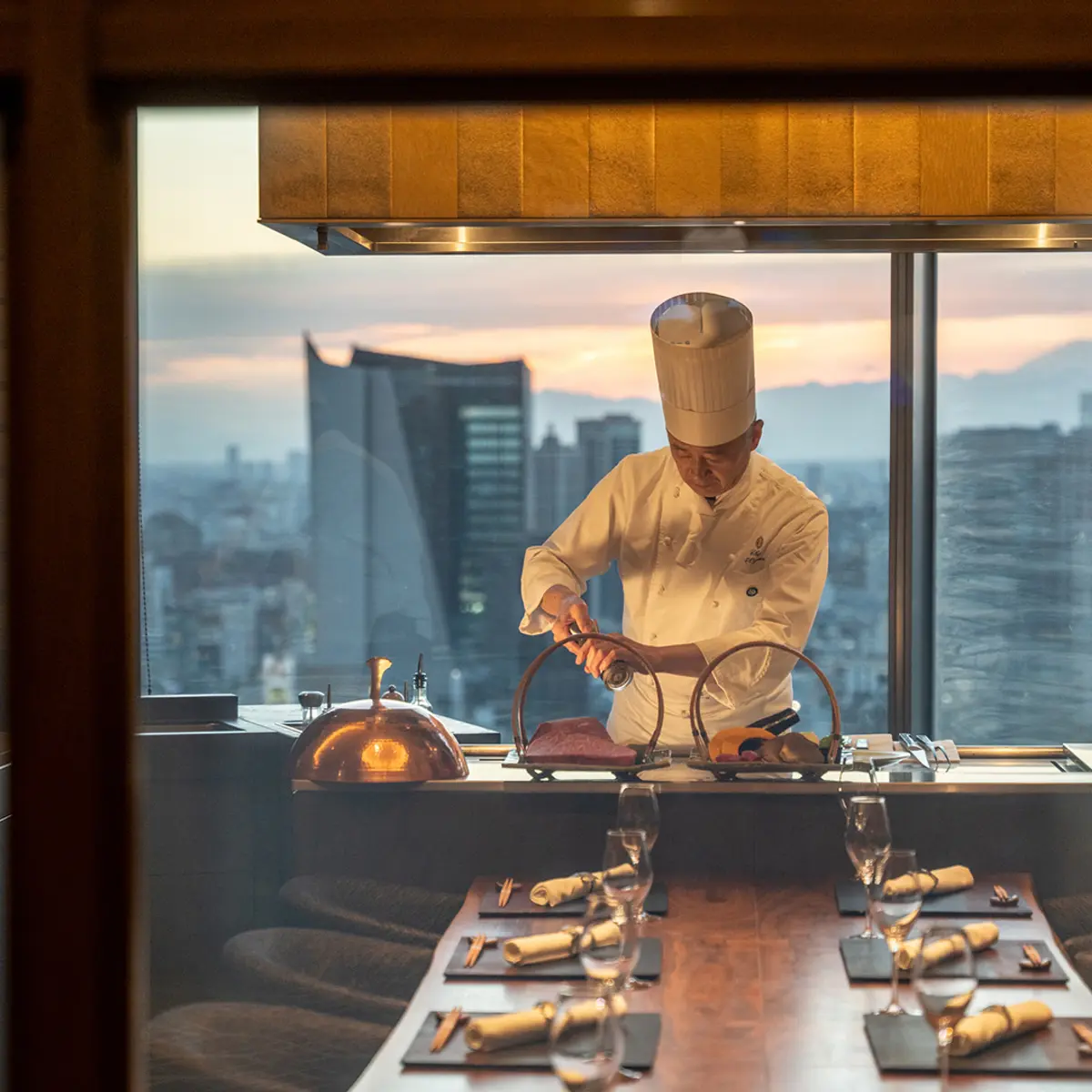
Kaiseki is Japan’s most formal dining tradition, a multi-course meal built entirely around seasonal ingredients and exacting technique. A full kaiseki dinner in Tokyo typically runs ¥20,000 to ¥50,000 per person, depending on the restaurant’s tier and the chef’s reputation.
The best tables fill weeks ahead, and some require a hotel concierge to make the introduction. For first-timers, lunch is the smarter entry point: it’s the same craftsmanship at a fraction of the price and a fraction of the formality. Akasaka Kikunoi, the Tokyo outpost of the three-Michelin-star Kyoto original, is a reliable place to start.
An Izakaya crawl, the right way
The tourist strips around Shinjuku station and the Golden Gai alley have their place, but the izakaya (Japanese bar) experience is found slightly off the obvious path. Look for the places without English menus outside, with a handwritten specials board and a counter facing an open kitchen. Enjoy sake, grilled dishes and small plates alongside Tokyo locals.
Yurakucho, under the railway arches on both sides of the station, has a cluster of standing yakitori bars. Ebisu and Nakameguro have quieter neighbourhood options that feel more like a regular spot for Tokyoites.
The version of Tokyo most first-timers plan and the version this guide covers aren’t in competition – the second just takes a bit more intention to find. Pick two or three that match how you actually want to spend your days and build the rest of the trip around them.
Discover Tokyo
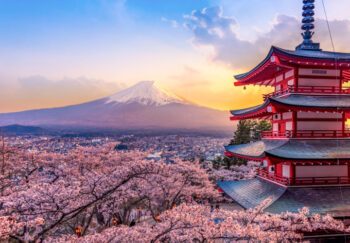
Feature image: cherry blossoms in Tokyo. Source: Shutterstock / naokita.