
All articles
Maldives

Laamu Atoll: World-Class Surf, Ancient Ruins and Six Senses at Its Best

Most Maldives atolls have one thing they’re known for. Laamu has three that seem unlikely to coexist: world-class surf, ancient pre-Islamic ruins, and one of the most celebrated resort stays in the Indian Ocean.

The surf is centred on Yin Yang — a left-hander off the southern coast that earns consistent praise from serious surfers looking for an uncrowded, quality wave. The ruins are a more unusual draw: a series of ancient Buddhist temples and mounds on Laamu’s inhabited islands that pre-date Islam in the Maldives — a reminder that this archipelago has a human history far older than its resort-island image suggests.

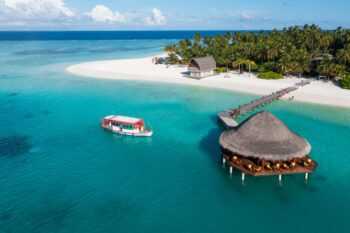
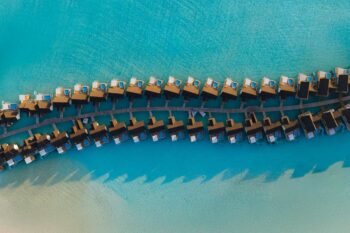
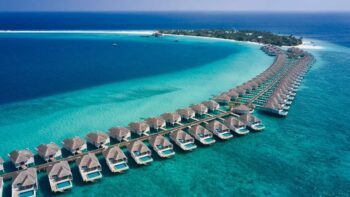
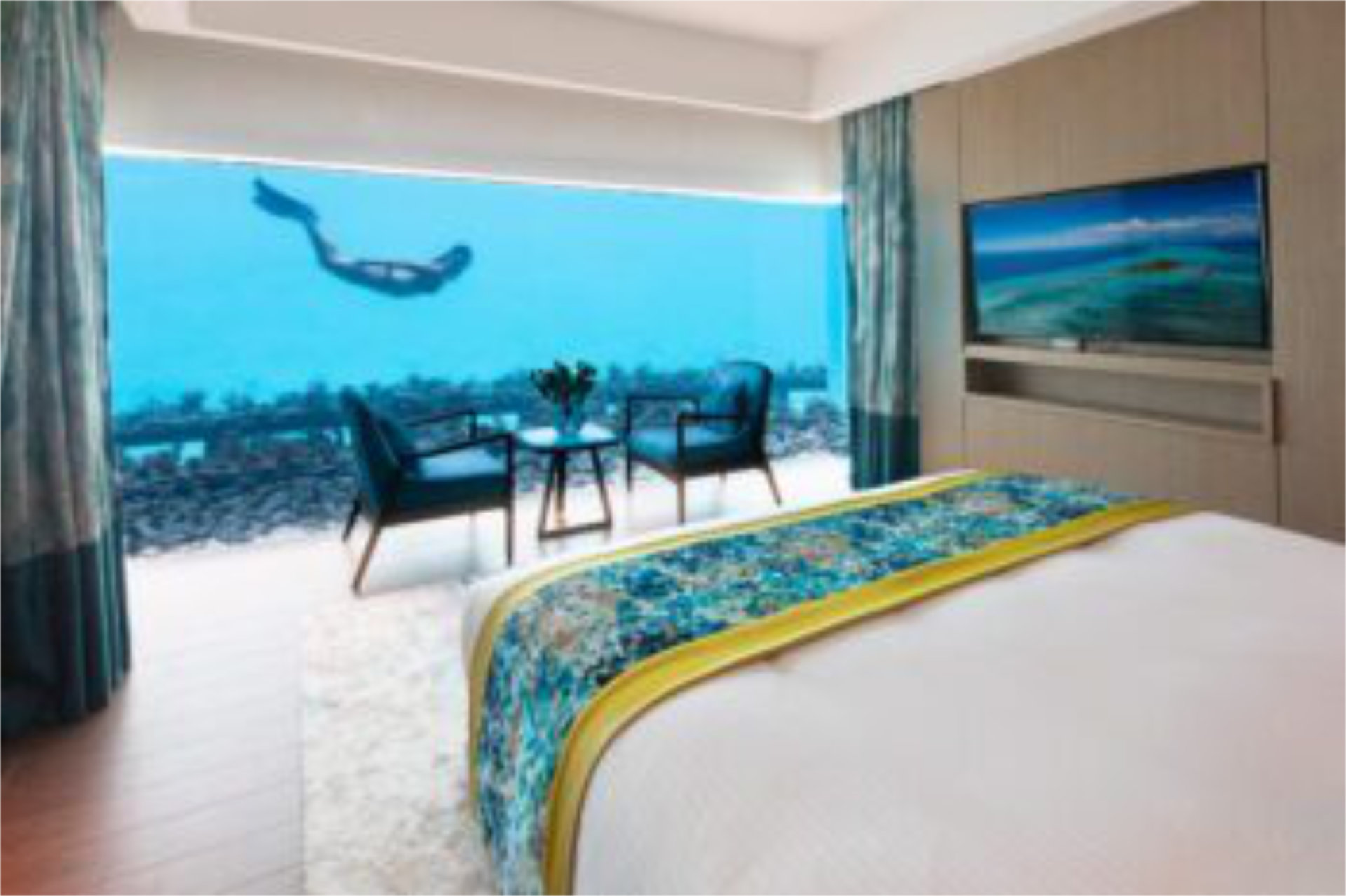
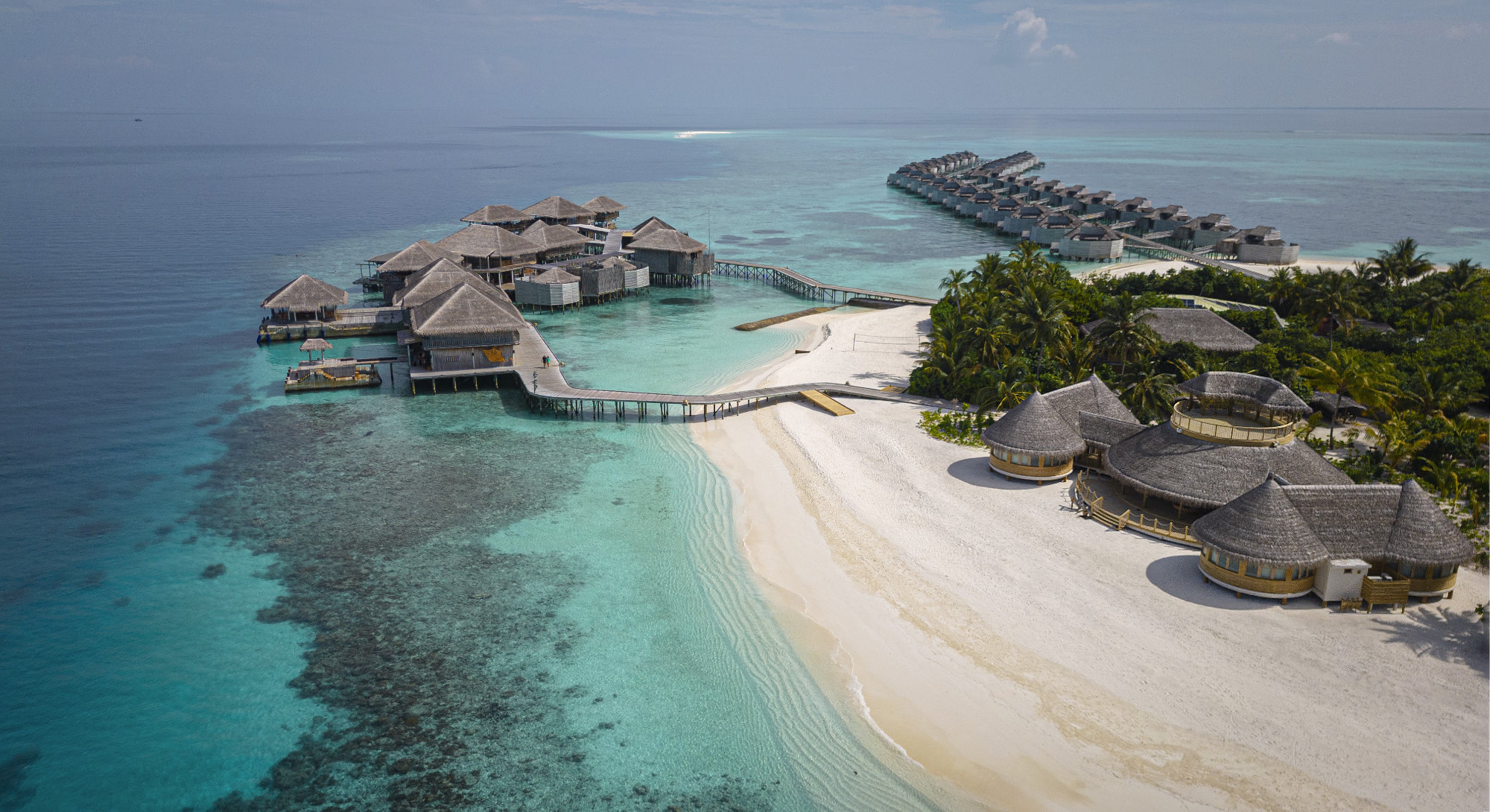
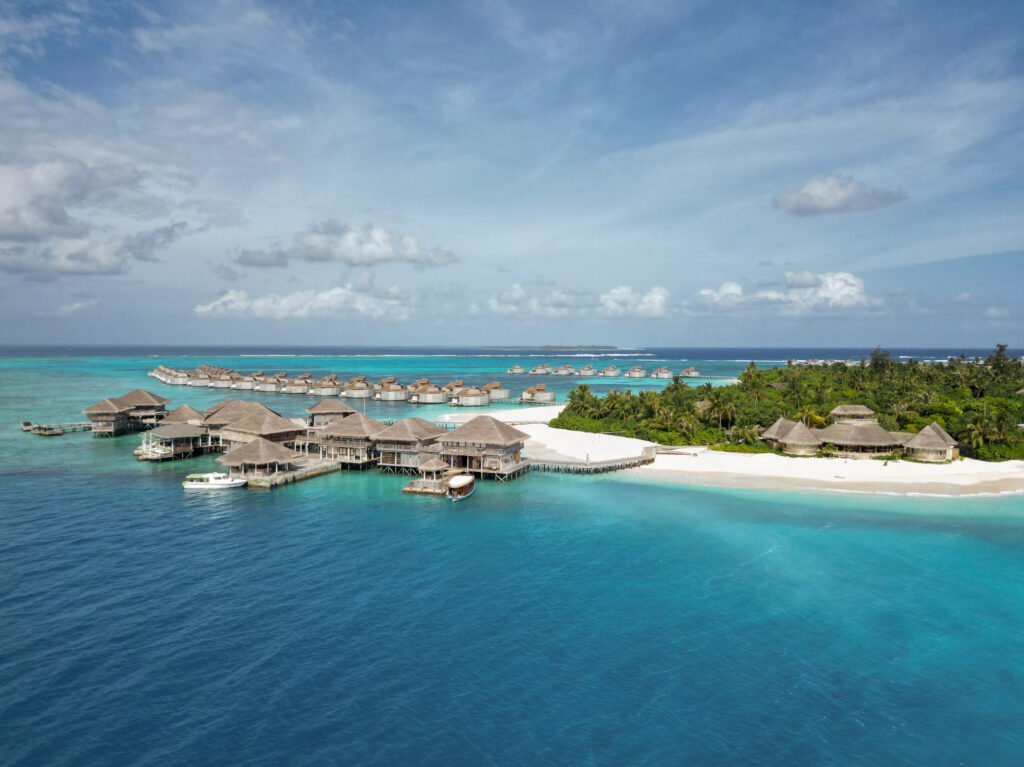
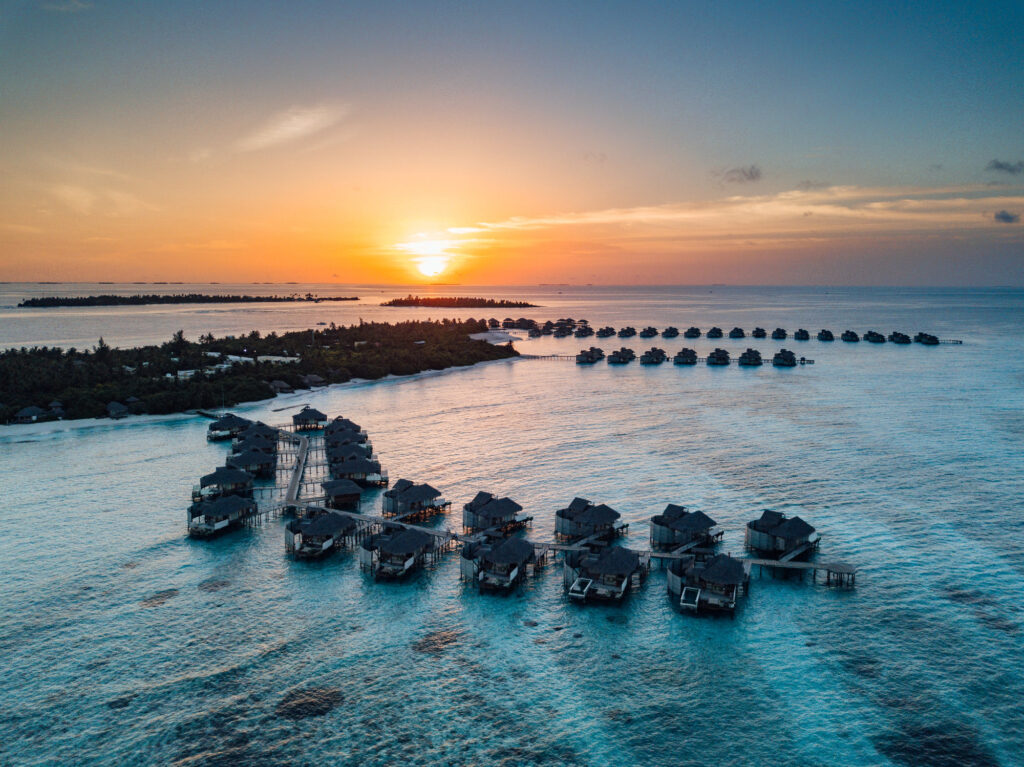
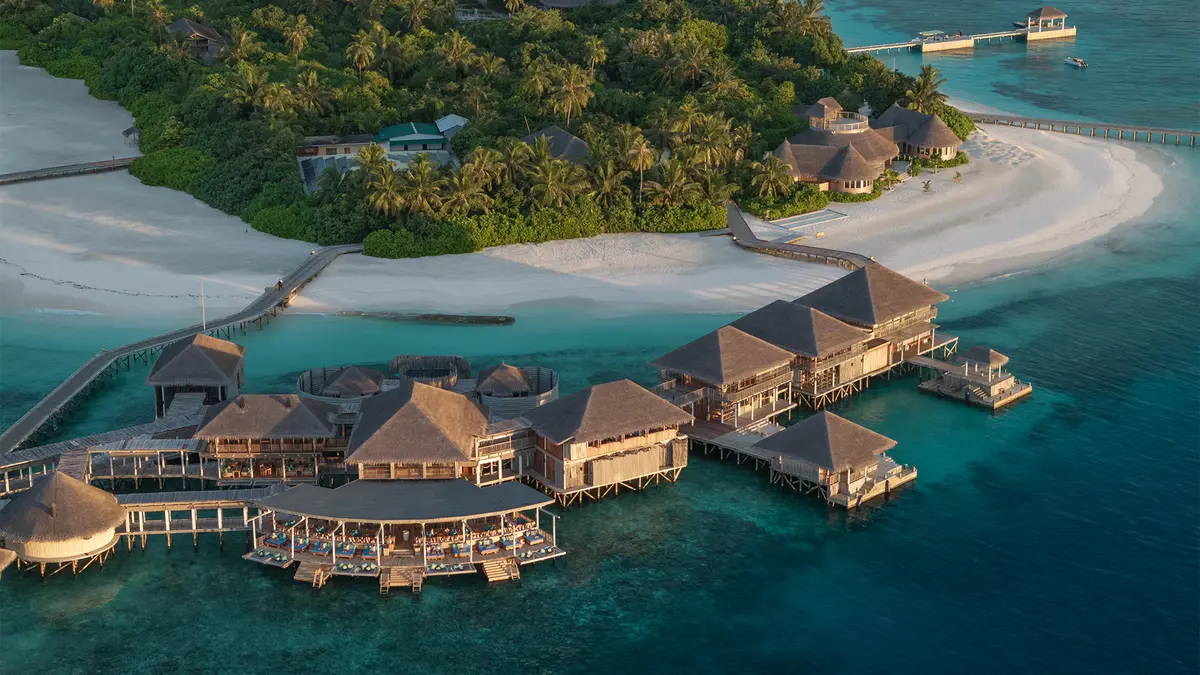
And Six Senses Laamu — built on wooden walkways across a long reef flat, with 97 villas, a resident marine biologist, and a spa that’s consistently listed among the finest in the Maldives — ties all of it together. Getting here requires a domestic flight (35 minutes) rather than a seaplane, which means no luggage restrictions and a different, more conventional arrival experience.

35 mins
Domestic flight (KDO)
2
Resorts
Yin Yang
Surf Spot
11
Inhabited Islands

Location & Geography

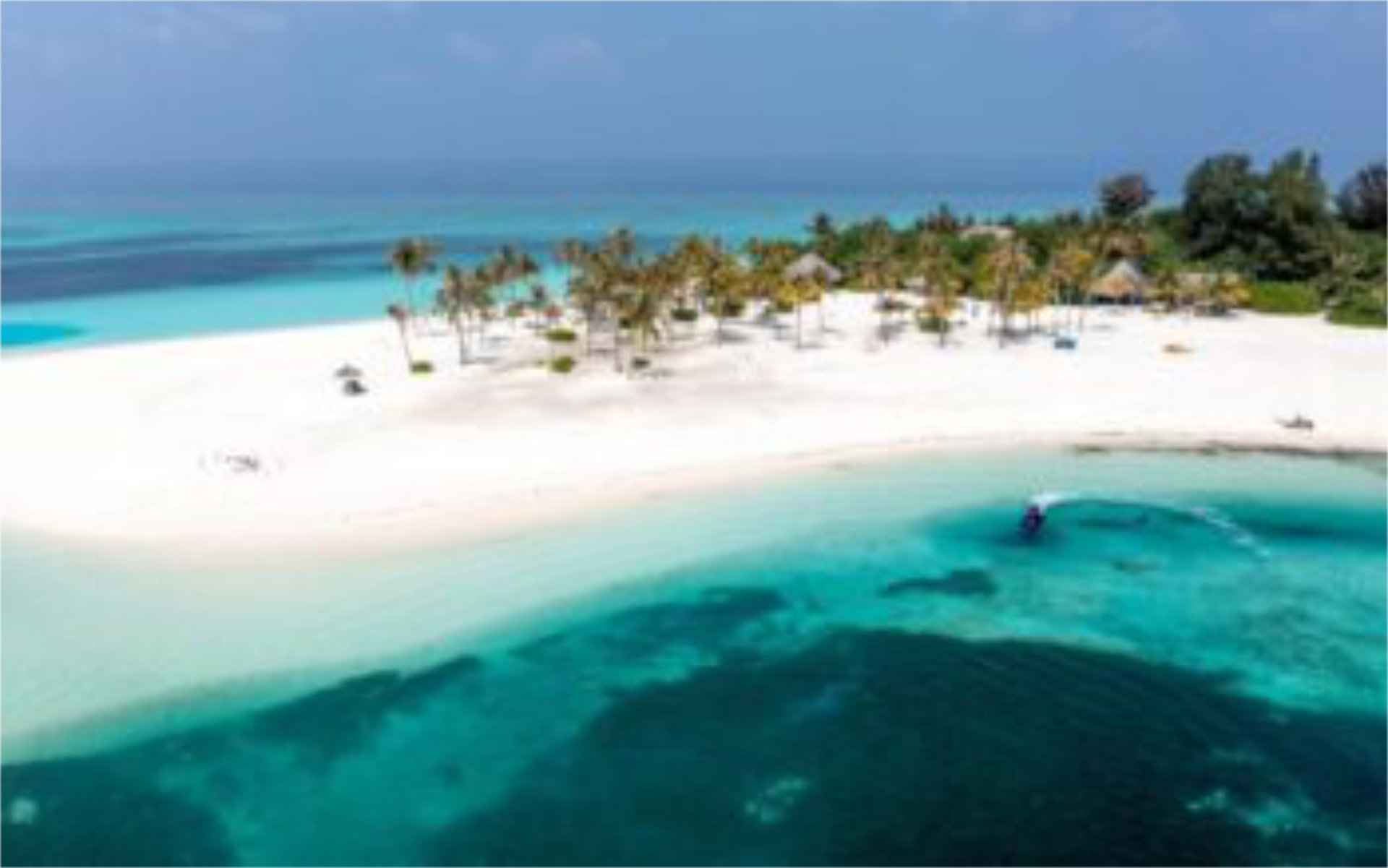
Laamu Atoll (Haddhunmathi Atoll) sits in the southern Maldives, roughly 300 kilometres south of Malé. Unlike most Maldives atolls, it’s reached by domestic flight to Kadhdhoo Airport followed by a speedboat transfer — which changes the arrival dynamic considerably compared to seaplane atolls. No luggage worries; daytime flights run several times daily.

How to Get There

Detail Info
Transfer type: Domestic flight to Kadhdhoo Airport + speedboat
Total journey: ~35 min flight + ~30 min speedboat = ~65 minutes
Approx. cost: $150–$250 per person return (domestic flight)
Luggage: Normal domestic airline limits — no soft-bag restriction
Schedule: Daytime flights; flexible speedboat transfers from Kadhdhoo

The domestic flight is on a small turboprop — typically an ATR 72 or Dash 8. Comfortable for 35 minutes, and the views on approach to Kadhdhoo are excellent. The absence of a luggage restriction is a genuine practical advantage over seaplane atolls.

What Laamu Is Known For

  • Yin Yang surf break: a consistent left-hander and one of the most respected surf sites in the Maldives — best from May to October
  • Ancient Buddhist ruins: pre-Islamic temple mounds on Laamu’s inhabited islands, among the most historically significant sites in the Maldives
  • Six Senses Laamu: one of the most widely acclaimed resorts in the Maldives — a marine biology programme, exceptional wellness offering and distinctive architecture across a long reef flat
  • Star Wars: Rogue One filming location: several scenes of the 2016 film were shot on Laamu’s beaches — a piece of context that delights a certain type of guest

Best For

  • Surfers — Yin Yang is the best surf break in the southern Maldives
  • History and culture enthusiasts — the Buddhist ruins offer something no central-atoll resort can replicate
  • Wellness travellers — Six Senses’ spa programme is among the most complete in the Maldives
  • Those who want a genuinely different Maldives experience — different transfer, different landscape, different history

Laamu Atoll Offers

Best Time to Visit

Surf season runs May to October — June to September for the most consistent Yin Yang swells. The dry season (November to April) delivers the best snorkelling and diving conditions. Laamu’s southern location means the inter-monsoon transition periods (April to May and October to November) can bring some variable conditions, but nothing that significantly affects the resort experience.

Frequently Asked Questions

Is the domestic flight to Laamu comfortable?

Domestic Maldivian flights are on small turboprop aircraft — comfortable for a 35-minute trip, with good views on approach. Luggage allowances are considerably more generous than seaplane transfers.

Can non-surfers enjoy Laamu?

Absolutely — Six Senses Laamu is exceptional for non-surfers. The marine programme, spa, dining and the option of visiting the Buddhist ruins are all compelling on their own. The surf break is one reason to go; there are several others.

What are the ancient ruins?

Pre-Islamic Buddhist temple mounds and structures on Laamu’s inhabited islands, dating from a period before Islam became the dominant religion in the Maldives in the 12th century. Guided excursions are available from Six Senses Laamu and offer a rare perspective on Maldivian history.

Latest Laamu Atoll Articles