Il fait chaud ici.
Ma famille et moi sommes rassemblés autour d’un foyer à Ubud Bali, les flammes attisées par Idha Guru Sri Empu, un prêtre balinais vénéré qui chante alors que le feu grandit en intensité. Idha Guru a de la cendre sur le visage, une barbe de sage et sa famille joue le rôle de groupe de soutien en frappant des tambours et en chantant. Surplombant ce cercle de feu en position assise, une grande idole sculptée de Kali, le « dieu noir » de l’hindouisme, veille.
Comme indiqué, à chaque pause, nous faisons « om » et lançons des poignées de riz dans le feu ; la nature rythmique de l’offrande, l’émotion croissante des chants, la chaleur brûlante et les nuages de fumée ; je pense brièvement que c’est ce que doit être la prise de peyote et c’est la chose la plus proche d’un état spirituel que cet athée avoué ait jamais connue.
Nous honorons Agni, la divinité du feu et, comme il se doit, demandons un peu de chance et de bonne fortune en retour. Une fois la cérémonie terminée, nous discutons également avec Idha Guru par l’intermédiaire d’un interprète. Nous entendons parler de son appel spirituel à ce rôle, de sa vie de famille et apprenons que nous avons apparemment eu un feu particulièrement fort – mais je me demande s’il dit cela à tous les disciples.
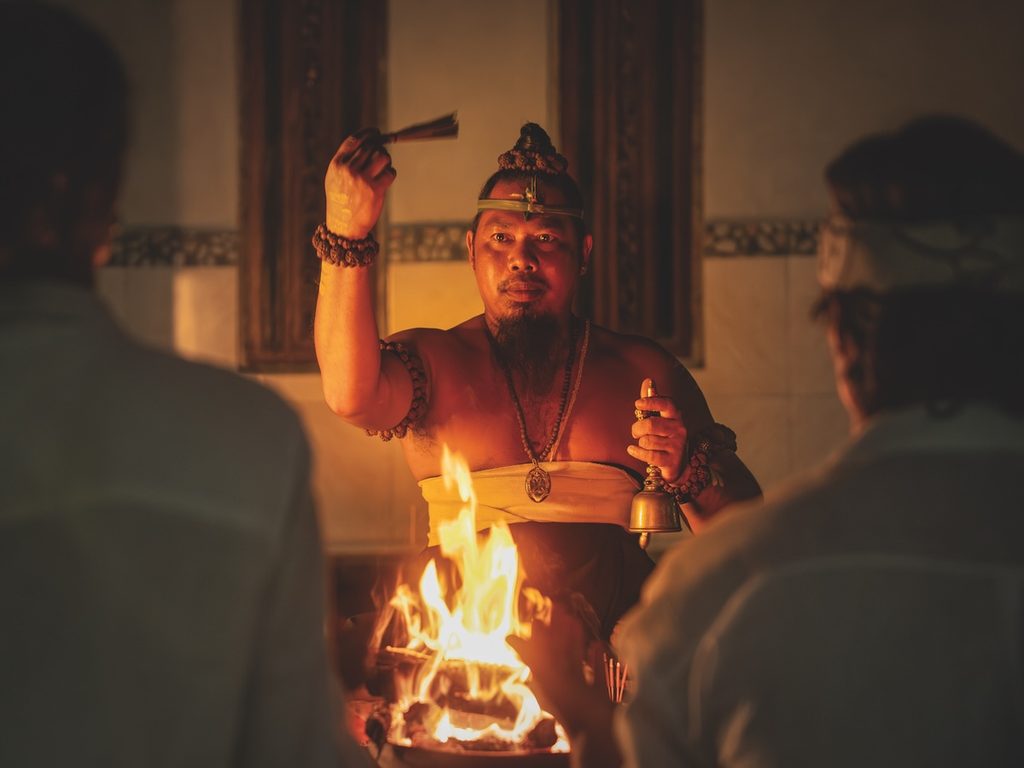
Ce rituel védique ancien, connu sous le nom d’Angihotra, se déroule à la fin d’une visite de la maison d’Idha Guru où nous voyons un Ganesh au visage pâle nous observant derrière des rideaux à carreaux, des démons balinais traditionnels aux dents pointues cachés dans les fenêtres et un autel aquatique rendant hommage à un Bouddha doré. Partout où vous regardez, il y a des ceintures dorées, des autels en bois et des offrandes florales.
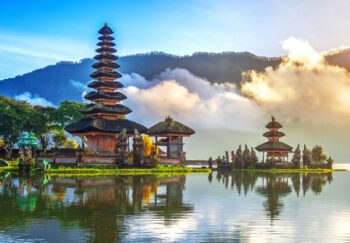
C’est un aperçu intime du côté spirituel de Ubud, Bali dont beaucoup parlent mais que peu ont la chance d’expérimenter.
Pas un resort de bien-être ordinaire
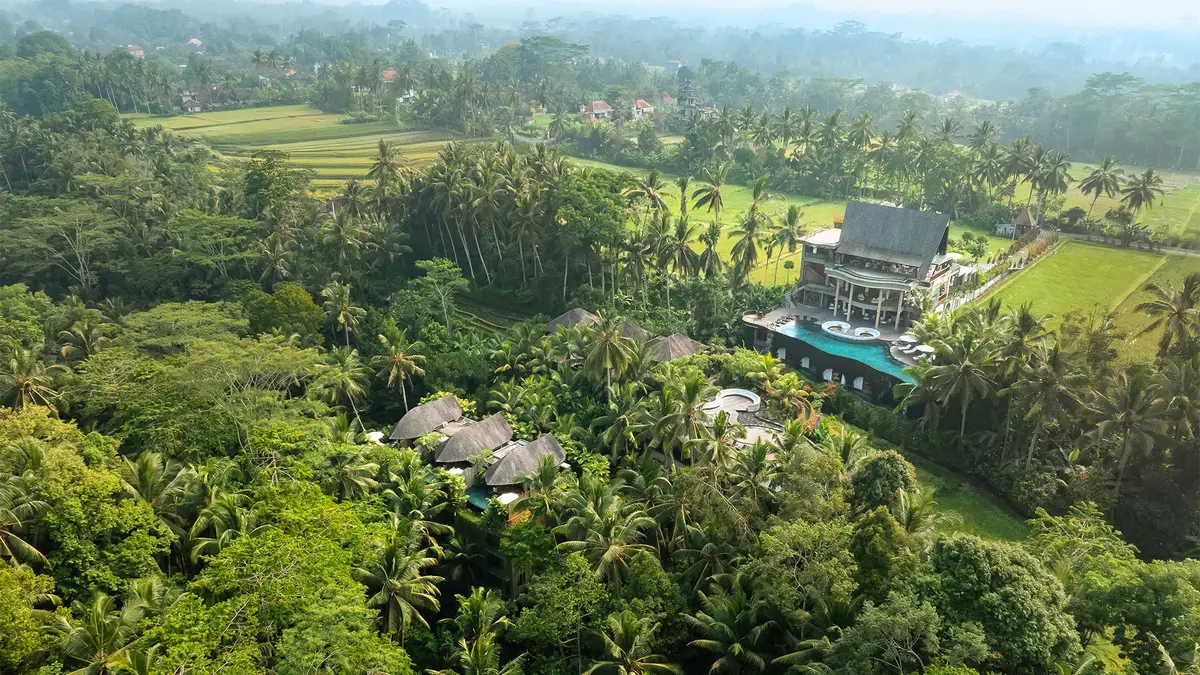
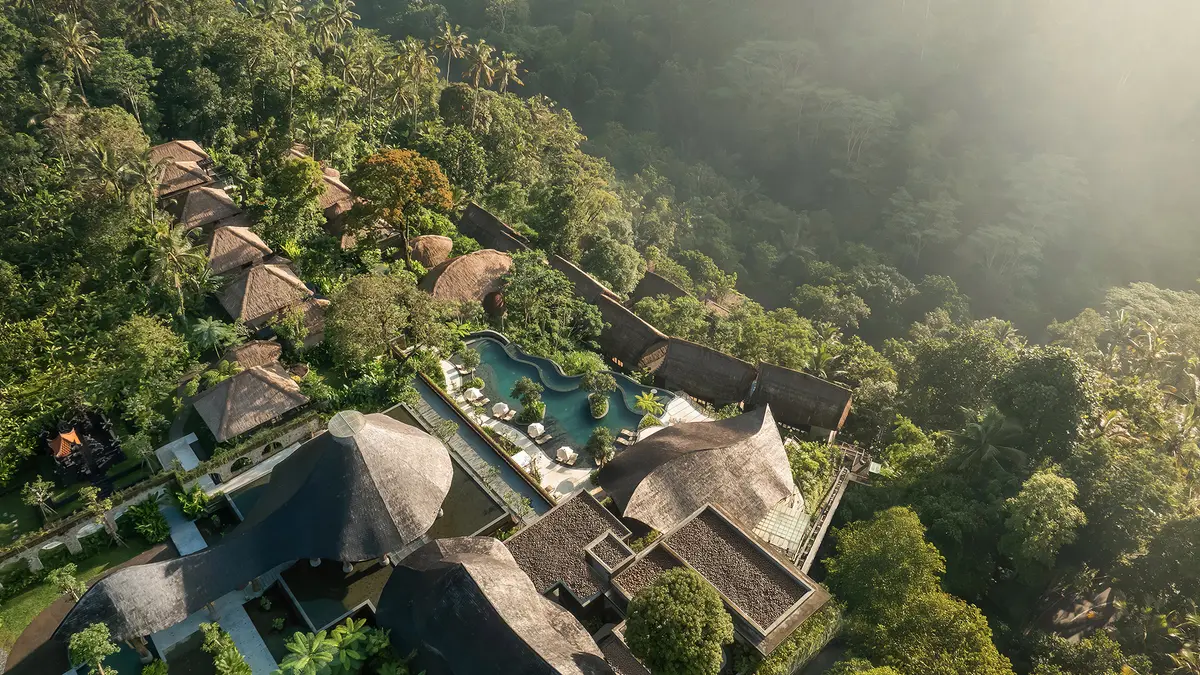
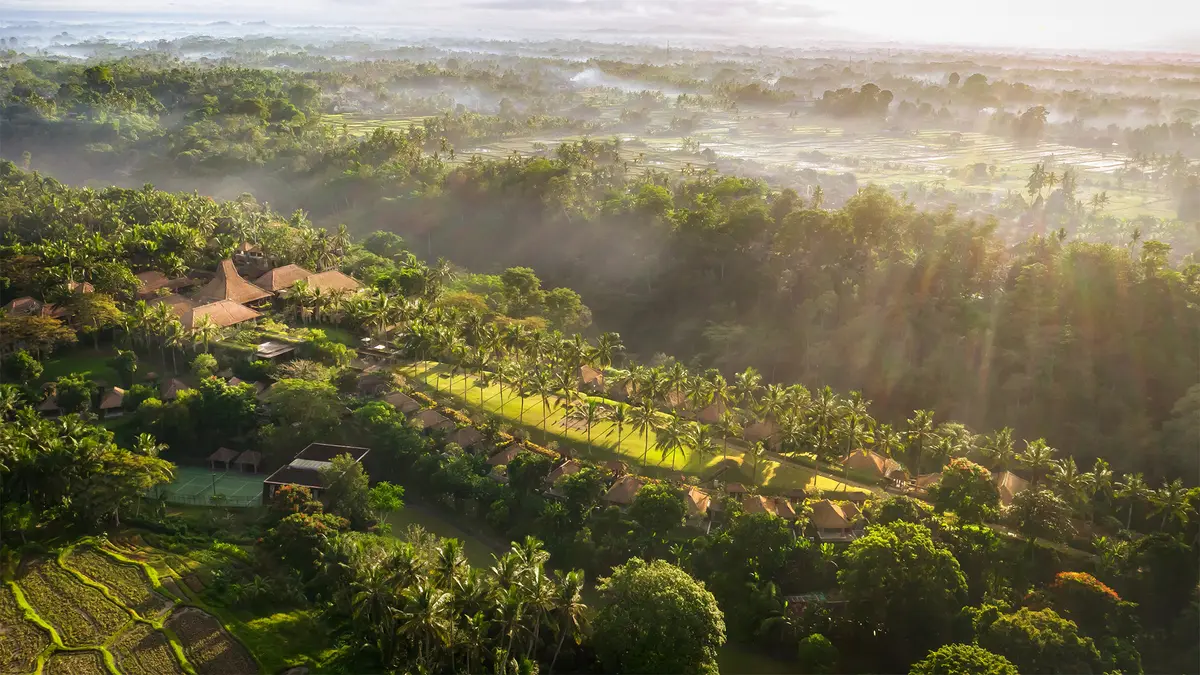
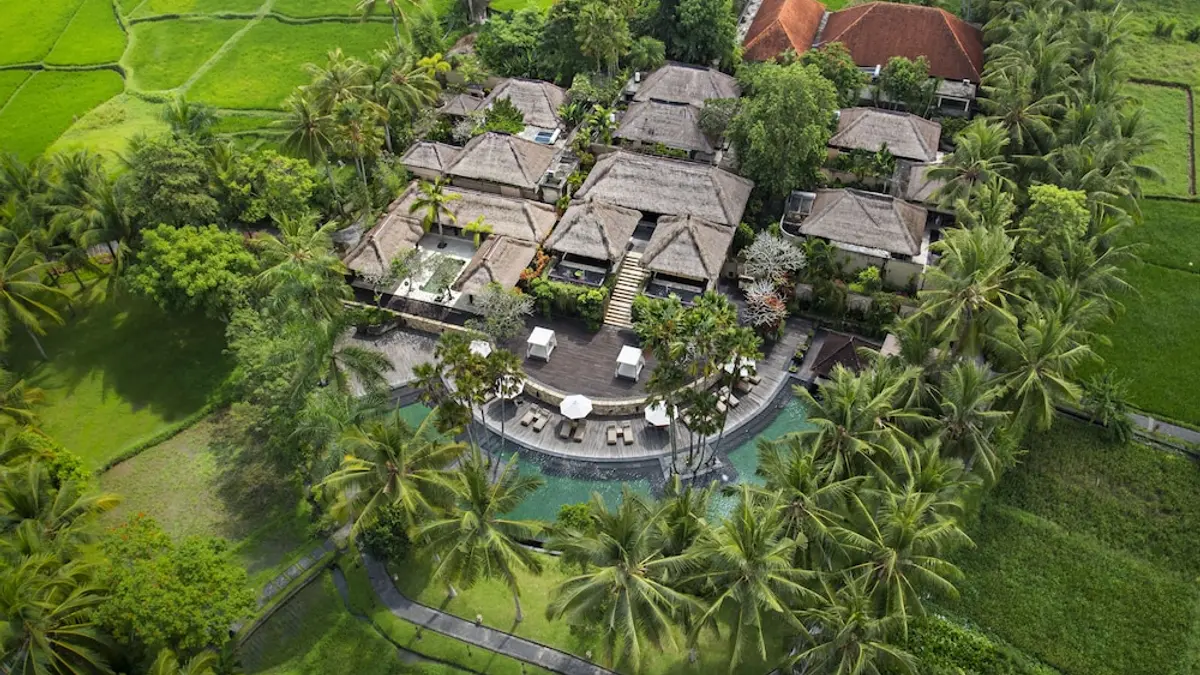
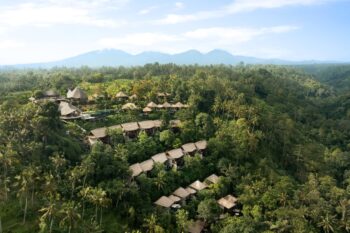
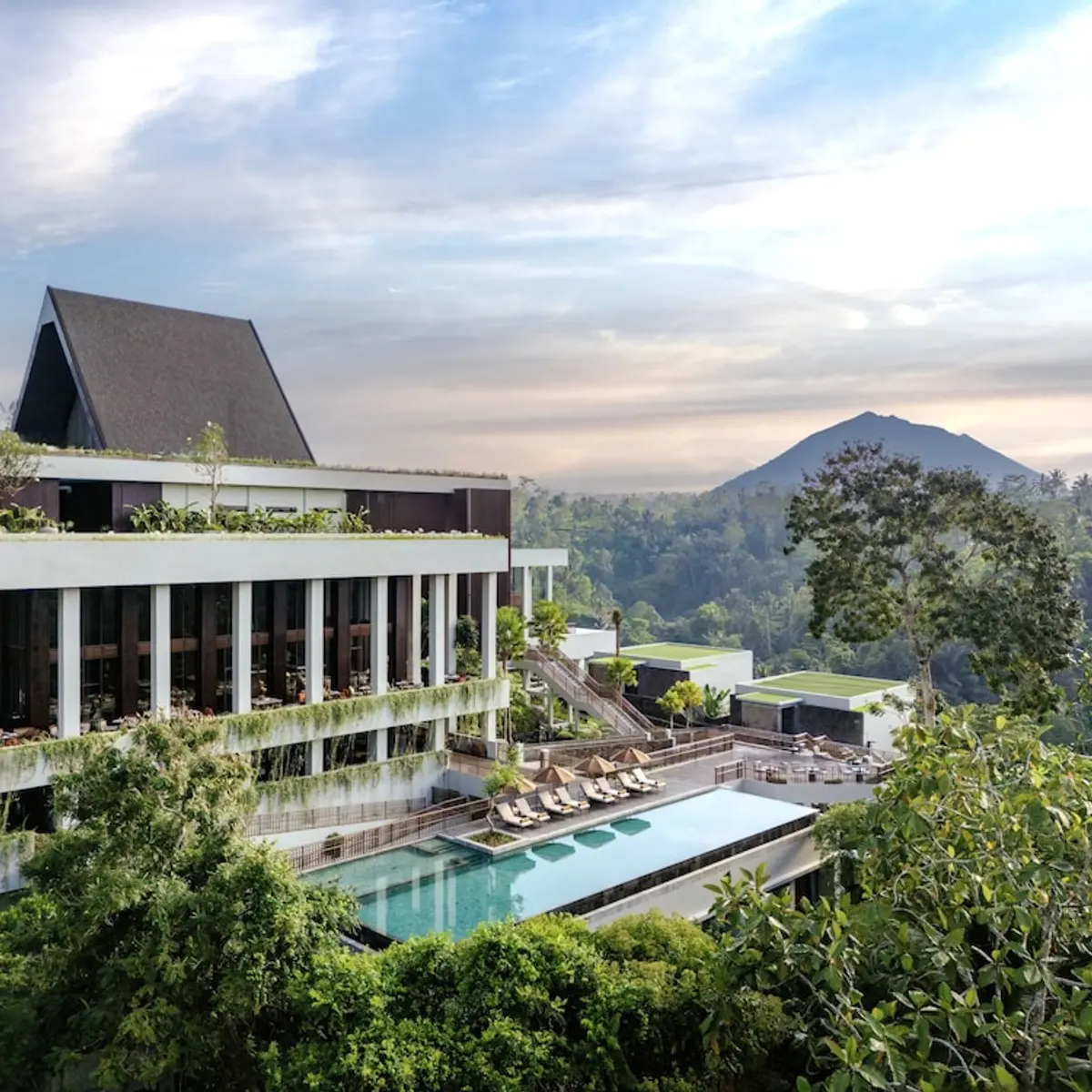
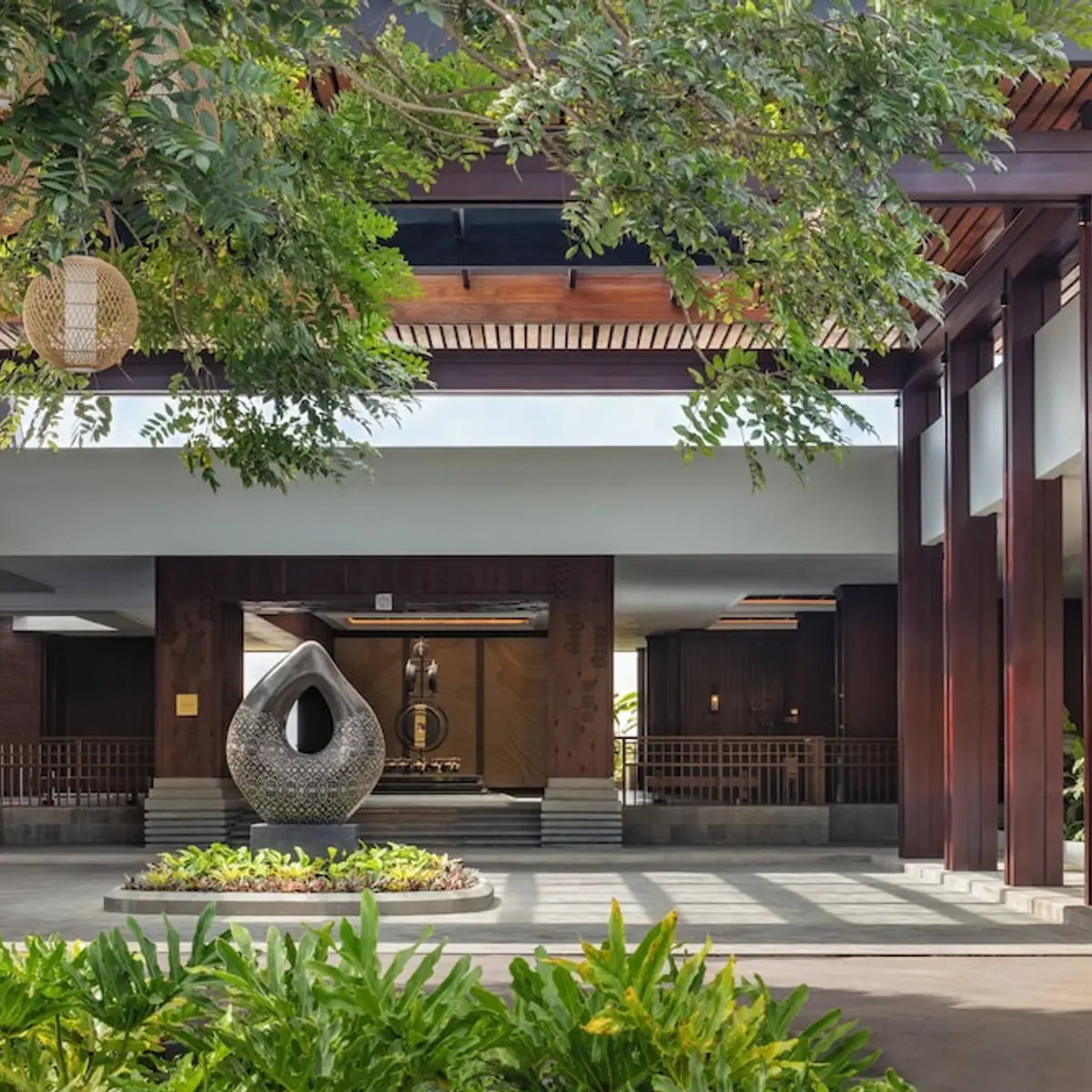
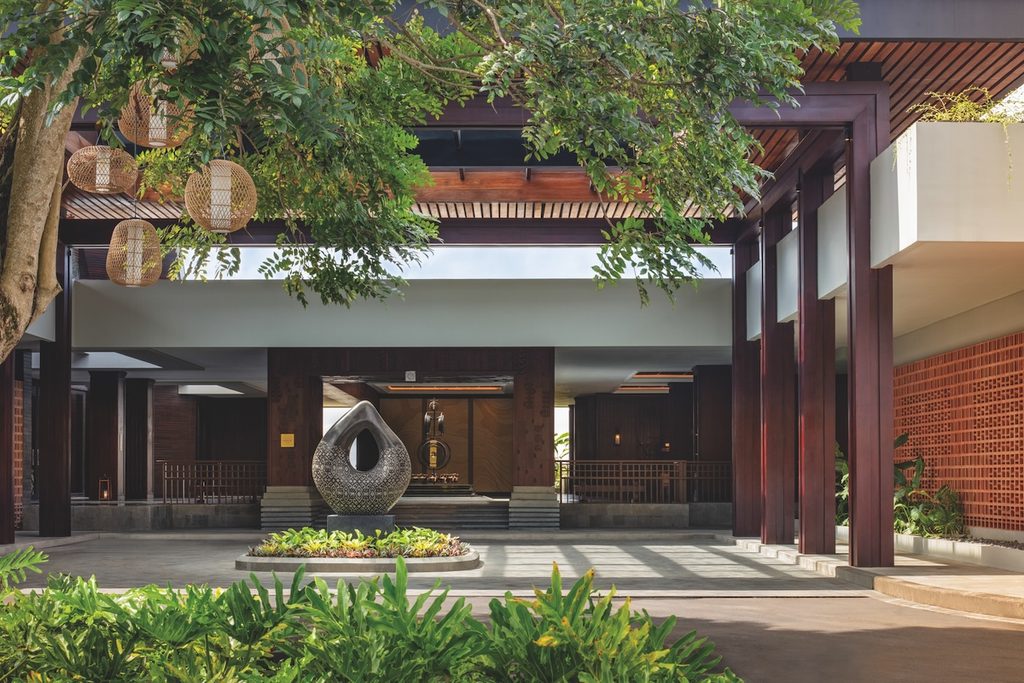
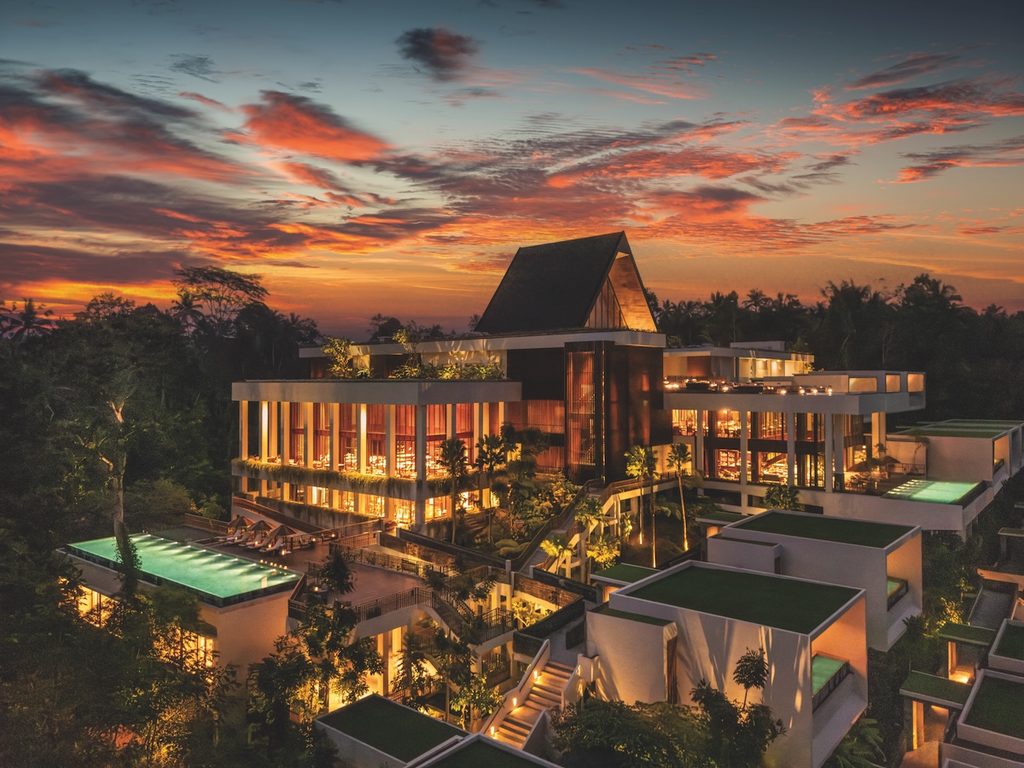
Notre cérémonie a été organisée par le Anantara Ubud Bali Resort situé juste au nord d’Ubud près de Banjar Puhu où nous séjournons pendant quelques jours. Le resort dispose de 85 chambres mais parvient à se fondre dans les environs tropicaux luxuriants comme la Cloud City de Star Wars, la métropole flottante qui est à la fois séparée et une partie clé du ciel nuageux.
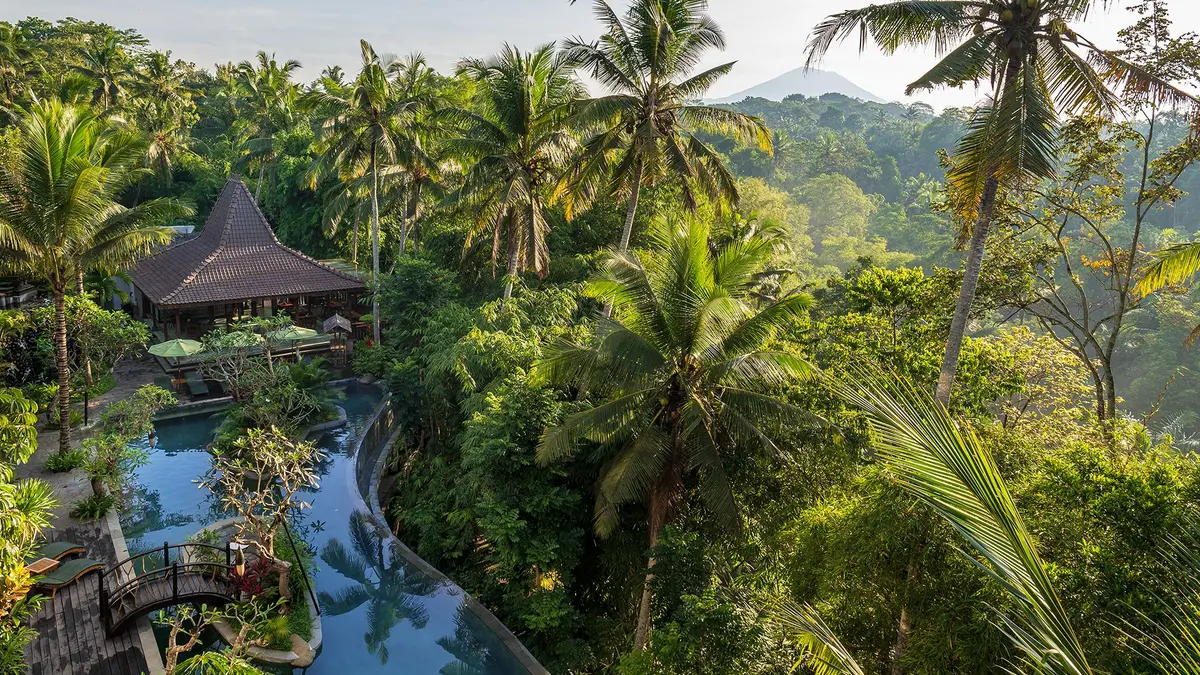
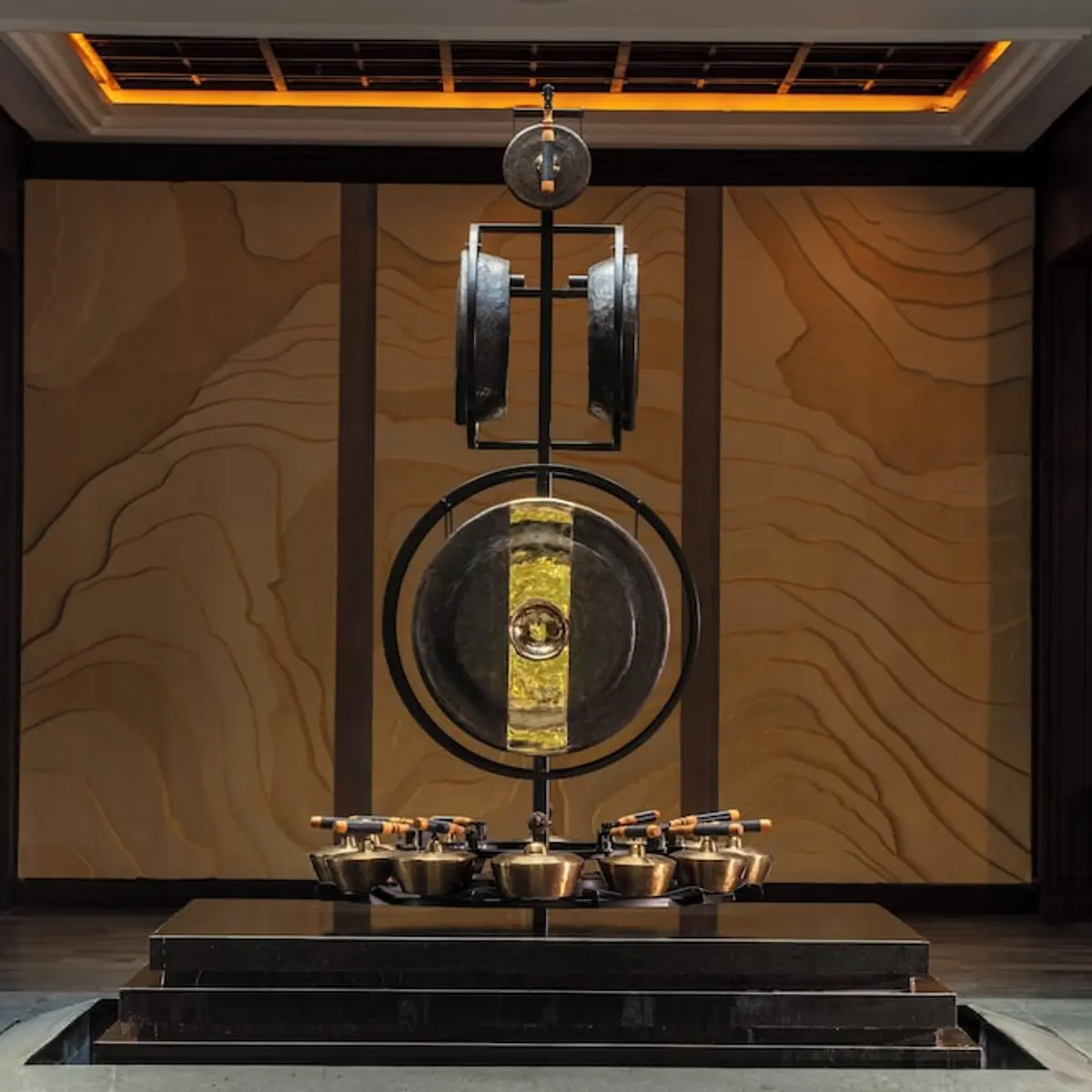
Les clients sont accueillis par le Gamelatron, une sculpture cinétique à la sonorité inquiétante de l’artiste new-yorkais Tirta Swara composée de 24 gongs locaux différents (trompong datant des années 1950 et gongs forgés à la main par l’artiste) ; il résonne mélodieusement alors que vous êtes conduits au Lobby Lounge dont la zone extérieure est une plateforme en bois semblant flotter au-dessus de la jungle avec le Mont Agung au-delà.
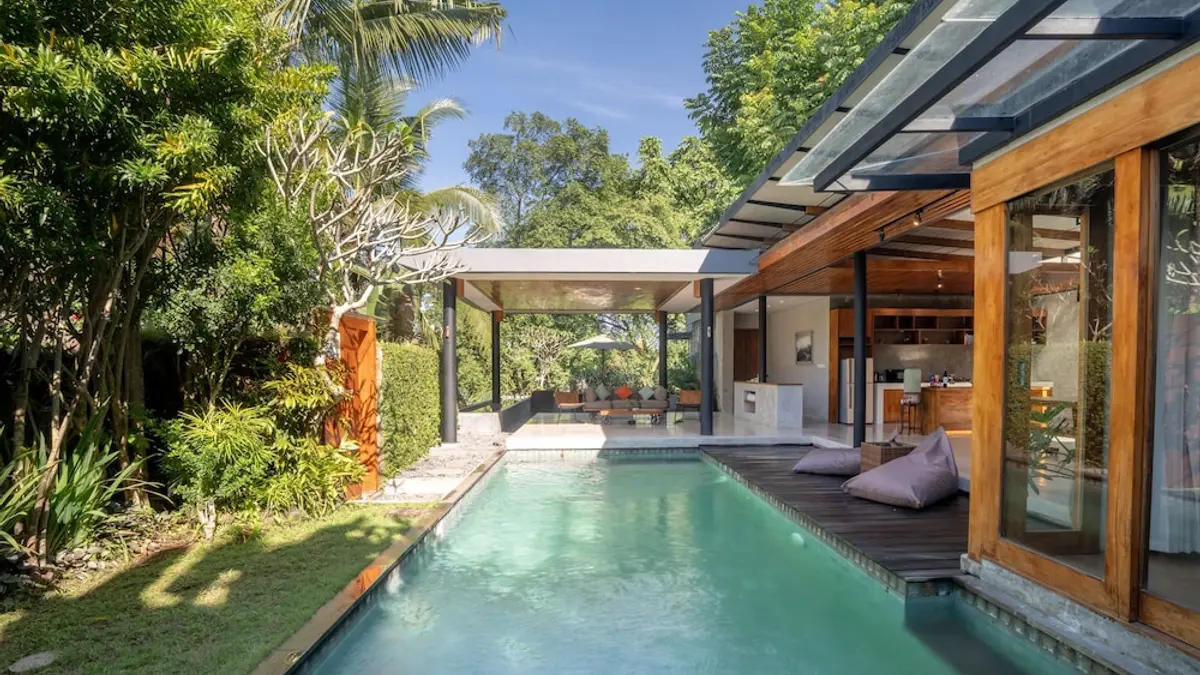
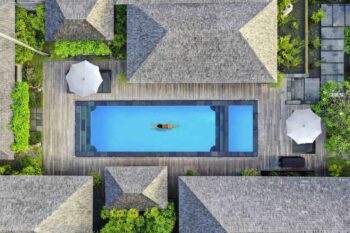
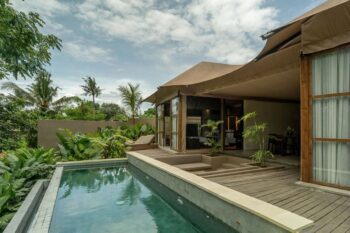
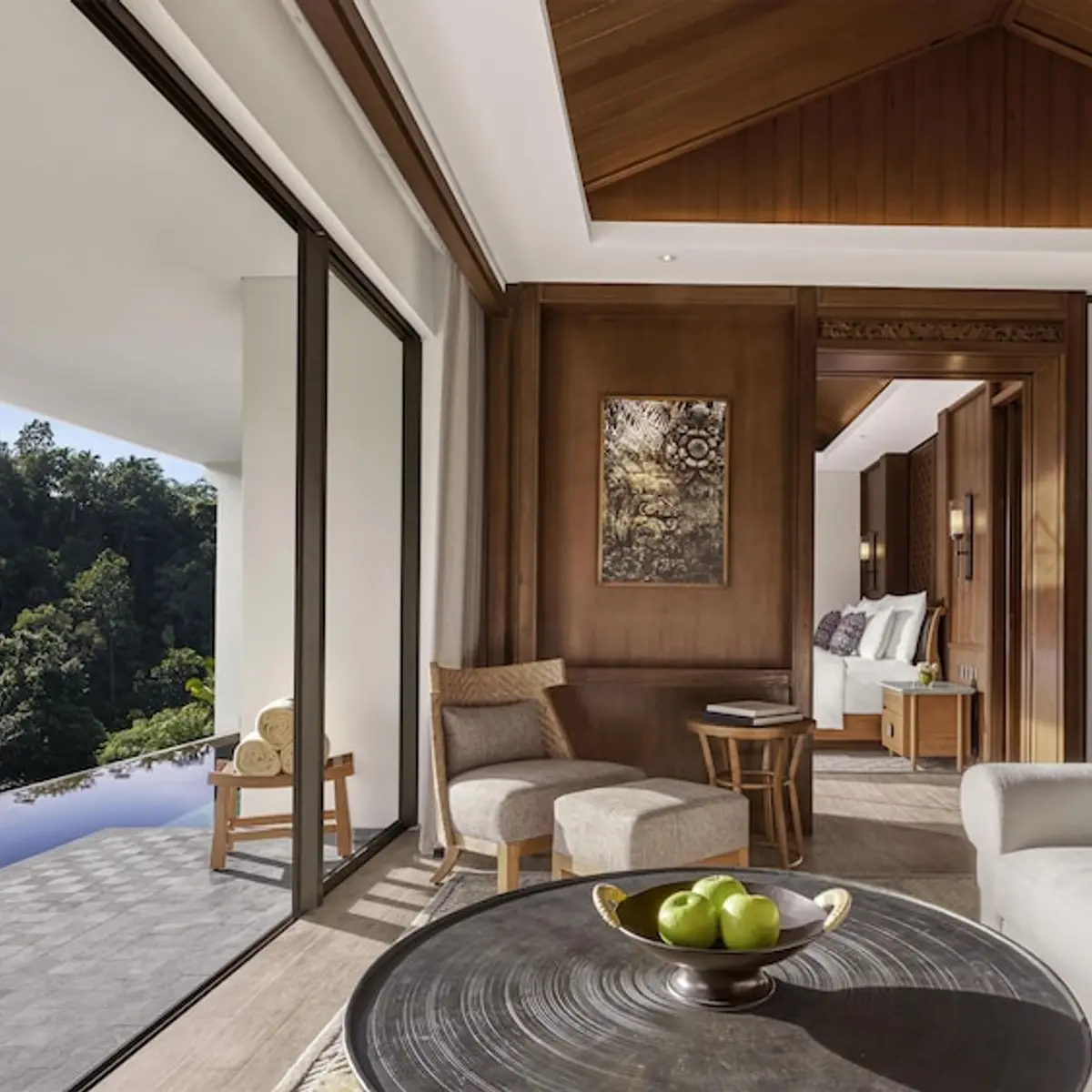
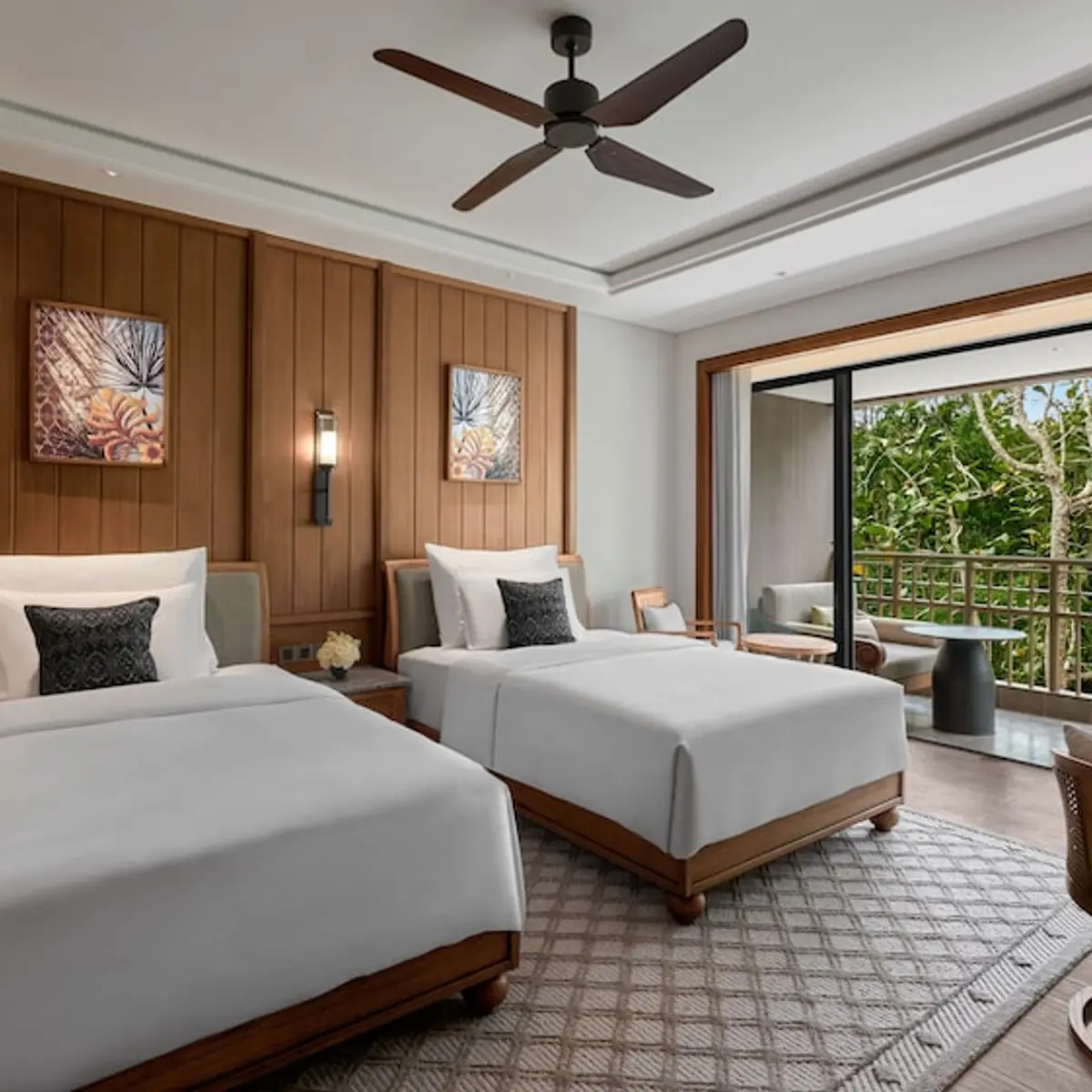
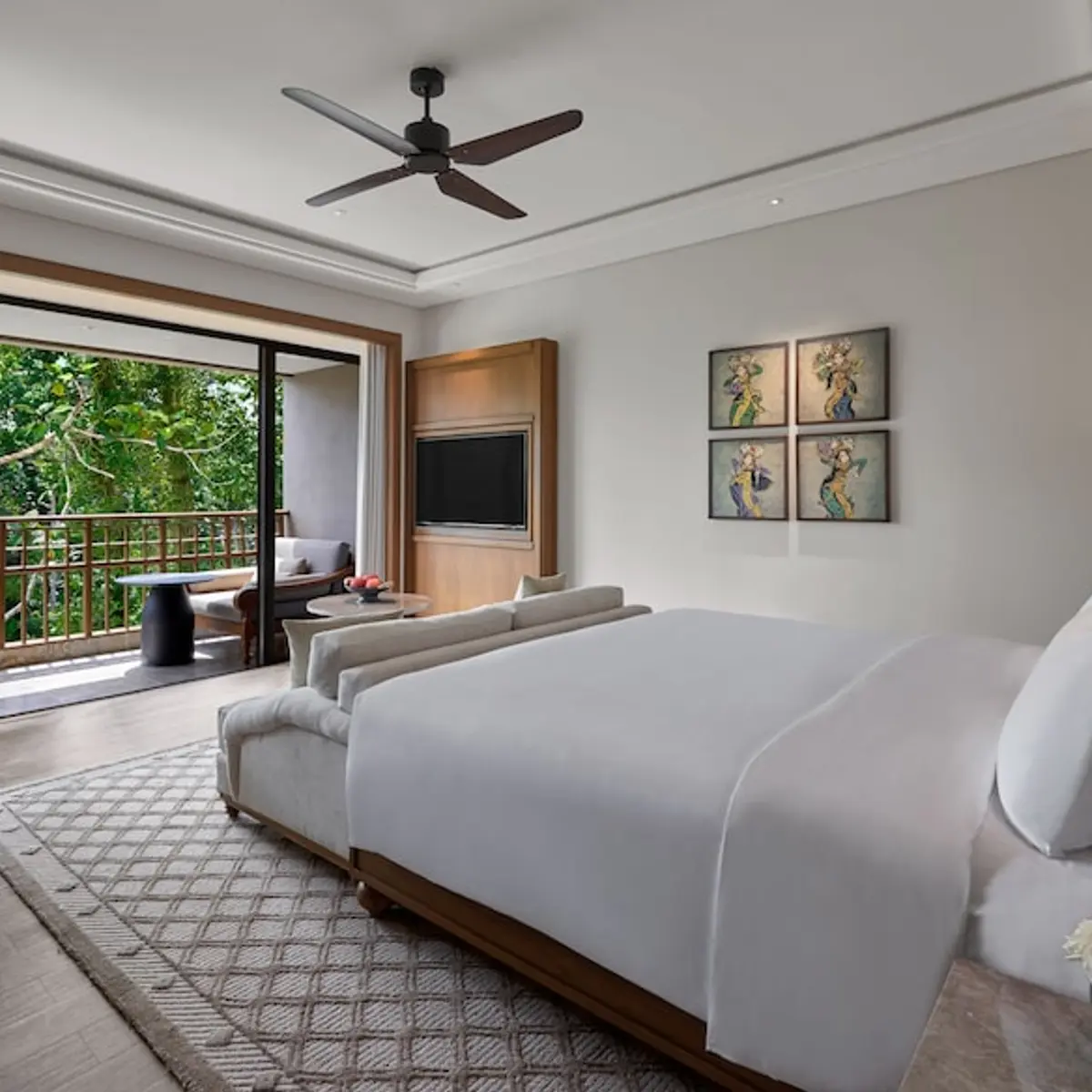
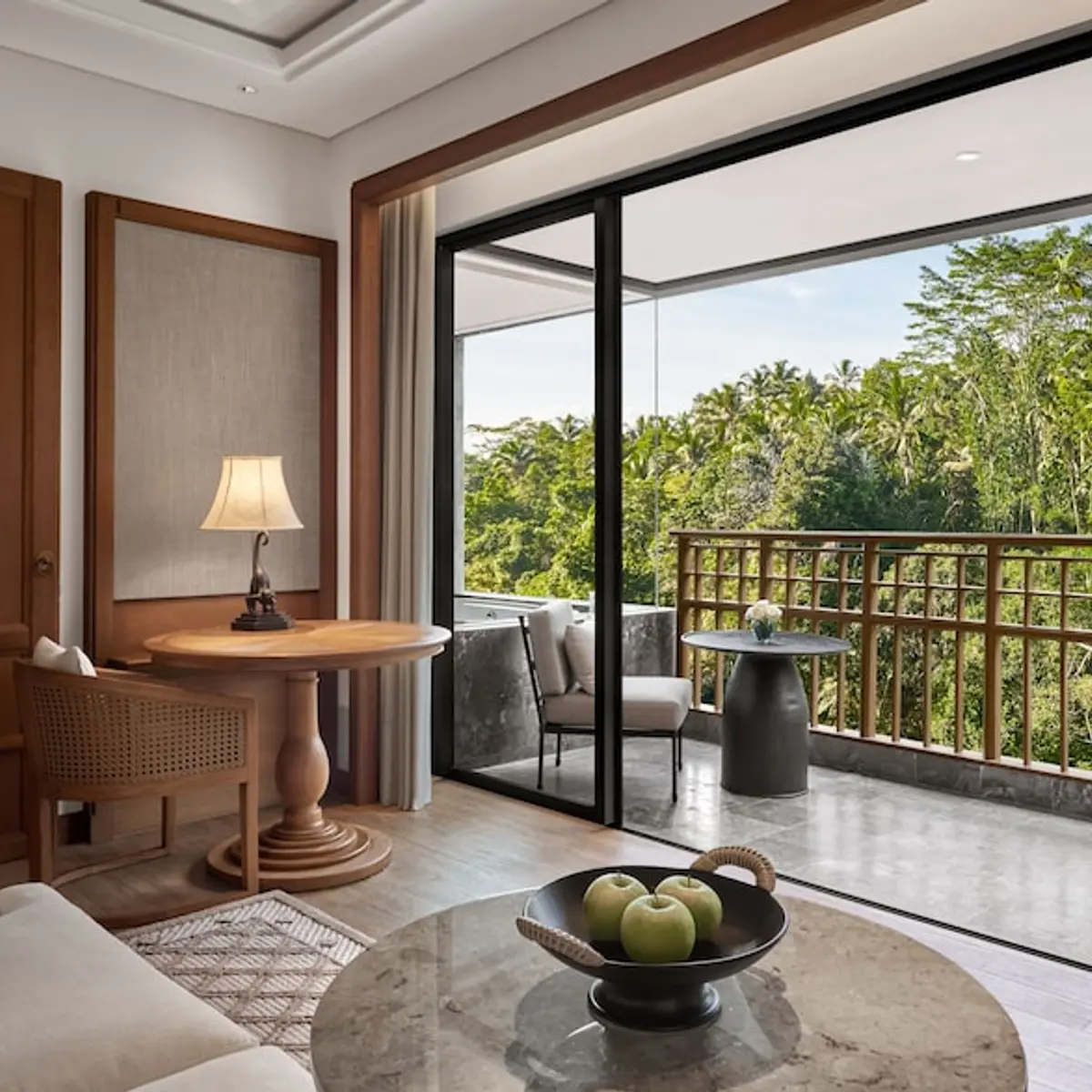
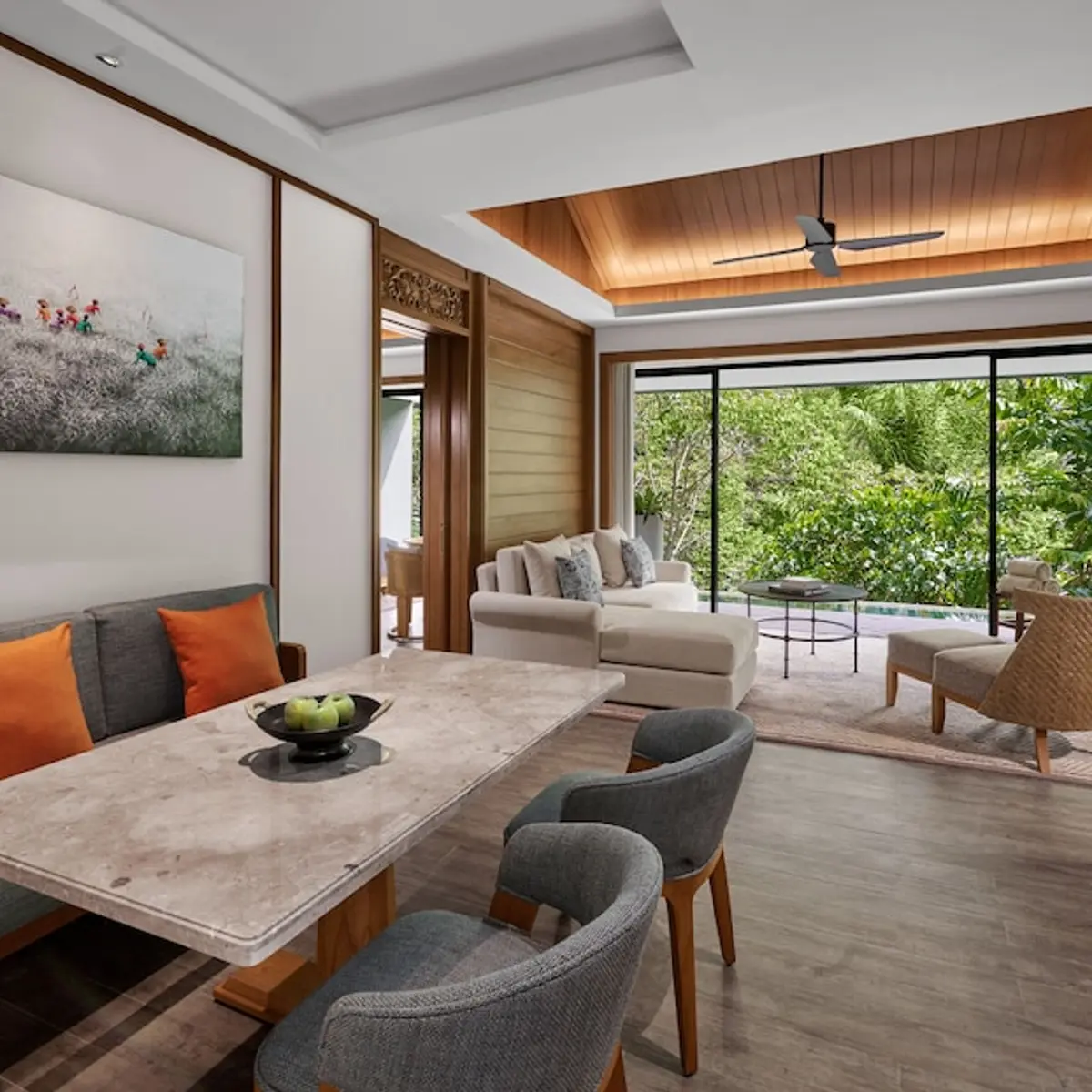
Le design du resort est inspiré par les rizières de la région, et notre villa avec piscine est accessible par un inclinateur alors que les habitations descendent en cascade le flanc de la montagne, chacune ayant une vue ininterrompue sur chaque nuance de vert imaginable. La villa elle-même est détaillée en bois sombre riche avec des plafonds voûtés ornés d’un éclairage ambre qui donne à la pièce une sensation de coucher de soleil permanent. Vous entrez dans l’espace de vie avec les deux chambres de chaque côté ; les salles de bains ont un mur d’accent en mousse et en fougères en harmonie avec les environs verdoyants. Une piscine de nage s’étend sur toute la longueur de la villa, traçant une ligne aquatique sous la vue, et est accessible depuis l’espace de vie et les deux chambres. Des touches réfléchies abondent comme un bol de fruits locaux frais et le cadeau d’un éventail balinais finement sculpté.
La vie de village
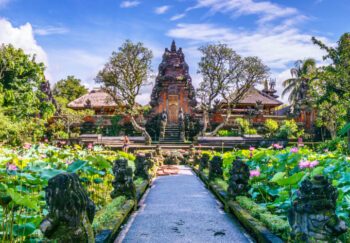
De nouvelles découvertes locales nous attendent le lendemain matin lors d’une promenade à travers les rizières avec le guide local Putu. Nous nous frayons un chemin à travers une forêt de bananiers et passons devant des vaches balinaises pour émerger dans le damier vert des rizières en pleine pousse, puis nous nous dirigeons le long des bordures des terrasses jusqu’au village de Puhu. Nous avons eu accès à une maison locale, un complexe de deux familles à la périphérie de la ville gardé par une sculpture en pierre de Ganesh qui est là pour éloigner toute énergie négative. Le complexe est grand avec une résidence particulièrement ornée réservée à l’aîné et des temples sur le côté nord et est de la propriété ; à Ubud, vous n’êtes jamais loin d’un lieu de culte.
Les Balinais aiment aussi les guirlandes, et même les voitures ici ont des nœuds colorés, des serpentins et des fleurs décorant les grilles. Putu explique que nous sommes venus pendant une célébration locale où les gens rendent grâce pour toutes les choses que l’homme a créées : voitures, scooters, même ordinateurs sont ornés de couleurs.
Il y a une joie authentique dans le nord de Bali, éloigné des parties les plus animées de l’île. Ubud est souvent romantisé comme le cœur hippie de Bali mais il y a une part de vérité dans la simplicité de la vie dans les villages et le fait de se rappeler d’avoir de la gratitude pour des choses simples comme notre propre ingéniosité.
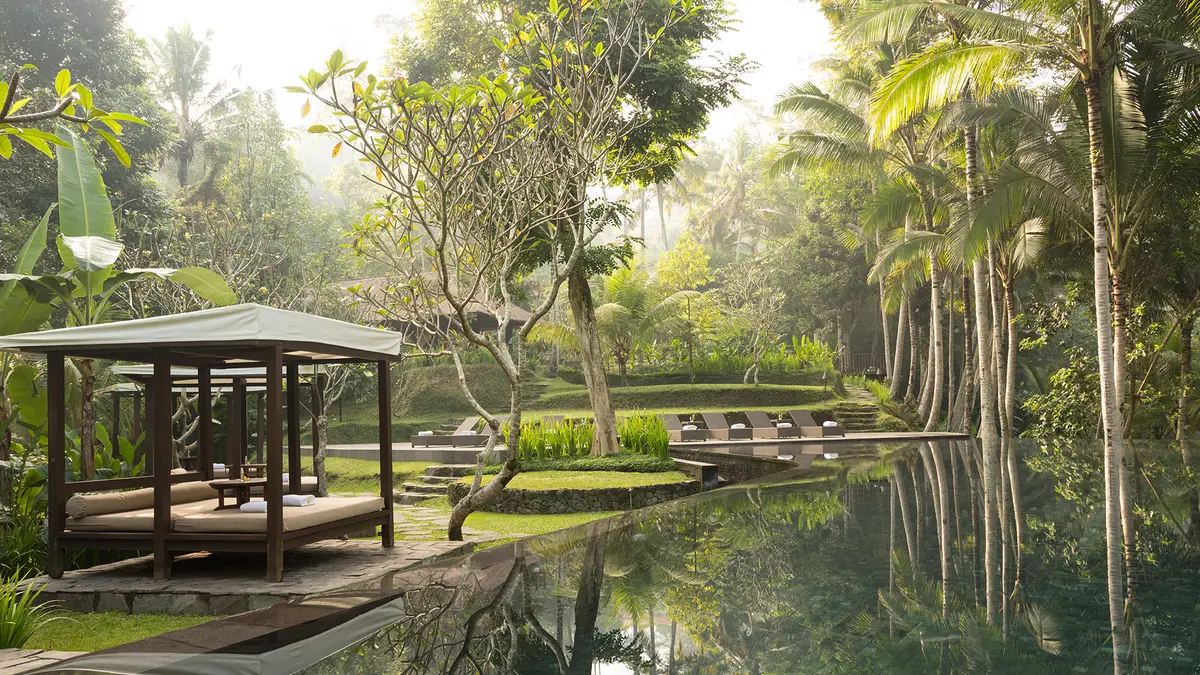
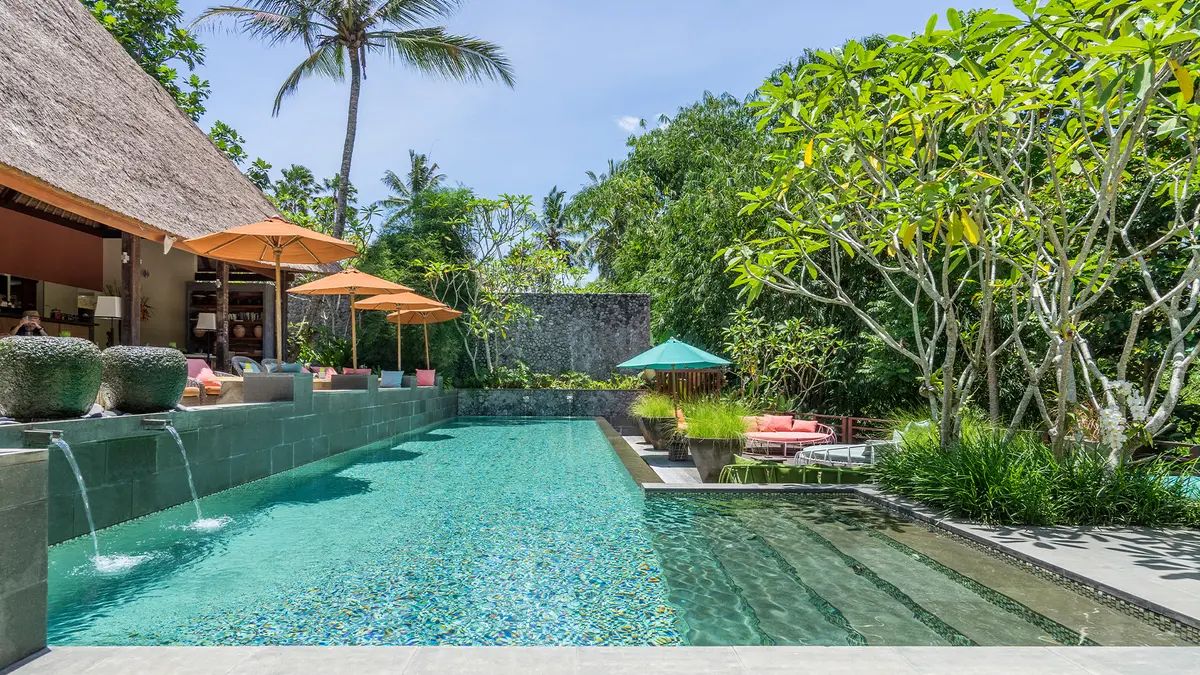
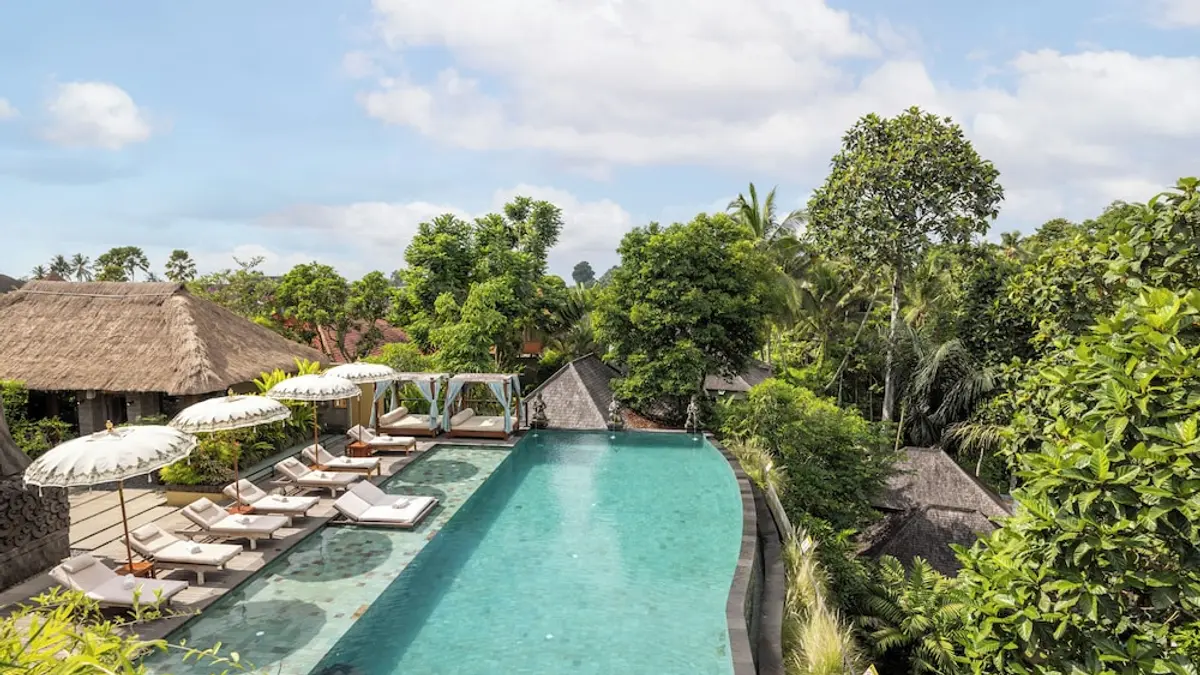
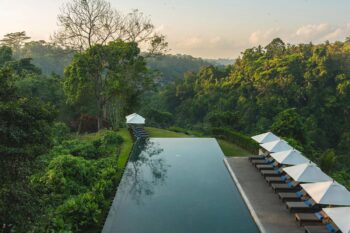
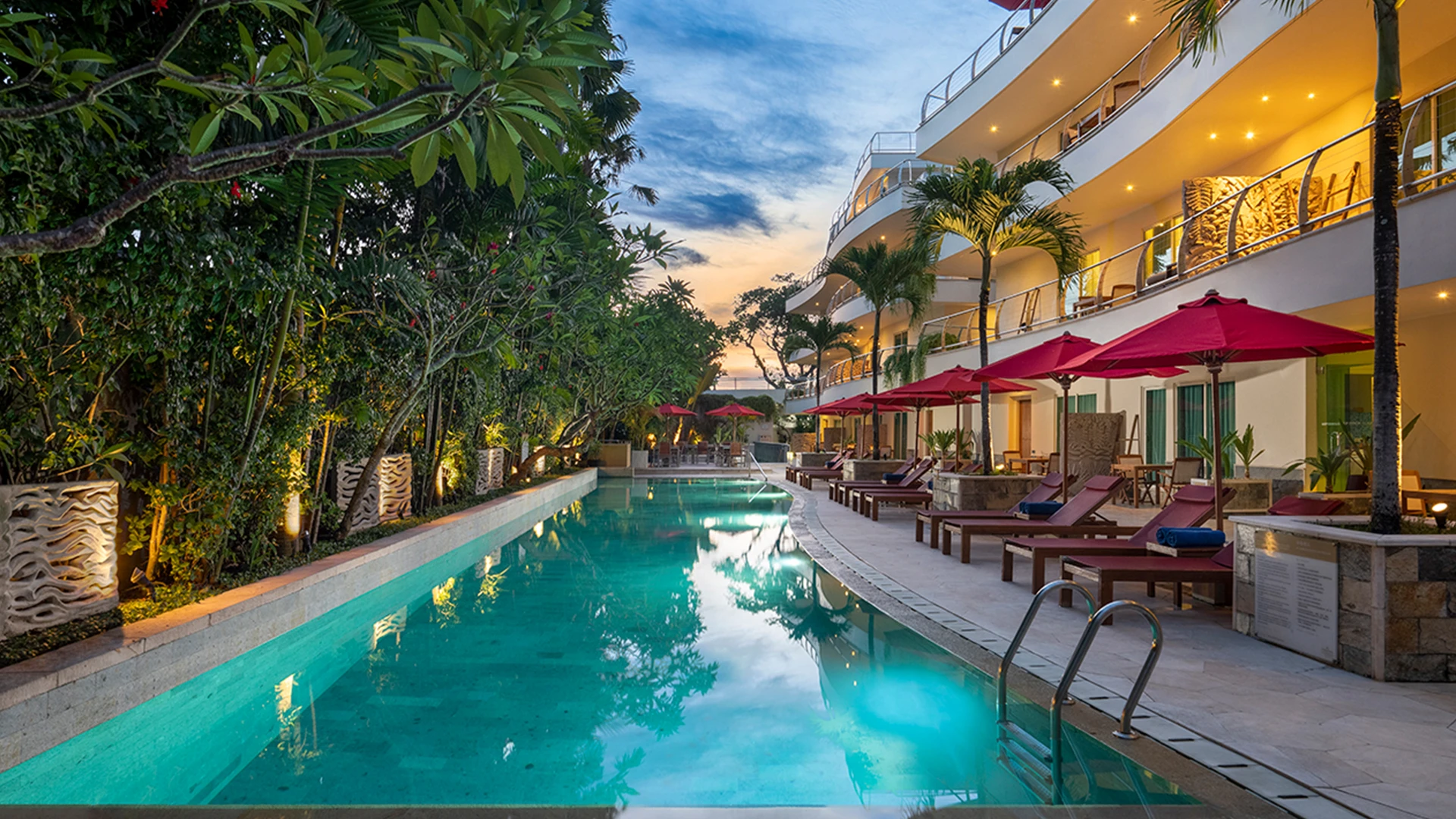
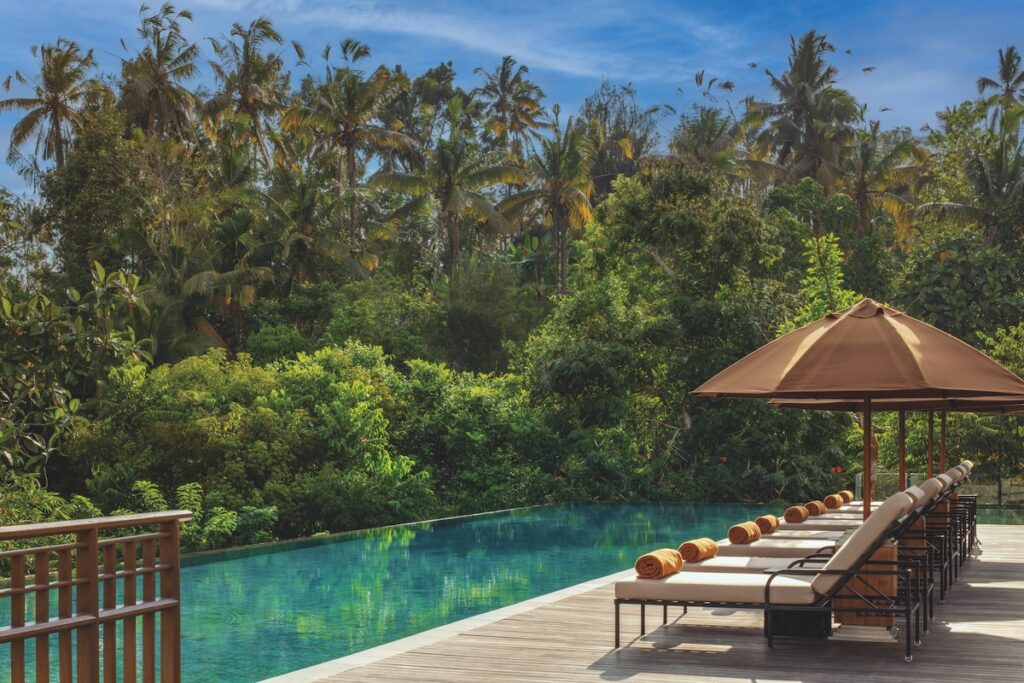
De retour au Anantara Ubud Bali Resort, nous profitons de cette tranquillité paisible en nous prélassant dans la piscine du resort et en déjeunant tranquillement au diner indonésien ouvert toute la journée, Kirana. Le soir, nous nous habillons en sarongs et partons rencontrer Idha Guru Sri Empu. Si notre feu est vraiment exceptionnellement fort, alors il a certainement été attisé par quelques jours de connexion et de calme dans les jungles d’Ubud.