
Tasmania is best tasted at its source. The most memorable food experiences here do not always involve a restaurant booking. They might be a fresh sourdough loaf collected from a roadside fridge, a punnet of berries bought beside an orchard, oysters shucked within sight of the water or a glass of cider poured where the apples were grown.
Explore Tasmania’s makers, landscapes and small food rituals, from Hobart’s Sunday markets to Bruny Island, the Huon Valley and the nearby cellar doors to find out why southern Tasmania such a rewarding destination for food lovers.
If you’re planning your first visit, check out this three-day Hobart itinerary or our guide to spending a weekend on Bruny Island.



Start in Hobart with a basket, not a booking
Begin at Farm Gate Market, held every Sunday morning on Bathurst Street in central Hobart. From 8.30am to 1pm, the street fills with Tasmanian growers, bakers, makers and food vendors.
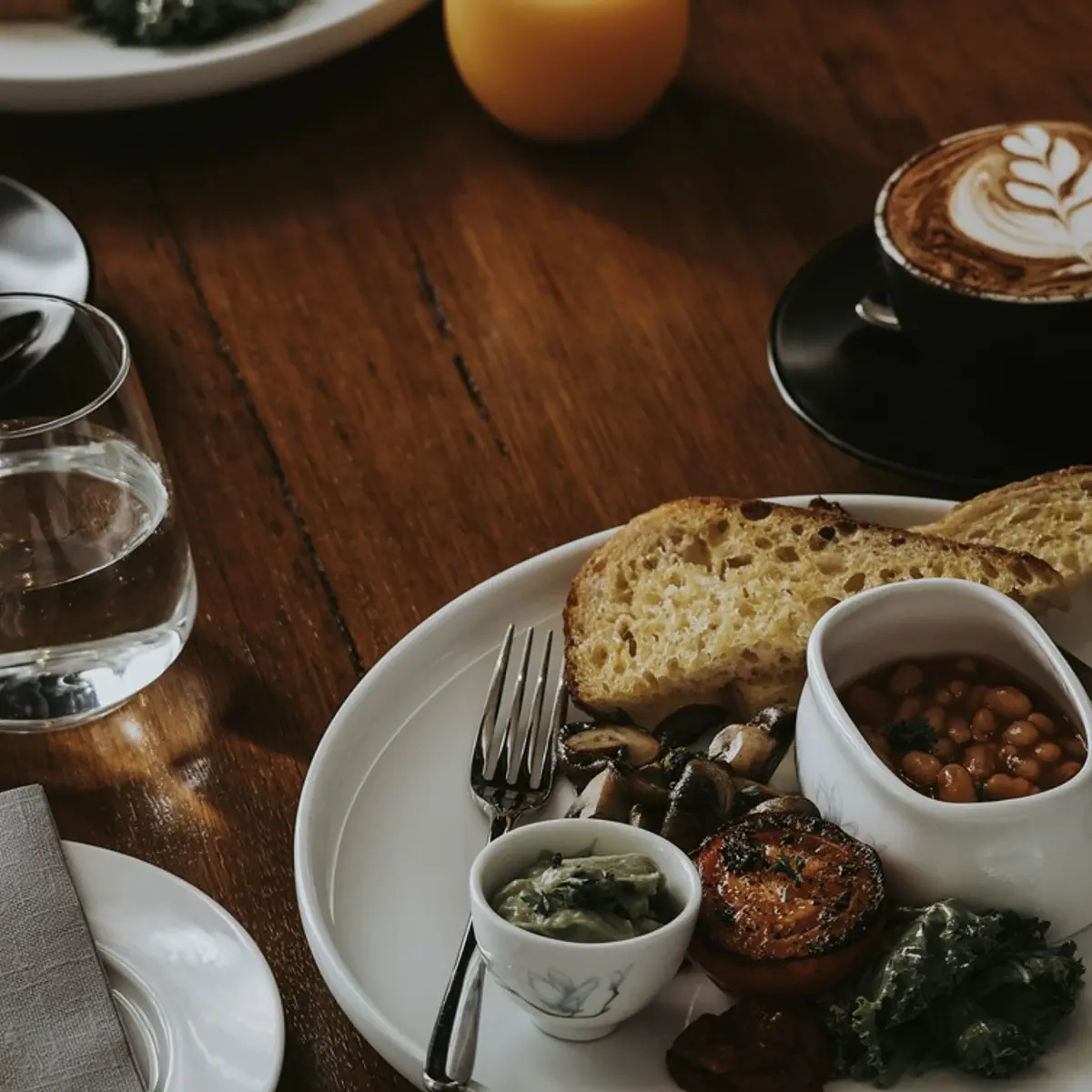
If you can eat it, drink it, grow it or meet the person who produced it, there’s a good chance you’ll find it here. Depending on the season, your basket might include Huon Valley apples, cherries, pears or berries, alongside Tasmanian cheeses, locally made honey, sourdough and small-batch preserves. Pick up something hot from one of the food stalls while you browse.
It’s also a useful first stop before heading out of the city. Pick up picnic supplies for Bruny Island, snacks for a Huon Valley drive or a few ingredients to enjoy back at your accommodation.
Tasmania’s growing seasons mean the market changes constantly, so part of the pleasure is not knowing exactly what you’ll find.
Make a day of Bruny Island
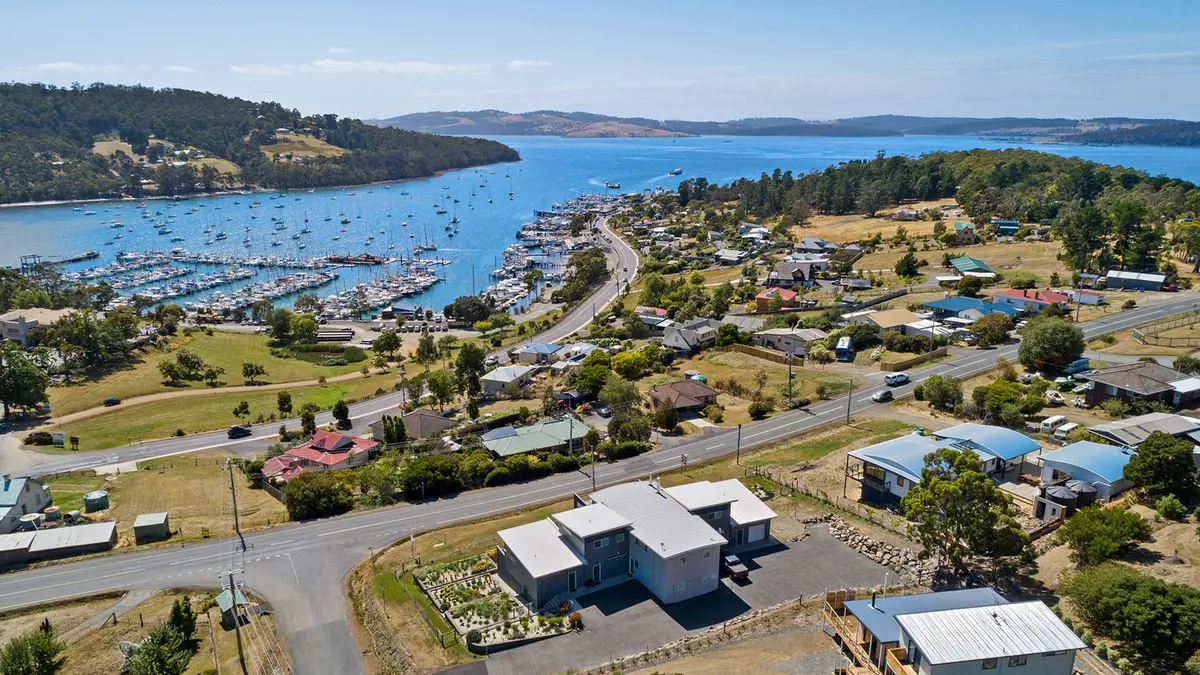
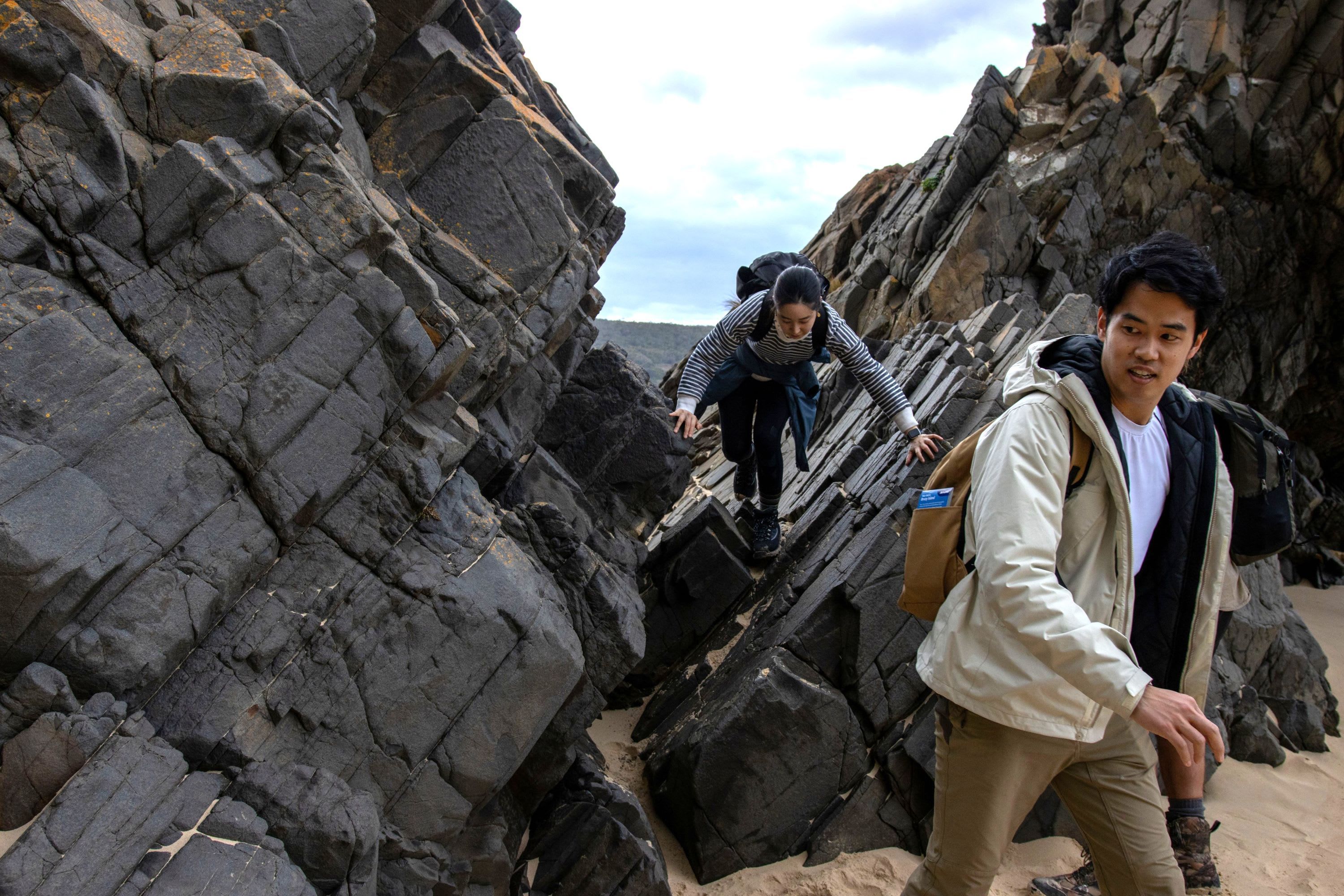
Bruny Island is less than an hour and a half from Hobart, including the drive to Kettering and the ferry crossing, but it rewards an unhurried itinerary.
SeaLink’s ferry takes around 20 minutes and operates year-round. The service runs on a queueing system rather than fixed individual departure times, so allow extra time at Kettering, especially on weekends and during school holidays. The ferry operator recommends travelling by car, which makes it easier to reach the island’s more spread-out food stops.
Once you arrive, make your first stop the Bruny Baker Bread Fridge at Sheepwash Bay. The loaves are baked daily in a wood-fired oven and sold from a roadside fridge. The fridge has a cash slot, so bring money rather than relying on a card or phone payment.
Bruny Island Cheese Co. is an obvious next stop. At the cellar door, you can taste handmade island cheeses and buy something for later. Nearby, Get Shucked serves oysters grown in Great Bay. Order them freshly shucked and take your time over them rather than treating the stop as a quick tick on an itinerary.
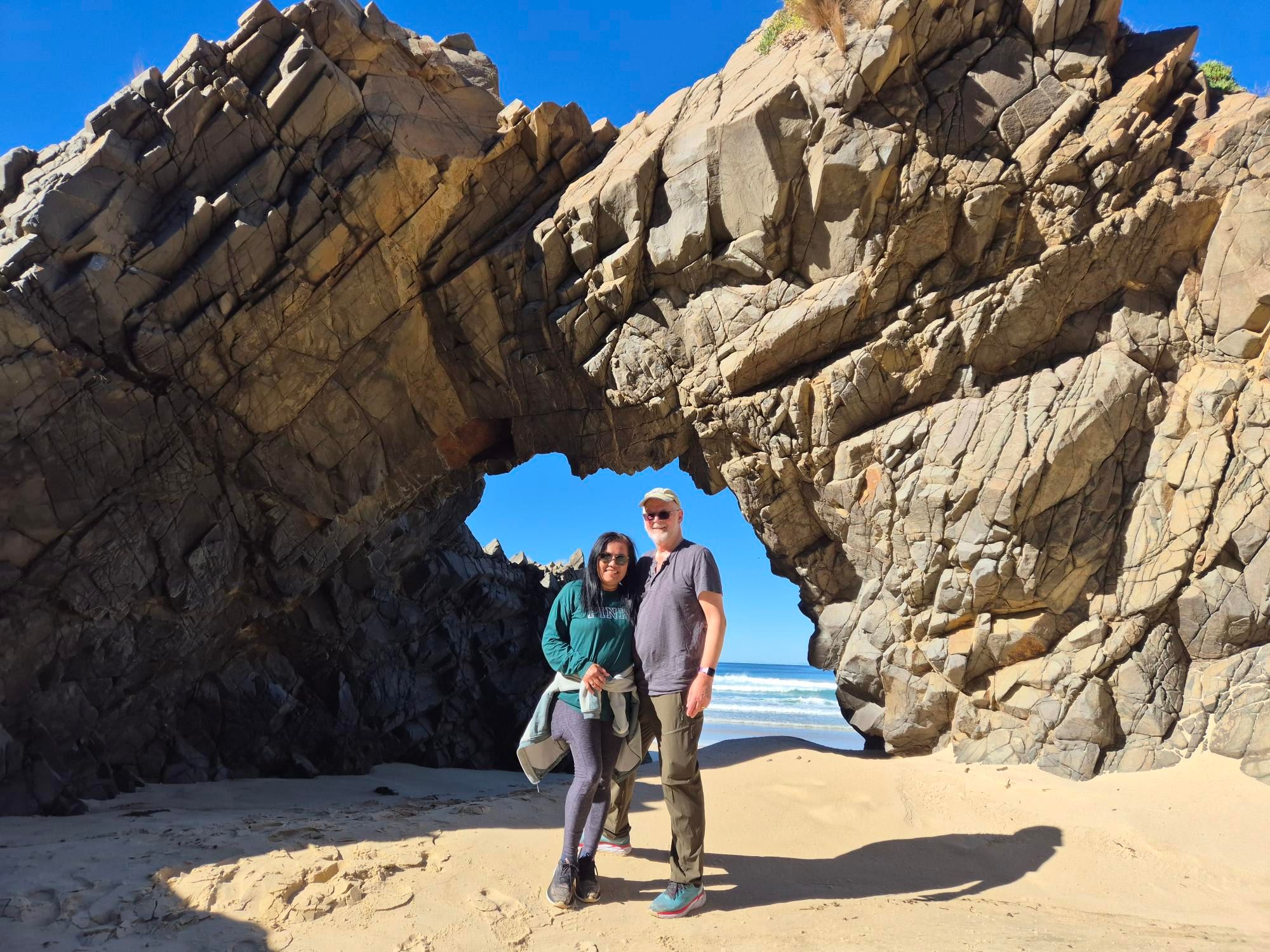
A realistic food-focused day might begin with an early ferry, continue south through the island’s produce stops and finish with a walk or beach picnic before returning to Kettering. Bring a cooler bag and water, and book any guided tours or producer experiences ahead.
Follow the farm gates through the Huon Valley
South of Hobart, the Huon Valley is where you can take a bite out of Tasmania’s apple-growing history. Huonville is around 30 minutes’ drive from Hobart and the road quickly gives way to orchards, river views, farmland and roadside stalls.
The best way to explore is to slow down. Pull over when you see a farm-gate sign, but don’t assume every stall operates daily or accepts cards. Seasonal offerings can include apples, pears, cherries, berries, eggs, vegetables, flowers, honey, jams and baked goods.
At Willie Smith’s Apple Shed in Grove, the Huon Valley’s apple story comes together through a small museum, orchard-based cider and apple spirits. The Smith family planted its first apple tree in 1888, and four generations later the business still works with fruit from the valley.
Visit for a cider tasting, explore the apple museum and try the Apple Shed’s famous apple pie. The current menu also features ingredients from nearby producers, including Cygnet Butchery ham, Ashgrove smoked cheddar and sourdough from Summer Kitchen Bakery.
Willie Smith’s Apple Shed is open seven days, although hours vary and Saturday closing times can change for private events.
Pair the produce with a cellar-door stop
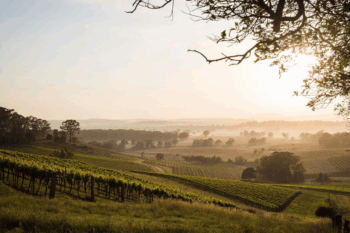
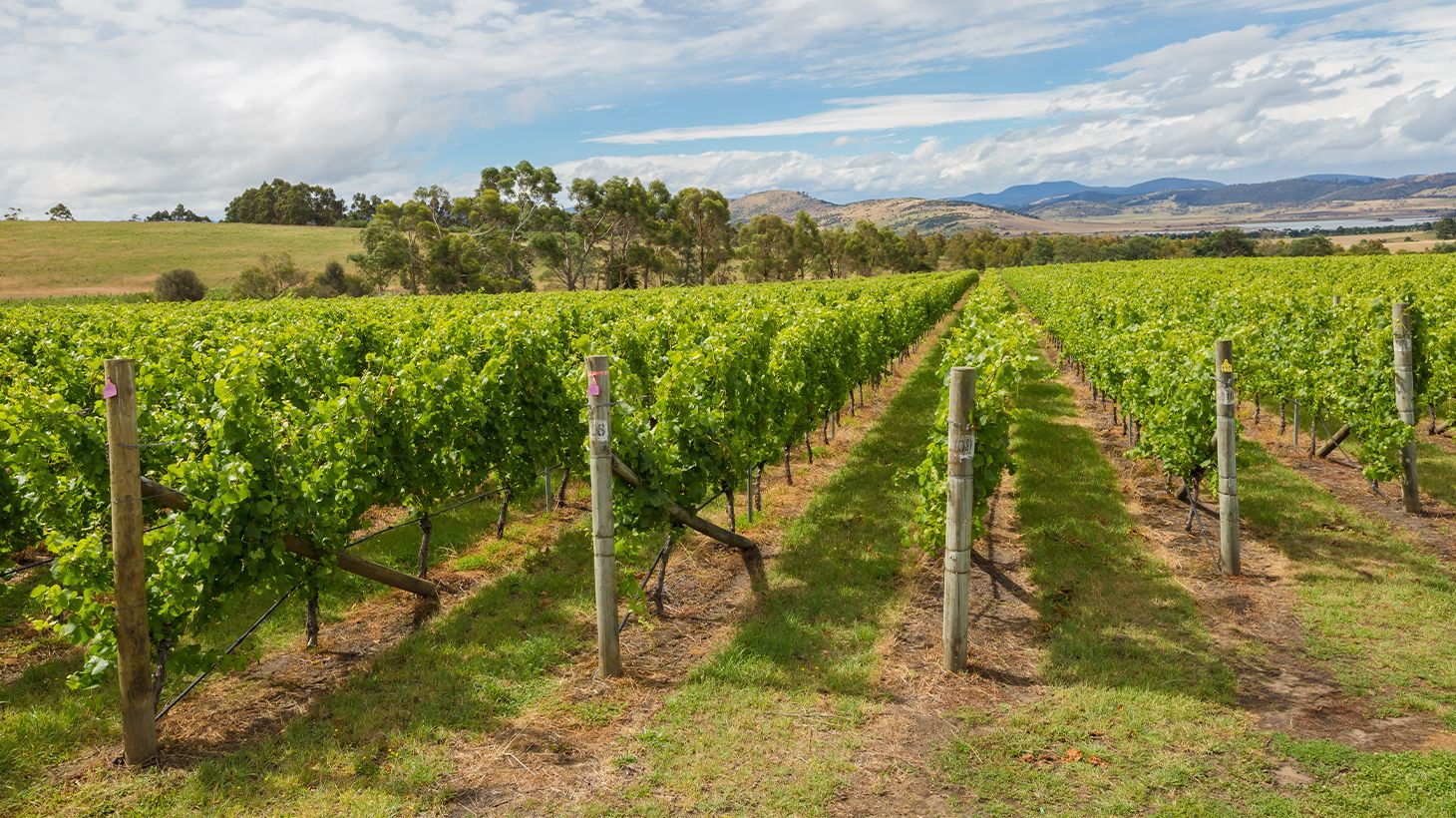
Tasmania’s wine history makes more sense when you see the landscape around it. The Coal River Valley, a short drive north-east of Hobart, is known for cool-climate wines, particularly pinot noir and riesling.
At Coal Valley Vineyard, the cellar door sits above the vineyard with views across the valley. Tastings focus on Pinot Noir alongside smaller quantities of riesling, chardonnay, tempranillo, cabernet sauvignon and merlot. Cheese platters are also available, making it easy to turn a tasting into a relaxed afternoon.
Home Hill Winery, Kate Hill Wines and Mewstone Wines are among other producers associated with the region, where vineyards sit among orchards, forest and views towards the D’Entrecasteaux Channel.
Choose one region rather than trying to do too many tastings in a day. Designate a driver, join an organised tour or stay close to the route.
For more inspiration, browse our guide to Australia’s most beautiful cellar doors.


Meet the makers behind Tasmania’s produce
The best food experiences add a sense of place. At The Honey Pot near Huonville, visitors can taste local honey and see a working beehive. It’s a small stop, but it connects the jar on the shelf with the flowers, landscape and bees that made it possible.
On Bruny Island, an oyster stop at Get Shucked offers a similar sense of connection. You can taste oysters grown in Great Bay, then look out towards the water they came from.
For a more in-depth experience, look for bookable oyster visits, foraging walks, orchard tours, cooking classes and seasonal tastings. These are worth prioritising over another formal meal because they give context to how oysters are grown, why one apple becomes cider while another is best eaten fresh, or which ingredients are available for only a few weeks each year.
Availability changes outside the main summer season, so check with each operator before building an itinerary around a specific experience.


Plan a food-focused Tasmania escape
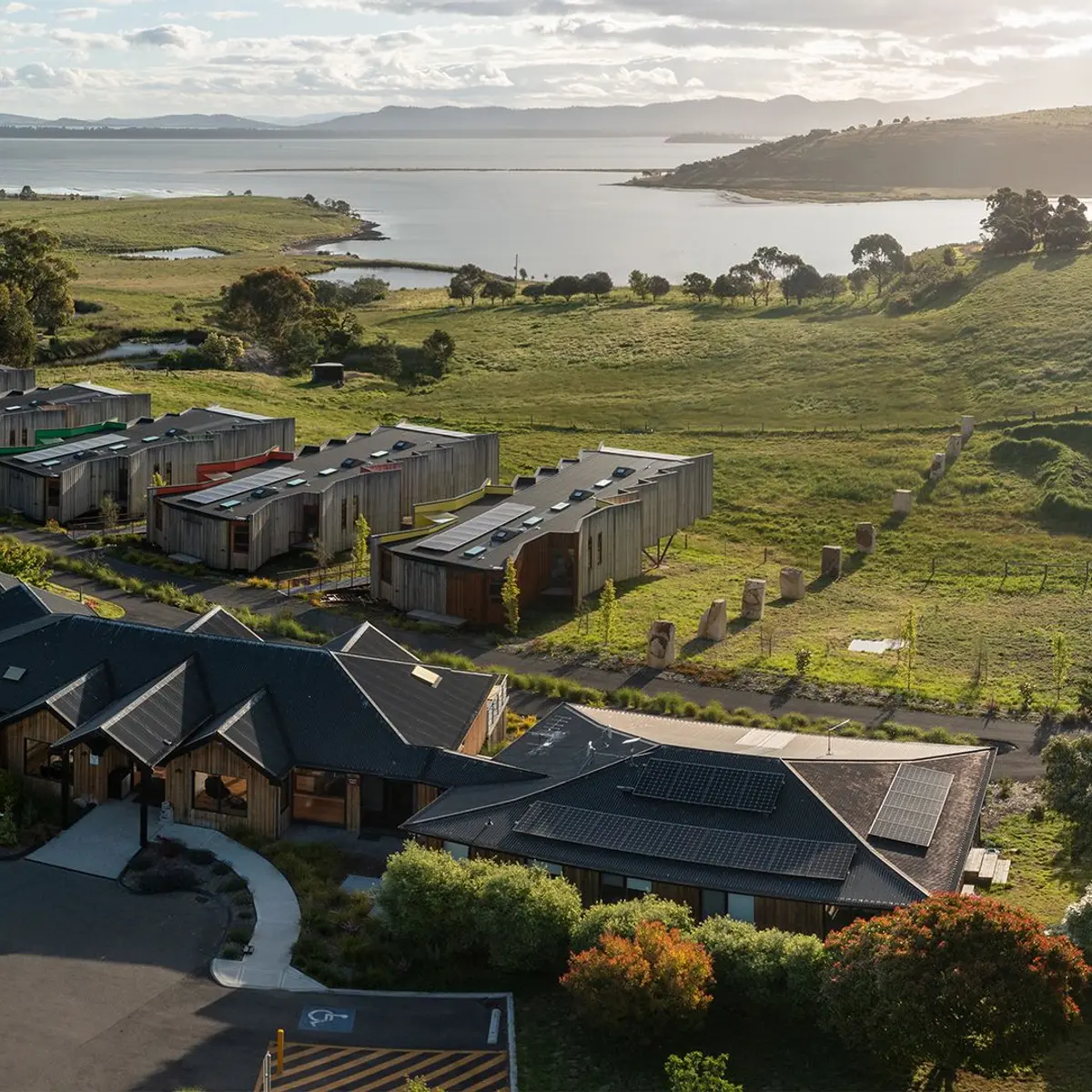
Allow more time than you think you need. Small producers may open for only part of the week, and seasonal businesses can change hours at short notice.
Check market dates, ferry timetables, cellar-door bookings and farm-gate opening times before leaving Hobart. Carry cash for roadside stalls and the Bruny Island Bread Fridge, plus a cooler bag for cheese, oysters, cider and fruit.
If you’re tasting wine or spirits, arrange a designated driver or organised transport. And leave room for the detour. Tasmania’s food story is not only found in its celebrated restaurants. It’s in the loaf still warm from the oven, the apple bought beside the orchard and the conversation with the person who grew, made or harvested what you’re about to eat.
Start in Hobart, then follow the ingredients outwards. The best food memories may be waiting at the end of an unmarked turn-off.