Europe isn’t one destination; travel times, transport systems, ticketing rules, hotel access, weather and payment habits can change from one country to the next. A few practical decisions before you book can save hours of stress once you arrive.










Your route
Choose fewer cities and stay longer
Every new city adds another transfer, check-in and transport system to learn. On your first Europe trip, aim for two or three nights in most bases, then use day trips to explore further without packing up your suitcases again.
For a 10-day itinerary, three well-chosen bases will usually give you more time for neighbourhoods, memorable meals and discoveries than seven cities connected by tight transfers. Before adding another stop, ask yourself whether you’ll experience it properly or spend most of your visit arriving and leaving.
Packing efficiently makes travel days easier, too. Organise clothes by destination with packing cubes, then keep the essentials you’ll want between stops close at hand. Samsonite’s Paralux collection features suitcases with an easy-access front pocket, so you can reach items such as your laptop, passport or headphones without opening the main compartment.
Pick the right season for your route
Peak season brings longer days, lively city squares and reliable access to attractions, but it also means higher prices, larger crowds and more competition for accommodation. Shoulder season can offer a more comfortable balance, although weather, opening hours and transport schedules may be less predictable.
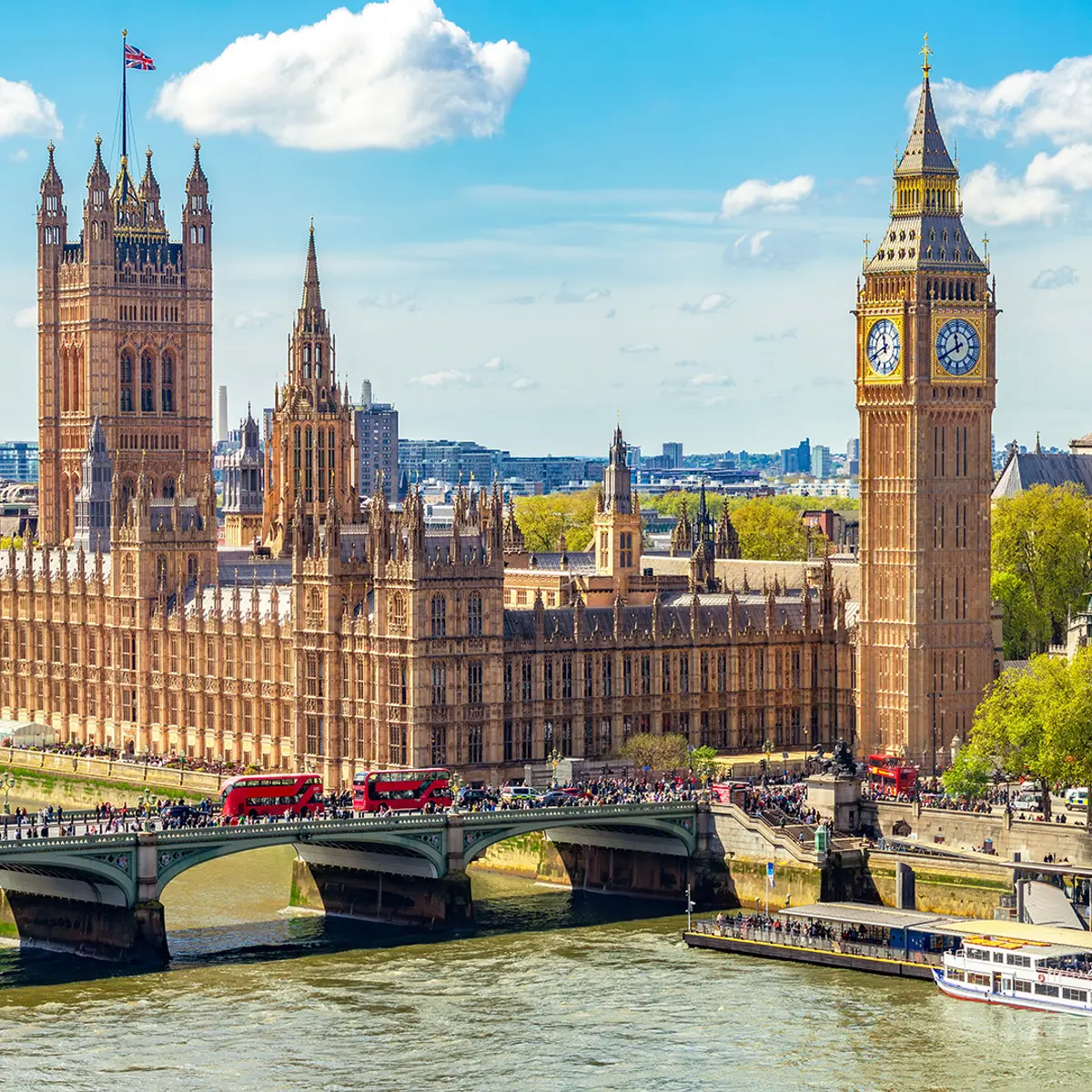
The right choice depends heavily on where you’re going. London can be cool and showery in summer, while the Amalfi Coast is likely to be hot, bright and busy. Paris and Amsterdam can feel pleasant in September, but evenings may be cooler than expected. The Greek islands and Dubrovnik often remain warm well into early autumn, although some seasonal restaurants, ferries and beach clubs may reduce their hours after summer.
Check the holiday calendar for every country and region on your route. Don’t assume a supermarket, museum or restaurant will operate as normal. Research each destination individually, then decide what matters most to you, whether that’s dependable warmth, lower prices, fewer crowds, long daylight hours or a particular seasonal event.







Book Europe’s hardest-to-get tickets early
Book some of Europe’s most sought-after attractions before you leave. The Anne Frank House in Amsterdam releases tickets every Tuesday at 10am for visits six weeks later, and popular dates sell out quickly. Barcelona’s Sagrada Família also uses timed-entry tickets, so you’ll need to arrive during the time slot selected on your booking.
The Louvre can be similarly difficult to secure during peak periods. Booking ahead gives you a far better chance of visiting at the time that suits your itinerary, rather than reshuffling your day around whatever remains available.
Reserve limited-capacity experiences first, including major museums, landmark attractions, scenic trains, popular restaurants and high-demand accommodation. Then check the practical details for each stop, such as airport transfers, luggage storage, intercity trains, day trips and attractions that only open on certain days.
Keep lower-risk plans flexible. Coffee stops, neighbourhood walks and casual dinners are often best left open for the moments when you discover somewhere you’d like to linger.
Leave enough time between connections
A timetable rarely tells you the full journey. A train arriving at 2pm doesn’t mean you’ll be at your hotel at 2.15pm; you still need to find the right platform, leave the station, collect your luggage and navigate local transport.
Airport transfers can add more time than you expect. The Malpensa Express takes about 50 minutes from Milan Malpensa to Milano Centrale, while the transfer from Keflavik International Airport to Reykjavik takes around 45 minutes by car. Add time for baggage collection, queues, delays and finding your accommodation before booking a dinner or tour.
For important connections, leave a generous buffer. A missed train connection may be inconvenient; a missed flight can be expensive and difficult to replace.









Choose how you’ll get around
When flying beats the train
Trains are often the easier choice when they run city centre to city centre, but a flight can make sense when the rail journey involves several changes or takes most of a day.
Take London to Amsterdam. A direct Eurostar journey takes around four hours and 20 minutes, while a flight may take closer to one and a half hours. However, you’ll also need to travel to both airports, arrive early for security and border checks, collect your luggage and reach the city at the other end. Compare the full journey before deciding which option saves time.
It’s also worth checking local rules. France restricts some domestic air routes where a direct train alternative takes less than two and a half hours, although exemptions apply. If you’re planning to fly between French cities, check the current route availability before building it into your itinerary.
Compare rail passes with point-to-point tickets
Rail passes offer flexibility, but they don’t automatically save money. Compare the full cost of a pass with individual tickets, including seat reservations and any routes that aren’t covered.
Point-to-point tickets often work well when your itinerary is fixed and you’re travelling between a small number of cities. A pass may be more useful if you want to make spontaneous stops or expect to take several long-distance journeys. Price up both options before committing.
Check walking distances before you book
London and Berlin are wonderful cities to explore on foot, but their scale can catch first-time visitors out. In London, Covent Garden tube station alone has 193 steps to street level, so a hotel or attraction that looks “just around the corner” can become awkward with a large suitcase. From St Pancras International, you may also need to navigate multiple station entrances or take the Tube for part of the journey.
Berlin’s distances are less obvious. The East Side Gallery stretches for 1.3 kilometres along the former Berlin Wall, before you’ve even walked between the city’s other major sights. Add Brandenburg Gate, Museum Island or Checkpoint Charlie and you could spend much of the day crossing broad boulevards and moving between neighbourhoods.




Check baggage limits on short-haul flights
Your long-haul flight to Europe might include a generous 30kg checked-baggage allowance, but that limit won’t automatically carry over to separate flights within Europe. Ryanair, for example, offers checked bags of 10kg, 20kg or 23kg. Its lowest fares also include only one small personal bag measuring 40 x 30 x 20cm, which must fit under the seat.
Weigh your luggage at home, leave space for purchases and keep medicines, travel documents and valuables in your cabin bag. If your itinerary includes a low-cost carrier, add the correct baggage allowance when you book rather than risking excess-baggage charges at the airport.
Choose luggage for cobblestones and uneven streets
Cobblestones may be part of the charm in cities such as Rome, Lisbon and Prague, but they’re far less charming when you’re dragging a heavy suitcase across an old-town square.
Choose a case with sturdy wheels and a comfortable handle for Europe’s uneven streets. Samsonite’s Paralux suitcases have double suspension wheels, designed to absorb bumps as you roll over cobblestones and airport floors.
The simplest solution is still to pack less. If you can’t lift your case up a short flight of stairs, it’s probably too heavy for a multi-city trip.
Prepare for the practical realities
Carry cash for small purchases
Cards are widely accepted across Europe, but small cafés, markets, public toilets, local transport systems and rural businesses may still prefer cash. Some places also have minimum card spends.
Carry a small amount of local currency and keep it separate from your main wallet. Check whether your bank charges foreign transaction or ATM fees and avoid waiting until you’re in a remote village to find a cash machine.







Compare an eSIM with roaming
An eSIM is a digital version of the small SIM card inside your phone. Instead of removing your usual SIM card, you can buy a travel data plan online and activate it on your phone. It can give you mobile data as soon as you land, provided your phone and mobile provider support eSIMs.
Roaming may be simpler if your existing phone plan already includes Europe, or if you want to keep using your usual number without changing your settings. Before you leave, compare coverage, data limits, costs, activation requirements and customer support.
Download offline maps and save key booking details to your phone in case you lose signal. Check whether your plan works across every country on your route, as some cover a whole region while others apply to just one country.
Check plug types and voltage
A plug adapter only changes the shape of the plug, and European countries don’t all use the same socket. The UK, Ireland, Cyprus and Malta use a different plug type from much of mainland Europe, so a universal travel adapter can save you carrying several different adapters.
You also need to check whether your devices support the local voltage. Most modern phones, cameras and laptop chargers are designed for a range of voltages, but older appliances may not be. If a charger says “100–240V”, you’ll generally only need the correct adapter. Don’t assume a hairdryer or other high-powered appliance will work safely everywhere.








Don’t expect lift access
Historic hotels, railway stations and apartment buildings don’t always have lifts. When they do, they may be small, slow or located beyond a flight of stairs.
Check the access details before booking. If you have mobility needs or heavy luggage, contact the property directly rather than relying on a vague “accessible” label. Ask about steps at the entrance, lift dimensions and the location of your room.
Pack footwear for cobblestones, hills and beaches
Bring shoes that can handle long days, uneven surfaces and sudden changes in weather. Support and grip matter more than looking polished in every photograph. If your itinerary includes pebble beaches along Croatia’s coast, the Greek islands or the French Riviera, pack a pair of slides or water shoes for the shore.
Take your main walking shoes on a few longer walks before departure. If they rub at home, they’ll be far worse after 20,000 steps through a city. Pack one smarter option if you need it, but avoid bringing several pairs that do the same job.


Don’t assume your room has air-conditioning
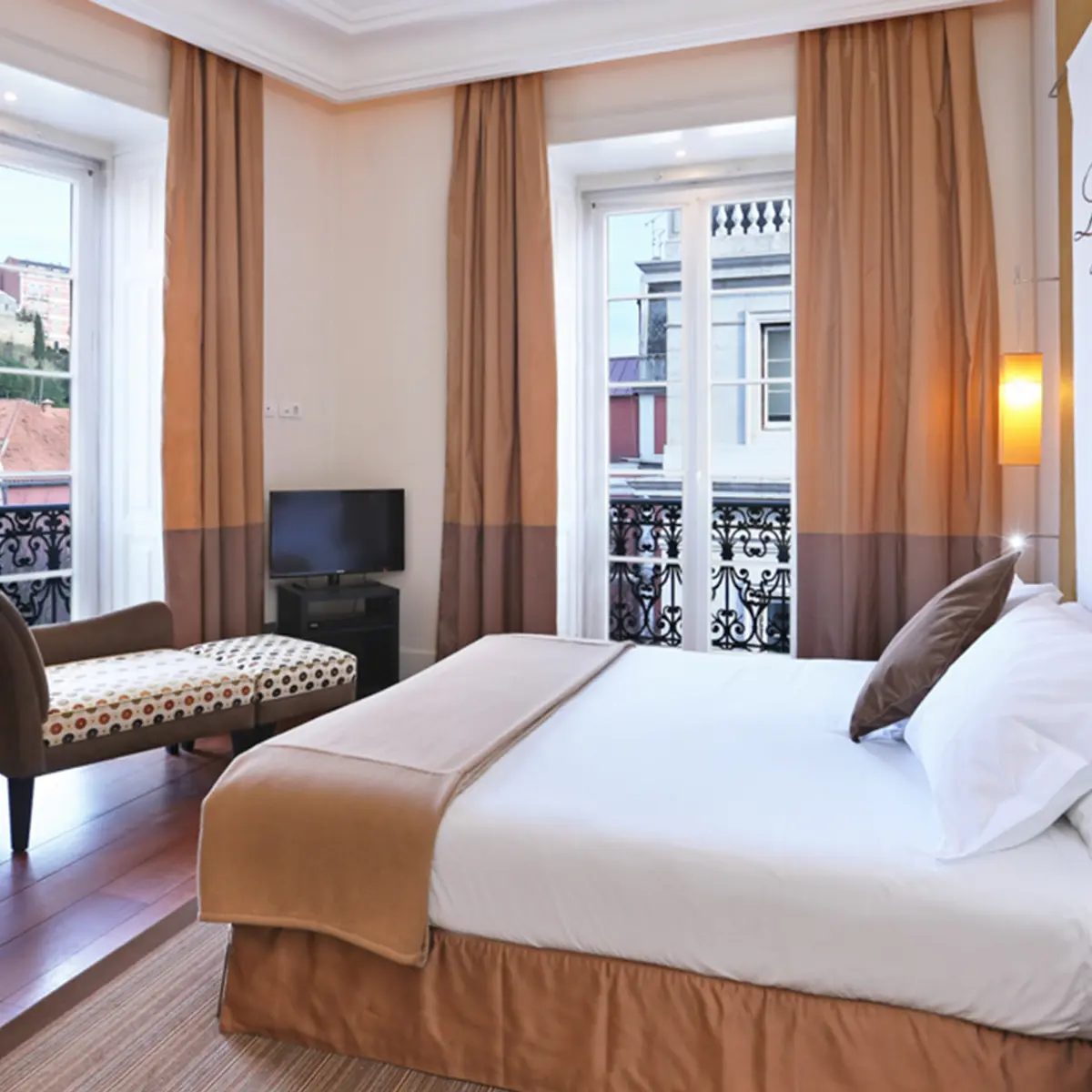
Air conditioning varies between countries. Some historic buildings can’t support modern cooling systems, while others may only offer fans or air conditioning during certain months.
If cooling matters to you, check the room description carefully and contact the hotel before booking. Look for recent reviews that mention temperature, street noise and whether windows can be opened. A beautiful room can feel very different during a summer heatwave.