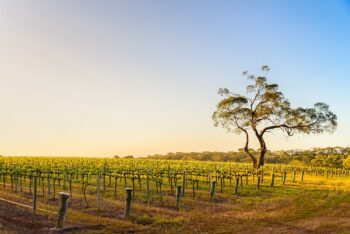


Twenty minutes north of Launceston, high above the Tamar Valley, two of Tasmania’s best-known wine labels pour from the same bar. The newly refurbished Tamar Ridge & PIRIE cellar door is where I spend a Monday blending my own pinot noir, tasting six oysters between four glasses of sparkling, and plotting my return for another long weekend.
A reason to leave Launceston for an afternoon
Launceston is a UNESCO City of Gastronomy, so a long weekend here will never leave you hungry. This cellar door is still worth leaving town for, even if it is only a short drive northwards to Rosevears.
Tamar Ridge put its first vines in at Kayena, in the Upper Tamar Valley, in 1994. PIRIE arrived a year later, founded by Dr Andrew Pirie and focused on sparkling wine from valley-grown chardonnay and pinot noir. The Tamar itself begins in Launceston, where the North Esk and South Esk rivers meet, and this cellar door has the same idea: two names, one room.
The space
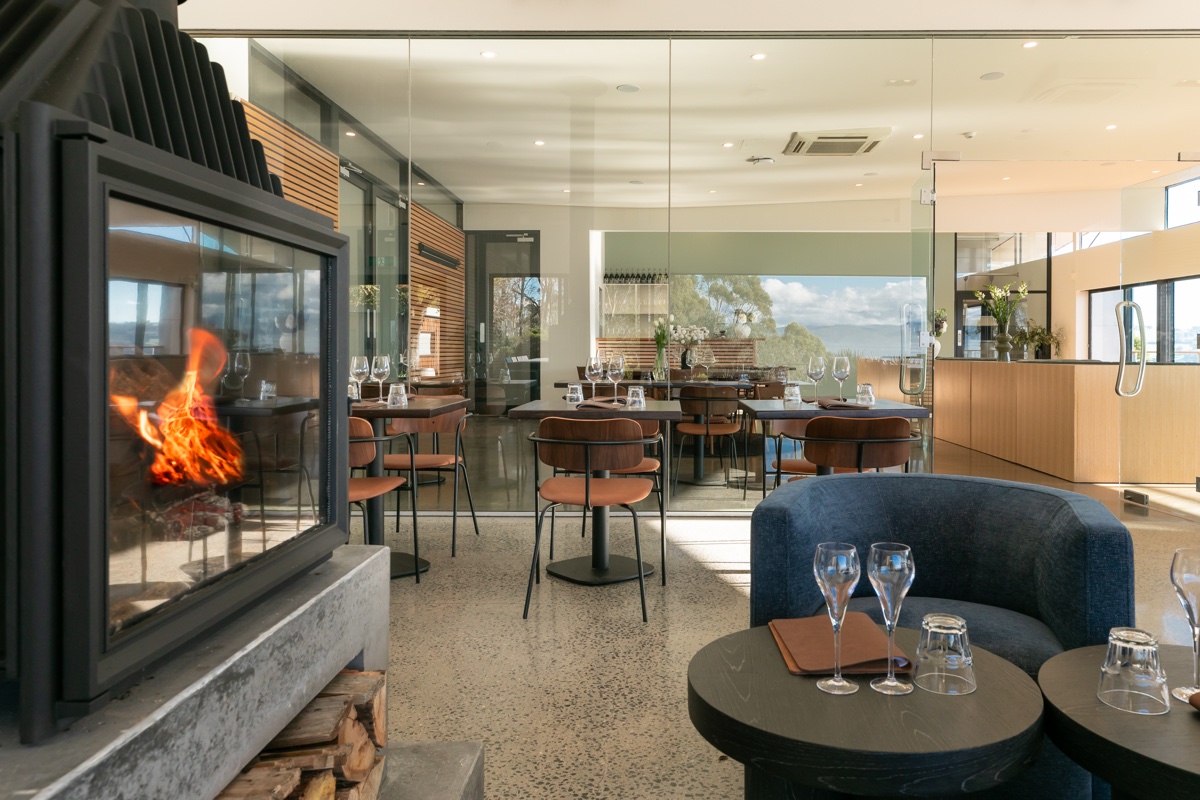
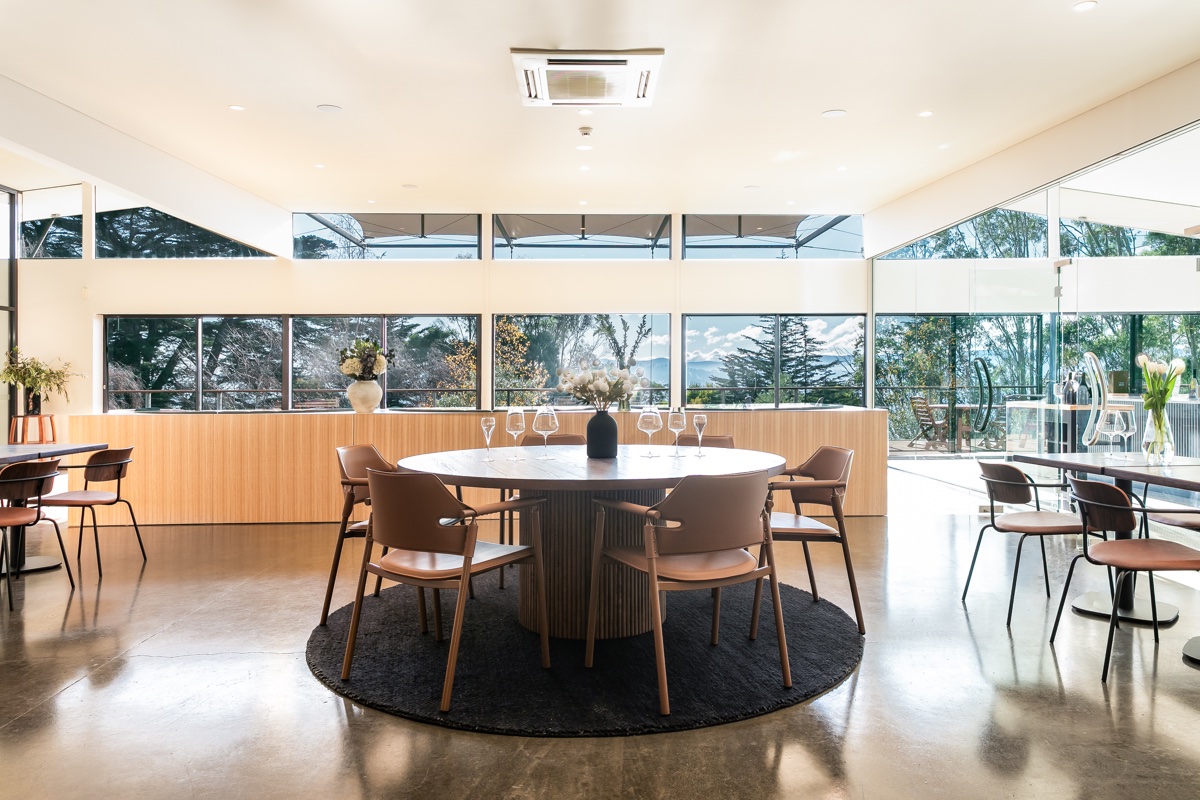
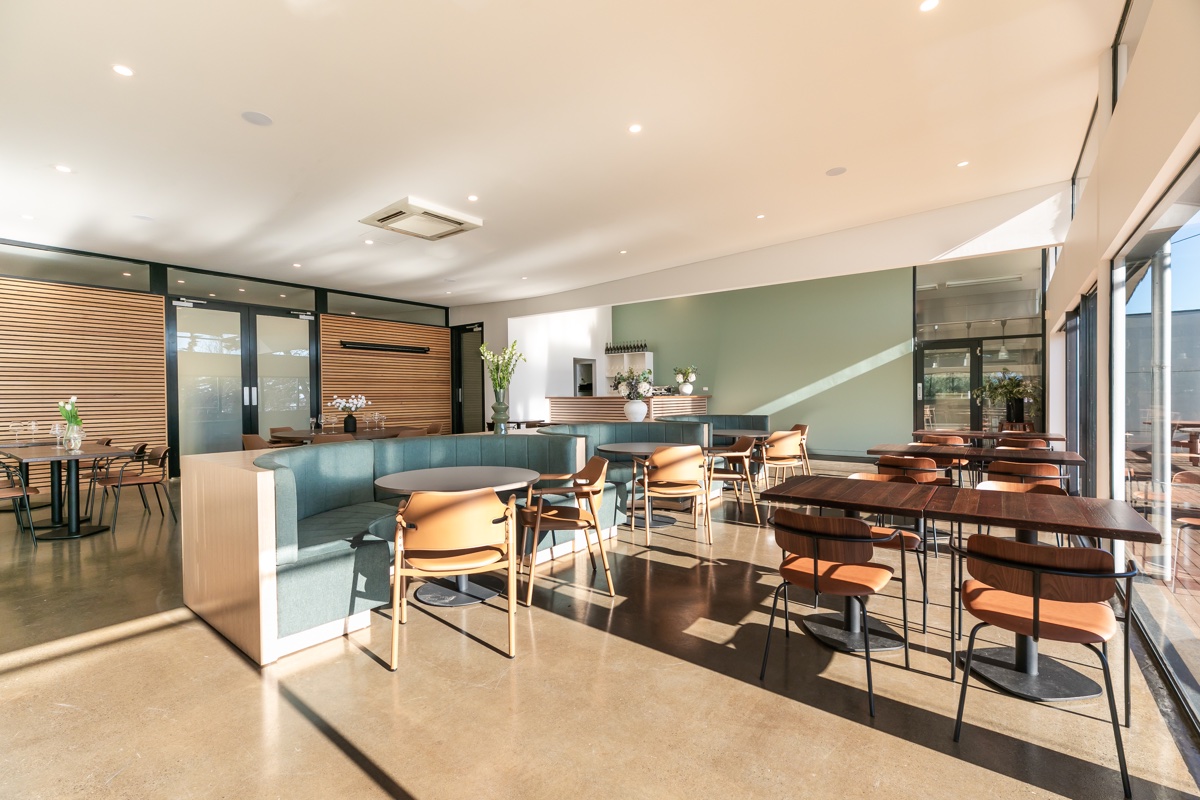
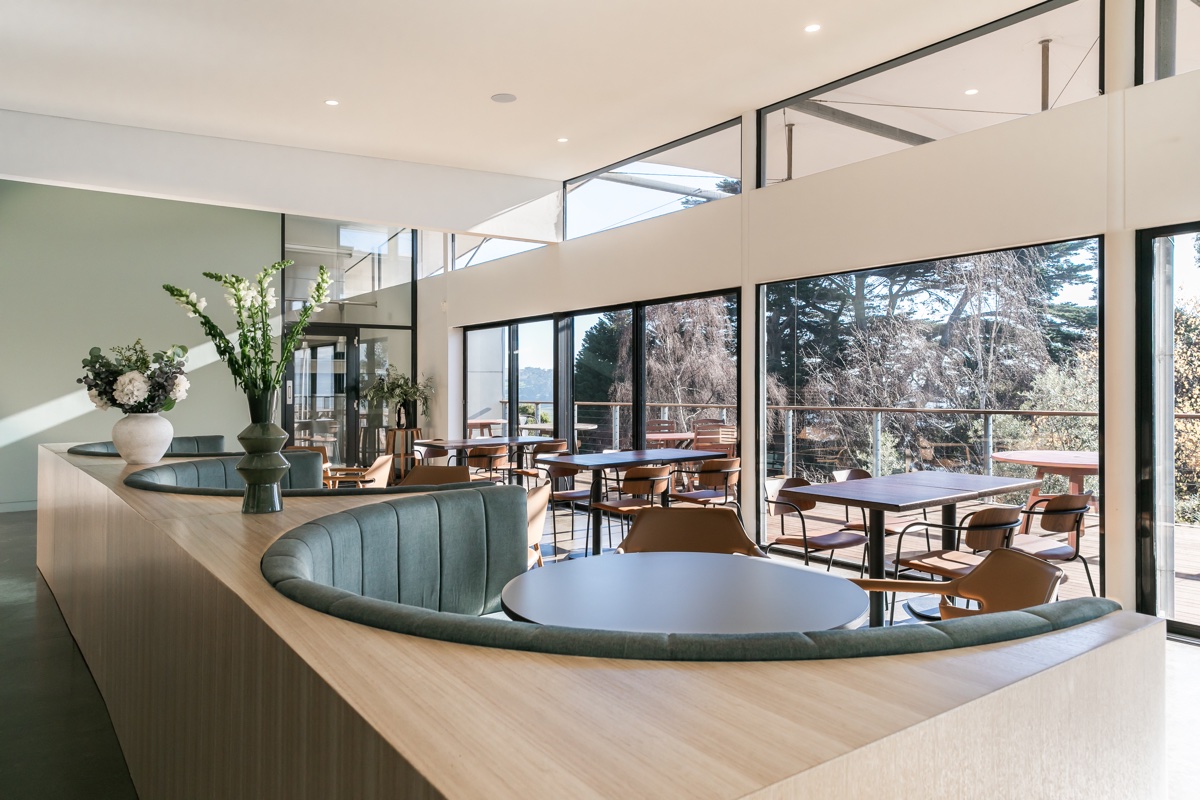
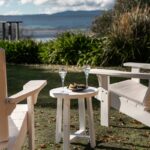
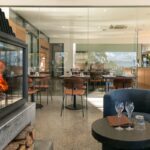
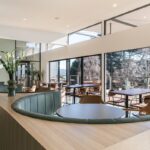
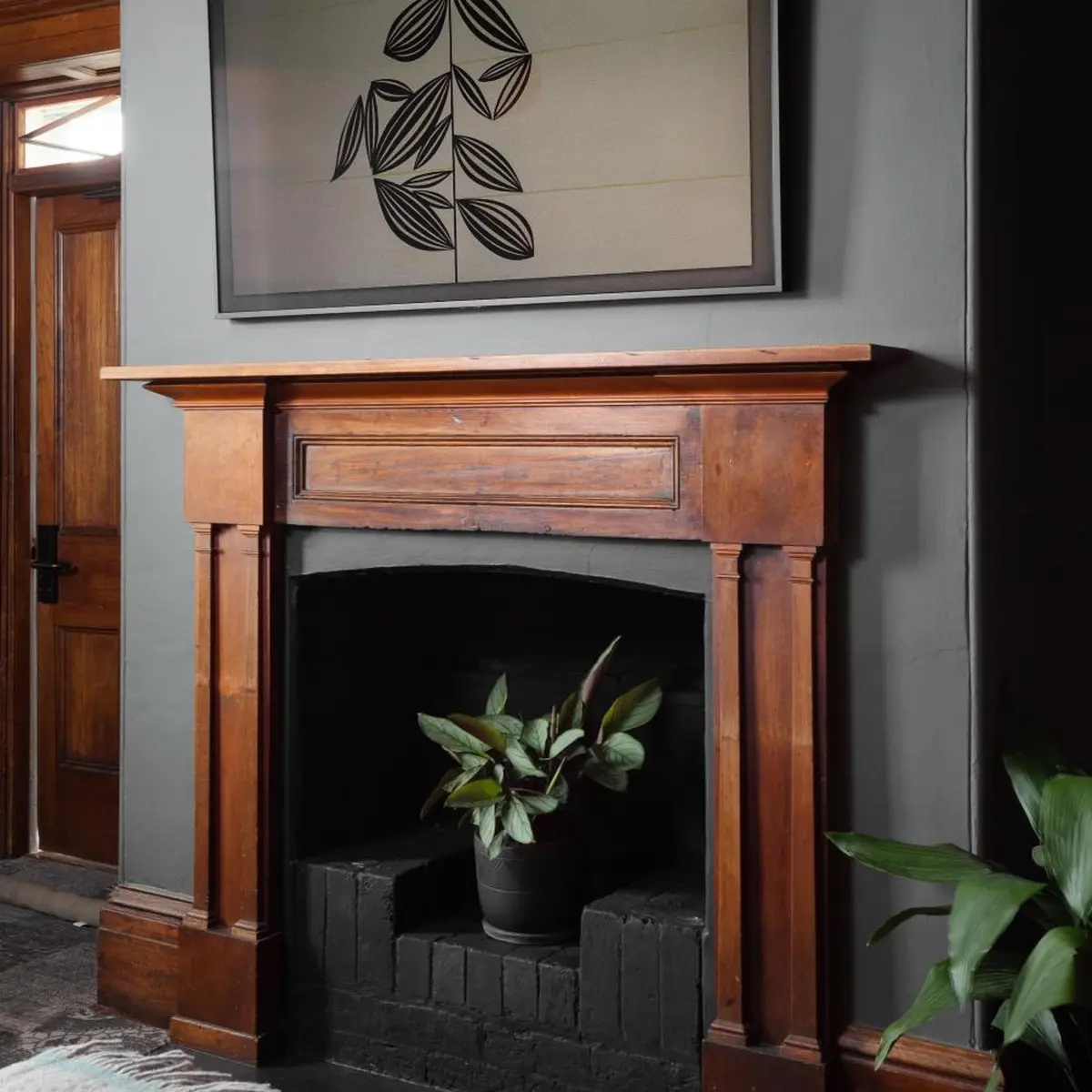
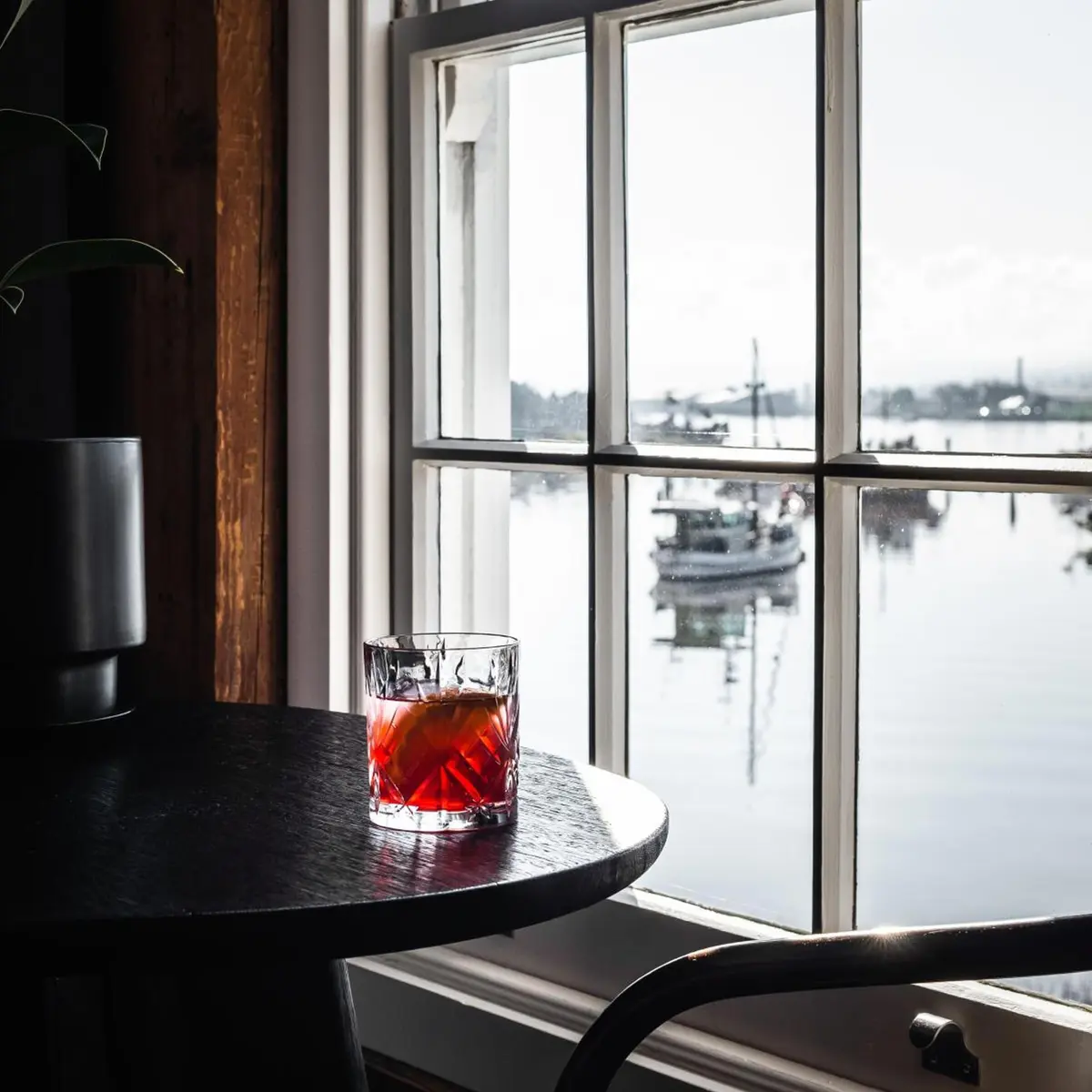
It’s light and bright, with the river spread out beyond the windows. We sit indoors, looking out at everyone on the outdoor tables. A handcrafted 12-seat Tasmanian oak table anchors the room, a double-sided fireplace that sits dormant today and a giant Connect Four board waits in the corner for a challenger. The palette follows the wines: darker furnishings nod to Tamar Ridge’s pinot noir, and PIRIE gets light timber and sage green.
Our host is David, who used to work at a law firm and moved to Tasmania 12 months ago for the ultimate vine change. He’s already a Tamar convert – even the winter didn’t put a dampener on his waxing lyrical about the region.
Oysters and bubbles
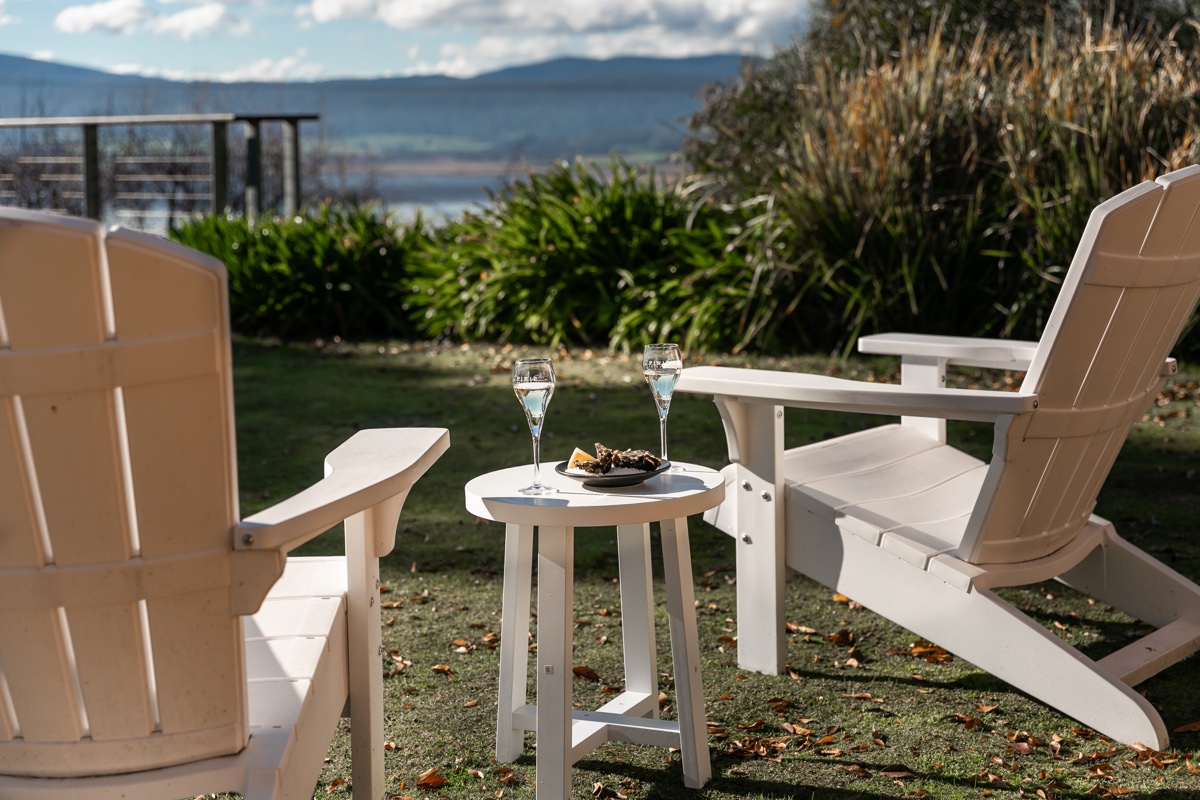
The first experience puts land and sea on the same table. It sets terroir (the climate, soil and landscape behind PIRIE’s sparkling wines) against merroir, the marine environment that shapes an oyster’s flavour, texture and character.
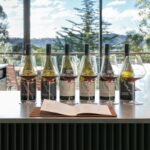
We taste four sparkling wines: the NV, the Vintage, the Blanc de Blanc and a sparkling rosé. David walks us through the grape percentages in each, how to enjoy it, what to pair it with and where the flavour nuances sit. The Blanc de Blanc is the plot twist for me. It’s 100 per cent chardonnay, a grape I usually skip on a wine list, and it takes my top spot. The rosé is a close second. David explains how it gets its blush: skin contact adds tannin and acid, which lands as sharpness at the back of the palate, while blending in pinot noir gives a more predictable flavour profile. This one tastes of red berries, with a creamy mouthfeel more complex than simply tasting “pink”.
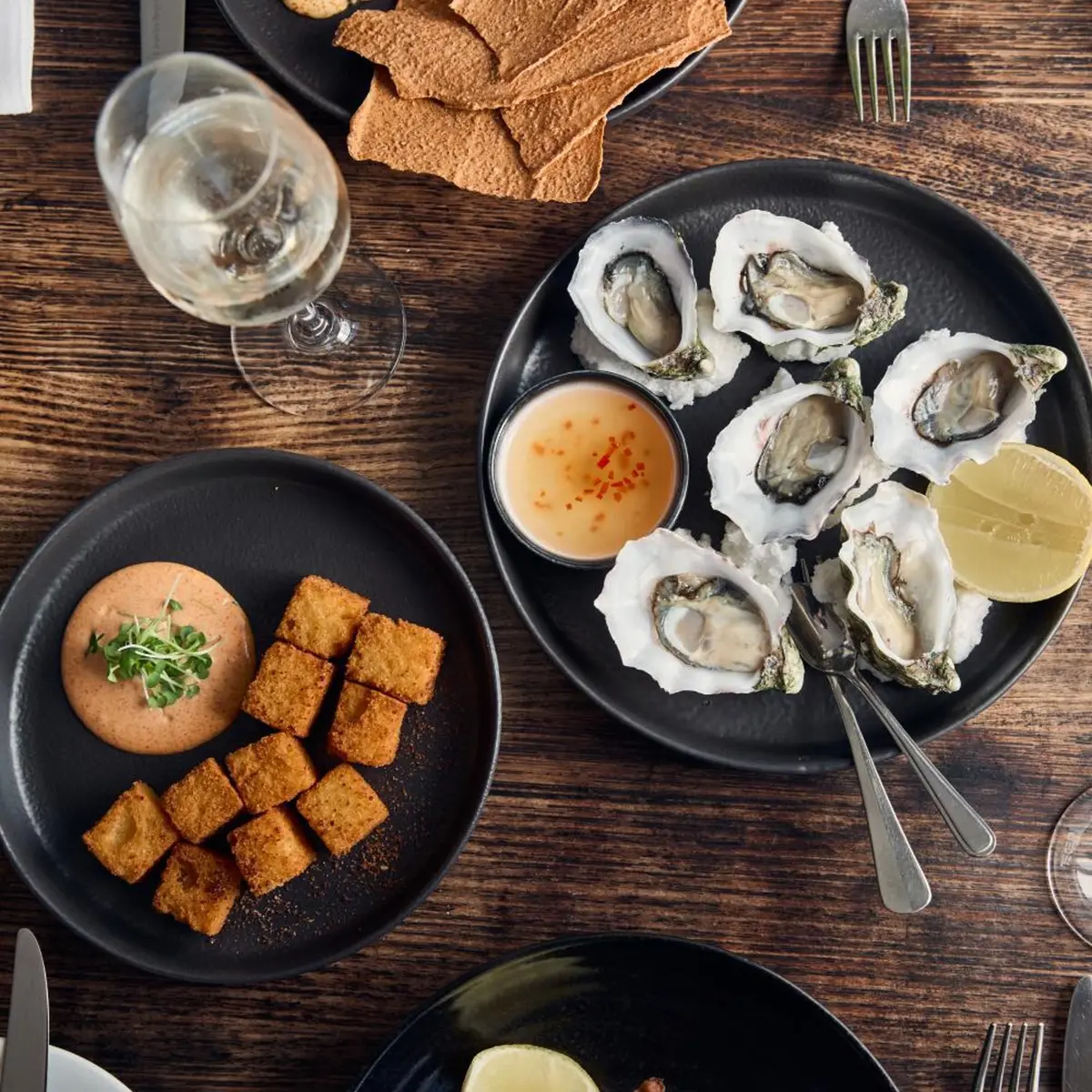
The oysters are delicate and not too briny, with salinity that’s balanced and refreshing. Every wine suits them. Working through six of them over four full glasses of bubbles is about as good as a Monday gets. If you’re doing this yourself, organise a driver.
Playing winemaker
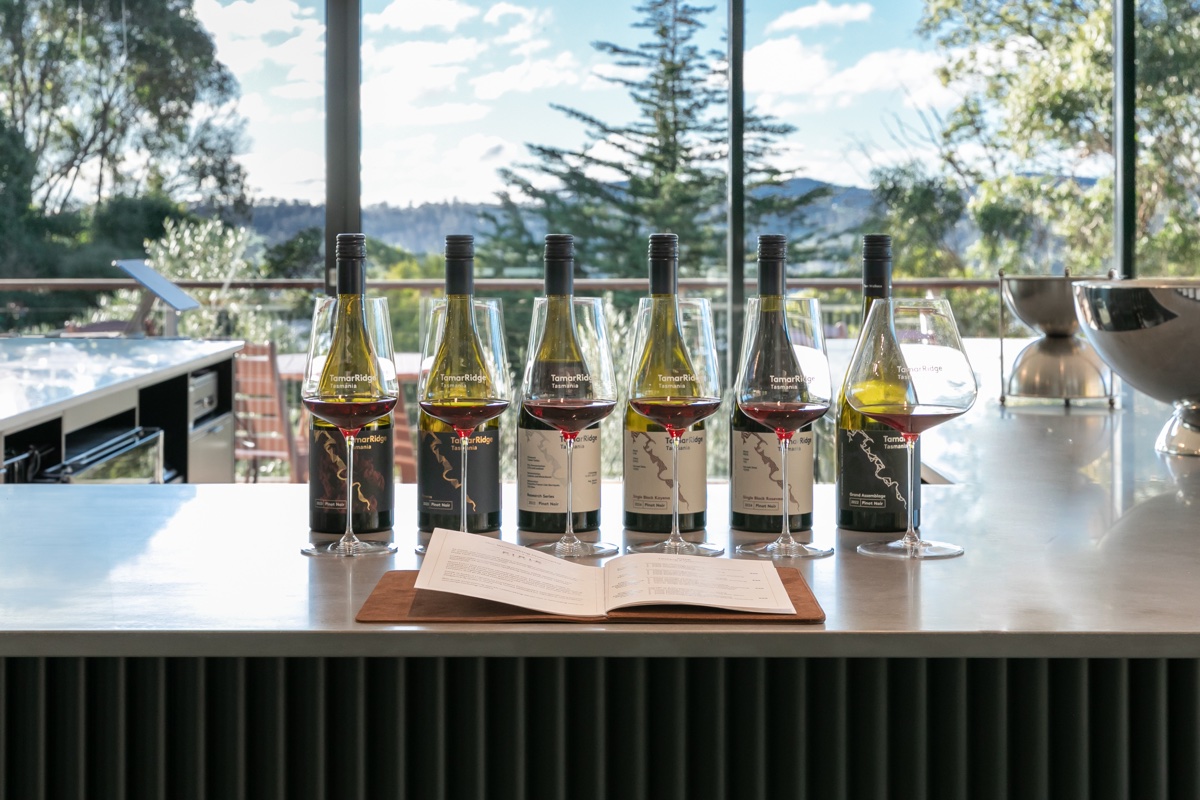
Then it’s time to play winemaker, and this is the highlight. David pours three raw, untreated components, the juices that eventually become finished bottles in the hands of the winemakers: Keyana, Rosevears and the MV6 clone. We taste each one next to its finished wine and dig into how it changes from grape to bottle. The wine to aim for is the Tamar Ridge Reserve Pinot Noir.
David arrives with beakers, and I’m back in a high school science class, with much better liquid. We sniff, swill and sip, then settle on our percentages. My best friend and I are both very competitive, so there’s smack talk, along with a discussion of what the loser will owe. The judges are David and Lynn from the cellar door team, and Lynn tastes blind.
We mull over our blends with a cheese board of crumbled cheddar, ash brie and blue, plus muscatel grapes, jamon, zucchini, lavosh and olives. There’s no rush, and nobody hurries us out. My blend is 60 per cent Keyana, 30 Rosevears and 10 MV6. My best friend goes 50 Keyana, 40 Rosevears and 10 MV6. Her pinot is rounder, and mine is more forward on the front palate. I decide I prefer hers, until a muscatel grape wrecks my confidence. I taste my own blend again afterwards, and it’s a different wine.
Watching Lynn and David taste our blends with such concentration it’s a reminder that winemaking is a science. Our blends differ by only 10 percentage points in two components, and the wines taste completely different.
The verdict is a draw. Lynn prefers my best friend’s blend and David prefers mine, which is the most diplomatic result available.
The cellar door is open daily from 10am to 5pm at 1A Waldhorn Drive, Rosevears. Experiences should be booked ahead.
Where to stay if you go
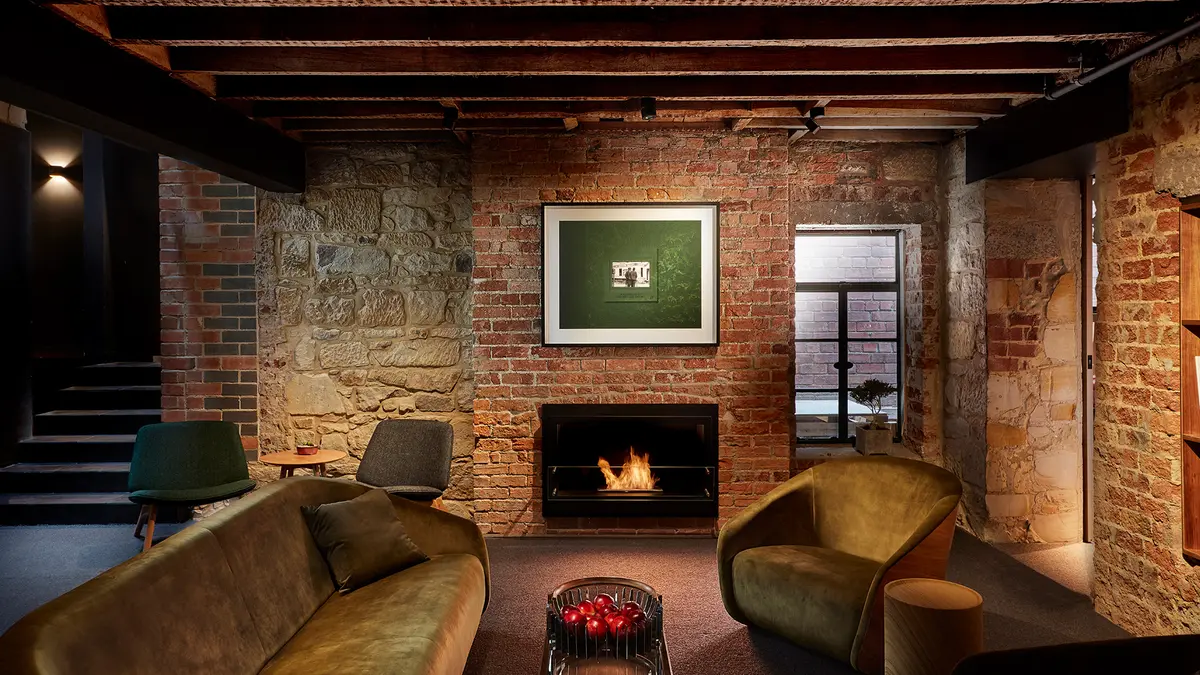
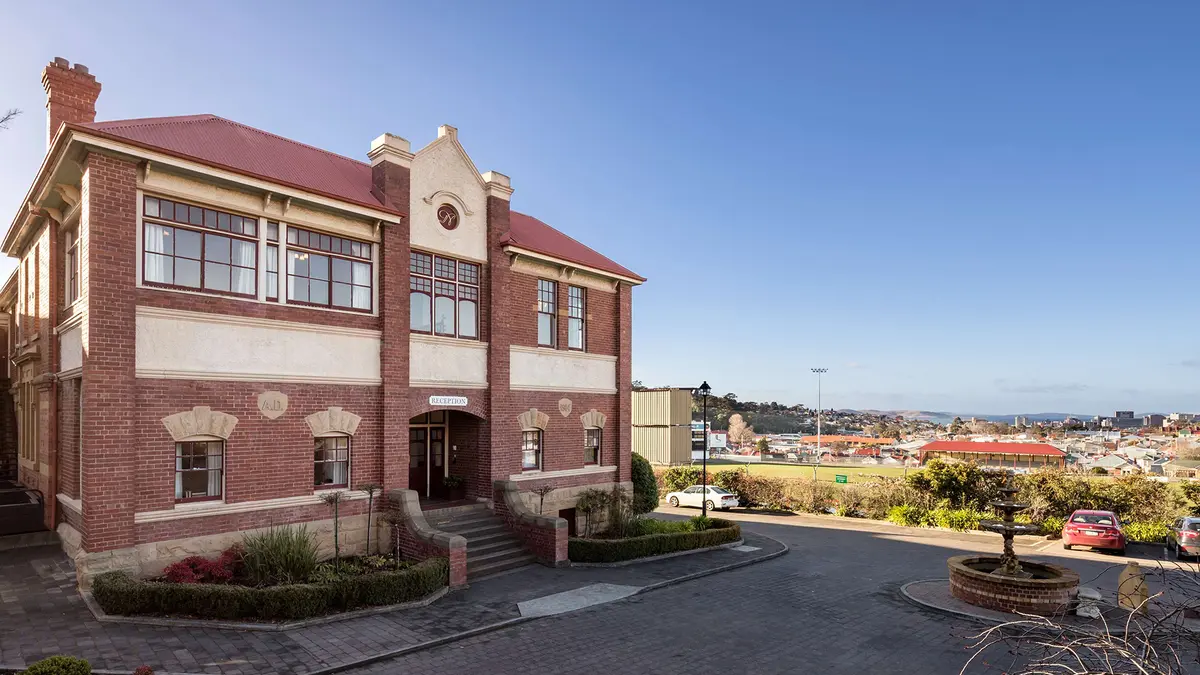
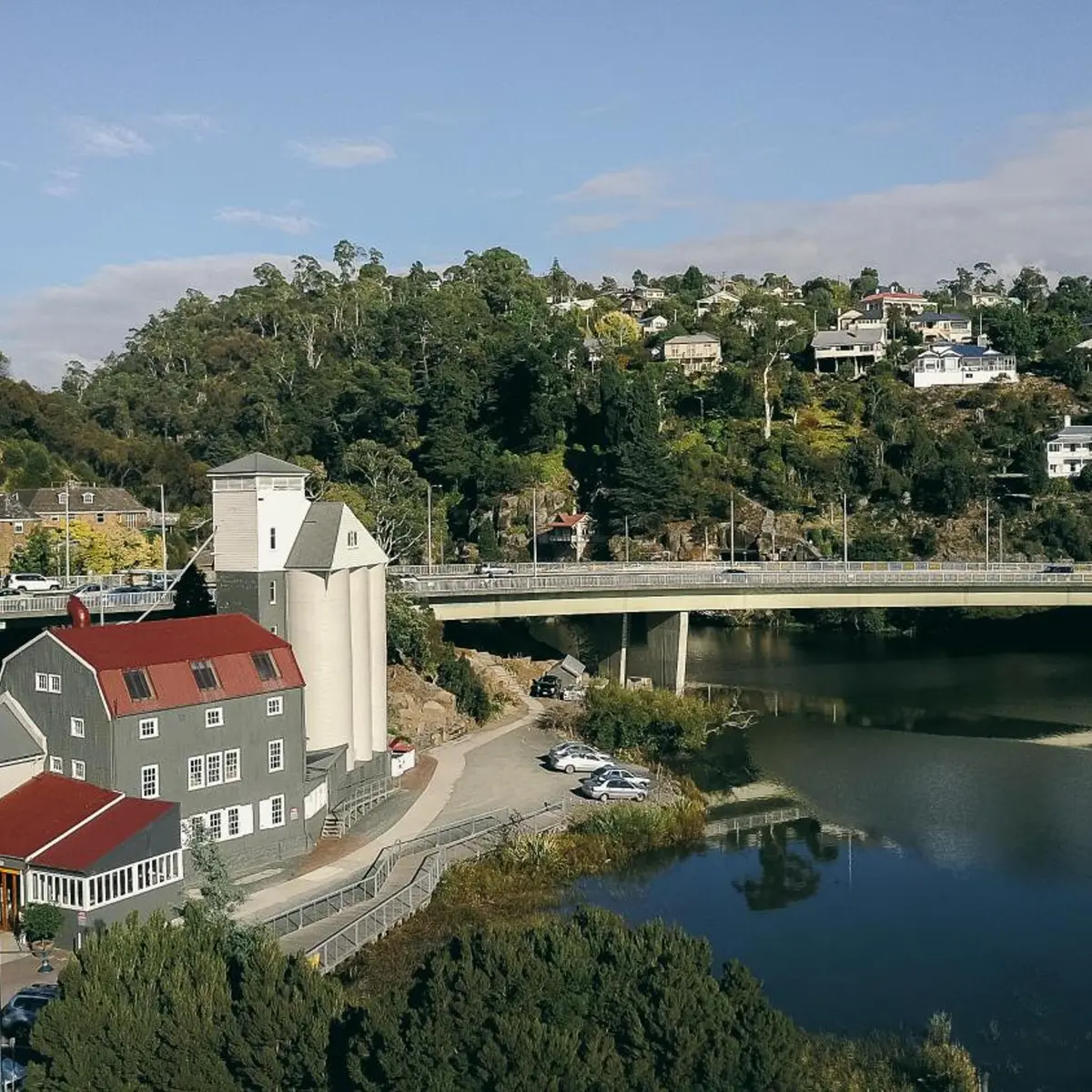
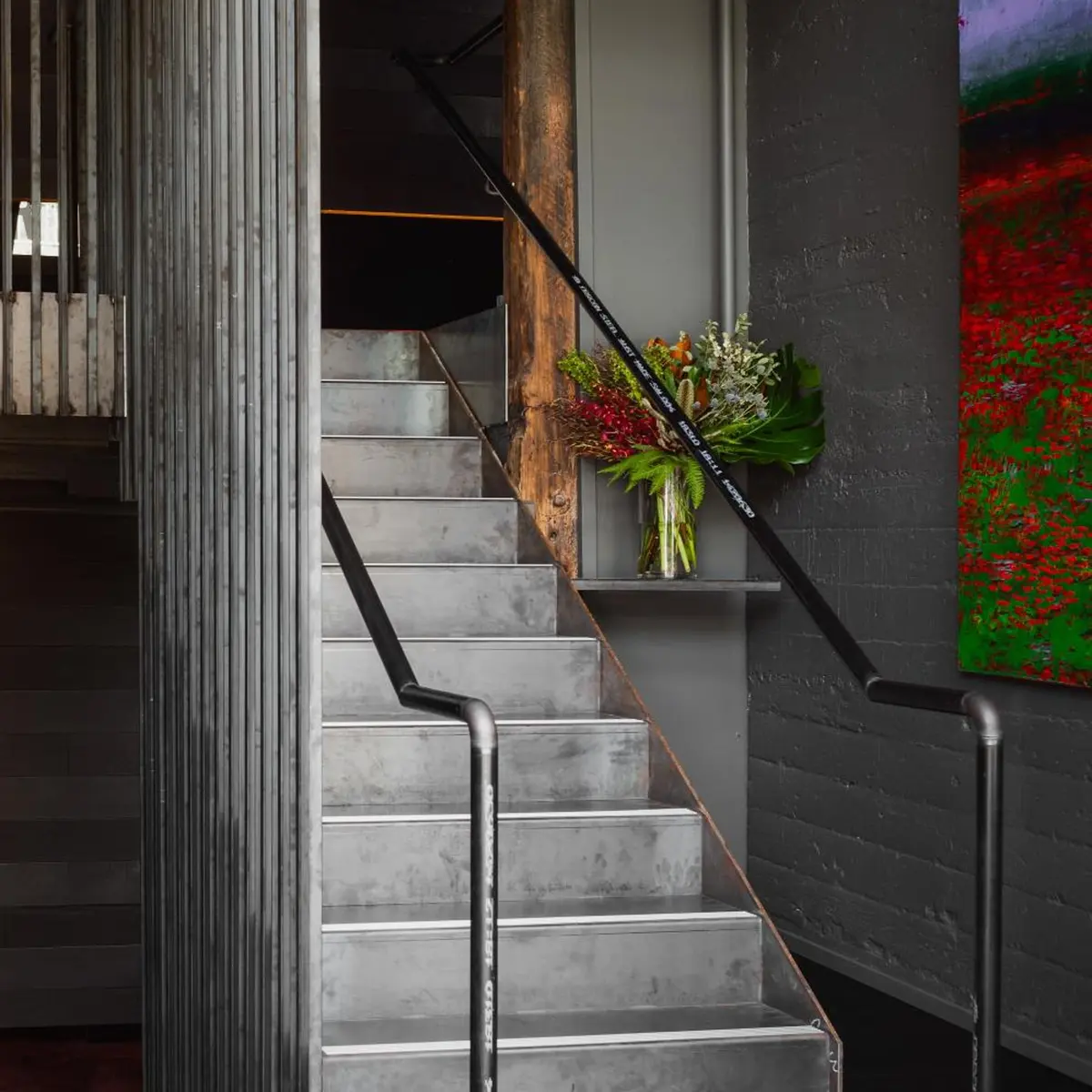
Stillwater Seven is in a converted flour mill at the mouth of Cataract Gorge, within walking distance of the city centre and about 20 minutes’ drive from the cellar door. The building’s original corrugated iron and oregon timber trusses are still on show, and Stillwater restaurant is in the same building.
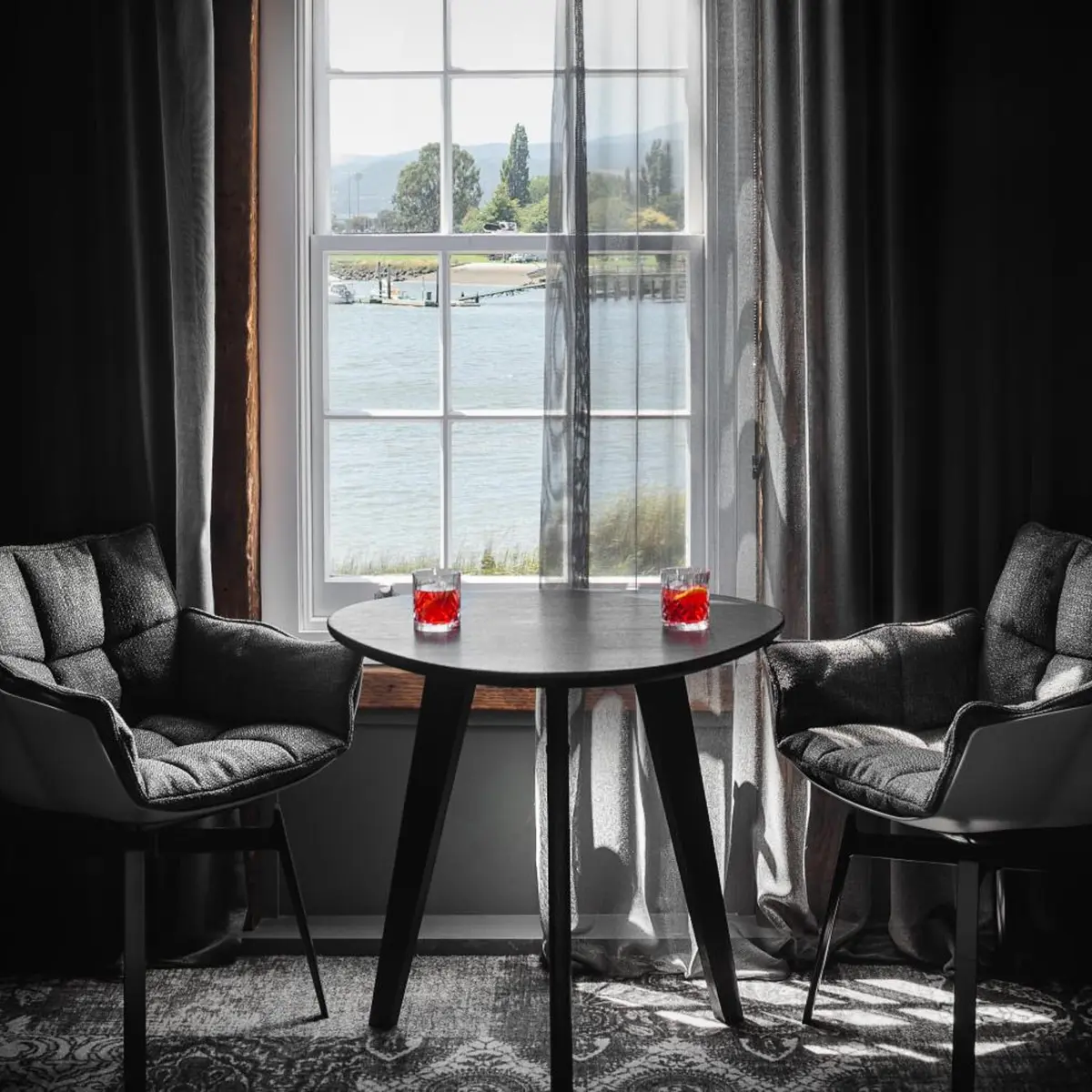
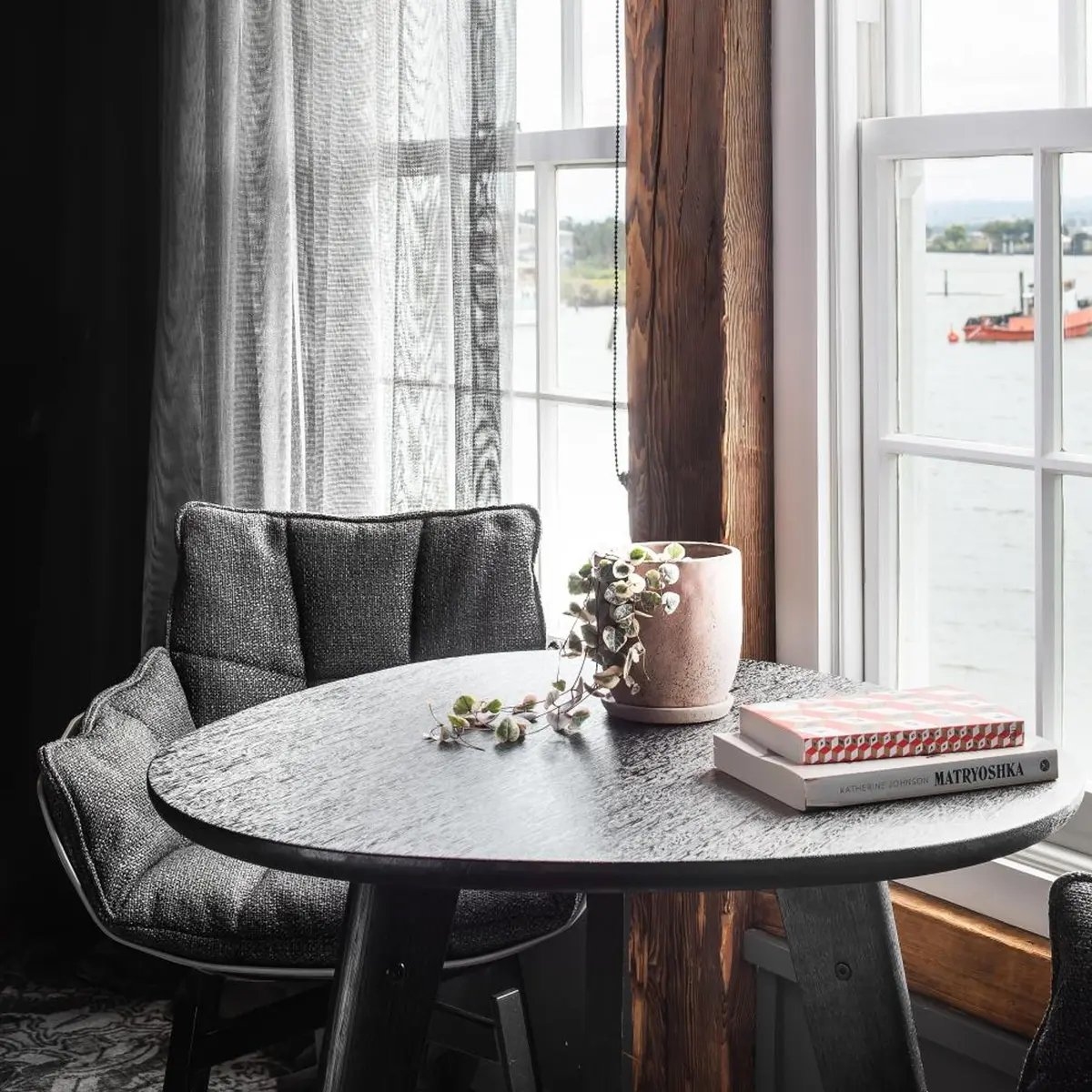
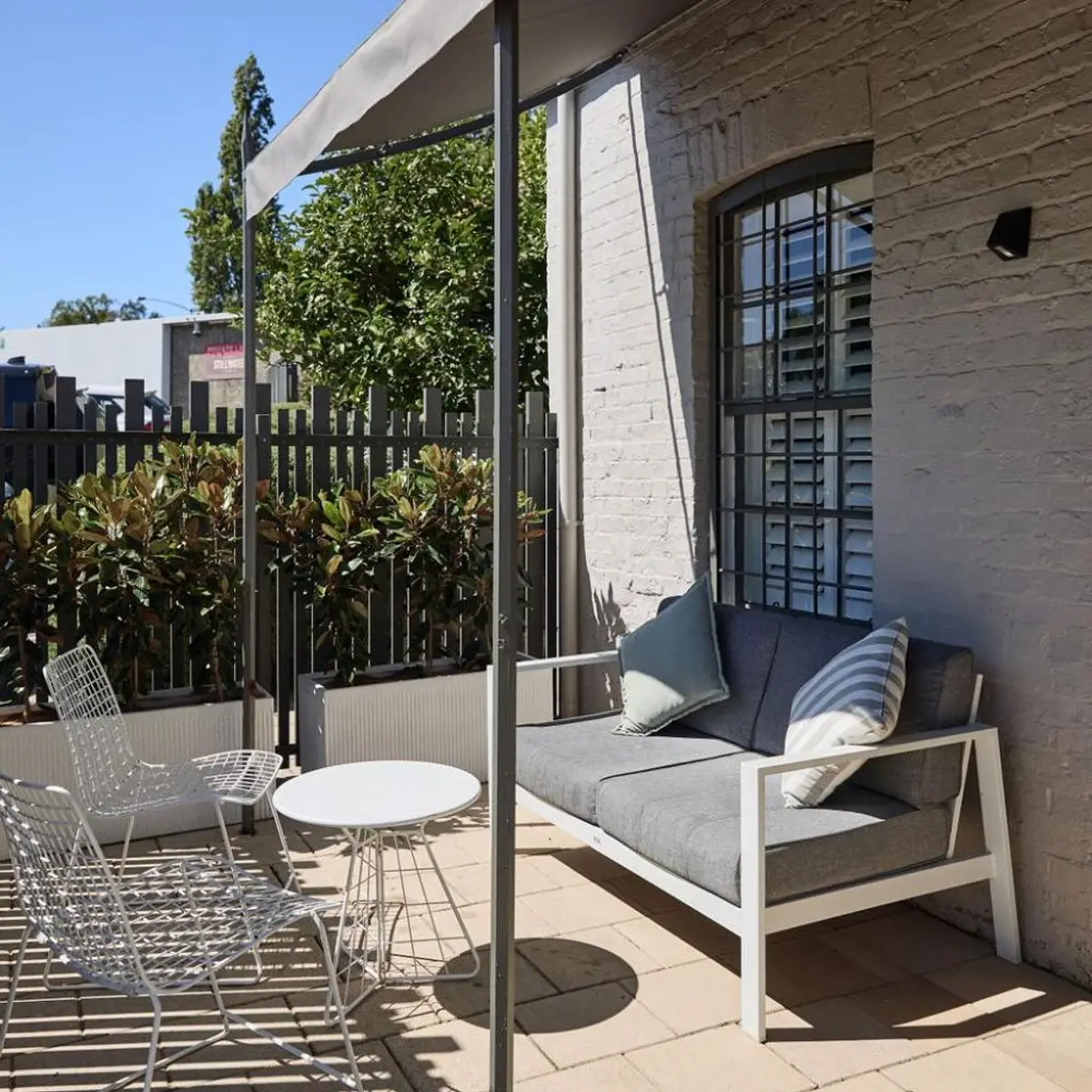
We stay in Suite 7, on the ground floor, with stone walls and a courtyard with a sunlounger and a table set up for people-watching. We make full use of it. Joggers and walkers pass by, a few try to peer through the slats while we peer out, and we try to guess where the music is floating over from. Inside, the bar is incredibly well stocked, with chocolates, salamis, cheeses, non-alcoholic pours and tipples galore. There’s a pod coffee machine, an accessible bathroom and a great king bed. A soul playlist is on when we arrive, which is a better welcome than most check-in desks manage.