A tour in Europe tends to reward a well-designed itinerary as much as any region on earth. The cities are dense with history, the landscapes shift dramatically within a few hours, and the contrast between destinations – whitewashed Andalucían hilltowns one day, the labyrinthine medina of Fès the next – can be the point of the journey. Here’s how to think about where to go, and when.

Discover Europe Tours



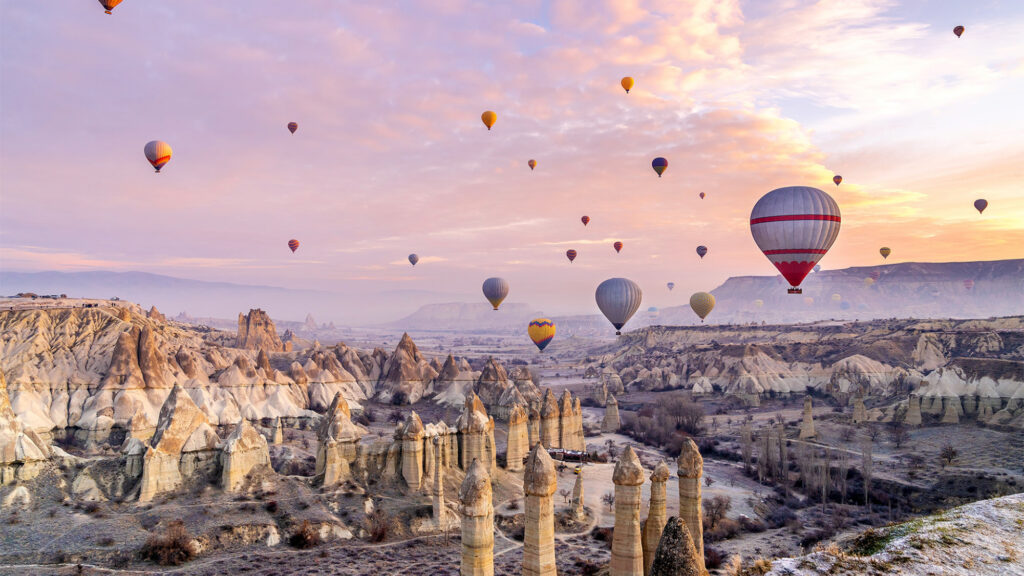


Why choose a small-group guided tour of Europe
Europe rewards both a plan and a little local knowledge. A guided tour takes care of the moving parts – where to stay, how to get between cities and how to make the most of your time – so you can focus on the place around you. If it’s your first visit, choose an itinerary that links the great-name sights. If you’ve travelled here before, look for a route that lingers longer, follows a regional food trail or takes you beyond the capitals.
That might mean fast-track access to the Vatican Museums, a well-placed hotel in London that makes it easier to explore, or a guide who knows which family-run brasserie to seek out in regional France. The details depend on the itinerary, but the best ones help you experience more than the view from the roadside.
- Guaranteed two-person departures: Book with confidence. Only two travellers are required to guarantee your departure.
- Small-group journeys: A more intimate look at each destination, with no more than 24 travellers.
- 4- and 5-star stays: Enjoy handpicked accommodation, from 4-star hotels to iconic stays, depending on your tour.
- Curated experiences: Discover handpicked experiences and itineraries designed by travel experts.
- A dedicated tours concierge: Our team is with you from booking through to the end of your tour.
Where to go in Europe
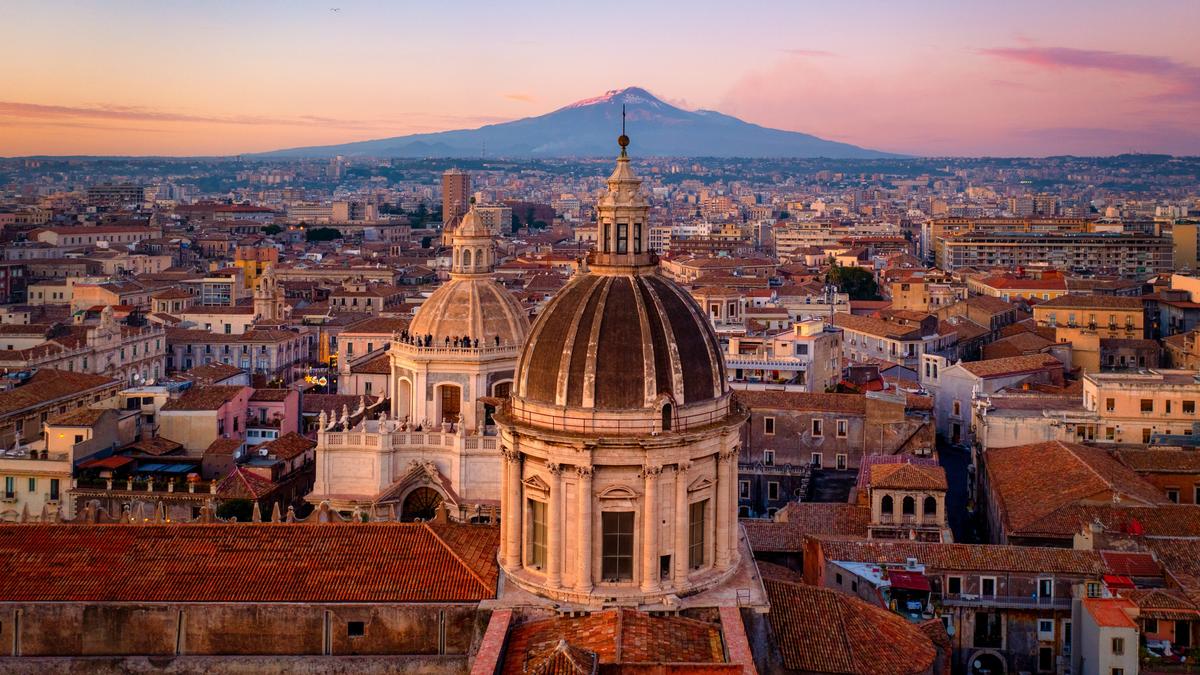
Start with the kind of Europe you want to experience. In the south, Spain and Portugal bring together historic cities, regional food and Atlantic coastlines. Italy rewards a slower route, whether you follow the villages of Puglia, the landscapes of Sicily or the paths of the Dolomites.
Further east, Croatia, Slovenia and Montenegro offer a different rhythm, with old towns and Adriatic coastlines. Greece is best explored with time for its islands or a focused journey through the mainland. In the north, Norway’s fjords and the long summer days of Scandinavia make the landscape the main event.
Some itineraries extend beyond Europe, pairing southern Spain with Morocco or including Turkiyë. Check each tour’s route to see which countries it covers.
| Destination | When To Go | How Long To Go For | What To Expect | Best Suited To |
|---|---|---|---|---|
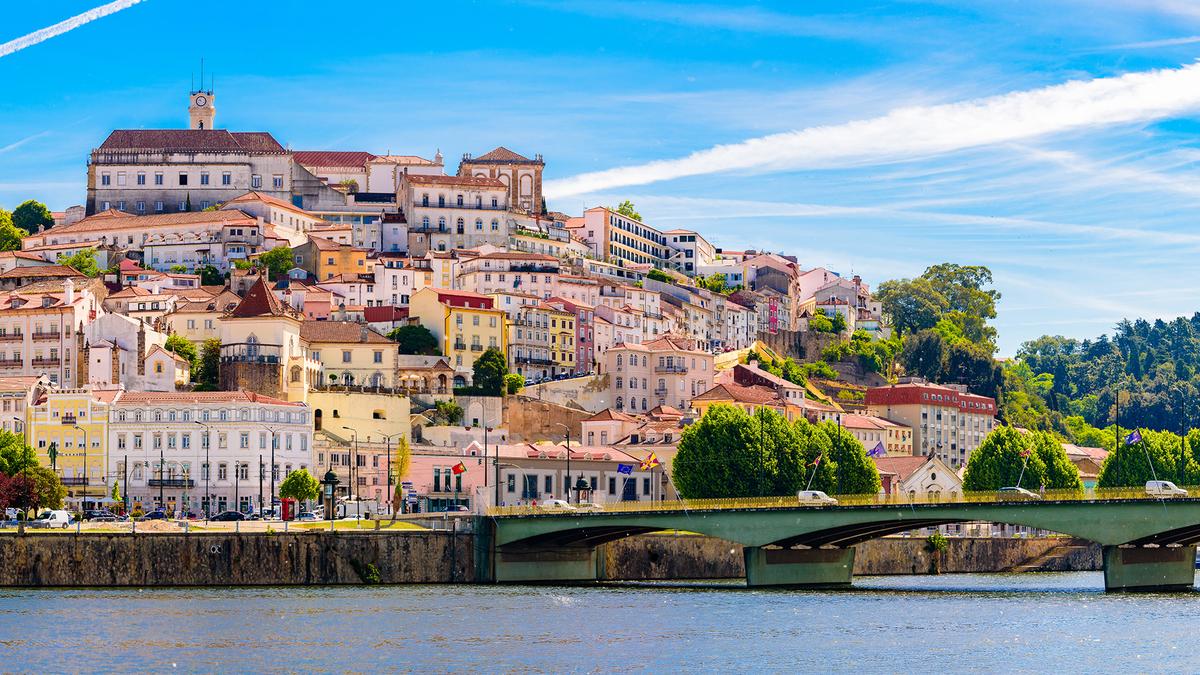
| Spain & Portugal | April to June or September to October | 12 to 16 days | Historic cities, regional food and wine, Atlantic coastlines and distinct local traditions. Explore Lisbon and Porto, visit Andalusian cities or follow a food and wine route. | First-time visitors, culture and food-focused travellers |
| Italy | April to June or September to October | 10 to 14 days | Art, architecture and regional character, from the Alps to the Mediterranean. Discover Tuscany, Sicily, Puglia, the Amalfi Coast or the Dolomites. | Food and wine lovers, history enthusiasts, travellers who want to focus on one region |
| France | April to June or September to October | 10 to 14 days | World-famous cities, celebrated food and wine regions, and landscapes from coast to countryside. Follow a river through Bordeaux, explore the Loire Valley or linger in Paris. | Art and history enthusiasts, food and wine travellers, river-cruise fans |
| Greece | April to June or September to October | 10 to 14 days | Ancient sites, island life and long-established food traditions. Explore Athens and the mainland, or take a focused island-hopping route. | History enthusiasts, island travellers, those seeking a slower-paced itinerary |
| Croatia & the Adriatic | May to September | 10 to 14 days | Walled coastal towns, clear water and a mix of Mediterranean and Central European influences. Visit Dubrovnik and Split, cruise the coast or extend into Slovenia or Montenegro. | Coastal travellers, history enthusiasts, small-ship cruise fans |
| Scandinavia | June to August for long days; winter for Northern Lights routes | 10 to 14 days | Fjords, island-studded coastlines, design-led cities and dramatic seasonal light. See Norway by rail or water, explore the fjords or travel north in search of the Northern Lights. | Landscape lovers, rail travellers, Northern Lights seekers |
| Switzerland & the Alps | June to September for many alpine routes | 7 to 12 days | Mountain scenery, lakeside towns and rail routes through alpine landscapes. Ride a scenic train, explore alpine villages or connect Switzerland with northern Italy. | Rail enthusiasts, walkers, travellers drawn to mountain scenery |
| Turkiyë | April to May or September to October | 10 to 14 days | Layers of history, distinctive regional food and landscapes that span two continents. Explore Istanbul, Cappadocia, Ephesus or the coast. | History and culture enthusiasts, first-time visitors |
How to tour Europe
From tracing the coast by boat to crossing borders aboard a hotel-on-wheels, a guided tour can shape the way you experience Europe as much as the places on the itinerary. Across Deluxe, Premium, Ultra Lux and Signature Series journeys, the difference lies in the pace, the places you stay and the experiences that bring each route to life.
| Tour Style | Group Size | Accommodation | What It Feels Like | Where You Can Go |
|---|---|---|---|---|
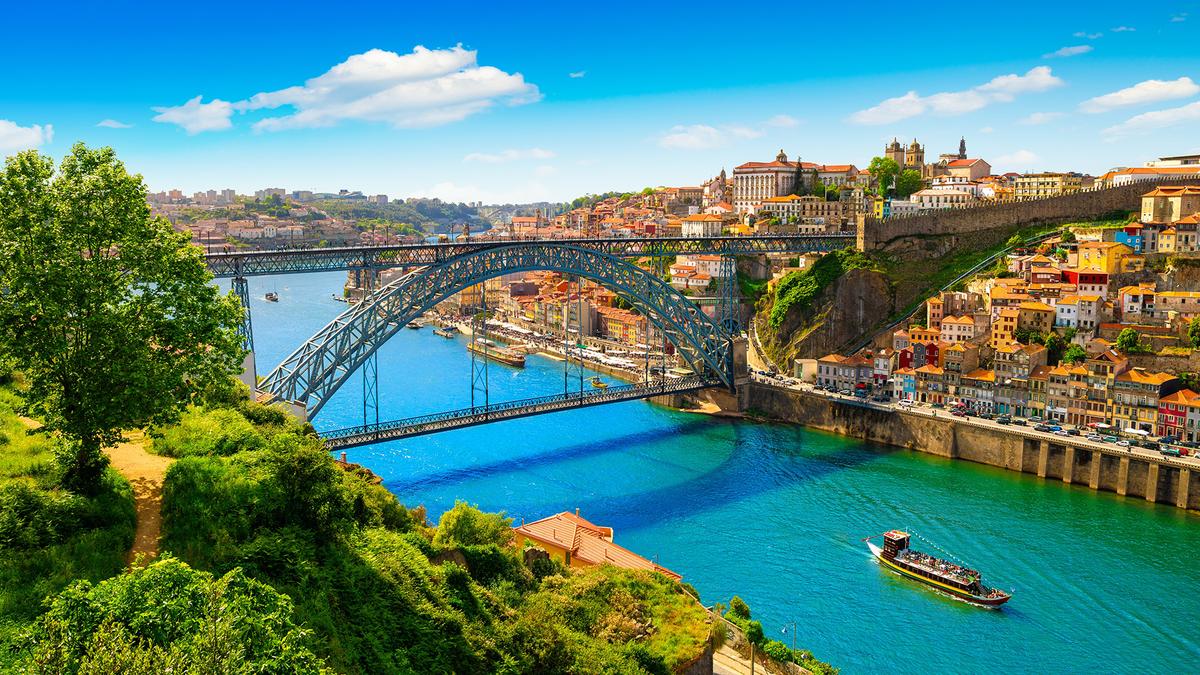
| Deluxe | Up to 24 travellers | 4- and 4.5-star hotels | See the highlights with a fully guided itinerary, plus local food, culture and memorable stops along the way. | Spain, Portugal and Morocco: cruise the Douro, taste Port in Porto and spend two nights glamping in the Sahara. |
| Premium | Up to 16 travellers | 5-star hotels | Enjoy a more intimate group journey, with thoughtfully paced touring and experiences that bring you closer to the region. | Croatia, Slovenia and Istria: explore inland before a seven-night cruise along Croatia’s Dalmatian Coast, stopping at islands including Vis, Hvar and Korčula. |
| Ultra Lux | Usually up to 12 travellers; specialist partner journeys may differ | 5-star hotels and iconic stays | Travel in exceptional comfort, with distinctive stays and experiences that make the journey itself part of the story. | Central Europe: cross borders aboard the Golden Eagle Danube Express, with all-inclusive dining on board and a New Year’s Eve gala in Vienna. |
| Signature Series | Varies by departure | Handpicked accommodation; varies by itinerary | Follow an itinerary shaped around a recognised expert’s knowledge and interests, with hosted moments and experiences created for that journey. | Malta with chef Shane Delia: explore Valletta and Gozo through their food, from market visits and local producers to a farewell feast at a countryside farmhouse. |
Discover Deluxe tours

How to get around on a Europe tour
Getting around Europe can be part of the adventure. One day, a coach carries you from a lively city to a quieter corner of the countryside. Another, the Alps slide past your train window or a boat carries you towards the next island. The way you travel changes the view – and sometimes becomes a highlight in its own right. Here are a few ways of getting around that might feature on your Europe tour itinerary.
| Way to travel | How it features in a Europe tour | Where it can take you |
|---|---|---|
| Rail journeys | Travel between destinations by train, with the changing scenery part of the experience. Some itineraries use rail for a particular leg; others are built around the journey. | Alpine routes through Switzerland, or journeys linking cities and regions across Europe. |
| River cruises | Travel between stops by river, returning to the same ship each day as towns, cities and landscapes unfold along the banks. | Routes on rivers such as the Rhine, Danube, Seine and Rhône. |
| Island-hopping by boat | Move between islands by ferry or cruise, with time ashore to explore each stop. | The Greek islands and other Mediterranean routes. |
| Sailing | Travel along the coast by sail, stopping at seaside towns and islands along the way. | The Mediterranean, including the Greek islands and Adriatic coast. |
| Fjord cruises | See Norway’s fjord landscapes from the water, often as one part of a wider Scandinavian itinerary. | Norway’s fjord region and surrounding Scandinavian routes. |
Discover Premium tours
Europe tour experiences
A good Europe itinerary gives you more than a view from the coach window. You might taste pintxos in San Sebastián, cruise the Douro past Portugal’s terraced vineyards, wander ancient Roman sites with a local guide or sail between Croatia’s islands. Many tours include these kinds of experiences in the itinerary, so you can get beneath the surface of a place as you travel.
Want to go further? Selected tours also offer optional excursions, from a fado evening in Lisbon to extra time exploring a historic city. They’re an opportunity to follow your curiosity and make the journey more immersive. Check each itinerary for what’s included and which experiences are available to add.
| Experience | Why You’ll Love It | Where You Might Find It |
|---|---|---|
| Overnight in an igloo | Spend the night in a distinctive winter stay, with the chance to experience the quiet of the landscape after dark. | Selected winter itineraries in northern Europe. |
| Island-hopping by cruise | Move between islands by water, with time to explore each stop along the way. | The Greek islands and other Mediterranean routes. |
| Street-food tours | Discover a city through its everyday food, local specialities and the places people gather to eat. | Selected city itineraries in Spain, Portugal and Italy. |
| Skip-the-line access | Spend less time waiting at selected sights when timed entry or priority access is included. | Availability depends on the attraction and itinerary; check the tour inclusions. |
| Hands-on cooking classes | Learn a regional recipe and the story behind it, then sit down to enjoy what you’ve made. | Selected food-focused itineraries in Italy, Spain and Portugal. |
Frequently asked questions
What’s included in a Europe tour?
Inclusions vary by itinerary, but many tours include accommodation, guided sightseeing, selected meals, transport between destinations and experiences such as tastings, cruises or entry to major attractions. Check the individual itinerary for exactly what’s covered.
Are experiences and excursions included?
Many itineraries include experiences that bring a destination to life, such as a Douro River cruise, a local food tasting or a guided visit to a historic site. Some tours also offer optional excursions you can add for a more immersive experience. Availability and cost vary by tour.
How many people are on a Europe tour?
Group size depends on the tour style and itinerary. Deluxe tours can have up to 24 travellers, while Premium tours can have up to 16 and many Ultra Lux tours are capped at 12. Some specialist journeys, including partner-operated tours, may have different group sizes. Check the tour page for its maximum.
Are Europe tours fully guided?
Guiding varies by itinerary. Some tours are fully guided from start to finish; others combine guided touring with time to explore independently. Each tour page explains the level of guidance provided.
How much free time will I have?
It depends on the itinerary. Some days are planned around guided visits and travel between destinations; others include free time to explore at your own pace. Review the day-by-day itinerary to see how each tour balances organised activities and time at leisure.
How much time is spent travelling between destinations?
Travel times vary, and some itineraries include longer journeys to cover more ground. The day-by-day itinerary usually gives an indication of driving or transfer times, so you can get a sense of the pace before booking.
What type of accommodation can I expect?
Accommodation depends on the tour style and specific itinerary. Tours may include 4- or 4.5-star hotels, 5-star properties, cruises or distinctive stays such as a desert camp. Check the tour page for the hotels or examples listed for your departure.
Can I add optional excursions to my Europe tour?
Some tours offer optional experiences that can be added during booking or while travelling. These might include a cultural performance, a local food experience or an additional guided visit. Options vary by itinerary and may have an extra cost.
Are meals included on Europe tours?
Meal inclusions differ by itinerary. Many tours include breakfast, with some lunches and dinners included too. The itinerary lists the meals provided each day, giving you a clear picture of when you can make your own plans.
Do Europe tours have guaranteed departures?
Departure policies can vary by tour. Check the tour page for the status and conditions of your chosen departure, including whether it is guaranteed.
What should I pack for a Europe tour?
Start with comfortable, already broken-in walking shoes – many itineraries include long days on foot over cobblestones, stairs and uneven streets. Pack layers you can add or remove, a light waterproof jacket and a small day bag for essentials. If your itinerary includes churches or other religious sites, bring clothing that covers your shoulders and knees; requirements vary by site. You may also need different power adaptors for the UK and mainland Europe. Check the season, activities and luggage guidance on your specific tour itinerary before you go.
Can I travel solo on a Europe tour?
Solo-traveller arrangements vary by tour and departure. Check the individual tour page for room options, pricing and any applicable single supplement.