
For the perfect balance between weather, crowds and prices, look to April–May or September–October in Europe – these are the region’s shoulder seasons. Summer suits beach holidays, festivals and longer days, while winter brings skiing, Christmas markets and better value outside of peak periods. Europe’s 44 countries also experience very different climates, so check the specific destination before booking.










Quick comparison: when should you visit Europe?
If you’re used to beach days and BBQs at Christmas time, flip the calendar before you start planning. Europe’s summer runs June–August and winter December–February — the reverse of the Southern Hemisphere. Here’s how each season stacks up at a glance.
| Season | Weather, crowds and prices | Best for |
|---|---|---|
| Winter | Cold; generally quieter and cheaper outside Christmas and ski periods | Skiing, markets, Northern Lights and city breaks |
| Spring | Mild and better value, with Easter crowds | Sightseeing, gardens and city breaks |
| Summer | Warmest and busiest, with peak prices and school holidays | Beaches, festivals and outdoor travel |
| Autumn | Mild in the south, with fewer crowds and falling prices | Food and wine, warm seas and cultural trips |
Winter: skiing, markets and lower prices
Winter is the best time to visit Europe for snow-based holidays, festive markets and aurora viewing. January and February are often the cheapest due to harsher weather and limited school holidays across much of the continent – but you can make weather part of the appeal.
Accommodation and flights can be more affordable, but some attractions, shops, restaurants and summer-focused resorts close for the season – particularly in Greece, southern Italy, Croatia and Portugal.
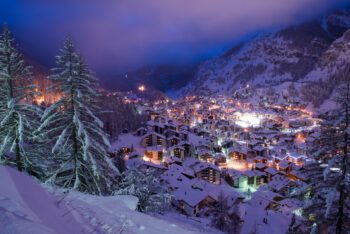
Make the most of prime skiing conditions on the slopes of Switzerland, Italy, France or more budget-friendly Bulgaria. Head further north to Scandinavia for the Northern Lights – Iceland and Finland are among the best places to see them, and December through January offer the longest nights for higher viewing chances.
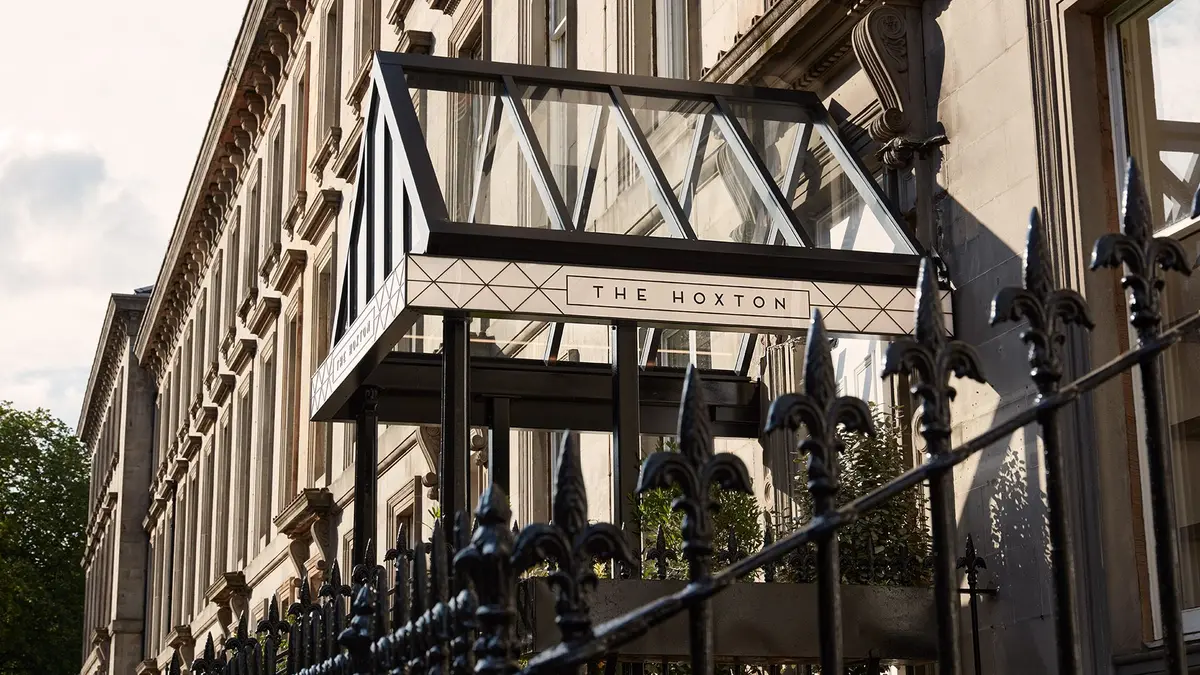
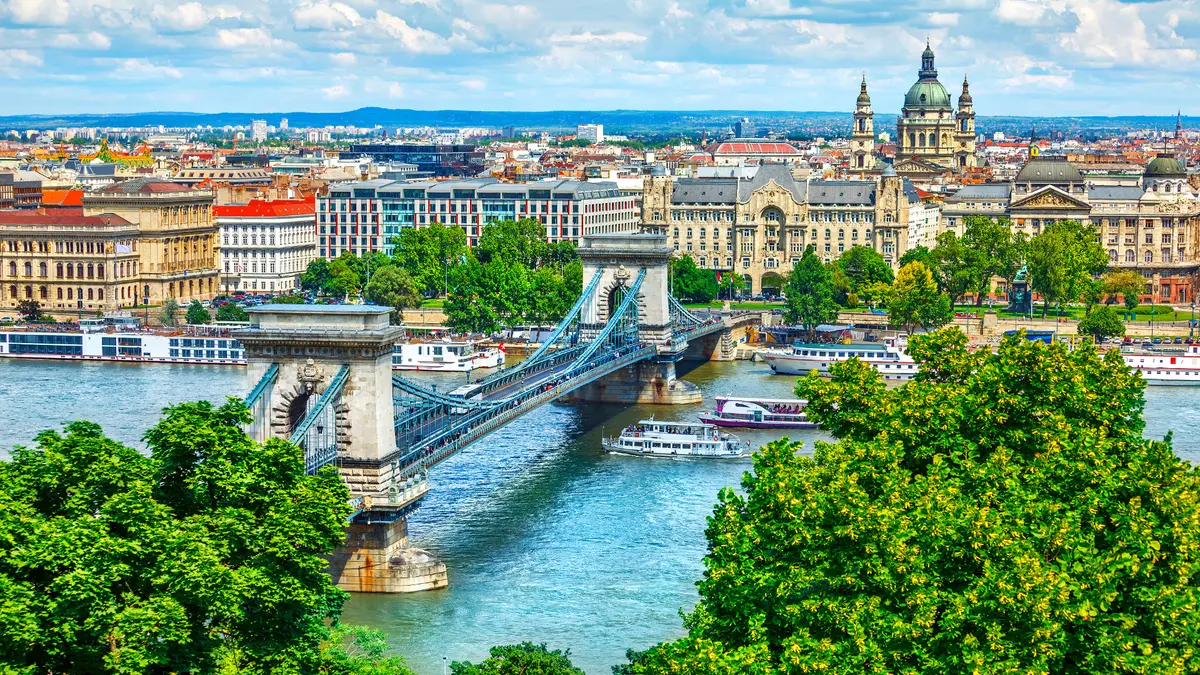
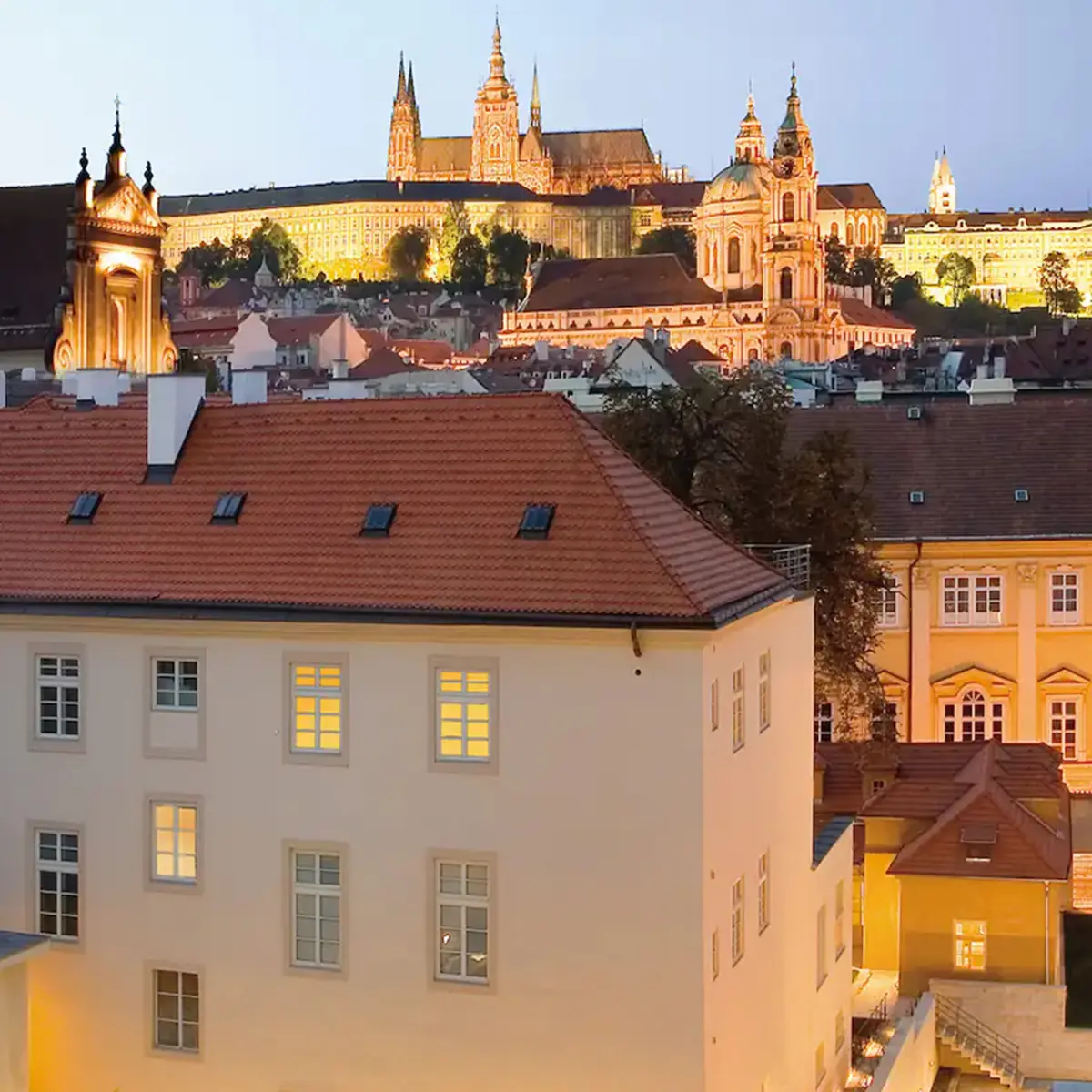
From mid-to-late November, follow the festive lights across cities like Vienna, Strasbourg or Prague, where Christmas markets take over some of the continent’s prettiest old towns. Edinburgh’s markets are particularly photogenic, set beneath the city’s hilltop castle – visit mid-week to avoid peak crowds.





Spring: mild weather and shoulder-season value
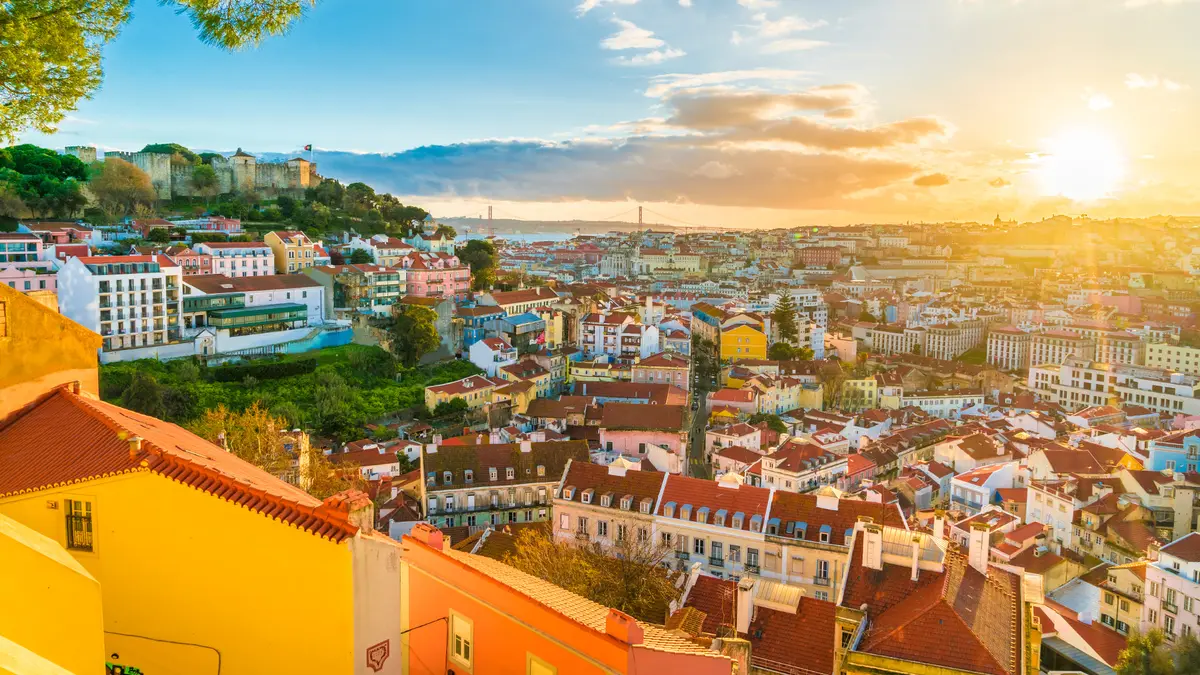
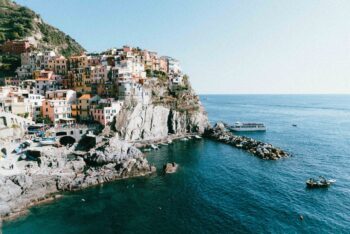
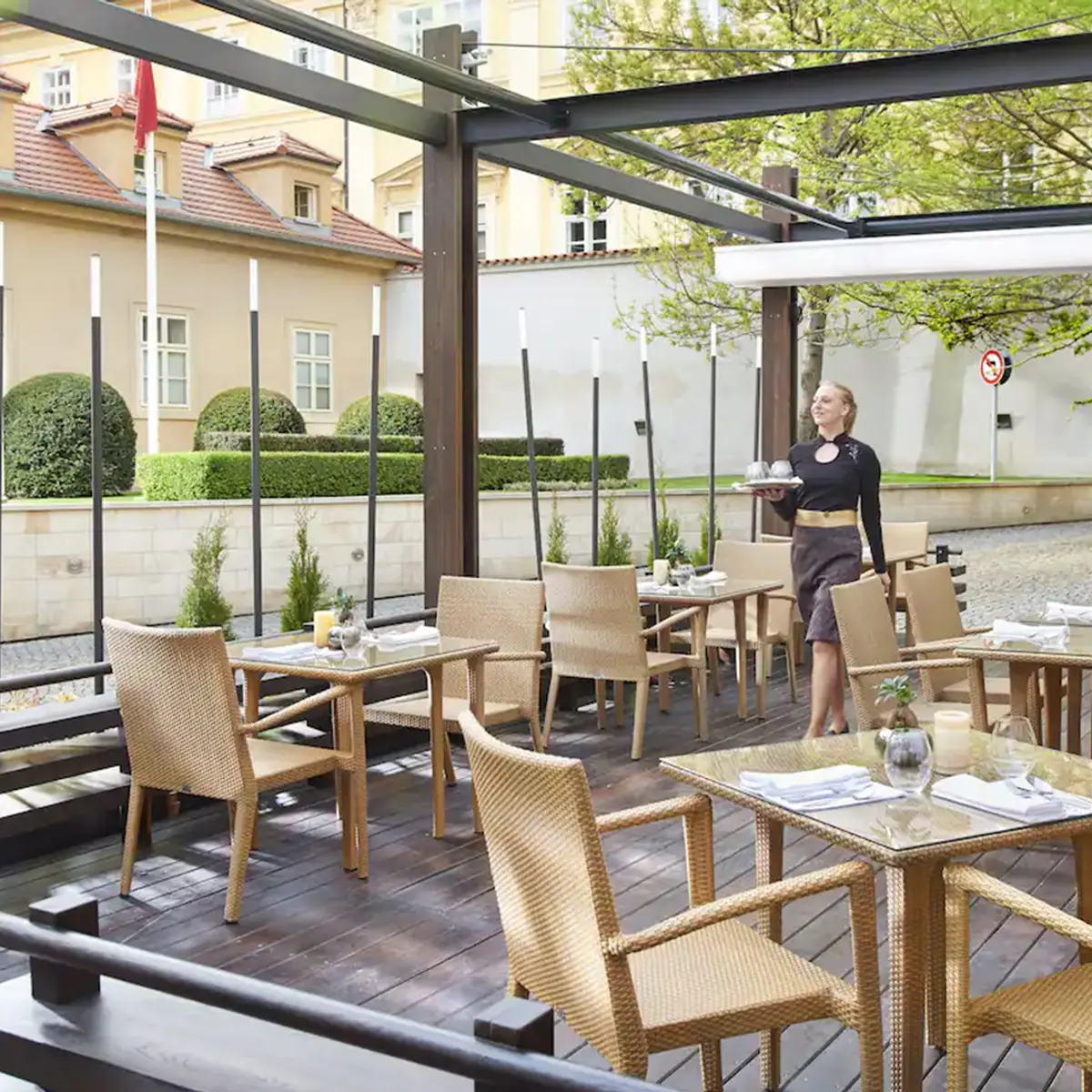
Spring weather varies across Europe, but heading south gives you good odds of blue skies. The Algarve, Malta and Cyprus are among the continent’s sunniest corners, with 300 days of sunshine per year. April and May are great for sightseeing before the Mediterranean heat arrives. Many places are also usually cheaper than in summer, especially popular and pricy destinations like Italy’s Cinque Terre and Barcelona.
Another perk to European spring is the chance to experience seasonal highlights you won’t find at any other time of year – Dutch tulip season peaks around April; cherry blossoms burst into bloom from late March to April in Paris, Bonn, Edinburgh and Stockholm; and southern European countryside is at its greenest before the summer heat dries it out.
Easter brings a surge of visitors, so prices and crowds can rise during the holiday period. School breaks vary by country, so the knock-on effect can last considerably longer than four days.
Top tip: Spring weather can change quickly, so pack layers and check seasonal opening dates for island resorts, beach clubs and other summer-focused businesses.








Summer: beaches, festivals and long days
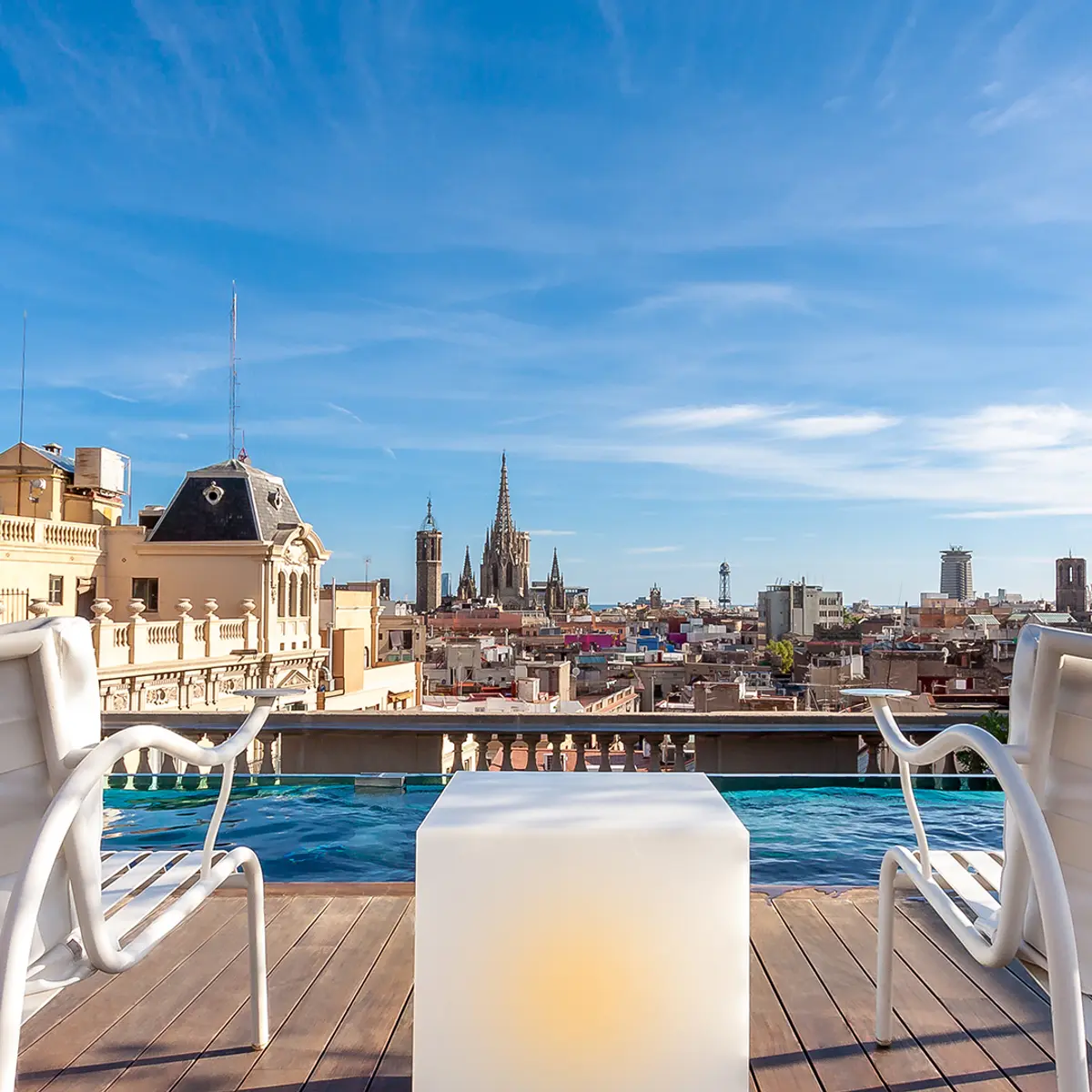
Summer is undeniably the most popular time to travel and for good reason, with reliable weather, late sunsets and a busy calendar of festivals and events. European school holidays start anywhere from mid-June to late July, so it’s a good idea to plan your visit before peak summer crowds arrive.
July and August work best with some forward planning. Coastal favourites fill quickly, prices go up, and inland cities can become punishingly hot in the afternoons. Book the essentials early, then structure your day around cooler mornings, poolside lunches and late night wandering.
If baking heat and crowds put you off, you may want to head north: Scotland, Iceland and Scandinavia offer cooler conditions and dramatically longer days, making them especially good for active holidays and road trips where every extra hour of light counts.







Autumn: warm seas, food and wine
September and October are often considered among the best months to visit Europe, combining mild weather, fewer crowds and lower prices after the summer peak. Southern Europe beckons with quieter beaches and seas that stay warm well after the August crowds thin out.
Clink overflowing steins at Munich’s Oktoberfest, explore Scotland’s Highlands or sample your way through Tuscany’s wine regions. Autumn also suits food and wine travel through destinations such as Piedmont, Provence and Spain’s wine regions.
Towards the end of the season, the weather becomes more unpredictable. Flights, accommodation and experiences may become cheaper, but smaller towns and rural areas – including some Greek and Croatian islands – may start to close for the season.








The best time to visit Europe by holiday type
Beach holidays
June and September usually offer the best balance of warm weather, swimmable seas and manageable crowds. July and August bring the highest temperatures, but also peak prices and visitor numbers. The Canary Islands can offer mild winter sunshine when much of Europe is cold.
Skiing
January to March generally offers the strongest skiing conditions, although snow varies by altitude and resort. December and early January bring festive atmosphere and school-holiday demand, while late-season skiing offers longer daylight hours.










Sightseeing and city breaks
April–May and September–October are usually the most comfortable periods for exploring Europe’s major cities. You’ll often find milder temperatures, shorter queues and better accommodation value than in summer. Winter can also work well for museums, galleries, restaurants and shopping.
Christmas markets
Late November and December are the key months for Christmas-market trips. Visit major markets mid-week where possible, as weekends tend to bring the largest crowds and highest prices.








Food and wine travel
September to November suits harvest-focused trips through Tuscany, Piedmont, Provence and Spain. Spring can also be rewarding, with fresh produce, milder weather and fewer visitors.
Lower-cost travel
January to March and November usually offer the best value, except around ski resorts, major events and Christmas markets. For milder weather without summer prices, consider April, May, September or October, avoiding Easter and school-holiday weeks.







Europe’s regions have different climates
Europe doesn’t have one uniform climate. Southern Europe warms earlier and stays mild later, while northern Europe has cooler summers and shorter winter days. Central Europe experiences distinct spring and autumn shoulder seasons, and alpine areas can be snowy when nearby cities are mild.
Top tip: If your itinerary includes several regions, pack for more than one climate and allow for changing conditions.


The best time to visit Europe depends on your priorities and holiday type
For the best overall balance, plan your trip for April–May or September–October. Choose summer for beaches and festivals, winter for skiing and Christmas markets, and autumn for food, wine and quieter Mediterranean travel.
Before booking, check the specific region’s climate, school-holiday dates, seasonal opening hours and local events.