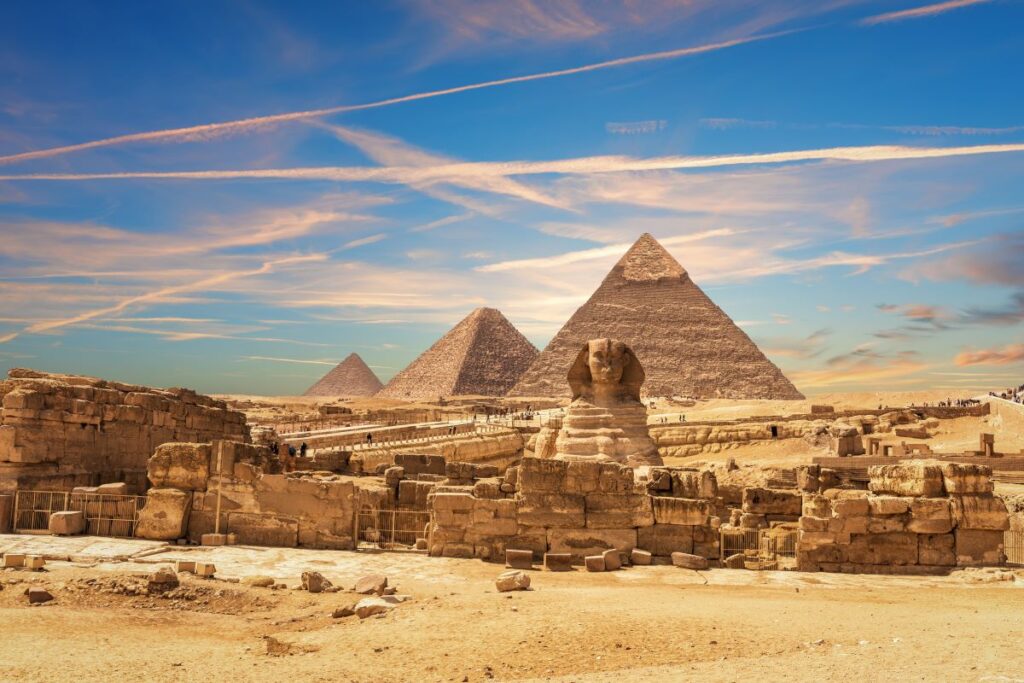
Egypt is one of the most visited, photographed and written-about destinations in the world. As a self-confessed fan of the pharaohs – not to mention an obsessive pre-holiday researcher – I thought I knew what to expect on my 10-day tour up the River Nile. Here’s what caught me off guard.

There’s a museum to rival the pyramids
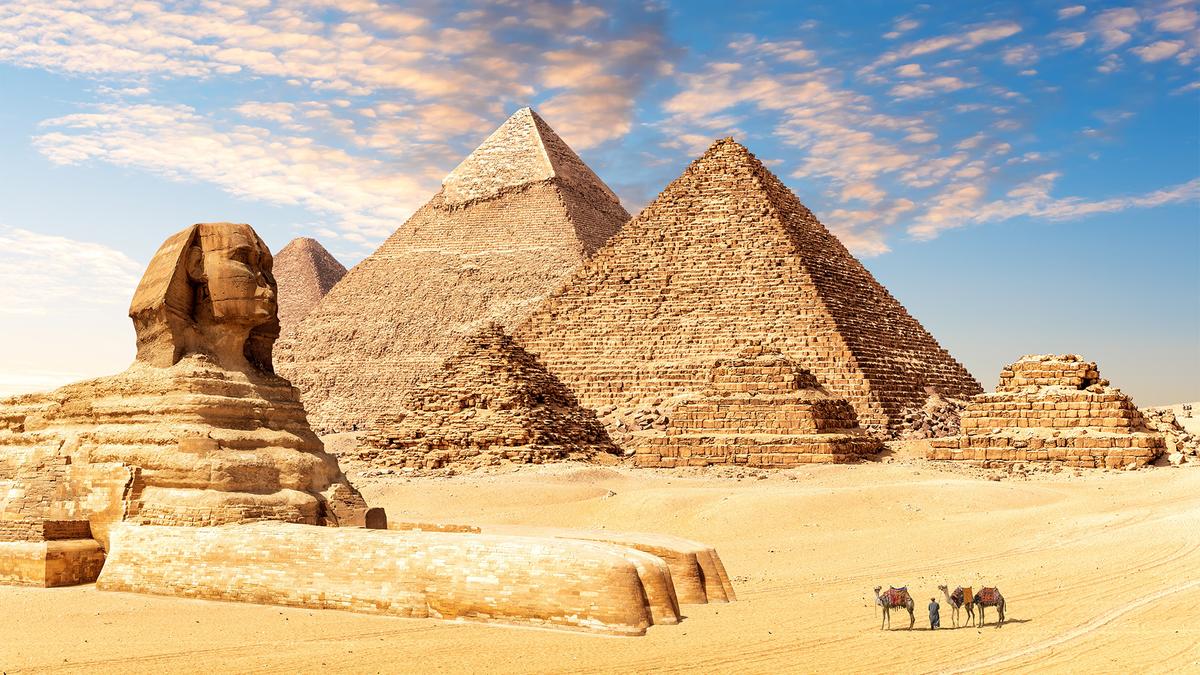
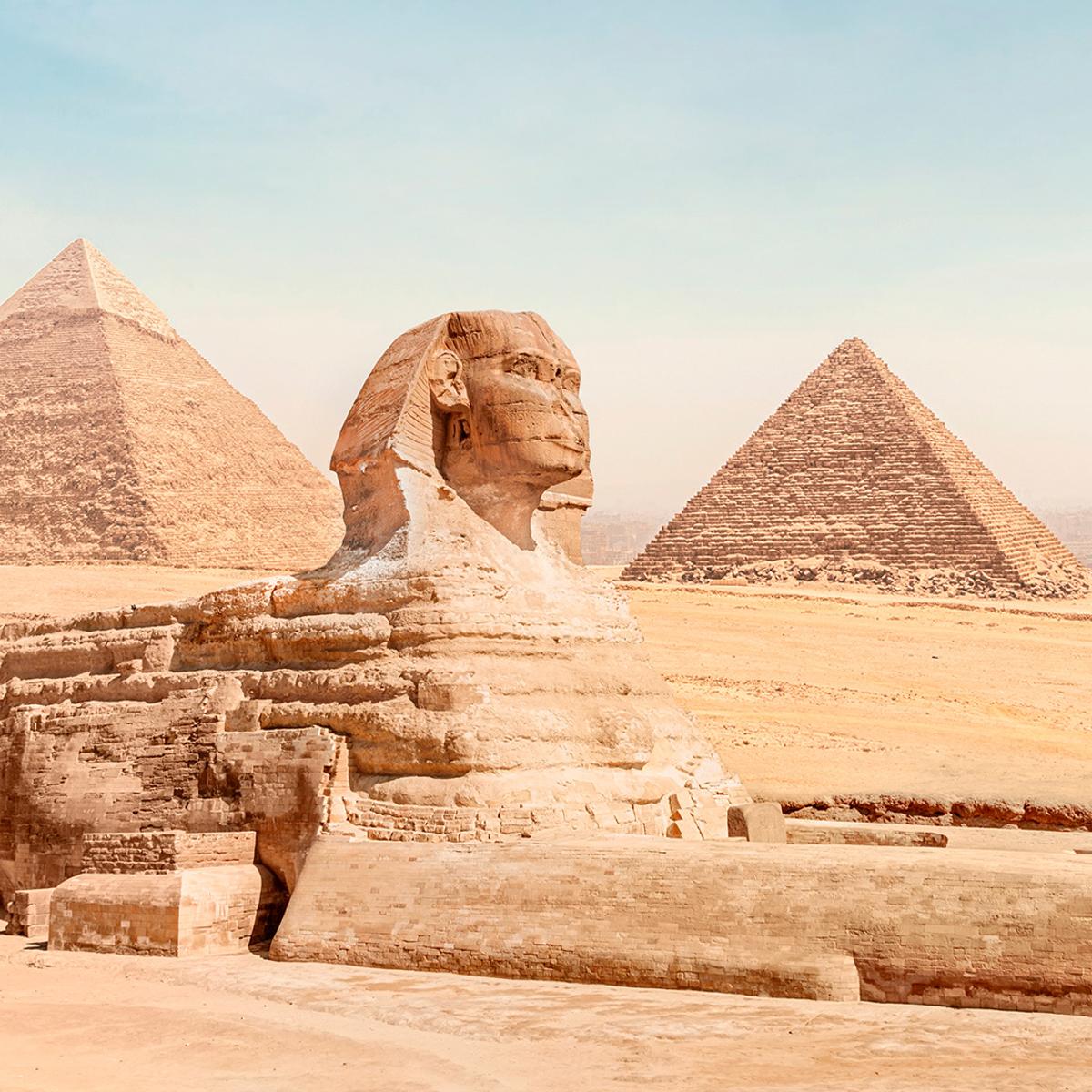
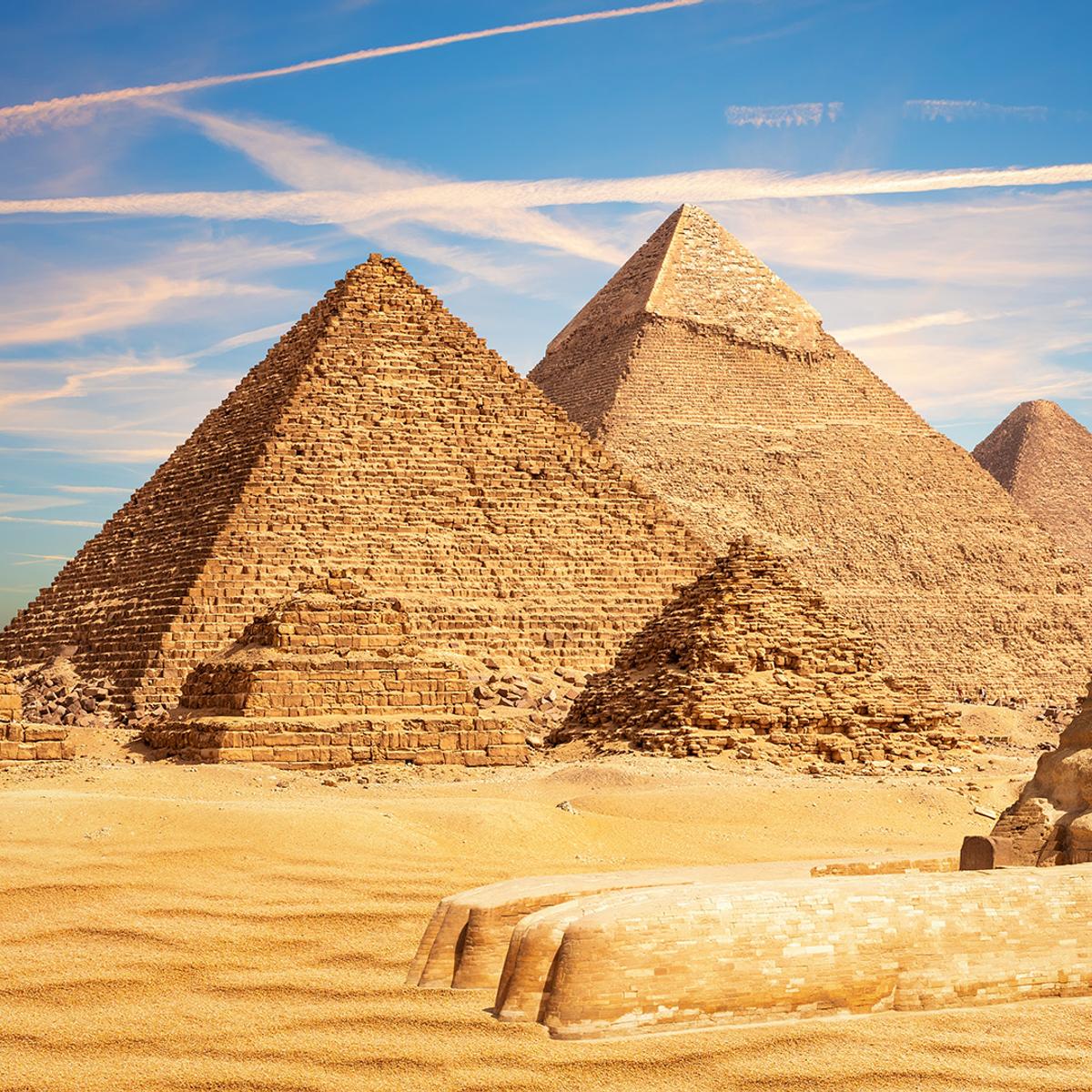
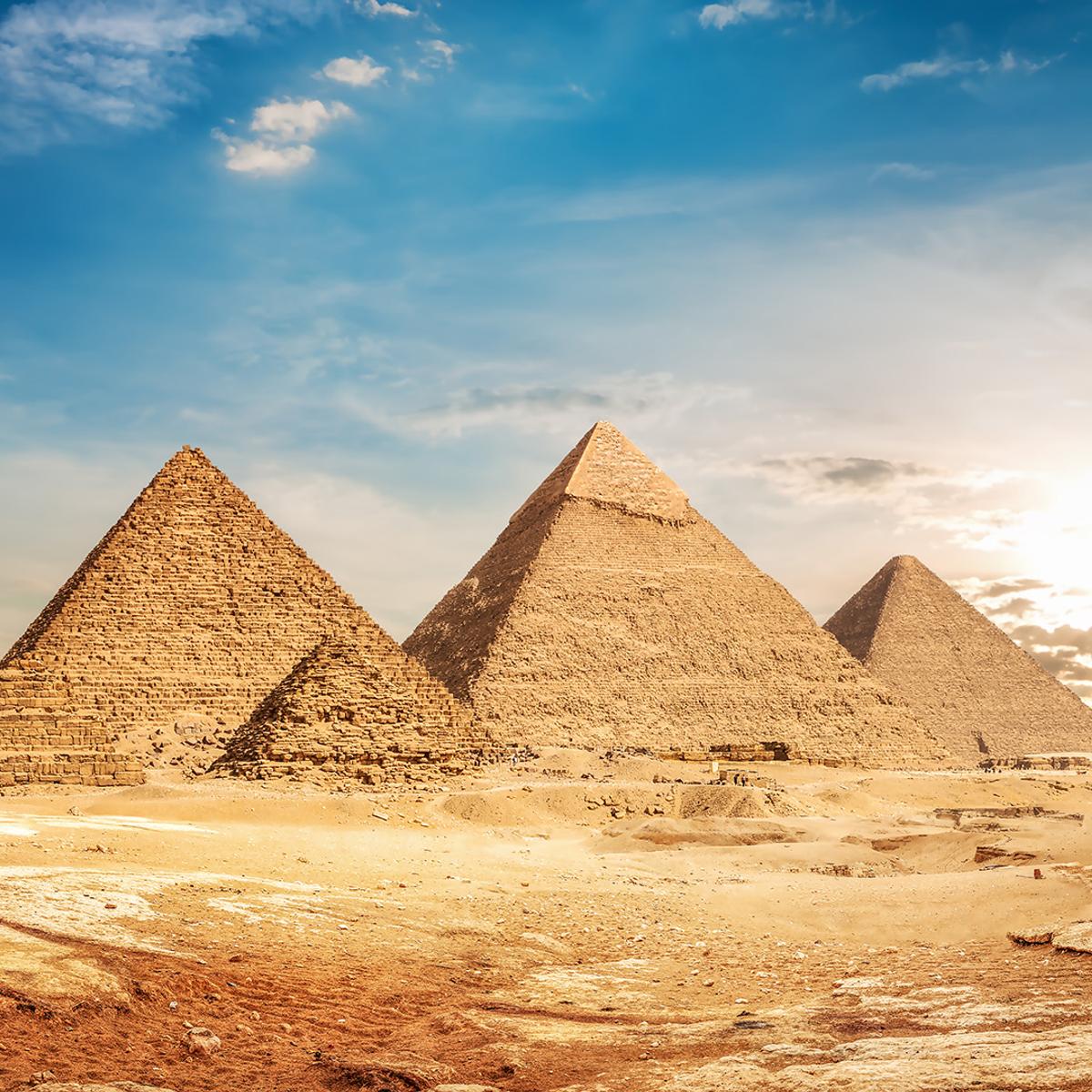
It’s wrong to say that the brand-new Grand Egyptian Museum, opened after decades of construction in 2025, stands in the shadow of the pyramids. In truth the scope of the building, twice the size of Paris’s The Louvre and already nicknamed the ‘Fourth Pyramid of Giza,’ stands on its own.
In a city as steeped in history as Cairo – with its higgledy-piggledy collection of ancient Egyptian tombs, Coptic monasteries, Roman ruins, Greek antechambers and mosques plucked from the Islamic Golden Age – it’s easy to be overwhelmed. But it was only when I passed the towering statue of Ramesses II (who watches sternly over the main lobby) and found myself at the museum’s Grand Stairway that I began to comprehend the museum’s sheer scope.
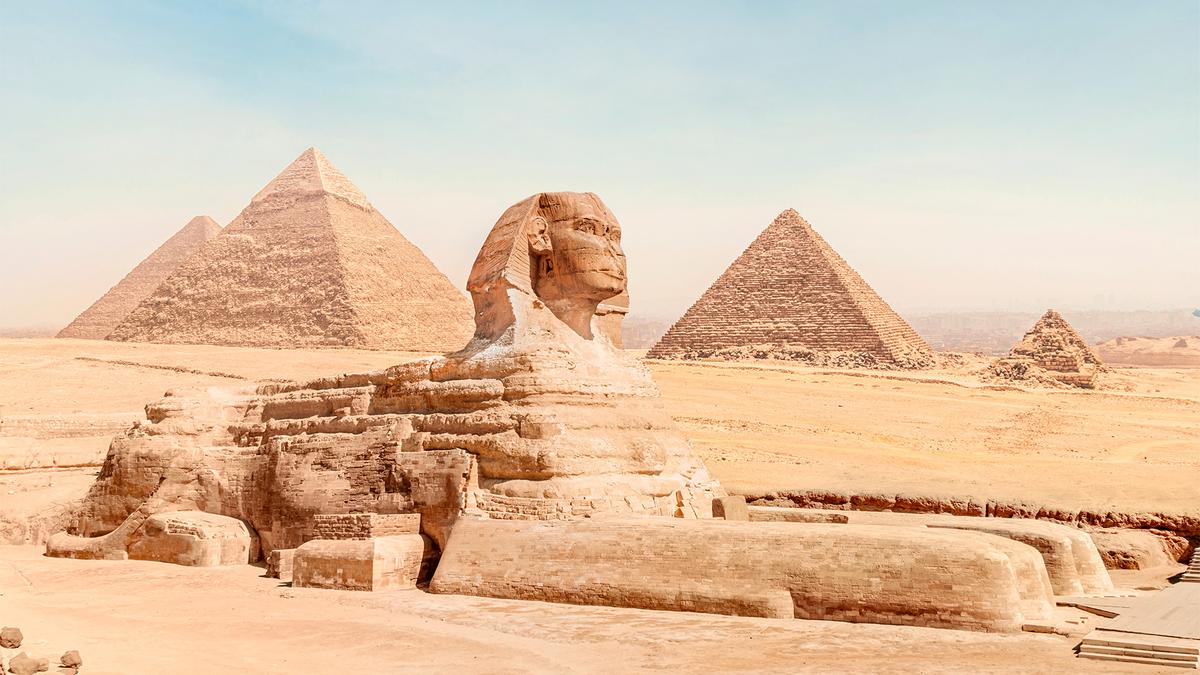
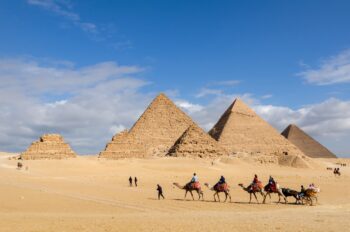
Walk (or take the escalator) up the stairway and you’re moving past five millennia, with statues, ritual gates and hidden treasures at your side. Get to the top and you’re rewarded with sweeping views over Giza’s pyramids, close enough that it seems like you could walk to them (and with the eventual completion of an interconnecting walkway, you soon will be able to). That’s before you even make it to the main galleries, where Tutankhamun’s burial treasures, giant sun barges and crocodile mummies await.


In Egypt, every guide is a professional Egyptologist
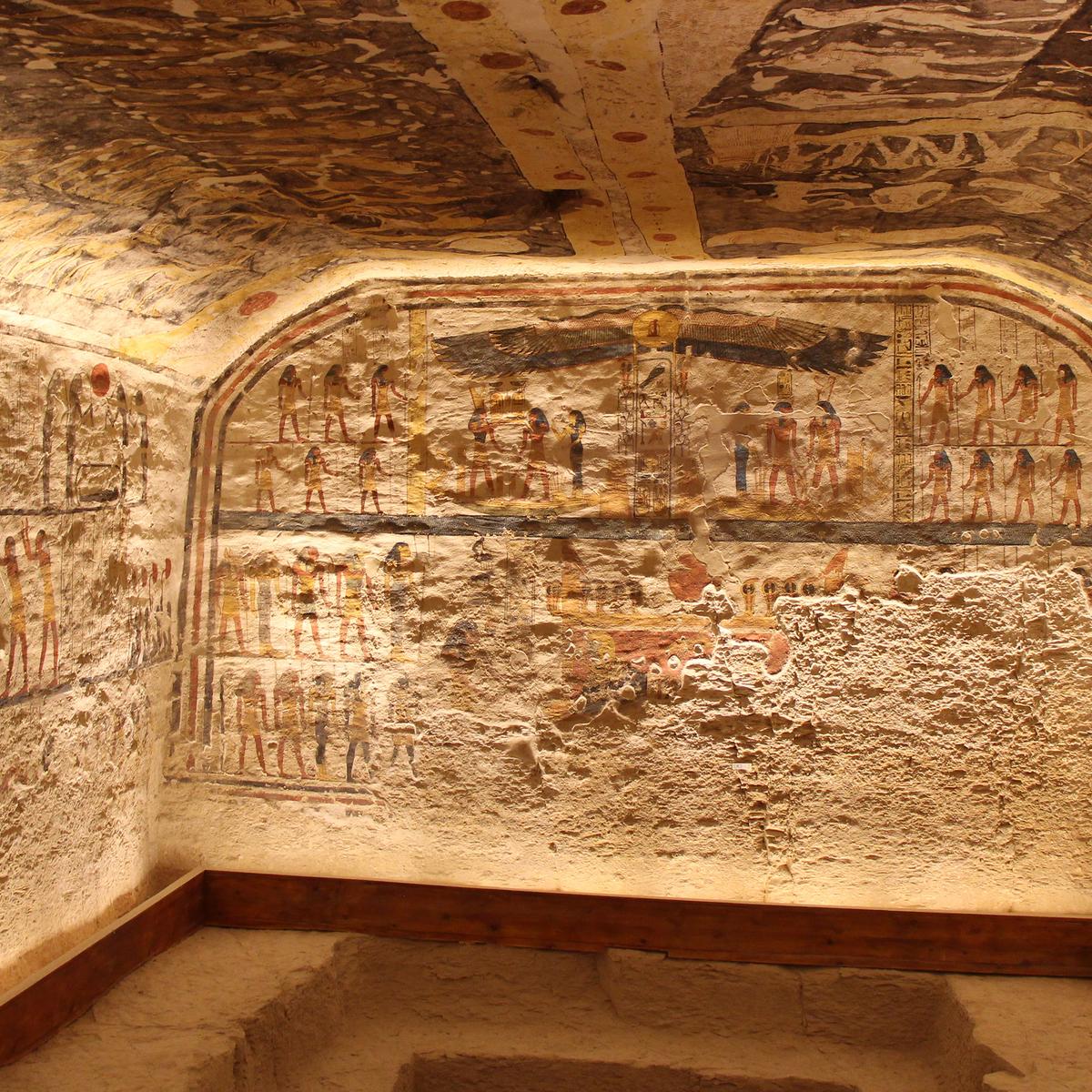
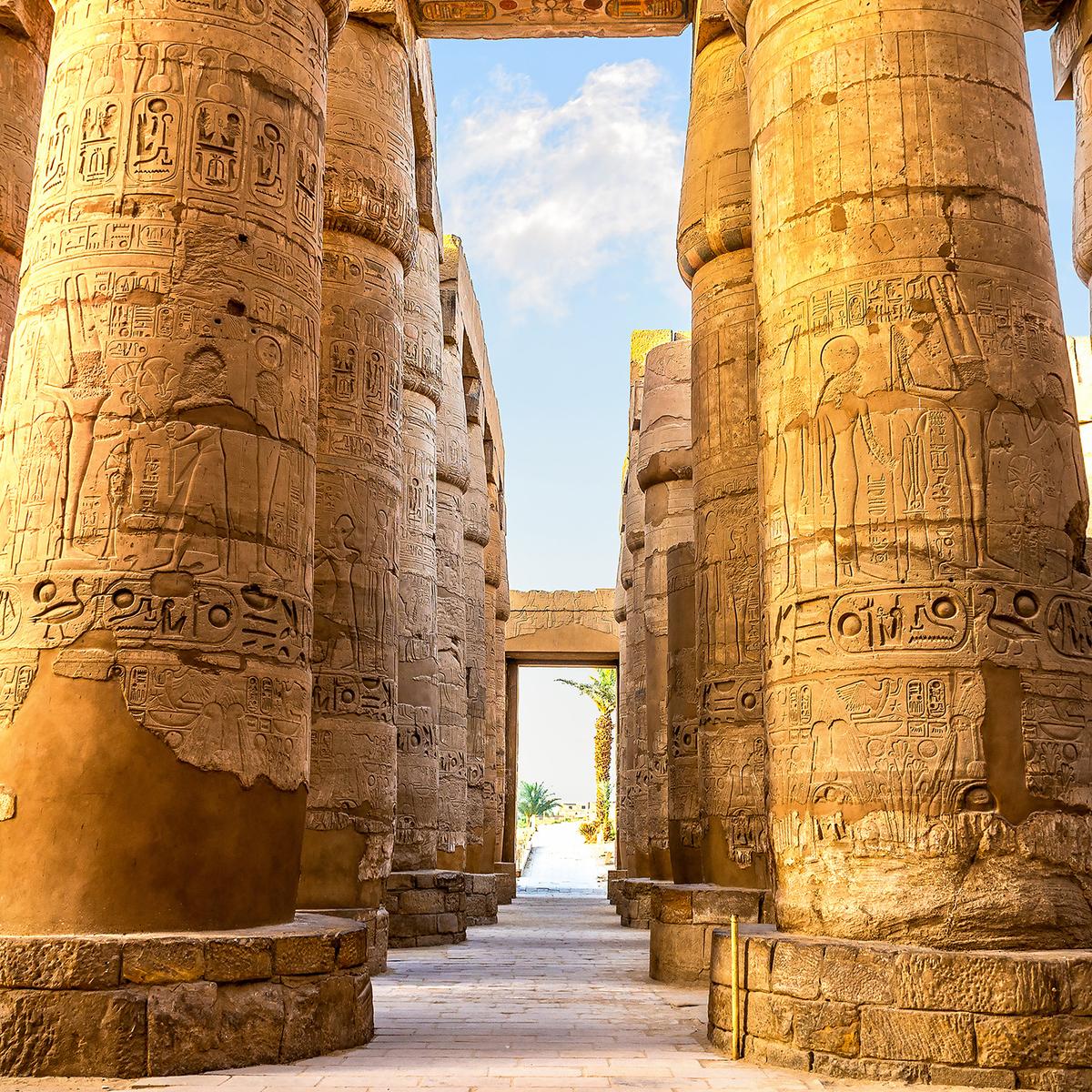
I’m crouched in a tiny hand-carved tomb, twenty minutes and a world away from heaving Cairo. It’s here in Saqqara where, under Pharaoh Djoser and architect Imhotep’s orders, the country’s very first pyramid was constructed. Despite being within walking distance of one of Cairo’s most popular tourist attractions, the place is completely empty; it’s just me and Amgad al Nazaty, my guide, plus whatever ghosts are still hanging around in the shadows.
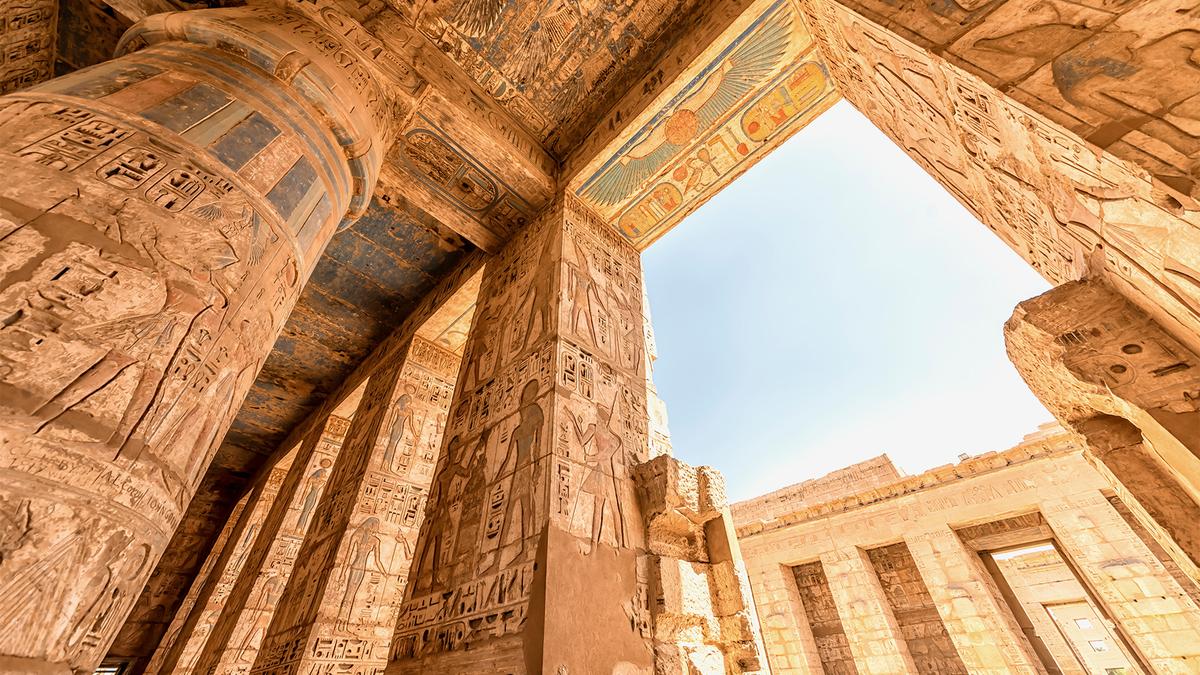
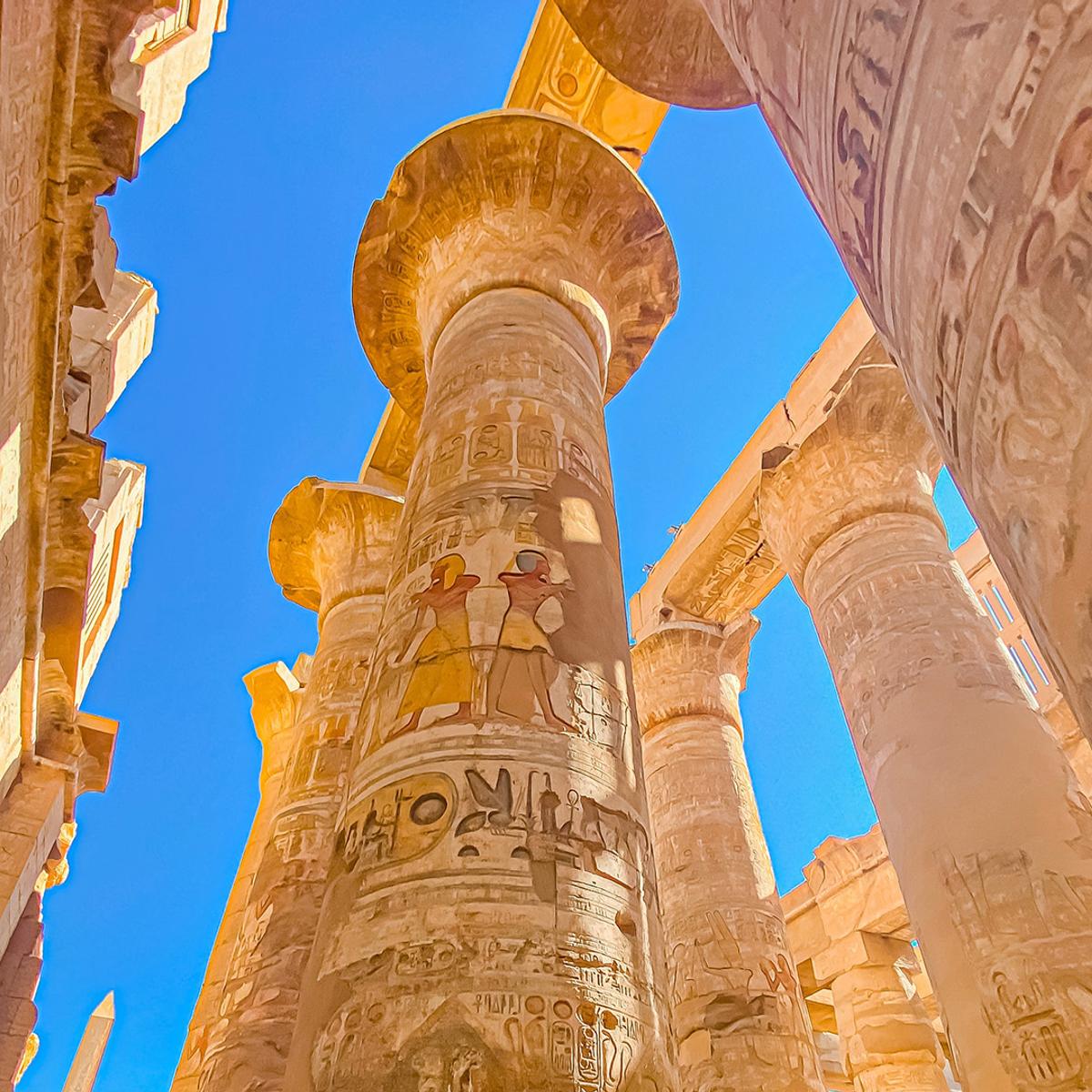
“Who is that?” asks Amgad. He’d recommended this tomb, little and rarely visited, for its vivid carvings – the hieroglyph-splashed walls were mostly still stained with their original pigment, warm oranges mingling with bright blues.
“Nepthys,” I say. She’s a goddess of the night sky and the sister of the more-famous Isis; carved in stone, the two goddesses, crowned with cow’s horns and often found side-by-side, look practically identical.
“Why?”
“There’s always a small throne above Isis’s head…” He waits for me to return to him what he’d told me yesterday. “This carving doesn’t have it.”
These conversations became commonplace. For me, the value of a guide in Egypt was obvious: able to navigate the country’s opaque social and cultural mores – including baksheesh, a tipping custom that was alien to me – and handle any challenges that arose, a good guide can be the difference between a miserable trip and a marvellous one. But what I didn’t realise was that every guide is also required by law to be a certified Egyptologist. This transformed a trip that I originally thought would be quite passive into a genuine adventure. On my last day in the country, it was Amgad who showed me around his favourite bookstores and helped me decide which Middle Egyptian dictionary to take home.

Egyptian food is massively overlooked
When the ancient Greeks first arrived in Egypt, they marvelled at the Egyptians’ obsession with bread, which was considered an enduring symbol of life. On my own arrival – some three thousand years later – I was pleased to see nothing had changed. When morning arrives in Cairo, cyclists carry massive sheets of bran-dusted aish baladi (literally ‘life bread’); they’ve become a modern symbol of the city. They’re present at every cafe, restaurant, food cart and hotel buffet – tearing each in half and dipping it into hummus and olive oil quickly becomes my morning ritual of choice.
It’s easy to become obsessed with Egypt’s food scene, especially if you love carbs. Take koshary for example: a heaping plate of chickpeas, macaroni, fried onions, rice and brown lentils, best taken with generous lashings of hot sauce and garlic vinegar. Served in roadside stalls and restaurants across Egypt, its winning combination of savoury-tart notes has made it a hit in restaurants as far-flung as Japan.
Another hit is hawawshi, crispy pita bread stuffed with spiced minced beef or lamb and roasted in a traditional oven. It’s colloquially called ‘Egypt’s hamburger,’ but I don’t think the name does the dish justice – packed with onions, garlic, chilli and often tahini or pomegranate seeds, it’s closer in intensity and style to the Vietnamese banh mi.
These are just glimpses of Egypt’s criminally underrated food scene – for hungry travellers, everything from ta’ameya (Egyptian falafels) to feteer meshaltet (a northern specialty, flakey fried bread dipped in rich molasses) is worth your while.