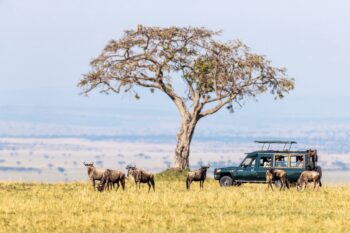
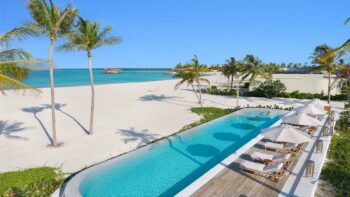
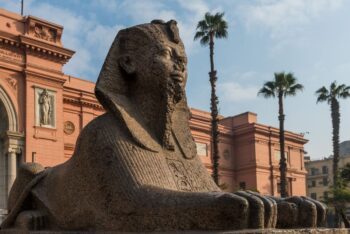
A tour in Africa might mean tracking wildlife across the Serengeti, crossing the desert to a Sahara camp or following the Nile between ancient sites. Each journey calls for its own route, local knowledge and logistics. A small-group guided tour brings those elements together, with experts to help make sense of what you see in the bush and access to camps and reserves that can be difficult to arrange independently. Here’s what to consider when planning your trip.

Discover Africa Tours


Why Choose a Guided Tour of Africa
An itinerary in Africa can involve very different types of travel: game drives before sunrise, long distances between reserves, a rail journey across South Africa or a Nile cruise between archaeological sites in Egypt. A guided tour takes care of the connections, leaving you to focus on the landscape, wildlife and history around you. Choose a safari-focused itinerary to spend time in the bush, or a route that adds cities, rail or river journeys.
That could mean a guide helping you read wildlife movement in the Mara, a named lodge close to the reserve you came to see, or a planned transfer that links a safari to Victoria Falls. What’s included depends on the tour, but the details make a difference to how the journey feels.
- Guaranteed departures for two: Only two travellers are needed to guarantee departure on eligible tours.
- Small-group travel: Tour group sizes vary by style and itinerary; check the stated maximum for your departure.
- 4 and 5-star accommodation: Stays can range from city hotels and riads to safari lodges or camps. Check the named properties and inclusions on your tour page.
- Expert-designed itineraries: Travel between destinations on a route planned by travel specialists, with experiences selected for that tour.
- A dedicated tour concierge: Get support from booking through to the end of your tour.
Where to Go on an Africa Tour
Start with the experience you want most. A migration-focused safari has a different pace from a journey through the medinas of Morocco or an itinerary in Egypt built around temples and a Nile cruise.
| Where to go | When to go | How long to go | What to expect | Best suited to |
|---|---|---|---|---|
| Kenya | Migration-focused tours are generally timed around the expected movement of the herds. The Great Migration usually reaches the Masai Mara between July and October, although timing varies. | Allow around 8 to 14 days for a focused safari or a Kenya-Tanzania itinerary. | Game drives in the Maasai Mara and, on some tours, time in the Serengeti across the border. | Travellers keen to make safari the focal point of the trip, especially those following the Great Migration. |
| Tanzania | Calving season in the southern Serengeti is usually January to March. The Great Migration generally moves through the Serengeti between July and October towards Kenya, although timing varies. | Allow around 8 to 14 days for a safari itinerary; longer itineraries can include Kenya. | Serengeti plains, Ngorongoro Crater and game drives across different habitats. | Safari lovers interested in the migration, varied landscapes and time in major wildlife areas. |
| South Africa | For wildlife viewing in Kruger, the drier winter period can make wildlife easier to spot; Cape Town and the wine regions have different seasonal patterns. | Allow 10 to 14 days for a focused trip; longer itineraries can add rail, Victoria Falls or Namibia. | Safari alongside city, seaside and wine region stays; some tours include a journey on the Blue Train. | Travellers who want to combine wildlife with cities, scenery or a classic rail journey. |
| Botswana | Seasonal water levels affect the Okavango Delta, so the experience can vary by month and itinerary. | Allow around 10 to 14 days, often as part of a Southern Africa itinerary. | Waterways and wildlife areas such as the Okavango Delta, Chobe or Moremi, depending on the tour. | Travellers drawn to safari landscapes shaped by water as well as open plains. |
| Zimbabwe | Victoria Falls changes with the Zambezi’s water levels; the view and spray can vary throughout the year. | Allow 3 to 5 days as part of a longer Southern Africa itinerary. | Victoria Falls, river experiences and, on some itineraries, wildlife parks. | Travellers who want to pair a safari with one of the region’s iconic natural landmarks. |
| Zambia | Conditions around Victoria Falls and the Zambezi change with the seasons; check the itinerary for the experiences offered on your dates. | Allow several days as part of a multi-country journey. | Time on the river and Victoria Falls, sometimes combined with South Africa or Zimbabwe. | Travellers keen to add a river or waterfall experience to a broader itinerary. |
| Namibia | Conditions vary between the coast and the desert interior; check the season for the regions on your itinerary. | Allow around 2 to 3 weeks for an itinerary that includes several regions or neighbouring countries. | Desert landscapes, including the Namib, and long distances between stops. | Travellers interested in dramatic landscapes and road travel as much as wildlife. |
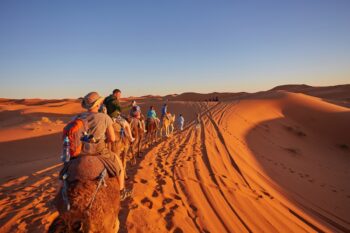
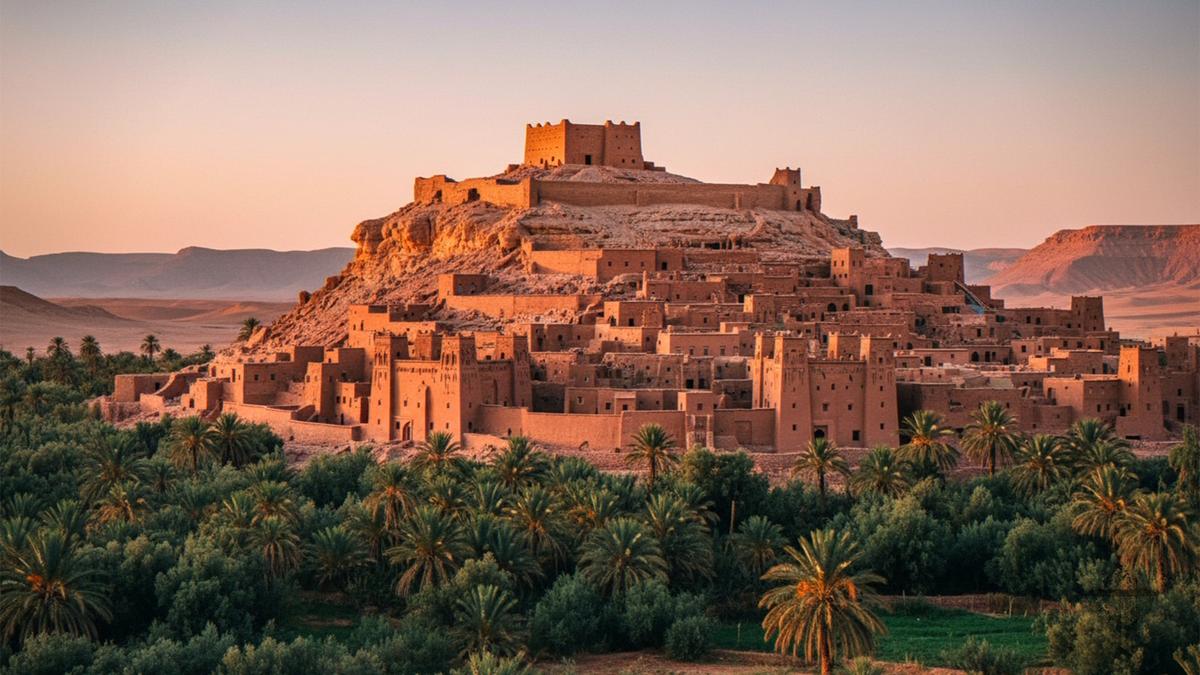
| Morocco | Spring and autumn are often comfortable seasons for travelling inland; temperatures vary between the coast, mountains and desert. | Allow around 12 days for a Morocco itinerary; longer tours can combine it with Spain and Portugal. | Medinas, riads, mountain scenery and Sahara experiences, depending on the itinerary. | Travellers drawn to architecture, food, markets and a journey through contrasting landscapes. |
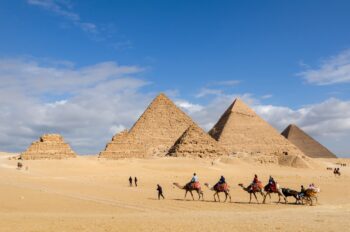
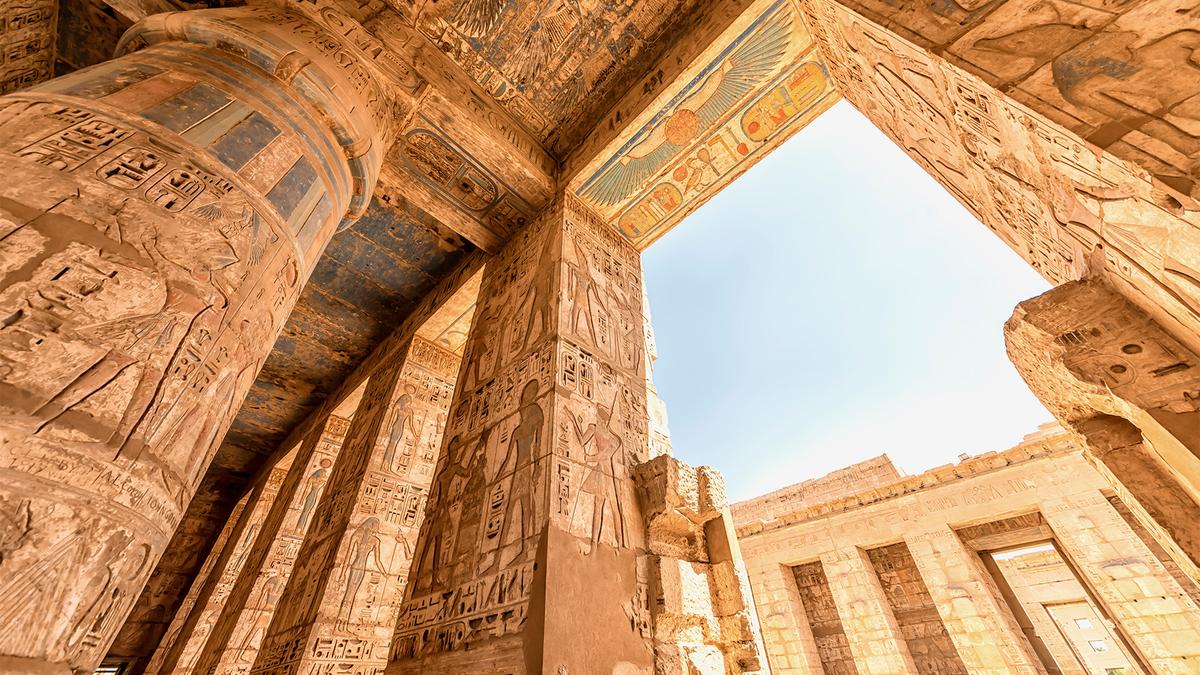
| Egypt | October to May is a popular time for Nile cruises; temperatures differ between the north and Upper Egypt. | Allow around 12 to 14 days for Egypt; combined Egypt-Jordan trips can be longer. | Ancient sites around Cairo and the Nile Valley, with some tours including a river cruise or Abu Simbel. | History-focused travellers who want to connect major archaeological sites without planning every transfer. |

Africa Tour Styles
A safari lodge, a riad in Morocco and a Nile cruise each create a different kind of stay. Check the individual tour for named properties, group maximum and inclusions.
| Tour style | Group size | Accommodation | What it feels like | Where you can go |
|---|---|---|---|---|
| Deluxe | Up to 24 travellers; some itineraries have smaller groups. | Generally 4 and 4.5-star hotels, with accommodation varying by itinerary. | A guided itinerary through iconic sites and destinations, with key logistics organised. | South Africa, Namibia, Botswana, Zimbabwe, Zambia, Kenya, Tanzania, Morocco and Egypt |
| Premium | Up to 16 travellers; check the tour for its stated maximum. | 5-star accommodation, with the specific properties listed on the tour page. | A small-group journey with stays and experiences selected for the itinerary. | South Africa, Morocco and Egypt |
| Ultra Lux | Up to 12 travellers; some tours may be private. | 5-star hotels and distinctive stays, such as safari lodges or camps, depending on the itinerary. | A more intimate itinerary, often built around particular stays and experiences. | Kenya and Tanzania |
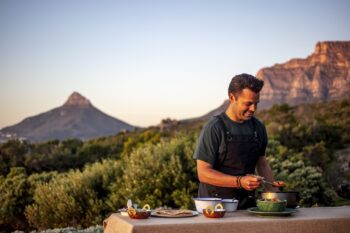
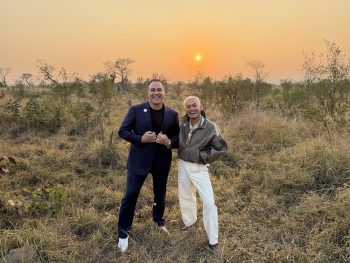
| Signature Series | Varies by itinerary. | Selected for the tour’s theme and itinerary. | An exclusive journey shaped around a particular host, theme or set of experiences. | South Africa, with Warren Mendes and Miguel Maestre; Egypt, previously hosted by Anthony Burke. |


Safari settings: national parks, private reserves and the Great Migration
An African safari can mean a game drive through a vast national park, or a stay at a private reserve where the rhythm of the day is shaped around the lodge. Group tours vary: some visit one setting, others combine both. In South Africa, for example, itineraries may include Mjejane, Balule, Blue Canyon, Sabi Sands, MalaMala or Kariega. What you can do on a drive depends on the reserve and the operator: off-road tracking and night drives are permitted in some places, but not all.
National parks offer a different scale. Kruger, the Serengeti, Chobe, Hwange and Etosha each protect vast landscapes, with wildlife encounters shaped by the park’s terrain, season and rules. In Kruger, for instance, guided drives and self-drive visits are both possible, but vehicles must stay on designated roads. Some tours also travel through Botswana’s Okavango Delta, where mokoro trips may offer a quieter way to explore its waterways.
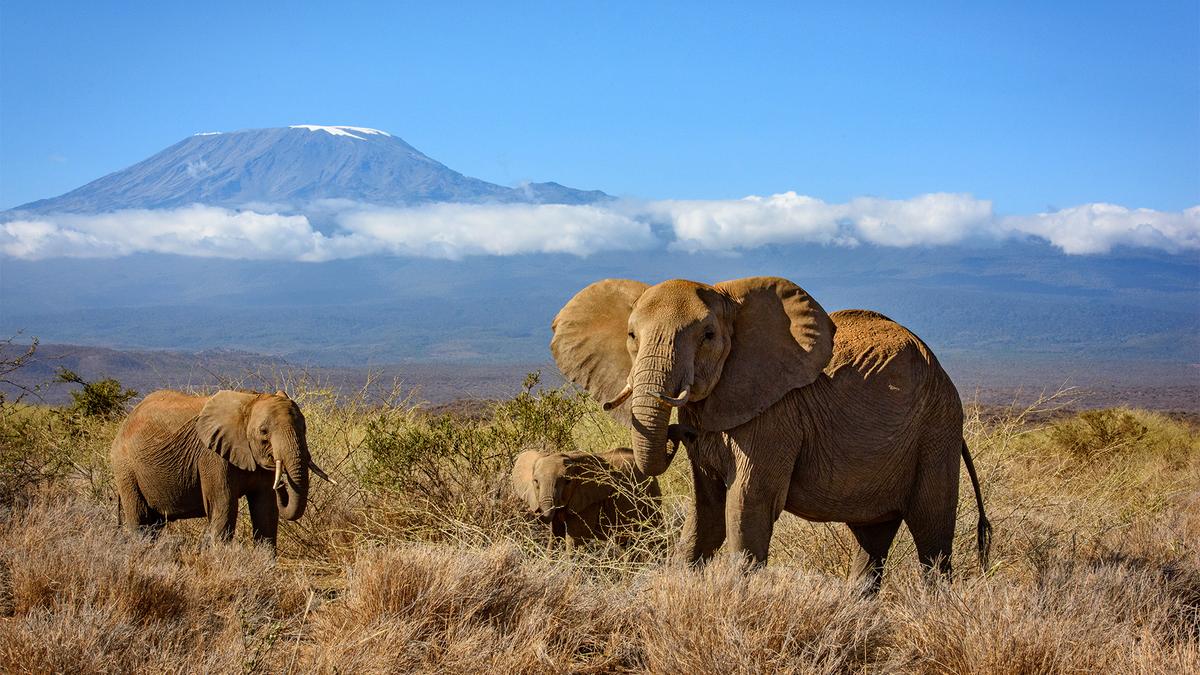
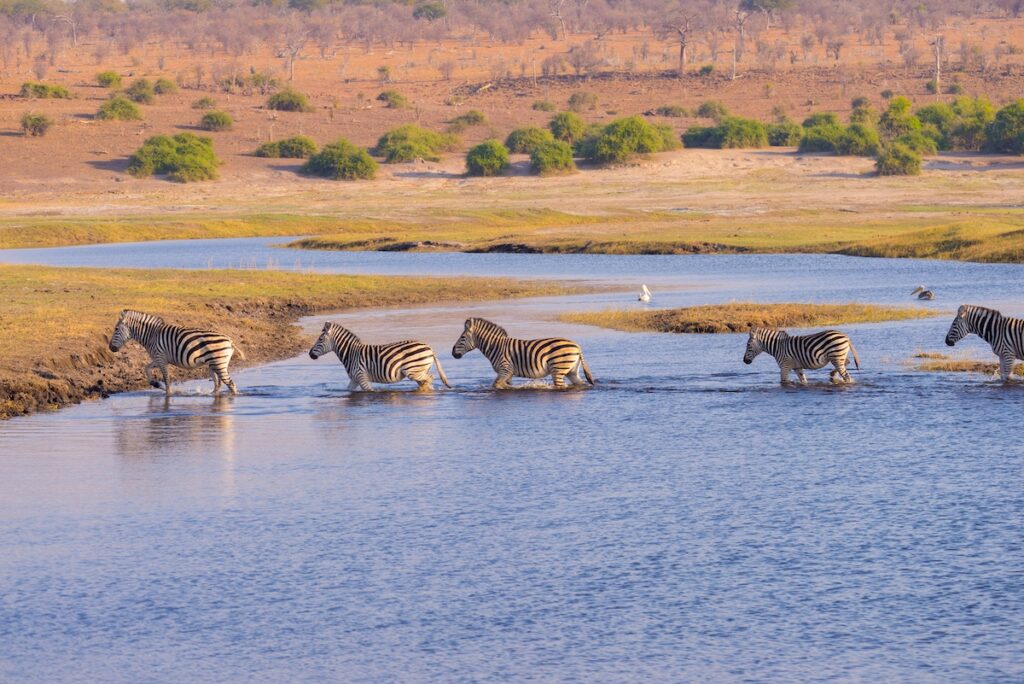
In East Africa, the timing of a visit can matter as much as the place. Kenya’s Maasai Mara and Tanzania’s Serengeti share the Great Migration circuit: roughly two million wildebeest and zebra move between the regions, with herds typically reaching the Mara between July and October. Calving usually takes place earlier in the year in the southern Serengeti, including the Ndutu area. Migration timing shifts with rainfall, and tours may visit one region or both, so a particular sighting or river crossing can’t be guaranteed. Check each itinerary for the parks and reserves it visits, and the safari activities included.


Safari tips: what to know before you go
A safari day rarely runs to the same clock as a city break. Many lodges plan drives for early morning or late afternoon, when conditions may suit wildlife viewing; the exact schedule depends on the camp, park and tour. A few practical details can make the experience more comfortable:
- Ask about the daily rhythm. Check how many game drives are included, how long they usually last and whether there’s downtime at the lodge.
- Treat sightings as possibilities, not promises. Wildlife moves freely. A guide can interpret tracks and behaviour, but no itinerary can guarantee a particular animal or migration event.
- Pack layers. Early drives can feel cool, while the middle of the day may be warm. A light fleece, sun protection and clothes that can handle dust are useful starting points.
- Check luggage rules before packing. Some safari itineraries use light aircraft, which can have strict weight and bag-size limits. The allowance is operator- and route-specific.
- Look beyond the word “lodge”. Camps and lodges differ in room style, facilities, location and what they include. Read the property details, especially if air conditioning, Wi-Fi, electricity or a particular bathroom setup matters to you.
- Follow your guide’s instructions. Rules around staying in the vehicle, moving around camp and photographing people or wildlife can differ by place.
Getting around Africa
The distance between two places can be part of the trip. A game-drive vehicle brings you into the landscape at a different pace from a long-distance train; a Nile cruise makes the river the route between historic sites. The transport depends on the itinerary, so check what’s included and how much time each transfer takes.
| Way of Travelling | What It Adds to the Journey | Where You May Experience It |
|---|---|---|
| Safari vehicle | Lets a guide navigate reserve roads and pause when wildlife appears. Drives can involve bumpy or dusty tracks. | Kenya, Tanzania, South Africa, Botswana and other safari routes. |
| Scenic rail | Slows the pace between destinations, with the journey itself taking centre stage. | South Africa tours featuring the Blue Train. |
| Nile cruise | Connects riverside sites while you stay aboard between stops. | Egypt itineraries between Luxor and Aswan. |
| River cruise | Offers time on the water as part of a wider Southern Africa itinerary. | Tours on the Zambezi River. |
| Road transfers | Link cities, parks and remote stays; journey lengths depend on the route and road conditions. | Across multi-stop itineraries in Southern Africa, Morocco, Egypt and beyond. |
Frequently asked questions
Will I see the Big Five on safari?
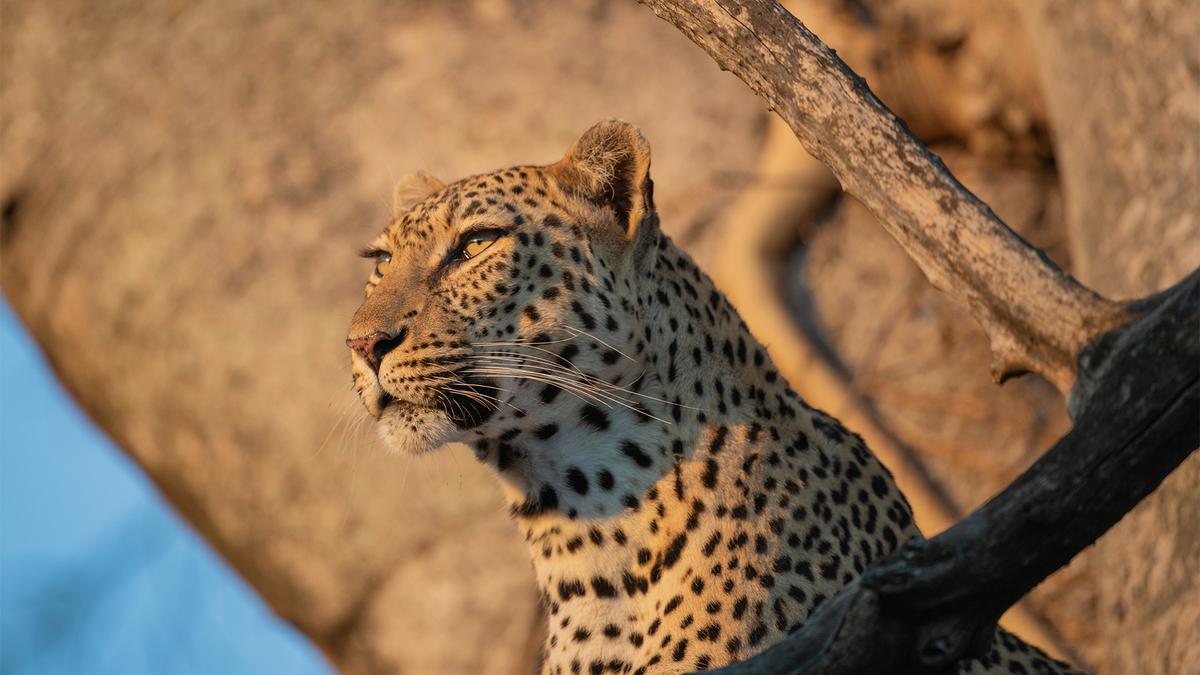
Not necessarily. Lions, leopards, elephants, buffalo and rhinos live in some of the parks and reserves featured on tours, but they move through large natural areas and sightings can’t be guaranteed. Your chances depend on the location, season, time in the reserve and luck. Check how many game drives are included and which parks or reserves your itinerary visits.
When should I go to see the Great Migration?
The herds move between Tanzania’s Serengeti and Kenya’s Maasai Mara throughout the year, following rainfall and grazing. River crossings are often associated with the middle and later part of the year, while calving takes place in the southern Serengeti around the start of the year. Neither dates nor sightings are guaranteed: ask which area your tour plans to visit on your departure and how long you’ll spend there.
What does a typical safari day involve?
Some itineraries schedule game drives early in the morning and again later in the day, with time at the lodge between outings. Others include a different mix of drives and transfers. Expect an early start on some days and uneven, dusty roads in certain reserves. The itinerary should show how many drives are included; ask the operator about typical drive length and vehicle arrangements.
What are safari camps and lodges like?
There’s no single standard. Some itineraries use permanent lodges; others may include tented camps or more remote properties. Room size, bathrooms, electricity, air conditioning, Wi-Fi and dining arrangements can all vary. Look up the named properties and check the facilities that matter to you rather than relying on “lodge” or a star rating alone.
Are safari drives shared with other travellers?
That depends on the tour and property. Group size for the overall tour doesn’t always tell you how many people will be in each safari vehicle. Check whether game drives are private or shared, the vehicle capacity and whether the same group travels together between activities.
What should I pack for a safari?
Bring comfortable clothes for sitting in a vehicle, layers for cooler early starts, a hat, sunglasses and sun protection. Dust can be part of the experience, so consider clothes and shoes you don’t mind getting dusty. If your tour includes a small-plane transfer, confirm the bag type and weight allowance before you pack; those limits vary by operator and route.
What accommodation should I expect outside safari areas?
A single tour itinerary may combine safari lodges with city hotels, a riad in Morocco or a Nile cruise cabin in Egypt. Style, room size and facilities can change between stops, and regional properties may offer a different experience from a large city hotel. Check the named stays and room details for your tour; ask about a specific facility if it’s important to you.
Do Africa tours include flights and transfers?
Some itineraries include internal flights, transfers or rail journeys; others list them separately or require you to arrange international flights. Check the inclusions and arrival instructions for your specific tour, including where the tour starts and ends. Don’t assume that a transfer or flight is covered unless the tour page says so.
Do I need a visa or vaccinations?
Requirements depend on your passport, the countries on your route and your travel dates. A multi-country tour may have different entry and health requirements at each stop. Check current government travel advice and speak with a qualified travel-health professional well before departure.