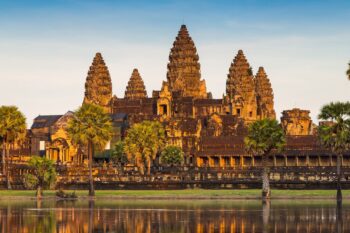
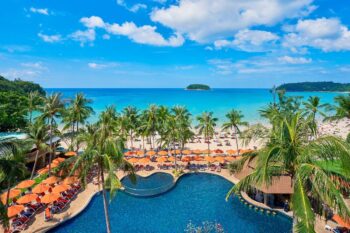
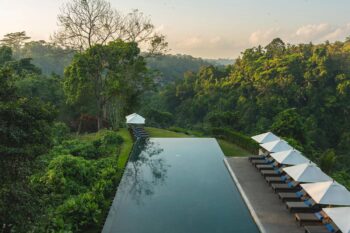
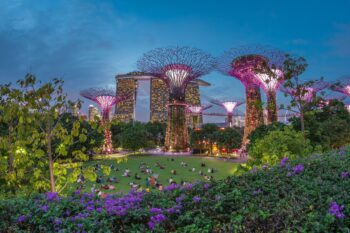
A journey through Asia might take you from Tokyo’s Shinkansen platforms to Kyoto’s temple lanes, across Rajasthan by rail or between the markets and waterways of Vietnam. There’s no single route that captures it all. Choose the countries, pace and experiences that interest you; a guided itinerary brings the moving parts together, with local knowledge along the way.

Discover Asia Tours



Why Choose a Small-Group Guided Tour of Asia
Asia rewards a good itinerary and someone who knows the way. A guided tour takes care of the connections – where to stay, how to get between cities and what to see along the way – so you can focus on the places themselves. If it’s your first visit, choose an itinerary that brings together the essential sights. If you want to go deeper, look for a route that leaves room for regional cuisine, slower train journeys or time outside the big cities.
That could mean taking the Shinkansen between Japanese cities, exploring Angkor with a local guide or watching Sri Lanka’s tea country roll past from the train. The details depend on your itinerary, but a well-planned route helps you see more of what makes each place different.
- Guaranteed departures for two: Only two travellers are needed to guarantee your departure.
- Small-group travel: Travel with no more than 24 people on eligible tours. Group size may vary by itinerary.
- 4 and 5-star stays: Stay in selected accommodation, ranging from 4-star hotels to distinctive properties, depending on your tour.
- Curated experiences: Explore with itineraries and experiences chosen by travel experts.
- A dedicated tour concierge: Get support from booking through to the end of your tour.
Where to Go on a Tour of Asia
Tokyo’s food markets, Kyoto’s temples, the Taj Mahal at sunrise, an overnight cruise in Ha Long Bay: Asia gives you plenty of choice. The destinations below show what each country is known for, when to visit and how long to allow.
| Where to go | When to go | How long to stay | What to expect | Best suited to |
|---|---|---|---|---|
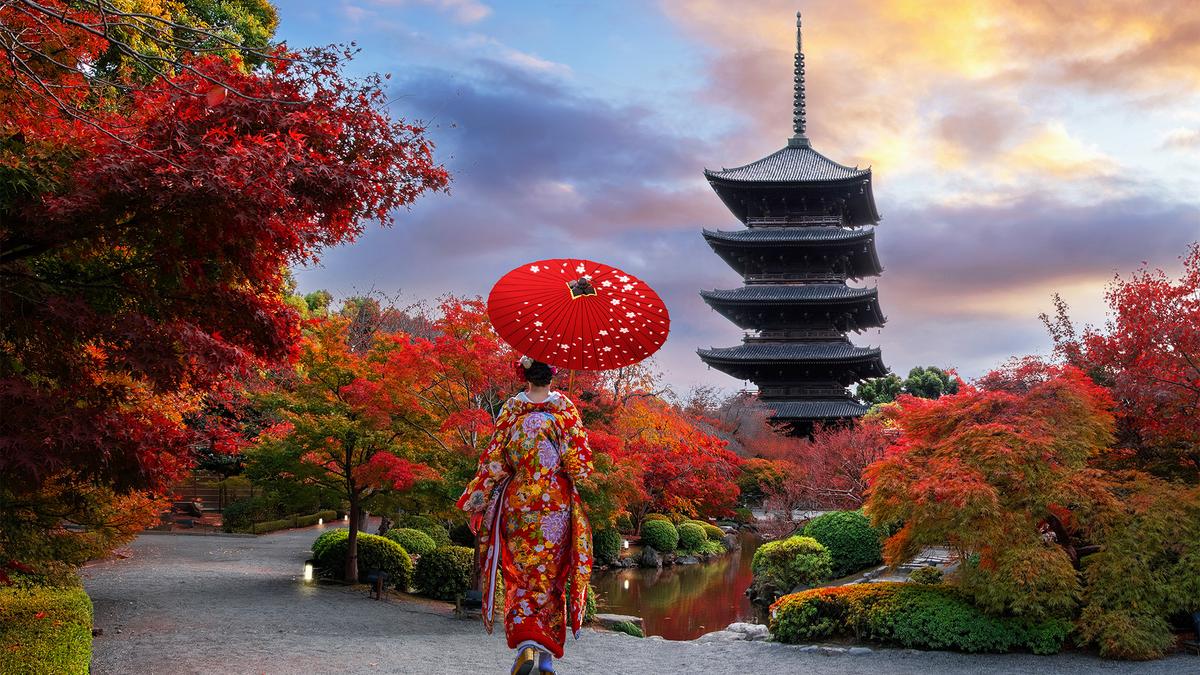
| Japan | Spring (March to May) and autumn (September to November) are popular for mild weather and seasonal scenery. Blossom and foliage dates vary by region. | Around 7 to 14 days. A week can link Tokyo, Kyoto and Osaka; allow more time to add Hiroshima or the Japanese Alps. | Shinkansen journeys, temple visits, traditional craftsmanship and cuisine, alongside the energy of the big cities. | First-time visitors, food lovers and travellers drawn to culture, design and rail travel. |
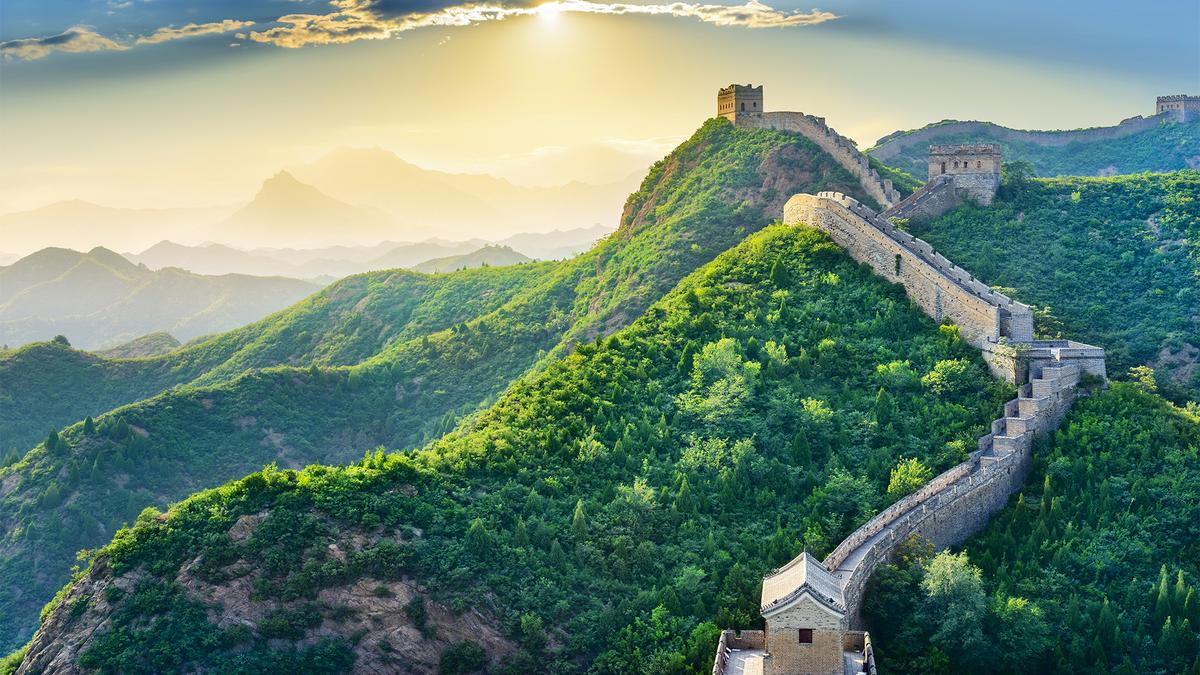
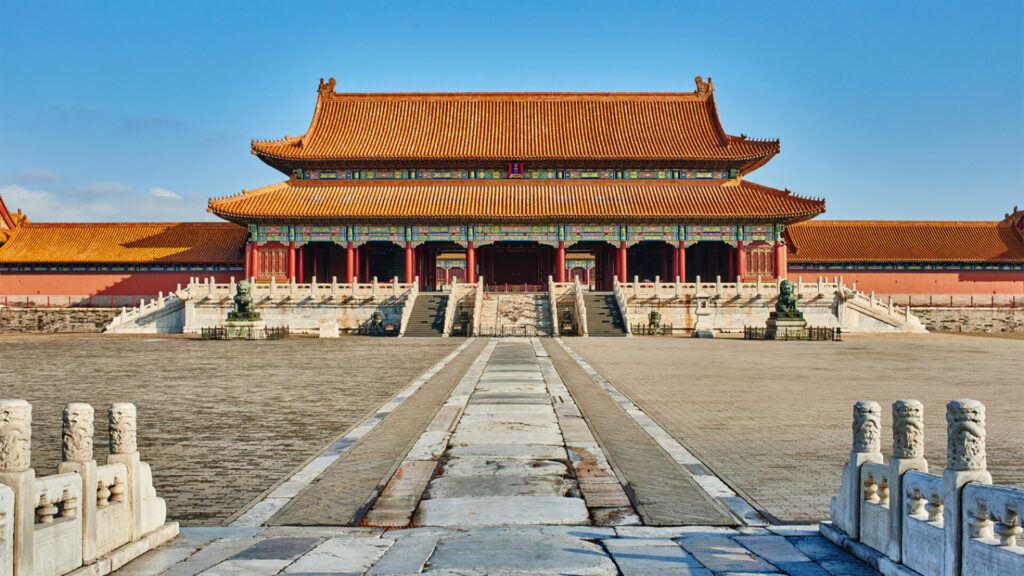
| China | Spring and autumn are good starting points for classic city itineraries, although conditions vary widely across the country. | Around 10 to 14 days for an itinerary such as Beijing, Xi’an and Shanghai. | Imperial landmarks, the Great Wall, the Terracotta Warriors and fast connections between major cities. | Travellers interested in history, architecture, food and the scale of China’s major cities. |
| South Korea | Spring (April to May) and autumn (September to November) are generally milder seasons for sightseeing. | Around 7 to 10 days for Seoul, Gyeongju and Busan. | Palaces and markets in Seoul, historic sites in Gyeongju and a coastal change of pace in Busan. | Travellers keen to explore Korean food, history and contemporary culture in one trip. |
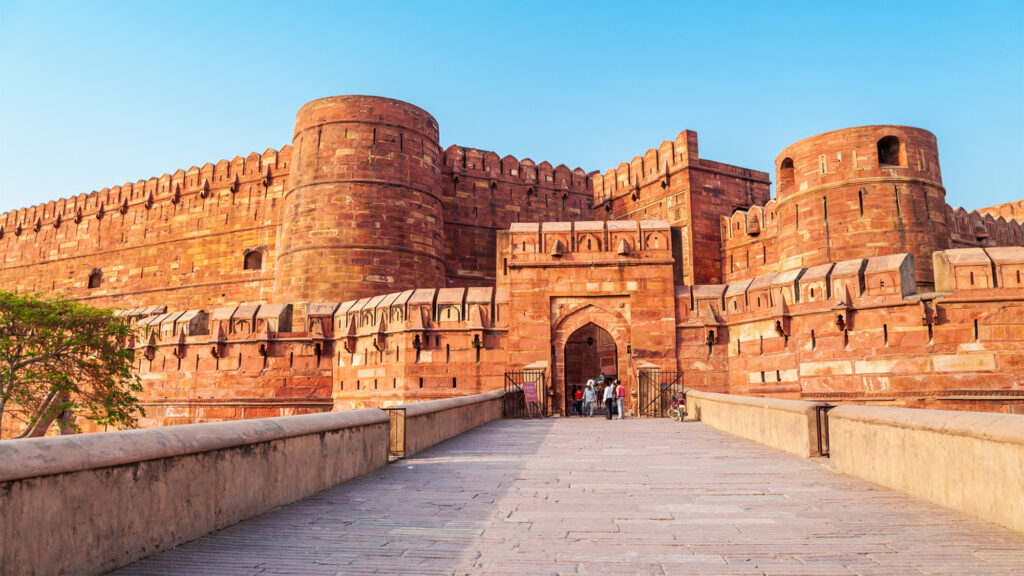
| India | October to March is a useful guide for many classic itineraries, but the best season depends on the region. | Around 12 to 18 days. A focused Golden Triangle itinerary takes less time; adding Rajasthan or Kerala calls for a longer trip. | Fortified cities, palaces, markets and long distances between regions. Some itineraries use internal flights or rail to connect the route. | First-time visitors looking for context and help navigating a full, fast-paced itinerary. |
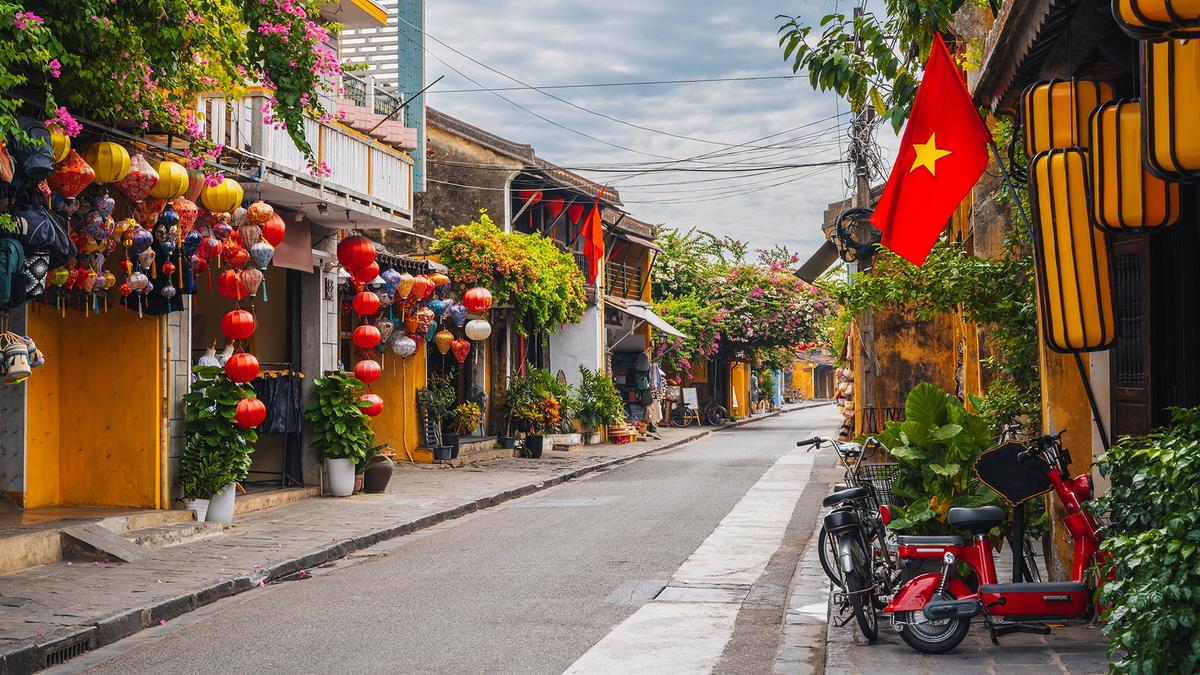
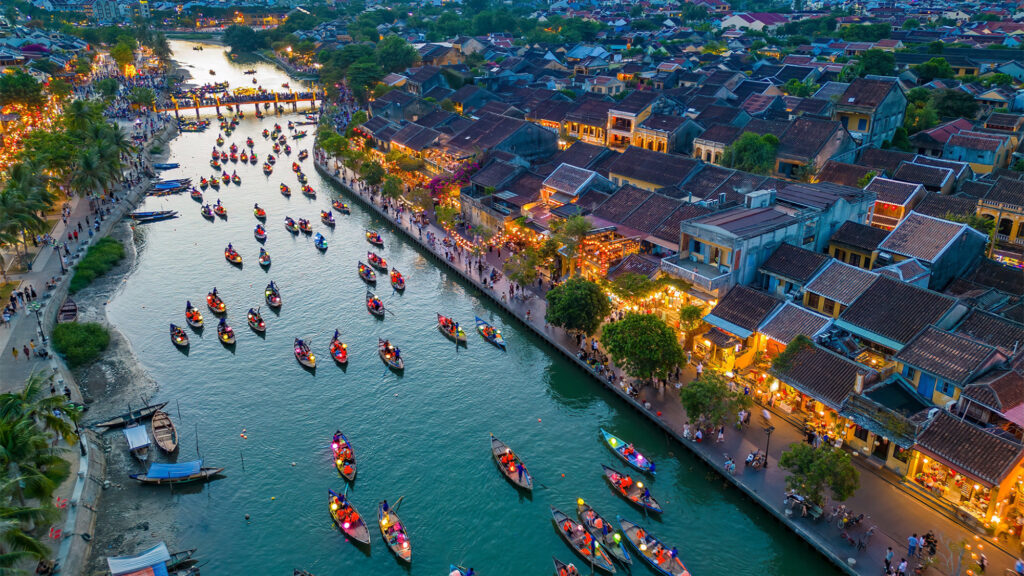
| Vietnam | February to April can suit a multi-region itinerary; the weather differs between the north, centre and south. | Around 10 to 17 days for a route from Hanoi to Hoi An and Ho Chi Minh City. | Street food, historic towns, river life and landscapes from Ha Long Bay to the Mekong Delta. | Travellers who want to combine food, culture and scenery in one trip. |
| Thailand | November to February is a popular time for many inland itineraries. Conditions vary by region and coast. | Around 10 to 14 days for Bangkok and northern Thailand; allow extra time for an island stay. | Temple visits, markets, historic cities and northern landscapes, with coastal extensions on some itineraries. | First-time visitors to Southeast Asia and travellers wanting to combine culture, food and time by the water. |
| Laos | October to March is a popular time for warmer, drier weather. The greener wet season has a different appeal. | Around 5 to 8 days as a planning guide, or longer as part of a multi-country itinerary. | Luang Prabang, the Mekong, temple visits and a slower pace between towns. | Travellers looking for river scenery, heritage and a calmer contrast to the region’s big cities. |
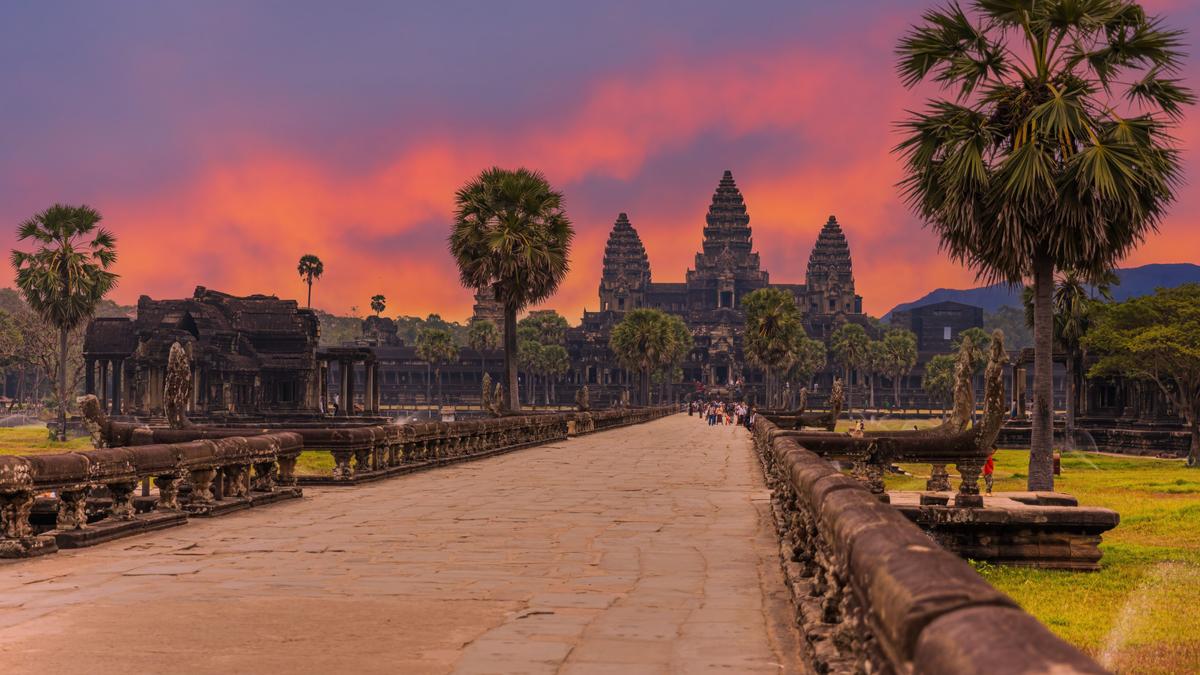
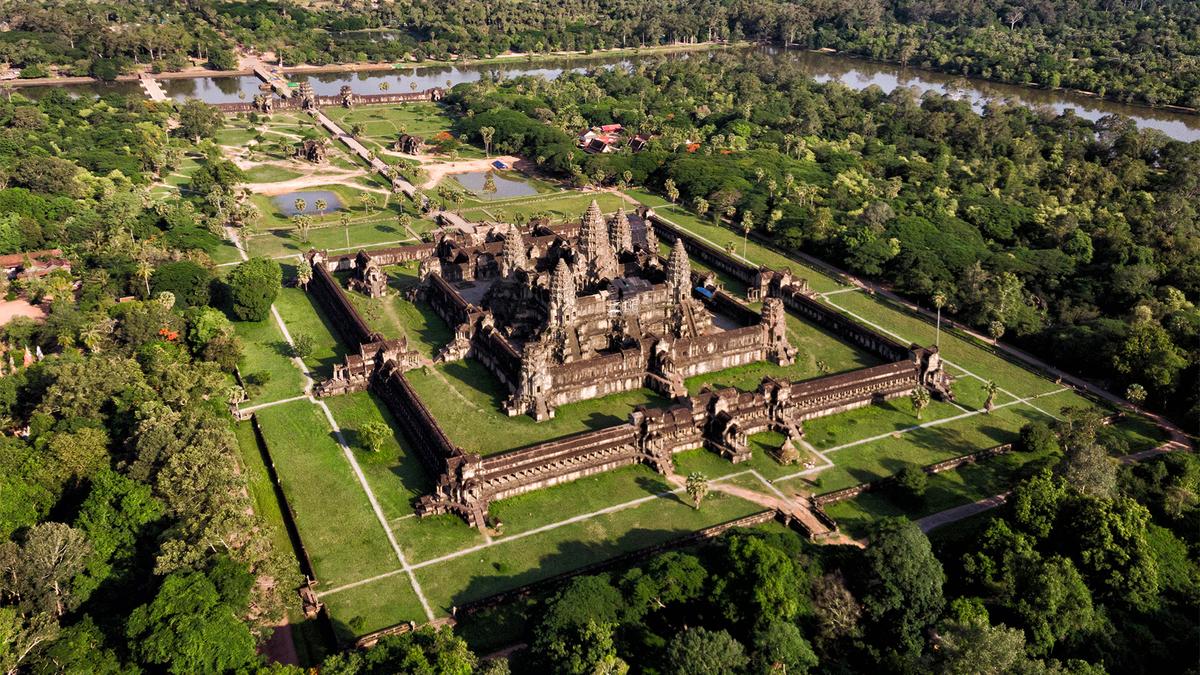
| Cambodia | November to February is cooler and drier; March and April are hotter. The wet season, from May to October, brings greener landscapes. | Around 5 to 8 days for Siem Reap and Phnom Penh; add time for other regions. | The Angkor temple complex, Cambodia’s layered history and the lively streets of Phnom Penh. | History and archaeology enthusiasts, or travellers adding Cambodia to a broader Southeast Asia itinerary. |
| Malaysia | It depends on where you’re going. Weather and monsoon patterns vary between the peninsula, the east coast islands and Borneo. | Around 7 to 12 days for a focused itinerary; allow more time to combine the peninsula with Borneo. | Kuala Lumpur, Penang’s food culture and, in Borneo, rainforest and wildlife experiences. | Travellers keen to mix cities, food and nature, or to add a wildlife-focused stop. |
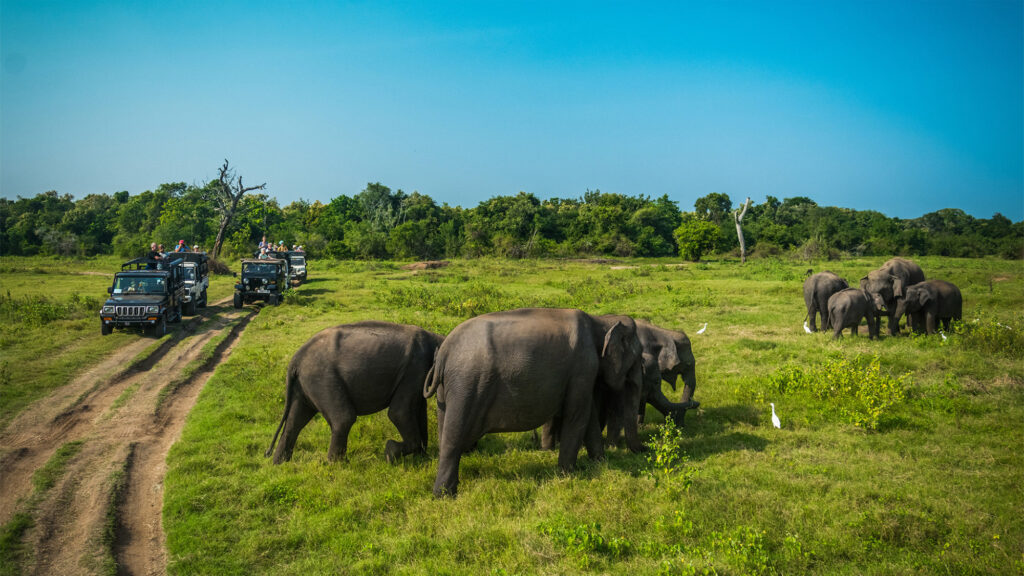
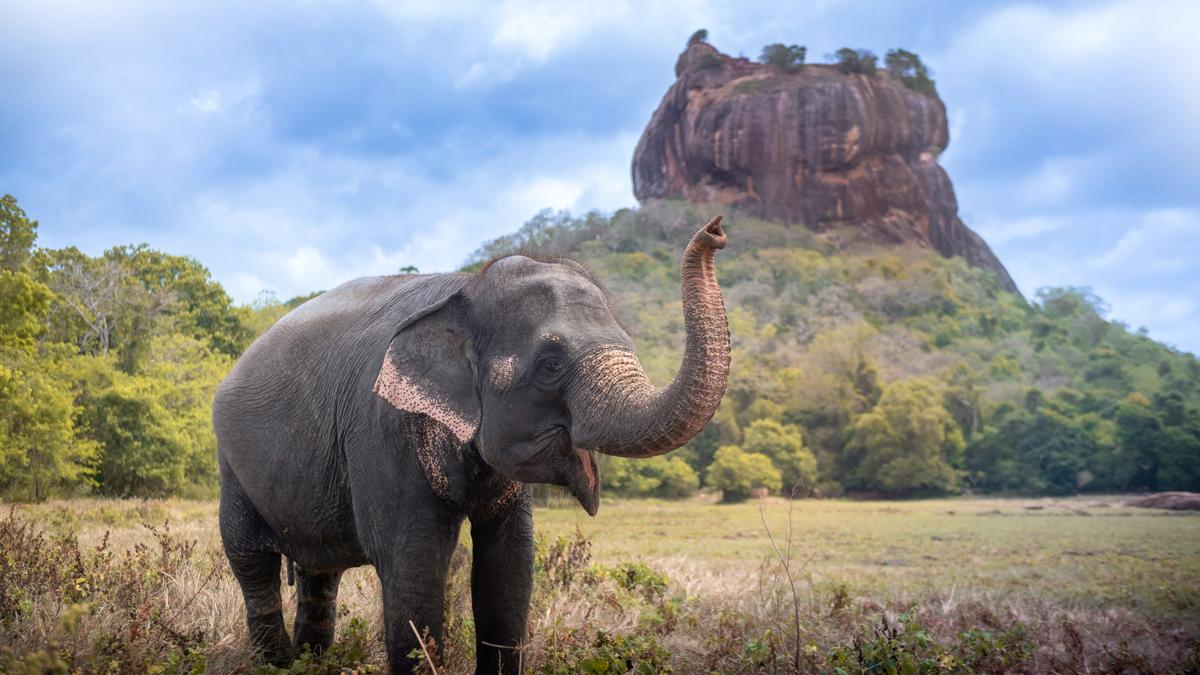
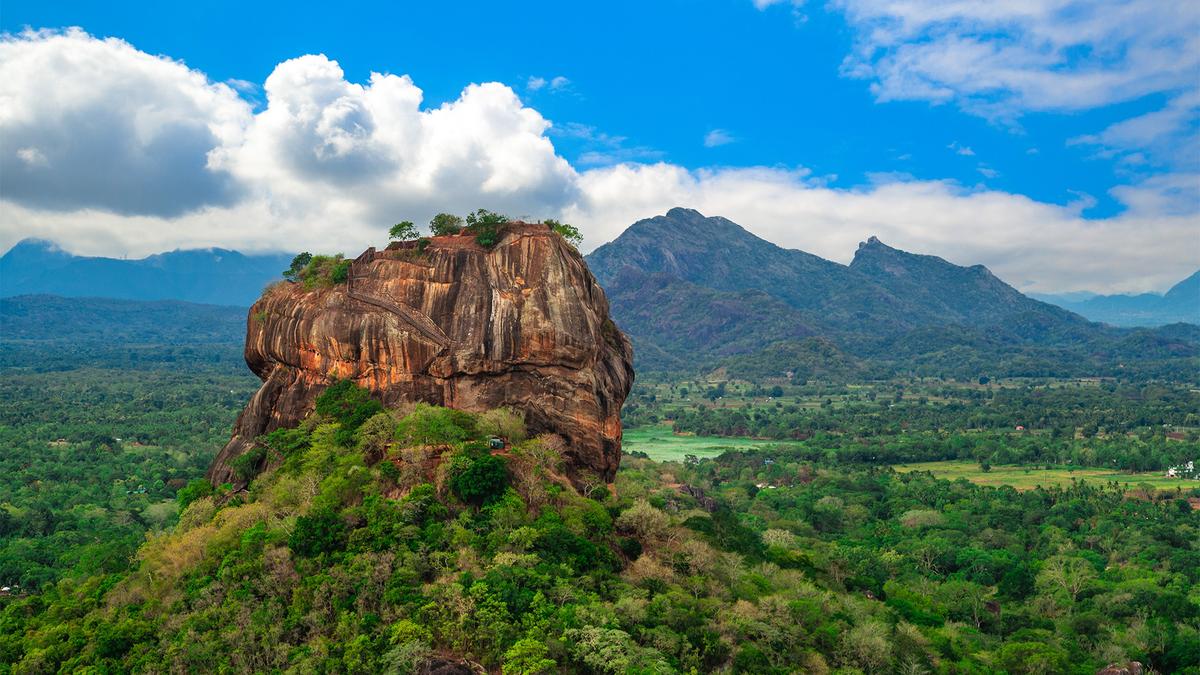
| Sri Lanka | The south and west coasts are generally best from December to April; the east coast is often better from May to September. | Around 10 to 14 days for an itinerary combining the Cultural Triangle, hill country and coast. | Ancient sites, tea country, scenic rail, wildlife and historic Galle on a compact island itinerary. | Travellers who want culture, nature and coast without crossing a vast country. |
Discover Premium Tours



Tour styles across Asia
From four- and five-star hotels and full sightseeing days to smaller groups and standout stays, tours don’t all travel the same way. Here’s what to expect from each style, including group size and accommodation. Check the individual itinerary for the exact inclusions
| Tour Style | Group Size | Accommodation | What It Feels Like | Where You Can Go |
|---|---|---|---|---|
| Deluxe | Up to 24 travellers | Typically 4- and 4.5-star hotels | A fully guided route through major sights, with selected local experiences built into the itinerary. | Japan: a 15-day route through Tokyo, Hakone, Takayama, Kanazawa, Kyoto, Hiroshima and Osaka, including Shinkansen journeys. |
| Premium | Up to 16 travellers | 5-star hotels | A smaller group and 5-star stays, with experiences that bring you closer to the places along the route. | China: see the Great Wall and travel between major cities by high-speed train, with Shangri-La stays. |
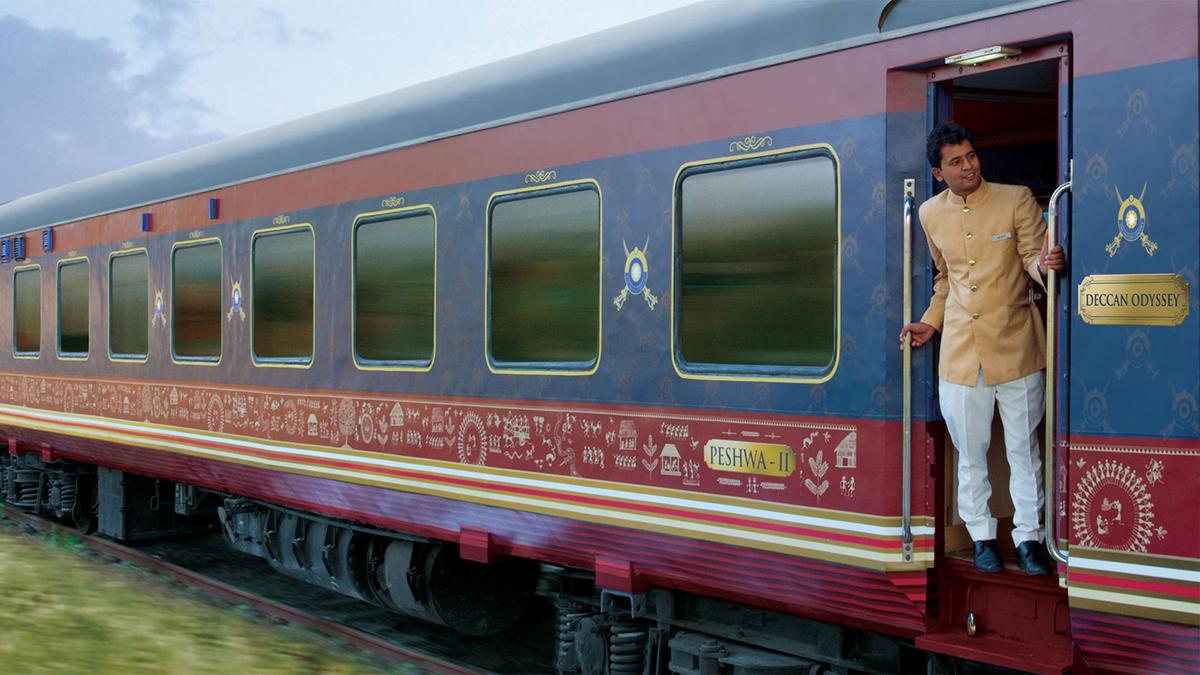
| Ultra Lux | Up to 12 travellers | 5-star hotels and iconic stays | The stay or mode of travel can become a defining part of the itinerary, with a high level of comfort throughout. | India: travel aboard the Maharajas’ Express, with time at The Leela Palace New Delhi and guided visits along the route. |
| Signature Series | Varies by departure | Varies by itinerary | A hosted journey shaped around a recognised expert’s knowledge and interests. | China: travel with Diana Chan and Khanh Ong on a food-led route through Beijing, Xi’an and Shanghai. |
Getting around Asia
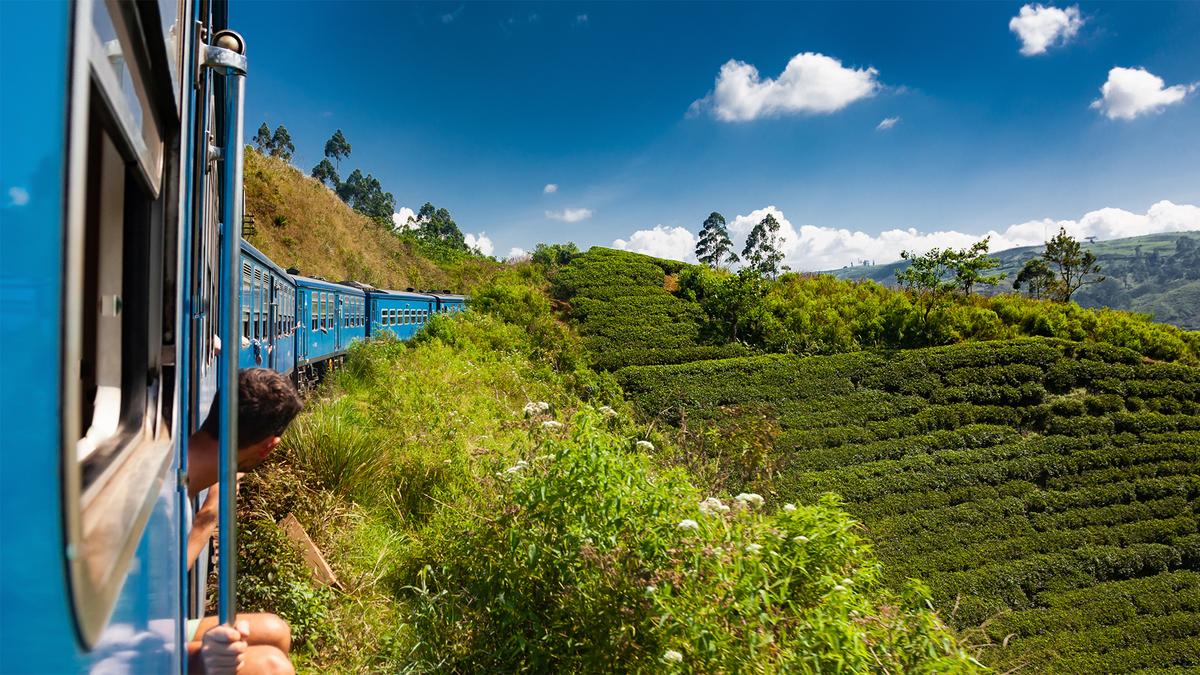
On some journeys, the train is part of the reason to go: Japan’s Shinkansen turns a long transfer into a quick connection between cities, while Sri Lanka’s hill-country railway puts tea estates and mountain scenery outside the window. Boats and local vehicles can offer a closer view of daily life. The itinerary will show which journeys are part of your tour.
| Way of Travelling | What It Adds to the Tour | Where You May Experience It |
|---|---|---|
| High-speed rail | Links major cities quickly, leaving more time for the places you came to see. | Japan, on itineraries that include Shinkansen travel. |
| Scenic rail | Makes the transfer a highlight, with the landscape changing beyond the window. | Sri Lanka’s hill country; routes and trains vary by itinerary. |
| River or bay cruise | Brings you out onto the water to see a coastline or landscape from a different angle. | Ha Long Bay in Vietnam and selected river routes. |
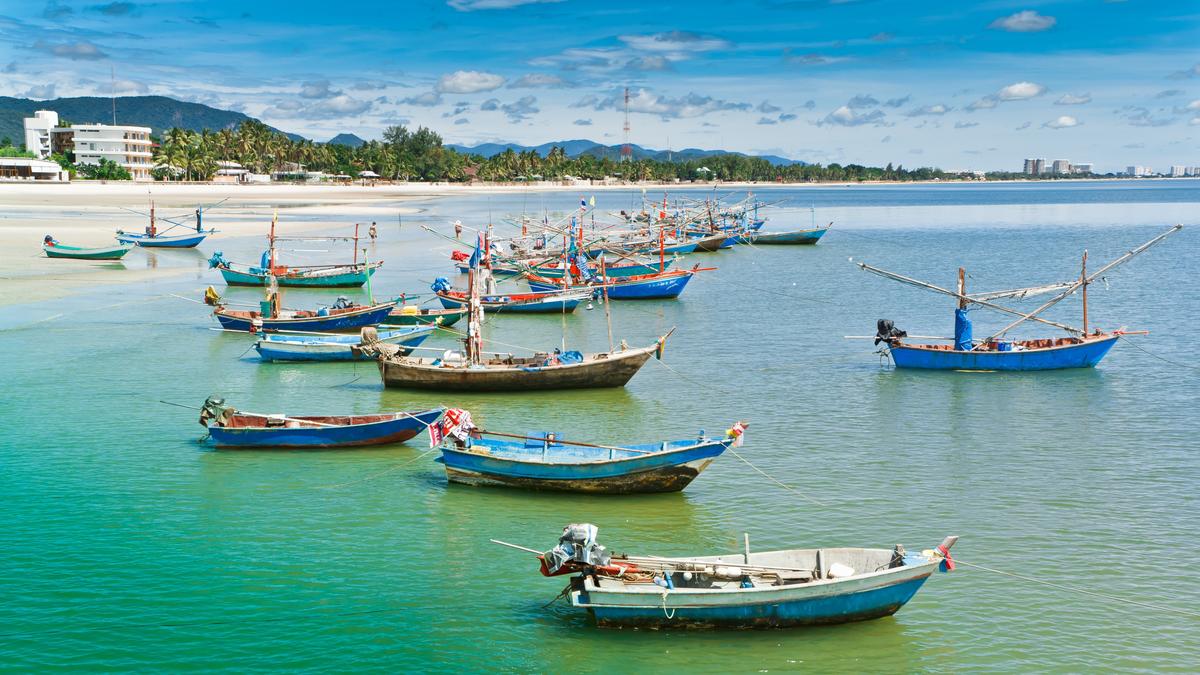
| Boat transfers | Connects islands, coastal areas or riverside destinations where road travel isn’t the only option. | Selected routes in Thailand, Vietnam and other destinations. |
| Local transport | A short ride can be a glimpse of the everyday rhythm of a place. | May include tuk-tuks, rickshaws or other local vehicles, depending on the itinerary. |
Discover Premium Tours
Tour experiences you’ll never forget
A cooking class can tell you as much about a place as a museum; a local guide can make the carvings at a temple legible; and a train ride can turn the distance between two towns into the day’s best view. Here are some of the experiences you may find on Asia itineraries. Many are included, while some tours offer optional excursions for an additional cost.
| Experience | What You’ll Love It | Where You Might Find It |
|---|---|---|
| Food and cooking | Visit a market, sample regional dishes or learn to prepare a local recipe. | Selected itineraries in China, Vietnam, Thailand and other destinations. |
| Historic and cultural sites | Explore temples, palaces and archaeological sites with a local guide. | May include Kyoto’s temples, Angkor in Cambodia or major monuments in India. |
| Scenic rail journeys | Travel through mountain, plantation or rural landscapes by train. | Selected routes in Japan and Sri Lanka. |
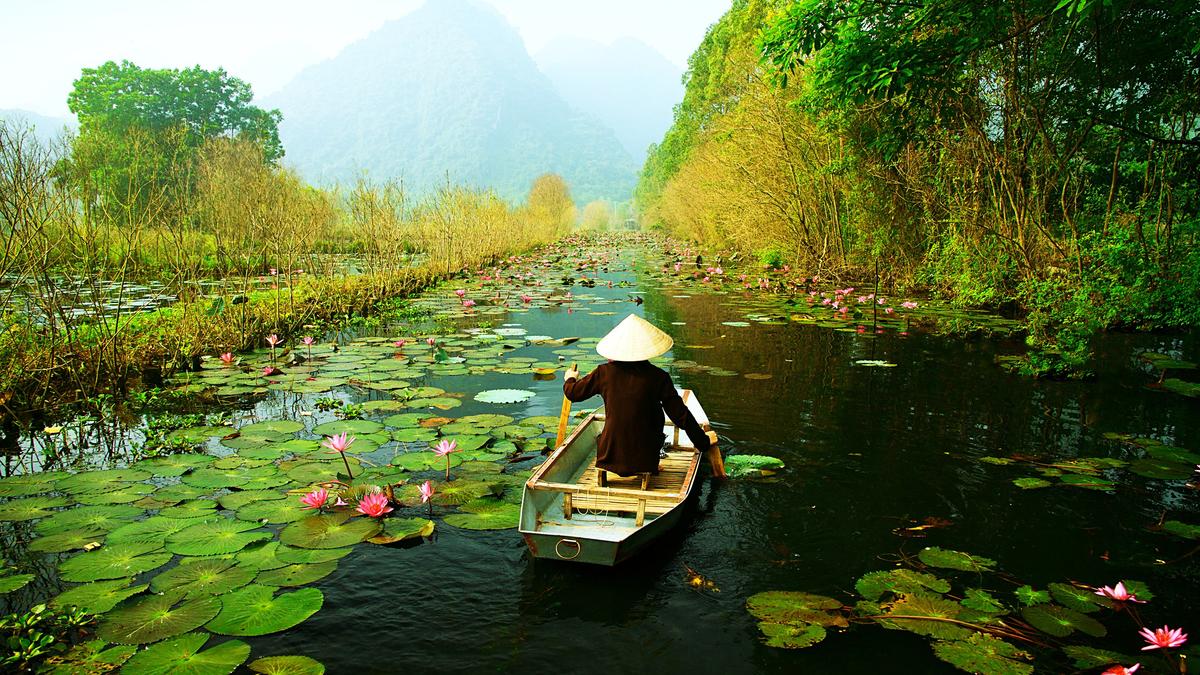
| Water excursions | Sail among limestone karsts, cruise a river or take a boat between local communities. | Ha Long Bay and selected coastal or river itineraries. |
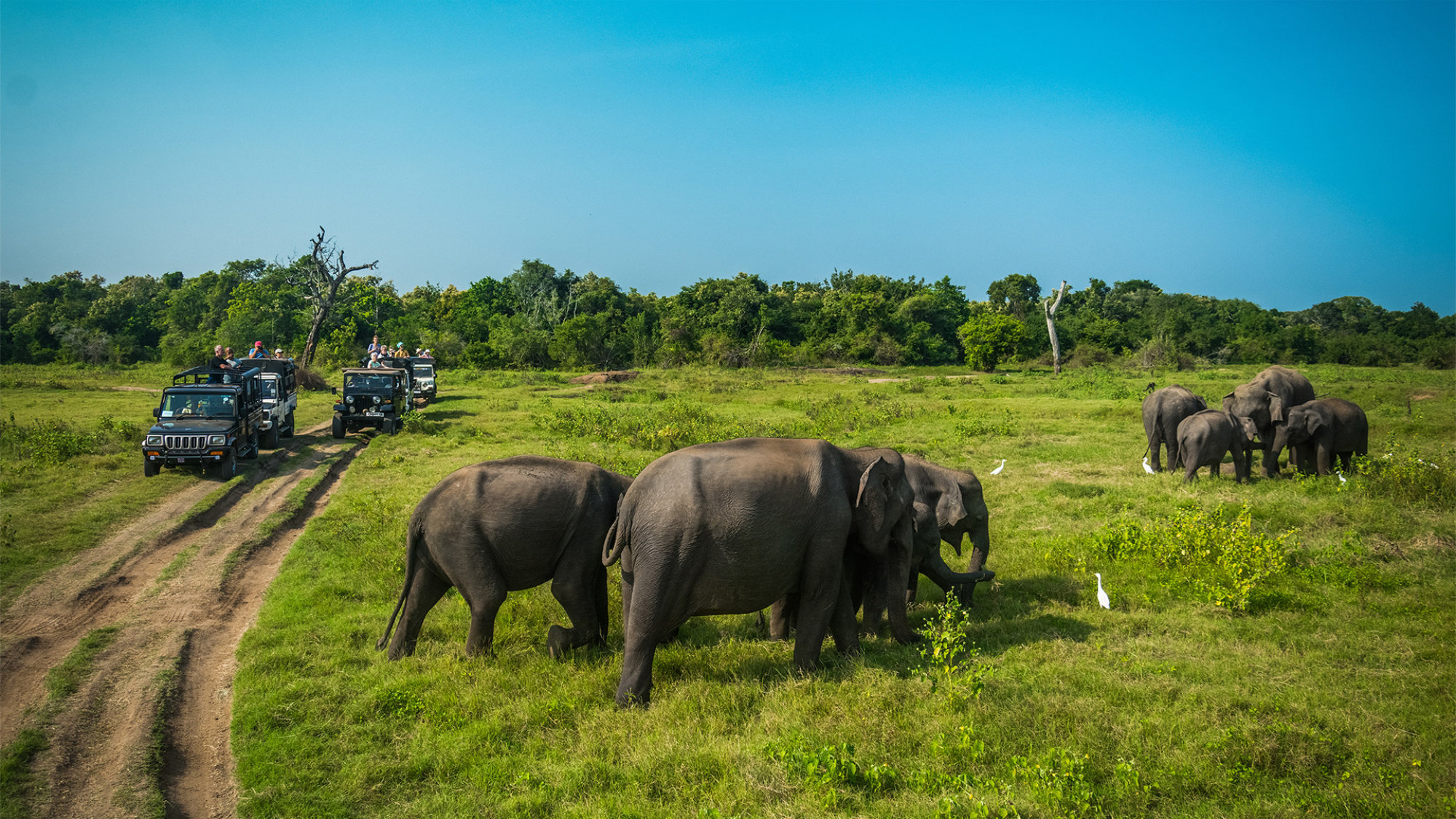
| Wildlife and nature | Explore a national park or look for wildlife with a local guide. | Selected itineraries in Sri Lanka, India and other destinations. |
| Local encounters | Spend time with local crafts, customs and daily life through experiences arranged for the route. | Varies by destination and tour. |
Frequently asked questions
How much walking should I expect on an Asia tour?
Sightseeing can mean several hours on your feet, though the pace varies by day and itinerary. In cities such as Kyoto, Delhi or Hanoi, you may walk between sights, through markets or across large temple and palace grounds. Surfaces can be uneven, and some visits involve steps or standing in warm weather. Check the day-by-day itinerary and raise mobility needs with the Tours Concierge before booking.
What accommodation can I expect?
Stays can differ across a single itinerary. A city hotel in Japan may have a compact room; in India, the style and facilities can vary between larger cities and regional stops. Some routes may include a distinctive heritage or remote stay, where facilities can be simpler than those of a major-city hotel. These are possibilities, not standard features of every tour. Check the listed properties and room details, and ask about a specific facility or room configuration if it matters to you.
What should I pack for an Asia tour?
Pack comfortable walking shoes, clothes suited to the season and a light layer for air-conditioned transport. For temple visits in places such as Thailand, Cambodia, Sri Lanka or India, clothing that covers your shoulders and knees is a useful option; some sites may ask you to remove your shoes. If your route includes different regions, pack layers and a compact rain jacket rather than relying on one forecast. Check the weather for each stop close to departure.
Are meals included, and can dietary requirements be accommodated?
Meal inclusions vary by tour. Breakfast may be included each day, with some lunches or dinners specified in the itinerary; other meals may be free for you to choose. Food also changes markedly by region—from noodle shops and market snacks to dishes built around rice, spices or seafood. Tell the operator about allergies or dietary needs before departure, and ask what alternatives can be arranged for included group meals.
Will I have time to explore on my own?
Usually, itineraries mix guided visits with some independent time, but the balance depends on the route. A day travelling between cities or visiting several major sights may leave little unscheduled time; a longer stay in one place may allow an evening or part of a day to yourself. Look at the daily schedule if you have a particular restaurant, market or attraction in mind.
Are optional excursions available?
Some tours offer additional activities at an extra cost. Depending on the destination, these could include a food experience, cultural performance or local outing. Options aren’t available on every tour, and booking arrangements differ. Check the specific tour information for what’s offered and when you need to decide.
What is the group size?
Group size varies by tour. Many small-group itineraries have a maximum of 24 travellers, while other departures have a different limit. The individual tour page gives the relevant maximum; check it when choosing between itineraries.
Are flights included?
Some tours include international flights and others don’t. The inclusions should say whether flights and airport transfers are covered, and the arrival instructions will tell you when to reach the starting hotel. If you’re booking flights separately, confirm the tour start time and allow enough time to get there.
Do I need a visa or vaccinations?
Entry and health requirements depend on your passport, route and travel dates. A multi-country itinerary may have different requirements at each stop. Check current government travel advice and speak with a qualified travel-health professional well before departure; don’t rely on requirements for one destination to cover the rest of your route.
What happens to my luggage on trains in Japan or Sri Lanka?
Luggage arrangements depend on the service and itinerary. Some trains have limited space for large suitcases, so you may need a smaller bag for the rail journey or have your main luggage transferred separately. Your tour information should explain the arrangement. If it isn’t clear, ask before you pack so you know what to keep with you.