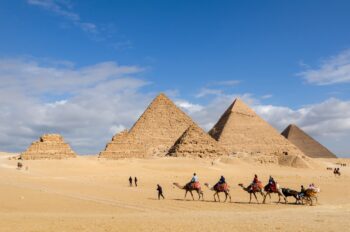
From the first light over Giza to the evening call to prayer in Marrakech, this is a region of striking contrasts. A day can move from ancient columns to open desert, then finish in a city that’s very much alive. Small group tours make it easier to take in those shifts, with the route and local context arranged for you. Some guided tours focus on one country; others link destinations across the Middle East and North Africa.

Discover Middle East Tours






Why choose a guided tour of the Middle East?
Distances between major sites can be long, and the context behind them isn’t always obvious when you arrive. Guided tours take care of the transport and day-to-day plan, while local guides help bring the places into focus – from the stories carved into temple walls to the history behind a medina’s narrow lanes.
- Guaranteed two-person departures: Book with confidence. Only two travellers are required to guarantee your departure.
- Small-group journeys: A more intimate look at each destination, with no more than 24 travellers.
- 4- and 5-star stays: Enjoy handpicked accommodation, from 4-star hotels to iconic stays, depending on your tour.
- Curated experiences & local knowledge: Discover handpicked experiences and itineraries designed by travel experts.
- A dedicated tours concierge: Our team is with you from booking through to the end of your tour.
Where to Go on a Middle East & North Africa Tour
The region covers a lot of ground, and no two small-group tours are quite alike. You might follow the Nile through Egypt, spend several days exploring Jordan’s ancient sites, or travel across Türkiye from Istanbul to Cappadocia. Morocco and the Caucasus offer a different landscape and pace.
| Where to go | When to go | How long to go | What to expect | Best suited to |
|---|---|---|---|---|
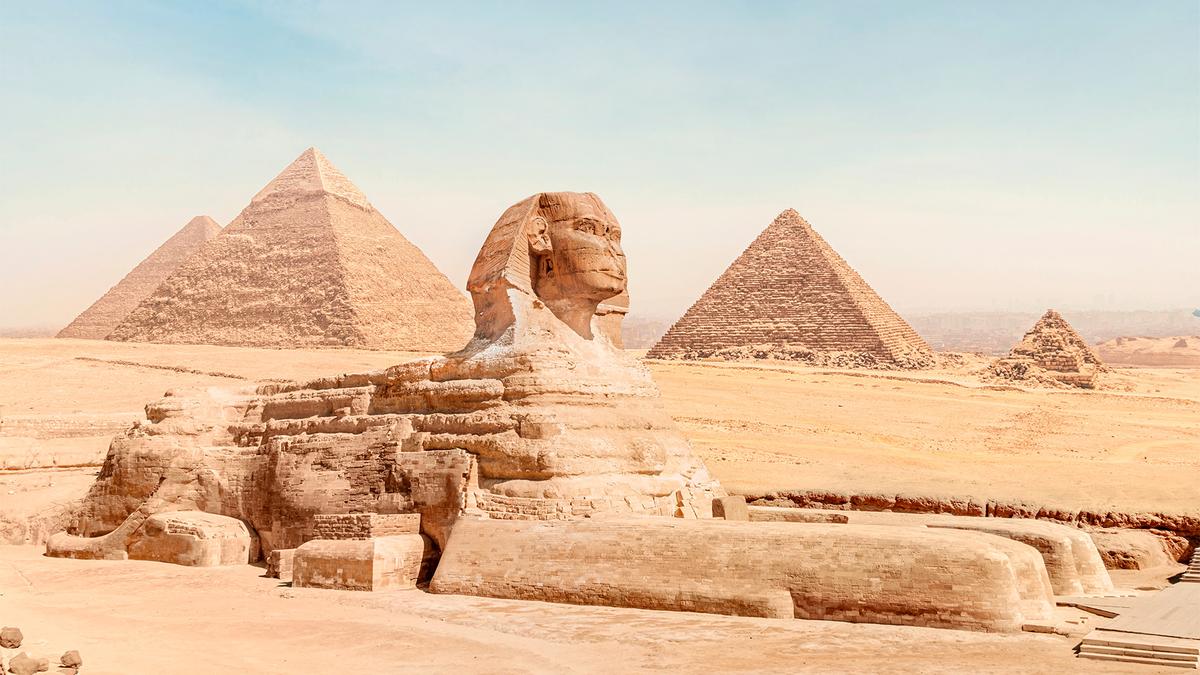
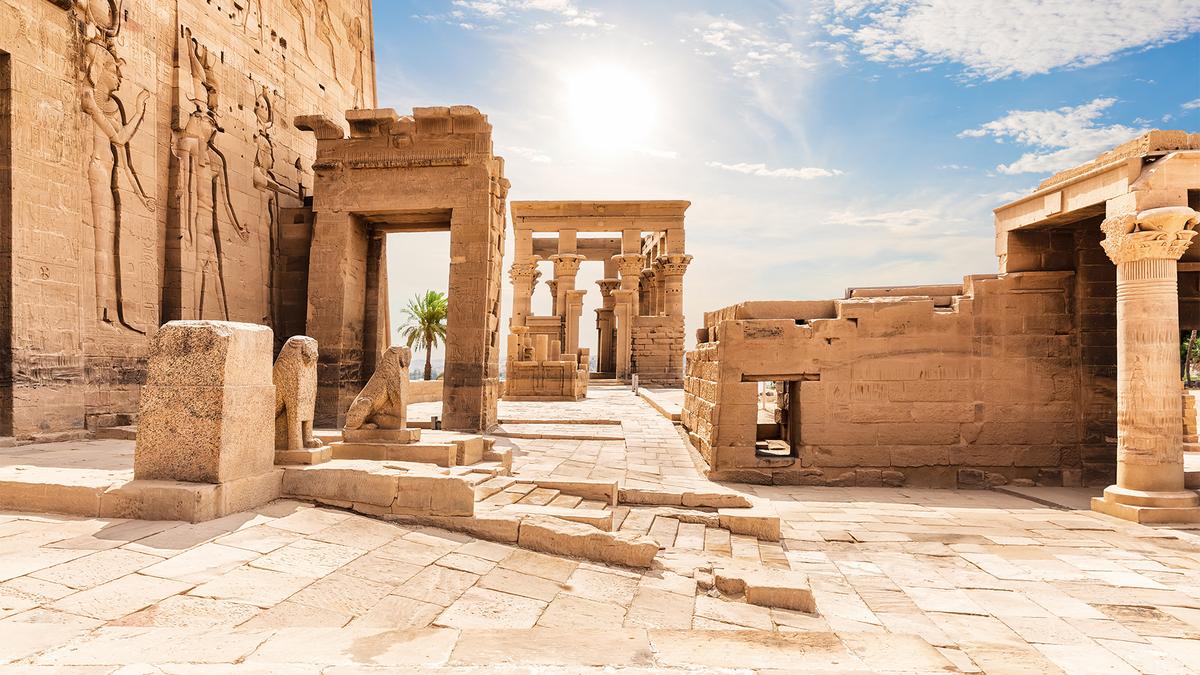
| Egypt | The cooler months are often more comfortable for spending time outdoors. Conditions vary between Cairo and the Nile Valley to the south. | Around 10 to 17 days, depending on whether you visit Cairo, take a Nile cruise and travel to Abu Simbel. | Pyramids, temples and tombs, with a Nile cruise linking stops such as Luxor and Aswan. | First-time visitors keen to see ancient sites with an Egyptologist’s context. |
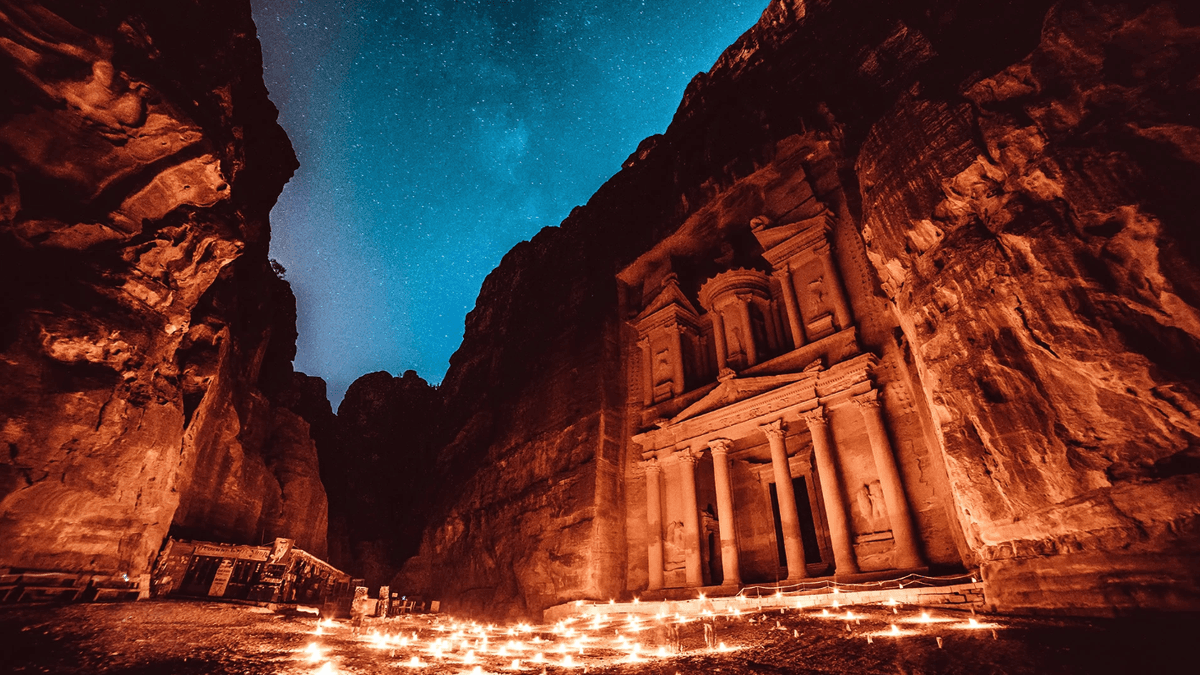
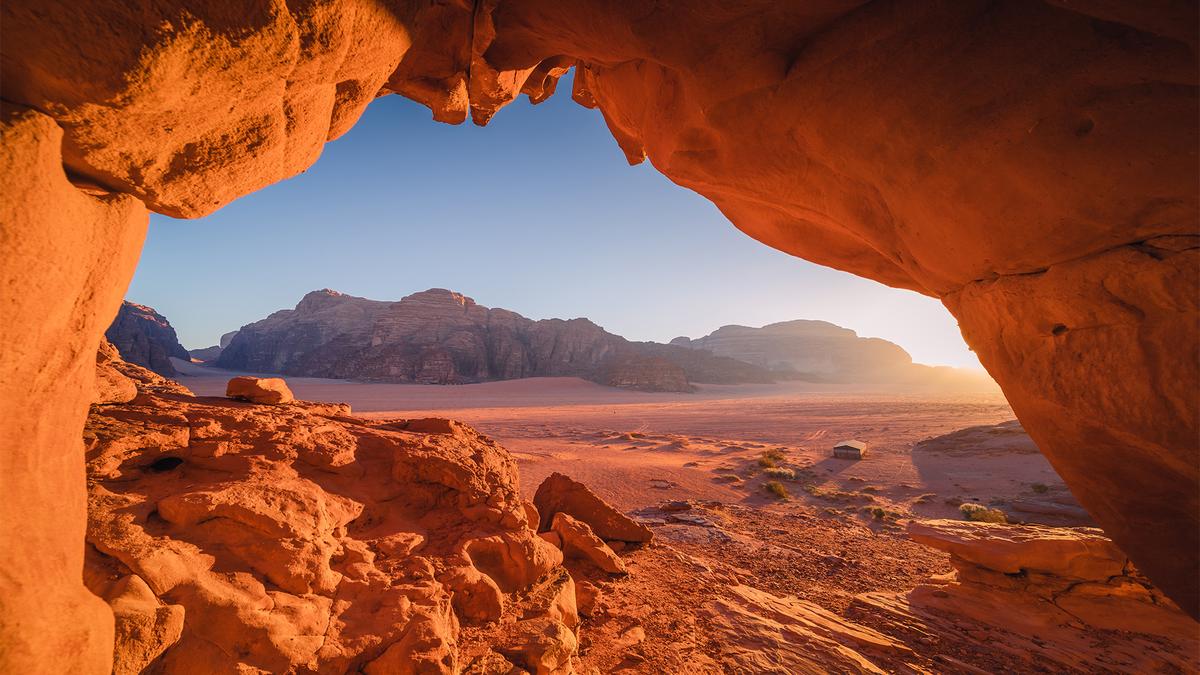
| Jordan | Spring and autumn are popular for sightseeing and hiking. Summer can be hot, especially around desert sites. | Around 7 to 14 days, or longer when combined with Egypt. | The carved facades of Petra, the Dead Sea, Roman-era ruins and a night in Wadi Rum. | Travellers drawn to archaeological sites, desert landscapes and a compact route between highlights. |
| Türkiye | Spring and autumn suit a route through cities and inland sites. Coastal weather and conditions in Cappadocia vary by season. | Around 12 to 16 days for Istanbul, Gallipoli, Ephesus, Pamukkale and Cappadocia. | The Spice Bazaar and the Bosphorus in Istanbul, ancient cities, thermal terraces and the rock-cut landscapes of Cappadocia. | Travellers who want history, food and varied landscapes in a single trip. |
| Morocco | Spring and autumn are often more comfortable for desert travel; the coast and mountains have different conditions. | Around 11 days for a tour linking the imperial cities, the Atlas region and the Sahara. | Medinas, riads, mountain scenery and desert landscapes, with long drives between some stops. | Travellers who enjoy changing scenery, from city streets to open desert. |
| Oman | The cooler months are generally more comfortable for exploring inland and desert landscapes. | Around 7 days for a focused itinerary, or longer with more time in Muscat and the mountains. | Muscat, mountain stays and the dunes of the Wahiba Sands, depending on the itinerary. | Travellers looking for a quieter mix of architecture, mountains and desert. |
| Azerbaijan, Georgia and Armenia | Spring and autumn can suit a multi-country itinerary; mountain conditions vary with altitude and time of year. | Around 16 days for an itinerary across all three countries. | Baku’s Old City, Georgian wine country, mountain scenery, monasteries and regional cuisine. | Travellers interested in the distinct cultures, food and history of the Caucasus. |
Tour Styles for Exploring the Middle East & North Africa
From a first look at the region’s great landmarks to a more intimate journey shaped around distinctive stays and experiences, Luxury Escapes tour styles offer different ways to explore. Deluxe tours bring together the major sites with 4 and 4.5-star accommodation. Premium tours include 5-star stays and smaller groups, while Ultra Lux tours are limited to 12 travellers and pair 5-star hotels with distinctive stays. For journeys shaped around a shared interest, the Signature Series adds a specialist host and experiences linked to their expertise. Group size, accommodation and inclusions vary by itinerary.
| Tour style | Group size | Accommodation | What it looks like | Where you can go |
|---|---|---|---|---|
| Deluxe | Up to 24 travellers | 4 and 4.5-star hotels | A guided itinerary through a destination’s iconic sites, with selected experiences included along the way. | Egypt and Jordan; Türkiye; Azerbaijan, Georgia and Armenia. |
| Premium | Up to 16 travellers | 5-star hotels | A small-group itinerary with 5-star stays and a thoughtful selection of guided experiences. | Egypt and Jordan; Türkiye. |
| Ultra Lux | Up to 12 travellers | 5-star hotels and distinctive stays | A more intimate journey, with accommodation and experiences that can become part of the story – such as a Nile cruise or a desert camp. | Egypt and Jordan. |
| Signature Series | Varies by tour | Selected for each itinerary | A hosted journey built around a particular interest, with a specialist sharing their insight along the way. | Türkiye, including Istanbul and Cappadocia. |
Discover Deluxe tours
Tour Experiences to Look Forward To
Small-group tours leave room for more than a quick stop at the main sites. You might sail the Nile between Egypt’s ancient temples, spend a night under the desert sky in Jordan or Morocco, float in the Dead Sea, or wake up in a cave hotel in Cappadocia. These experiences vary by destination and itinerary; check your chosen tour to see what’s included.
| Experience | Where to experience it | What to expect |
|---|---|---|
| Nile cruise | Egypt | Travel between riverside sites aboard a cruise ship, with guided visits organised along the route. The vessel, cabin and number of nights on board vary by itinerary. |
| Glamping in Wadi Rum | Jordan | Spend a night in the desert, with Wadi Rum’s sandstone landscape all around you. Camp style, facilities and room configuration vary by tour. |
| Glamping in the Moroccan desert | Sahara, Morocco | Stay a night in a desert camp, with time to enjoy the dunes as the light changes. Location and level of comfort depend on the camp included in your itinerary. |
| Swimming in the Dead Sea | Jordan | Float in the mineral-rich water of the Dead Sea. Access points and time set aside for swimming vary by itinerary. |
| Cave hotel stay | Cappadocia, Türkiye | Stay in a hotel built into or inspired by the region’s rock-cut dwellings. Room style and features differ by property. |
Frequently Asked Questions
How much walking should I expect on a Middle East tour?
It depends on the itinerary, but visits to archaeological sites often involve extended time on your feet. Petra includes a walk through the Siq and uneven or sloping paths; large temple complexes and the Valley of the Kings can also mean exposed ground and steps. Check the tour’s activity rating and daily itinerary, and pack comfortable shoes with good grip.
What should I wear when visiting religious or historical sites?
Expect local expectations to vary by country and site. Clothing that covers your shoulders and knees is a practical choice for many religious sites; a light scarf can be useful to pack. Your guide can advise on specific requirements for the places on your itinerary.
What are nights in the desert like in Wadi Rum or the Sahara?
Camps differ in terms of facilities, room configuration and heating or cooling, and desert temperatures can drop after sunset. Check the accommodation details for your tour and pack a warm layer. Don’t assume every camp offers the same amenities.
What is a Nile cruise like?
The vessel, cabin and facilities vary by tour. A cruise can link visits to sites along the river, with shore excursions organised around the sailing schedule. Check how many nights you’ll spend on board, which vessel is included or whether it may be replaced with a similar one, and which meals and excursions are covered.
Will I have time to explore independently on a guided tour?
It depends on the itinerary. Some days are built around guided visits; others leave free time in cities such as Cairo, Amman or Istanbul. Read the day-by-day plan to see how the tour balances activities, travel and free time.
Can I visit Petra and the Dead Sea on the same trip?
Yes. Some group tours of Jordan include both, while Egypt and Jordan itineraries can combine them with Cairo and a Nile cruise. Routes and time at each stop vary, so check the itinerary for overnight stays and included visits.
What should I pack for a multi-country tour?
Pack for the range of settings on your itinerary: comfortable walking shoes for archaeological sites, modest layers for religious sites, sun protection for exposed visits and a warmer layer for desert or mountain evenings. If your tour includes a Nile cruise or a camp stay, check the accommodation details for specific advice.
Are Middle East group tours suitable for children?
Minimum ages vary. Some guided tours welcome young travellers; others have an age limit, long travel days or demanding site visits. Check the age guidance and activity rating on the individual tour before booking.