-
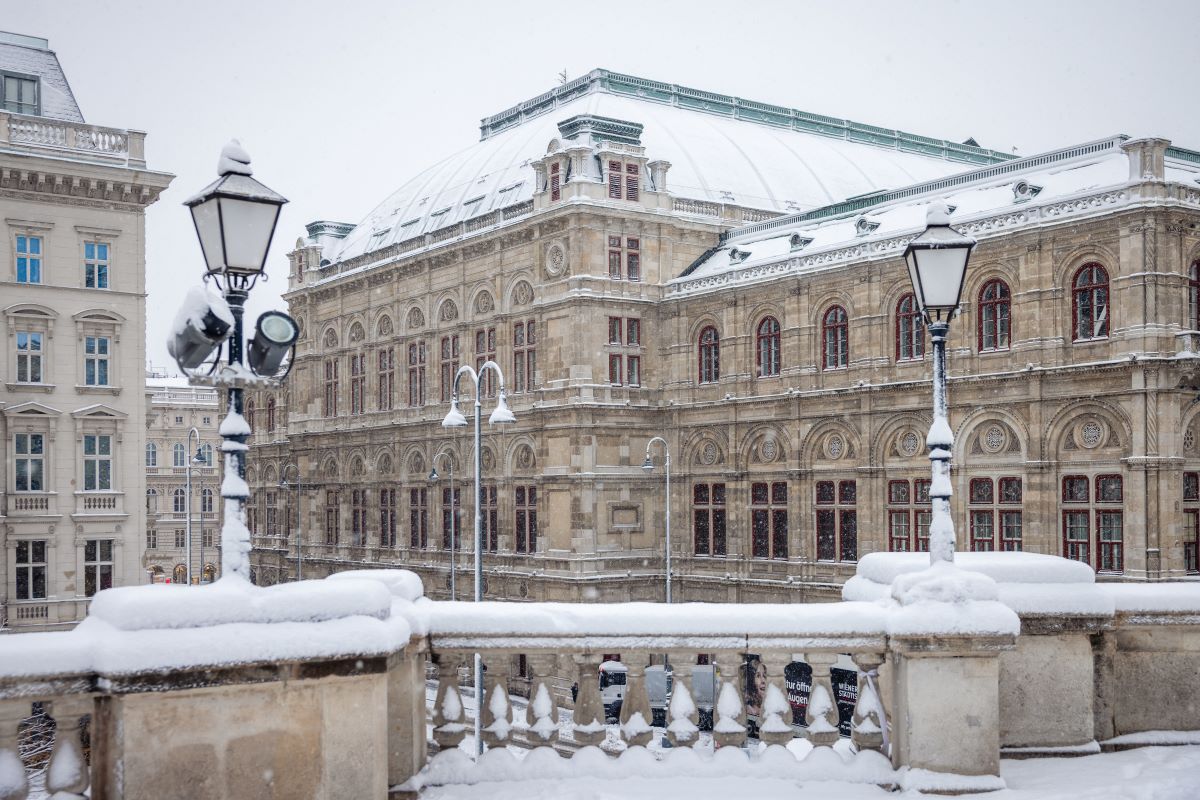
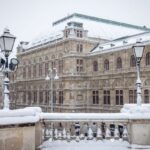
Vienna State Opera. Source: Austria Tourism / Sebastian Burziwal.
-
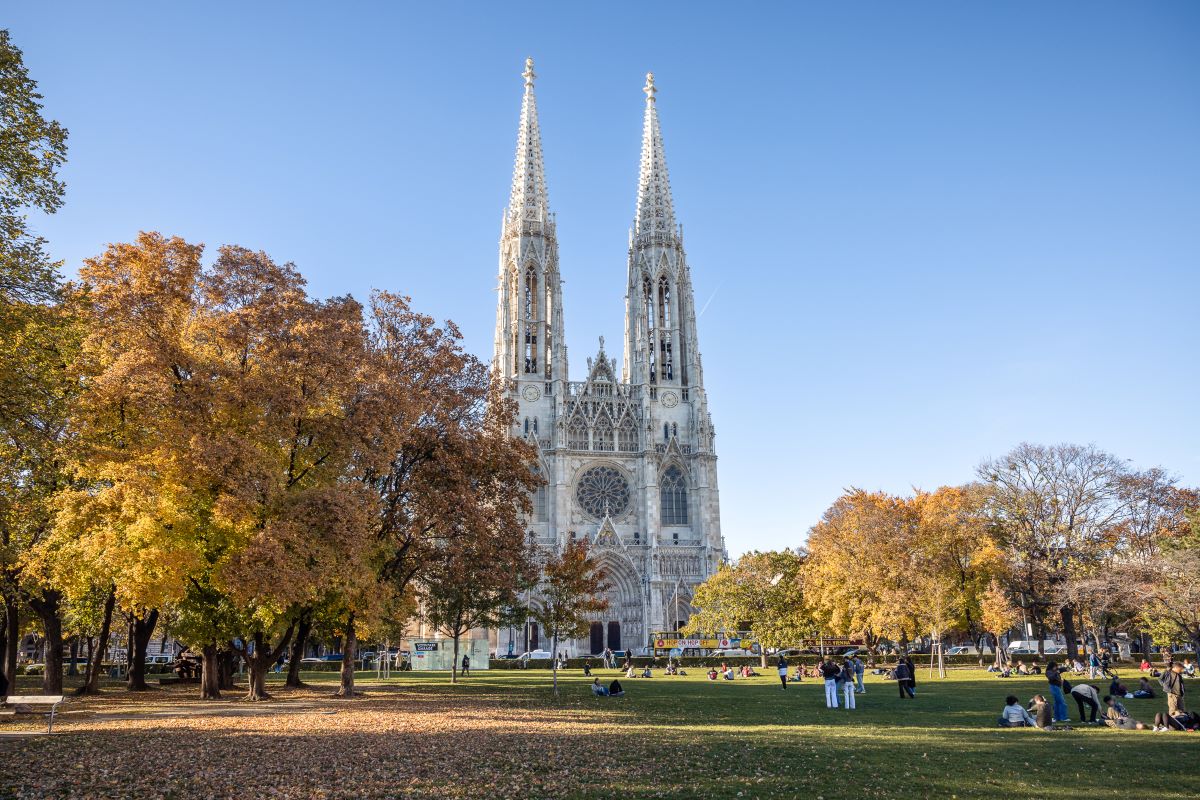
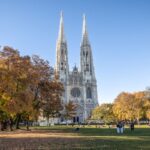
Sigmund Freud Park with a view of the Votive Church. Source: Austria Tourism / Sebastian Burziwal.
-
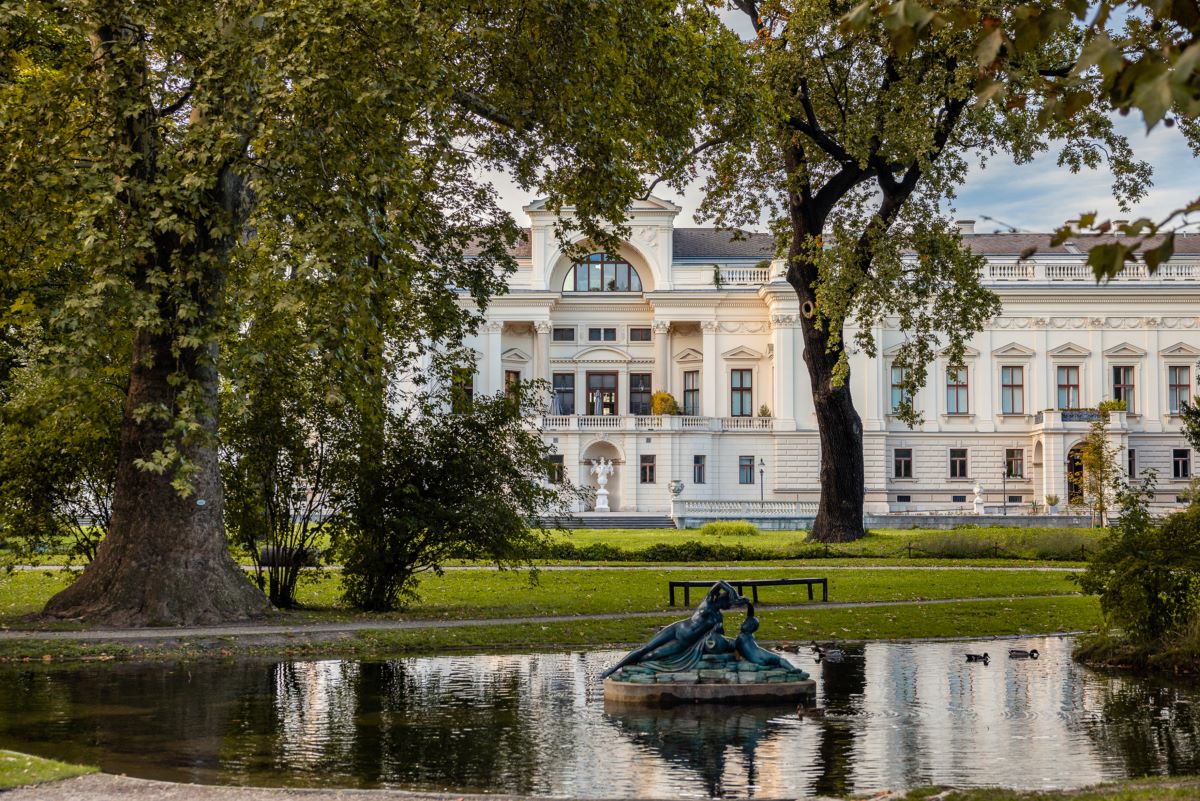
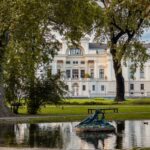
Alserbachpalais. Source: Austria Tourism / Sebastian Burziwal.
-
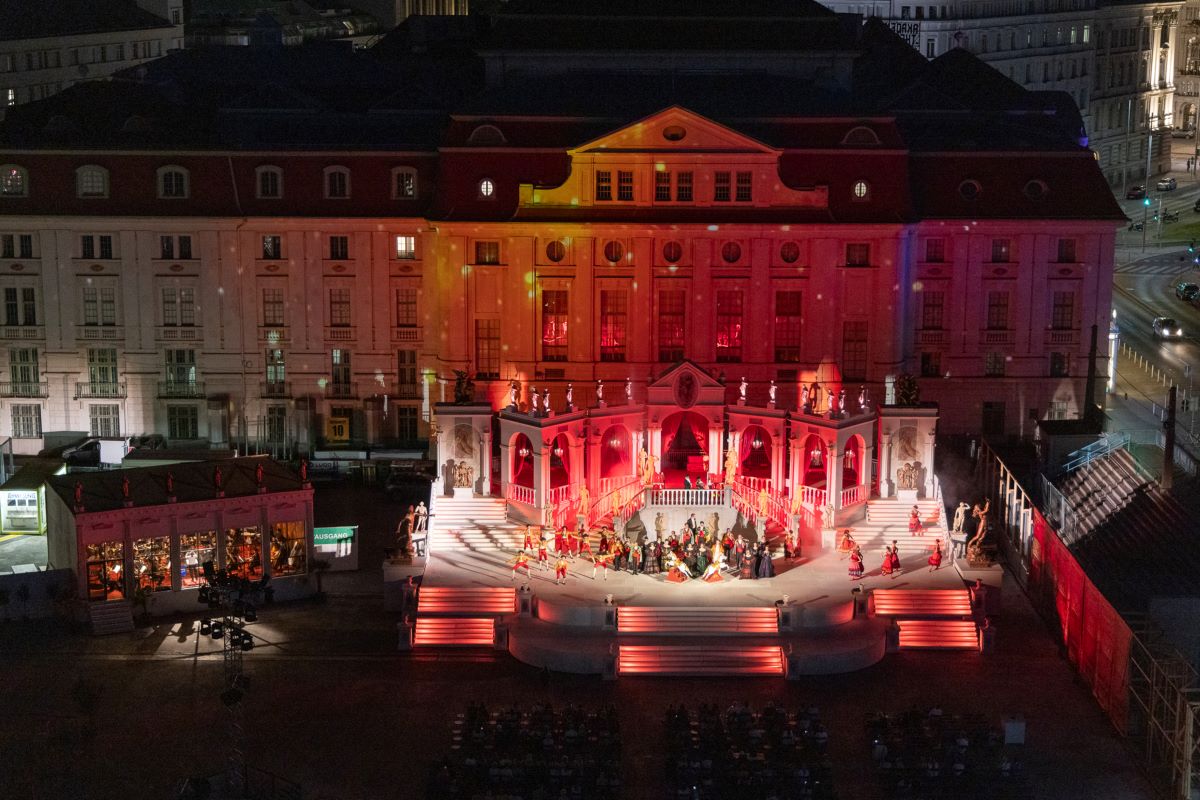
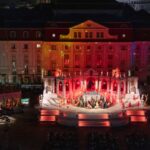
Wiener Opernsommer. Source: Austria Tourism.
-
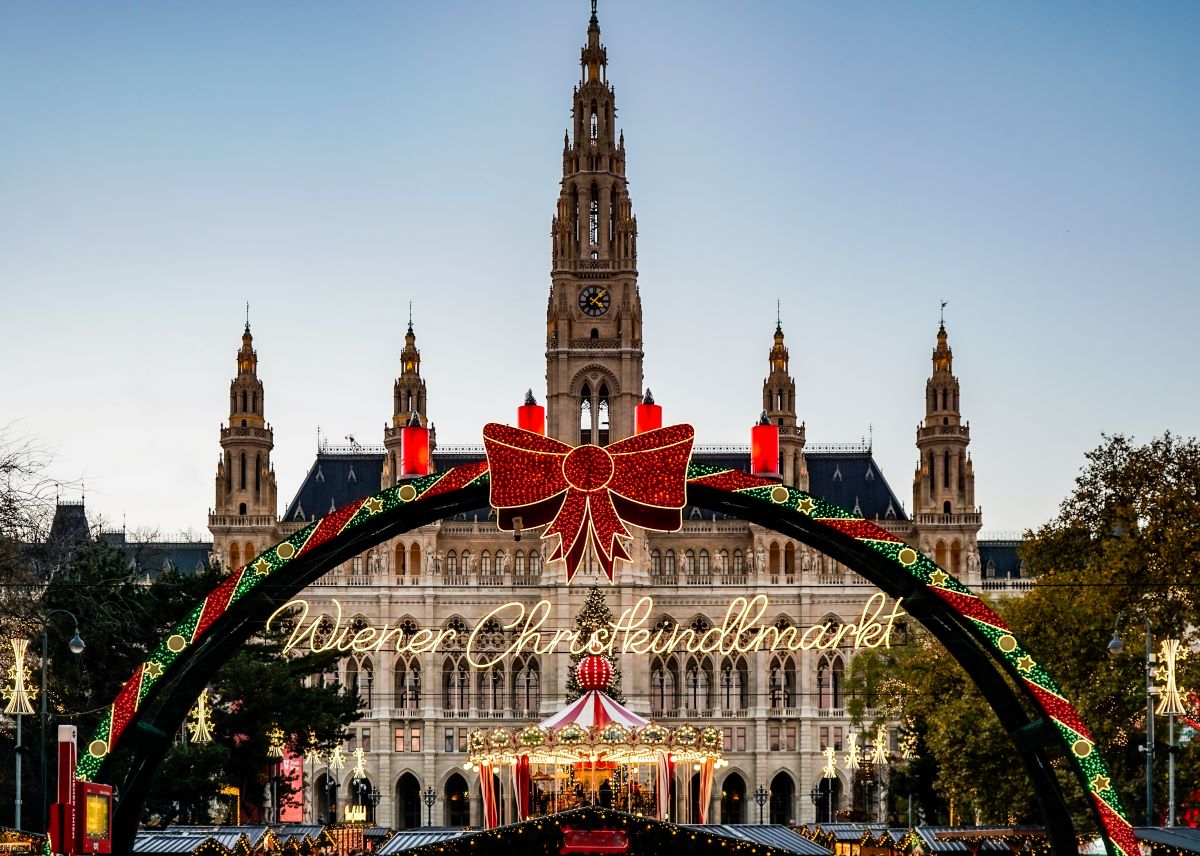
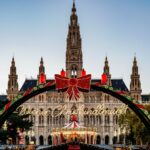
Wiener Christkindlmarkt. Source: Shutterstock / Metta19.
-
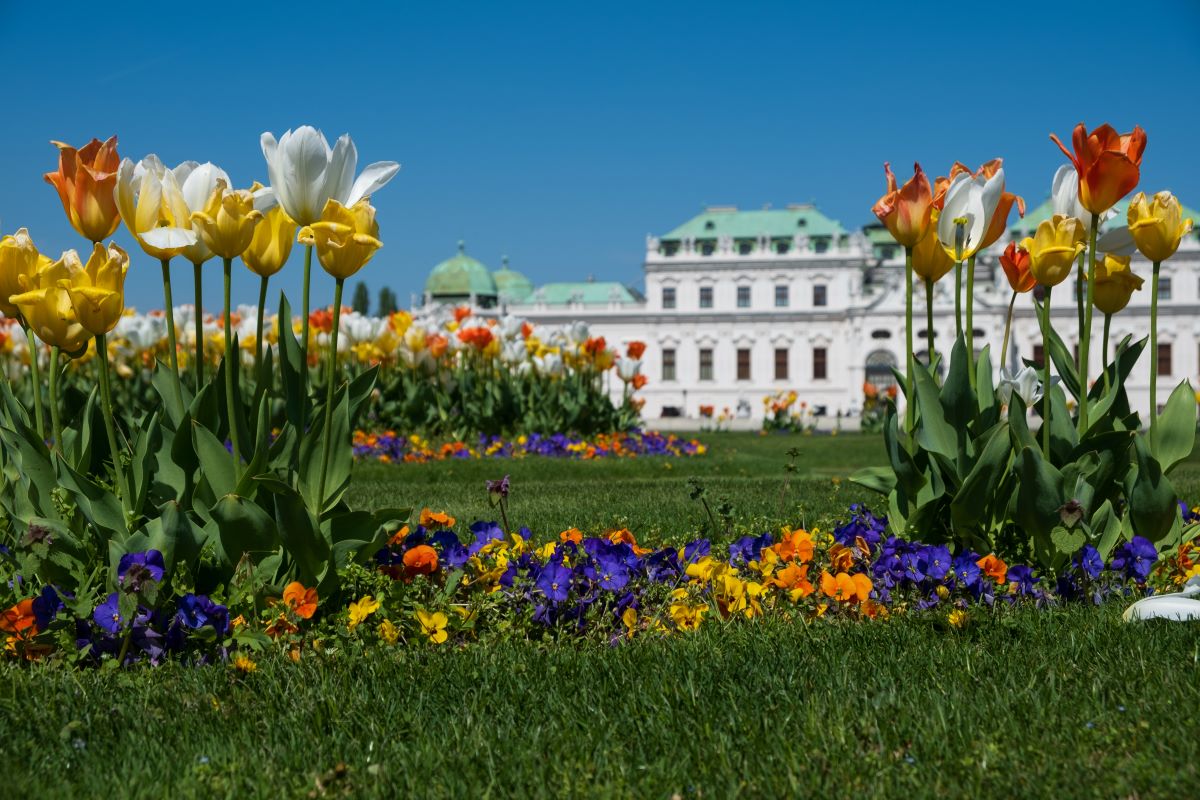
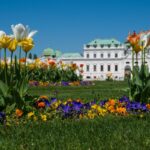
Belvedere Palace. Source: Shutterstock / Sandronize.
-
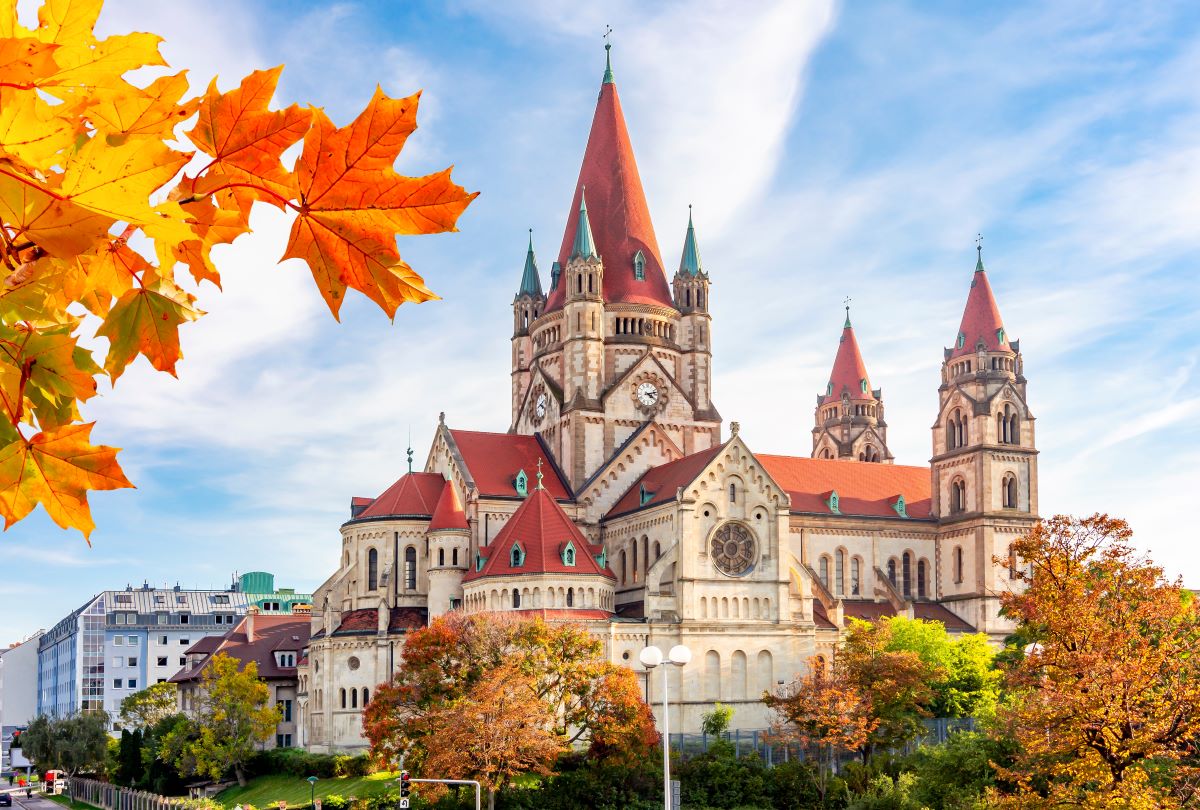
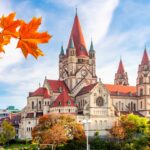
St. Francis of Assisi Church. Source: Shutterstock / Mistervlad.
-
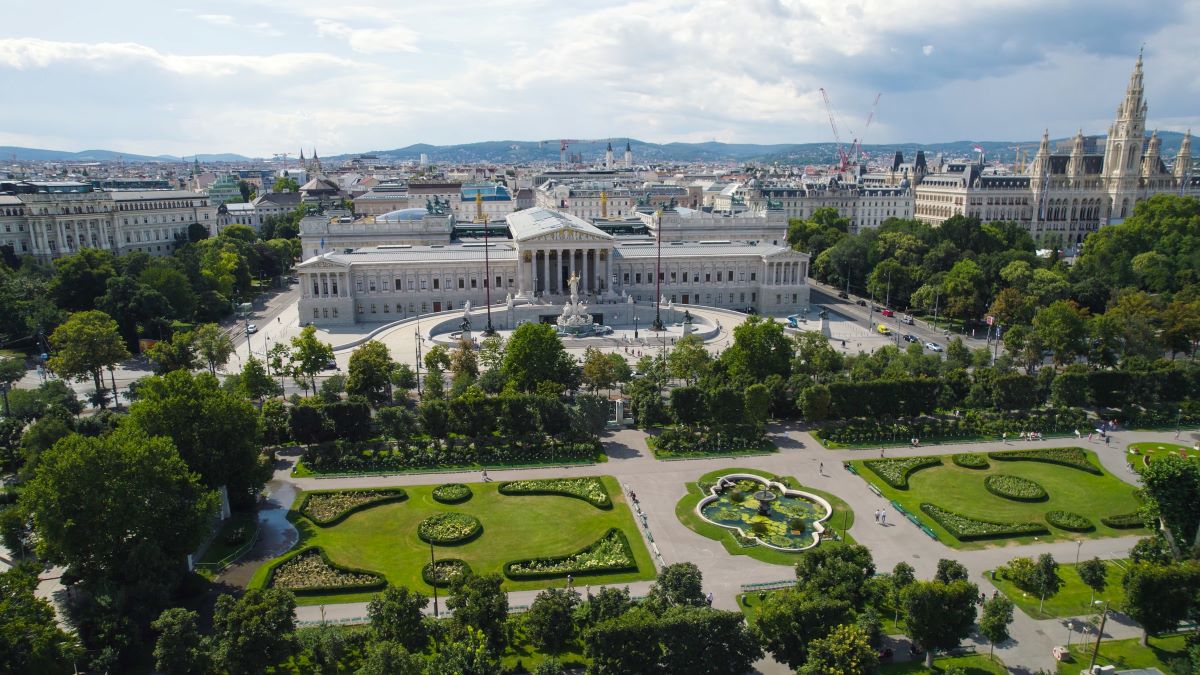
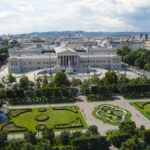
Austrian Parliament. Source: Shutterstock / Rick Bakker.
Vienna is a city where each season feels genuinely different and the experience changes entirely from one trip to the next. The sun-kissed, seemingly endless days of summer are all about eating and adventuring outdoors, while winter lends itself to grand concert halls and Christmas markets.
Vienna in summer: outdoor concerts, imperial gardens & river boating
Life is all about the great outdoors during a Viennese summer, whether that’s getting out for drinks at a rooftop bar, exploring palace gardens, wild swimming or enjoying music in unexpected settings. The Danube is the centrepiece of the season, with riverside bars and restaurants abuzz, and locals and visitors alike bathing and boating in the waters of the Old Danube.
This is when Vienna’s deeply instilled concert scene spreads beyond the confines of the gilded imperial halls and into palace grounds and outdoor stages. Late sunsets dance with the sound of classical music, opera, and even hard rock (the Nova Rock festival takes place every June near Nickelsdorf). Within the city, there’s open-air opera at the Wiener Eislaufverein, free park performances during the Kultursommer Wien, music and theatre in historic streets at Theater am Spittelberg and concert screenings during the Film Festival at Rathausplatz. Travel out of the centre around an hour for a classical concert and picnic in the grounds of the neo-Gothic Grafenegg Castle, musical theatre on a lakeside stage at Seefestspiele Mörbisch, or opera in a quarry at Oper im Steinbruch.
The Baroque gardens of Schönbrunn Palace are at their peak in spring and summer, with the uniform green lawns and jewel-coloured blooms best enjoyed in the cooler early morning or late afternoon.
Weather in Vienna in summer: Expect average daily temperatures of 25-27 degrees in Vienna in summer.
What to pack for Vienna in summer: Light, breathable layers, sun protection, a smart casual outfit for evening concerts, swimwear for the Old Danube, comfortable shoes for exploring, and a rain jacket or umbrella for unexpected showers. A Hubby eSIM is a worthwhile investment to save international roaming fees while booking concert tickets on-the-go.
Vienna in winter: Christmas markets, cosy coffee houses & ball season


Kunsthistorisches Museum, Austria Tourism. KOWANZ. ORTNER. SCHLEGEL © Leopold Museum, artscope / Riedler.
The dose of festive spirit you’ll take in a Viennese winter is a hearty one, with its glittering ice rinks and fairylight-festooned Christmas markets. The Rathausplatz Wiener Christkindlmarkt, with its colossal Christmas tree before Vienna City Hall, is the most famous, the one in the shadow of Schönbrunn Palace the most spectacular. Expect handcrafted gifts and Christmas ornaments, with fingers warmed by Glühwein, roasted chestnuts and Kaiserschmarrn – bite-sized pancake pieces, with some iterations including rum-soaked raisins.
Adding to the merriment is ball season. From November through to January/February, more than 300 soirées take place across the city, in palaces and gilded concert halls. Get yourself a ticket and dress to impress or simply admire the flurry of fairytale ballgowns dashing from taxi doors across rain-licked streets.
Aside from the museums, of which there are more than 100 (try the Leopold Museum with its Gustav Klimt and Austrian modernism works, and the Kunsthistorisches Museum with collections spanning from ancient Egyptian times), there’s no better place to while away a chilly afternoon than in one of the city’s traditional coffee houses. The practice is so ingrained into Viennese culture that it’s UNESCO-inscribed. There’s no rush to vacate the marble-topped tables here; this is where you settle in for several hours of newspaper reading, people watching and sipping (a whipped cream moustache is guaranteed from a strong black Einspänner). And it’s customary to queue at Café Sacher for the famous Sachertorte, a rich chocolate sponge cake with slithers of apricot jam.
Winter is an excellent time of year to cosy up indoors at a grand concert hall for Vienna’s most famous pastime: enjoying live music and opera. Head to the Golden Hall of the Musikverein Wien for a classical Mozart performance by the Vienna Philharmonic Orchestra, or the 1869 Neo-Renaissance Staatsoper Wien to see the Vienna State Opera.
Weather in Vienna in winter: Expect average daily temperatures between 0 and 5 degrees in Vienna in winter.
What to pack for Vienna in winter: A warm coat, cosy layers, waterproof boots, a hat and gloves, and a smart casual outfit for evening concerts. The eSIM will come into its own for restaurant bookings and ball planning.
Vienna in spring and autumn: Heuriger season & spring blossoms
The shoulder seasons of spring and autumn offer their own unique experiences, along with the benefits of lighter crowds and competitive hotel pricing.
You can almost feel a tangible shift in Vienna when winter transitions to spring; the freshly planted palace gardens start to fill up, the cherry blossoms of the Setagayapark flutter like pink confetti and sidewalk café terraces, like the beloved Café Landtmann and Café Mozart near the Vienna State Opera, come to life. The temperate weather makes it a great time of year for exploring, cycling and taking to the walking trails to the west of the city, which are worth the journey for the views back over the skyline. The Art Nouveau-style Palmenhaus, a former greenhouse beside the Hofburg, is the perfect spring supper setting with its exotic plants and abundant light.
Autumn is when the Heurigers – rustic wine taverns – are at their best, serving just-made, light and fruity wine along with Sturm grape juice, which is available only during harvest season. Mayer am Pfarrplatz in Heiligenstadt dates back to the 17th century; Beethoven lived in the historic house here for a period. Vineyards and parklands are particularly picturesque as they transform from green to ruby, russet and gold, and the cooler weather is a licence to dig in to Austria’s heartier fare, namely goulash, dumplings, sausages and roasts. Harvest time means markets like the Karmelitermarkt in Leopoldstadt are laden with vegetables and fruits, and pumpkin farms outside the city offer seasonal festivities. Embrace Halloween at the 1784 Madhouse Tower with its anatomical exhibits, or Vienna’s Central Cemetery, home to the grave of Beethoven.
Weather in spring and autumn in Vienna: Expect average daily temperatures between 10 and 20 degrees in Vienna in spring and autumn.
What to pack for Vienna in spring and autumn: Light layers, a waterproof jacket or umbrella, comfortable walking shoes, and that all-important smart casual outfit for concerts. The eSIM means you can navigate walking trails and find Heurigers on the move without excess charges.