-
Oper im Steinbruch. Source: Renée del Missier.
-
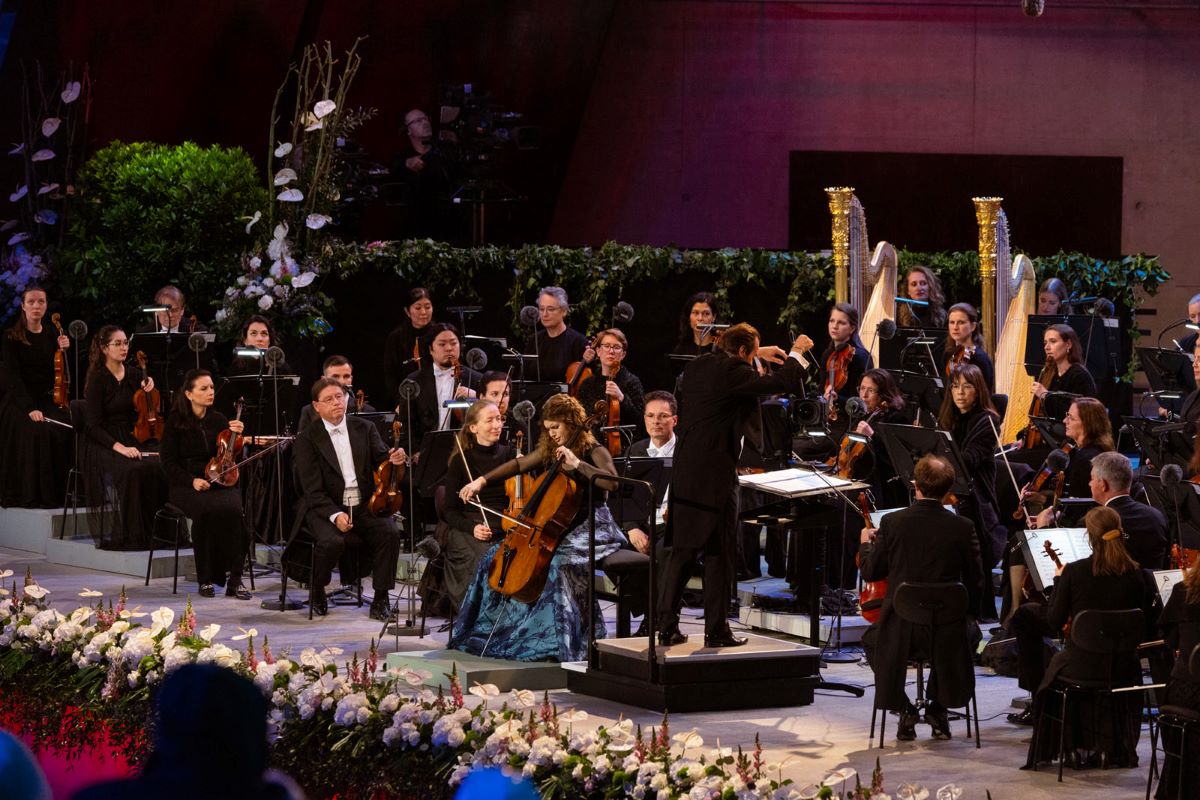
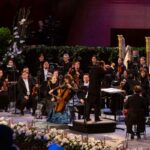
Sommernachtsgala 2026. Source: Sofija Palurovic / Grafenegg Estate.
-
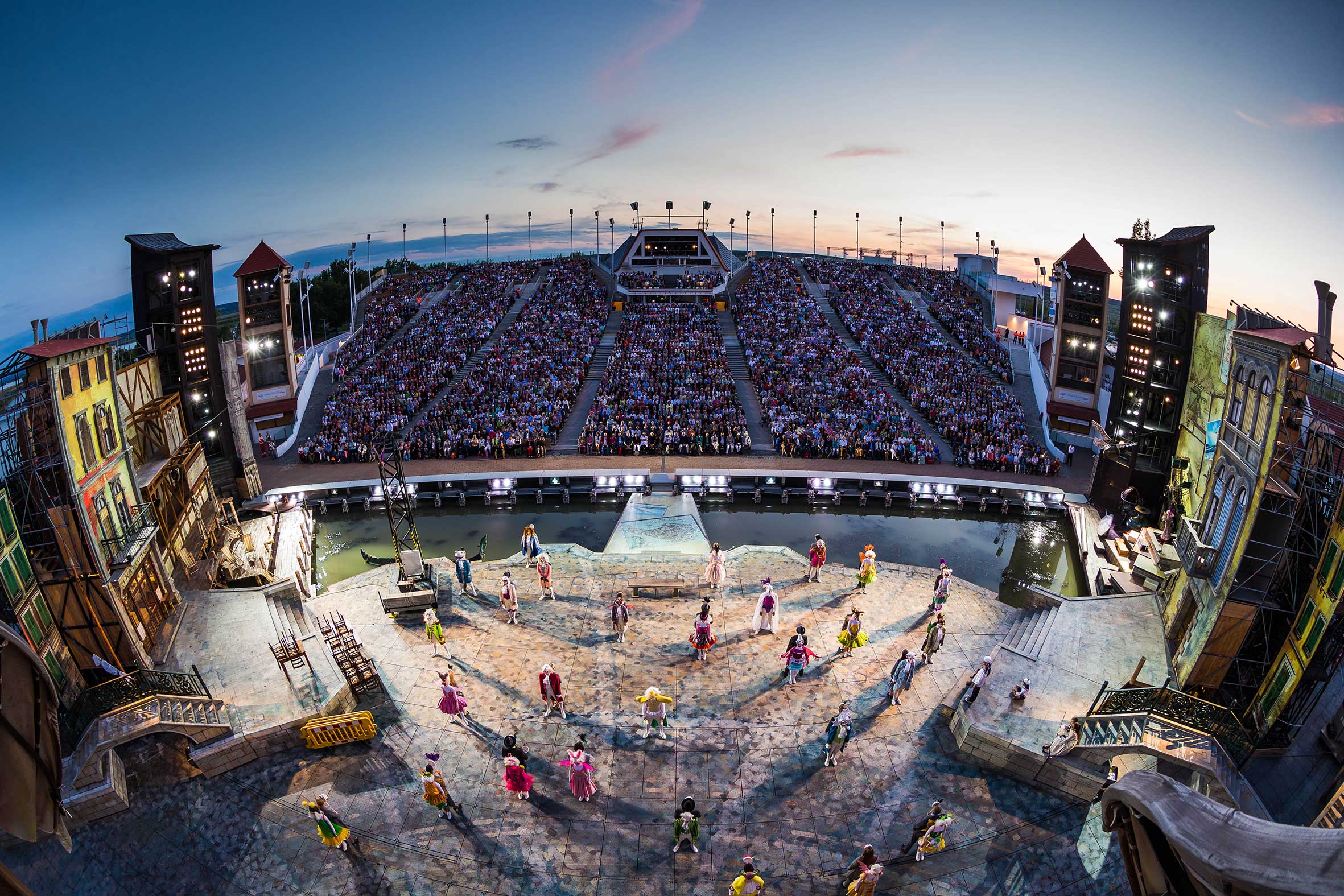
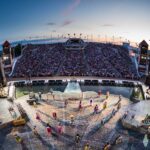
Seefestspiele Mörbisch. Source: Jerzy Bin.
-
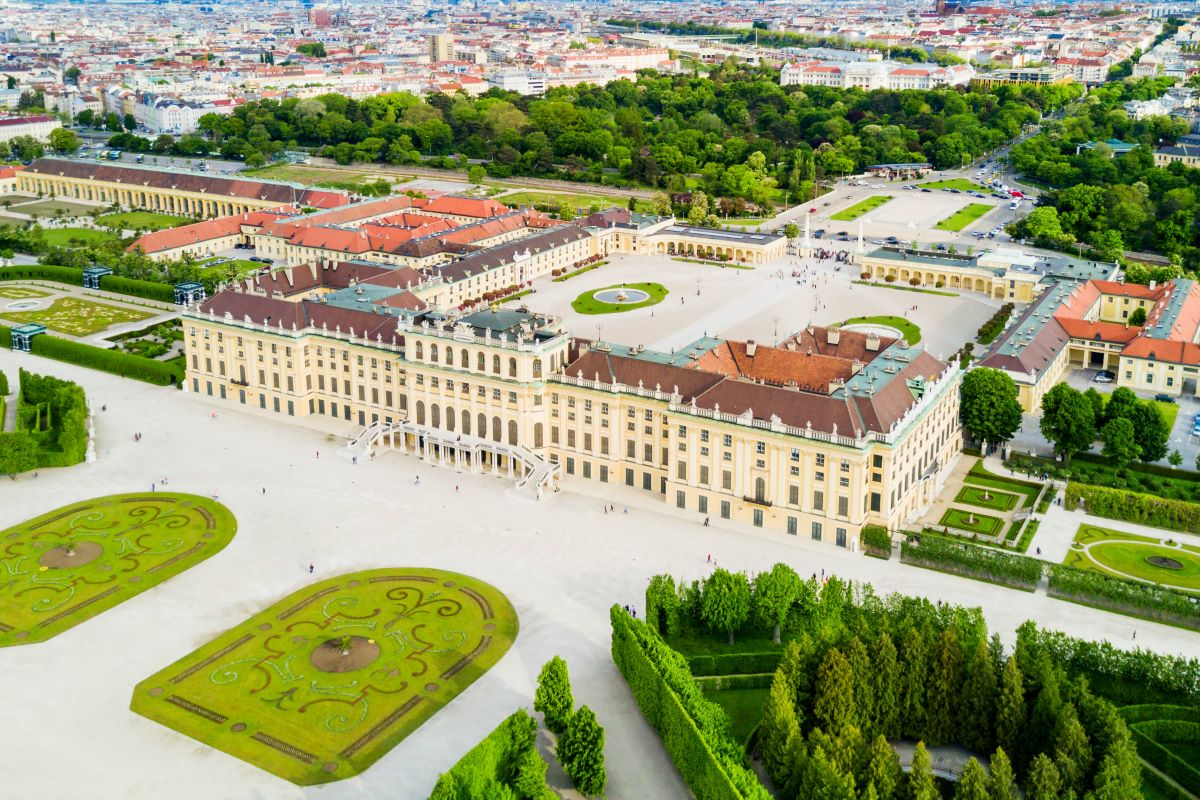
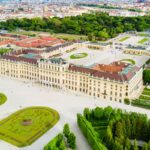
Schönbrunn Palace. Source: Shutterstock / saiko3p
-
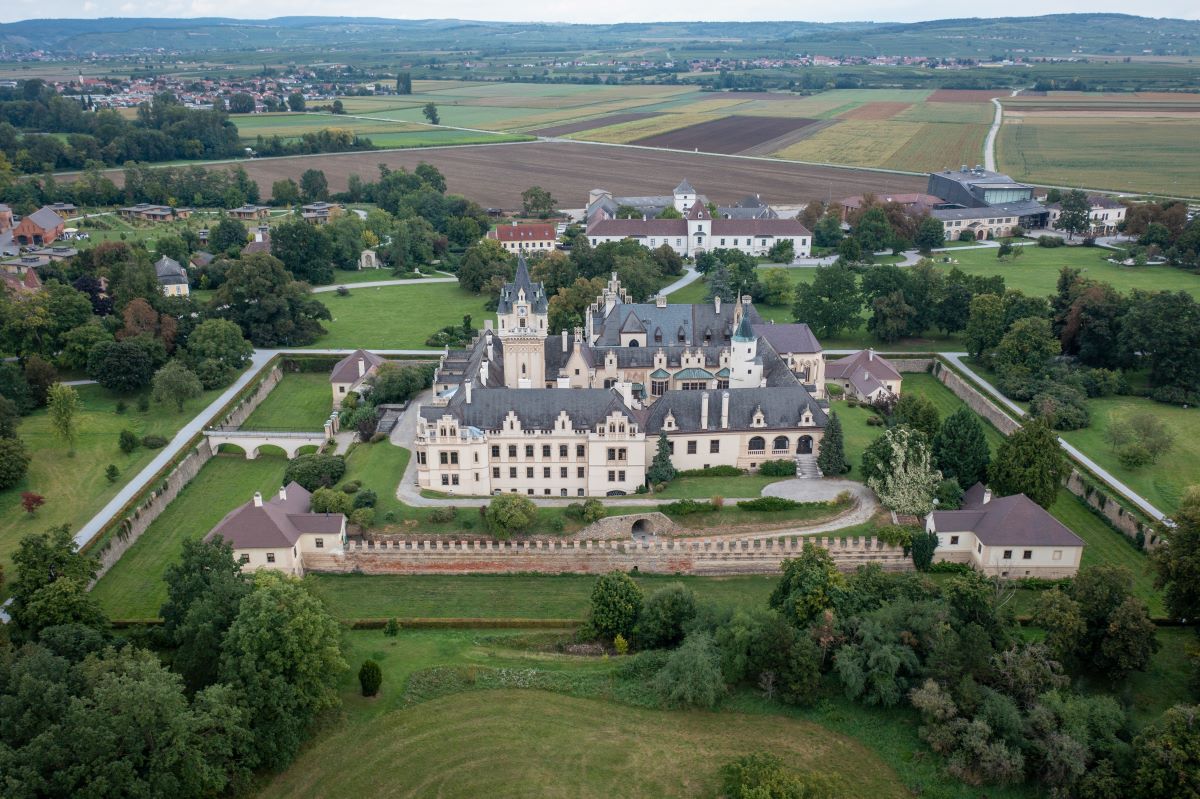
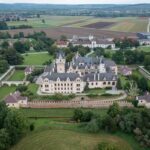
Grafenegg Estate. Source: Shutterstock, Uli Kallinger.
-
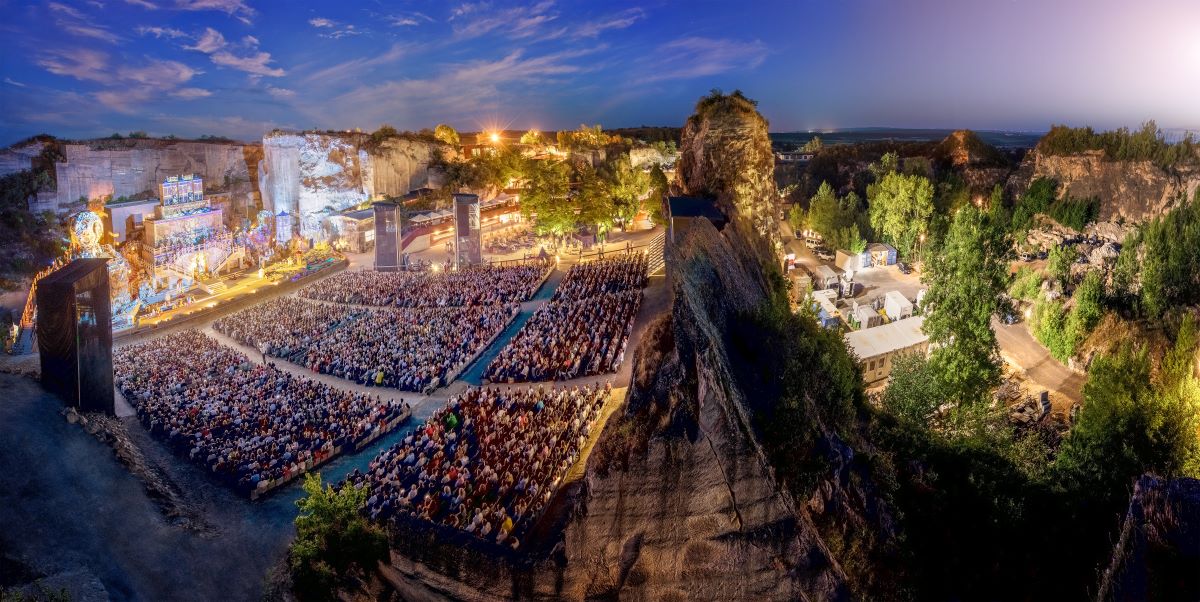
Oper im Steinbruch. Source: Andreas Tischler.
-
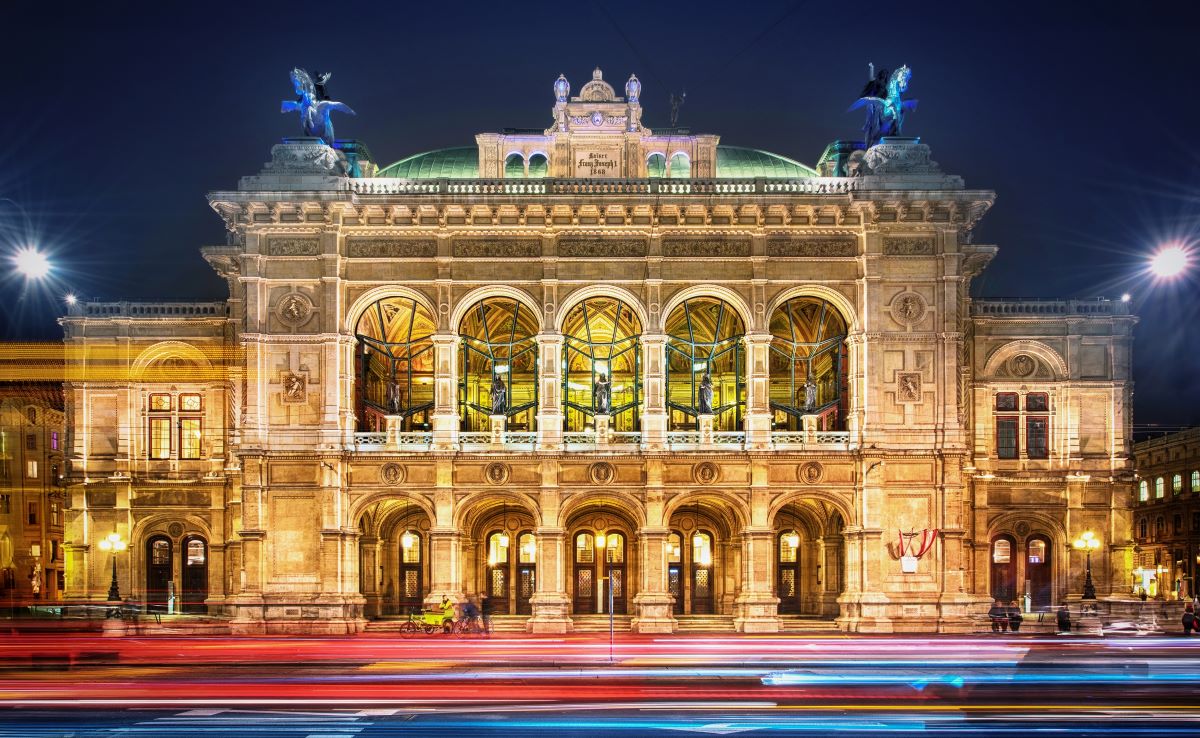
Vienna State Opera. Source: Shutterstock / Triff.
-
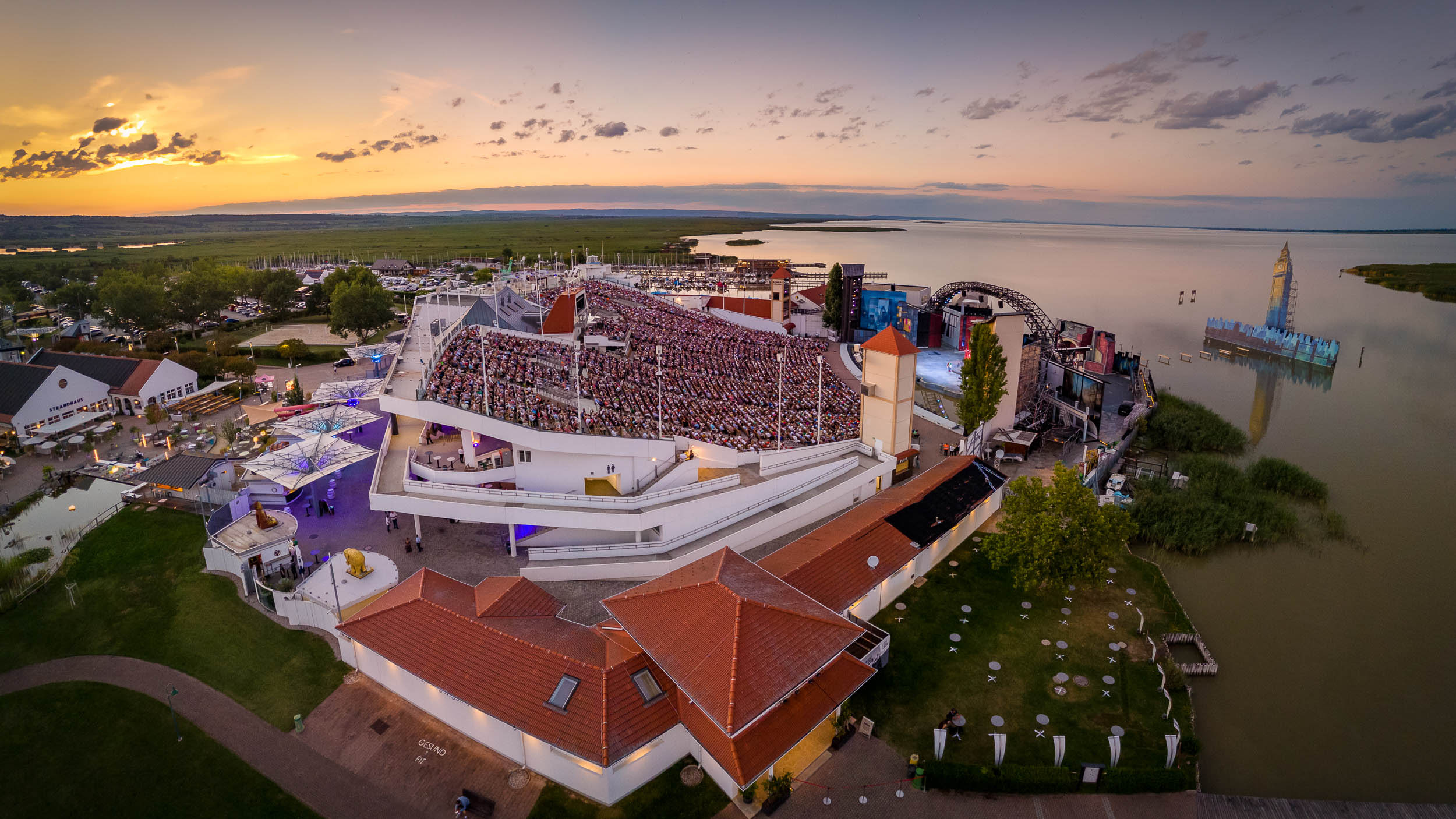
Seefestspiele Mörbisch. Source: Andreas Hafenscher.
Few would dispute that Vienna is the music capital of the world. The epicentre of classical artistry, this is where Mozart, Schubert and Bruckner composed enduring masterpieces and aspiring musicians have flocked to study for centuries.
Today, music is as much the lifeblood of the city as it ever was, but it’s spilled beyond the traditional, gilded music halls into nearby palace grounds, rock festivals, outdoor stages and Pride parades. Read on for 10 very different – but equally memorable – ways to experience it.
1. Be wowed by the Vienna State Opera
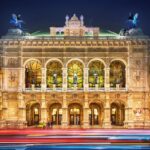
For lovers of opera and ballet, it doesn’t get much better than this: the jewel in the crown of Vienna’s live performance scene. One of the world’s most prestigious opera houses, the Staatsoper Wien has attracted the highest calibre of international performers and composers for more than 150 years since the imperial age. The 1869 Neo-Renaissance building is as ornate inside as it is out; it was the first landmark on the Ringstrasse after the original city walls were removed and had input from Emperor Franz Joseph himself. An evening here has a real sense of occasion, with everything from the architecture to the performances awe-inducing.
What to eat: Gabelbissen open-faced sandwiches with Austrian dry-cured ham, and apfelstrudel, at the onsite Café-Bar-Aperitivo, operated by the imperial confectioner Gerstner.
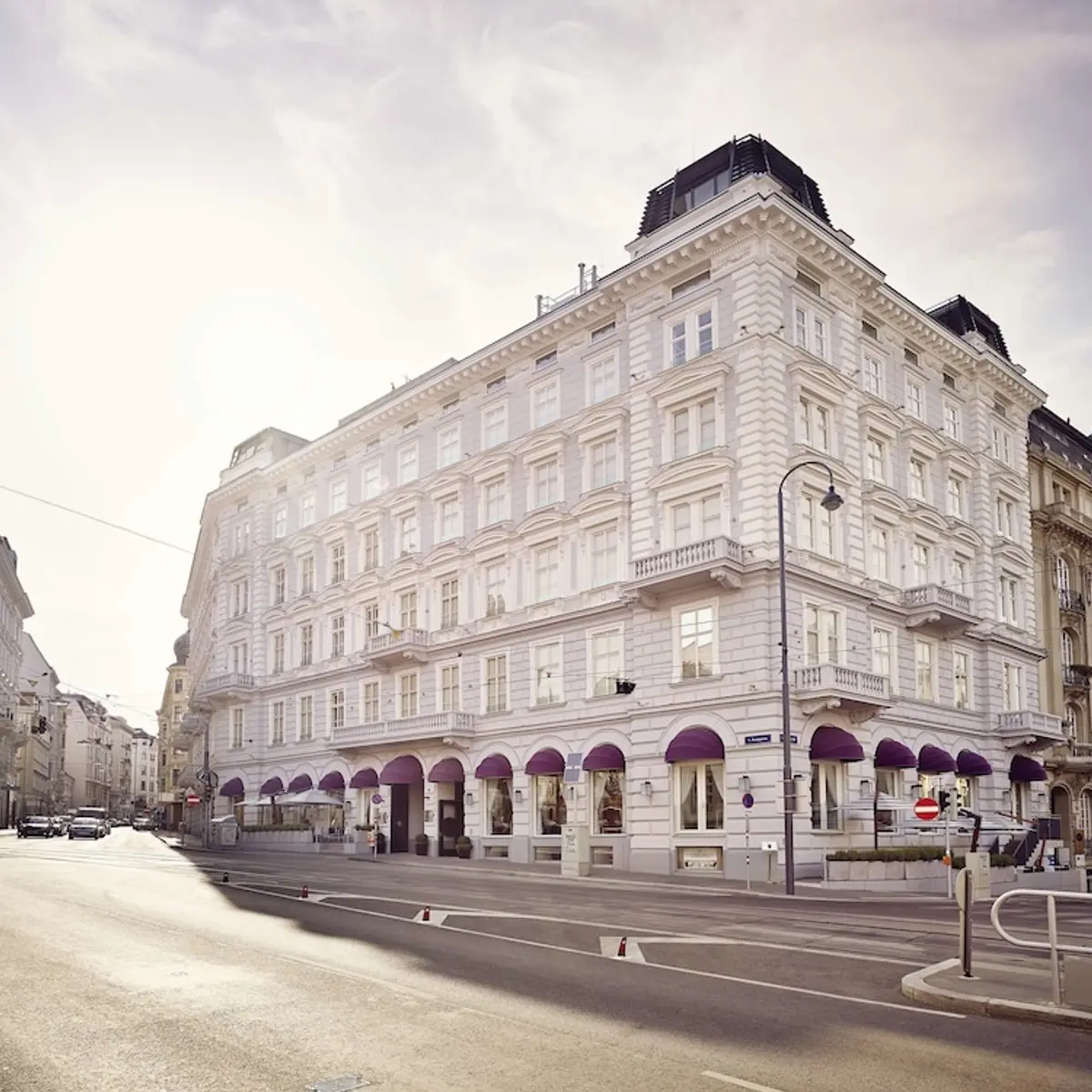
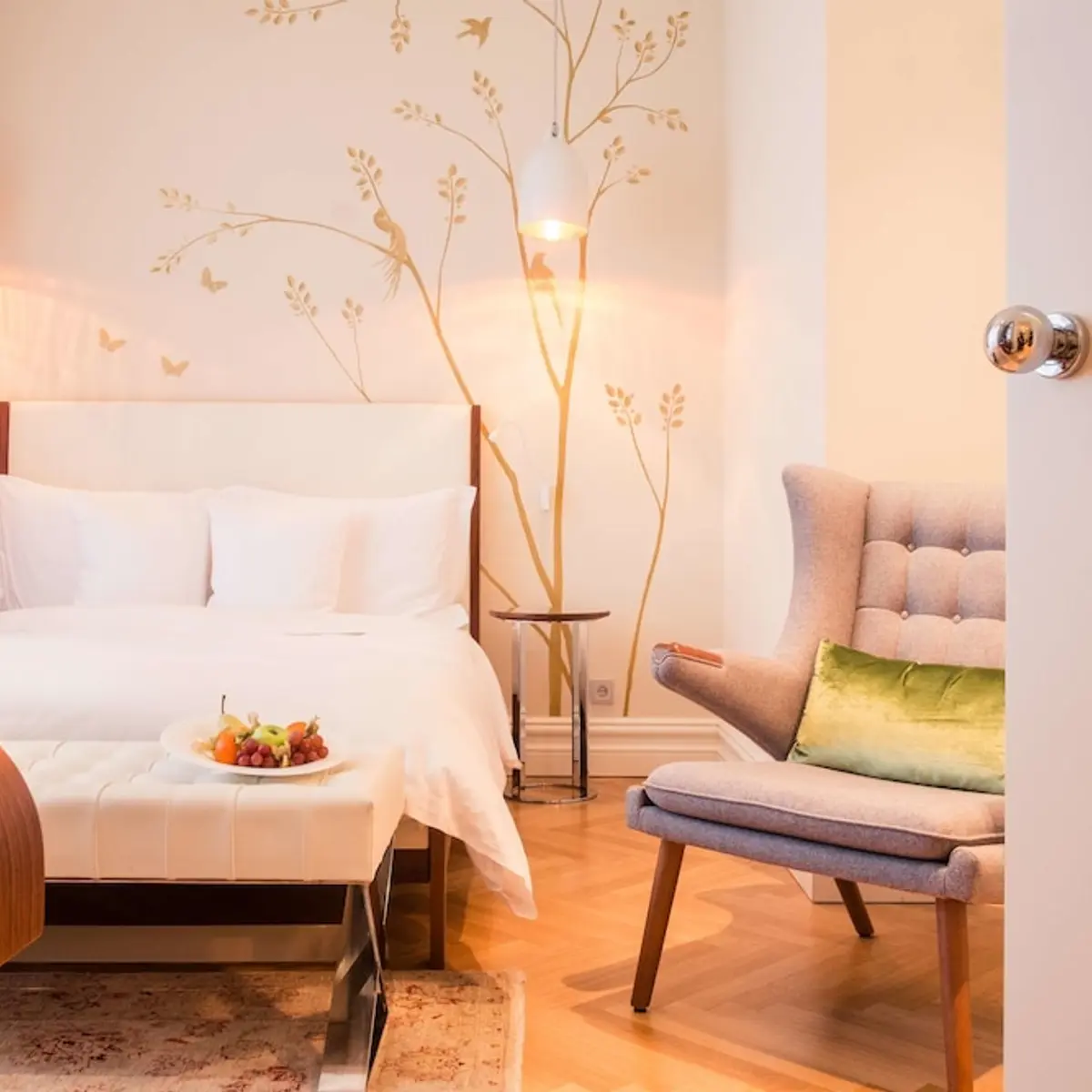
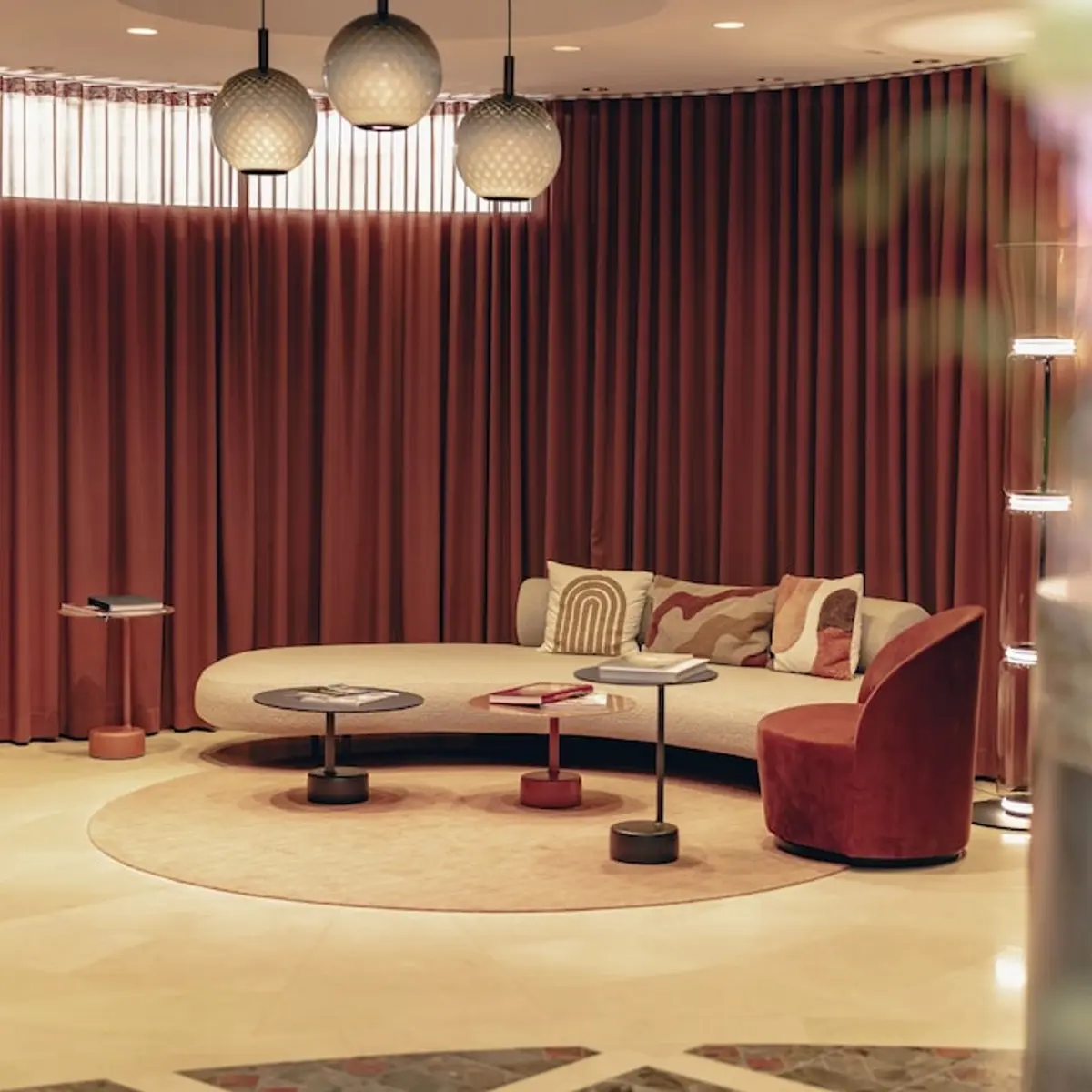
Where to stay: The legendary Hotel Sacher Wien, right behind the opera building and home of the famous Viennese chocolate-and-apricot cake, sachertorte.
2. Take in a Mozart concert at Musikverein Wien
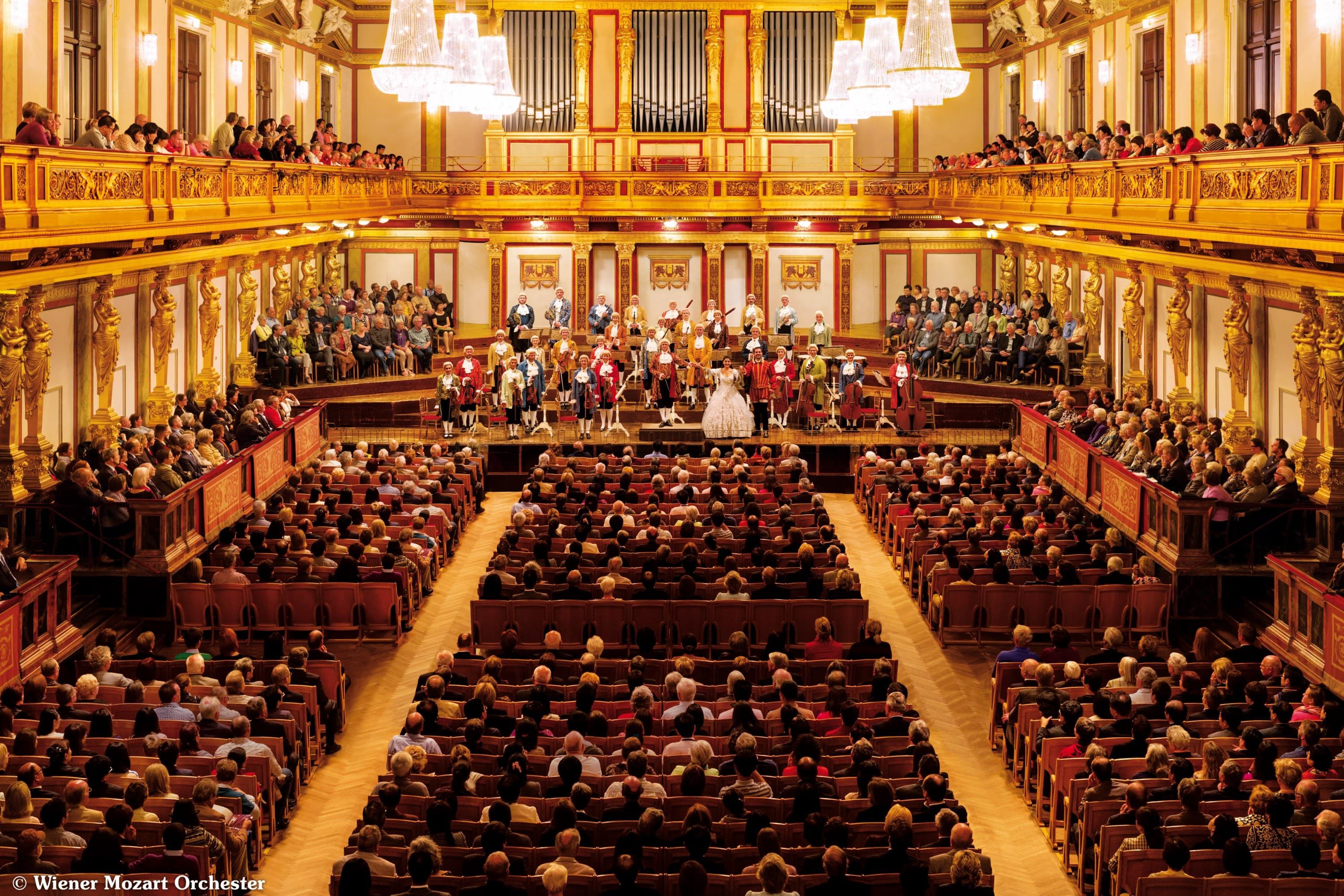
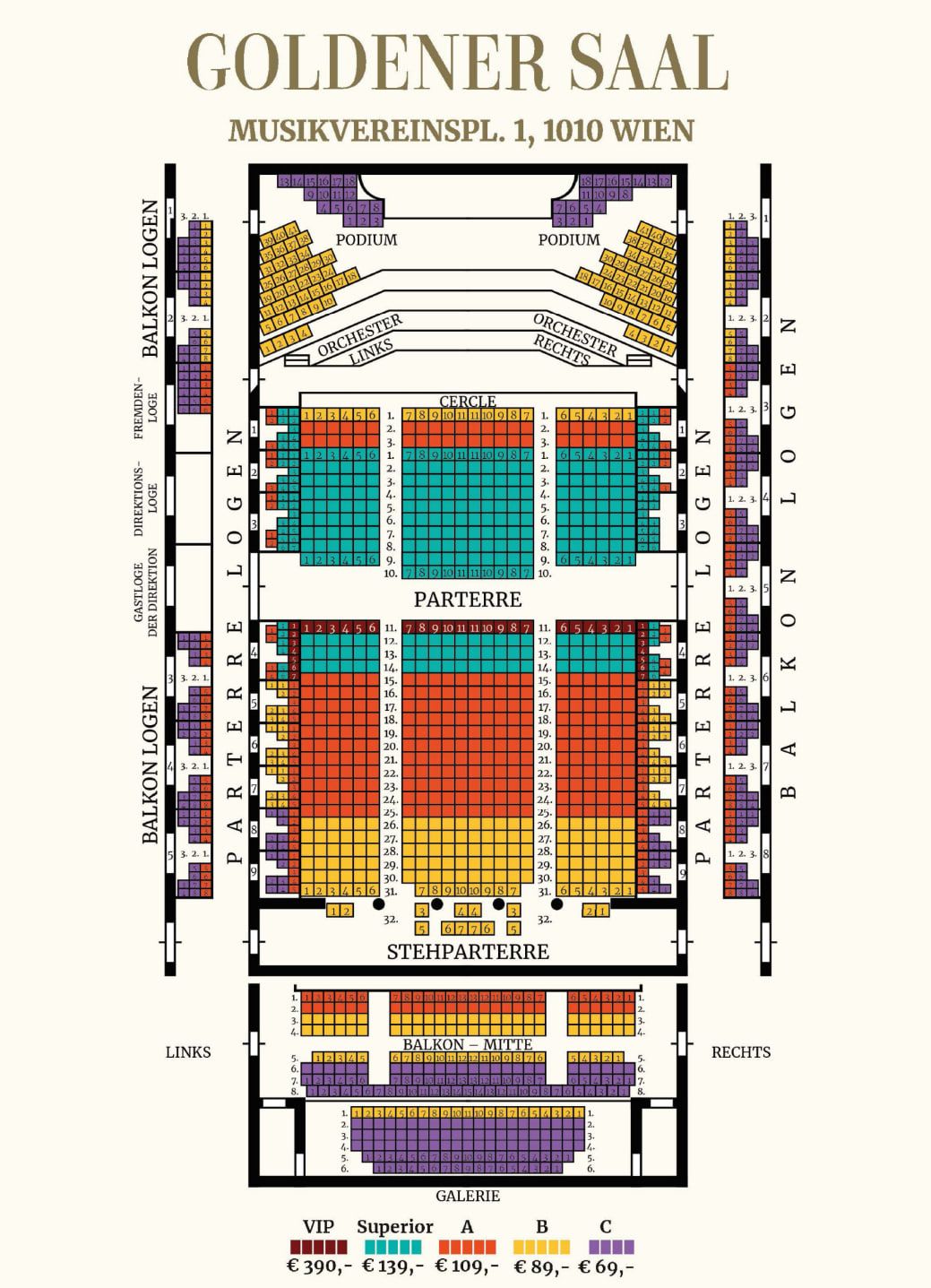
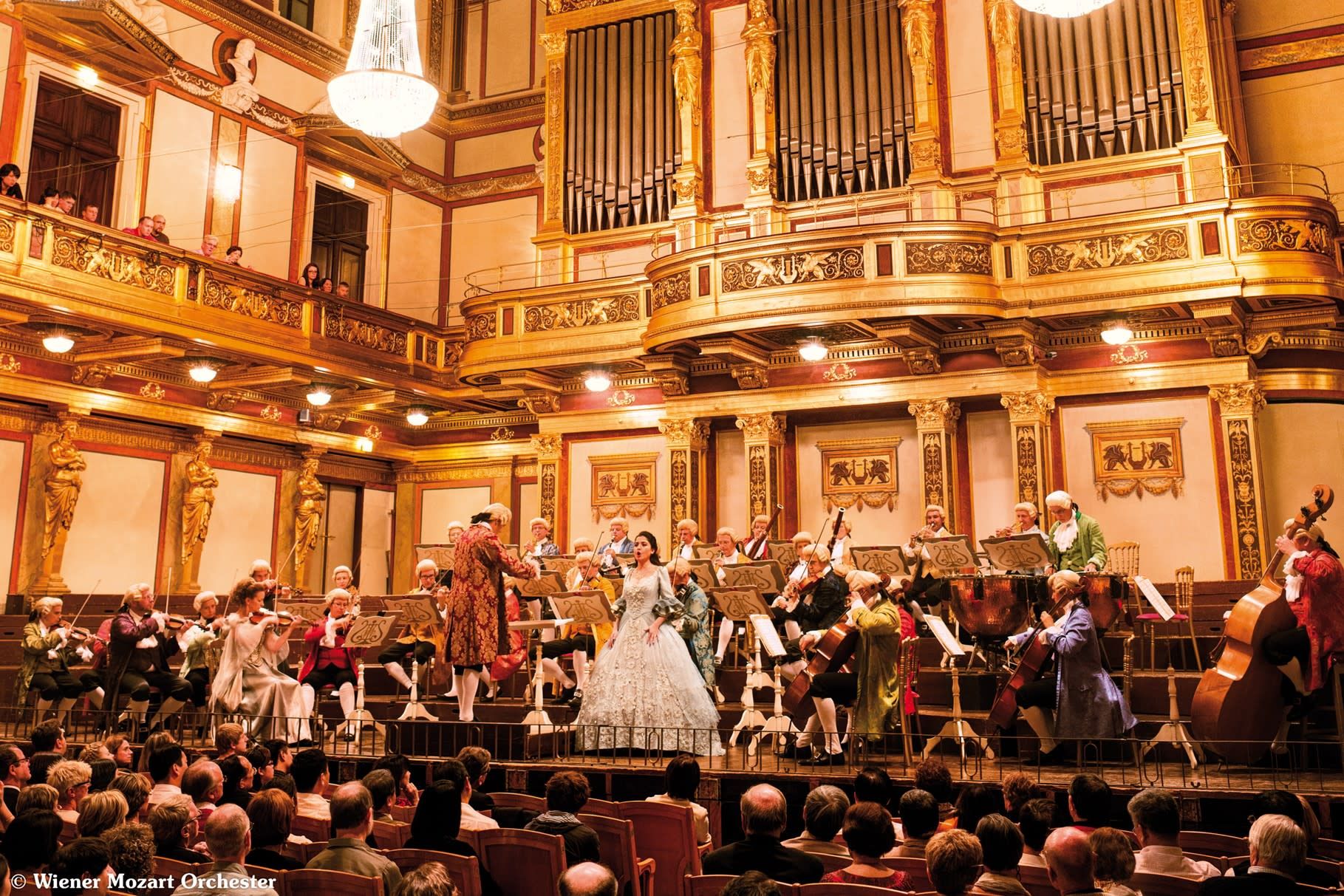
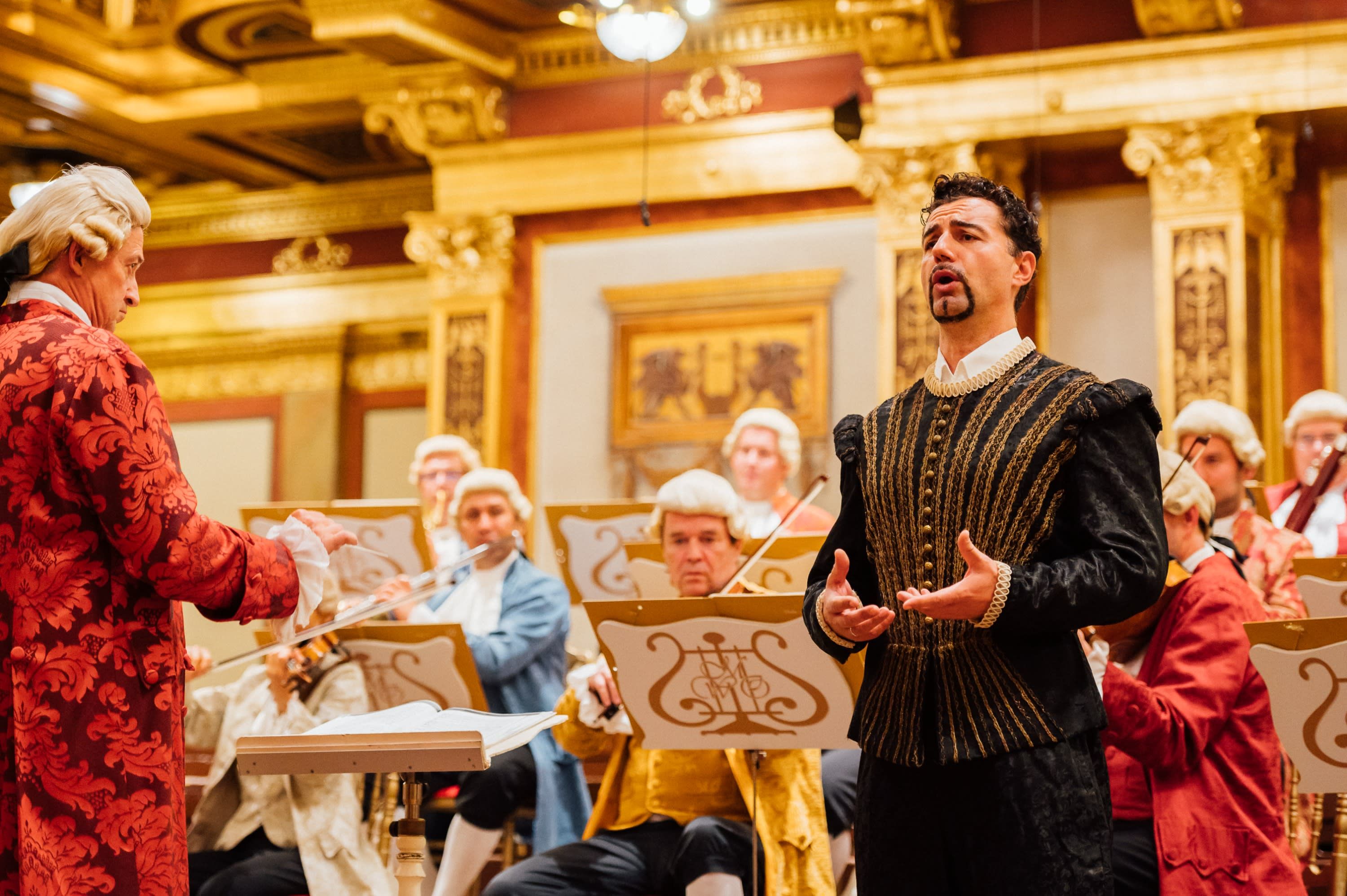
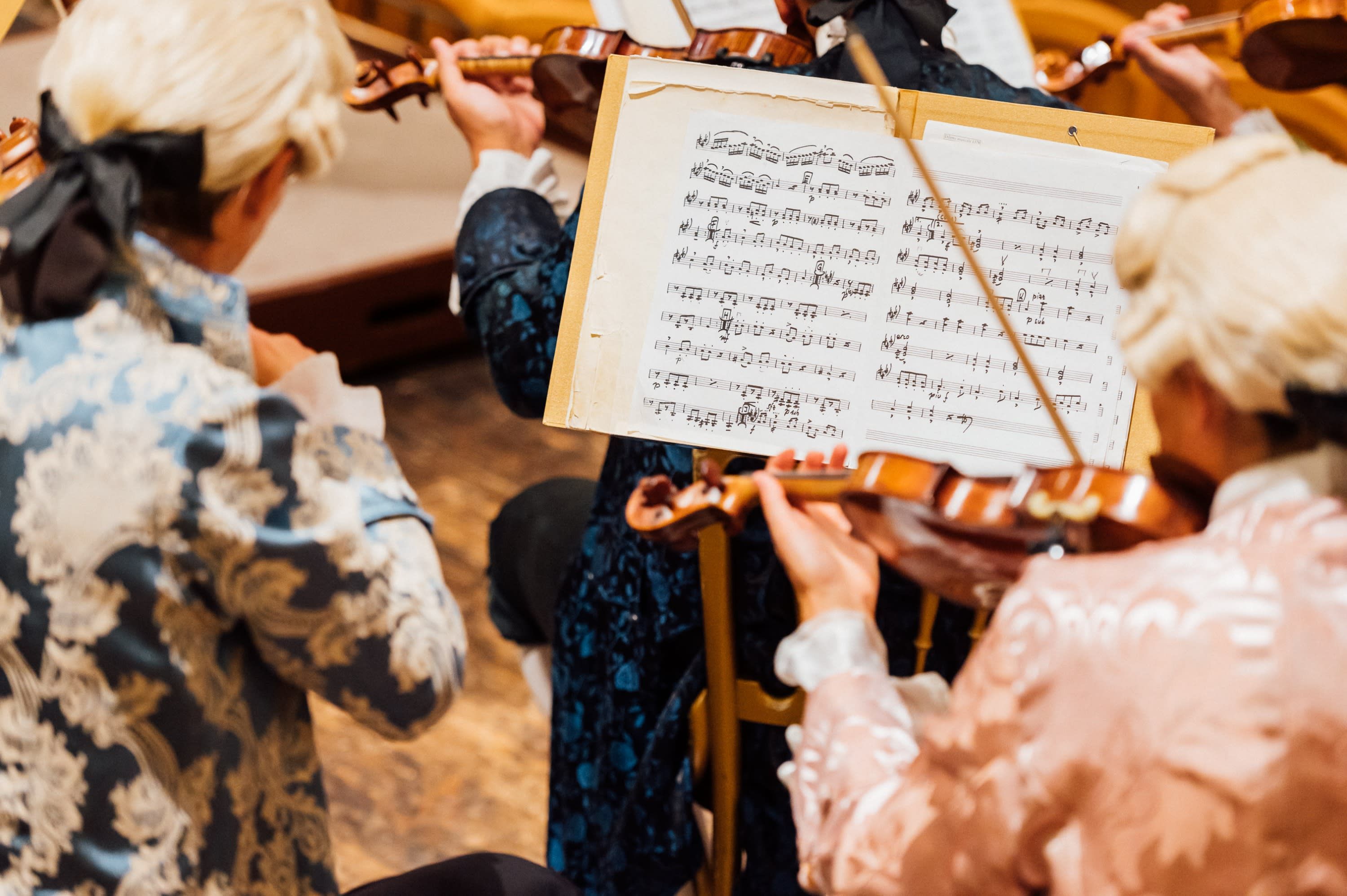
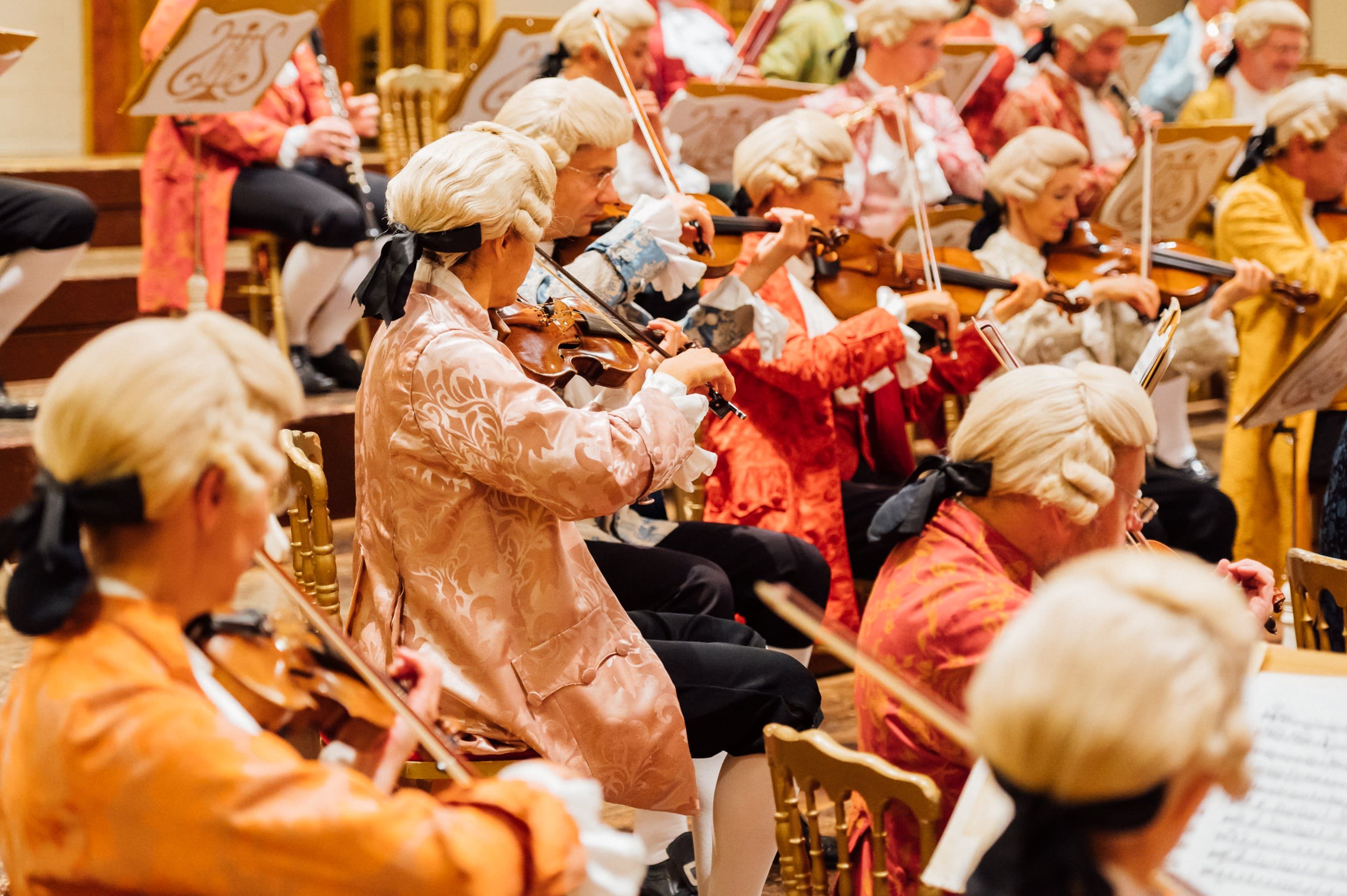
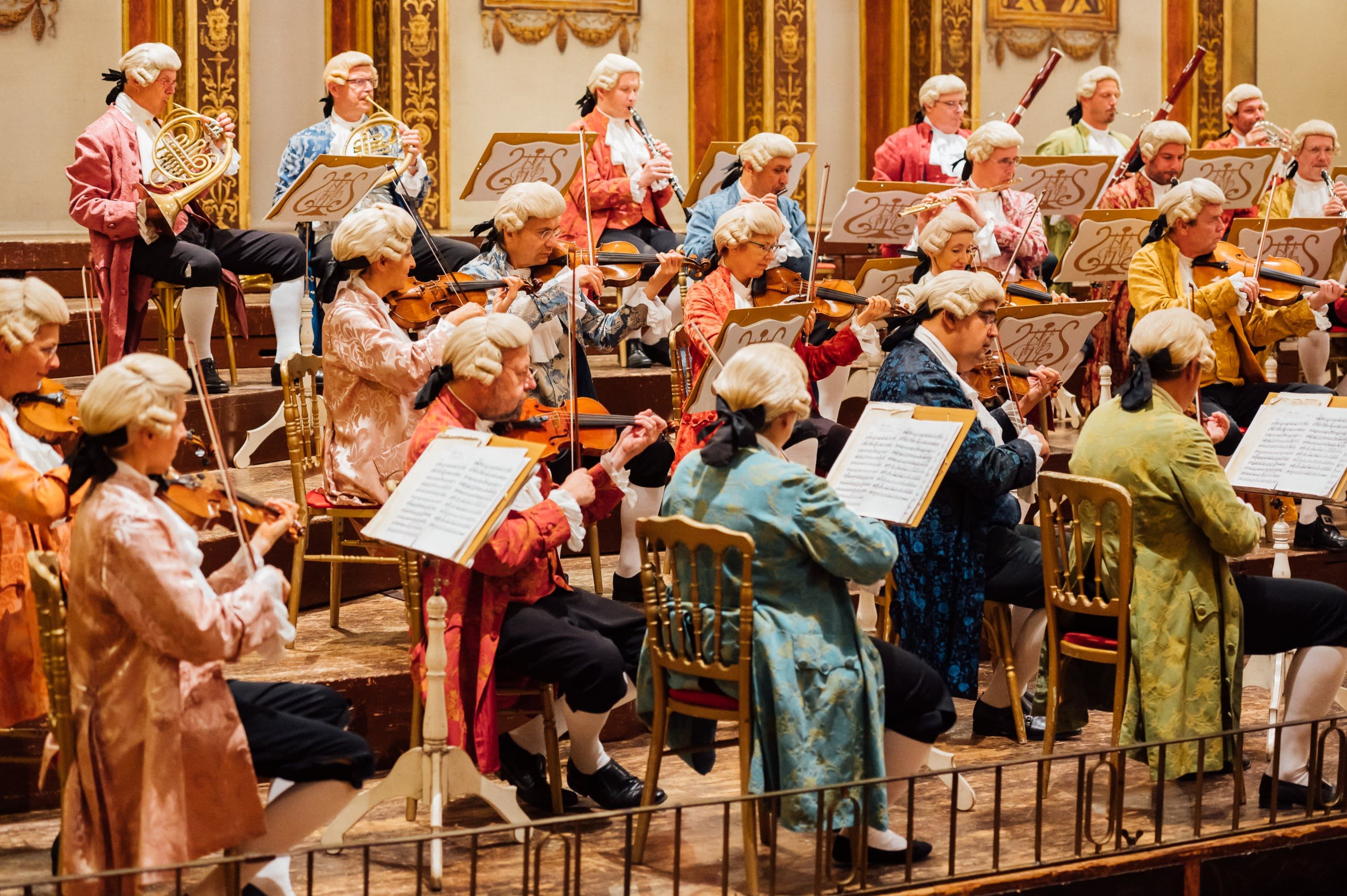
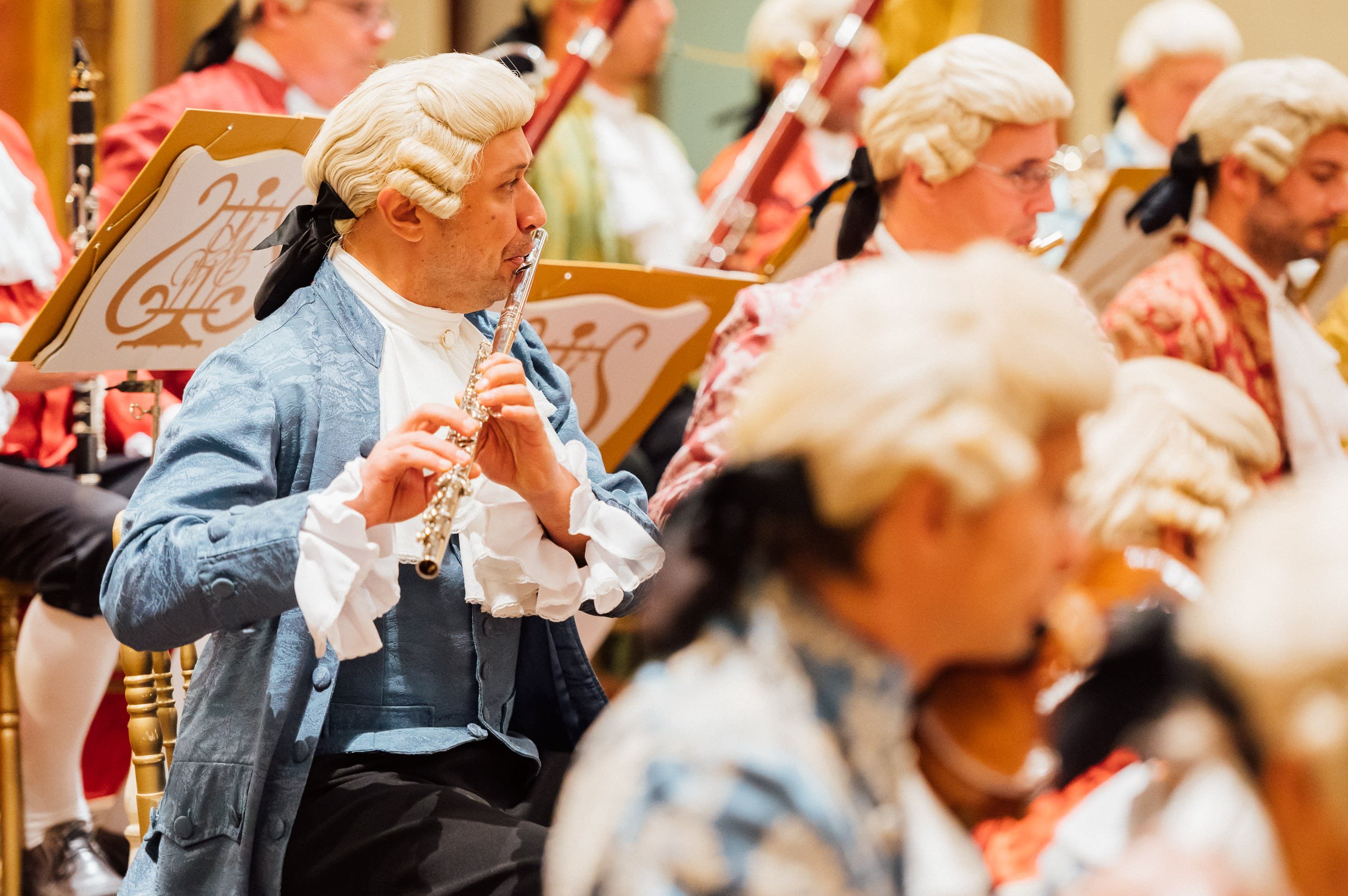
If the Vienna State Opera is the jewel in the crown, then the Musikverein Wien is the gold. This gilded 1870 treasure is home to the Vienna Philharmonic Orchestra, with the Goldener Saal, or Golden Hall, renowned for offering some of the finest concert hall acoustics in the world (it’s where the Vienna New Year’s Concert is broadcast from globally). It’s all for the love of classical music here; come for orchestral interpretations of Beethoven and Mozart, or intimate string quartets and piano recitals in the smaller halls. A performance of the Wiener Mozart Orchester is surprisingly lighthearted and upbeat, with an animated conductor raising plentiful laughs as a succession of opera singers and musical soloists are welcomed onstage in frock coats and wigs.
What to eat: Wiener (veal) schnitzel, served in traditional style with a squeeze of lemon, cranberry sauce and potato salad at the nearby Palmenhaus, an Art Nouveau greenhouse beside the Imperial Palace.
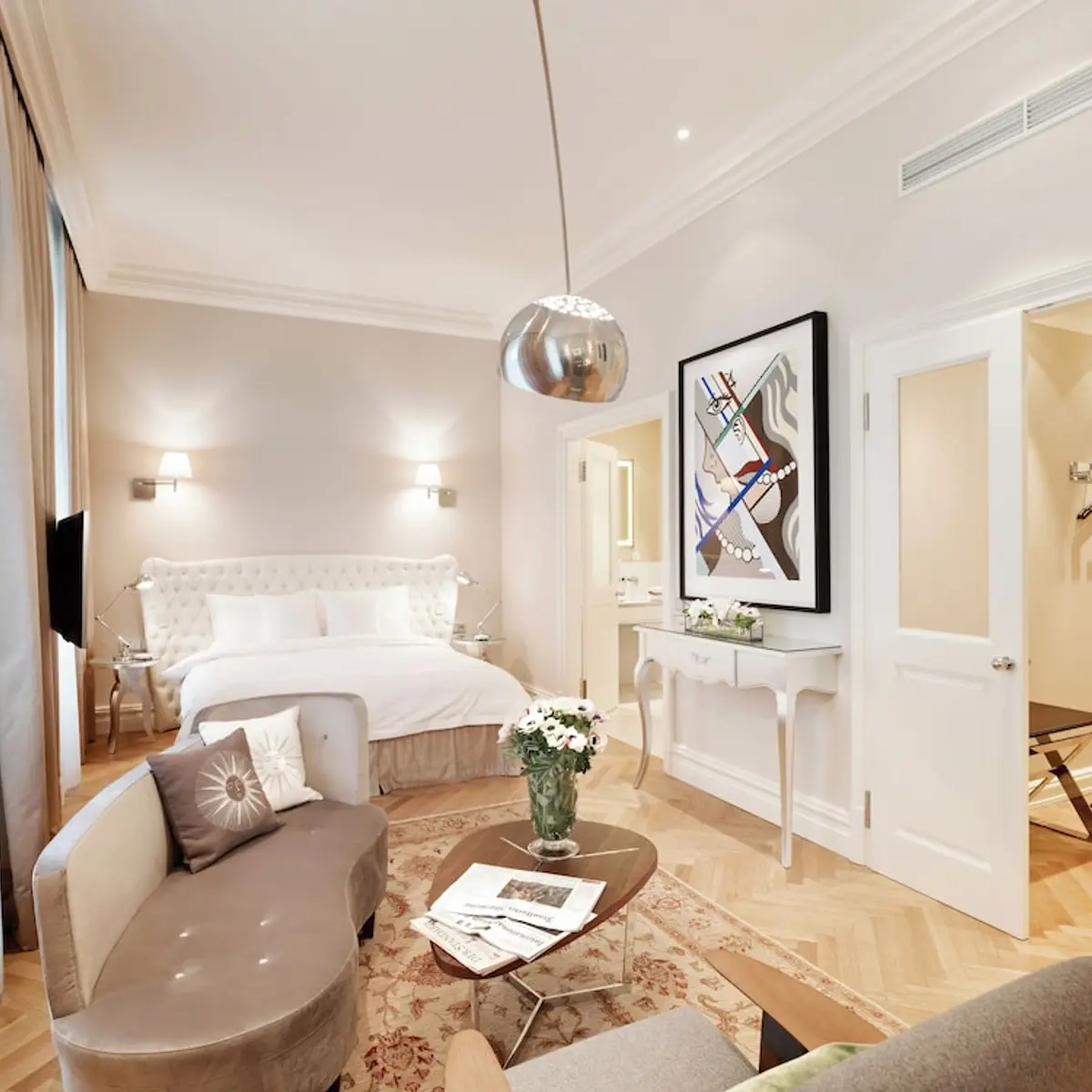
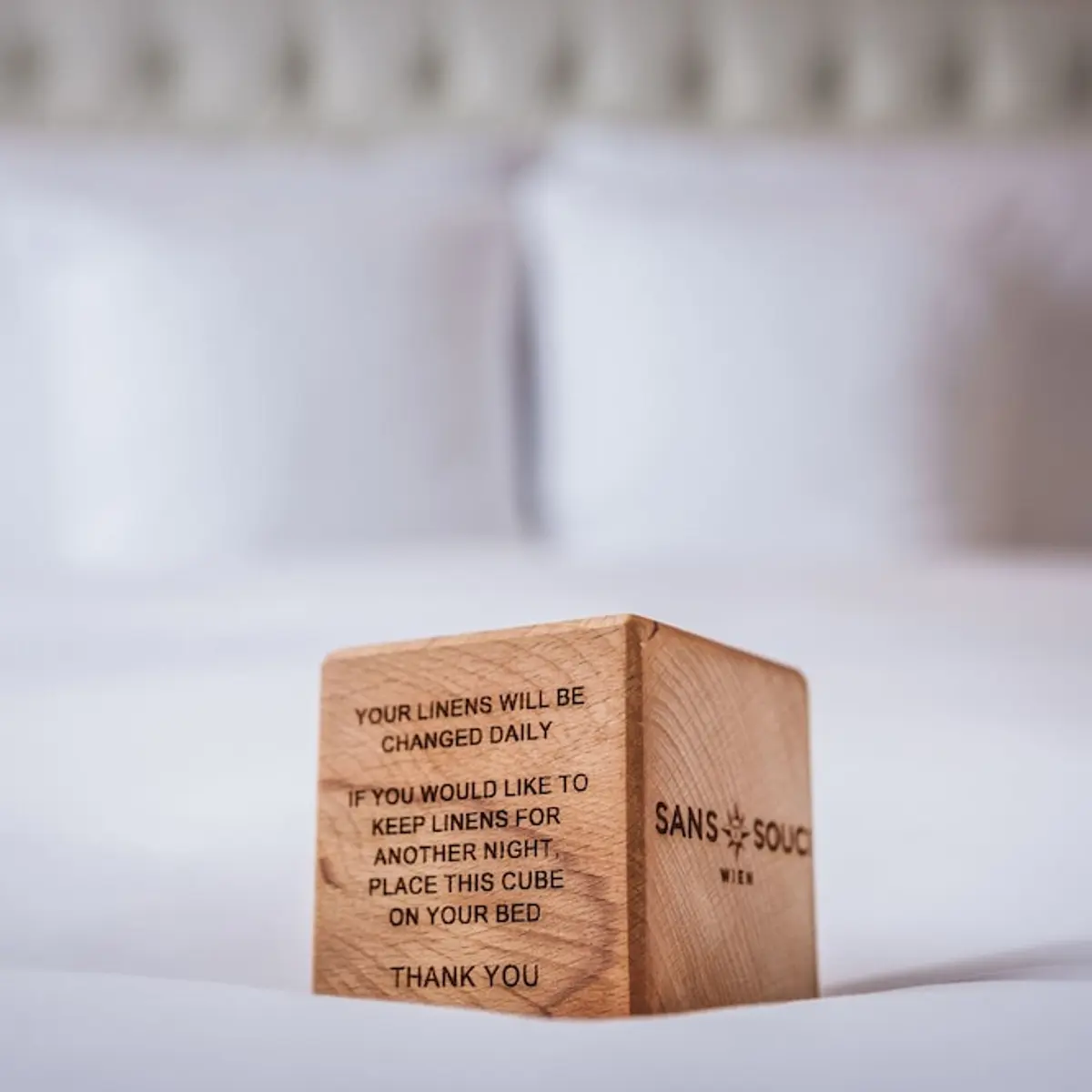
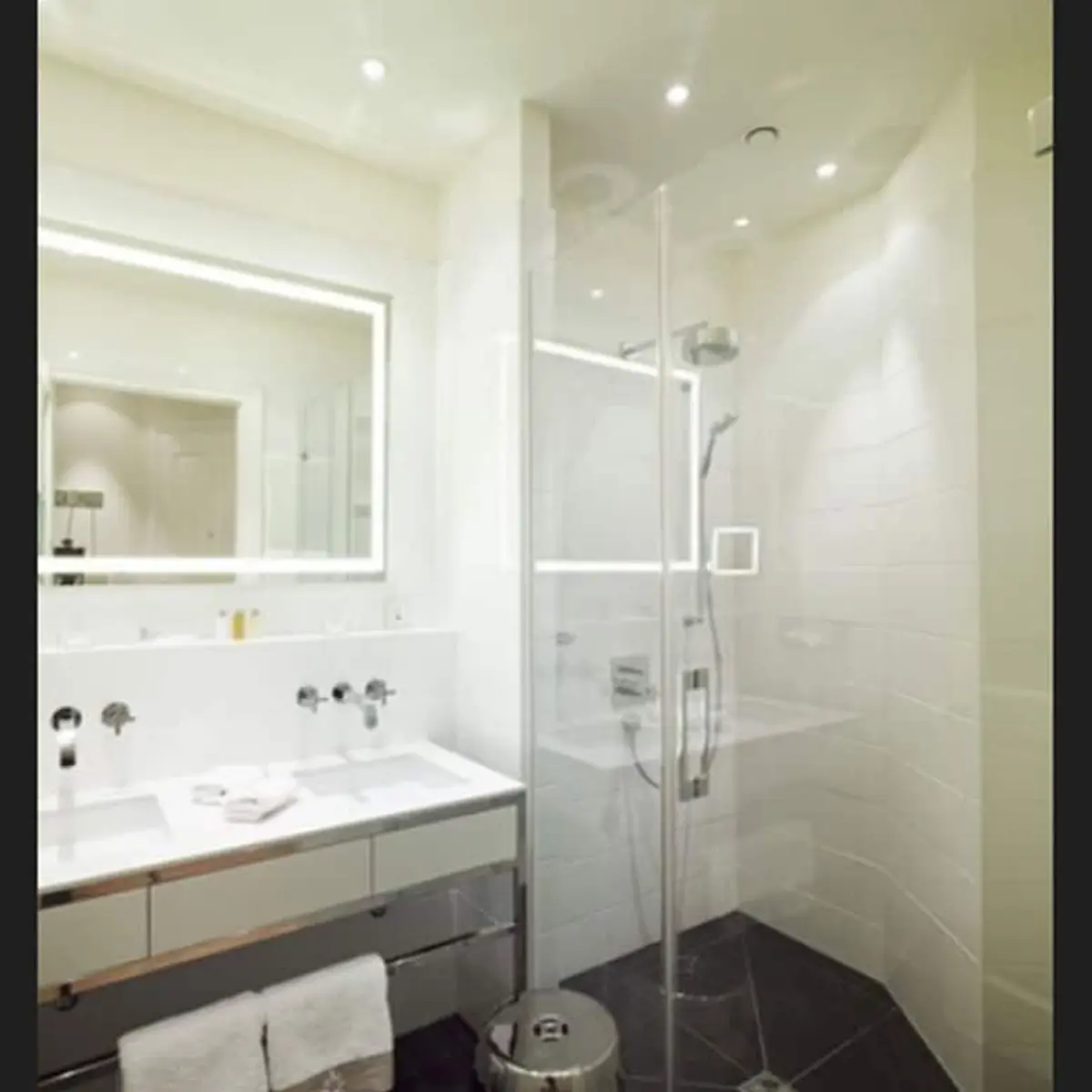
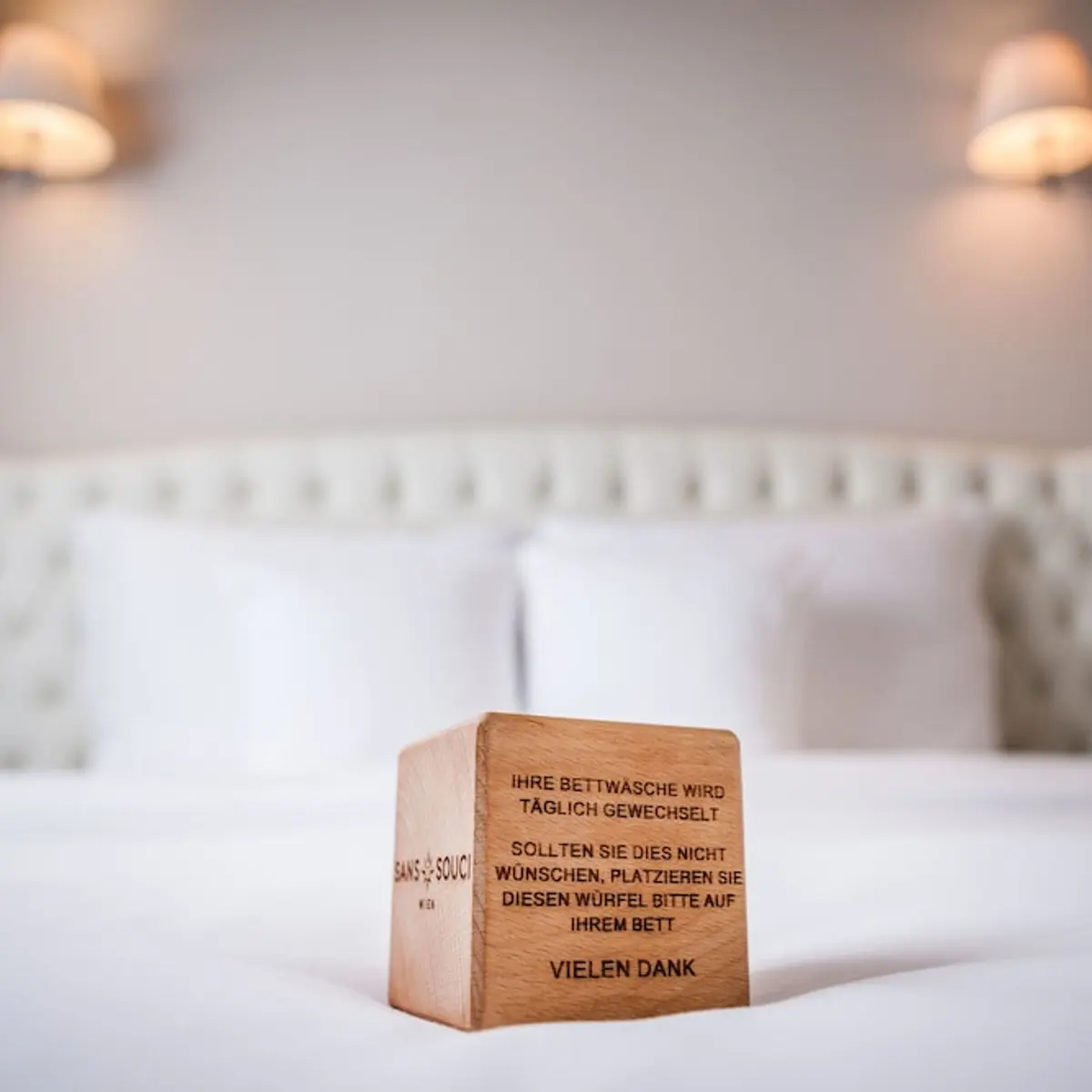
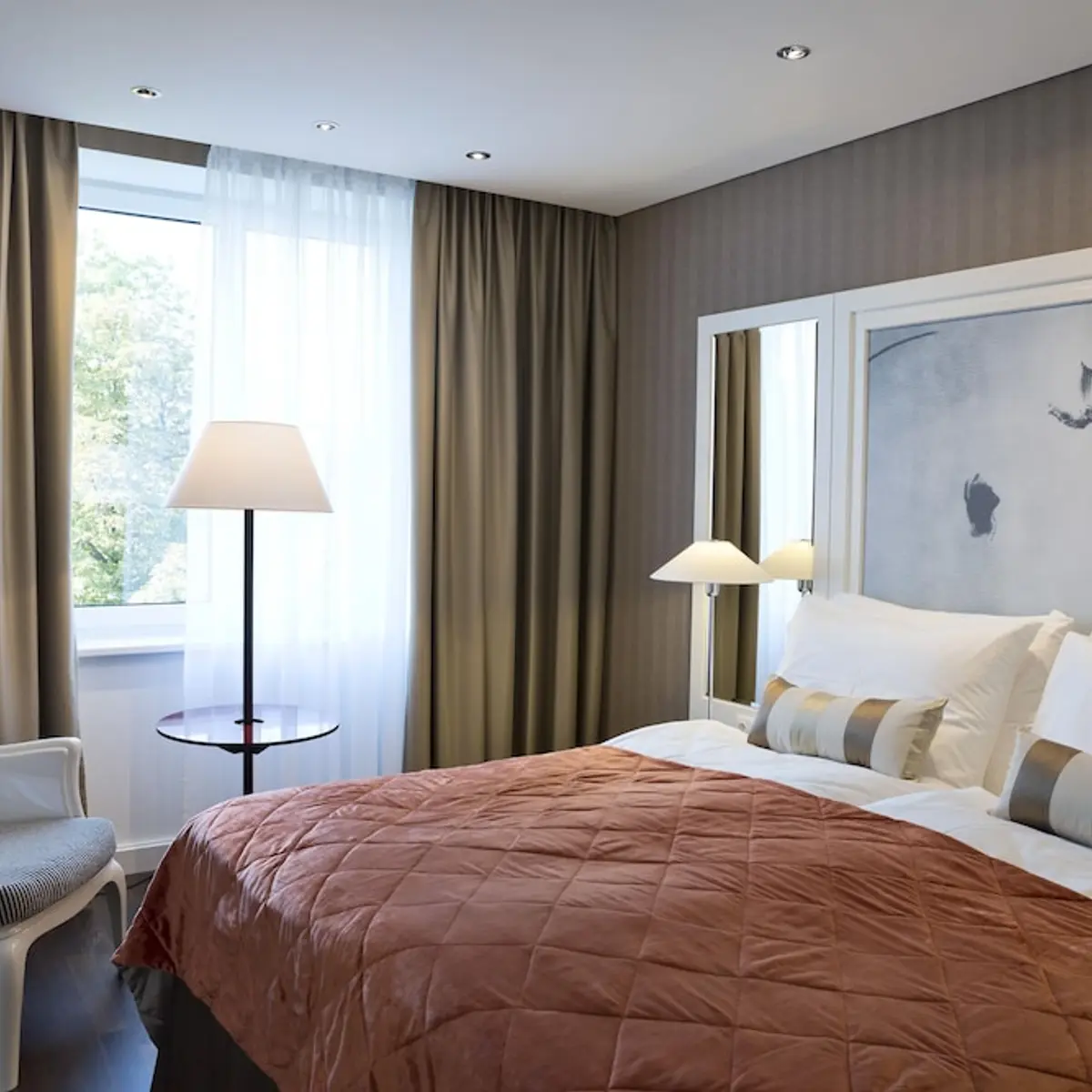
Where to stay: The 1872-era, art-inspired Hotel Sans Souci on the edge of the MuseumsQuartier (a five-minute taxi or 20-minute walk away), whose chandelier-lit pool is one of the most beautiful you’ll see.
3. Be serenaded tableside at Zum Martin Sepp
Zum Martin Sepp is a traditional, country-style Austrian wine tavern in the Grinzing district of Vienna, inspired by the ‘Heurigers’ that rose to prominence from the 18th century after vineyards were permitted to sell their wine directly to the public. The leafy, open-air courtyard buzzes with conversation, the clattering of cutlery and folk-style music played by a roaming duet with a guitar and accordion. Working their way from table to table for requests of old-time Viennese songs, they deliver laughs, good humour and a non-imposing soundtrack to a cosy dinner over red-and-white gingham tablecloths.
What to eat: Typically Viennese boiled beef brisket with creamed spinach, roasted potatoes and apple horseradish, with wine from the tavern’s own vineyard on the city outskirts.
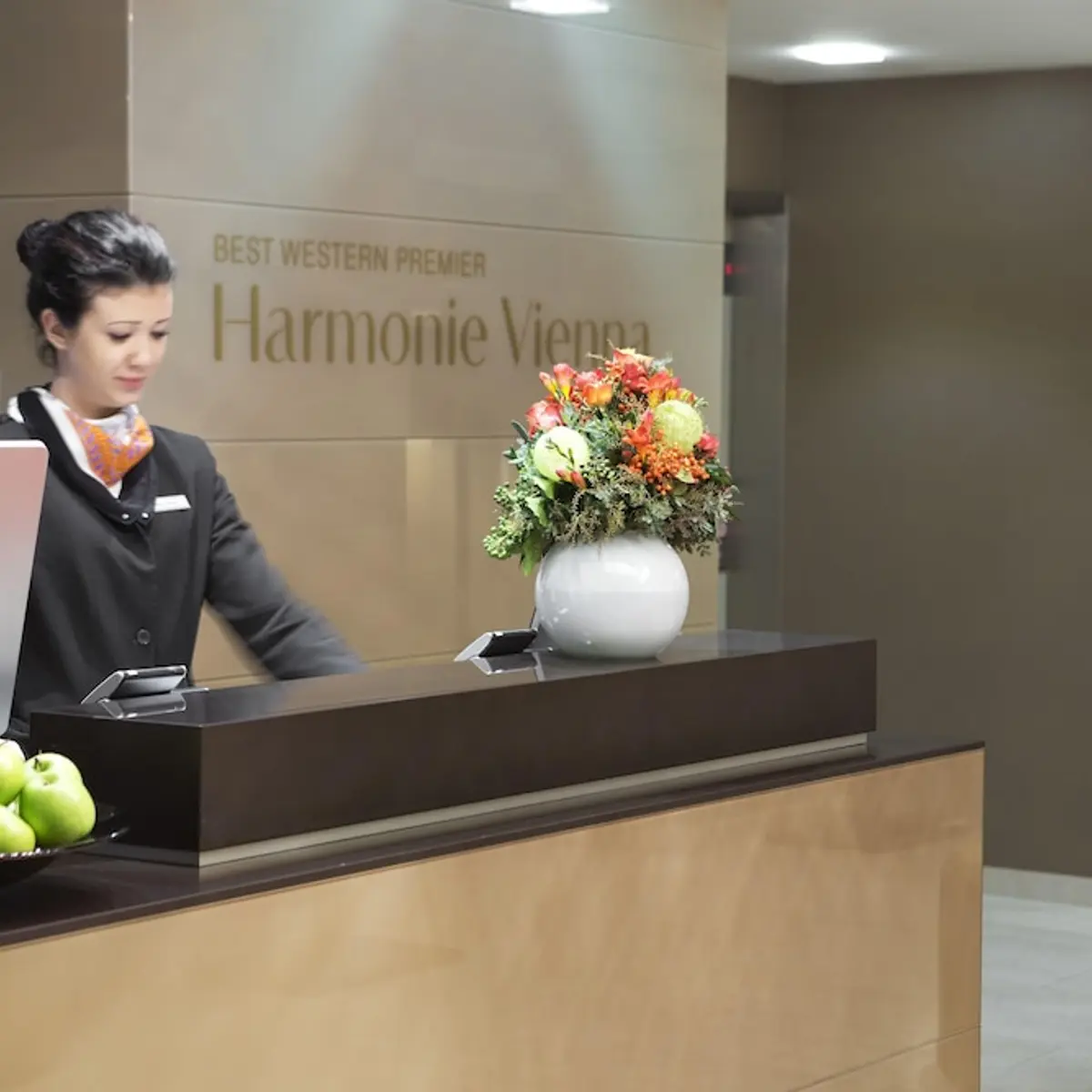
Where to stay: The boutique Hotel Harmonie, tucked in a pretty side street of the Servitenviertel, a quick 10-minute taxi or Uber ride from the tavern.
4. Relax with a picnic and classical concert at Grafenegg Estate
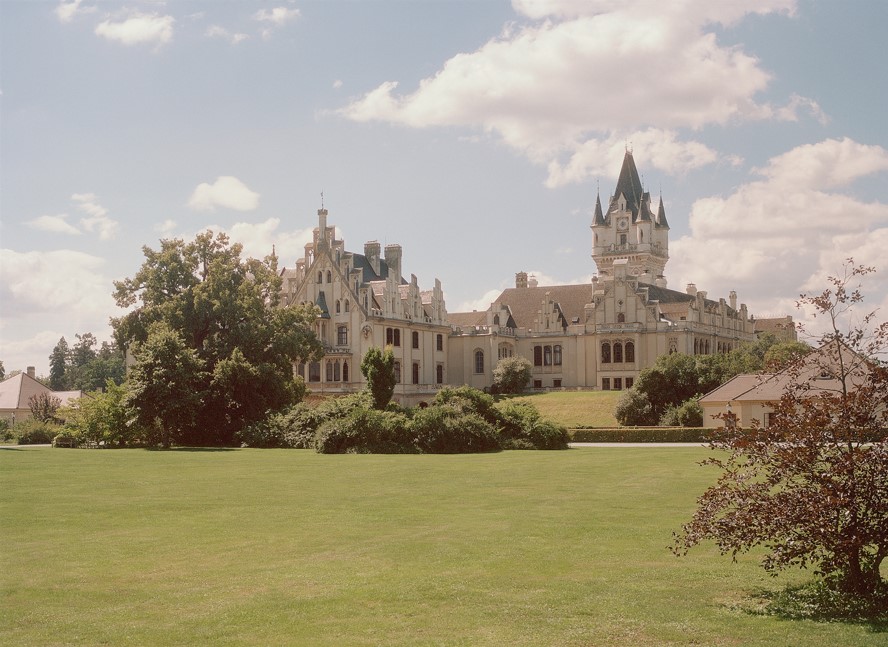
Grafenegg Estate. Source: Lisa Edi.
A picnic blanket, a bottle of wine and classical music dancing on the air: does it get better than that for a summer’s evening? Grafenegg Castle, an hour’s shuttle or train ride out of the city (from Vienna Franz-Josefs-Bahnhof to Wagram-Grafenegg station), is well worth the trip for such an experience. In the shadow of the fairytale-style, 19th-century castle are 32 hectares of leafy grounds, with indoor and outdoor concert spaces, a wine bar, acclaimed restaurant and cottages for overnight stays. The Wolkenturm, one of the best outdoor stages in Europe, is the starlit home of the annual televised Sommernachtsgala, a gala-style classical concert featuring celebrated soloists, tenors and sopranos. Other palace concert settings include Haydn Hall at Esterházy Palace in Eisenstadt, Halbturn Palace and Kobersdorf Castle in Burgenland, and Taggenbrunn Castle in Carinthia.
What to eat: An amply packed picnic basket from the onsite Mörwald Grafenegg Restaurant, by famous Austrian chef Toni Mörwald.
Where to stay: Onsite at the Grafenegg Cottages.
5. Bop along to musical theatre at Seefestspiele Mörbisch
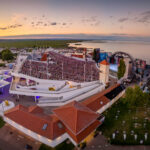
If musical theatre is your performance of choice, you’ll find it in grand scale at Seefestspiele Mörbisch, a colossal outdoor stage on the banks of Lake Neusiedl. It’s one of Europe’s largest, with 6,200 seats, and takes 300 performers to put on a show – of which there are many, from Mamma Mia to La Cage aux Folles. Together with the surrounding vineyards, it sits within the UNESCO World Heritage-listed Fertő / Neusiedlersee Cultural Landscape on the Austrian-Hungarian border, a one-hour bus transfer from Vienna Airport or The Vienna State Opera. Hot tip: the seats at the front aren’t necessarily the best – position yourself towards the back to admire sunset views over the lake as the performance unfolds.
What to eat: Goulash with butter dumplings at the 1535-era Kirchenwirt in nearby Rust (if you don’t fill up too much on the crusty bread first).
Where to stay: On the perimeter of Lake Neusiedl so you can catch a ferry across for a performance.
6. Dance along in the Pride Parade
For a festive, street-party atmosphere with nothing but feel-good vibes, be sure to be in town while the Vienna Pride Parade is happening. It unfolds along the Ringstrasse, typically from City Hall Square, around May/June every year, with colourful floats and swathes of costumed people leading the procession to a soundtrack of Lady Gaga, dance, pop and techno music. Get down in the crowds or watch it all from above at a rooftop bar like Zur Libelle Rooftop Bar above the Leopold Museum.
What to eat: A rainbow-hued cupcake or macaron from a patisserie, and a Pride-themed cocktail from Zur Libelle Rooftop Bar.
Where to stay: Anywhere on the Ringstrasse for the best atmosphere.
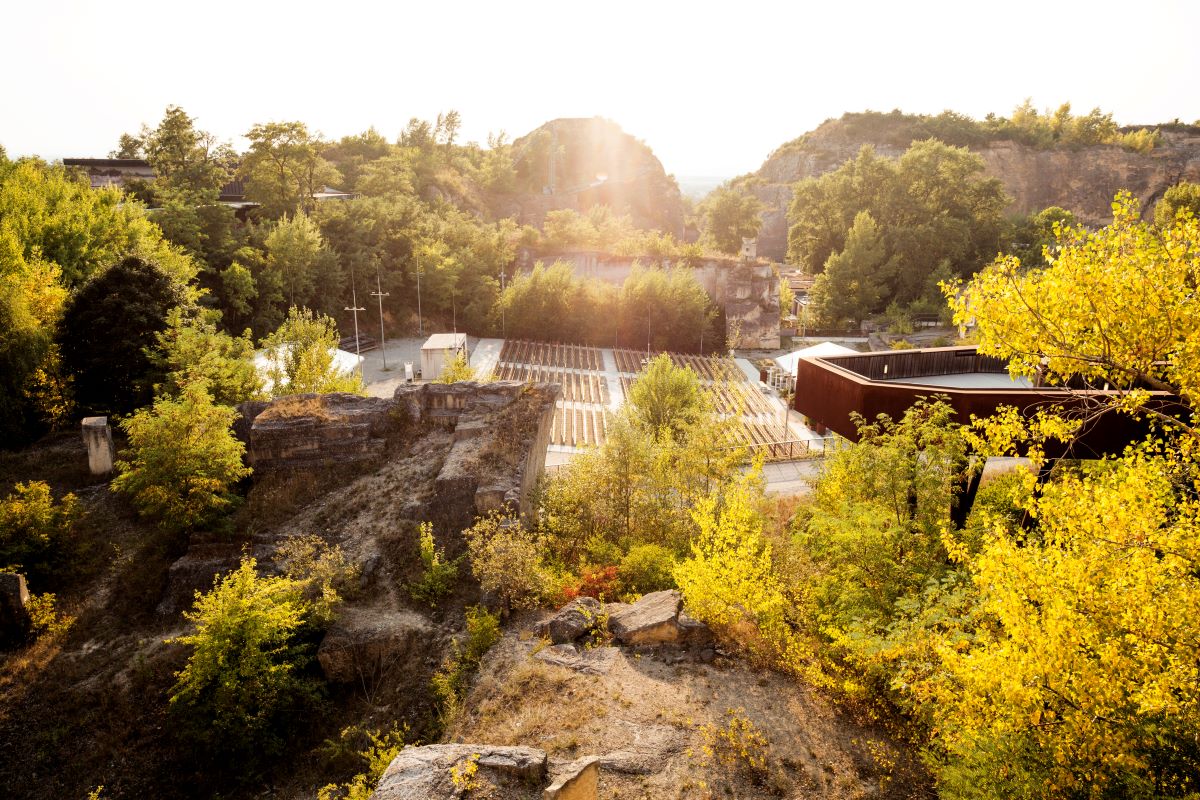
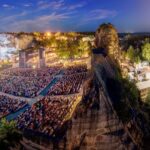
7. See opera in a quarry at Oper im Steinbruch, St. Margarethen
When you think opera couldn’t get any more dramatic, it somehow does in this historic St. Margarethen quarry, home to Europe’s largest natural open-air stage. Every summer, Oper im Steinbruch stages full-scale opera productions like Tosca, Carmen and Aida with resplendent sets among the roughly hewn rock. It’s a festival-like experience that feels infinitely more accessible than a formal performance hall – again, you’ll get the most out of it if you opt for a seat near the back so you can take in the full scale of the setting. Get there via a one-hour shuttle bus ride from Vienna or in 10 minutes from Eisenstadt.
What to eat: Gerstner brings the goods again at the onsite Opernlounge, where you can indulge in a 12-course ‘flying dinner’ served progressively before the performance and during intermission – with dishes like saffron risotto and panna cotta with summer berries – finishing with an open bar post-opera (tickets required).
Where to stay: Hotel Galántha in Eisenstadt, which sits right beside Esterházy Palace.
8. Rock out to the riffs at Nova Rock festival
Every June, the unassuming Pannonia Fields of Nickelsdorf – about an hour out of Vienna, or 45 minutes from Eisentadt – thunder to life for one of the biggest music festivals in Austria, Nova Rock. Some set up camp for the entire weekend, others cherry-pick their favourite acts with a day pass. Three stages showcase rock, metal and punk artists, from big-ticket international names like Iron Maiden, The Cure, Green Day and Linkin Park, to emerging acts on the Red Bull Stage. Even if you don’t consider yourself a hardcore rock fan, there’s joy to be found here in the strobe-lit fields; there’s a roller disco and food village, a Ferris wheel and fairground rides glitter, and the music-loving vibe is catching.
What to eat: Bauernkrapfen, a fried and sugar-dusted, doughnut-style delicacy, or nudelsalat (pasta salad) from the regional Burgenland-themed food stalls.
Where to stay: In Eisenstadt again at Hotel Galántha.
9. Enjoy a classical concert at Schönbrunn Palace
Even Vienna’s most famous landmark sets the stage for live music. Schönbrunn Palace is one of Europe’s most exquisite and well-preserved examples of Baroque architecture, whose manicured gardens were home to the world’s first-ever zoo, opened in 1752 and still operating today. Mozart performed in the Palace Orangery here in 1786, and it’s in this very spot you can sit to a concert of the maestro himself, performed by Schönbrunn Palace Orchestra together with two opera singers, a baritone and a soprano. These atmospheric concerts are in such high demand they run every single night of the year, except for Christmas and New Year’s Eve.
What to eat: Opt for a package with an after-hours guided tour of the palace and a three-course dinner in a nearby restaurant before the concert.
Where to stay: A short walk from the palace at the imperial-style Austria Trend Parkhotel Schönbrunn, formerly the guest house of Emperor Franz Joseph.
10. Attend a Bridgerton-style ball
Austria’s ball season is an imperial tradition that still takes place every winter, typically from 11 November until January/February, with more than 300 events each season in palaces and grand settings across the city. Many are organised by professional guilds, like the Coffee Brewers’ Ball and Confectioners’ Ball at the Imperial Palace, with tickets available to the public to purchase. Originally orchestrated to introduce debutantes into society, today these balls are a universal celebration of music, dance and gastronomy in spectacular venues, which still honour traditional courtly customs (including the cry of “alles walzer” – let the waltz begin – to usher the crowd to the dancefloor). Learn some Viennese Waltz dance steps before you go or rent a tailcoat or gown depending on the dress code.
What to eat: Expect light bites and plentiful Austrian prosecco through the evening, with a midnight snack traditionally served to buoy energy levels. Finish the night with a Käsekrainer with sweet Kremser mustard from a traditional Viennese sausage stand.
Where to stay: Right in the heart of the city among the palaces and concert halls at Park Hyatt Vienna, in a former bank building.