Is Japan on your list of must-visit (or return to) destinations? You’re not alone. Japan continues to entice first-time and seasoned travellers to its shores. But now with a favourable exchange rate, time-saving direct flights and a plethora of activities on offer, there’s never been a better time to visit the Land of the Rising Sun.
Here are our top reasons to book your next holiday to the home of all things kawaii.
New direct flight routes connect you easier than ever
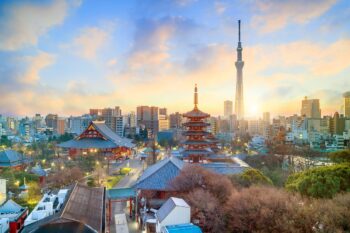
Anyone who has experienced multiple flight transfers knows that sometimes it really isn’t the destination, it’s the journey that you remember most (and we know how that goes). Thanks to top airlines like Japan Airlines (JAL) opening more direct routes, there are more convenient options than ever. Travellers departing from Sydney Airport with Japan Airlines can reach Tokyo in just under 10 hours and experience a primer in ometenashi, the essence of Japanese hospitality, while on board. With a quicker flight, skip the jet lag and save precious time and energy for the best part of your holiday.



The exchange rate on Japanese yen means more bang for your buck*
Money makes the world go round, so it’d be nice to make your dollar go a bit further – and with the Japanese yen still trading at a historically favourable rate for Australian visitors, it will. With an increased return on your currency exchange, there will never be a better time to splurge on your itinerary. Whether you’re tempted by a visit to Tokyo DisneySea, a traditional ryokan stay with a private onsen bath, or the purchase of luxury fruits (the Taiyou no Tamago mango and square watermelon are the perfect summer treat), enjoy access to greater value for every expenditure on your budget.
*Current as of time of writing.
It’s less crowded out of cherry blossom season – and there’s plenty of flowers to see
Japan is world-famous for its cherry blossom season (rightly so), but the Japanese summer also offers flower fans an opportunity to admire the spectacle of nature with a fraction of the springtime crowds. Mid and late summer is the best time for Tokyo arrivals to see lotus flowers in all their pink and ivory glory. Lotus-viewing hotspots include Ueno Park’s Shinobazu Pond and Koishikawa-Korakuen Gardens near Suidobashi Station.
An easy day trip from Tokyo or Yokohama is the coastal city Odawara – visit during June and July for a ride on the ‘Hydrangea Train’. Aptly named for the clusters of violet, azure, and pink hydrangea bushes that bloom along that Hakone Tozan Railway line, it adds a touch of Studio Ghibli-esque whimsy to your journey up the mountain.


Experience authentic traditions at a Japanese festival
Summer is a season of celebration, during which some of the country’s most longstanding matsuri (festivals) take place. Staying in Kyoto? Venture to the Gion Matsuri, where the streets are colourful with grand processions of towering floats and shrine parishioners sing to the beat of traditional chimes, flutes and drums. Love the sound of music? Hear thundering taiko drums during the Kokura Gion Taiko festival. Send off July with a bang in Tokyo at the Sumidagawa Fireworks Festival or release a paper lantern into the night sky at Osaka’s Senshu Beach Lantern Fest.
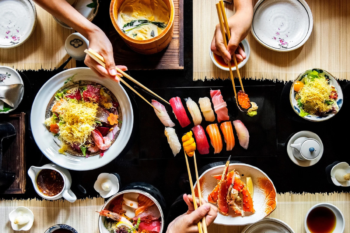
For a rare treat, head to Shikoku for the Tsushima Shrine Festival. Located on a tiny island off the coast of Mino Town, this shrine is only open two days of the year. Locals cross the bridge onto the tiny island to receive blessings. Back on the mainland, wander festival stalls featuring carnival games and selling delicious eats, from sizzling yakisoba (fried buckwheat noodles) slathered in sweet soy sauce to cooling kakigori, a shaved ice dessert topped with sugary syrup or seasonal fruits.
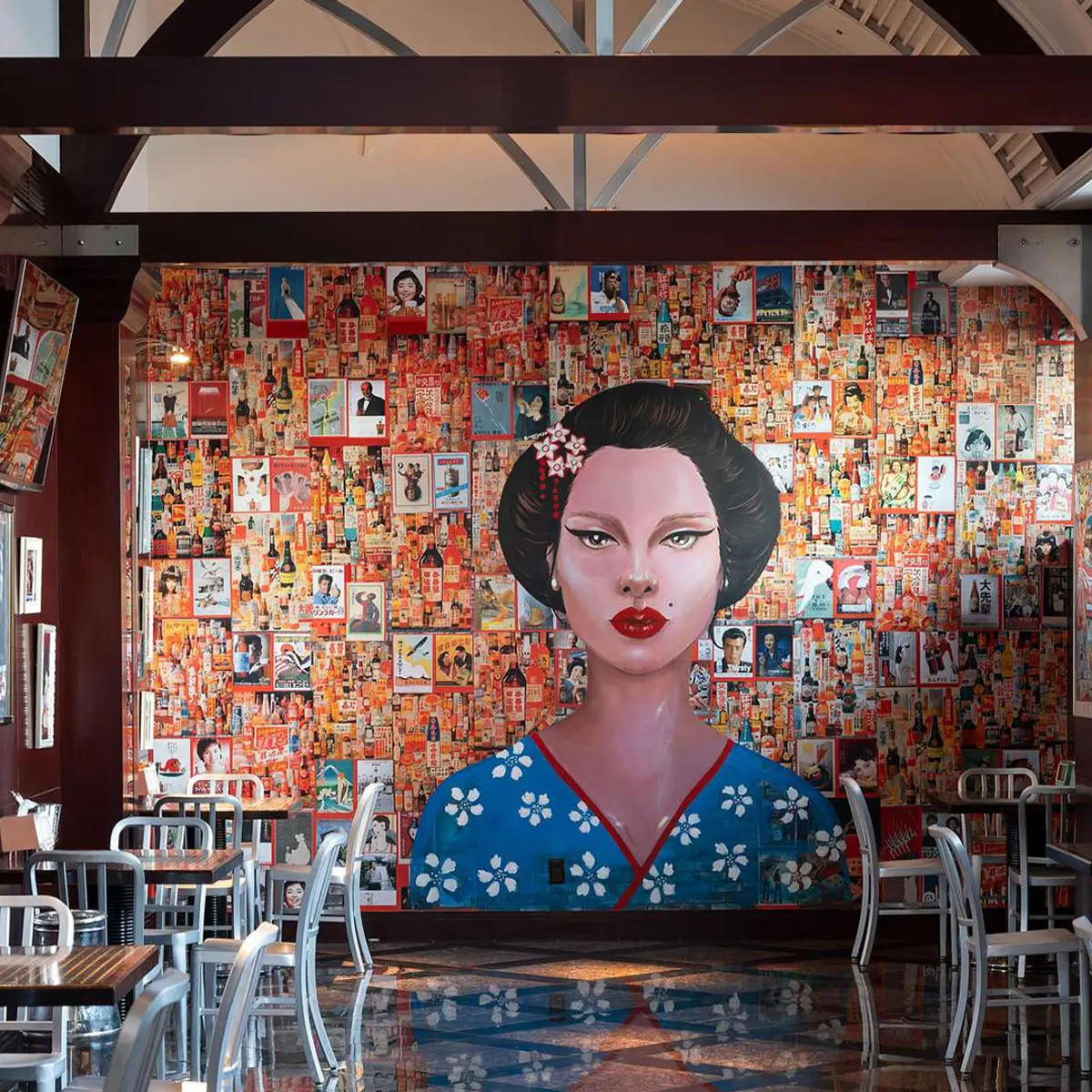

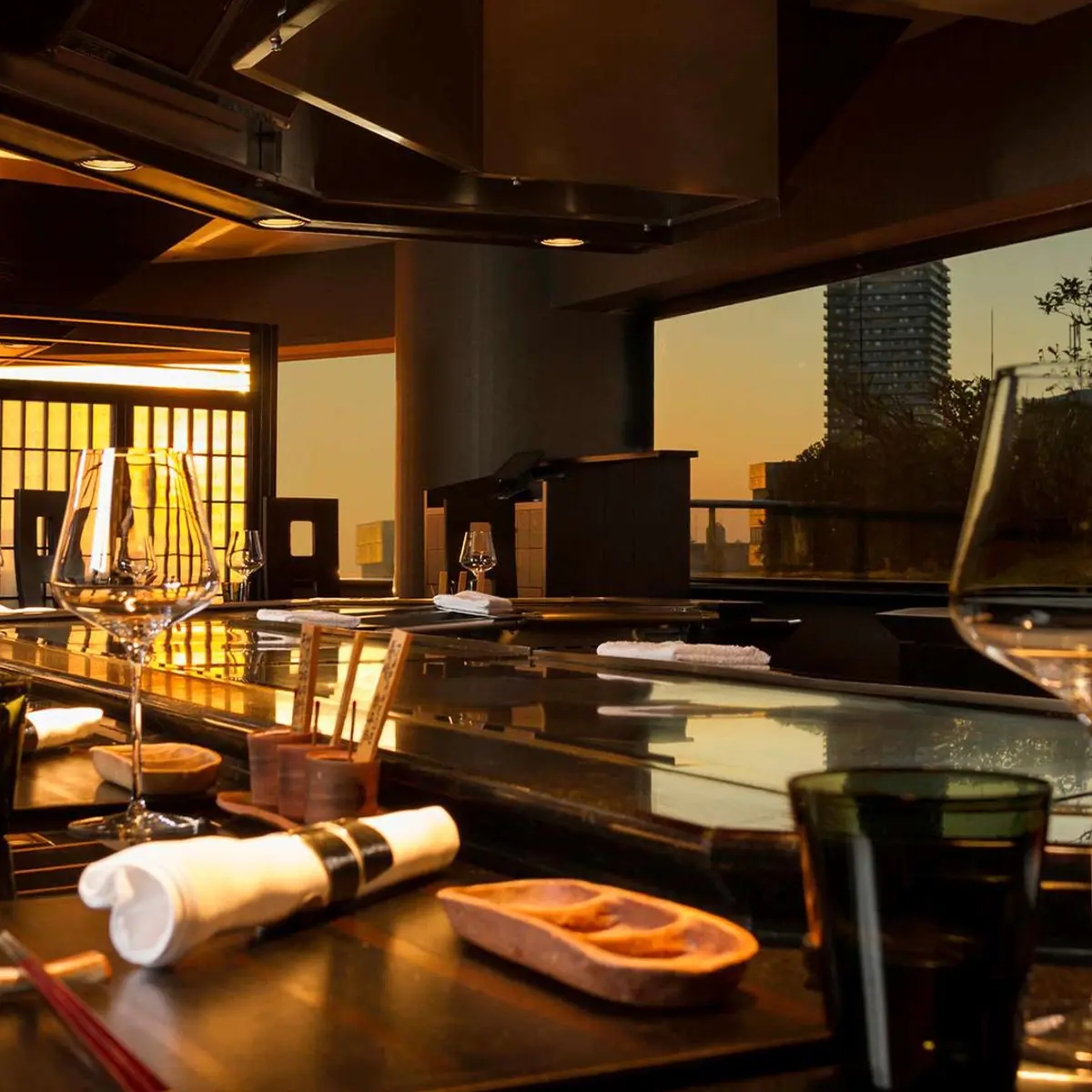
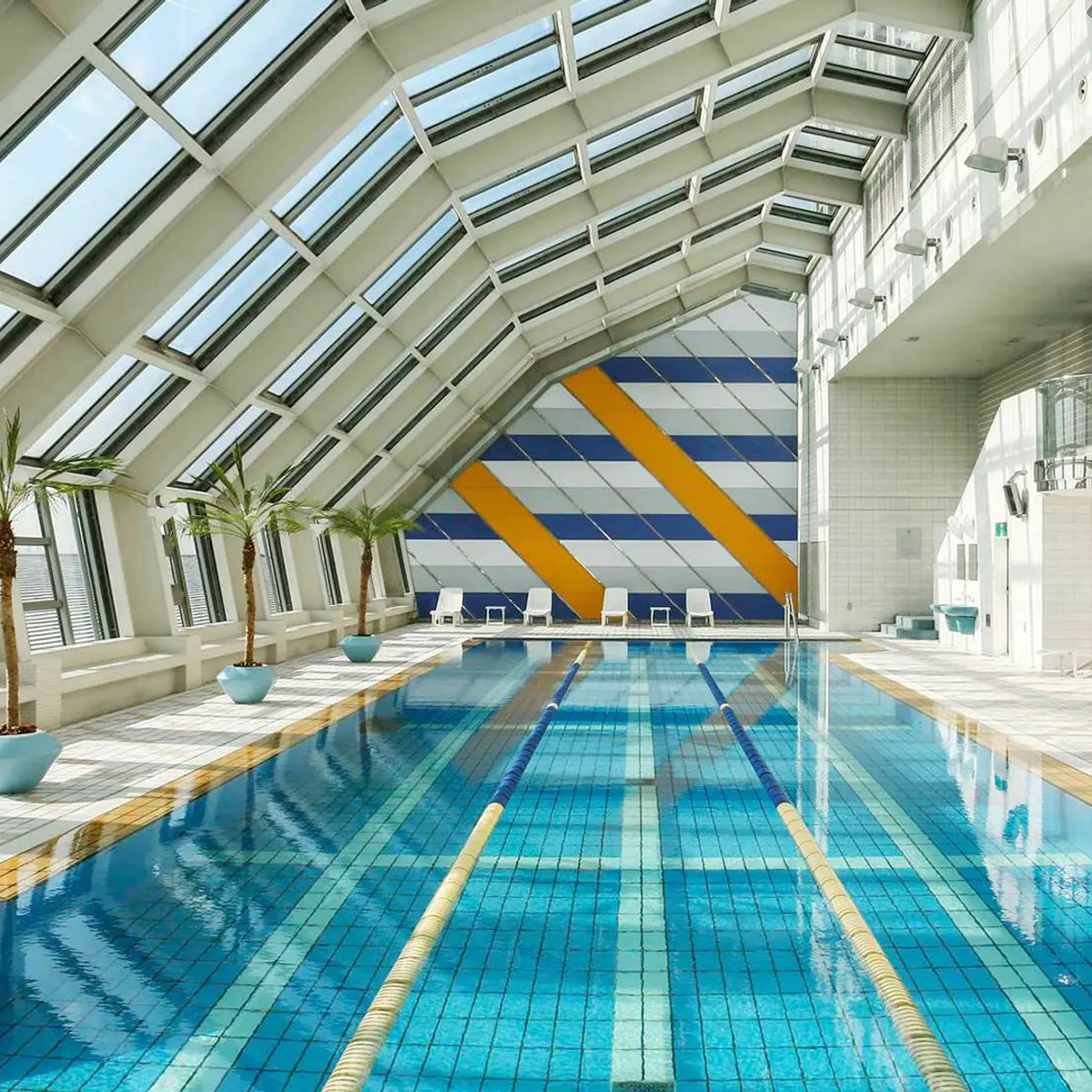
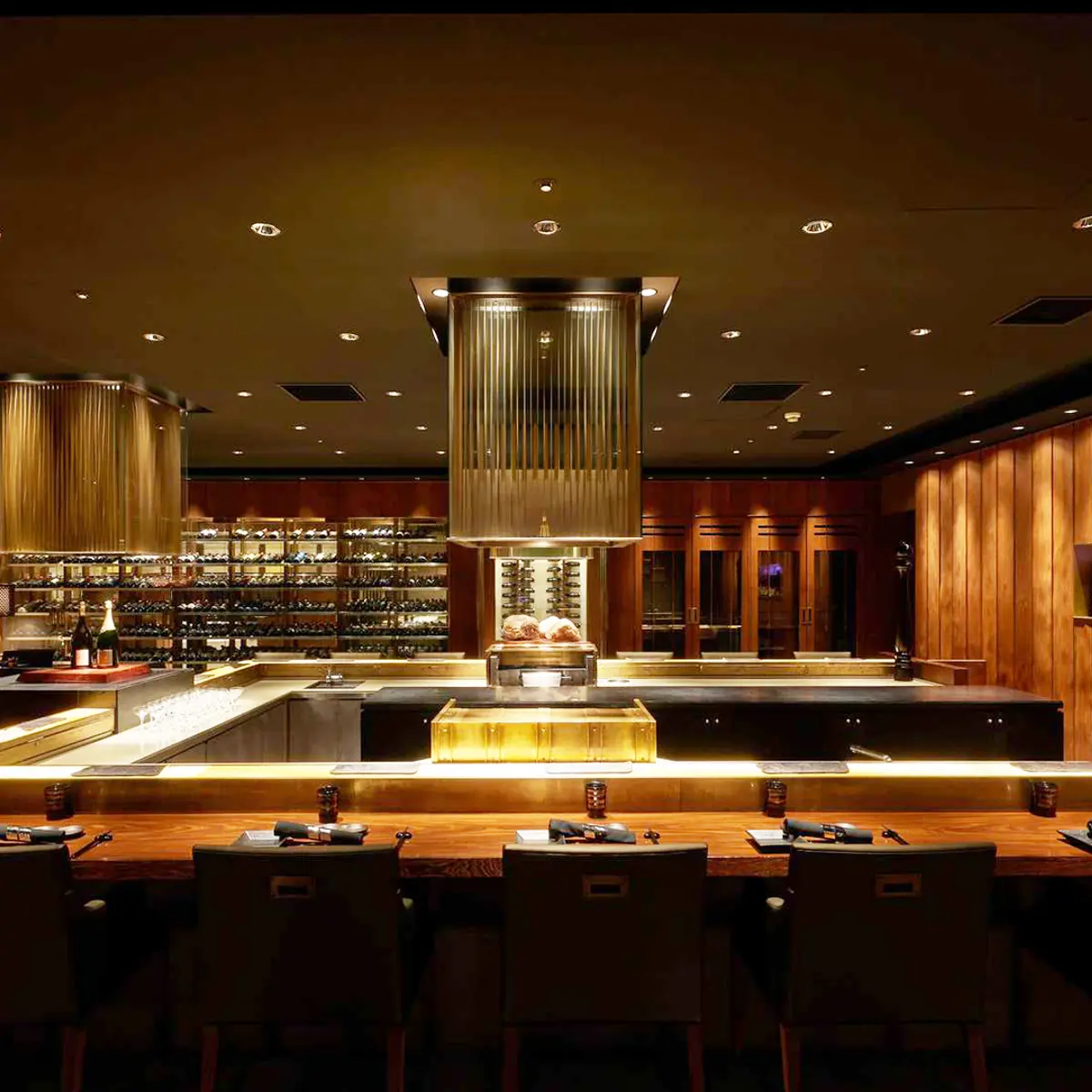
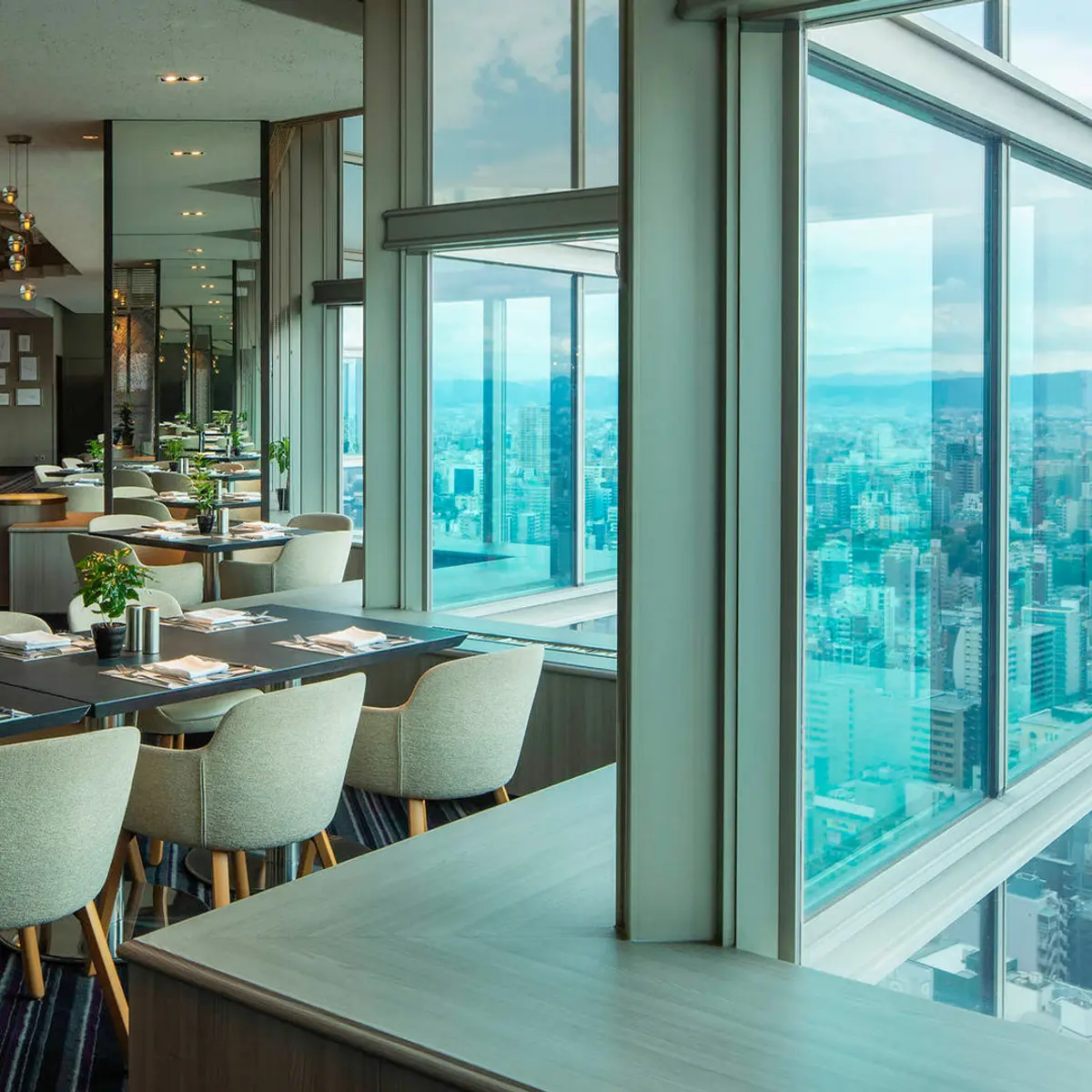

Japan just topped the world’s best destinations list – again
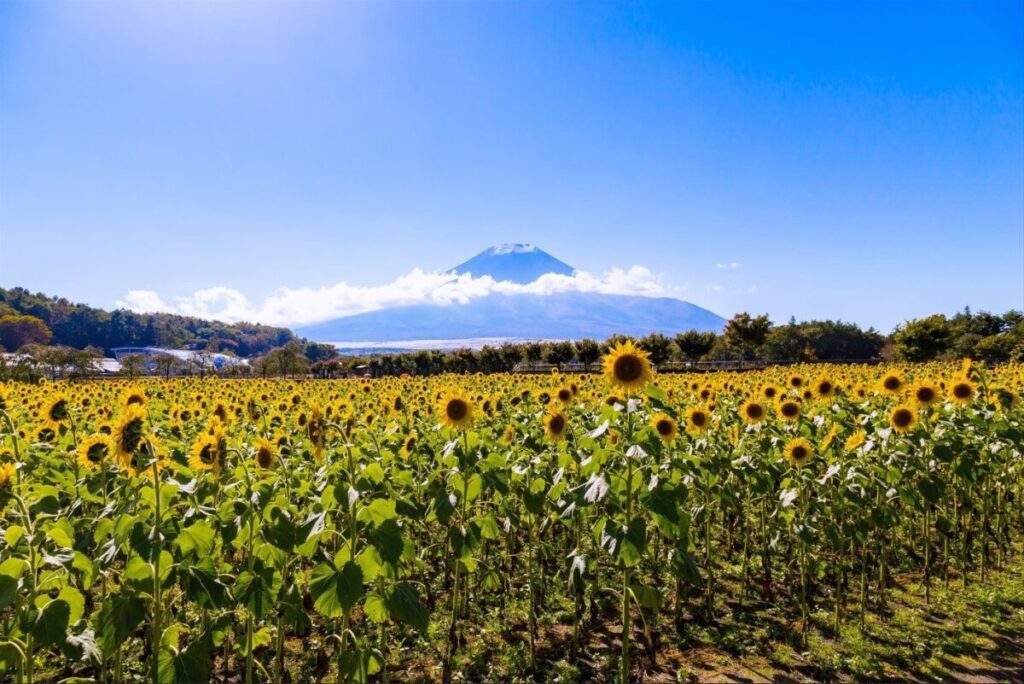
For the third year running, Japan has topped Condé Nast Traveler’s Readers’ Choice Awards as the world’s best destination. Tokyo and Kyoto take their expected places at the top, but Hokkaido makes the case for going further north. In winter, Niseko’s powder and the Sapporo Snow Festival draw visitors from across the world; in summer, the island makes an equally compelling argument. Sapporo’s Nijo Fish Market is the place to start – crab, salmon roe and fat Hokkaido scallops piled into rice bowls at stalls that have been running the same way for decades. From mid-July, the hills around Furano turn purple with lavender at Farm Tomita, and further north, the Hokuryu Sunflower Festival sees two million sunflowers in bloom through to late August. A 90-minute domestic flight from Tokyo gets you there.
You can get close and personal with a national icon
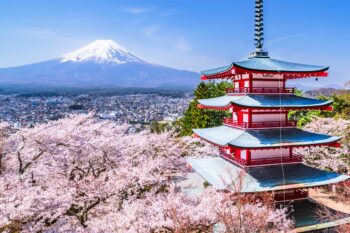
Mt Fuji has always drawn a crowd – and Japan has responded by making the experience better managed for everyone. New rules for the 2026 season mean climbers on all four trails need to pre-register online, pay a ¥4,000 entry fee and hold a confirmed mountain hut booking for overnight ascents. The upside: less congestion on the trails, a more considered climb, and a summit sunrise that feels earned. The official season runs from early July to 10 September. Non-climbers are well served by Lake Yamanakako Hana no Miyako Park, where summer blossoms frame classic Fuji views, or a leisurely bike circuit around the lake.
Discover Japan





Looking for more inspiration? Check out 5 Reasons to See Japan on a Tour.