South America is a continent of wild contrasts: you can trace the soaring stonework of Machu Picchu, cross the blinding-white expanse of Bolivia’s Uyuni salt flats, then watch Patagonia’s ice-carved coast unfold from the water. Maybe follow a waterway into the lush Amazon and then trade the wilderness for the cosmopolitan energy of Rio de Janeiro and Buenos Aires.
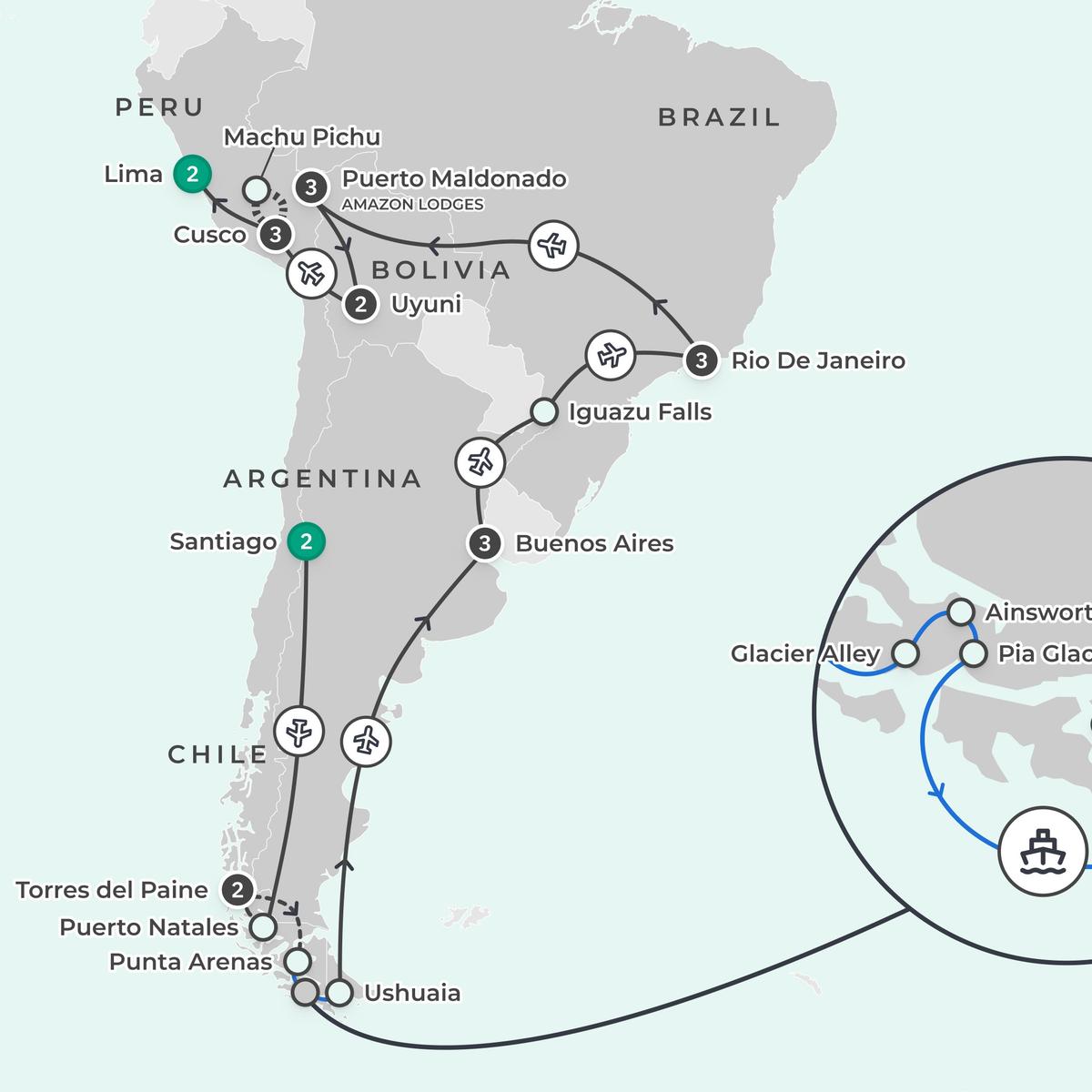
Luxury Escapes’ 25-day private charter flight tour connects the continent’s bucket-list sights with ease, making far-flung places easier to experience together. With eight charter flights and a privately chartered expedition cruise ready to guide you in style, you’ll have more time to let each remarkable destination take centre stage.
Here are just 10 remarkable sights for your South America bucket list, all of which you can experience on this one-of-a-kind journey.
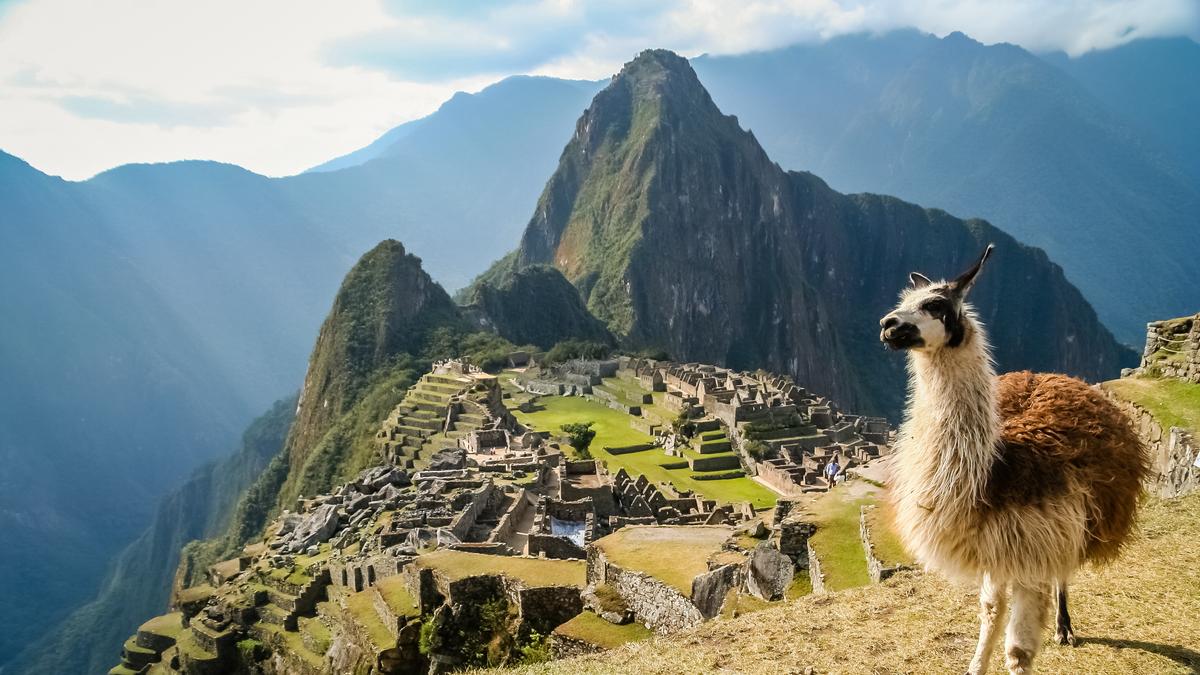
1. Machu Picchu, Peru
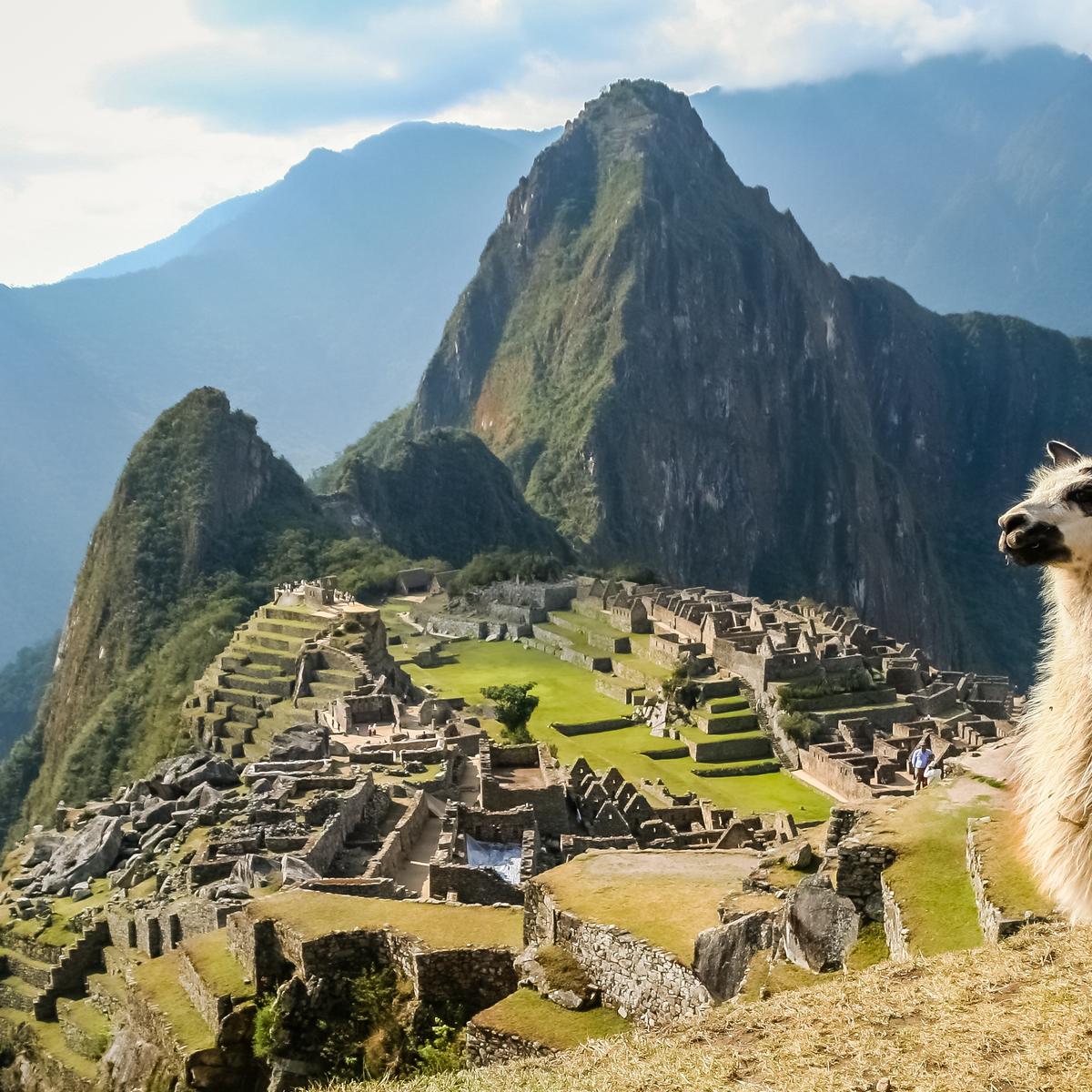
One of the New Seven Wonders of the World, Machu Picchu is every bit as absorbing as its reputation suggests. The 15th-century Inca citadel sits high in the Peruvian Andes, with its stone terraces and buildings fitted to the steep contours of the mountainside. Stand among them and the achievement comes into focus: architecture, agriculture and landscape brought together with extraordinary precision.
The journey there through the Sacred Valley builds anticipation and is a highlight in itself. Gazing through panoramic windows aboard the Vistadome Observatory Train, you’ll notice dry highland terrain giving way to greener slopes and forest before a shuttle carries you to the site. A guide can help you read the details in the meticulous stonework that has endured for centuries.
Take time to look beyond the individual buildings. The surrounding peaks and valleys are part of what makes Machu Picchu so compelling, as the citadel seems to rise from the landscape rather than sit above it.
2. Torres del Paine National Park, Chile
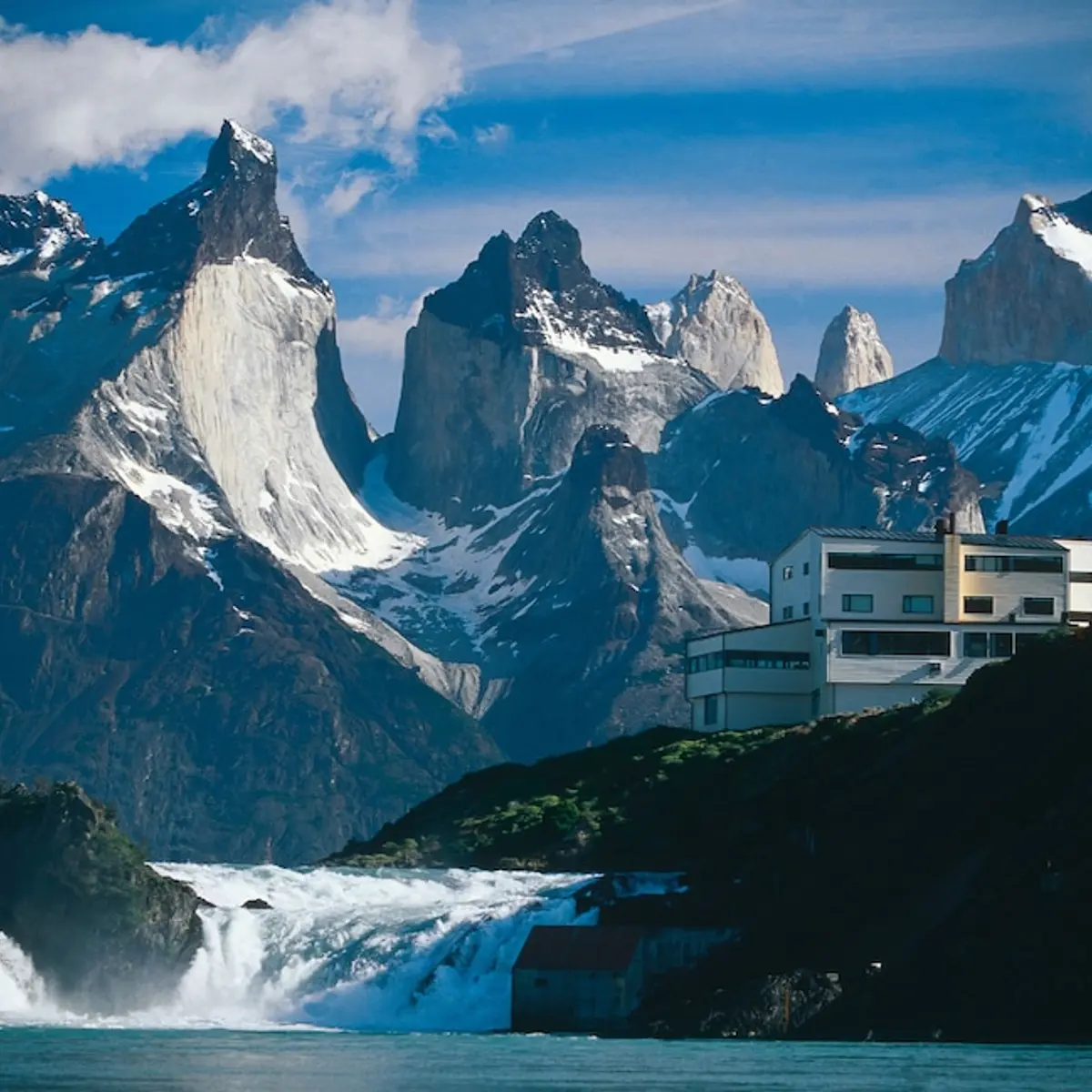
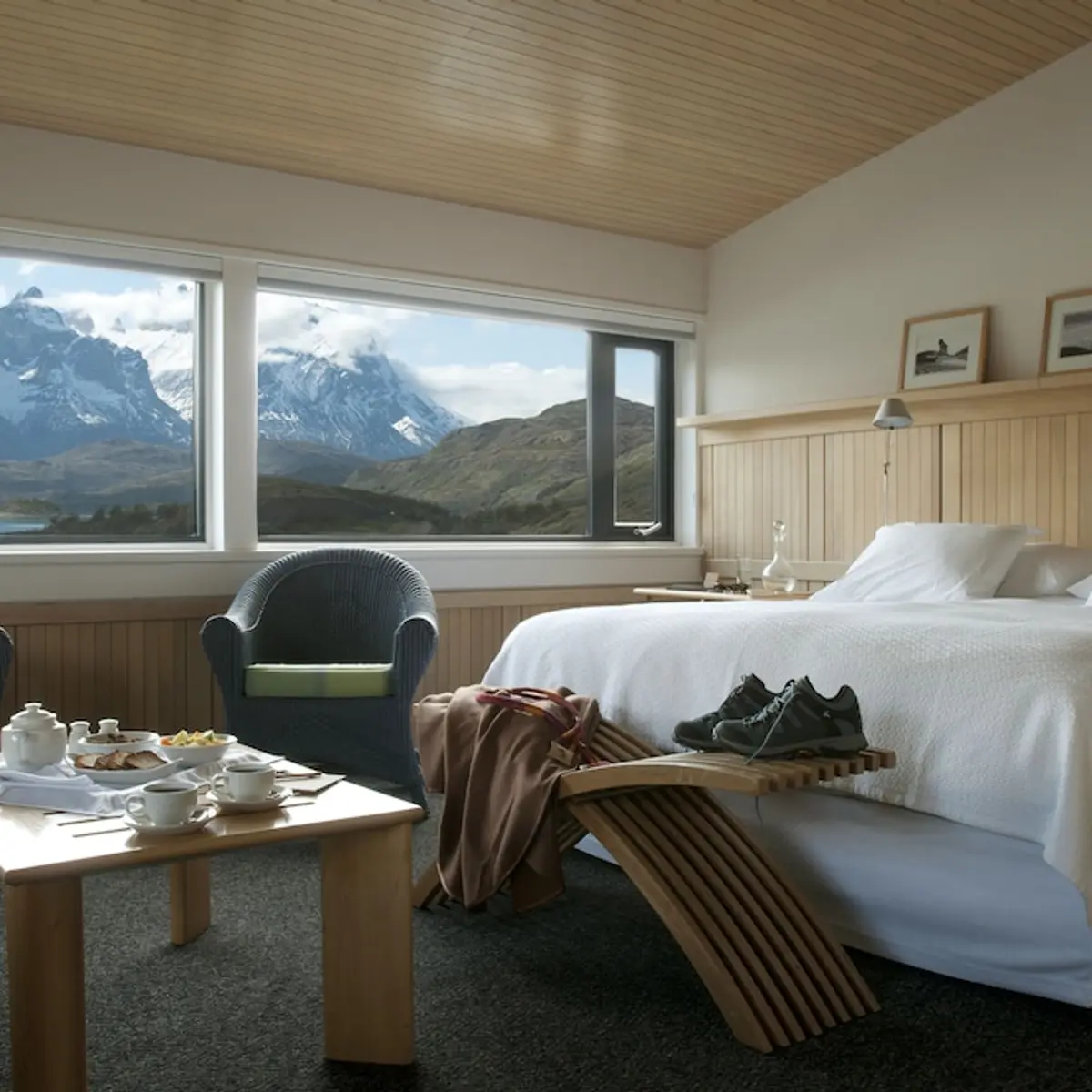
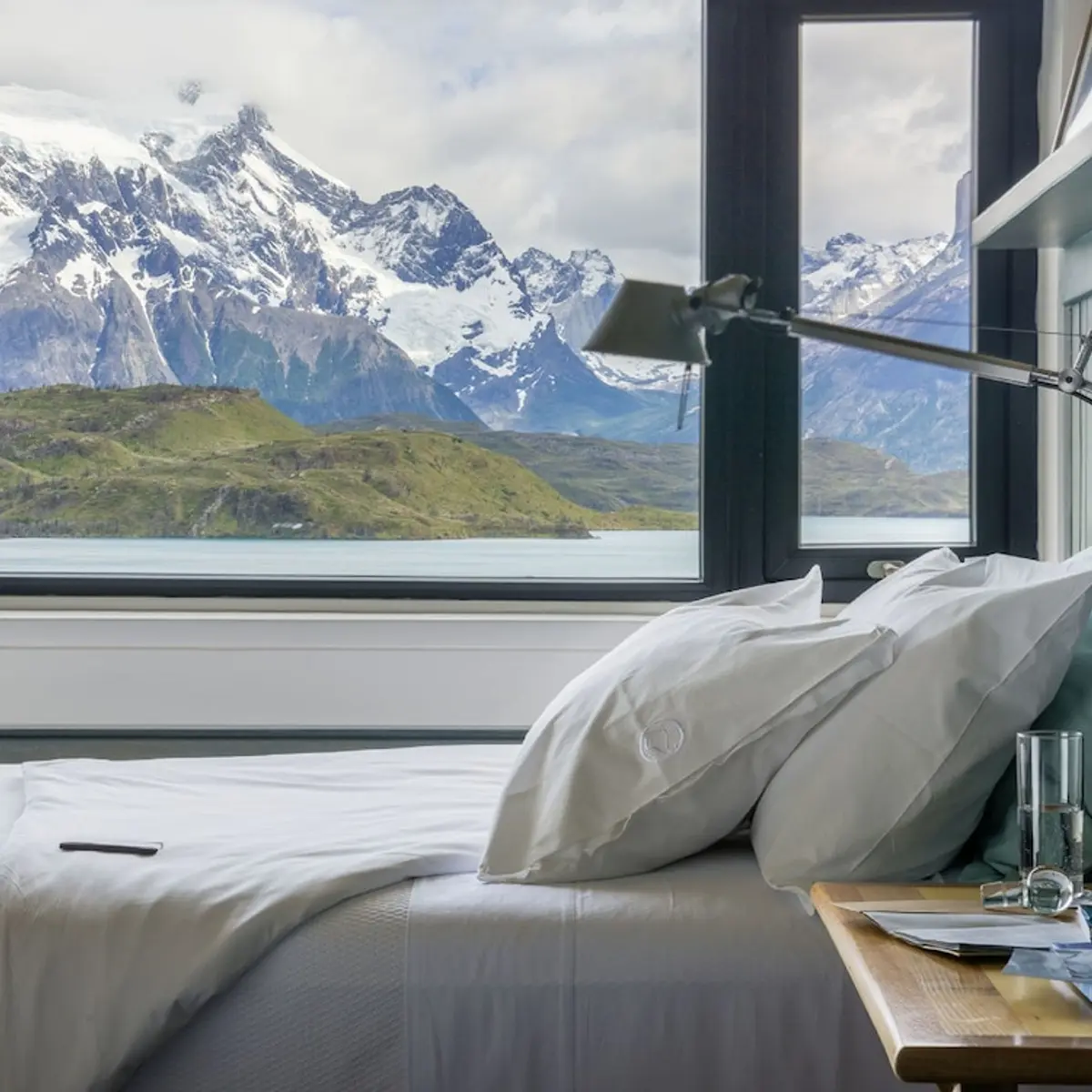
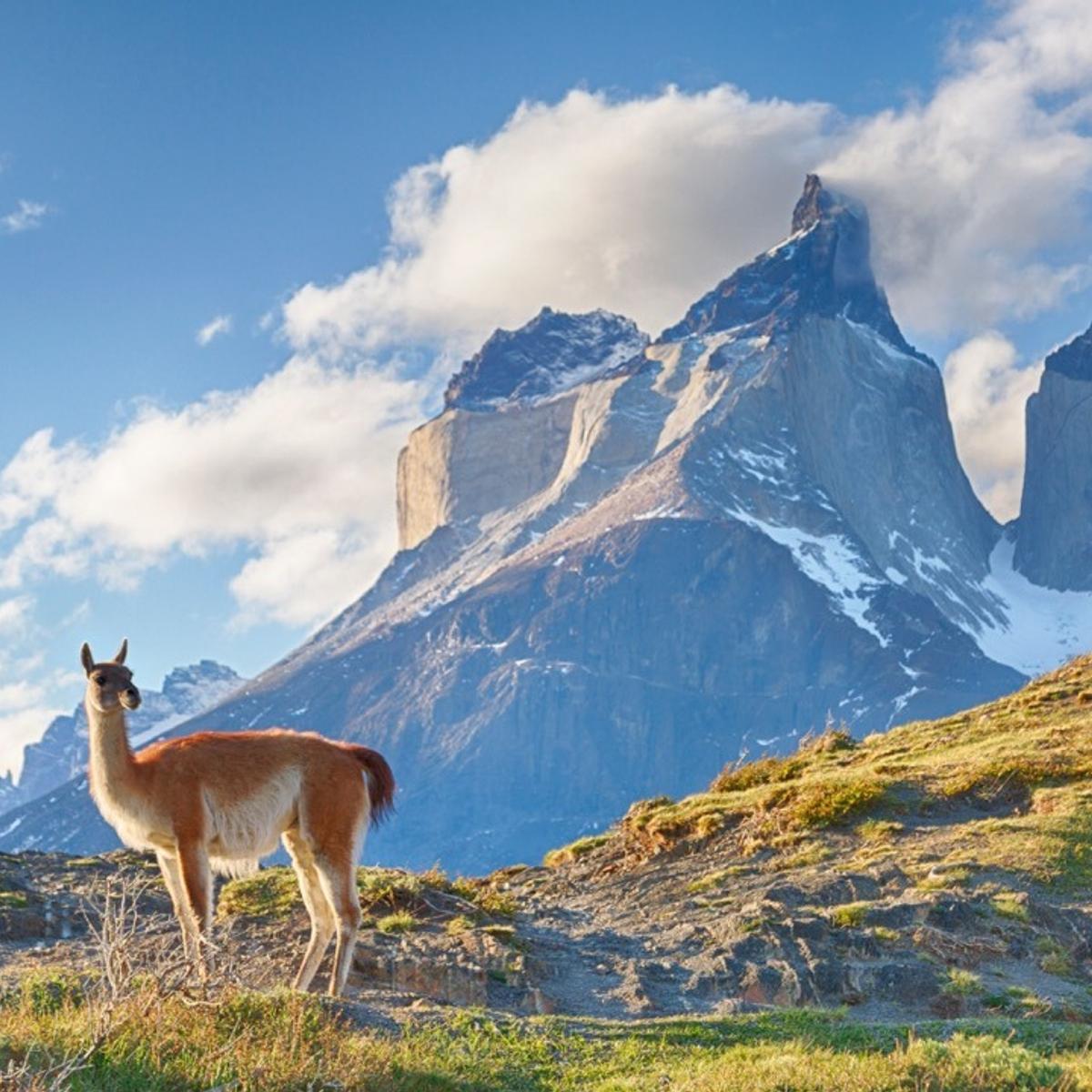
The granite towers that give this national park its name – ‘Towers of Blue’ in English – rise above a jaw-dropping landscape of glacial lakes, open plains and wind-shaped peaks. The scenery feels immense, but its details reward a longer stay and closer look: the shift in a lake’s colour, icebergs drifting across the water or a condor circling overhead.
It’s a land of striking natural beauty. At Salto Grande, a powerful waterfall feeds towards Lago Pehoé beneath the jagged skyline. Grey Lake offers another kind of drama, with icebergs from the Southern Patagonian Ice Field sometimes floating across its surface. Scenic drives and shorter walks bring you between viewpoints without requiring a strenuous trek.
The weather is part of the experience. Clouds gather around the mountains and the wind sweeps across the open ground, changing the mood from one stop to the next. A local guide can help explain the geology, plants and wildlife that make this Patagonian landscape a distinct, must-visit destination.
3. Salar de Uyuni, Bolivia
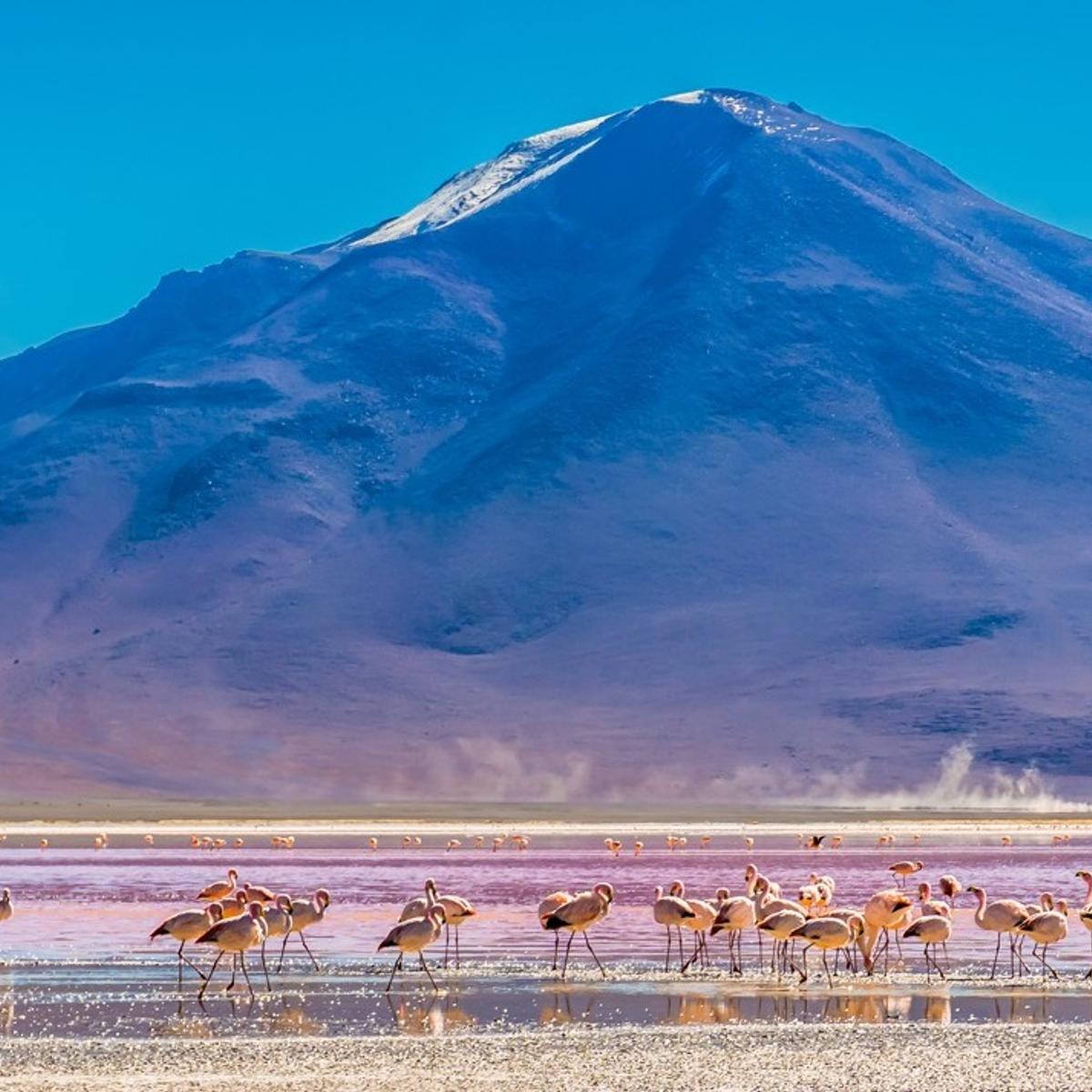
At around 3,700 metres above sea level on The Altiplano, Bolivia’s high plateau, the otherworldly Salar de Uyuni stretches so far that the horizon seems to disappear. The world’s largest salt flat formed as ancient lakes dried up, leaving a bright, level surface that can make it difficult to judge distance or scale.
A 4WD trip across the salar takes you to Incahuasi Island, a rocky outcrop rising from the white expanse dotted with giant cacti which can grow over 10 metres tall and to more than 1,000 years old. The contrast is startling: the rugged island is perched alone in the middle of a landscape that appears almost featureless.
Don’t forget your camera in Uyuni. With few familiar reference points, photographs can play tricks on perspective, making a small object seem enormous or impossibly close. Sunset brings changing colours across the salt, while a clear night can provide phenomenal stargazing.
4. Tambopata National Reserve, Peruvian Amazon
The Amazon announces itself through sound and movement. Calls echo from the canopy, ripples provide a window into what lies beneath the surface and flashes of colour burst between the trees. In Tambopata, winding waterways spread into lowland rainforest, where a motorised canoe becomes the perfect way to travel deeper into the landscape.
A naturalist can help you notice what might otherwise blend into the forest: birds darting around, animal tracks on a trail or shapes along the riverbank. Guided walks, canoe trips, oxbow lakes and canopy walkways offer different perspectives. Macaws, toucans, tapirs, howler monkeys, caimans and even jaguars call this reserve home, though wildlife sightings always depend on the day and conditions.
Staying at a lodge within the reserve brings the rainforest into the rhythm of your adventure, with local guides leading walks and river excursions that reveal its wildlife and changing moods from first light into the evening where you can fall asleep to the sounds of the Amazon.
5. Lima, Peru
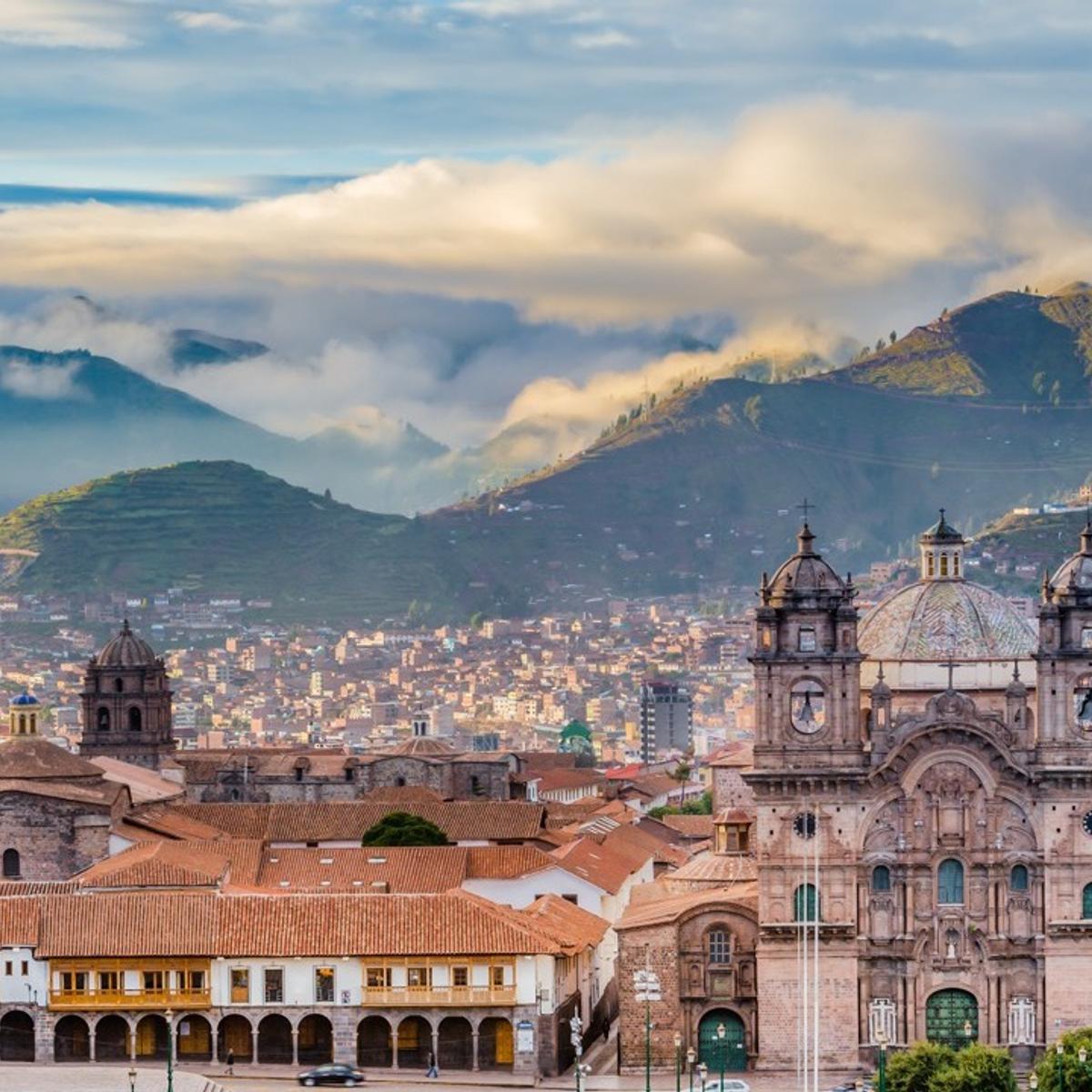
Lima is a cosmopolitan city where colonial plazas and grand churches sit alongside a thriving and contemporary food scene. Its historic centre offers a vivid first glimpse of the capital’s past, while the Pacific-facing districts reveal a more modern rhythm.
Food is one of the most rewarding ways to explore Lima, named Time Out’s Best City for Food in 2026. Peruvian cooking draws on ingredients and traditions from across the diverse country, and many of the city’s leading restaurants offer exceptionally modern and inventive interpretations of regional dishes.
In the upscale district of Miraflores, clifftop paths trace the edge of the city above the ocean, with parks, cafes and restaurants offering an easy place to pause between exploring. Here you can watch the light change over the ocean before heading back into the city for a night of ceviche and pisco sours.
6. Iguazú Falls, Argentina and Brazil
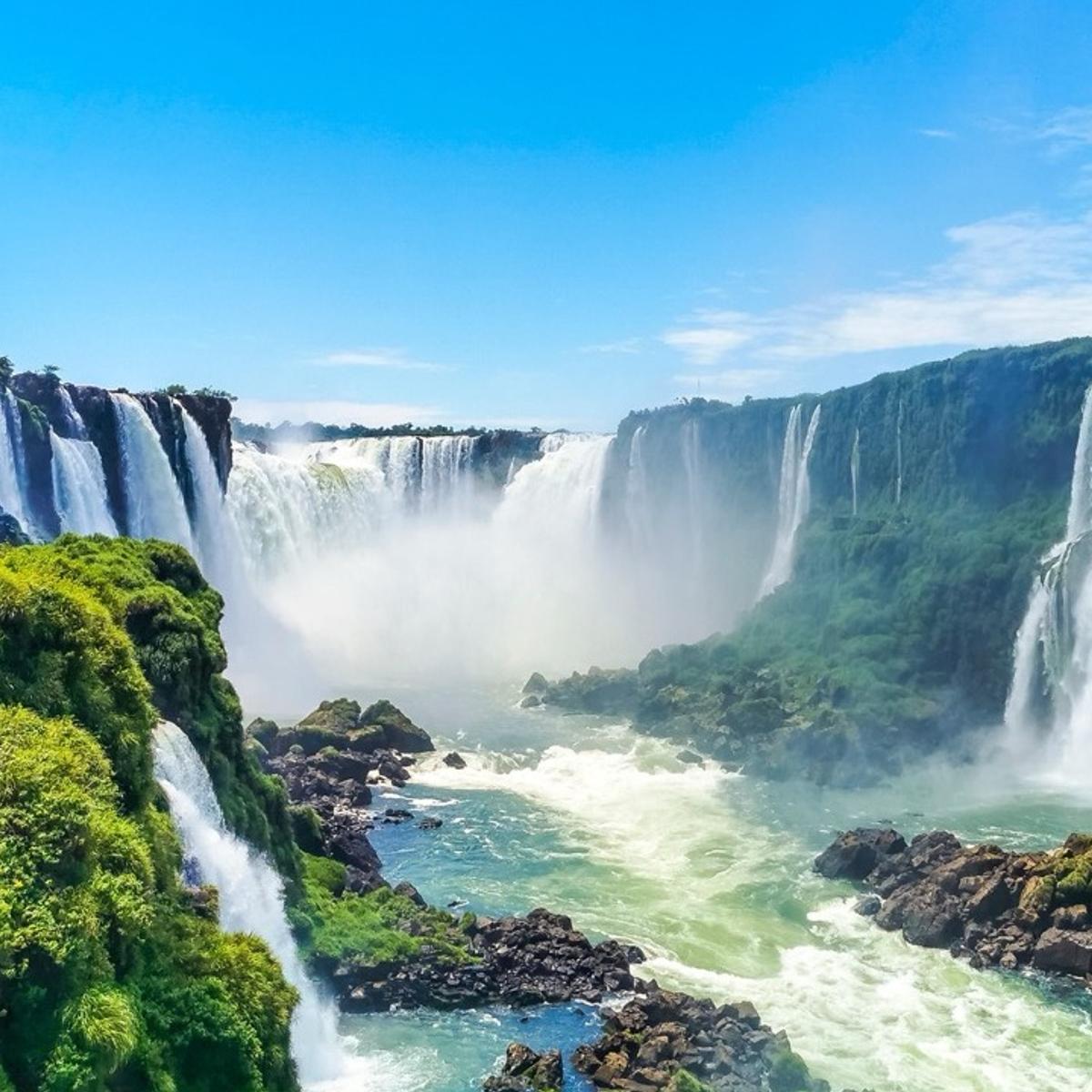
Iguazú’s thundering chorus reaches you before the full view does. A network of cascades cuts through subtropical forest, feeding waterways and deep gorges along the border region. On the larger Argentine side of Iguazú National Park, walkways take you through the greenery towards Devil’s Throat, the largest and most powerful section of the falls.
As you approach the gorge, the roar grows louder and the spray hangs in the air. From the viewing area, water plunges into the chasm below, giving you a close-up sense of its force. It’s a different perspective from looking across the falls from the Brazilian side, with the Argentine trails bringing you closer to the cascades themselves.
The forest adds to the experience here. Birds move through the canopy, the paths reveal new angles on the water and the scale of the falls changes as you explore the world’s largest waterfall system.

7. Patagonian cruising, Chile
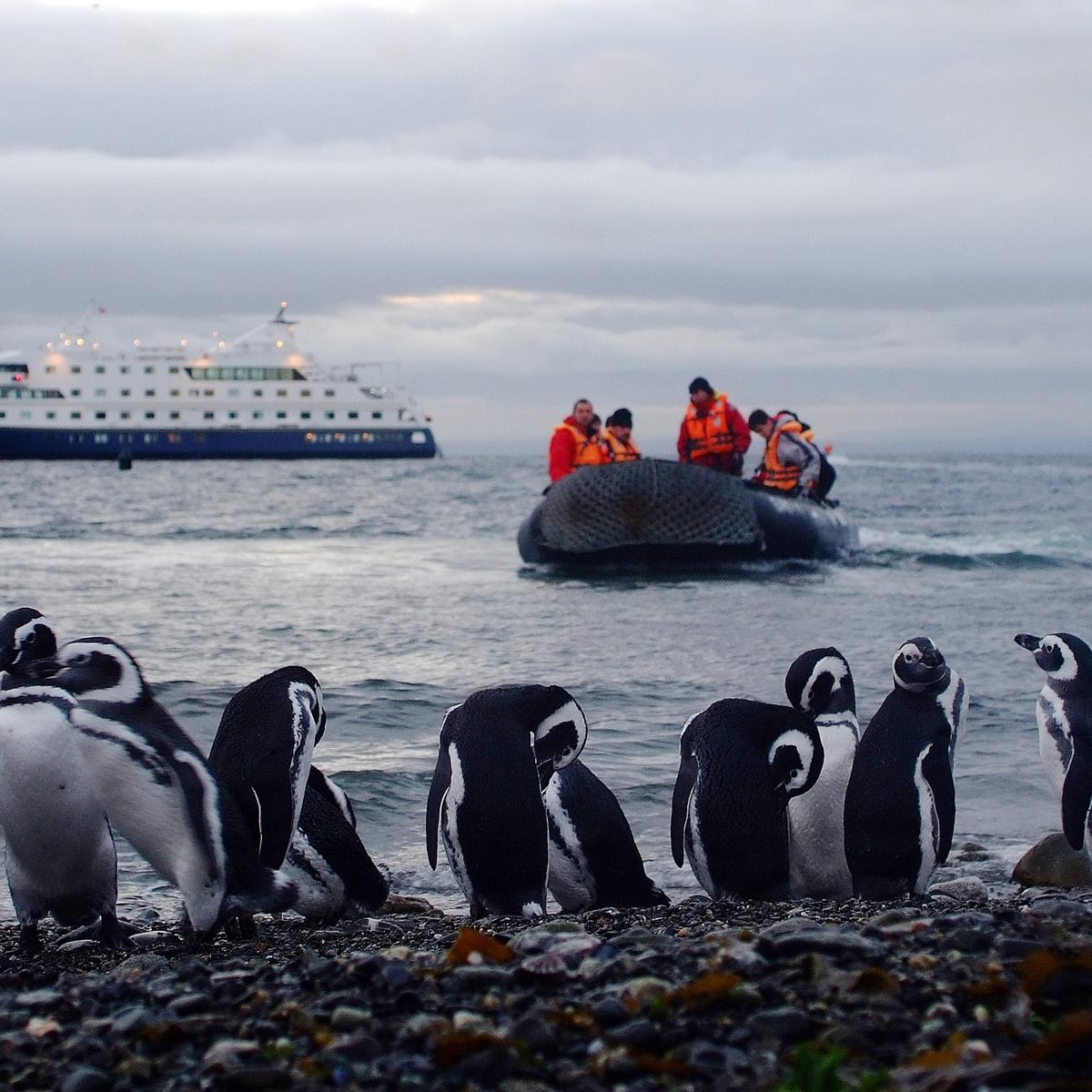
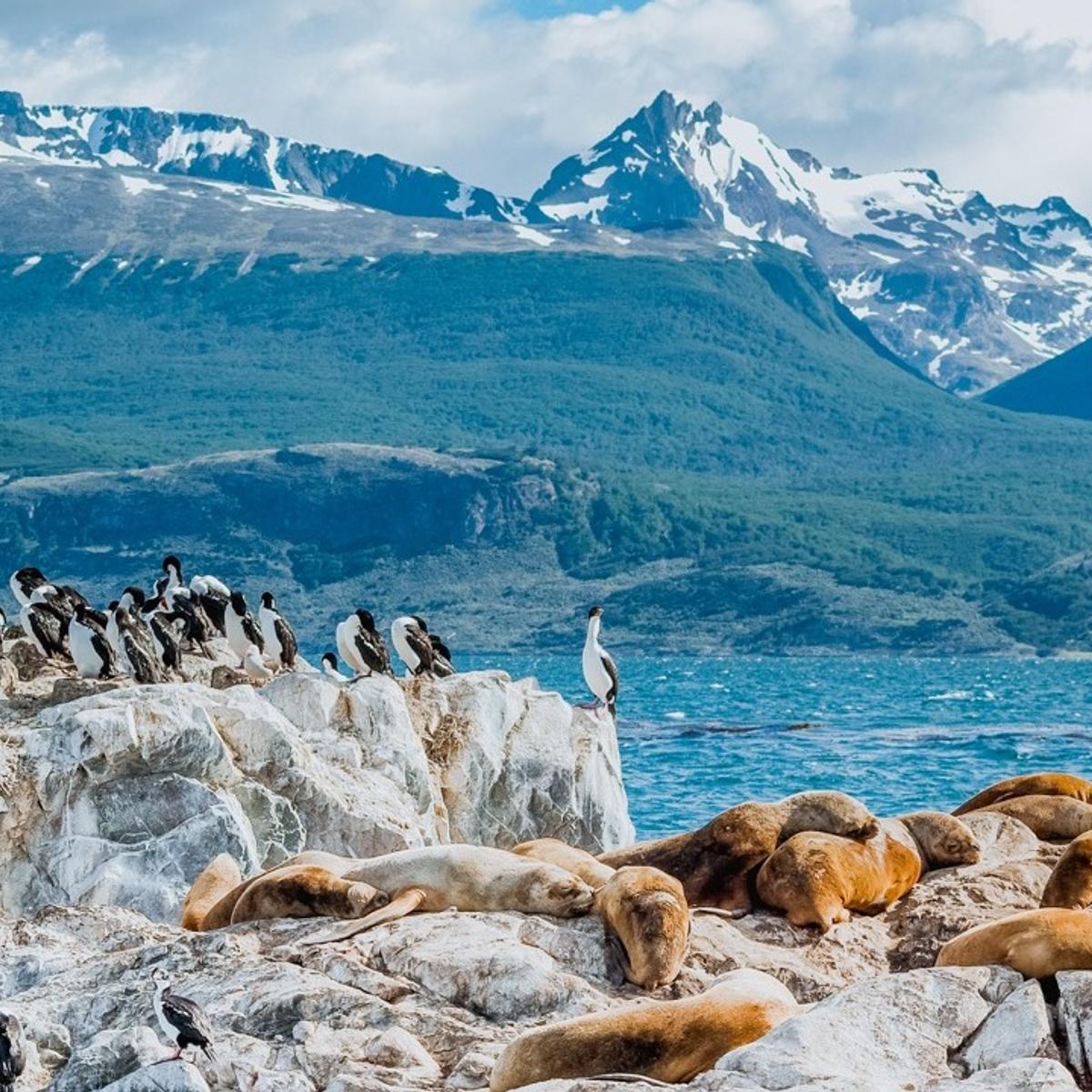
From the water, Patagonia becomes a maze of steep-sided channels, remote bays and glaciers descending towards the sea – and it’s one you’ll happily get lost in. The landscape unfolds gradually as you travel through the fjords, with Zodiac excursions bringing you closer to the shoreline and ice.
This region is dotted with natural wonders. Glacier Alley is a striking stretch of the Beagle Channel, where glaciers flow from the Darwin Ice Field towards the water. Pia Glacier offers another close view of the ice, with excursions and landings shaped by local conditions. At the infamous Cape Horn, the continent’s southern edge meets wild open sea reaching out south to the White Continent.
Wulaia Bay brings human history into the landscape. Archaeological remains connect the area to the Indigenous Yaghan people, whose lives were closely tied to its waterways. Between excursions, the mesmerising views from the deck seem to slow time just the way you want them to.
8. Rio de Janeiro, Brazil
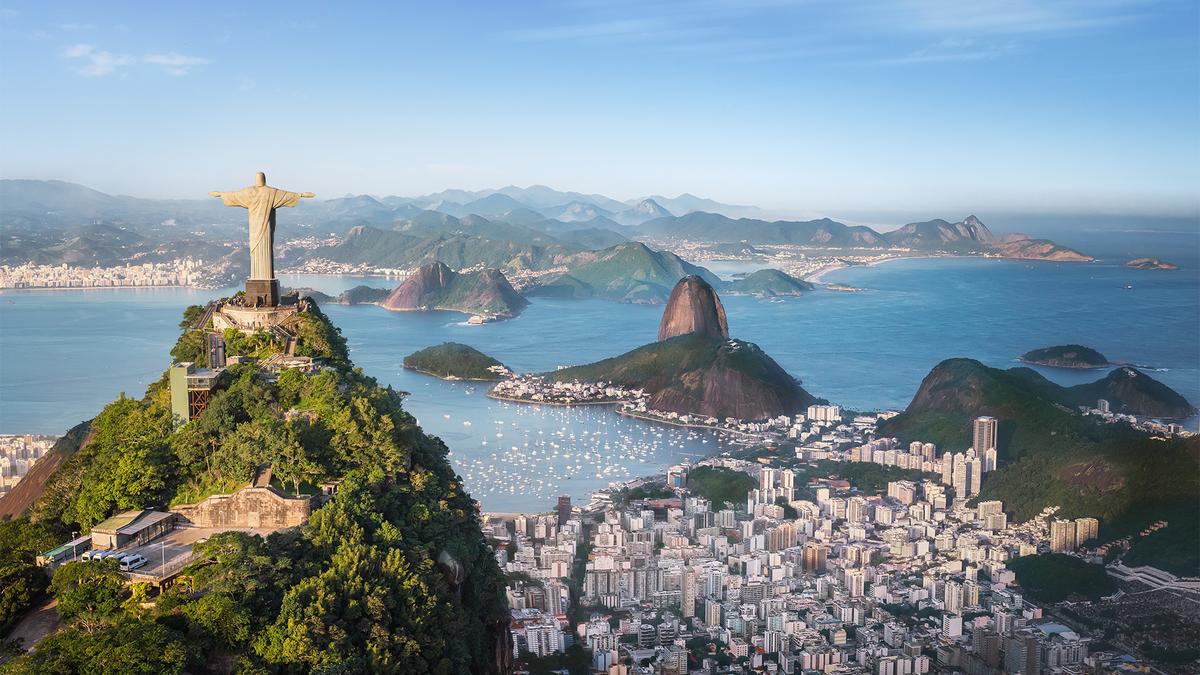
Rio de Janeiro makes a dramatic entrance: mountains rise above the bay, beaches curve between neighbourhoods and the city’s energy spills into the streets. From street level, the remarkable scenery is always close, and from above, you can see how this unique metropolis fits together.
Another of the New Seven Wonders of the World, Christ the Redeemer stands high on Corcovado, while Sugarloaf Mountain rises beside Guanabara Bay. Visiting both gives you distinct vantage points on the city and the ascent is part of the experience as the view opens up.
Back at sea level, the lively Copacabana and Ipanema beaches offer a more everyday view of Rio. Walk the beachfront, watch the city gather along the sand or pause at a cafe. Whether up high or down low, Rio is so rewarding to explore – make sure not to miss out on some authentic Brazilian BBQ.
9. Buenos Aires, Argentina
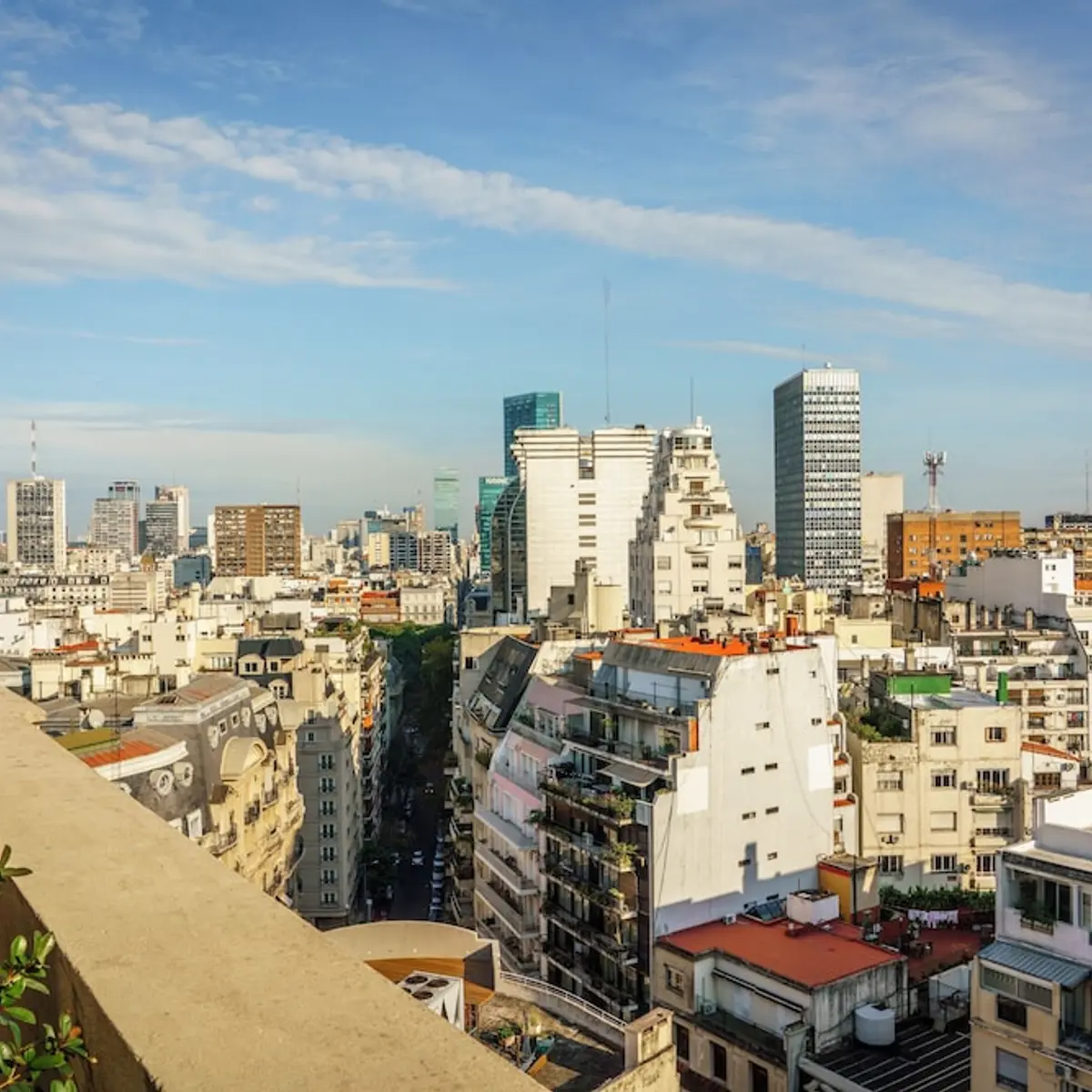
Buenos Aires changes character from one distinct neighbourhood to the next. Plaza de Mayo is the historic civic heart, San Telmo’s older streets have a more traditional feel, La Boca’s brightly coloured façades make a vivid impression and Recoleta offers grand architecture and tree-lined avenues.
Leave room to stop at a communal cafe, take your time over a hearty lunch or branch out to grab a ticket to a thrilling football match to witness sheer passion firsthand. The Argentine capital is where architecture, conversation and daily life share the same pavements.
Tango offers another way into the city’s rich culture. The iconic dance grew from the mix of communities around Buenos Aires and the Río de la Plata. Seeing it performed here is a must, connecting the movement and music to the place that shaped them.






10. Cusco, Peru
Cusco is more than a gateway to Machu Picchu; its own history and atmosphere are well worth discovering. Once the capital of the Inca Empire, the city still reveals its storied past. At Qorikancha, the Temple of the Sun, Inca stonework meets colonial buildings, and across the historic centre, layers of history appear in courtyards, walls and narrow cobbled streets.
Stroll through the picturesque old town, visit a cafe or browse the bustling Mercado Central de San Pedro, where local produce and everyday shopping offer a glimpse of life beyond the landmark routes.
The stunning surrounding peaks of the Andes are never far from view, and the altitude is worth bearing in mind. At approximately 3,400 metres above sea level, a slower first day and time to acclimatise can make exploring more comfortable.