Europe‘s most compelling destinations are easy to love year-round, but you can narrow down the most fitting contenders for your specific travel window. There’s an art to knowing where to go – this month-by-month guide breaks down the best choices across the continent, mixing familiar favourites with timely detours and practical tips worth knowing before you book.
Still deciding when to go? Read our guide to the best time to visit Europe.






In a nutshell: the best places to go in Europe by month
| Month | Top five destinations | Best for |
|---|---|---|
| January | Lapland, the Canary Islands, Chamonix, Zermatt, Bansko | Snow adventures, skiing and winter sun |
| February | Lapland, Venice, Madeira, the Canary Islands, Cyprus | Northern Lights, Carnival and mild-weather escapes |
| March | Seville, Córdoba, Granada, Sicily, Malta | Early spring sightseeing, food and culture |
| April | Amsterdam, Edinburgh, Bonn, Portugal, the Greek islands | Tulips, blossoms, festivals and the first beach days |
| May | Rome, Athens, Barcelona, Provence, Cappadocia | Shoulder-season city breaks and countryside touring |
| June | Lisbon, Barcelona, Lake Como, Croatia, the Balearic Islands | Long days, lively festivals and early-summer beaches |
| July | Santorini, the Amalfi Coast, the Scottish Highlands, Scandinavia, the Alps | Peak Mediterranean summer and cooler mountain escapes |
| August | London, Athens, Mykonos, Amsterdam, Budapest | Summer festivals, nightlife and long city-break days |
| September | La Rioja, Tuscany, the Douro Valley, Florence, Taormina | Wine harvests, lingering warmth and quieter sightseeing |
| October | Cyprus, the Canary Islands, Slovenia, Seville, Istanbul | Late-season warmth, autumn colour and comfortable walking |
| November | Alba, Brno, Tromsø, Florence, Lisbon | Truffle season, young wines, whale watching and culture |
| December | Strasbourg, Edinburgh, Rovaniemi, Vienna, Prague | Christmas markets, snowy experiences and New Year celebrations |
Where to go in Europe in January
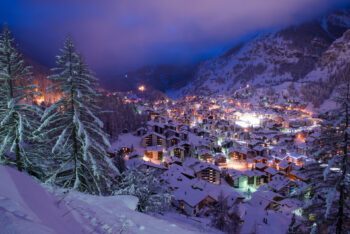
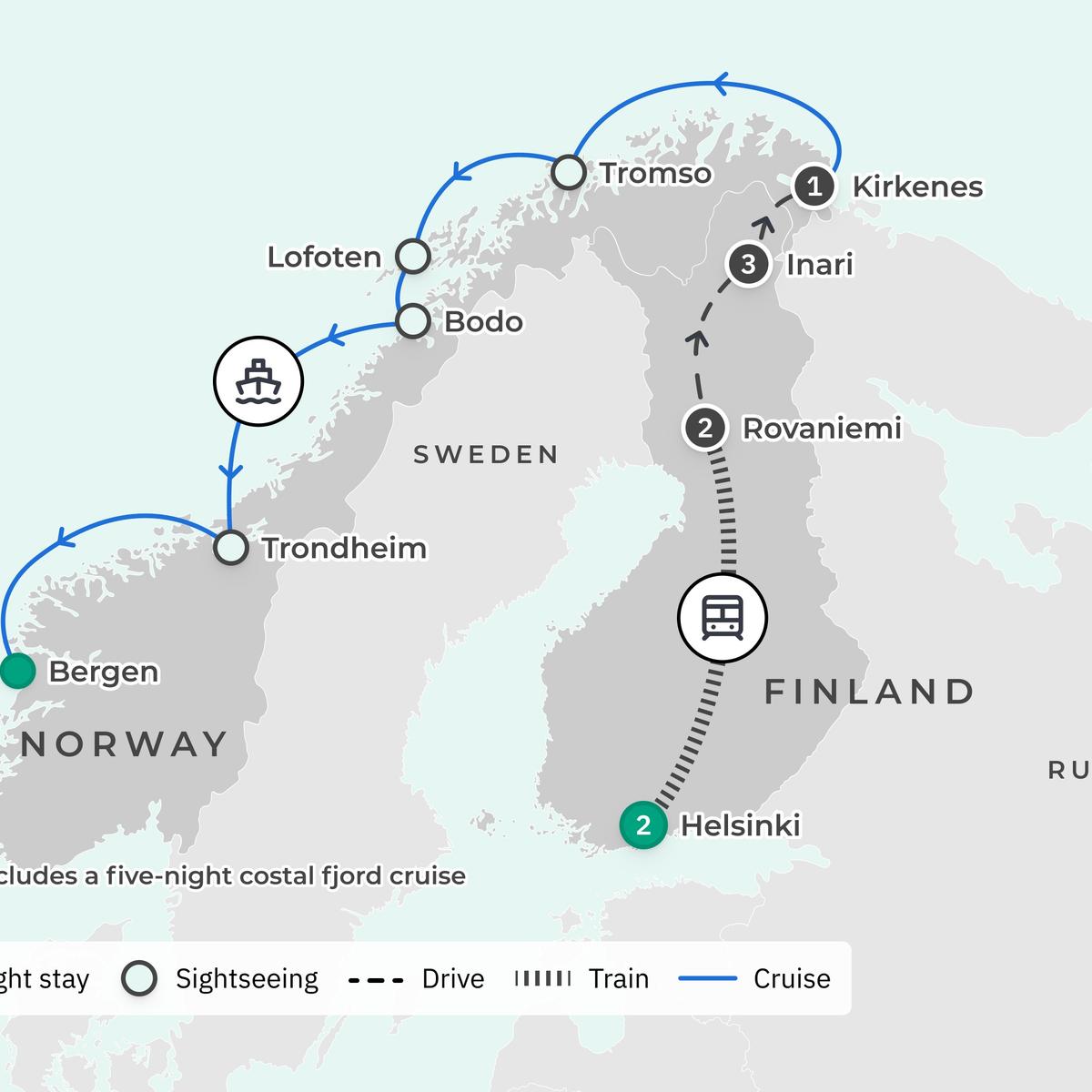
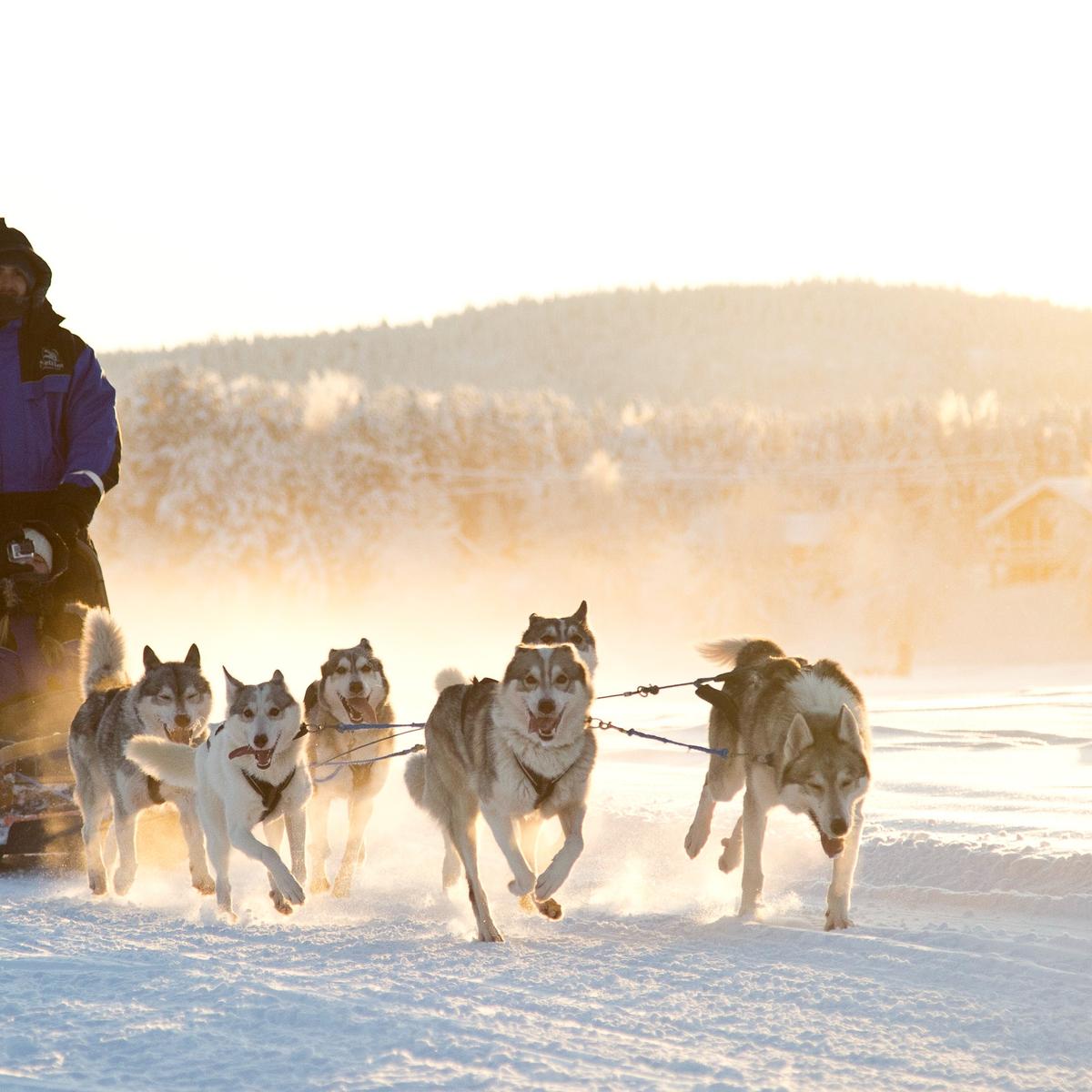
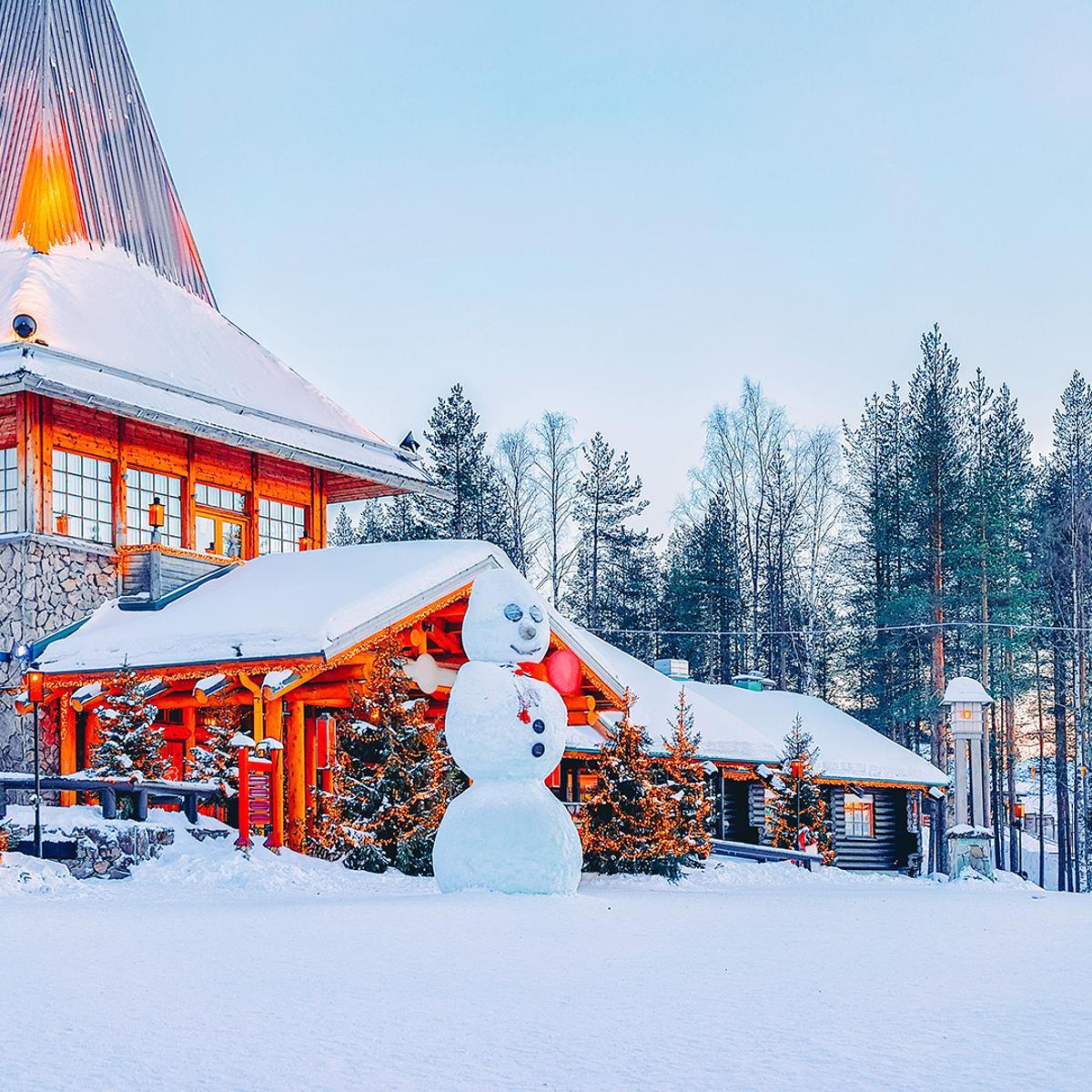
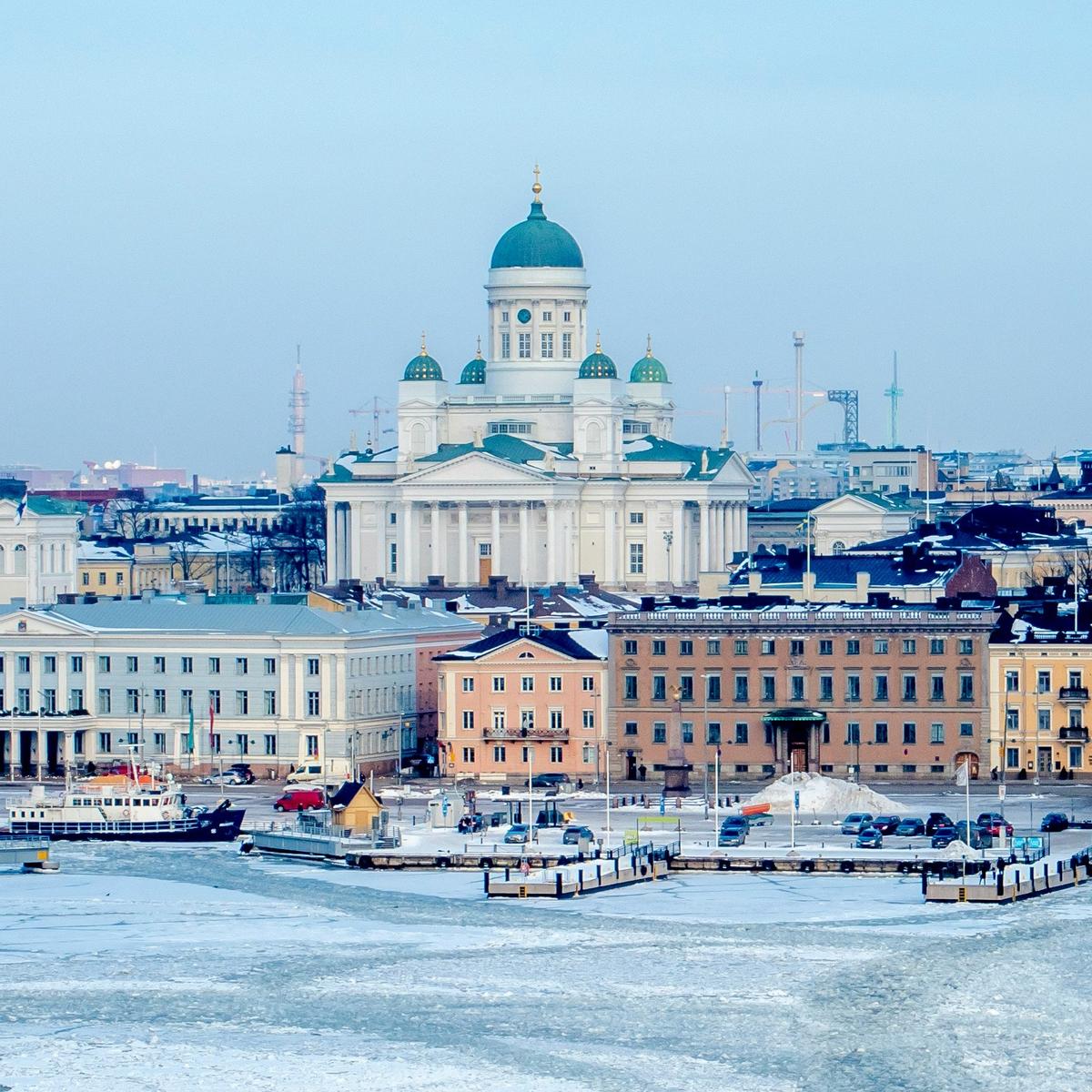
January is a good time to really embrace winter, or dodge it altogether. Head north to Scandinavia for the full Arctic experience: take the overnight Santa Claus Express from Helsinki to Rovaniemi, then tick off husky sledding, cross-country skiing and Northern Lights hunting. If you’re planning on hitting the slopes, choose Chamonix or Zermatt for big-name Alpine skiing, look to Austrian resorts such as Alpbach or Rauris for a more relaxed base, or opt for Bansko in Bulgaria as the more budget-friendly option. Prefer winter sun? The Canary Islands are a firm favourite, with a mix of beach, hiking, otherworldly landscapes and alfresco feasts.
Pick for something you won’t see every month: The International Hot Air Balloon Festival in Château-d’Œx, Switzerland, runs 23–31 January 2027, with dozens of balloons filling the Alpine sky over nine days.


Where to go in Europe in February
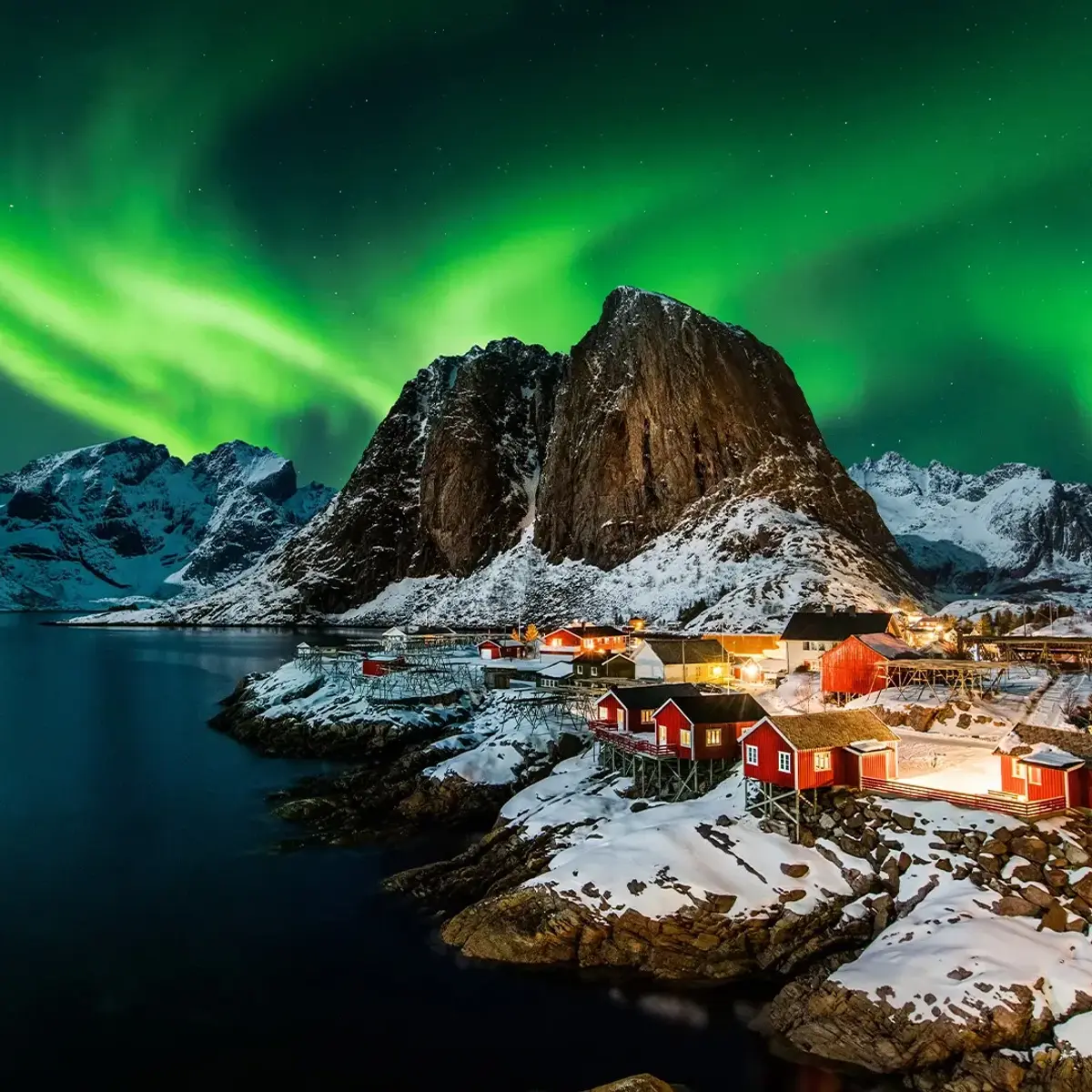
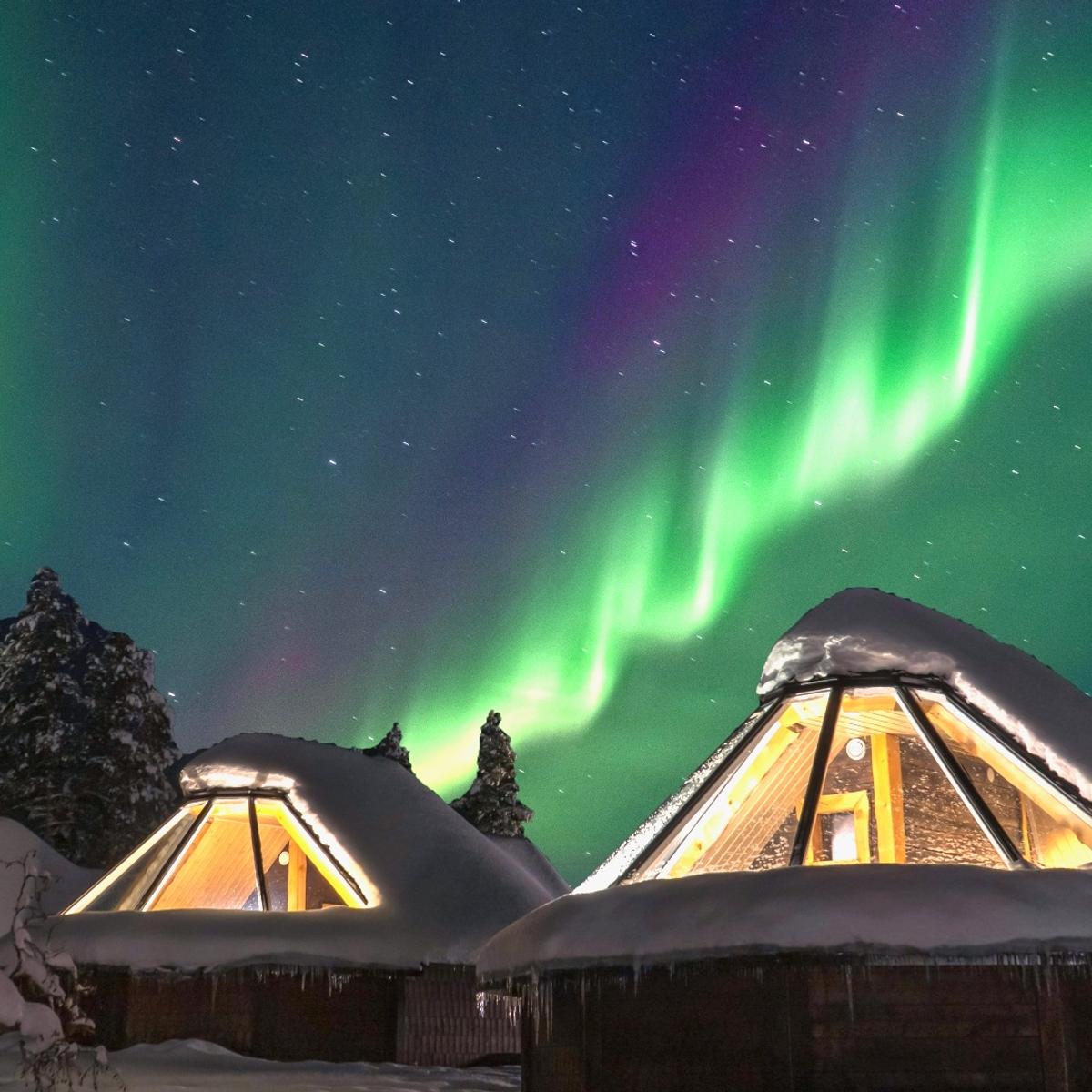
In February, look north for fairy-tale winter or south for something altogether softer. In Finnish Lapland, snow is deep, days are noticeably longer than in December and January, and nights are still dark enough for Northern Lights hunting. For a completely different seasonal spectacle, time Venice with Carnival; or swap snow for Madeira’s milder weather and quieter levada trails (its official hiking trails now require advance reservations, so plan in advance). The Canary Islands and Cyprus are also good for outdoor time, though February is not reliably warm.
Where to go in Europe in March
The shortlist for March lies in southern Europe. Get ahead of the summer heat waves in Andalusia: Seville, Córdoba and Granada are all landlocked and average highs well into the mid-30s during summer, so March is the perfect month to clock up your step count across these Moorish-influenced cities. Choose Sicily or Malta for food, culture and outdoor sightseeing, or opt for Porto or Lisbon to capture the cities’ springtime buzz. Northern Europe is still cool and changeable, but March is not a bad time to visit if you want to make the most of cheaper travel and accommodation.


Where to go in Europe in April
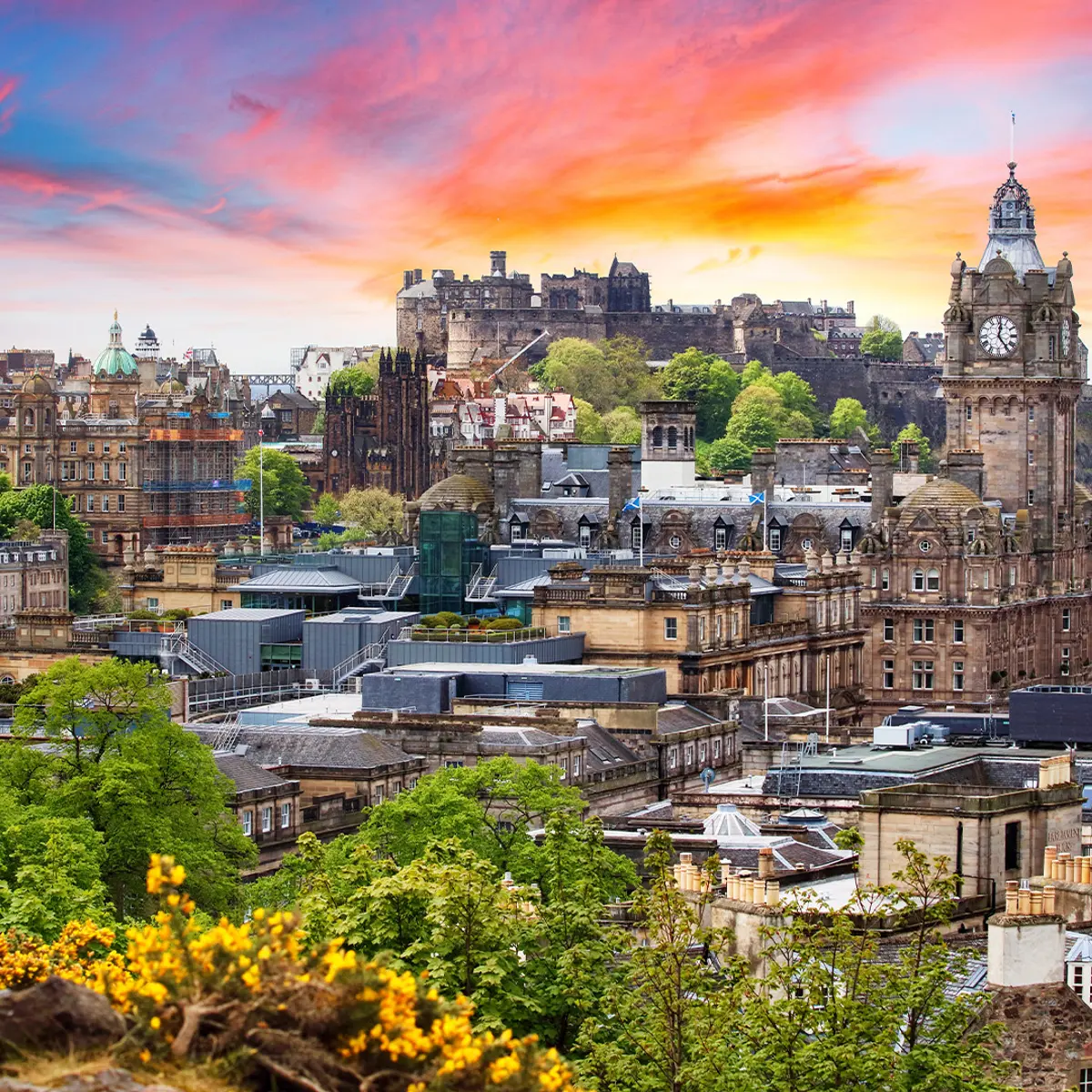
April is spring in its prime, and a handful of European cities wear it particularly well. In Edinburgh, cherry blossoms line The Meadows and Princes Street Gardens beneath the castle, while Bonn’s Altstadt turns pink along Heerstraße and neighbouring streets. The Netherlands go bigger still: Keukenhof’s tulip display is a must-see – visit before 10.30am or after 4pm to beat the crowds. Then comes King’s Day on 27 April, when Amsterdam swaps tulips for orange-clad crowds, canal parties and street markets. Further south, Portugal is a treat for outdoor adventures, while beach clubs and resorts in Greece begin reopening mid-to-late April – early enough to enjoy the islands before the busiest stretch of summer.
Top tip: Keep an eye on Easter dates, which can quickly change crowds, prices and opening hours in popular destinations.






Where to go in Europe in May
Europe’s main capitals like Rome, Athens and Barcelona are pleasantly warm in May, but not too intense for long sightseeing days. Provence and the Loire Valley are ideal for slower countryside touring, while Croatia’s Plitvice Lakes are particularly impressive in spring, when snowmelt and rain swell the park’s waterfalls and the surrounding forests are at their greenest. Head to Cappadocia for sunrise hot-air balloon flights and atmospheric hikes through Rose, Pigeon and Love valleys before the midsummer scorch.
Pick for seeing Spain on foot: Camino de Santiago walking tour, with a 19-day route combining selected Camino stages with San Sebastián, Rioja and Santiago de Compostela.






Where to go in Europe in June
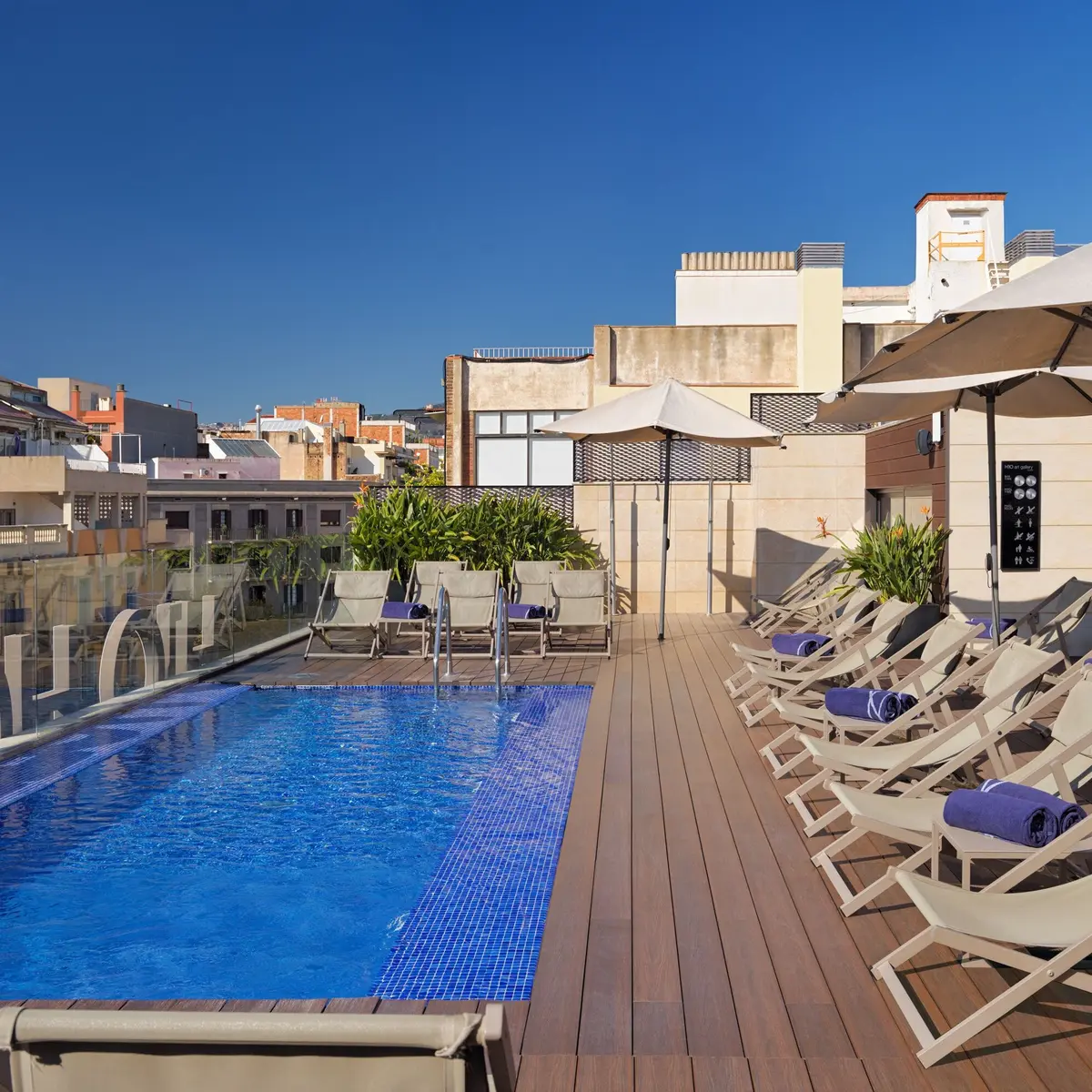
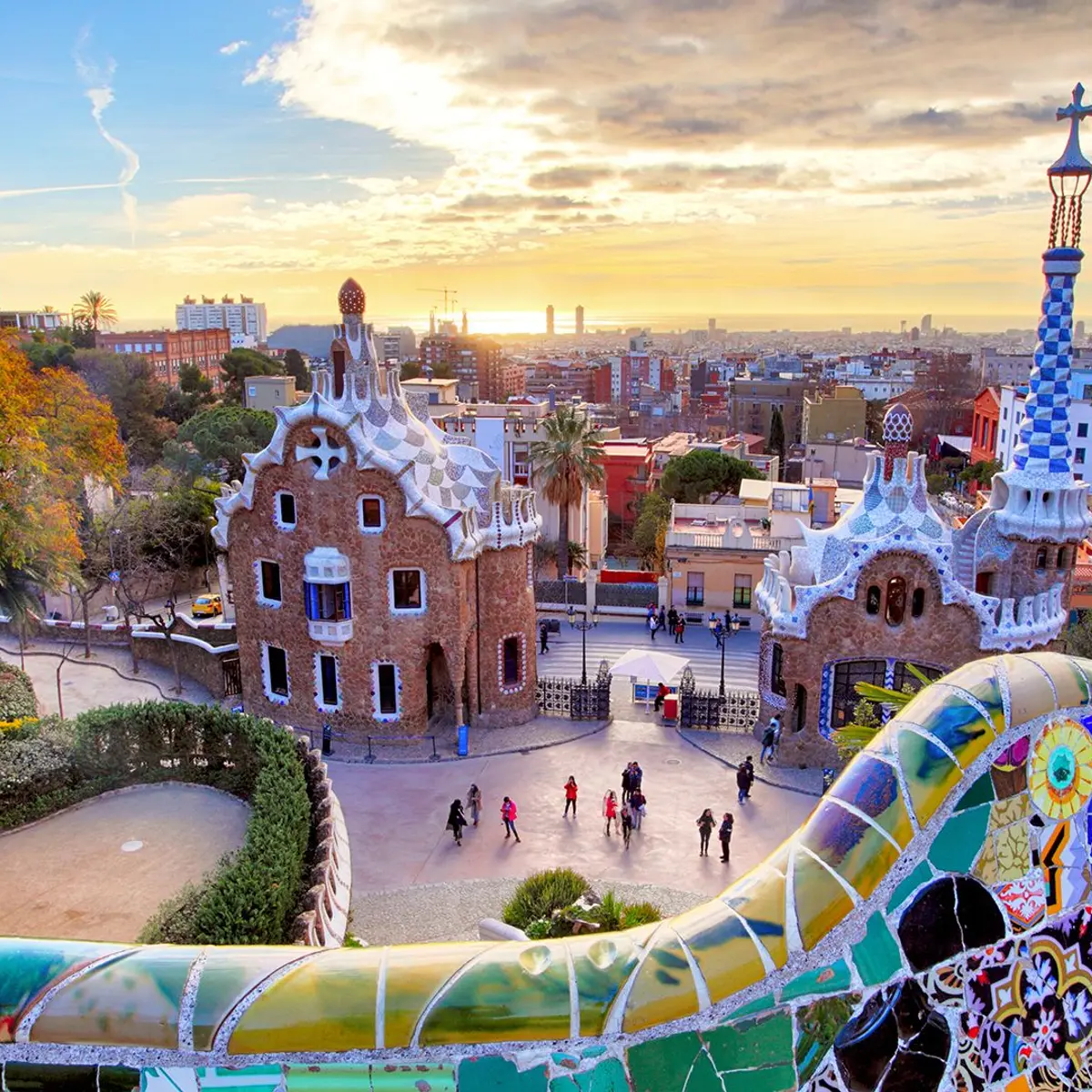
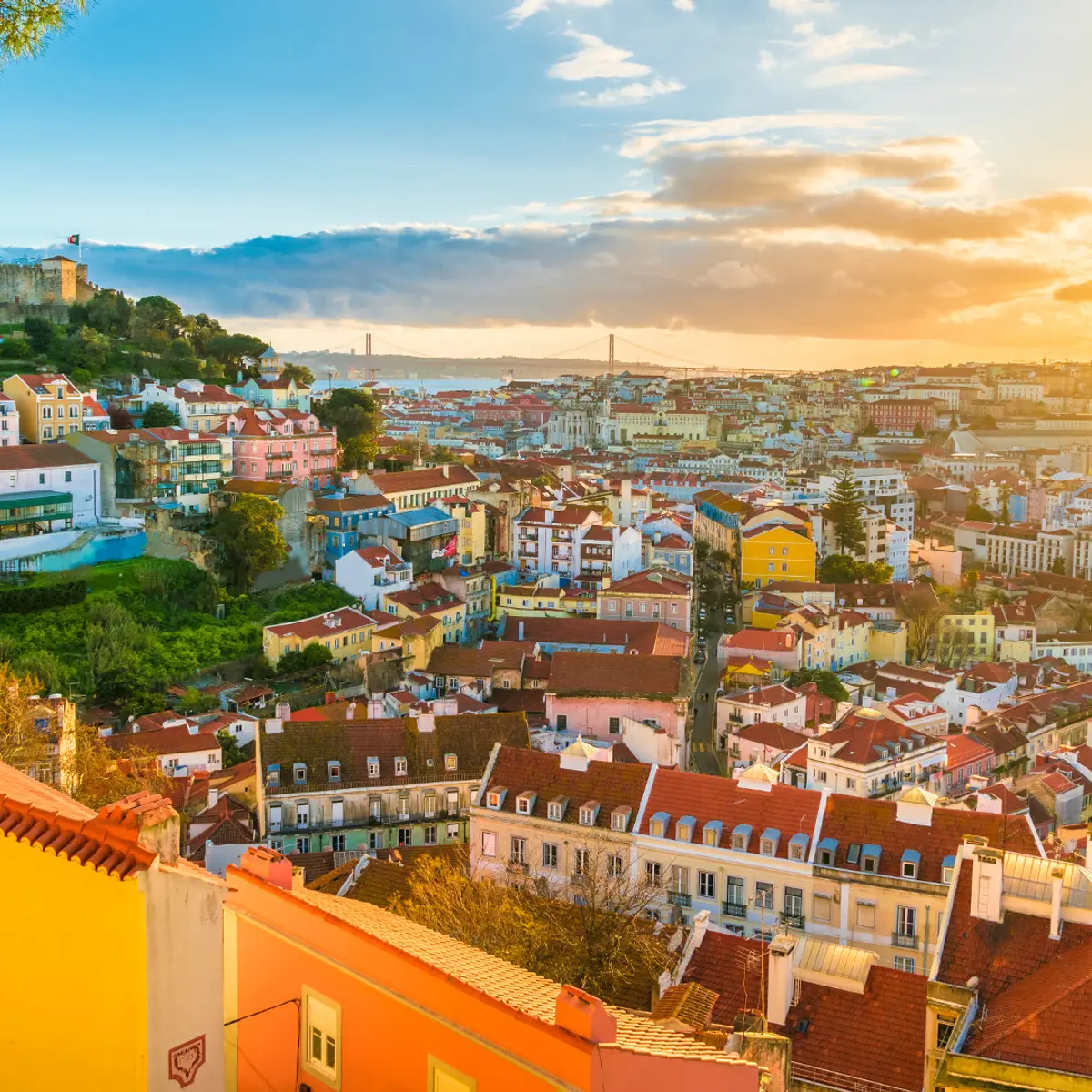
June opens up a broad spread of European destinations: Lisbon turns the streets over to Santo António on 12–13 June, with parades, grilled sardines and late-night celebrations; Catalonia follows with Sant Joan on 23 June, when bonfires, fireworks and beach parties mark midsummer. Milan works well if you want to pair city time with the lakes: direct trains reach Varenna on Lake Como in about an hour. By now, Croatia, Greece and the Balearics are all about the beach, while the Alps and Scandinavia benefit from very long days for hiking and road trips.
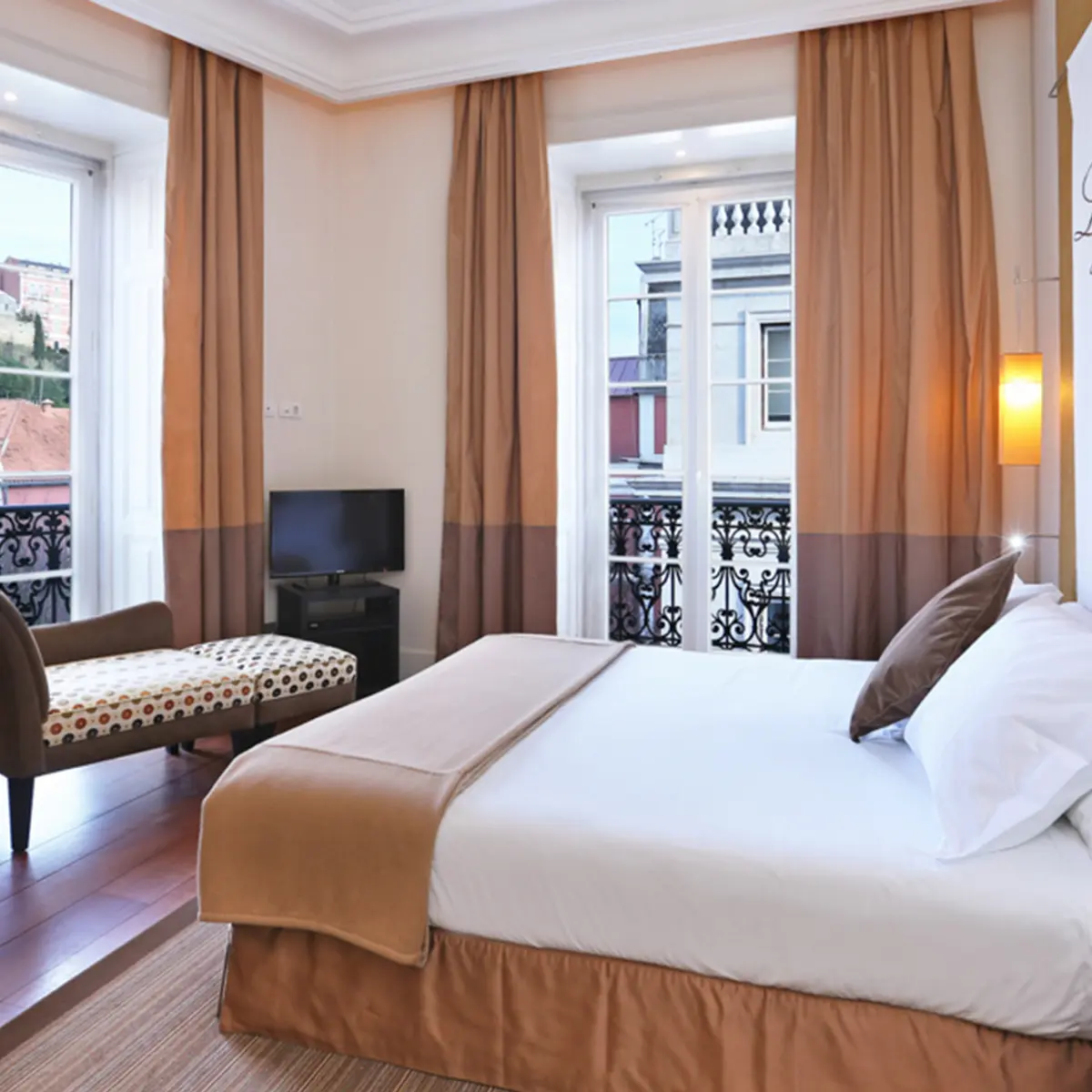
Pick for a wine-and-city break: Lisbon or Porto.






Where to go in Europe in July
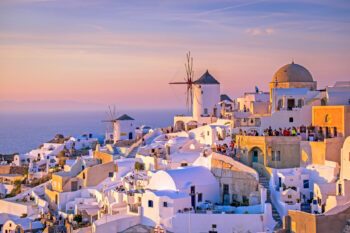
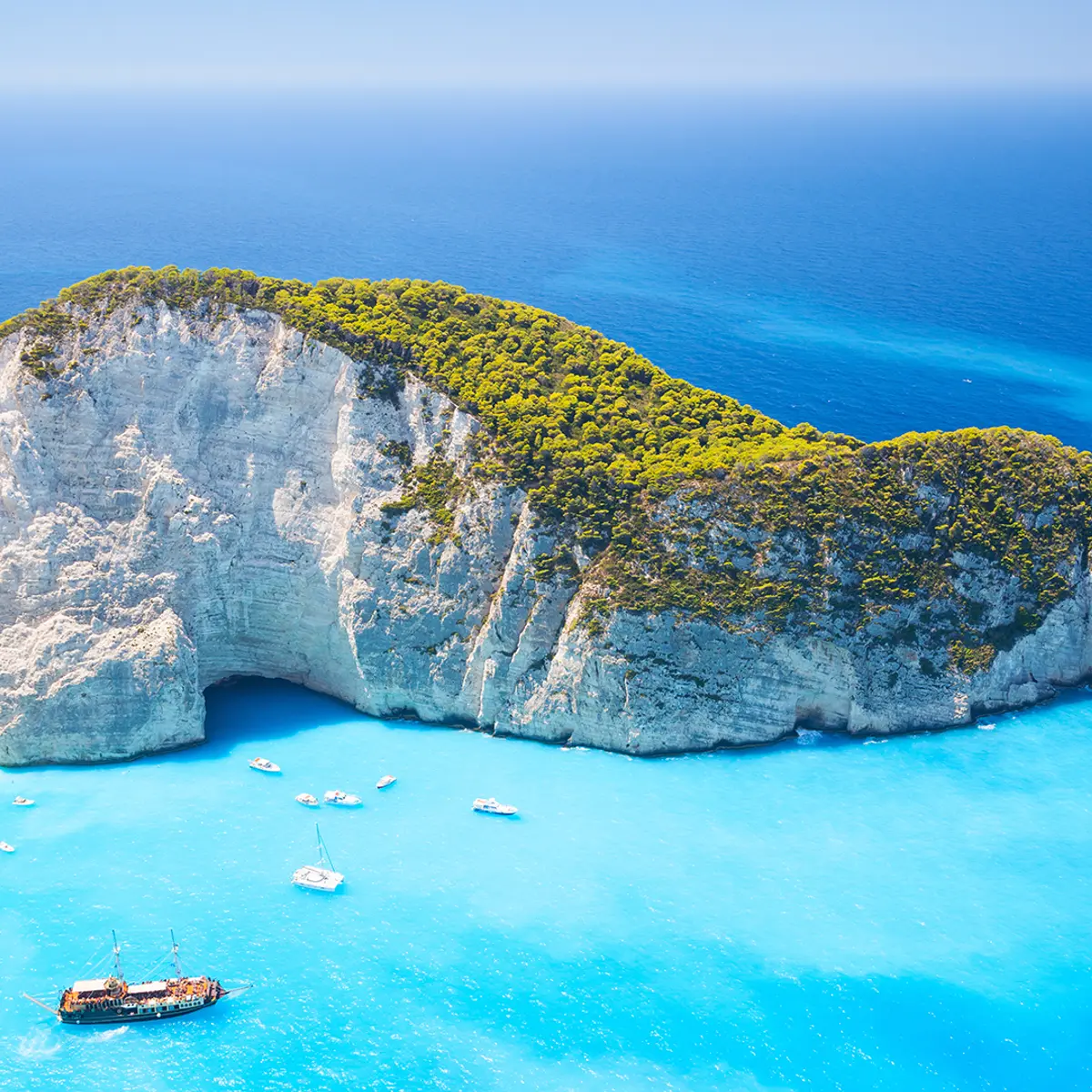
Long days, balmy evenings and a packed events calendar energise much of Europe. July is the time to make for the Mediterranean and the Greek isles; if Oia at sunset feels like more effort than magic, try Pyrgos for caldera views with some more elbow room. To steer clear of midsummer heat, plan for Alpine hiking, the Scottish Highlands or Scandinavia’s exceptionally long days.
Worth the detour: Skip Oia’s main sunset scrum for Pyrgos and its panoramic caldera views.







Where to go in Europe in August
August is one of Europe’s busiest travel months, so choose your destination wisely. Notting Hill Carnival gives London one of Europe’s liveliest August weekends, and open-air cinemas pop up across Athens. In the Cyclades, Mykonos is in full social-season mode, with Tinos a short ferry-ride away for a more low-key island break. Amsterdam and Budapest are strong city choices; Budapest’s Sziget Festival takes over Óbuda Island each August, while Amsterdam’s Grachtenfestival brings classical music and jazz to unusual venues across the city. The latter runs for 10 days each August.


Where to go in Europe in September
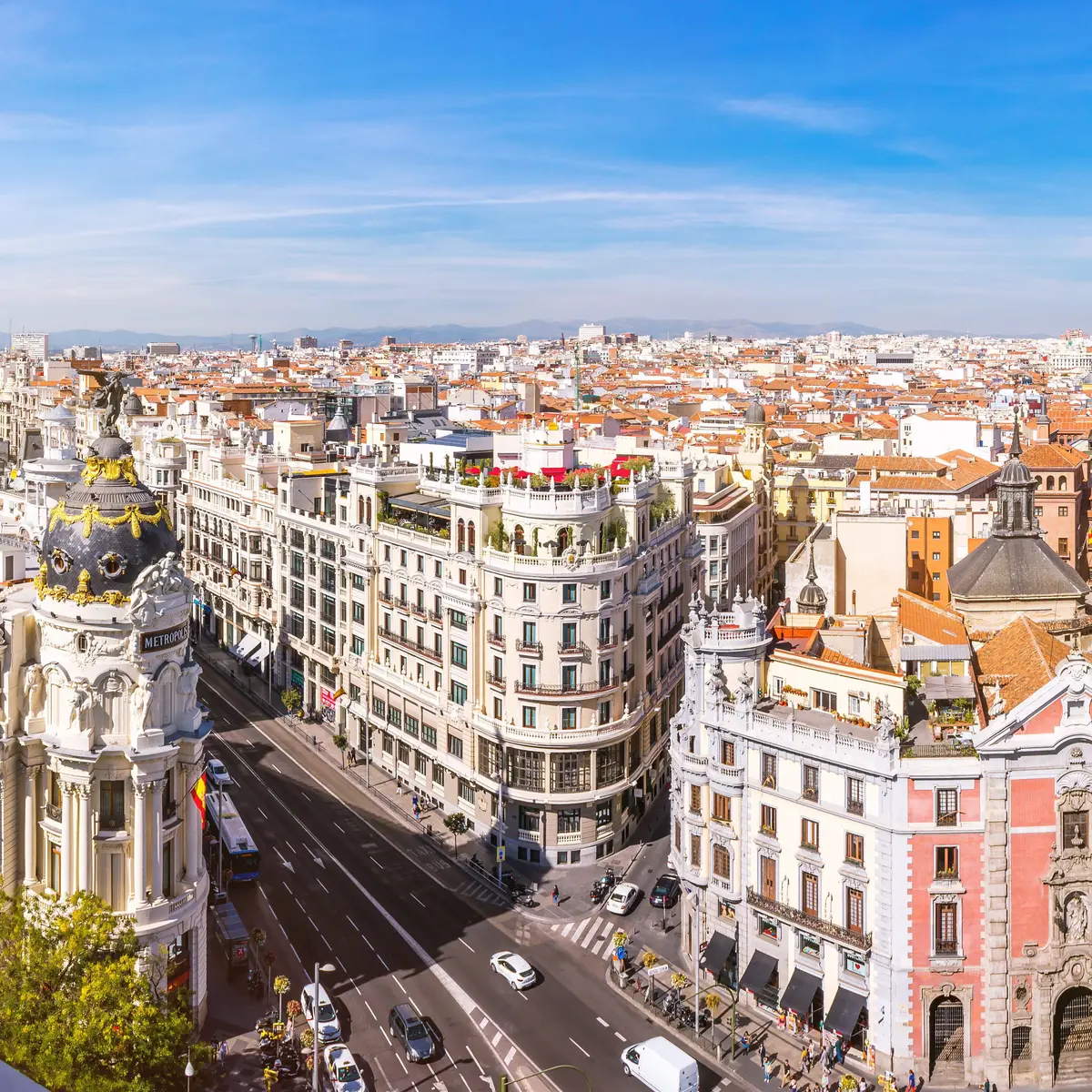
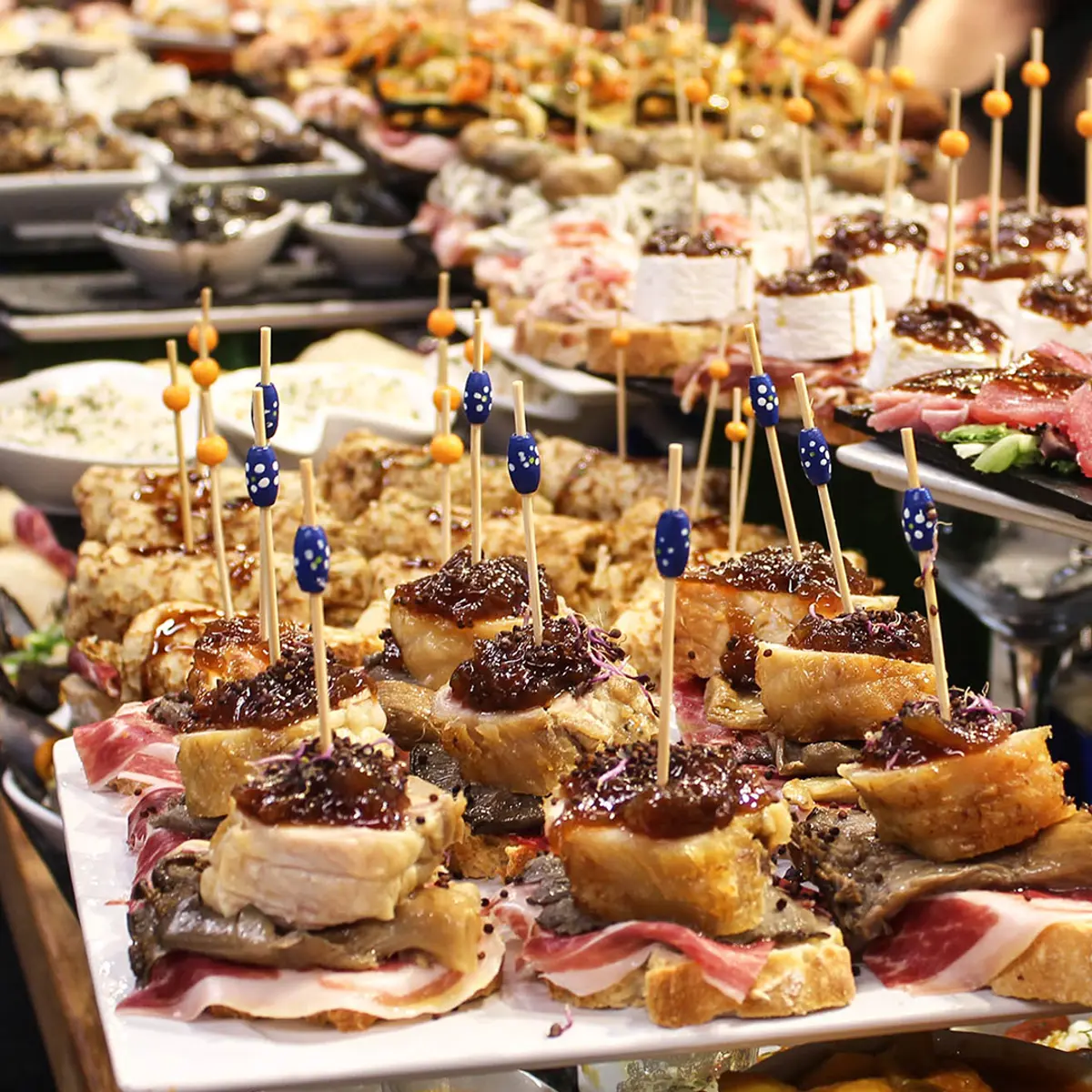
Europe’s best destinations for September split neatly between city and wine country. Sip your way through the continent’s many wine regions – La Rioja buzzes with harvest celebrations, Tuscany is deep into vendemmia, and Portugal‘s Douro Valley gets busy with grape picking, tastings and seasonal experiences at its quintas. As the month rolls on, the vineyards start taking on their first autumn colours too. Elsewhere, look to Florence, Madrid and Taormina for balmy weather and lingering summer energy, or opt for Barcelona to pair urban adventures with the year’s final dips in the Med.
To combine city and countryside: Spend a few days in Porto, then follow the Douro inland for vineyard views and port tastings.






Where to go in Europe in October
Chase the last bits of heat in Crete or the Canary Islands, where early October can still feel beach-worthy. Prefer to lean right into autumn? Slovenia slips into colourful scenery around Lake Bled and the Julian Alps, with Ljubljana making an easy city base. Cooler temperatures also make October a good month to let sightseeing take centre stage: Seville is easy to explore on foot, Istanbul is comfortable for long days between the bazaars and Bosphorus, and Vienna’s coffee houses and museums beckon.
Don’t miss the Oktoberfest plot twist: Despite the name, Munich’s famous beer festival starts in September and spends most of its run there.
Where to go in Europe in November
Slower city breaks, culture trips and culinary travel are the headliners in November. Piedmont calls foodies with Alba’s famous truffle season with truffle markets, tastings and cooking events. Czechia has its own November ritual: in Brno, St Martin’s wines are traditionally opened on 11 November, often at 11:11am, with roast goose served alongside the first young wines of the vintage. For a complete change of scene, Tromsø’s whale-watching season typically begins in early November, with orcas and humpbacks following herring into the fjords.


Where to go in Europe in December
Make winter the main event in December: go Christmas market hunting across Strasbourg, Edinburgh and Tallinn, or plan for NYE in Funchal or Reykjavík – though flight and accommodation prices tend to surge around this time. Further north, Rovaniemi averages only around 2.5 hours of daylight in December and the sun doesn’t rise at all around the winter solstice – ideal conditions for snowy pursuits and Northern Lights hunting.
Pick for the full festive circuit: An 11-day festive road, rail and river journey through six countries and some of Europe’s best Christmas markets.
Discover Europe






Feature image: Portofino, Italy. Source: Kristīne Zāle, Unsplash.