-
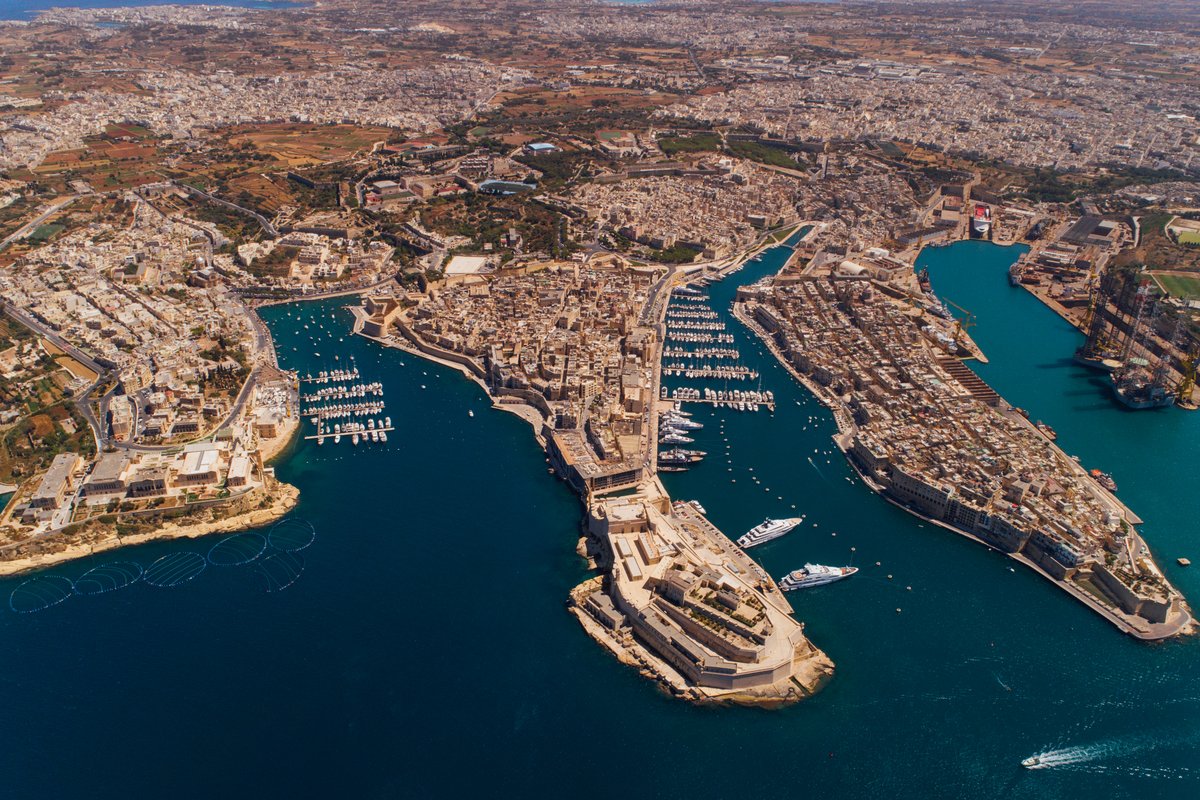
MaltaThe Three Cities
-
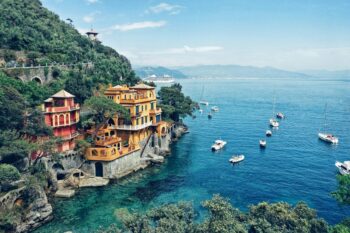
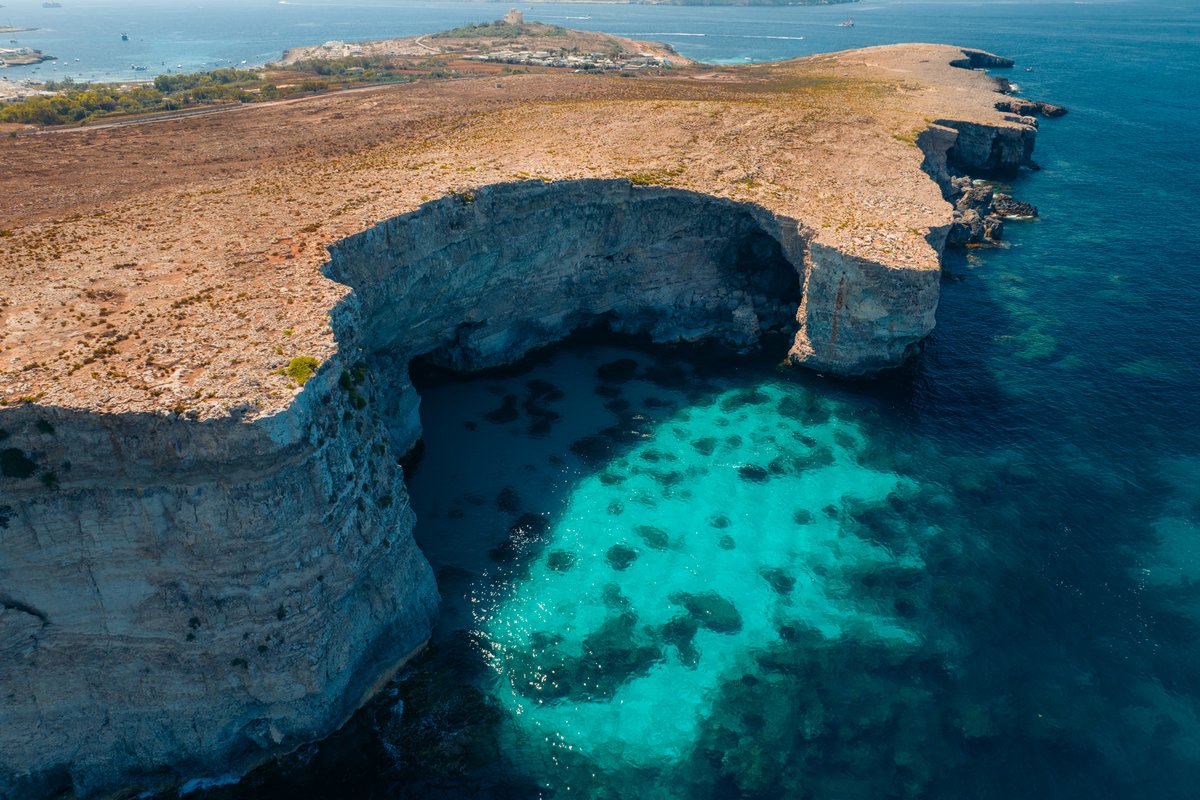
MaltaCoral Lagoon
-
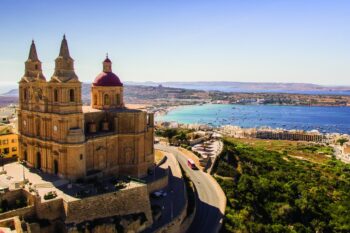
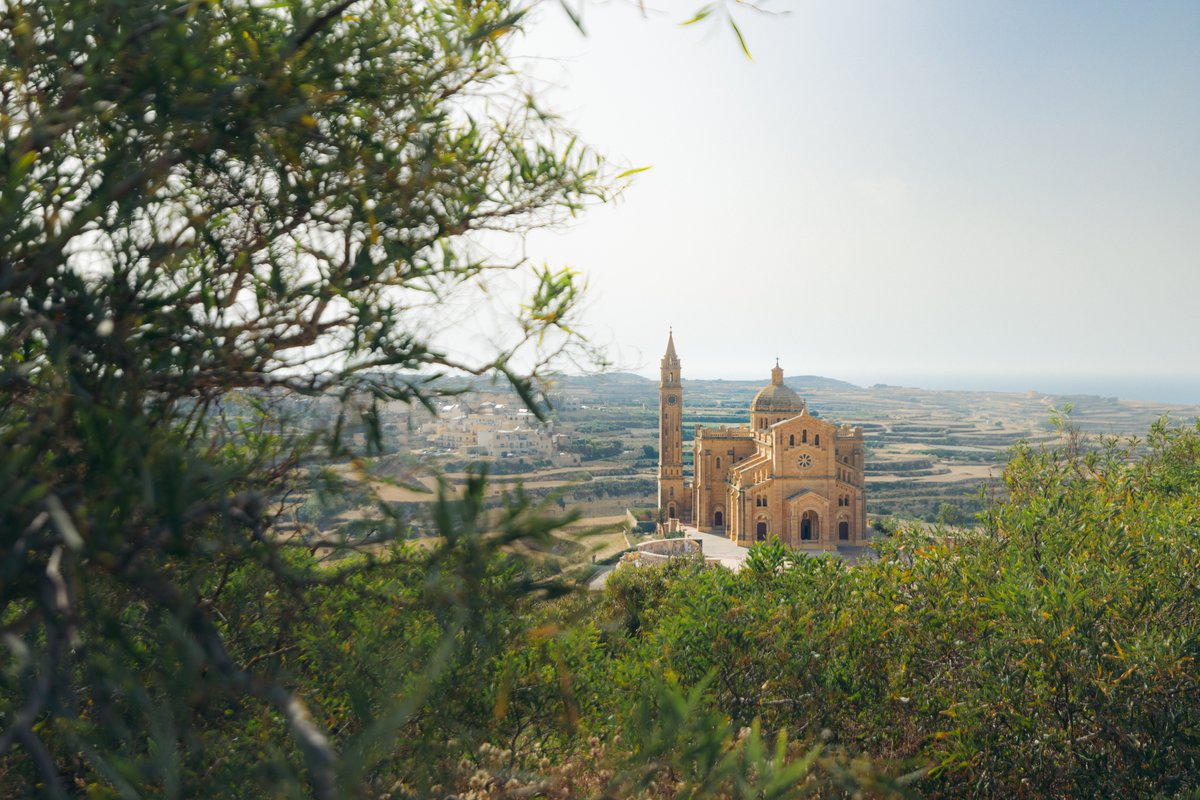
GozoTa’ Pinu National Shrine
-
MaltaCoral Lagoon
-
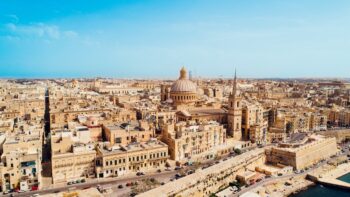
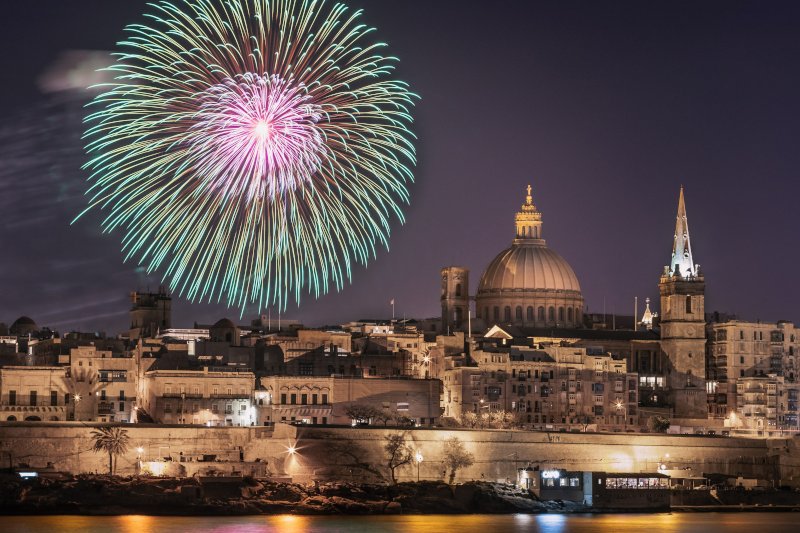
MaltaValletta
-

-
CominoCrystal Lagoon
-
MaltaĦal Saflieni Hypogeum
-
Malta
-
MaltaMdina



Malta is a destination that may look simple on a map but gets more interesting the closer you look. The country is compact, English is widely spoken and its three islands sit close enough together that adding Gozo or Comino to your Europe holiday plans doesn’t require too many extra logistics.
Choose your base carefully, check the ferry timetable, allow more than an afternoon for Gozo and book the experiences that tend to sell out. Here’s how to plan it.


Why is Malta worth visiting now?
Malta has grown into a destination with far more range than the average European beach holiday. The island is a year-round, high-value contender, with visitors now seeking more nuanced culinary, cultural and outdoor experiences. Few Mediterranean escapes pack so much into so little space: an up-and-coming food scene, prehistoric sites older than the pyramids, and more than 120 dive sites.


When should you visit Malta, and how long should you stay?
The island’s profile is rising quickly – nearly 80% of visitors staying solely on Malta in 2025 were first-timers. In other words: more people are catching on. That influx is coinciding with a more mature food, hotel and experience offering, making this the best reason to visit now.
For most travellers, four or five days is enough for a first taste; a week is better if you want Malta and Gozo without rushing.
Summer is the obvious choice and when the islands are at their liveliest, but it’s also the busiest. Late spring and early autumn are particularly good for milder weather and fewer crowds: you still get the Mediterranean outdoor lifestyle without having to organise every day around peak heat and crowds.
And with 300 days of sunshine annually, that shoulder-season argument is stronger here than in many parts of Europe.
Where should you stay in Malta?
Choose Valletta for history, culture and walkability. The capital puts restaurants, architecture and major cultural sights within easy reach on foot, while ferries make it simple to cross to Sliema or the Three Cities.
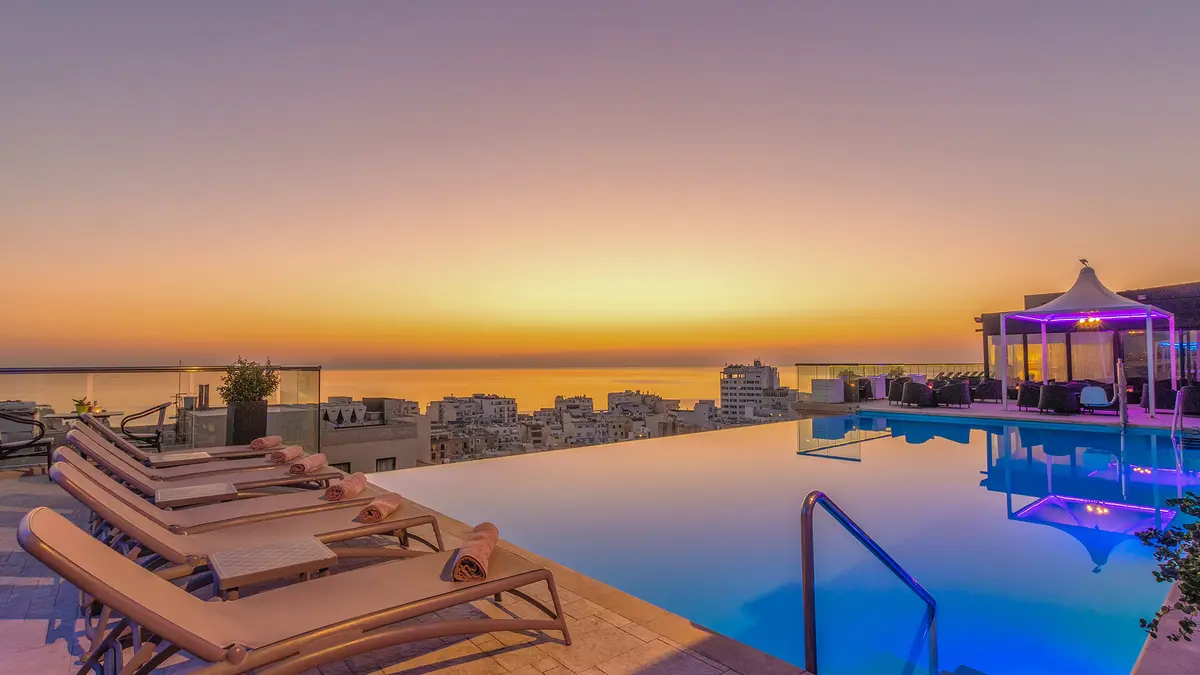
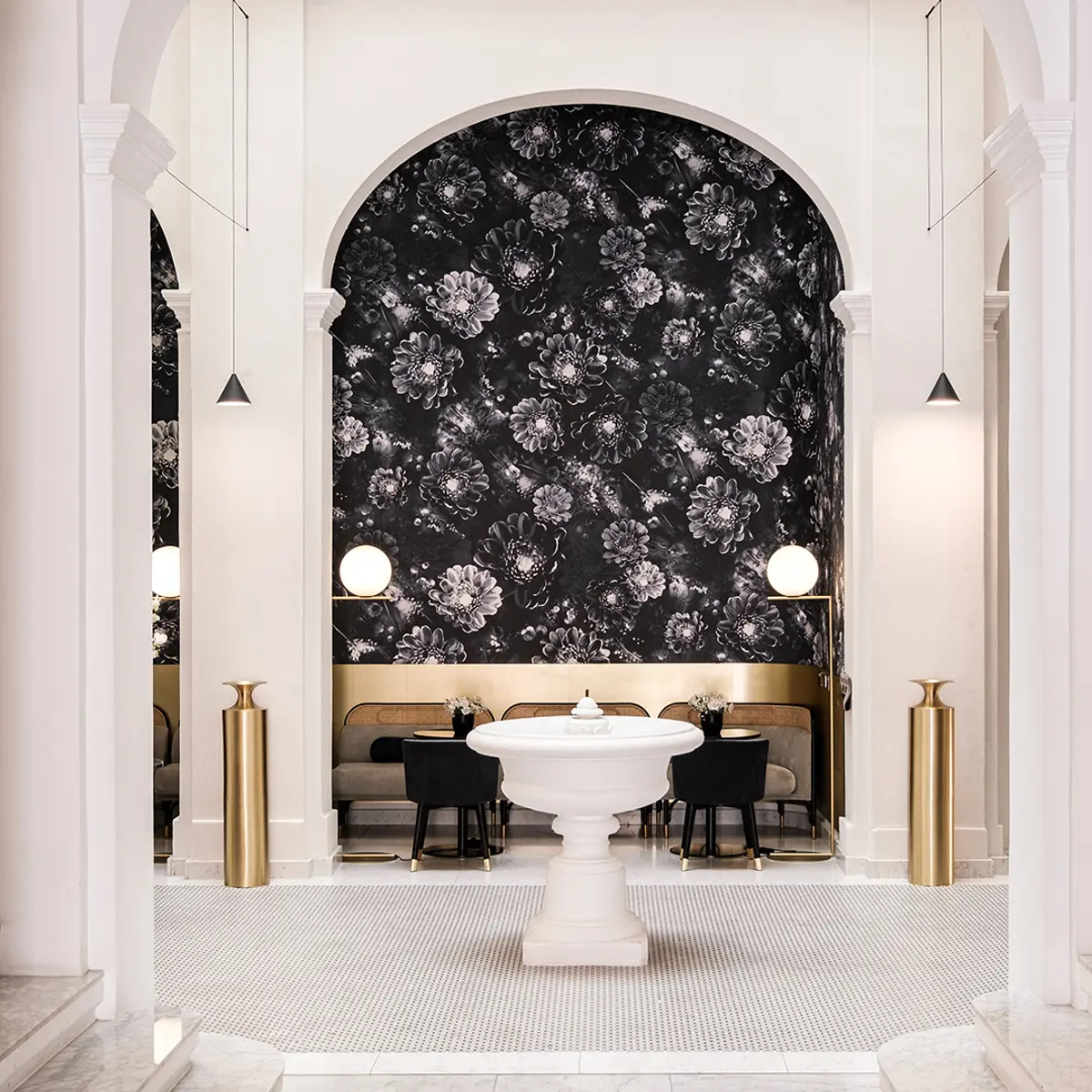
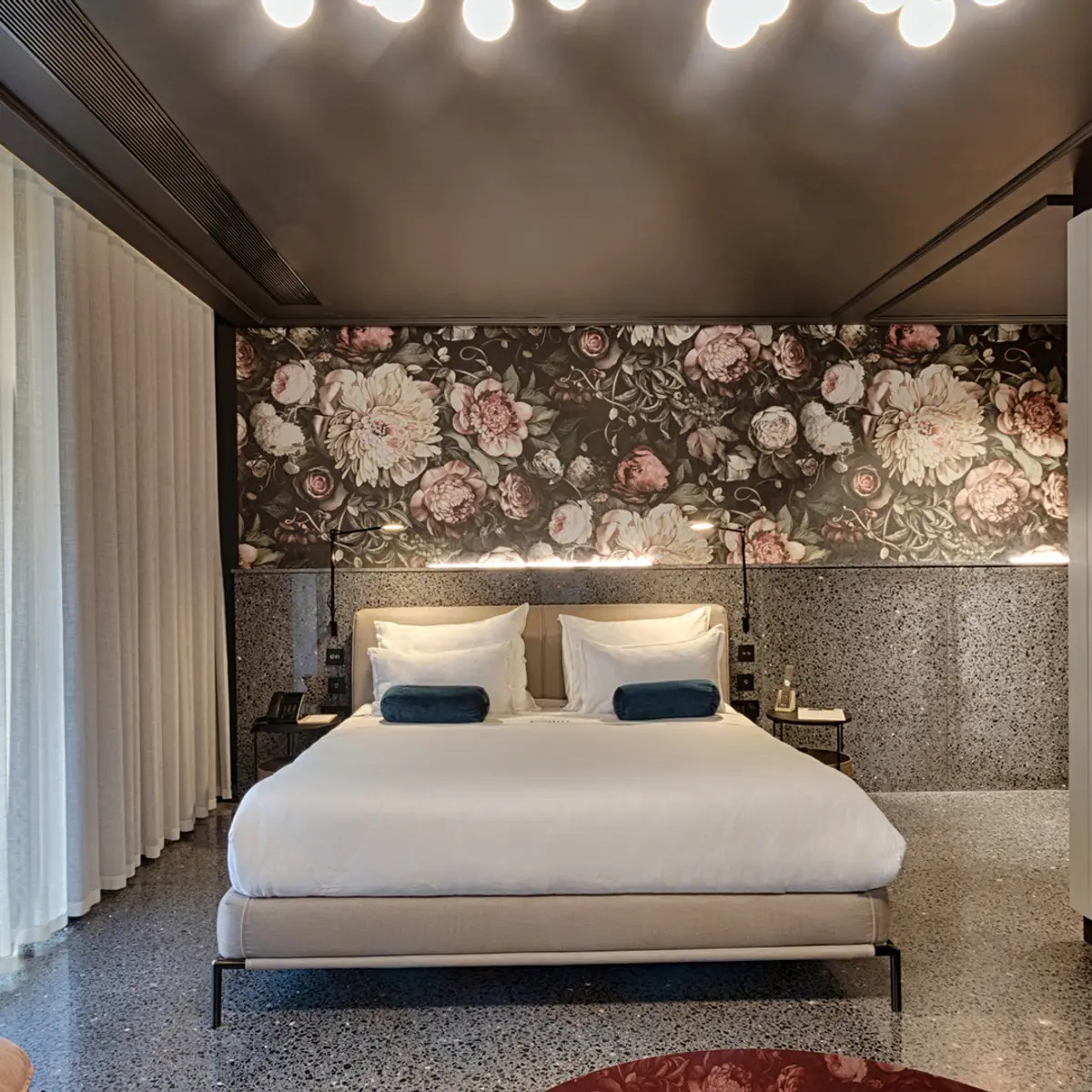
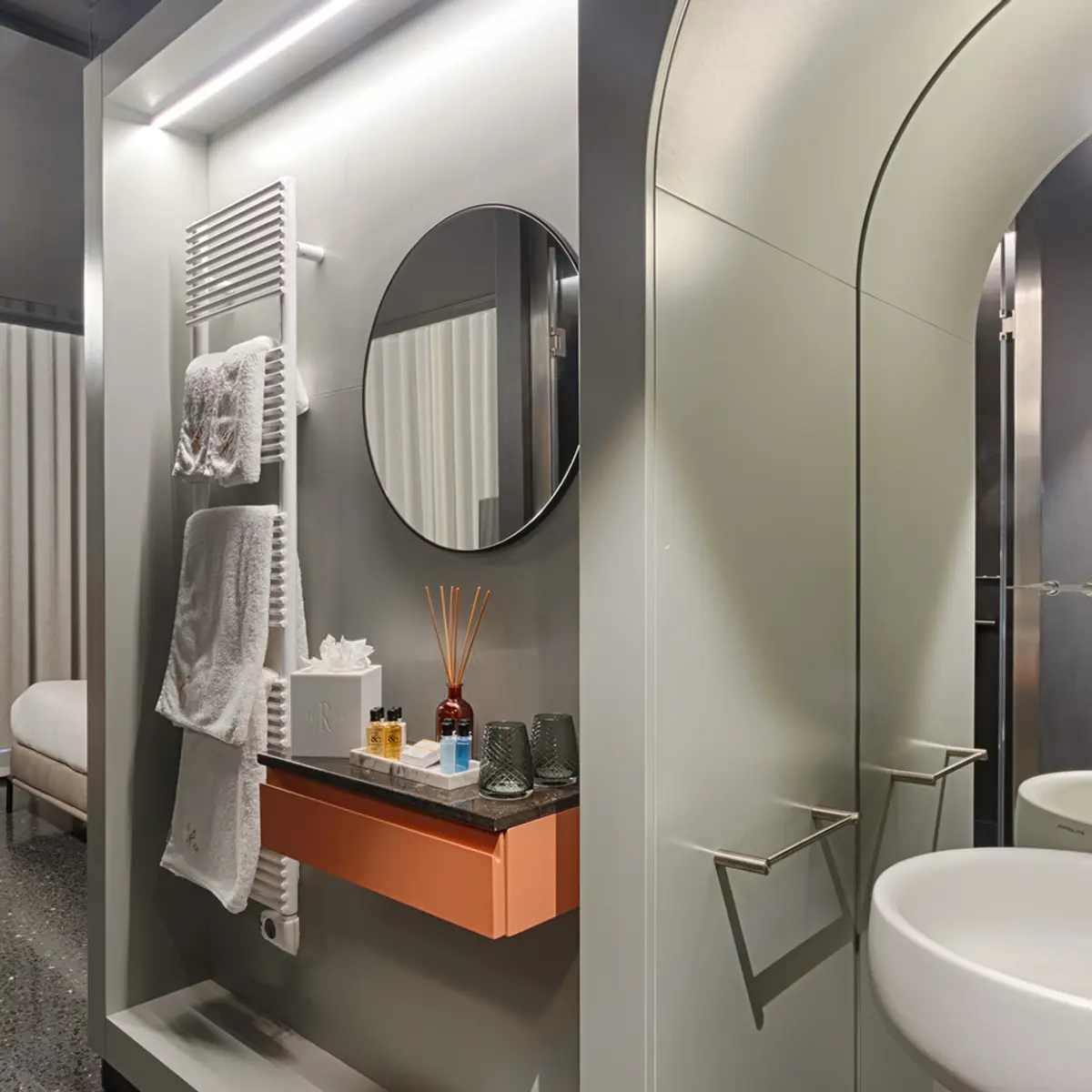
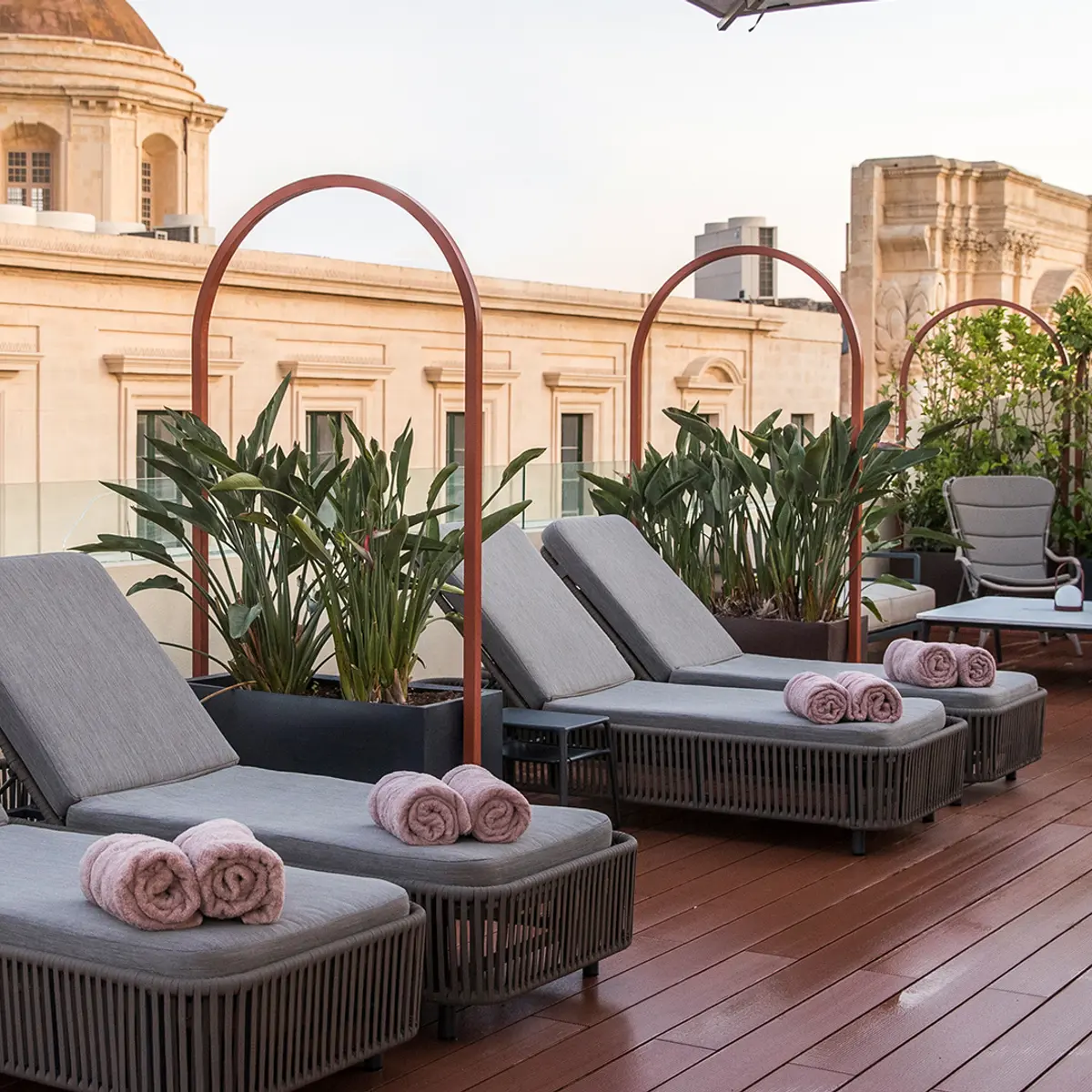
In Sliema and St Julian’s, you’ll find a larger concentration of hotels and dining, with easy links back towards Valletta. ME Malta hotel is a good choice in St Julian’s, with far-reaching views, a rooftop pool and Cabana Club, 20th-floor Radio Rooftop and a subterranean DEE Spa carved into former limestone telecommunications vaults.
If beaches and a slower base matter more, look north to Mellieħa, close to Mellieħa Bay, Golden Bay and Għajn Tuffieħa, as well as Ċirkewwa for the Gozo ferry.
Staying a week or more? Split your time. Three or four nights on Malta plus two or three on Gozo makes far more sense than treating Gozo as a rushed day trip.
How easy is Malta to get around?
The country is compact, but a short distance on the map doesn’t always equal a five-minute drive. Narrow roads, dense urban areas, steep streets and limited parking around historic centres can mean getting between Point A and Point B takes more time than you anticipate.
Buses cover Malta and Gozo, with single journeys payable onboard by contactless card or phone; you can buy multi-day travel cards at ticket machines, transport offices or through the tallinja app. Taxis are useful when time matters, while renting a car gives you greater flexibility for beaches, villages and rural areas. Australians should find one detail reassuringly familiar: traffic drives on the left.

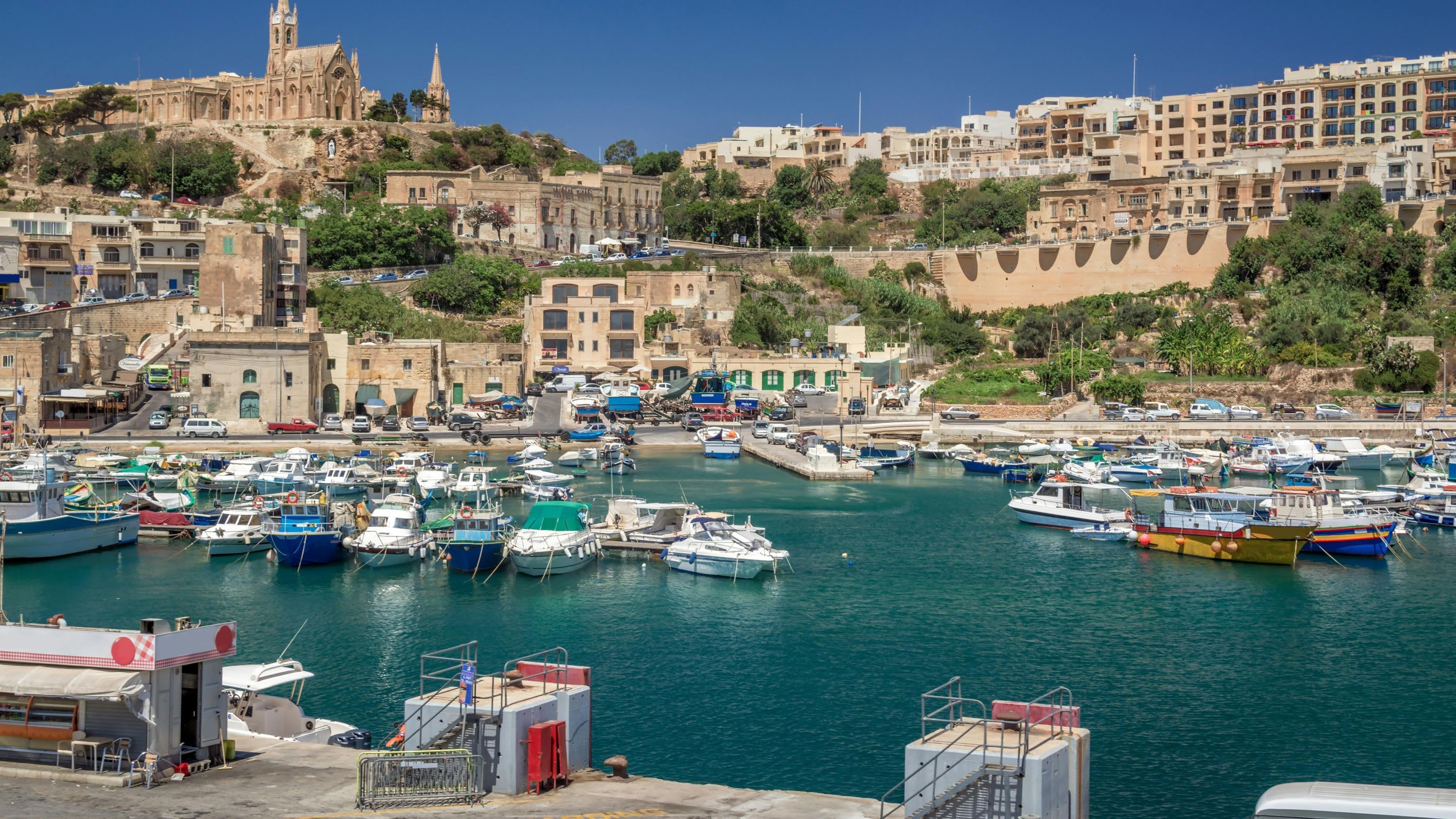
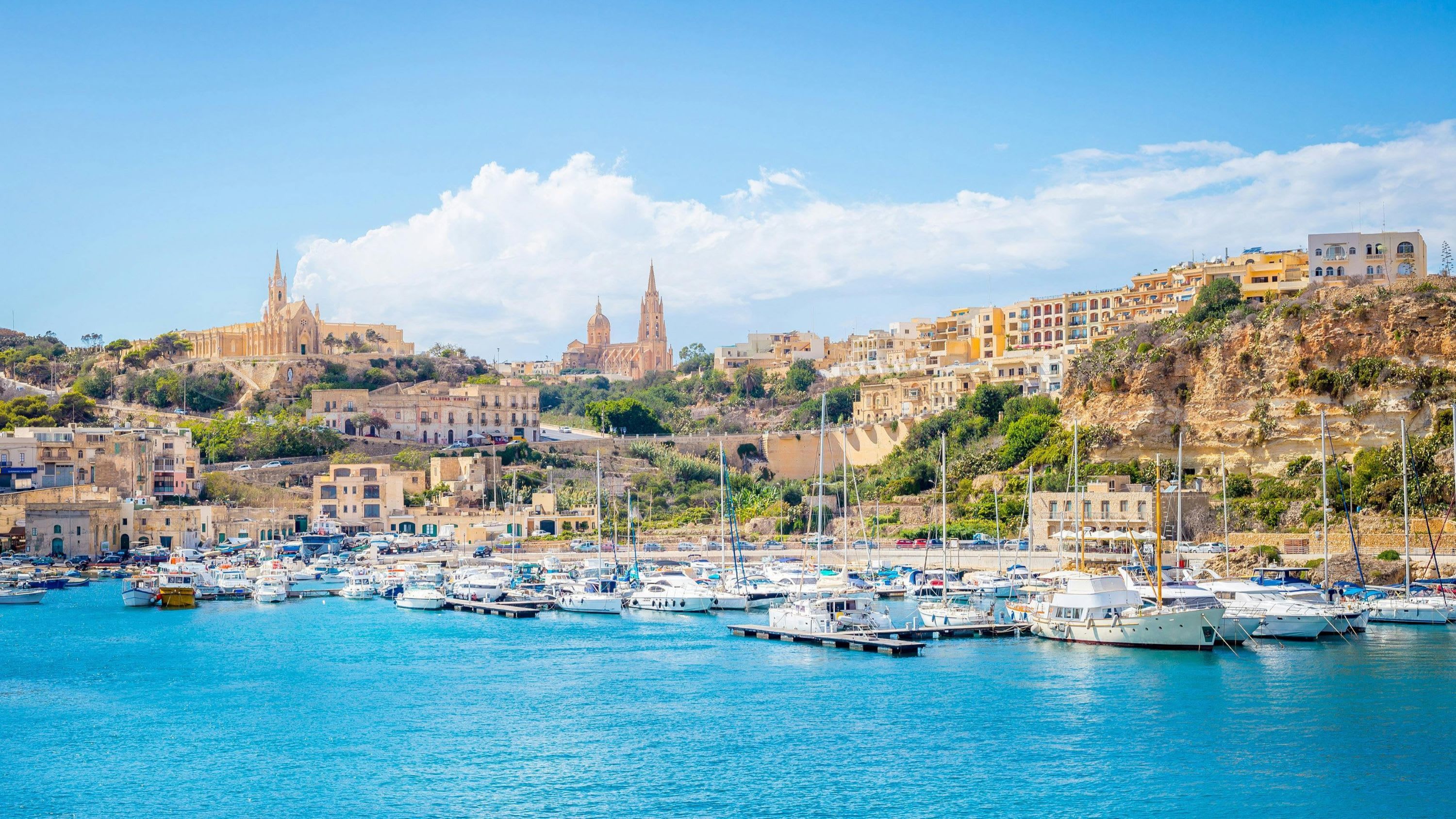
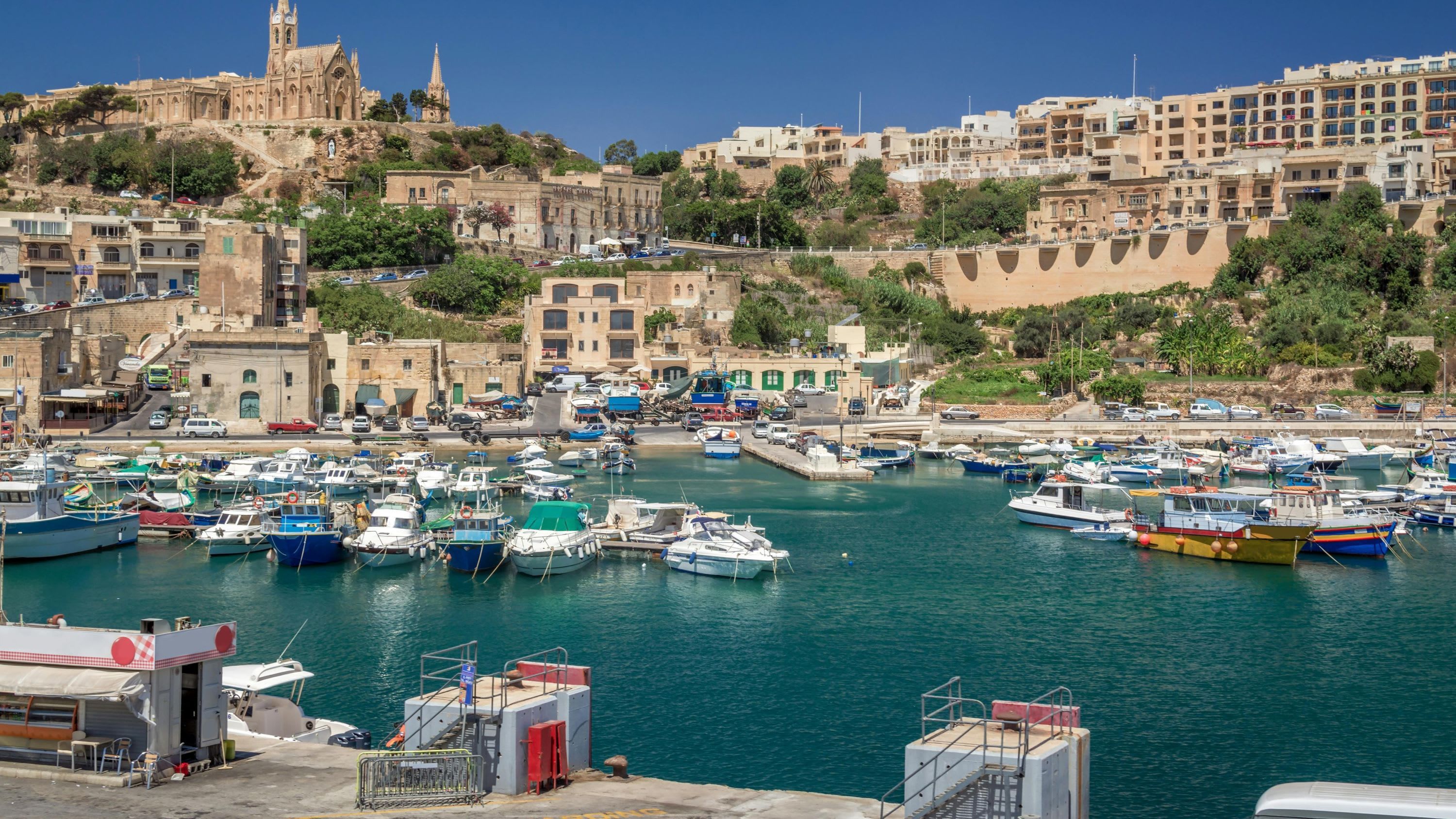
For Gozo, choose between the car ferry and the fast passenger ferry. Gozo Channel runs the vehicle-and-passenger ferry from Ċirkewwa, at Malta’s northern tip, to Mġarr Harbour in Gozo. The crossing takes around 25 minutes, operates daily year-round, and you can take a hire car across with you.
If you’re staying around Valletta and travelling without a car, Gozo Highspeed is more convenient. Its passenger-only catamarans run directly from Valletta to Mġarr in around 45 minutes year-round.
What should you see, eat and experience?
See the icons, then dig deeper
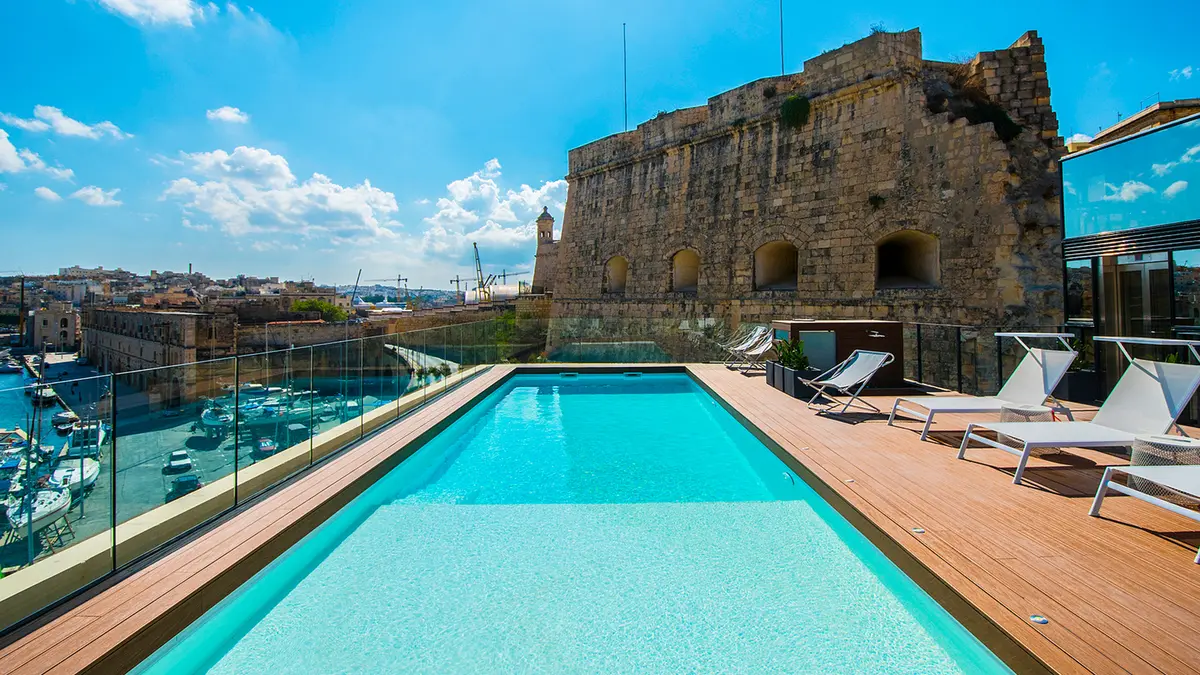
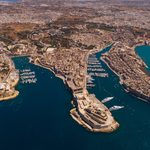
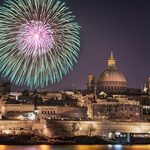
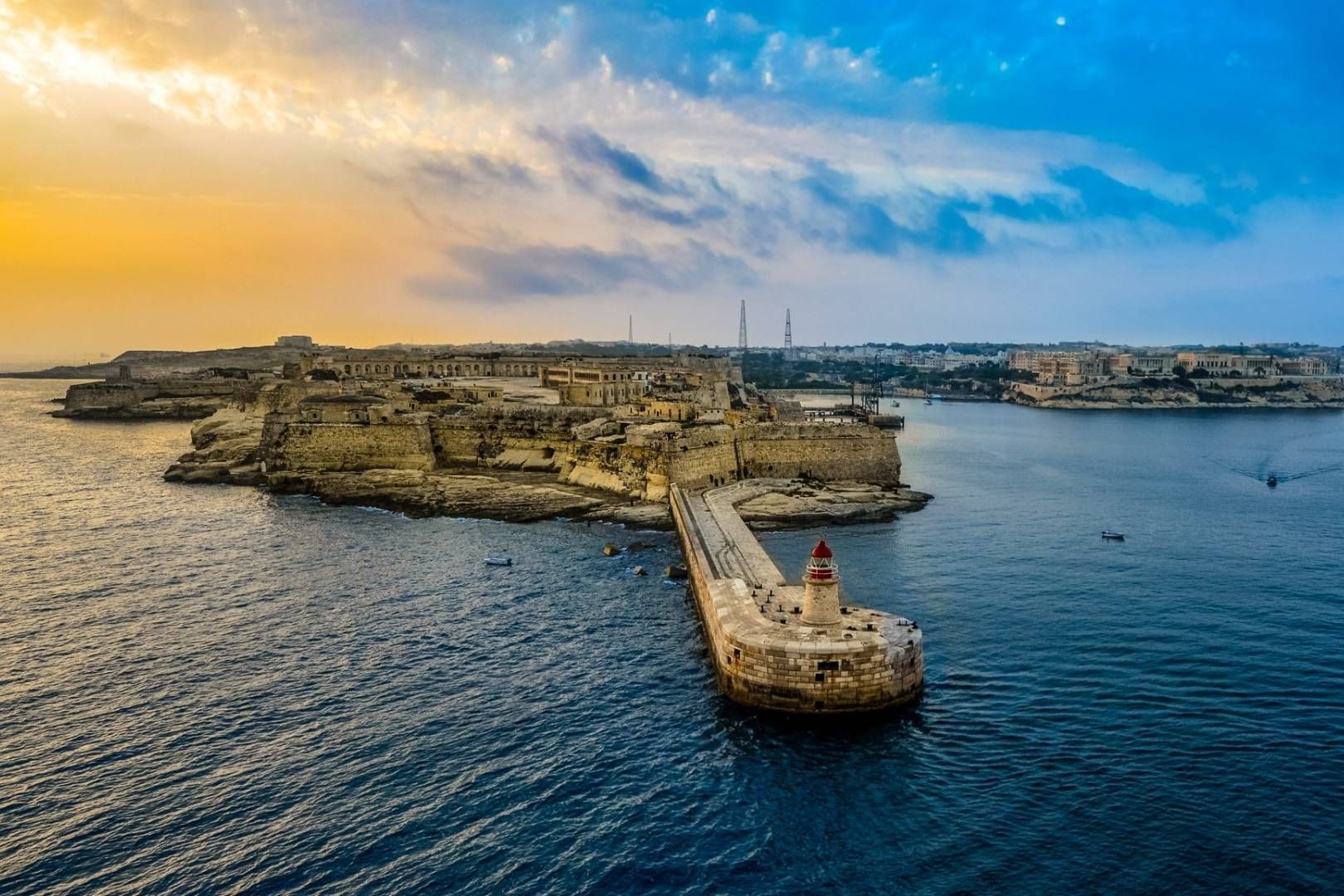
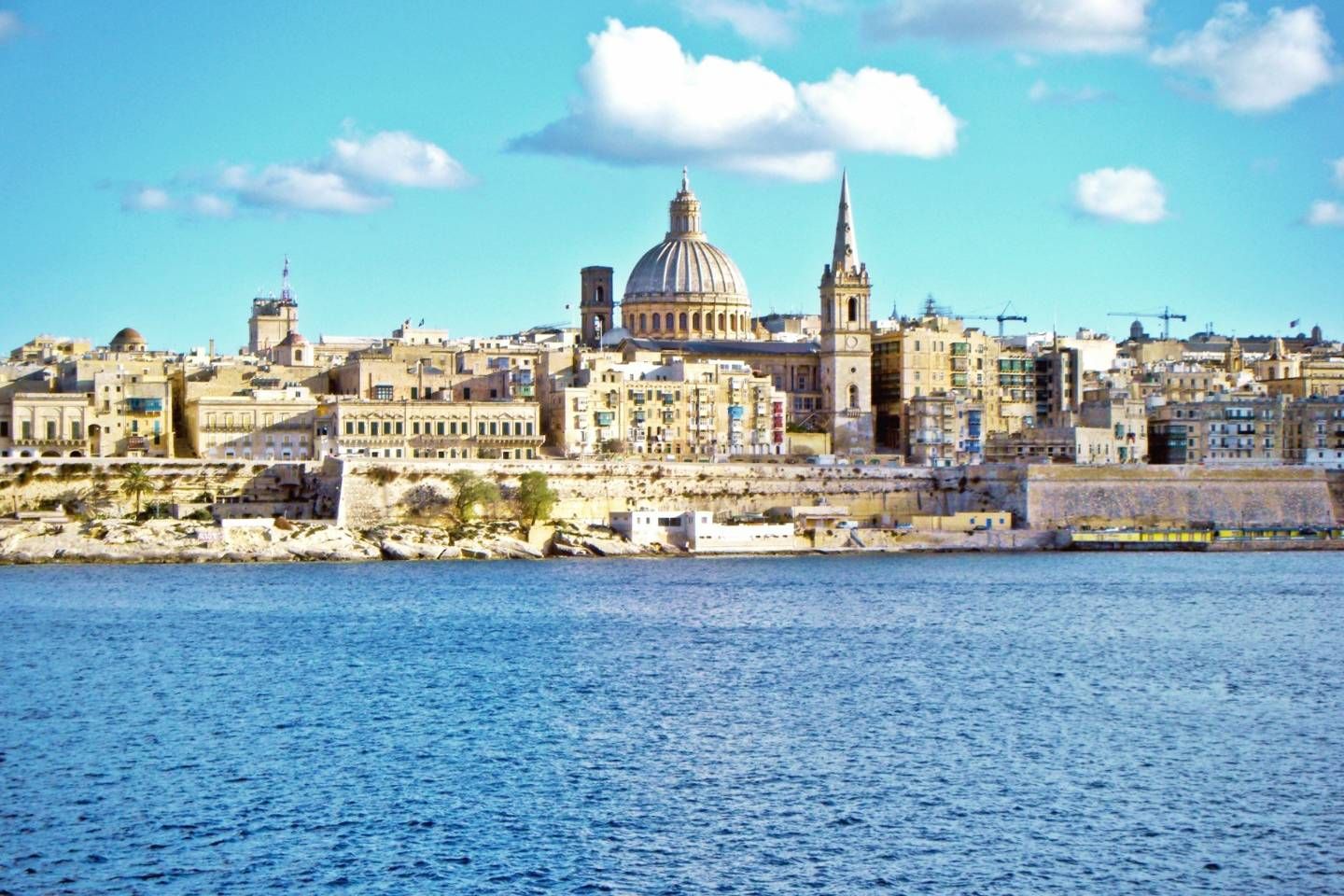
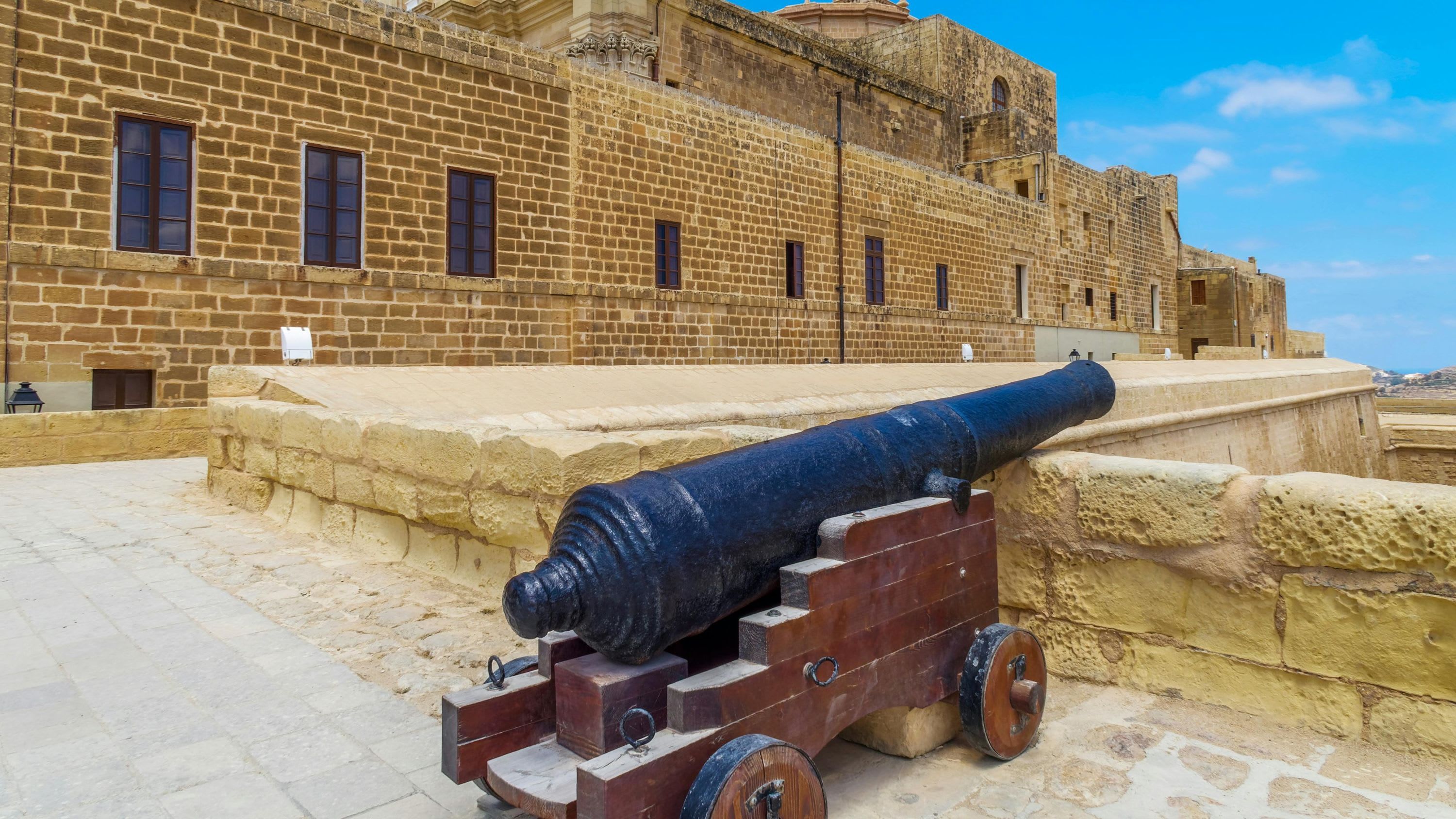
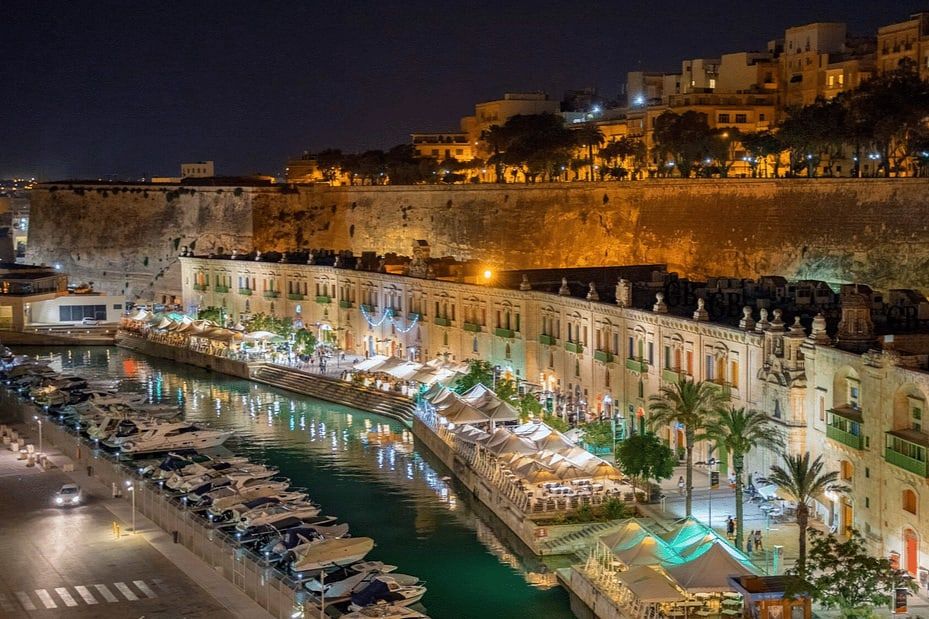
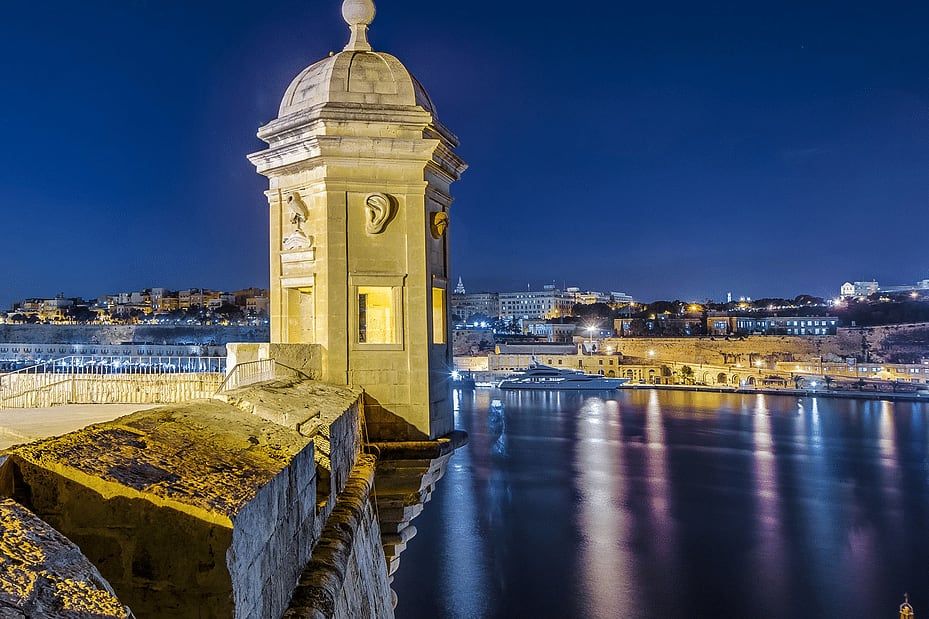
Start in Valletta, but don’t stop at its headline sights. Time your visit to the Upper Barrakka Gardens for the Saluting Battery’s gun firing at 12pm or 4pm, then head below street level on an Underground Valletta tour through the tunnels, cisterns and wartime shelters beneath the capital. Then, cross the Grand Harbour to the Three Cities, where fortified Birgu, Senglea and Cospicua reveal another side of Malta’s maritime history.
Make St John’s Co-Cathedral more than a standard sightseeing trip: its Baroque interior houses Caravaggio’s The Beheading of Saint John the Baptist, and private weekday tours are available after closing from 4.30pm to 6pm. Arrange this through an official travel agent and book at least a month ahead.
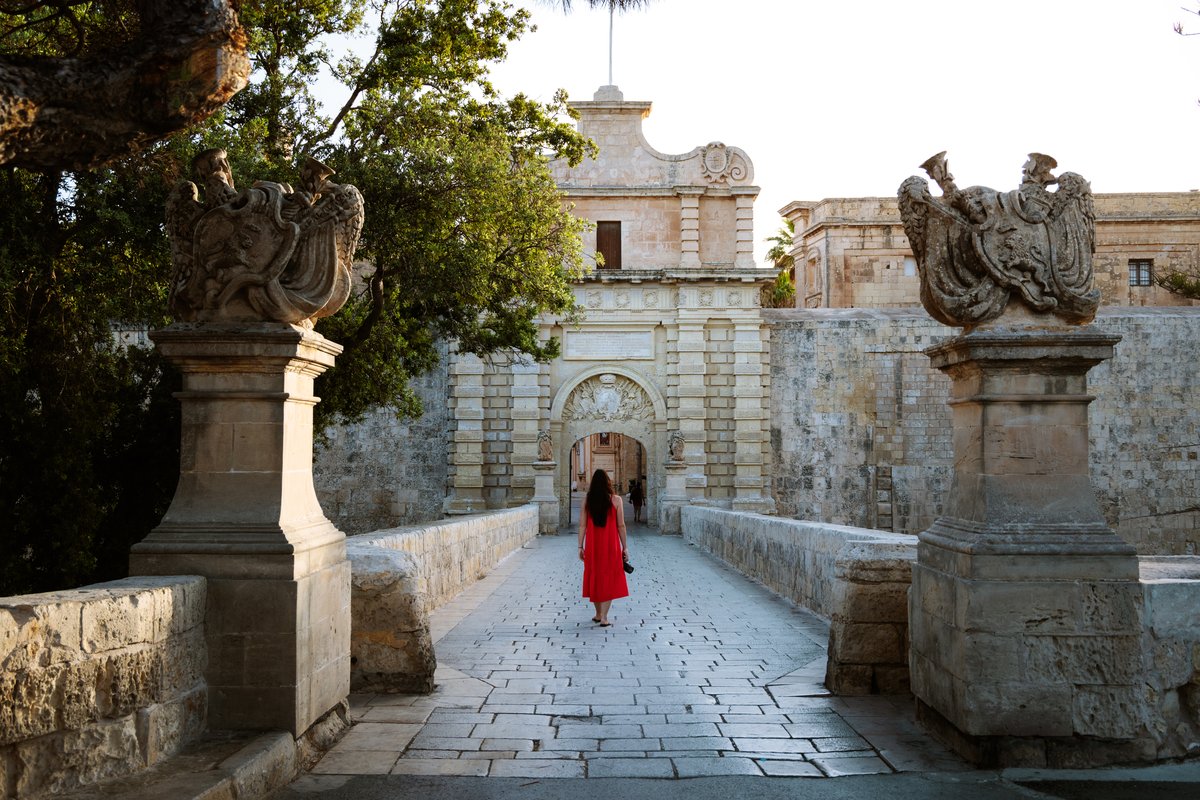
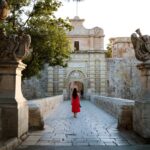
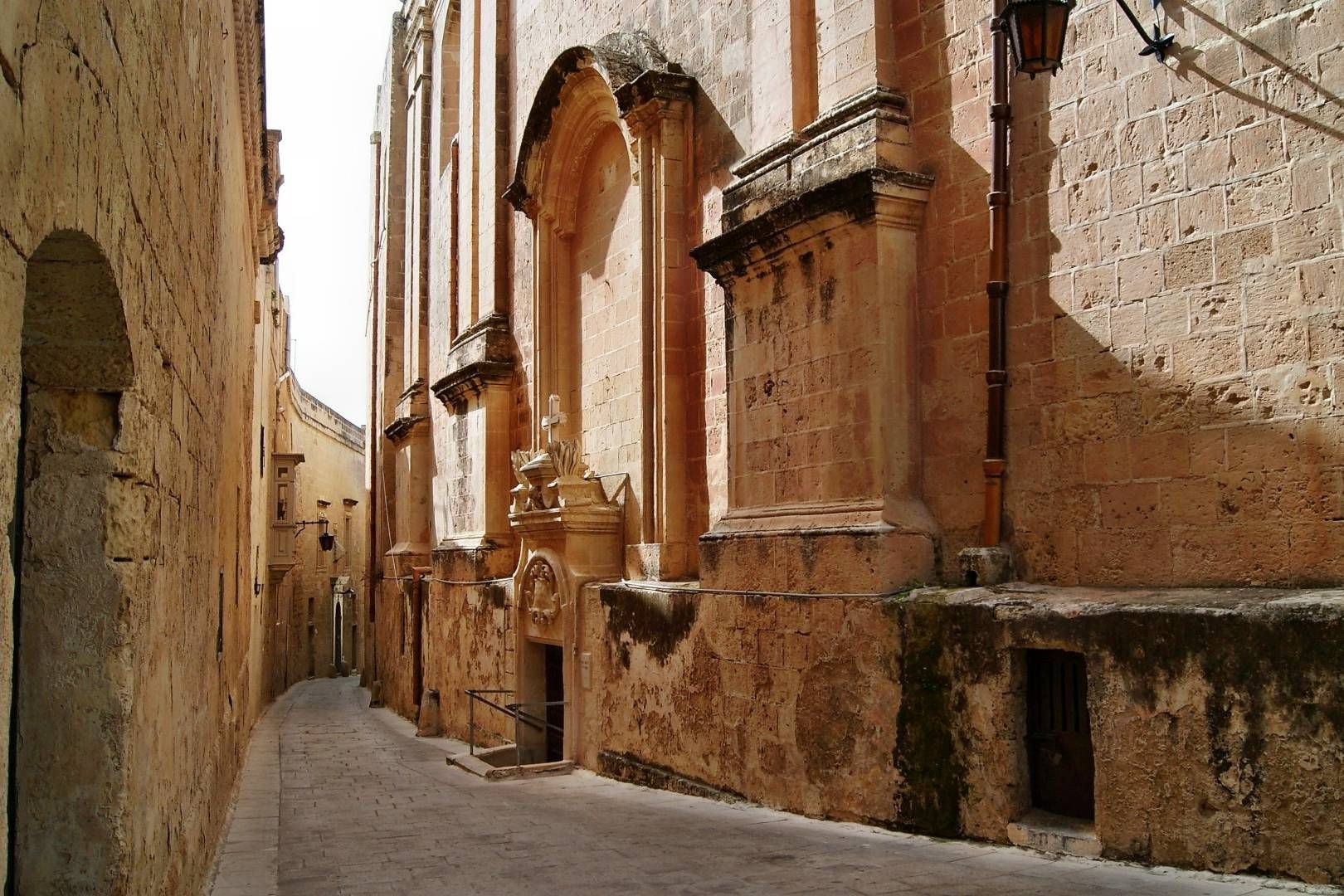
Mdina is best enjoyed once the busiest part of the day has passed. Malta’s former capital is enclosed by fortifications and known for its narrow medieval streets; visiting later makes it easier to understand why it is nicknamed the Silent City.
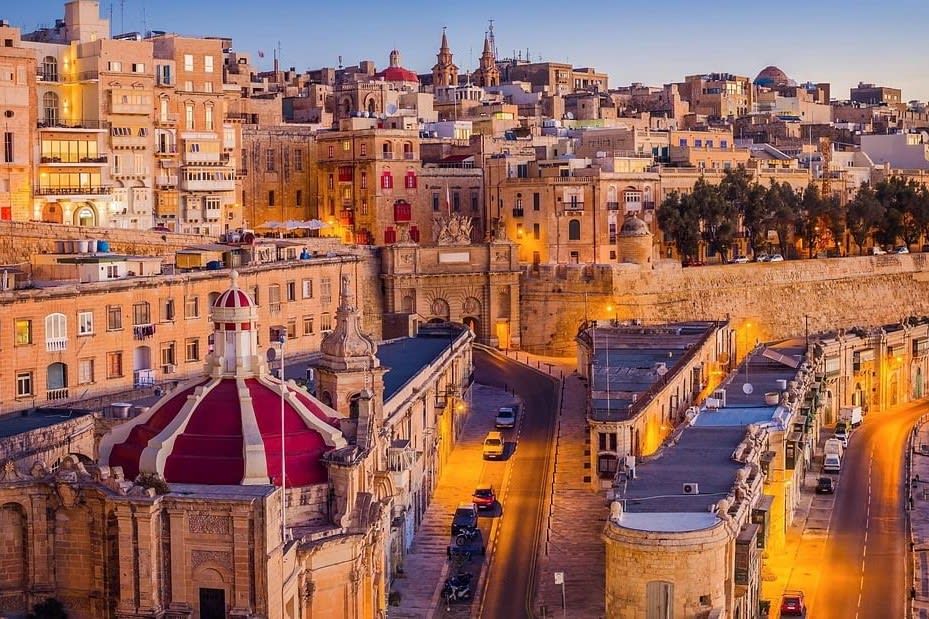
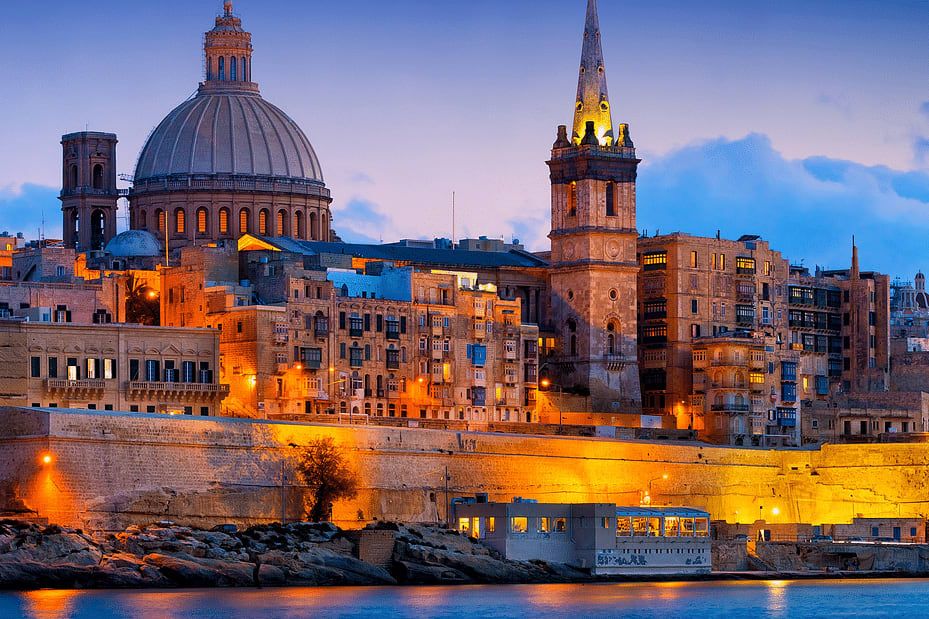
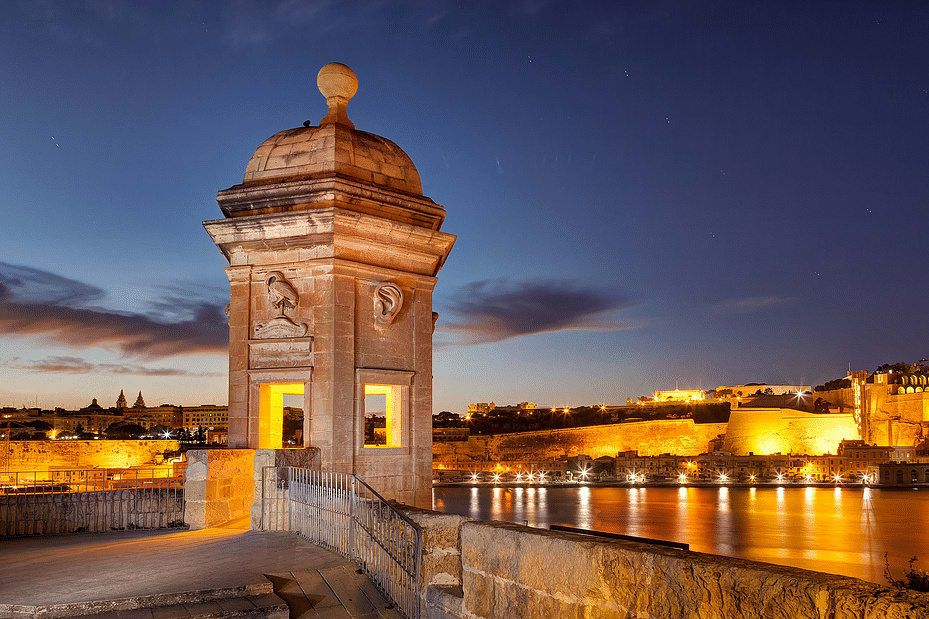
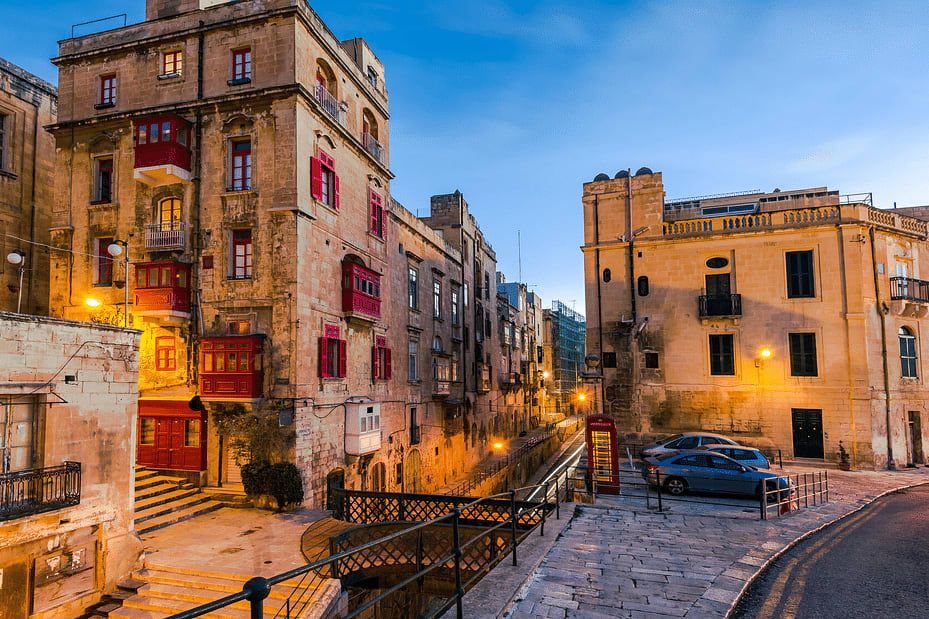
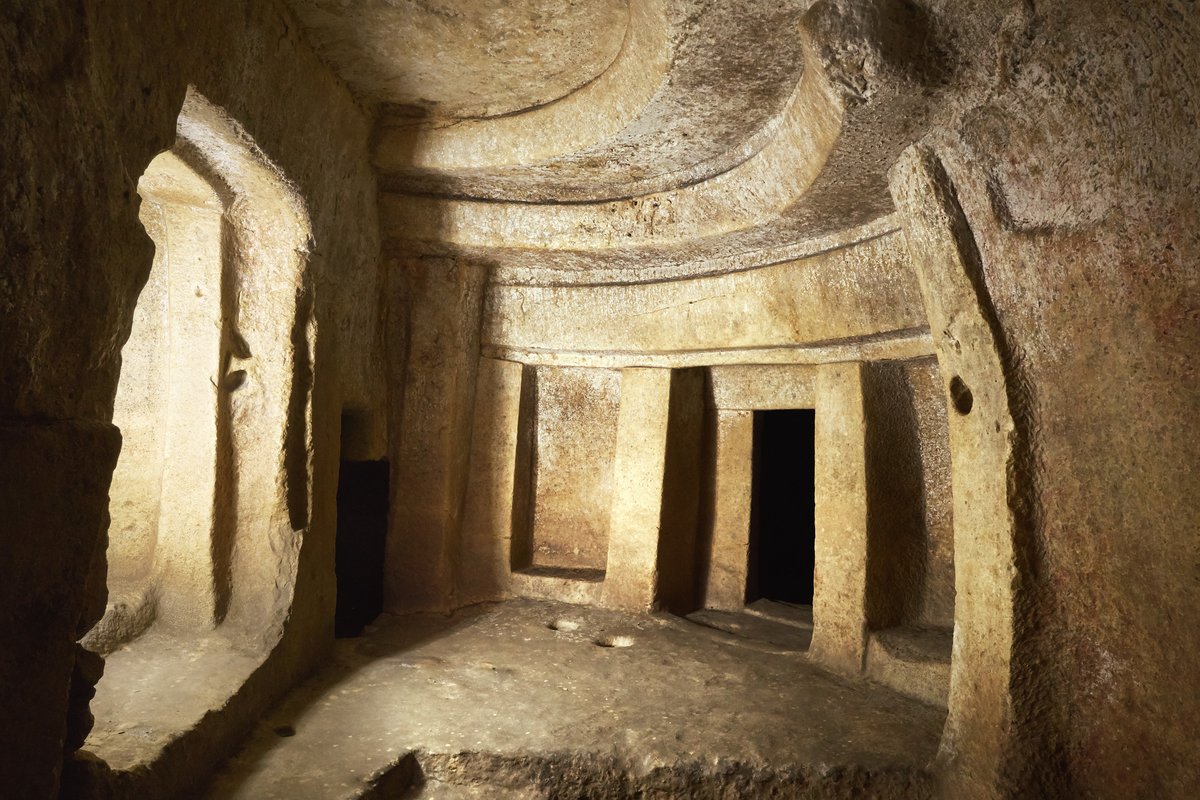
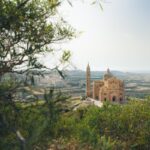
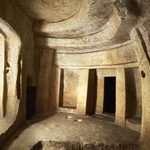
Prehistory is where Malta becomes mind-bending. The Ħal Saflieni Hypogeum descends across three underground levels, while the UNESCO-listed megalithic temples include Ħaġar Qim and Mnajdra on Malta. On Gozo, add Ta’ Pinu, a striking pilgrimage basilica rising from open countryside near Għarb, as well as the prehistoric Ġgantija temples.
Eat at both ends of the spectrum
Start with the everyday stuff: pastizzi from a local bakery, ftira and traditional rabbit, then make room for at least one splurge-worthy restaurant booking. Malta’s 2026 MICHELIN Guide now covers 48 restaurants, including seven starred addresses and five Bib Gourmands, with Valletta the strongest dining hub. Its standout is ION Harbour, currently Malta’s only two-star restaurant.
For a more laid-back lunch, follow the locals to Marsaxlokk, where brightly painted luzzu fishing boats line the harbour and seafood restaurants serve the day’s catch.
Wine is worth planning for too. Malta has its own indigenous grape varieties, including Girgentina and Ġellewża, so head inland to estates around Ta’ Qali and Siġġiewi and sample the unique local drops. Meridiana Wine Estate, below Mdina, runs pre-booked cellar tours and tastings overlooking its vineyards.
Swap sightseeing for sea time
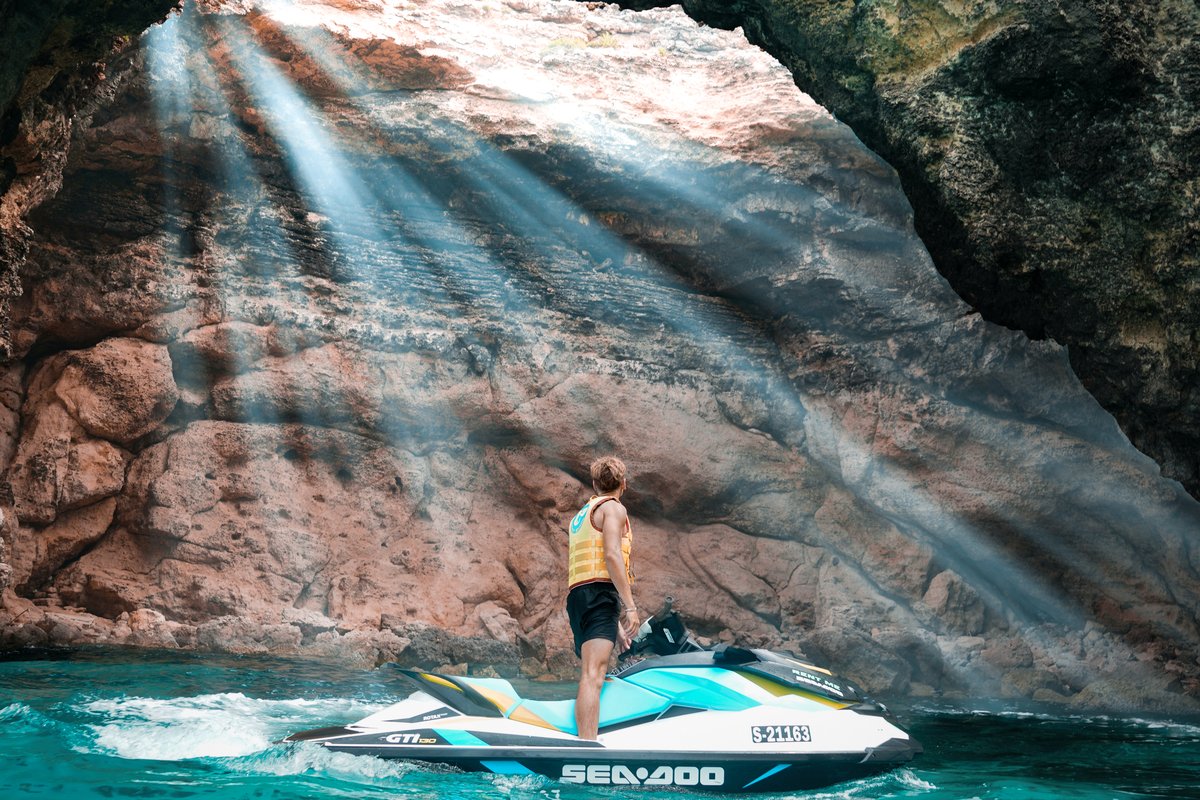
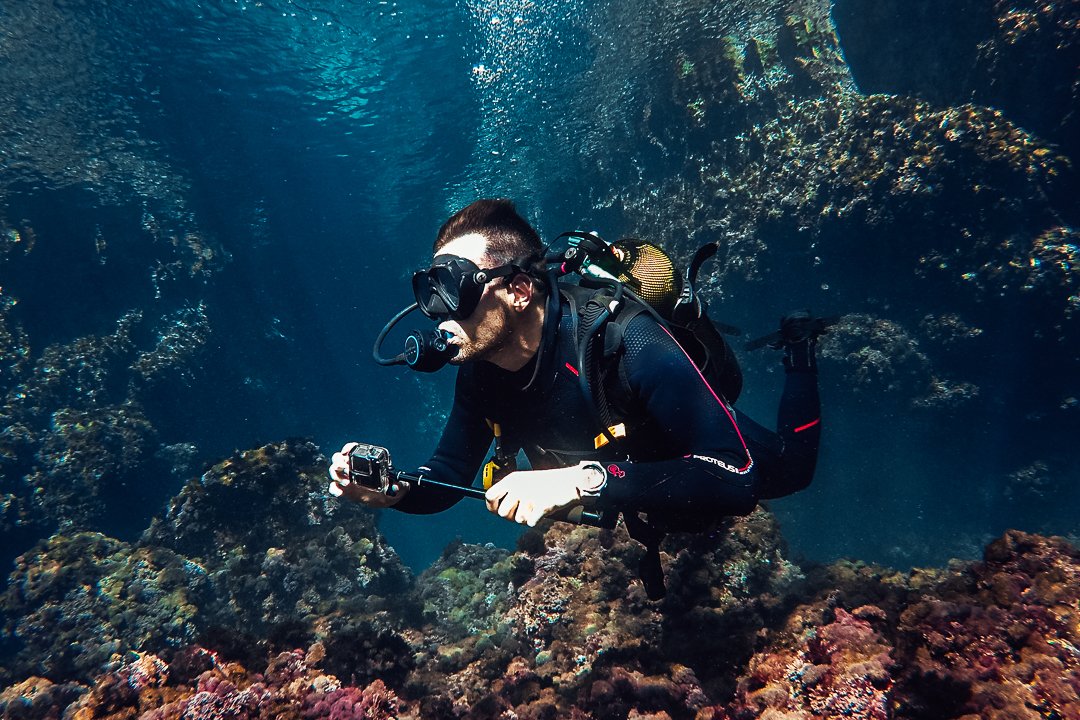
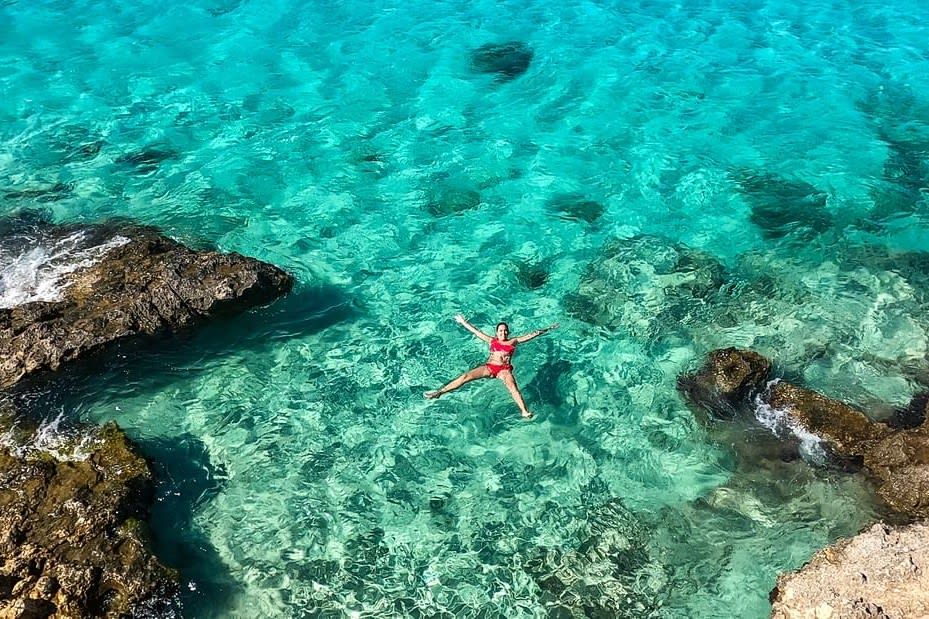
For all the history and culinary delights underfoot, some of Malta’s best hours are spent looking back at the islands from the sea. Charter a boat around the coast, kayak past Comino’s caves or dive below it: Visit Malta lists more than 120 dive sites, from reefs and caves to wrecks, with many shore and boat dives close together.
Malta, Gozo or Comino: which islands should you include?
Malta is the essential first stop. It holds Valletta, Mdina and the greatest concentration of cultural sites, so first-time visitors should devote most of their trip to it.
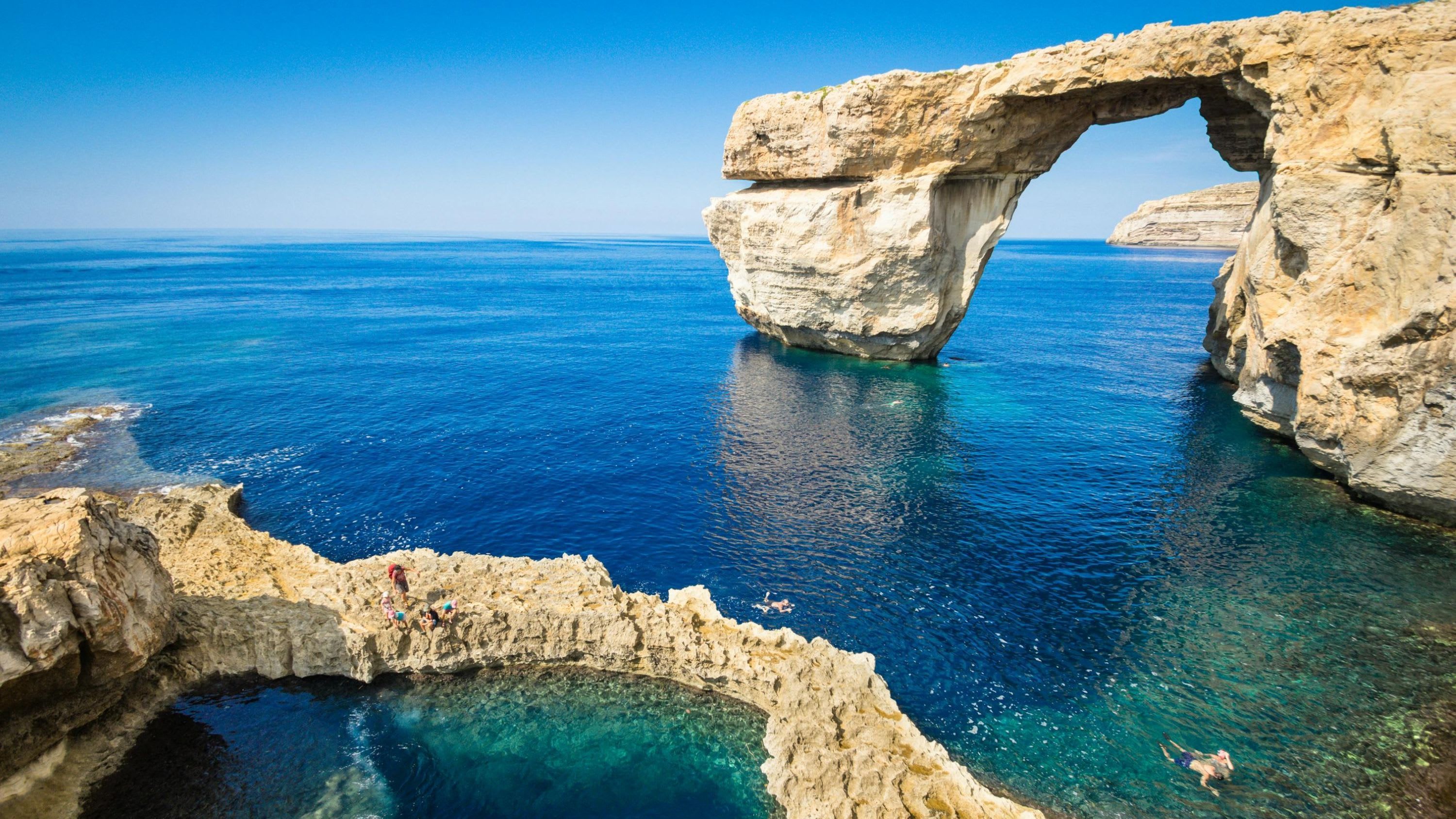
Gozo deserves at least a night or two if you have the time. It feels greener, more rural and noticeably slower. Base yourself around Victoria, Xagħra or the coast, visit the Ġgantija temples and leave room for an unhurried lunch at Ta’ Frenc – a MICHELIN-recommended farmhouse restaurant in Xagħra with countryside views.
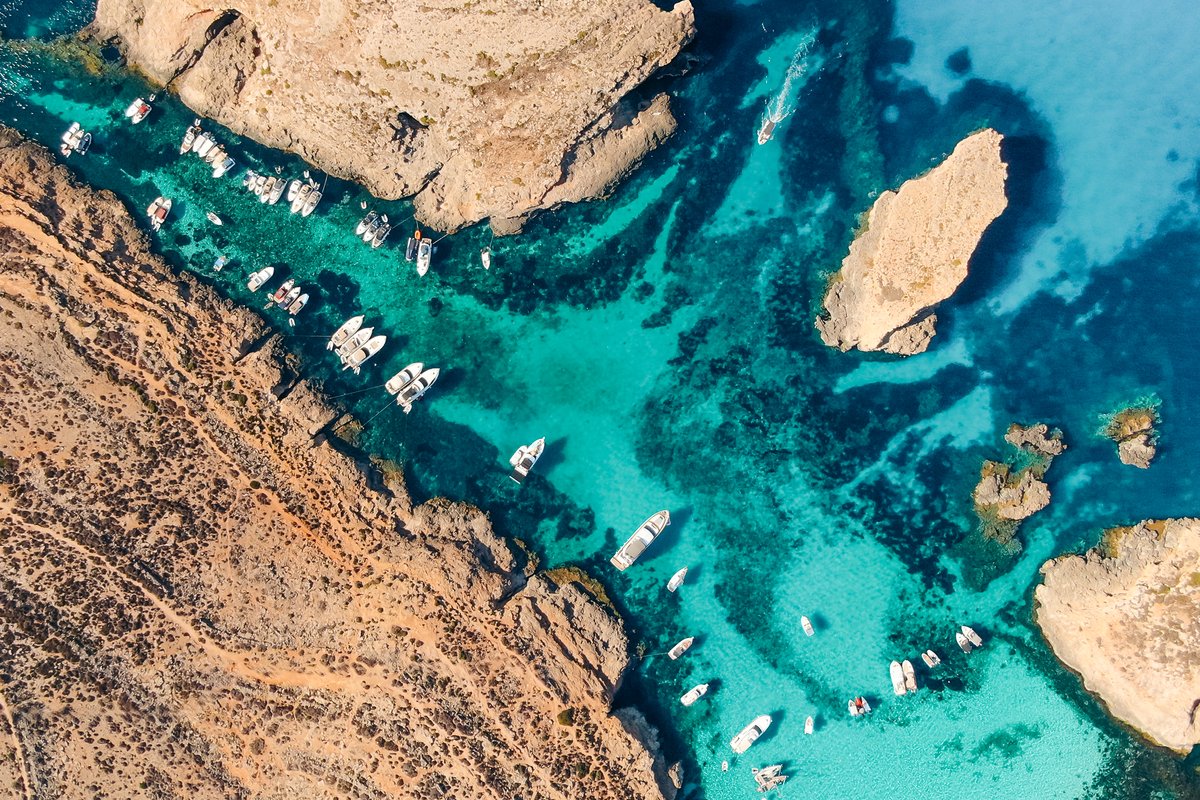
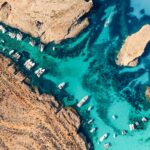
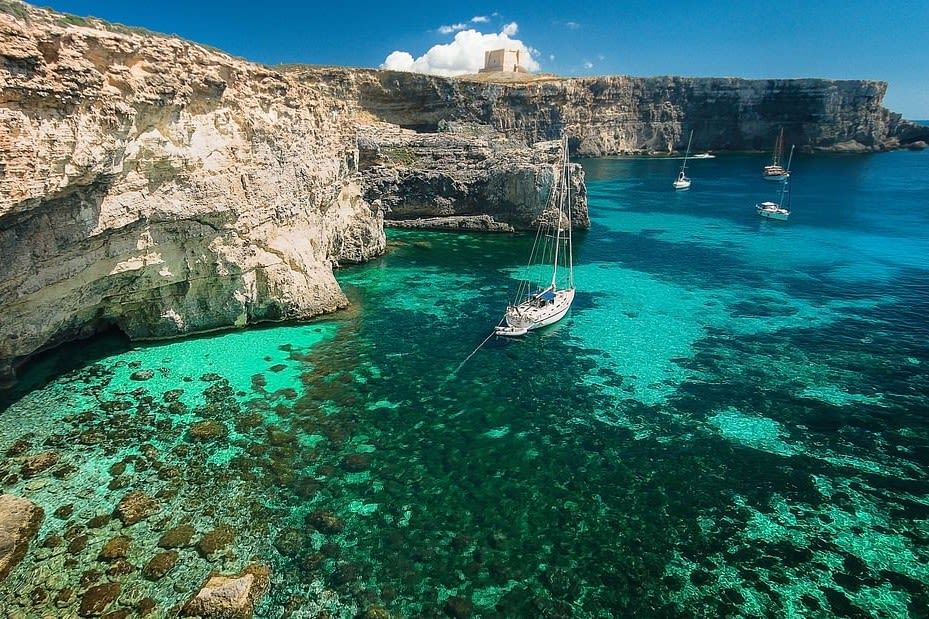
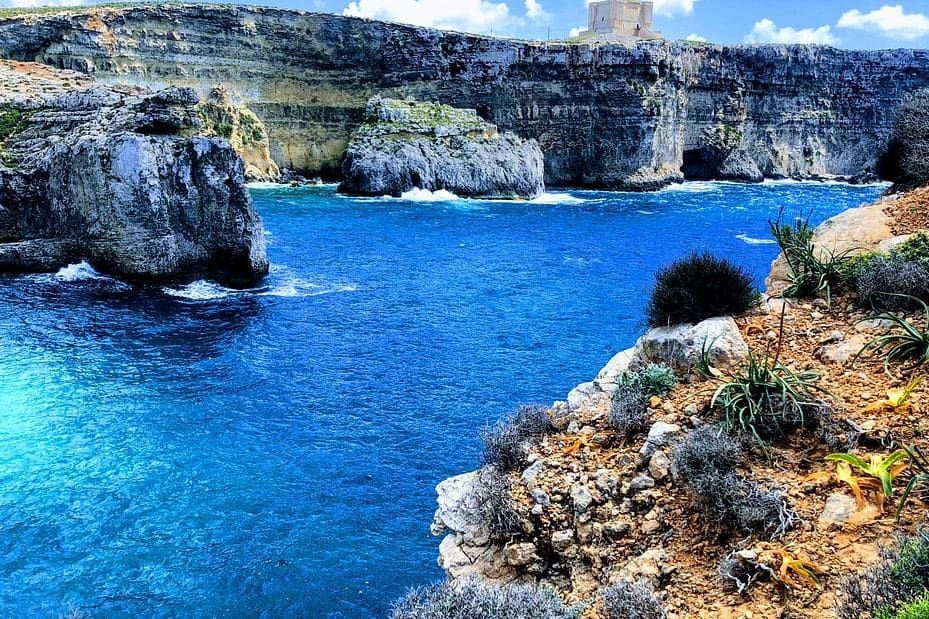
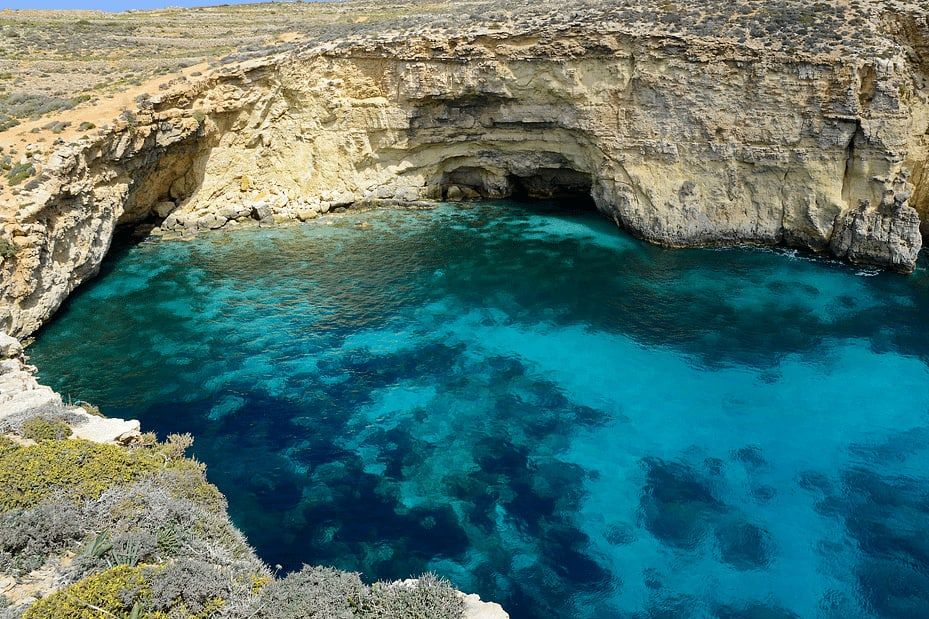
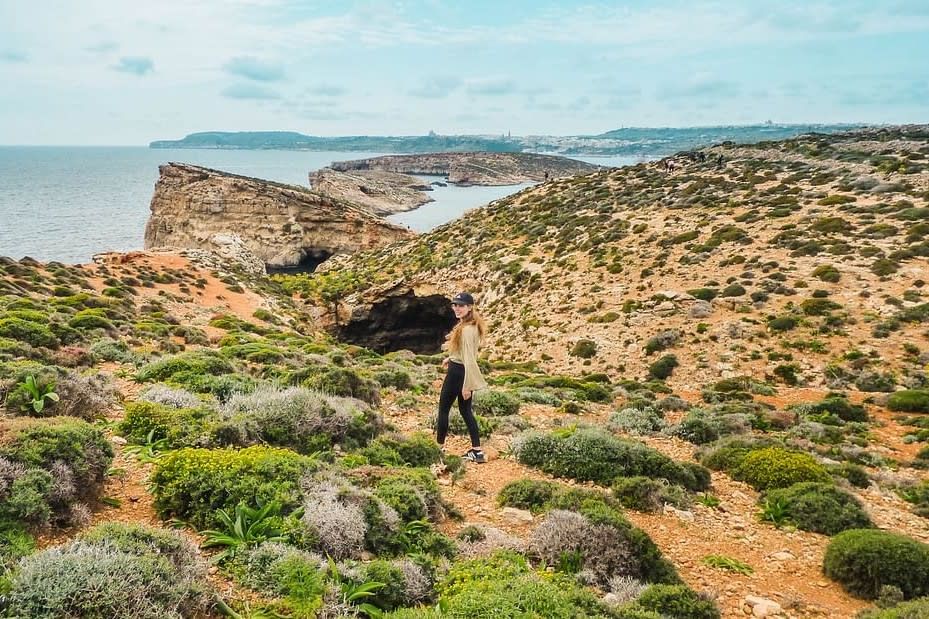
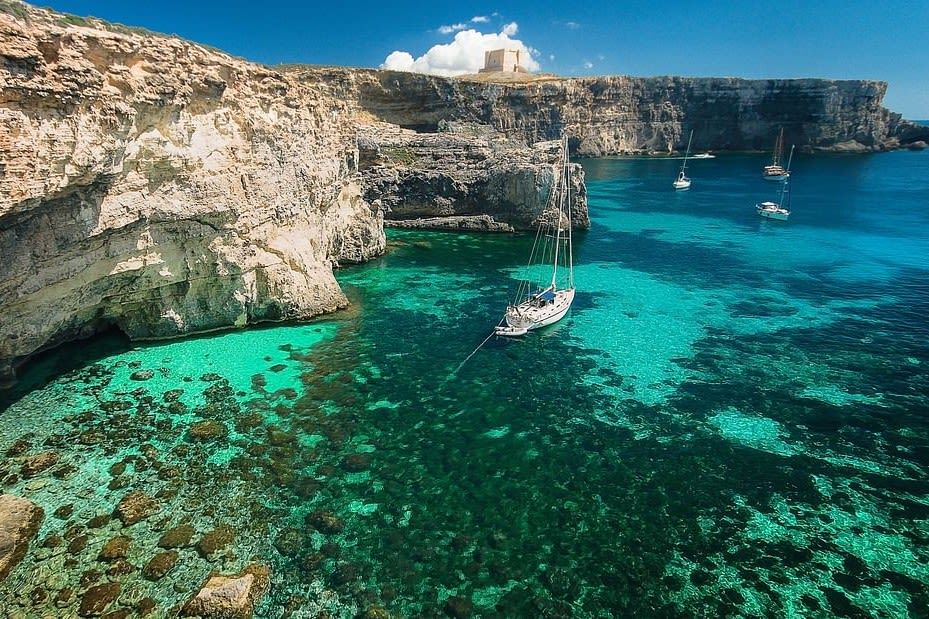
Comino is the island to plan more carefully. Tiny and sparsely developed, it’s best known for the electric-blue water of the Blue Lagoon. If you want to go ashore, you have to reserve a free slot – bookings open two months ahead, and it’s worth securing this sooner rather than later. For fewer crowds, aim for May–June or September–October, or choose an early-morning or later-afternoon visit in peak summer.
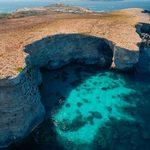
For a more flexible experience, consider a private charter around Comino, combining the Blue Lagoon with sea caves and quieter swimming spots such as Crystal Lagoon.
What should you book before travelling to Malta?
There is no need to pre-plan every meal and museum, but a few bookings deserve priority.
Book the Ħal Saflieni Hypogeum first. Heritage Malta limits entry to 80 visitors a day, and its own guidance notes that tours are commonly booked around six weeks ahead – sometimes longer.
Keep an eye on Heritage Malta’s event programme too: occasional curator-led evening and torchlight tours at archaeological sites have previously sold out, offering access you cannot recreate during normal opening hours.
Beyond that, leave some breathing room. Malta works precisely because you don’t need to spend your holiday racing from one region to the next.