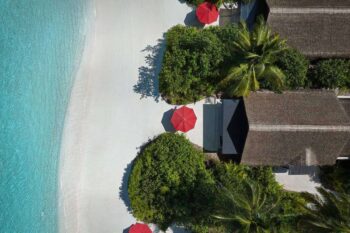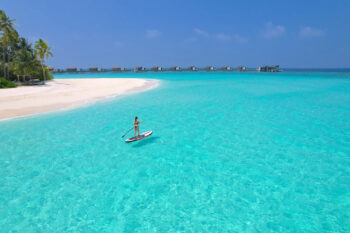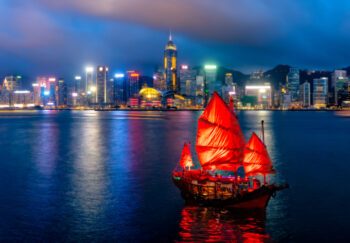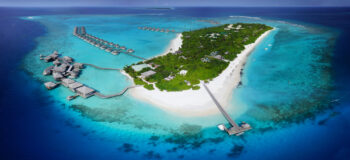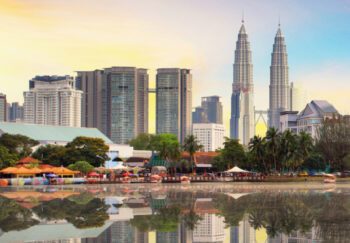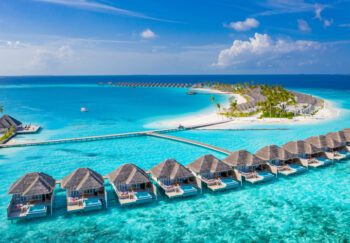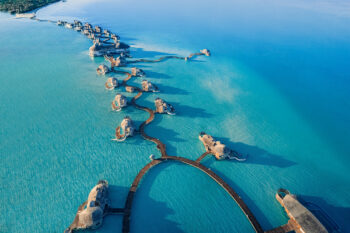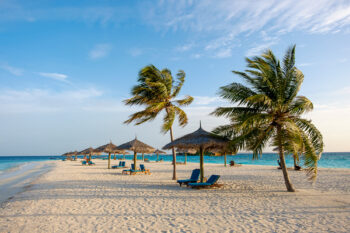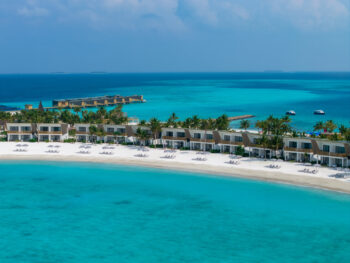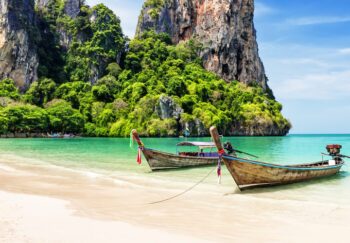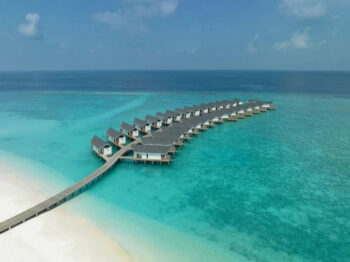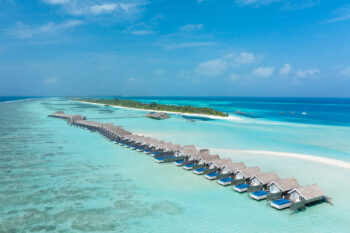
Most travellers head to Hong Kong for the neon lights, the dumplings and the chaos – and fair enough, it delivers all three. What they don’t expect is to be standing on a deserted white-sand beach an hour later, wondering if they’ve accidentally caught a ferry to the Maldives.
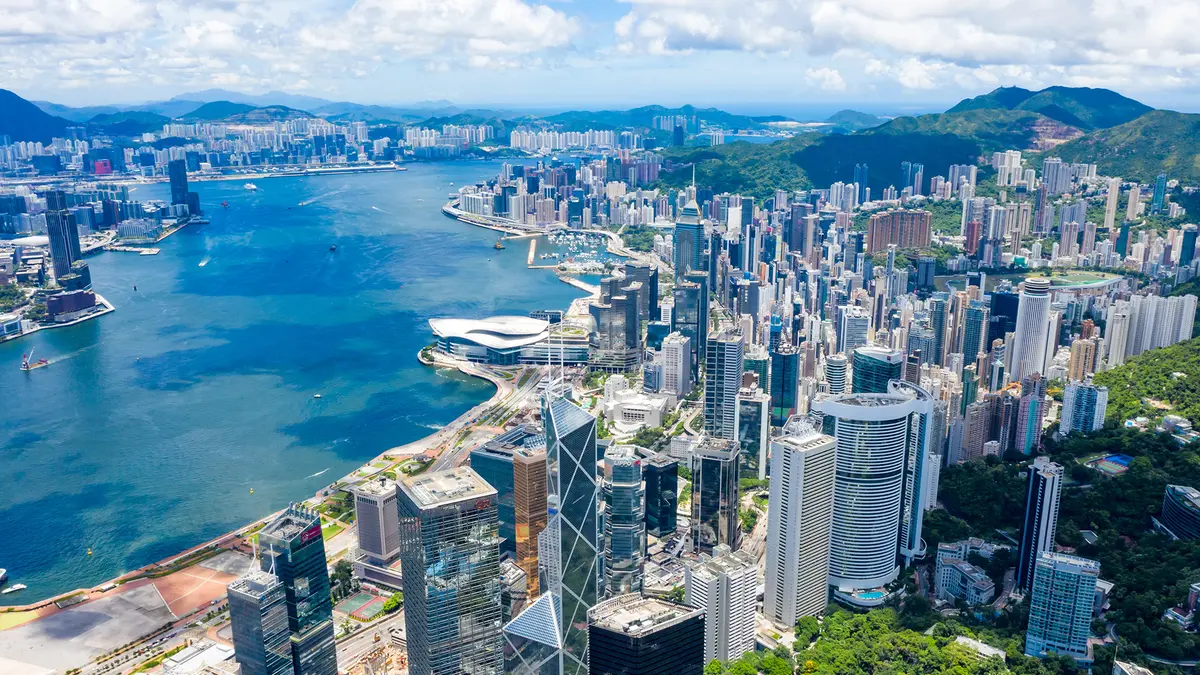
Travel just an hour out of the urban maze and you’ll find things to do in Hong Kong that you never imagined: lush mountains, empty hiking trails and pristine beaches aplenty. About 40% of Hong Kong’s land is designated as country parks and special areas, spread across more than 260 islands and 70 beaches that most visitors never find. If your idea of the region starts and ends with Kowloon, then it’s time to broaden your horizons. Some of the best things to do in Hong Kong outdoors begin where the high-rises end.
Head East: Sai Kung and the wild side of the New Territories
The quickest way to see Hong Kong’s wilder side is to take a bus or minibus to Sai Kung Town, then continue by taxi or boat into the surrounding country parks and islands. This laid-back pocket of the New Territories trades urban intensity for fishing-town character and striking natural scenery.
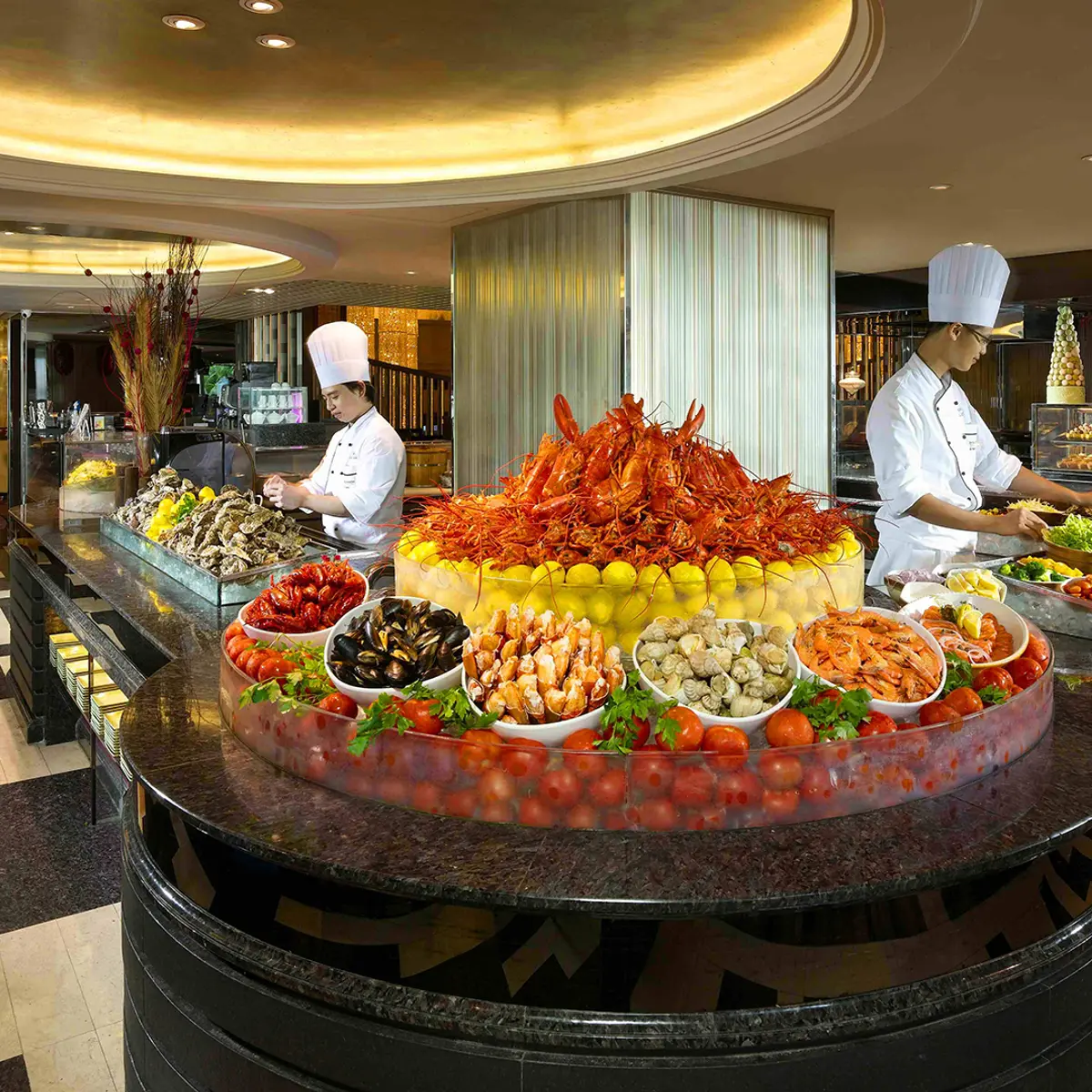
At the waterfront, many restaurants will cook your seafood to order: sourced from the junk boats bobbing in the harbour or plucked straight from a fish tank filled with crabs, lobsters and molluscs.
But Sai Kung’s appeal goes far beyond what’s on the plate. This is the gateway to ancient volcanic coastline, uninhabited islands and verdant green scenery – best explored by kayak, speedboat, or the various hiking trails that wind through the surrounding hills.
Wong Mau Chau, a small uninhabited island with a calm anchorage and clear waters, is a favourite among locals and accessible by speedboat from Wong Shek Pier.




Hong Kong UNESCO Global Geopark
Drawing geologists, hikers and photographers from around the world, Hong Kong UNESCO Global Geopark is one of the region’s most significant natural landmarks – and still surprisingly under-visited. Formed around 140 million years ago, the geopark is best known for its hexagonal rock columns, created as cooling lava contracted into near-perfect geometric shapes.
The most accessible and visually dramatic example of the formations is at High Island Reservoir’s East Dam, around a 30-minute taxi ride from Sai Kung Town. From here, adventurous travellers can continue coastal trails or take boat trips to nearby gems.
Head to Sharp Island by kaito (traditional wooden ferry), departing from Sai Kung Town Pier – this is the low-key, local way to travel. Visit at low tide and you’ll witness a tombolo, a natural sandbar connecting it to the smaller Kiu Tau.
Beaches worth the walk
For those willing to go a little further, Sections 1 and 2 of the MacLehose Trail unlock some of Hong Kong’s most pristine beaches. Long Ke Wan is often cited as one of the most beautiful in the territory, with powdery sand and consistently clear water thanks to its remote location and protected status.
Ham Tin Wan offers a slightly more accessible setup, with some basic cafes serving simple meals and cold drinks – a welcome reward after a few hours on the trail. Both beaches are monitored for water quality and remain largely undeveloped, which is increasingly rare in such a well-connected destination.


Island hopping 101: Lamma, Cheung Chau and beyond
Hong Kong’s ferry network makes island hopping a breeze. Ferries depart regularly from Central Piers and are integrated into the city’s wider transport system – meaning you can tap on with an Octopus card and be on your way in minutes.
Lamma Island
Lamma Island (Central Pier 4) is often the first stop for those in the know. Car-free, it has a relaxed, bohemian feel that stands in stark contrast to the city. The five-kilometre Family Trail between Yung Shue Wan and Sok Kwu Wan is well-paved and clearly marked, taking around 90 minutes at an easy pace.
Along the way, you’ll pass Hung Shing Yeh Beach – one of the island’s best-maintained swimming spots, complete with shark nets, changing rooms and lifeguards in peak season – and the quieter Lo So Shing Beach. At the far end, Sok Kwu Wan is lined with seafood restaurants, where menus often reflect the day’s catch.
Cheung Chau
Cheung Chau (Central Pier 5) offers a different energy again. Compact and mostly flat, it’s ideal for exploring by bike or on foot. Tung Wan Beach is the island’s main swimming area, popular with families thanks to its calm water and facilities, while the Cheung Po Tsai Cave adds a layer of local folklore tied to a 19th-century pirate.
Food is a major draw here – expect everything from traditional fish balls to sweet mango mochi, with most vendors clustered around the ferry pier and main streets.
Peng Chau & Tap Mun
For something quieter, Peng Chau is one of the easiest under-the-radar escapes, just 30 minutes by ferry from Central. Here, you’ll find short walking trails, local cafes and a laidback pace of life.
Further afield, Tap Mun (Grass Island) is better suited to travellers willing to invest a bit more time. Typically accessed via Wong Shek Pier, it requires a combination of MTR, bus and ferry – but the pay-off is a far more remote experience. At Sun Yau Kee, order the sea urchin fried rice – a local speciality unique to the island – and make time for the centuries-old Tin Hau temples scattered through the village.


Lace up: hiking in Hong Kong (with a beach at the end)
Hong Kong’s hiking trails are among the most accessible in Asia – well-maintained, clearly signposted and often connected directly to public transport.
Dragon’s Back
Located in Shek O Country Park, Dragon’s Back is the most famous for good reason, and one of the best things to do in Hong Kong. Take Bus 9 from Shau Kei Wan MTR station directly to the trailhead. The 8.5-kilometre route follows a ridgeline above the South China Sea, with sweeping coastal views throughout. It typically takes 2.5–3 hours to complete and ends at Big Wave Bay, where a swim or surf is the perfect post-hike reward.
Violet Hill to Stanley
The Violet Hill to Stanley route is shorter (around five kilometres) but steeper, climbing 433 metres. It’s a good option for travellers looking for a half-day hike that still delivers expansive views, finishing in Stanley where restaurants and transport links make the return easy.
Victoria Peak
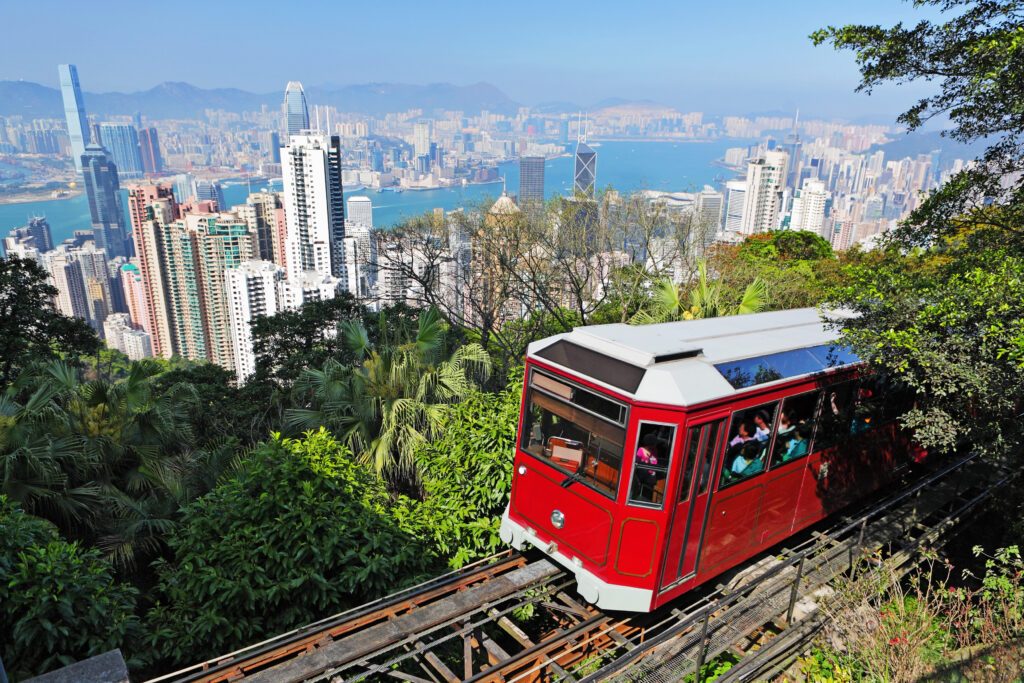
Victoria Peak remains one of Hong Kong’s most visited spots, but the hiking routes around it offer a quieter alternative to the tram. Trails like Hatton Road lead through Lung Fu Shan Country Park, eventually connecting to the Lugard Road circuit – a relatively flat, paved path with some of the best panoramic views of the skyline.
Go in the late afternoon to catch the city transitioning from daylight to full illumination.
Getting out there
Getting around
One of Hong Kong’s biggest advantages is how easy it is to navigate. The MTR is fast, reliable and connects to most urban areas, while buses and minibuses extend access to trailheads, beaches and ferry piers. For more remote areas like Sai Kung or Wong Shek Pier, a combination of transport modes is usually required – but signage is clear and services are frequent.
When to go
The best time to explore outdoors is between October and April, when temperatures are milder (typically 15–25°C) and humidity is lower. This is ideal for hiking in Hong Kong and visiting beaches.
Summer months bring heat, humidity and the possibility of typhoons. Before heading out – particularly on boat trips – check the Hong Kong Observatory app (MyObservatory) for live weather warnings and typhoon signal updates.
What to pack
Pack with intention. Many of Hong Kong’s best outdoor spots have limited facilities, so bring at least 1.5–2 litres of water per person for hikes, along with reef-safe sunscreen, snacks and cash for smaller vendors or transport. Well-marked doesn’t always mean well-serviced.