-
-
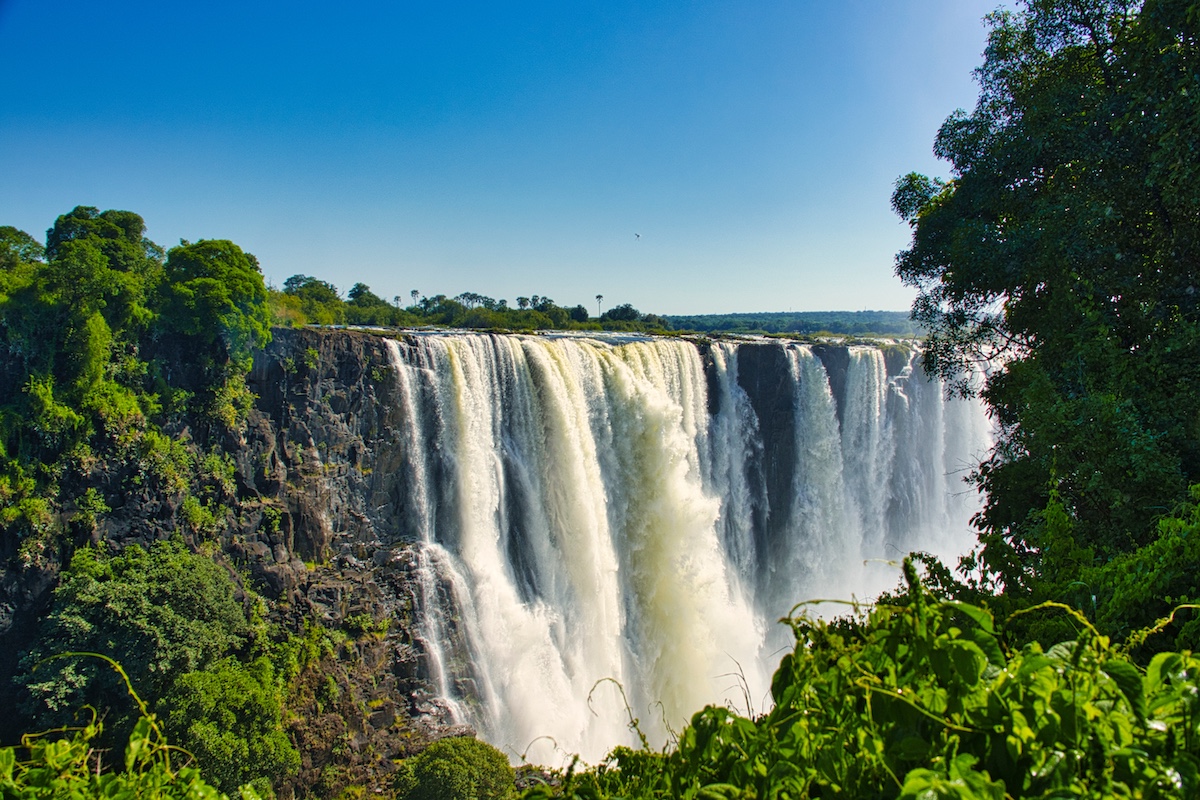
Chutes Victoria
-
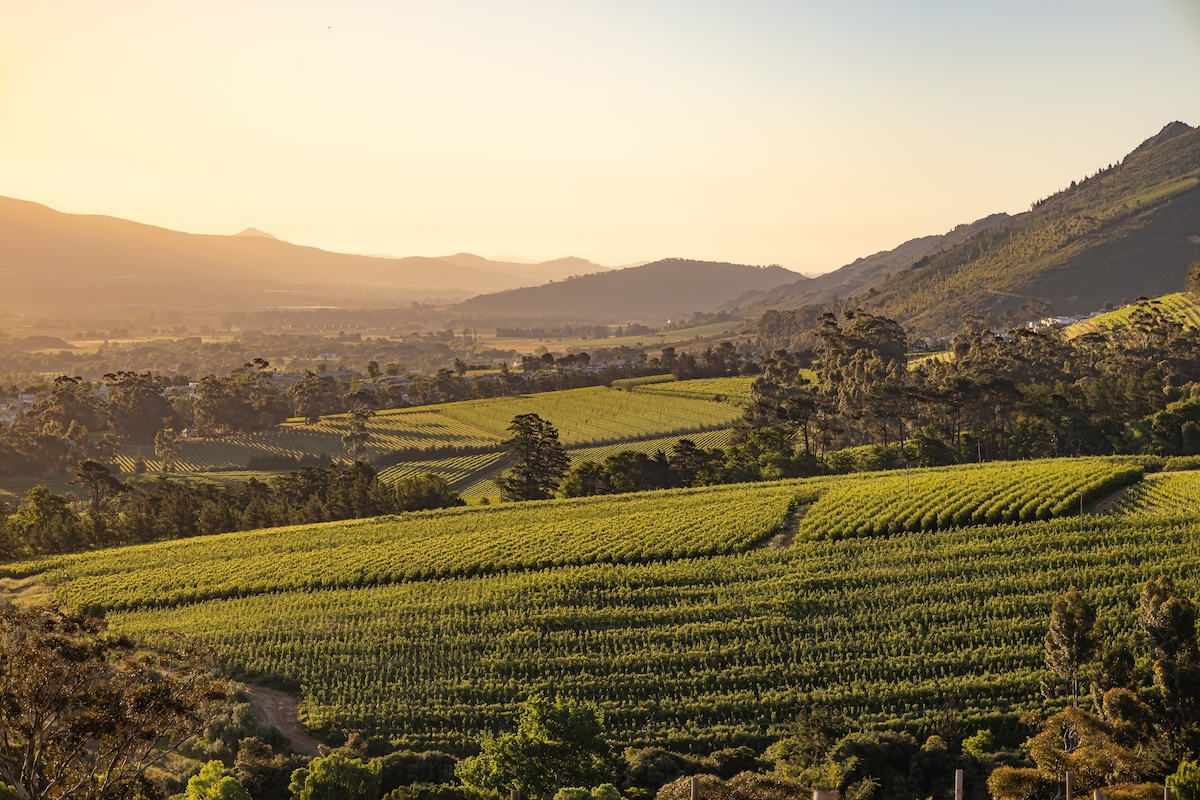
Stellenbosch, Afrique du Sud
-
Camps Bay, South Africa

-
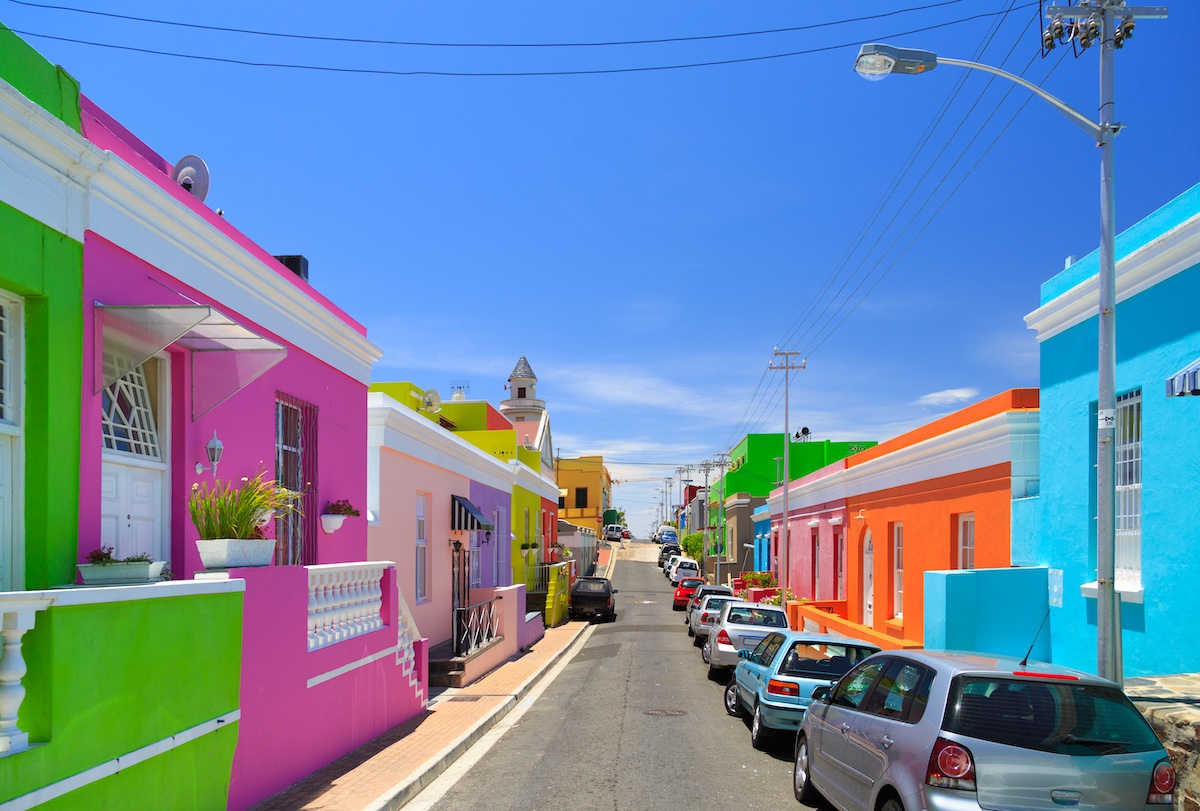
Bo-Kaap, Cape Town
-
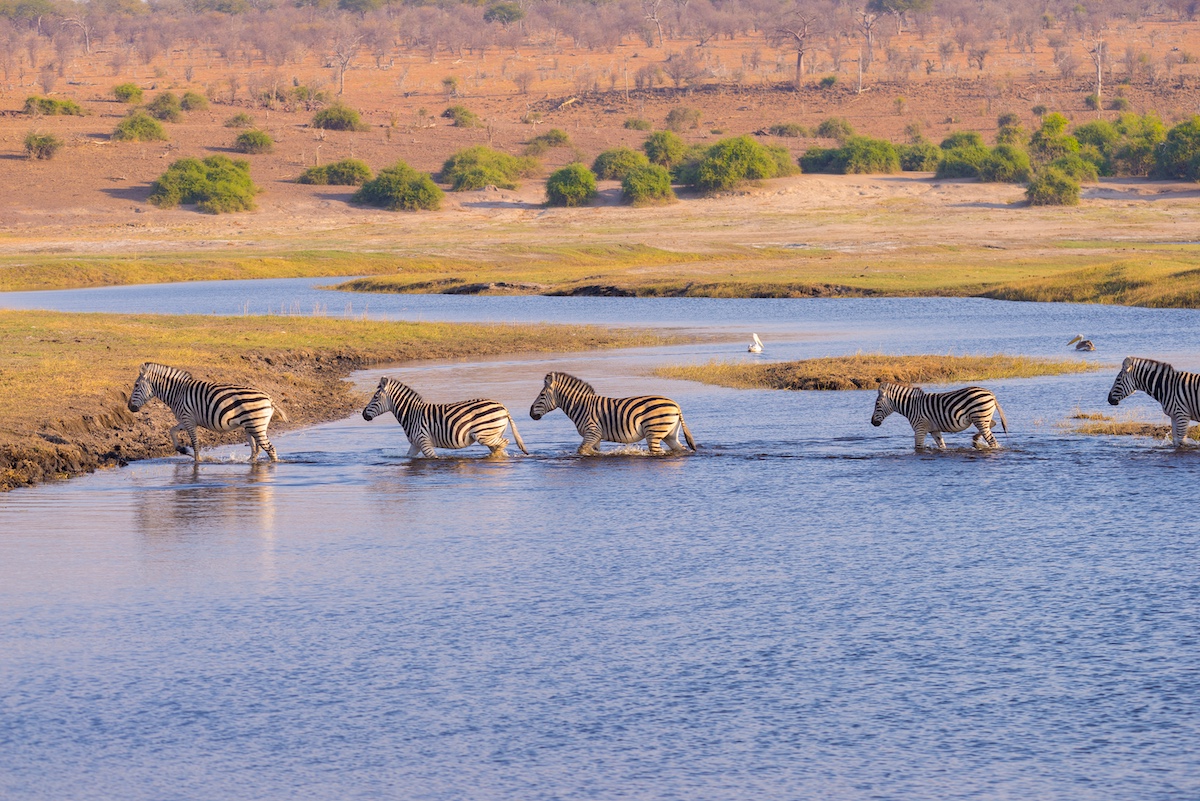
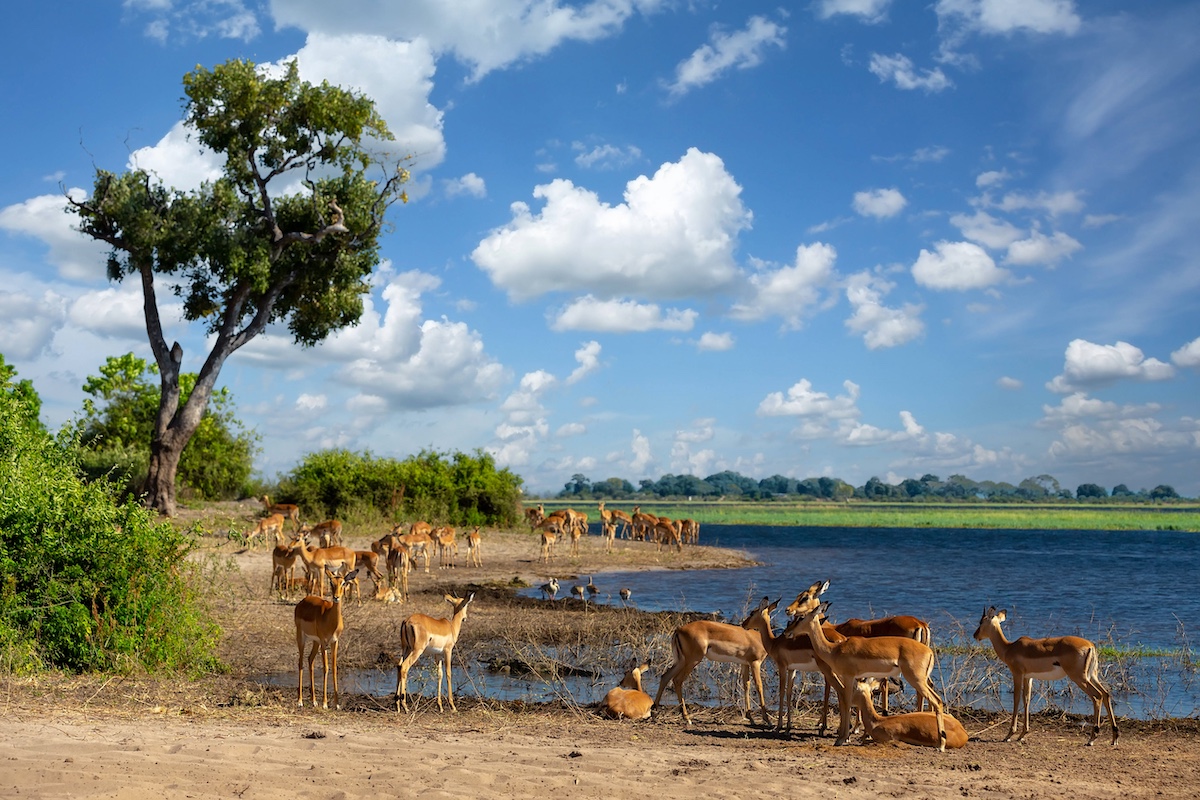
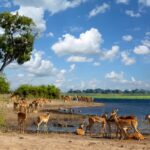
Chobe National Park, Botswana




L’Afrique est une destination vaste, variée et logiquement complexe. La faune est l’attraction principale pour la plupart des voyageurs, mais votre voyage peut impliquer bien plus que des safaris – les villes, les jours de voyage, les vols internes et les conditions sur le terrain entrent tous en jeu.
Voici ce qu’il est utile de savoir avant de partir pour votre tournée en Afrique.
1. L’Afrique n’est pas une seule destination
Le continent s’étend sur des dizaines de pays, climats et écosystèmes. Selon votre itinéraire et si c’est votre première fois en Afrique, vous pourriez passer d’une ville à l’autre, visiter des parcs nationaux, des réserves de faune et des lodges éloignés – chacun avec une infrastructure, des conditions et des expériences différentes. Ce qui s’applique dans une région ne s’applique pas nécessairement dans la suivante. Lisez attentivement votre itinéraire spécifique et considérez chaque destination selon ses propres termes.
2. Les jours de voyage sont longs
L’Afrique est vaste, et se déplacer entre les destinations prend du temps. De nombreux itinéraires impliquent un mélange de vols internationaux et domestiques, de transferts routiers et de visites guidées. Les temps de trajet vers les réserves de faune ou les zones éloignées peuvent être plus longs que prévu, et les horaires changent parfois en raison de la météo, de l’accès aux parcs ou des conditions locales. Faites preuve de patience – le voyage lui-même est souvent là où vous voyez des paysages ruraux et la vie quotidienne qui ne figurent pas dans les moments forts.
3. Le safari est l’événement principal pour la plupart des voyageurs
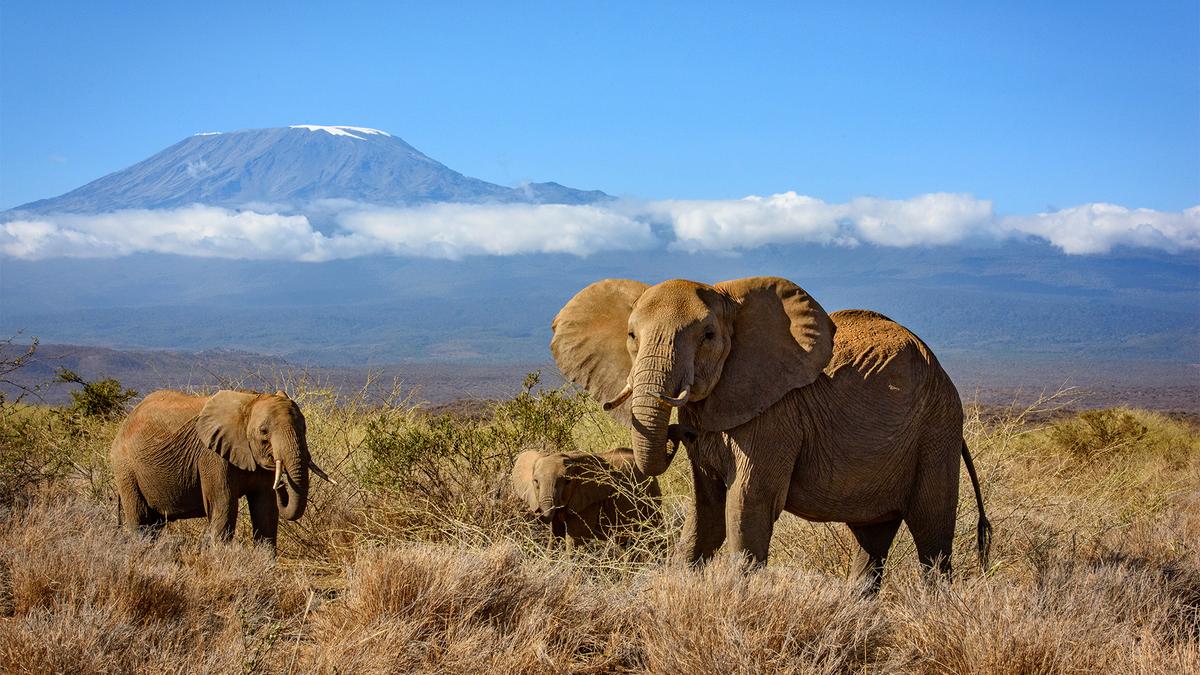
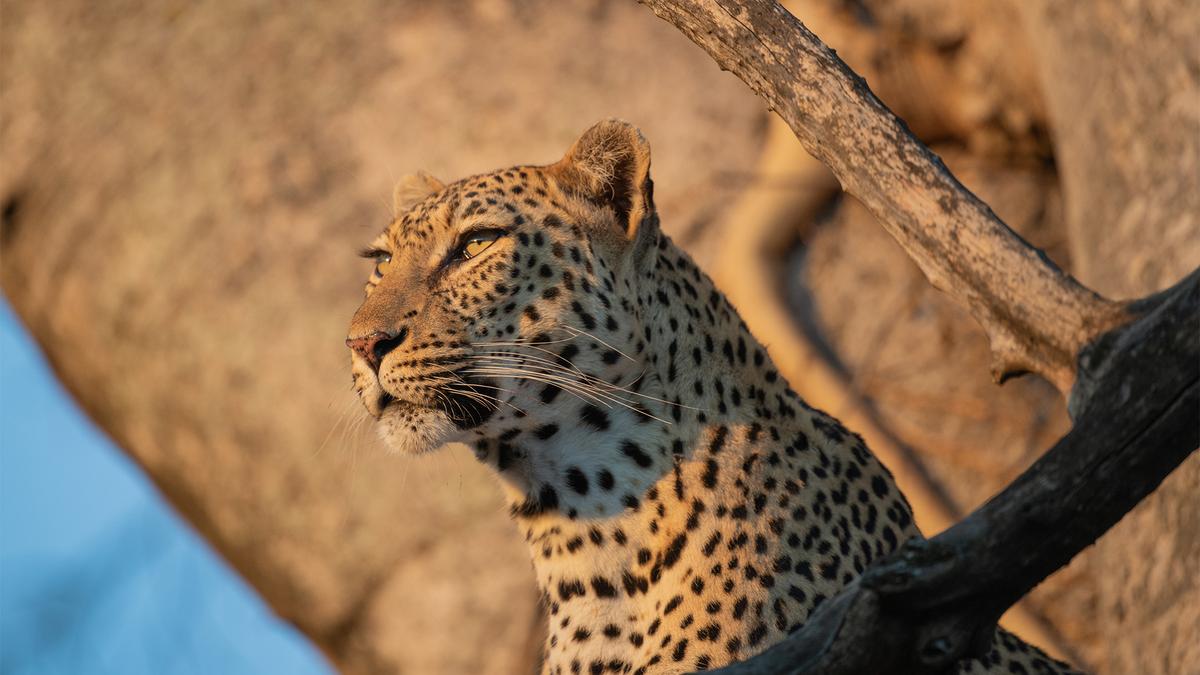
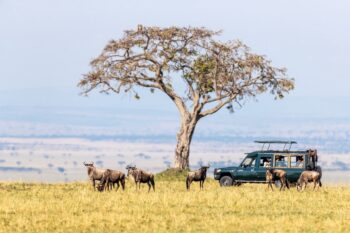
Les safaris se déroulent généralement tôt le matin et tard l’après-midi, lorsque la faune est la plus active. Vous voyagerez dans des véhicules de safari spécialement conçus avec des guides qui connaissent le terrain. Selon votre itinéraire et votre emplacement, vous pourriez rencontrer des éléphants, des lions, des léopards, des girafes, des zèbres et plus encore !
De nombreux lodges proposent des safaris partagés plutôt que des véhicules privés, même lors de départs en tour privé. C’est une pratique standard dans l’industrie et cela signifie que votre véhicule peut inclure d’autres invités séjournant au même lodge.
‘C’était vraiment la définition d’un voyage sur la liste des choses à faire. J’ai voyagé avec ma fille, et je sais qu’elle gardera cette expérience avec elle pour le reste de sa vie. Chaque aspect du voyage – de la logistique et des soins à l’hébergement et à la faune – a été géré selon les normes les plus élevées. Tous les trois lodges sanctuaires étaient sans aucun doute 11/10. Il n’y a vraiment pas un seul aspect de cette tournée qui n’était pas exceptionnel.’
– Kristie O, Luxury Escapes
Ultra Lux Safari Privé de 8 Jours en Zambie & Botswana avec le Sanctuaire Sussi & Chuma des Chutes Victoria
4. Les observations de la faune ne peuvent pas être garanties
Les animaux se déplacent librement sur de vastes zones et ne suivent pas un emploi du temps. Certains safaris produisent des rencontres rapprochées avec plusieurs espèces ; d’autres sont plus calmes. Les deux font partie du safari. L’aborder avec patience plutôt qu’avec une liste de contrôle rend l’expérience plus gratifiante – et l’imprévisibilité fait partie de ce qui rend chaque safari différent.
Des jumelles et un appareil photo avec un bon objectif zoom valent la peine d’être emportés.
5. Les Big Five – et ce que le terme signifie réellement
Les Big Five – lion, léopard, éléphant d’Afrique, buffle du Cap et rhinocéros – est un terme qui a vu le jour dans la chasse au gros gibier, faisant référence aux cinq animaux considérés comme les plus dangereux à suivre à pied. Il est maintenant largement utilisé dans le monde du safari comme un raccourci pour les rencontres emblématiques avec la faune.
Voir les cinq lors d’un seul voyage est possible mais dépend fortement de l’emplacement, du timing et de la chance. Votre guide connaîtra les meilleures zones et conditions pour chaque espèce selon votre itinéraire spécifique.
Il existe également un Lesser Five et un Little Five – ce dernier incluant le fourmilion, la tortue léopard, le musaraigne éléphant, le tisserin buffle et le scarabée rhinocéros, nommés comme des homologues plus petits du groupe célèbre.
6. La vie en lodge suit un rythme différent
Les lodges de safari fonctionnent selon le rythme naturel de l’activité de la faune. Les journées commencent tôt avec un safari matinal, suivi d’un temps au lodge pendant les heures chaudes de la mi-journée, puis d’un safari l’après-midi ou le soir. Les repas et le temps social s’adaptent à ce schéma. C’est un rythme différent de celui des voyages en ville – plus calme, plus structuré autour de la nature que de la commodité.
7. Tous les itinéraires n’entrent pas dans tous les parcs nationaux
L’Afrique possède de nombreuses réserves de faune et parcs nationaux célèbres, mais tous les itinéraires n’incluent pas l’entrée dans des parcs spécifiques. Certains tours se déroulent dans des conservatoires ou des zones de faune privées adjacentes aux parcs nationaux, qui offrent toujours une bonne observation de la faune mais sont distincts des parcs eux-mêmes. Vérifiez votre itinéraire pour comprendre exactement quelles zones et réserves sont incluses.
8. Les matins et les soirées peuvent être froids
Les températures diurnes dans la plupart des régions d’Afrique sont chaudes, mais les safaris tôt le matin – en particulier dans le sud et l’est de l’Afrique – peuvent être vraiment froids. Le meilleur moyen est de superposer les vêtements : des vêtements légers pour la journée, un pull ou une veste chaude pour les débuts de matinée et les soirées. Ne sous-estimez pas les couches chaudes en supposant qu’il fera chaud tout au long de la journée.
‘Une tournée merveilleuse de certains des meilleurs sites d’Afrique. Nous avons profité d’un temps doux, bien que cela rende froid lors des safaris matinaux ! …La dernière fois, nous avons voyagé vers la fin de la saison sèche et la différence dans le débit d’eau aux Chutes Victoria était incroyable étant au début de la saison sèche.’
– Dale D, Luxury Escapes Safari en Afrique du Sud avec Séjour dans un Lodge 5 Étoiles à Kruger & Croisière au Coucher de Soleil aux Chutes Victoria
9. Les cartes sont acceptées dans de nombreux endroits, mais emportez aussi de l’argent liquide
Les grands hôtels, lodges et restaurants dans les villes acceptent généralement les cartes de crédit. Visa est la plus largement acceptée ; Mastercard fonctionne dans de nombreux endroits ; d’autres types de cartes moins. Dans les zones plus éloignées, les petits lodges, marchés et magasins locaux, l’argent liquide est souvent la seule option.
Les USD, EUR et GBP sont les devises internationales les plus pratiques à emporter. Les petites coupures sont particulièrement utiles – les grosses factures ne sont pas toujours acceptées, et les petites dénominations fonctionnent mieux pour les pourboires, les marchés et les achats accessoires.
Des distributeurs automatiques et des bureaux de change sont disponibles dans les grandes villes et les aéroports. Informez votre banque avant de voyager.
Le pourboire est une pratique standard dans les lodges de safari. Les guides, pisteurs et personnel du lodge sont généralement gratifiés à la fin d’un séjour – vos documents de pré-départ et votre guide fourniront des conseils pratiques sur les montants.
10. Les visites en ville sont moins intenses que les jours de safari
Dans les itinéraires qui combinent des villes avec des destinations fauniques, les visites urbaines ont tendance à être plus courtes et moins structurées. Le focus de la plupart des tournées en Afrique est sur la faune et les paysages naturels plutôt que sur les attractions urbaines. Le temps libre dans les villes est généralement utilisé pour se reposer, explorer de manière indépendante ou se préparer pour la prochaine étape du voyage.
11. Vérifiez les limites de bagages avant de faire vos valises
Cela compte plus que cela ne peut sembler. De nombreux itinéraires en Afrique incluent des vols internes ou des transferts en avion léger où les limites de bagages sont strictes – parfois limitées à un seul sac souple. Vérifiez les petites lignes de votre itinéraire avant de faire vos valises. Vos documents de pré-départ confirmeront les exigences spécifiques pour votre voyage.
Pour le safari, des vêtements de couleur neutre – kaki, beige, olive – sont pratiques plutôt que simplement conventionnels. Des couches légères pour la journée, un pull chaud pour les matins et les soirées, des chaussures confortables pour marcher, et des sandales pour le lodge couvrent la plupart des situations. Ajoutez de la crème solaire, un chapeau, un répulsif contre les insectes, des jumelles et une bouteille d’eau réutilisable.
Certains lodges organisent des dîners smart-casual le soir – une tenue légèrement plus habillée vaut la peine d’être incluse.
12. Organisez les visas et les exigences sanitaires à l’avance
Les exigences d’entrée varient considérablement d’un pays africain à l’autre, et de nombreux itinéraires traversent plusieurs frontières. Vérifiez les exigences de visa pour chaque pays de votre itinéraire bien avant le départ. Une visite dans une clinique de santé de voyage est également conseillée – les recommandations sur les vaccinations et les médicaments dépendront de vos destinations spécifiques et de votre historique de voyage.
13. Profitez au maximum de votre tournée en Afrique
Votre tournée couvre le terrain – les expériences optionnelles sont là où la magie prend une autre dimension. Un vol en montgolfière au-dessus du Serengeti à l’aube est celui qui a tendance à stopper la conversation lorsque vous rentrez chez vous : les plaines s’étendant en dessous, le silence, l’échelle de tout cela. Parcourez l’ensemble de la gamme d’expériences en Afrique disponibles sur Mes Évasions pour ajouter à votre tournée avant de partir.
Que mettre dans votre valise pour votre tournée en Afrique
Des vêtements légers de couleur neutre pour la journée ; une couche chaude pour les débuts de matinée et les soirées ; des chaussures de marche confortables ; des sandales pour le lodge ; de la crème solaire ; un chapeau ; un répulsif contre les insectes ; des jumelles ; une bouteille d’eau réutilisable ; un petit sac à dos ; du désinfectant pour les mains.
Vérifiez votre limite de bagages avant de décider combien emporter.