USD
USD  Written by Cheyenne Bradley
-
Philippines
-
Barcelona, Spain
-
Kuala Lumpur, Malaysia
-
Japan
-
Malta
-
Phong Nam, Vietnam





The world has a lot on in 2026. The FIFA World Cup is coming to North America, Spain is in line for a solar eclipse, and a new wave of destinations – the Philippines, Malaysia, Sri Lanka – is pulling travellers away from the well-worn circuits of Southeast Asia. Meanwhile, Japan remains unmissable and Malta is quietly becoming one of Europe’s most interesting islands.
We’ve picked 12 destinations that have a specific, compelling reason to visit this year – not just because they’re beautiful, but because 2026 gives you a reason to go now. Here’s where to start planning.


1. Why North America is in the spotlight in 2026
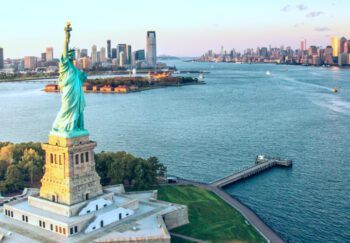
In June and July 2026, the United States, Canada and Mexico will take centre stage as they host the FIFA World Cup. Forty-eight teams will compete across 104 matches in 16 cities throughout North America. This is a rare opportunity to be part of football’s biggest event.
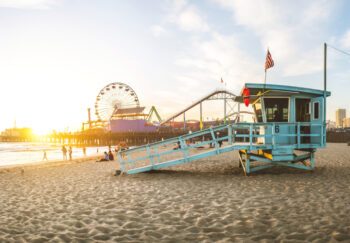
The United States shines in summer, with perfect weather and endless adventures – but in 2026, it’s kicking things up a notch. Eleven cities across the country will host the FIFA World Cup, adding world-class football to a lineup that already includes stunning national parks, lively festivals and vibrant cities.







Canada offers plenty to explore between World Cup matches. Witness the power of Niagara Falls, cruise across Lake Ontario or catch live performances at the Toronto Jazz Festival. Celebrate Canada Day on 1 July with vibrant concerts and parades, or immerse yourself in the magic of the Toronto International Film Festival. Out west, stroll through Stanley Park and Granville Island, then take in sweeping views from Vancouver Lookout and Cleveland Dam.
Sun-kissed Mexico will host World Cup matches in three vibrant cities: Guadalajara, Mexico City and Monterrey. Often called the cultural heart of Mexico, Guadalajara is the birthplace of mariachi music and rich in tradition. Mexico City pulses with history, flavour and nonstop energy. Monterrey, framed by dramatic mountains, offers hiking, climbing and cave adventures.
Book tickets here and see the FIFA World Cup match schedule here.
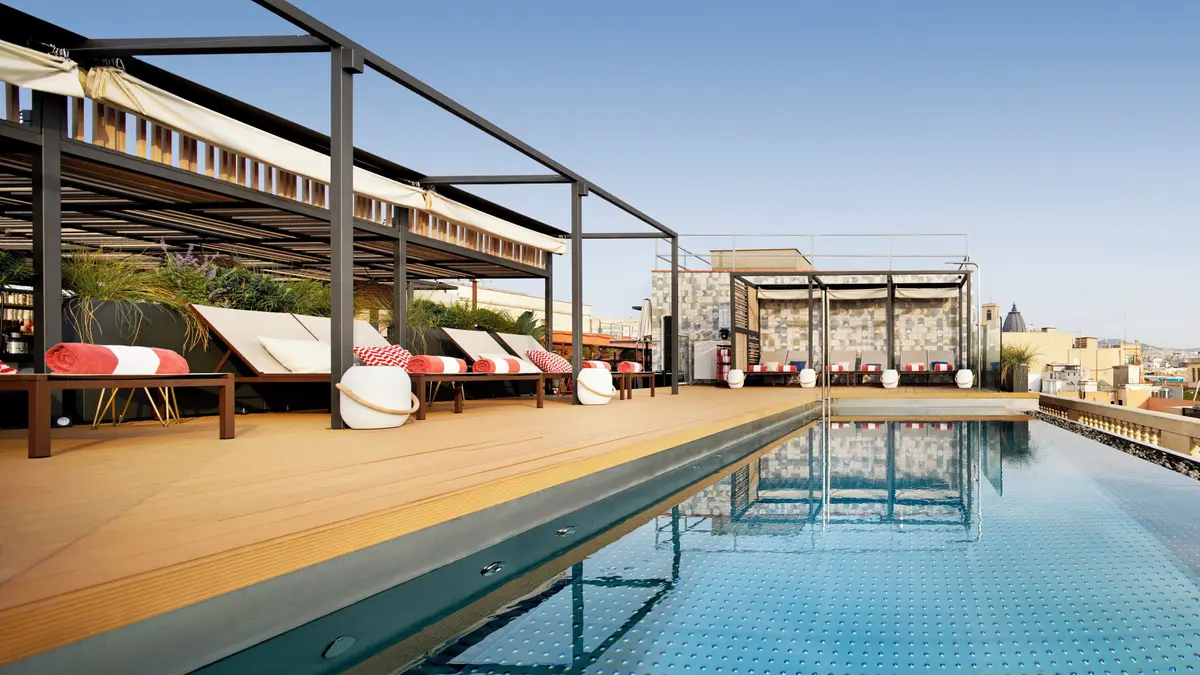
2. Flamenco, festivals & an eclipse: Spain’s big year
The most compelling reason to visit Spain in 2026 is the total solar eclipse on 12 August. The path of totality runs through northern Spain, with cities including Zaragoza and Bilbao well placed for viewing. Book accommodation in the north early: demand has been significant since the eclipse date was confirmed.
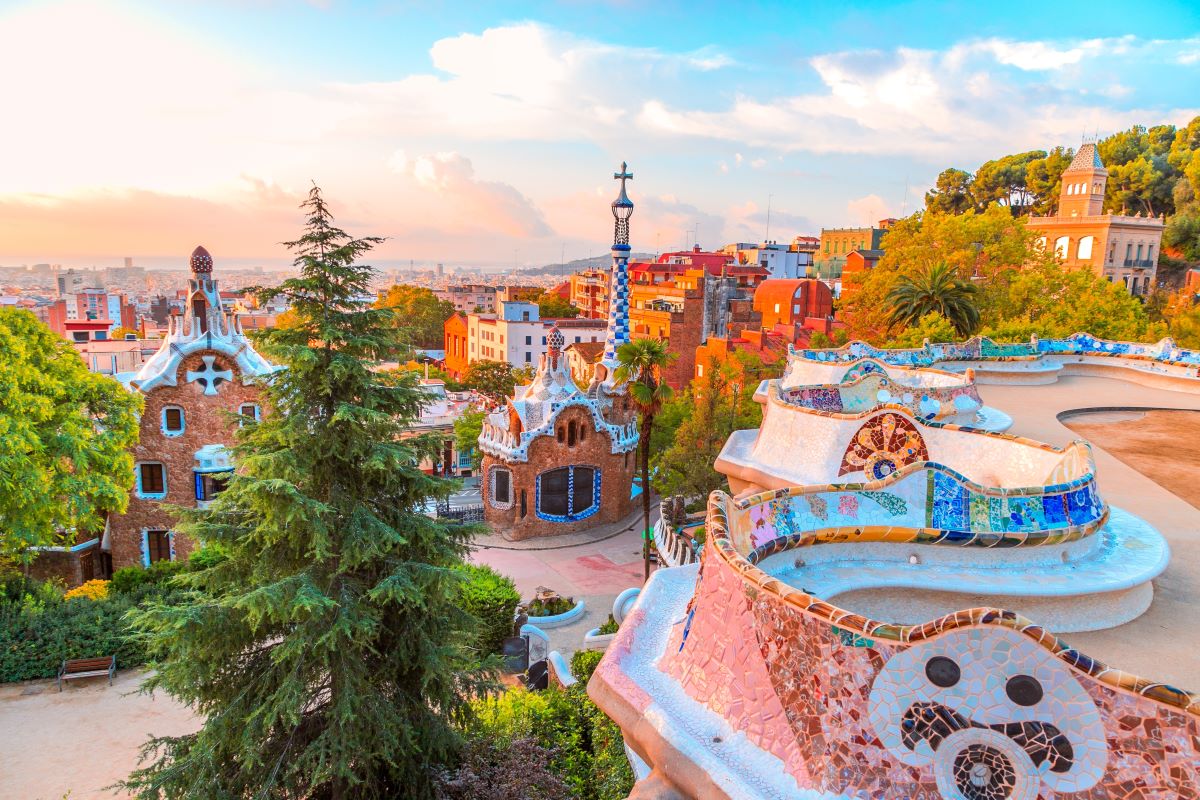
From sun-drenched beaches and rugged mountains to historic cities and charming villages, Spain’s allure is timeless. Experience flamenco dancing, centuries-old festivals, Gaudí’s architectural wonders and indulge in tapas, paella and world-class wines.
3. Japan in every season: cherry blossom, powder snow & steaming onsens
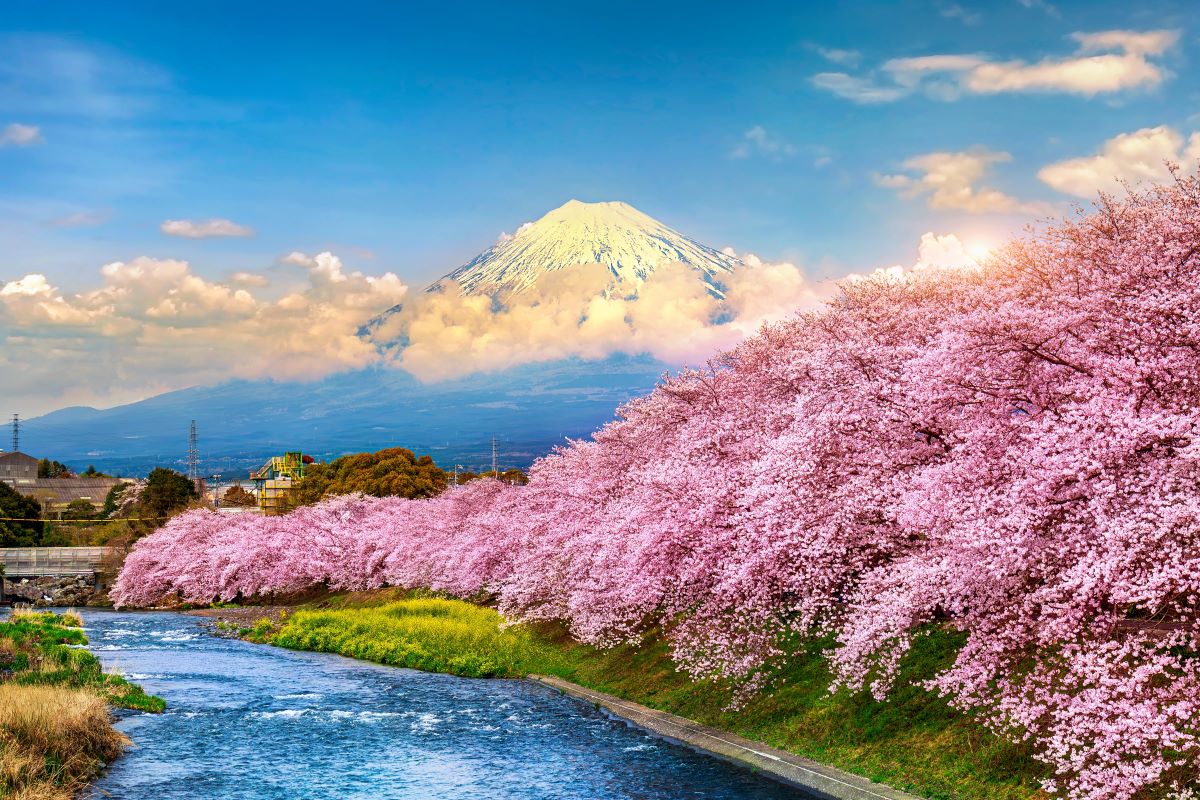
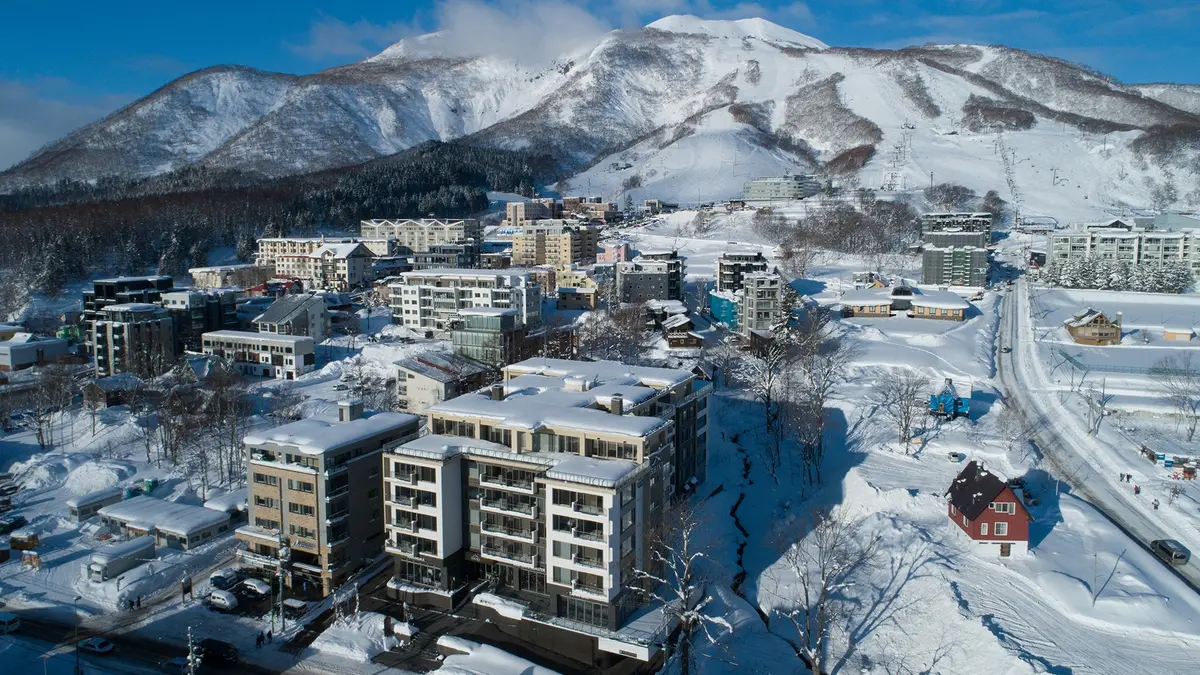
Japan rewards visitors year-round, but two windows stand out. Cherry blossom season runs from late March to early April (this can vary slightly), with the best displays in Kyoto, Tokyo, Osaka and Hiroshima. Snow season in Niseko and Hakuba runs December through March or even later, drawing skiers chasing the light, dry powder (known as JaPow) that falls reliably from Siberian weather systems crossing the Sea of Japan.
But Japan isn’t only worth visiting in peak season. The shoulder months – May, post Golden Week, and October – offer mild weather, fewer crowds and the kind of unhurried access to temples, ryokan and rural towns that the cherry blossom rush rarely allows. First-timers tend to anchor in Tokyo and Kyoto; return visitors head for the Noto Peninsula, the backstreets of Kanazawa or the onsen towns of Beppu, where the ground itself steams.
4. Malaysia: Southeast Asia’s most underrated destination finally has its moment
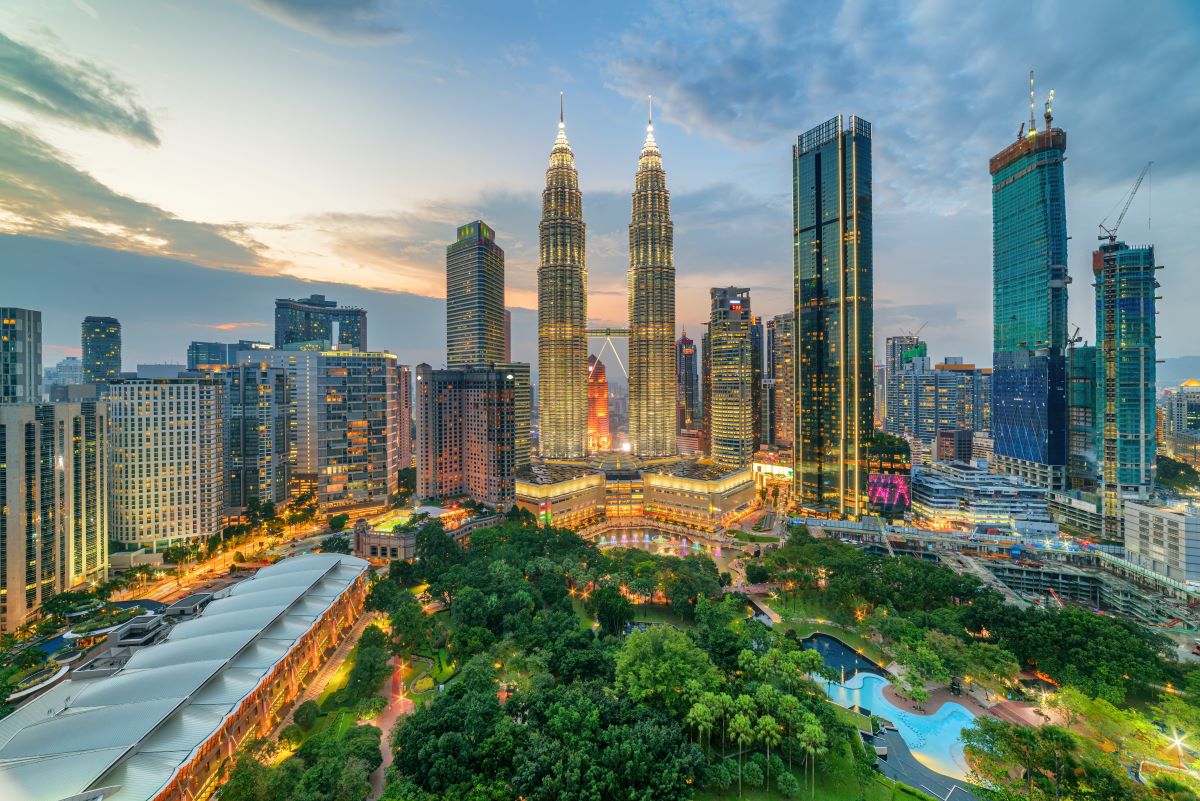
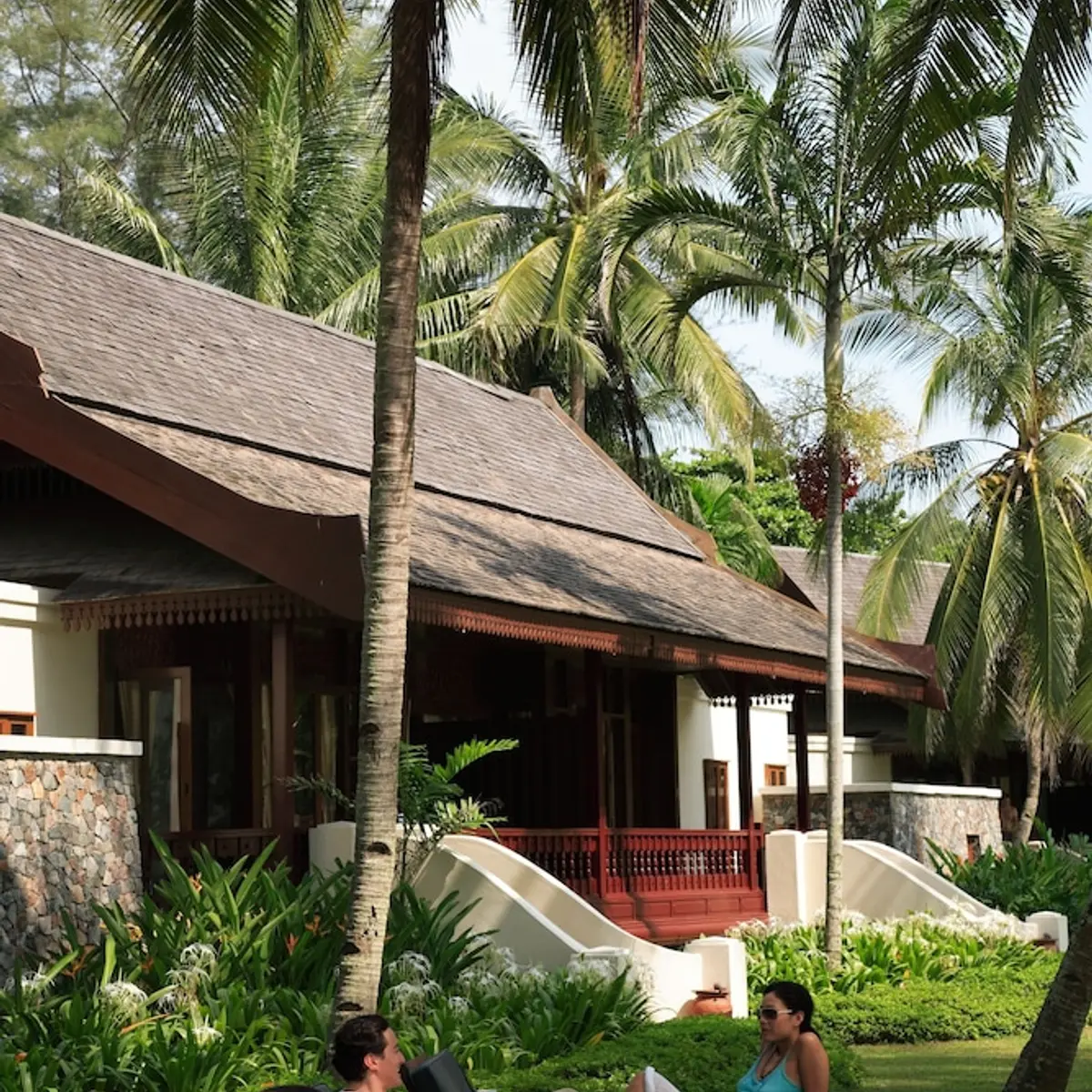
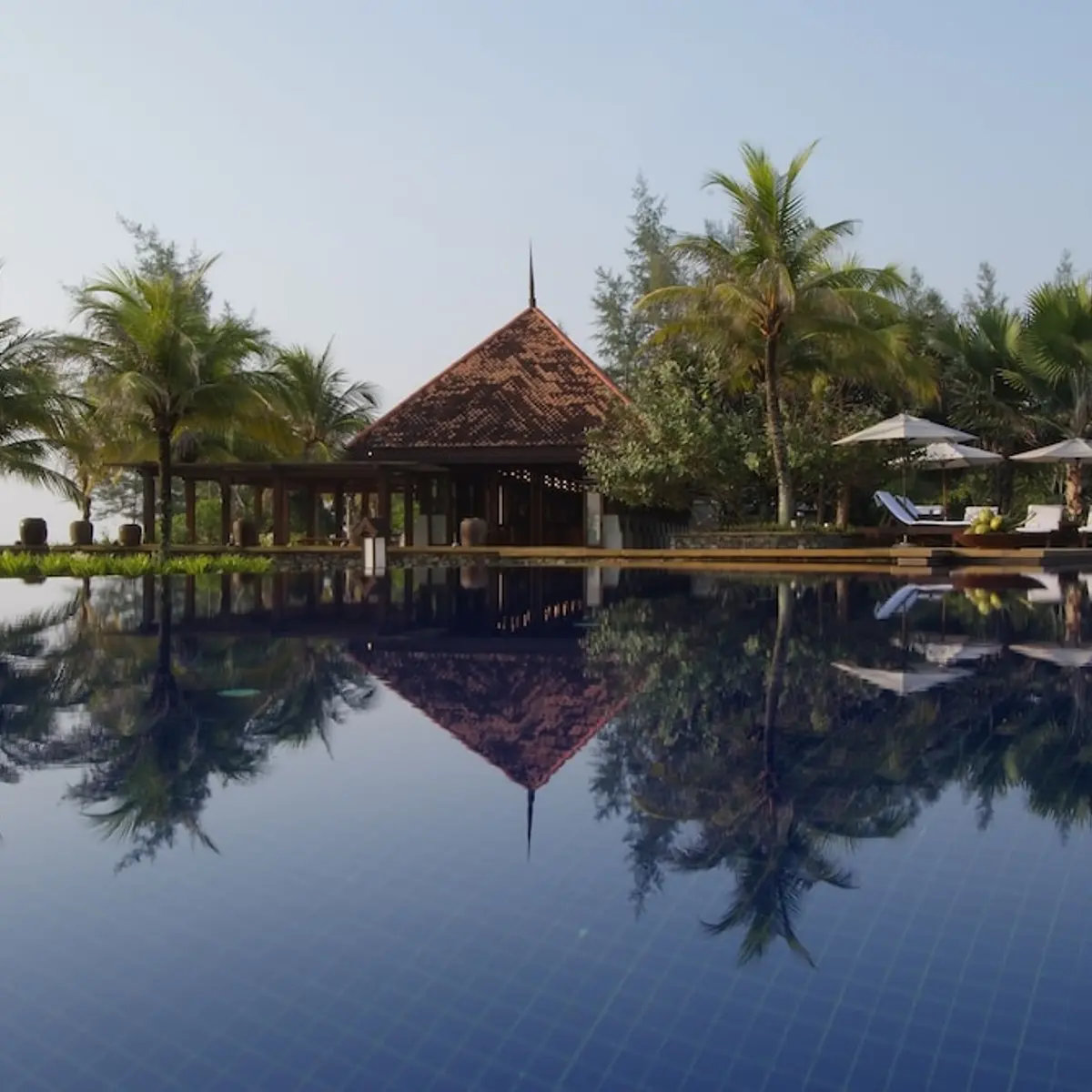
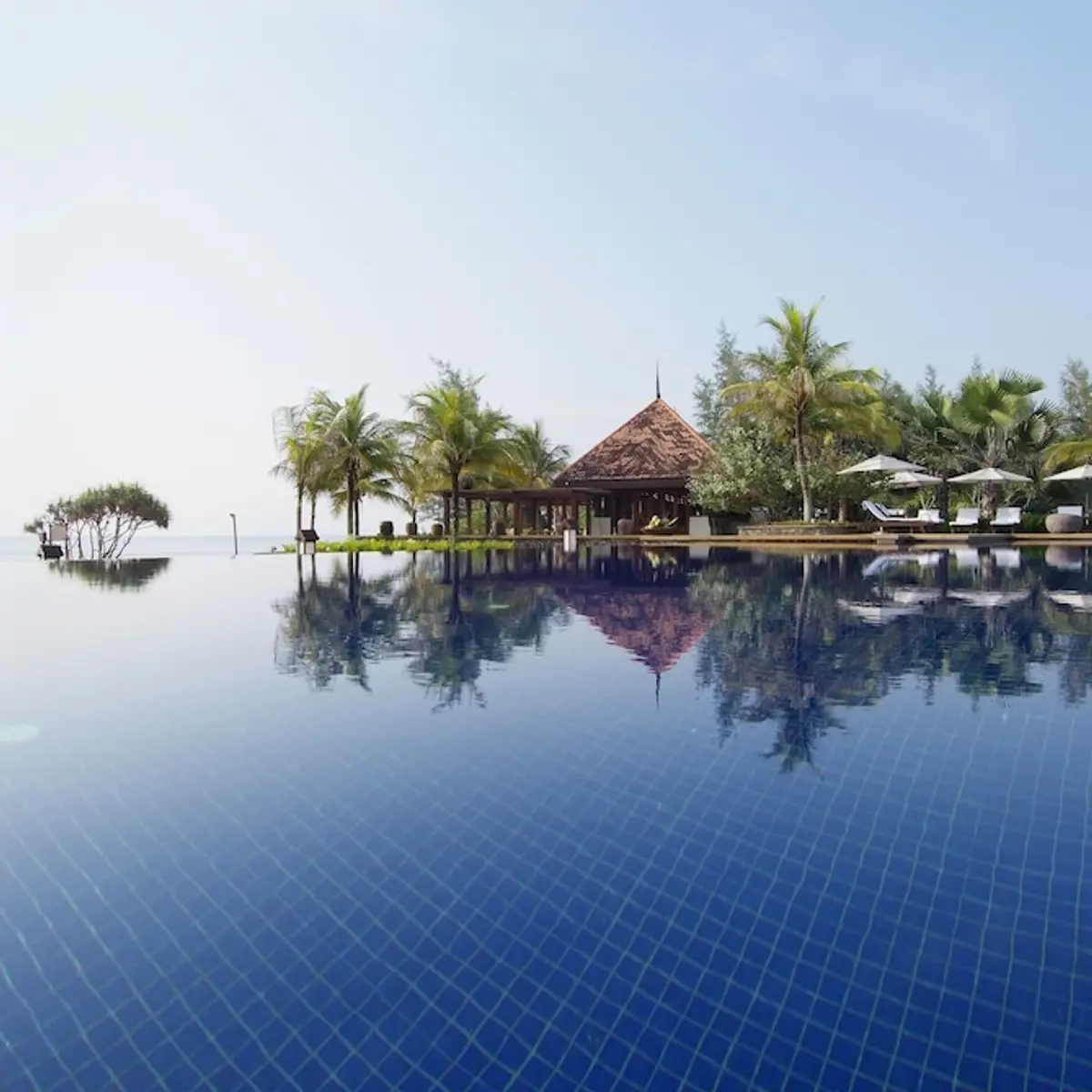
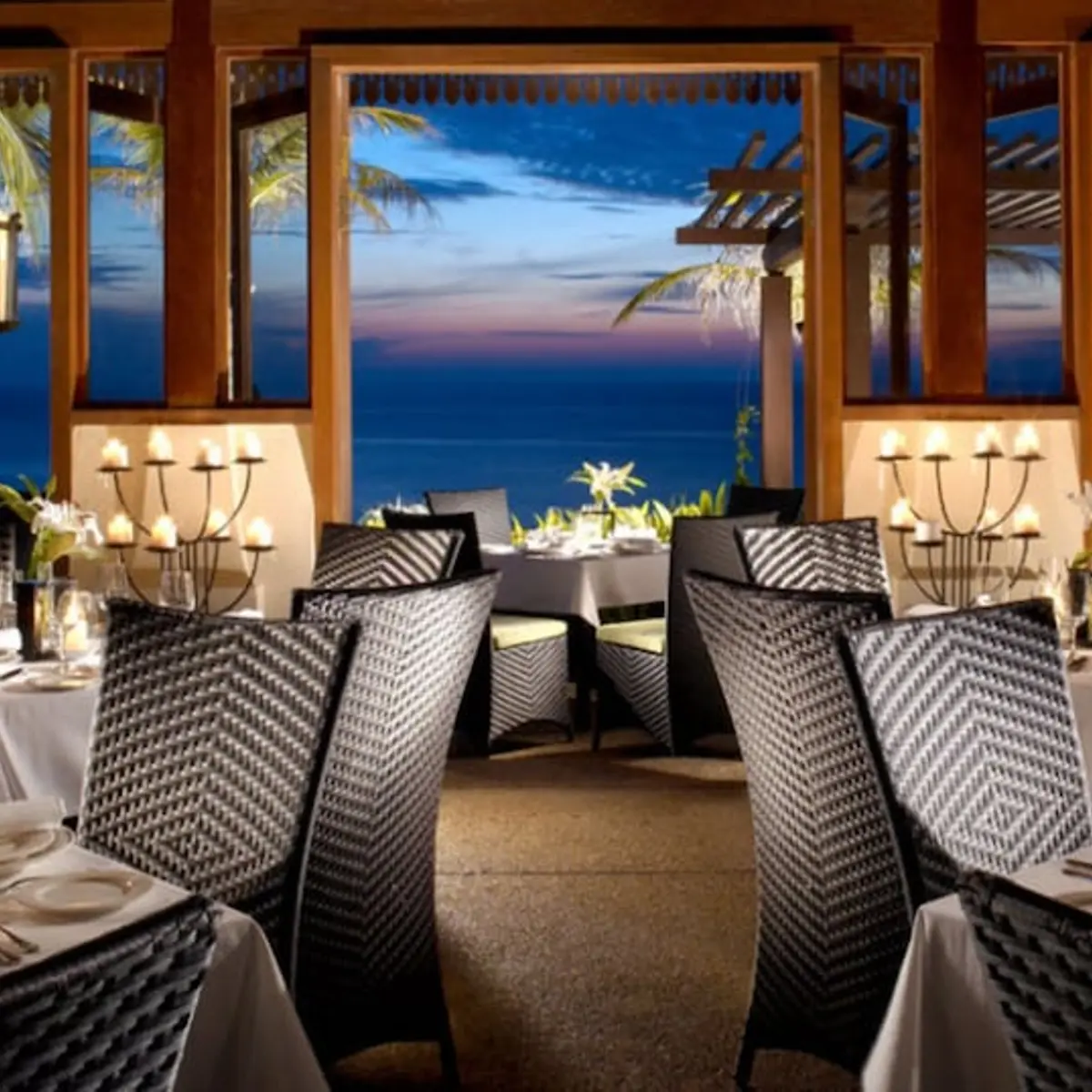
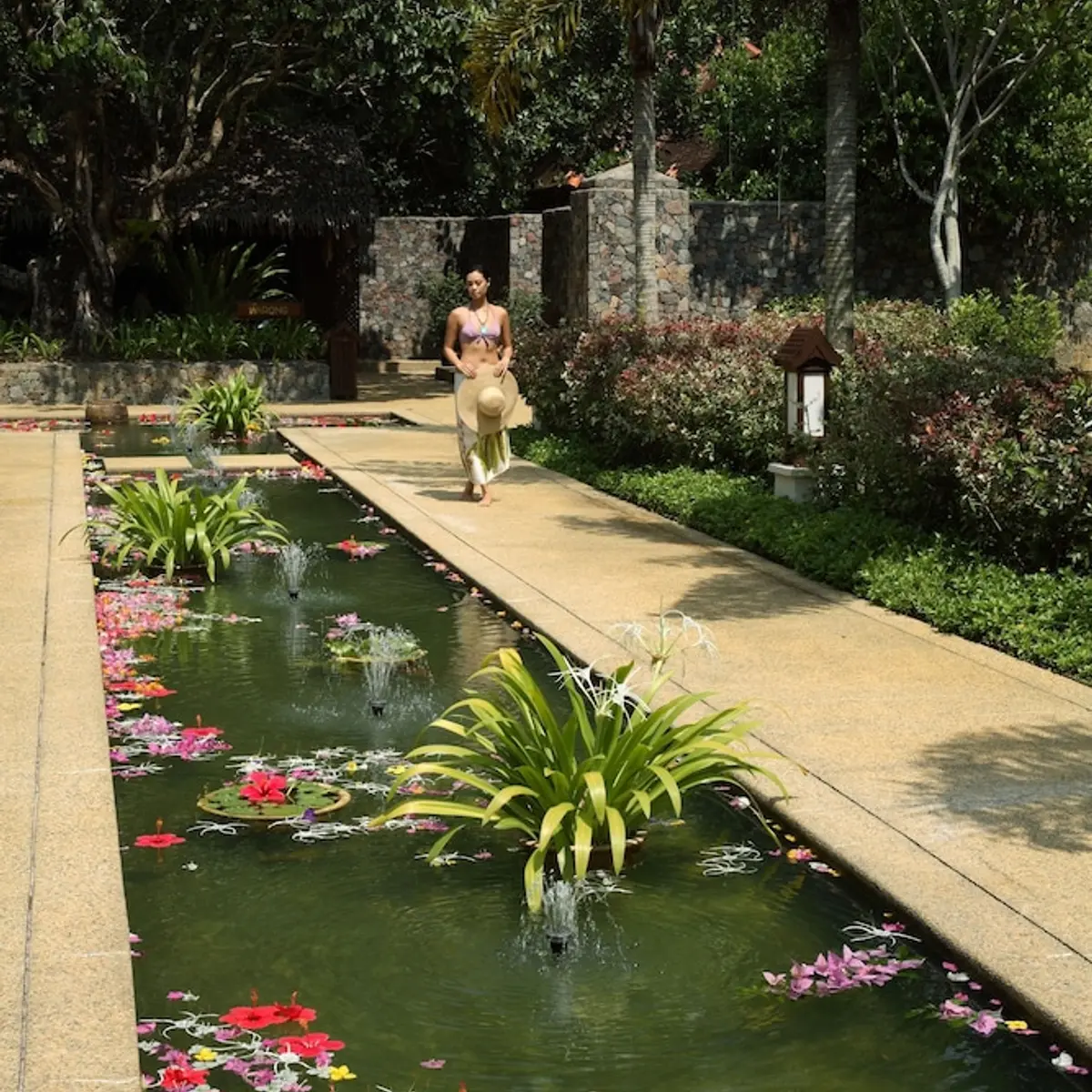
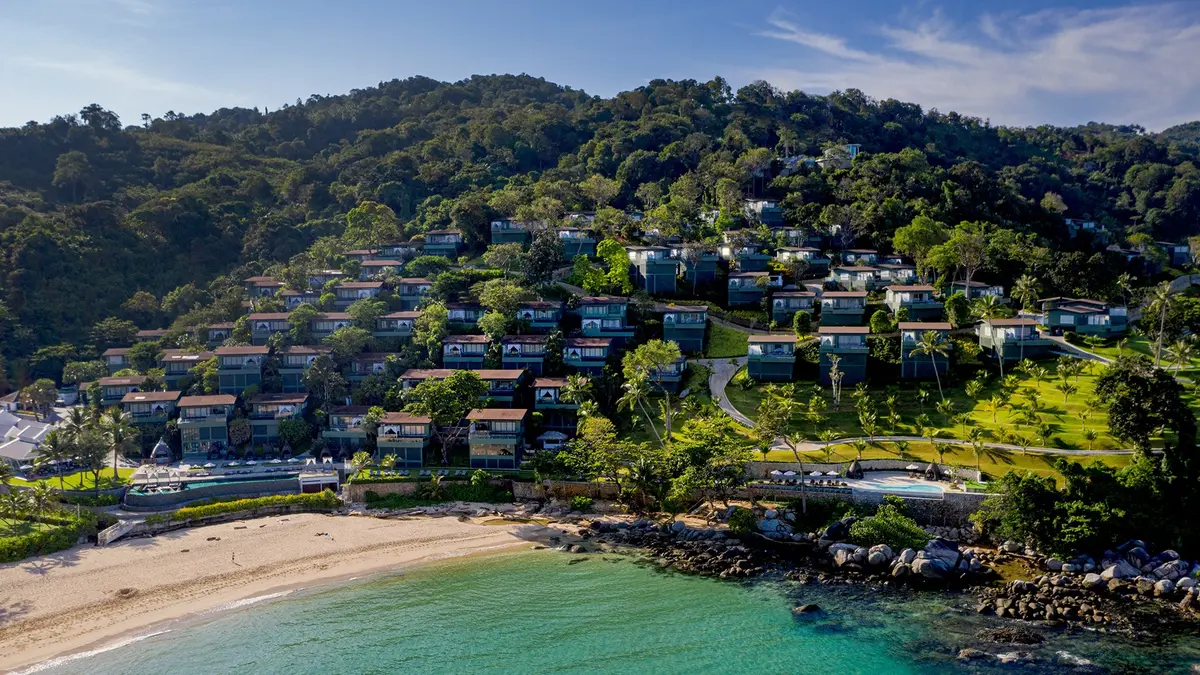
Kuala Lumpur is no longer just a stopover. The food alone justifies the flight, from hawker centres serving char kway teow at midnight to rooftop restaurants with views across the Petronas Towers. Beyond KL, the country opens up fast: Penang’s Georgetown has one of Southeast Asia’s best-preserved colonial streetscapes and a street food culture that takes days to properly explore. Borneo sits in a different category entirely – ancient rainforest, wild orangutans and rivers you travel by boat rather than road. For something slower, the Perhentian Islands offer clear water and a slower pace, which is exactly the point.



5. The case for Paros: whitewashed, unhurried & quieter than Mykonos
Paros is the laidback alternative to Mykonos – just as stunning, but blissfully less crowded. In the heart of the Cyclades, this Greek island blends golden beaches and whitewashed villages with a slow, soulful rhythm. Stroll the cobbled lanes of Naoussa, sail to hidden coves, and linger over long lunches by the Aegean Sea. In 2026, skip the flashy beach clubs and uncover a slice of island life where tradition meets understated luxury.

6. Ha Long Bay to Hoi An: Vietnam still surprises, even on a second visit
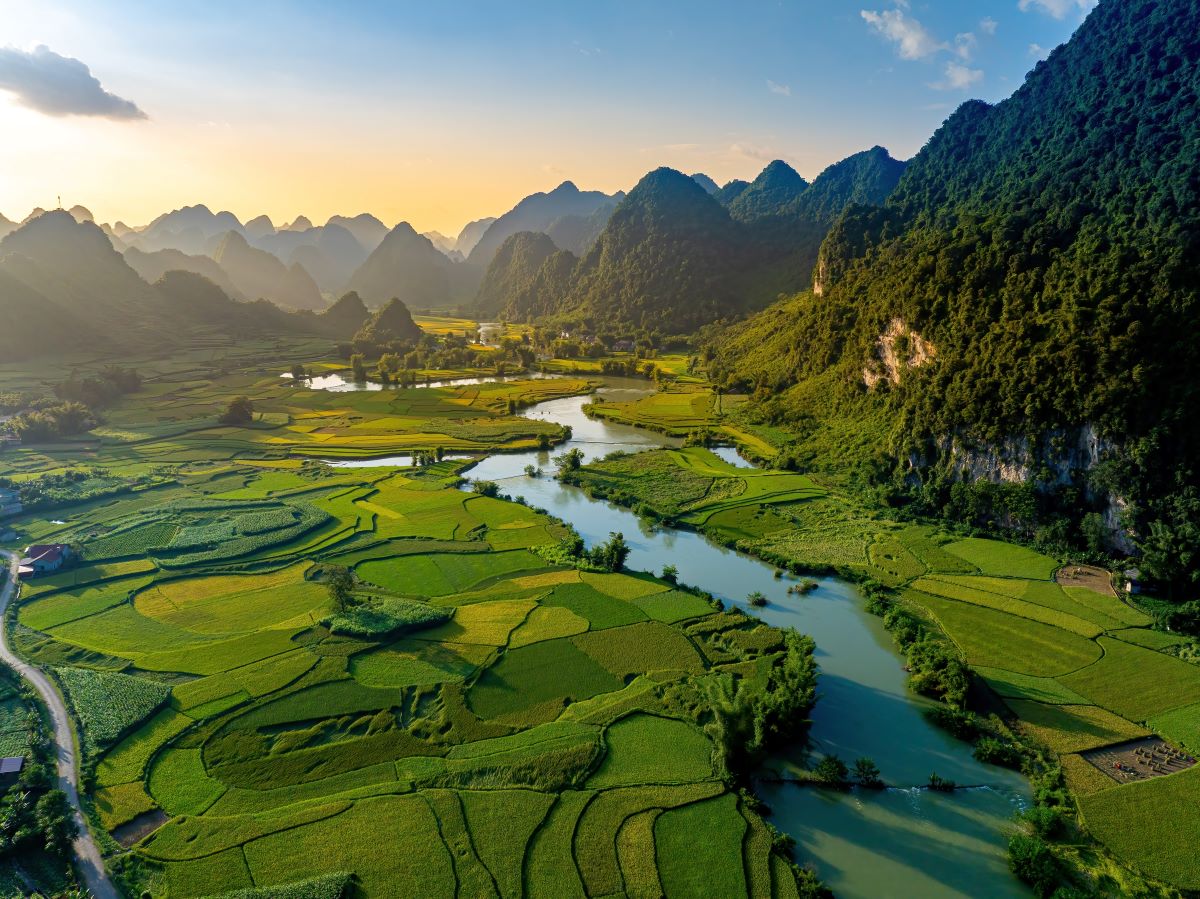
Cruise through the limestone peaks of Ha Long Bay, weave through Hanoi’s motorbike-filled streets or unwind beside the lantern-lit rivers of Hoi An. From the sizzling street food of Saigon to the misty mountains of Sapa, every corner of Vietnam offers something uniquely captivating, all at a fraction of the cost of many other destinations.
The centre – Hoi An, Da Nang, Hue – is driest from February to April. The north, including Hanoi and Ha Long Bay, is best from October to April (depending on the area). Saigon is manageable year-round, though the wet season (May to October) brings afternoon downpours that clear quickly.
7. Europe’s best-kept secret: ancient temples, hidden coves & abundant history
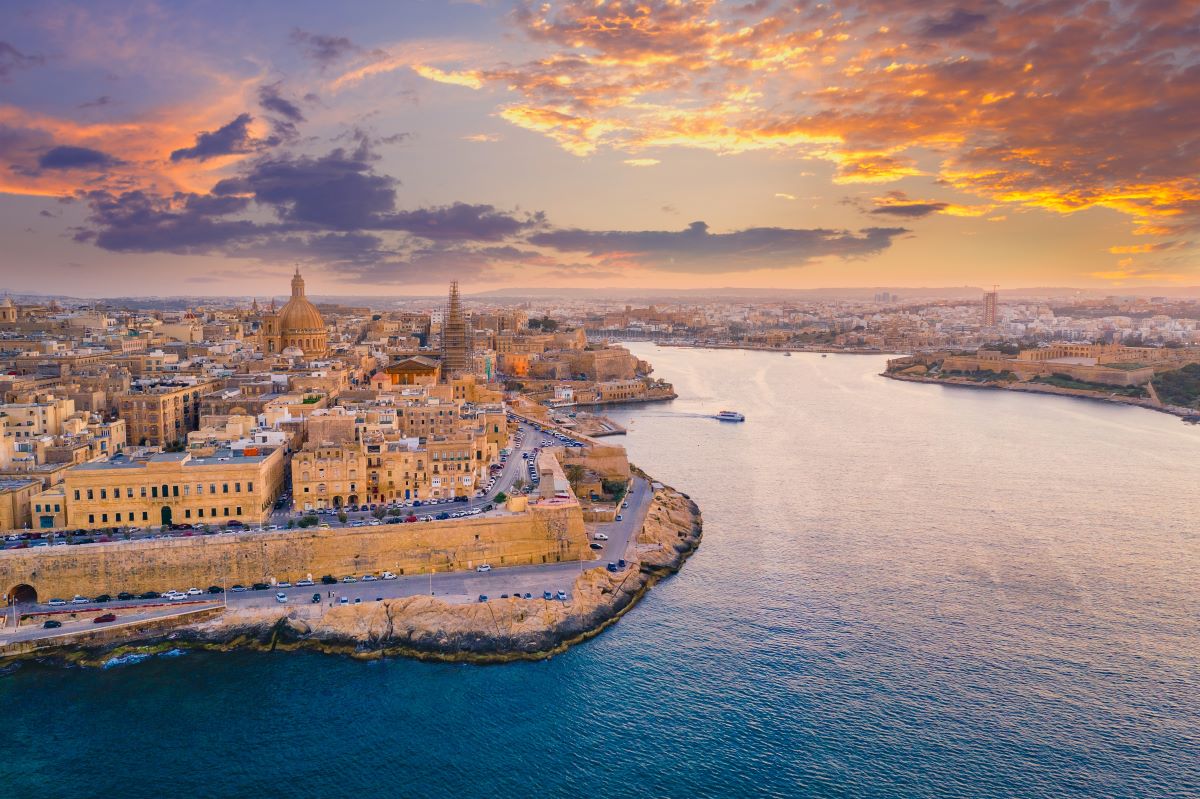
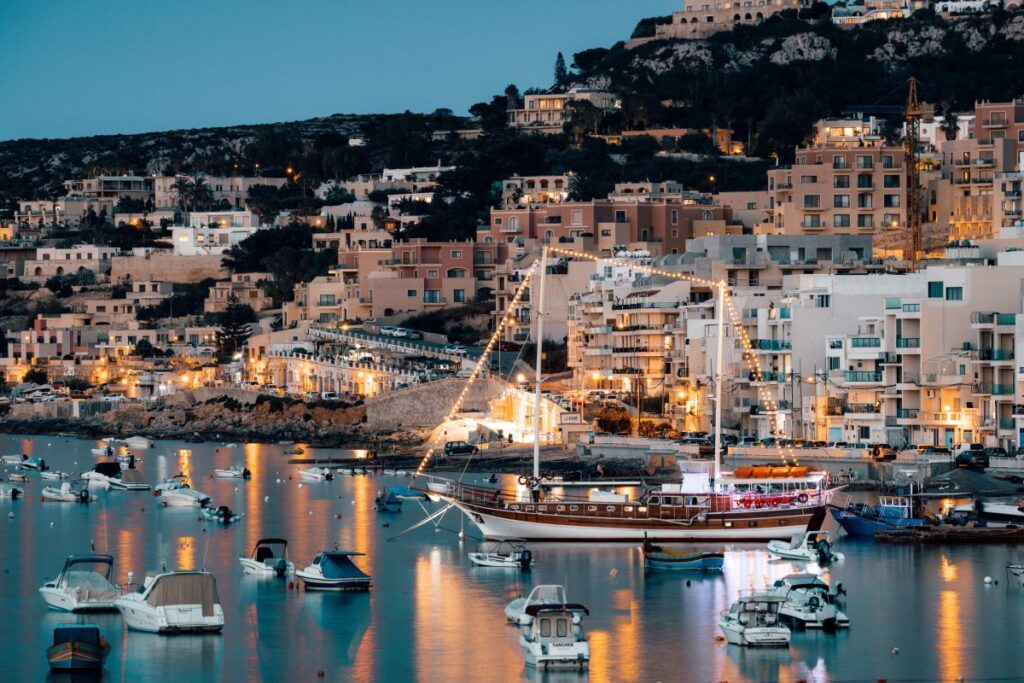
It’s smaller than Greater London, but Malta packs in more history per square kilometre than almost anywhere in the Mediterranean. The megalithic temples at Ħaġar Qim are thought to predate Stonehenge by a thousand years. The fortified capital, Valletta – one of Europe’s smallest capitals – is all honey-coloured limestone and baroque churches, with a food scene that’s quietly become one of the region’s best. And then there’s Gozo, the smaller sister island: slower, greener, with cliffs that drop straight into clear water and a pace of life that makes the rest of Europe feel frenetic.
Malta offers the same blue water and less foot traffic than the Greek islands or Amalfi Coast. In 2026, that trade-off is harder to justify than ever.
8. Sri Lanka: wild coastlines, jungle hills & Ayurvedic traditions
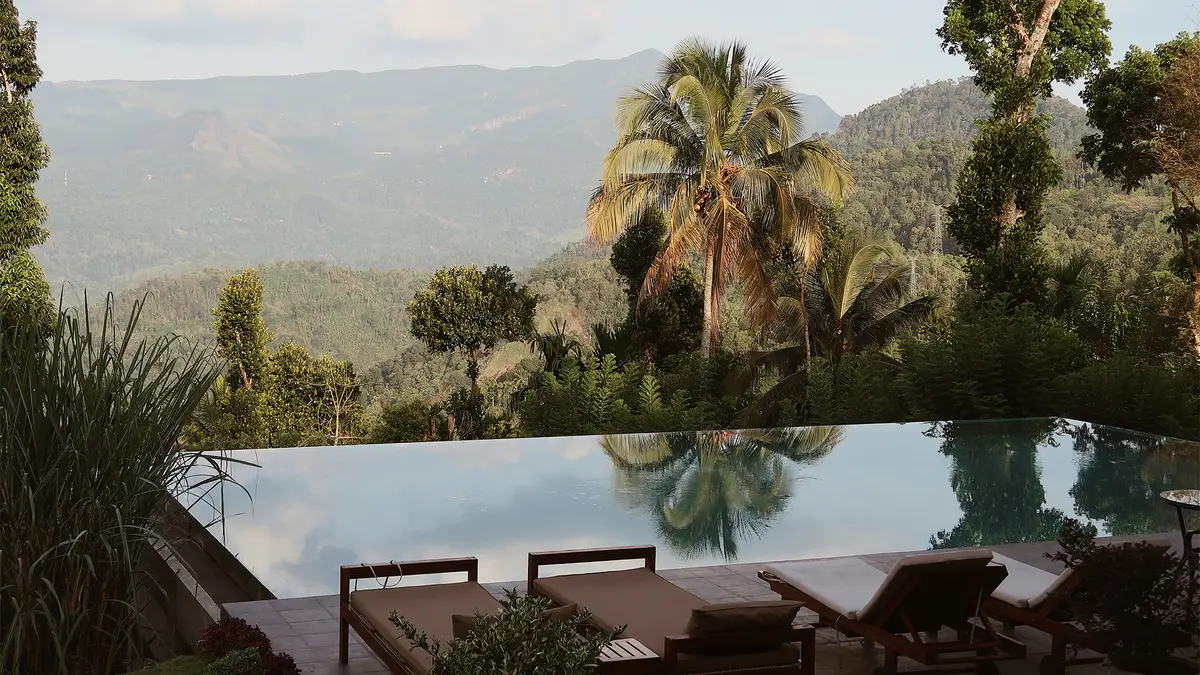
Sri Lanka is small enough to feel knowable and varied enough to keep surprising you. The southwestern coast – Mirissa, Unawatuna, Tangalle – has the beaches; the Cultural Triangle in the centre has the ancient sites, including the rock fortress of Sigiriya, which rises 200 metres from the jungle floor and has been drawing visitors for over a thousand years. In Kandy, the Temple of the Tooth draws pilgrims daily. In the hill country around Ella, tea plantations run to the horizon and the train journey from Kandy is one of the best in Asia. The Ayurvedic tradition runs through all of it – authentic treatments, not hotel spa versions, are available at dedicated retreat centres across the island, particularly around Galle and the south coast. The best time to visit the south and west is December to March; the east coast flips, with April to September offering calmer seas.
9. The archipelago that still surprises: why the Philippines belongs on your 2026 list
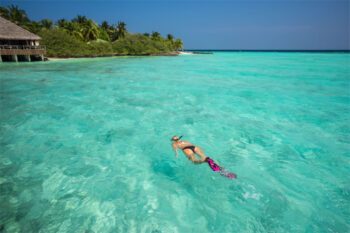
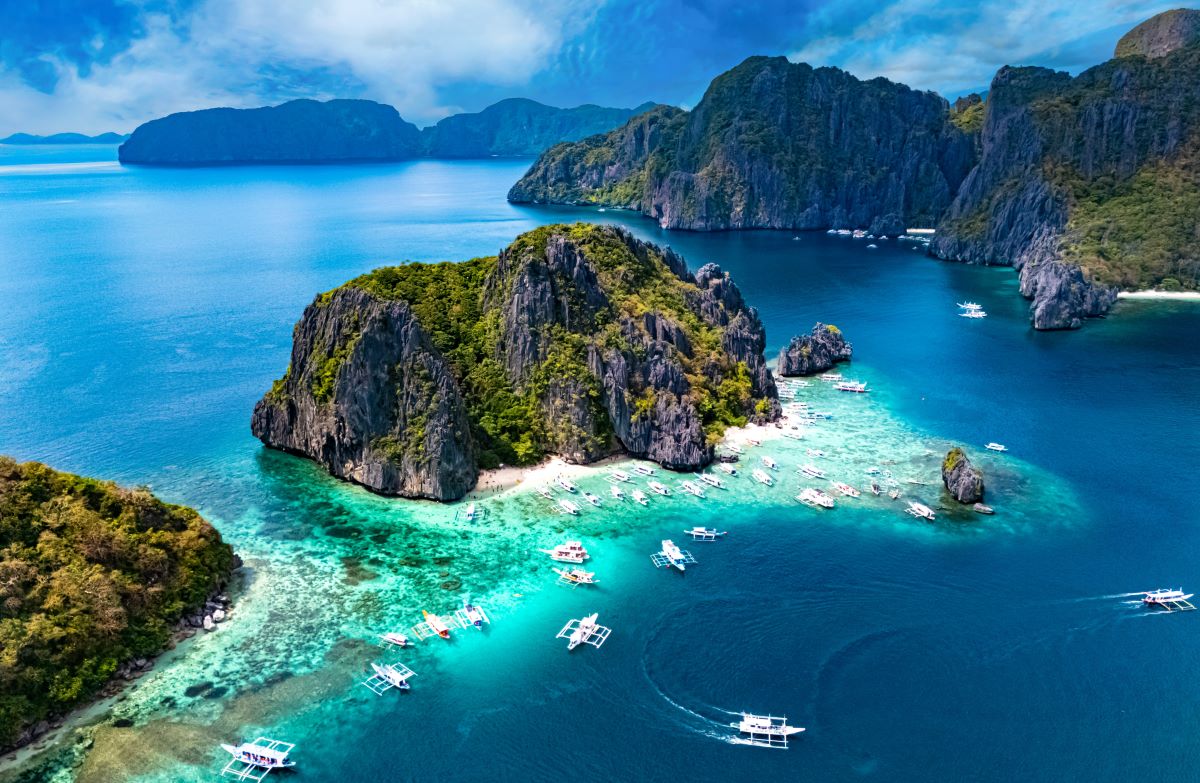
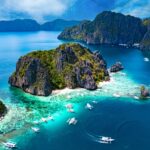
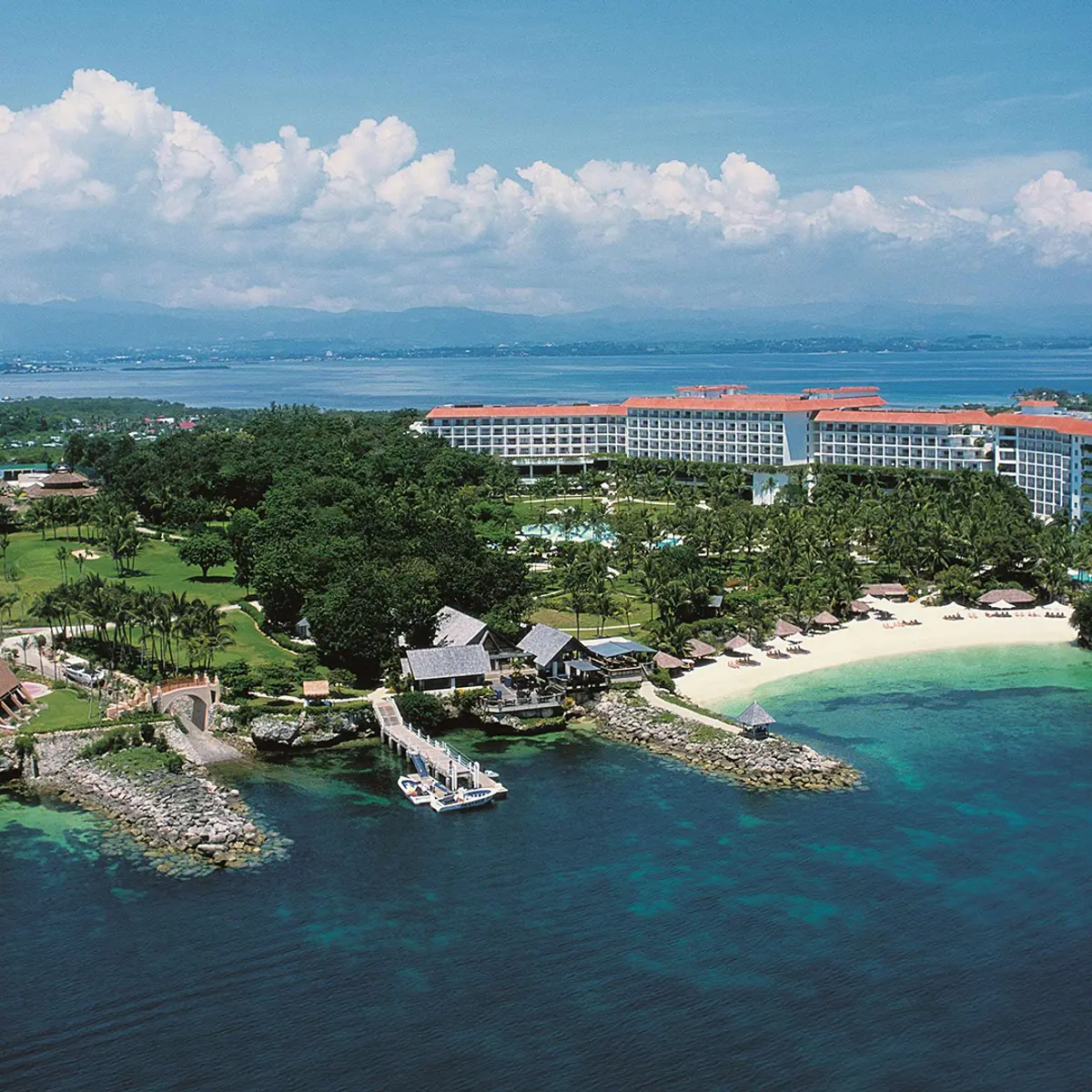
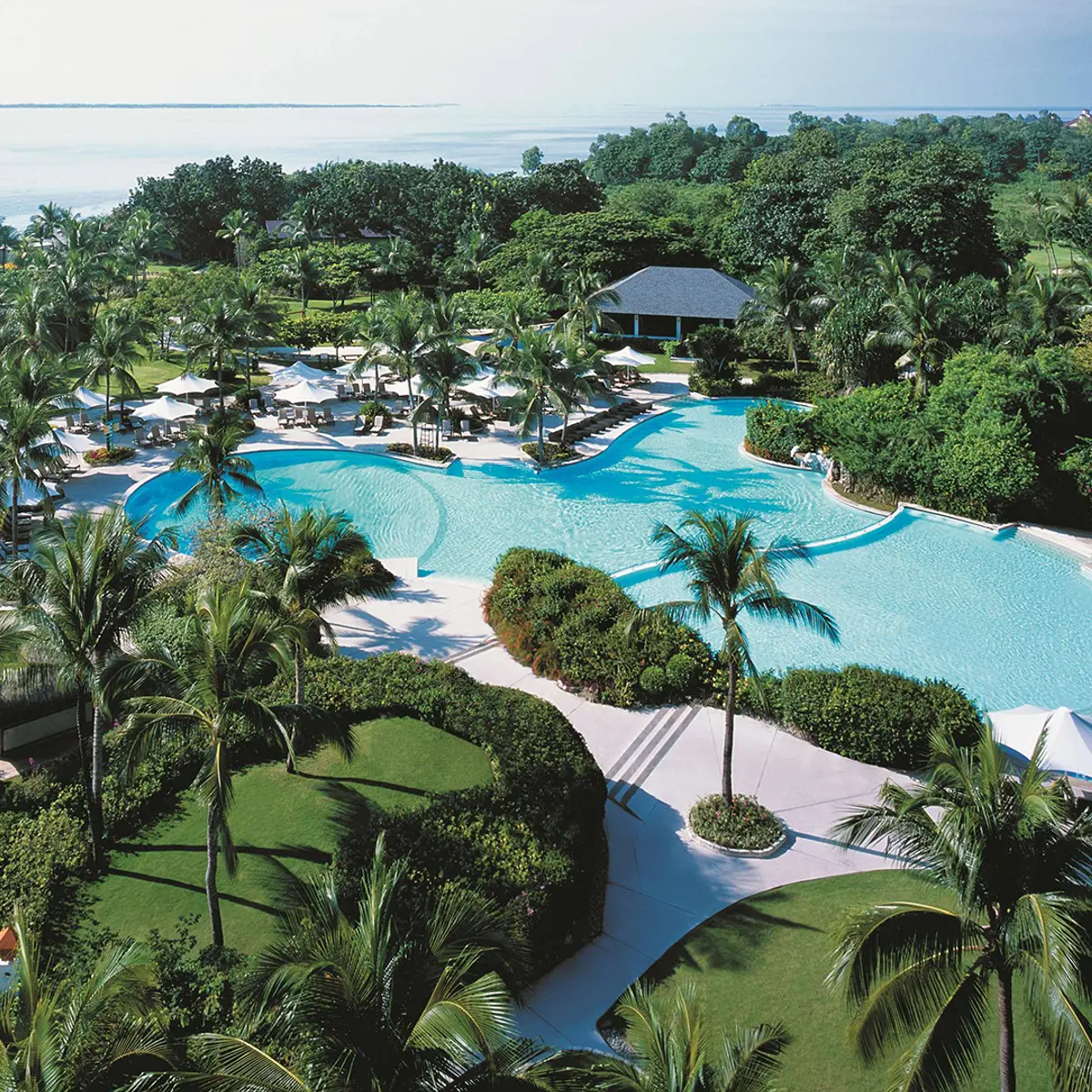
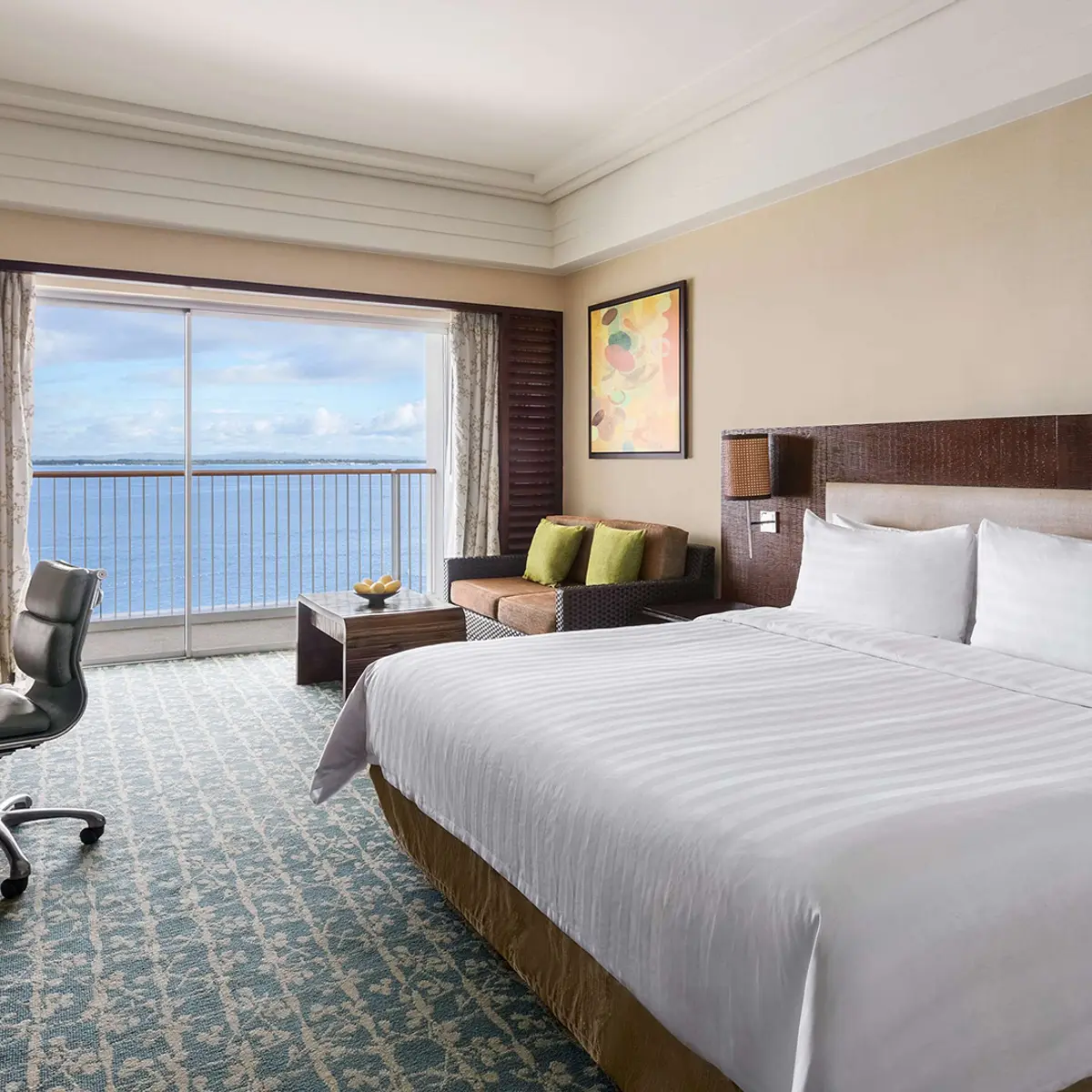
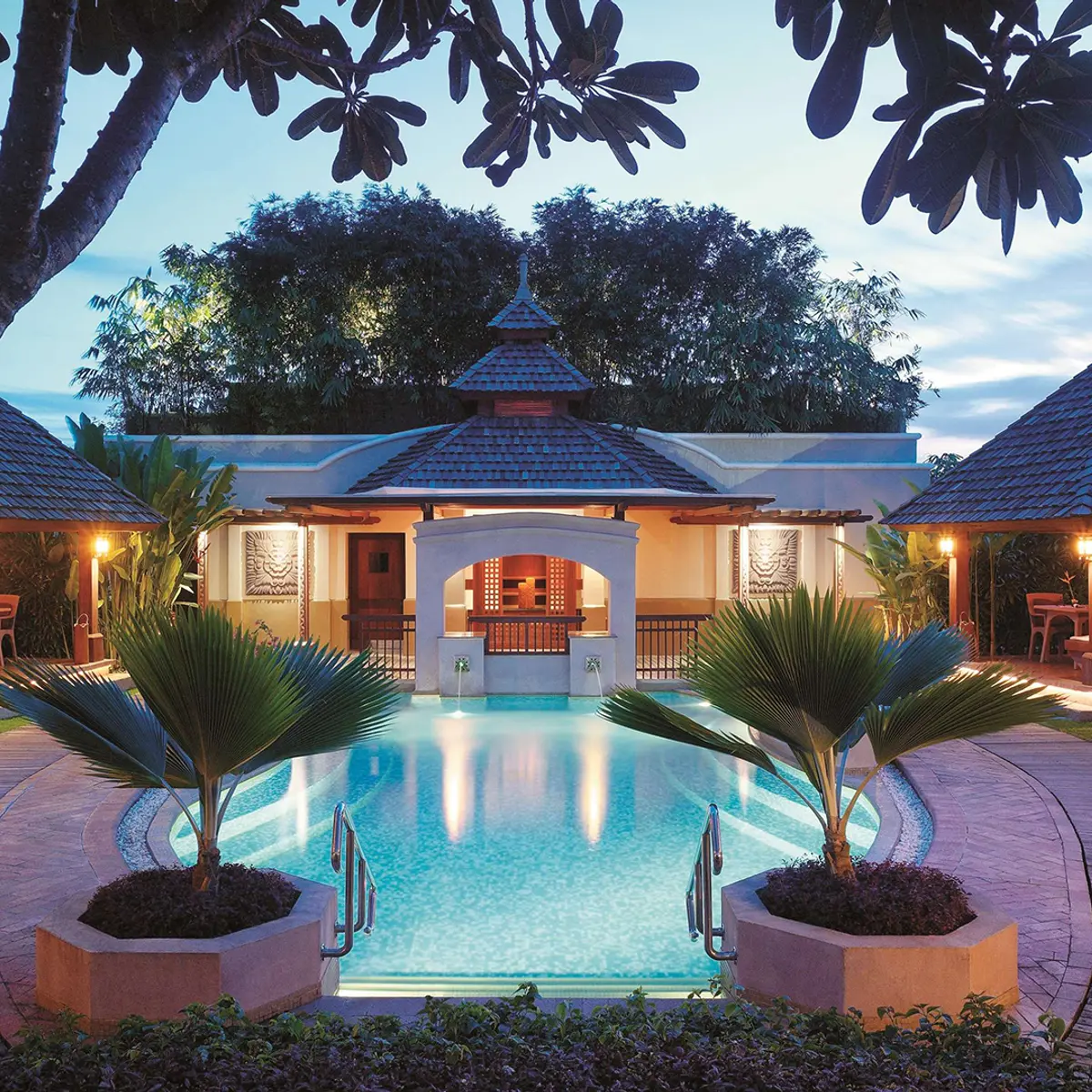
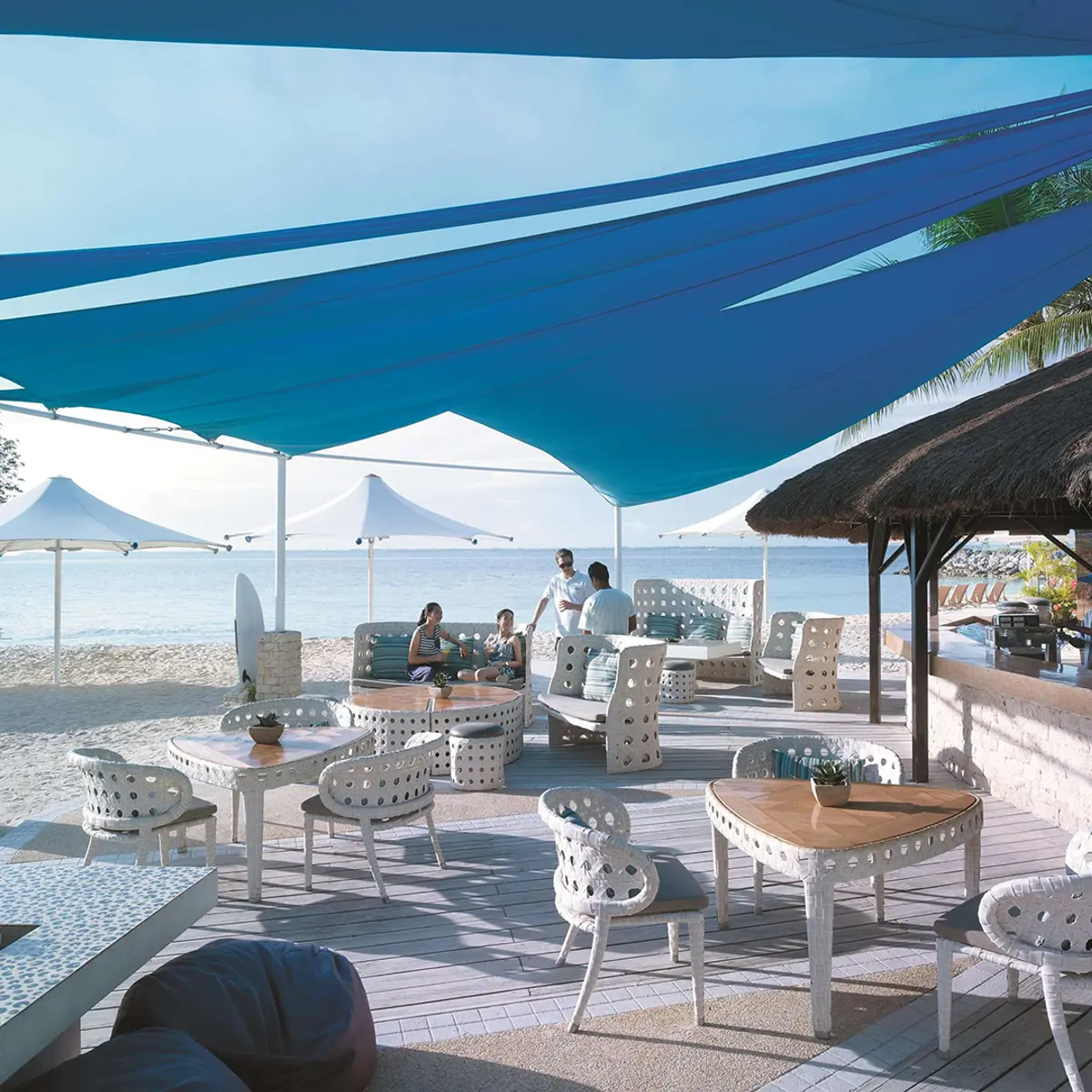
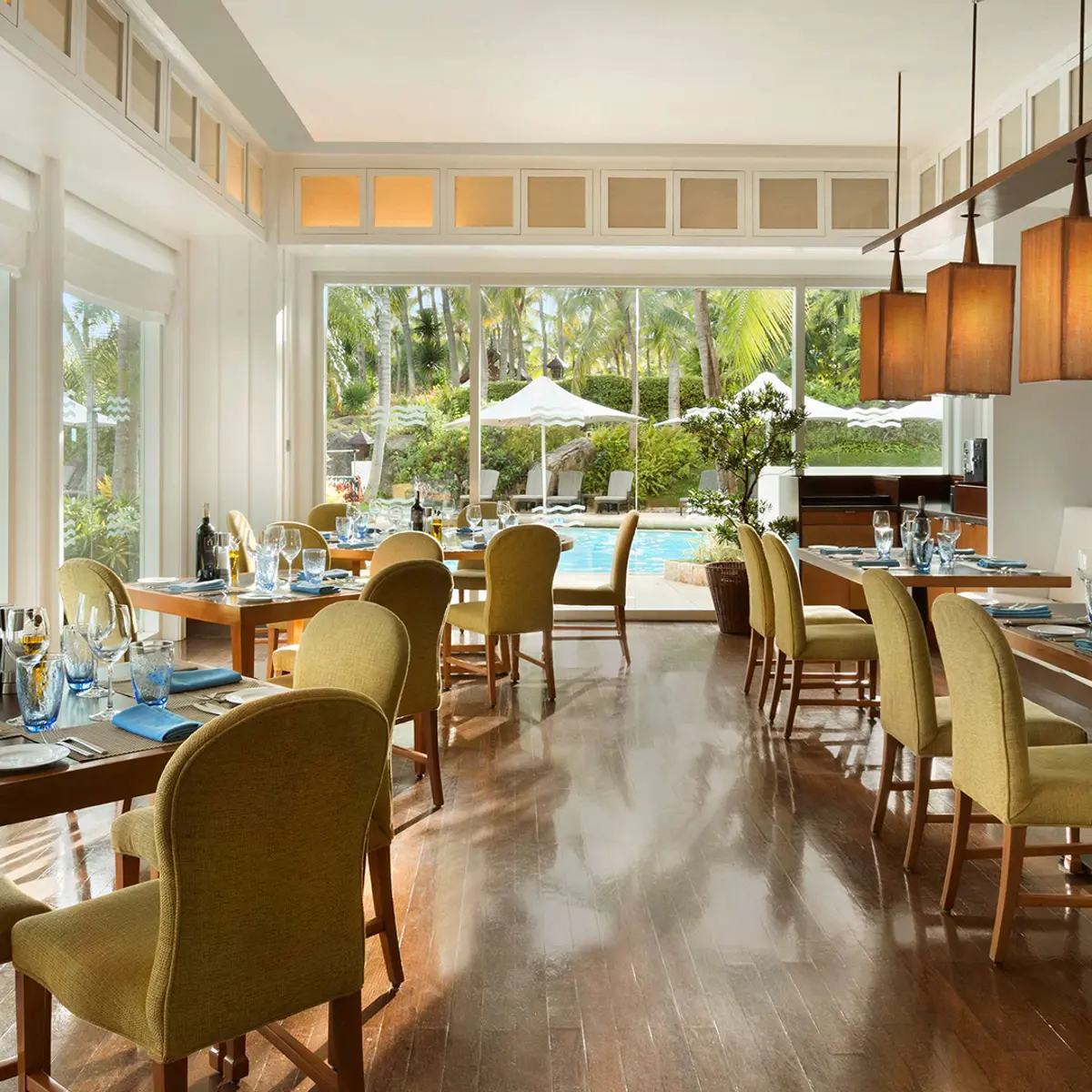
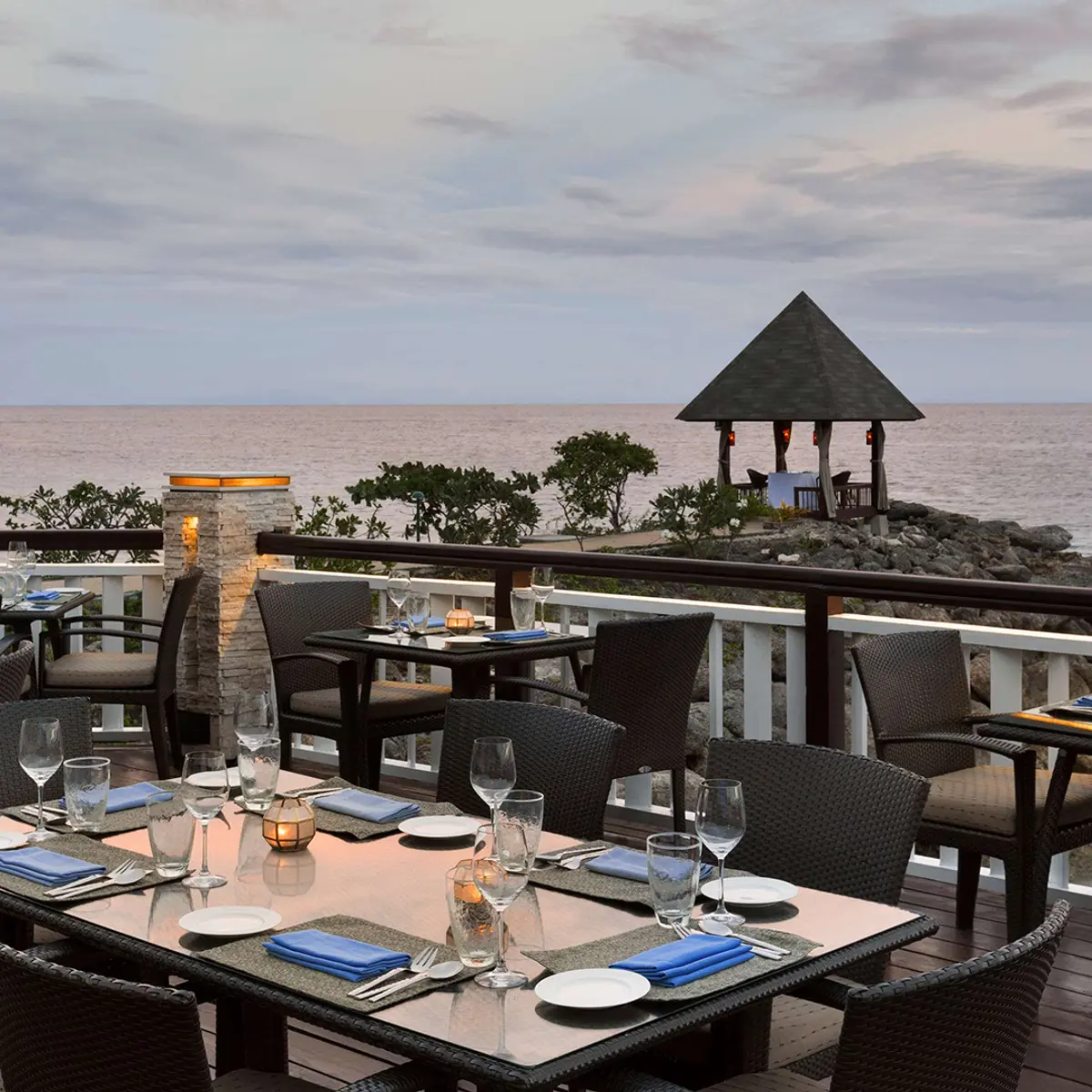
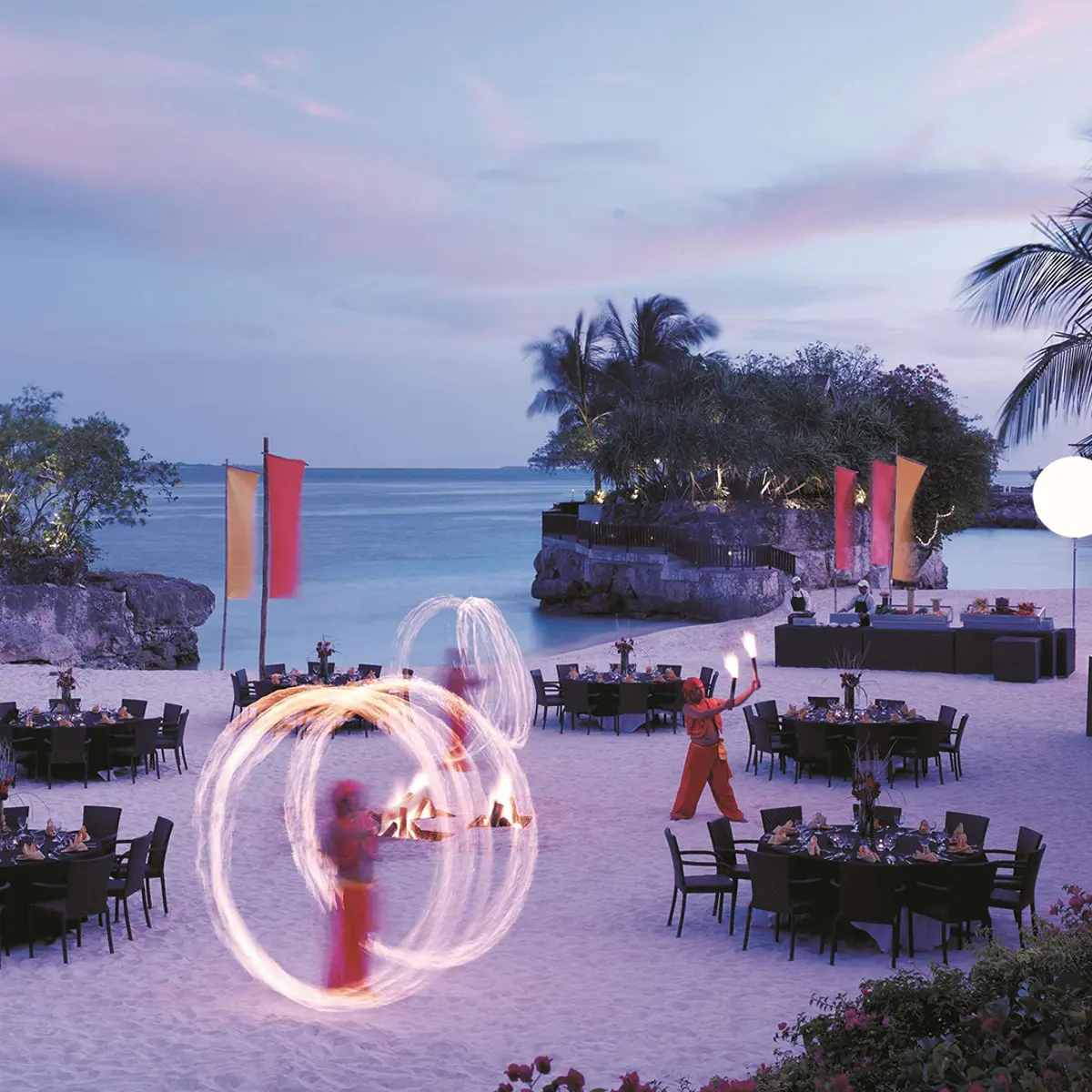
The Philippines is a tropical daydream brought to life. In 2026, this breathtaking archipelago is calling travellers seeking off-the-beaten-path adventure, without the price tag of more mainstream destinations. Dive with whale sharks in Cebu, kayak through the crystal-clear lagoons of El Nido or chase waterfalls in mystical Siquijor. Beyond the turquoise waters lies a rich tapestry of Spanish colonial history, vibrant festivals and soulful street food.


10. Star-filled desert skies, ancient souks & turquoise wadis in Oman
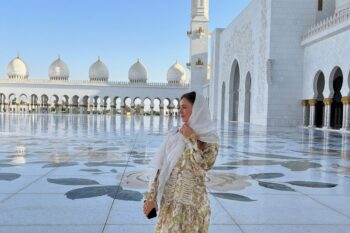
Oman offers a deep, authentic Middle Eastern experience, a step change from the glitz of its neighbours. It’s a country that’s quietly confident in what it has, which turns out to be quite a lot. Muscat’s waterfront corniche and the Sultan Qaboos Grand Mosque are musts. Beyond the capital, the Wahiba Sands offer dune camping under skies that are genuinely dark, while the canyon walks of Jebel Akhdar – the so-called Green Mountain – sit at 2,000 metres and stay cooler even in summer. Along the coast, turtles nest at Ras Al Jinz from May through October. It’s the kind of destination that visitors tend to keep to themselves, which is precisely the reason to go.
11. Seoul’s street food, mountain temples & K-culture cool: South Korea in full stride
South Korea‘s capital, Seoul, is easy to underestimate from a distance. Up close, it’s one of the most interesting cities in Asia – a place where a 600-year-old palace sits surrounded by glass towers, where the street food in Gwangjang Market has passed through generations, and where a night in a jjimjilbang (a Korean bathhouse) costs less than a cocktail and leaves you feeling considerably better. Outside the capital, the pace drops sharply: the templestay program at Haeinsa, the walled city of Suwon and the tea fields of Boseong are all within a few hours. Time your visit for late March to mid-April for cherry blossoms, or November for the fiery autumn colour on Seoraksan.
12. New Zealand’s dramatic south & vibrant north: why one trip is never enough
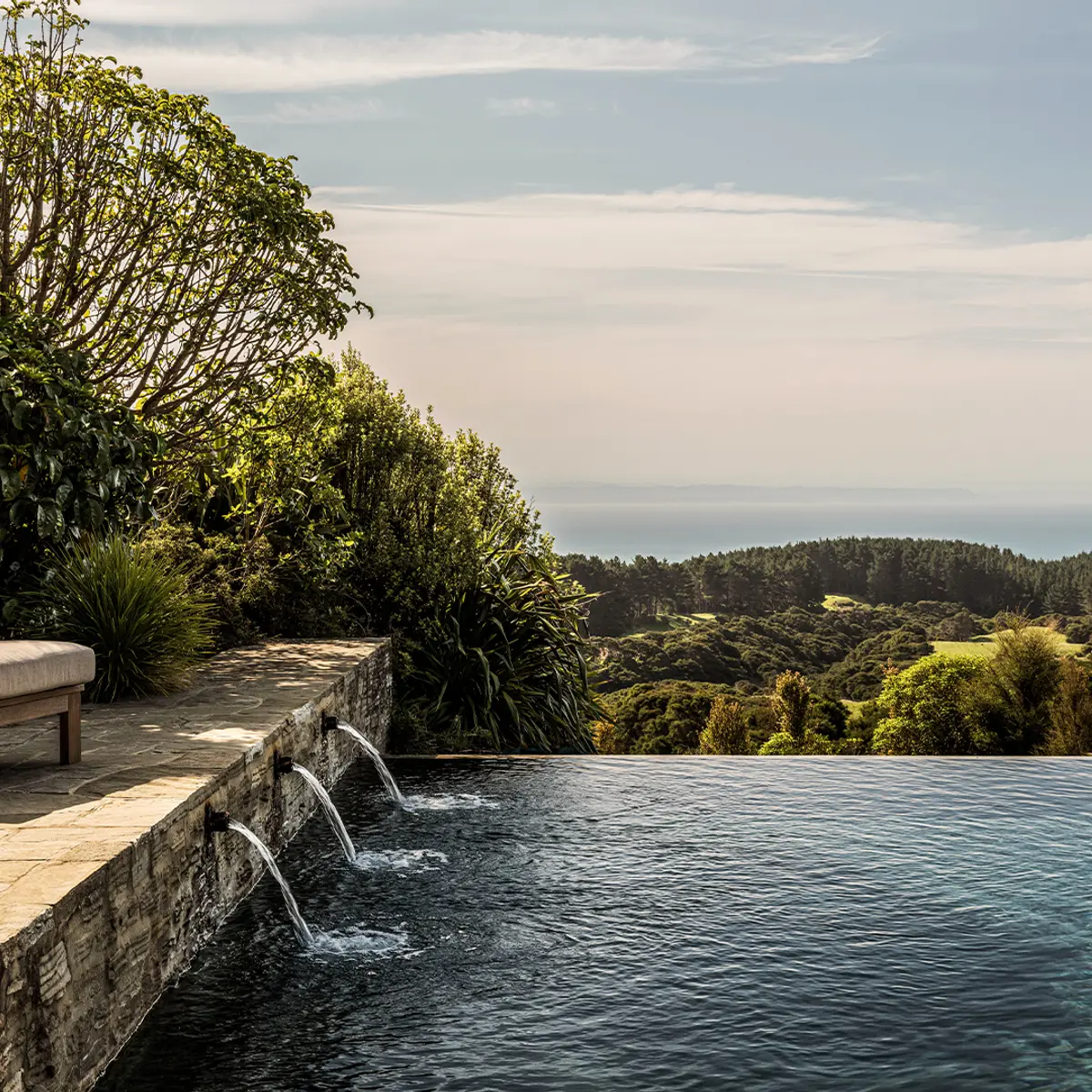
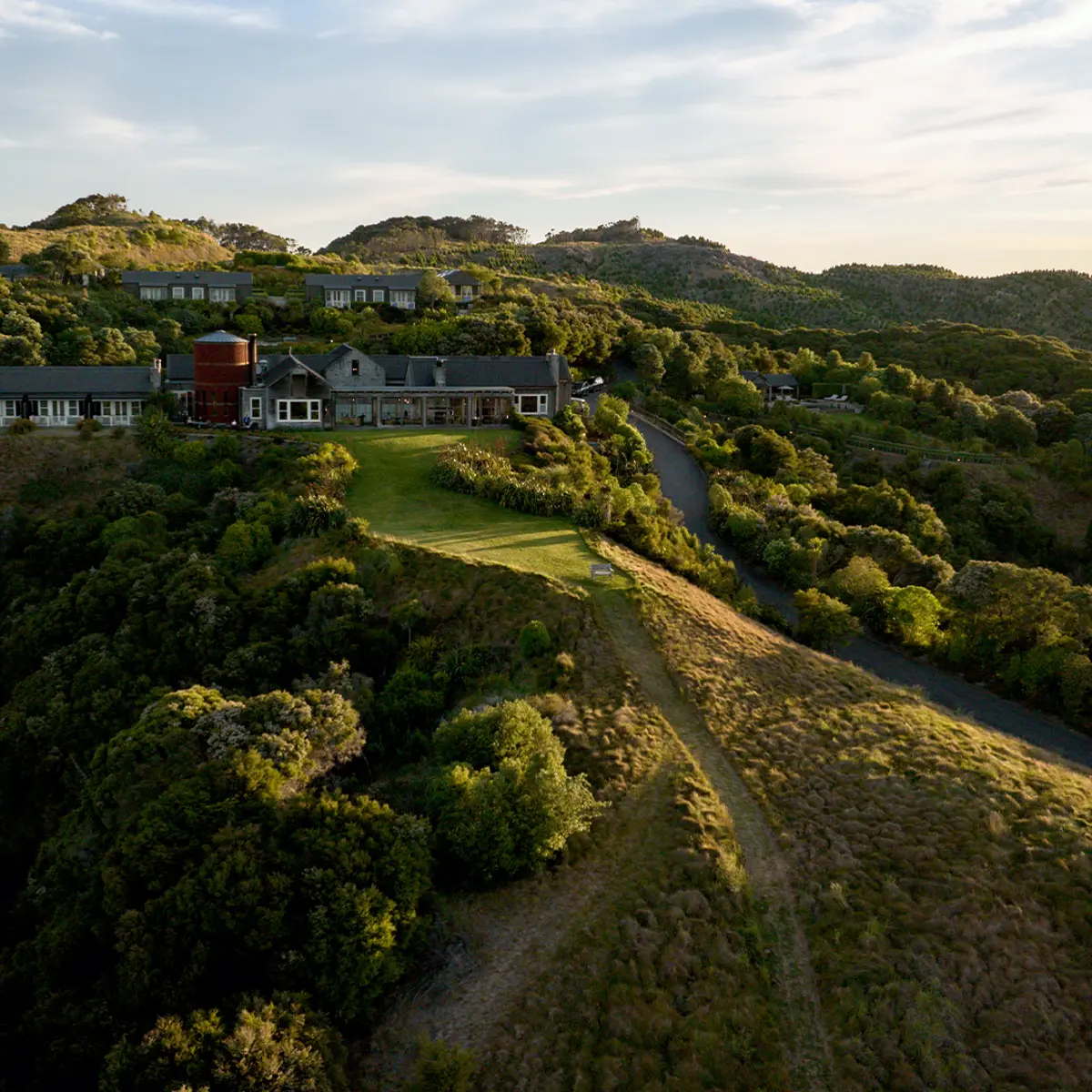
New Zealand is one of those destinations that people plan to visit eventually and then somehow never get to. The distances feel manageable on a map; in practice, the country rewards more time than most itineraries allow. Milford Sound is the obvious drawcard on the South Island – best seen by boat, early, before the afternoon clouds roll in – but the drive there through Fiordland is as good as the destination. In Rotorua, the thermal activity is constant and strange: mud pools bubble beside the road, steam rises from the ground in the town centre, and the Māori cultural experiences here are among the most substantive in the country. On the North Island, Hawke’s Bay offers a quieter version of Marlborough wine country, with better weather.






Discover Top Offers
Feature image: Destination Canada