USD
USD  Written by Sarah Wilkes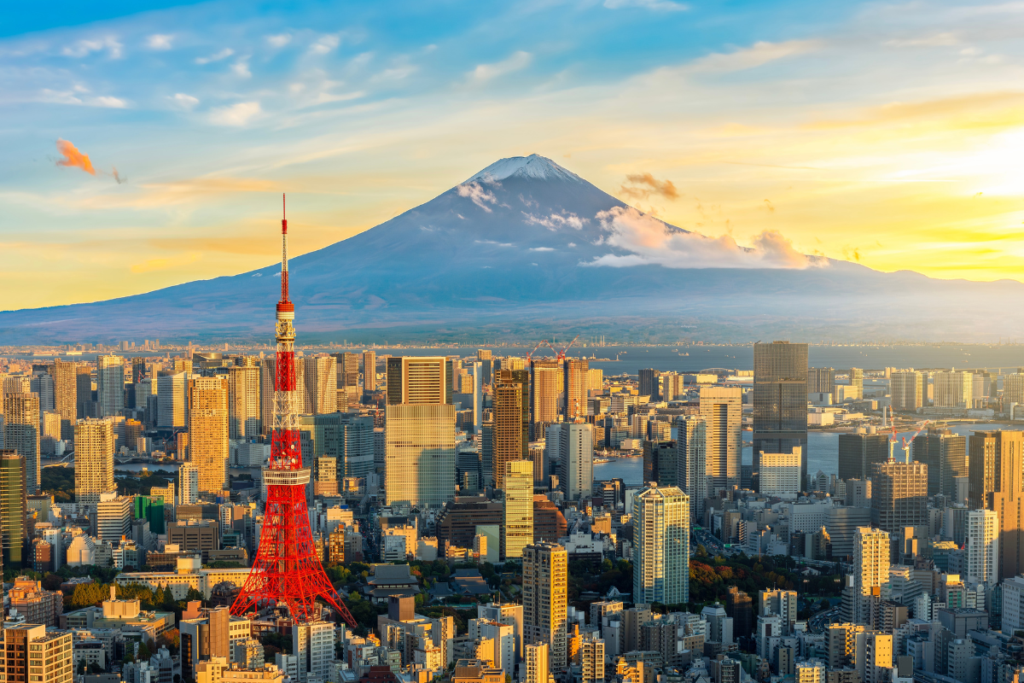
Deciding where to go in Japan can feel overwhelming – this is a country where ancient temples share skylines with futuristic skyscrapers, where you can ski world-class powder in the morning and soak in volcanic hot springs by the afternoon. Read on to discover Japan’s must-see spots.
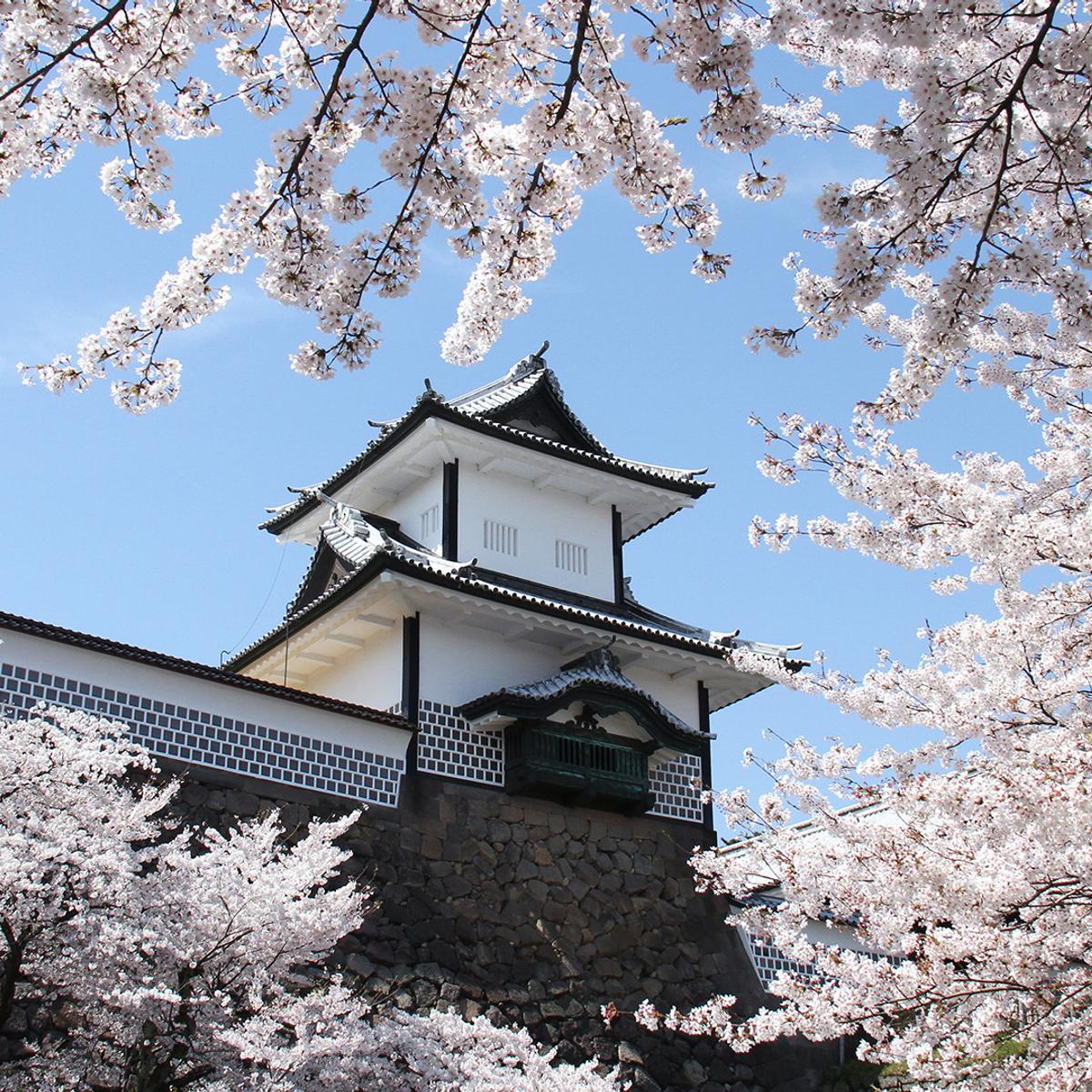
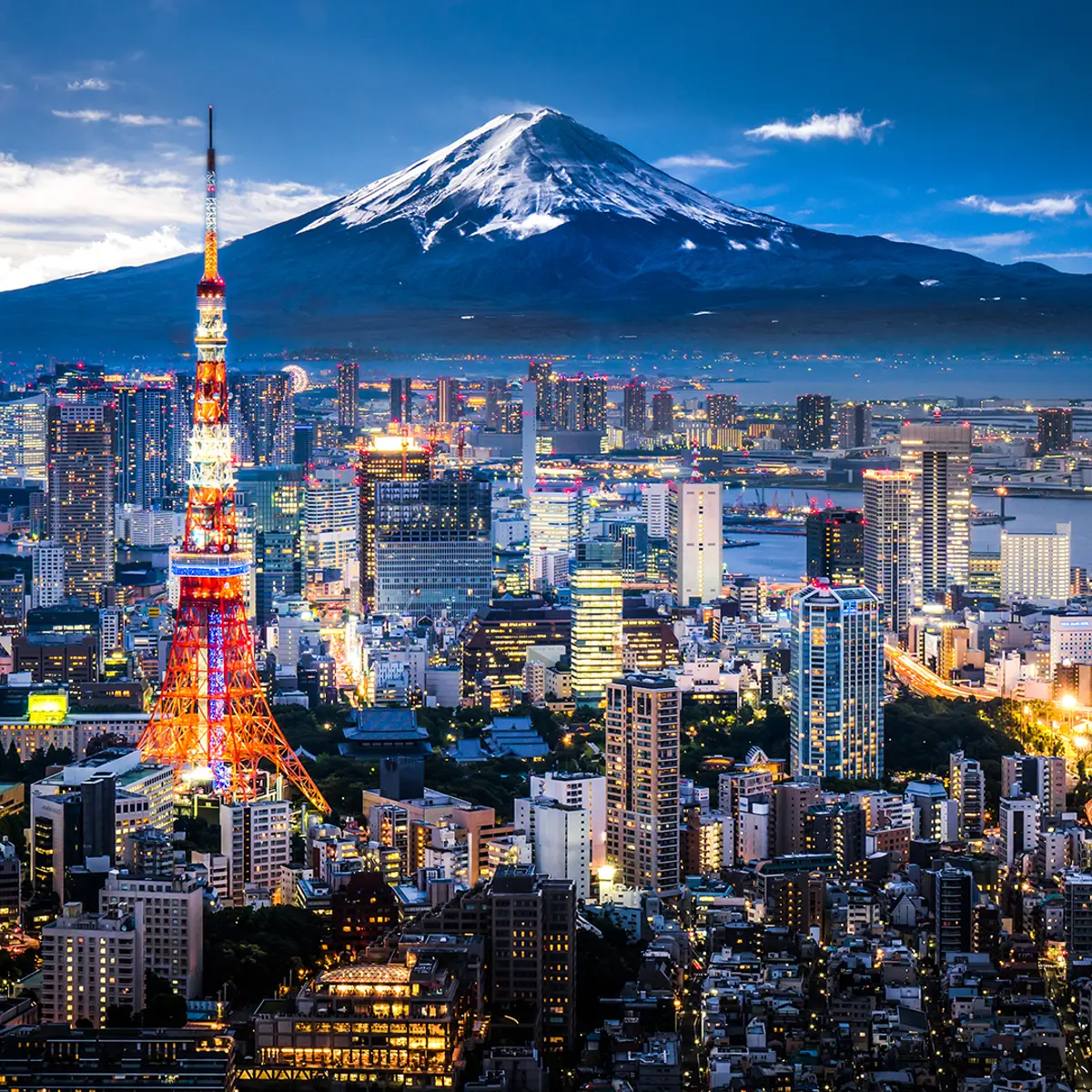
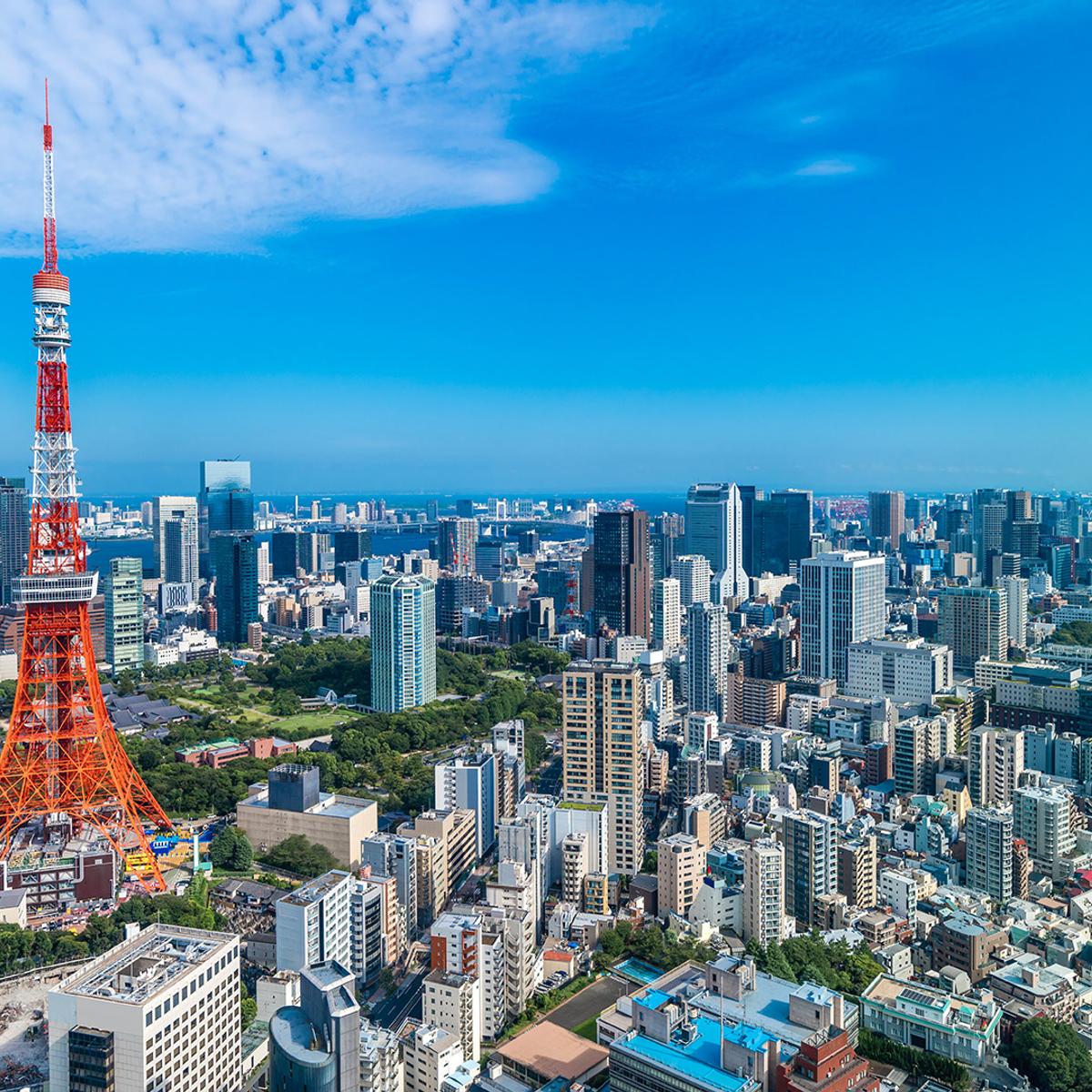
Tokyo
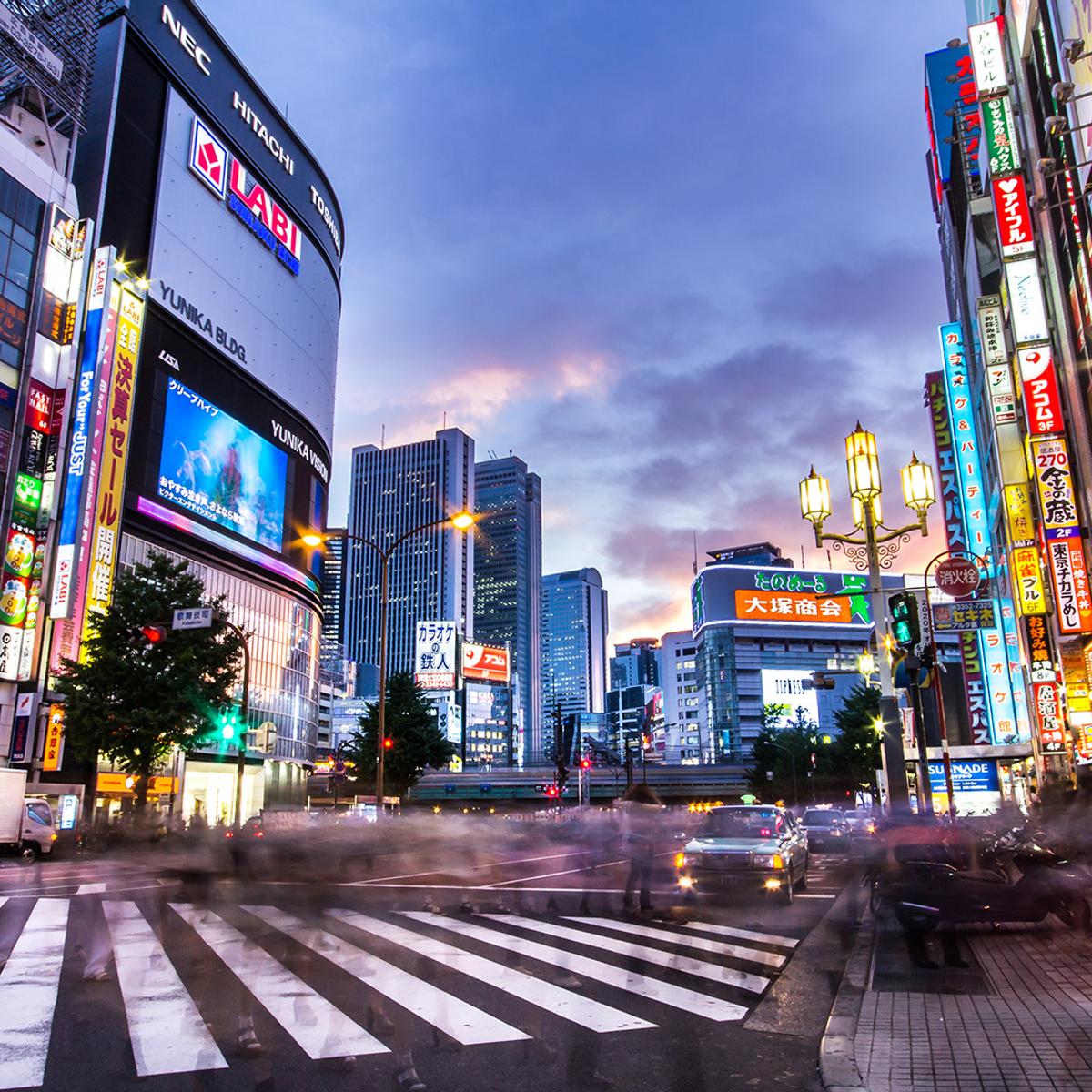
Where zebra crossings move in every direction, sidewalks surge with a constant rush and billboards talk back – Tokyo doesn’t whisper, it roars in neon.
The world’s largest metropolis is best explored neighbourhood by neighbourhood. A few days up your sleeve means you can do this city justice – lose yourself in Shibuya’s scramble, admire Harajuku’s pastel-punk kawaii fashion and sample temple-side street eats in Asakusa.
Best for: Travellers that love variety – where you can eat Michelin-listed onigiri (rice balls) for breakfast and smoky yakitori in a standing-only restaurant for dinner.

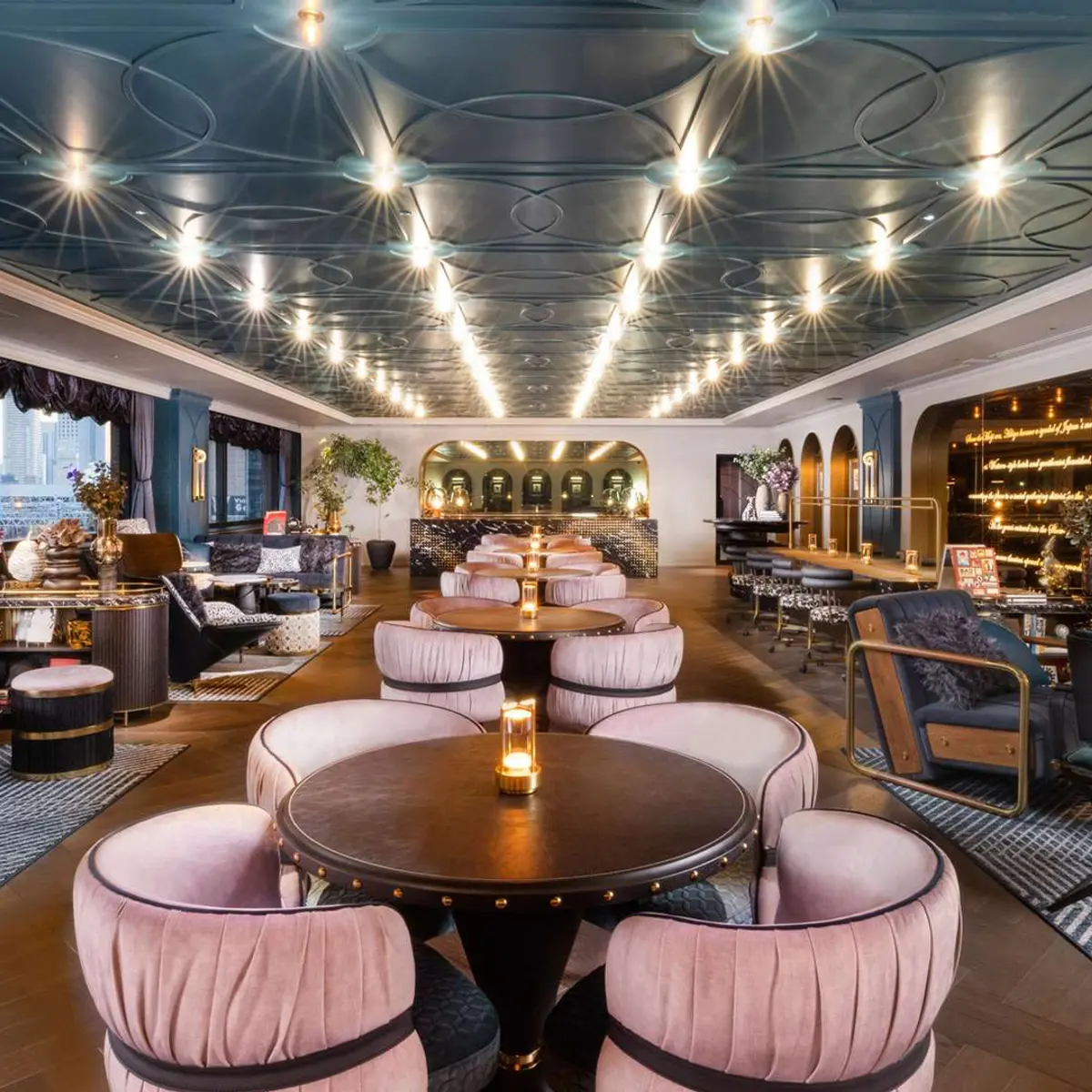

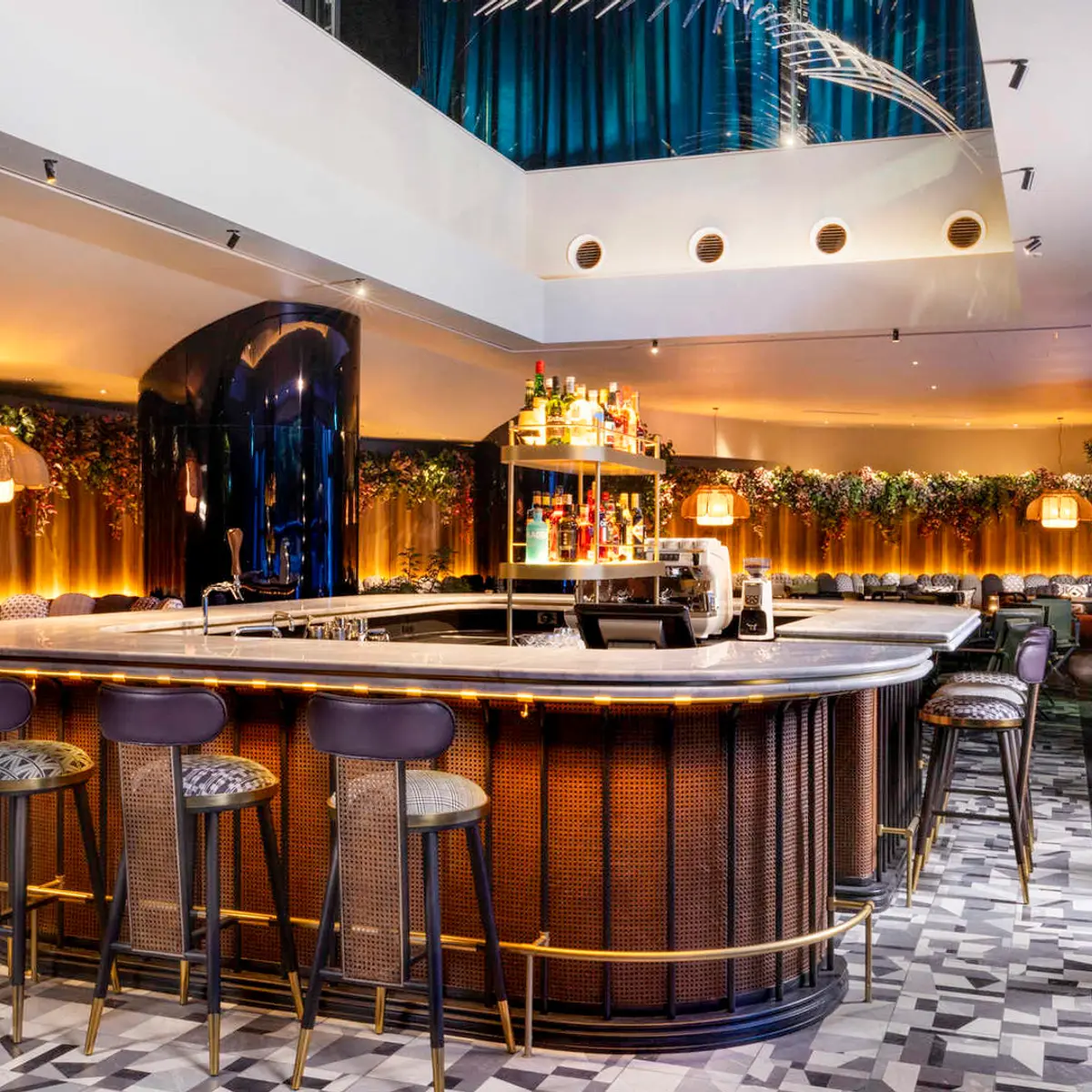
Where to go in Tokyo for incredible fashion: Shibuya & Harajuku
Shibuya is Tokyo at its loudest, brightest and most stylish. The walk from Omotesando Avenue – a tree-lined boulevard of architecturally daring luxury stores – through Harajuku to Shibuya Station offers the perfect introduction to the neighborhood’s energy. For fashion lovers, it offers the best of both worlds: from haute couture in Omotesando to vintage hunting on Cat Street, where Tokyo’s street style is at its most maximalist.
Takeshita Street delivers the full Harajuku experience in one candy-coloured, sensory-rich stretch – photo booths flash, J-pop blasts from fashion boutiques, and crepe vendors roll elaborate desserts into towering handheld cones.
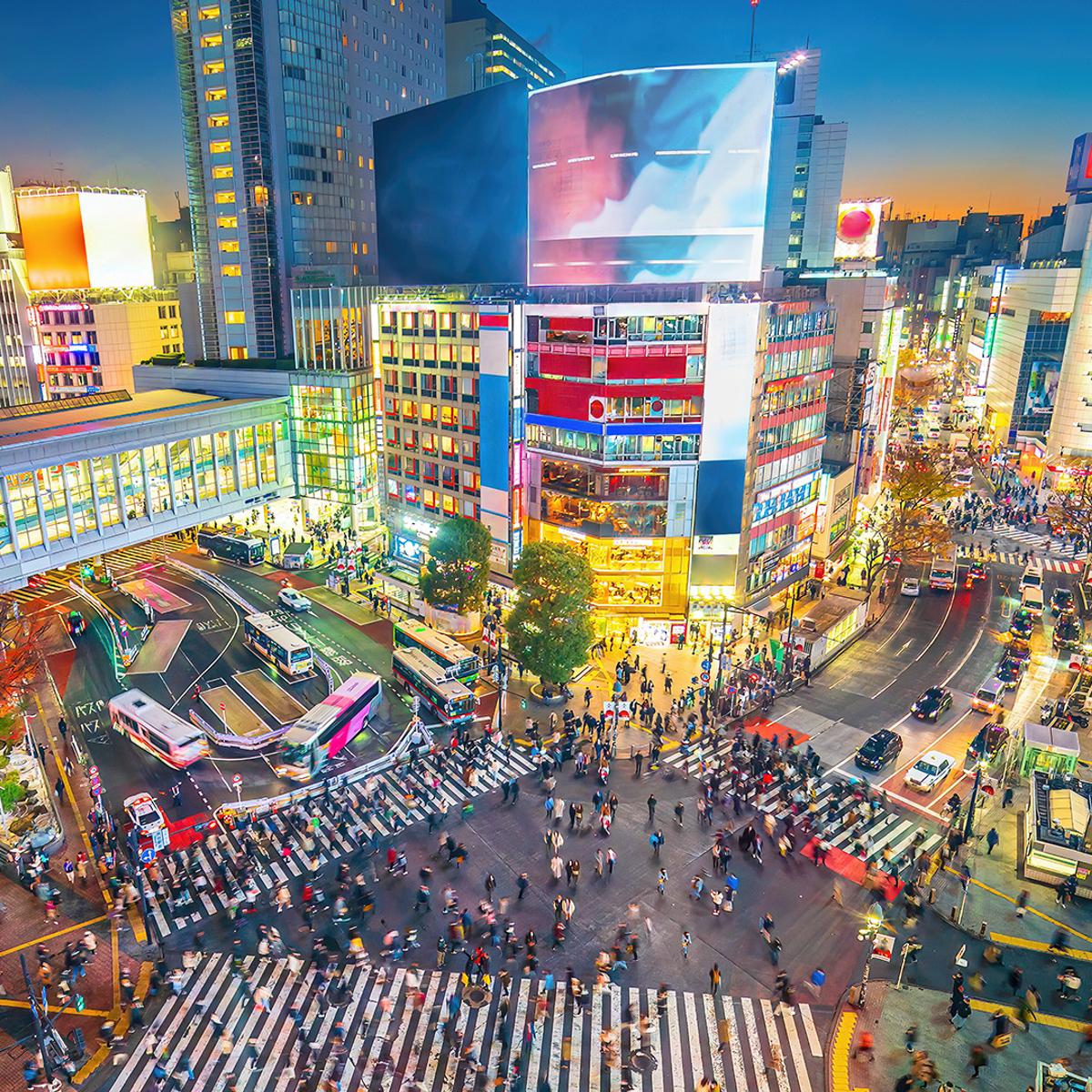
Shibuya Station area announces itself in doubled neon and human density. At Shibuya Scramble, one of the planet’s busiest intersections, the traffic lights don’t just change – they unleash a wave of pedestrians who flood the crossing from five directions at once.
Where to go to see quintessential Tokyo: Shinjuku
Glossy skyscrapers and gritty alleys sit side by side in Shinjuku. From a distance, it’s a vertical village – towers, department stores and hotels rising in tight formation. The Giant Godzilla Head atop Kabukicho’s Hotel Gracery Shinjuku is almost impossible to miss; look closer, and you’ll find lantern-lit lanes lined with tiny izakayas (Japanese-style pubs).
Memory Lane (Omoide Yokocho) delivers smoky yakitori and bowls of chewy soba noodles served at snug counter seats. Golden Gai is the spot for a nightcap, a nightlife pocket where post-war scruffiness lives on in its maze of miniature bars (most have a maximum seating of six guests).
Where to go in Tokyo for extraordinary shopping: Ginza
Ginza is synonymous with the city’s glitziest shopping. Designer flagships like Chanel and Louis Vuitton neighbour Japanese giants Uniqlo and Muji, while Ginza Six rises as a contemporary landmark spanning six floors of retail space.
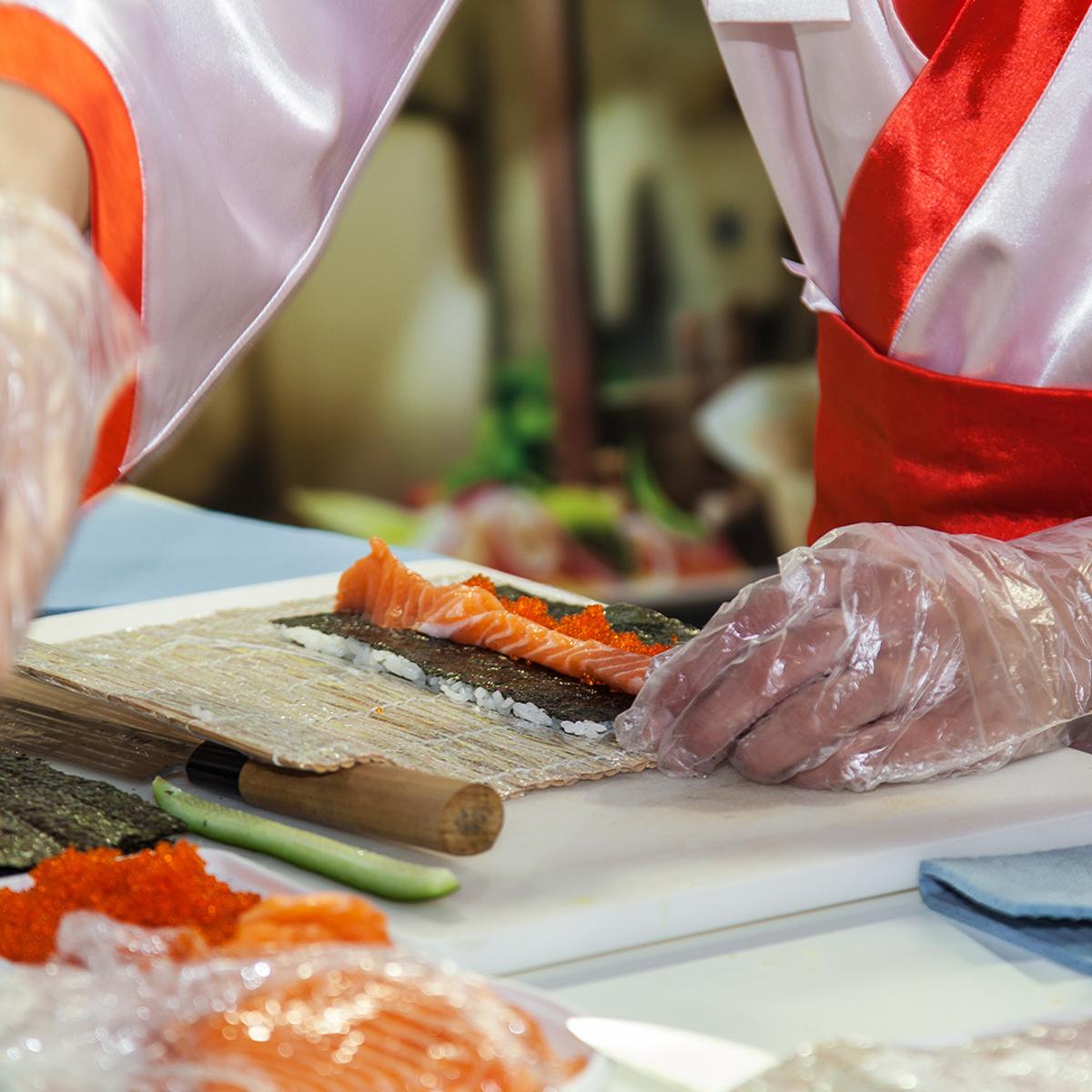
When you’ve had enough of the glitz, visit bustling Tsukiji Outer Market. The wholesale fish auctions once held in the ‘inner’ market have relocated to Toyosu, but the ‘outer’ market thrives with the same energy – seafood vendors, restaurant stalls and some of Tokyo’s freshest breakfast sushi.
Where to go in Tokyo for a glimpse of the old city: Asakusa
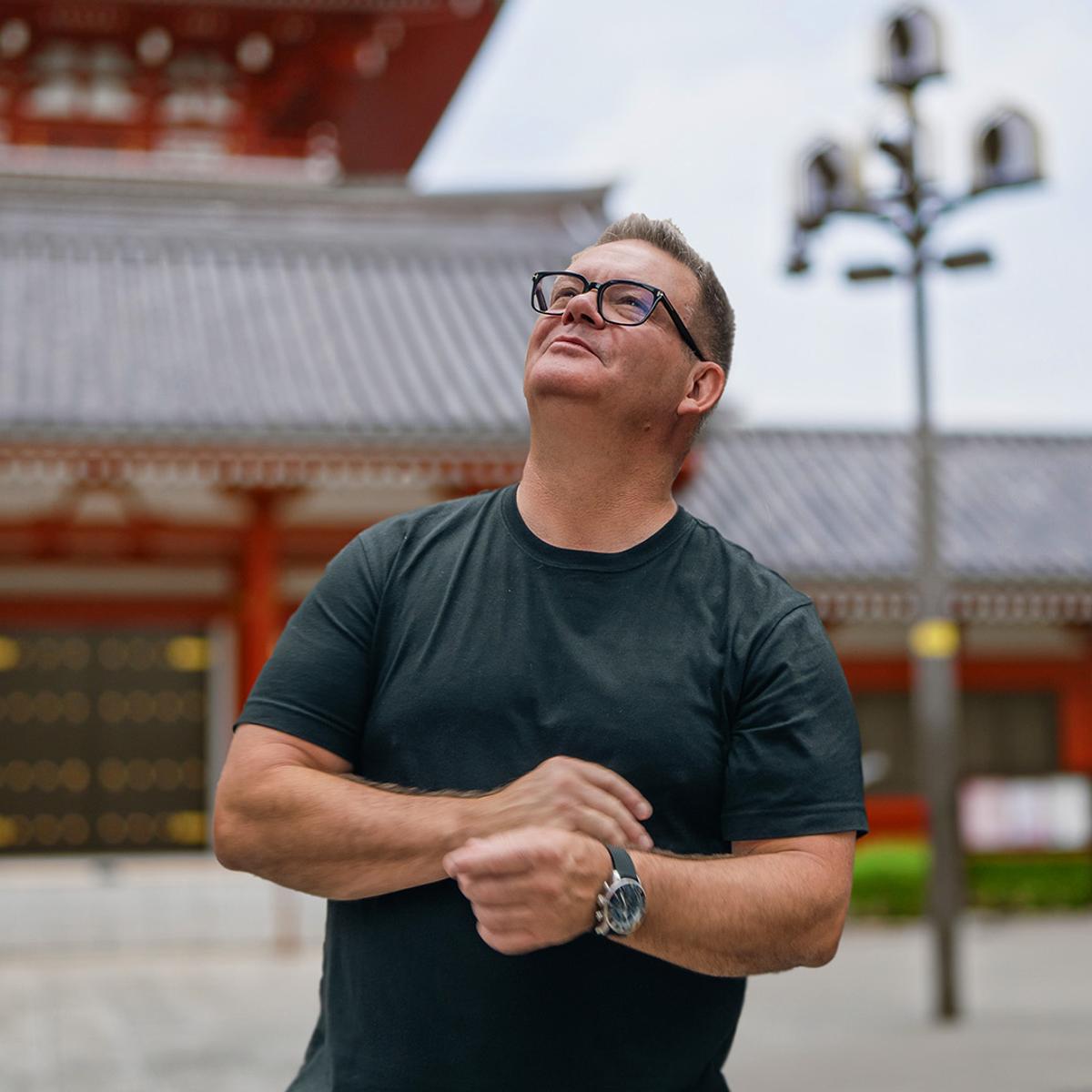
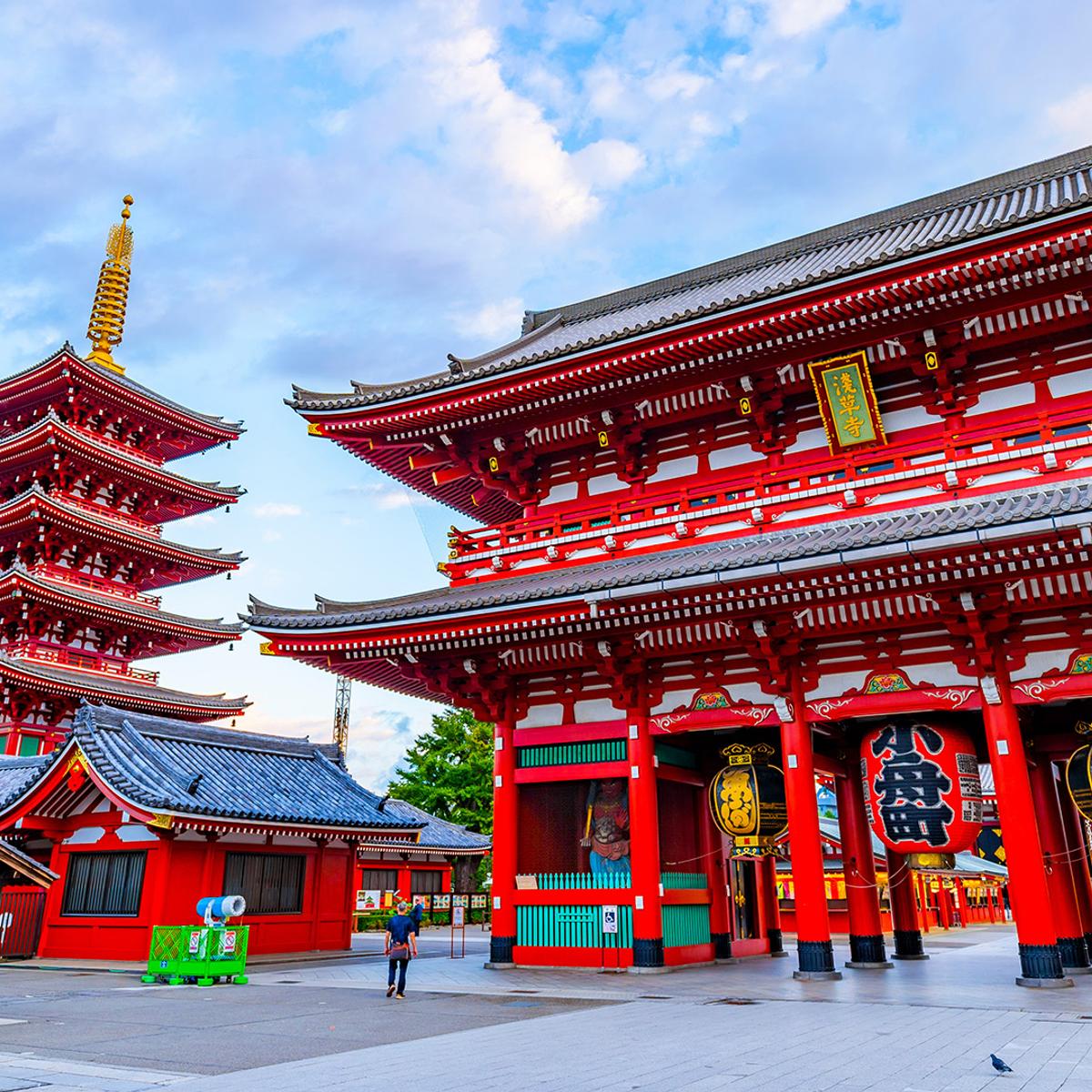
Centred around the magnificent Sensō-ji Temple, Asakusa exudes old-world Japan. Step through the temple’s outer gate and wander down Nakamise Street, where traditional craft shops and street food stalls line the path to the temple. Along the way, you’ll spot rickshaw carts – two- or three-wheeled, human-pulled vehicles – and locals and visitors alike dressed in traditional kimonos.
Between Asakusa and Ueno lies Kappabashi Street, Tokyo’s ‘Kitchen Town’. A giant chef’s head marks the entrance to this restaurant supply district, where over 100 shops sell everything from professional-grade knives and ceramics to Japan’s legendary plastic food samples, almost indistinguishable from the real thing.
Kyoto
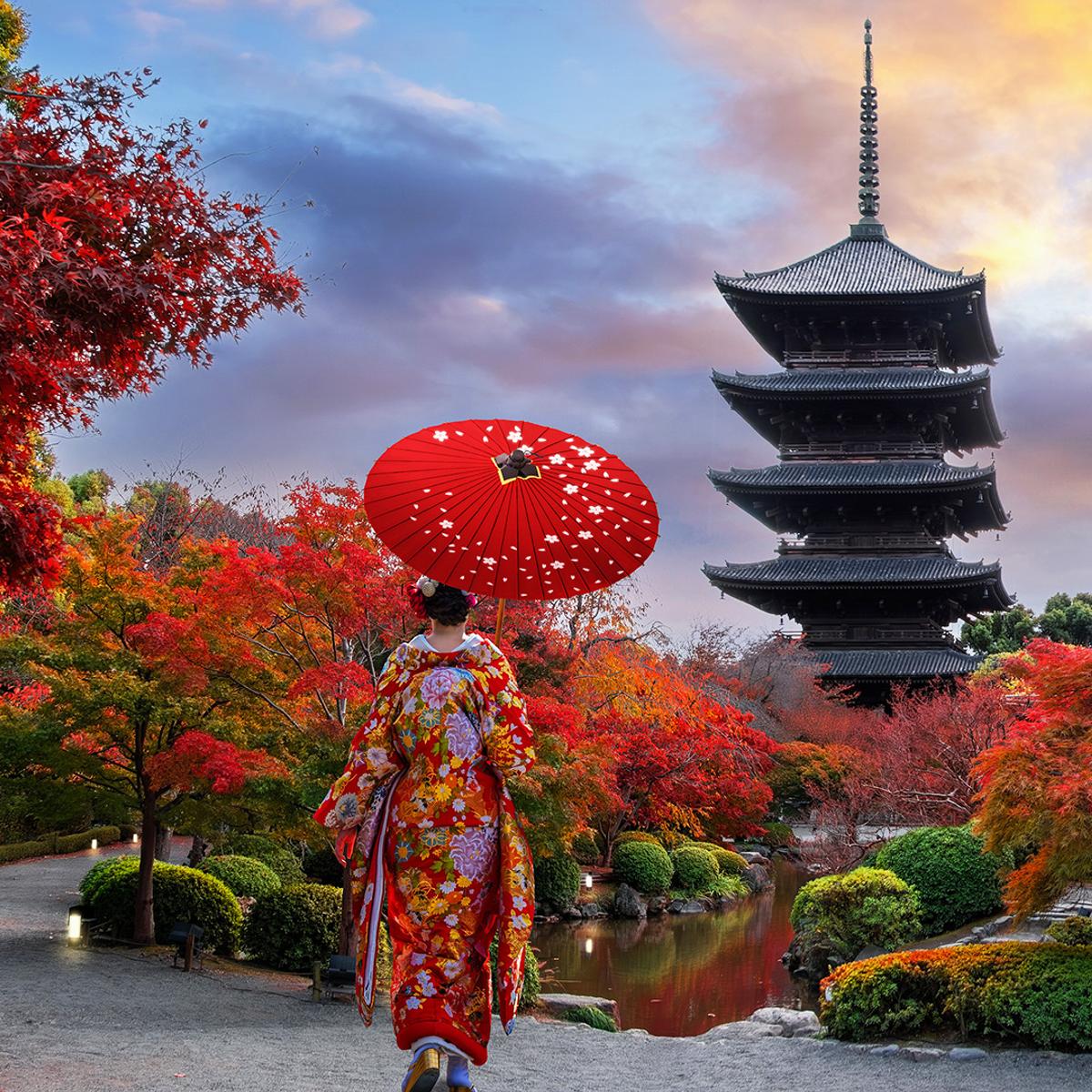
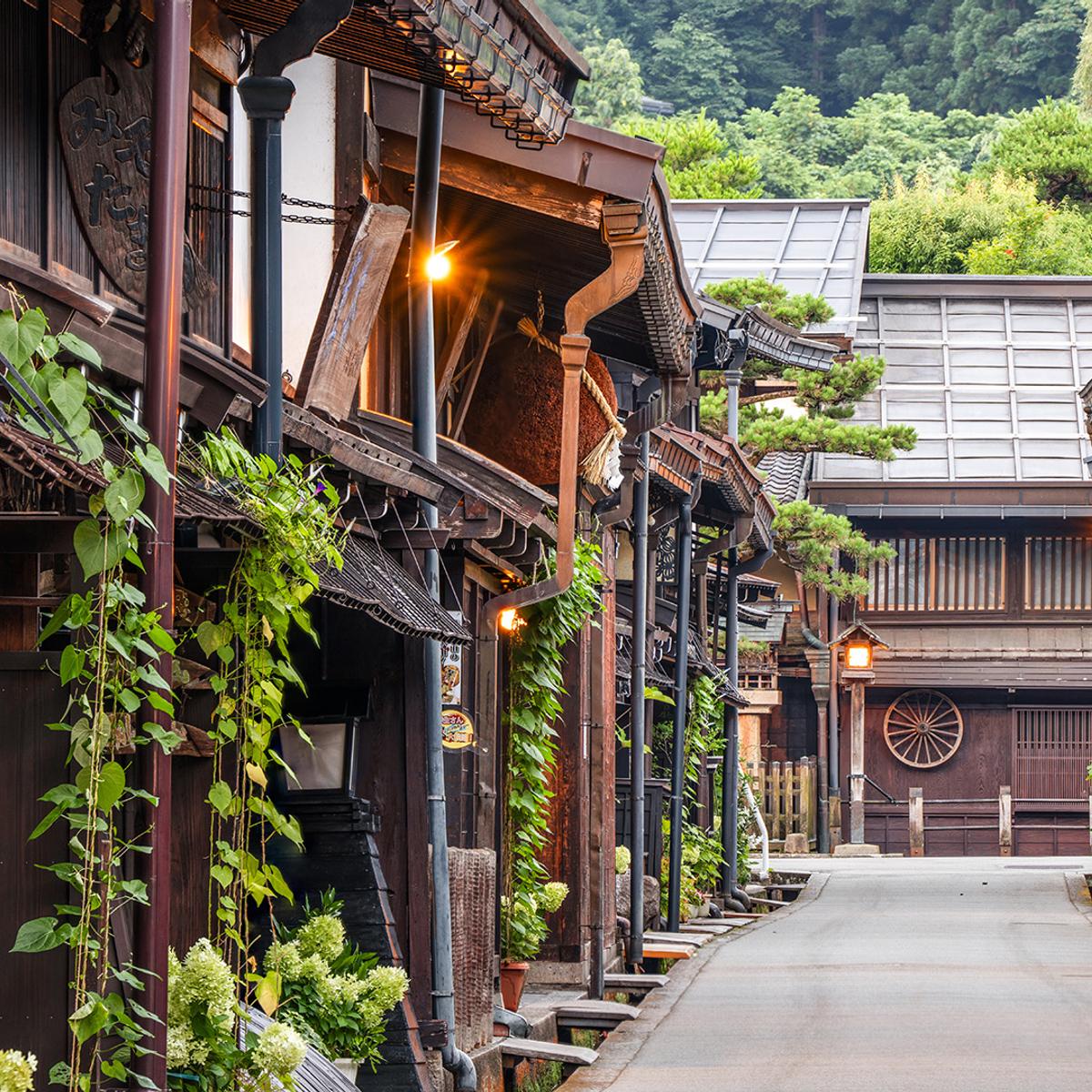
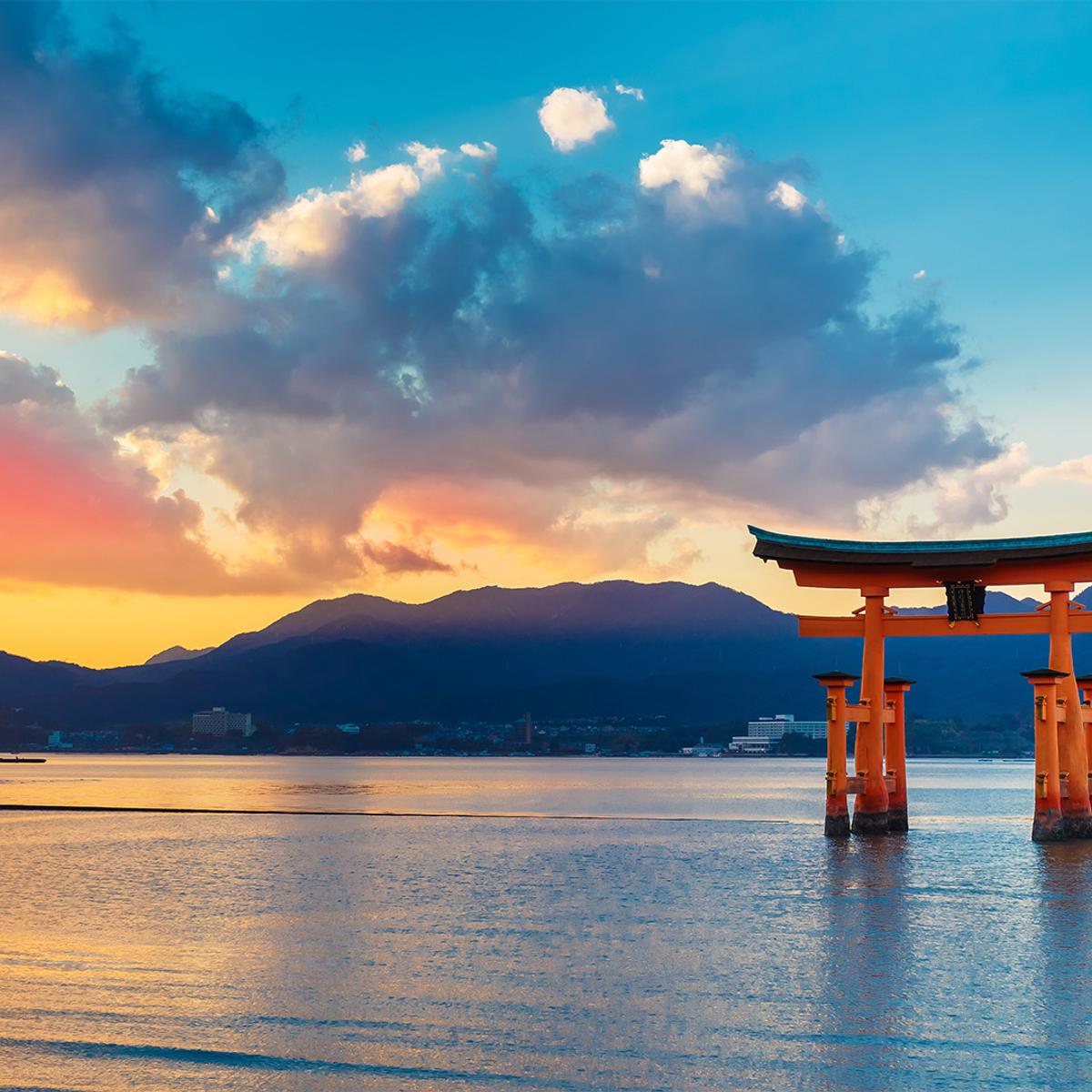
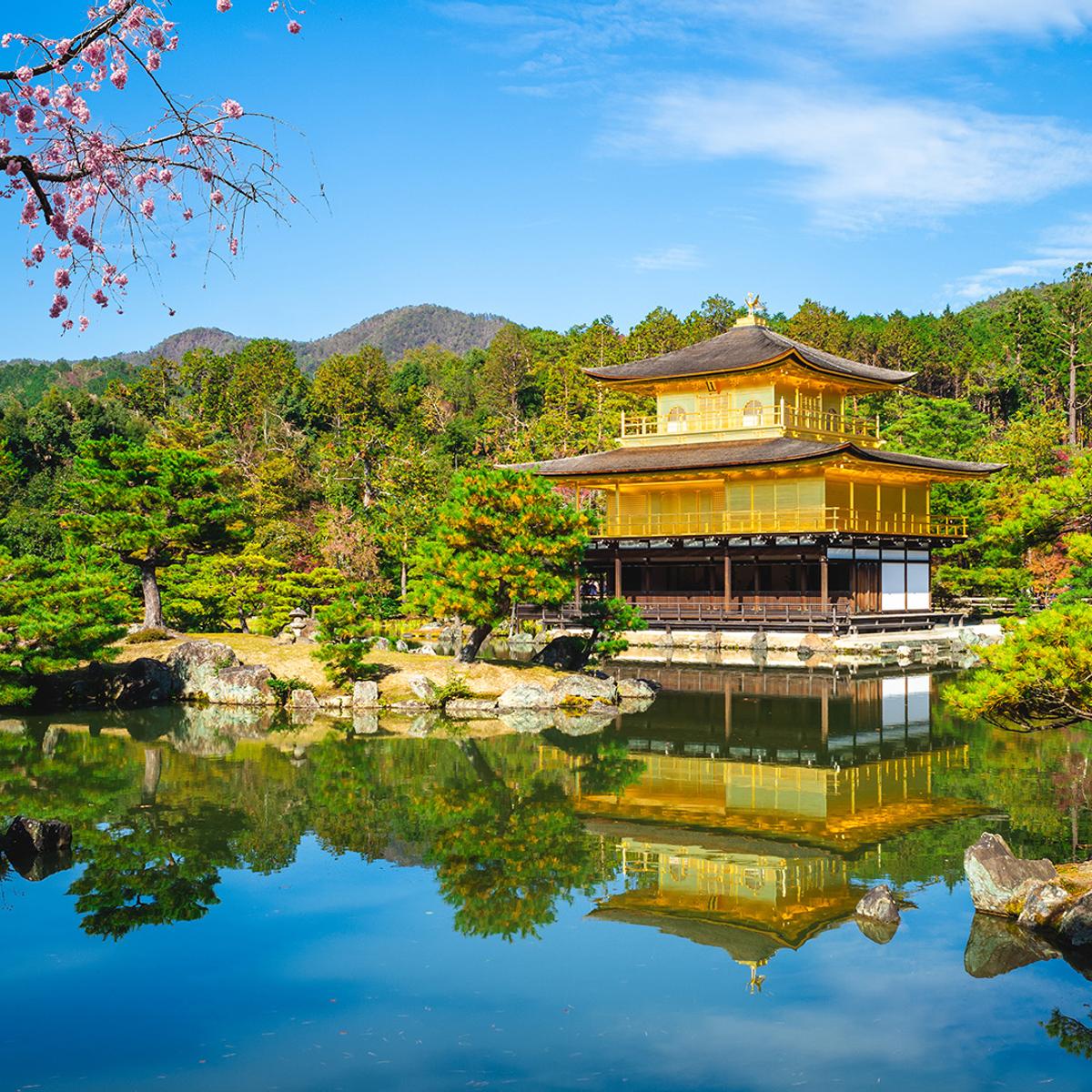
Once Japan’s capital, Kyoto remains the country’s spiritual heart, where Shinto shrines and Buddhist temples rise above stunning greenery and misty mountains. Choose Kyoto if you want to slow down and dive deep into Japanese culture – wandering vermillion torii gates, witnessing tea ceremonies and exploring preserved districts where geisha traditions endure.
Best for: Those seeking depth over breadth, who’d rather spend a morning in one temple garden than tick off ten attractions.
Where to go to see Kyoto at its most photogenic: Higashiyama & Gion
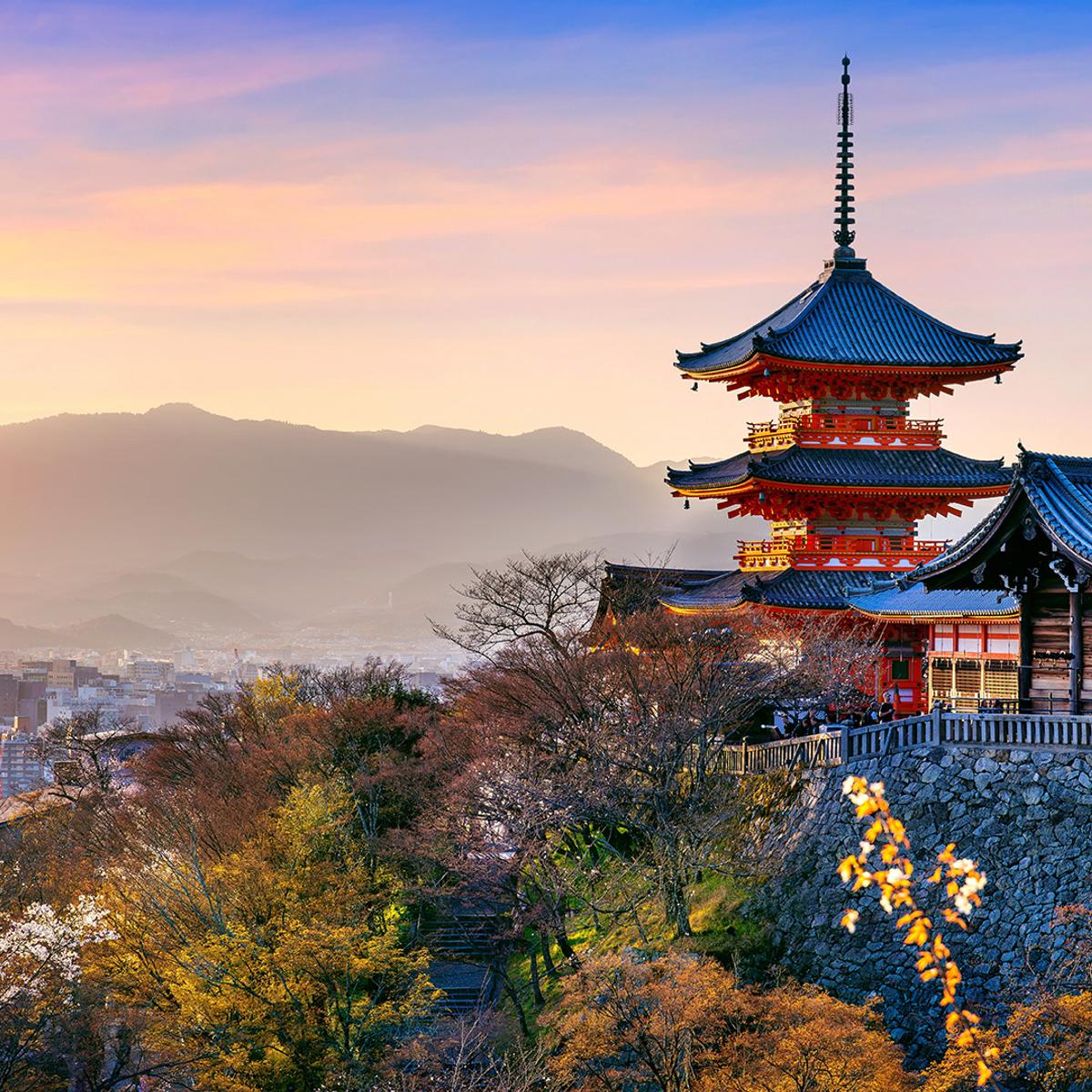
Higashiyama and Gion reveal Kyoto at its most photogenic – wooden machiya (traditional wooden townnhouses), geisha districts, and temple approaches that look untouched by time. Yasaka Shrine – one of the city’s most iconic Shinto sites – sits at the edge of both districts, often lantern-lit and themed for festivals. Beyond its red gates, the sloped, pedestrian-only shopping lanes of Ninenzaka and Sannenzaka unfold, leading to spectacular Kiyomizudera Temple.
In northern Higashiyama, the Philosopher’s Path begins at Ginkaku‑ji and winds along a cherry tree-lined canal. Beyond the seasonal blooms, the walk evokes Japanese aesthetics at their purest – wabi-sabi asymmetry and Zen-inspired design visible in the surrounding temples and gardens.
Where to go to for breathtaking bamboo: Arashiyama
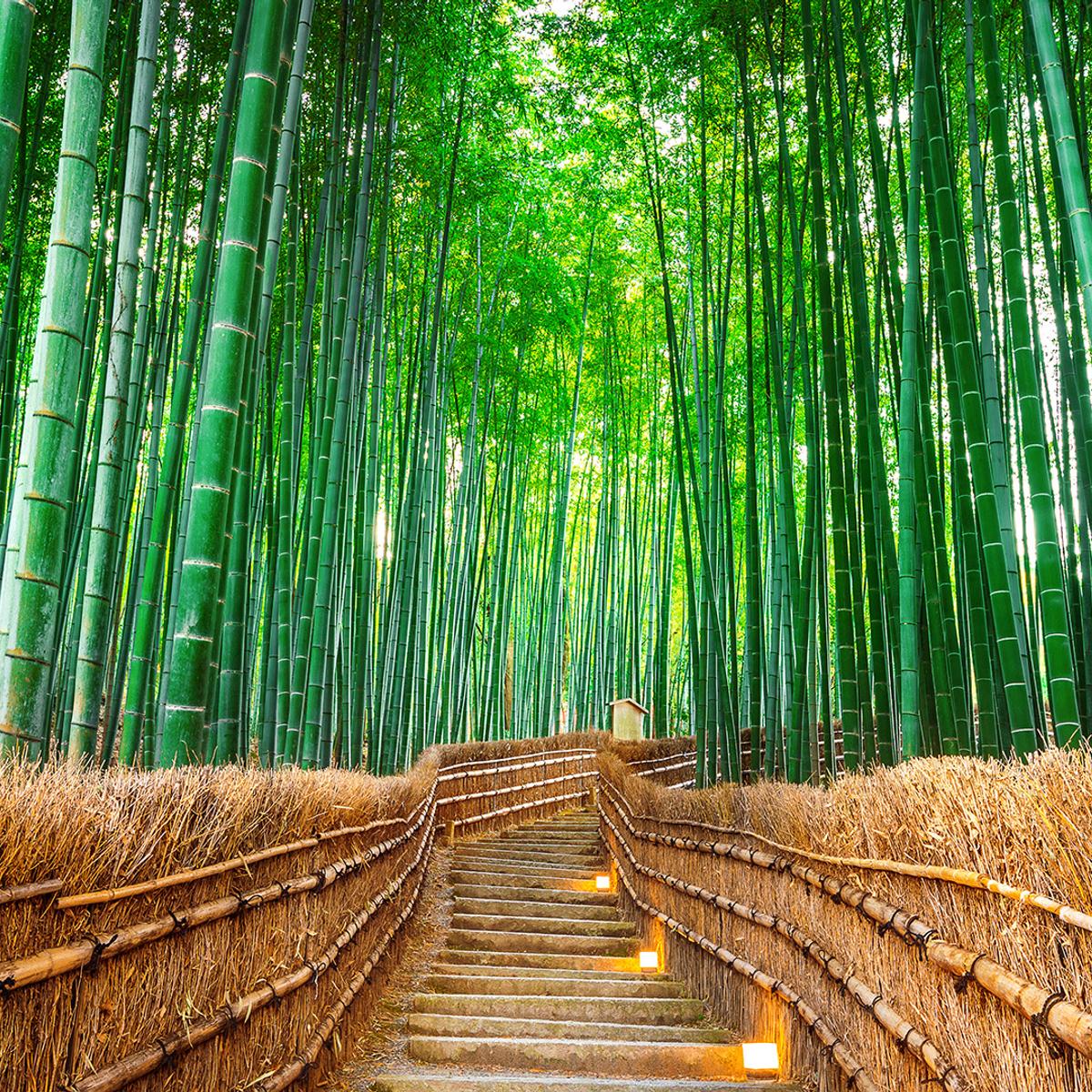
Arashiyama is arguably Kyoto’s most famous natural landscape – and for good reason. The bamboo grove rises in towering emerald columns, casting corridors of filtered light that feel otherworldly. Nearby, Tenryu-ji Temple’s gardens show how spirituality shapes landscape, while Togetsukyo Bridge frames mountains that change with the seasons – cherry blossoms in spring, fiery maples in autumn.
Where to go for the ultimate temple walk: Fushimi Inari
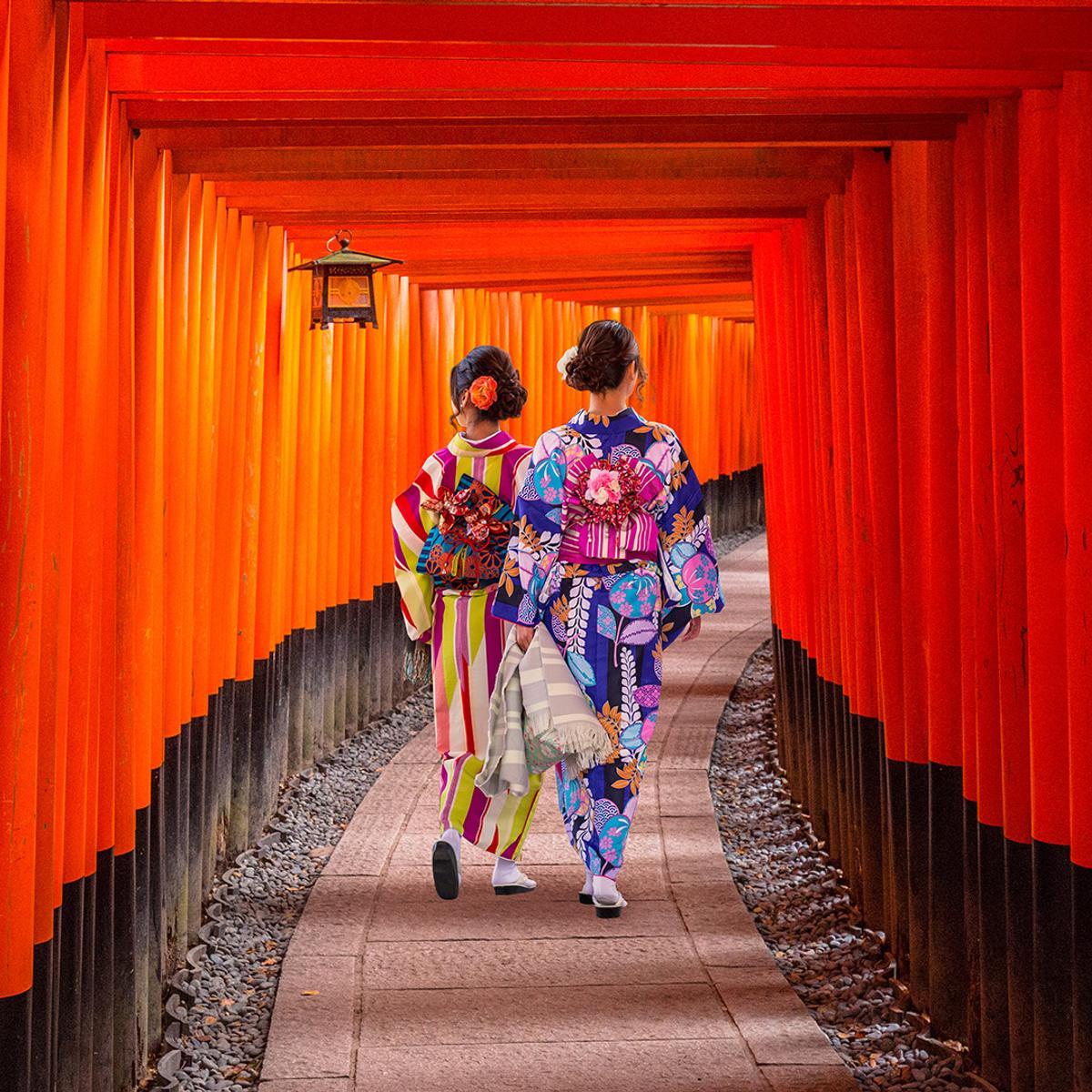
Fushimi Inari is one of Kyoto’s most photographed sights – thousands of vermillion torii gates forming tunnels up the mountainside. What photos don’t capture is the serene experience of walking through them as they narrow and multiply in the forest, donated over centuries by individuals and businesses seeking blessings.
Osaka
Osaka is Japan’s second-largest economic centre, once the seat of government under Toyotomi Hideyoshi, the Sengoku-era samurai lord who built Osaka Castle. Today, known as “Japan’s kitchen”, the city takes food seriously but itself less so. If Tokyo perfects and Kyoto preserves, Osaka famously lives in the moment – from kushikatsu (deep-fried skewered meat or vegetables) to neon-lit arcades, business here always comes with a side of fun.
Best for: Food lovers and budget-conscious explorers who prefer authenticity to polish.
Where to go to taste Japan’s kitchen: Dotonbori
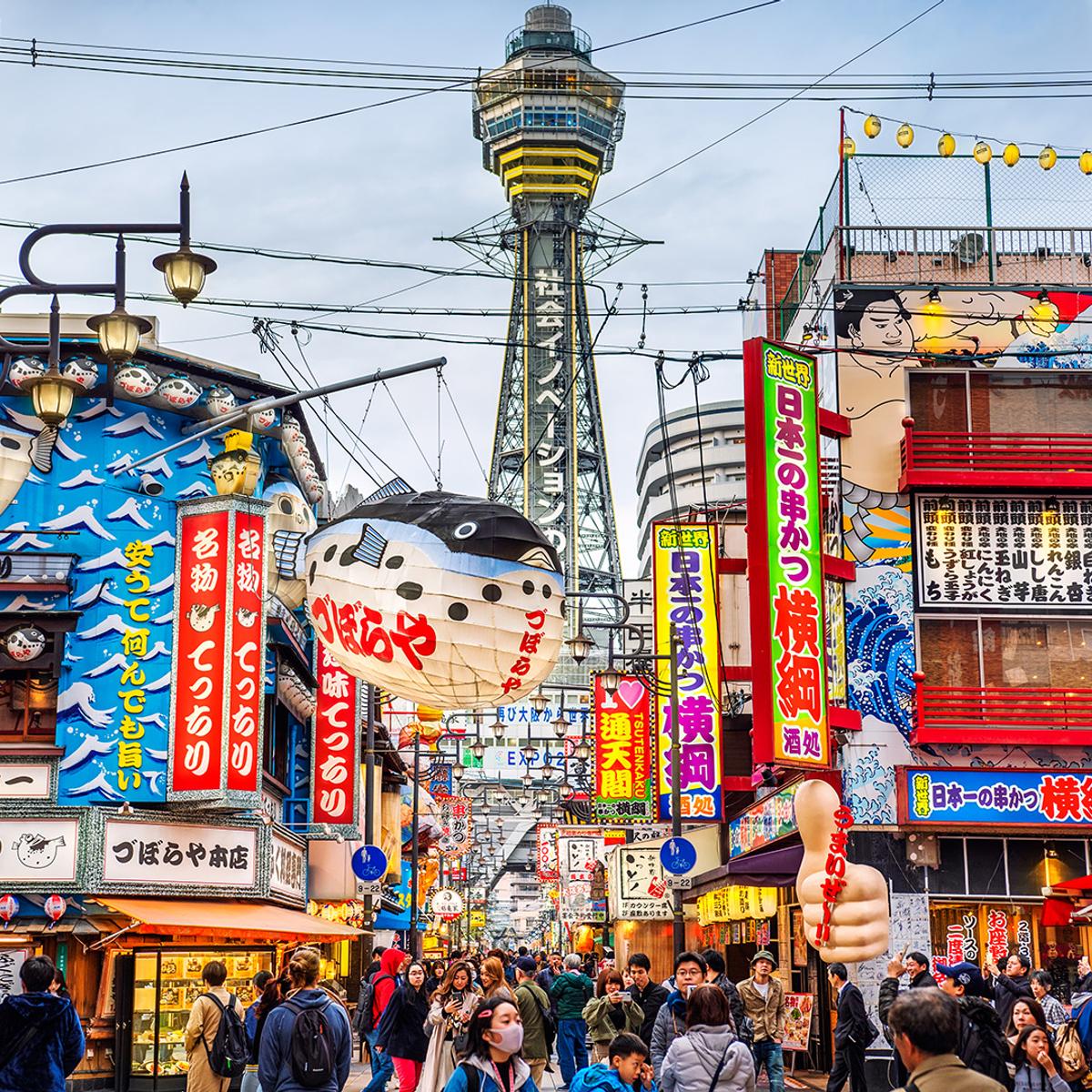
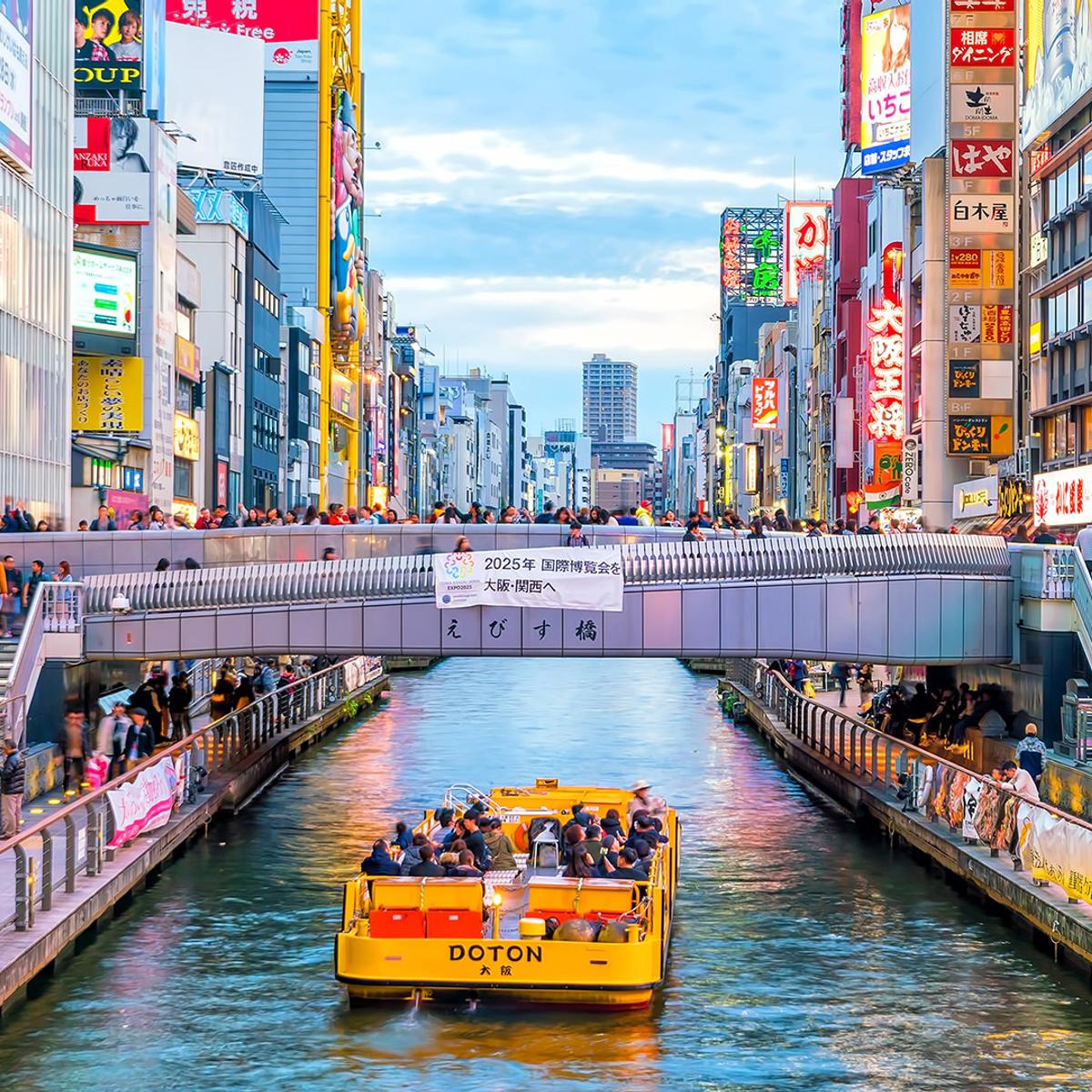
Dotonbori is Osaka distilled into one neon-drenched canal-side street. The famous Glico Running Man looks over crowds below, while giant animated crabs, pufferfish and octopuses mark restaurant entrances. This is ground zero for Osaka’s street food obsession: octopus-filled takoyaki and okonomiyaki (savoury pancakes) serve as ideal snacks amid shop-lined streets.
Where to go for family fun: Universal Studios Japan
Universal Studios Japan blends Hollywood blockbusters with Japanese precision. Super Nintendo World has become the park’s biggest draw – a real-life Mario Kart experience. Beyond Nintendo, the Wizarding World of Harry Potter, thrilling roller coasters and seasonal events (like a seriously spooky Halloween) that showcase how Japan perfects international entertainment.
Where to go for Showa-era history: Shinsekai
Shinsekai reveals Osaka unpolished – a retro neighbourhood where the 1950s linger. Laid out in 1912 with hints of Paris and New York’s Coney Island, it thrived in the post-war boom but has changed little since. Neon signs flicker above vintage izakayas, while Tsutenkaku Tower – Osaka’s own nod to the Eiffel Tower – rises in slightly faded glory. Kushikatsu is Osaka’s contribution to fried food perfection: skewers from pork to lotus root dunked in a smoky-sweet, communal sauce at bustling eateries.
Hokkaido
Hokkaido is where Japan exhales – volcanic peaks rise above lavender fields and hot springs steam against snowy backdrops. From December to March, it’s Asia’s premier ski destination. In summer, the island bursts with vivid purples and golds, while autumn cloaks the mountains in fiery reds.
Best for: Outdoor enthusiasts seeking Japan’s wild side – where world-class skiing and stunning landscapes replace urban intensity.
Where to go for brilliant skiing: Niseko
Niseko has earned its reputation on powder alone. The snow blankets this resort town with some of the lightest, driest on earth, dumping an average of 10-15 metres each winter. Four interconnected resorts – Grand Hirafu, Hanazono, Niseko Village and Annupuri – form a winter playground beneath Mount Yotei. Beyond the slopes, steaming onsen baths with snow-covered mountain views provide the perfect post-ski ritual, with many resorts offering onsite onsens so you don’t have to venture far.
Where to go for summertime gardens: Furano
From late June through August, lavender fields explode in waves of purple across Furano’s hillsides, drawing visitors to Farm Tomita and the surrounding countryside. But lavender is just the headline – sunflowers, poppies and lupines create a patchwork of colour. Winter transforms Furano into a ski destination known for dry powder and fewer crowds than Niseko.