-
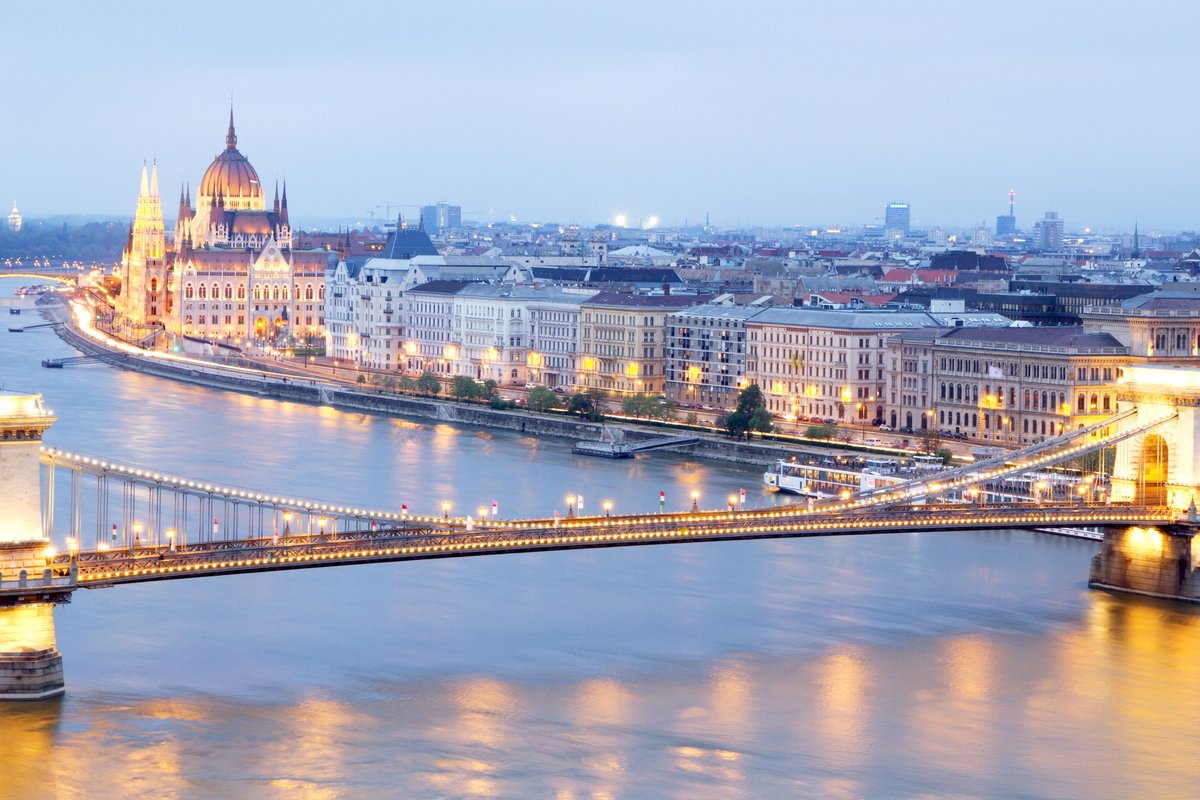
Budapest – das Paris-Dupe: Grand Boulevards, Flussromantik und Café-Kultur zu einem niedrigeren Preis.
-
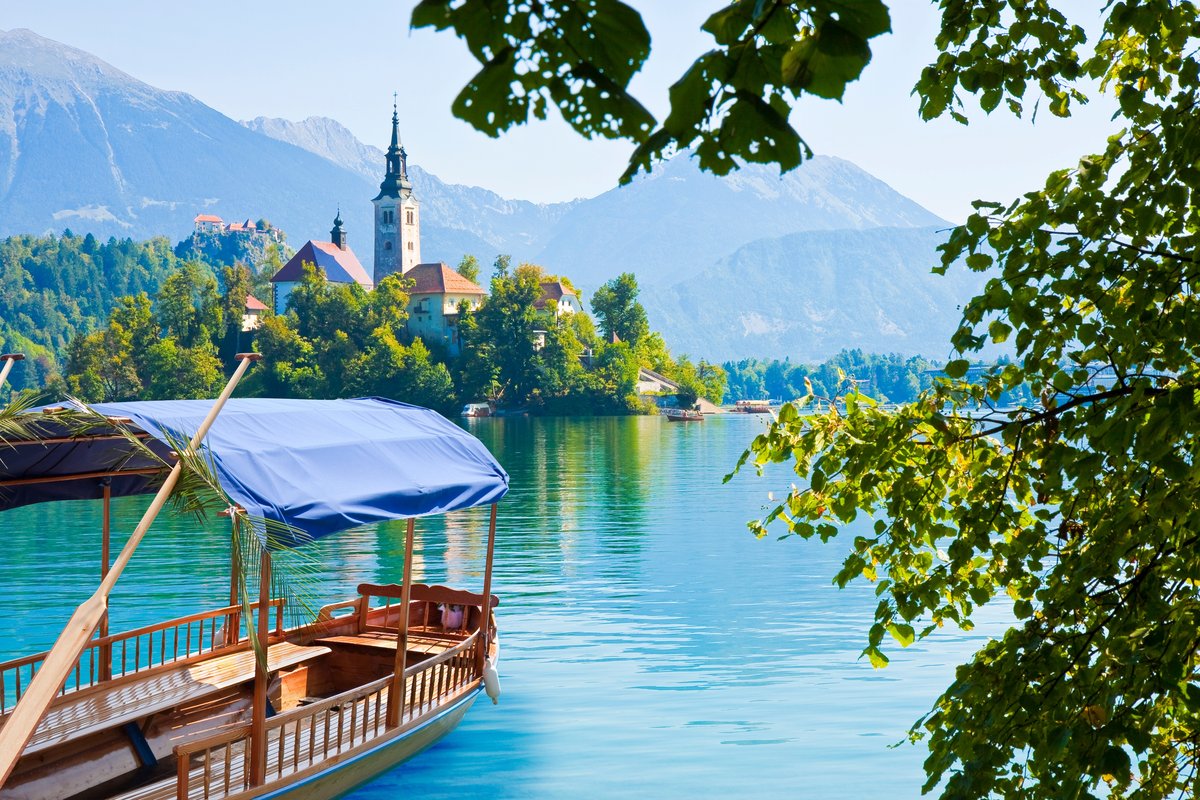
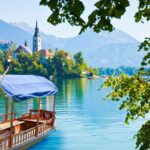
Ljubljana & Bleder See – das Venedig-Dupe: Gewölbte Brücken, pastellfarbene Fassaden und Charme am Wasser.
-
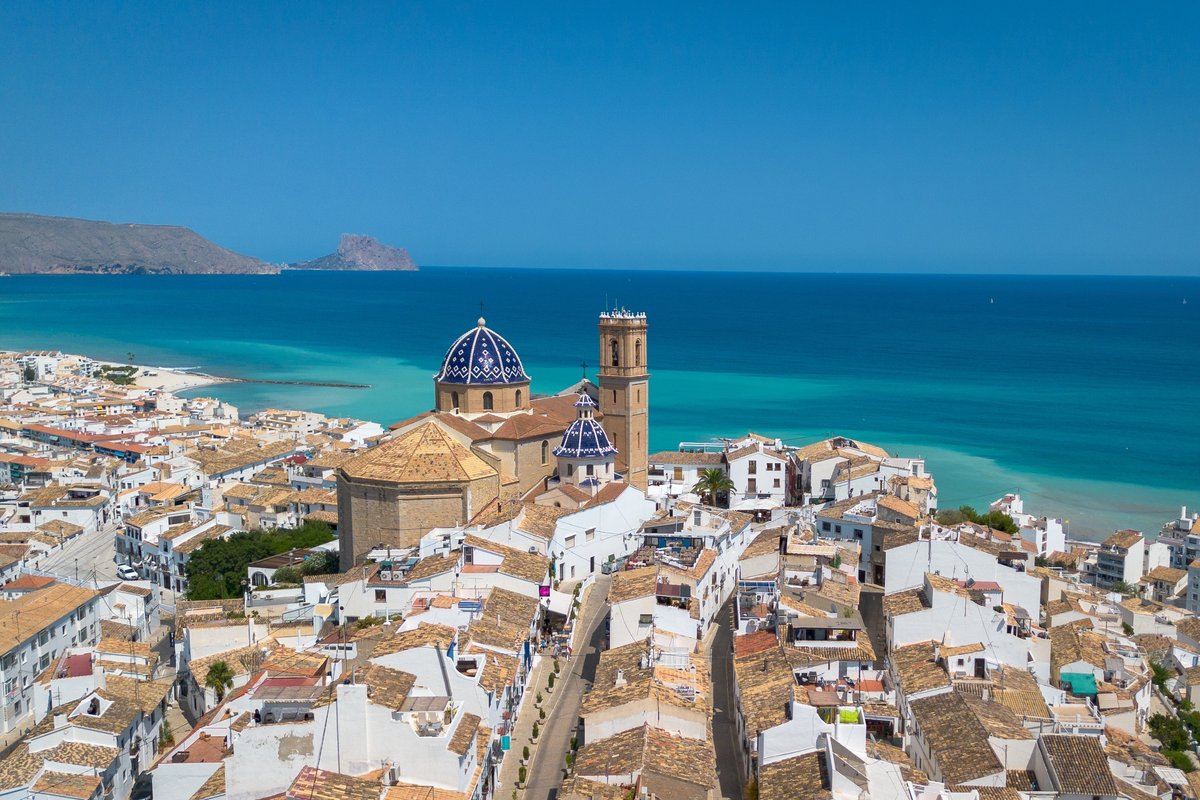
Altea – das Santorini-Dupe: Die gleiche weißgetünchte, blaukuppelige, goldene Stunde Magie.
-
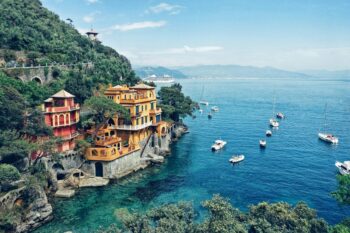
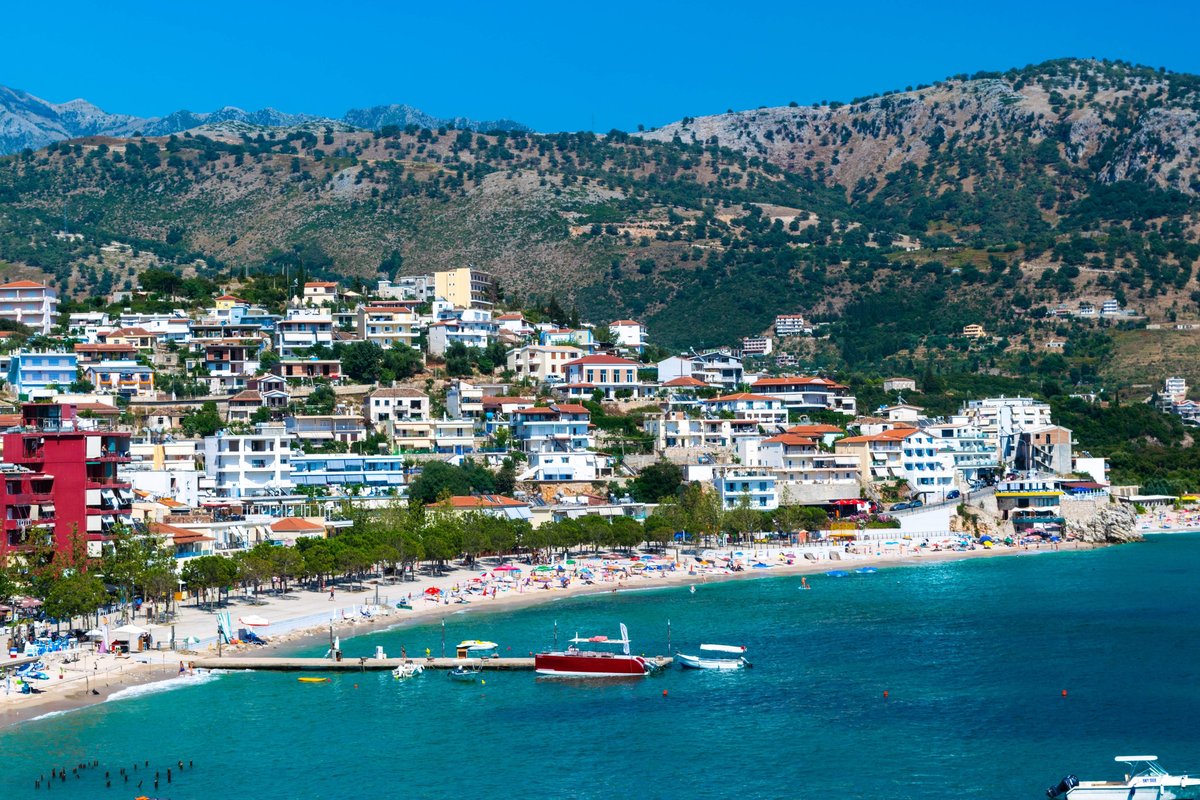
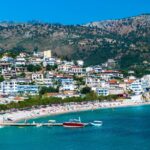
Die albanische Riviera – das Amalfi-Küsten-Dupe: Türkisfarbenes Wasser und serpentinenartige Küstenstraßen.
-
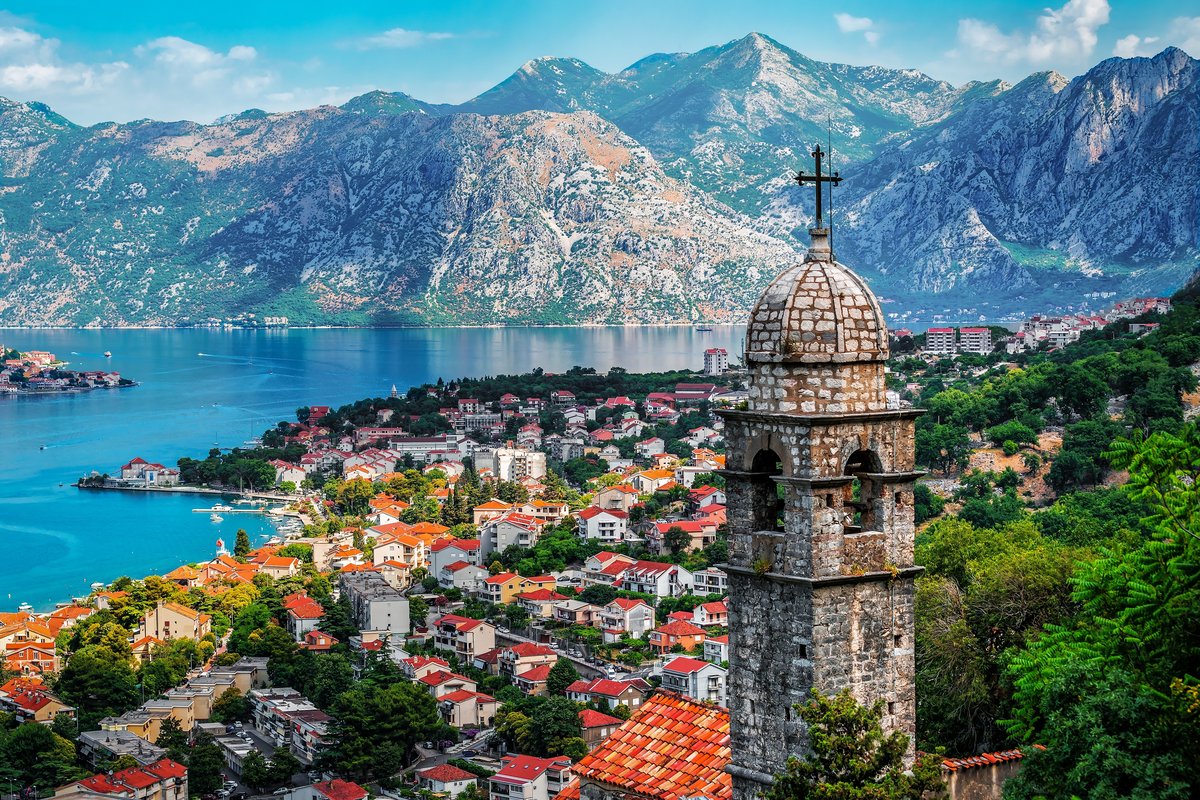
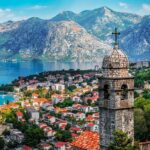
Kotor – das Dubrovnik-Dupe: Mittelalterliche Steinstraßen und Adriablicke, umgeben von Bergen.
-
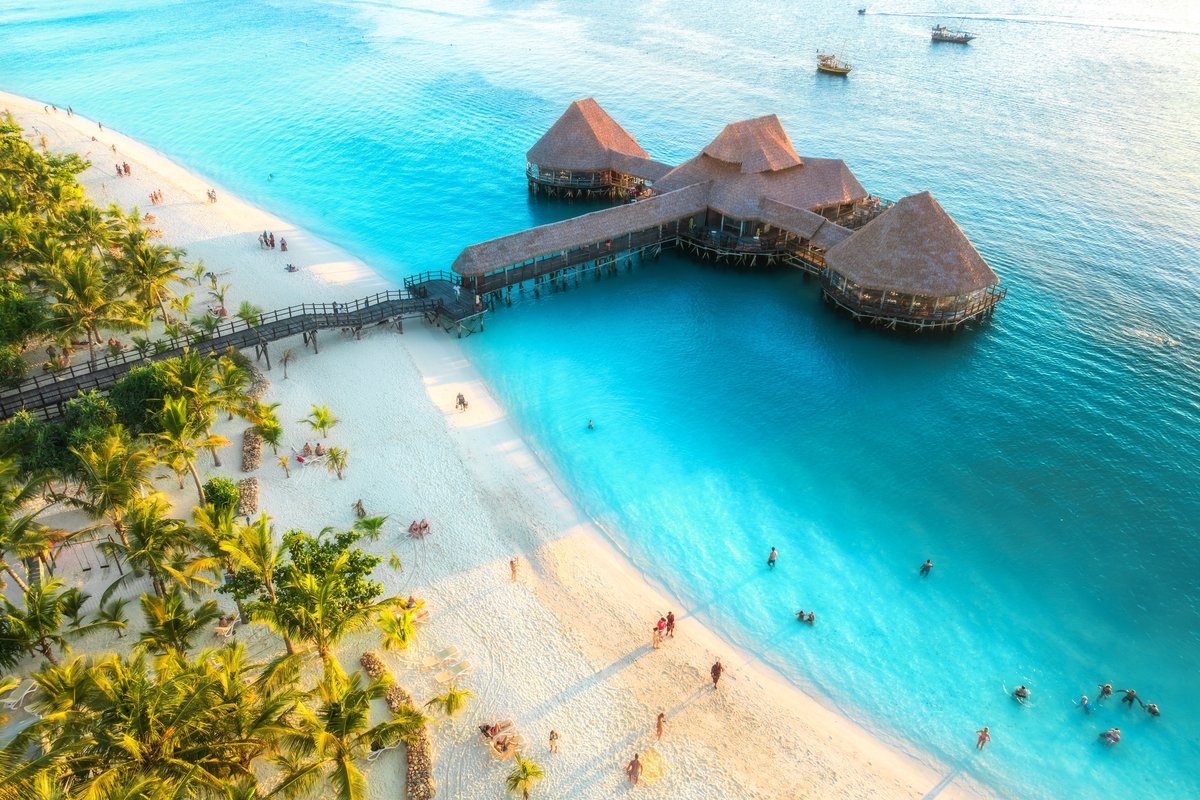
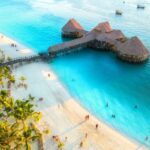
Zanzibar – das Malediven-Dupe: Der gleiche weiße Sand und das unmögliche Blau, plus die Geschichte von Stone Town.
-
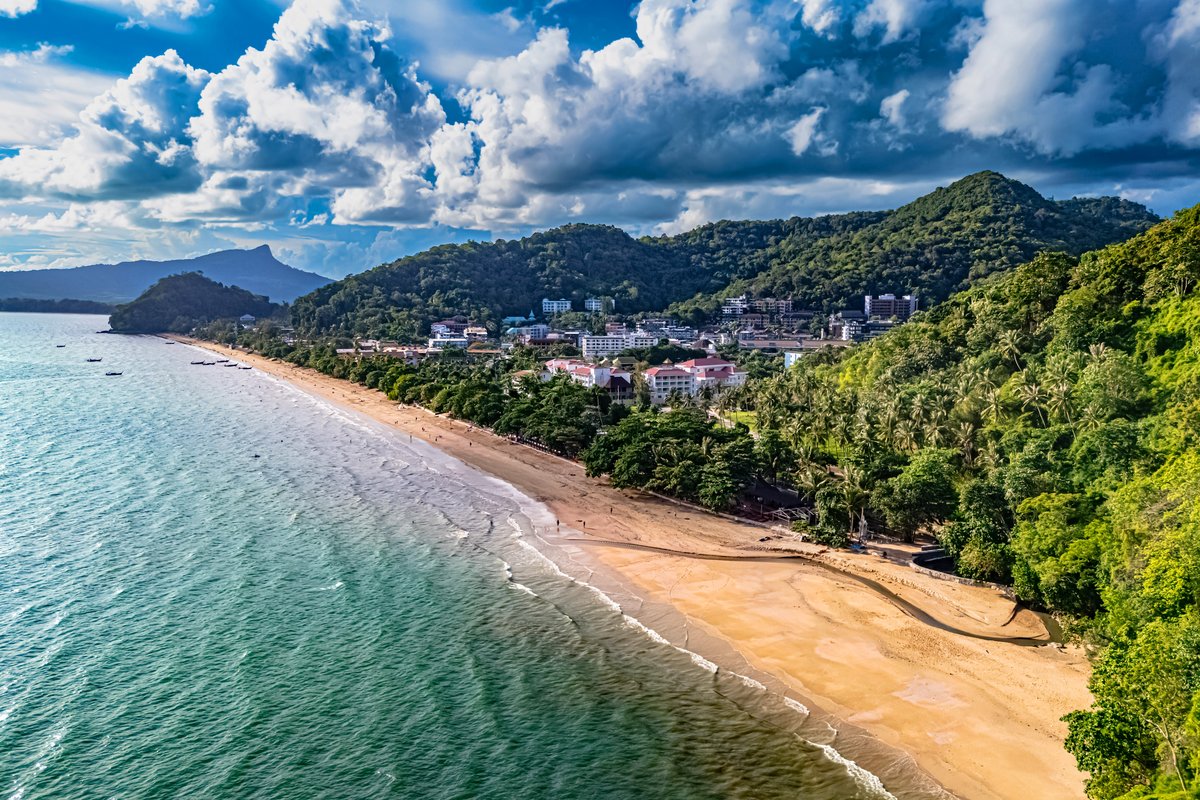
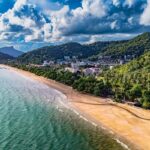
Krabi – das Phuket-Dupe: Phukets türkisfarbene Andamanenküste, plus Kalksteinfelsen.
-
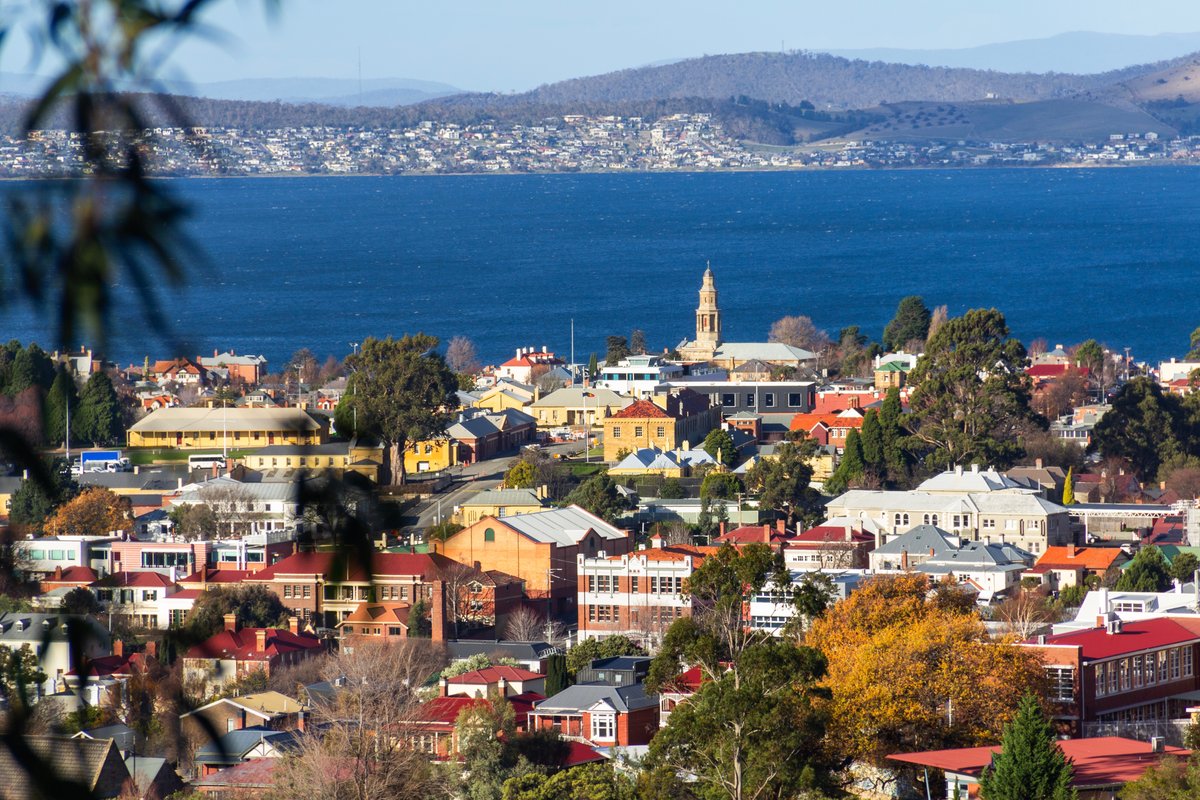
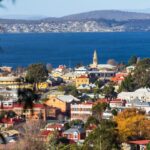
Hobart – das Stockholm-Dupe: Nordische Designinstinkte, Galeriekultur und Klarheit des kalten Wassers.
-
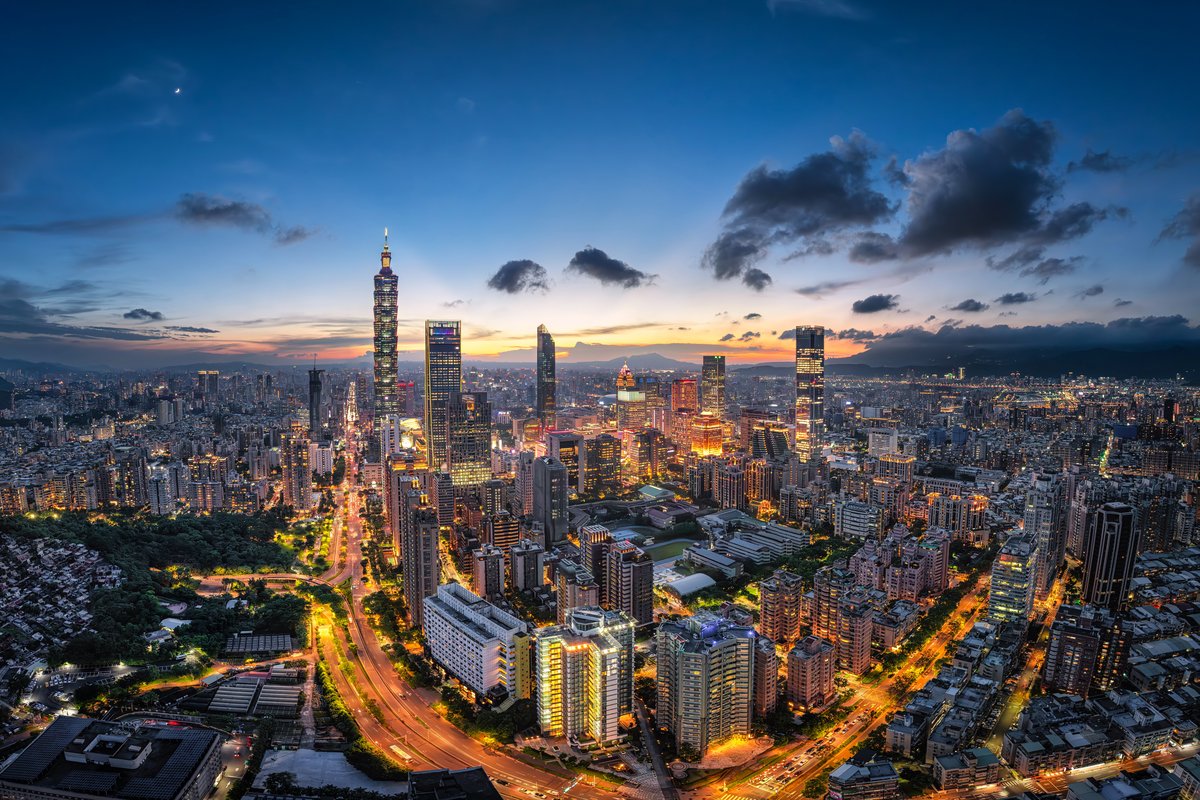
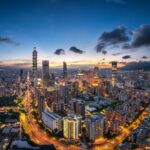
Taipei – das Seoul-Dupe: Die ganze Energie der Nachtmärkte und das Neon-Gewirr.
-
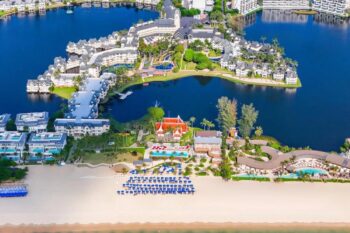
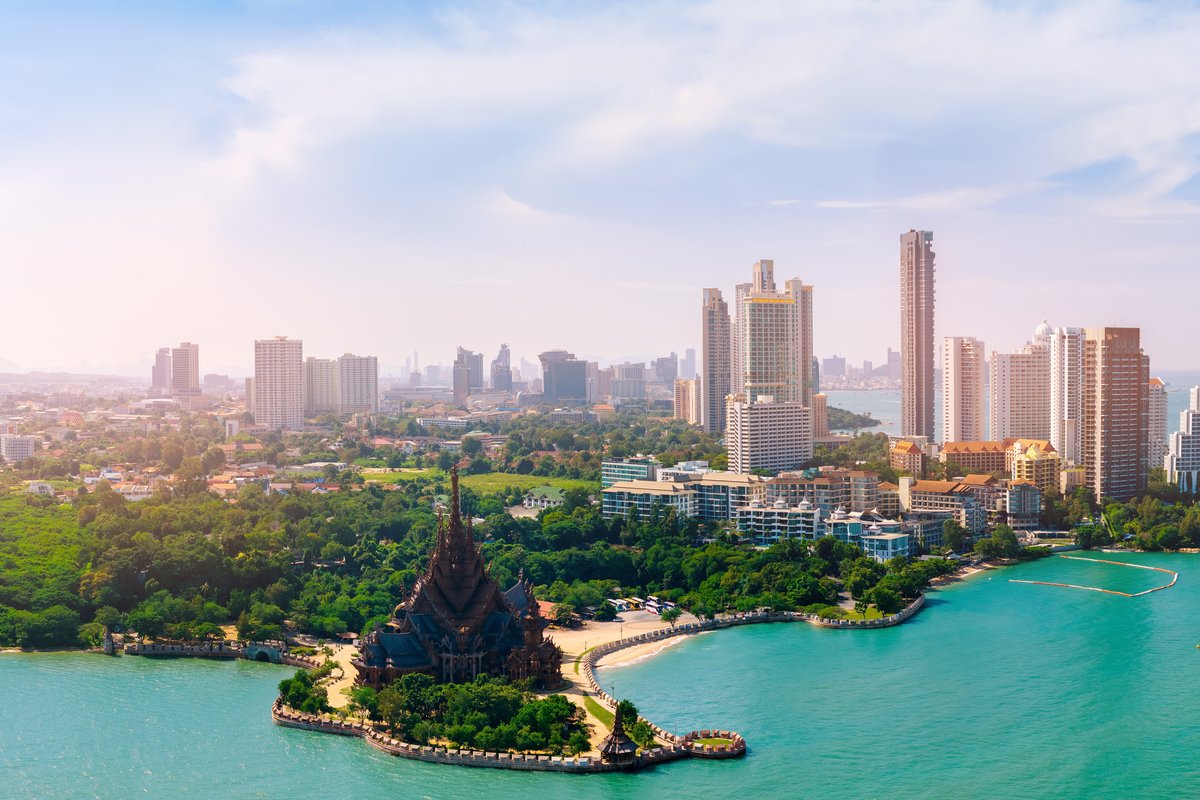
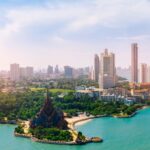
Pattaya – das Bangkok-Dupe: Bangkoks Streetfood und Nachtleben, verlagert an die Küste.


Ziel-Dupes haben einen ernsthaften Moment, da Reisende überfüllte, teure Hotspots gegen Orte eintauschen, die eine ähnliche Stimmung, Landschaft oder Erfahrung bieten. Die besten Alternativen sind keine exakten Kopien. Sie geben Ihnen den Teil des ursprünglichen Ziels, den Sie wirklich suchen (ob das mediterrane Glamour, Stadtenergie, Wildtiere oder einen großartigen Strand) ohne die Kosten, Menschenmengen und Buchungskonkurrenz.
Für 2027 sind dies die Ziele, die Sie kennen sollten.
Budapest für Paris
Budapest hat seine eigenen grandiosen Boulevards, Flussblicke und Café-Kultur. Es ist die Art von Eleganz, die Menschen nach Paris zieht, minus das Preisschild und die Warteschlangen. Gleiten Sie bei Dämmerung den Donau entlang, genießen Sie das ungarische Parlament vom Wasser aus und beenden Sie den Tag in einem der Thermalbäder der Stadt, einem Ritual, das einzigartig für die Stadt ist.
Wählen Sie Budapest für die Romantik einer europäischen Hauptstadt mit einer Persönlichkeit, die nicht versucht, jemandes Unterstudie zu sein.
Auch einen Blick wert: Lyon, Amsterdam, Brüssel.
Ljubljana und der Bleder See für Venedig
Die kompakte Hauptstadt Sloweniens hat die Flusscafés, gewölbten Brücken und pastellfarbenen Fassaden, die Venedig so fotogen machen, aber ohne die Tourgruppen, die an jeder Ecke drängen. In der Nähe fügt der Bleder See die Art von märchenhaftem, alpin dramatischem Postkartenmotiv hinzu.
Es wird Ihnen keine Kanäle oder Jahrhunderte maritimer Kunst bieten, aber es bietet mehr Raum, um zu genießen, wo Sie sind.
Auch einen Blick wert: Brügge, Annecy, Piran.


Altea für Santorini
An Spaniens Costa Blanca erhebt sich die weißgetünchte Altstadt von Altea auf einem Hügel über dem Meer, ihre blaukuppelige Kirche fängt das gleiche goldene Licht ein, das Santorini so unwiderstehlich auf Kamera macht. Der Vergleich bezieht sich eher auf Stimmung und Farbe als auf Geologie. Hier gibt es keinen Krater, keine vulkanischen Strände, aber die sonnengebleichte, fotogene Magie ist unbestreitbar vorhanden.
Wählen Sie es, wenn es immer wirklich um die weißen Wände und den Sonnenuntergang ging, nicht um die spezifische Insel.
Auch einen Blick wert: Milos, Naxos, Serifos.
Die albanische Riviera für die Amalfiküste
Türkisfarbenes Wasser, serpentinenartige Küstenstraßen, Steindörfer und Meeresfrüchte-Mittagessen – die albanische Riviera hat alle Zutaten, die die Amalfiküste berühmt gemacht haben, mit einer roheren, weniger gepflegten Kante. Himarë, Dhërmi und Ksamil sind die Namen, die es jetzt wert sind, gelernt zu werden, während dieser Küstenabschnitt noch eine aufstrebende Geschichte ist.
Für mediterranes Drama ohne Amalfi’s Preisschild oder dessen Intensität in der Hochsaison.
Auch einen Blick wert: die Algarve, Apulien, Montenegro.
Kotor und Perast für Dubrovnik
Kotor’s mittelalterliche Altstadt, umgeben von steilen Bergen, und die palastgesäumte Uferpromenade von nahegelegenem Perast tragen den gleichen altmodischen Charme, der Reisende zu Dubrovnik’s Mauern zieht. Die Bucht von Kotor ist fjordähnlicher als die offene Adria und verleiht dem gesamten Erlebnis eine stimmungsvolle, dramatische Kulisse.
Historische Straßen und Küstenszenen in einem merklich langsameren Tempo.
Auch einen Blick wert: Rovinj, Korčula, Herceg Novi.
Bacalar für Tulum
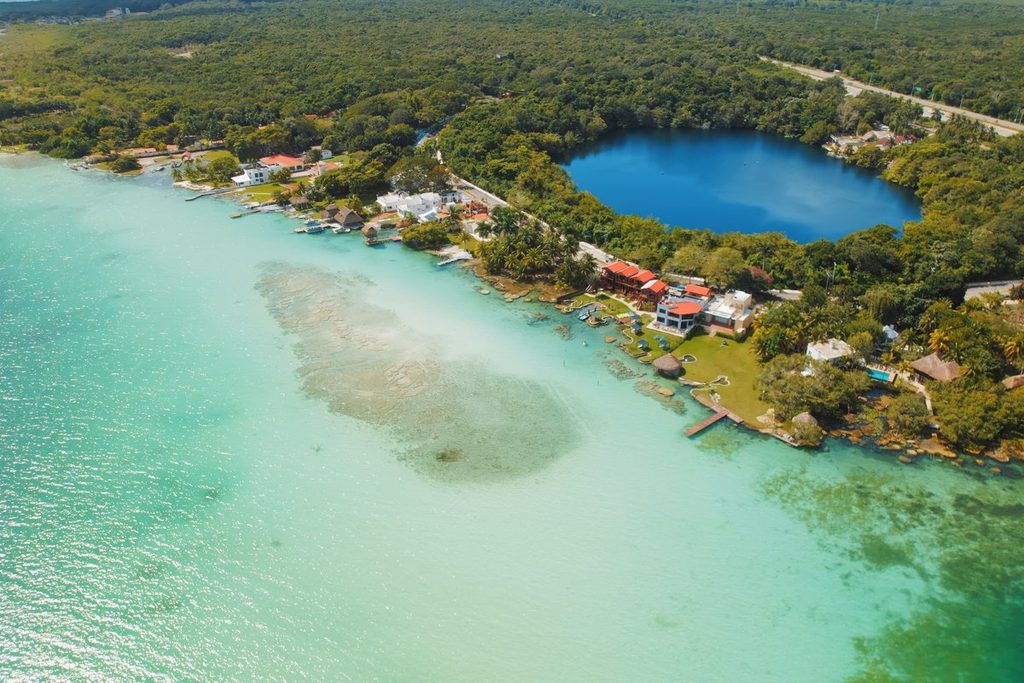
Bacalar tauscht Tulums Karibikküste gegen die Lagune der sieben Farben, einen riesigen Süßwassersee, der von Dschungel, Hängematten und entspannten Unterkünften direkt am Wasser umgeben ist. Die Tage hier sind für Stand-Up-Paddeln und Bootsausflüge gemacht, nicht für Strandclubs.
Es ist eine Lagunenstadt, keine Strandstadt: ein ruhigerer Ausdruck derselben tropischen Flucht.
Auch einen Blick wert: Holbox, Todos Santos, Puerto Escondido.
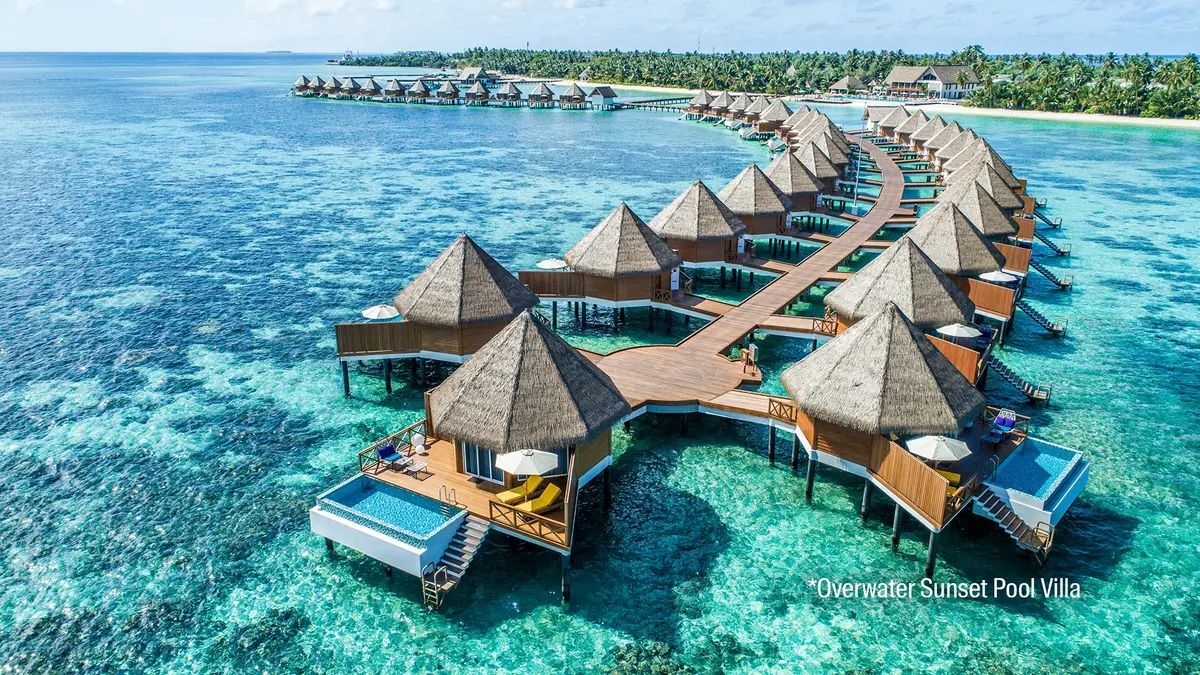
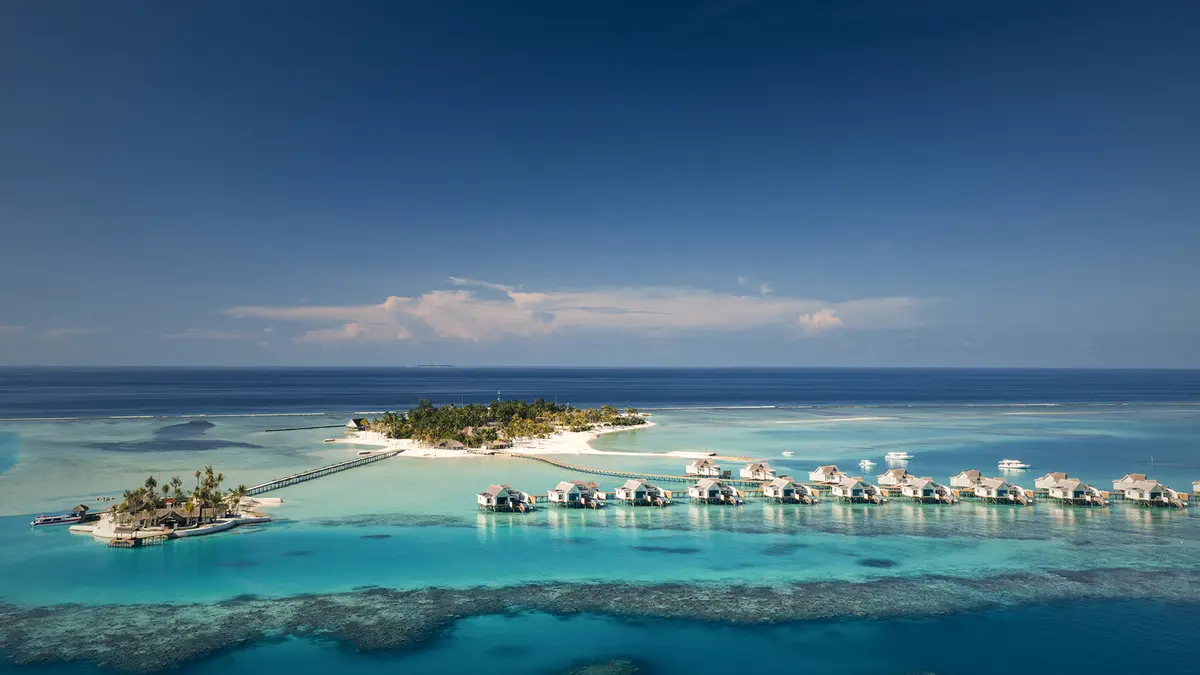
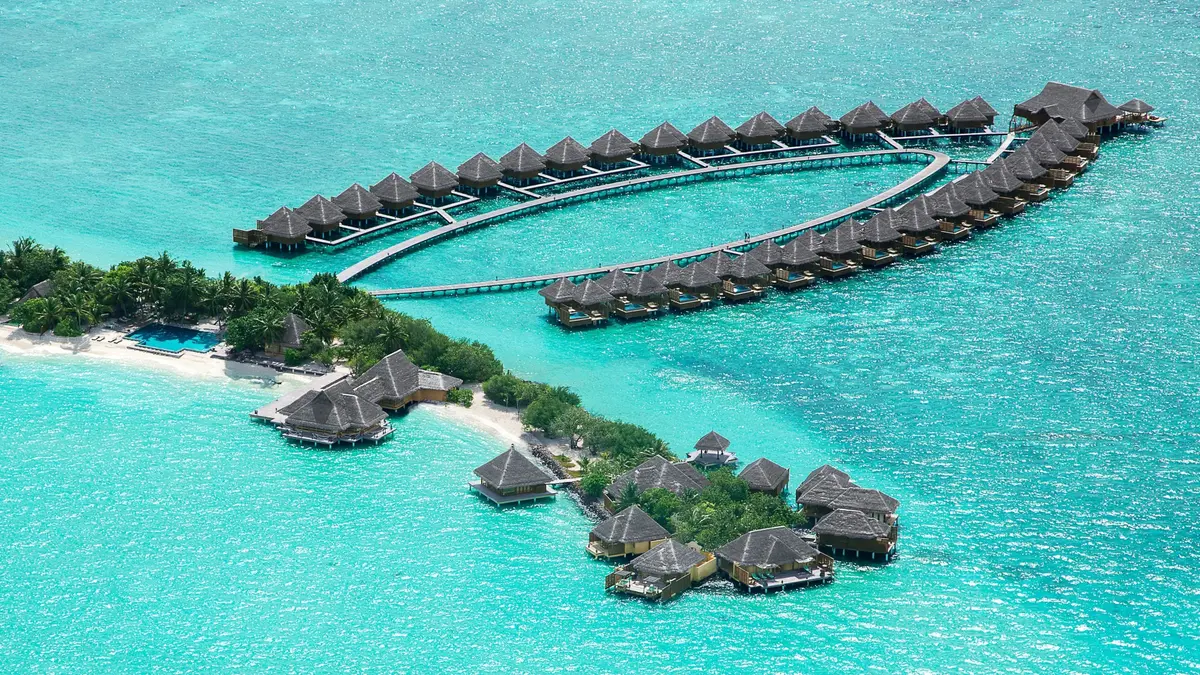
Zanzibar für die Malediven
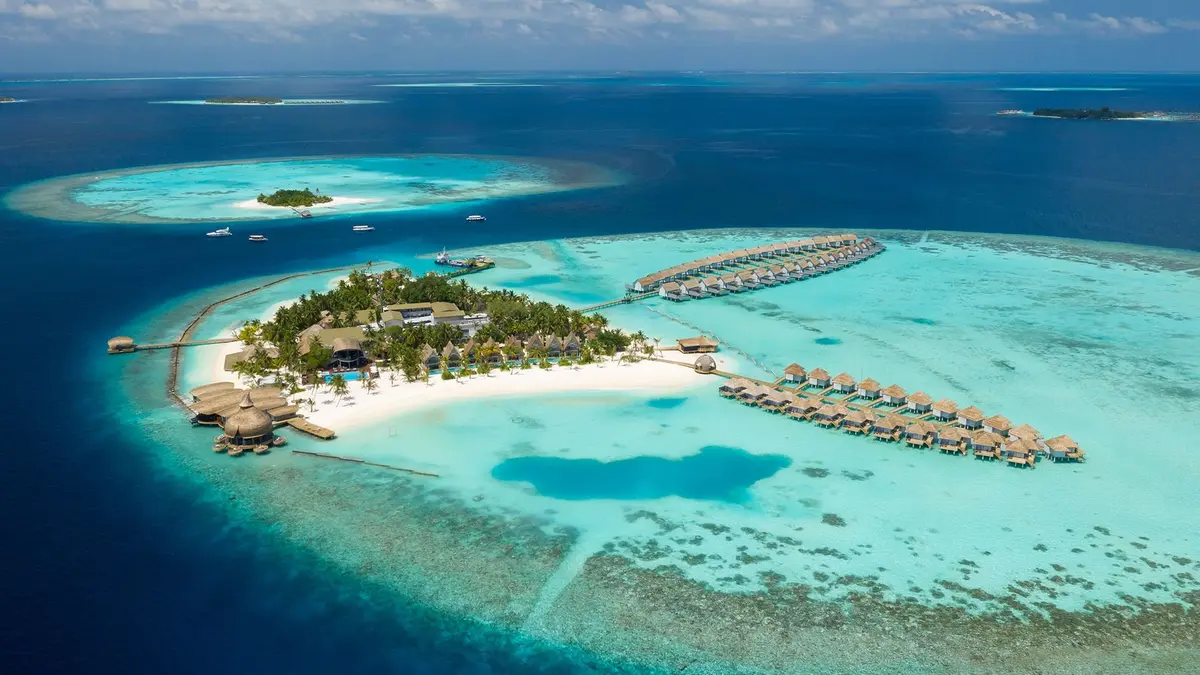
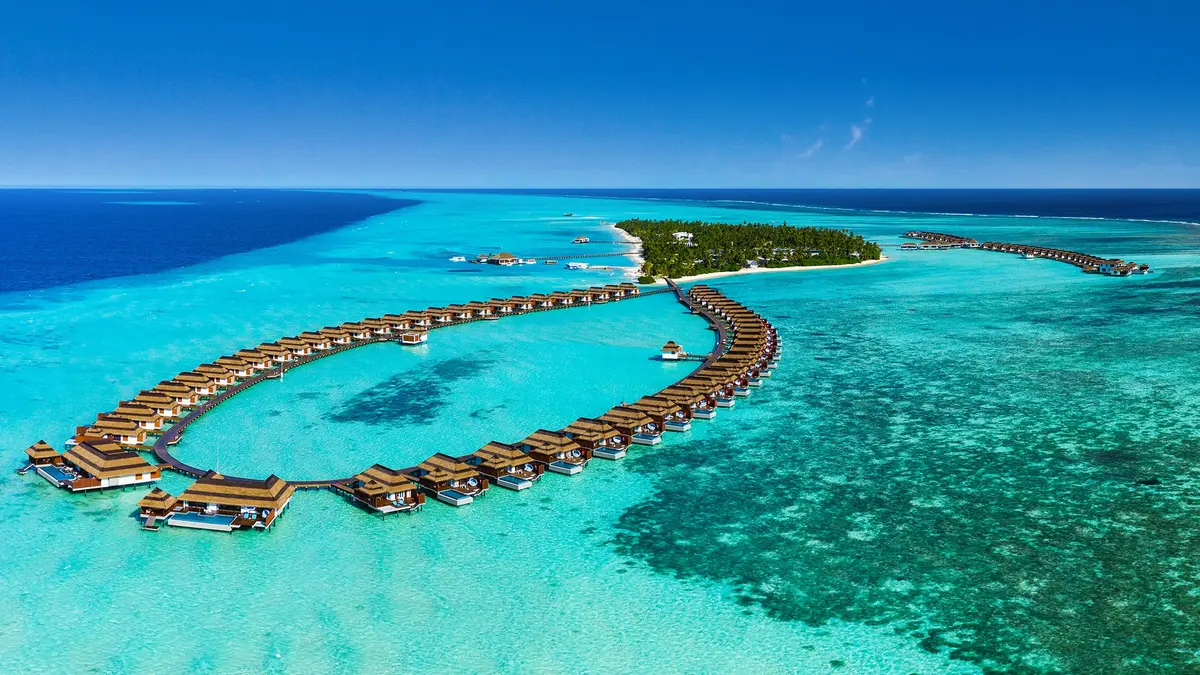
Zanzibar hat den weißen Sand und das unmöglich blaue Wasser, die die Malediven definieren, plus etwas, das die Malediven nicht ganz so anbieten können: Schichten von Geschichte und Kultur an Land. Schlendern Sie durch Stone Town, besuchen Sie eine Gewürzfarm, schnorcheln Sie im Indischen Ozean und wählen Sie zwischen einem Boutique-Gästehaus und einem eleganten Strandresort.
Wenn Sie die tropische Luxus und einen Ort mit Geschichten jenseits der Küste wollen, ist dies für Sie.
Auch einen Blick wert: die Seychellen, Sumba, Rangiroa.
Krabi für Phuket
Krabi teilt sich das türkisfarbene Andamanensee und das einfache Inselhopping mit Phuket, stapelt jedoch das Drama höher (steile Kalksteinfelsen, die direkt aus dem Wasser ragen) und dreht die Lautstärke herunter. Lassen Sie sich in Ao Nang nieder, nehmen Sie ein Longtail-Boot nach Railay oder verbringen Sie Ihre Tage damit, zwischen den kleineren Inseln vor der Küste zu treiben.
Es ist die Version dieser Küste für Reisende, die bereitwillig Phukets Nachtleben und Shopping gegen ein ruhigeres Tempo eintauschen.
Auch einen Blick wert: Koh Yao Noi, Koh Lanta, Langkawi.



Die Maasai Mara für Kruger
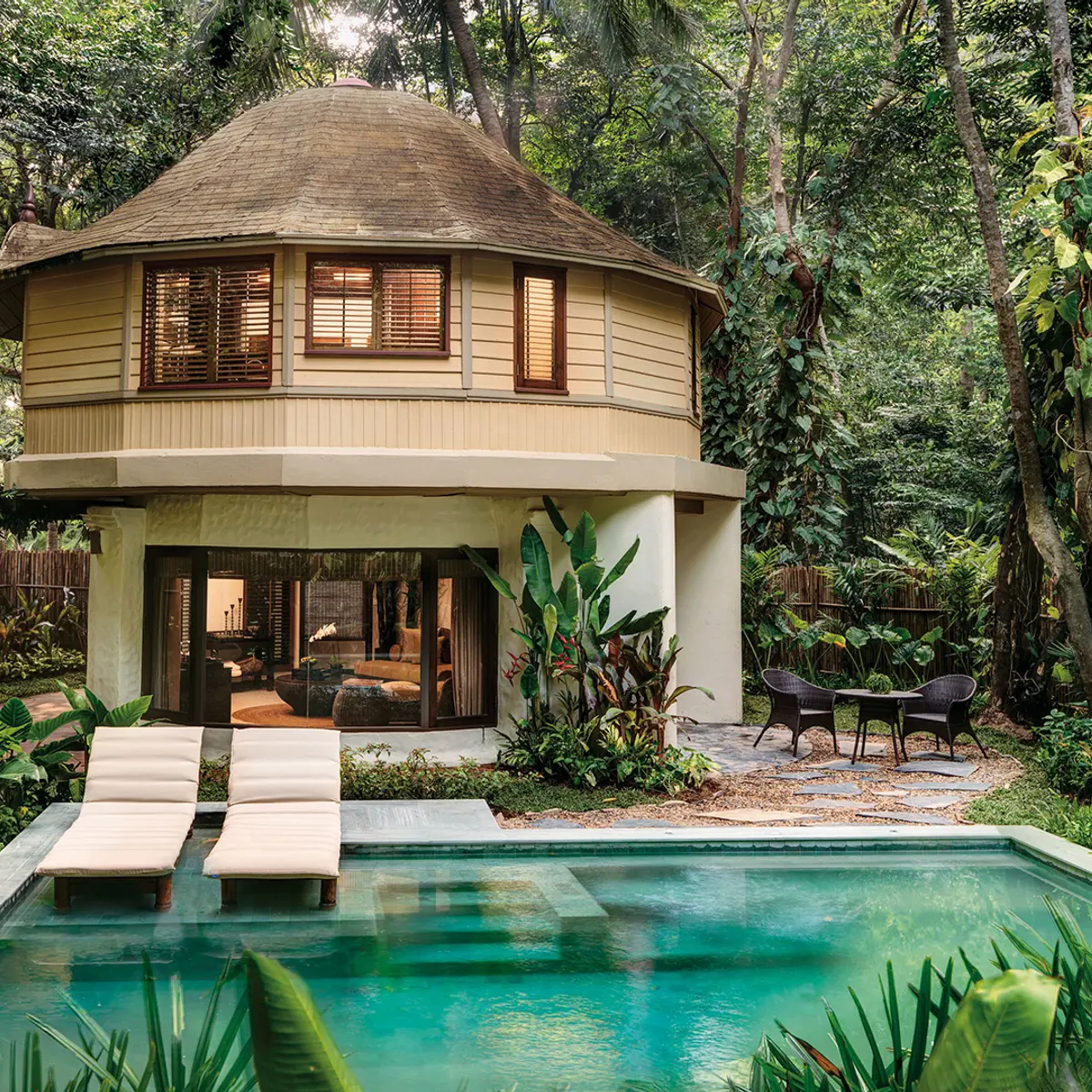
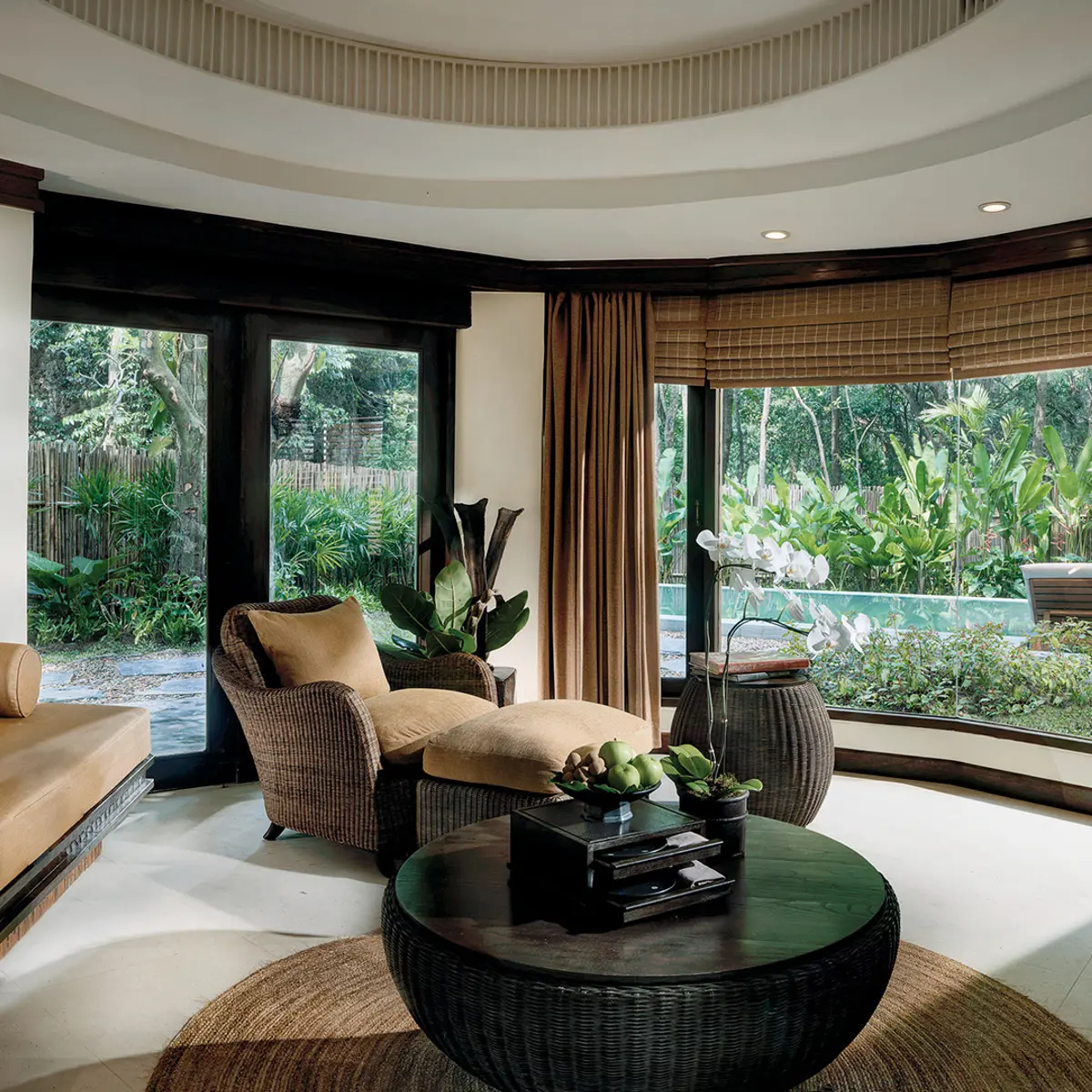
Die offenen Graslandschaften der Mara bieten das gleiche Big Five Drama, das Menschen nach Kruger zieht, aufgebaut um die Große Migration, Maasai-Kultur und intime Zeltlager, anstatt um die Bequemlichkeit des Selbstfahrens. Eine Heißluftballonfahrt bei Sonnenaufgang, die über Gnu-Herden schwebt, ist eine Perspektive, die Kruger nicht bieten kann.
Sie sind nicht austauschbar; Kruger belohnt unabhängige Erkundungen, während die Mara für die Migrationssaison und große Katzenbegegnungen gebaut ist – aber beide liefern, was sie versprechen.

Auch einen Blick wert: die Serengeti, das Okavango-Delta, das Madikwe Game Reserve.
Hobart für Stockholm
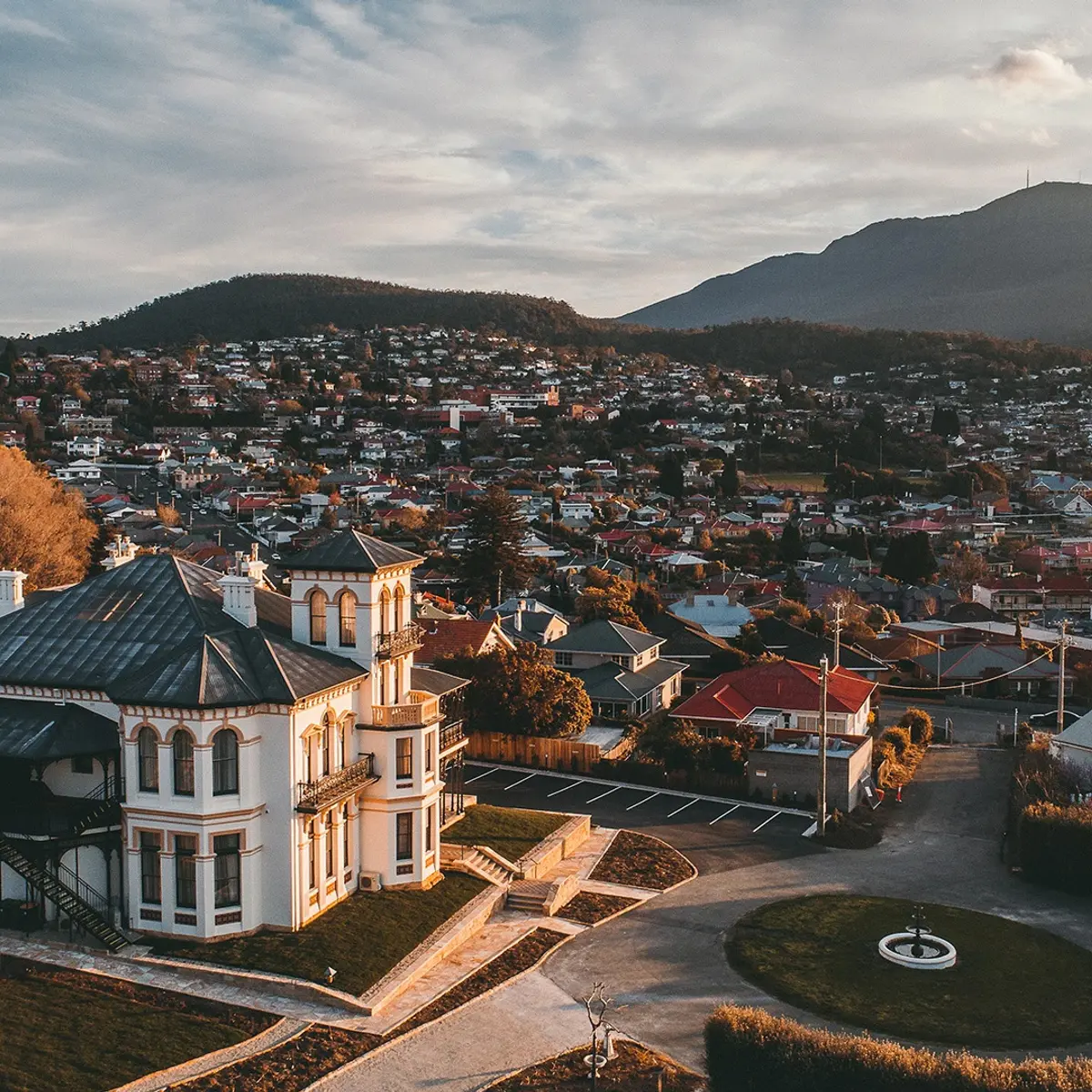
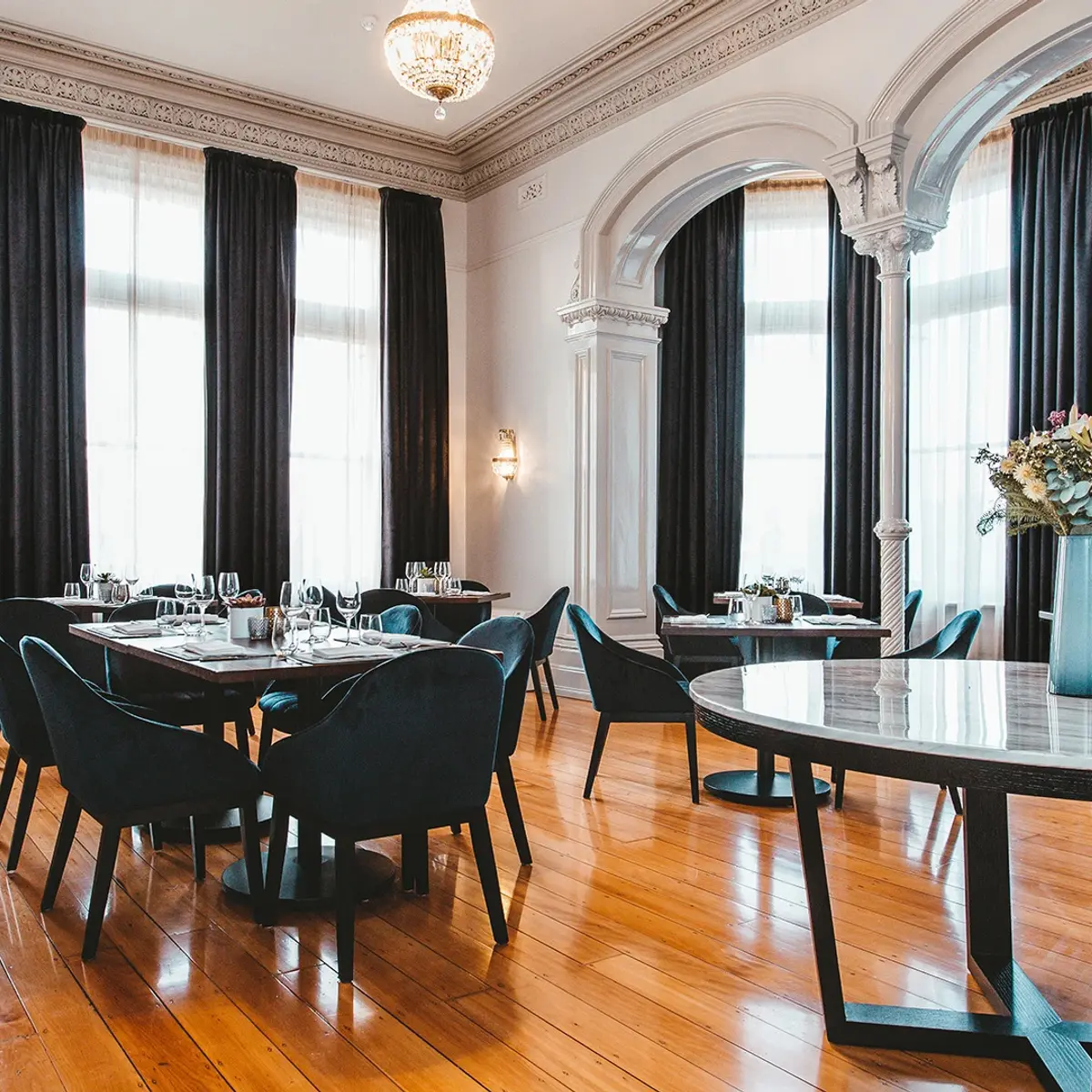
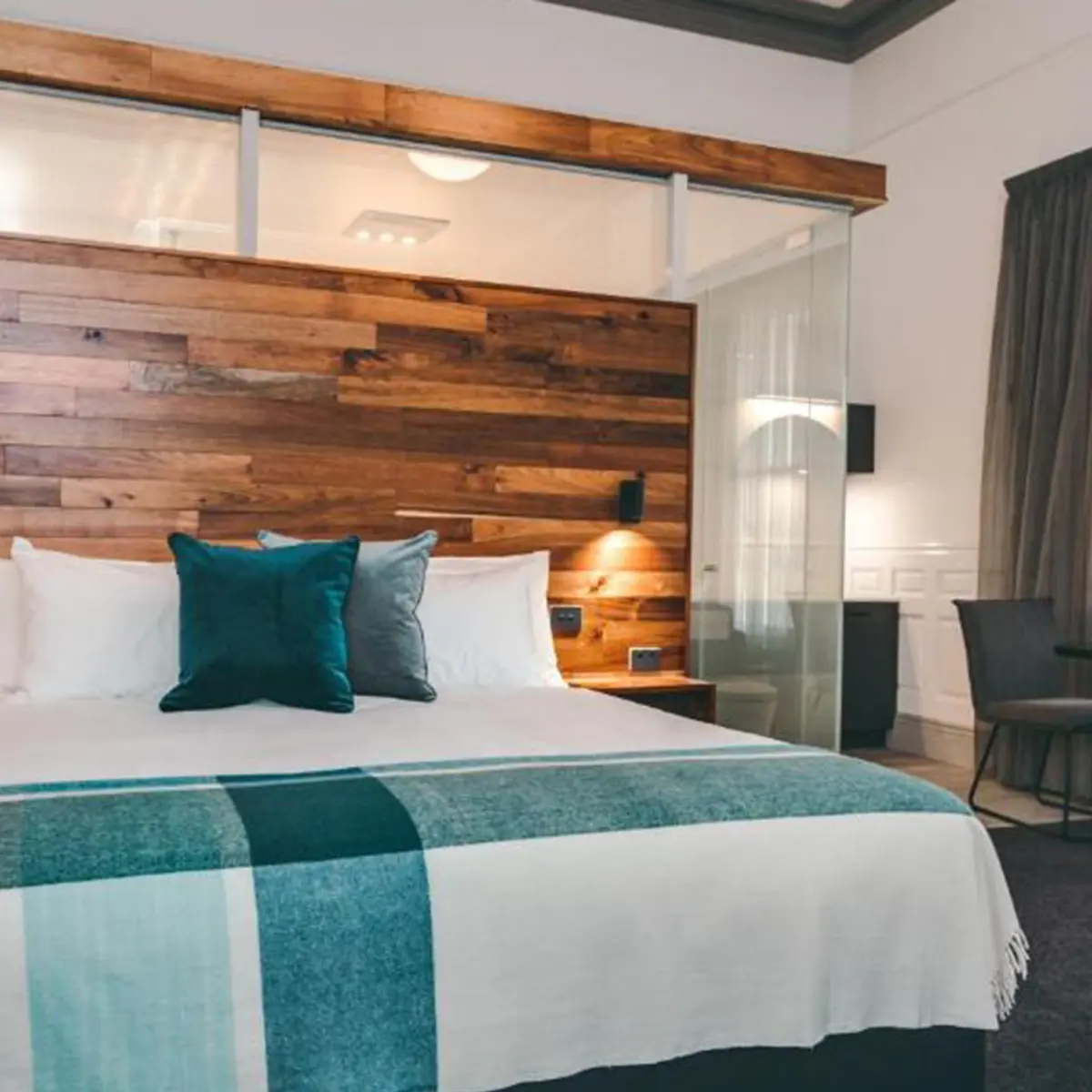
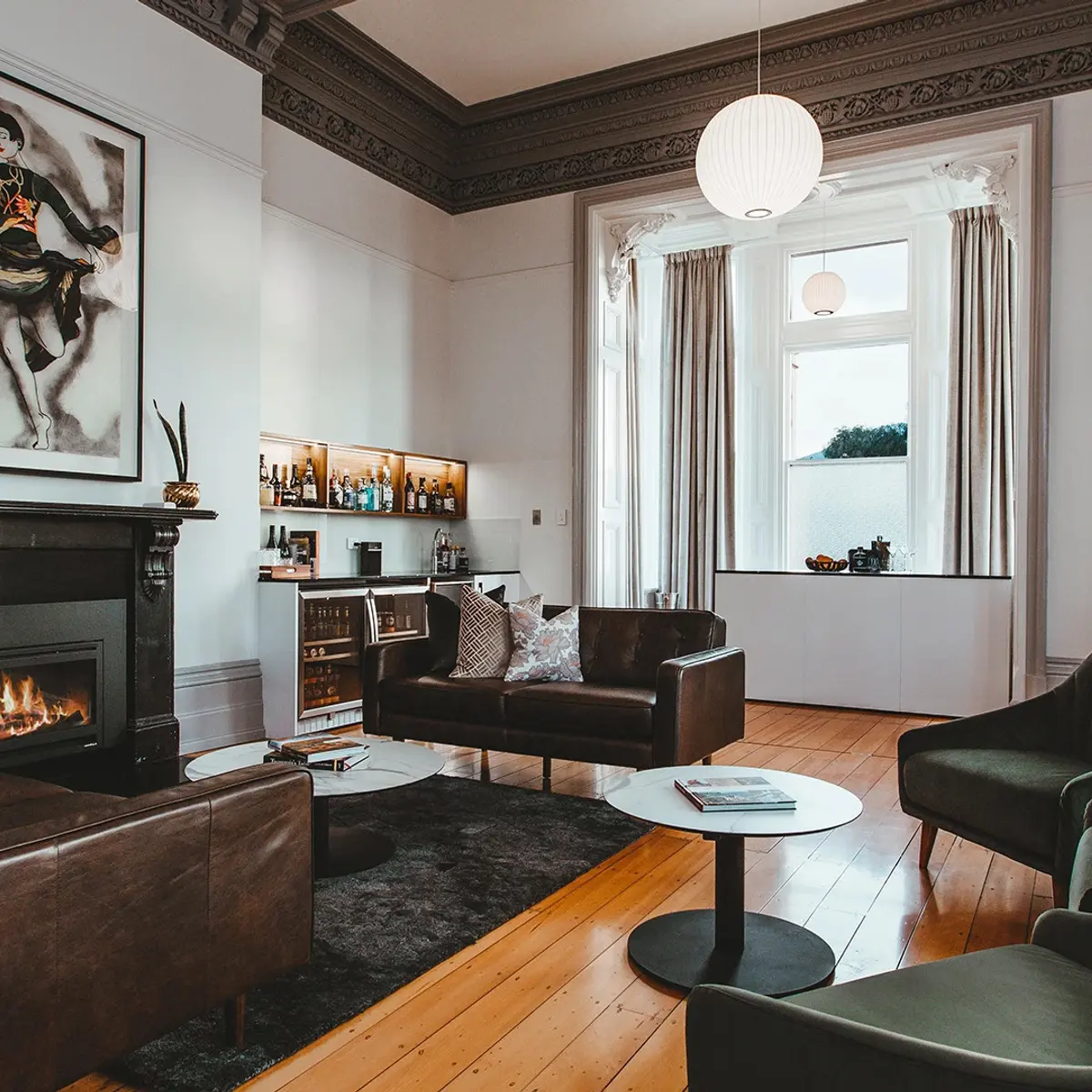
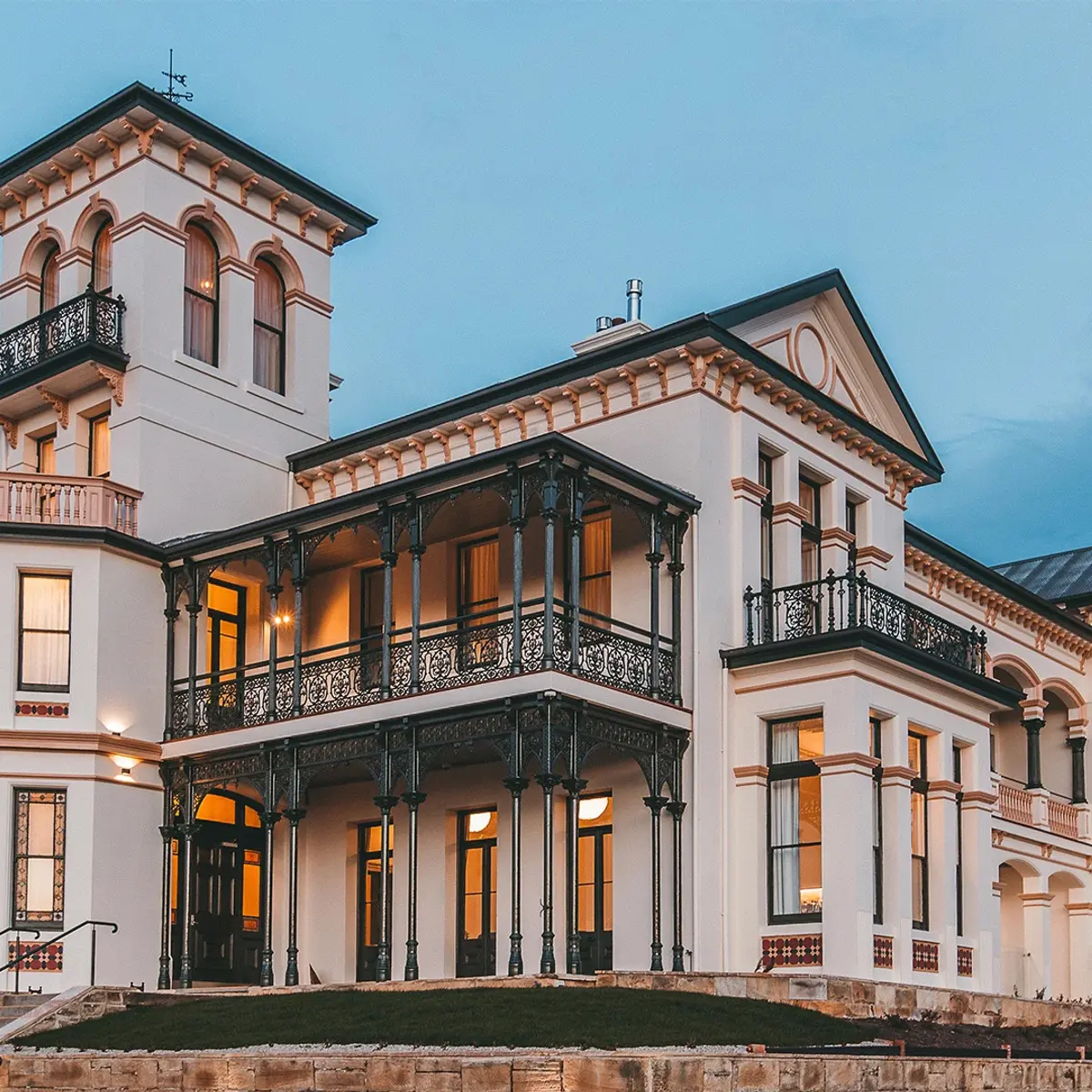
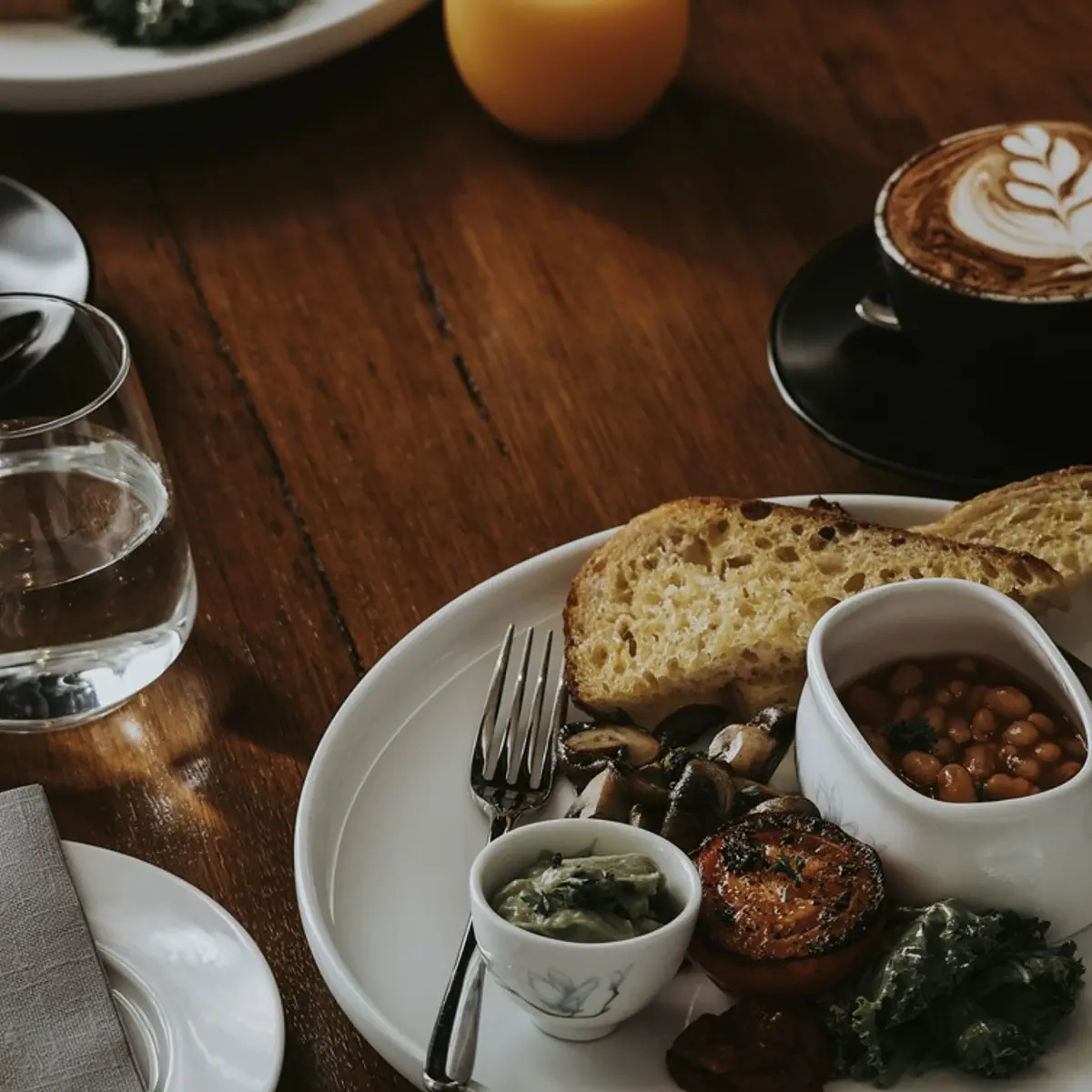
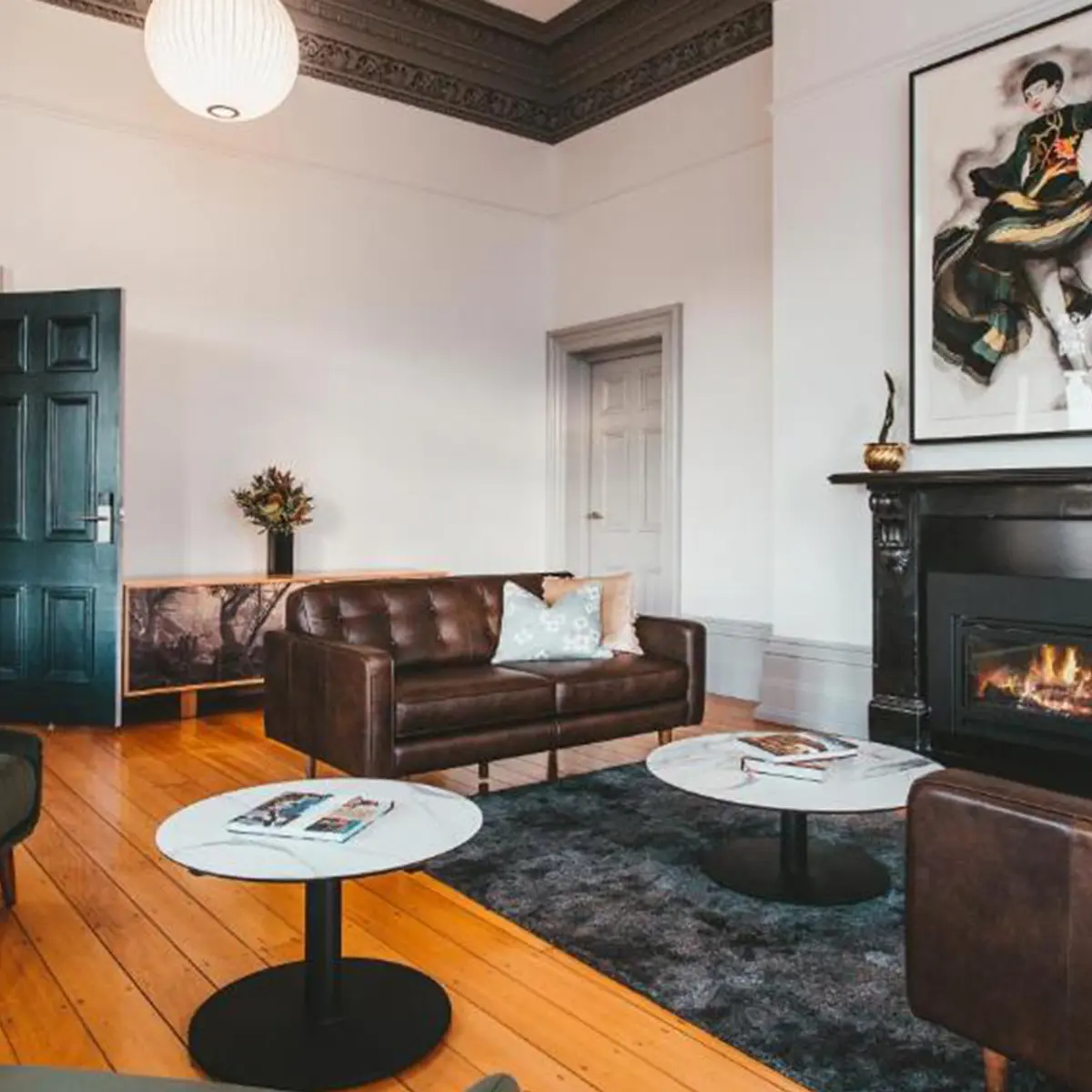
Es gibt eine bestimmte Art von Reisenden, die zu Stockholm mit seinen klaren Linien, Galeriebesuchen und kaltem Wasser angezogen wird – und Hobart, auf der anderen Seite der Welt, beantwortet dieses Verlangen mit einem wilderen Akzent. Tasmaniens Hauptstadt kombiniert eine begehbare Uferpromenade und eine zeitgenössische Kunstszene (MONA bleibt eines der meistdiskutierten Museen überhaupt) mit kolonialen Straßen in Battery Point und Salamanca Place. Wenn Sie weiter hinausgehen, sind Sie schnell unter einer rauen Küstenlinie, den Austernständen von Bruny Island und den rosa Granitgipfeln von Freycinet.
Wählen Sie Hobart, wenn Ihnen an Stockholm das Designgefühl und die Nähe zur Natur gefiel – aber Sie mehr Wärme, mehr Wildnis und ein wenig weniger Politur wünschen.
Auch einen Blick wert: Helsinki, Kopenhagen, Göteborg.


Taipei für Seoul
Taipei hat das Neon, die Nachtmärkte und die unruhige Esskultur, die die Menschen zu Seoul zieht – komprimiert in etwas Kompakteres und Ungehetztes. Verbringen Sie Ihre Abende damit, Spieße und stinkenden Tofu zu probieren, und tauschen Sie K-Pop-Pilgerfahrten gegen Tempelhöfe, heiße Quellen und Bergwanderungen, die praktisch am Stadtrand beginnen.
Wählen Sie Taipei, wenn Sie einen asiatischen Städtetrip wünschen, der sich um gutes Essen dreht, ohne so viel Boden zu decken.
Auch einen Blick wert: Osaka, Fukuoka, Hongkong.
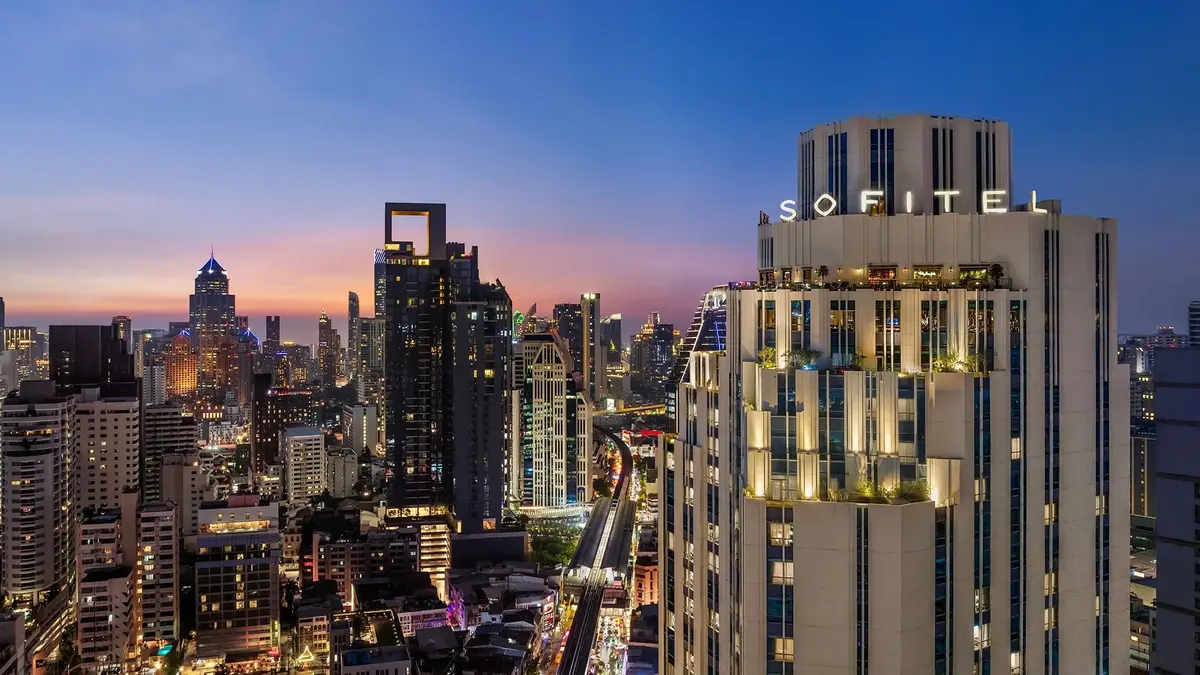
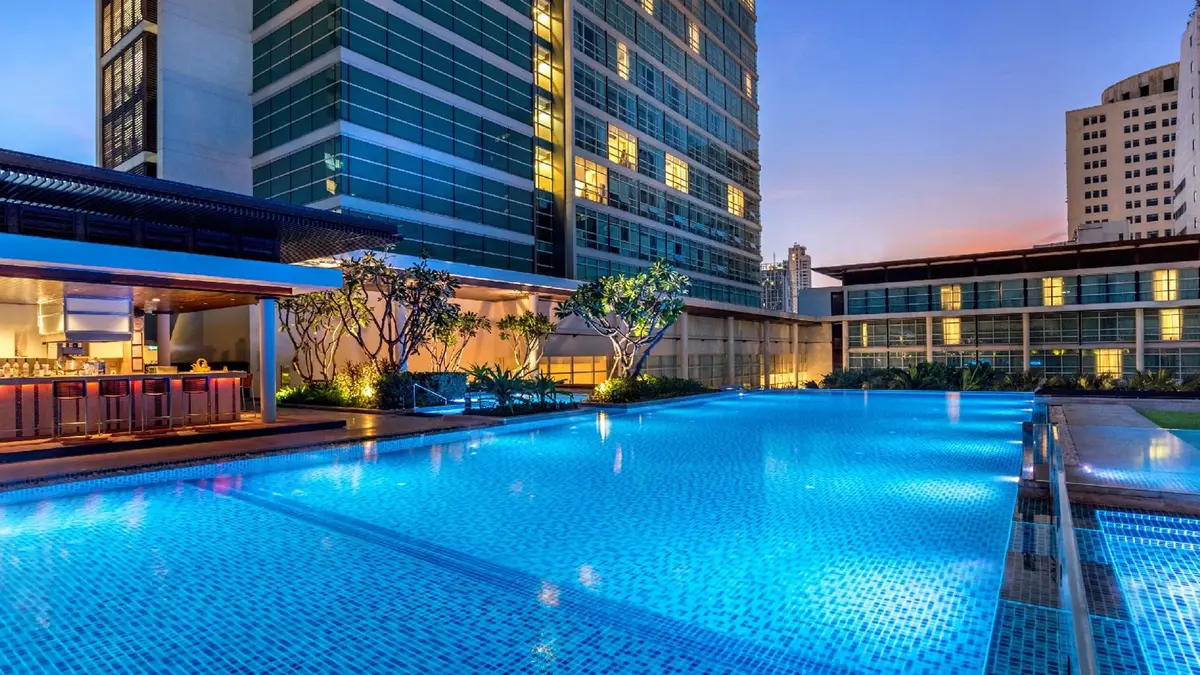
Pattaya für Bangkok
Pattaya trägt Bangkoks Appetit auf Nachtleben, Streetfood und Marktbesuche, aber es liegt am Wasser. Resorthotels, Bootsausflüge nach Koh Larn und ruhigere Morgen verändern das Tempo völlig, während das Sanctuary of Truth und die Gärten von Nong Nooch der Stadt mehr kulturelles Gewicht verleihen, als ihr Ruf als Strandstadt vermuten lässt.
Es wird Bangkoks Tempel oder seine schiere urbane Größe nicht ersetzen – denken Sie stattdessen an es als die kürzere, leichter atmende Begleitreise.
Auch einen Blick wert: Chiang Mai, Kuala Lumpur, Ho-Chi-Minh-Stadt.


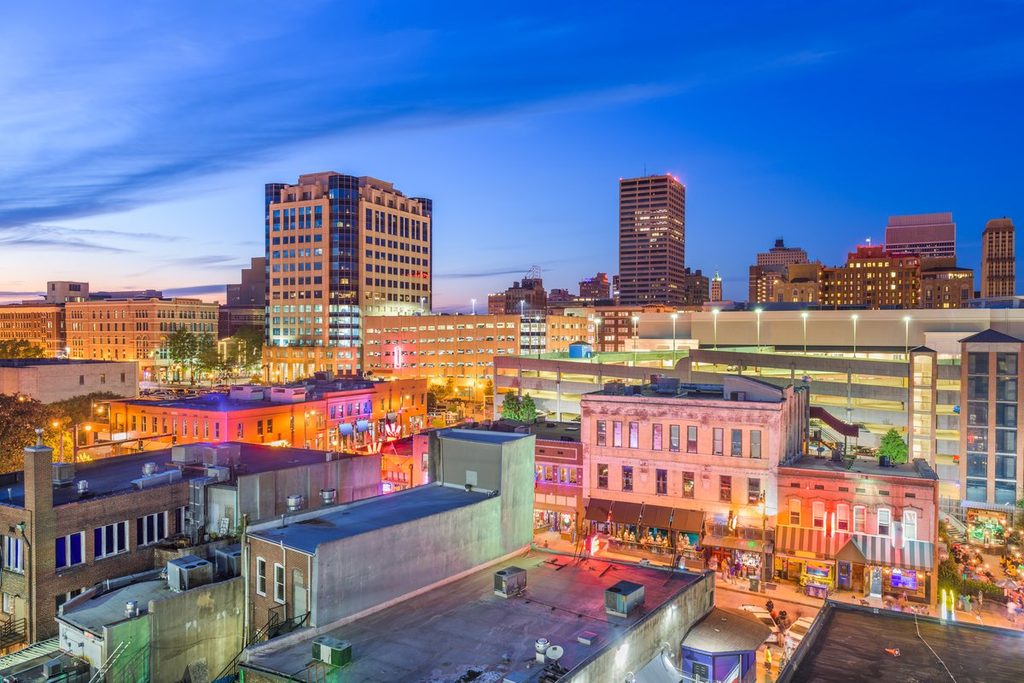
Memphis für Nashville
Wenn Nashvilles Anziehungskraft Live-Musik und echtes Südstaatenessen ist, bietet Memphis den gleichen Appetit mit einer grittigeren, älteren Seele. Beale Street nach Einbruch der Dunkelheit, die Stille von Sun Studio, das Gewicht des National Civil Rights Museum und Barbecue, über das Einheimische stundenlang diskutieren werden.
Wählen Sie es, wenn Sie Ihre Musik lieber in Blues- und Soulclubs als auf einem Honky-Tonk-Streifen finden möchten.
Auch einen Blick wert: Austin, New Orleans, Muscle Shoals.
Ein Ziel-Dupe funktioniert nur, wenn Sie ehrlich zu sich selbst sind, was Sie ursprünglich zu dem Original hingezogen hat. Wenn Santorini um die weißgetünchte Architektur ging, könnte Altea alles sein, was Sie brauchen. Wenn es bei den Malediven um das Wasser ging, gibt Ihnen Zanzibar mehr, um die Tage darum zu füllen. Wenn es bei Kruger um die Wildtiere ging, bietet die Maasai Mara ihre eigene, ebenso aufregende Version dieses gleichen Dramas. Wenn Sie jedoch immer neugierig waren, in einem bestimmten Hotel zu übernachten, eine ikonische Attraktion abzuhaken oder das genaue Bild zu machen, das Sie immer wieder in sozialen Medien sehen, gibt es keinen Ersatz für das Original.
Es geht nicht darum, eine exakte Kopie zu finden. Es ist eine Einladung, ein wenig neugieriger zu reisen – und irgendwo zu landen, das unerwartet Ihr neues Lieblingsziel wird.
Entdecken Sie die Welt
Vorgestelltes Bild: Bleder See, Slowenien. Bildnachweis: Shutterstock / Francesco Scatena.