Why Hanoi and Ha Long Bay belong together
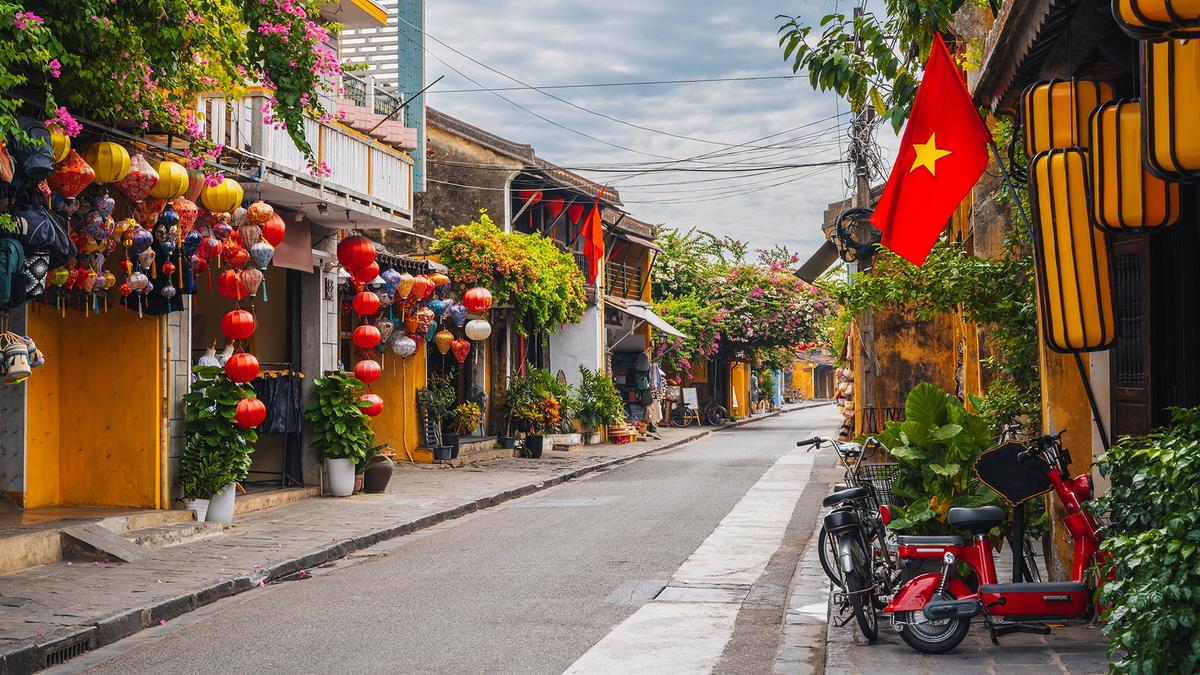
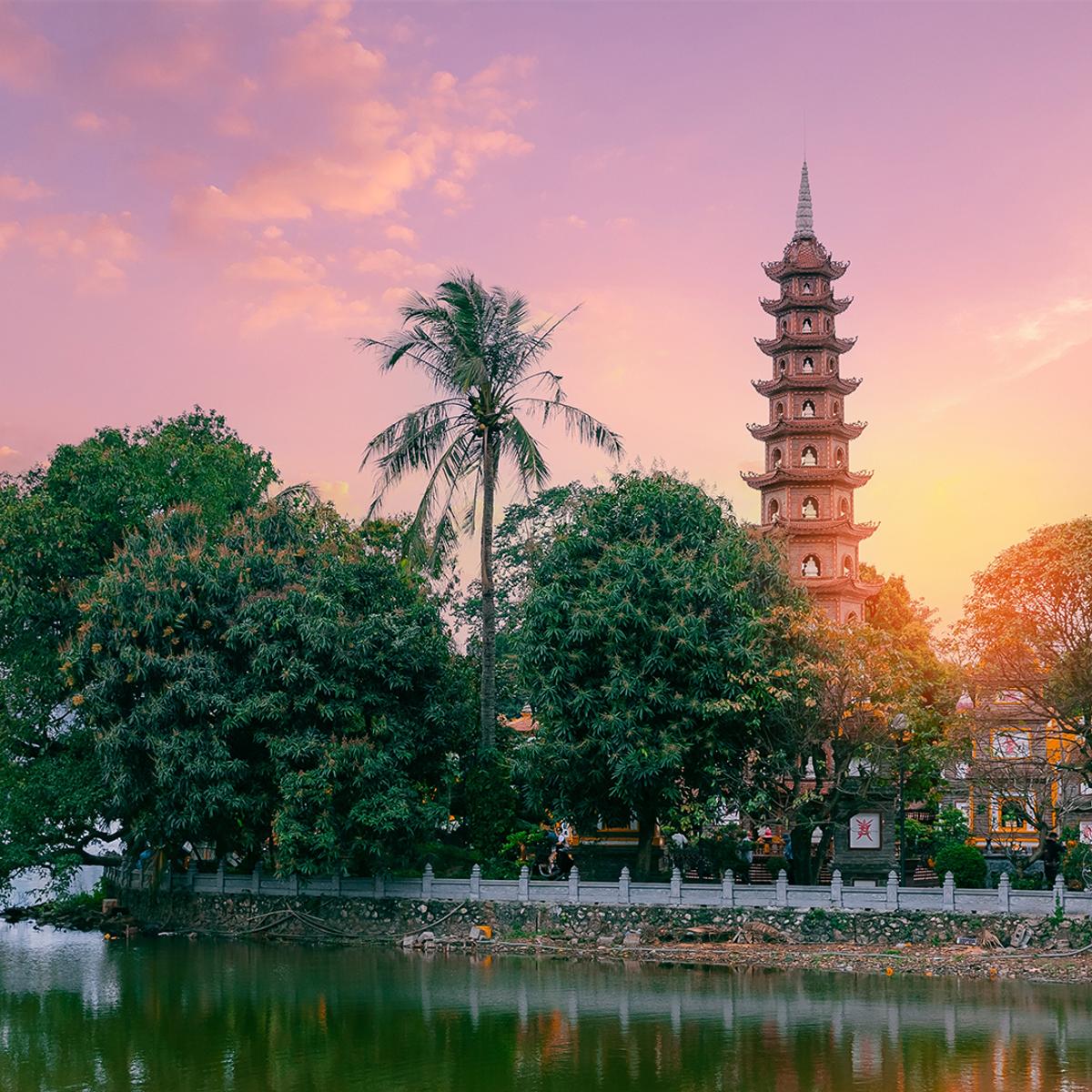
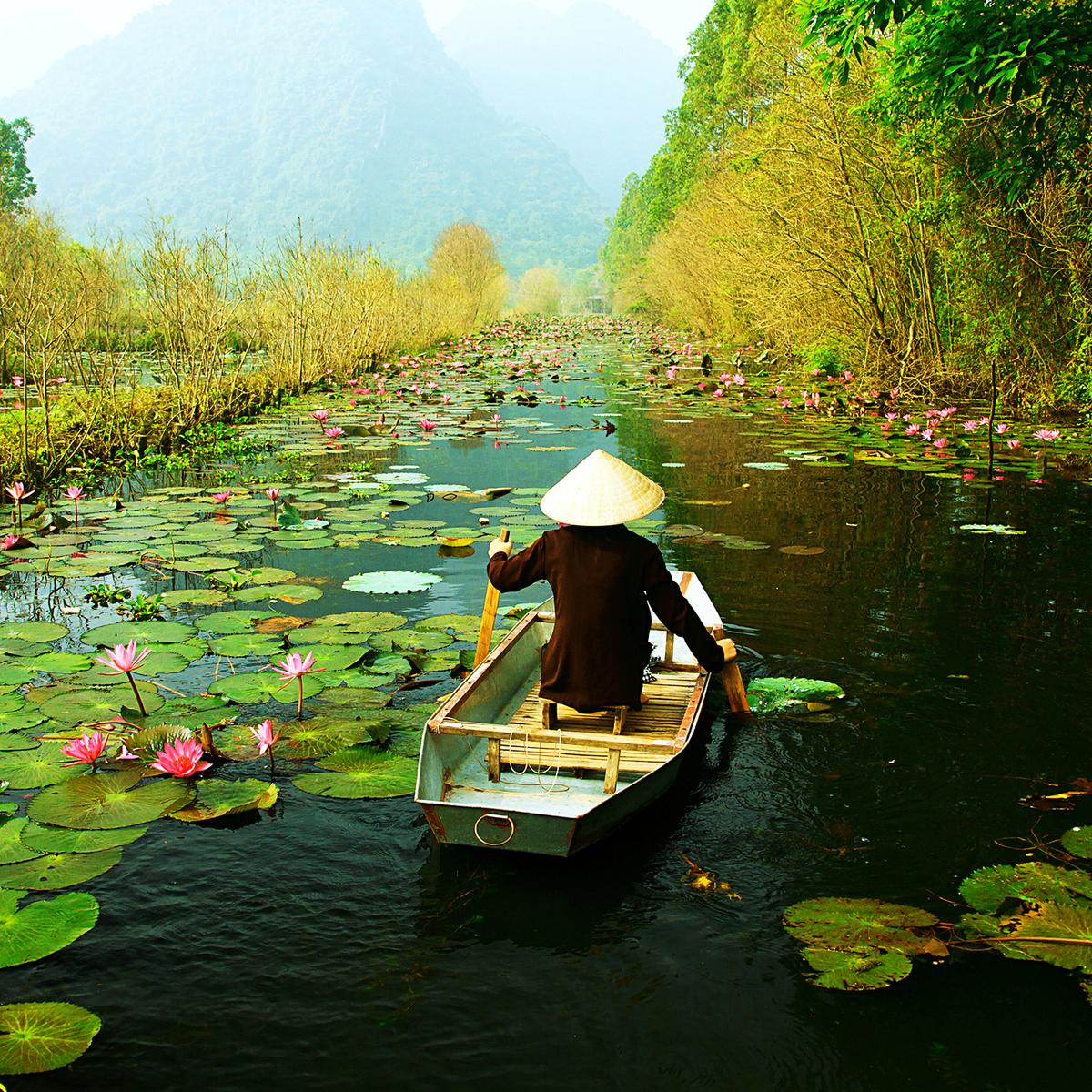
A morning in the Vietnamese capital begins in motion. Scooters flow around street vendors, steaming bowls of pho arrive at low plastic tables and the smell of strong robusta coffee drifts from tiny cafes. A few days later, morning looks different: light on the water, limestone islands emerging through the mist and the quiet of a cruise deck before the day begins.
That contrast is the pleasure of a Hanoi and Ha Long Bay itinerary. The capital gives northern Vietnam its flavour, history and restless energy. The bay offers time to take in the landscape at a gentler pace. Allow space for both and the journey feels less like ticking off sights and more like settling into the rhythm of the region.




How long do you need?
For a short break, allow two nights in Hanoi and one night aboard a cruise. This gives you a full day to explore the city before travelling to the bay. You will need to prioritise, but can still fit in key sights, a food experience and an evening in the Old Quarter.
Four or five nights make for a more relaxed trip. Spend two or three nights in Hanoi, then choose a one- or two-night cruise to suit your schedule. The extra time leaves space to wander, enjoy a slower morning and adjust plans if weather affects sailing.
A short break: Hanoi and a one-night Ha Long Bay cruise
On arrival, settle into your hotel and explore nearby streets before dinner. The next day, choose a guided Vespa ride or focus on the city’s history with visits to Ba Dinh Square and the Temple of Literature. Make time for Hoan Kiem Lake, then try bun cha or join a guided food experience.
The following morning, transfer to the port and board your cruise. An overnight stay gives you time on the water, room for an excursion or two and a night among the karsts. Return to Hanoi the next day, allowing for the road journey before onward travel.
A slower northern Vietnam itinerary
With three nights in Hanoi, give the city room to surprise you. Set aside one day for historic sights and another for food and neighbourhoods. Start with coffee and a walk, then leave time for a long lunch or an unplanned stop.
A two-night cruise lets the bay become a destination in its own right. You can settle into the vessel, enjoy its facilities and take part in more outings. If possible, spend another night in Hanoi after disembarking instead of connecting straight to a long-haul flight.


What to see in Hanoi
Start in Ba Dinh, where the broad expanse of Ba Dinh Square gives a sense of the city’s national history. The Ho Chi Minh Mausoleum stands at its centre. Nearby, the One Pillar Pagoda offers a quieter pause, while the Temple of Literature, founded in 1070, gives a glimpse of Vietnam’s scholarly past.
Check current visiting arrangements for the Mausoleum before setting out, as hours and closures can change. Dress respectfully, with shoulders and knees covered, and allow time for security procedures.
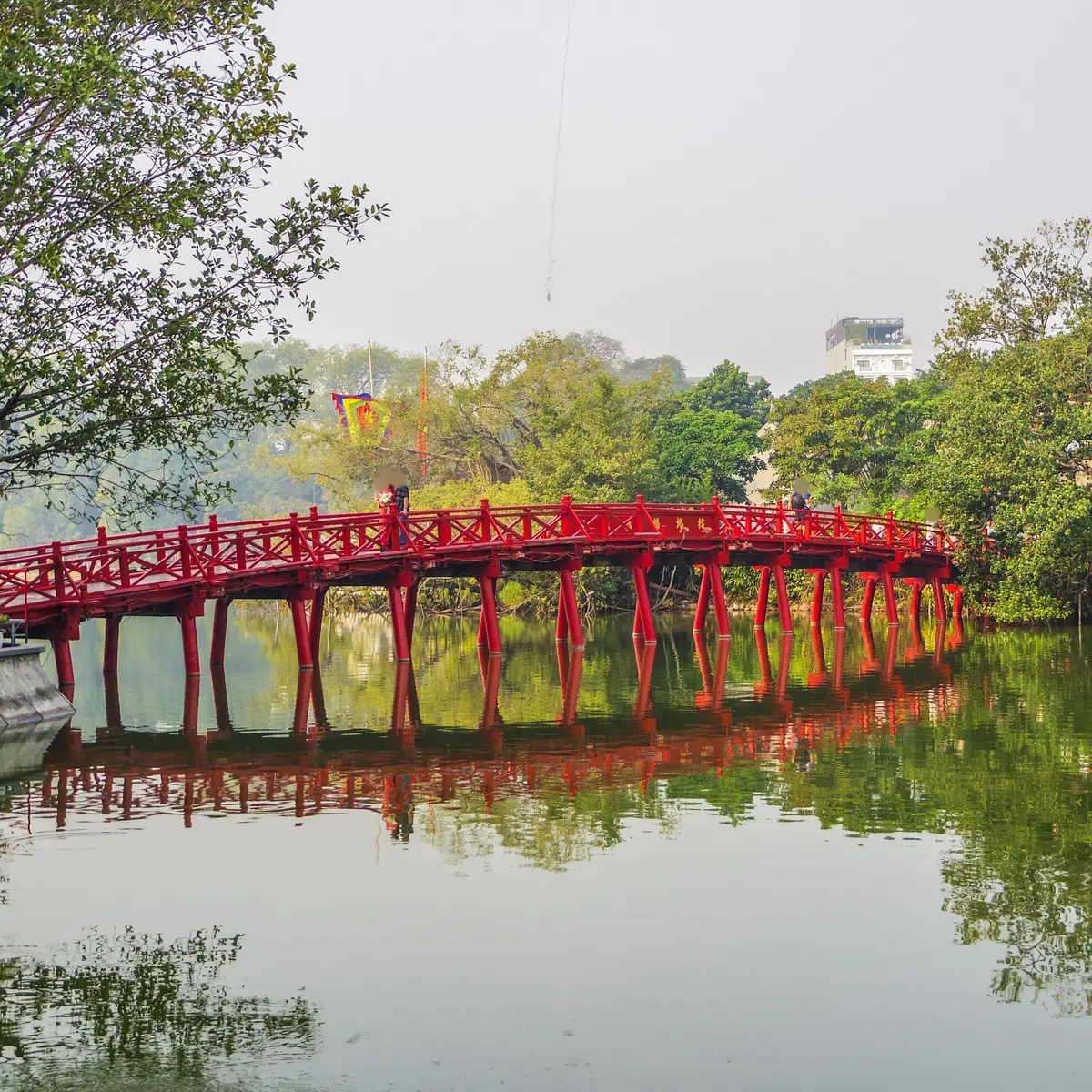
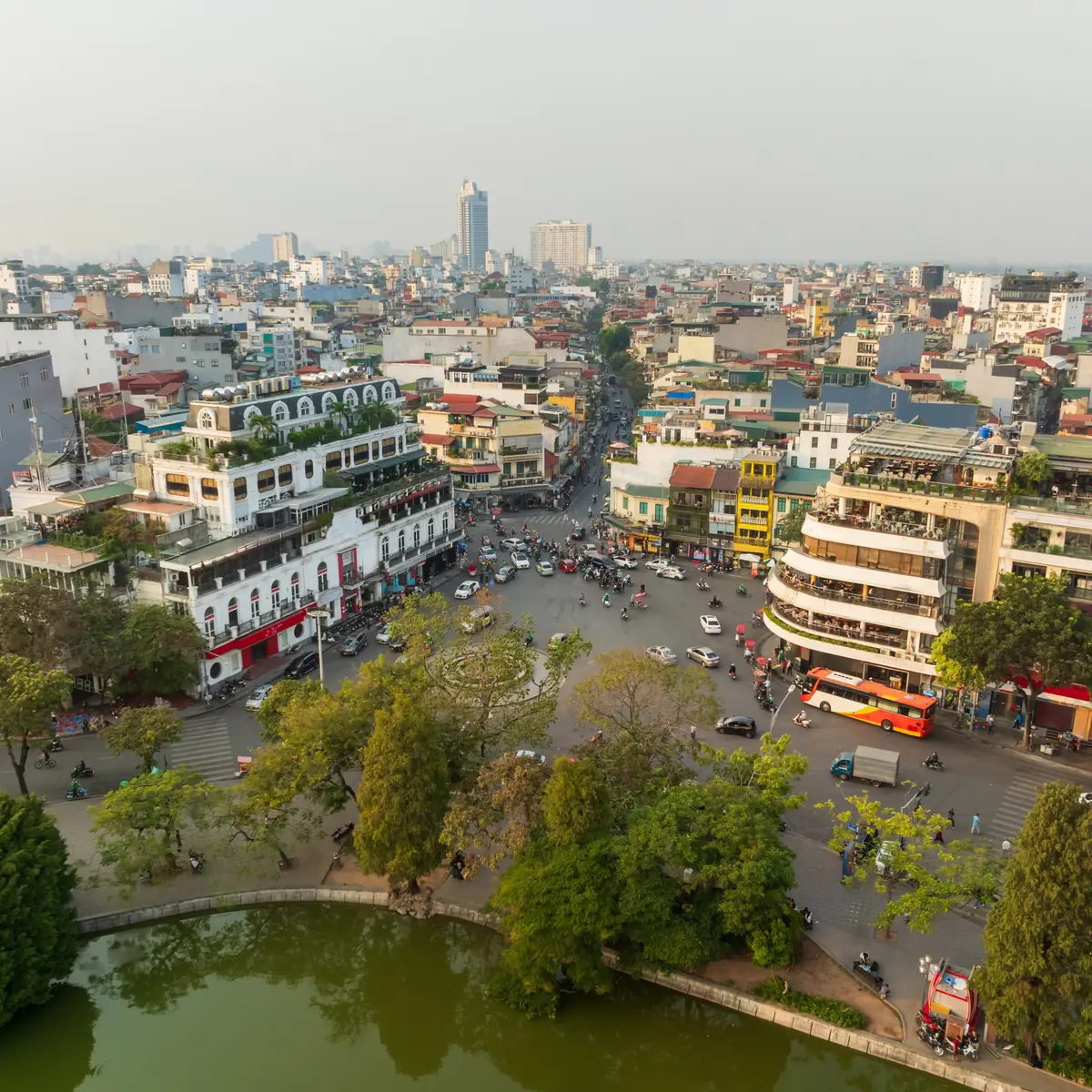
Return to the centre for Hoan Kiem Lake. Walk beside the water, cross the red bridge to Ngoc Son Temple and watch the city gather along the shore. Early morning is a lovely time to visit, when locals come to exercise, practise tai chi and meet friends before the streets grow busier.
For a lively overview, take a guided Vespa adventure through the capital. A local guide can link sights across the city while you experience Hanoi’s street life at close range. Look out for the Temple of Literature, the Opera House and the lake as the route moves between narrow streets and grander boulevards.



How to eat your way through Hanoi
Food is part of the cityscape. Cooks tend pots and grills in open doorways, tiny stools spill onto the pavement and a meal can begin with a dish you have never tried. Follow the aromas, ask what is popular and leave room for another stop.
Street food offers an immediate introduction to northern Vietnamese flavours. A more formal meal can show how familiar ingredients and home cooking traditions are being presented in a contemporary setting. Both belong in a city where a bowl of noodles can be as memorable as a carefully planned dinner.


Start with Hanoi street food
Bun cha is an inviting place to begin: grilled pork, rice noodles, herbs and dipping sauce, often served at a low table on the pavement. Bun Cha Dac Kim, in the Old Quarter, has been serving diners since 1966. Expect a simple setting, generous plates and a possible wait at busy times – one that is well worth it.
A guided food walk or ride can make it easier to try unfamiliar dishes and understand what is on the table.
You can’t leave the capital without a stop off at Train Street. The area is an active transport route, so follow local directions and stay where visitors are welcome. Choose a cafe that is open and accessible, take a seat where staff direct you and enjoy the passing scene from a safe spot. For a sensational coffee with a unique show, the excellent Coffee 66 sits right beside the railway tracks.
Make time for Hanoi’s fine dining scene
For a different expression of Hanoi’s food culture, book a table at Tam Vi. Its northern Vietnamese home-style cooking draws on familiar flavours and traditional dishes. The restaurant holds a Michelin Star, making it a special choice for an evening rooted in local cooking.
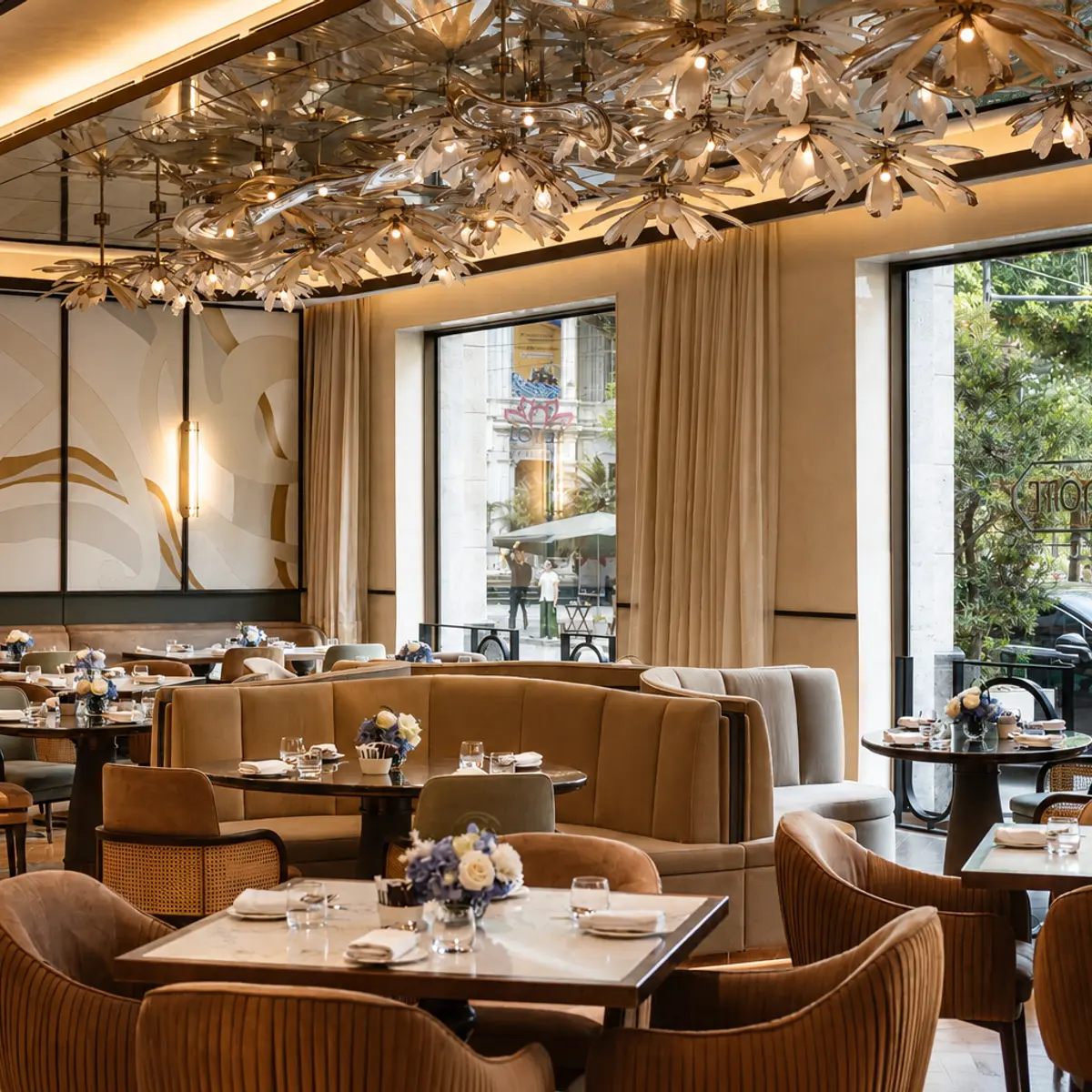
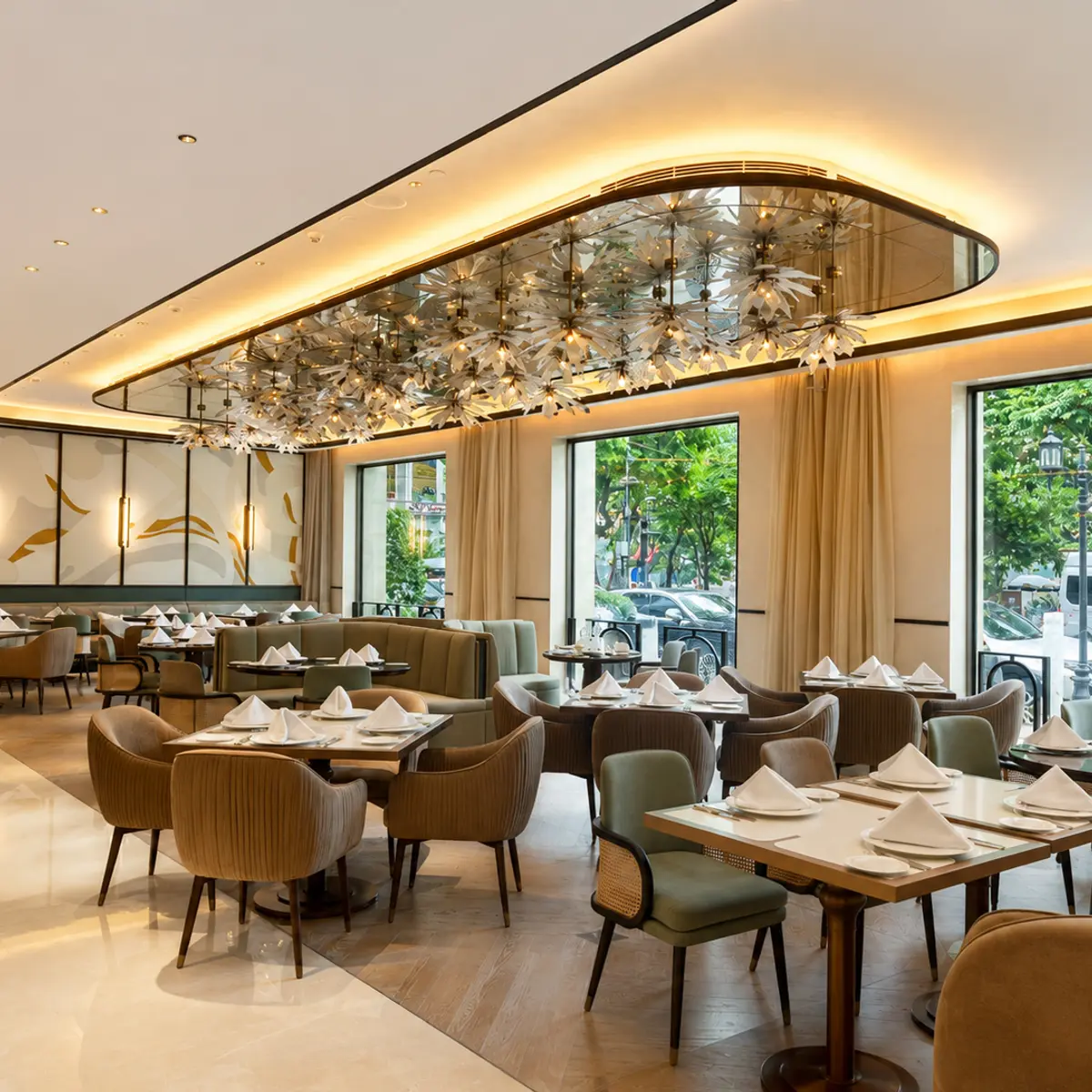
Tran Dynasty at Fairmont Hanoi offers another perspective. Led by famed Australian-Vietnamese chef Luke Nguyen, the restaurant brings Vietnamese cooking to the table with a contemporary touch. It is a natural choice if you are staying at the hotel, where several dining venues make it easy to follow a day in the city with a refined and unhurried dinner.
KOTO is another worthwhile stop. The training restaurant supports young people through hospitality training, so a hands-on meal offers a glimpse of the work behind the dining room as well as a taste of Hanoi.

Where should you stay in Hanoi?
The right base depends on what you want outside your hotel door. The Old Quarter puts you close to street food, shops and narrow lanes. It is convenient for first-time visitors who want to explore on foot, though the streets can stay lively into the evening.
The French Quarter has broad streets and a calmer pace while remaining central. Ba Dinh suits visitors who want to be near major historic and civic sights. For a longer stay, Tay Ho, around West Lake, offers more space and a neighbourhood atmosphere, though you will need transport to reach many central attractions.
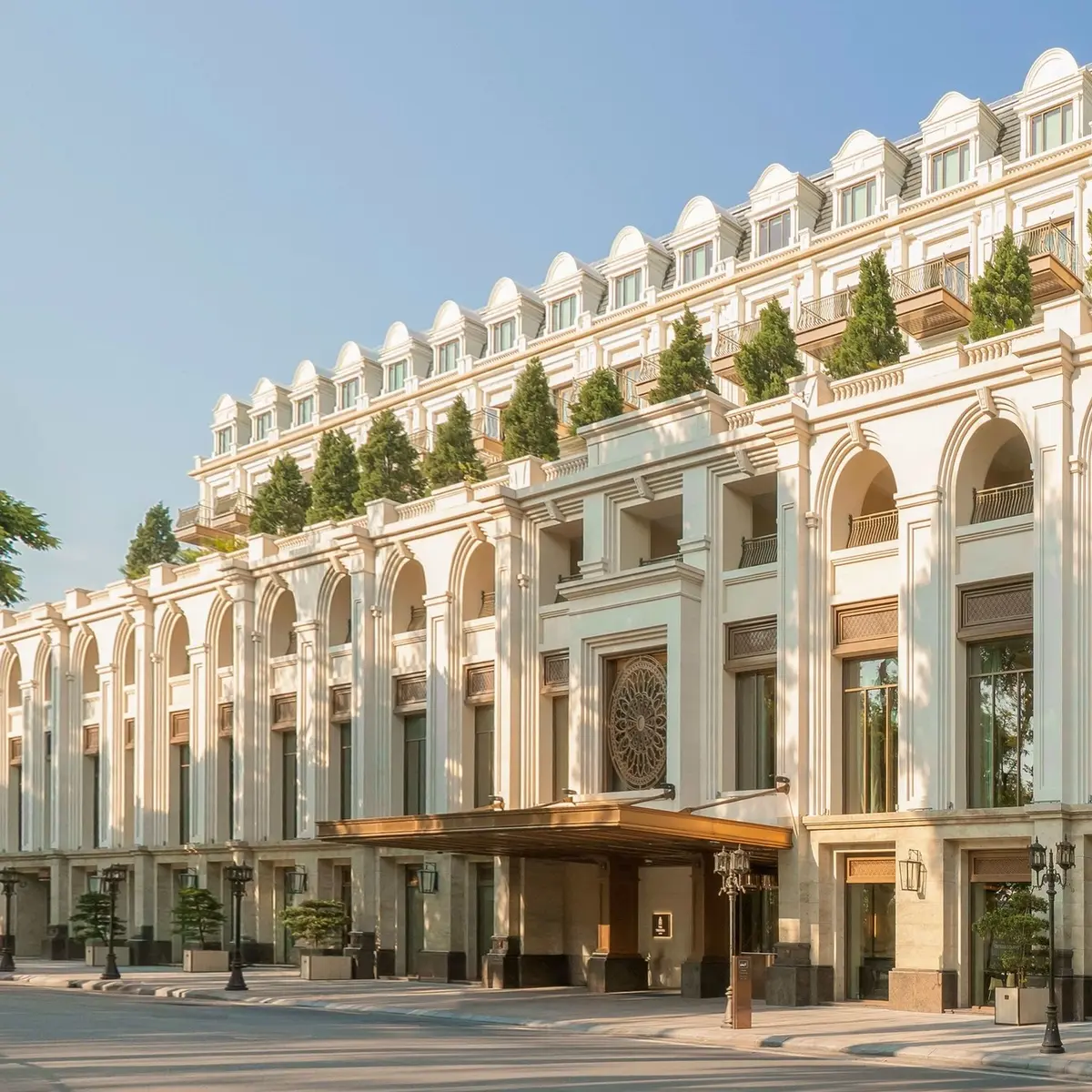
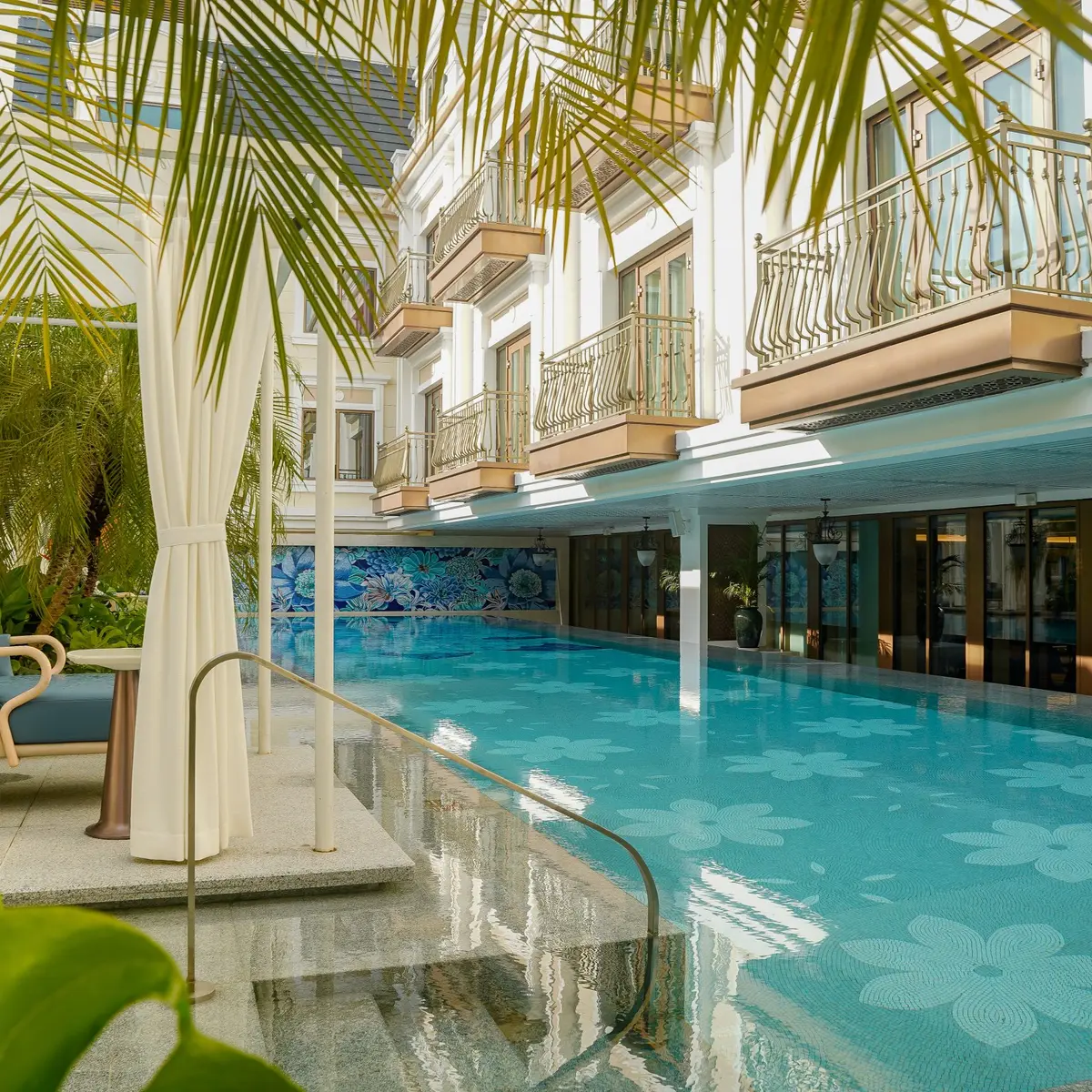
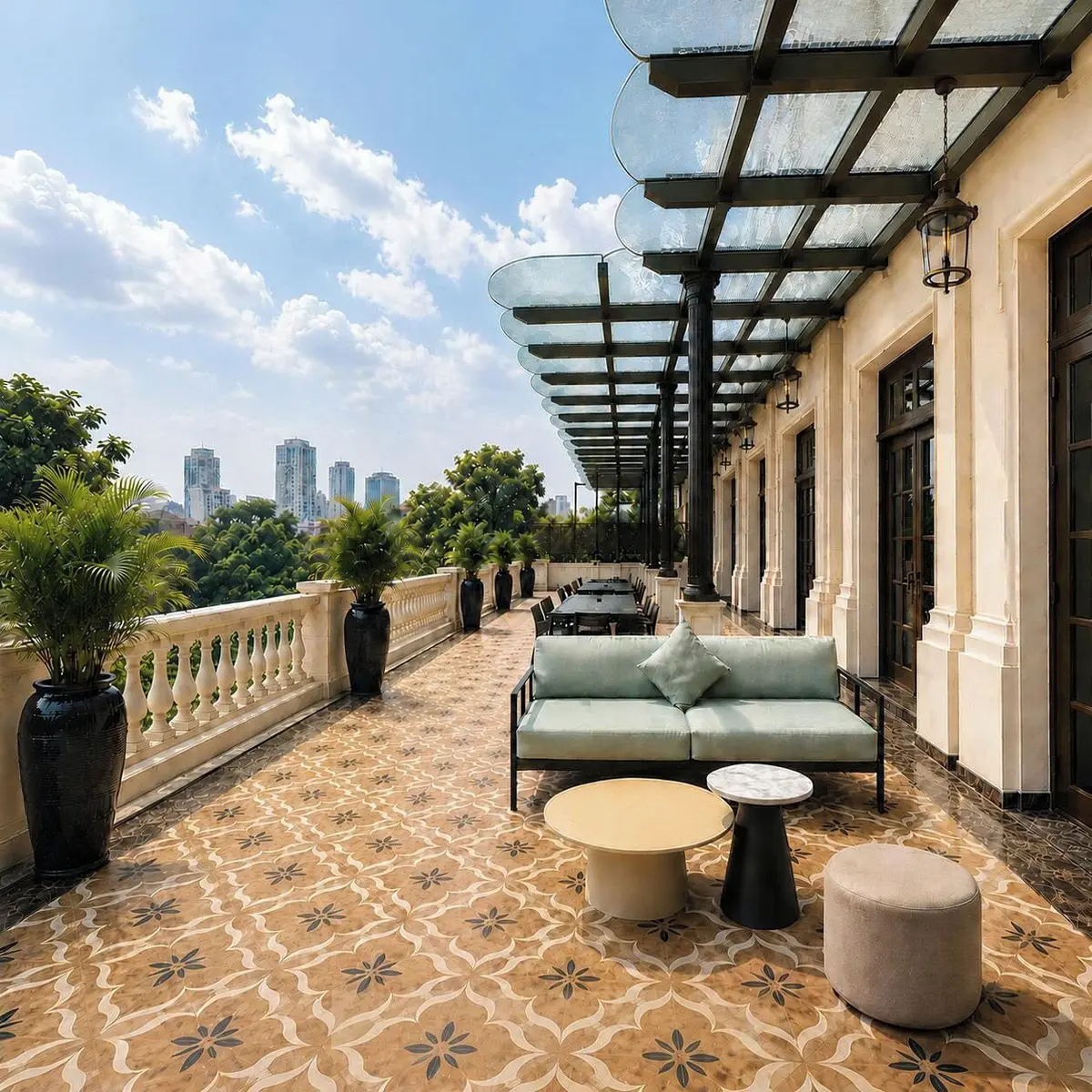
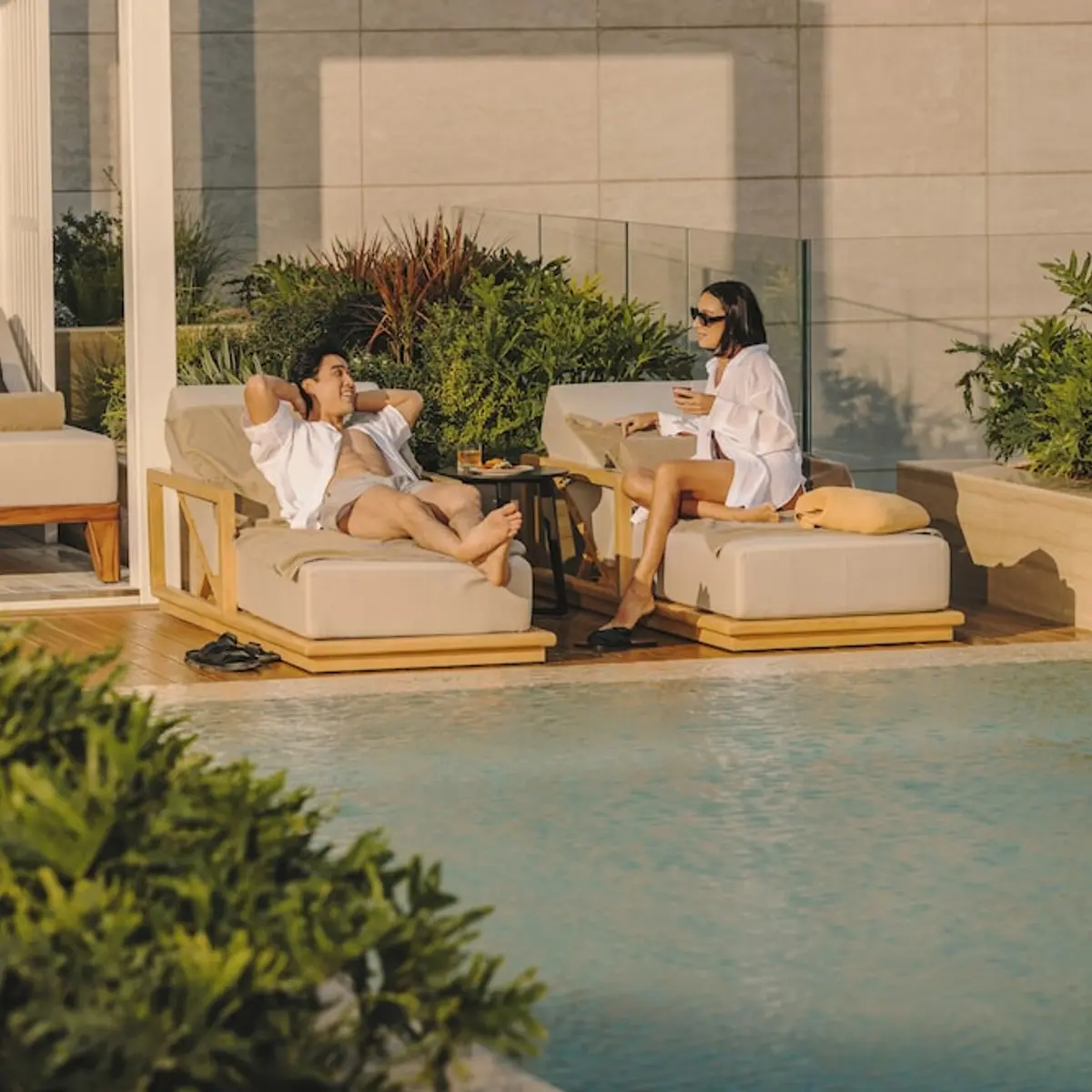
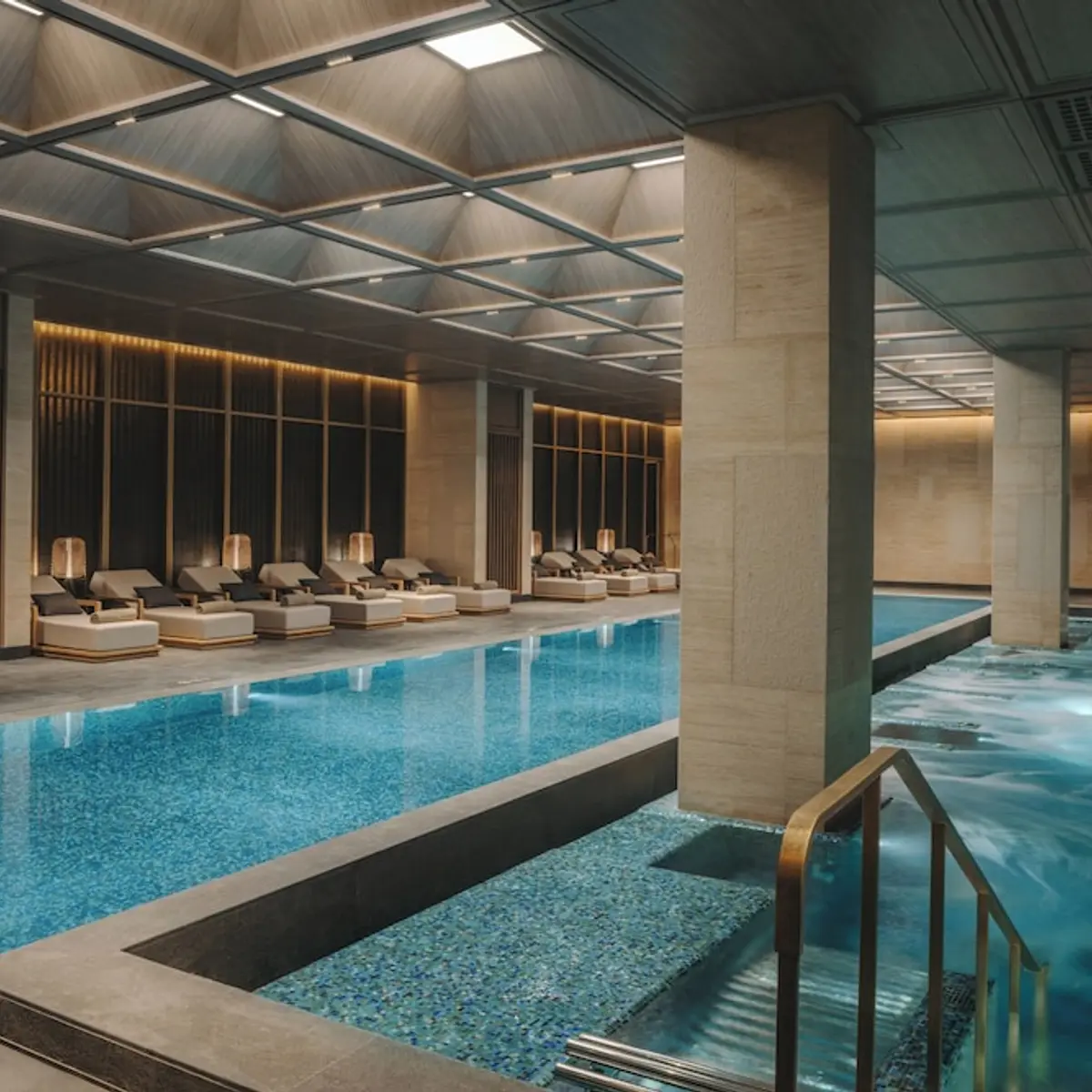
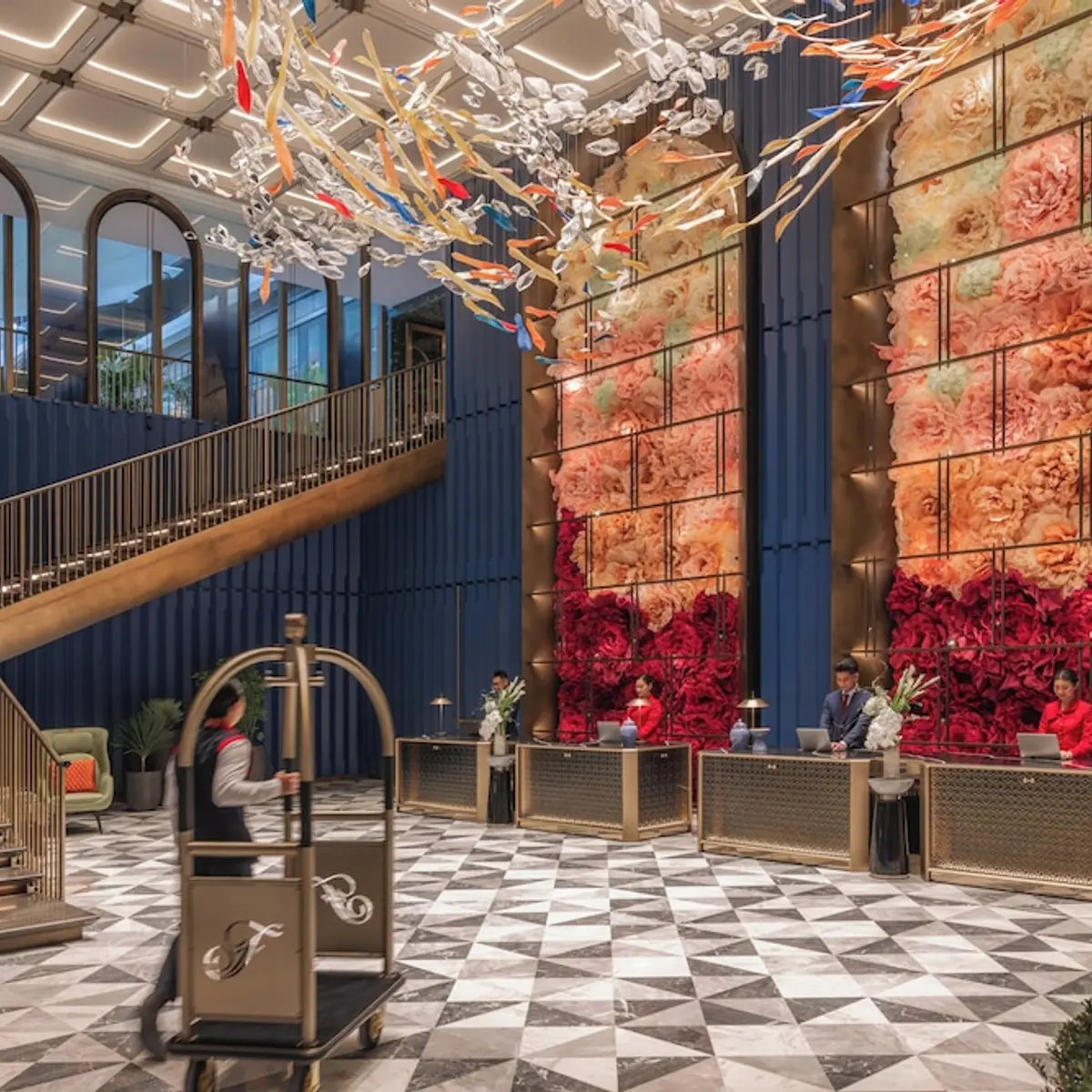
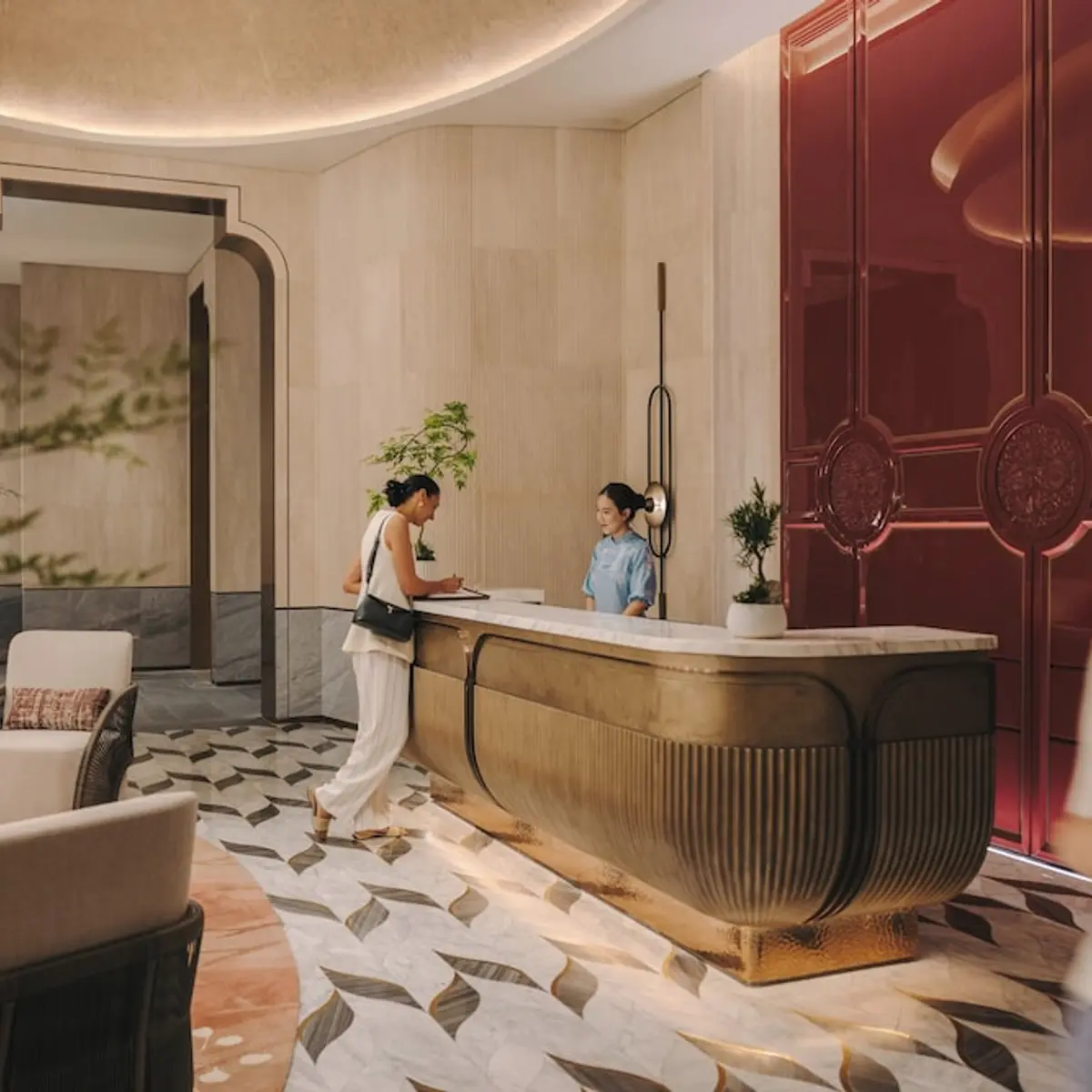
Fairmont Hanoi sits between the Old Quarter and French Quarter, making it a convenient base for exploring both. Its restaurants and expansive spa and wellness facilities offer a welcome way to unwind after sightseeing. Wherever you stay, be sure to check the hotel’s exact location and transfer options, as neighbourhood names cover a wide area.



The best way to experience Ha Long Bay
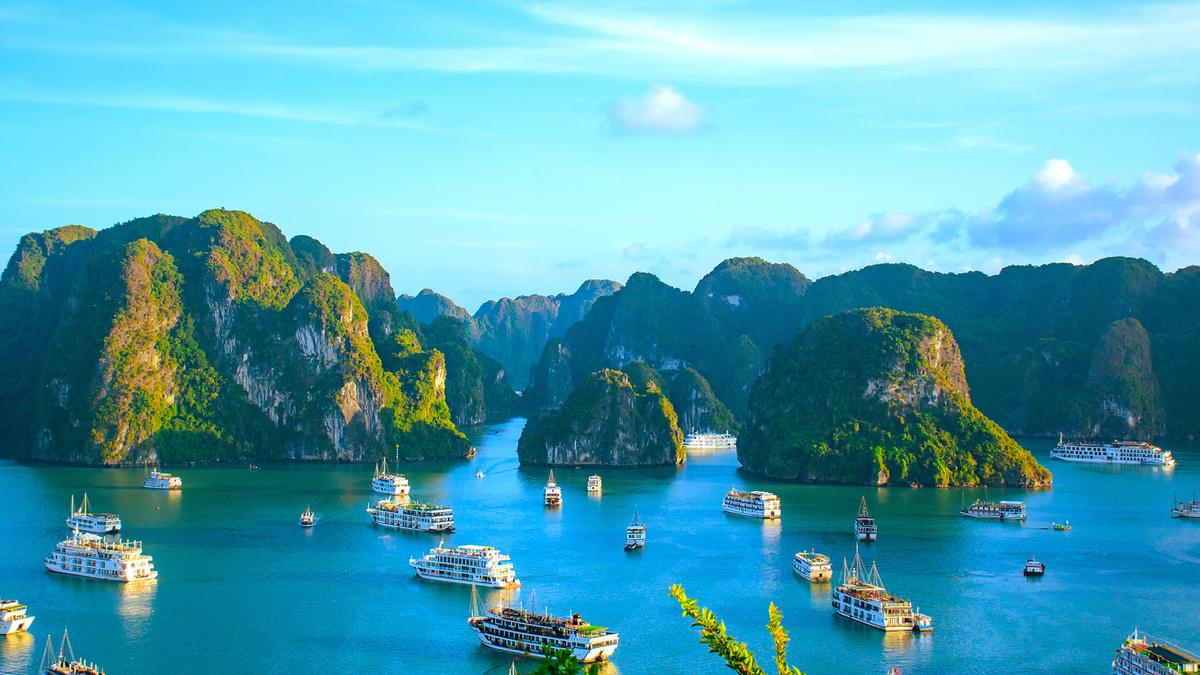
Ha Long Bay is a seascape to savour. From the deck, limestone islands rise and fall along the horizon. Out on the water, a kayak or small boat brings you closer to sheltered coves and rock formations. Between excursions, return to the vessel and watch the light change across the bay.
An overnight Ha Long Bay cruise gives the setting more than a passing glance. You can wake among the islands, enjoy meals on board and choose from a broad range of excursions and activities. Routes and inclusions vary, so check the details when choosing a cruise.
What to expect aboard Lyra Grandeur
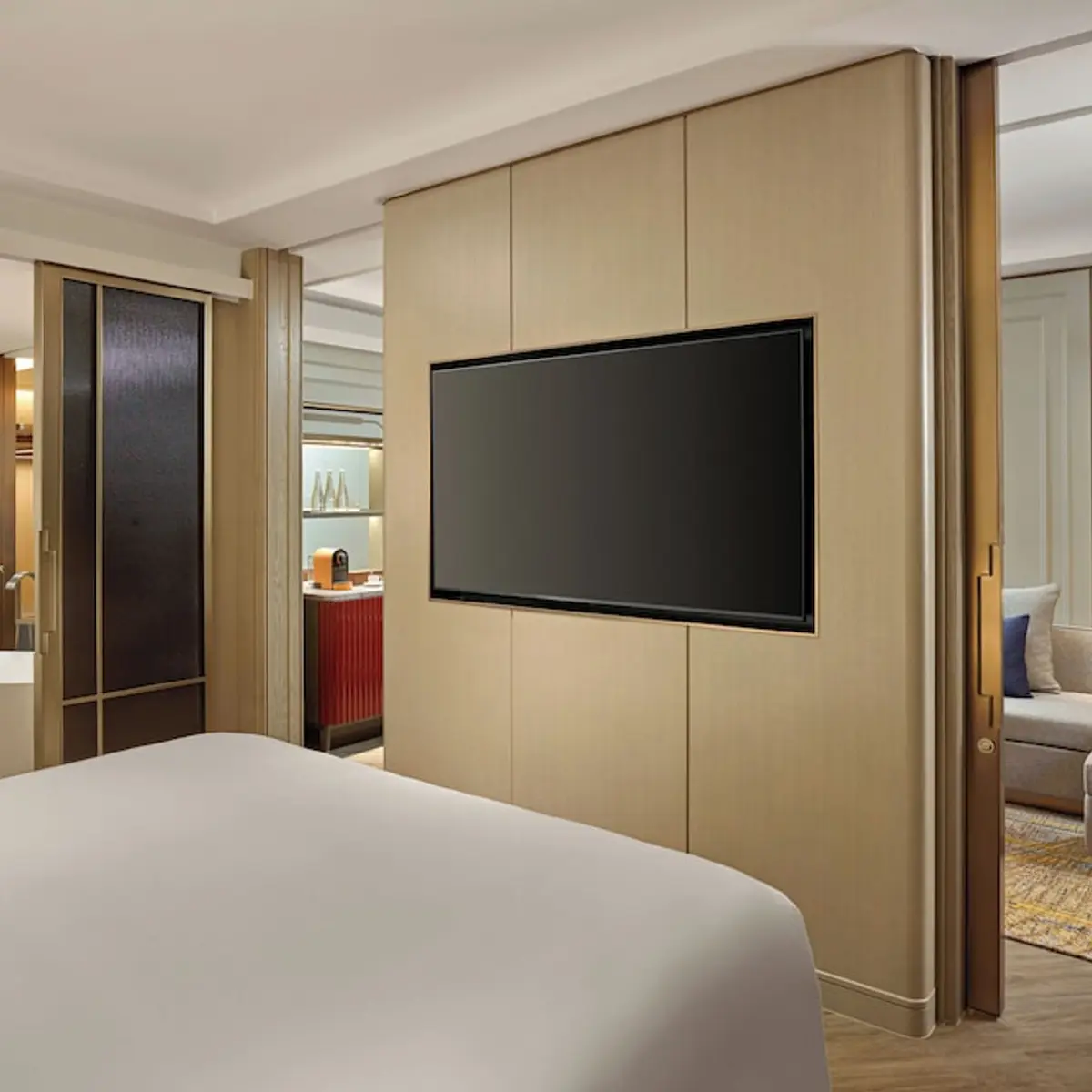
Lyra Grandeur is a great choice, with its suites bringing the bay into view with floor-to-ceiling windows, private balconies or terraces and bay-facing bathtubs. The luxurious Owner Suite adds a private sundeck, steam bath and freestanding ocean-view bathtub with jacuzzi.
On board, you can enjoy a restaurant, spa and infinity pool, as well as activities such as squid fishing and cooking demonstrations. Depending on the itinerary, excursions can include kayaking to hidden beaches or a traditional paddleboat visit to Luon Cave.
There is ample room to make the experience your own. Begin the morning with tai chi as the bay wakes, or take breakfast slowly and watch the view from your suite. Spend time on the water, then return for a meal and a quieter afternoon. Private gourmet dining is also available as a personalised service; check availability and any additional cost when booking.

When is the best time to visit?
Autumn is often comfortable for exploring Hanoi. Spring can bring milder temperatures, sometimes with damp or drizzly days. Summer is hot and humid, with more rain, while winter can be cool and misty.
Weather can affect visibility and cruise operations, and sailings may be adjusted in poor conditions. Keep some flexibility in your plans and check with the cruise operator close to departure.
A practical Hanoi and Ha Long Bay itinerary
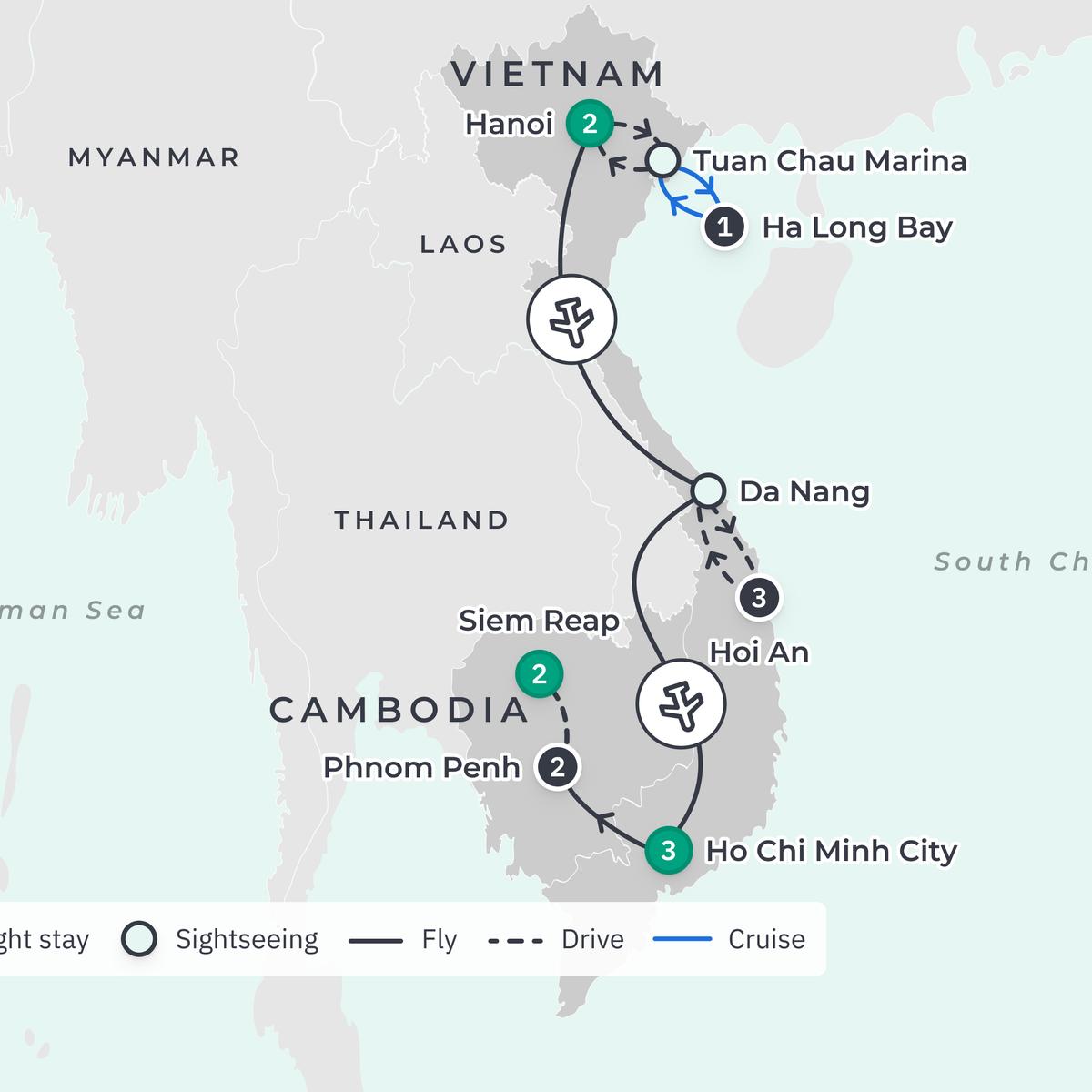
We recommend using this five-night outline as a starting point, then shaping it around your cruise schedule and flights.
- Night 1: Arrive in Hanoi. Settle into your hotel, take a walk nearby and keep dinner close.
- Night 2: Explore the city. Visit Ba Dinh Square and the Temple of Literature, then spend time around Hoan Kiem Lake. In the evening, try bun cha, egg coffee or join a guided food experience.
- Night 3: Follow your appetite. Take the Vespa tour or explore at your own pace. Book a table at Tam Vi or enjoy dinner at Tran Dynasty.
- Night 4: Set sail. Transfer to the port and board your overnight cruise. Settle into your suite, take in the view and enjoy the activities and meals included in your package.
- Night 5: Return to Hanoi. Disembark and travel back to the city. Stay overnight if possible, especially before a long-haul flight.
A two-night cruise needs an extra night in the overall trip. Avoid a tight connection between the cruise return and an international departure, as road transfers and sailing schedules can shift.
What to know before you go
Confirm the cruise departure port and whether transfers are included. The road journey from Hanoi can take a few hours, depending on the port, traffic and pickup route. Ask about luggage limits and whether a smaller overnight bag is more practical, particularly if larger bags can be stored in Hanoi.
Keep plans flexible around the weather. Check visiting rules if you plan to go to certain religious or sacred sites, and reserve ahead for fine dining. Popular street food spots can have queues, so allow time to linger.
Always ensure to check Vietnam’s latest entry requirements before booking and again before departure. Visa and arrival procedures can change, so confirm the requirements for your passport with official government travel advice.
Start planning your escape
Give Hanoi time to work its way into the trip, then head for the bay, where the view changes slowly and the day belongs to the water.
Plan a city stay that leaves room to explore, choose a cruise duration that suits your pace and check that the transfers and inclusions fit together. That balance gives you time to feel the capital and remember the bay.