Tasmania has a little bit of everything that makes Australia great, and then some – but most of it sits just off the main road, in the places a long weekend doesn’t usually reach.
Hobart has become renowned as a hub for boundary-pushing arts and culture with three-hatted dining and nine-seat ramen bars in the same postcode. The state’s whisky scene is producing drops worthy of any top shelf. Then there’s the awe-inspiring wilderness that has drawn people for decades, with untouched beaches and forests that will have you planning your next visit before you’ve even left.
But don’t just take our word for it – here’s why you need to book a trip to experience Tasmania for yourself.
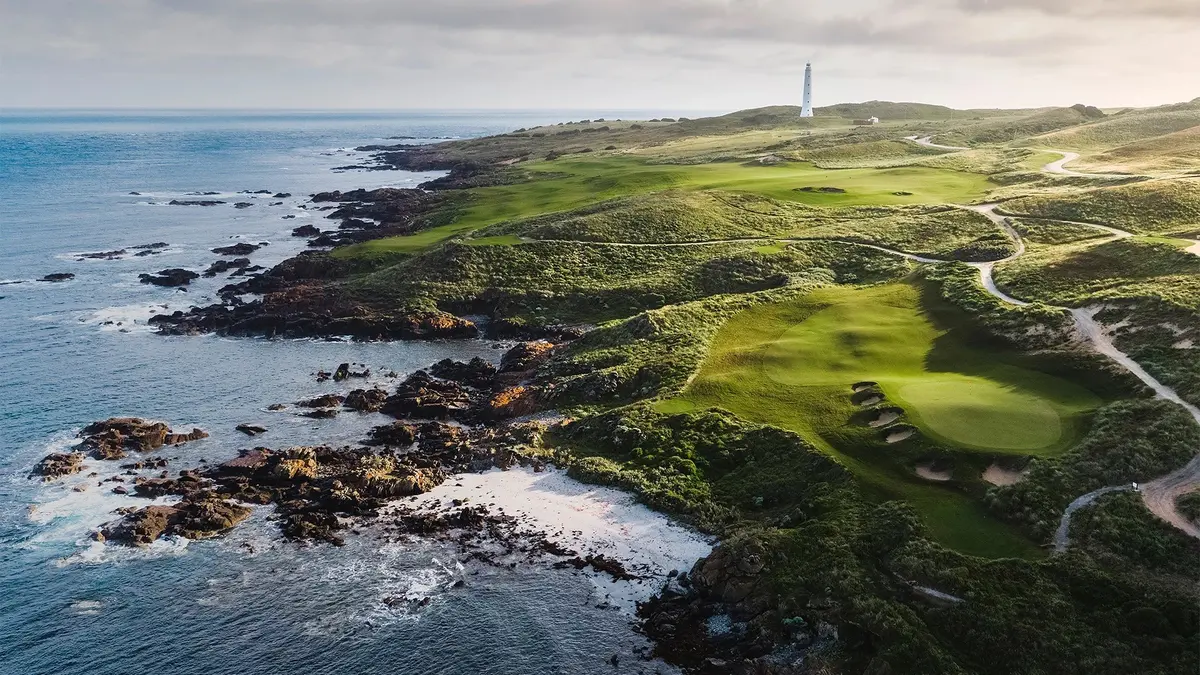
MONA alone is worth the trip
MONA is the largest privately funded museum in the Southern Hemisphere – while its reputation precedes it, the museum still manages to surprise. Immersive installations sit deep in its subterranean floors, all of it weird, wild, or both, and it retains its mystery even for repeat visitors, since the artworks are always rotating.
MONA is layered with the murky mythology of its owner, David Walsh, and exploring the subversive art inside it feels genuinely exhilarating. Nowhere else could you find an ancient Egyptian mummy, a wall covered with TVs portraying a singalong of Madonna’s greatest hits and a mechanical replica of the human digestive system (you’ll want to hold your nose, just so you know) – all metres from each other.
It’s an outing worthy of a whole day. Take a break from the mind-boggling exhibitions to dine at one of the several onsite restaurants, including the esteemed Faro, which features daring, interactive live performances, blurring the line between food and art. MONA feels like an anti-gallery – there is plenty there that will make you question your concept of what art even is, which is exactly its intent. But it’s layered with a sardonic filter, as a reminder to not take it too seriously.
Dark Mofo is unlike any other festival in Australia
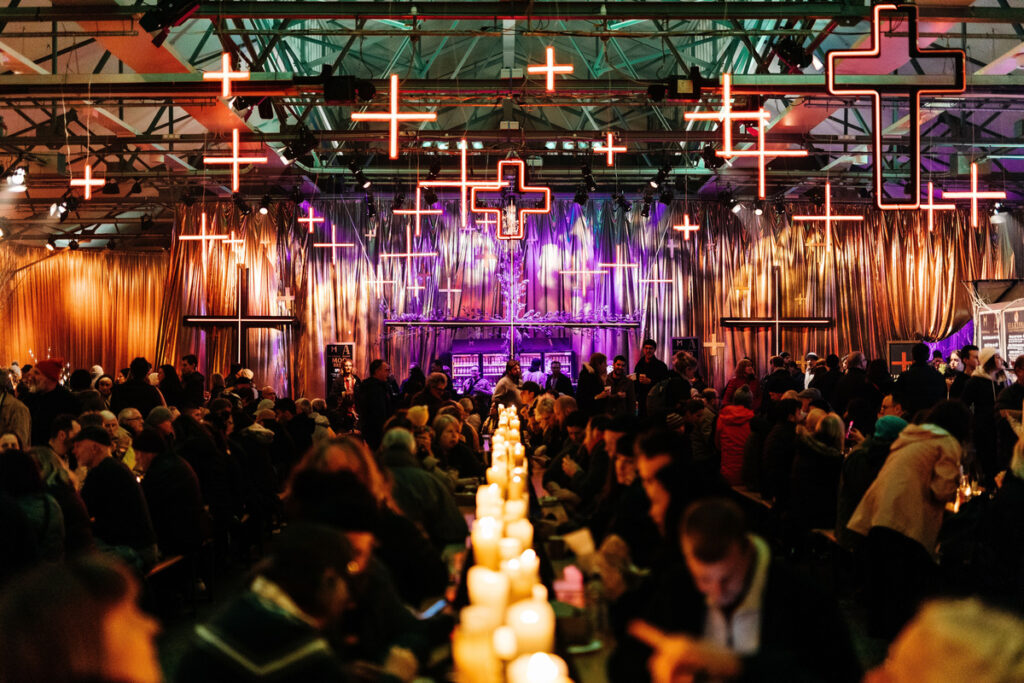
This festival certainly isn’t for the faint-hearted, but for those who dare, it’s an eye-opening and memorable experience. Taking over the city of Hobart in the depth of winter and soaking it in a glow of neon red, its enigmatic energy creates a buzzing atmosphere.
The two-week program is packed with innovative musical acts, avant-garde performance art, wild parties and exclusive events. All of it is shrouded in mystery, deliberately ambiguous and anticipation-inducing. There are dark depths to be uncovered, counteracted with bountiful, indulgent festivities: the Winter Feast is a foodie heaven with inventive mulled cocktails, and the renowned Night Mass is a rollicking party filled with gleeful surprises. It’s a festival that must be seen and explored to really be believed.
Hobart’s dining scene is big on flavour for a small city
Hobart punches well above its weight in the dining realm – with the city becoming renowned for its cultural scene, top-notch food and drink have followed. There are several quality fine diners, from the intimate kaiseki-style Omotenashi to the waterfront Aloft, which offers a chef’s degustation menu and sweeping views of the River Derwent from Brooke Street Pier.
For something a little more casual, Ogee is a moody Euro-style wine bar soundtracked by vinyl records and a menu that rotates daily (and an accompanying guesthouse so you can be within stumbling distance of bed after), or the nine-seat Ranita Ramen serves homemade, organic wheat-flour noodles that are worth queuing for.
Hobart’s dining venues evoke an effortless kind of cool with a relaxed feel, while still meeting the standards of any other capital city in the country. But if this alone doesn’t sell the city’s food scene to you, it’s also the home of the famous scallop pie, found at the bustling Salamanca Market.
The wilderness is some of the most pristine on the planet
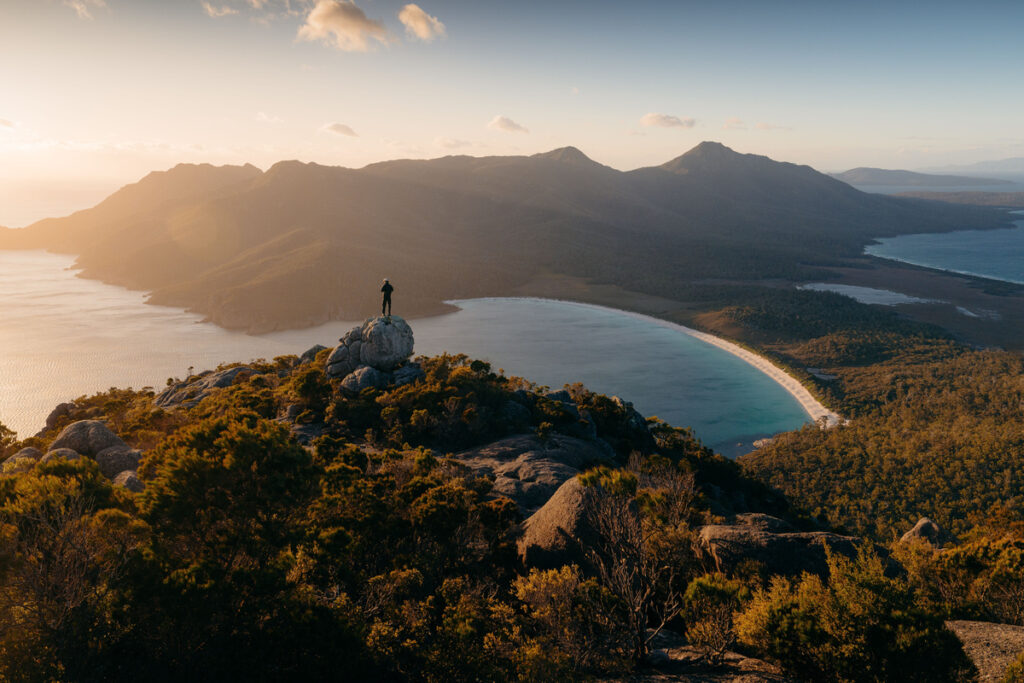
Tasmania’s beaches, lush Gondwana rainforests and scenic hikes feel refreshingly remote and untouched. The Tasmanian Wilderness World Heritage Area covers one fifth of the state, which includes the wombat-laden Cradle Mountain and white-water rapids of the Franklin River.
On the east coast, discover immaculate beaches that could rival the best in the country, like the famous Wineglass Bay – best viewed from high above at the lookout, before descending for a dip in its ultra-clear waters. The surrounding Freycinet National Park has picturesque beaches and swimming spots, including the charming Honeymoon Bay. A couple of hours’ drive north is the Bay of Fires, with stretches of white-sand beaches and striking copper coloured rocks. You’ll be left wondering why there aren’t more people flocking to them, such is their immense beauty.
You’ll see animals in the wild that you won’t find anywhere else
Tasmania is undoubtedly one of the best places to see Australian animals in the wild. It’s full of adorable marsupials that are unique to the state, like pademelons (its answer to Rottnest’s Island’s quokkas) and hopping eastern bettongs. While the famous Tasmanian devil is now endangered, conservation efforts are ongoing to secure the future of the species.
Other animals that do have mainland populations but are more commonly spotted in Tassie include platypus, quolls, or the numerous wombats thriving on Maria Island.
The arts scene doesn’t end with MONA
Beyond Hobart, Tasmania’s thriving cultural side goes quietly under the radar. There’s the dAda mUse gallery, which unassumingly houses the largest collection of Salvador Dali artworks on paper. There are festivals like the statewide Ten Days on the Island, Tasmania’s first international arts festival, and the western coast’s nature-forward Unconformity festival. Back in Hobart, the beloved Odeon Theatre hosts a roster of local and international music acts, while the arty Pablos Cocktails & Dreams hosts jazz, folk, indie and hip hop gigs behind its red door. Exploring Tasmania’s art scene feels like being a part of the insider crowd – uncover it before everyone else finds out.
Tasmania’s whisky trail rivals anywhere in the world
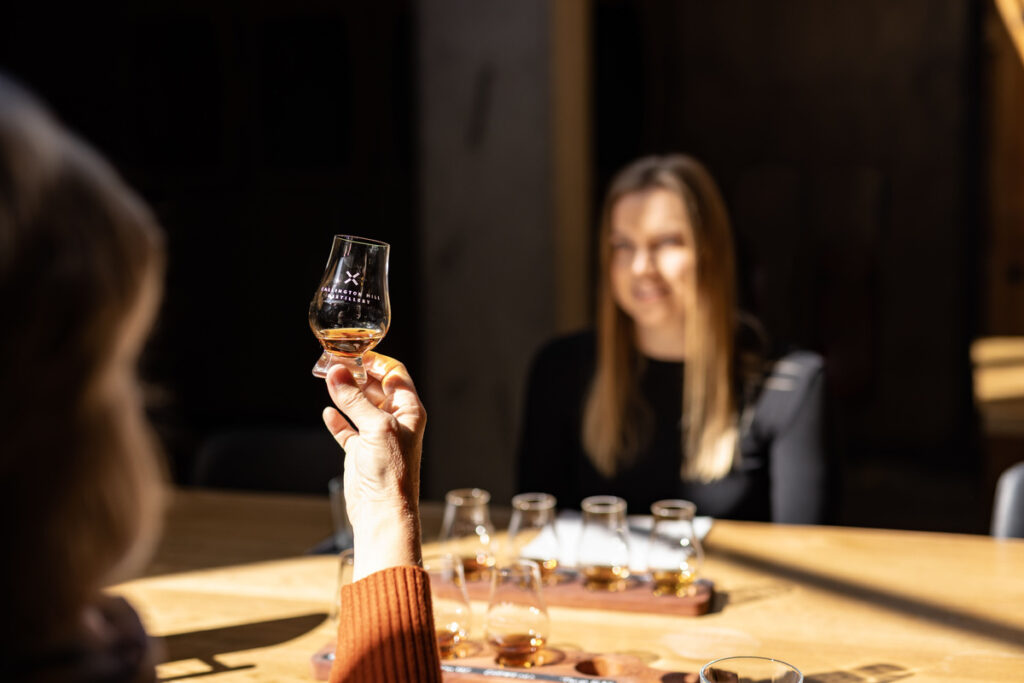
Tasmania has become globally renowned for single-malt, small-batch spirits of the highest quality. The scene is thriving to such a degree that there is an official whisky trail, which you can follow to sip your way around more than 30 distilleries. If you only have time for the highlights, you’ll still be able to taste the best of the best at Lark Distillery or Sullivans Cove around Hobart. But no matter where you are in the state, the chances are that you’re probably not too far from a distillery.
How to get to Tasmania and how to get around
What is the best way to get to Tasmania
You have the choice of flying directly into either Launceston or Hobart – the cities are about 2.5 hours by car from each other. Flights into Launceston may be slightly cheaper, and it’s also closer to Cradle Mountain if that’s a must-do for your trip. The Spirit of Tasmania is a good option if you’re keen to take your own car (with lots of camping gear) for a longer trip, but it’s pricier than flying.
How to get around Tasmania
Tasmania has an extensive bus network as it’s only form of public transport. But if you’re planning a longer trip and want to venture outside of either of the main cities, it’s best to hire a car. There are plenty of options, but the most important factor for car rental is to book ahead to get a good price.
When to go to Tasmania and how long to stay
When is the best time to visit Tasmania
Tasmania has something unique to offer in every season. Dark Mofo lures thousands of visitors to the state in June, which is when Hobart truly comes alive. Winter is also ideal for warming whisky or artisan hot chocolate tastings. Aim for the warmer months if you’re keen to hike and spend time outdoors. For fewer tourist crowds, go in March or April.
How long to spend in Tasmania
If you’re after just a taste of Tassie, you can fit in a Hobart trip over a long weekend if you’re flying from the east coast. Extend it to a week, and you’ll have time to visit the coastal Freycinet National Park or the Bay of Fires, and perhaps even Cradle Mountain. To experience more of what Tasmania has to offer, go for 10 days to two weeks.
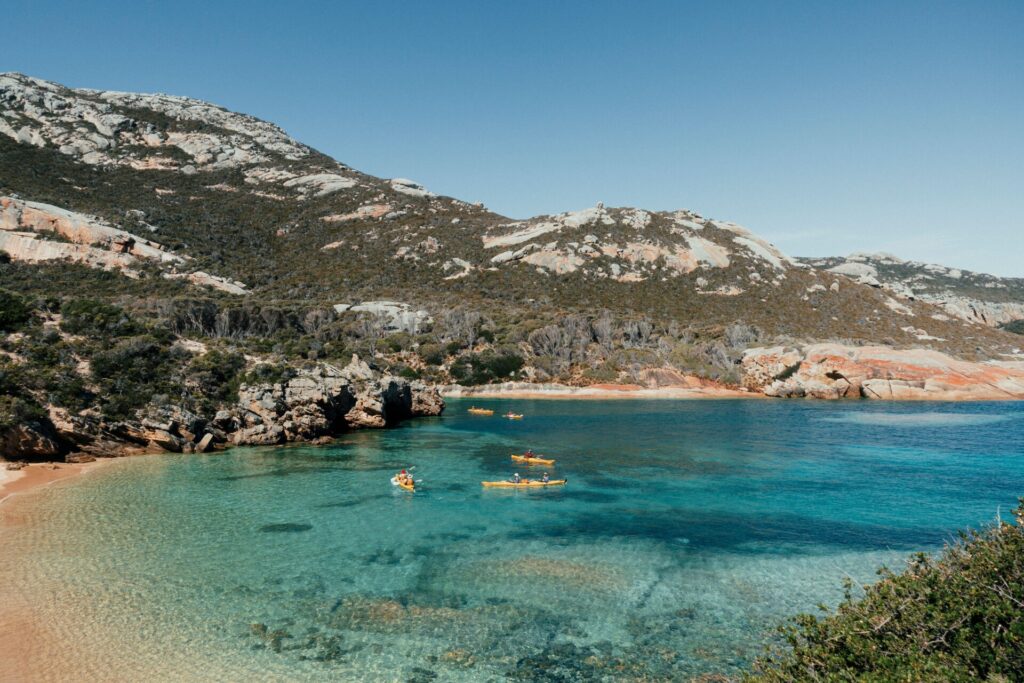
Feature image: Fotheringate Bay, Flinders Island. Source: Tourism Tasmania.