USD
USD 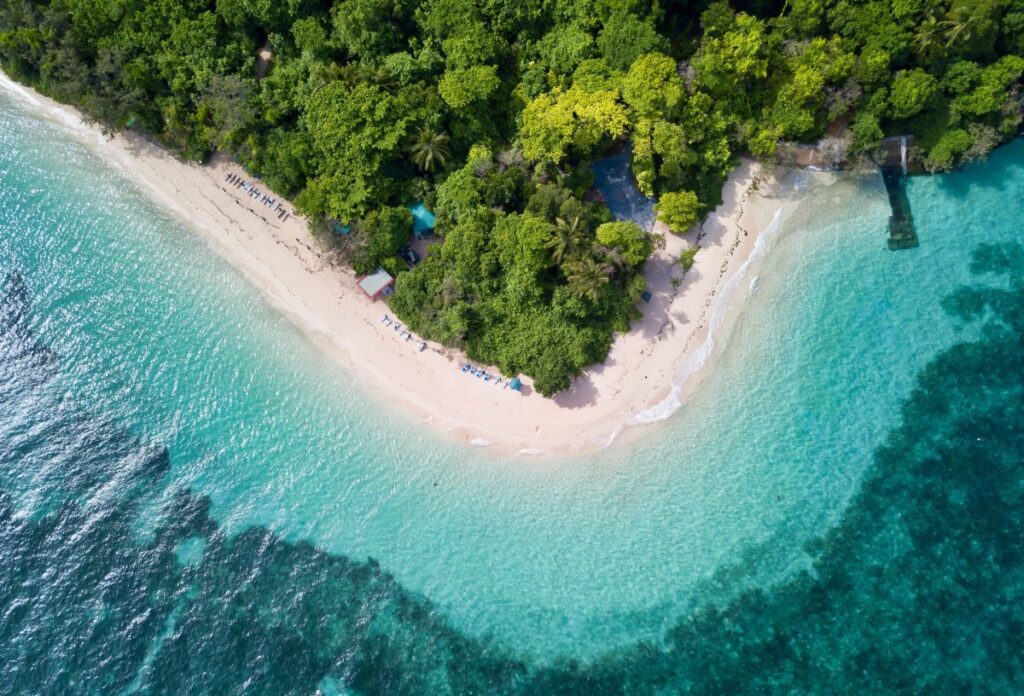
The winter months rightfully get a lot of airtime in Tropical North Queensland, yet those in-the-know look just outside peak periods for a fresh perspective on this much-loved destination.
There’s a season when the Daintree Rainforest is greener than ever, the waterfalls are more dramatic, and there’s abundant beauty without the crowds – don’t tell anyone we told you, but… it’s autumn.
Here’s why we’ll be heading up to TNQ early this year.
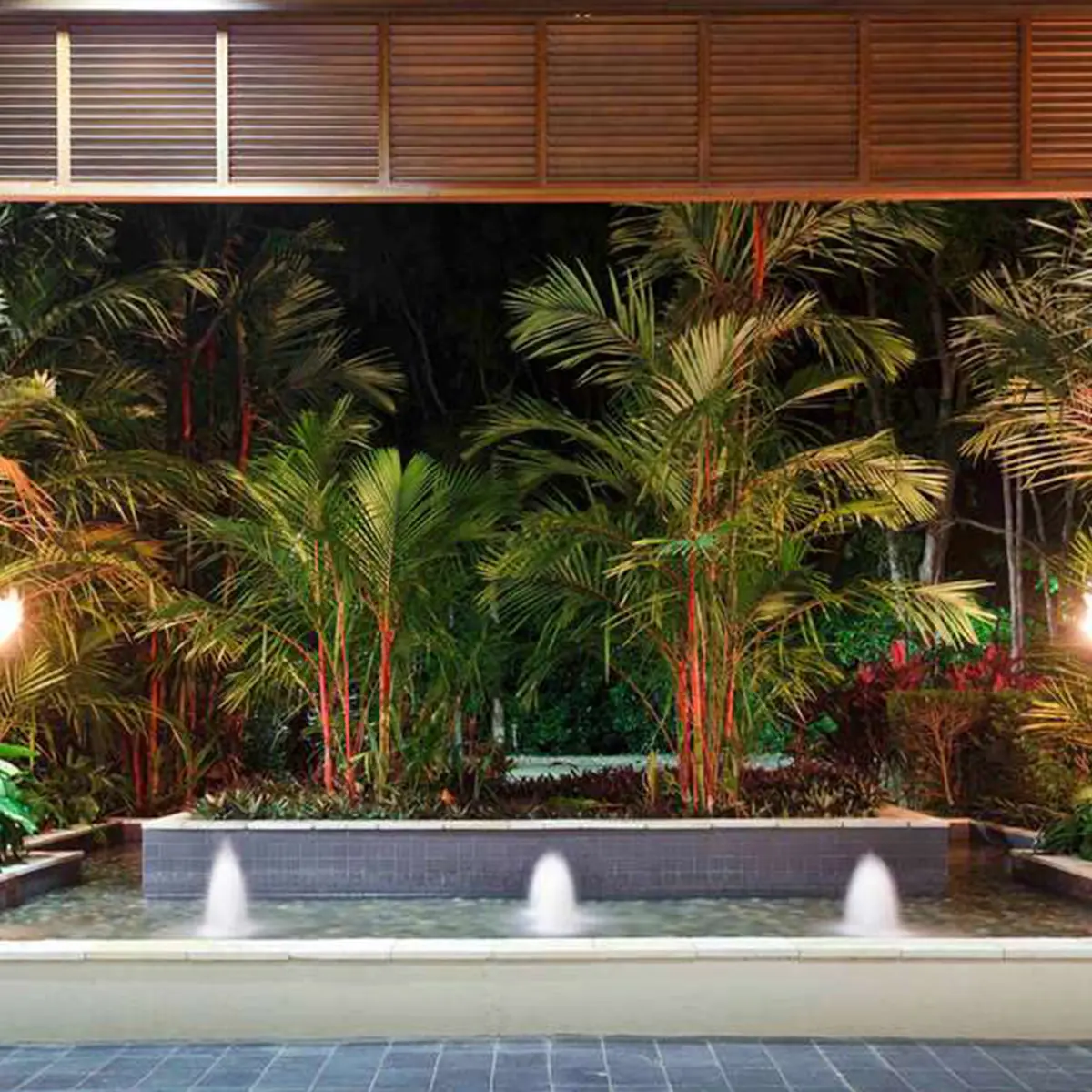
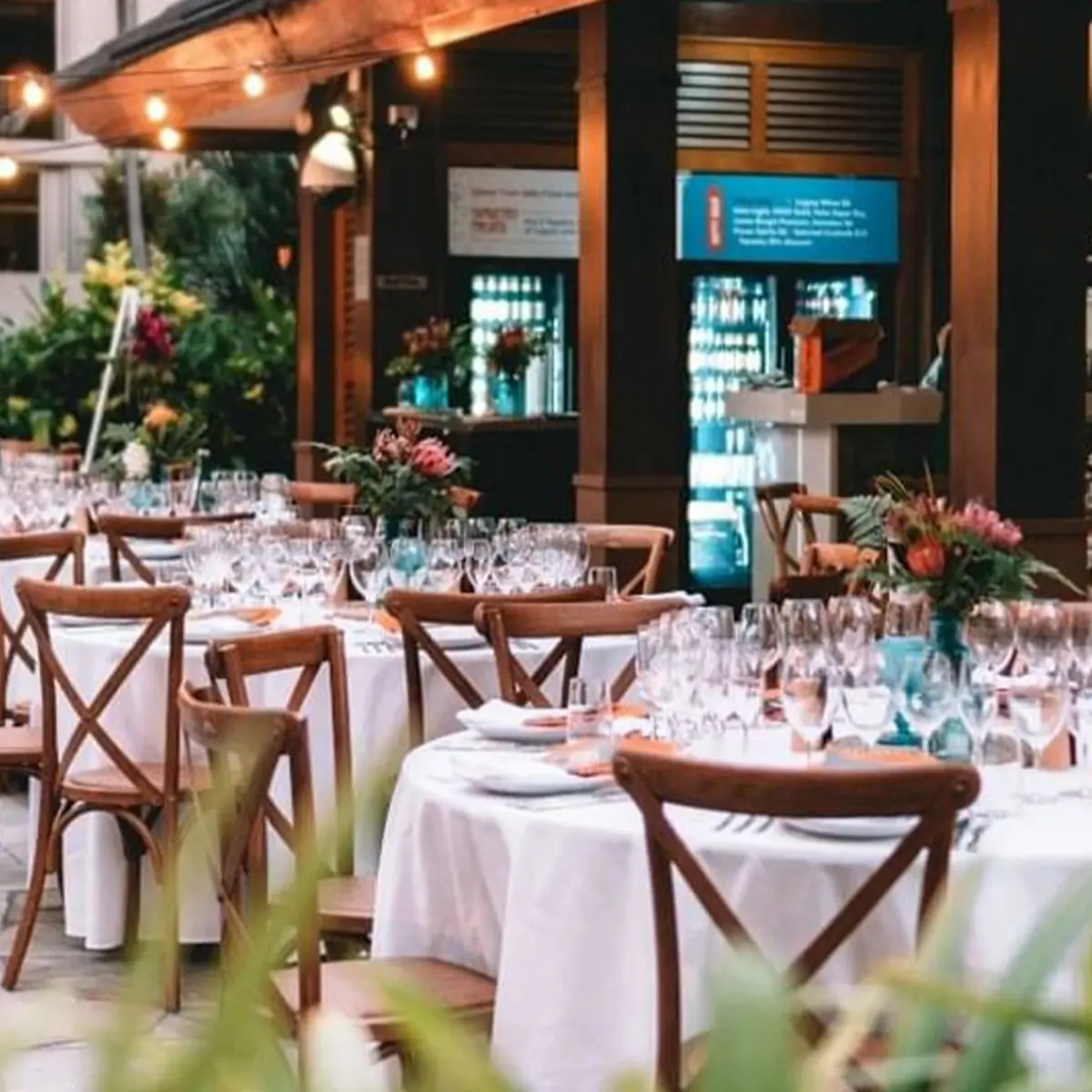
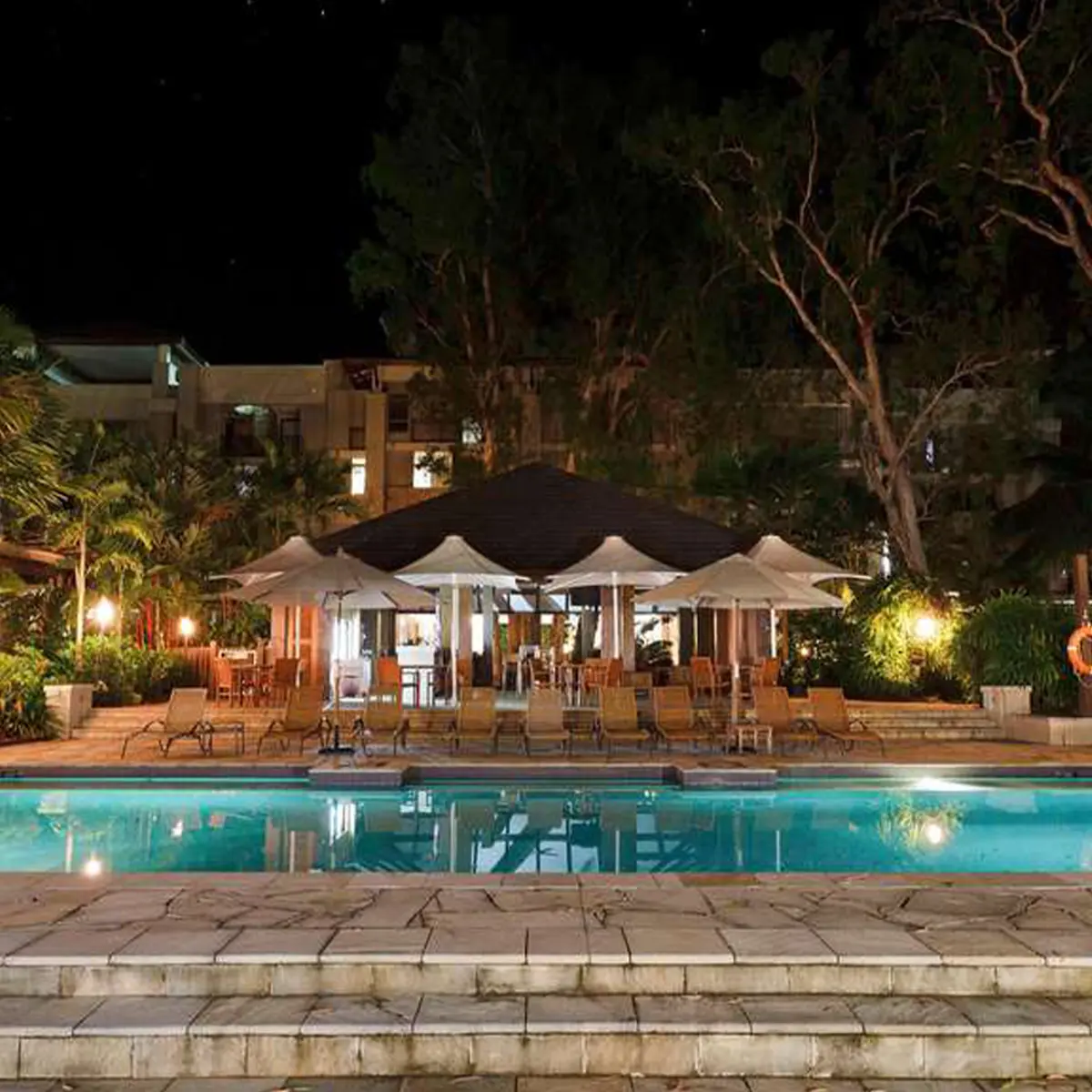

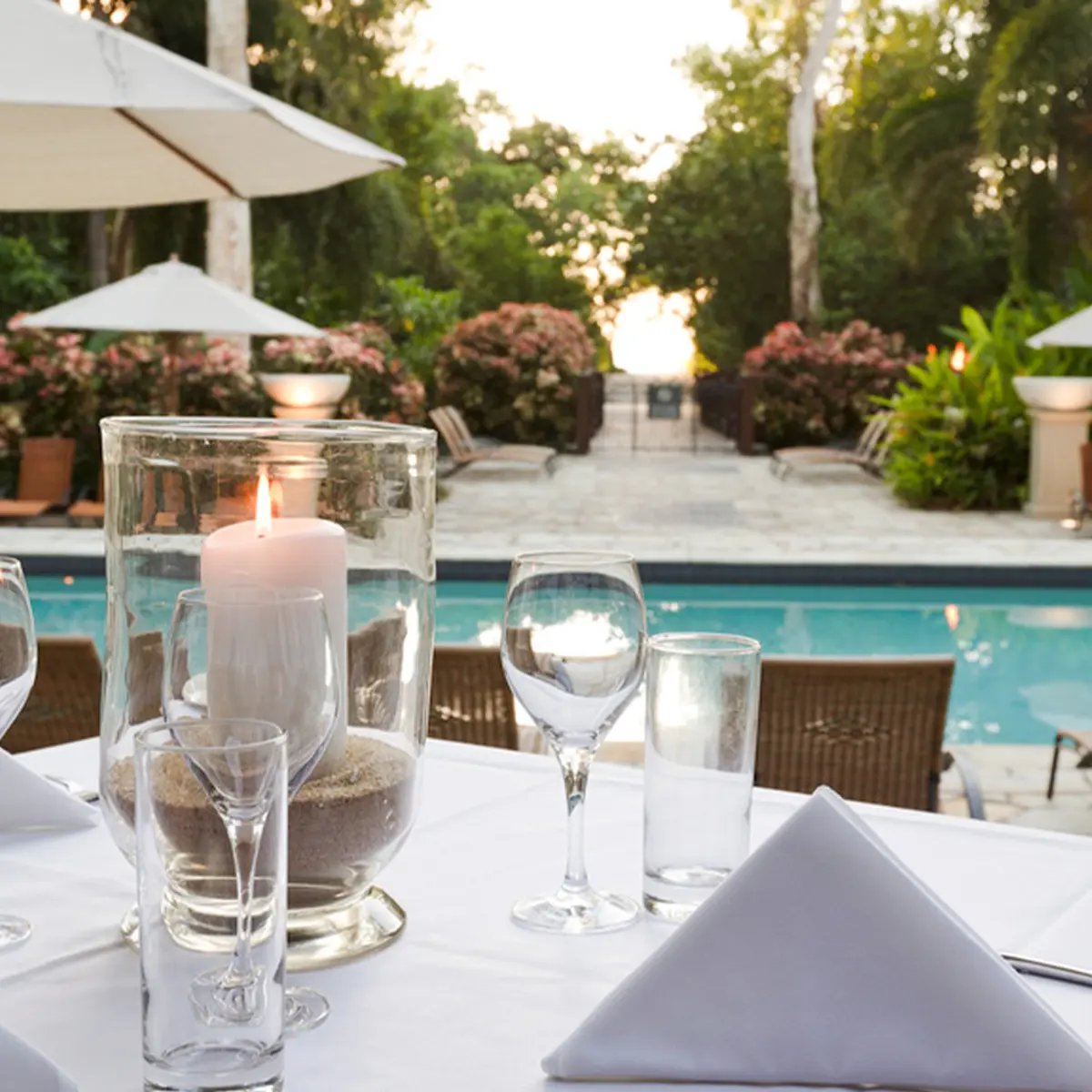
1. It’s the perfect way to extend summer
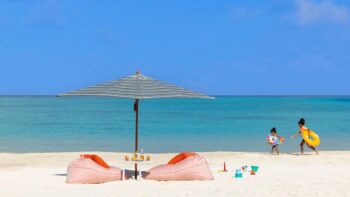
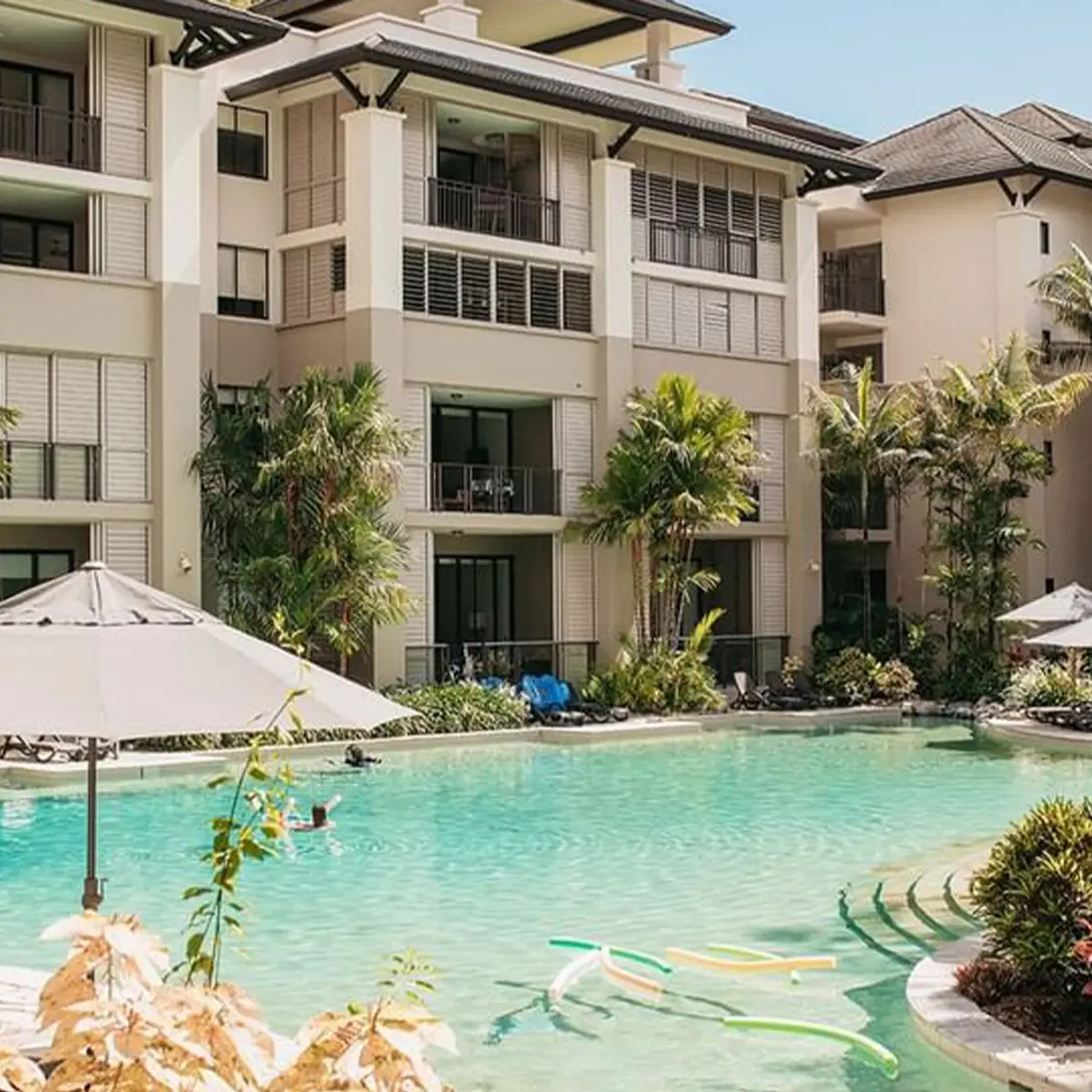
With the summer months wrapping up in the southern Aussie states, there’s no better time to extend the feeling in the tropics. Warm year-round with very pleasant temperatures of around 27 to 31 degrees Celsius in autumn, Tropical North Queensland invites you to swap cold city breezes for balmy beach days, sun-dappled rainforest walks and boat cruises around the jewel-like islands of the Great Barrier Reef. The autumn months align nicely with Easter, an ideal time for a long weekend away within having to take too much annual leave, or a school holiday getaway with the family.
2. The fresh local produce is at its best


Did you know that Tropical North Queensland produces around 94% of the country’s bananas? Australia’s tropical fruit capital is also the purveyor of sunrise-toned mangoes, zingy pineapples, papayas, melons and of course, coconuts, all at their sweetest, juiciest and plumpest in the post-rain months of autumn. The region is one of the country’s most celebrated food bowls for good reason; its tropical climate and fertile farmland, particularly along the Cassowary Coast and Atherton Tablelands, are optimal for growing. Taste the autumn harvest at a local farmers’ market like Rusty’s in Cairns, pick your own fruit at the likes of Shaylee Strawberries, or pull up a chair at a paddock-to-plate restaurant. In Port Douglas there’s Salsa Bar & Grill, a 30-years-strong institution serving dishes like pan-fried Daintree saltwater barramundi and creole jambalaya with crocodile sausage, and Seabean, where Spanish tapas-style dining takes on a local Queensland twist (think Queso Manchego with mandarin Cointreau marmalade and mariscos paella with local tiger prawns, barramundi and Cloudy Bay clams). Cairns is home to Ochre, serving local dry-aged Tablelands beef and seafood, and Palm Cove the beachfront Nu Nu, which picks the best of the rainforest, reef and nearby cattle stations.
3. You can take advantage of the slower pace & fewer crowds
Checking in just before the busy peak season means more choice of resorts, restaurants and day trips, with a more laidback pace across the board. Whether you’re looking to see 15,000-year-old ancient rock art in Quinkan Country, take a full-day boat trip on the Great Barrier Reef, glide over the canopies of the Daintree Rainforest on the Skyrail Rainforest Cableway in Kuranda or board a wildlife-spotting cruise on the Daintree River, you’ll be doing it with fewer people.
4. Everything looks more spectacular than ever after the summer rains


A veritable Eden, the landscapes of TNQ are in full technicolour at this time of year, with clear blue skies, impossibly turquoise waters and emerald greenery shrouded in early morning mists. Everything has benefited from the nourishing rains of summer, from thundering waterfalls and swimming holes to the leafy Daintree, where tropical birds feast on low-hanging, just-ripe fruit, fringe-like ferns fan the forest floor and huge, glossy leaves provide extra shade.
5. The temperatures are comfortable for exploring
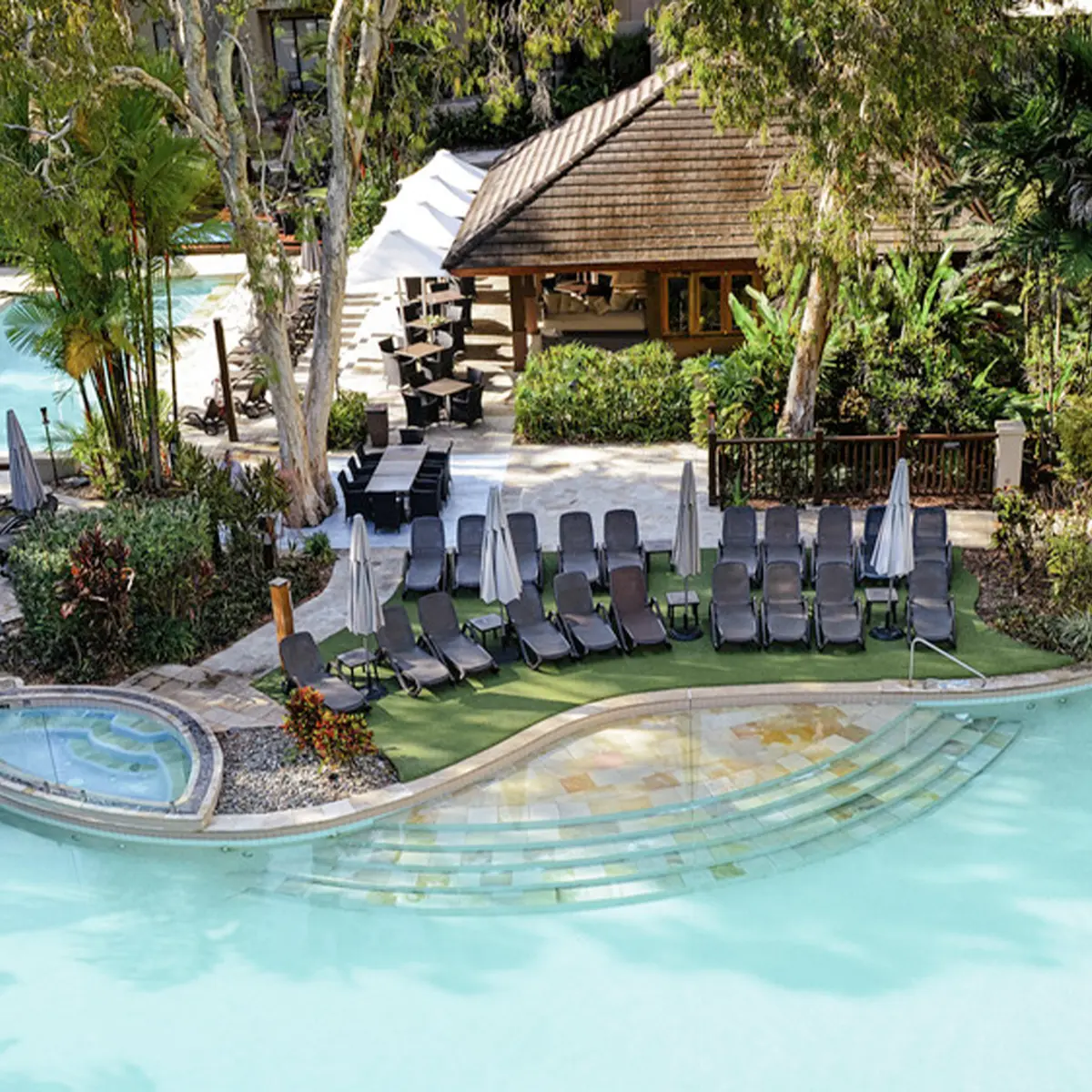
Warm enough for exploring but not as hot as summer, autumn promises ideal temperate conditions for discovering everything this reef-meets-rainforest destination has to offer. Hikes to lookout spots, bike rides, watersports and rainforest explorations don’t require breaks from the heat, while the ocean, swimming holes and glossy resort pools are still on-hand for a cooling dip.
Images courtesy of Tourism Tropical North Queensland.