USD
USD  Written by Madeleine Keck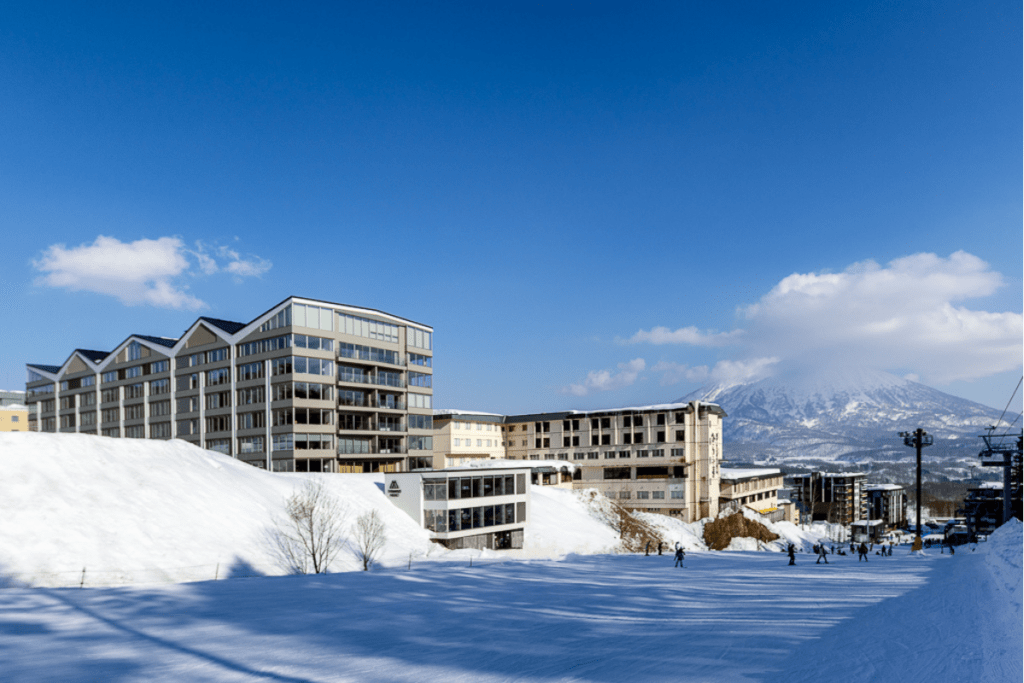
Experiencing JaPow – Japan’s exceptionally light, dry and deep powder snow – is a must for any self-proclaimed snow bunny. But hitting the slopes in a new country comes with its fair share of uncertainties, from choosing the right mountain to navigating transportation. Read on to discover our handy first-timer’s guide to skiing in Japan.
Which Japanese ski resort should I choose?
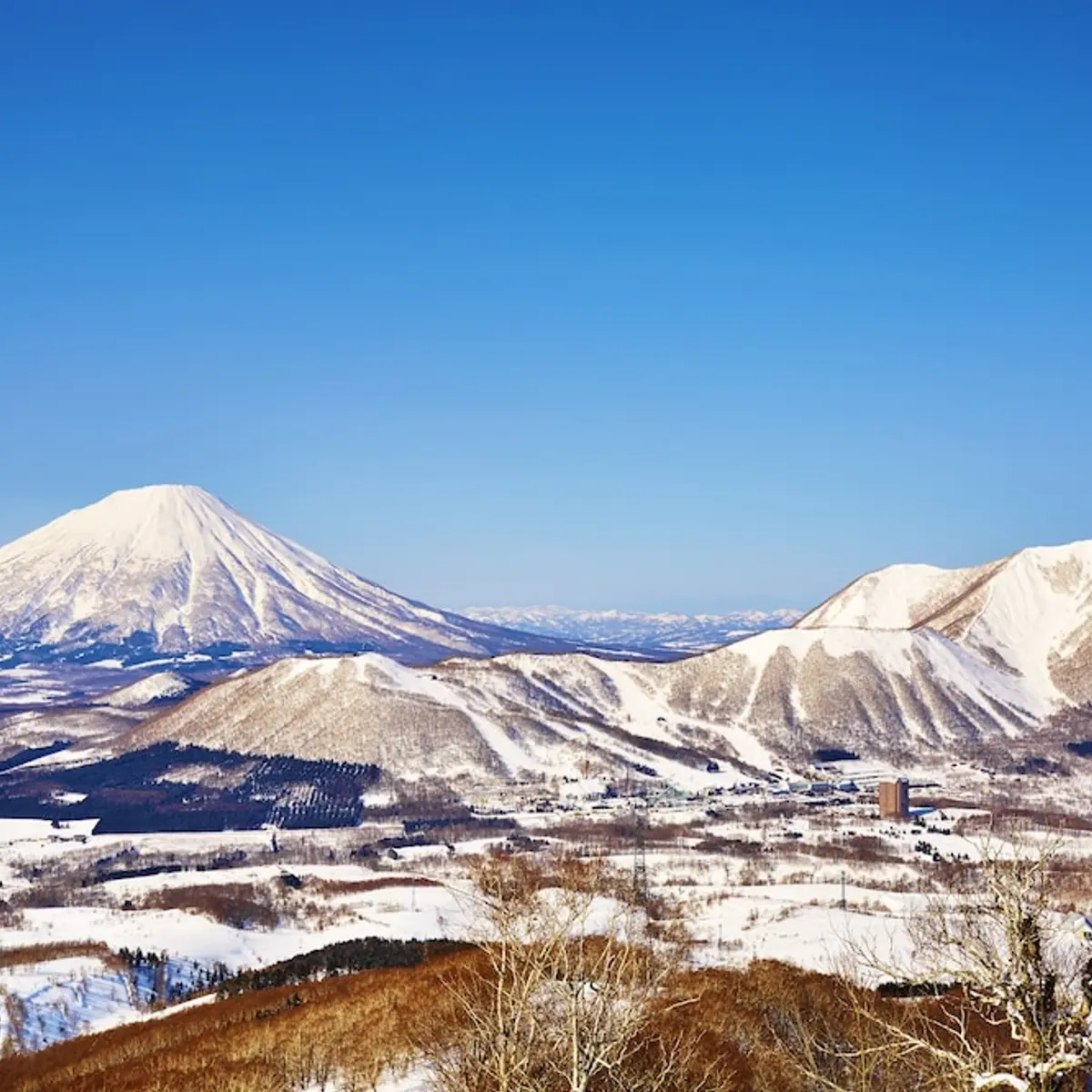
Japan has two main ski regions: the Japanese Alps (located near the Sea of Japan in the country’s west) and the northern island of Hokkaido (around the city of Sapporo).
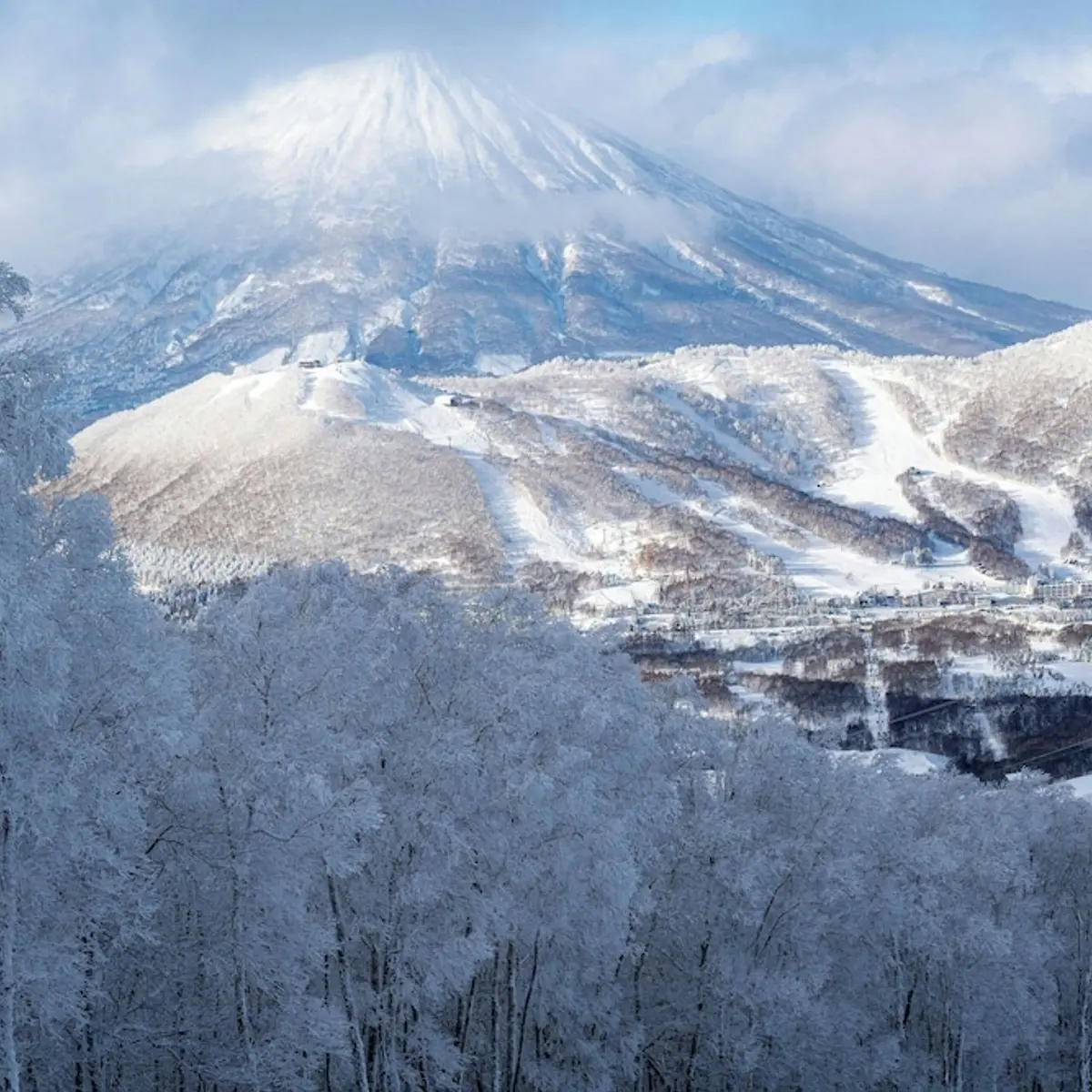
To choose the best resort for your ski holiday, start by thinking about the kind of experience you’re after. For deep powder, minimal crowds and a traditional vibe, Myoko Ski Resort, located in one of Japan’s oldest and snowiest ski areas, is ideal. If you’re looking for vibrant après-ski and world-class dining, Niseko United’s four interconnected resorts are hard to beat, as is Hakuba Valley, home to extensive terrain across 10 resorts.
The best Japanese ski accommodation
Start by deciding whether you’d prefer the convenience of an on-mountain, ski-in ski-out experience –typically found in larger hotel complexes – or the charm of apartment-style living, often offered by boutique hotels in town.
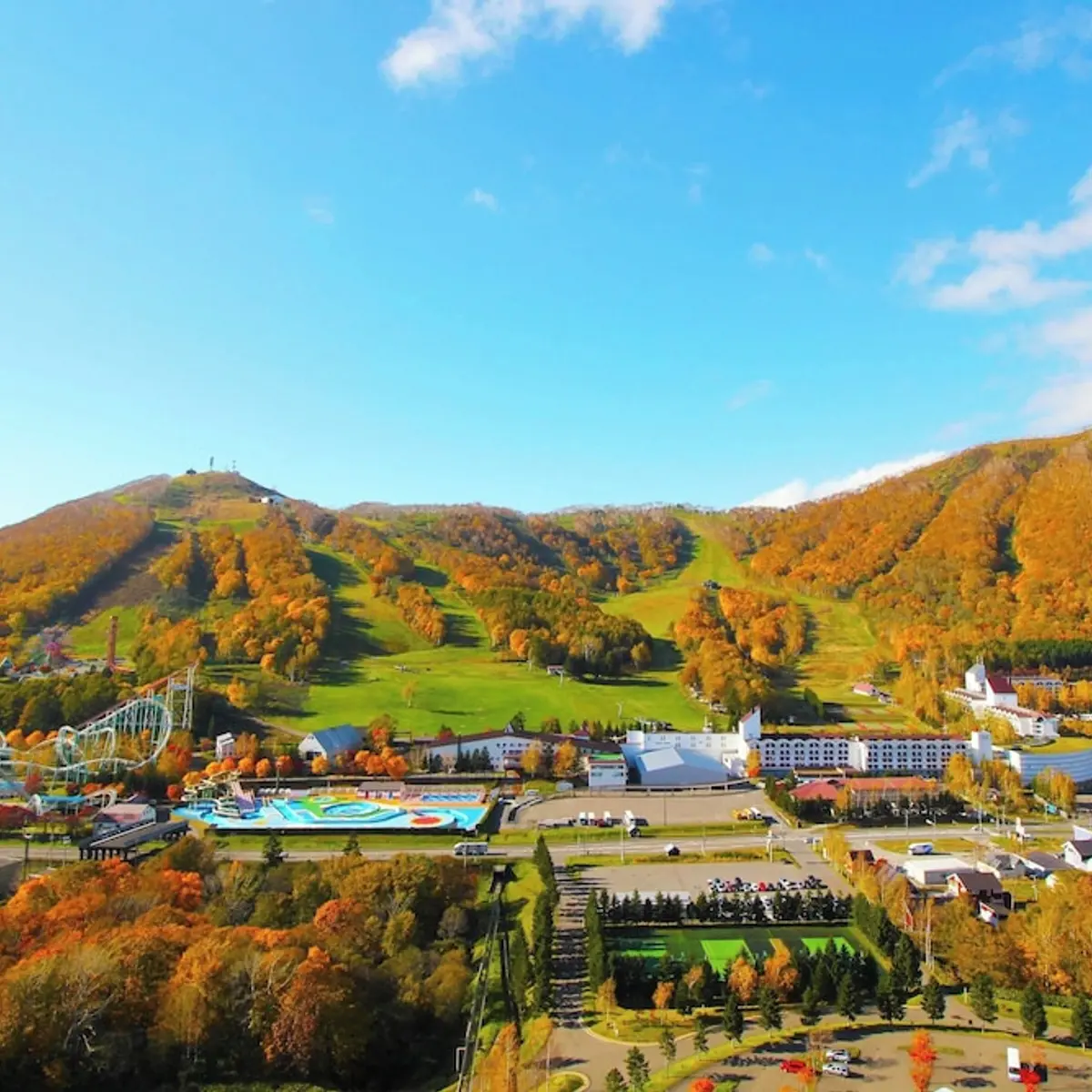
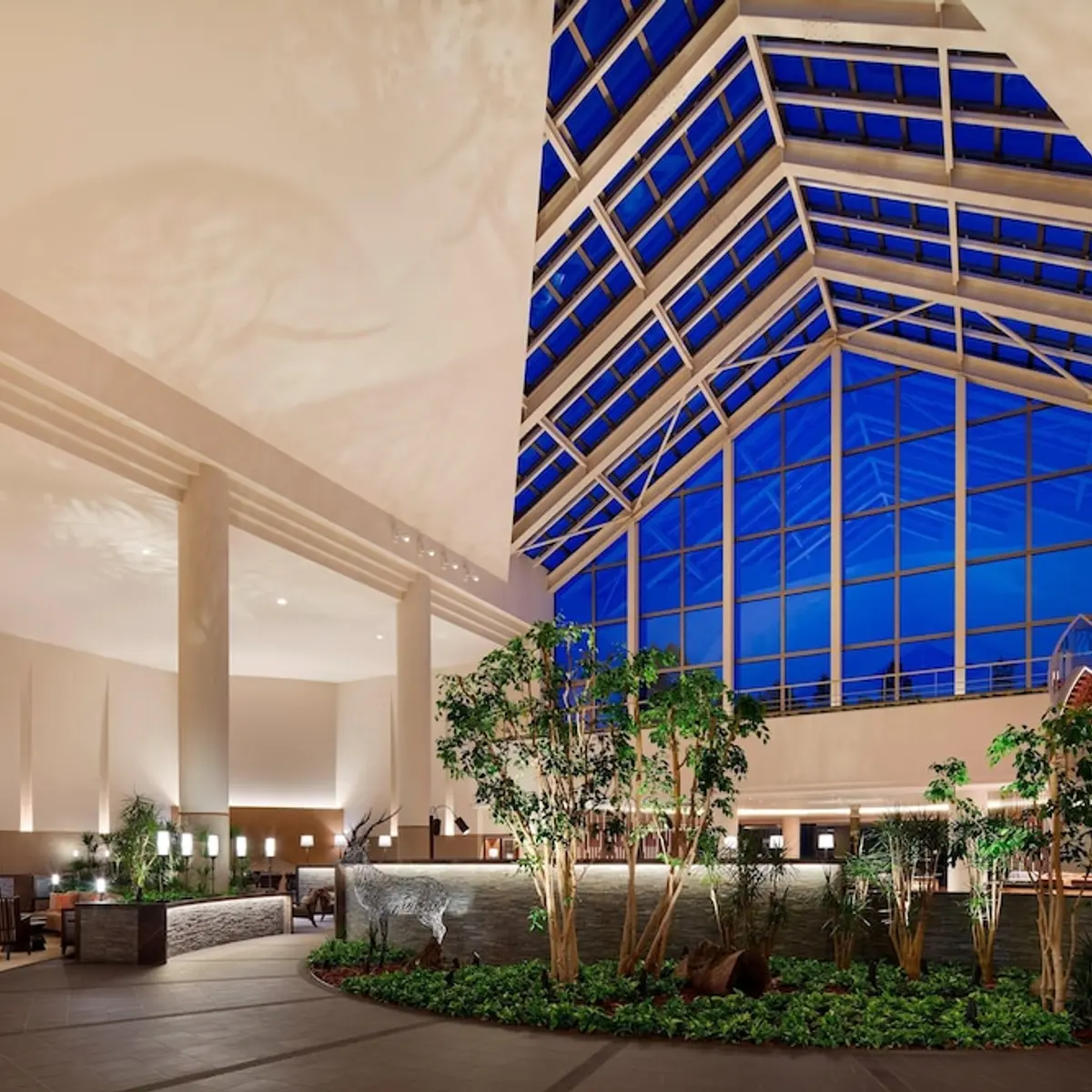
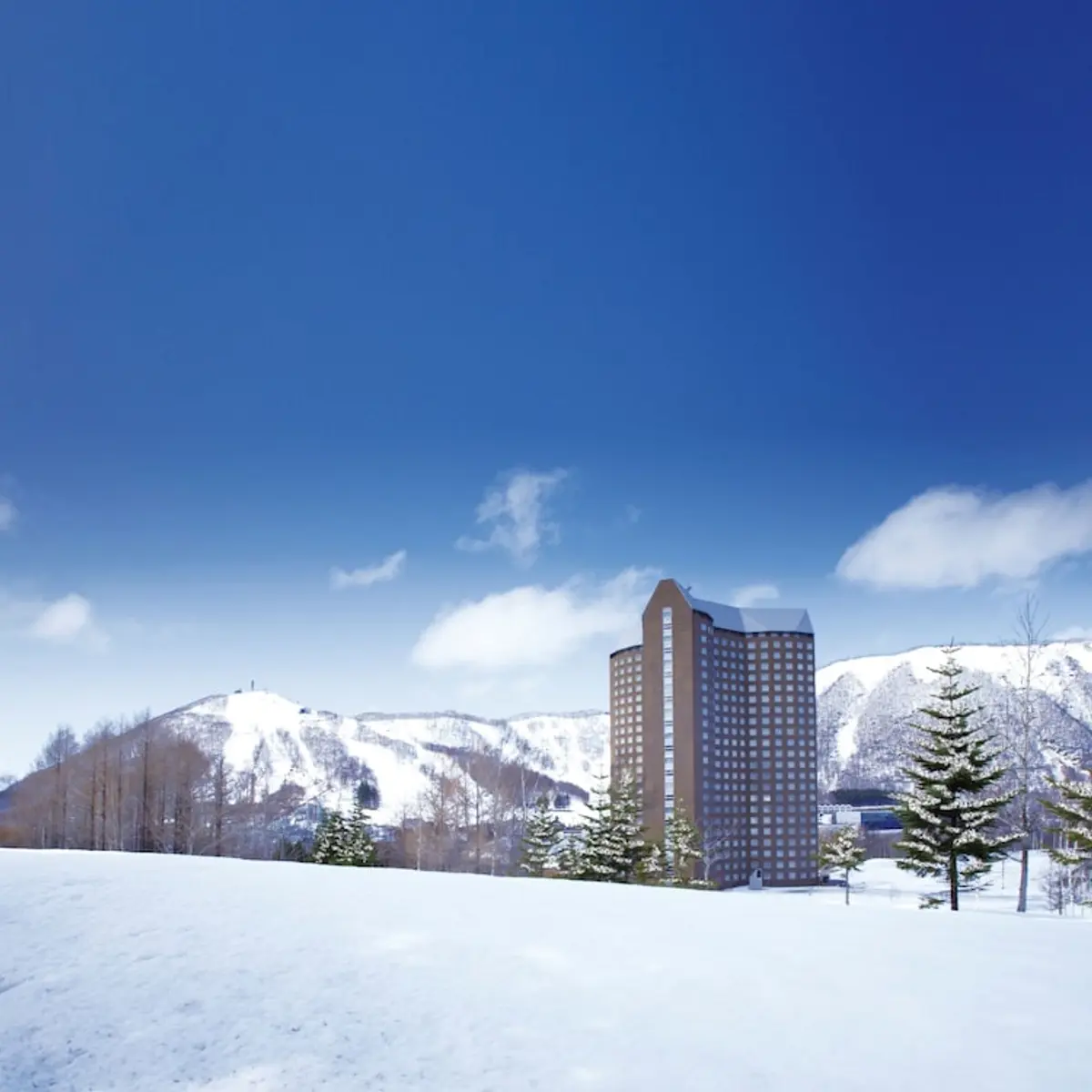
For an all-inclusive stay that feels more like a self-contained village than a traditional ski lodge, it’s hard to go past Lotte Arai in Myoko. This ski-in ski-out resort features multiple Vietnamese, Italian, Western and Japanese restaurants and bars, five ski lifts, an indoor swimming pool and extensive indoor and outdoor onsen facilities. Hoshino Resort Tomamu in Hokkaido offers a similar all-encompassing experience.
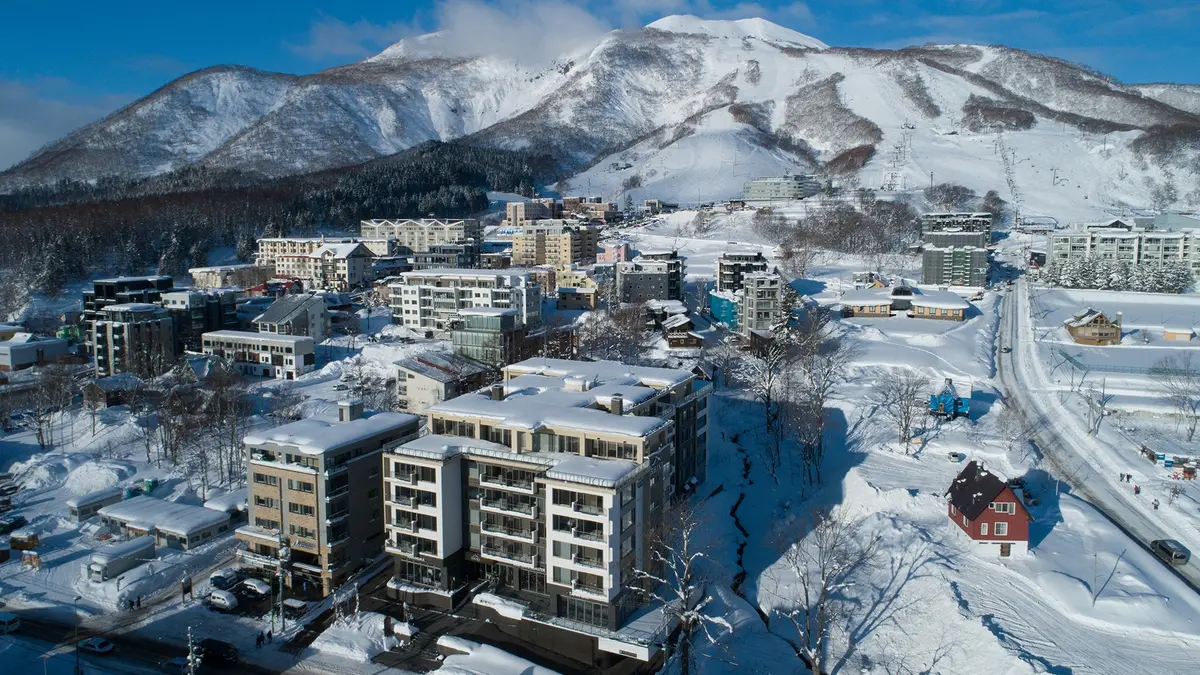
If you prefer apartment-style accommodation, Hinode Hills Niseko Village and Chatrium Niseko Japan are excellent options in Niseko. Hinode Hills offers ski-in ski-out access, while Chatrium is centrally located in Hirafu’s township – ideal for those who want to be steps away from restaurants, bars and nightlife.
Is it easy to get to Japan’s ski resorts?
If you’re starting in Tokyo, the Alps are easily accessible via Shinkansen bullet train, with travel times of just two to three hours. To reach the resorts around Sapporo, the fastest option is typically a three-hour bus ride from either the airport or city centre.
How do ski tickets work in Japan?
You can book all mountain passes or individual lift passes for each resort at Niseko United, Hakuba Valley and Rusutsu Resort. Most resorts will also allow the purchase of tickets by hours (from five to 50 hours) or day passes (from one to seven days). For ease, book your passes online prior to arrival and have them delivered to your accommodation.
What to pack when skiing in Japan
Major ski resorts typically offer onsite rental shops stocked with boots, helmets, skis, poles, jackets and pants – plus a ski valet to store everything. If you’re staying in a smaller boutique lodge, you’ll find plenty of rental shops across the mountain and nearby townships.
When packing, be sure to bring thermal leggings, long socks, a thermal long-sleeve top and a jumper as base layers, along with gloves – though you can easily rent a pair if you don’t already own them. Don’t forget power adapters and some cash. As for robes and slippers, most accommodations, especially those with an onsite onsen, will provide them. To walk around town, a separate waterproof jacket and sturdy boots are essential.

Navigating Japanese mountains
If the idea of navigating public transport after a long day on the slopes doesn’t appeal, consider staying at a resort with ski-in, ski-out access. If you’re based in town, check whether your accommodation offers a private snow shuttle. If not, ask for the local bus timetable – taxis can be expensive and hard to come by at the base of the mountains.
Renting a car is typically pricey, but it can be a good option if you’re comfortable driving in snowy conditions, travelling with a group, staying for several days or planning to explore more remote resorts. In general, the larger the resort, the better the infrastructure – expect more English signage, maps and restaurant menus.



The best places to eat near Japan’s ski slopes
During the peak months of January and February, securing restaurant reservations is essential, unless you’re happy to dine at your accommodation or pick up takeaway from popular convenience stores like Lawson or 7-Eleven. With around 130 dining venues, Hirafu is at the heart of Japan’s best après-ski scene, offering direct access to bars, restaurants and nightlife for those skiing Niseko United. Tozanken Ramen and the upscale An Dining stand out.
In the broader Alps region, Hakuba Valley leads the way with over 200 restaurants in Hakuba Village alone. Izakaya Hie serves up Japanese tapas-style dishes in a cozy setting, while Mimi’s is a top choice for fine dining.
Japanese cultural expectations
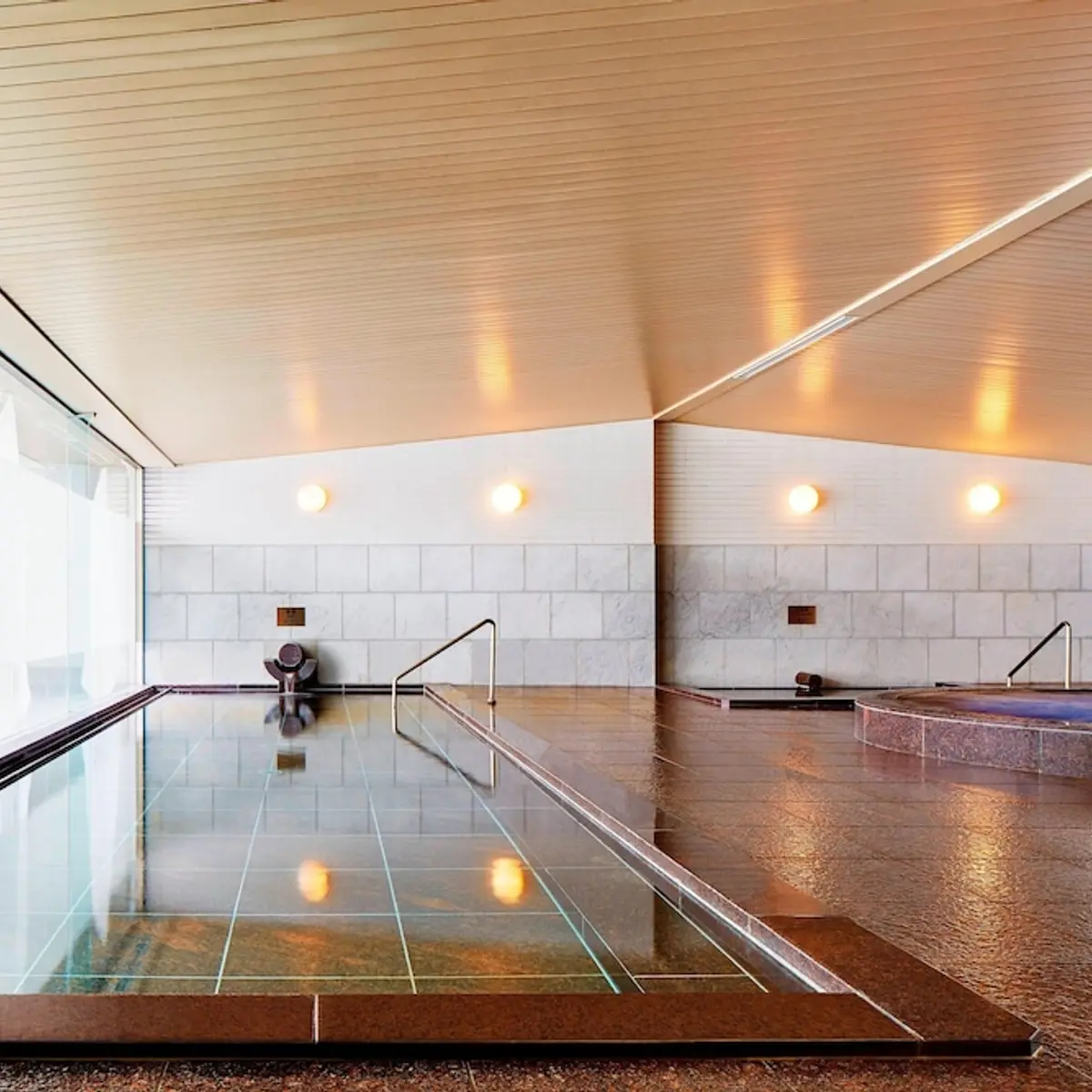
Onsens are an integral part of the Japanese ski experience, and proper onsen etiquette is essential. Whether you’re bathing at your accommodation’s onsen or visiting one in town, be sure to wash thoroughly before entering. Remember: no bathing suits and no loud talking. Other general reminders include avoiding eating while walking; refraining from talking on the phone on public transport; respecting lift lines and learning a little Japanese, as English is rare in many areas.
Discover Japan



Feature image: The Maples Niseko