

Un voyage Luxury Escapes est construit autour d’une idée simple : la meilleure façon de découvrir une destination est avec les bonnes personnes, le bon rythme et la bonne dose de structure. Cela signifie des guides expérimentés, un hébergement soigneusement sélectionné et des itinéraires qui équilibrent visites et temps libre. Voici à quoi cela ressemble en pratique.
1. Les itinéraires sont complets mais réfléchis
La plupart des voyages couvrent beaucoup de terrain – des monuments emblématiques, des sites classés au patrimoine mondial de l’UNESCO, des expériences culturelles, des paysages naturels et de la cuisine régionale. Le rythme en tient compte. Certains jours sont chargés par conception, car couvrir une destination correctement prend du temps. Ce que vous ne trouverez pas, ce sont des arrêts inutiles. Chaque arrêt est là pour une raison, et du temps libre est prévu tout au long du voyage pour que vous ne regardiez pas tout à travers la fenêtre d’un bus.
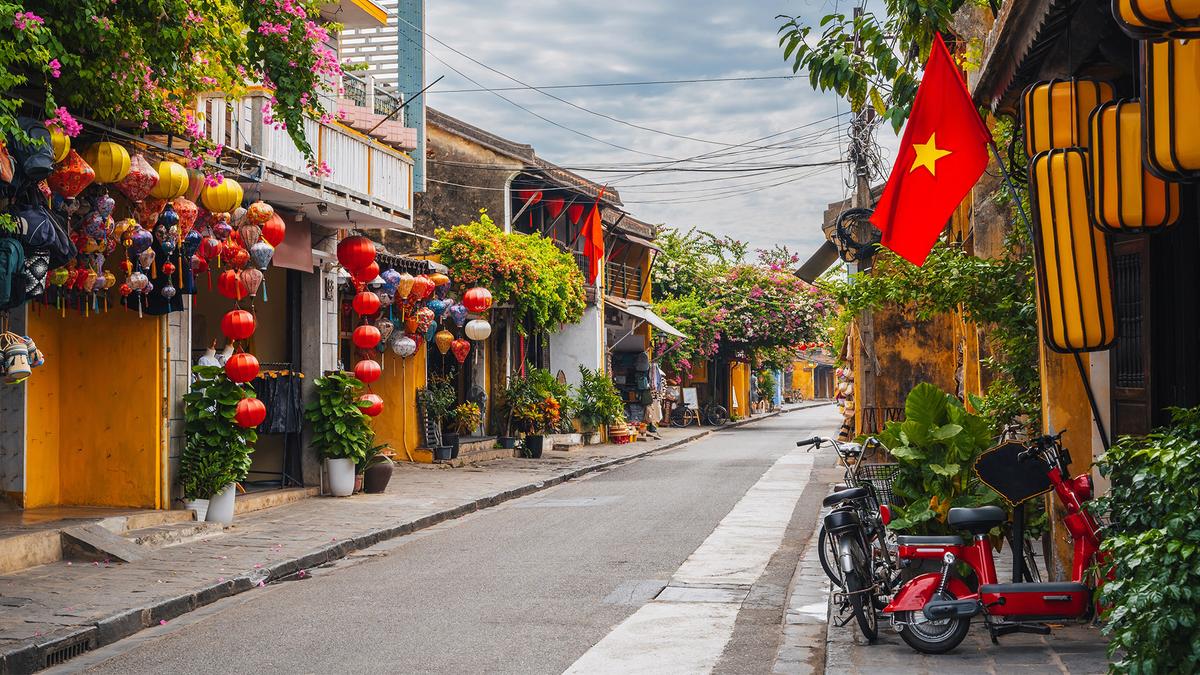
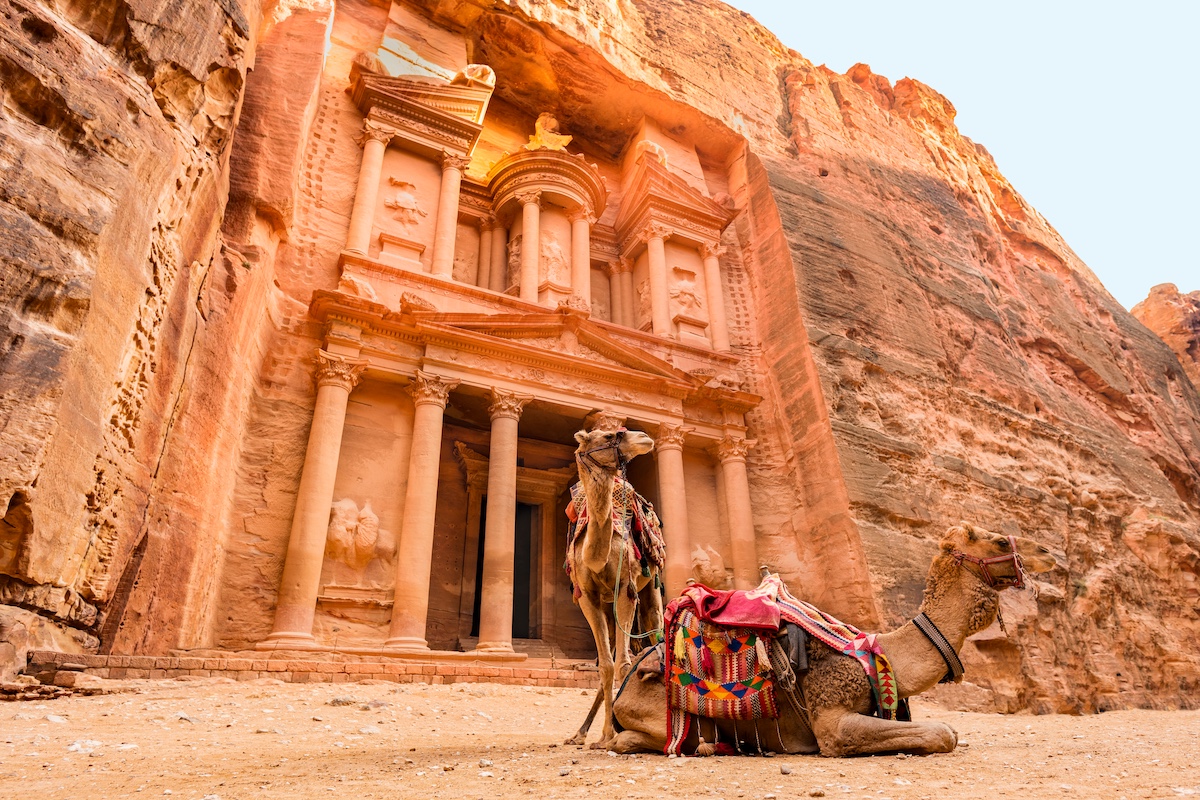
Lors d’un voyage au Vietnam, cela peut signifier se déplacer entre Hanoi, Hoi An et Ho Chi Minh Ville dans un seul itinéraire. Lors d’un voyage en Égypte, cela signifie intégrer les Pyramides de Gizeh, les temples de Louxor et la Vallée des Rois dans un seul parcours. Lors d’un voyage en Espagne et au Portugal, cela signifie couvrir Madrid, Córdoba, Grenade et Porto sans que l’itinéraire ne semble précipité.

2. Les départs matinaux se produisent – et ils en valent la peine
Certains jours commencent plus tôt que vous ne pourriez vous y attendre. Il y a de bonnes raisons à cela : des températures plus fraîches, moins de foules et plus de temps sur un site avant que la journée ne devienne chargée font une différence significative dans l’expérience. Lors des jours de départ très tôt, une boîte de petit-déjeuner sera fournie plutôt qu’un repas assis au restaurant afin que le groupe puisse manger en déplacement.
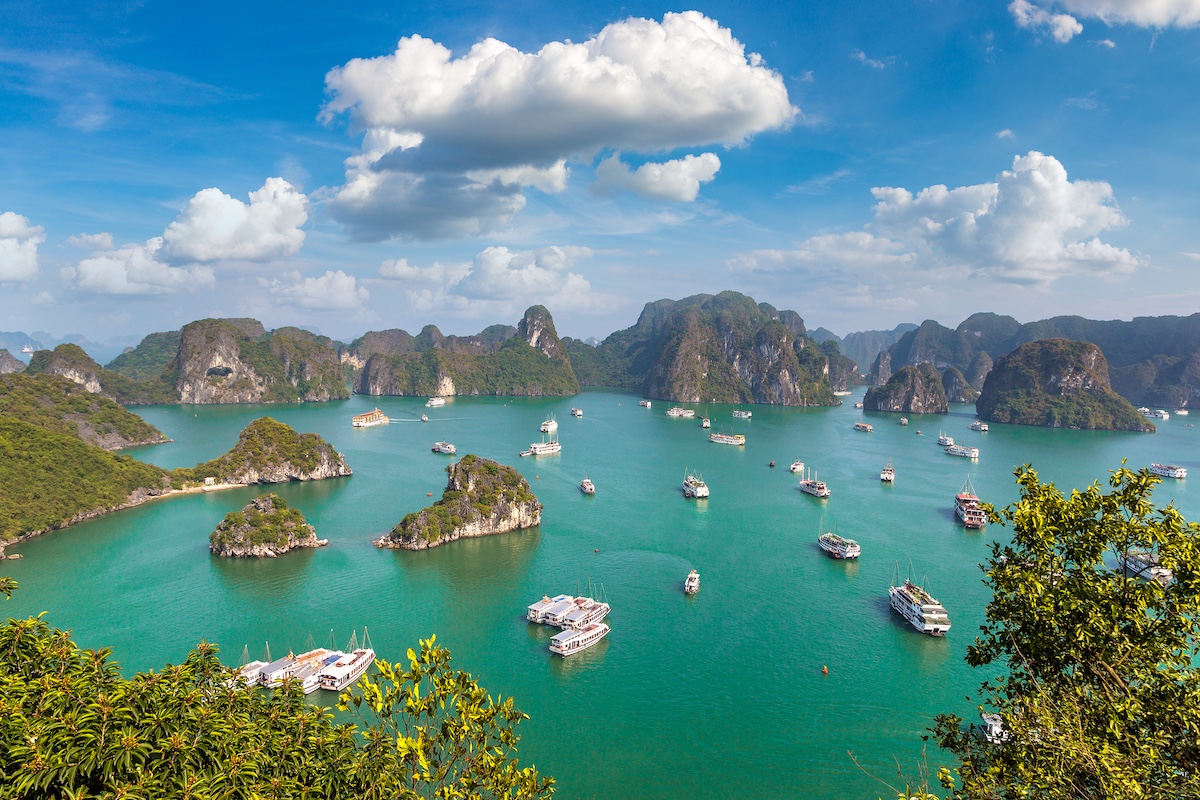
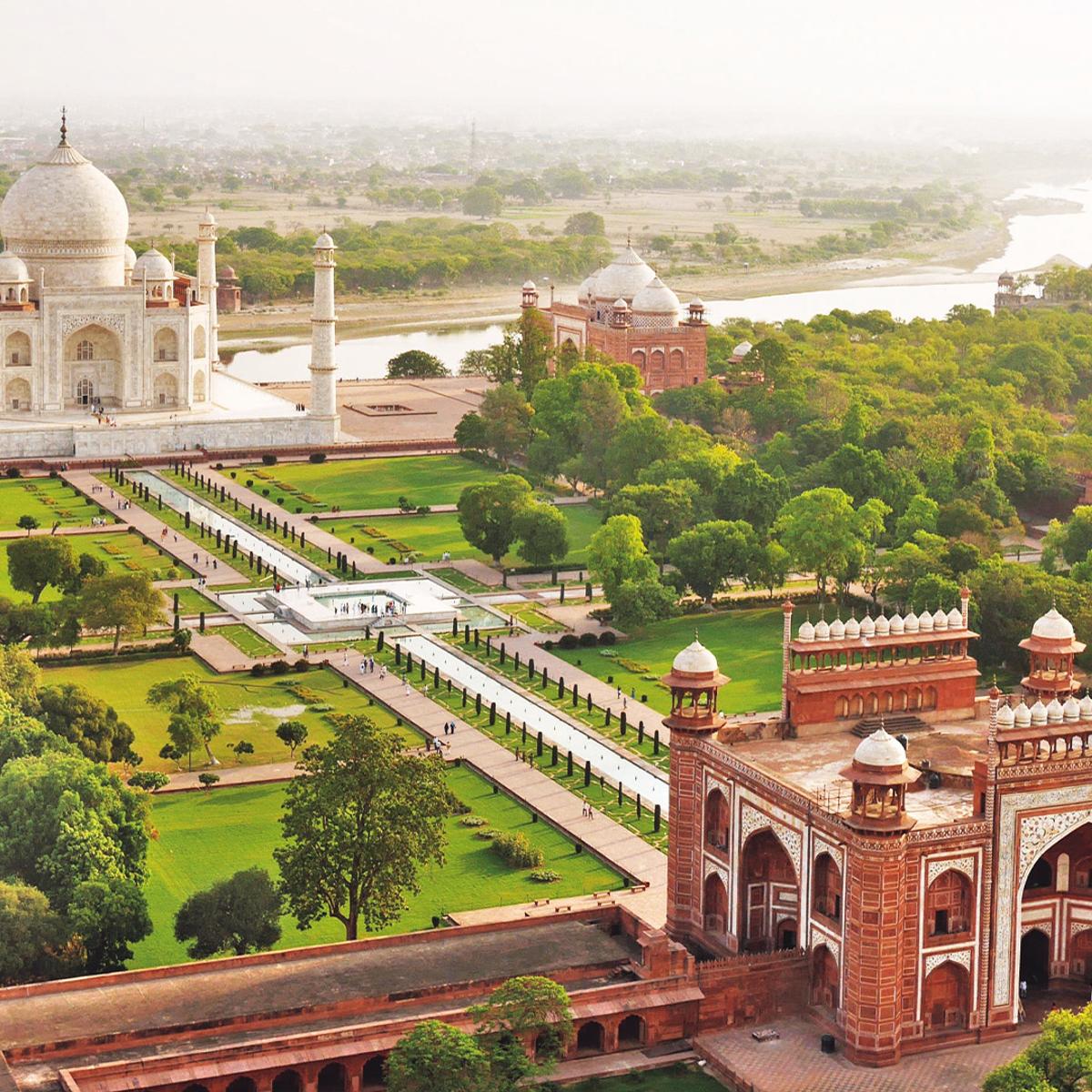
En Égypte, cela s’applique presque partout – les temples de Louxor, la Vallée des Rois et Abu Simbel sont tous nettement mieux avant que la chaleur de midi ne s’installe. En Inde, visiter le Taj Mahal au lever du soleil est à la fois plus frais et considérablement moins fréquenté que d’arriver plus tard dans la journée. Sur les itinéraires vietnamiens, les transferts matinaux vers la Baie d’Ha Long maximisent la journée complète sur l’eau.



3. Se déplacer entre les destinations fait partie du voyage
Les itinéraires multi-destinations impliquent des déplacements – trajets en bus, routes de train pittoresques, vols intérieurs, transferts en bateau. Certains trajets sont véritablement pittoresques ; d’autres concernent l’efficacité des distances à couvrir. Quoi qu’il en soit, les journées de voyage sont intégrées à l’itinéraire plutôt que d’y être ajoutées, et elles offrent souvent une vue sur la vie locale quotidienne que les sites touristiques ne montrent pas.
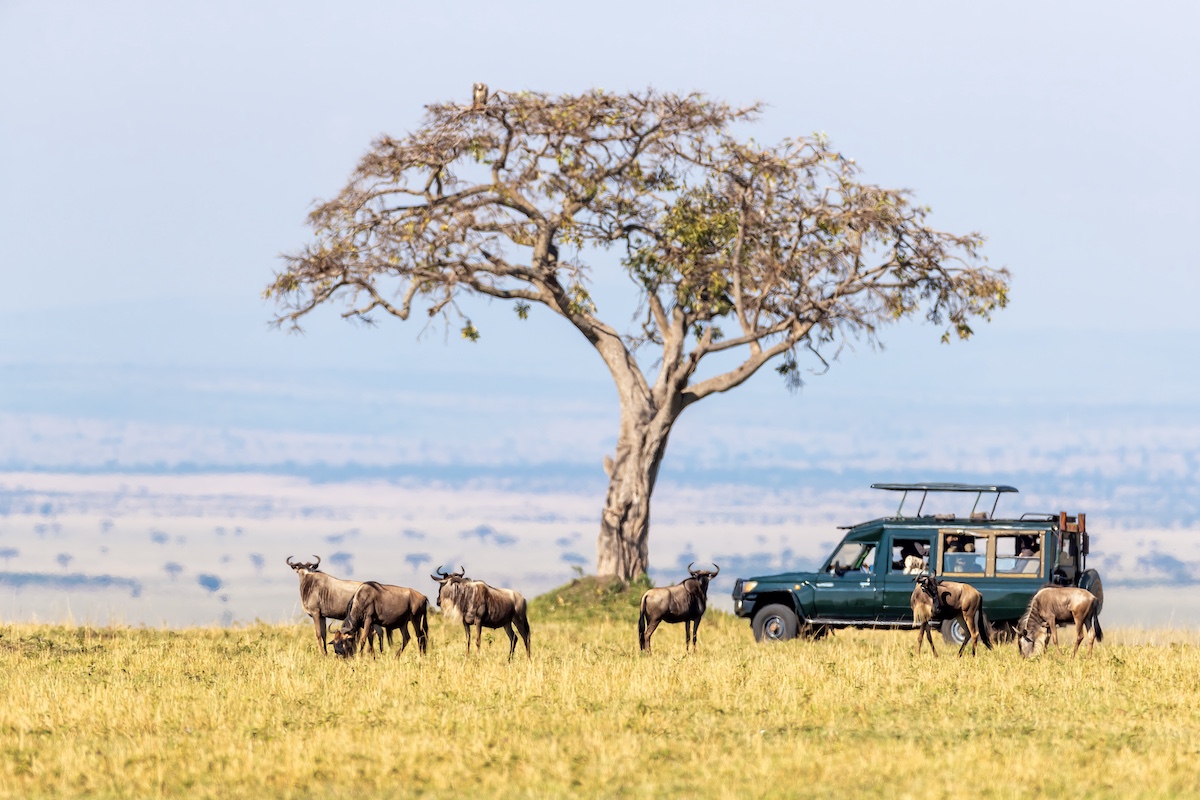
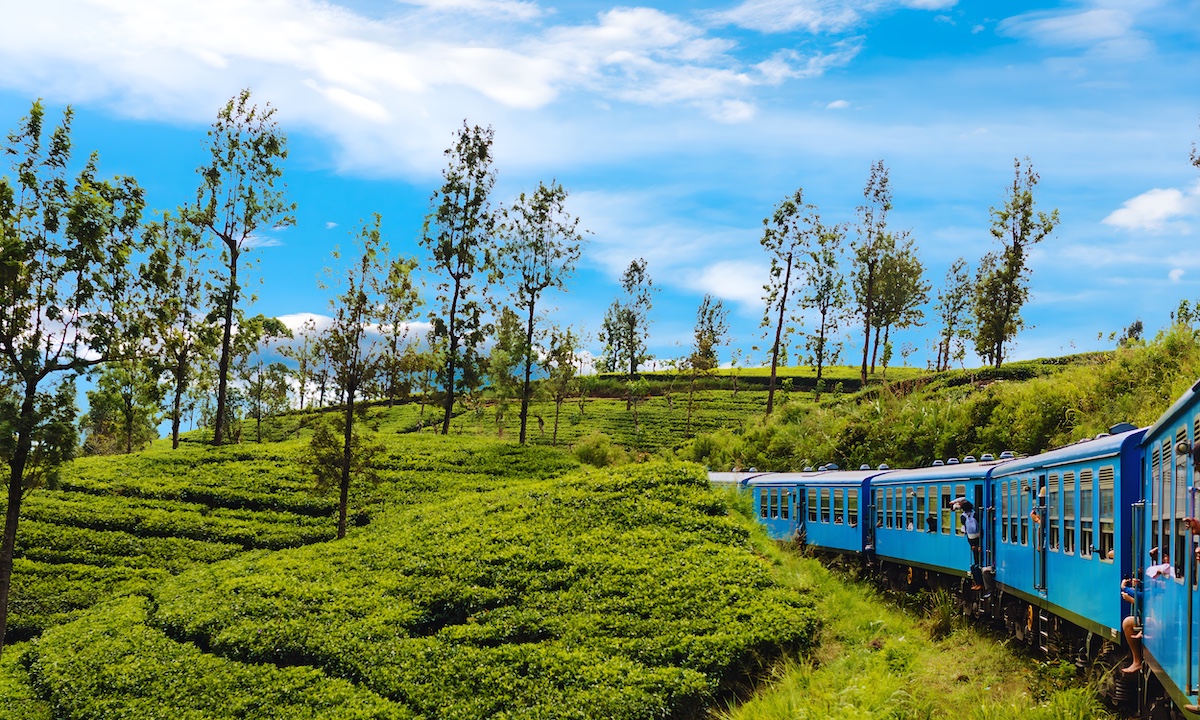
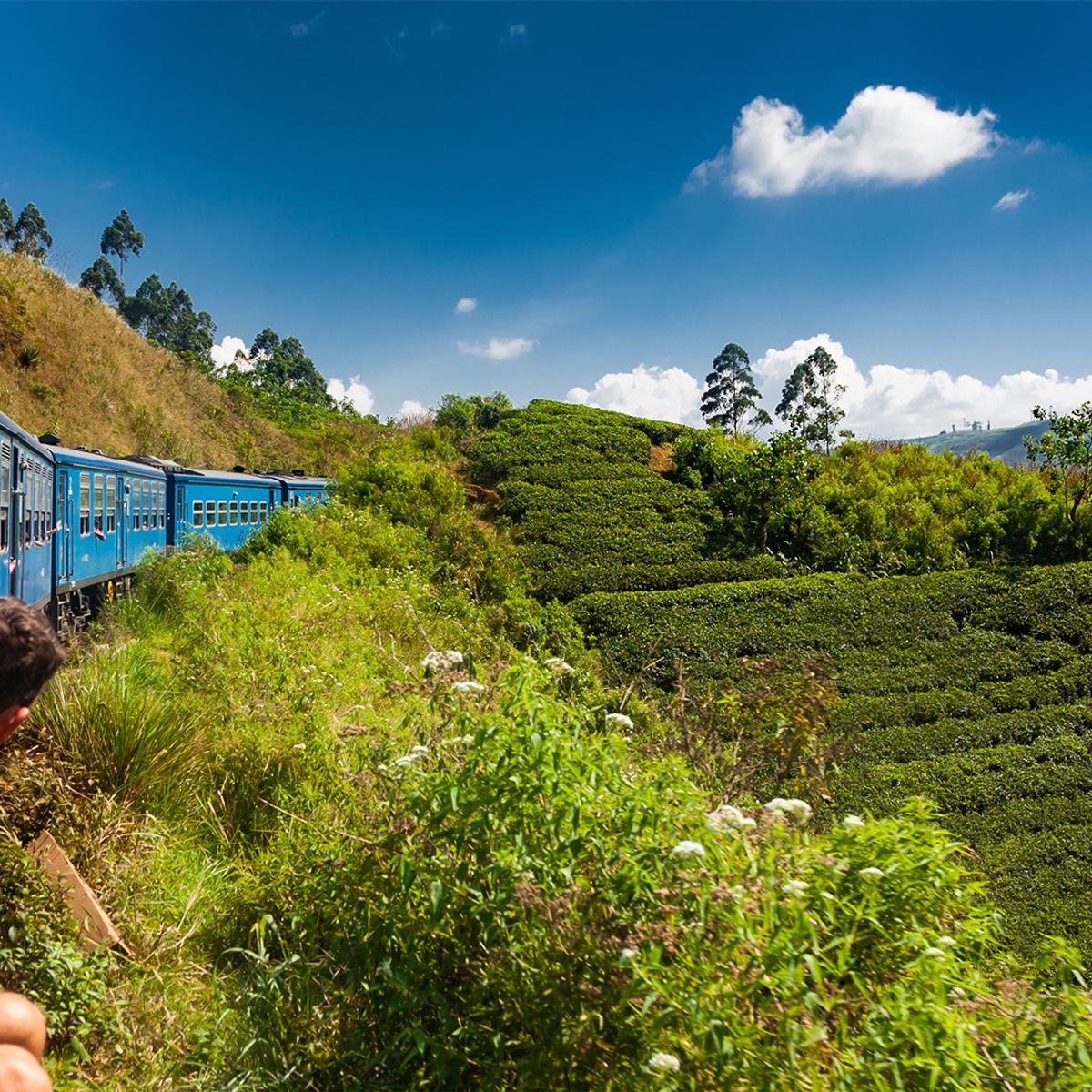
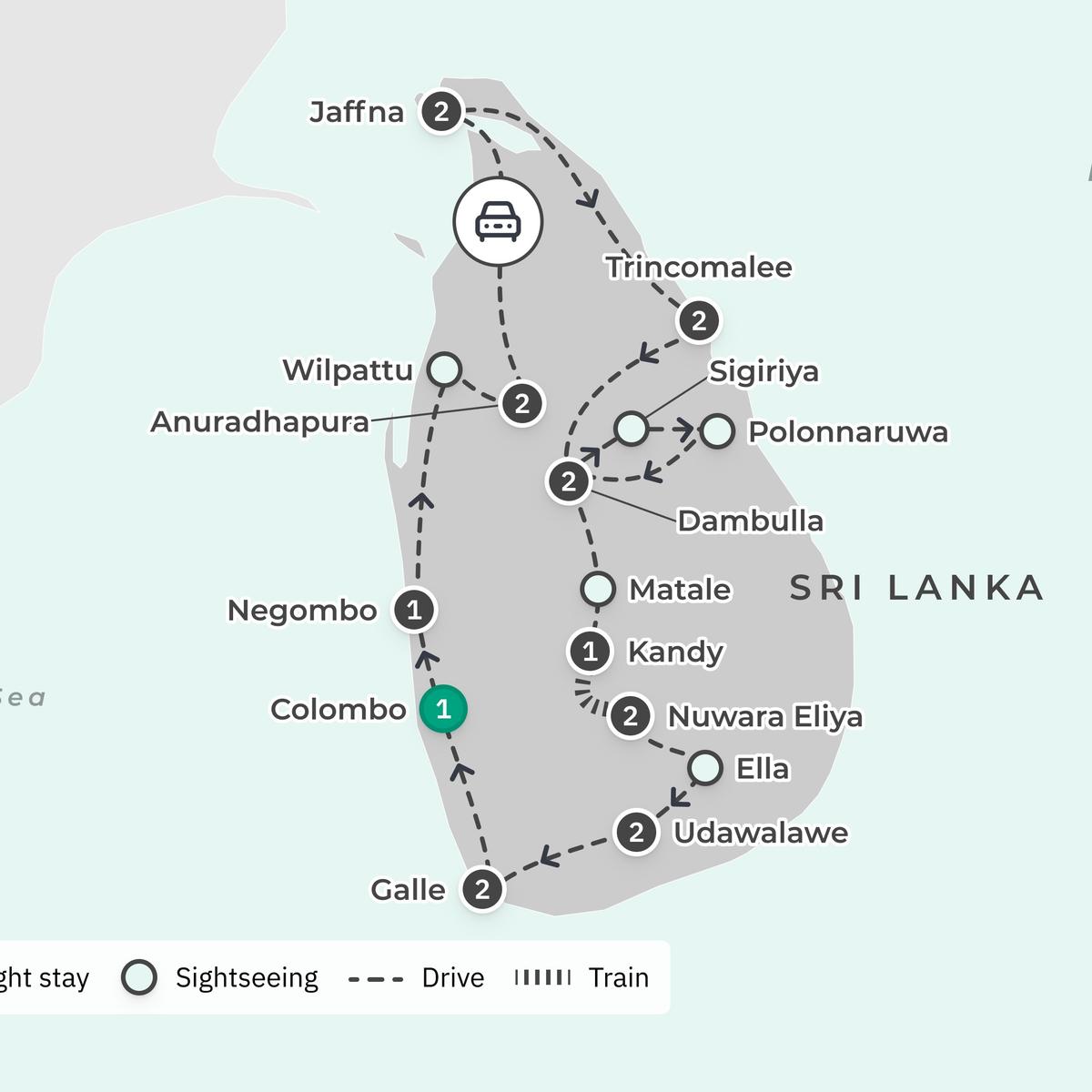
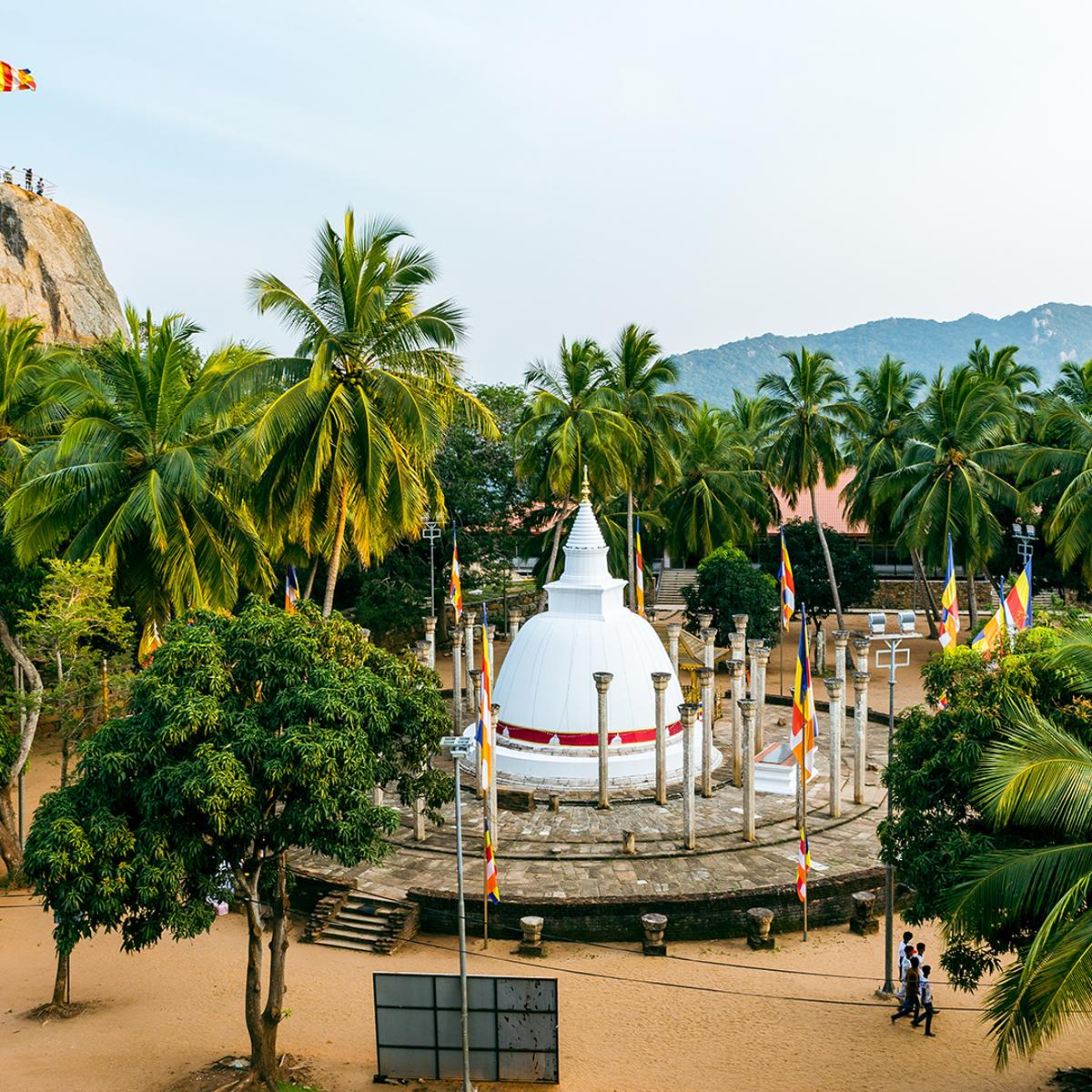
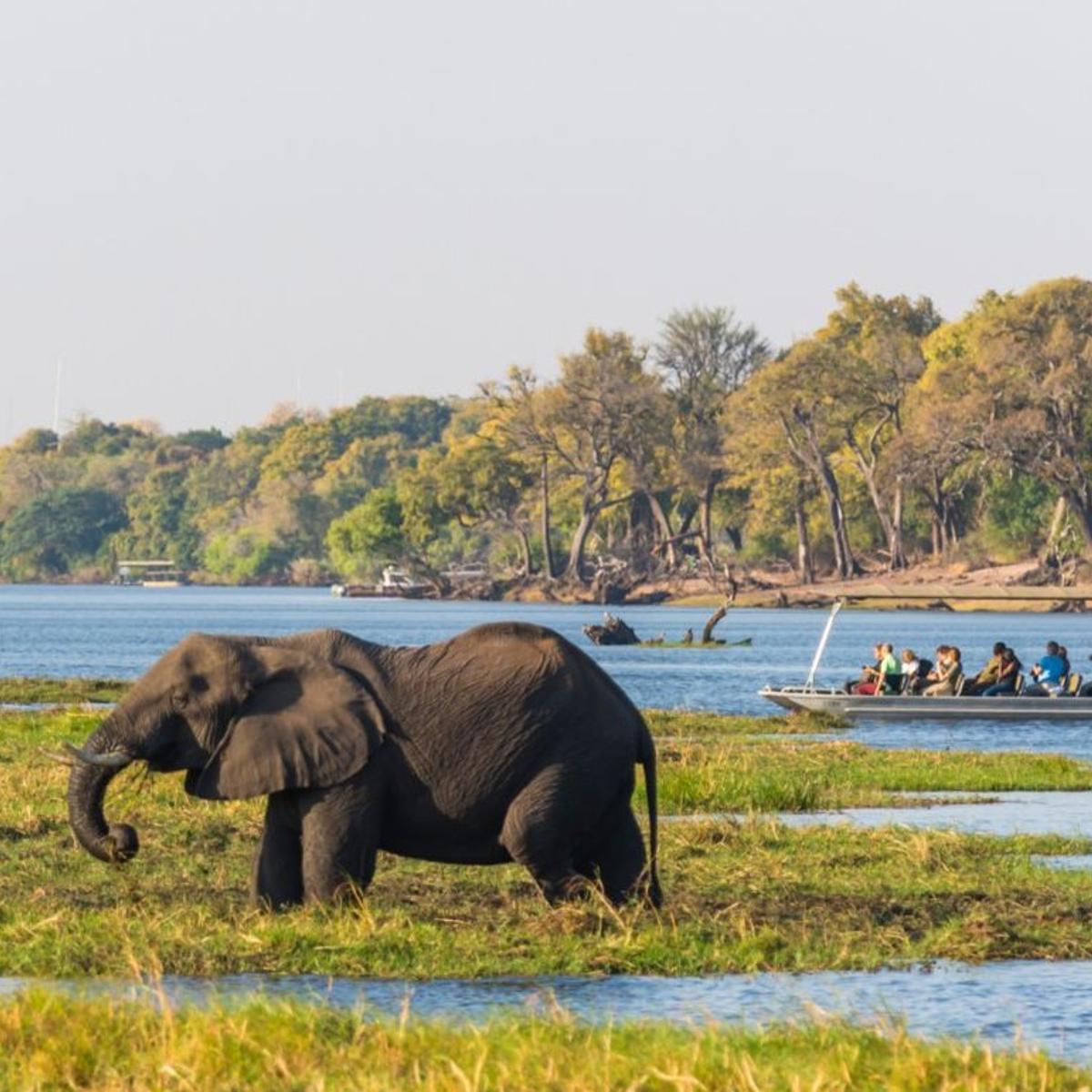
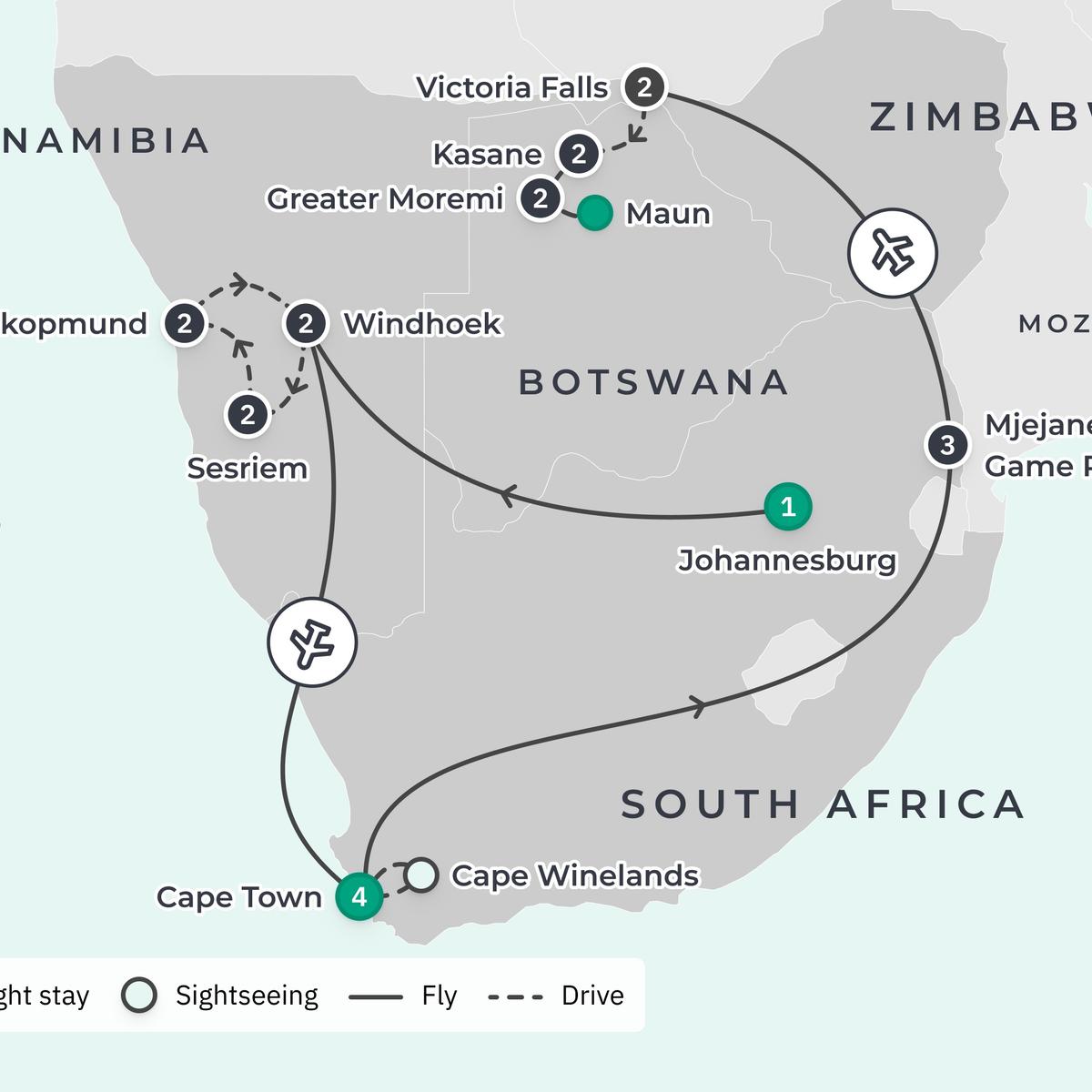
La longueur du Vietnam signifie que les vols intérieurs entre Hanoi et Ho Chi Minh Ville sont une nécessité pratique. La région montagneuse du Sri Lanka est mieux vue depuis la fenêtre d’un train – le trajet de Kandy à Ella est l’un des voyages en train les plus mémorables de la région. La croisière sur le Nil en Égypte entre Louxor et Assouan transforme le transfert entre deux sites majeurs en une expérience à part entière. En Afrique, les transferts en avion léger entre les lodges sont courants et comportent des restrictions de bagages qu’il vaut mieux connaître à l’avance. Les transferts en bus entre les villes en Espagne et au Portugal s’arrêtent souvent dans des villes historiques – Ávila, Salamanque et Mérida – en cours de route.
4. Vous partagerez l’expérience avec un groupe
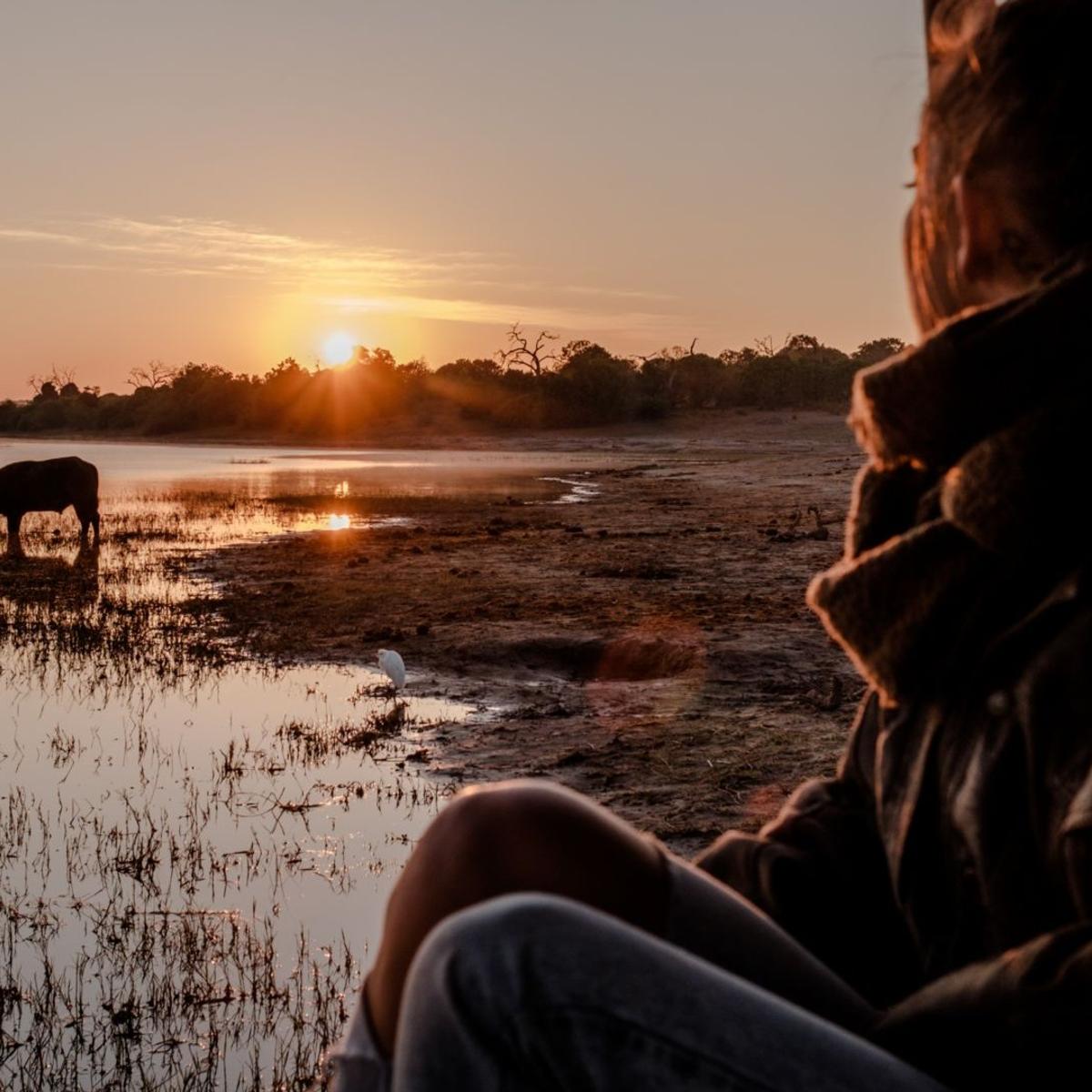
Un des points forts constants des voyages guidés est les personnes que vous rencontrez en cours de route. Les moments partagés – un lever de soleil sur un site ancien, un repas qui se transforme en une longue soirée, une observation de la faune que personne n’attendait – ont tendance à rester en mémoire d’une manière que le voyage en solo ne reproduit pas toujours.
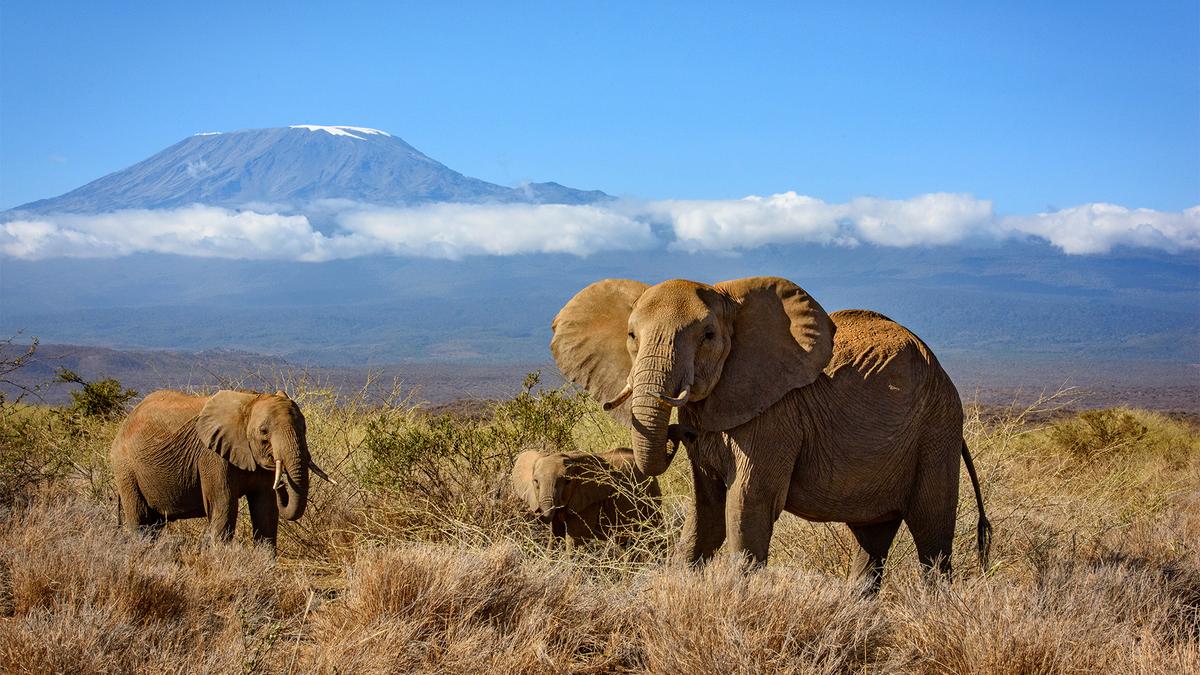
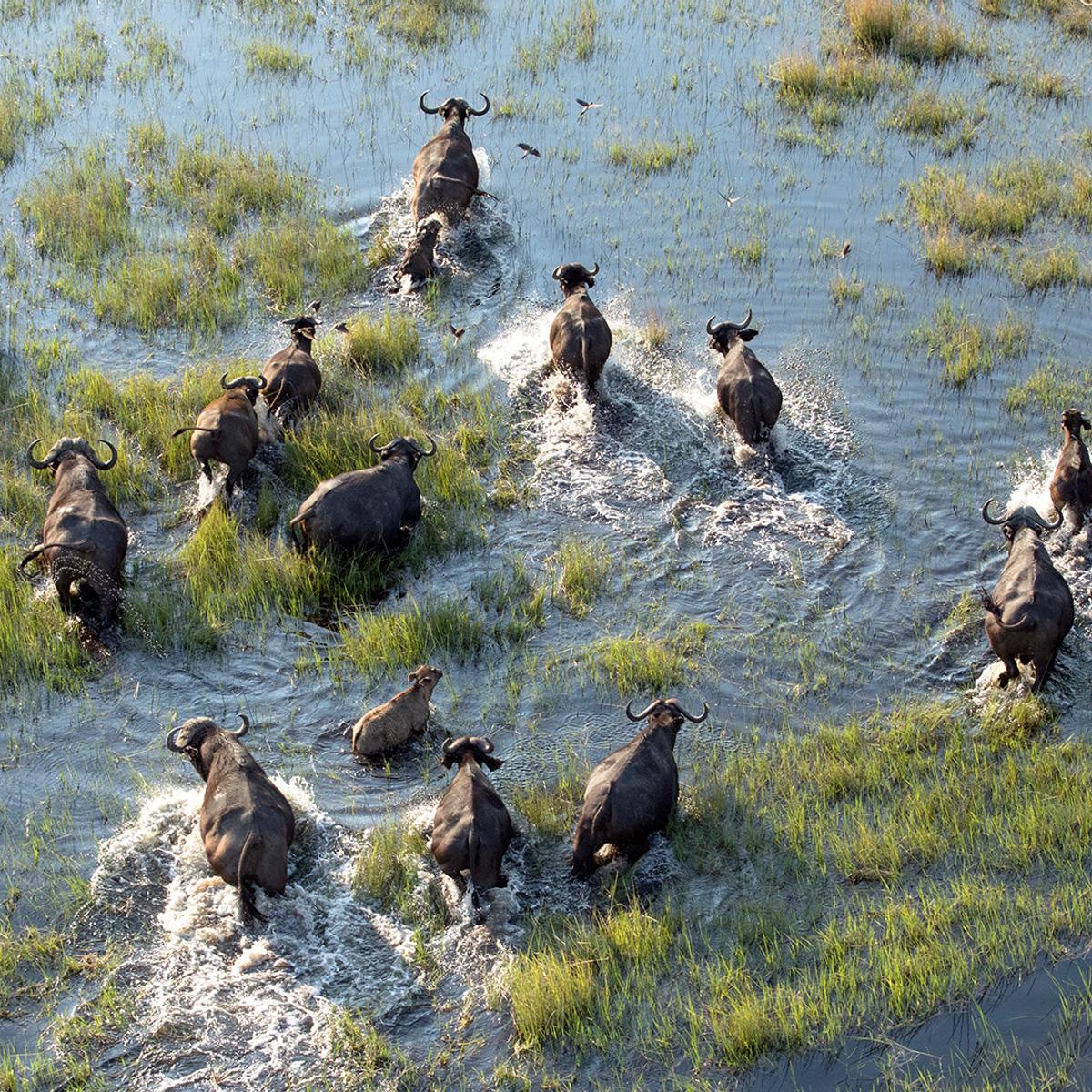
Une observation de léopard lors d’un safari africain, la première vue du Taj Mahal à l’aube en Inde, émerger des tunnels de Cu Chi au Vietnam – ce sont les types d’expériences qui sont mieux partagées que solitaires.
Les tailles de groupe varient selon le style de voyage et le départ. Les Voyages Deluxe fonctionnent avec un maximum de 24 passagers ; les Voyages Premium sont limités à 16. Tous les voyages se déroulent avec un minimum de 2 personnes. Consultez la page de votre voyage spécifique pour connaître le maximum exact.



5. Les repas sont un mélange de cadres et de styles
La nourriture fait partie intégrante de l’expérience de voyage lors d’un voyage Luxury Escapes – des plats régionaux, des lieux locaux et des repas culturels sont intégrés dans la plupart des itinéraires. Lors des journées de visite chargées ou lors de longs transferts, certains repas se déroulent dans des restaurants conçus pour gérer efficacement des groupes plus importants. Ceux-ci sont pratiques plutôt que des repas de destination – menus fixes ou buffets qui maintiennent le rythme de la journée. Le temps libre tout au long du voyage offre l’opportunité de manger de manière plus indépendante.
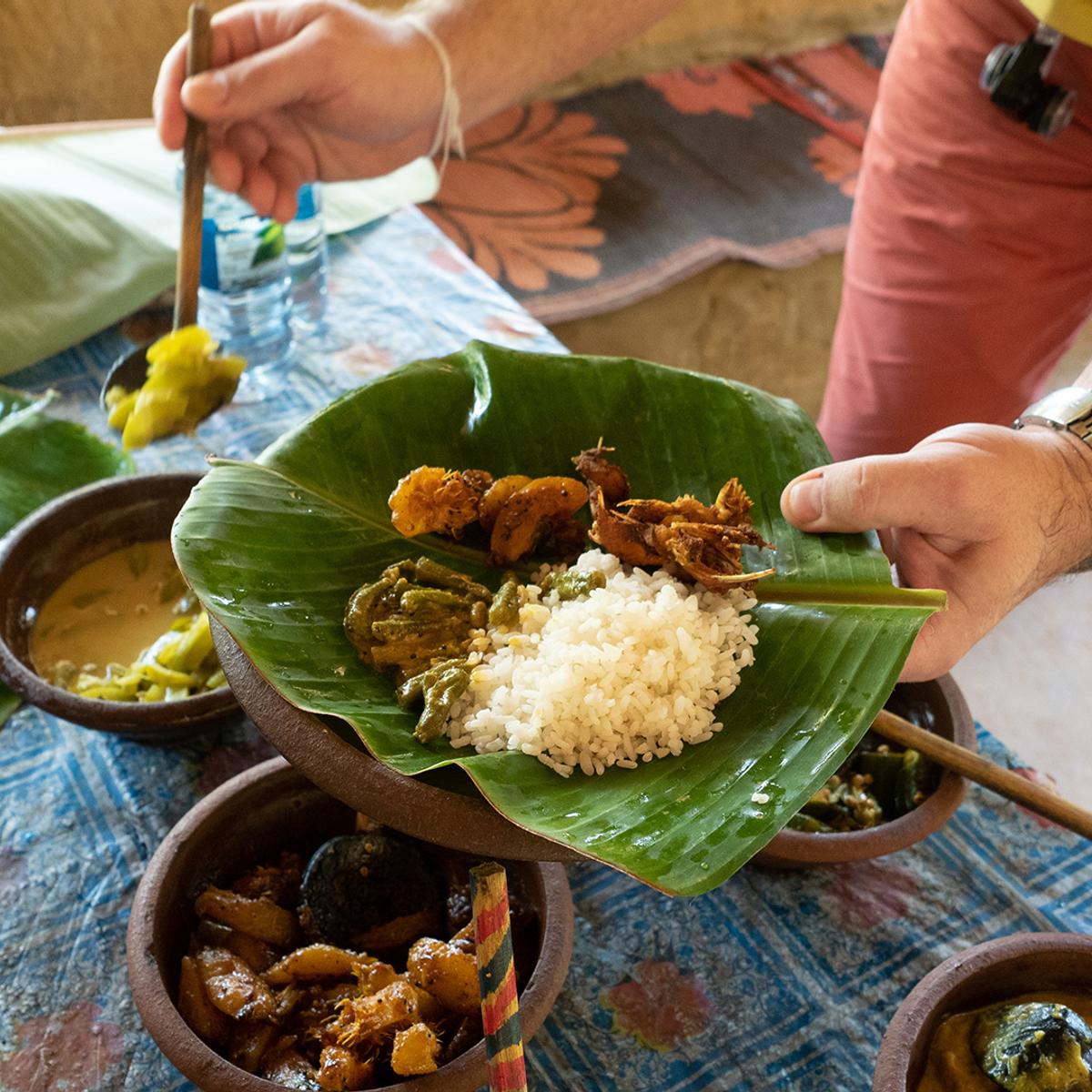
La nourriture elle-même vaut la peine d’être anticipée. Le pho, le banh mi et les stands de nourriture de rue du Vietnam. Les plats de riz et de curry du Sri Lanka. Les variations régionales de l’Inde – ce qui est dans l’assiette au Rajasthan est différent de ce que vous trouverez plus au sud. L’Égypte et l’Afrique offrent une restauration plus structurée, en particulier lors d’une croisière sur le Nil ou dans un lodge de safari, où les repas font partie du rythme quotidien. L’Espagne et le Portugal intègrent correctement la nourriture dans l’itinéraire – dégustations de tapas, expériences vinicoles dans la vallée du Douro et longs déjeuners qui reflètent le rythme de vie local.
6. Les sites célèbres sont parfois bondés
Les destinations de la plupart des itinéraires sont célèbres pour une bonne raison – et d’autres voyageurs le savent aussi. Même avec un accès guidé et une entrée chronométrée, la haute saison dans les principales attractions signifie des foules. Votre guide gérera le timing et la logistique pour tirer le meilleur parti de la visite, mais il vaut la peine d’entrer avec des attentes réalistes sur ce à quoi ressemblent les sites les plus visités au monde en personne.
La Sagrada Família à Barcelone, l’Alhambra à Grenade, les Pyramides de Gizeh, le Taj Mahal – tous sont extraordinaires, tous attirent un grand nombre de visiteurs. Arriver tôt, suivre les conseils de votre guide et passer moins de temps à s’inquiéter des foules rend l’expérience considérablement meilleure.



7. La flexibilité fait partie du fonctionnement des voyages
La météo, le trafic, les événements locaux et l’imprévisibilité générale des voyages signifient que de petits ajustements aux itinéraires se produisent parfois. Lorsqu’ils se produisent, les guides et les équipes de voyage travaillent pour maintenir les expériences clés en place. Voyager avec une certaine flexibilité dans vos attentes rend cela beaucoup plus facile à absorber – et conduit souvent à des moments imprévus qui se révèlent être des points forts.
La saison des pluies au Vietnam peut affecter les itinéraires côtiers. Les horaires de safari en Afrique varient en fonction de l’activité animale et des conditions des parcs. Les deux cycles de mousson distincts du Sri Lanka signifient qu’il est possible qu’il pleuve quelque part sur l’île à la plupart des moments de l’année. Des grèves de transport occasionnelles en Espagne peuvent affecter les transferts en ville. Dans tous les cas, l’équipe sur le terrain ajuste où cela est possible et maintient l’itinéraire en mouvement.
8. Votre guide fait une différence significative
Les guides font plus que pointer des choses. Ils fournissent le contexte historique et culturel qui transforme un monument en quelque chose de significatif, naviguent à travers les barrières linguistiques, gèrent la logistique et font ressortir des connaissances locales qui ne figurent pas dans les guides. Tirer le meilleur parti d’une destination est considérablement plus facile avec quelqu’un qui la connaît bien.
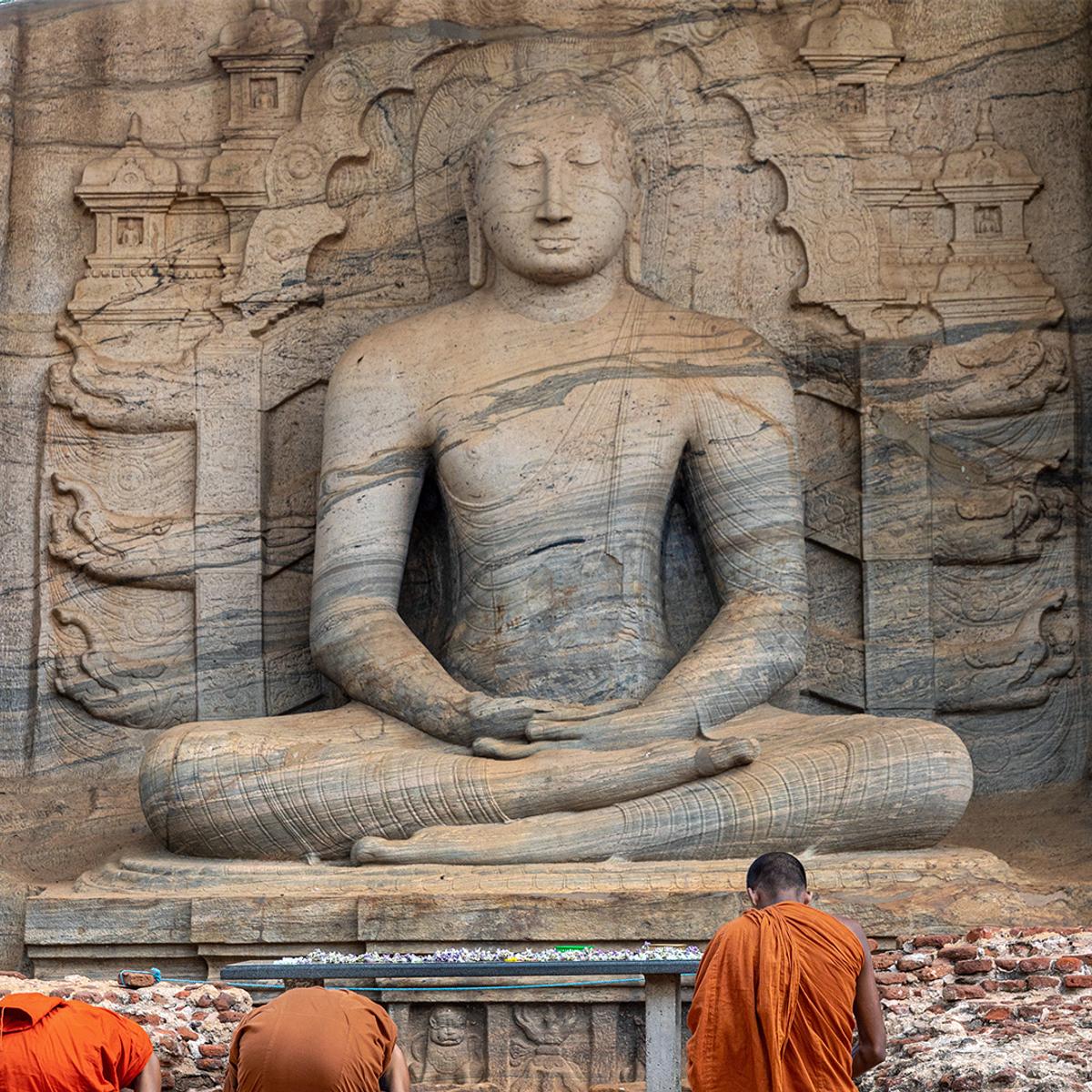
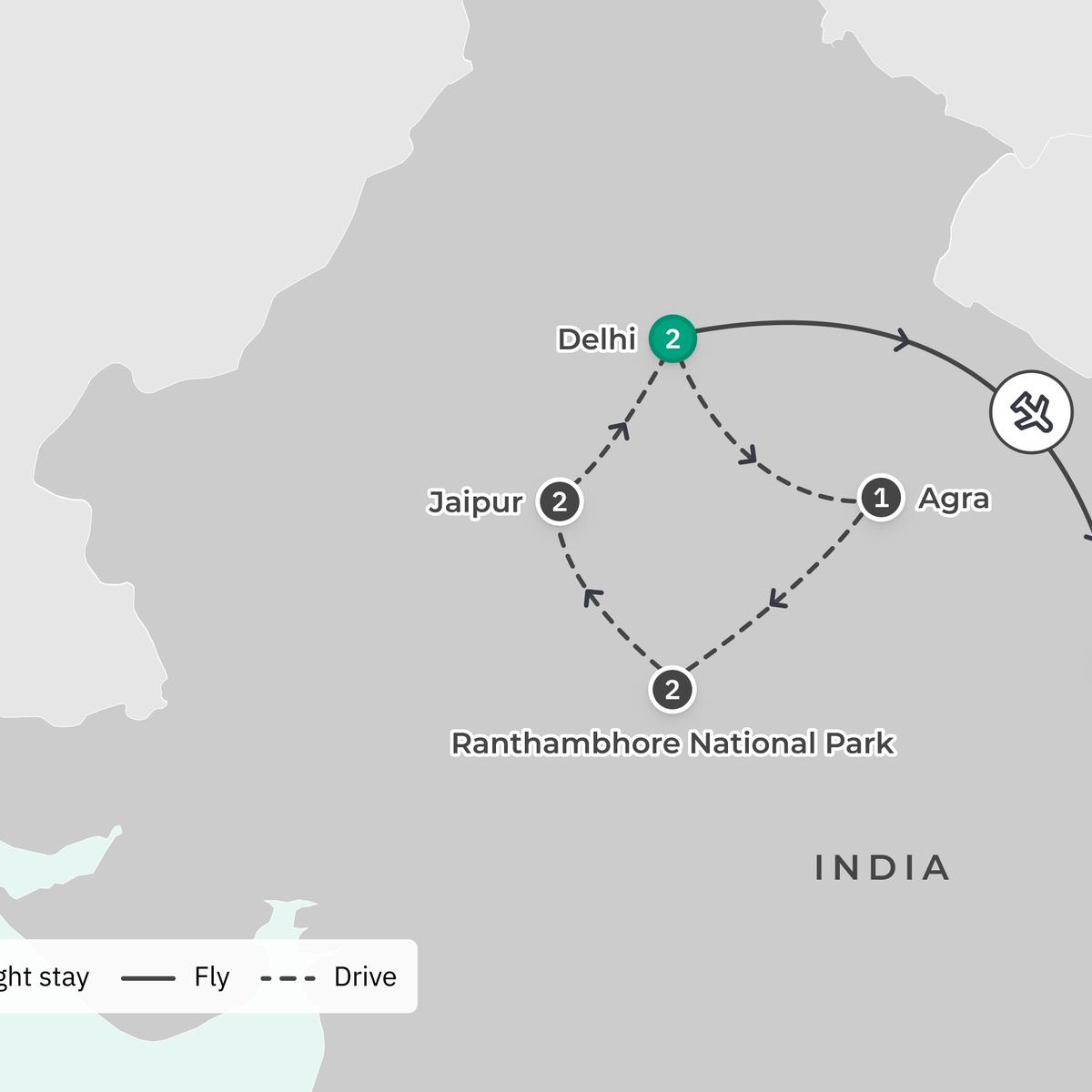
En Égypte, un guide égyptologue est ce qui fait la différence entre regarder des hiéroglyphes et réellement comprendre ce que vous voyez. Au Vietnam, l’histoire des tunnels de Cu Chi ou du Vieux Quartier à Hanoi a besoin de contexte pour être bien comprise. En Inde, les couches d’histoire moghole, rajput et coloniale à travers le Rajasthan sont suffisamment denses qu’un bon guide est essentiel plutôt qu’optionnel. À travers l’Afrique, les connaissances de votre guide de safari sur le comportement animal, le suivi et l’écosystème local façonnent chaque safari. Au Sri Lanka et en Espagne et au Portugal, le même principe s’applique – les lieux ont plus de sens et signifient plus avec quelqu’un qui peut les expliquer.
Il est bon de savoir comment les arrangements de guides diffèrent selon les styles de voyage :
Les voyages entièrement guidés incluent un directeur de voyage et un chauffeur dédiés qui voyagent avec le groupe pendant la plupart ou la totalité du voyage. Sur les voyages s’étendant sur plusieurs régions ou pays, différents directeurs de voyage peuvent diriger différentes sections. Les vols internes ne sont généralement pas escortés.
Les voyages partiellement guidés incluent un chauffeur et des guides locaux à des endroits spécifiques ou pour certaines portions du voyage. Différents guides rejoignent le voyage dans différentes destinations pour fournir une expertise régionale plutôt qu’un seul guide couvrant l’ensemble du parcours.
Les voyages autoguidés n’incluent pas de guide. Au lieu de cela, vous recevrez des notes de voyage détaillées avant le départ, avec l’hébergement, le transport et certaines activités pré-arrangées. C’est un style de voyage plus indépendant avec la structure déjà en place.
9. Le rythme d’un voyage peut varier
Les voyages Luxury Escapes sont classés en trois niveaux de rythme. Avant de réserver, il vaut la peine de consulter les descriptions d’activités pour votre itinéraire spécifique afin de vous assurer que le rythme convient à votre niveau de forme physique et à vos préférences de voyage.
La plupart des voyages impliquent de la marche – des promenades guidées en ville, des sites historiques, des expériences en nature et des terrains inégaux comme des pavés, des escaliers et des chemins où les véhicules ne peuvent pas accéder. Être à l’aise sur vos pieds pour des distances modérées est une base pour la plupart des itinéraires.
Relaxé Un rythme plus lent avec moins d’activités programmées chaque jour, des séjours plus longs dans chaque destination et plus de temps libre. Mieux adapté aux voyageurs qui préfèrent explorer à leur propre rythme sans un emploi du temps chargé.
Modéré Un équilibre entre visites, expériences culturelles et déplacements entre les destinations. Les promenades guidées, les visites de monuments et les excursions d’une journée sont typiques, souvent avec plus d’une nuit dans des lieux clés. Convient aux voyageurs ayant un niveau de forme physique raisonnable qui sont à l’aise pour explorer à pied.
Actif Un niveau d’activité plus élevé avec des déplacements fréquents entre les destinations et des activités presque tous les jours. Adapté aux voyageurs qui souhaitent couvrir plus de terrain et maintenir un rythme énergique tout au long du voyage.