-
-
-
-
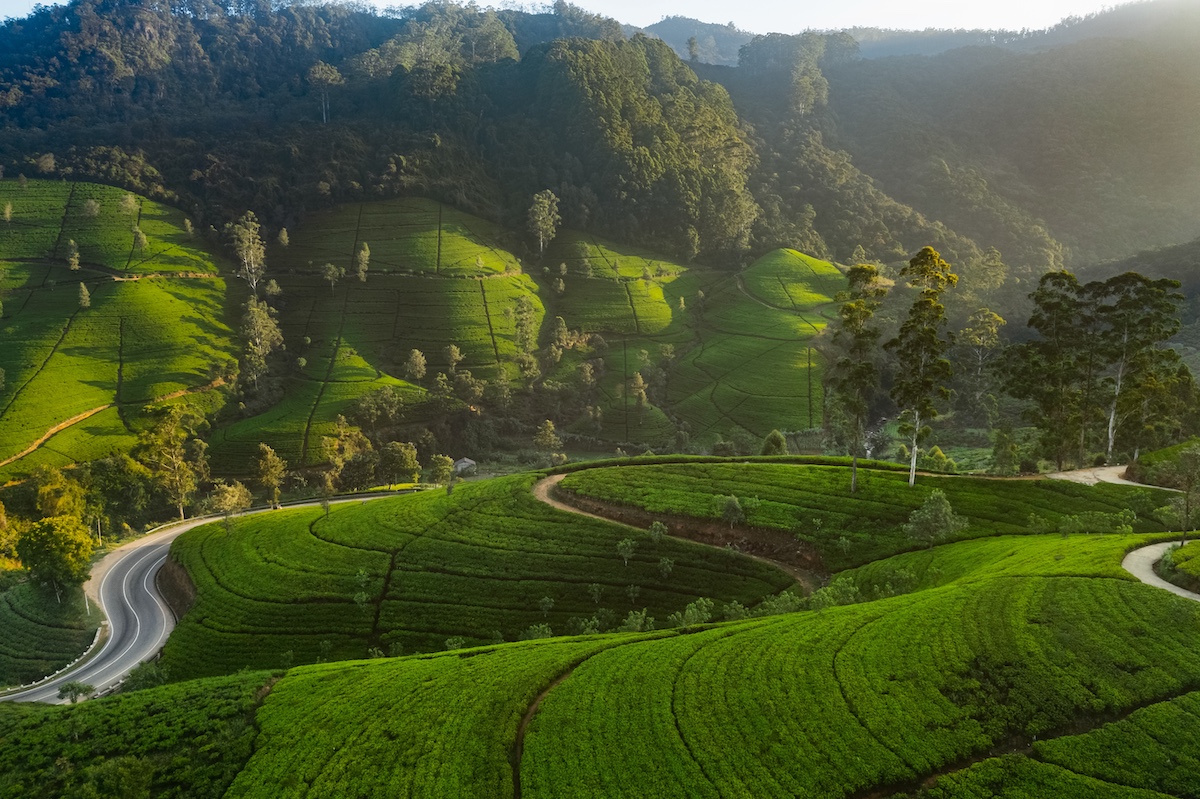
Région de Thé
-
-
Matera
-
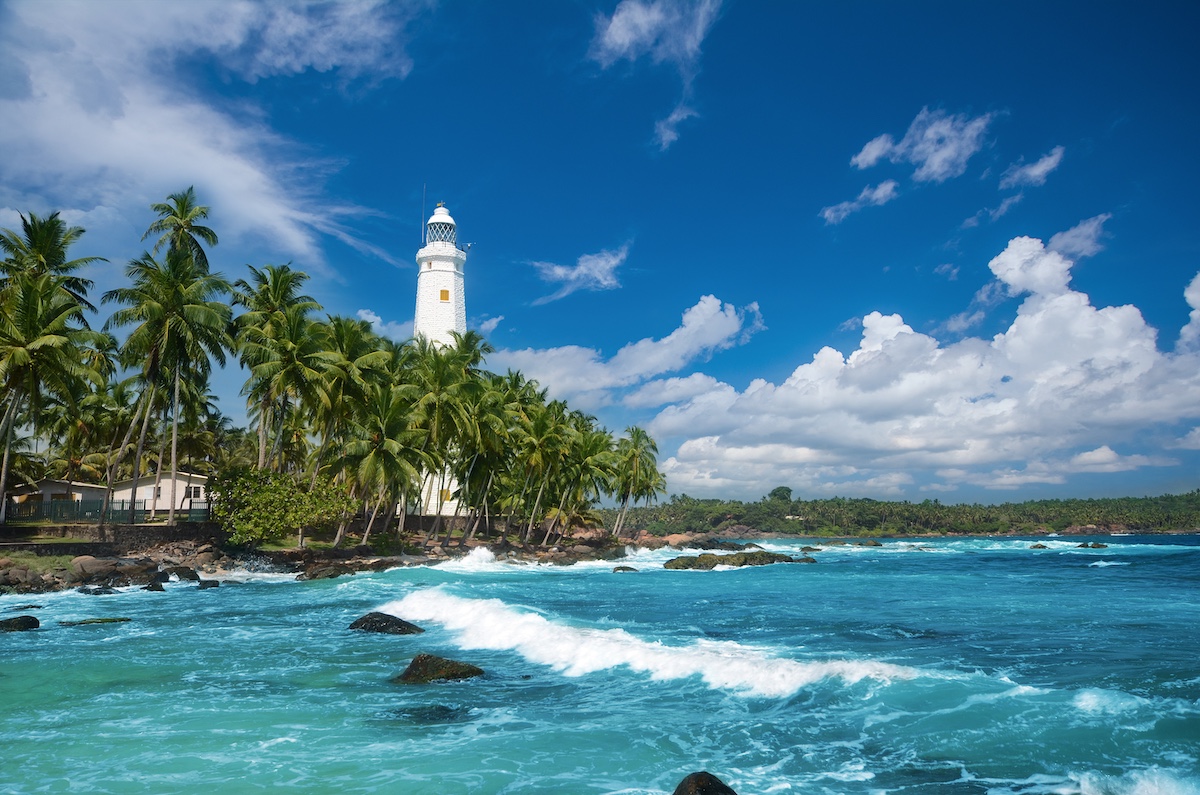
Galle
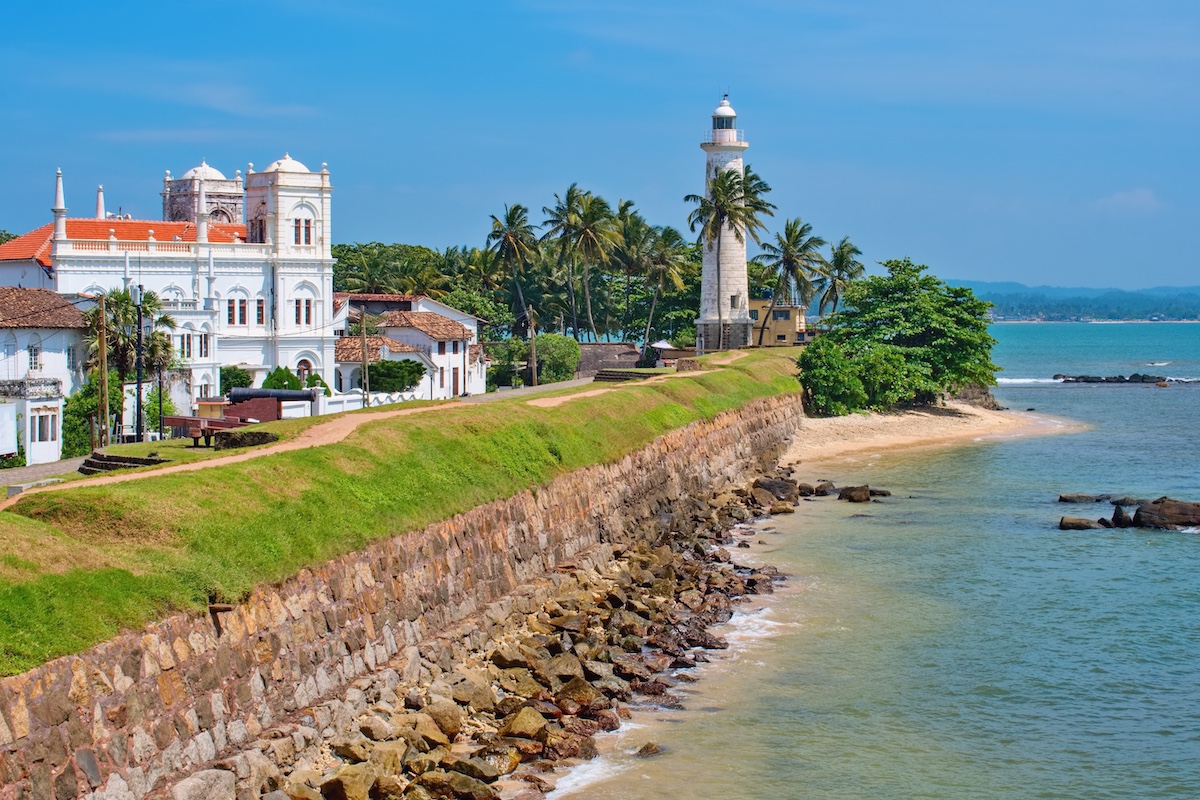





Sri Lanka ne tarde pas à vous séduire. Les distances sont courtes mais la variété est réelle – au sein d’un même itinéraire, vous pouvez traverser des complexes de temples anciens, des régions de thé brumeuses, des plaines côtières et des réserves de faune. C’est l’une des destinations les plus gratifiantes pour les visiteurs de première fois, à condition que les attentes soient bien définies dès le départ.
Voici ce qu’il est utile de savoir avant de partir pour votre tournée au Sri Lanka.
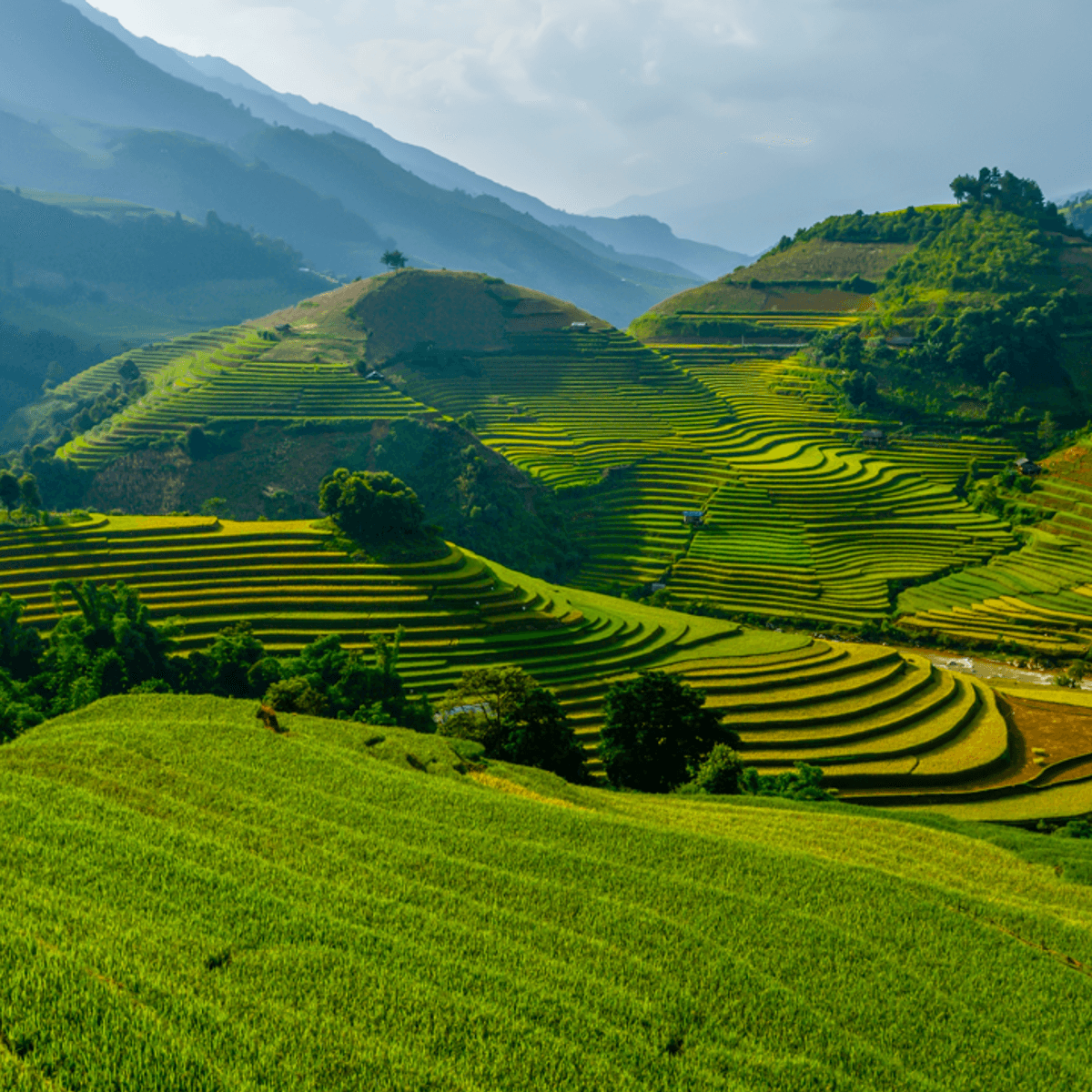



1. Petite île, distances significatives
La taille compacte du Sri Lanka est trompeuse. Les routes à travers les régions montagneuses sont étroites et sinueuses, et le trafic urbain ajoute du temps aux trajets qui semblent simples sur le papier. De courtes distances peuvent s’étendre sur plusieurs heures de voyage. La plupart des trajets passent par des plantations de thé, des villages ruraux et des paysages montagneux – le voyage lui-même vaut généralement le temps. Si les routes sinueuses sont un problème pour vous, il vaut la peine d’emporter des médicaments contre le mal des transports avant les sections de montagne de l’itinéraire.
‘Nous avons tiré le bon numéro. La tournée parfaite, qui avait les paysages les plus incroyables, vraiment remarquables, un guide incroyable et le groupe de personnes les plus fabuleuses qui sont devenues les meilleurs amis du jour au lendemain,’
– James B, Luxury Escapes Tournée de 12 Jours Meilleur du Sri Lanka + Séjour de 5 Nuits Tout Inclus dans une Villa sur Pilotis aux Maldives
2. L’hébergement peut parfois changer
La popularité du Sri Lanka en tant que destination touristique a rapidement augmenté, et les hôtels dans certaines régions se remplissent vite – particulièrement pendant les périodes de pointe. Si votre hébergement initial n’est pas disponible en raison de la disponibilité, de rénovations ou de conditions météorologiques, une alternative de qualité comparable sera arrangée. C’est relativement courant dans les itinéraires au Sri Lanka et cela affecte rarement l’expérience globale.

3. Le train à travers les régions montagneuses vaut le détour
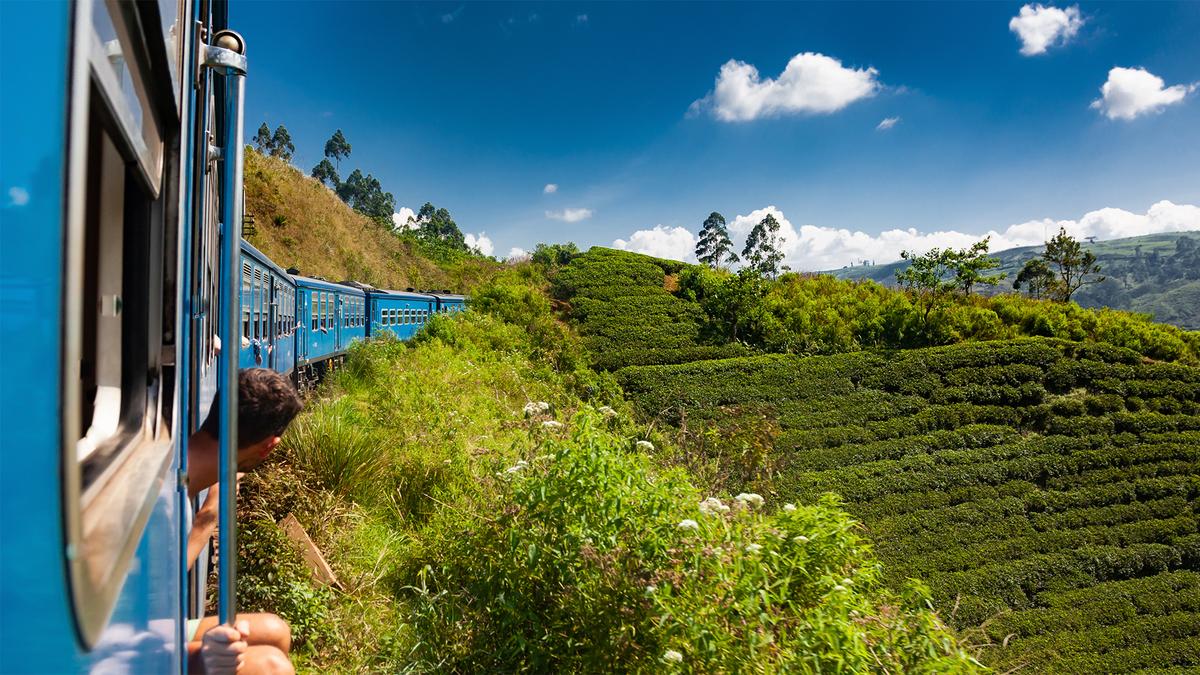
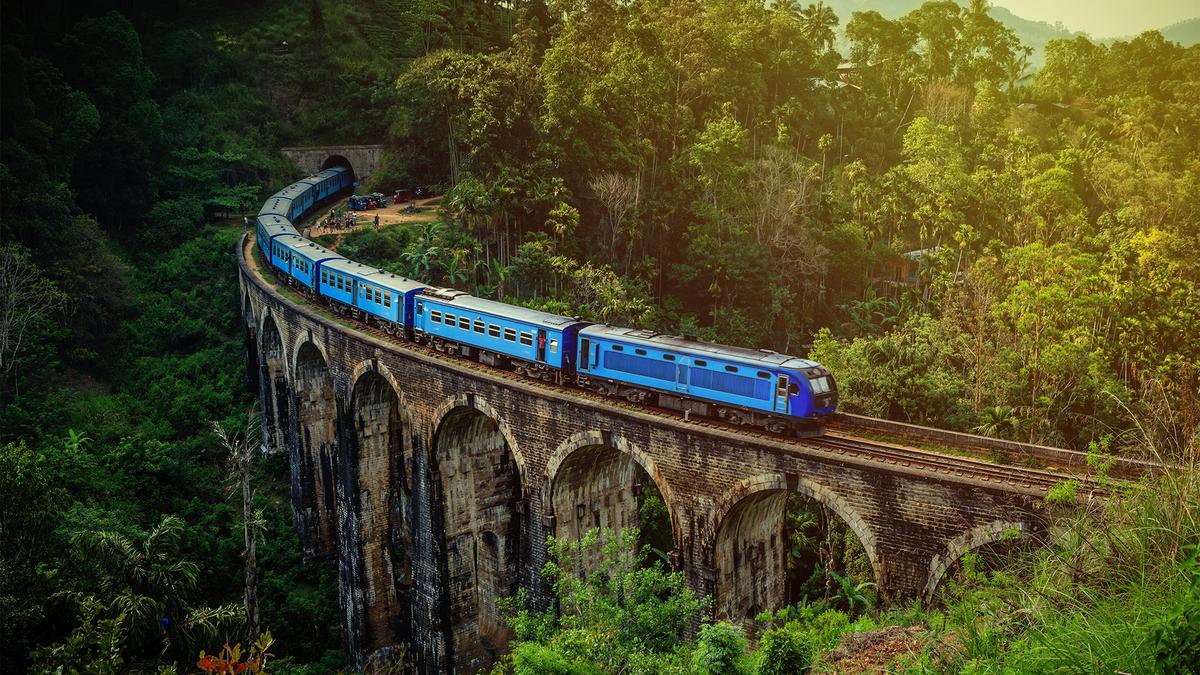
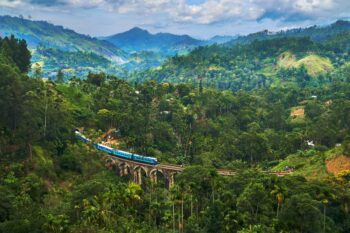
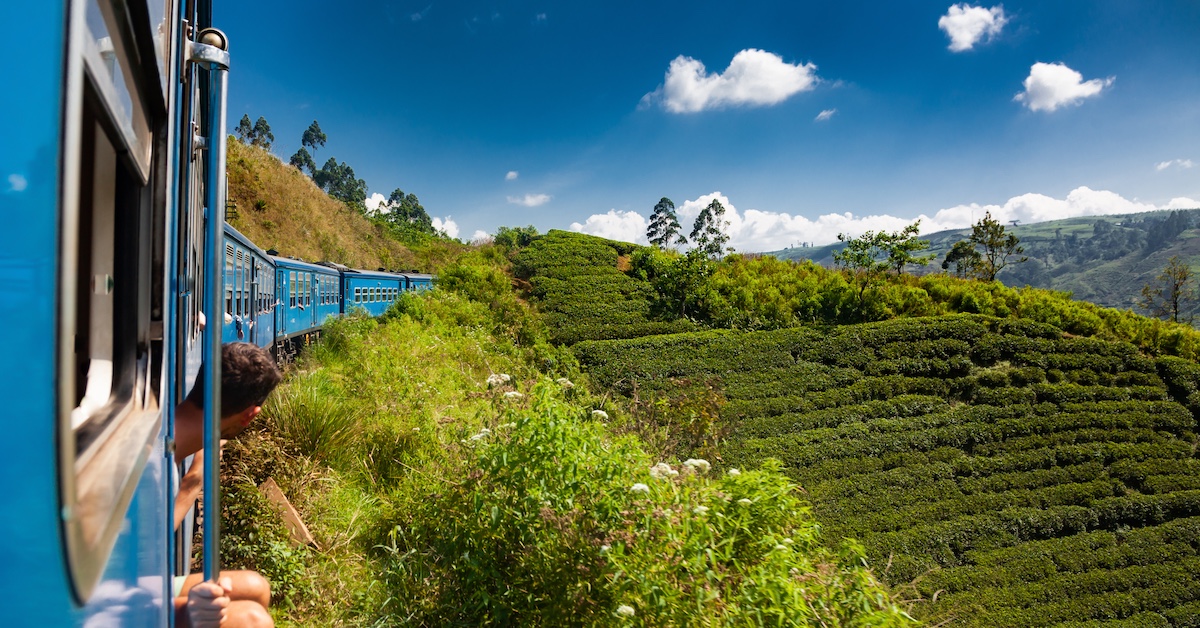
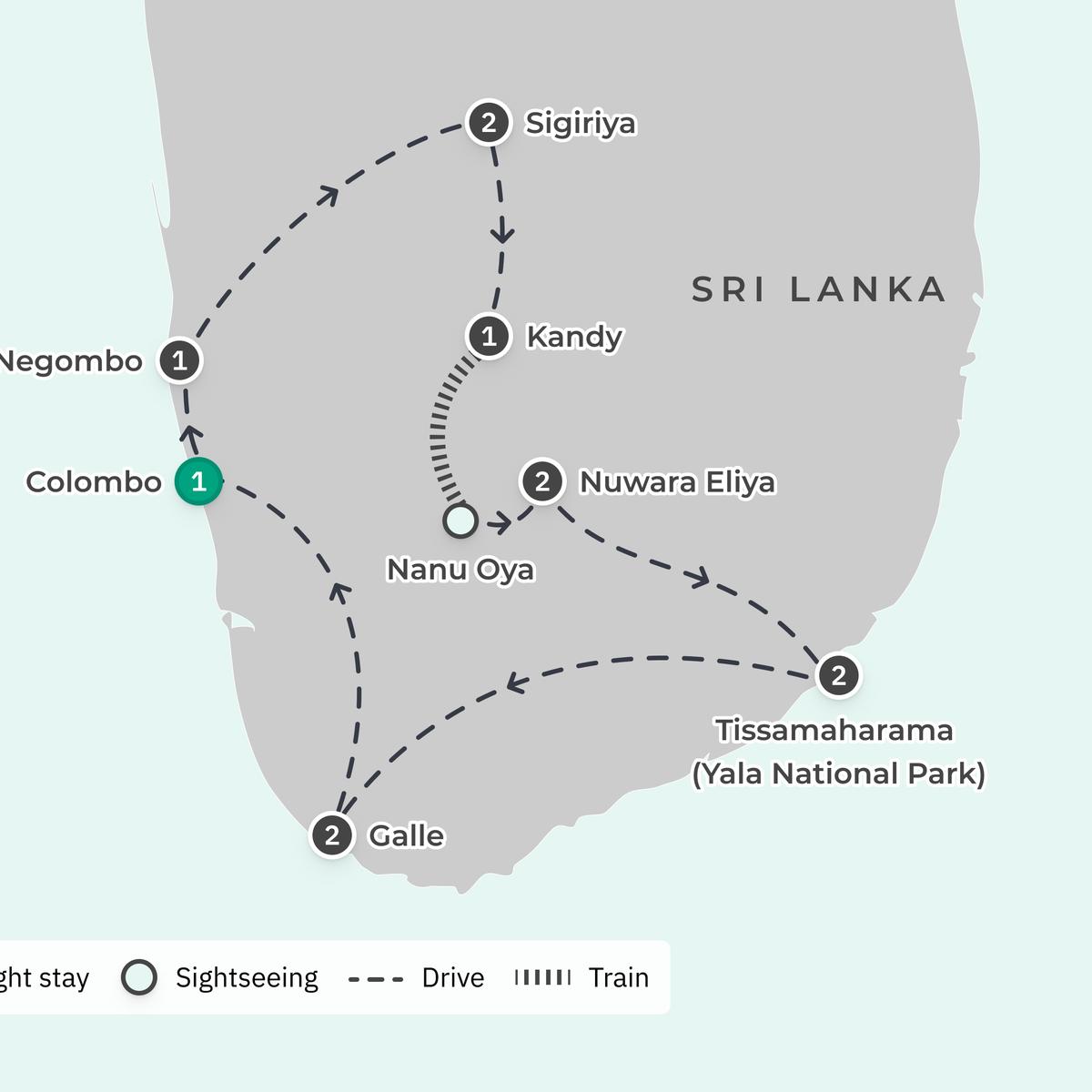
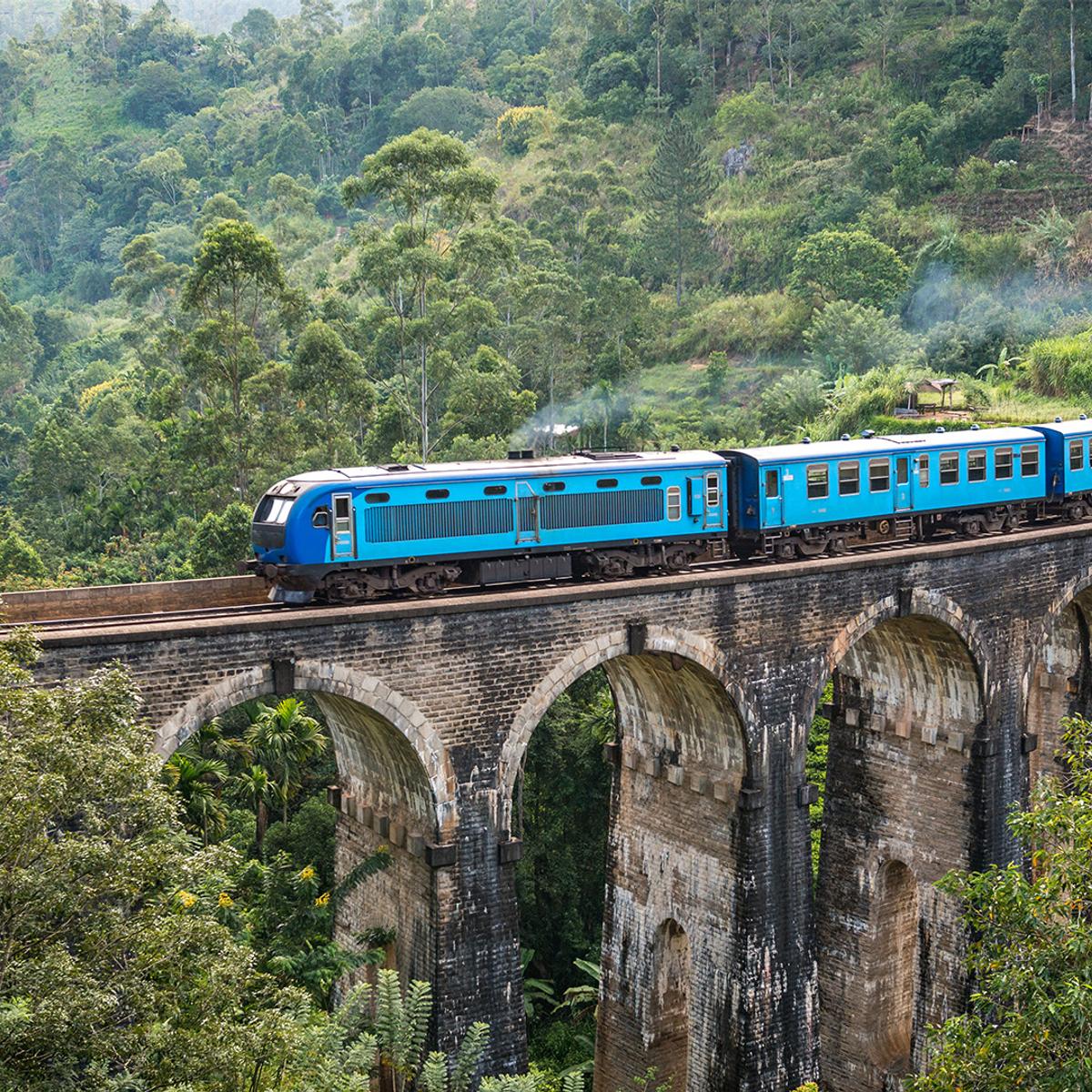
Le voyage en train entre Kandy, Nuwara Eliya et Ella est l’un des itinéraires de train panoramiques les plus connus dans cette partie du monde – des plantations de thé, de la brume de montagne et des paysages ouverts défilant à un rythme qui vous permet de vraiment en profiter. Les arrangements de sièges peuvent varier en fonction de la disponibilité ; dans certains cas, vous pouvez vous retrouver dans des sections de visionnage à porte ouverte, ce que la plupart des voyageurs considèrent de toute façon comme la meilleure option.
4. La nourriture récompense la curiosité
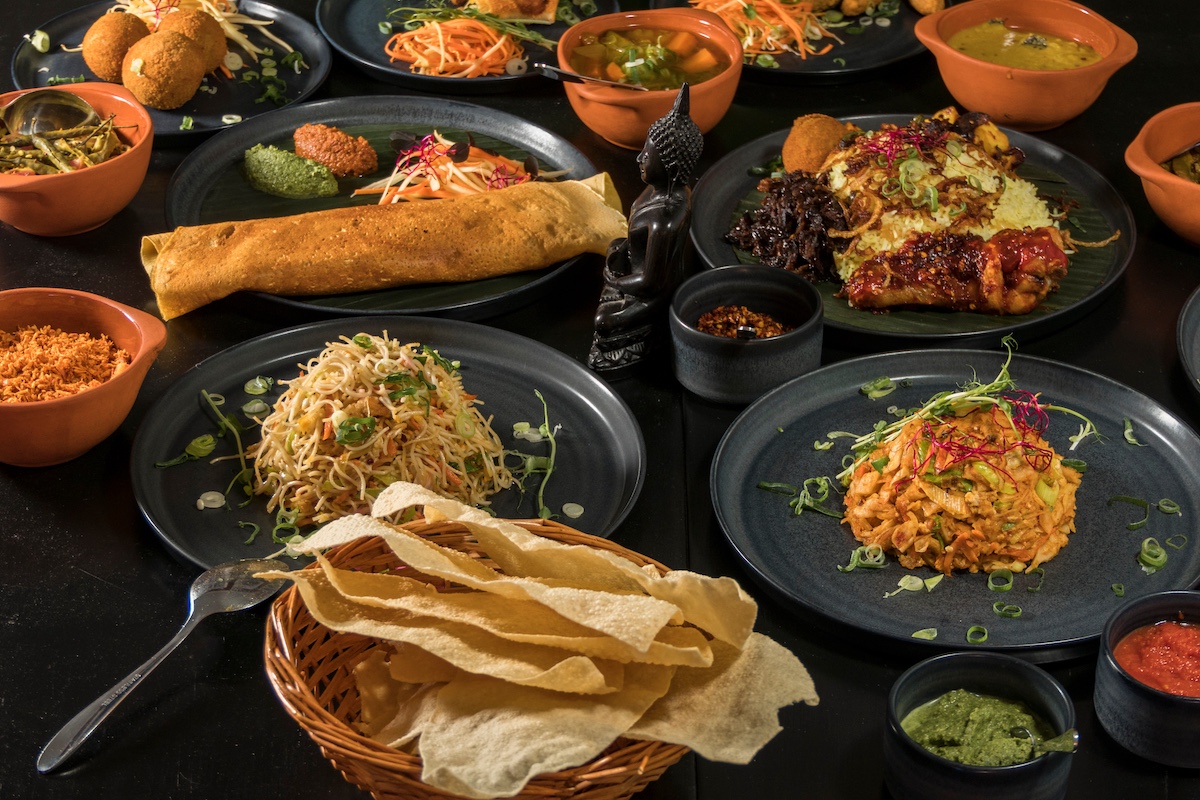
La cuisine sri-lankaise est centrée sur le riz, la noix de coco, les fruits de mer et les épices – distincte de la cuisine indienne malgré quelques ingrédients partagés, et suffisamment variée à travers les régions pour rester intéressante tout au long du voyage. Les repas sont généralement servis avec plusieurs plats plutôt qu’une seule assiette, et la combinaison de saveurs tend à être l’une des choses que les voyageurs retiennent le plus. Les fruits tropicaux, les fruits de mer frais sur la côte et le thé fort dans les montagnes valent tous la peine d’être recherchés.
5. Les tuk-tuks sont le transport par défaut pour les courtes distances
Les trois-roues sont partout – dans les villes, les villages, aux entrées des temples, sur les plages. À Colombo et dans les grandes villes, beaucoup utilisent des compteurs ; ailleurs, convenir d’un tarif à l’avance est standard. Des applications de covoiturage fonctionnent dans certaines villes et offrent une alternative simple. Votre guide vous orientera sur l’approche pratique pour chaque zone.
6. Votre guide façonne l’expérience de manière significative
L’histoire du Sri Lanka traverse les anciens royaumes cinghalais, les périodes coloniales portugaise et néerlandaise, la domination britannique et une histoire post-indépendance qui est encore en cours. Sans contexte, beaucoup de sites sont des structures impressionnantes. Avec, ils deviennent quelque chose de plus. Un bon guide fait la différence – et les guides sri-lankais ont tendance à être véritablement compétents et engagés plutôt que de simplement réciter un script.
‘La tournée elle-même a dépassé nos attentes grâce à notre guide touristique Manoj. Il est extrêmement compétent et passionné par son pays, ce qui a fait de ce voyage non seulement des vacances mais une expérience d’apprentissage culturel. Je ne peux pas le noter assez hautement,’
– Tracey G, Luxury Escapes Deluxe Tournée de 12 Jours Meilleur du Sri Lanka avec Dambulla, Parc National de Yala & Séjour 5 Étoiles à Galle
7. La taille des groupes varie selon le départ
Le nombre de participants varie en fonction de la date de départ et du style de tournée. Des groupes plus petits permettent un rythme plus flexible ; des groupes plus grands apportent leur propre dynamique sociale. Vérifiez la page de l’offre de votre tournée spécifique pour la taille maximale du groupe avant de voyager.
8. Les sites religieux ont des exigences spécifiques
Le Sri Lanka a un fort héritage bouddhiste et la plupart des itinéraires incluent plusieurs visites de temples. Les épaules et les genoux doivent être couverts – pour les hommes et les femmes – et les chaussures doivent être enlevées avant d’entrer dans les terrains des temples. Les sols en pierre chauffent considérablement pendant la journée ; une paire de chaussettes dans votre sac à dos résout rapidement ce problème. Les règles de photographie varient selon le site ; votre guide vous conseillera sur ce qui s’applique où.
Les statues de Bouddha sont traitées avec un respect particulier – votre guide donnera des conseils spécifiques le cas échéant.
9. La négociation fait partie de la culture du marché
Dans les marchés et les stands de rue, les prix d’ouverture pour les visiteurs sont souvent plus élevés que le prix de vente attendu. Négocier est normal et anticipé – une approche détendue et de bonne humeur fonctionne mieux qu’une négociation agressive. Si vous n’êtes pas sûr du prix que quelque chose devrait coûter, votre guide est un point de référence utile.
10. Les observations de la faune dépendent des conditions
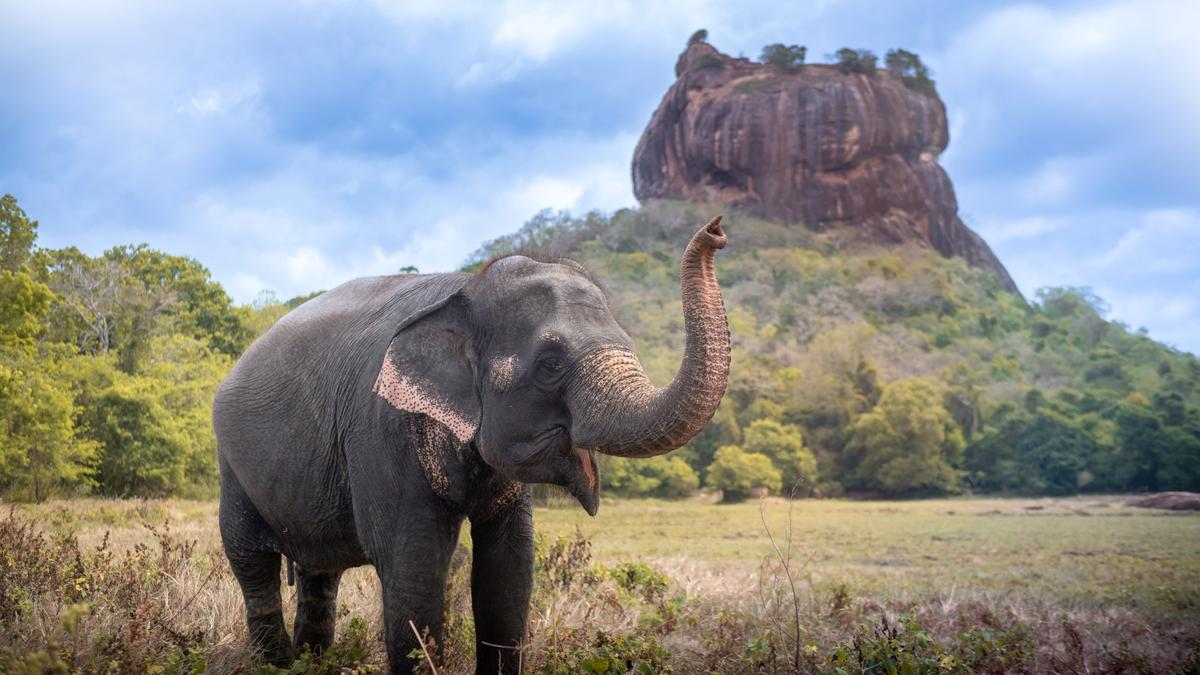
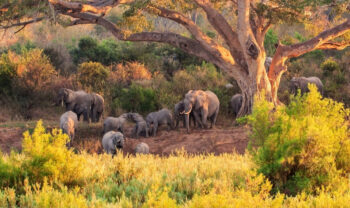
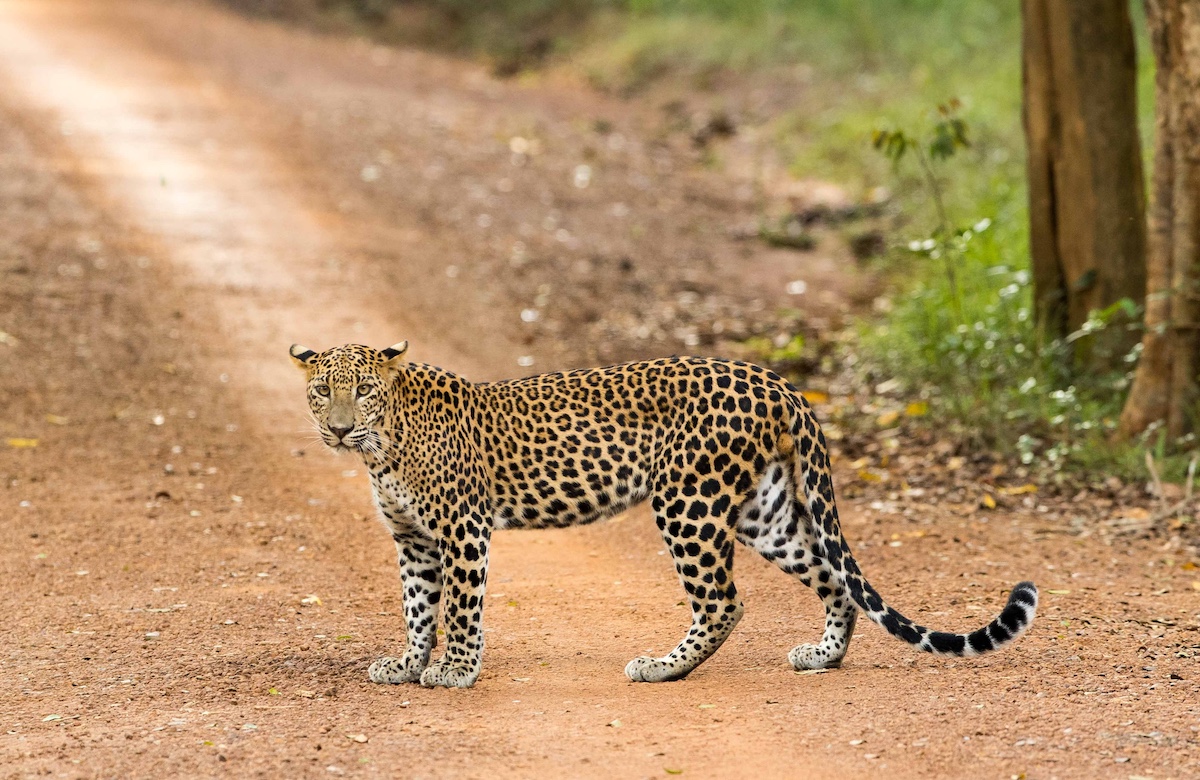
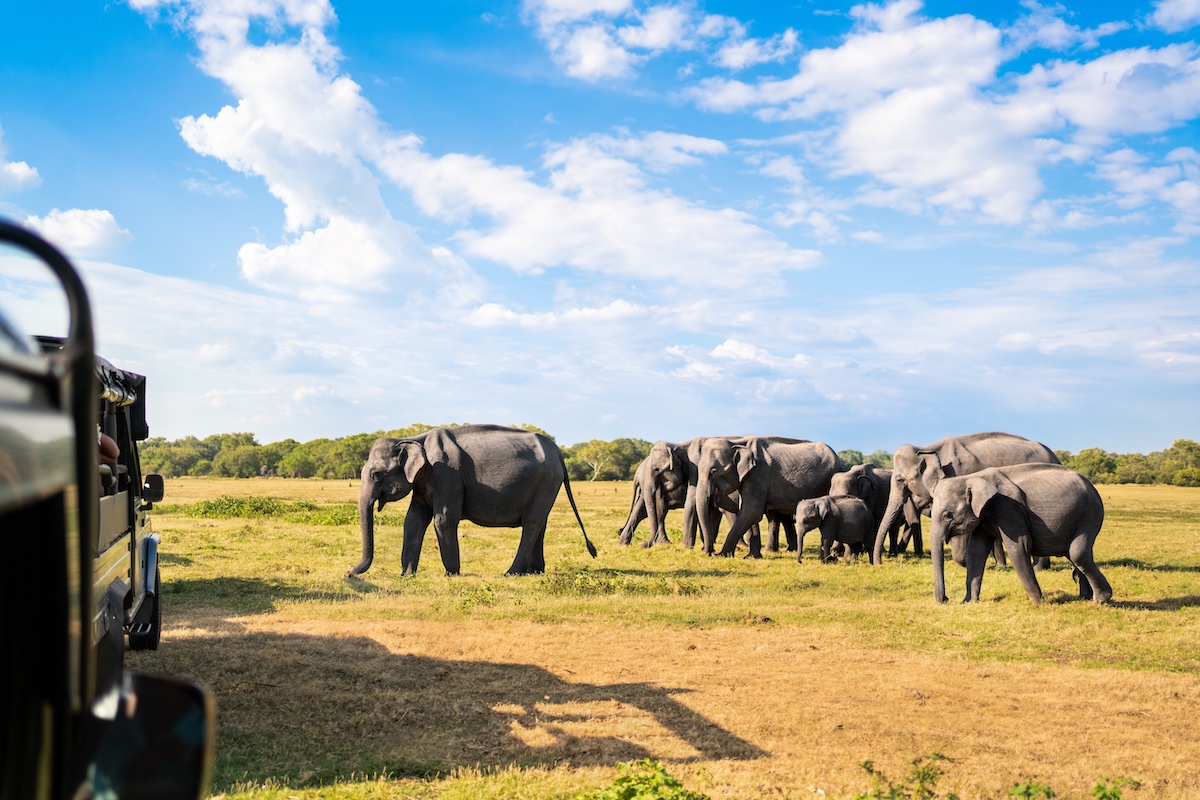
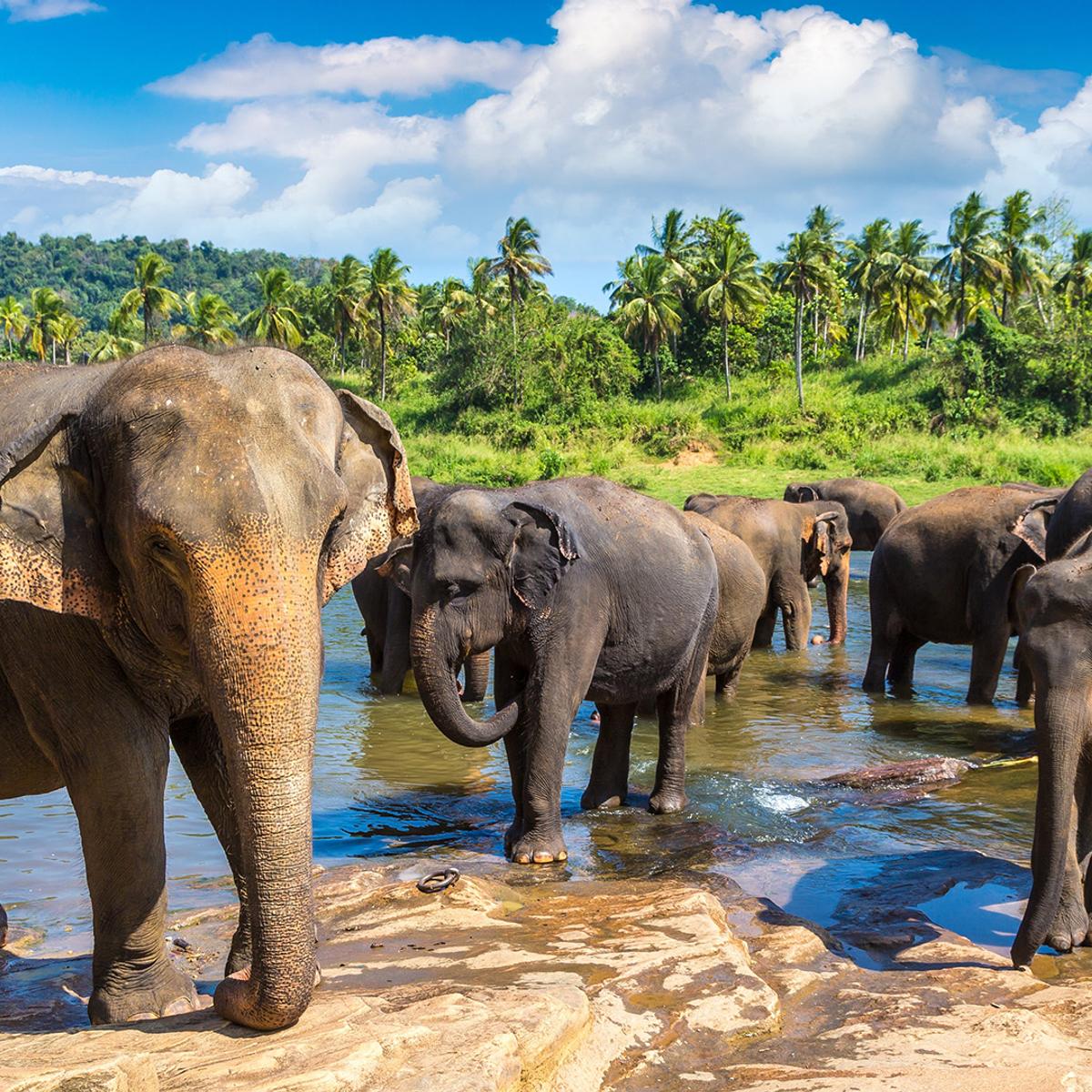
Les parcs nationaux du Sri Lanka – en particulier Yala et Udawalawe – offrent de réelles opportunités de voir des éléphants, des léopards, des crocodiles et une large gamme d’oiseaux. Les observations varient selon la saison, l’heure de la journée et la simple chance. Les parcs peuvent être occupés avec plusieurs véhicules couvrant le même terrain. Abordez cela avec patience plutôt qu’avec une liste d’espèces et l’expérience sera satisfaisante, peu importe ce qui apparaît.
Gardez vos distances avec la faune en dehors des parcs également – les singes et autres animaux sont courants autour des temples et des villes et il est préférable de les observer plutôt que de s’en approcher ou de les nourrir.
11. Deux saisons de mousson, deux parties différentes de l’île
Le climat du Sri Lanka fonctionne sur deux cycles de mousson distincts affectant différentes régions à différents moments de l’année. En pratique, cela signifie qu’il est possible qu’il pleuve quelque part sur l’île à la plupart des moments de l’année – mais ce n’est rarement le genre de pluie qui dure toute la journée et perturbe le voyage. Une légère veste de pluie vaut la peine d’être emportée, peu importe quand vous voyagez. Les matins dans les régions montagneuses peuvent également être vraiment frais, ce qui surprend certains visiteurs.
12. Les pourboires sont attendus et significatifs
Le pourboire est une pratique standard dans l’industrie du tourisme au Sri Lanka. Le personnel des hôtels, les travailleurs des restaurants, les porteurs et les chauffeurs de safari sont généralement pourboires dans le cadre d’une tournée normale. Pour les guides et les chauffeurs spécifiquement, la norme de l’industrie se situe autour de 12 à 15 USD par personne et par jour – cela n’est pas inclus dans la plupart des forfaits et vaut la peine d’être budgété avant de voyager. Votre guide fournira des conseils pratiques pendant le voyage.
13. Ayez de l’argent liquide pour les dépenses quotidiennes
Les cartes fonctionnent dans les grands hôtels et restaurants, mais l’argent liquide est ce qui fait avancer les choses dans les marchés, les restaurants locaux et les petits magasins. Des distributeurs automatiques sont disponibles dans les villes et les zones touristiques pour retirer des roupies sri-lankaises. Les petites coupures sont plus pratiques – les grosses coupures ne sont pas toujours acceptées chez les petits vendeurs.
14. Une carte SIM locale vaut la peine d’être récupérée à votre arrivée
Les données mobiles au Sri Lanka sont abordables et la couverture est fiable dans la plupart des régions de l’île. Les cartes SIM sont disponibles à l’aéroport et dans les villes. Un e-SIM configuré avant le départ est une alternative pratique si vous préférez arriver connecté. Quoi qu’il en soit, avoir des données locales facilite considérablement la navigation et la communication tout au long du voyage.
15. Vérifiez vos exigences en matière d’ETA et de santé avant de voyager
La plupart des visiteurs ont besoin d’une Autorisation de Voyage Électronique arrangée avant d’arriver au Sri Lanka – facile à demander en ligne, mais ce n’est pas quelque chose à laisser à la dernière minute. Un rendez-vous dans une clinique de santé de voyage avant le départ vaut également la peine d’être réservé pour des conseils sur les vaccinations pertinentes pour votre itinéraire spécifique.
16. Il y a plus à ajouter avant de partir
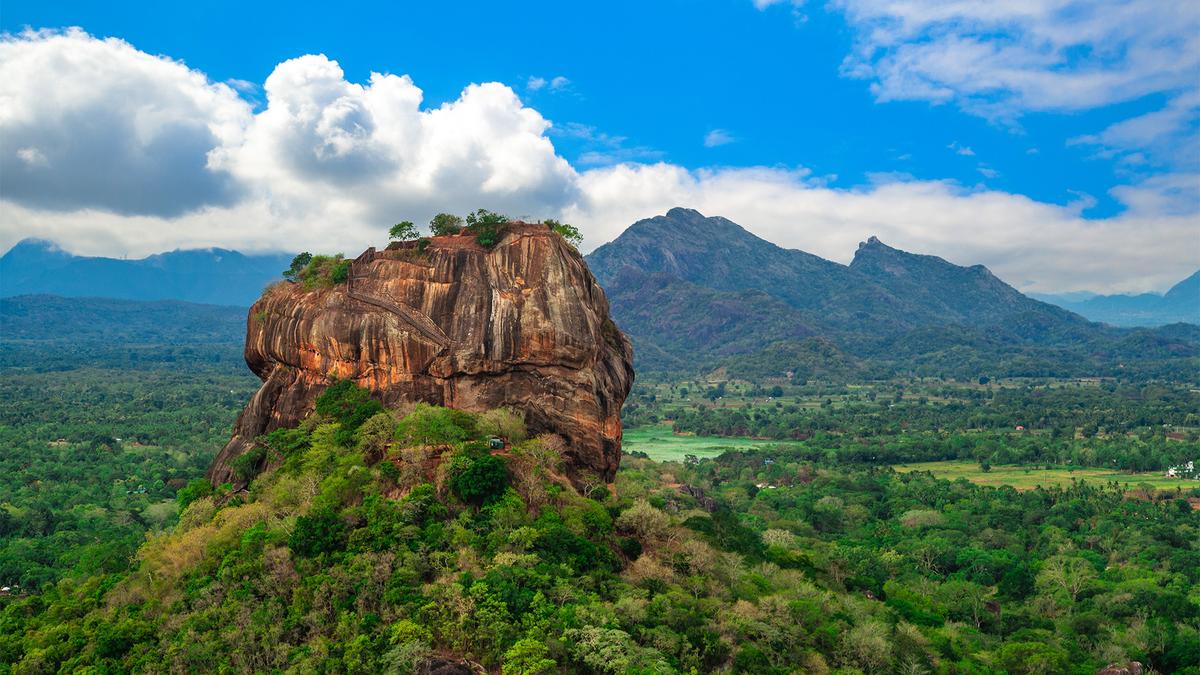
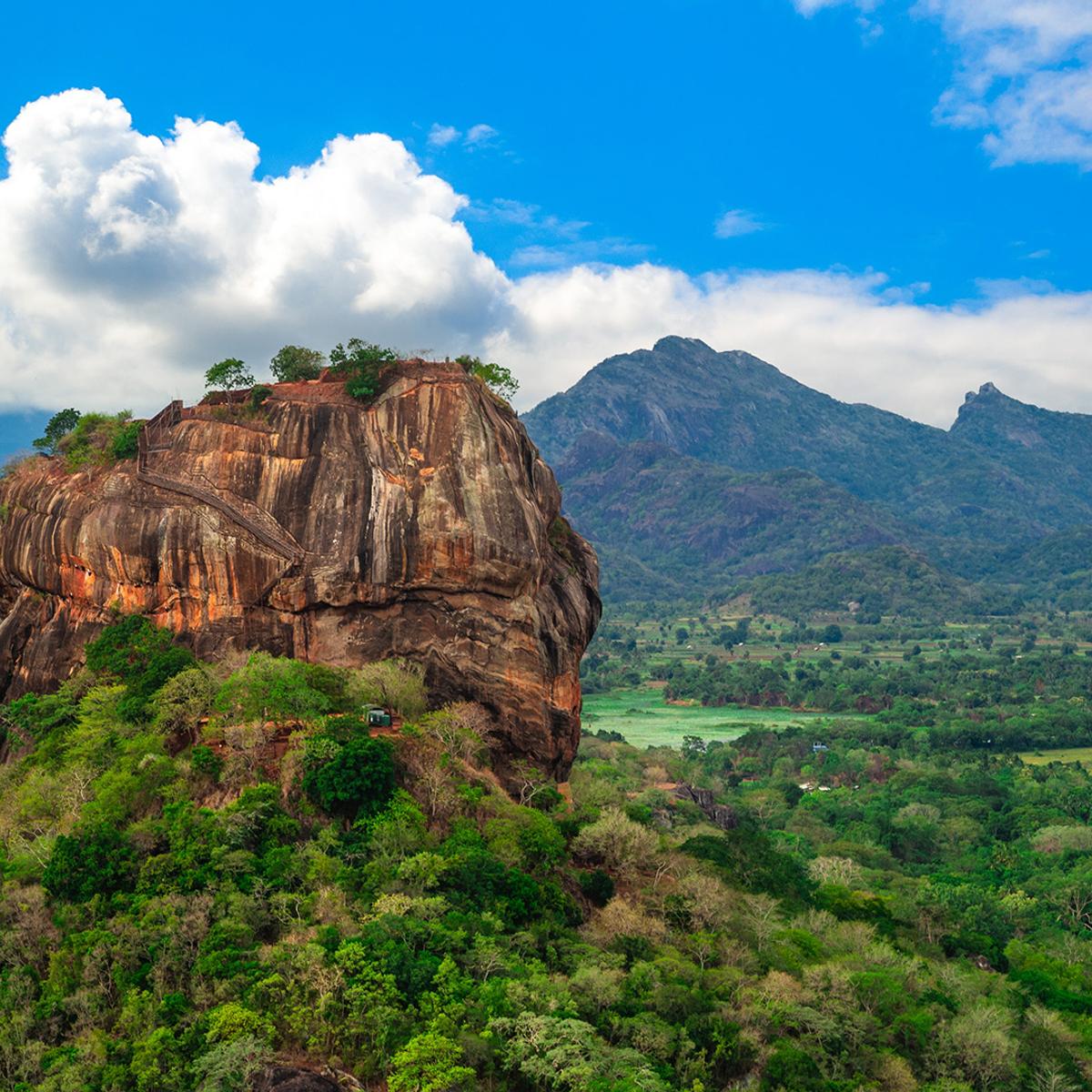
Un safari l’après-midi dans le Parc National de Yala est l’un des ajouts optionnels remarquables de toute tournée au Sri Lanka — les observations de léopards y sont plus fréquentes que presque partout ailleurs dans le monde. Au-delà de Yala, une montée au lever du soleil à Sigiriya avant que la chaleur ne s’installe et un cours de cuisine pratique dans une maison à Kandy valent également la peine d’être réservés à l’avance. Explorez les expériences optionnelles disponibles pour votre tournée au Sri Lanka sur My Escapes.
Que prendre pour votre tournée au Sri Lanka
Des vêtements légers et respirants conviennent à la plupart du voyage.
Ajoutez une couche chaude pour les matins et soirées en montagne, des chaussures de marche confortables pour les visites de temples et de sites, des chaussettes pour les sols chauds des temples en pierre, de la crème solaire, un chapeau, un insectifuge et une bouteille d’eau réutilisable.
L’eau du robinet n’est pas potable – de l’eau en bouteille est disponible tout au long du voyage.
Voyager léger est plus important qu’il n’y paraît ; vous allez vous déplacer régulièrement entre les destinations, et un bagage gérable rend chaque transfert plus facile.