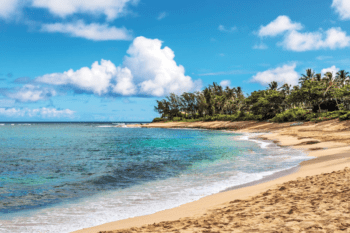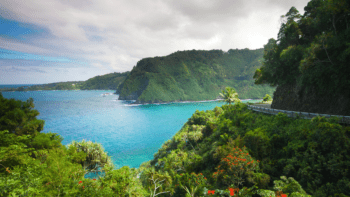
A string of islands, each with its own pace, landscape and way of spending a morning: choosing the right Hawaiʻi island for your trip takes a little planning. On one, you may wake to the hum of a city over the sea. On another, you might be roused by roosters, rain-washed green and a single road winding toward a waterfall.
So the useful question is not “Where is the best place to stay in Hawaiʻi?” but “Which island suits the trip I want?” Once you decide on that, choosing a base and a hotel gets much easier. This guide takes you through both steps.
Which Hawaiian island should you stay on?
Each island rewards a different kind of traveller. Here is a quick way to compare them.
| Island | Best for | Where to base yourself | Choose if |
| Oʻahu | A mix of city, beaches, dining and history | Waikīkī and Honolulu; North Shore; Kō Olina | You want Honolulu’s restaurants, shopping and history alongside the beach |
| Maui | Resort stays and varied landscapes | Wailea; Kāʻanapali; Hāna | Your idea of Hawaiʻi is a resort stay with room to explore |
| Kauaʻi | Dramatic scenery and a slower pace | Poʻipū (South Shore); Princeville and Hanalei (North Shore) | You are after dramatic scenery and a slower-paced trip |
| Island of Hawaiʻi (Big Island) | Varied landscapes and longer drives between regions | Kona; Kohala Coast; Hilo | Travelling during your trip doesn’t faze you |
| Lānaʻi and Molokaʻi | Peace and quiet, with fewer tourists | For Lānaʻi: Lānaʻi City (the small upland town); Mānele Bay and Hulopoʻe Beach (the resort coast) For Molokaʻi: Kaunakakai (the main town); the West End; the East End | You want something quieter (but check hotel options before you commit) |
An important note: Hawaiʻi tempts you to collect islands, but inter-island travel takes planning, and a short trip rarely does justice to more than one or two. You will almost always be happier choosing one island and doing it properly.
Oʻahu: Waikiki Beach, Diamond Head and serious surf
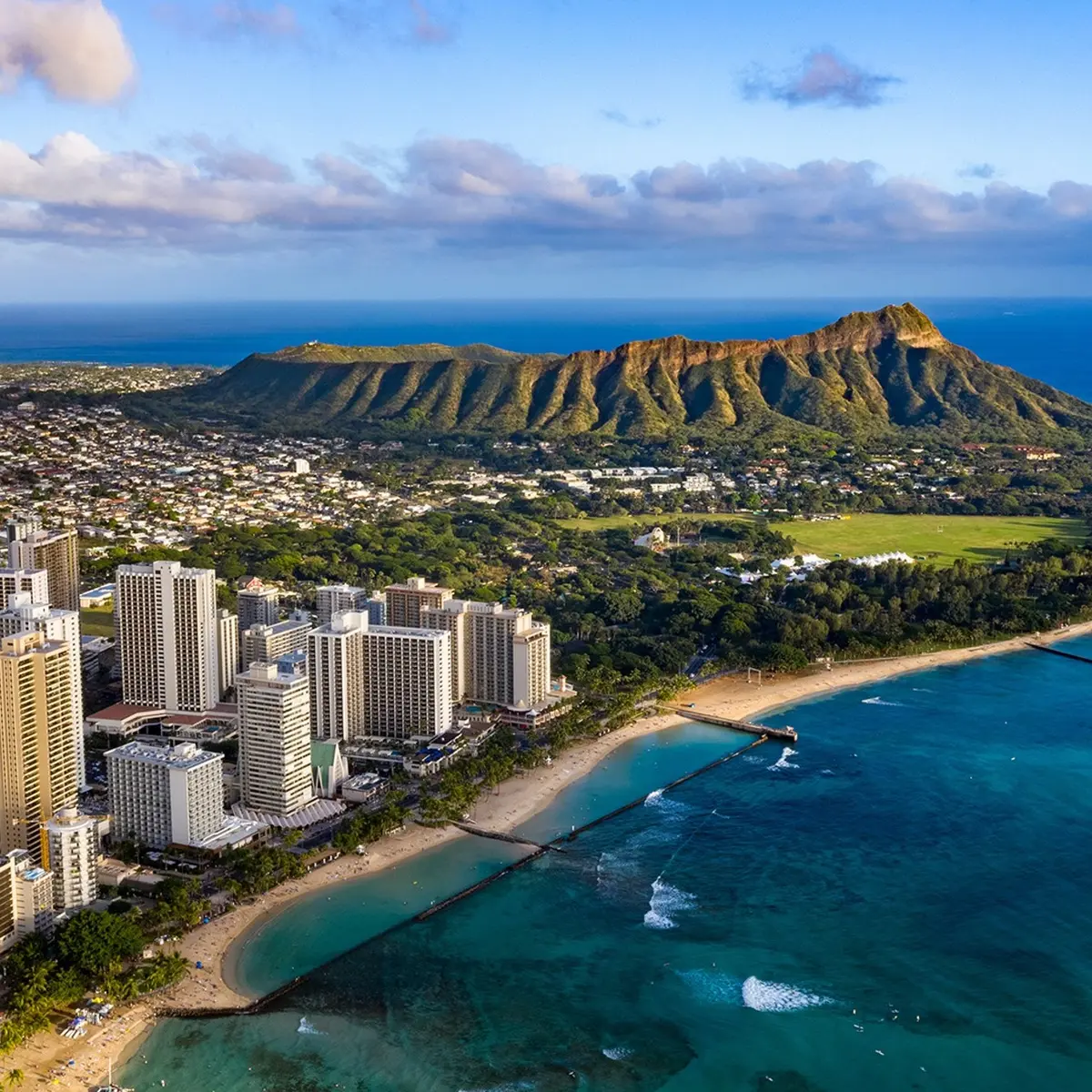
Oʻahu is the most versatile of the islands. It offers a capital city, a famous curve of shoreline, a surf-town coast and a quieter resort pocket.
Waikīkī and Honolulu
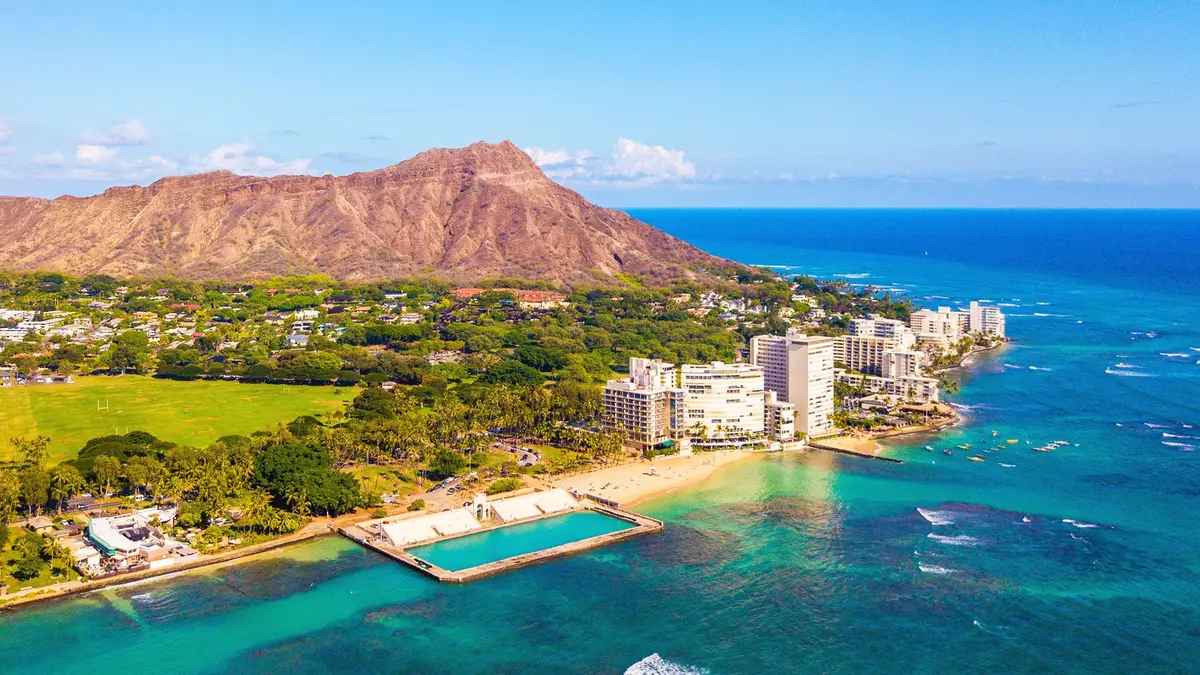
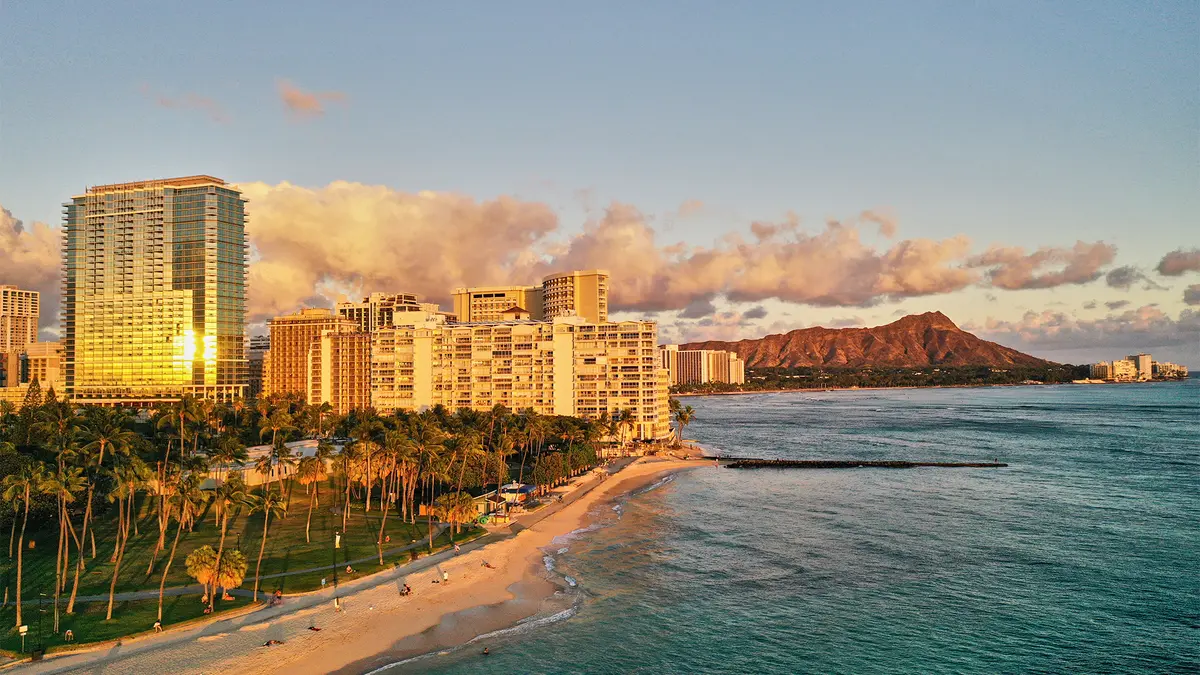
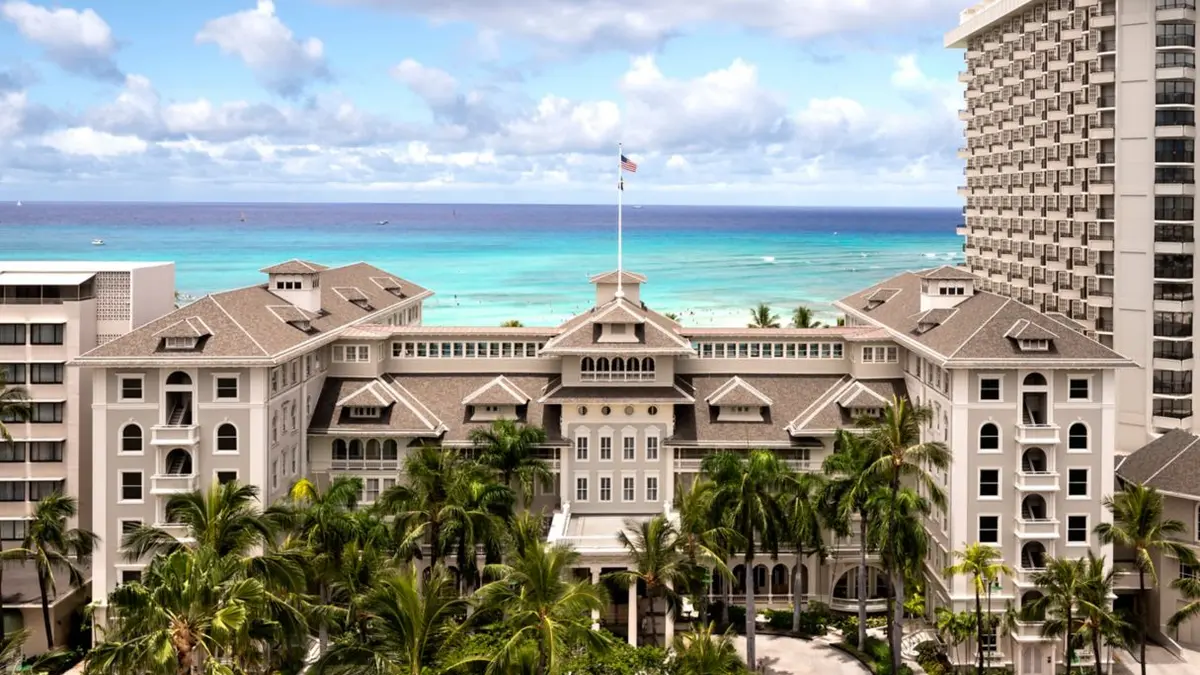
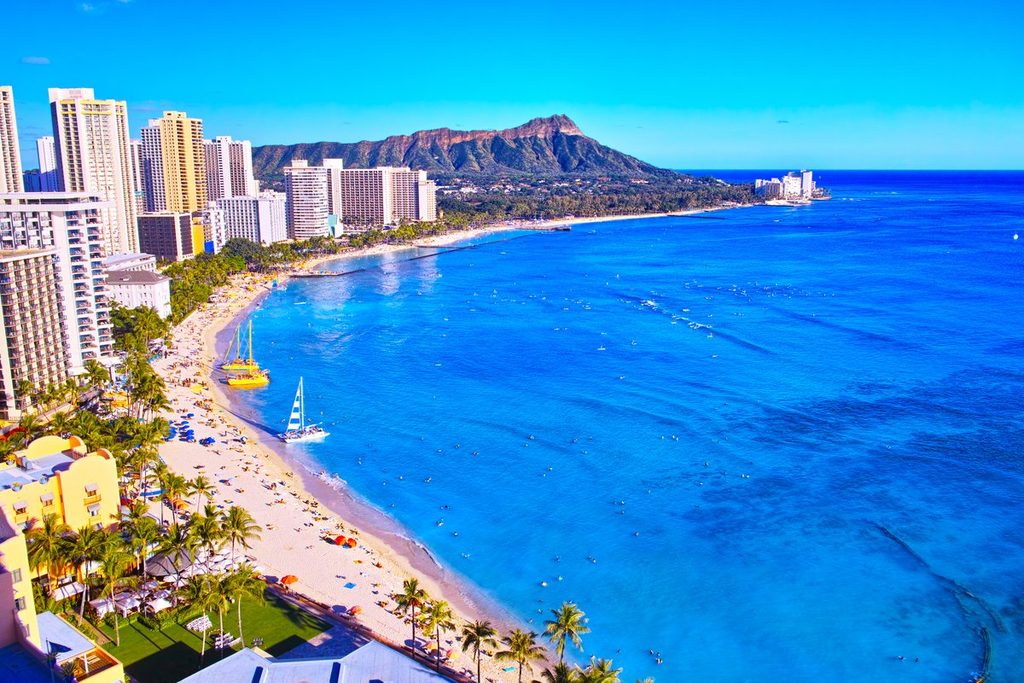
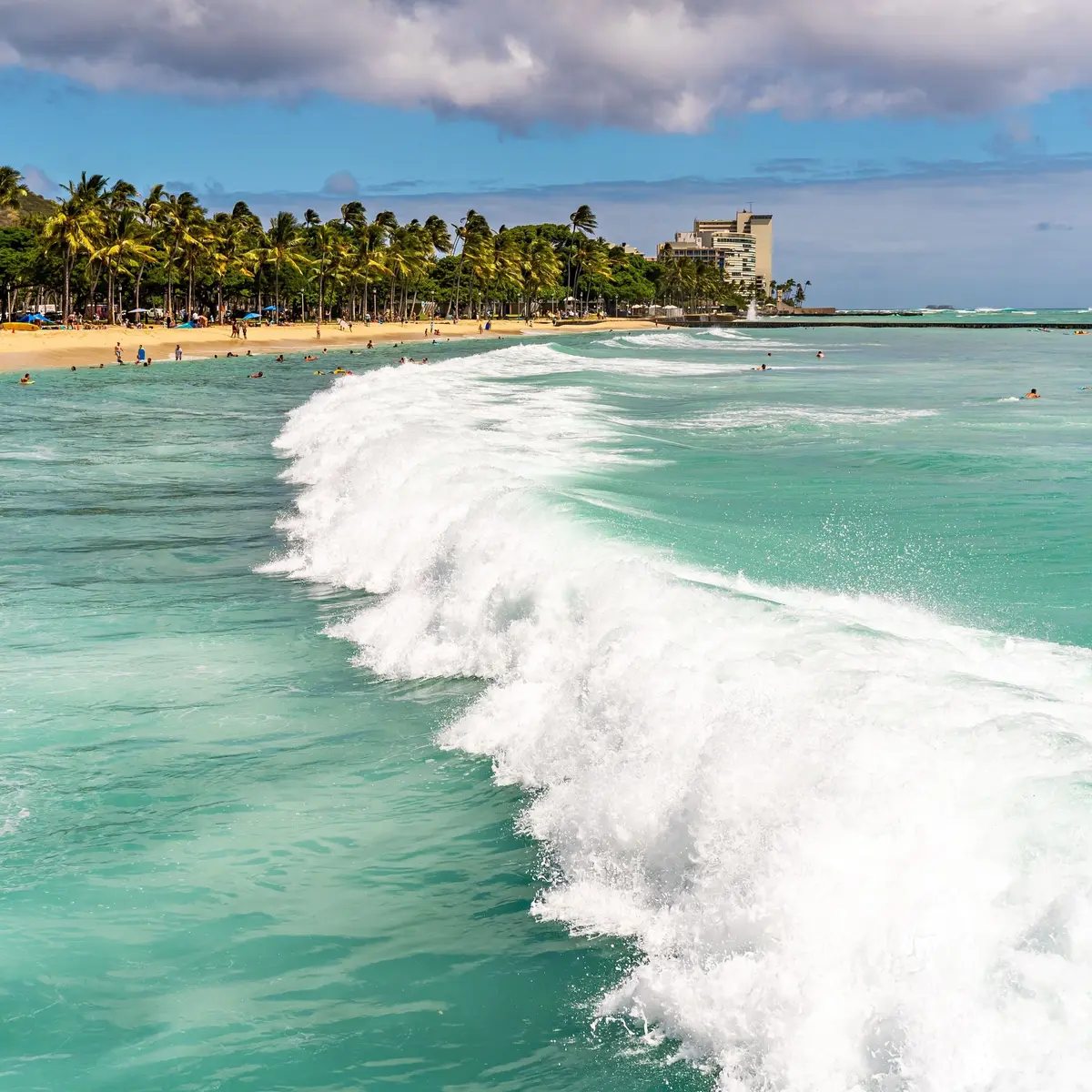
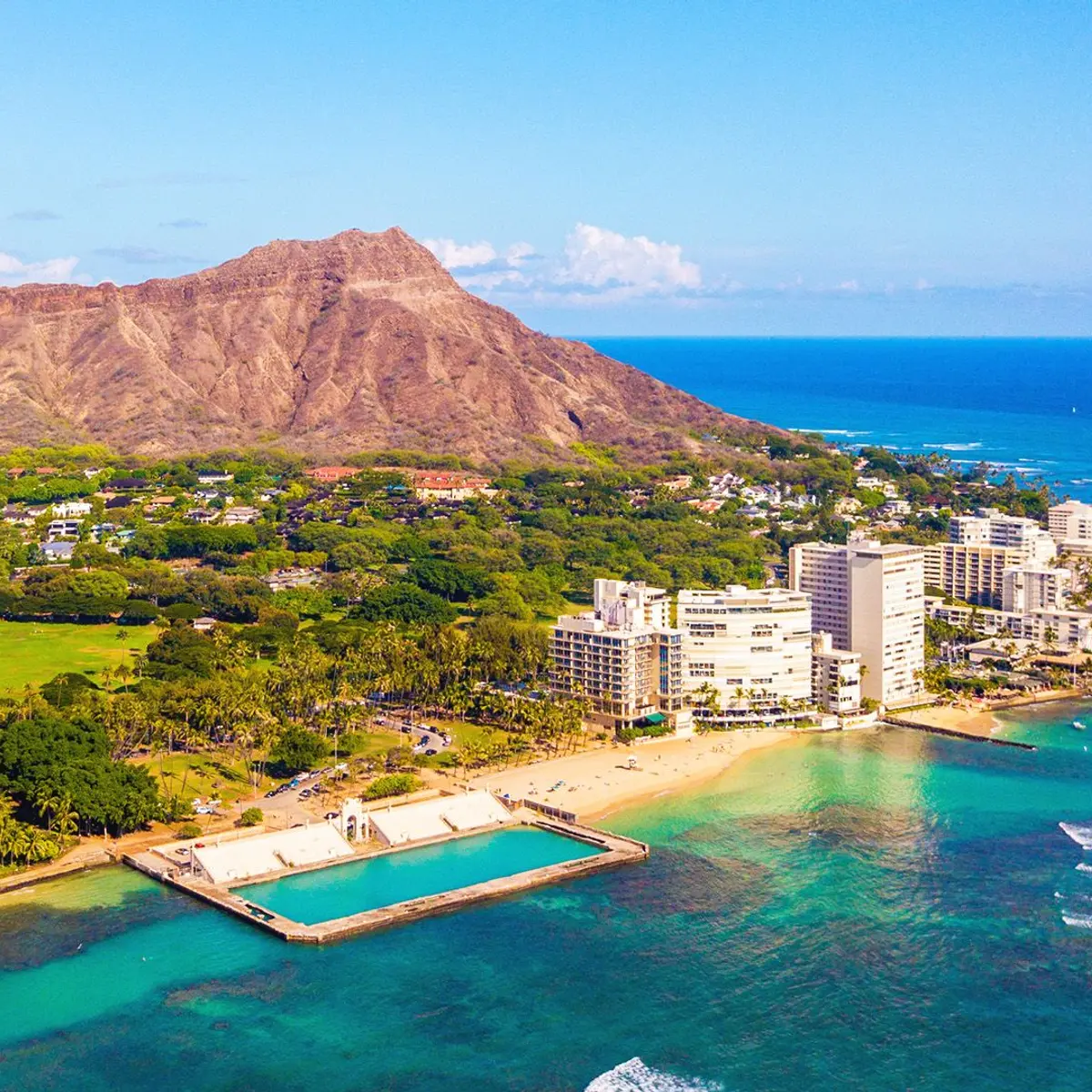
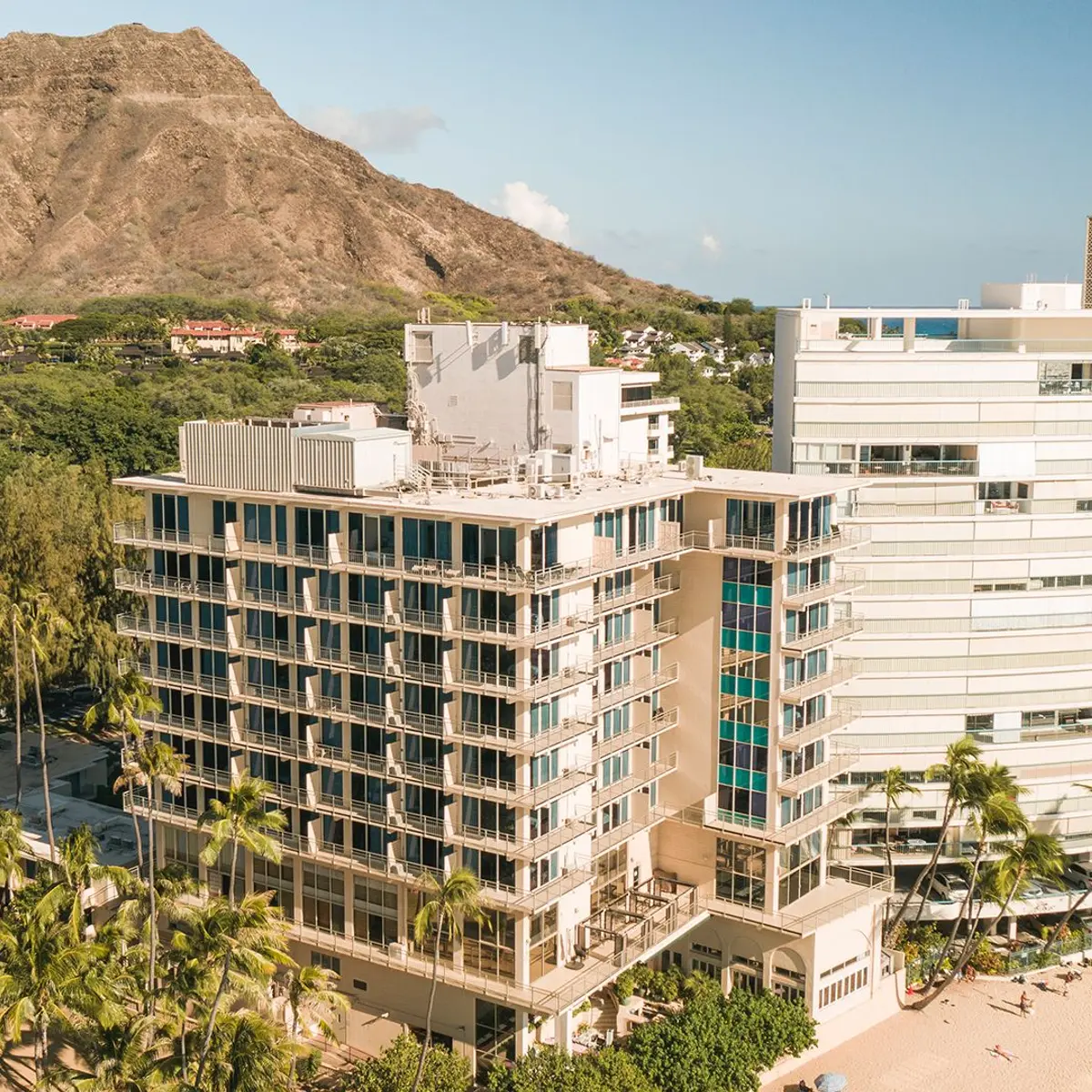
For first-timers, Waikīkī is the natural base. Kūhiō Beach, anchored by the bronze statue of Duke Kahanamoku, is where locals paddle out for an early surf lesson, and the gentler breaks off Queen’s Surf suit beginners. For a quieter patch of sand, walk toward Fort DeRussy Beach Park, or head east toward Kaimana Beach, where the crowds thin out and the sunsets feel like a private show.
When you tire of the shoreline, Diamond Head (Lēʻahi) is the island’s signature hike, best done early, before the heat builds. In the evening, take a seat at the House Without a Key at Halekulani for sunset cocktails with live Hawaiian music, or have a long, languid dinner at Duke’s Waikīkī, right on the sand. Almost all of it is within walking distance, so you can leave the car behind more often than not. It is lively and sociable, and it suits travellers who like to have options at their doorstep.
The North Shore
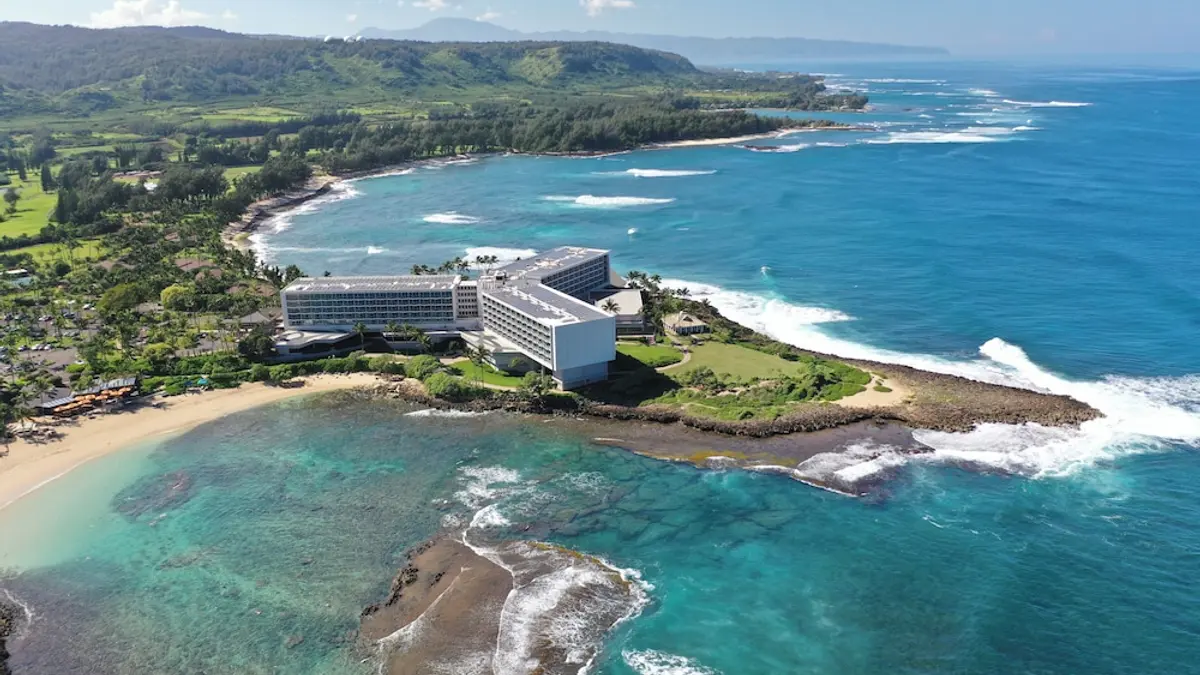
Head north and the mood changes. The North Shore is quieter and more rural, with a distinct surf-town feel. Haleʻiwa is the heart of it, a low-slung town of weathered storefronts and art galleries, where the day tends to begin with a line at Matsumoto Shave Ice, a local institution, and drift into a slow wander along the main road. For lunch, the roadside shrimp trucks between Haleʻiwa and Kahuku are part of the ritual. Giovanni’s is the name most often passed along by those in the know.
The coastline is the real draw, and it changes character with the seasons. Surf conditions here vary, so check what to expect for your travel dates. In summer, Waimea Bay settles into a glassy cove good for swimming, and Shark’s Cove at Pūpūkea becomes a rewarding spot for snorkelling. In winter, the swells arrive and the scene shifts. Sunset Beach and the Banzai Pipeline draw the world’s best surfers and the crowds who come to watch them, and the best seat is a towel on the sand, well back from the waterline. Plan your beach days accordingly, and take the lifeguards’ flags seriously.
Away from the water, there is plenty to fill a slow day. Waimea Valley offers a gentle garden walk to a waterfall, and the farm stands along Kamehameha Highway are good for fresh fruit and a picnic. Come evening, the pace drops further still. The North Shore sleeps early, and the reward is a sky full of stars. It is a base for travellers who would rather trade nightlife for salt air and an early start.
Kō Olina and the Leeward Coast
If your ideal stay is resort-focused and unhurried, the Leeward Coast around Kō Olina offers a slower pace than Waikīkī. It is a base for settling in rather than setting out, and the draw is the water. Four crescent-shaped lagoons, built with rock walls that soften the surf, give Kō Olina some of the calmest swimming on the island. Lagoon 1 is the most social. Lagoons 3 and 4 tend to be quieter and are better for a long, slow morning with a book. The lagoons are open to the public, but staying nearby means you can arrive early, when things tend to be quieter.
When you do feel like venturing out, the coast has more to offer than most visitors realise. Head south to Kahe Point, known as Electric Beach, for some of the island’s most rewarding snorkelling, with sea turtles and, on lucky days, dolphins. Pearl Harbor is roughly half an hour away if you’d like a day of history. Waikīkī is a drive of about 40 minutes or more, depending on traffic. This is the side of Oʻahu for travellers who would rather watch the sun drop into the Pacific from their own lānai than join the crowd.
Where to stay:
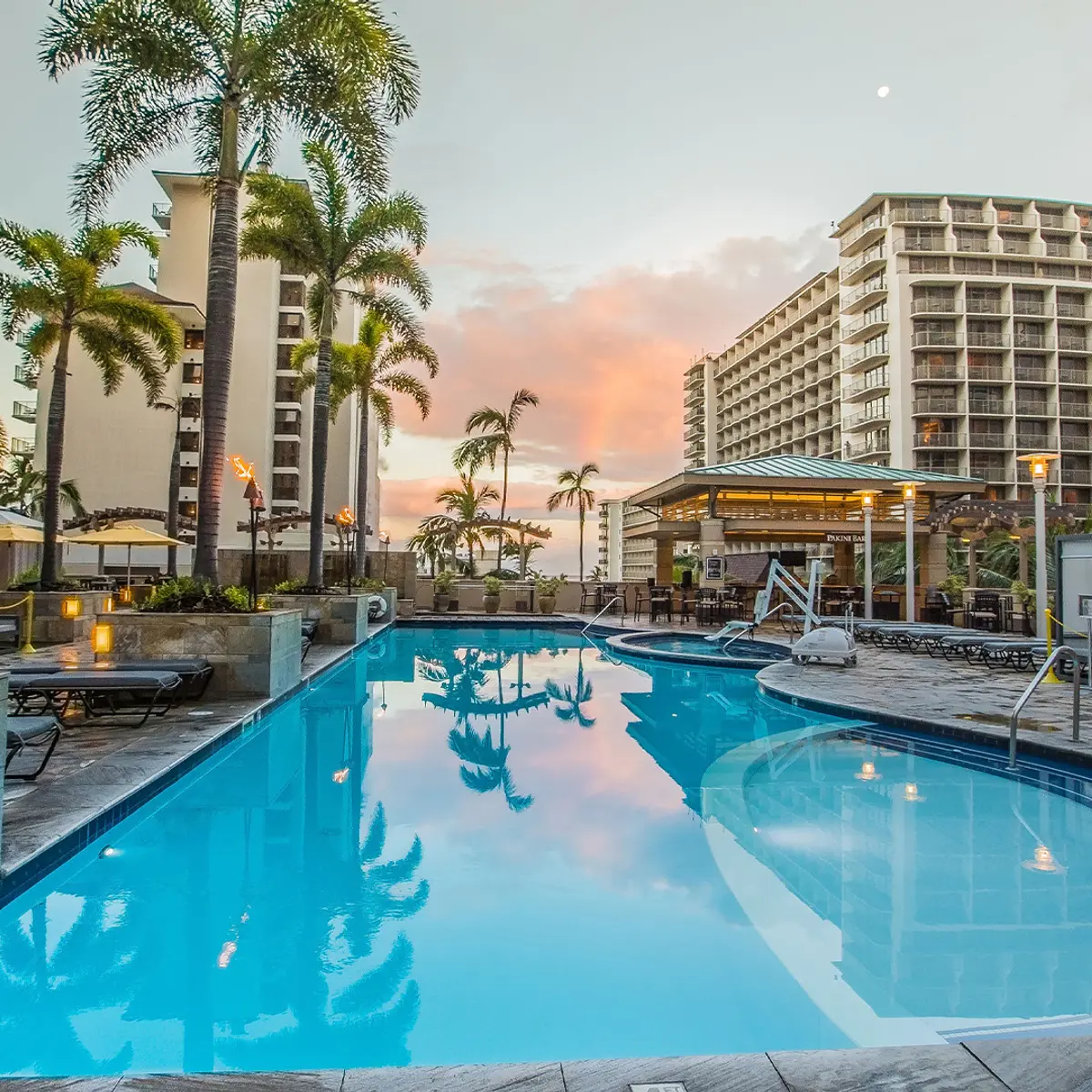
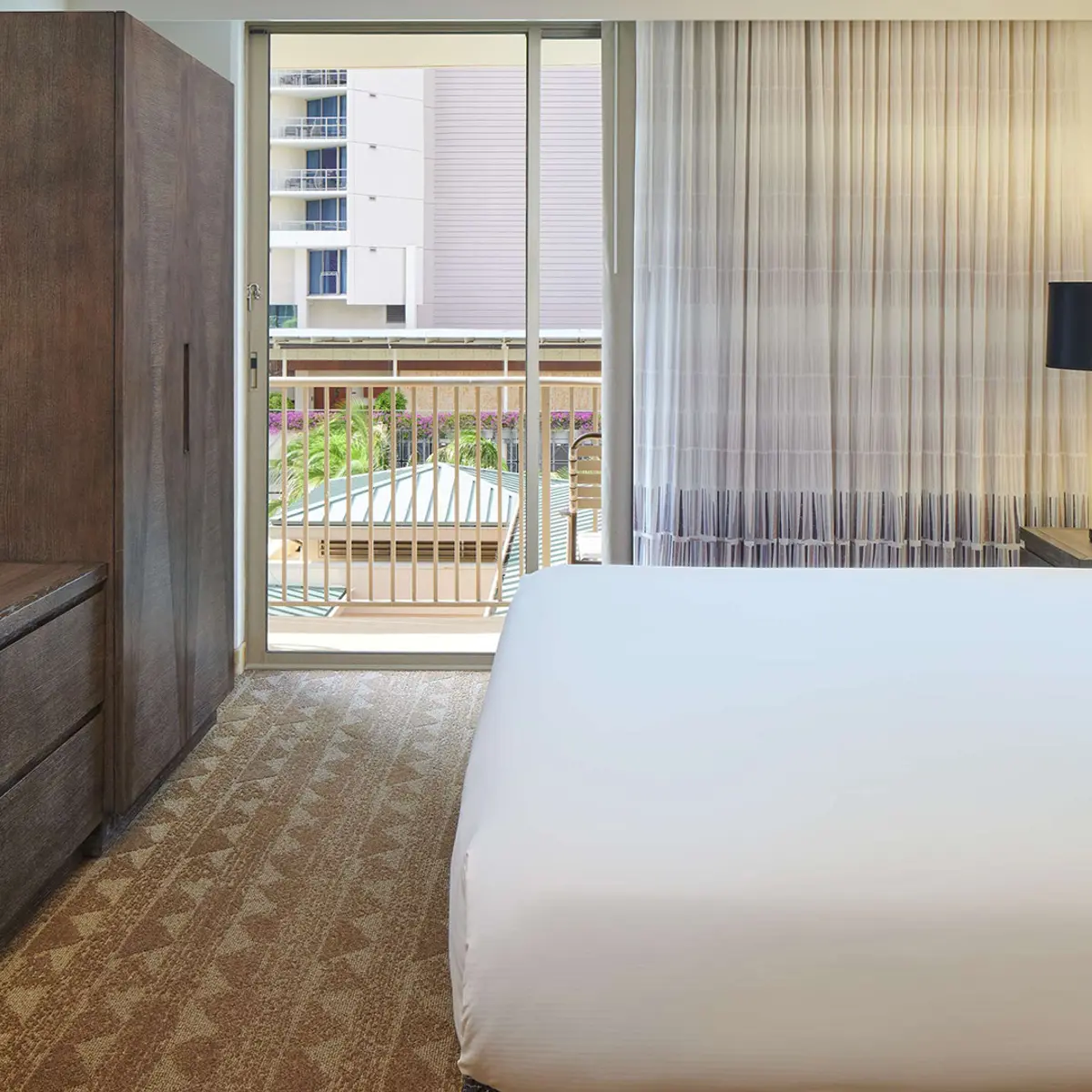
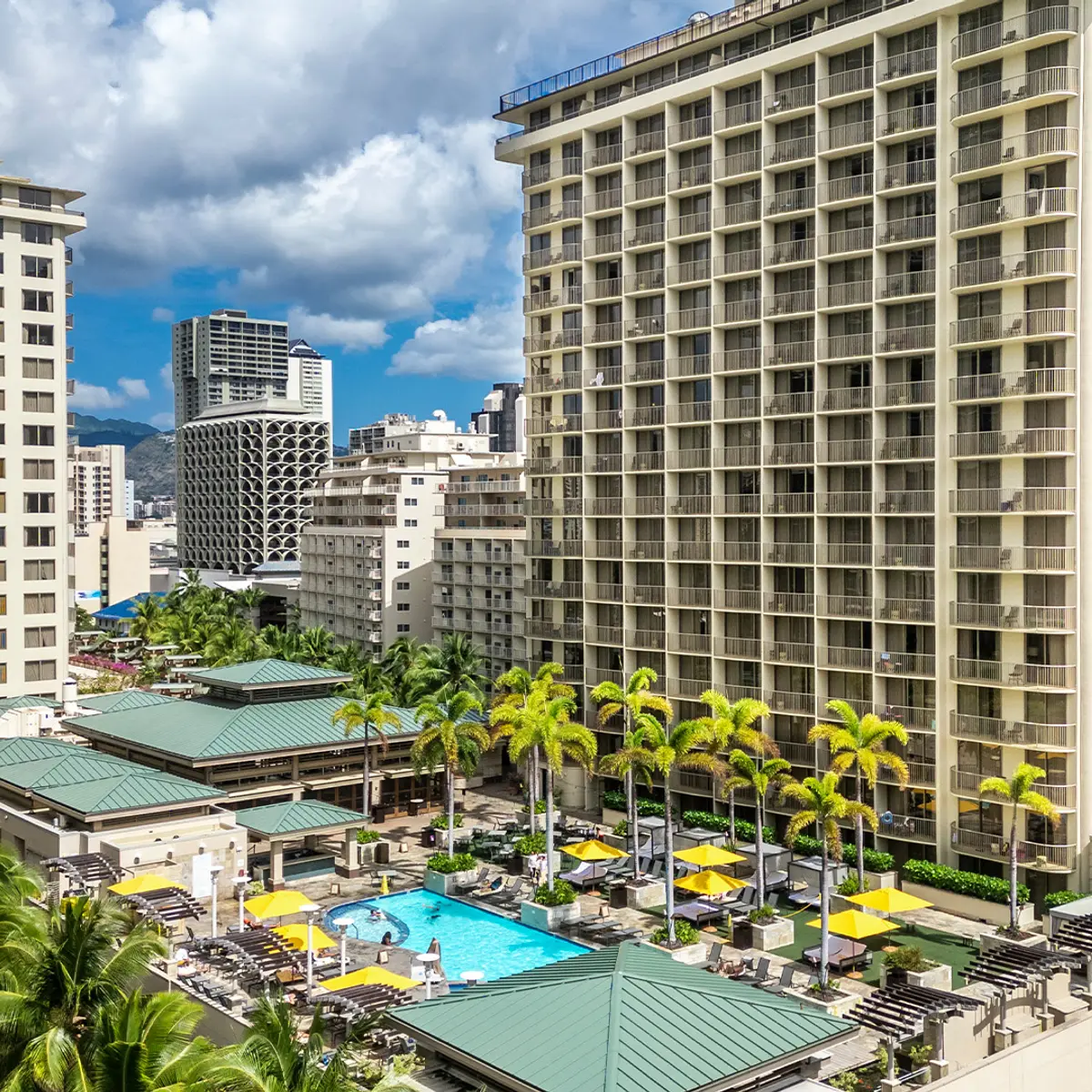
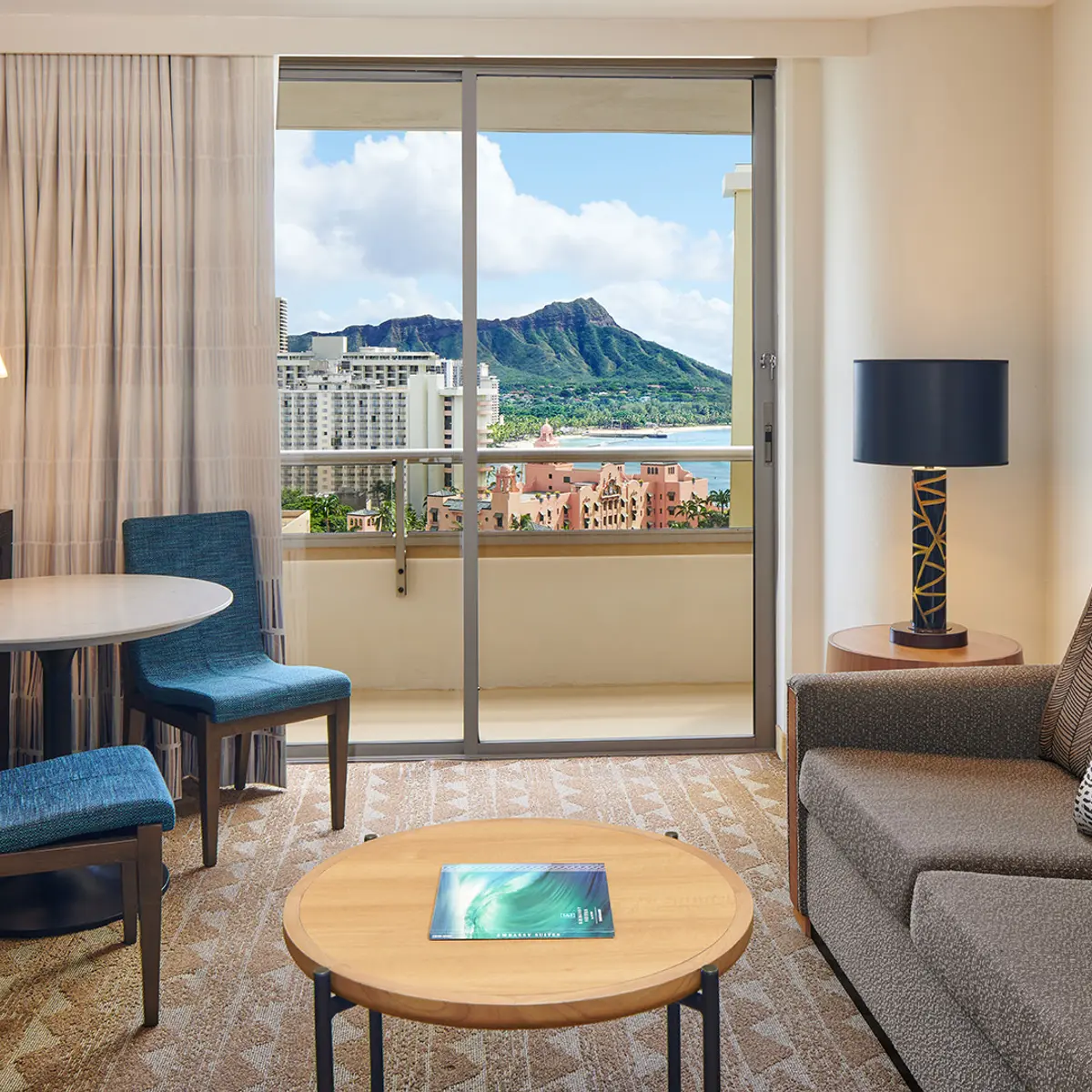
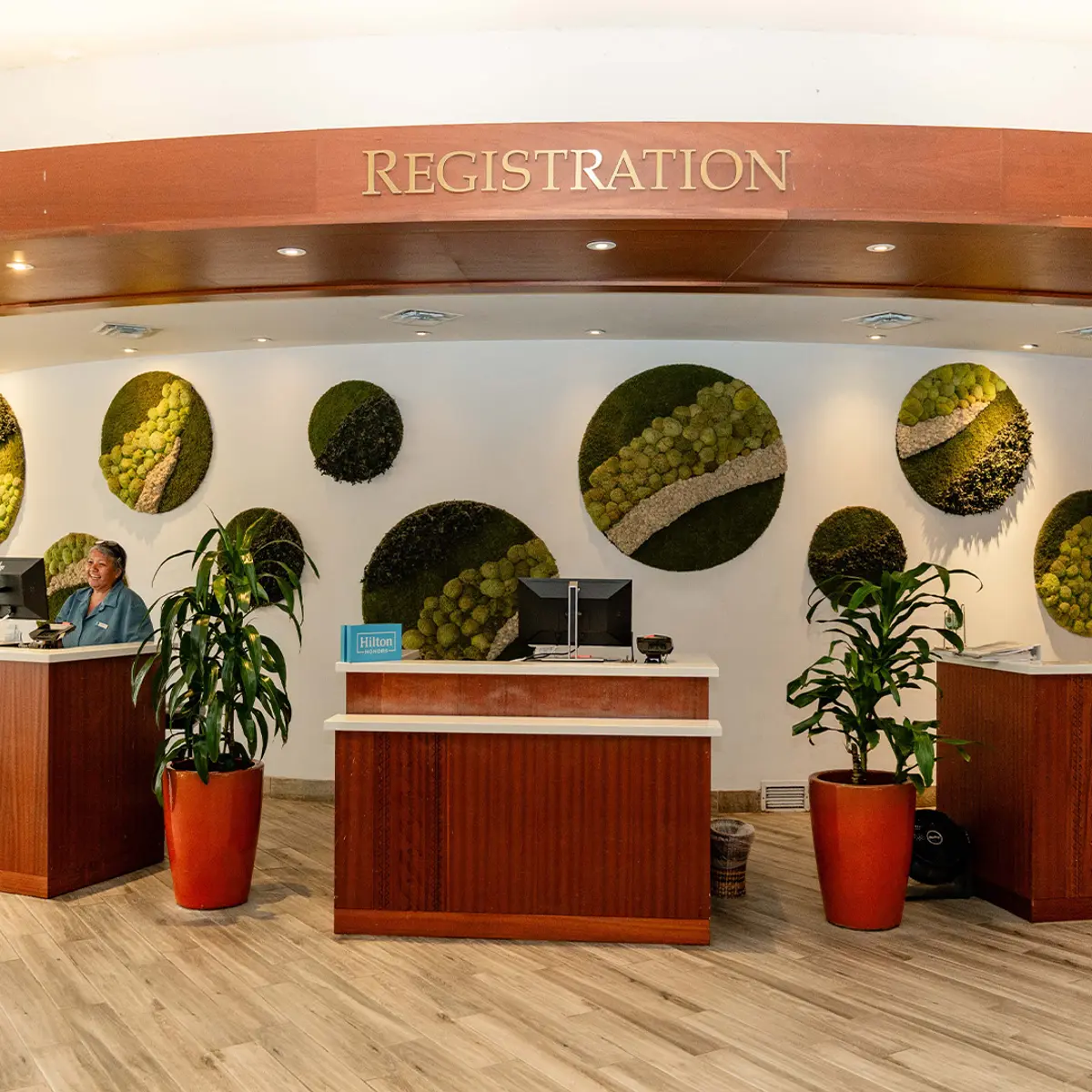
Embassy Suites by Hilton Waikiki Beach Walk
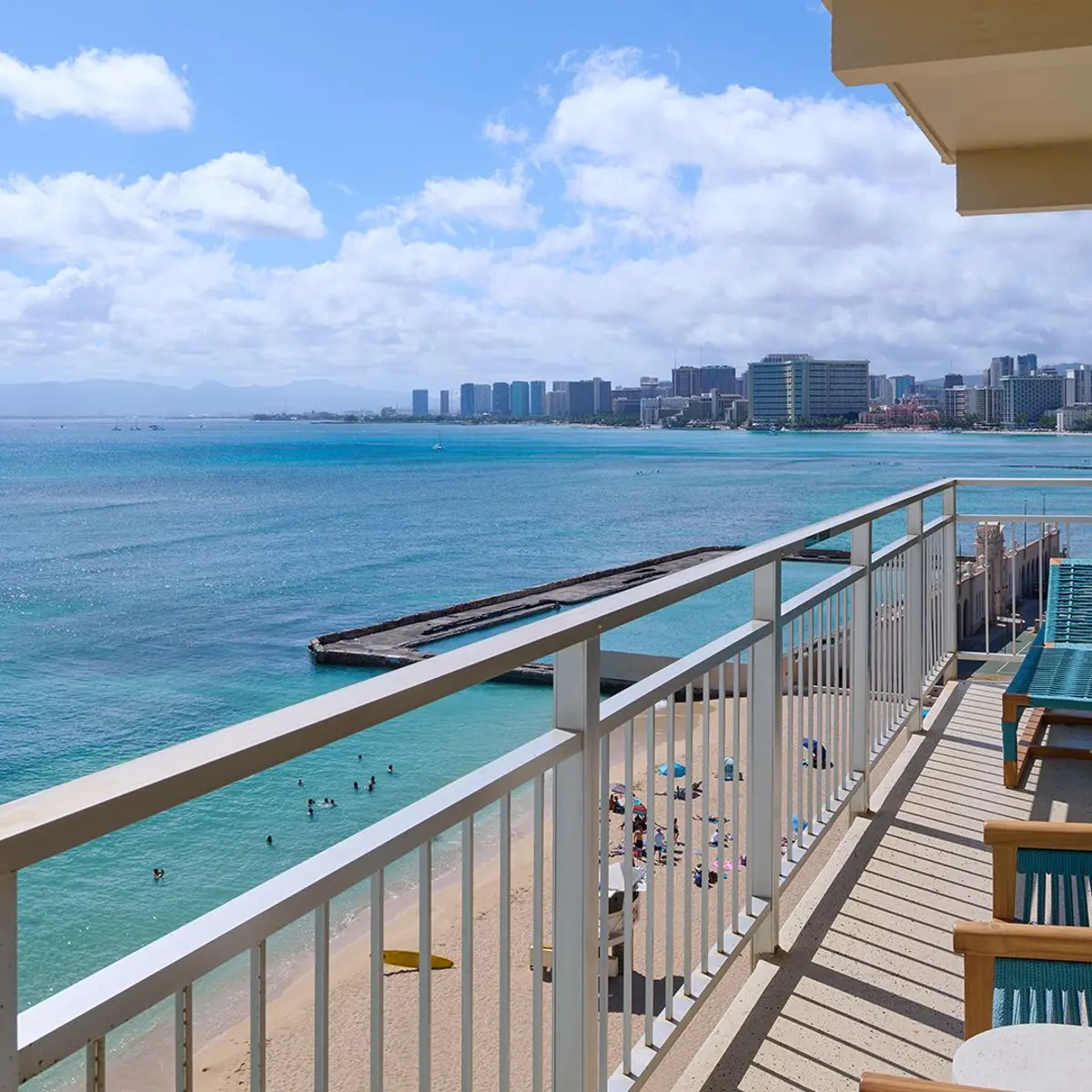
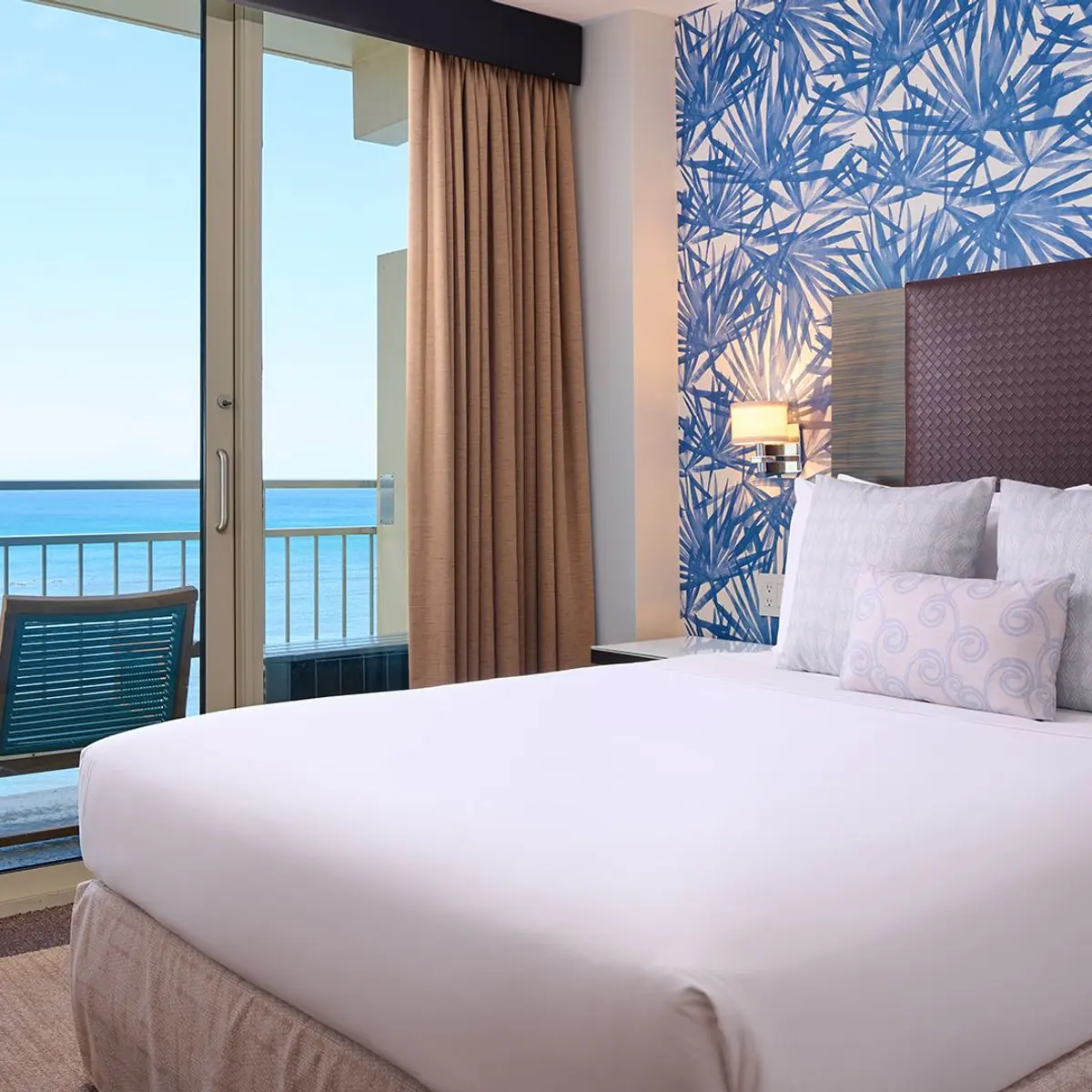
Set in the heart of Waikīkī, this all-suite stay puts the beach, dining and island buzz right on your doorstep.


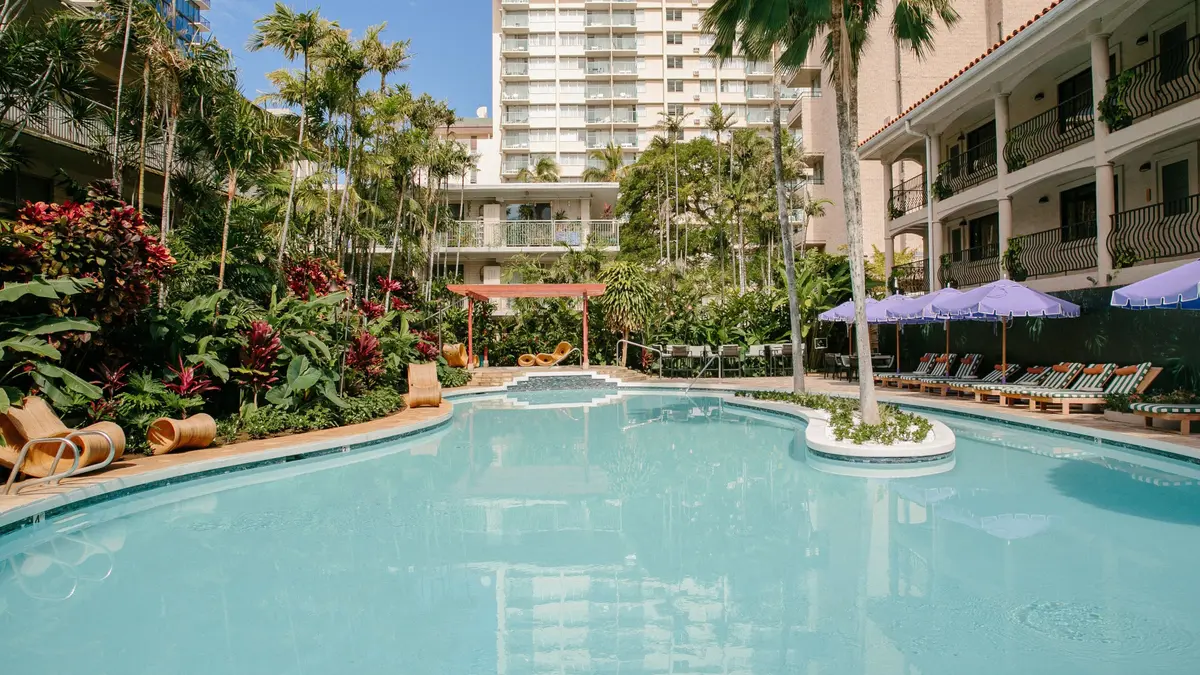
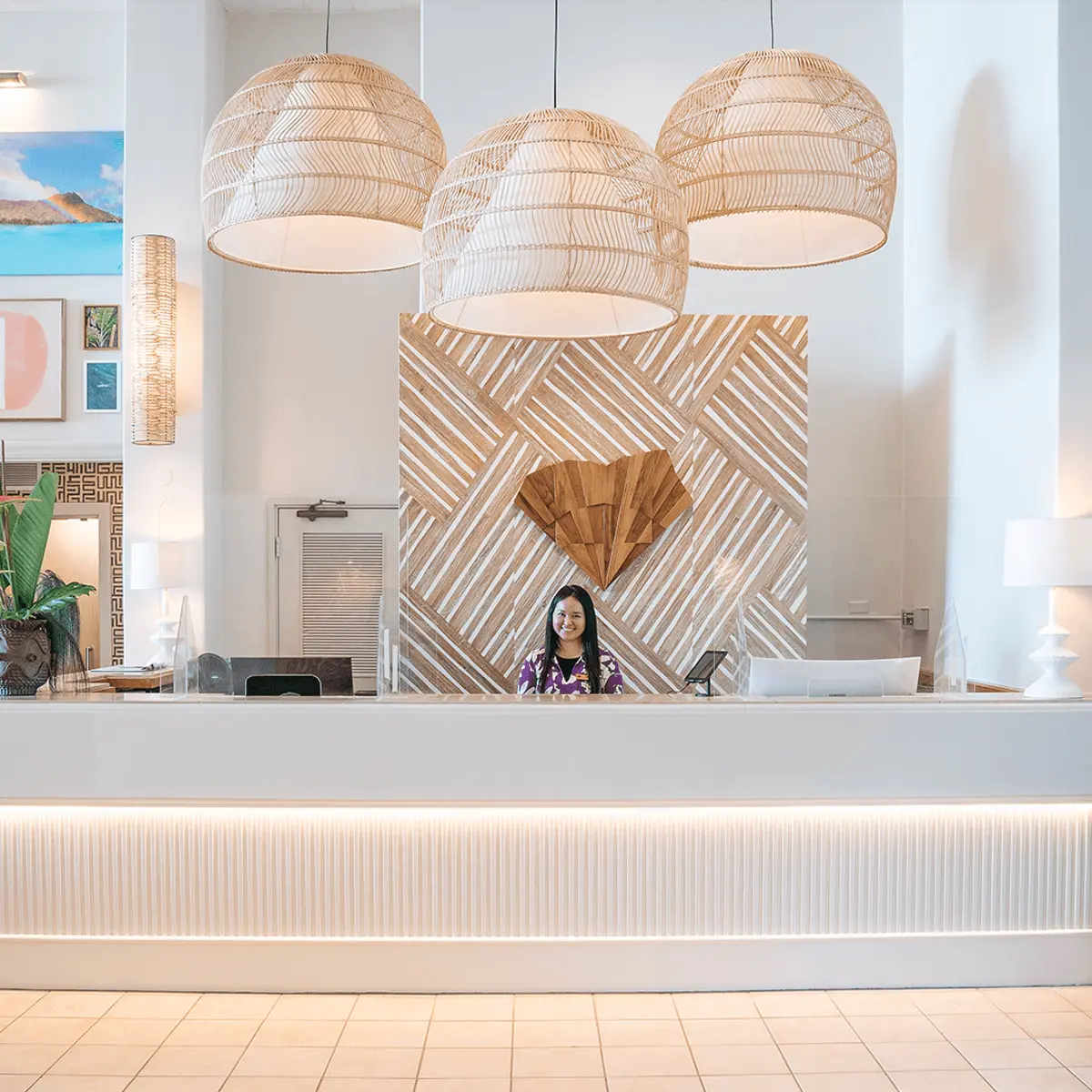
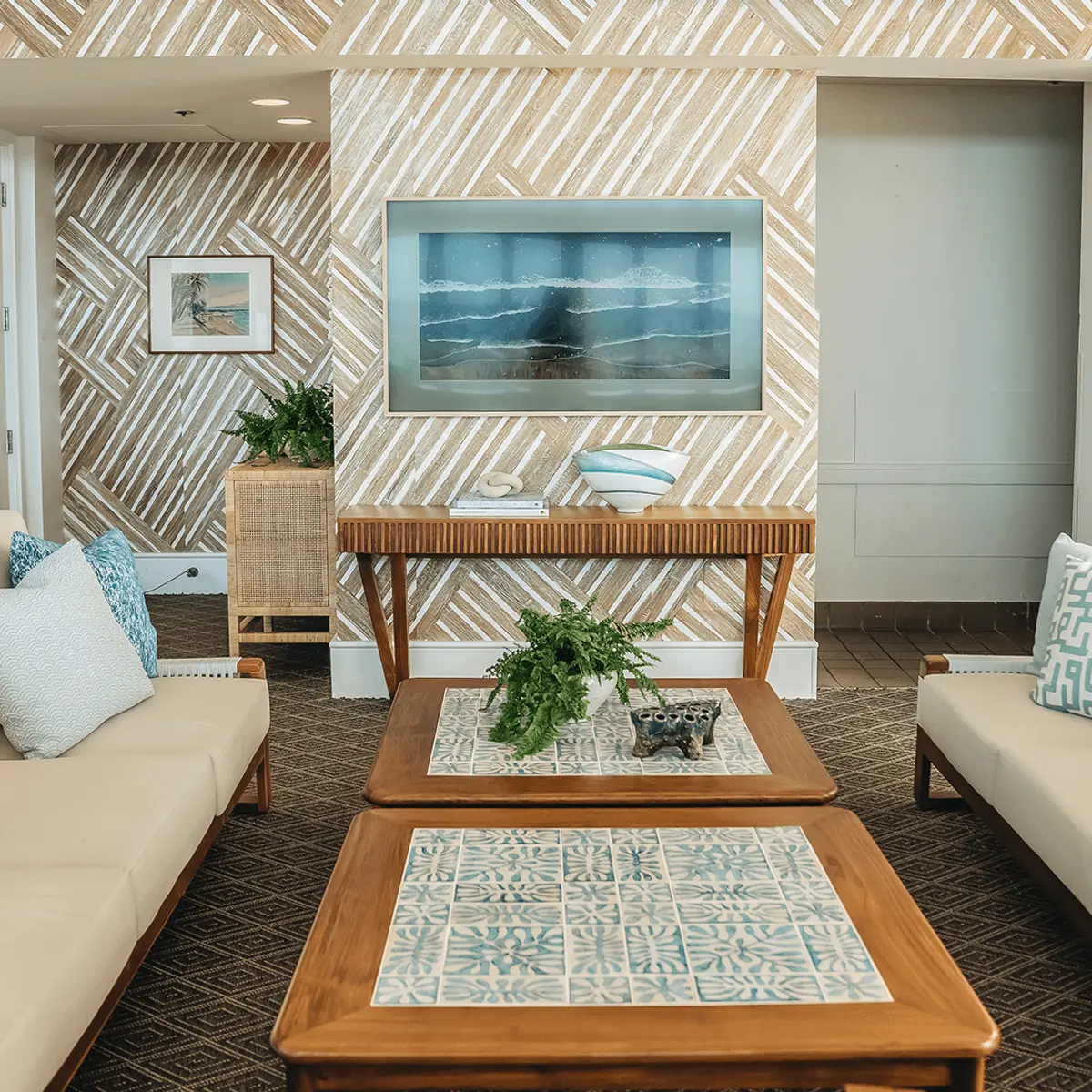
Wayfinder Waikiki
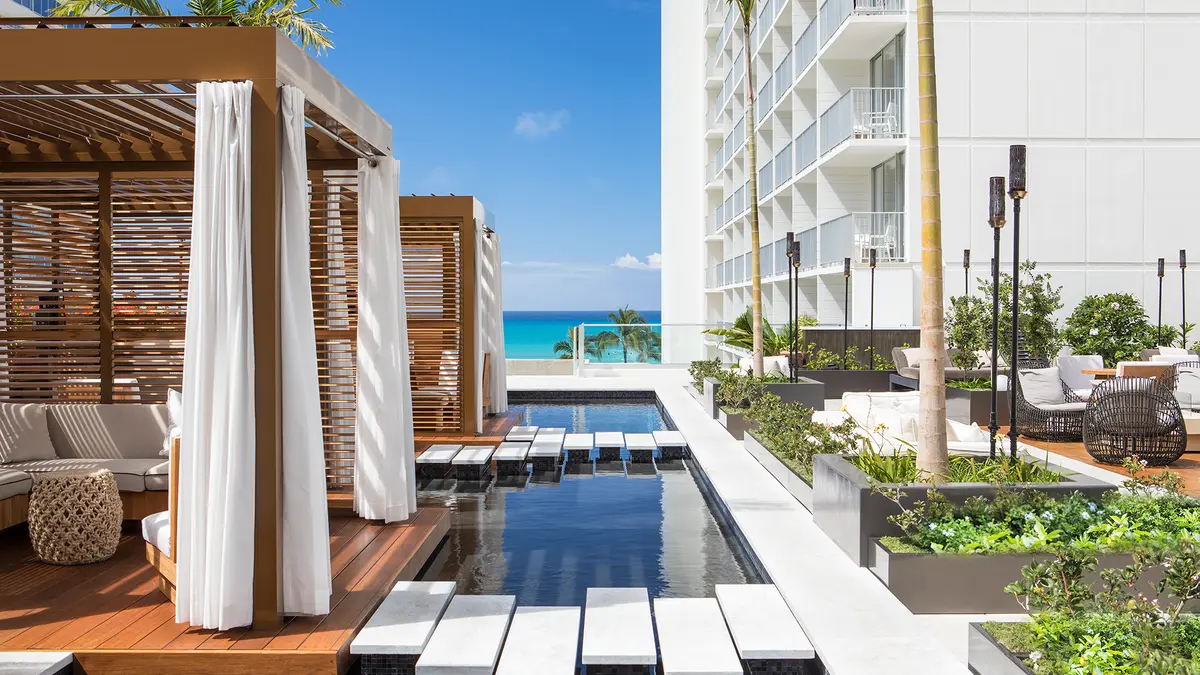
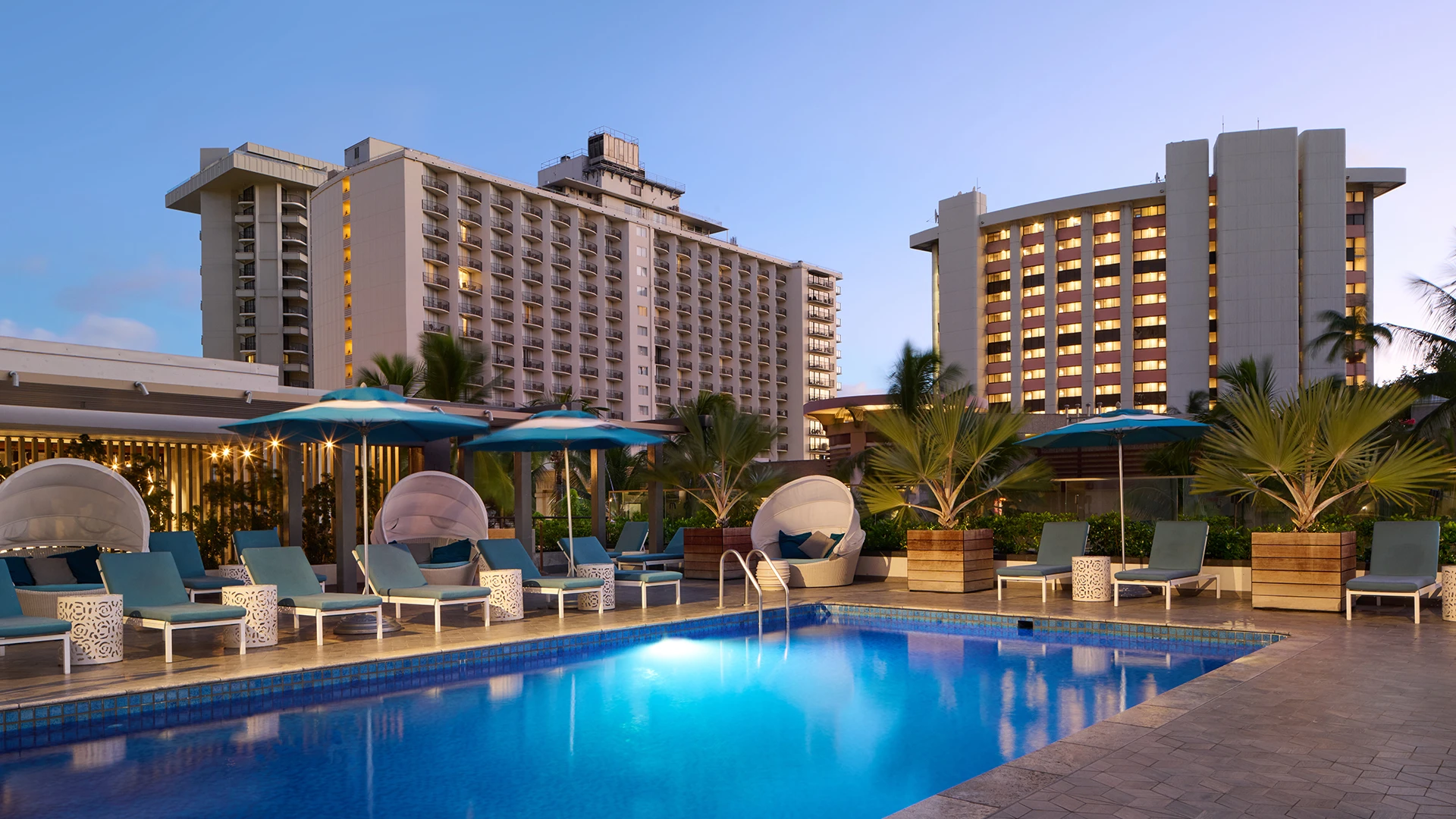
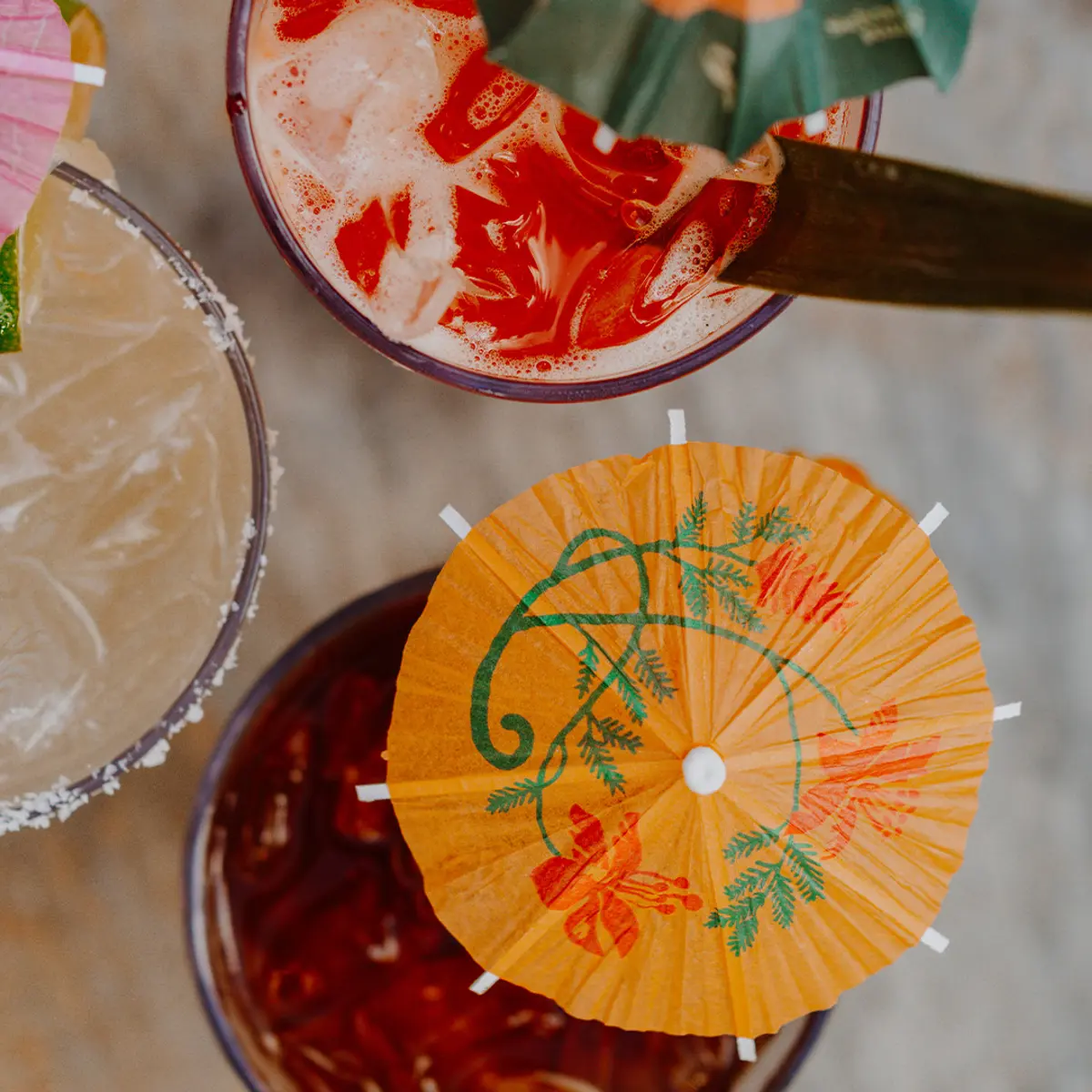
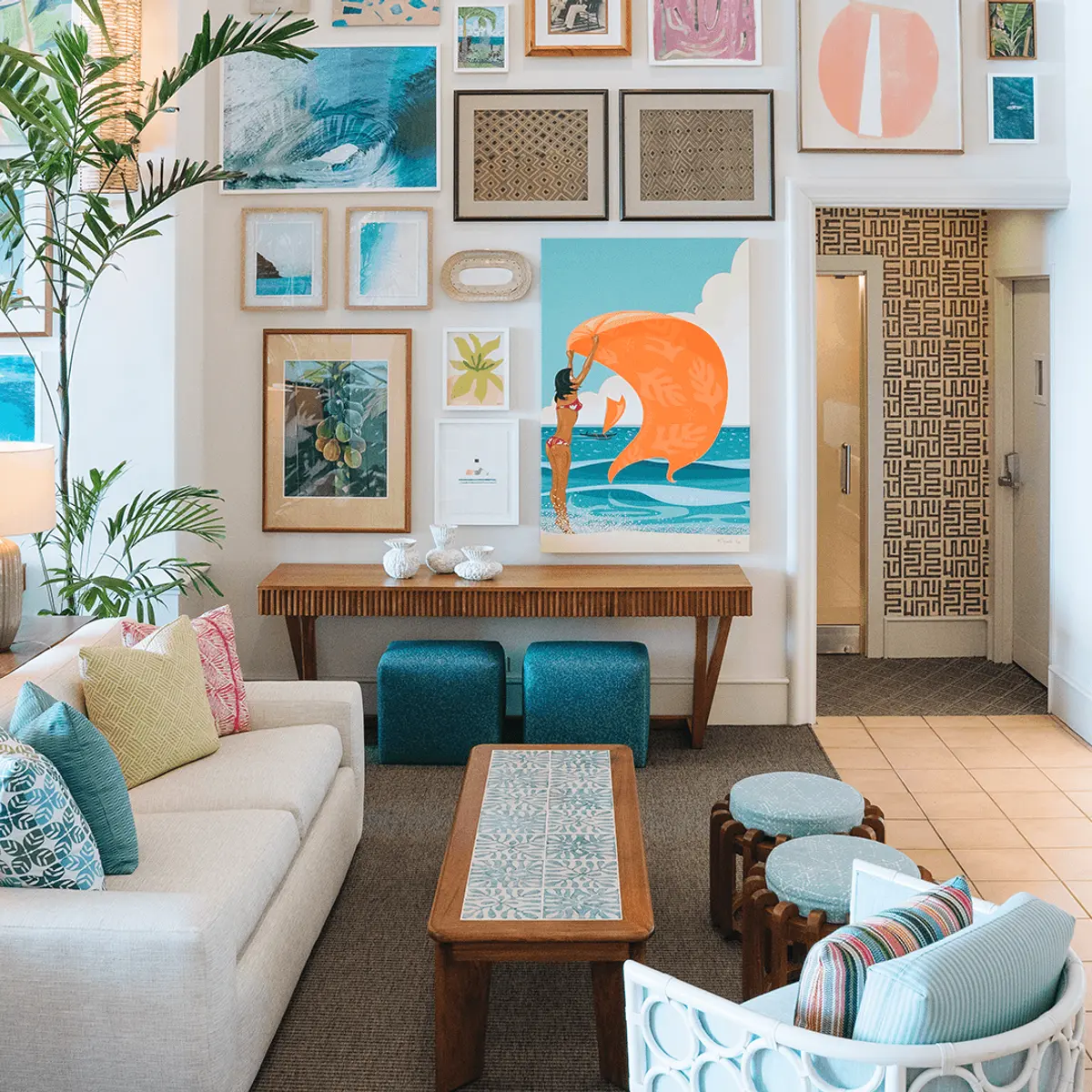
A colourful hideaway in Waikīkī, where a lush saltwater pool and tropical design offer a laid-back counterpoint to the city’s energy.
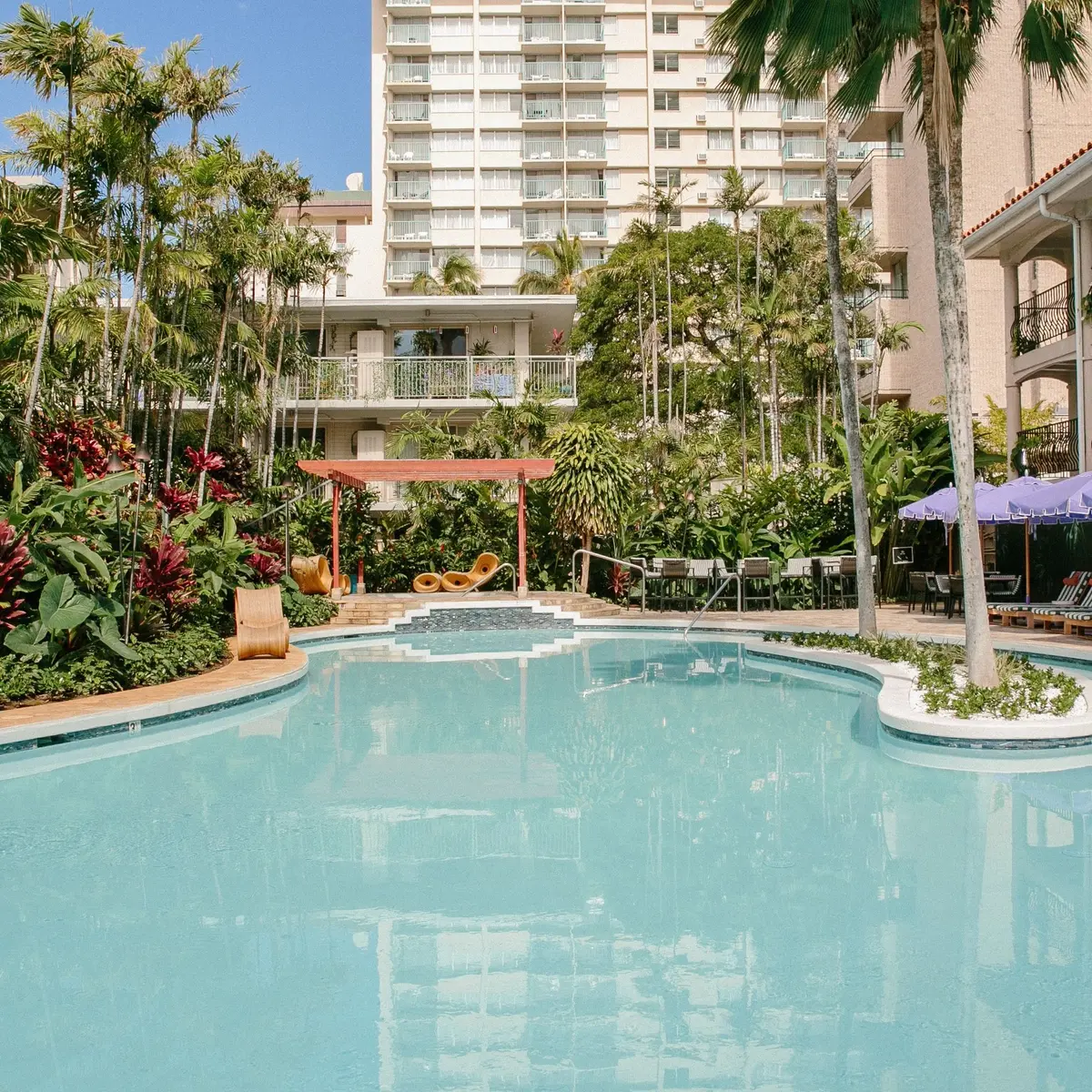
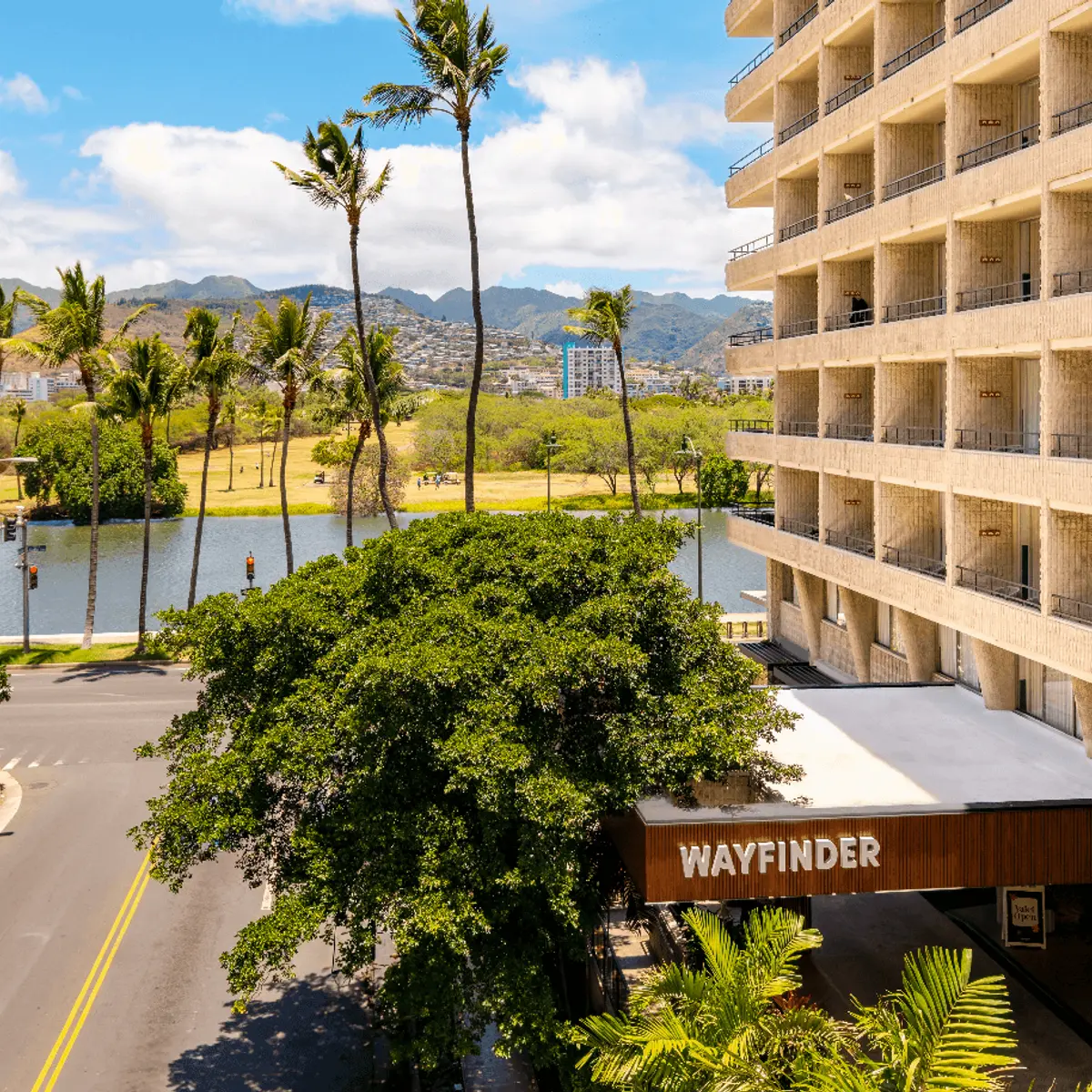
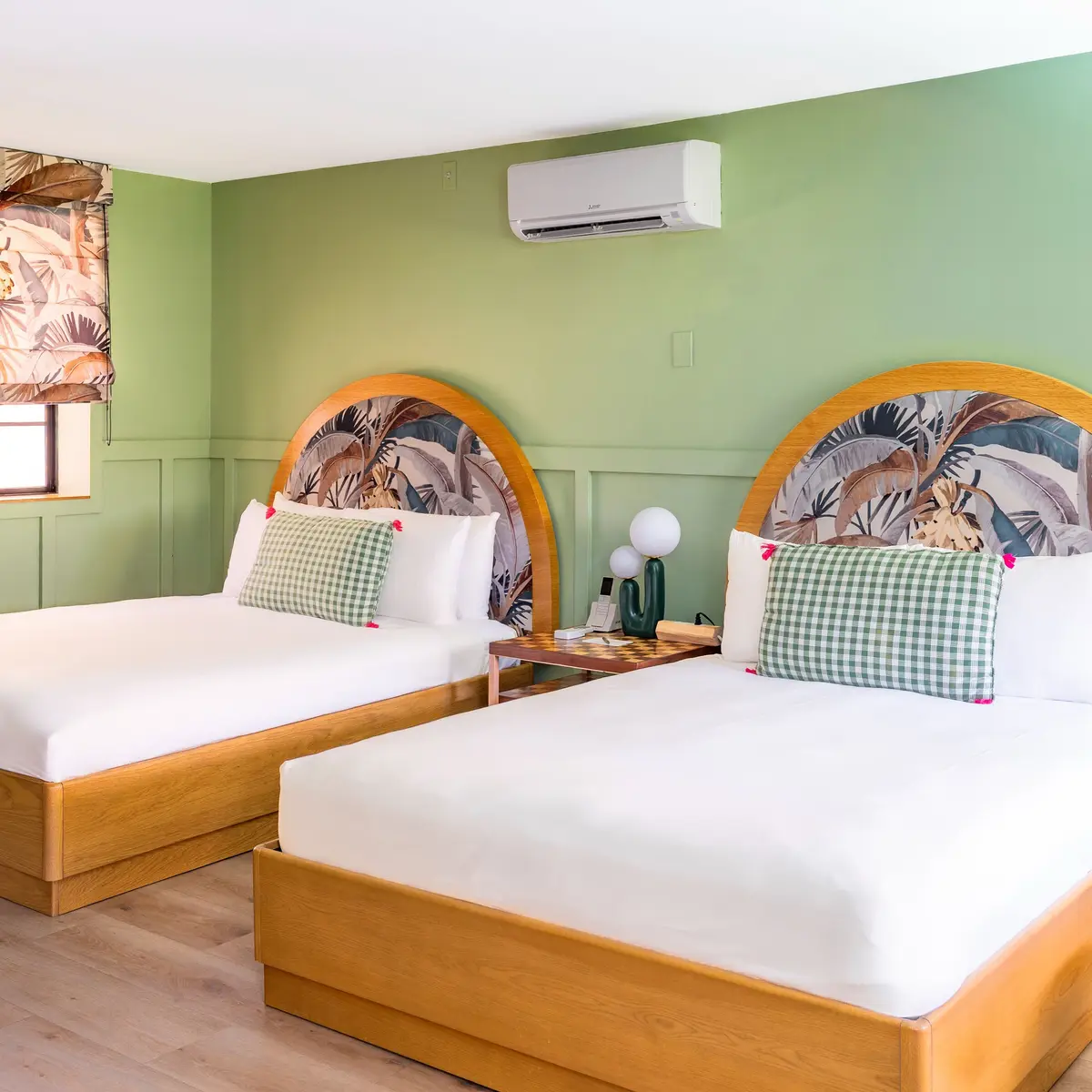
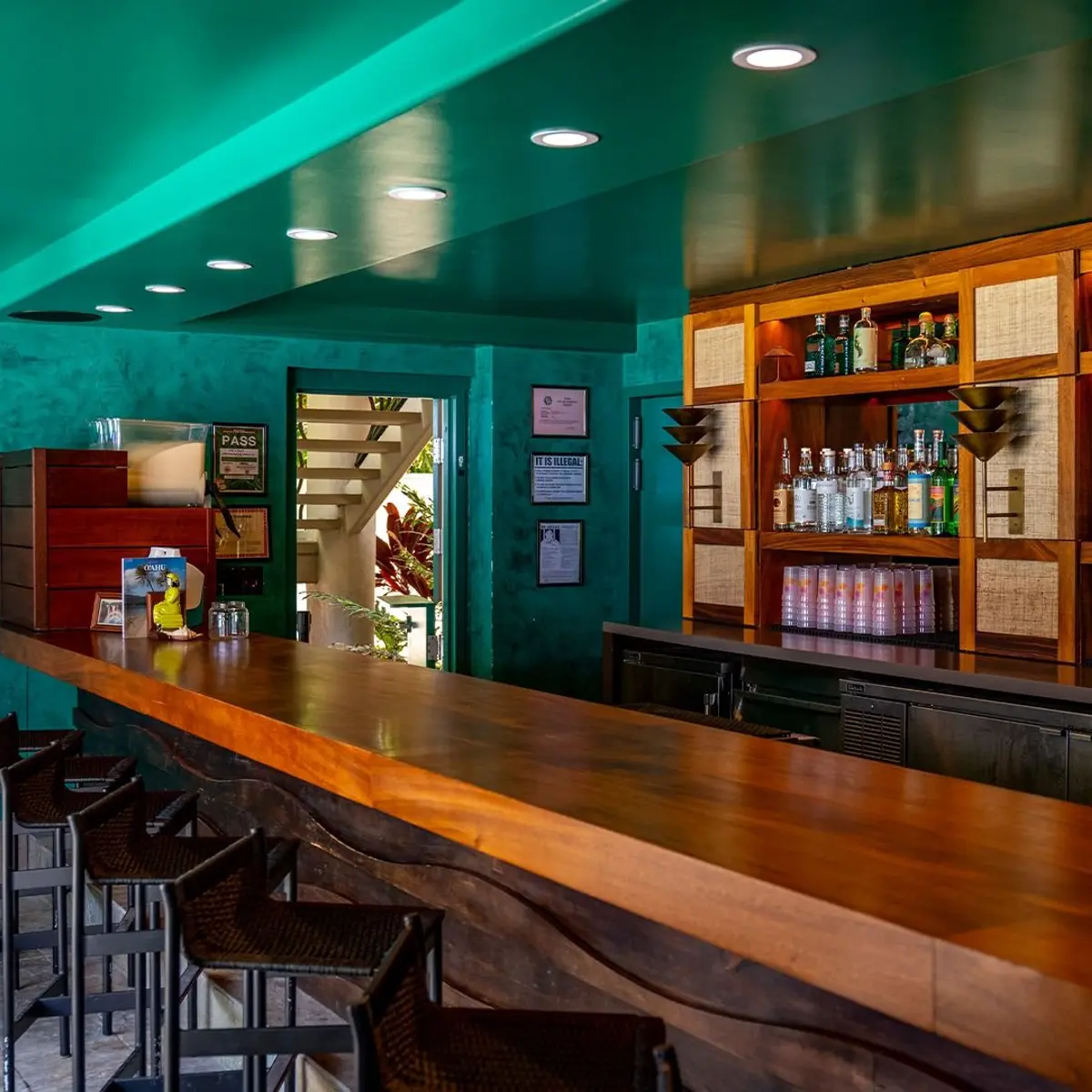
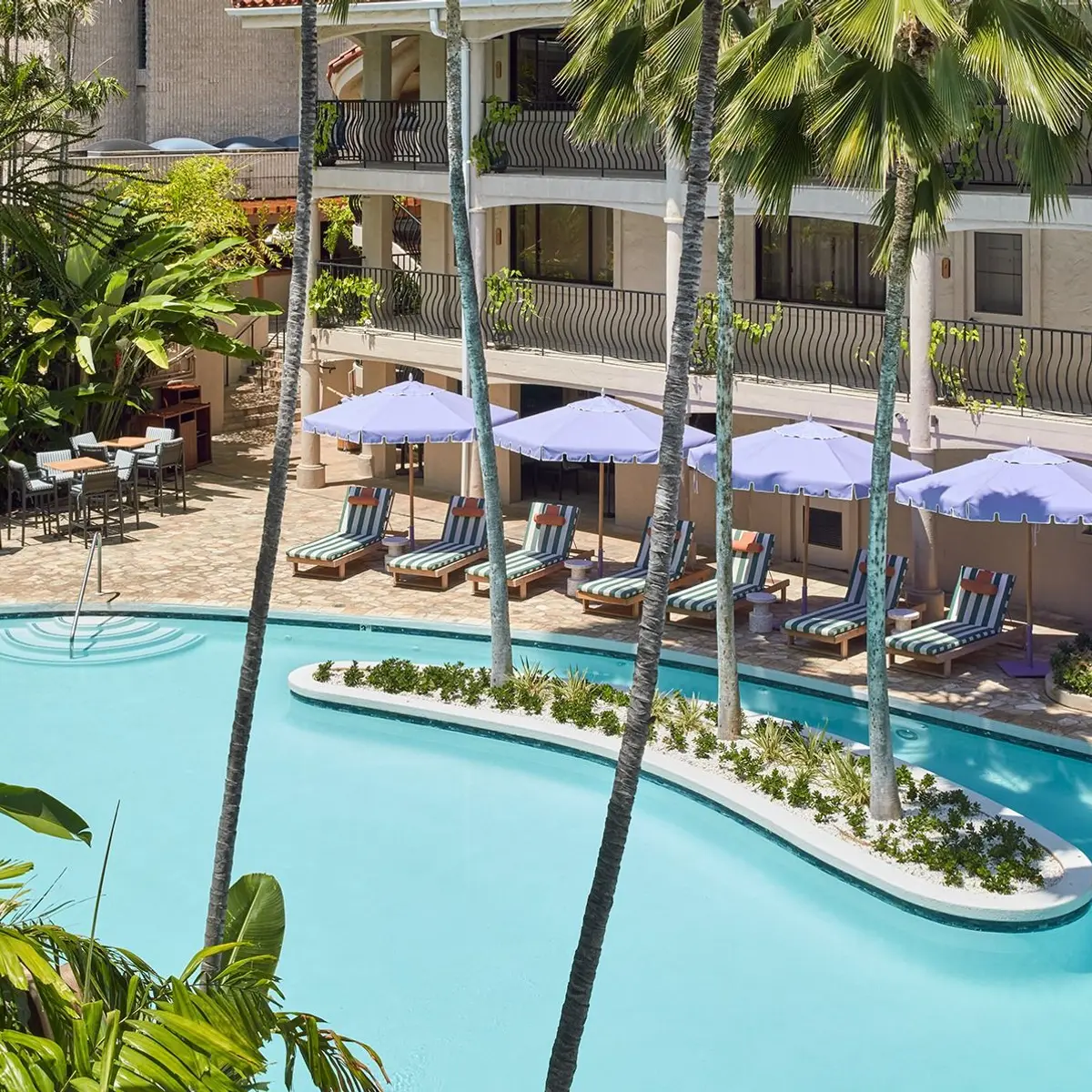
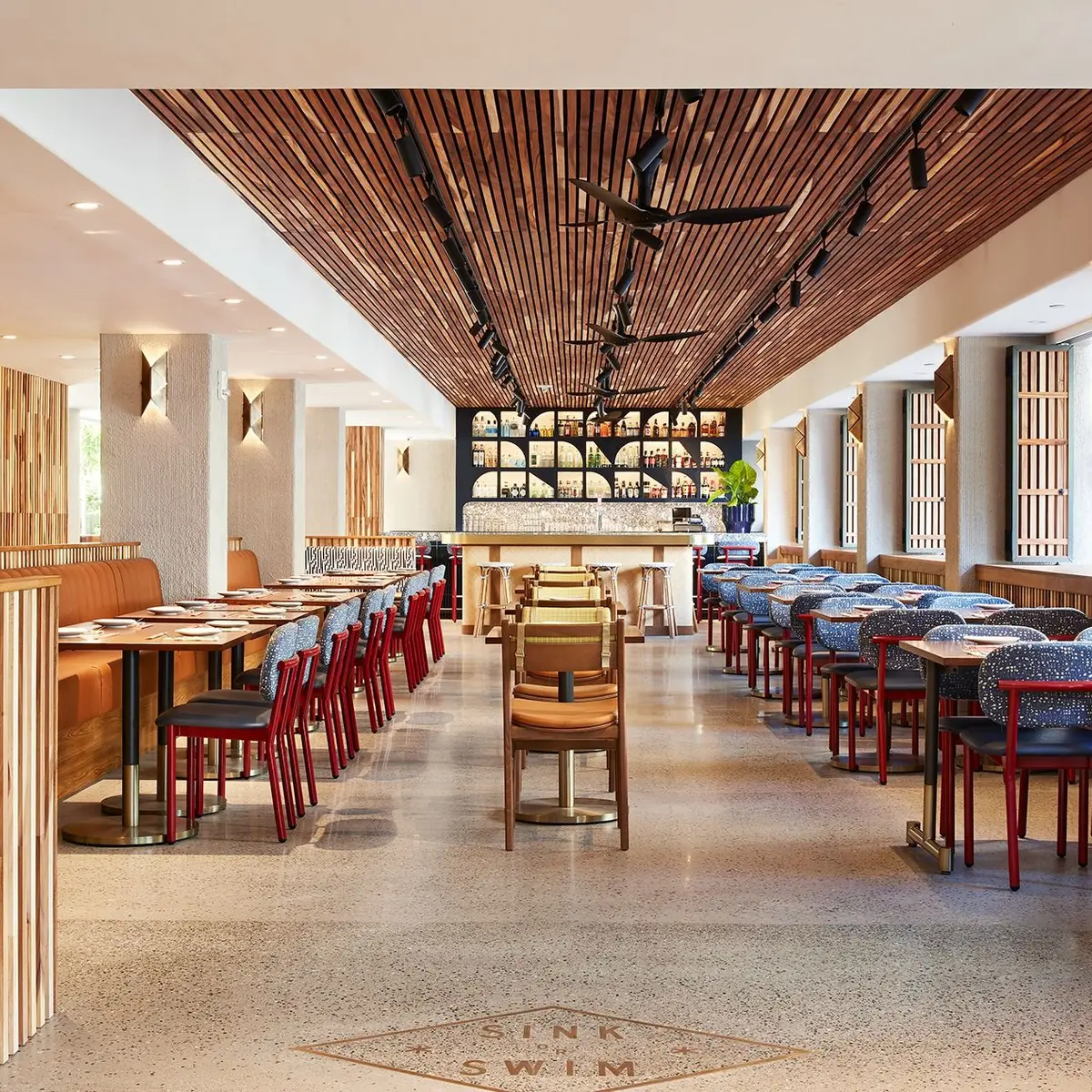
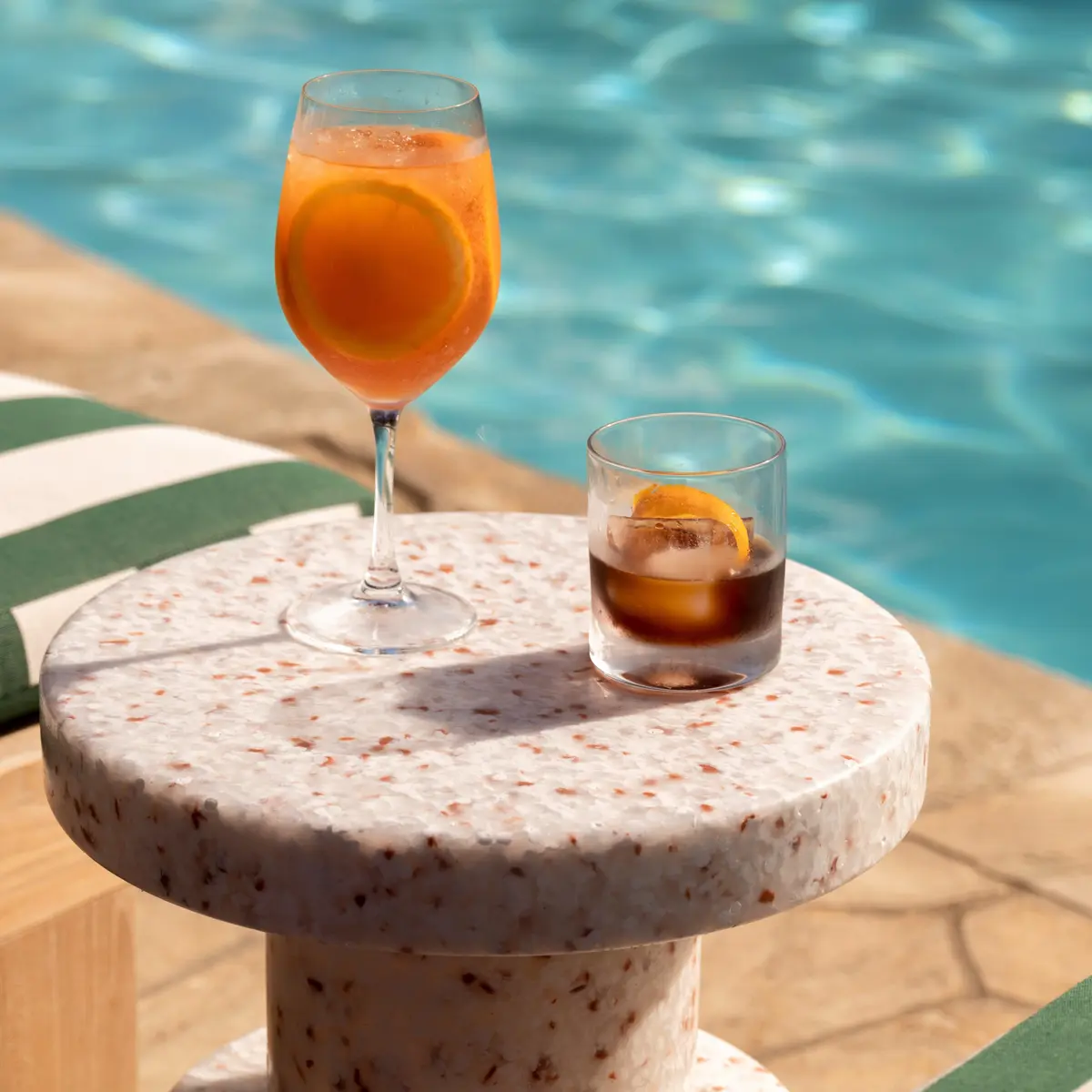

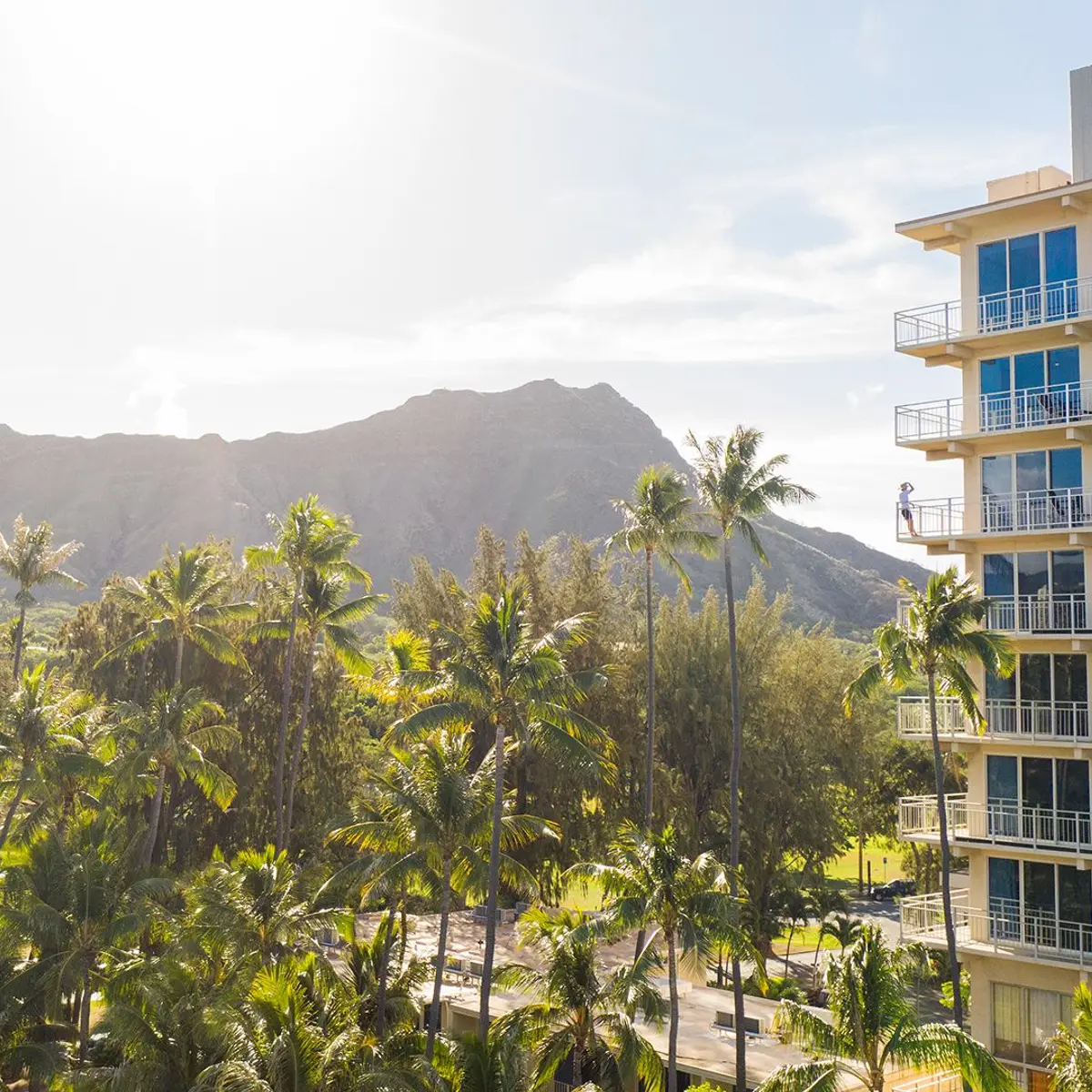
Kaimana Beach Hotel
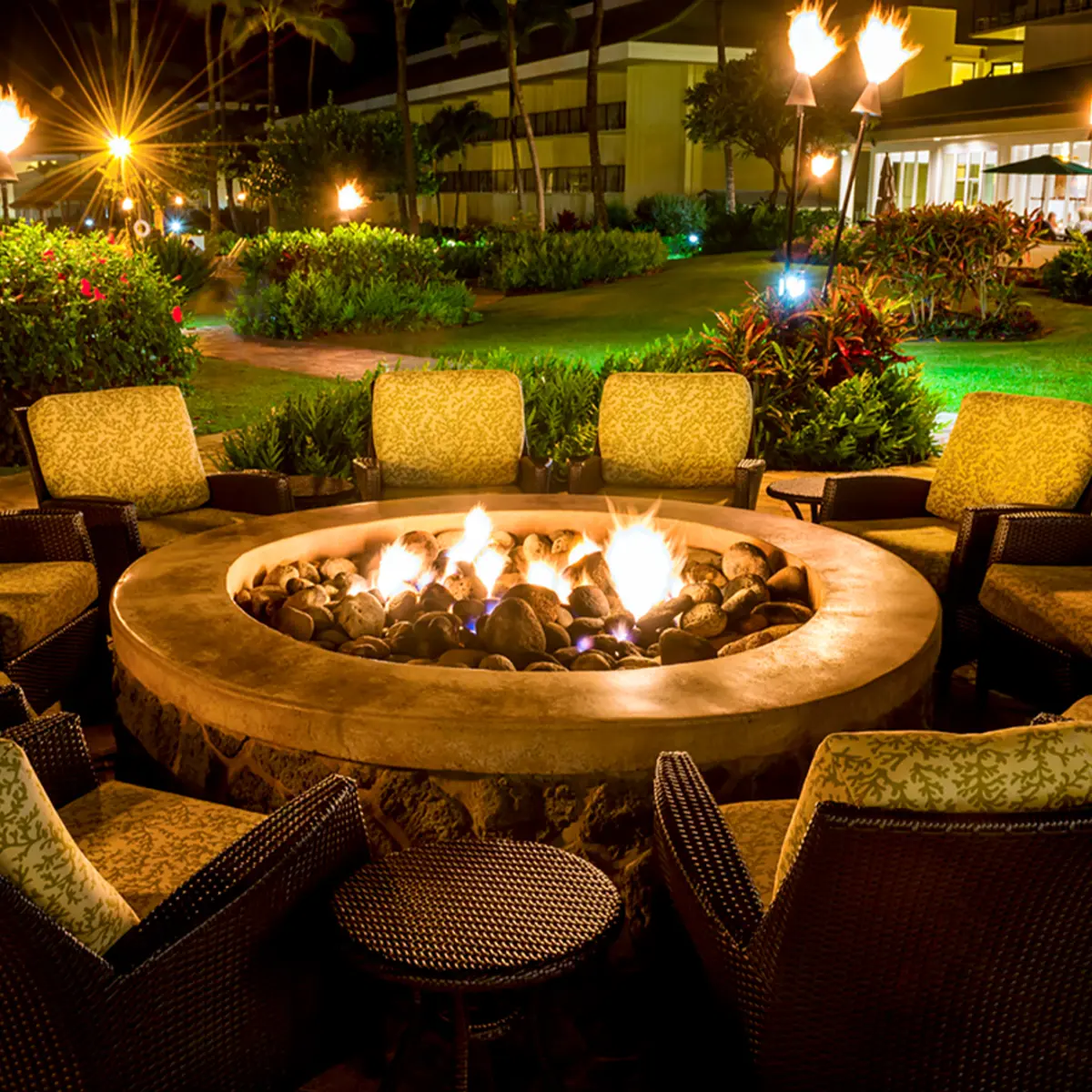
On the golden sands of Kaimana Beach near Diamond Head, this oceanfront stay is made for slow mornings by the water and sunset strolls along the shore.
Maui: polished resorts, nightlife and rural options
Maui is where many travellers picture themselves when they imagine a Hawaiian resort holiday: a sunlit shoreline, a poolside afternoon, a sunset that ends the day. But the island also rewards those who venture beyond the hotel gates, and your choice of base shapes how easy that is.
Wailea
This is the polished resort corner, where days are organised around the beach, pool, and high-end dining. It suits travellers who want a restful stay and are happy to make occasional excursions. The shoreline is a string of crescent beaches: Wailea Beach is the grand, golden centrepiece, Ulua Beach is the one to choose for a morning snorkel, and Polo Beach is a quieter stretch where the crowds thin out. Between them runs the Wailea Beach Path, a gentle coastal walk of a mile or more that is best taken at first light or just before sunset, with the neighbouring islands rising on the horizon. In winter, keep an eye on the water. Humpback whales pass through, and you can often spot them from the path or your own terrace.
The Shops at Wailea offer boutiques and galleries for a slow browse. Further south, Mākena’s Big Beach is a short drive away for wide sand and open-ocean drama. Treat the rest of the island as a series of occasional outings: a sunrise at Haleakalā, a snorkelling cruise to Molokini, or lunch upcountry.
Kāʻanapali
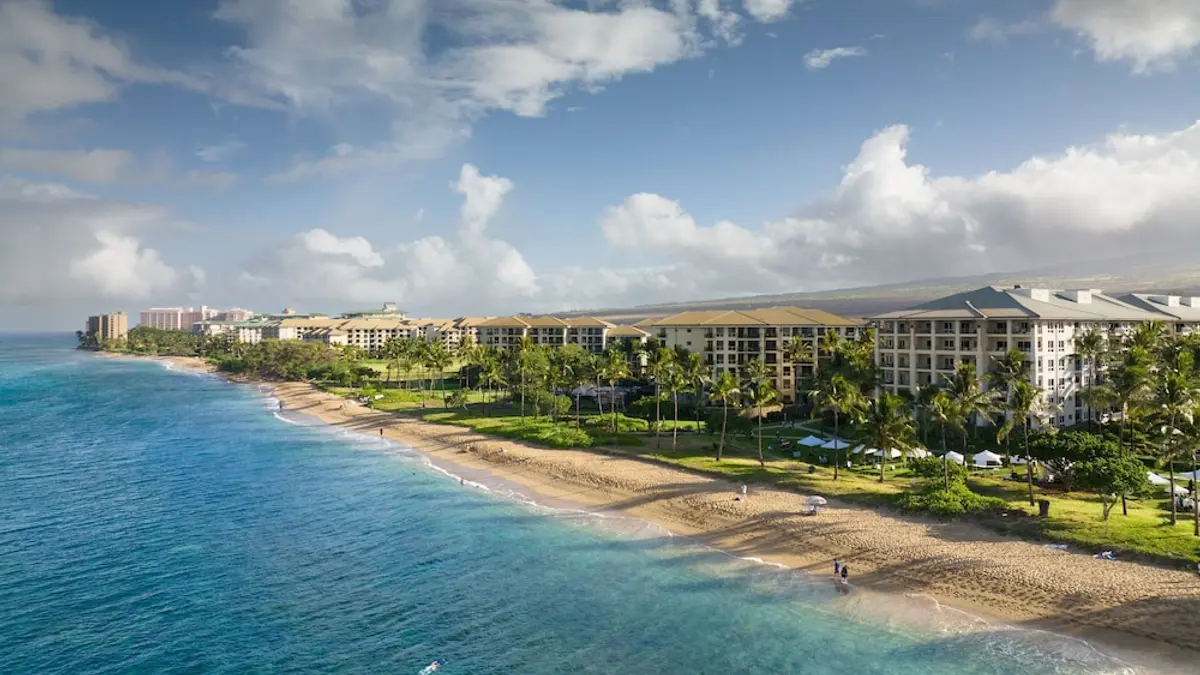
You’ll find a resort stay with more of a social energy in Kāʻanapali. It is a good fit for travellers who like having a lively stretch of coast close by. The beach is a long, broad arc of sand along West Maui, with a beachfront walk linking the hotels, and everything is built for easy days. Snorkel around Black Rock (Puʻu Kekaʻa) at the northern end, where the water is clear, and the fish are plentiful. Whalers Village sits right on the beach for shopping and a small museum, and Leilani’s on the Beach and Hula Grill are the easy places to take a table with your toes close to the sand.
The pace stays social after dark, with open-air bars, live music and sunset sails departing from the beach. For something quieter, drive a few minutes north to Kapalua, where the Coastal Trail follows rugged lava shoreline.
Hāna
Hāna is another proposition entirely. It is remote and immersive, a base for travellers who would rather be close to the island’s scenery than to a resort pool. It asks more of you in planning, and it gives back in atmosphere. The Road to Hāna is part of the experience, with hundreds of curves, one-lane bridges and waterfalls that appear around every other bend. Go slowly, stop often, and buy banana bread from the roadside stands. Waiʻānapanapa State Park, with its black-sand beach, sea caves and coastal trail, is the highlight.
Once you’re in Hāna, the rhythm turns rural and unhurried. Kahanu Garden and its ancient heiau hint at the place’s deeper history, and the town’s small cafés and food stands make up the dining scene, so plan to eat early and simply. Past the town, the Kīpahulu district of Haleakalā National Park offers waterfalls and pools. Nights are dark and still, and the stars are extraordinary.
Where to stay:
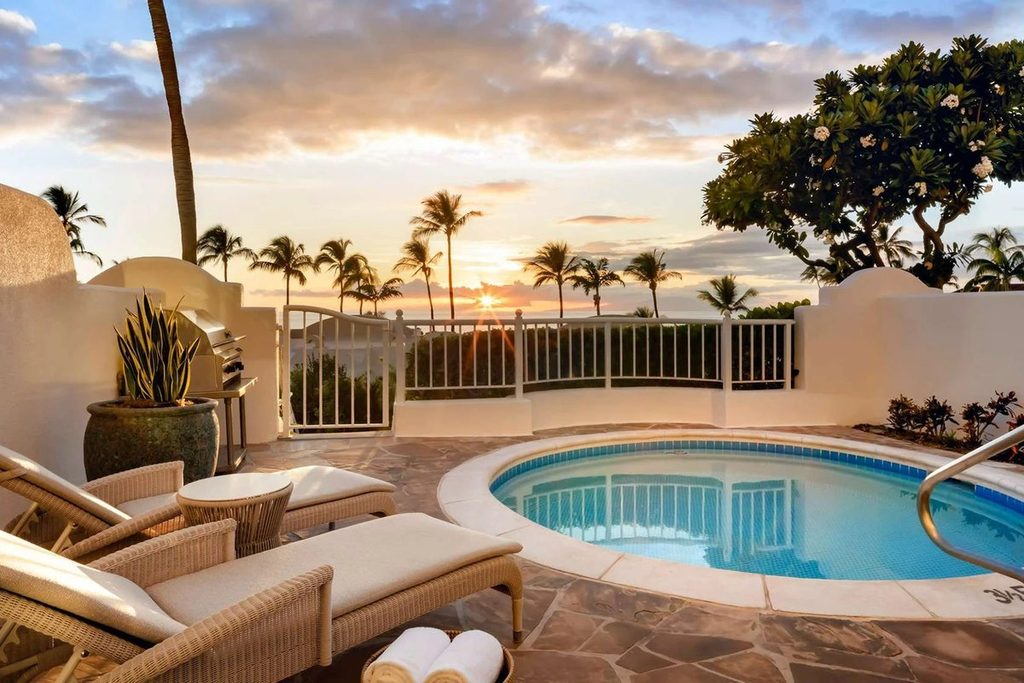
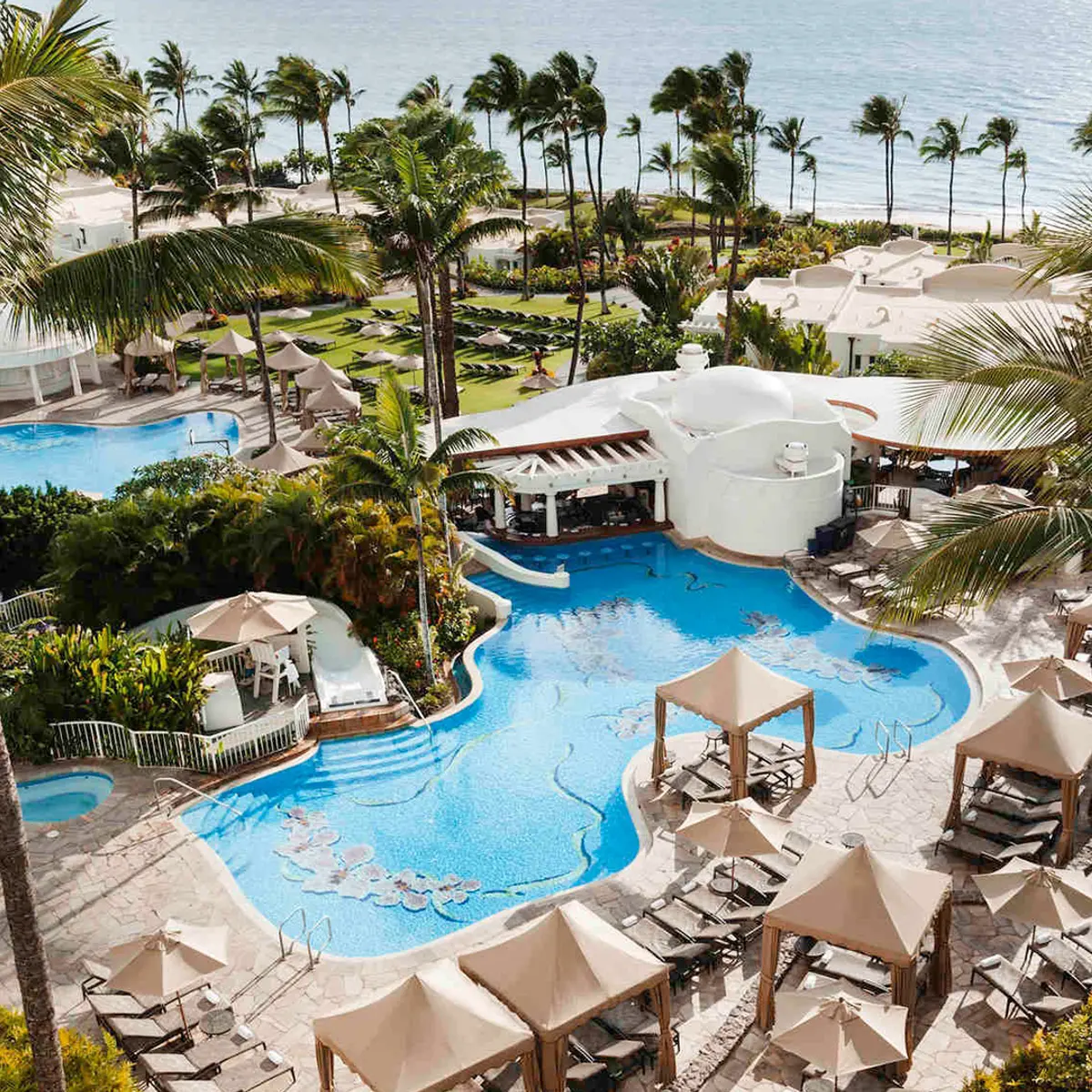
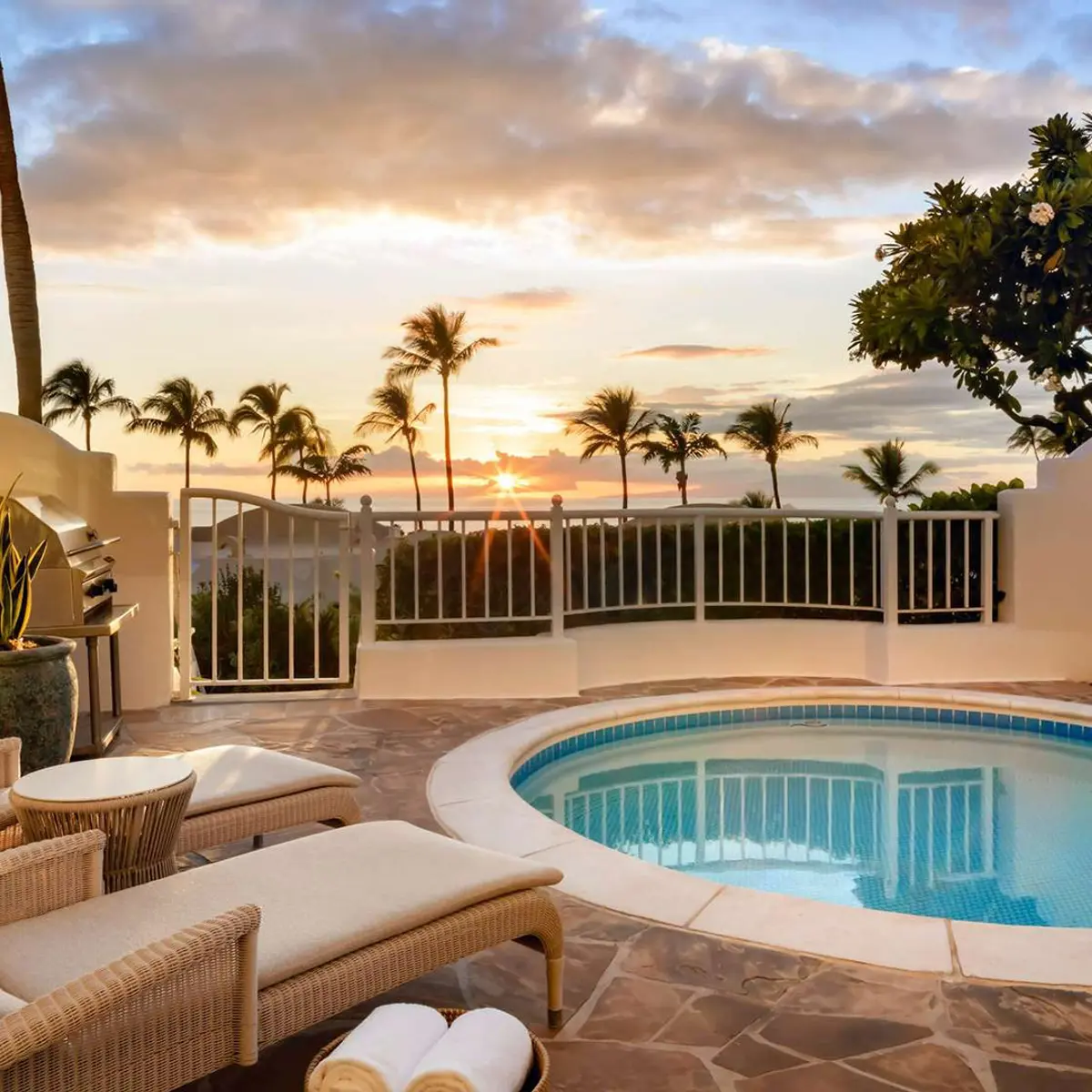
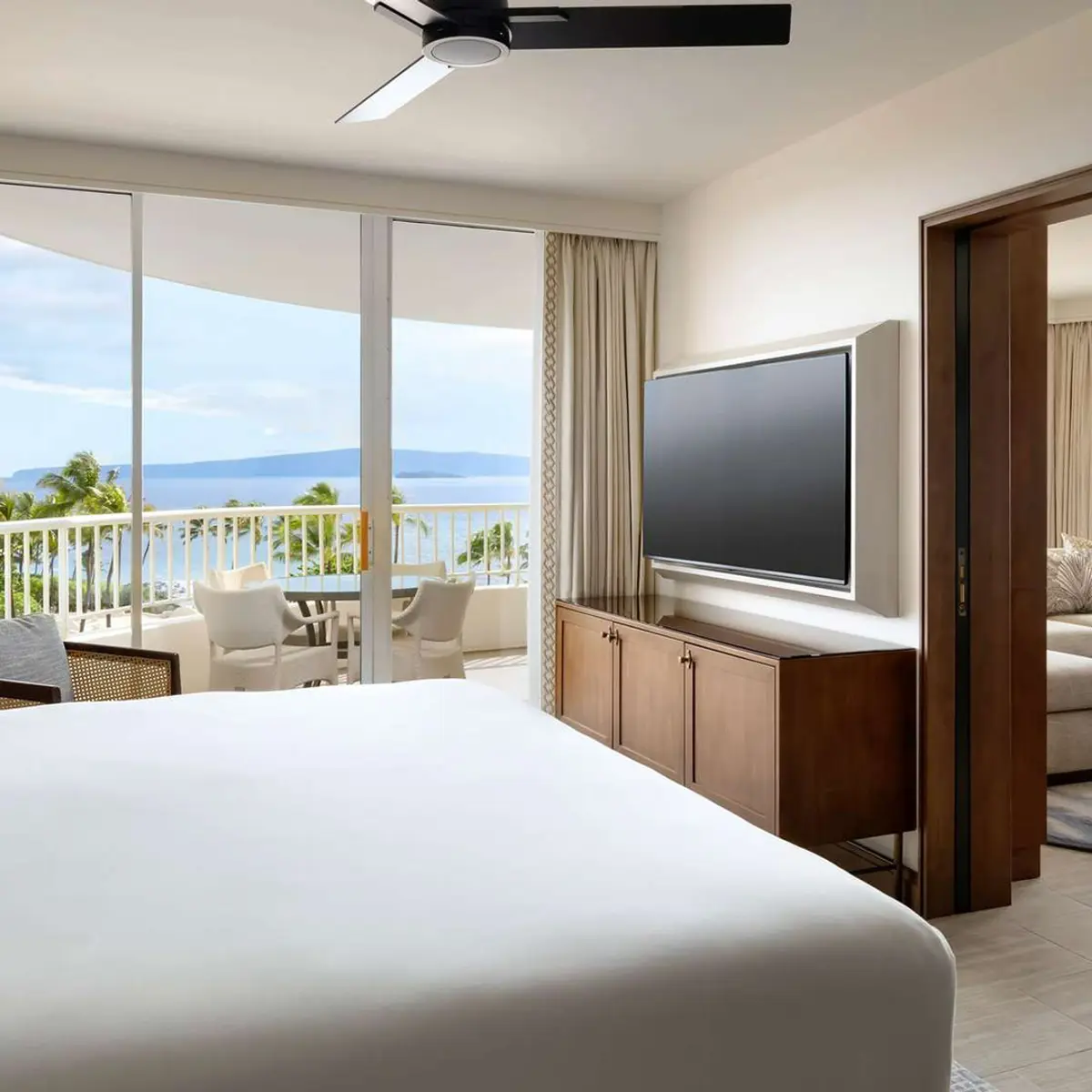
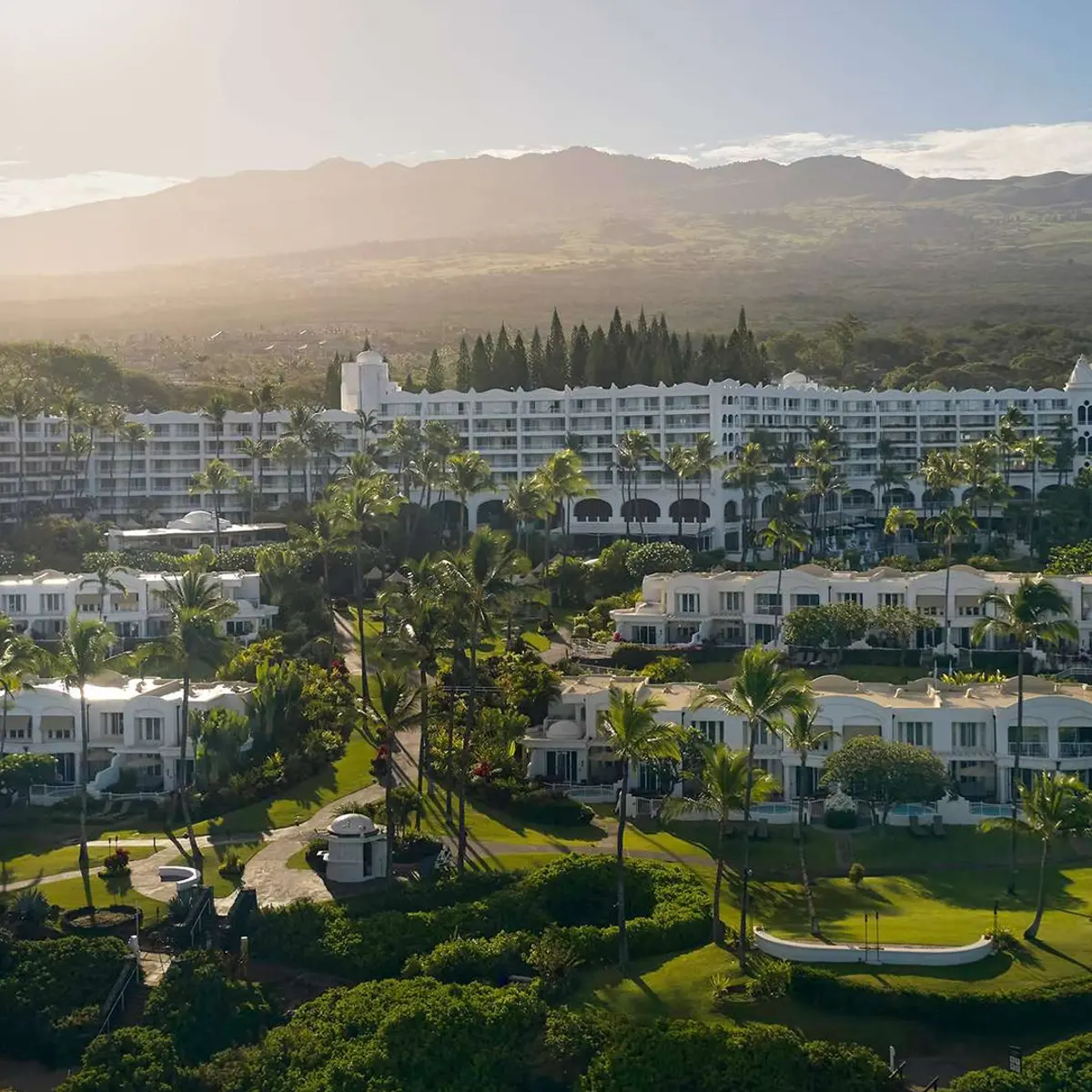
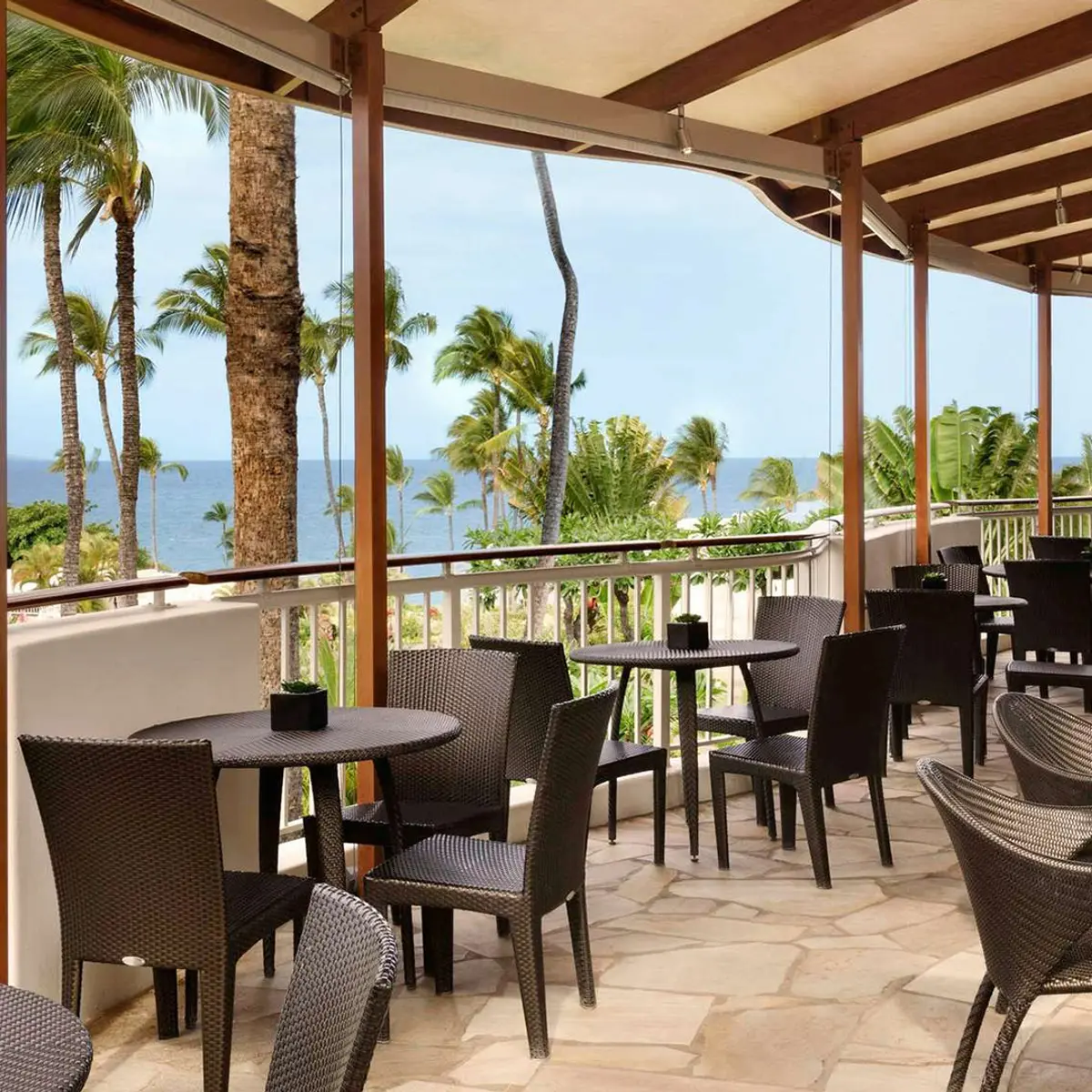
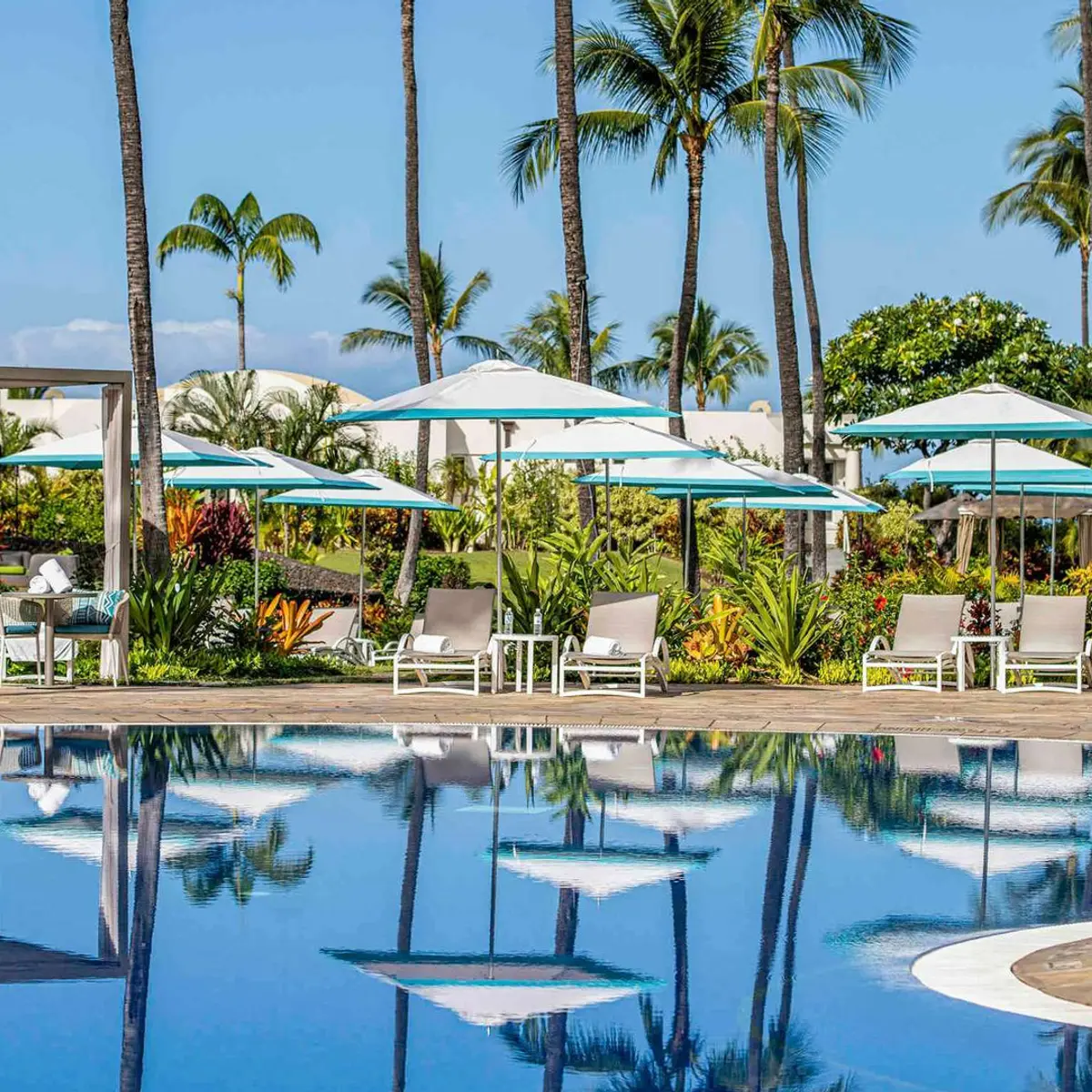
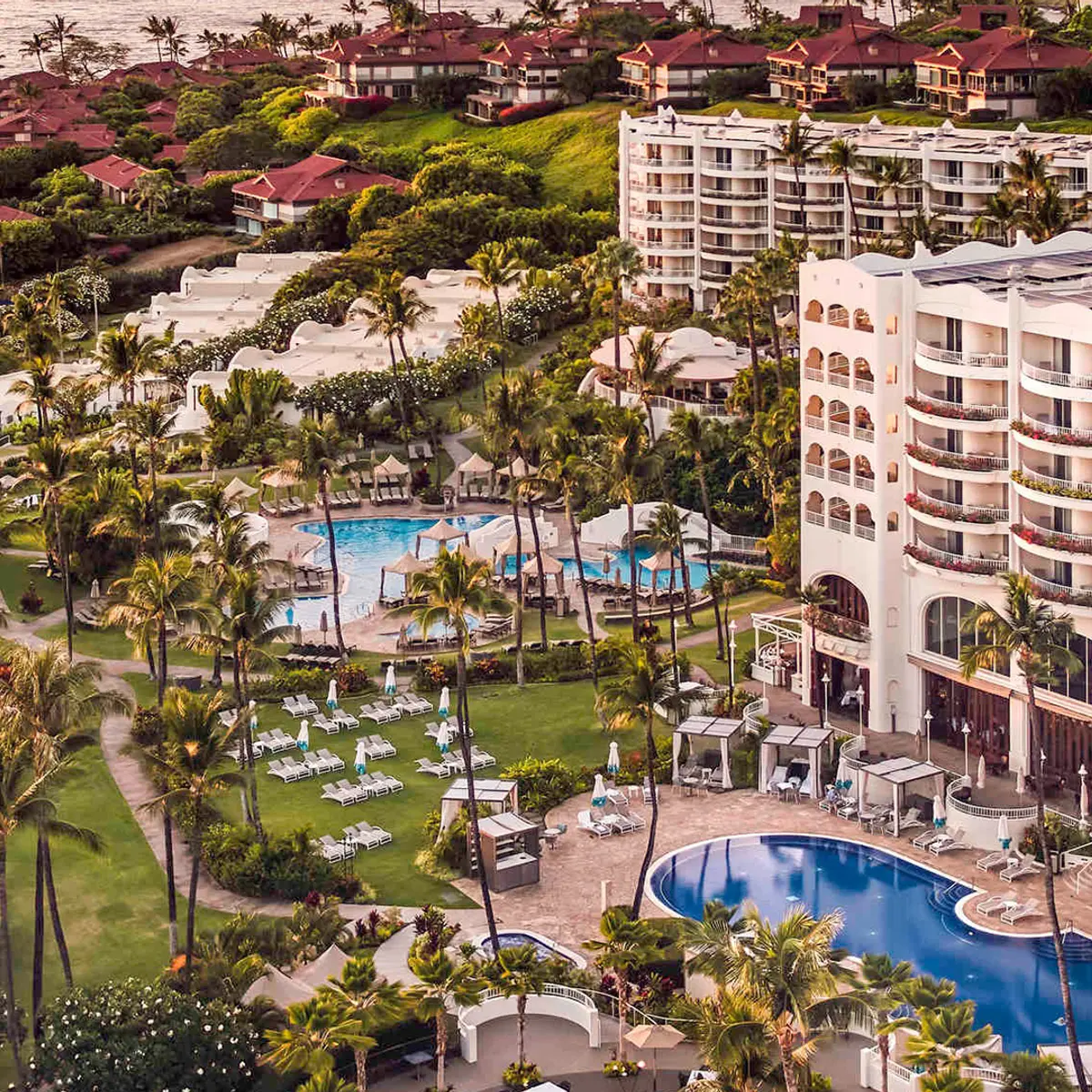
Fairmont Kea Lani, Maui
On Wailea’s sunlit coast, this all-suite and villa resort pairs expansive ocean views with a relaxed sense of island indulgence.
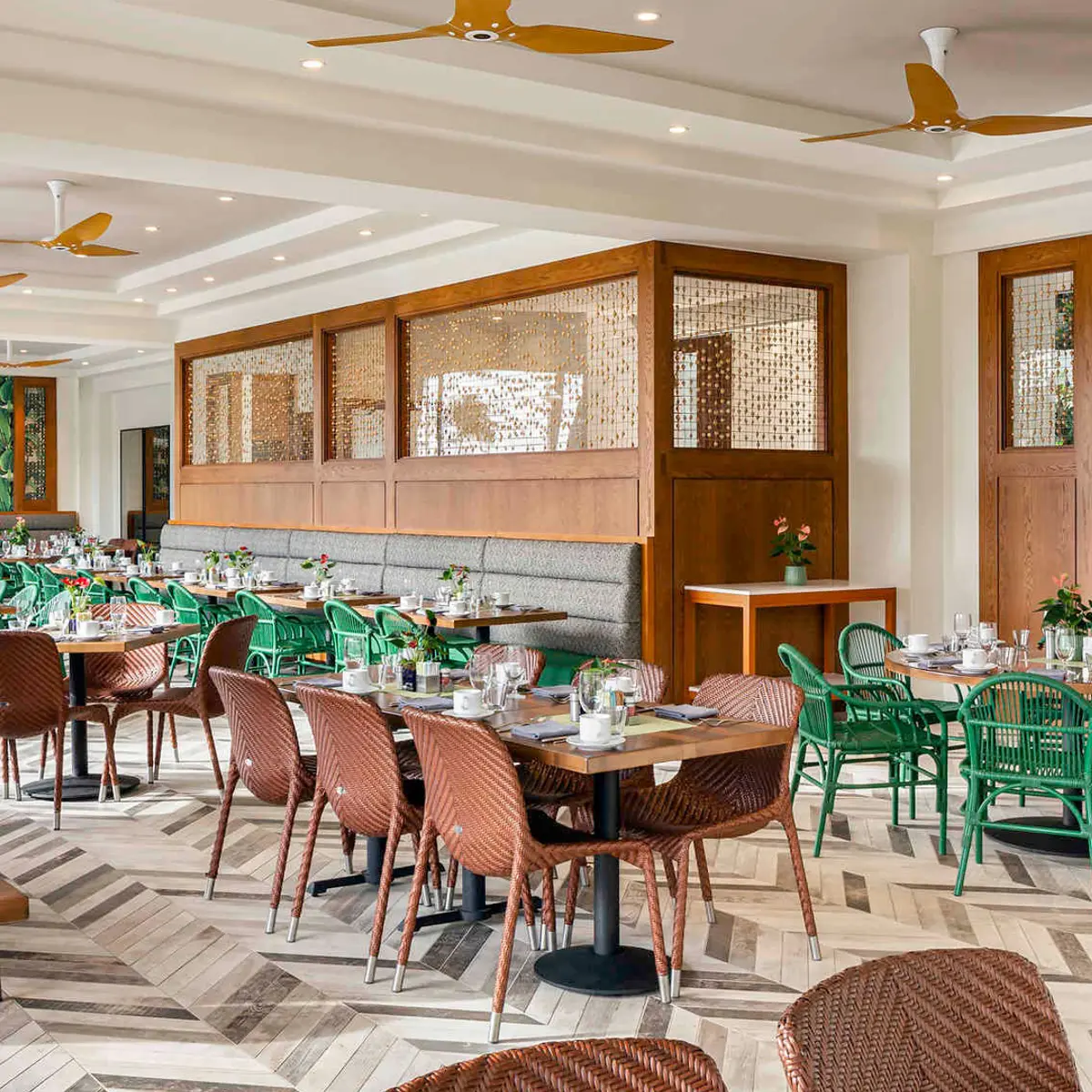
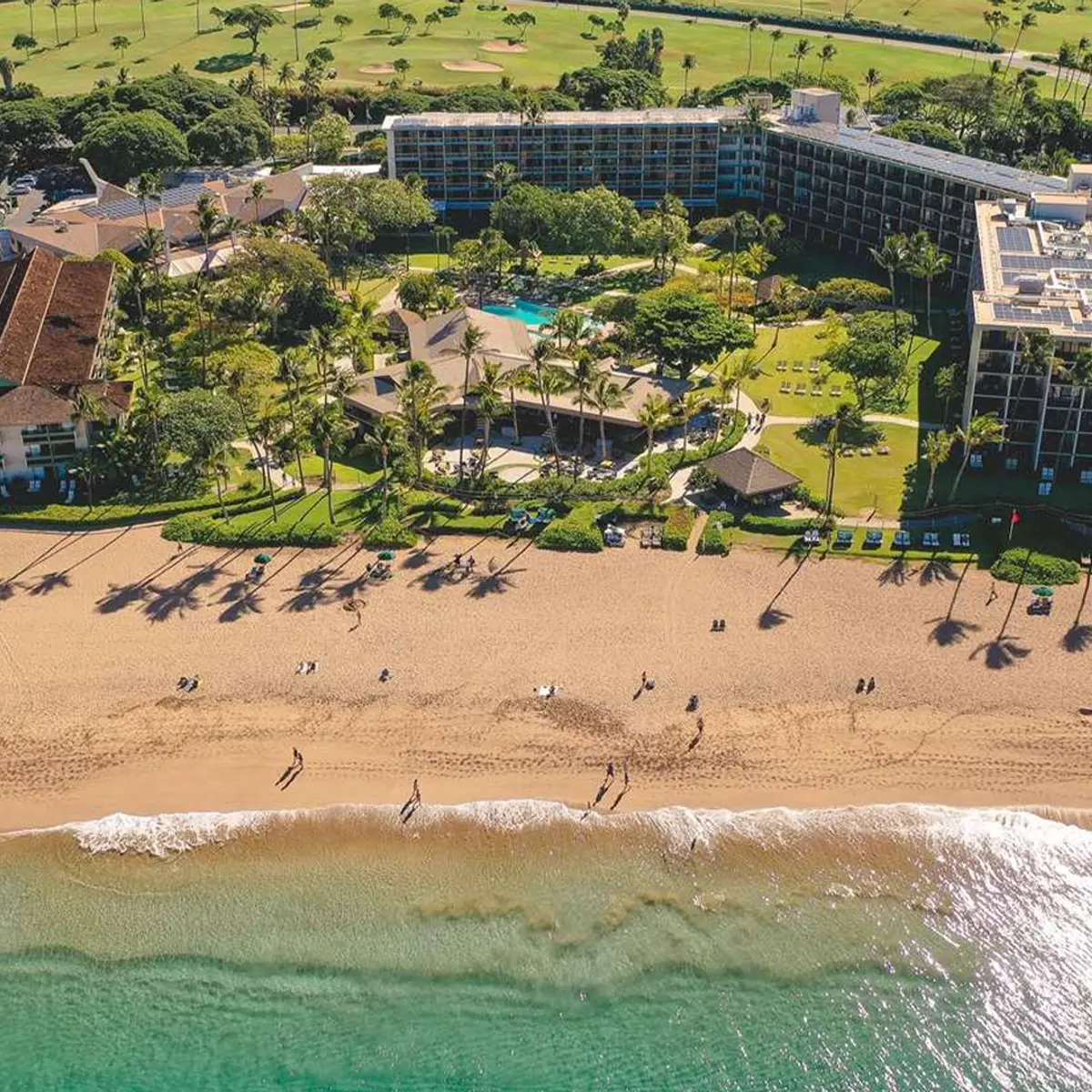
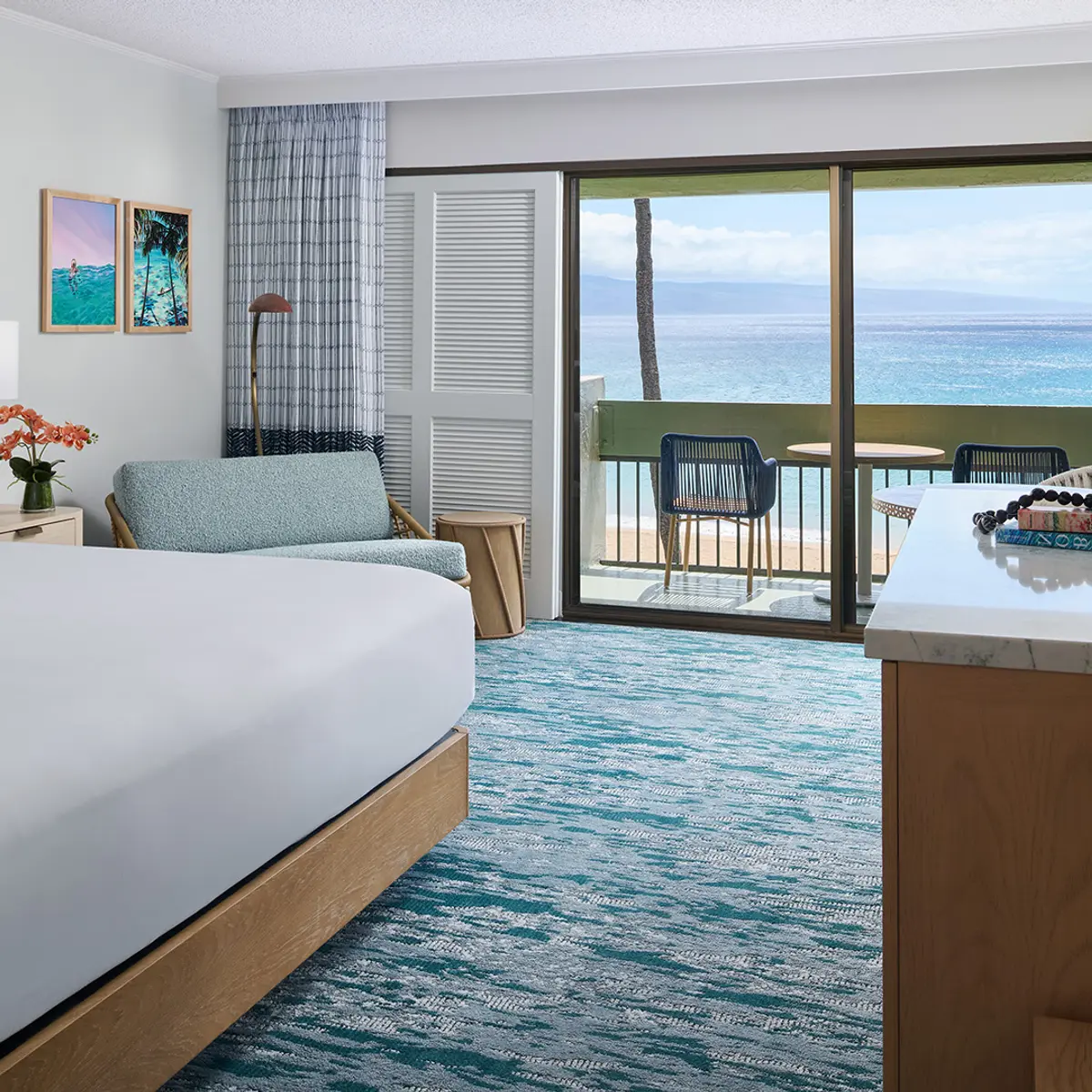
OUTRIGGER Kāʻanapali Beach Resort
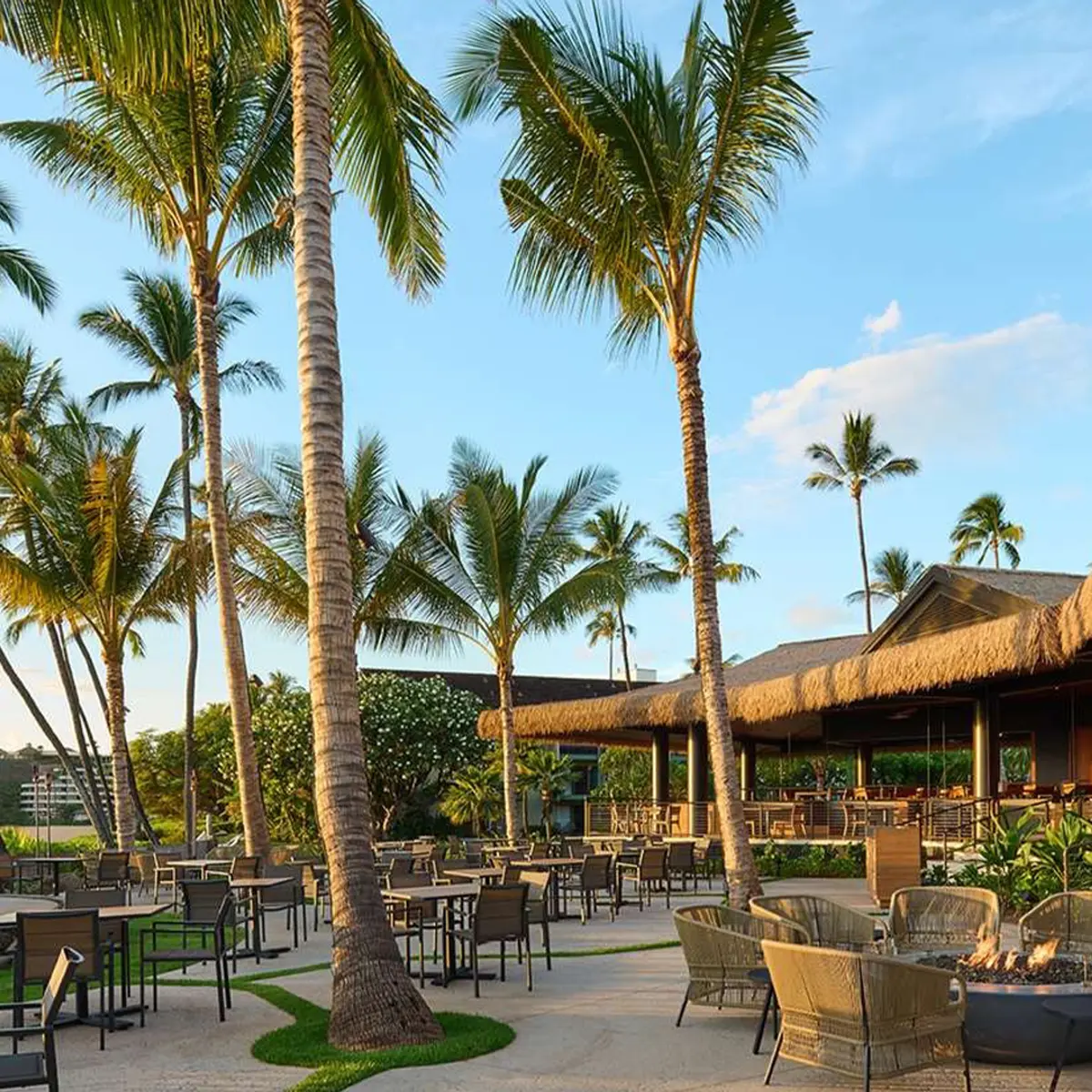
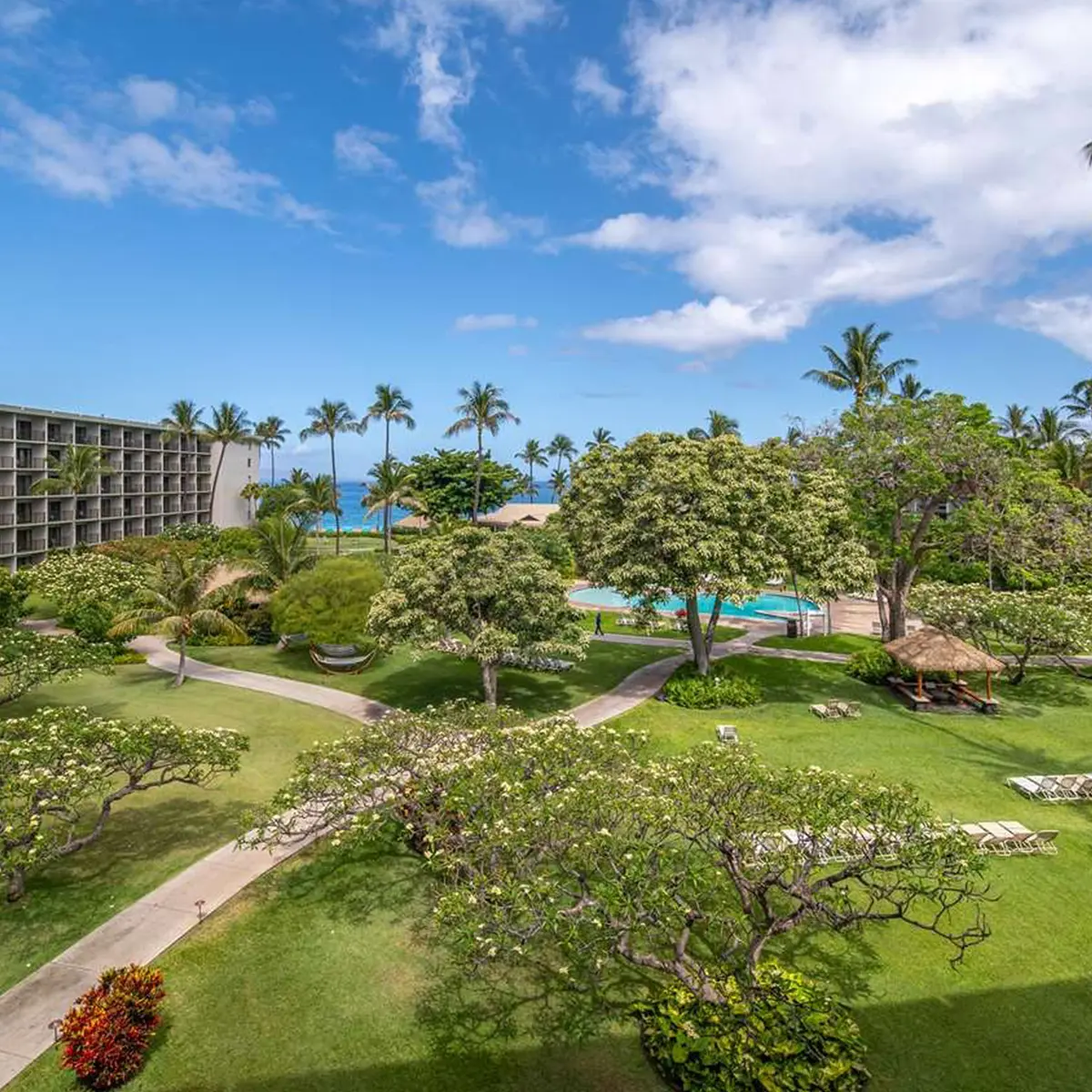
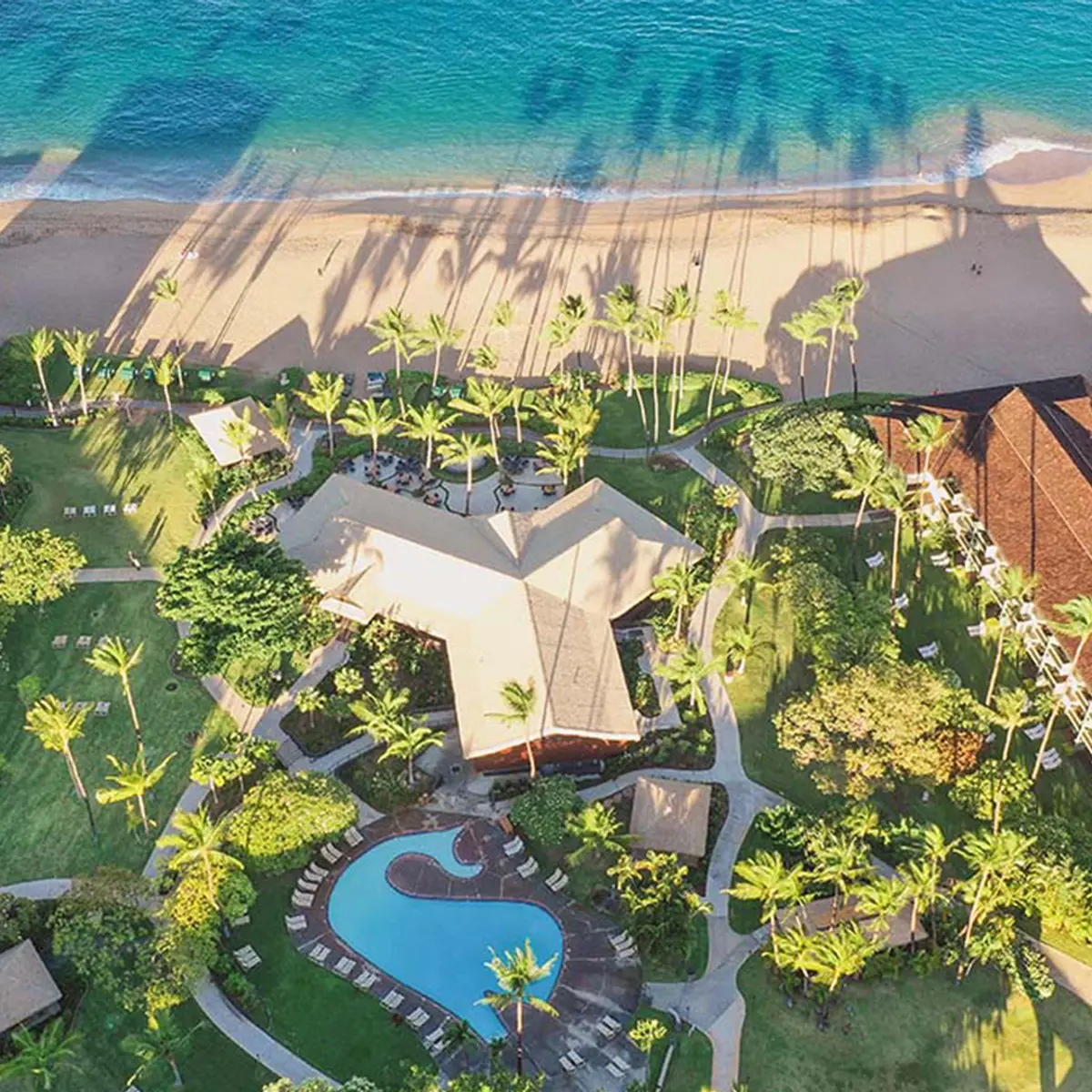
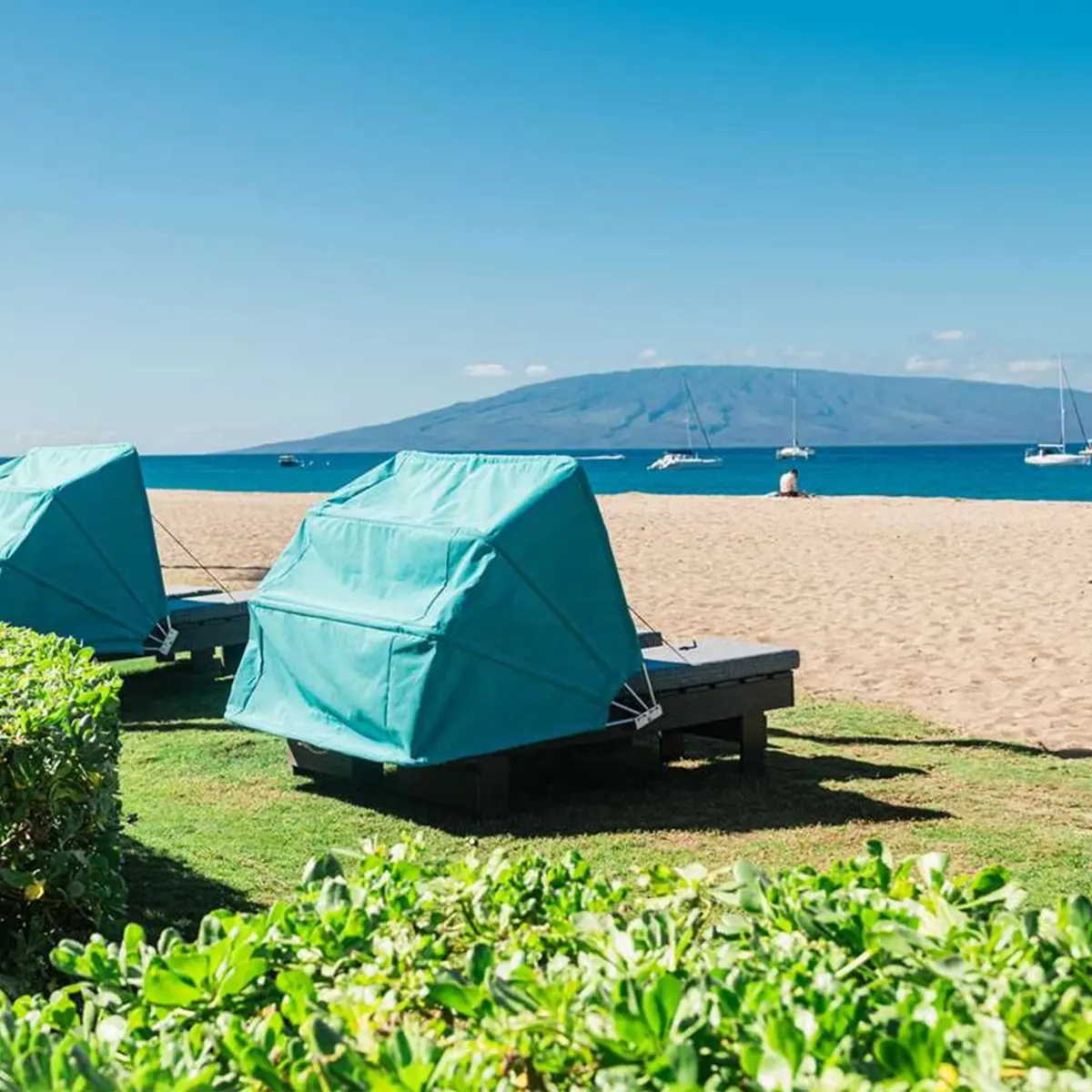
Set on celebrated Kāʻanapali Beach, this welcoming resort brings you close to the shore, local culture and West Maui’s golden sunsets.

Kauaʻi: lush scenery and a slower pace
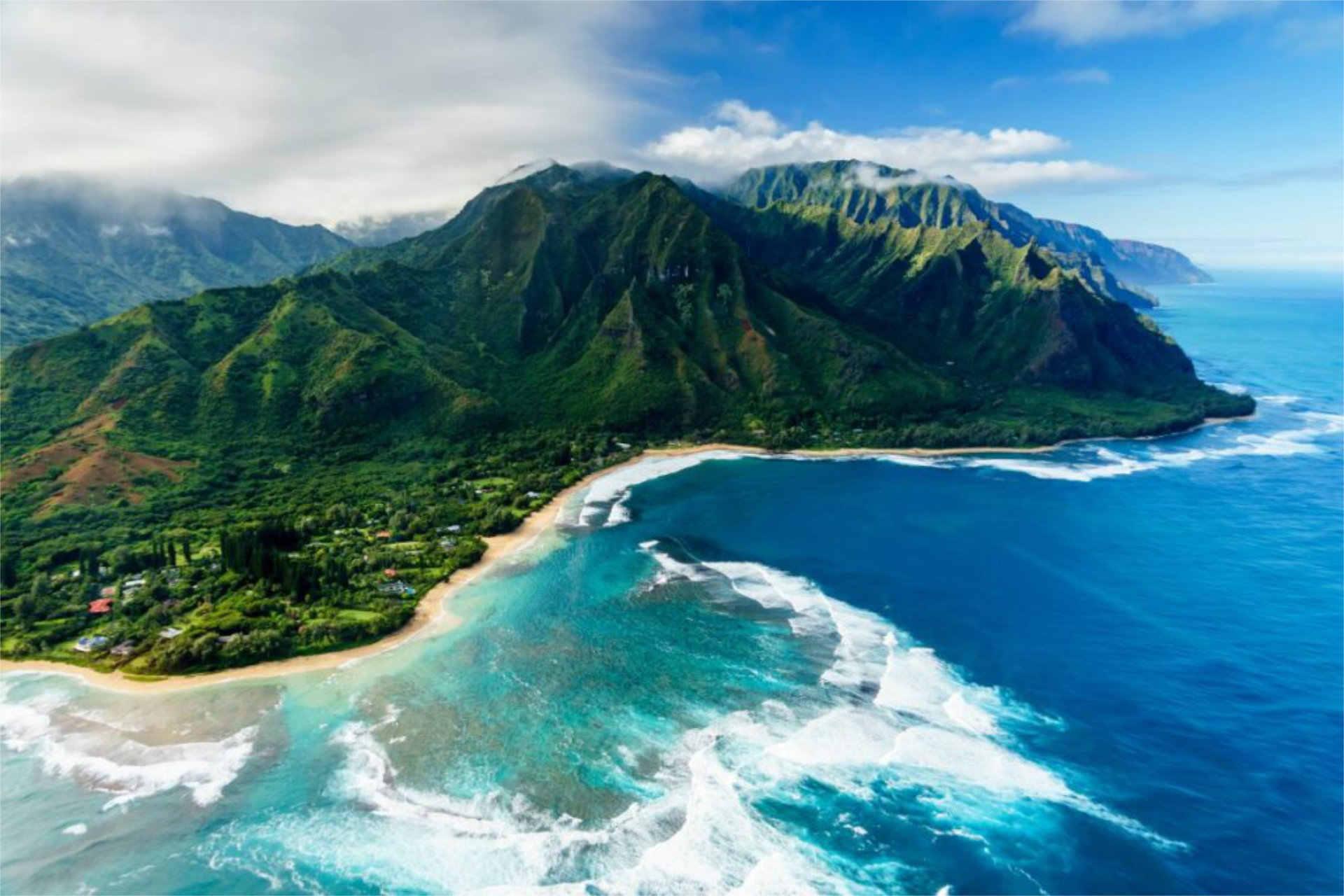
Kauaʻi is the island for travellers who want to slow down and take it all in. Its appeal is its scenery, and the choice of where to stay comes down to two coasts with different personalities.
The South Shore around Poʻipū
A convenient base on the island’s South Shore, Poʻipū is well suited to a beach-oriented stay. Poʻipū Beach Park is the social heart, with calm water for swimming. Brennecke’s Beach is the place to watch the bodysurfers, and the Mahaulepu Heritage Trail follows a wild stretch of coast to the east. In Kōloa Town, galleries and Eating House 1849 make for an easy evening. For a bigger day out, the drive to Waimea Canyon, the “Grand Canyon of the Pacific”, is well worth the early start.
The North Shore around Princeville and Hanalei
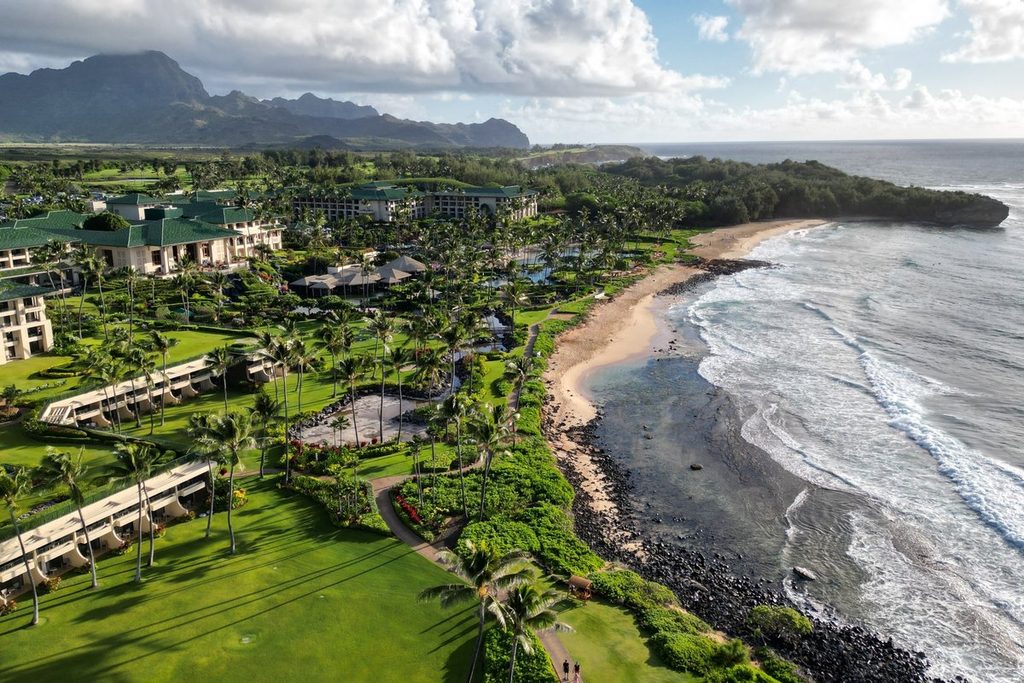
The North Shore is known for dramatic scenery, beaches and the Nāpali Coast. Princeville and Hanalei place you in the heart of it. This is the choice for travellers who want to wake up inside the landscape rather than drive toward it. Hanalei Bay is the centrepiece, a wide crescent ringed by green mountains, best met with a dawn walk along the pier and shave ice in town afterwards. Tunnels Beach is a summer favourite for snorkelling, and the road ends at Haʻena State Park, gateway to the Kalalau Trail. Winter swells make many beaches here dangerous, so check conditions and heed lifeguard warnings.
Where to stay:
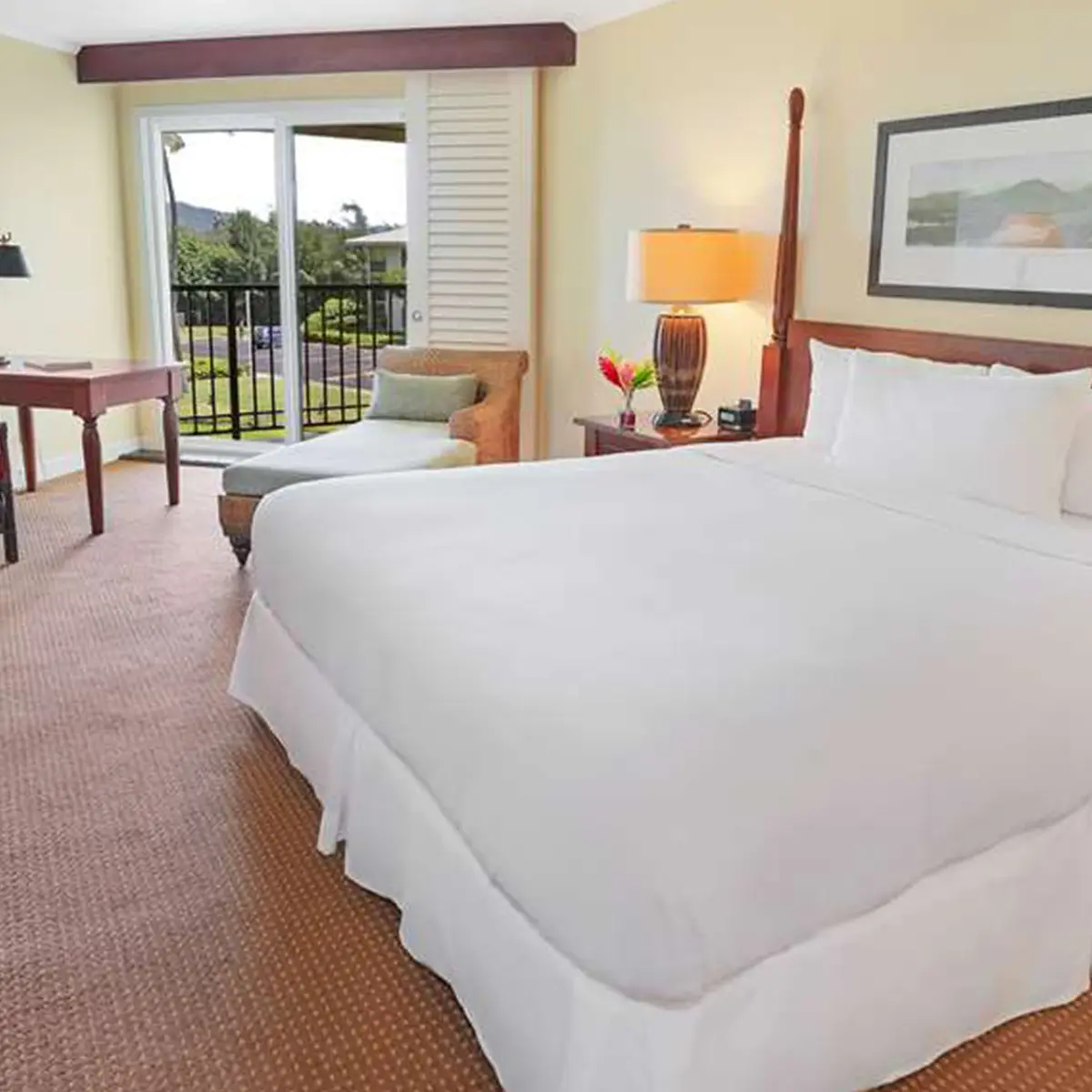
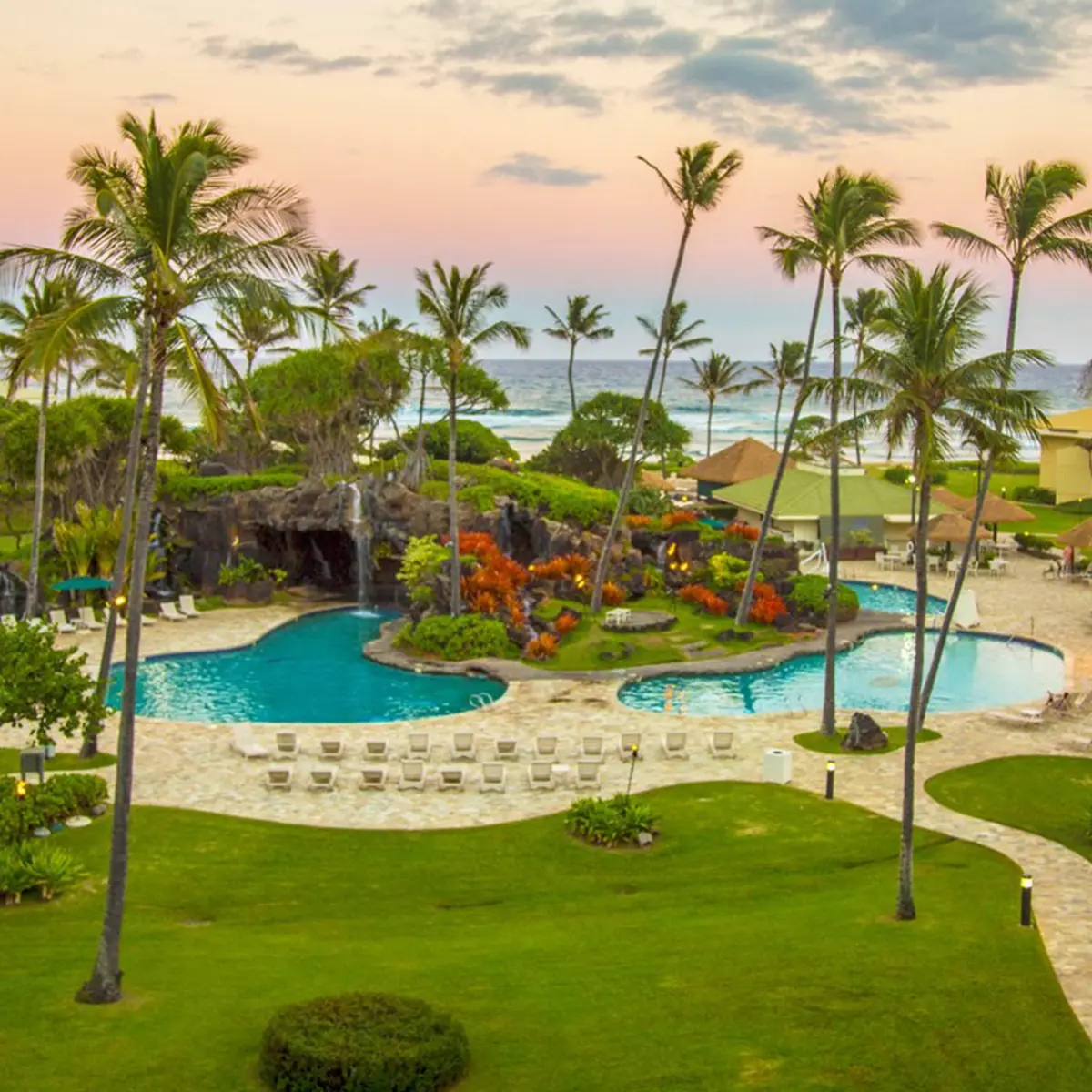
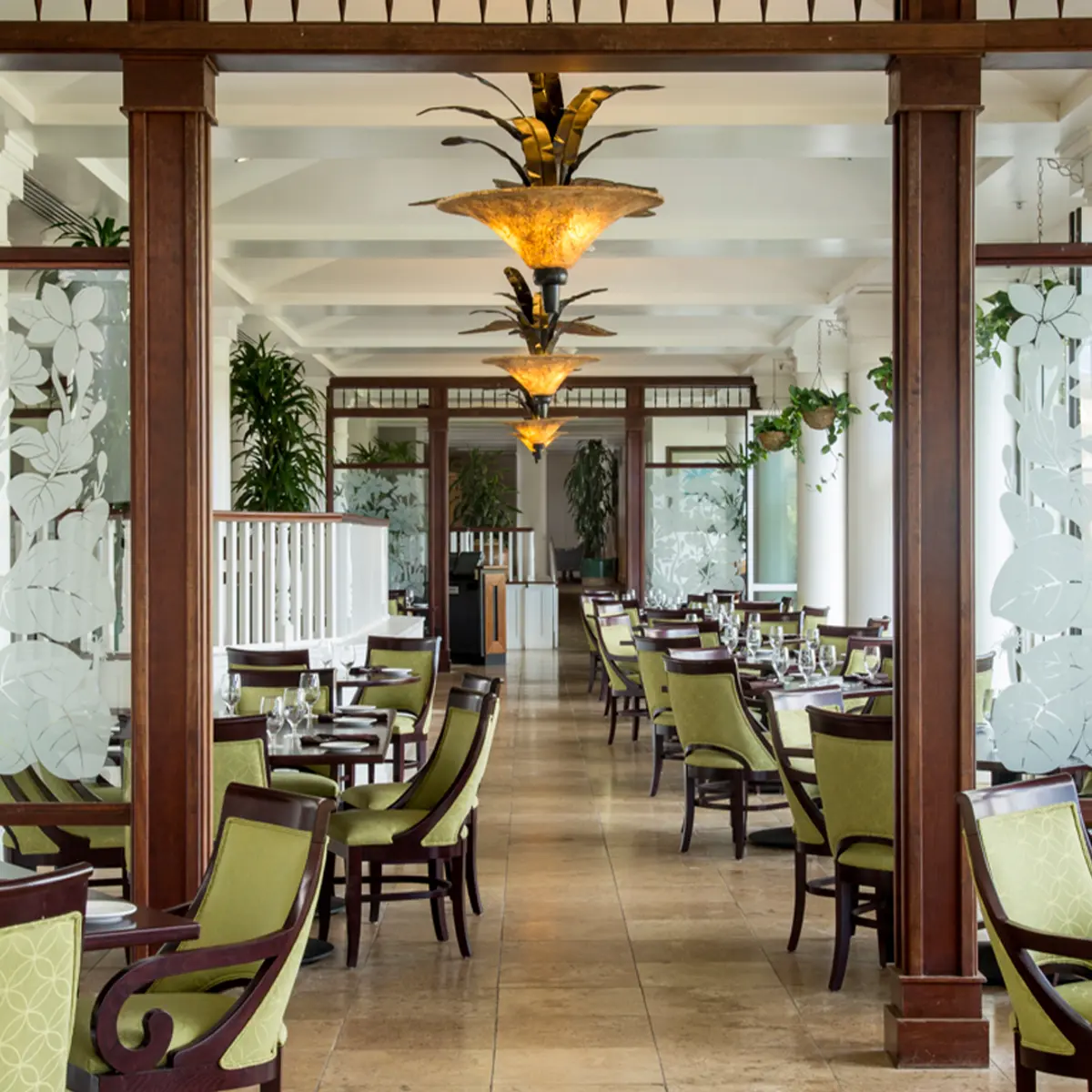
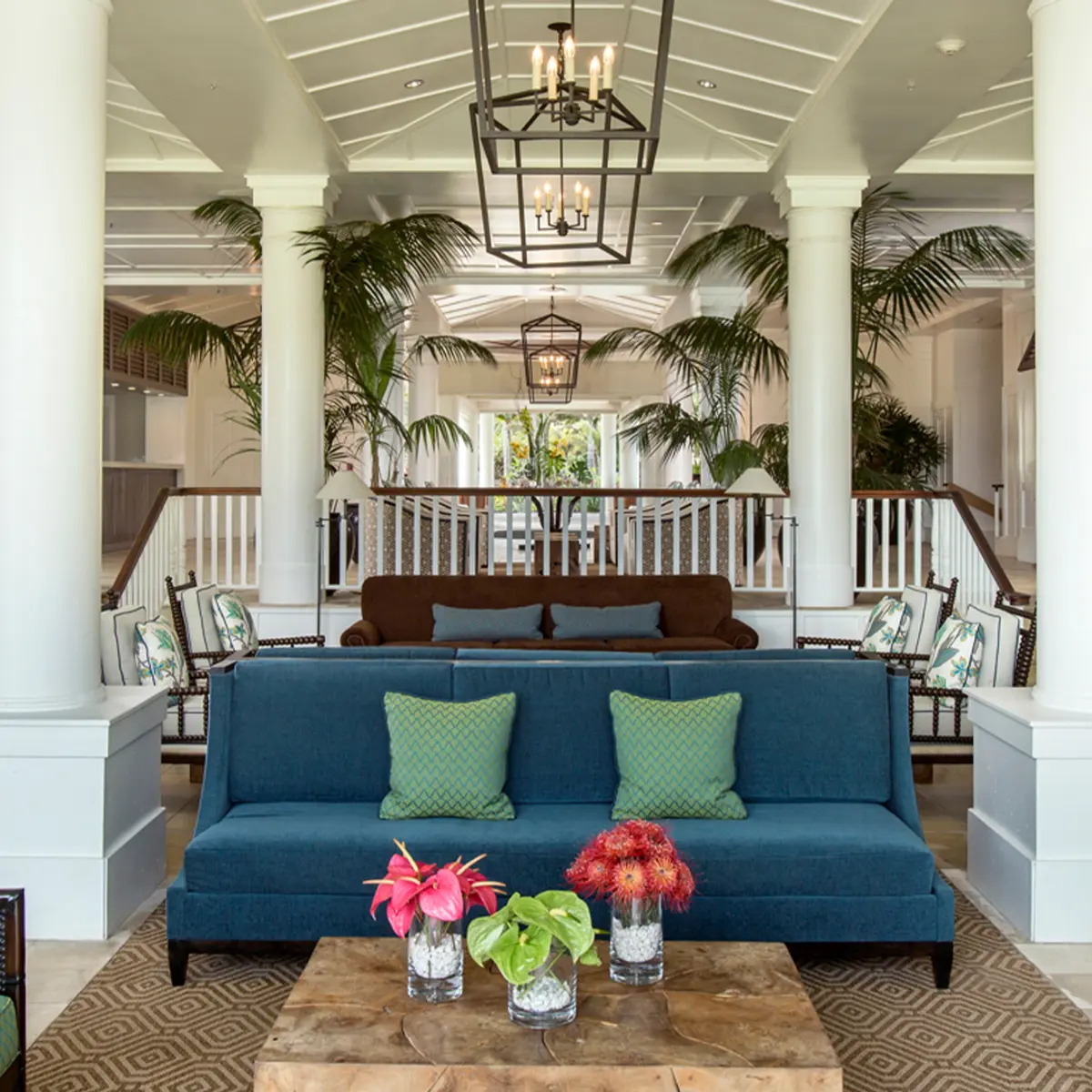
OUTRIGGER Kauaʻi Beach Resort
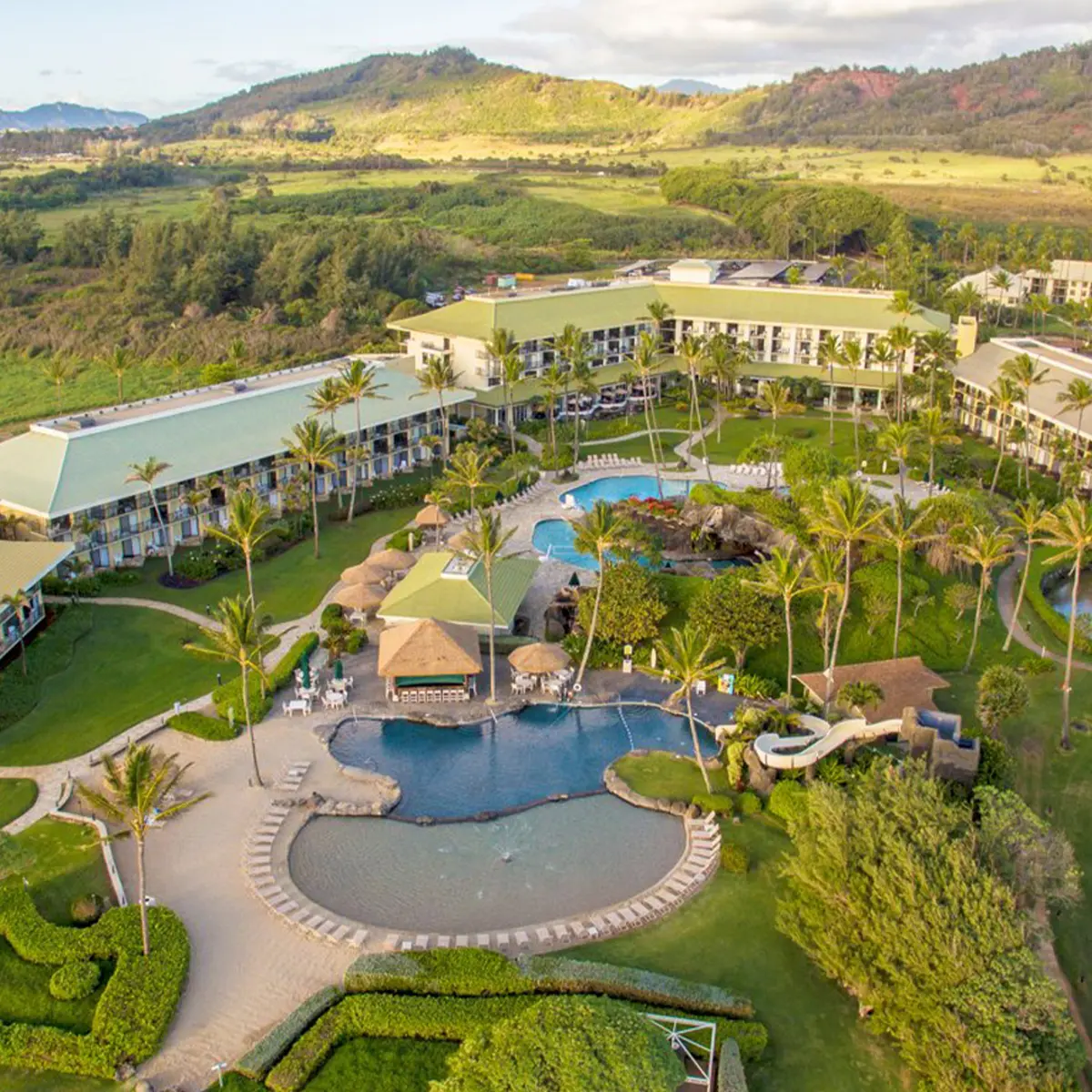
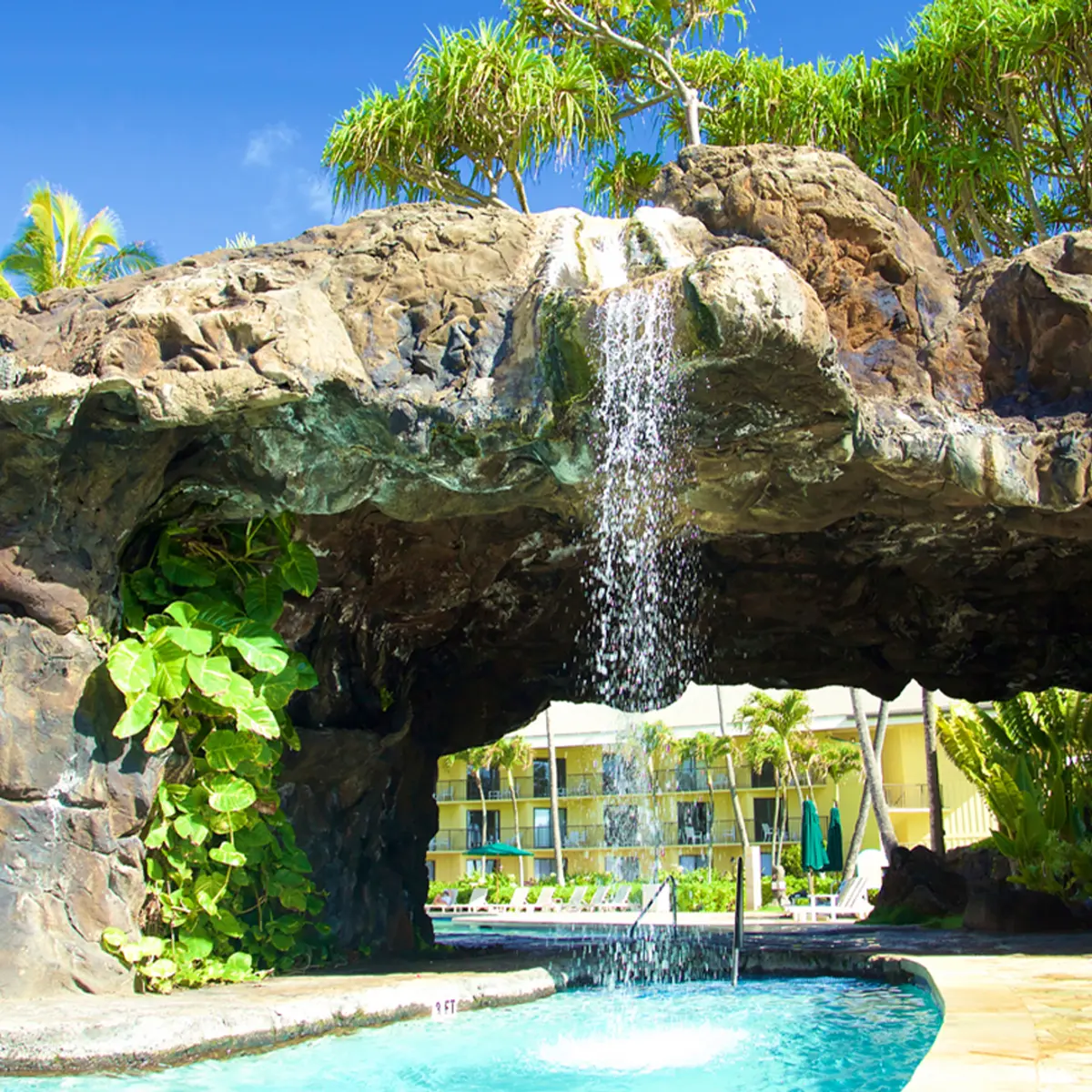
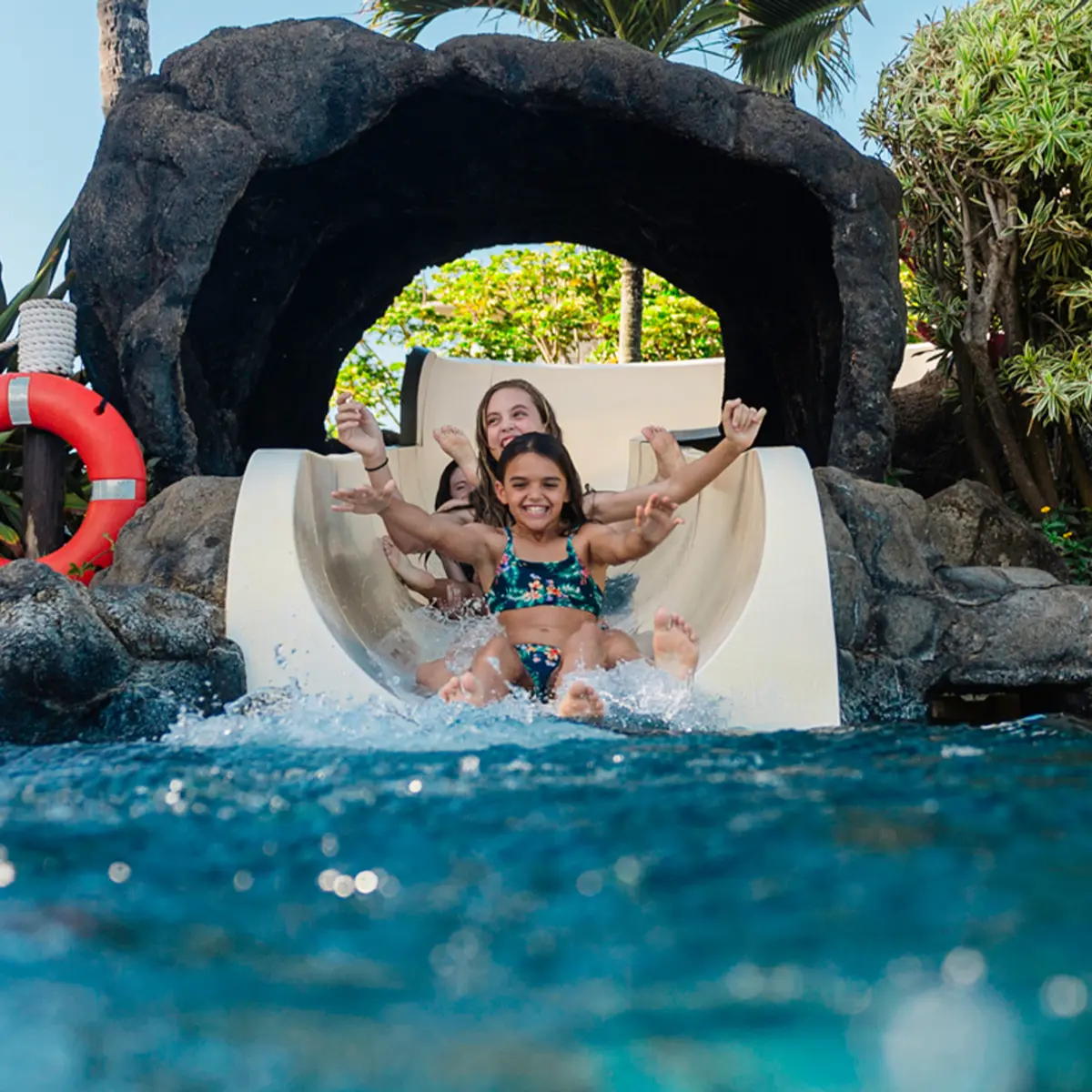
On Kauaʻi’s east shore, this beachfront escape pairs lush tropical grounds with lagoon-style pools, waterfalls and a waterslide for easy-going days between island adventures.
The island of Hawaiʻi: varied landscapes and longer drives
The island of Hawaiʻi is the largest in the chain, and it behaves like it. Its landscapes vary widely from one region to the next, and the distances between them add significant travel time to your trip. Choosing the right base matters more here than almost anywhere else in the state.
The advice here is simple: respect the distances. If you try to see everything from a single base, you will spend your holiday in the car. Decide which side of the island matters most to you, stay there, and treat the other as a separate day trip or a separate stay.
Kona
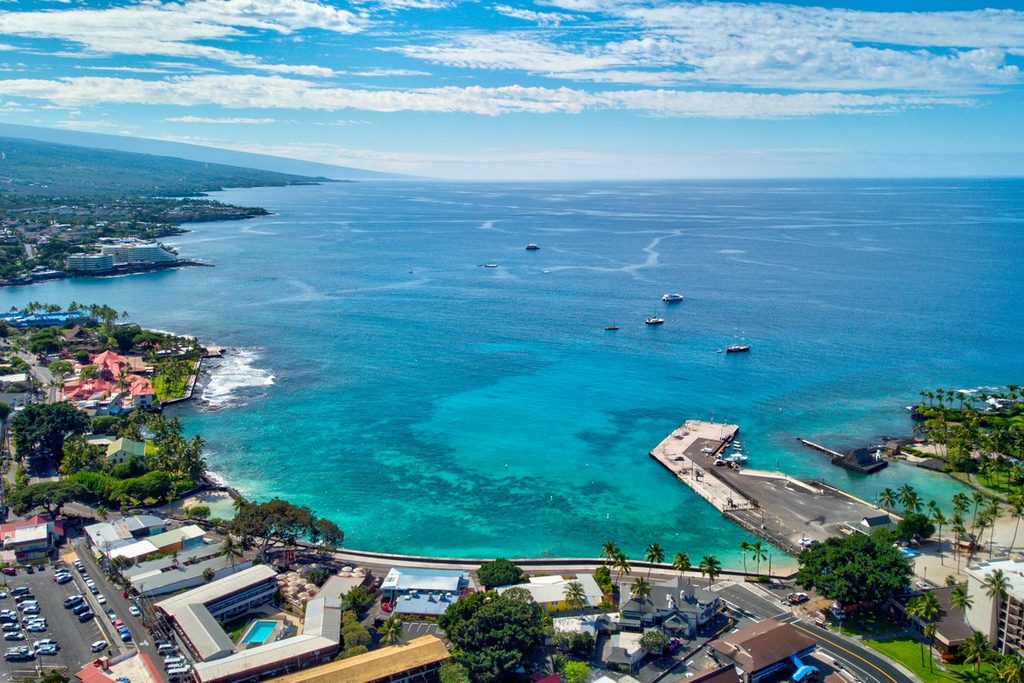
This is a useful starting point for the west side, with the practicalities of a working town and easy access to the coast. Kailua-Kona wraps around the bay along Aliʻi Drive, where a morning stroll takes in the old pier, Huliheʻe Palace and Mokuʻaikaua Church. Kahaluʻu Beach Park is the easy choice for snorkelling, with calm water and plenty of reef fish. Up the slope in Holualoa, a village of galleries and small coffee farms, you can taste Kona coffee where it grows. South of town, Puʻuhonua o Hōnaunau National Historical Park is a quietly absorbing stop. After dark, the manta ray night snorkel and dive trips are a signature Kona experience.
The Kohala Coast
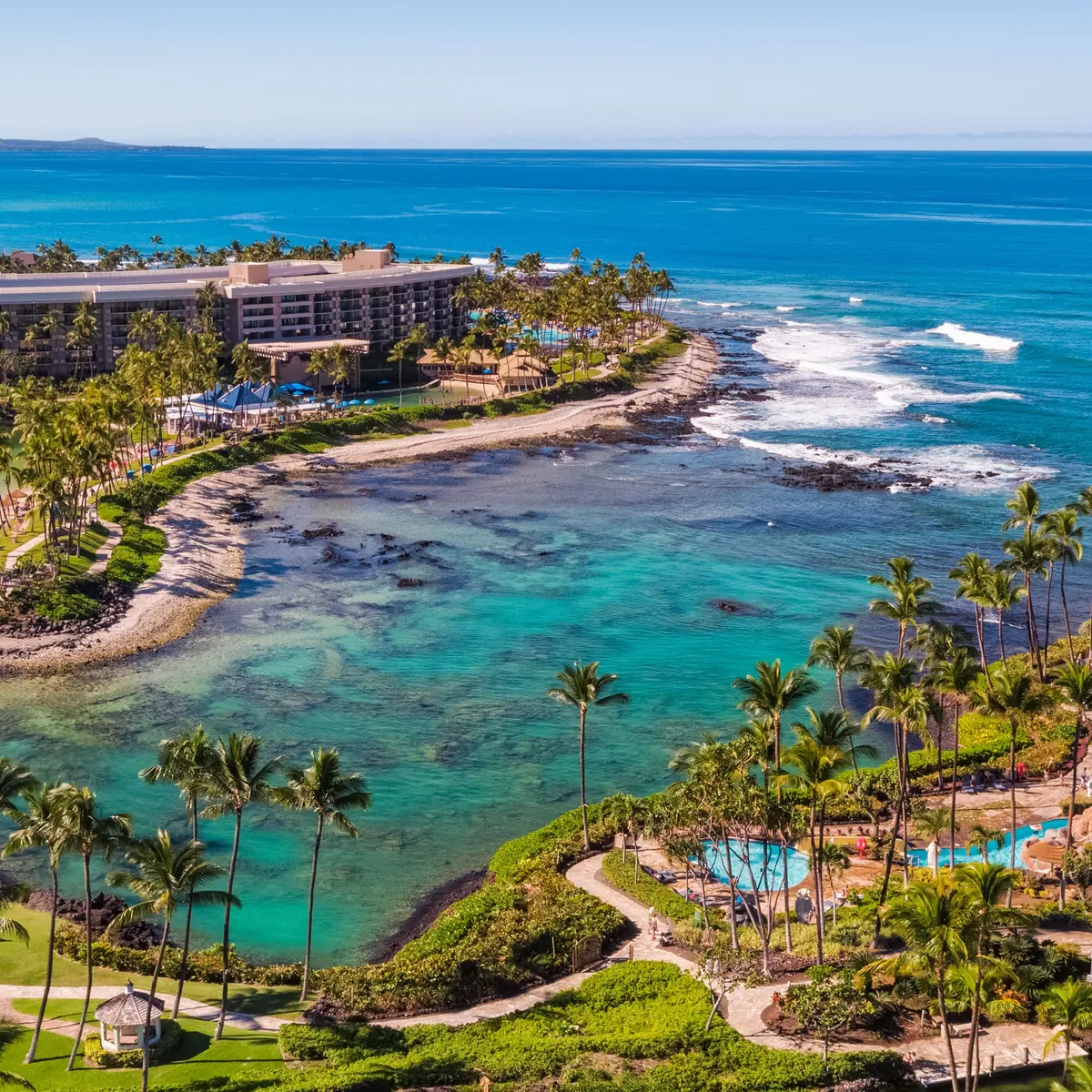
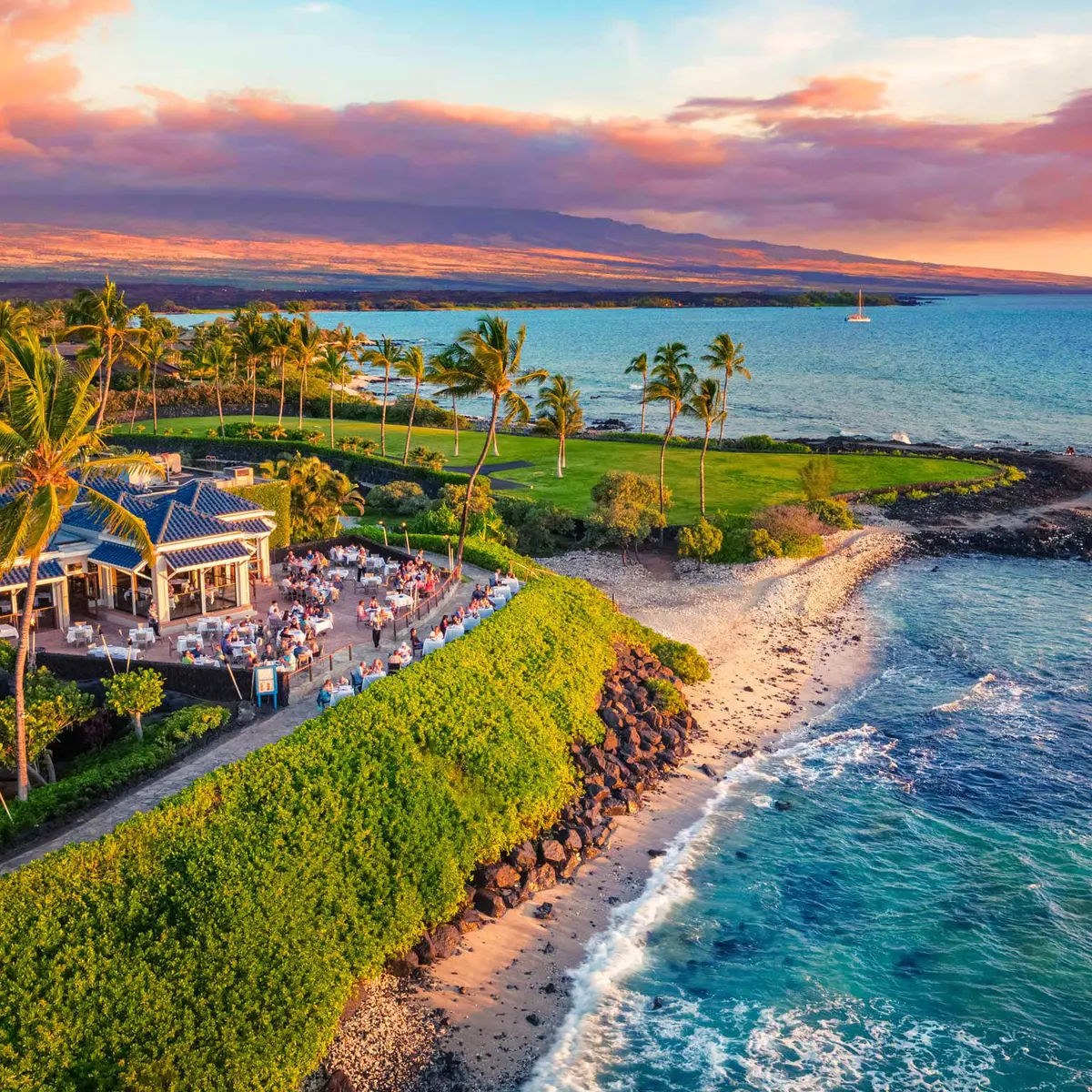
The area to investigate for a beach-focused resort stay and a quieter, more resort-led setting. The landscape is striking, with black lava fields running down to pale crescents of sand. Hāpuna Beach is the grand one, a broad, golden sweep that suits swimming and long days under an umbrella, while Kaunaʻoa Beach is a calmer, more sheltered cove. Anaehoʻomalu Bay (“A-Bay”) is a gentle place for paddling and watching the sunset. For a change of scene, drive inland to Waimea for a cool-air lunch, or north to Hāwī and the Pololū Valley lookout, one of the island’s most dramatic green coastlines.
Hilo
Hilo is the base to consider for the east side and its natural attractions. It is an older, softer town of weathered storefronts and frequent rain, which is why everything around it is so green. Start at the Hilo Farmers Market, where tropical fruit, flowers and local snacks fill the downtown stalls, then take in Rainbow Falls and Akaka Falls, the easy waterfall stops. Cafe 100 is the local name for a loco moco, the dish said to have been born in Hilo. Hilo is also the most convenient base for Hawaiʻi Volcanoes National Park, roughly 45 minutes away, so you can see the crater at your own pace and be back in town for dinner.
Where to stay:
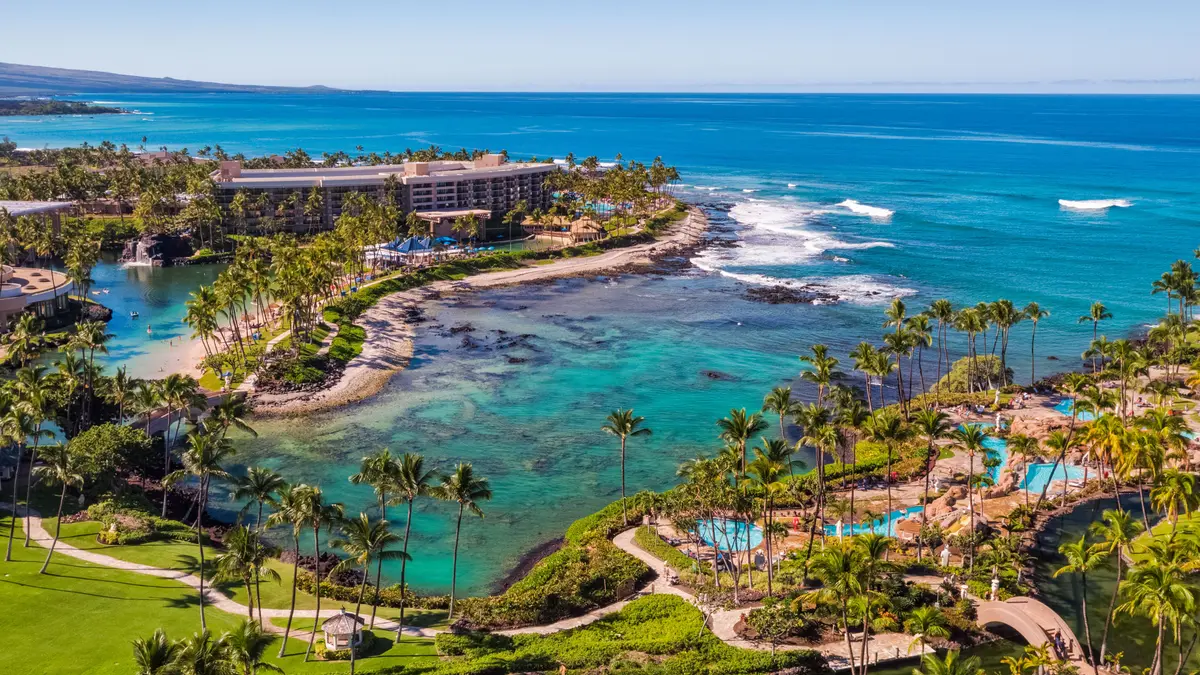
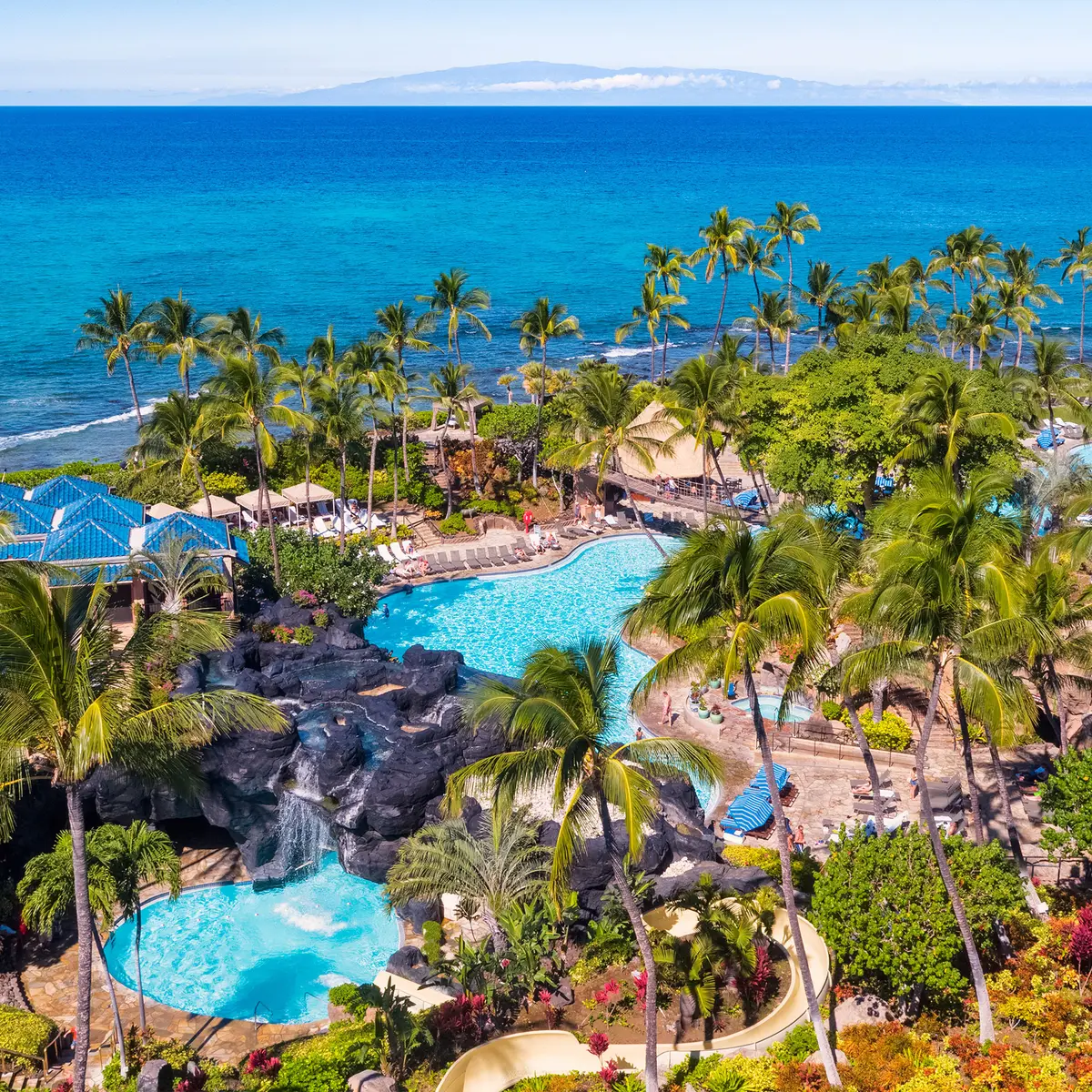
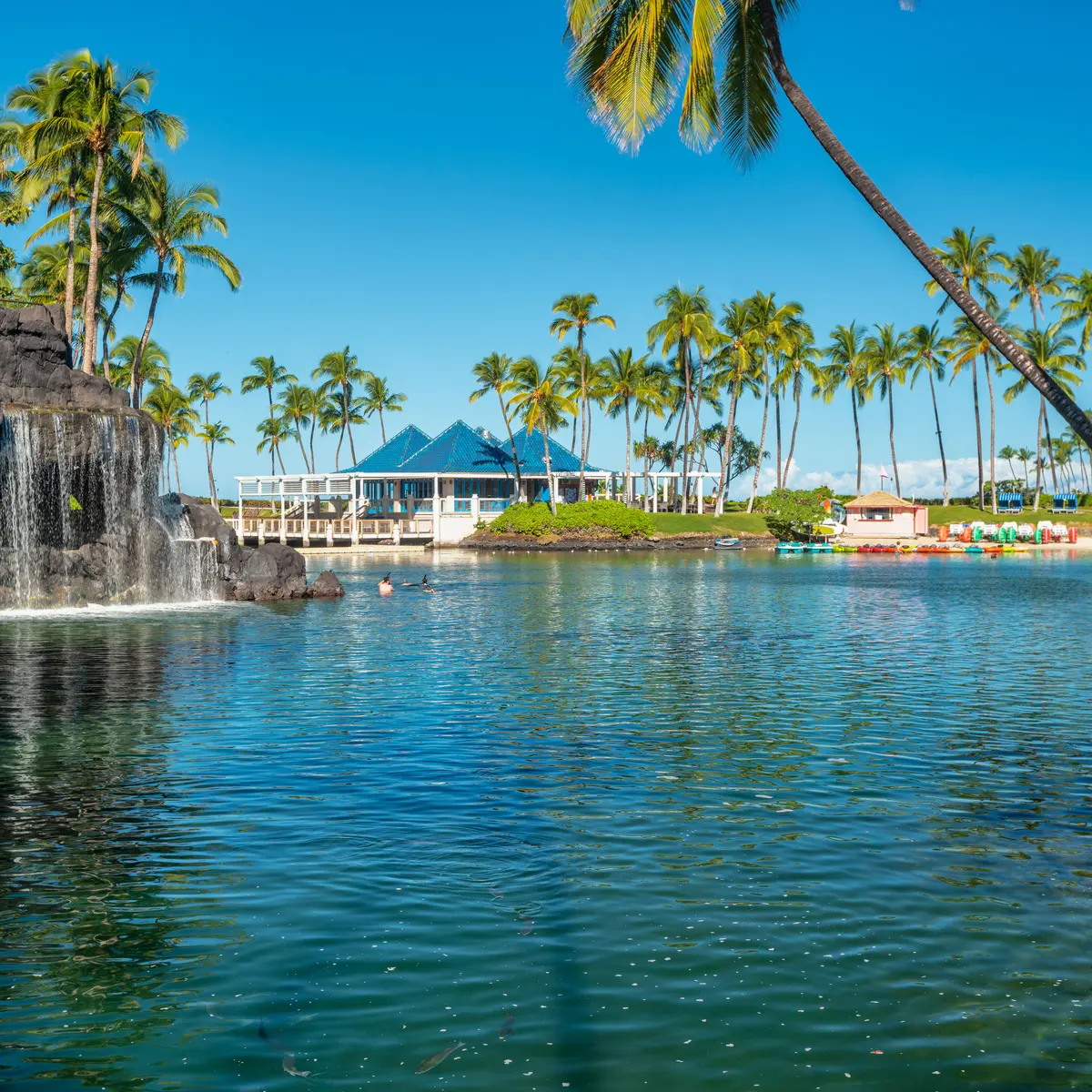
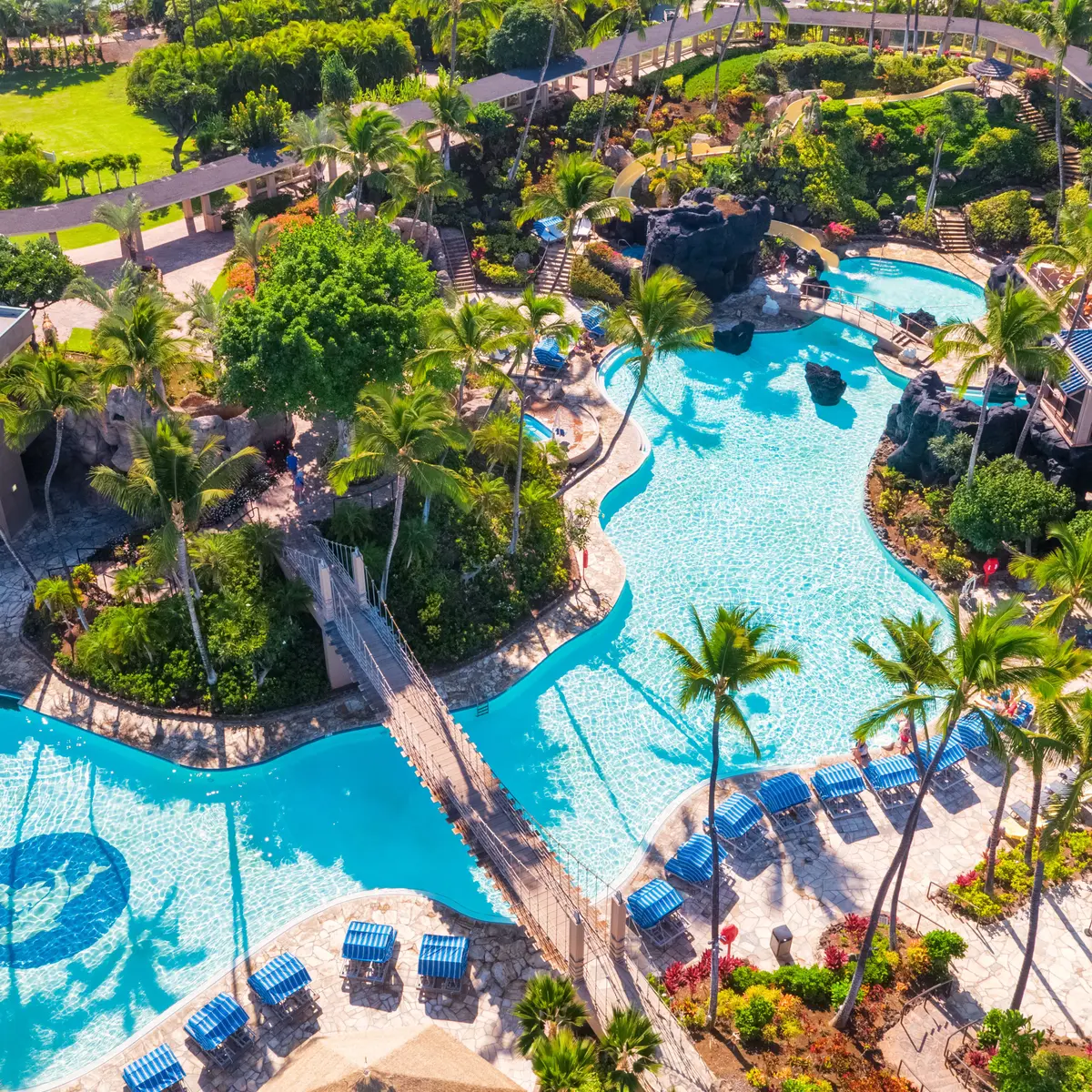
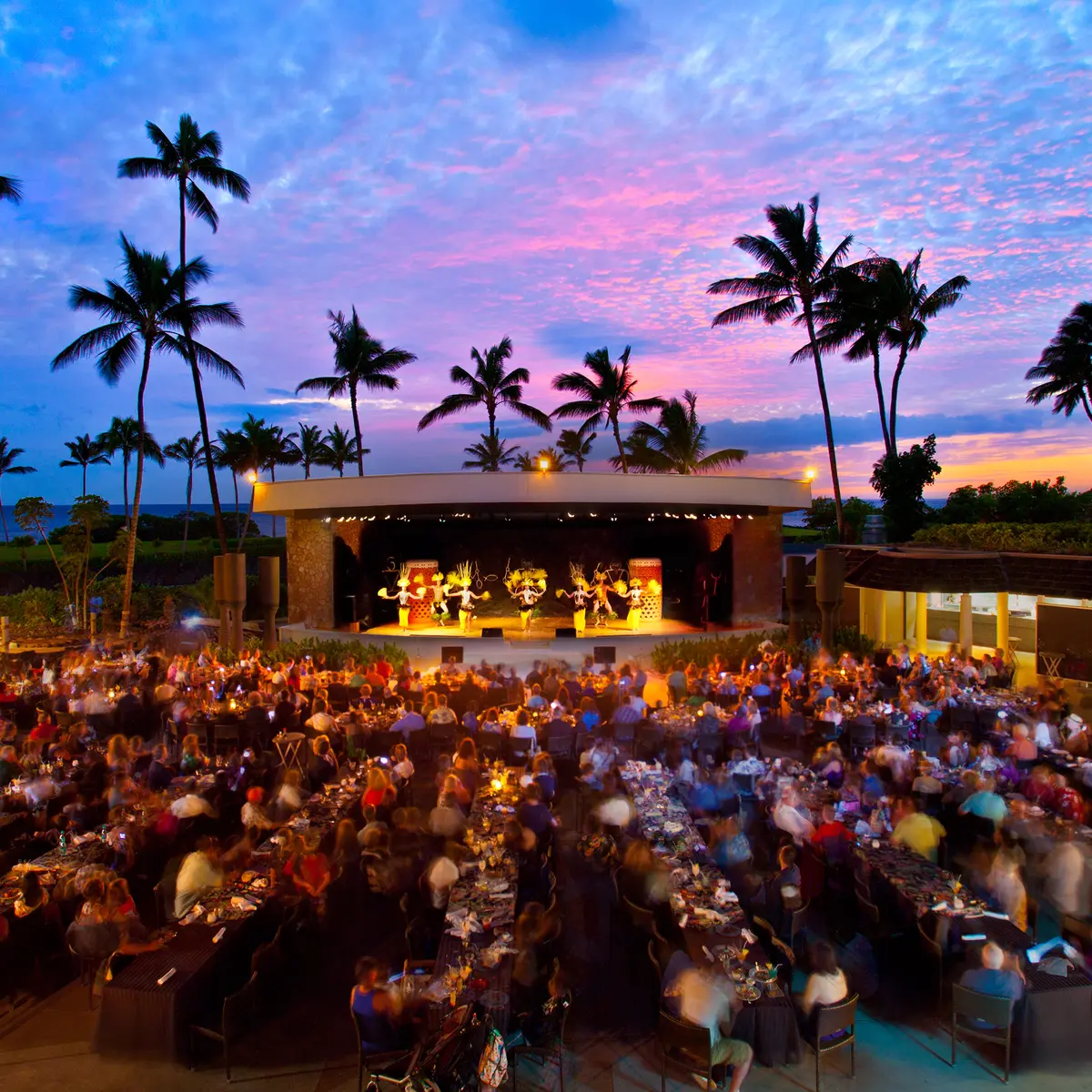
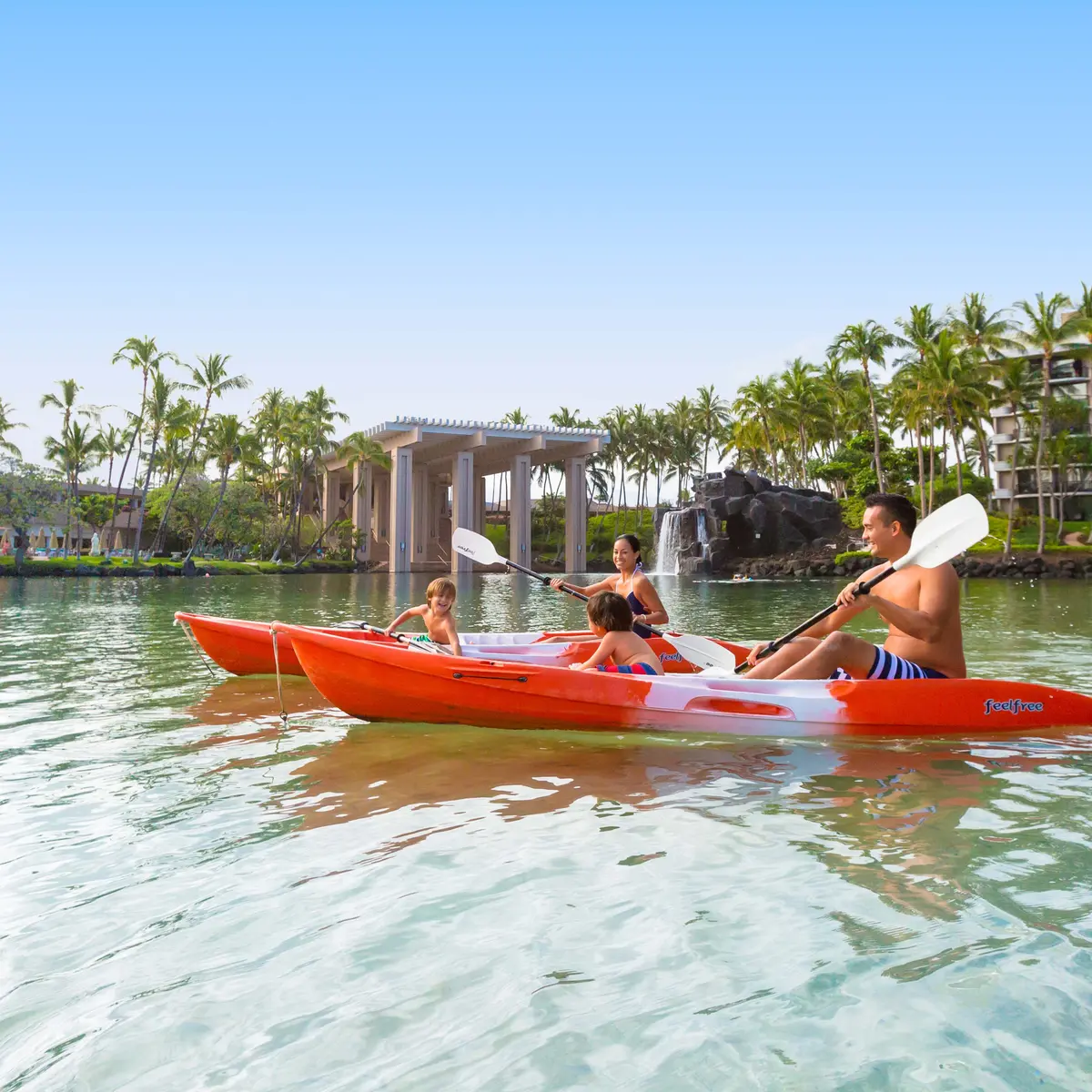
Hilton Waikoloa Village
Stretching along Hawaiʻi Island’s sunny Kohala Coast, this expansive oceanfront resort makes a beach escape feel like its own little world.


What about Lānaʻi and Molokaʻi?
Not every Hawaiian holiday needs a long list of things to do.
Lānaʻi appeals to travellers who want a quieter trip, one where the main agenda is rest. Hotel choice is limited, so it is worth confirming your accommodation early and building the trip around it.
Molokaʻi shares that quieter appeal. As with Lānaʻi, practical hotel availability is the thing to check first, because it will shape what is possible.
Both islands suit travellers who value space and calm over variety and convenience. Plan them with hotel availability in mind.
Where to stay:
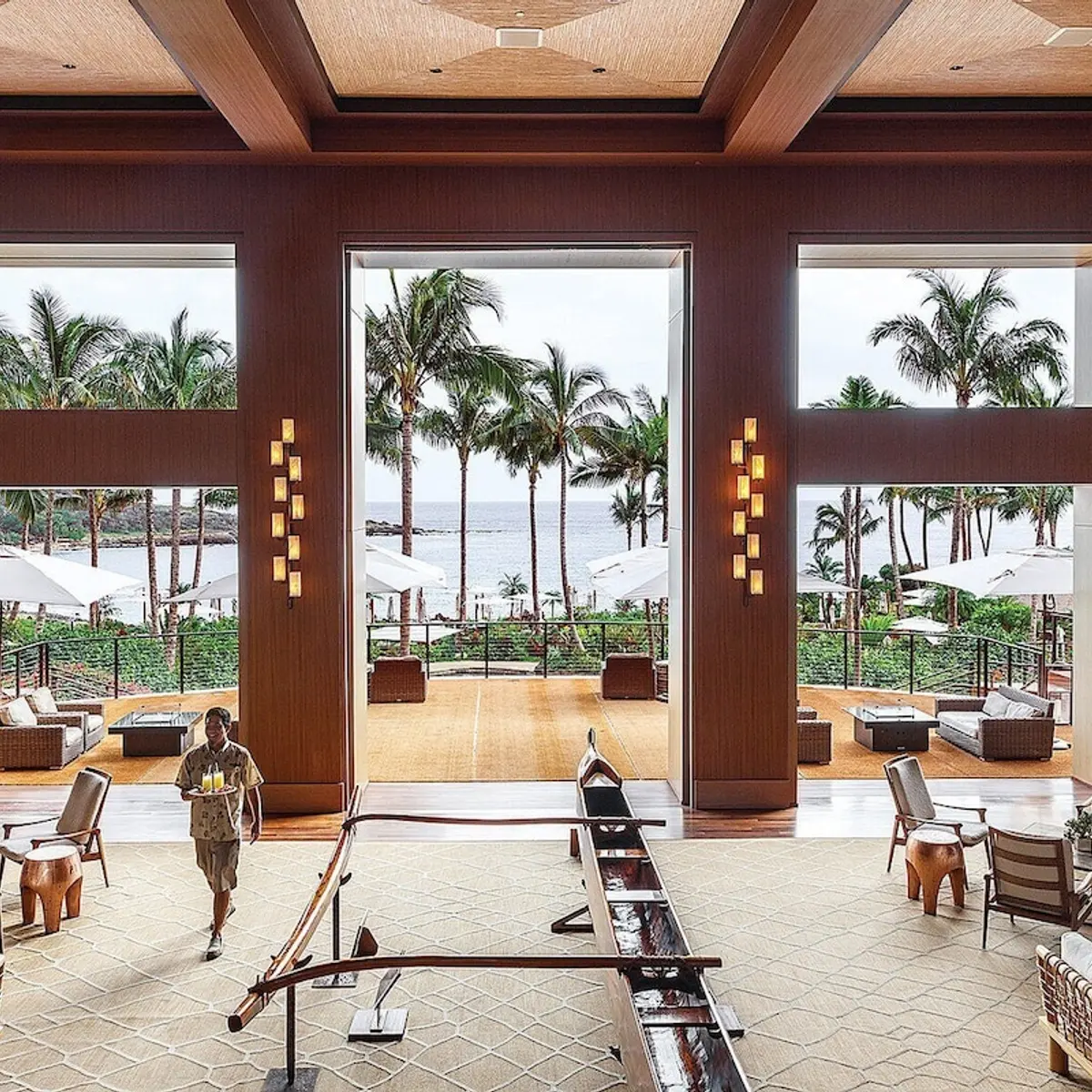
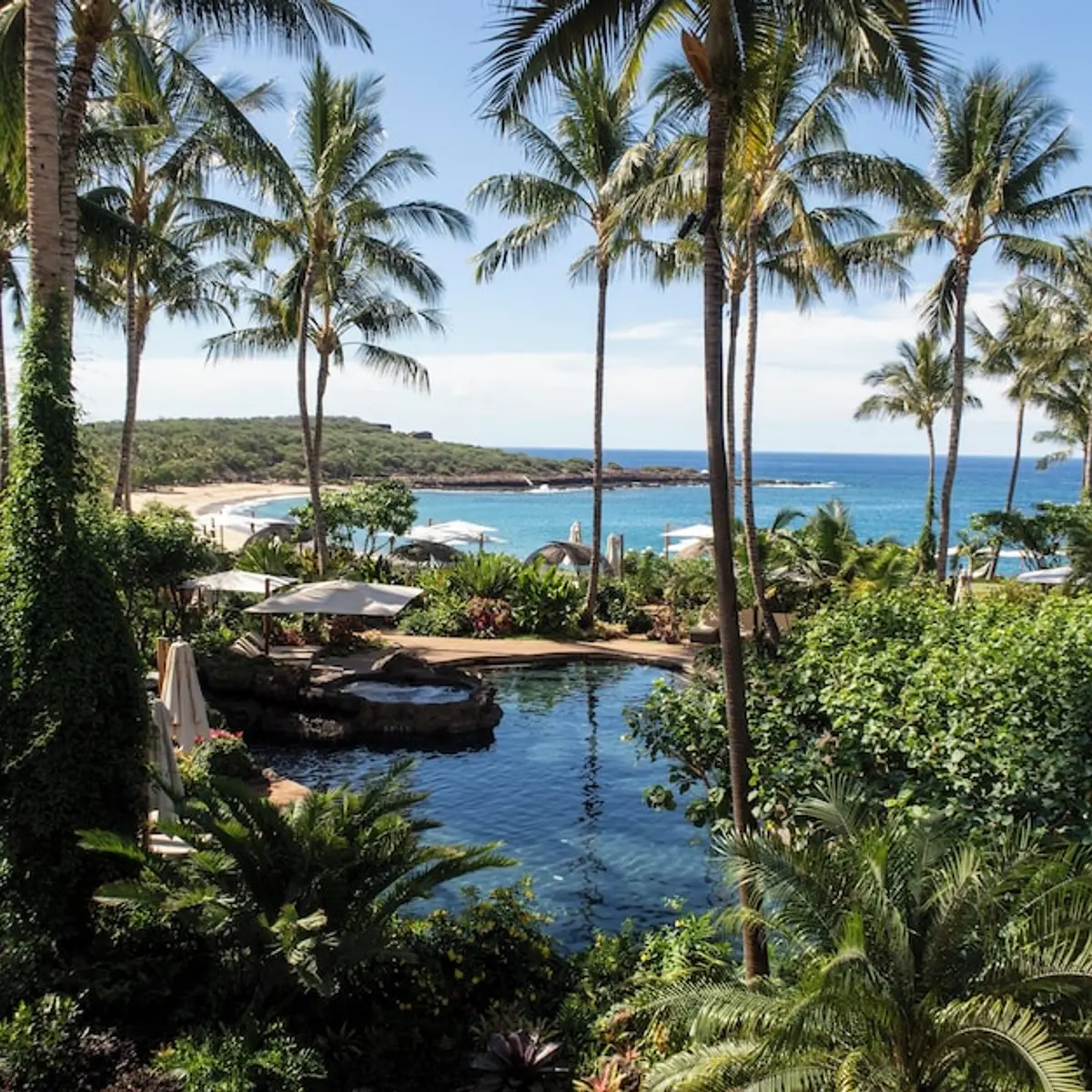
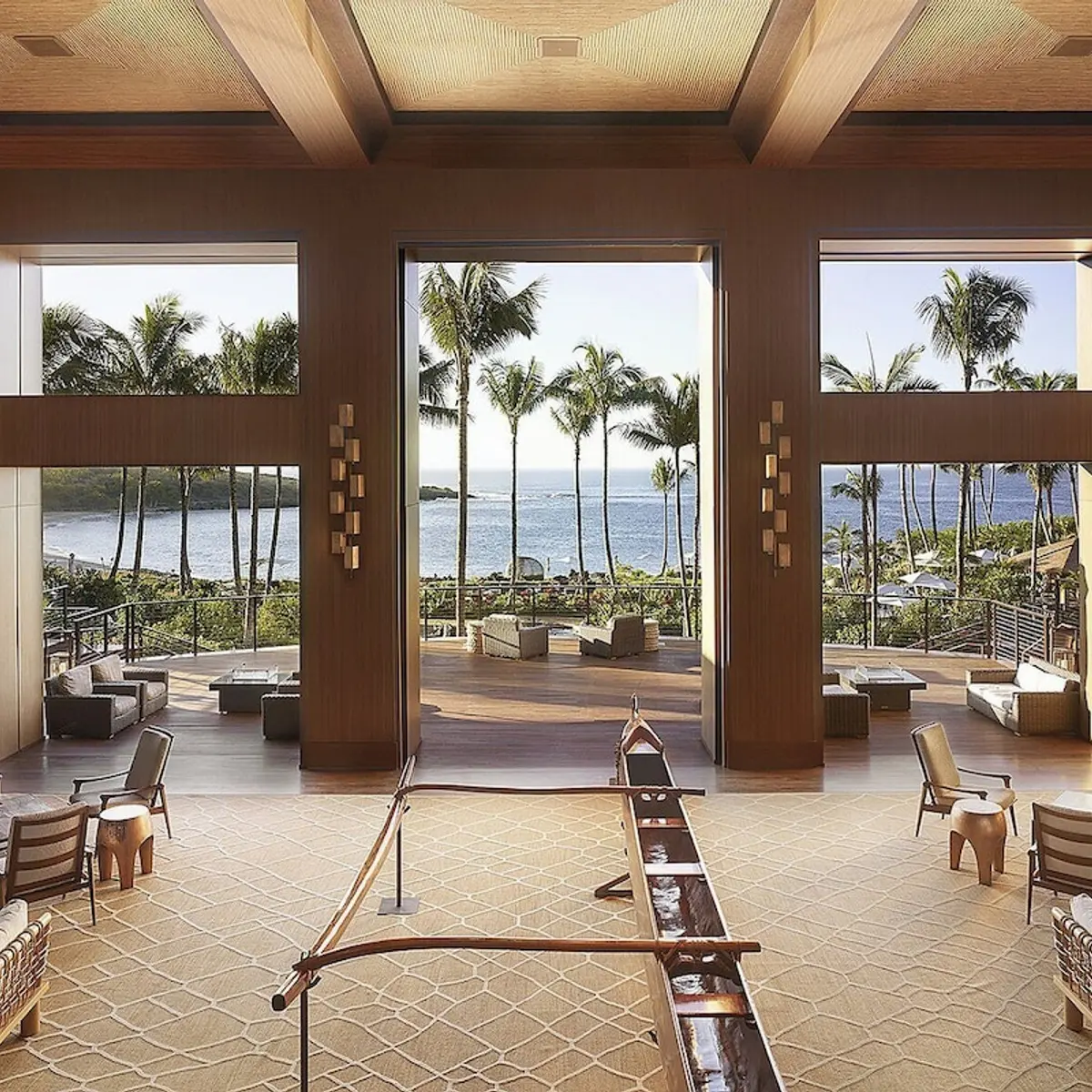
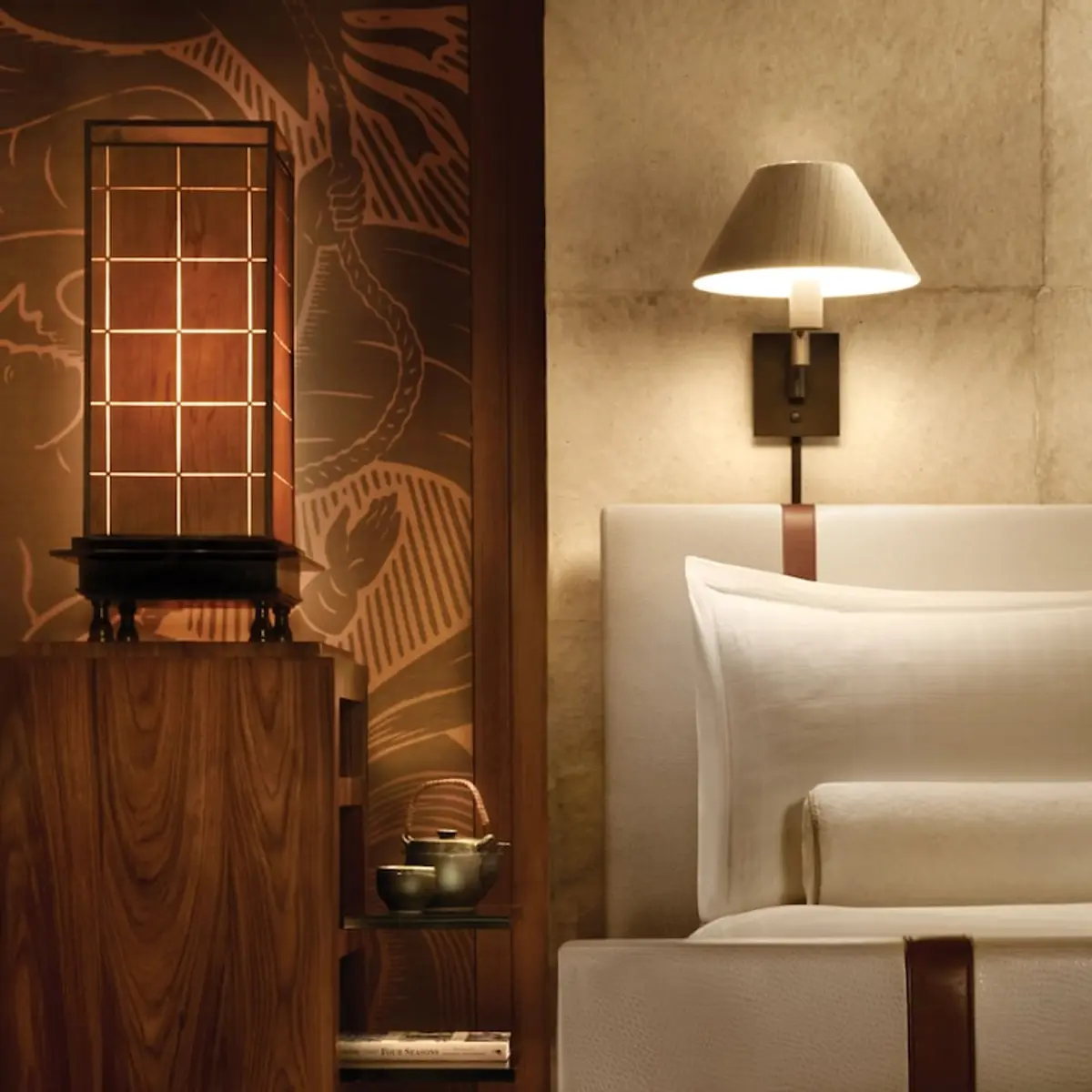
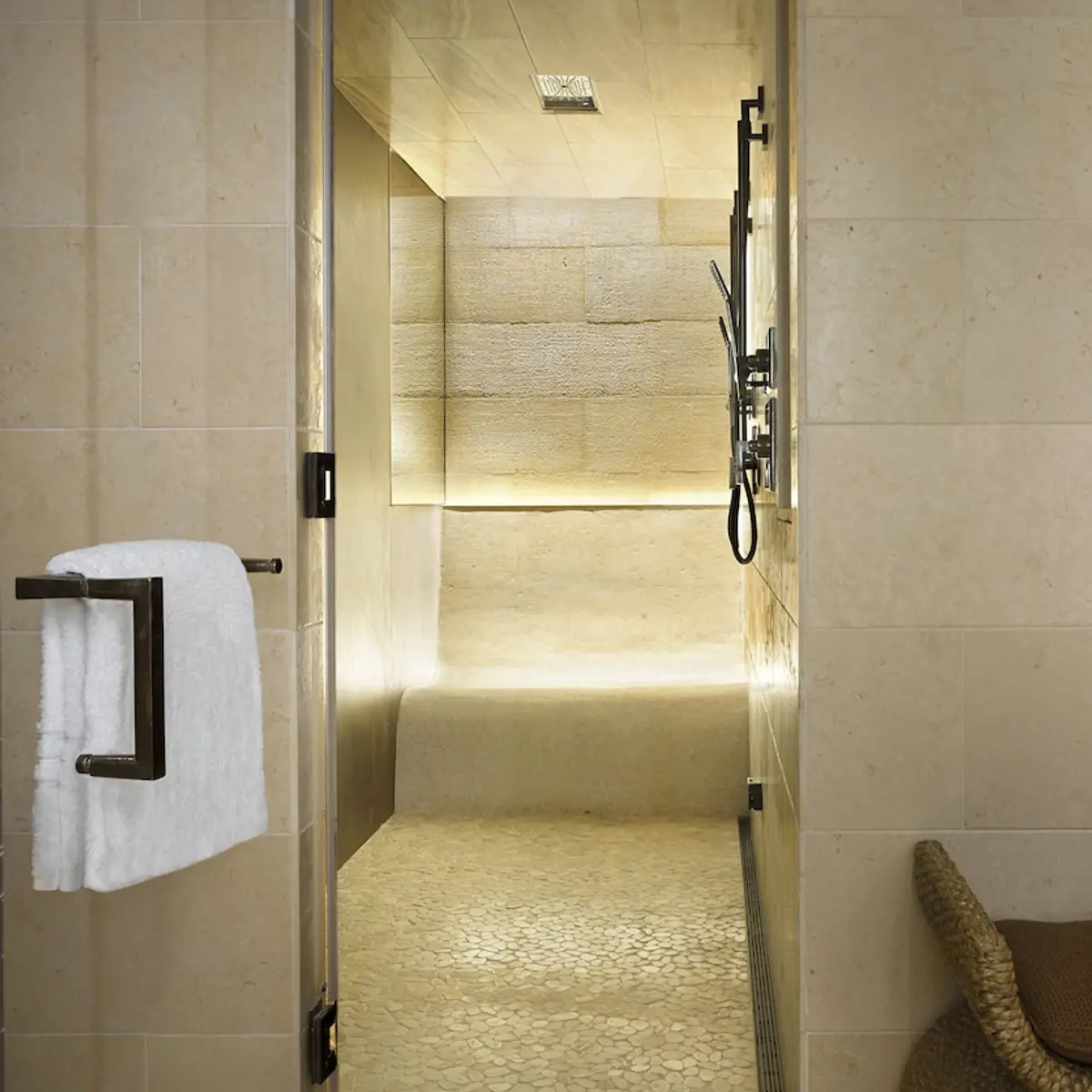
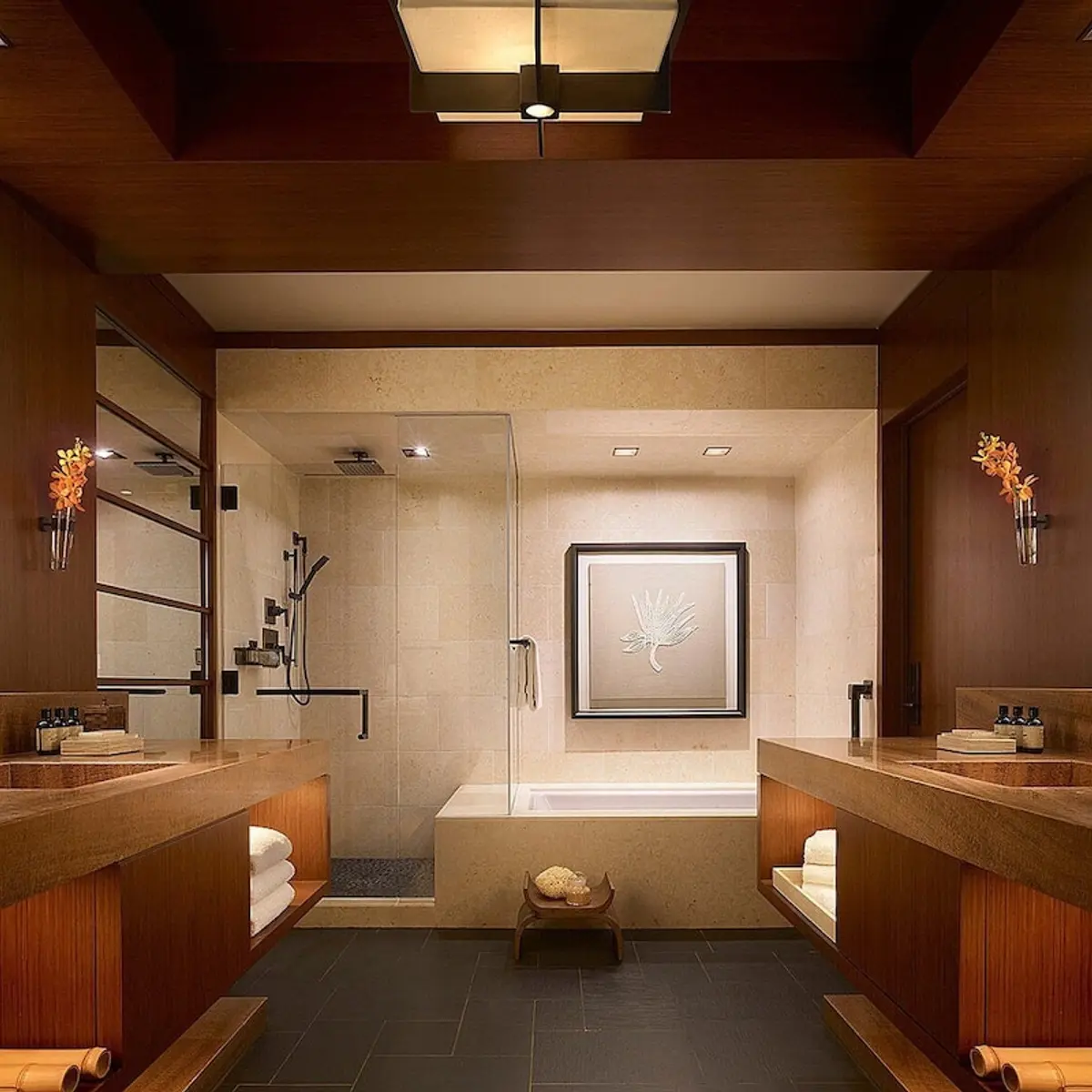
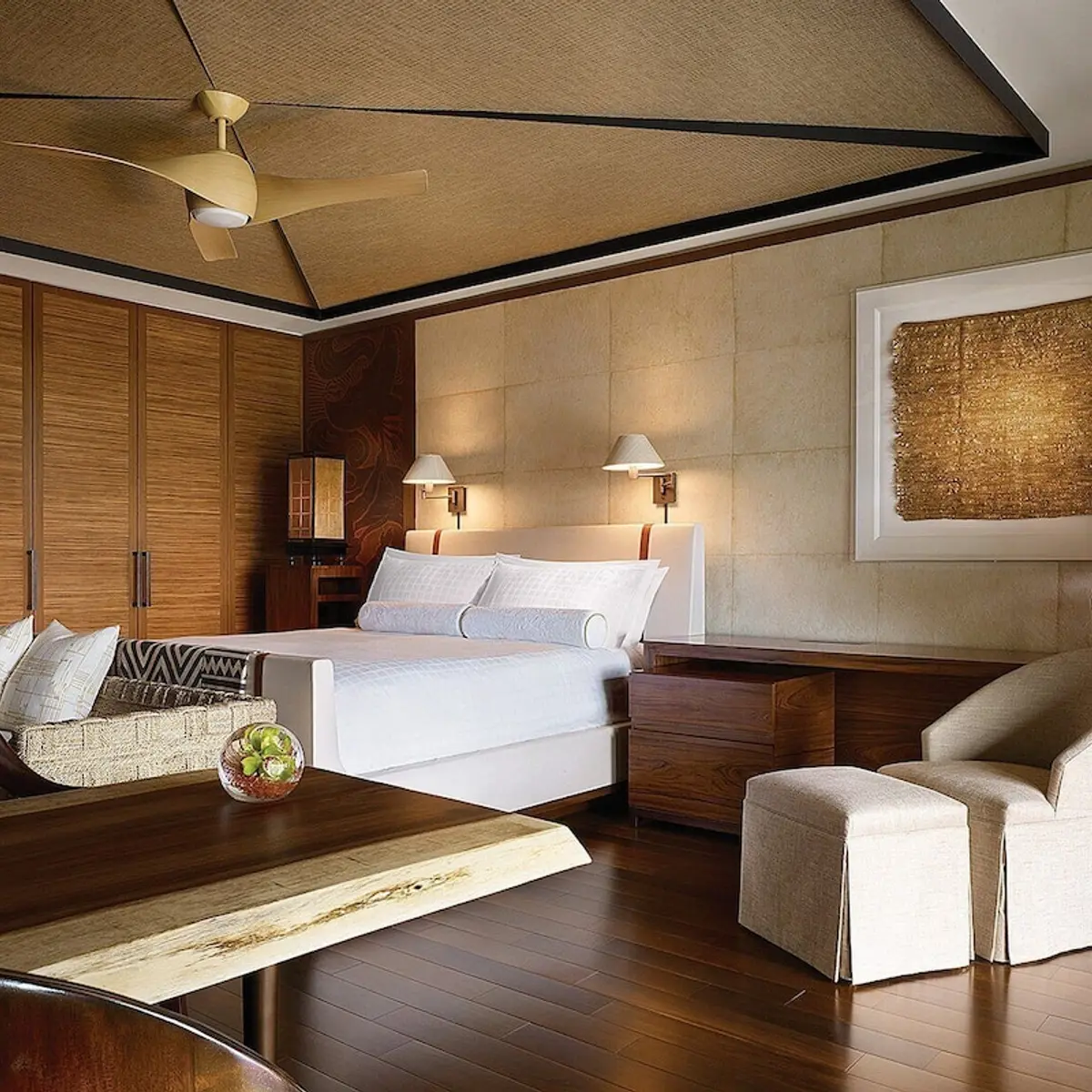
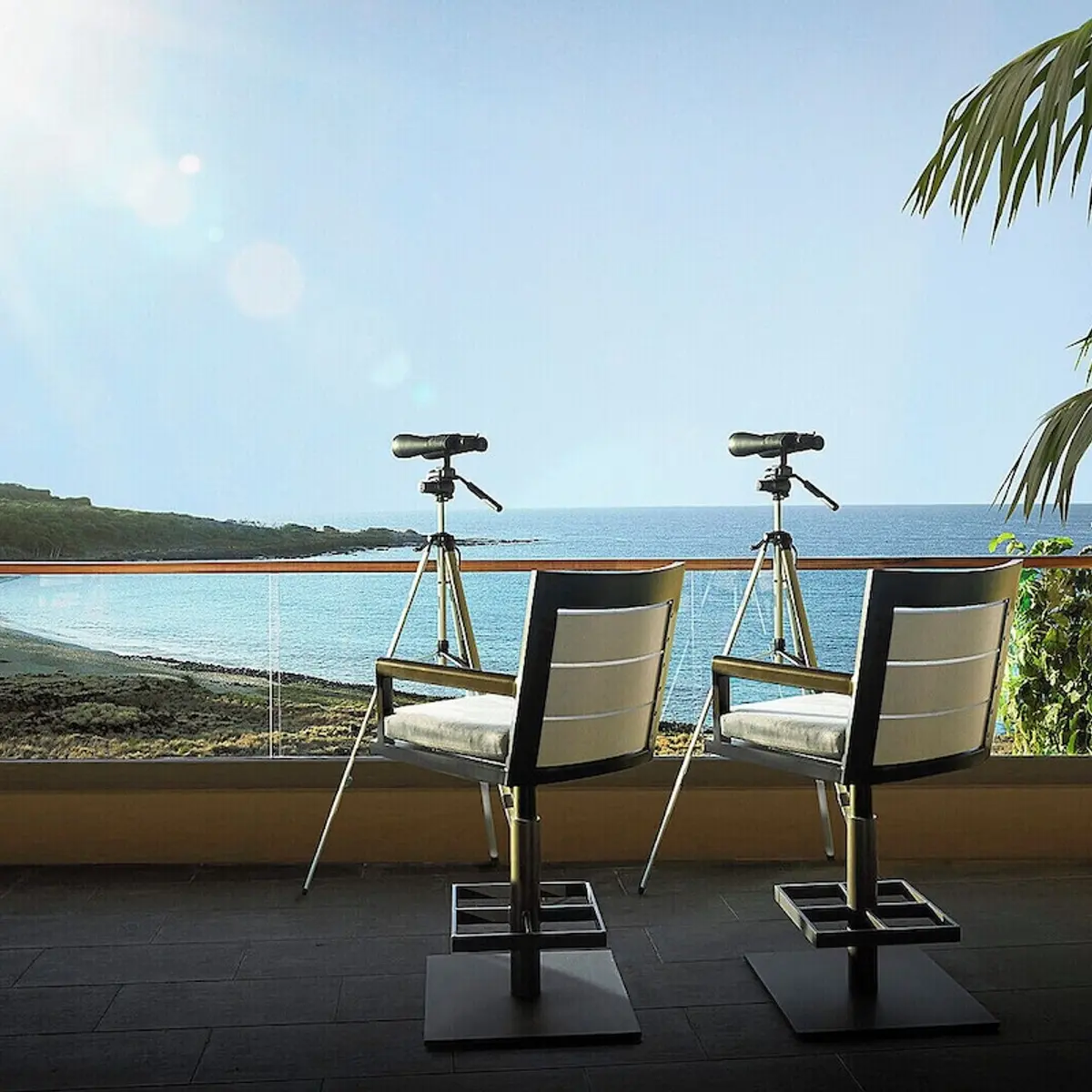
Four Seasons Resort Lanai
Overlooking Hulopoʻe Bay on Lānaʻi’s southeastern shore, this secluded oceanfront retreat sets the scene for days spent snorkelling, exploring the island by 4×4 and lingering over sunset views.
How to choose the right Hawaiian island hotel
Before you book, run through this short checklist:
Trip length: a shorter trip favours one island and one base. Don’t over-plan.
Preferred pace: lively and social, or slow and secluded? Let that point you to Waikīkī or the North Shore, Kāʻanapali or Hāna.
Town or resort setting: decide whether you want restaurants and shops at the doorstep or a self-contained resort.
Driving plans: on the island of Hawaiʻi especially, distances can make or break an itinerary.
Travelling party: couples, families and friends often want different things from a hotel.
Hawaiʻi rewards the traveller who chooses with intention. Pick the island that matches the pace you want, settle into one base rather than chasing every horizon, and let the days unfold around your chosen setting.
Important: When planning sightseeing, check current park conditions and book any required entry or parking reservations in advance; closures and access rules can change.