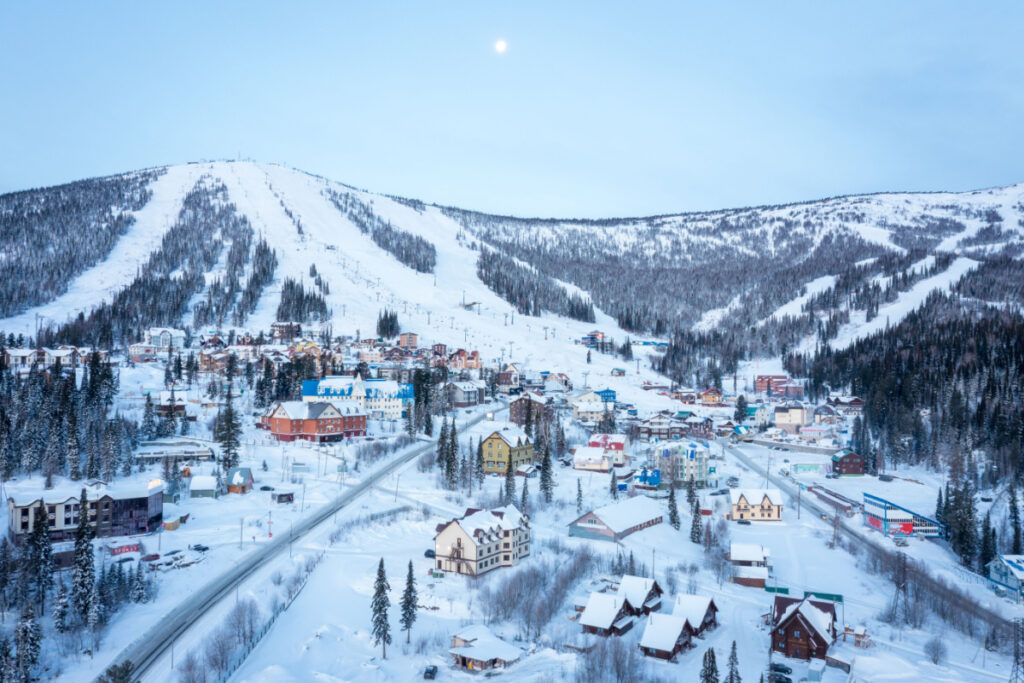
Choisir une station de ski est, en théorie, un problème d’abondance. Il y en a des centaines. La plupart ont de la neige. Beaucoup ont de la fondue. Ce qui sépare les stations simplement bonnes de celles véritablement exceptionnelles – celles qui valent un vol – se résume à quelques éléments : la qualité de la poudre, le caractère de la ville de montagne, et ce qui se passe après avoir déchaussé vos bottes.
Ce guide couvre les meilleures d’entre elles, de la poudreuse jusqu’à la taille de la taille à Hokkaido JaPow aux champs de clubs sauvages de l’Île du Sud de Nouvelle-Zélande – avec des arrêts dans les Rocheuses canadiennes, les Alpes australiennes et les grandes dames des stations de Europe en cours de route. Que vous cherchiez à optimiser pour des étoiles Michelin en altitude ou un onsen en bord de route et un café de distributeur, il y a une montagne ici qui porte votre nom.




Japon : pourquoi il a toujours la meilleure poudre au monde
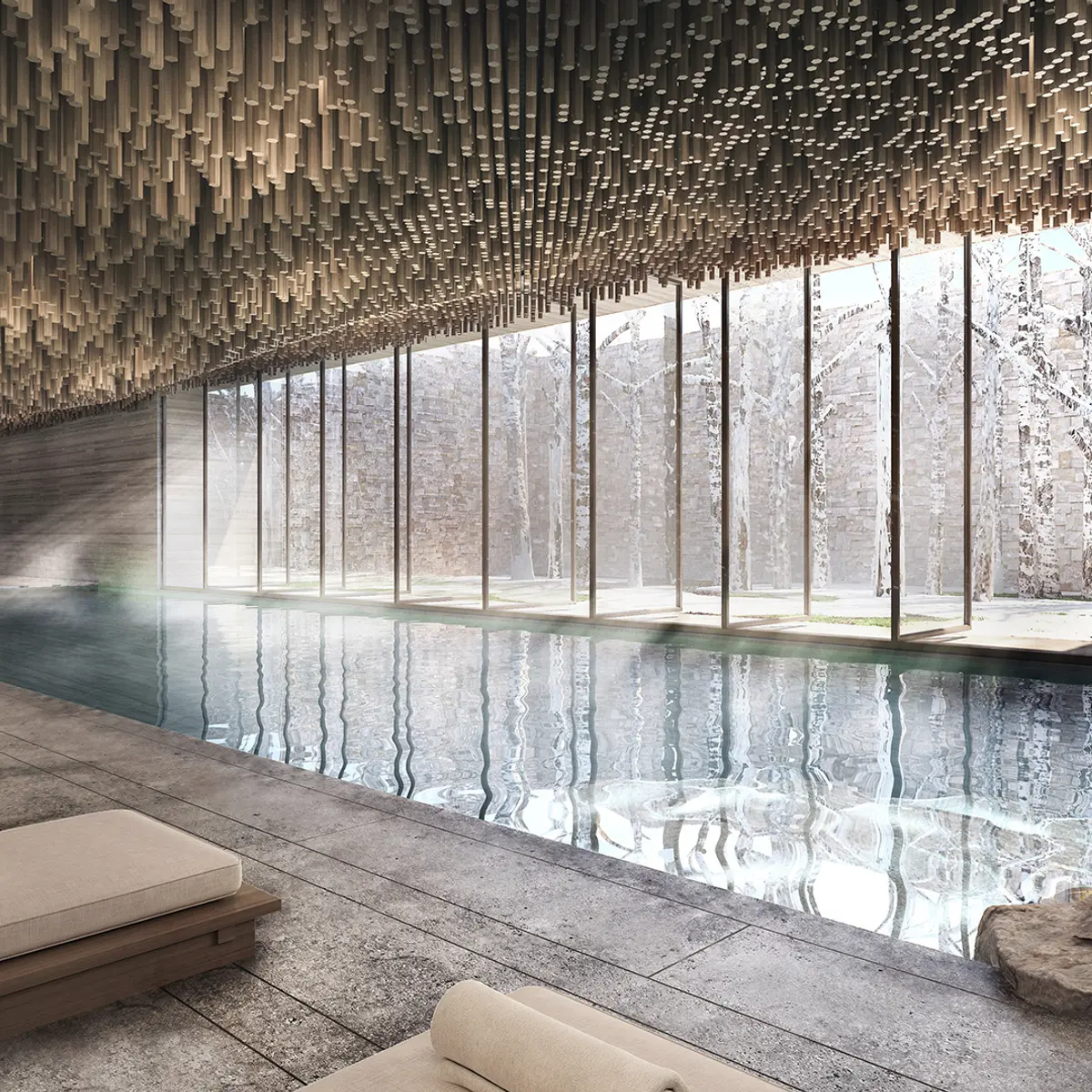
La neige japonaise est si légère, si exceptionnellement sèche et si profonde qu’elle a son propre surnom : JaPow (poudre du Japon). Les passionnés de ski et de snowboard du monde entier se rendent dans ce pays d’Asie de l’Est entre décembre et avril pour vivre une JaPow constante, souvent jusqu’à la taille, et des pistes larges et ouvertes. Les pentes sont souvent entourées d’épaisses forêts de bouleaux et de pins, dont l’abri permet à la neige de tenir plus longtemps et protège du vent. Après les pistes ? Les ramen, onsens, karaokés et distributeurs automatiques abondent sur presque toutes les montagnes – c’est toujours le Japon après tout.
Hokkaido se distingue comme l’une des principales destinations de stations de ski au Japon, grâce à sa situation nordique et sa proximité avec la Sibérie qui assure une neige abondante et de haute qualité tout au long de la saison hivernale, généralement de fin novembre à début mai. Cette abondance de poudre légère et sèche crée d’excellentes conditions pour le ski et le snowboard. La région est desservie par plusieurs grands aéroports, y compris l’aéroport de New Chitose près de Sapporo, la capitale de Hokkaido ; atteignez les zones de stations de ski populaires par des bus de navette, des trains ou des voitures de location.
Niseko est l’un des spots de ski japonais les plus connus : adapté aux skieurs débutants et avancés, largement anglophone et abritant d’excellents hébergements comme The Vale Niseko et Higashiyama Niseko Village, un Ritz-Carlton Reserve. Nozawa Onsen, une ancienne ville thermale près de Nagano, offre un mélange convaincant de charme japonais, de culture de café australienne et d’influence européenne. Rusutsu, dans le nord du pays – nommé Meilleure Station de Ski du Japon 2025 – est moins fréquentée que la plus visitée Niseko et parfaite pour le ski en forêt, tandis que les animées Hakuba et Inawashiro sont idéales pour ceux qui ne souhaitent pas s’éloigner de Tokyo.
Quand est le meilleur moment pour skier au Japon ? Selon la région, le meilleur moment pour skier au Japon est généralement de fin décembre à début mars.
Amérique : soleil, glading et épique après-ski
Les meilleures stations de ski des États-Unis sont renommées pour jusqu’à 300 jours de soleil par an et le glading, un type de ski alpin où les skieurs et snowboarders effectuent des descentes à travers un terrain boisé. Les principales stations avec d’énormes installations d’après-ski se trouvent sur la côte ouest, à travers les Rocheuses du Colorado et de l’Utah (Deer Valley Resort est actuellement la meilleure station de ski des États-Unis), et la chaîne de la Sierra Nevada en Californie. Les États du Nord-Est comme le Vermont, le New Hampshire et New York sont également de grandes destinations de ski, bien qu’offrant des montagnes plus petites et moins de champs ouverts.
Il est difficile de passer à côté de Vail et Breckenridge dans le Colorado et d’Alta dans l’Utah pour des montagnes gigantesques, tandis que Big Sky Resort dans le Montana a été nommé la No. 2 station de ski en Amérique du Nord dans les Readers’ Choice Awards de Condé Nast Traveler.
Les patinoires, les traîneaux à chiens, le vélo sur neige et les balades en traîneau à chevaux sont abondants, et c’est là où les États-Unis excellent. La gastronomie, quant à elle, va des saloons de style Far West dans le Jackson Hole du Wyoming à une cuisine gastronomique exceptionnelle dans la glitzy Aspen, Colorado. Si Aspen, peuplée de célébrités, semble être un rêve, envisagez de séjourner au Viceroy Snowmass ou au The St. Regis Aspen Resort.
Quand est le meilleur moment pour skier en Amérique ? Selon l’emplacement, de la mi-décembre au début avril, avec janvier et février comme saison de pointe.
Europe : chalets, douches de champagne et après-ski étoilé Michelin
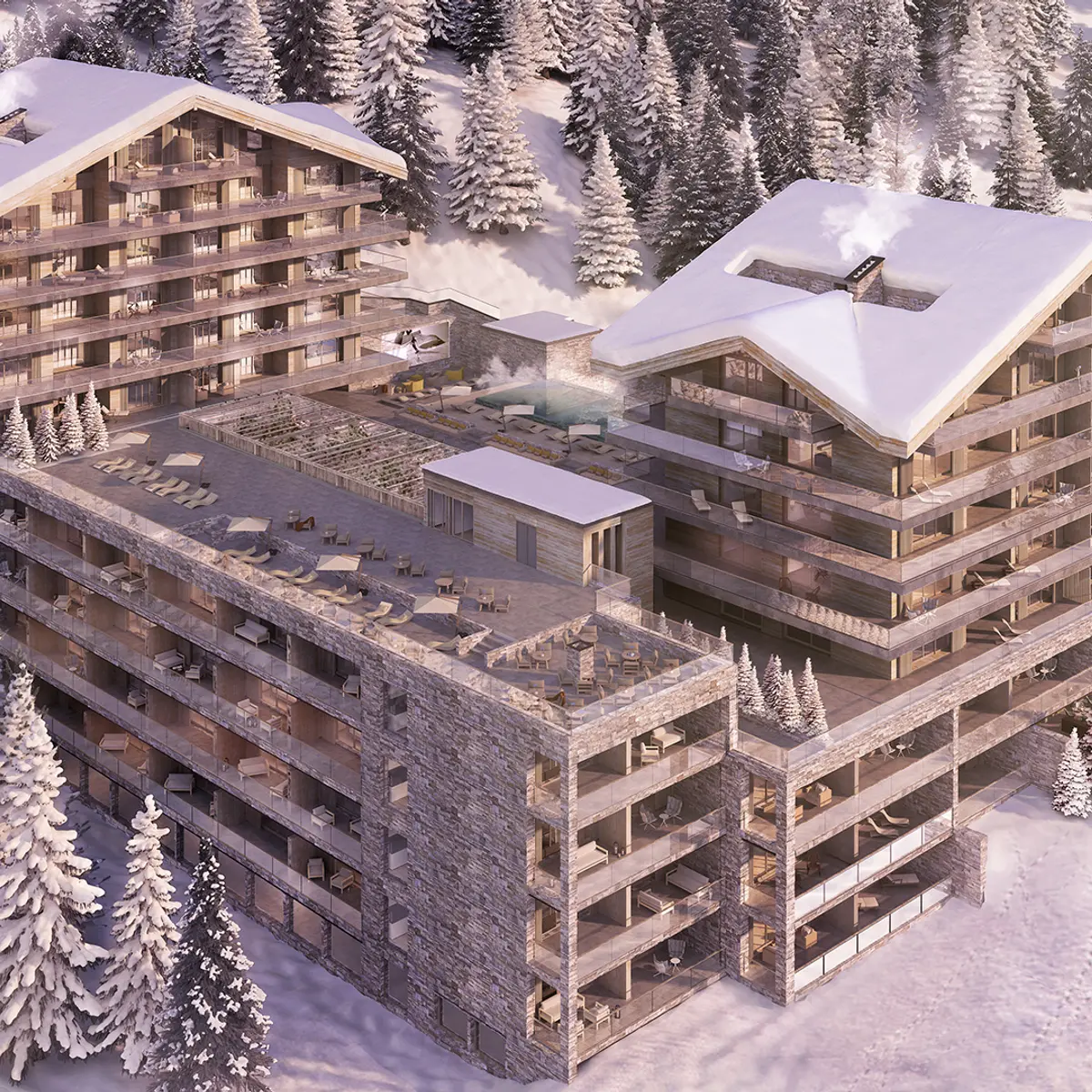
Les avantages de skier en Europe ne sont pas difficiles à énumérer : une infrastructure étendue, des montagnes facilement accessibles, des stations interconnectées, un terrain diversifié et un après-ski qui est garanti d’être mémorable. La Suisse, la France et l’Autriche sont les poids lourds du continent, abritant des stations comme la flashy Verbier (également connue sous le nom de « l’Alpine Ibiza »), l’affluente Courchevel 1850 et le charismatique Lech, respectivement – mais la couronne de la meilleure station de ski au monde appartient à Val Thorens, le géant français en haute altitude qui ancre les Les Trois Vallées, la plus grande zone de ski reliée au monde.
En Suisse – pensez à Zermatt, avec le Cervin comme toile de fond permanente – tout tourne autour des charmants chalets et des chocolateries, tandis qu’à travers la frontière en France, l’après-ski signifie musique de danse et douches de champagne (les Français savent comment faire les choses correctement… ils ont inventé le terme). Puis il y a les Scandinaves, avec leur culture de sauna décontractée, leurs aurores boréales et leur design avant-gardiste, tout cela se traduit par une culture du ski qui fonctionne entièrement selon ses propres termes.
Après un dîner étoilé Michelin en montagne ? L’Italie remporte la palme. Imaginez un dîner de dégustation de six plats au St Hubertus, au sein de la station de ski Alta Badia dans les Dolomites, après une journée complète sur les pistes – ou un dîner au Il Gallo Cedrone après avoir dévalé Madonna di Campiglio, l’une des stations les plus à la mode du pays.
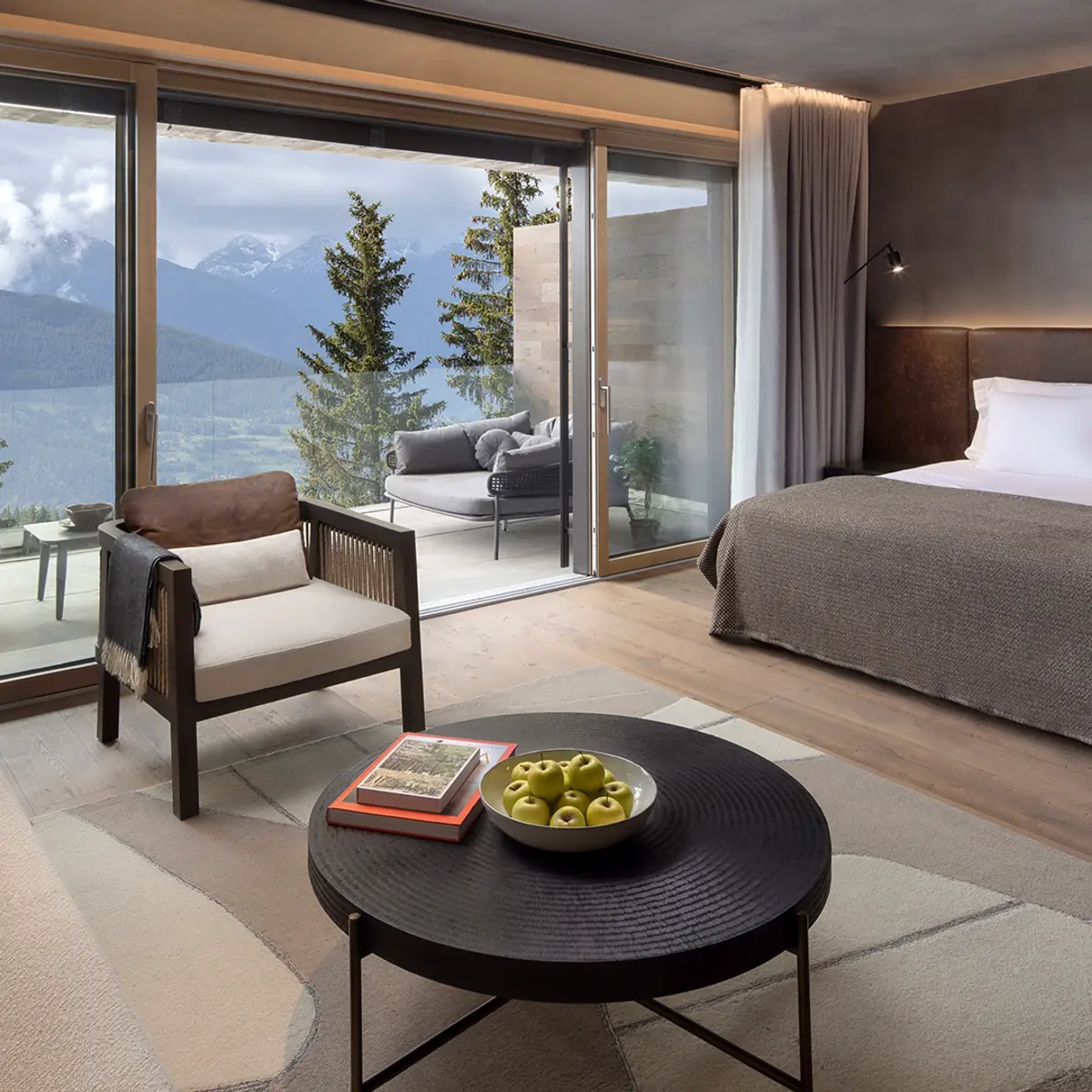
Pour une modernité exquise, un séjour au Falkensteiner Hotel Montafon est de mise. Membre des Leading Hotels of the World, il offre un accès facile à des pistes autrichiennes parfaitement entretenues, tandis que le Grand Hôtel Des Alpes, à la frontière de la France et de la Suisse, offre un séjour idyllique de style Wes Anderson au pied des pistes de la chic Chamonix.
Quand est le meilleur moment pour skier en Europe ? De la mi-décembre au début avril, avec les conditions les plus fiables généralement en janvier et février.
Nouvelle-Zélande : où les pentes se terminent et les fjords commencent
L’attrait distinctif du ski en Nouvelle-Zélande réside dans sa beauté naturelle intacte : des sommets enneigés se déversent dans des plages immaculées, des fjords phénoménaux et une forêt tropicale accidentée. Les skieurs et snowboarders aventuriers sculptent des paysages façonnés par d’anciennes coulées de lave, naviguant sur des montagnes qui conservent leur statut de volcans actifs.
Ce qui distingue vraiment le pays, cependant, c’est la présence de champs de clubs, une pratique distincte des Kiwis qui consiste à skier dans des zones non damées appartenant à des clubs de ski privés. Les aventuriers avancés atteignent le sommet de montagnes escarpées par des tire-forts (pas de T-bars ou de télésièges) ou à pied et séjournent dans des hébergements très basiques. Le bénéfice ? Pas de foules et des cuvettes alpines sans arbres.
Depuis la ville de station de Queenstown, sur l’Île du Sud de la Nouvelle-Zélande, les amateurs de ski peuvent facilement atteindre quatre fantastiques domaines skiables : Coronet Peak, The Remarkables, Cardrona Alpine Resort et Treble Cone. Les hébergements ski-in ski-out sont presque inexistants, la plupart choisissant de séjourner parmi les bars et restaurants tendance de la ville comme Kamana Lakehouse, Millennium Hotel Queenstown ou Hidden Lodge Queenstown.
Turoa et Whakapapa sont les deux principales stations de ski commerciales de l’Île du Nord. Un terrain vaste abonde à Turoa, tandis que Whakapapa est réputée pour ses pentes étroites et escarpées, ce qui la rend mieux adaptée aux skieurs intermédiaires et avancés. Bien qu’elles ne soient pas physiquement reliées, les domaines skiables sont gérés par la même entreprise, donc votre forfait de ski couvre les deux.
Quand est le meilleur moment pour skier en Nouvelle-Zélande ? Environ de la mi-juillet à fin août.
Canada : plus que Whistler
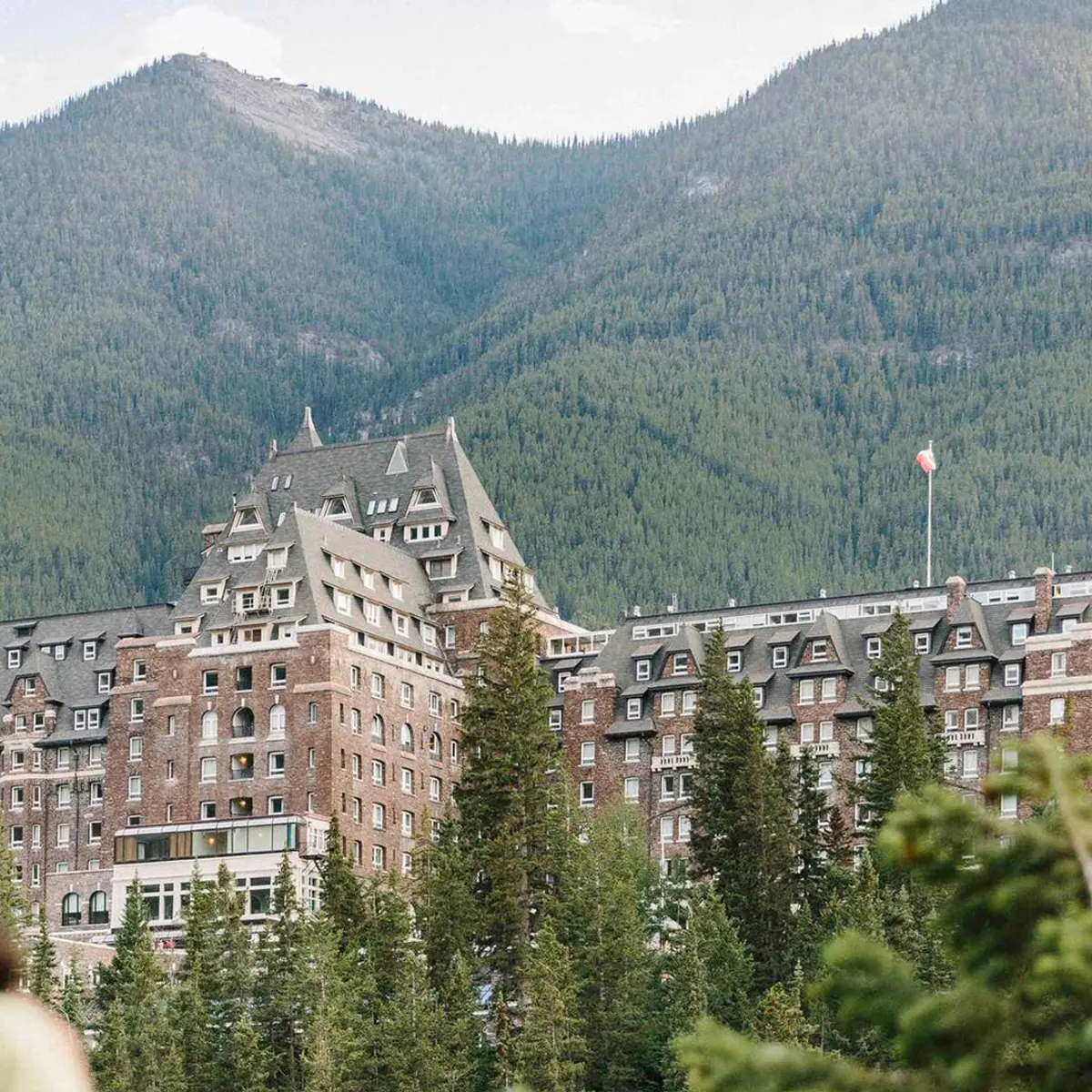
Tout comme son voisin du sud, les plus grandes et meilleures stations de ski du Canada se trouvent sur la côte ouest, avec la Colombie-Britannique abritant les stations de ski gorgées de neige de Whistler Blackcomb, Panorama, Fernie, Sun Peaks et Revelstoke Mountain Resort. Des vues glaciaires, des montagnes déchiquetées et des milliers d’acres skiables attendent ceux qui s’attaquent aux pentes – tout comme l’hospitalité canadienne classique.
En dehors des grandes villes, le pays est, pour la plupart, une terre de tranquillité : une vaste étendue de forêts et de lacs, d’esprit égalitaire et de charmantes cabanes. C’est cette sérénité même qui confère un « oomph » particulièrement décontracté à l’expérience de ski canadienne.
Si vous êtes à Whistler, séjournez au The Westin Resort & Spa, idéalement situé juste à côté de la gondole au centre de la ville. Pour un luxe tranquille et des bains à remous au bord des pistes à Sun Peaks, optez pour le Sun Peaks Grand Hotel & Conference Centre.
Quand est le meilleur moment pour skier au Canada ? La saison de ski est généralement de la mi-décembre au début avril, avec janvier et février offrant les meilleures conditions.




Australie : neige étonnamment bonne à portée des villes
Oui, l’Australie a de la neige ! Une douzaine de stations de ski sont réparties dans le sud-est du pays, principalement à quelques heures de route des deux villes les plus peuplées, Melbourne et Sydney. Les montagnes attirent principalement les locaux (les visiteurs internationaux sont relativement peu nombreux) qui passent des émeus et des kangourous en route vers les pentes, ralentissant souvent pour permettre aux wombats et aux échidnés de traverser parmi les eucalyptus enneigés. En résumé : des installations adaptées aux familles sont abondantes, la beauté est époustouflante et le rythme décontracté est séduisant.
En tête de liste se trouve Thredbo dans le New South Wales, qui a été couronnée, pour la neuvième fois consécutive, Meilleure Station de Ski d’Australie aux World Ski Awards 2025. Thredbo abrite le plus grand dénivelé d’Australie, des pistes deux fois plus longues que celles de la station voisine de Perisher (qui reste la plus grande station de ski de l’hémisphère sud en termes de longueur de pistes) et des restaurants haut de gamme fréquentés par les élites de Sydney. Mount Buller, à trois heures de Melbourne, est la station de neige la plus populaire de Victoria et idéale pour les skieurs débutants et intermédiaires.
La population plus importante de l’Australie et ses montagnes limitées, ainsi que la saison hivernale plus courte, signifient que le ski et le snowboard sont plus coûteux. Dépensez pour des forfaits de remontées mécaniques et des repas en montagne et profitez de bonnes affaires sur l’hébergement, avec Nanook Thredbo Squatters Run et Thredbo 1380 des séjours idéaux.
Quand est le meilleur moment pour skier en Australie ? Le meilleur moment pour skier en Australie est de fin juin à début septembre, avec la neige la plus fiable généralement en juillet et août.