USD
USD  Written by Stephanie Mikkelsen
-
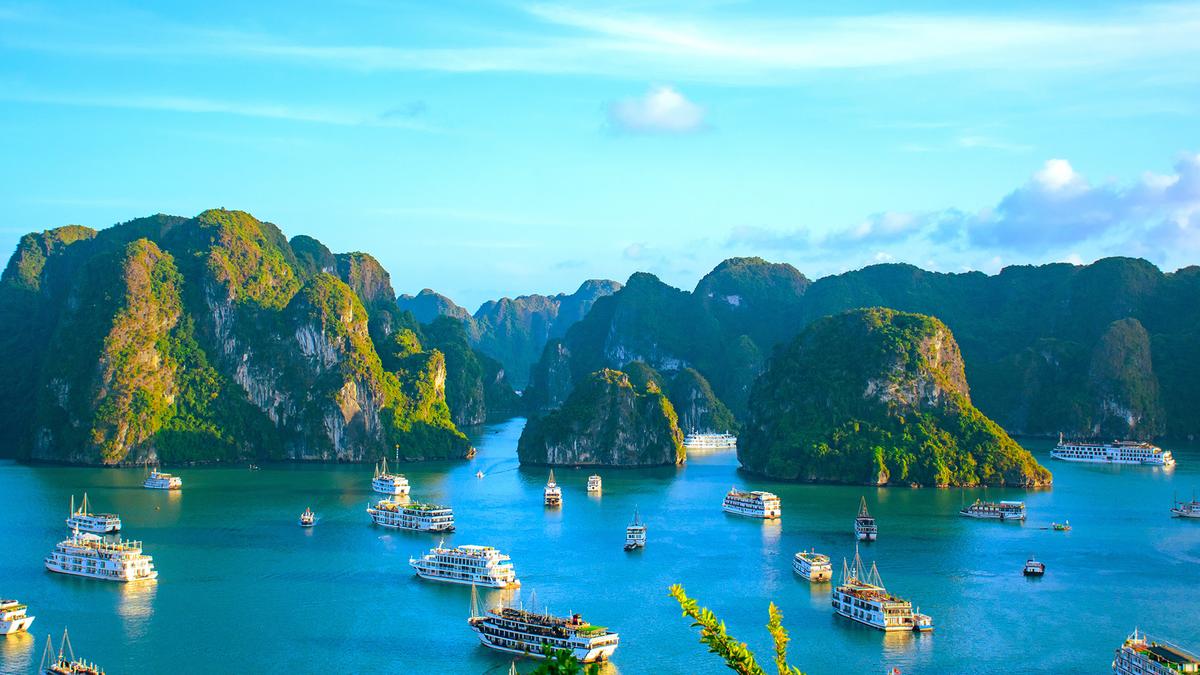
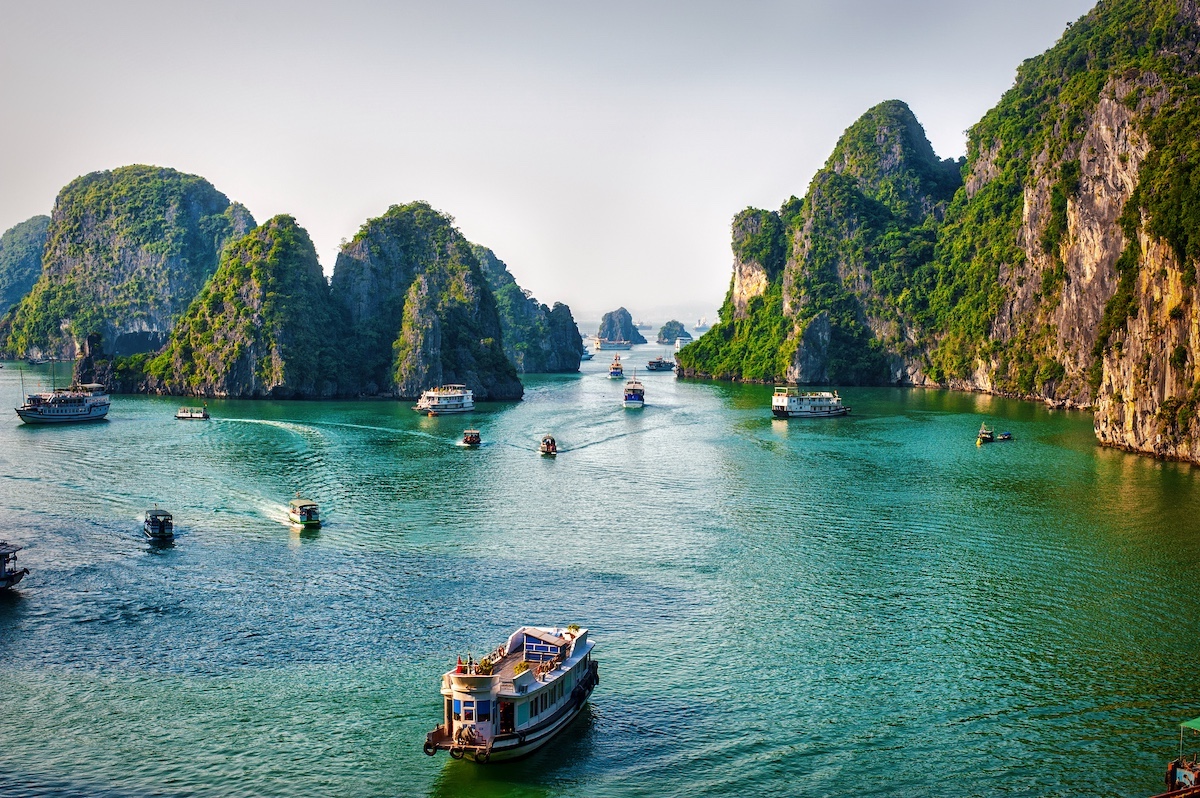
Ha Long Bay
-
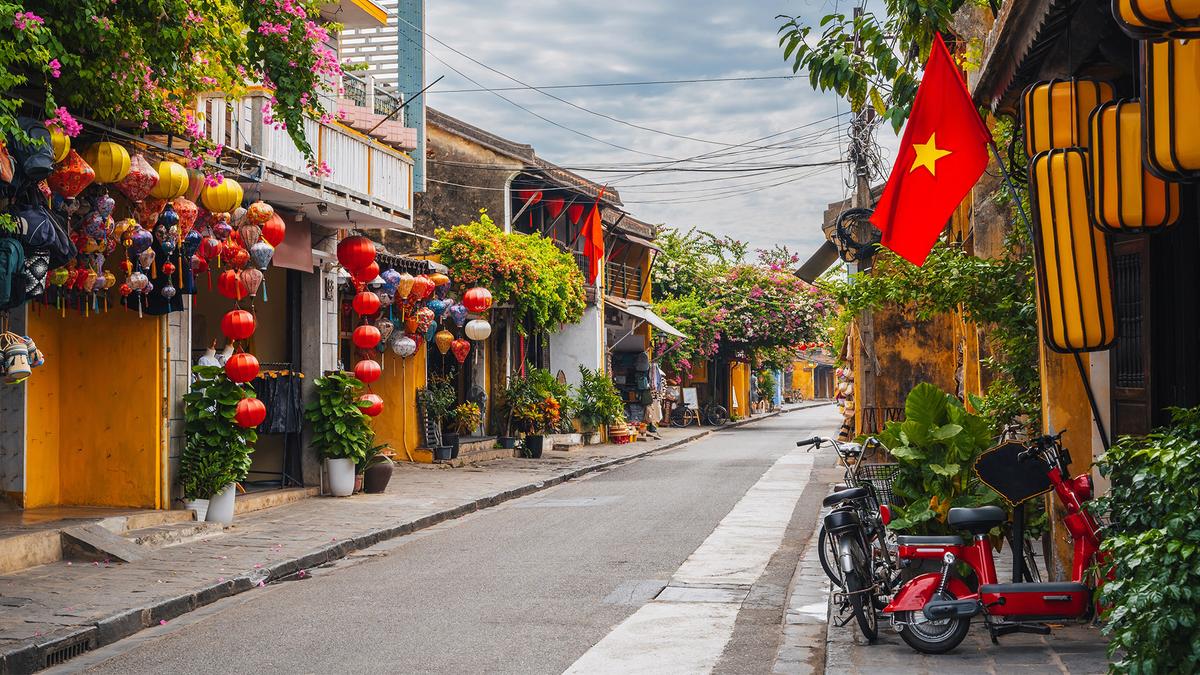
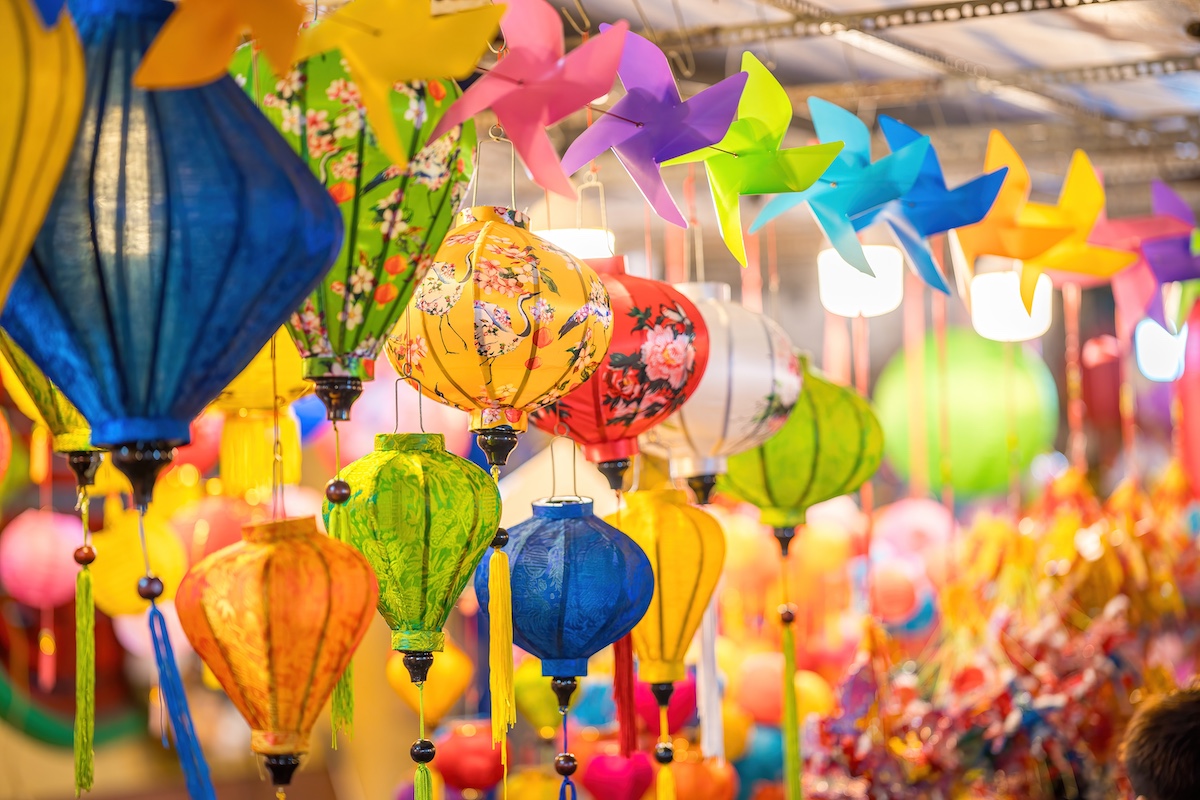
Lanterns in Hoi AN
-
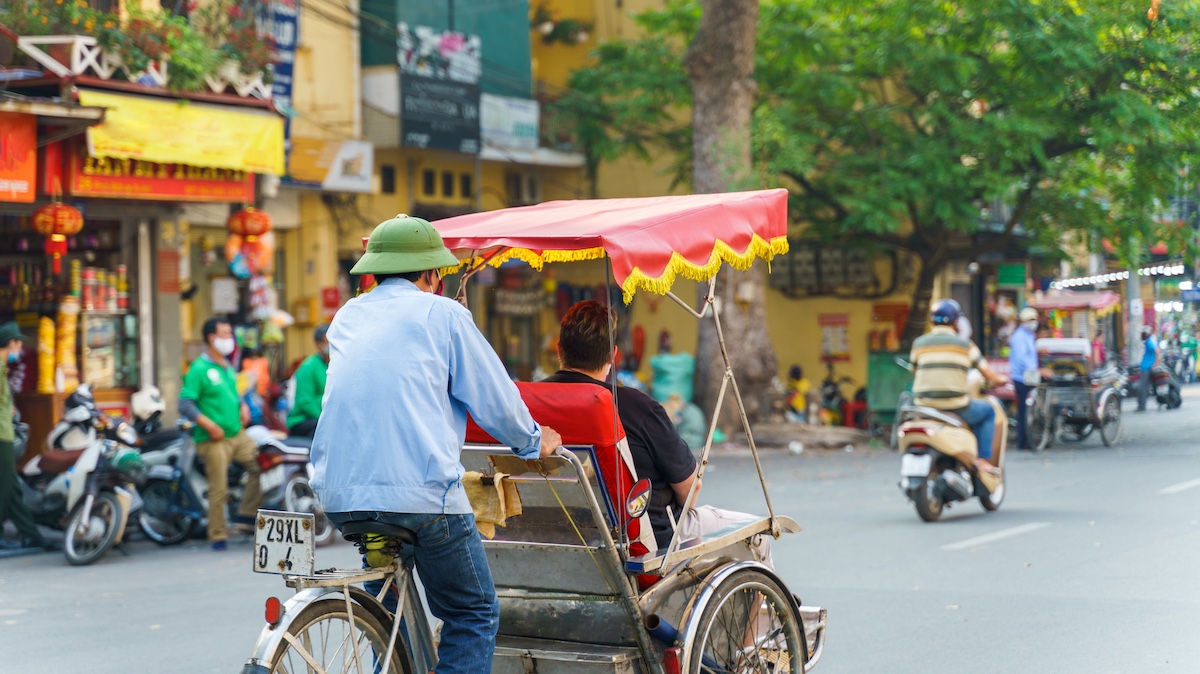
Streets of Hanoi
-
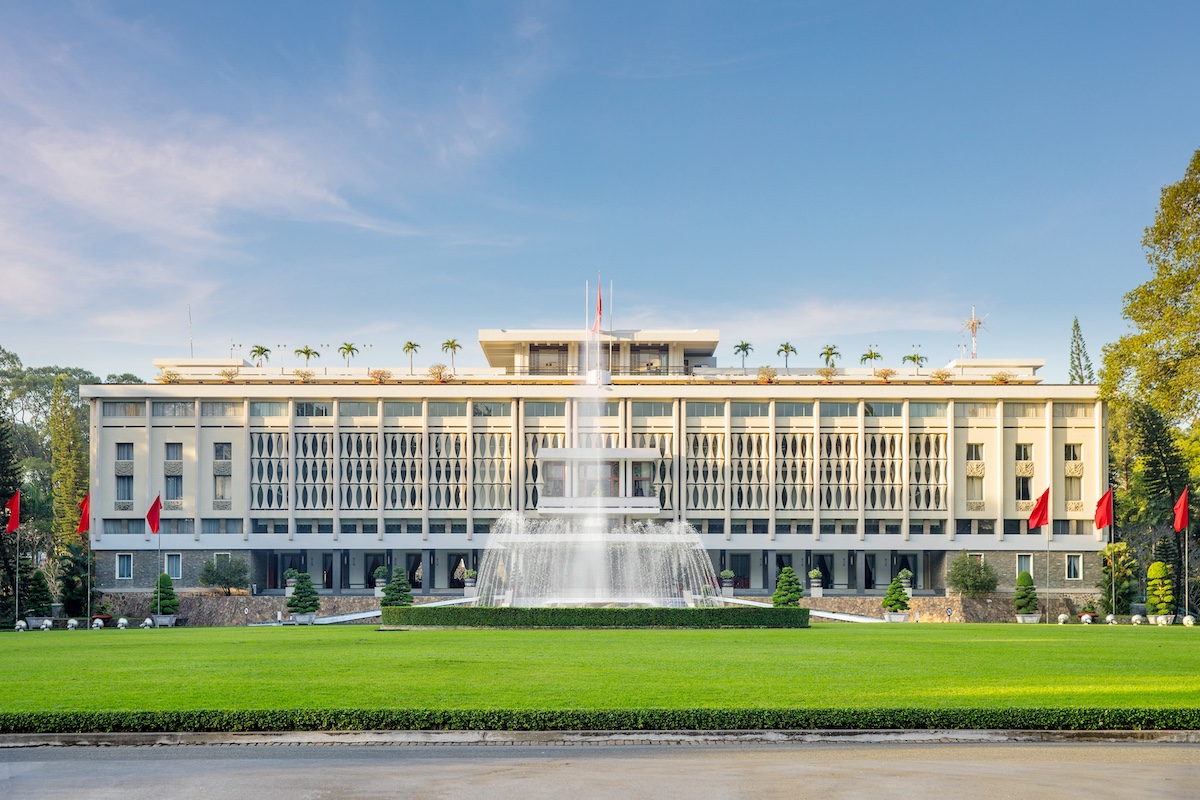
Independence Palace, Ho Chi Minh City
-
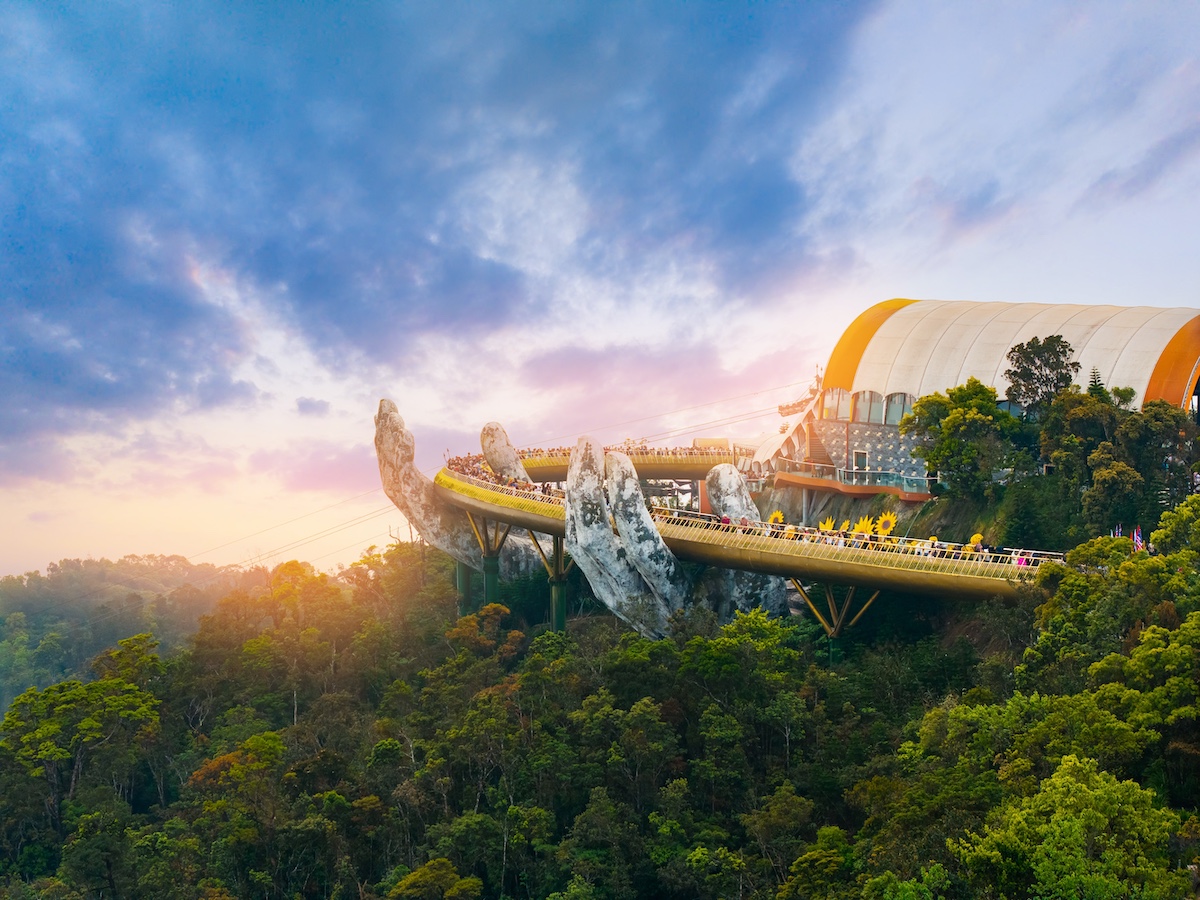
Golden Bridge at Ba Na Hills
-
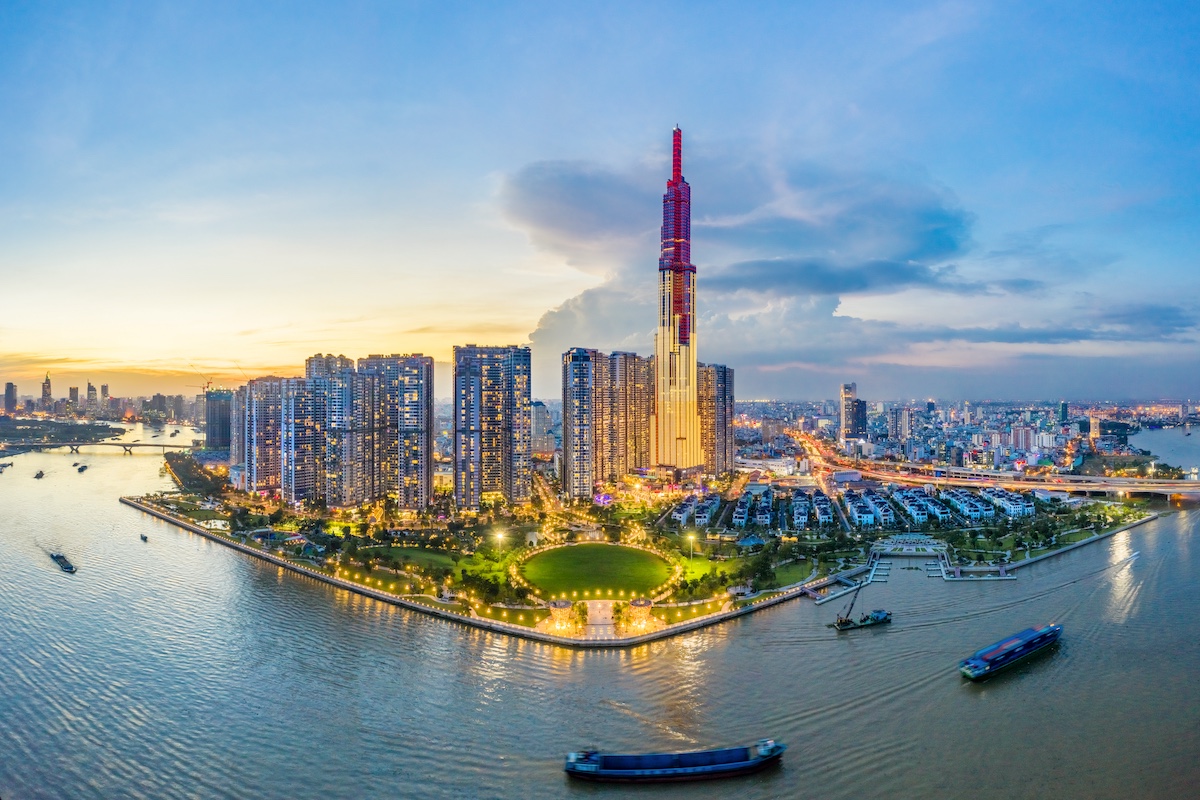
Ho Chi Minh City





Vietnam is a country with a lot going on – a complex history, remarkable food, distinct regions and a pace of life that takes some adjusting to. Whether you’re travelling to Hanoi, Ho Chi Minh City, Ha Long Bay or Hoi An for the first time, these tips will help you get the most out of your Vietnam tour.
Here’s what’s useful to know before you arrive in Vietnam.
1. The cities are busy and full of energy
Hanoi and Ho Chi Minh City are noisy and fast-paced. Scooters dominate the roads, markets spill onto footpaths, and street food vendors occupy every available corner. Footpaths are routinely used for parking, dining and daily life, so pedestrians frequently walk along the road’s edge.
Vietnam’s tropical climate means heat and humidity, particularly in the south. Lightweight clothing and staying well hydrated will make a real difference.
2. Crossing the road takes some getting used to
The constant flow of scooters can look impenetrable at first. The key is to move steadily and predictably – traffic will flow around you. Your guide will help you navigate busy crossings early in the trip.
3. Getting between cities can take time
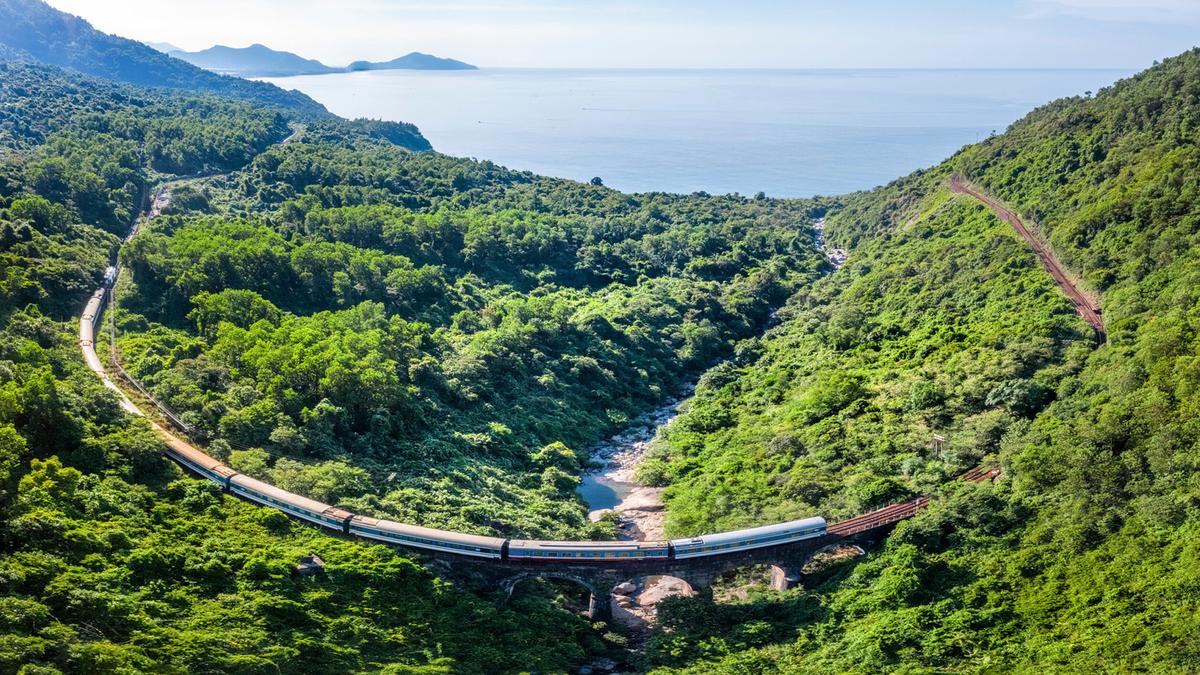
Vietnam stretches over 1,600 kilometres from north to south, and your itinerary can cover a lot of it. Depending on your tour, you’ll travel by domestic flight, coach, boat and possibly train.
Airports are modern and easy to navigate, but it’s helpful to keep passports and travel documents easily accessible on travel days.
Some legs offer great scenery; others are simply about covering the distance. Travel days are often part of the adventure and offer a chance to experience Vietnam’s diversity.
4. The itinerary can be busy
Most Vietnam tour itineraries cover a wide range of destinations within a short timeframe. As well as structured sightseeing, there is often free time built into the schedule as well, allowing you to explore at your own pace.
Some days may involve early starts, city transfers and multiple sightseeing stops. It’s a busy pace, but it allows you to experience a broad cross-section of the country in one trip.
“The tour was fantastic. A beautiful way to get a taste of everything Vietnam has to offer.”
– Deb S, Luxury Escape Deluxe 10-Day Vietnam Highlights 2026 with Ha Long Bay & Hoi An
5. The food is a highlight
Vietnamese cuisine is one of the genuine pleasures of travelling here. Pho, banh mi, fresh spring rolls, fragrant noodle and rice dishes – the variety is wide and the quality is consistently high. Meals range from hotel restaurants to local eateries to street food stalls, and sampling across all of them is part of the experience.
6. Your guide provides invaluable context
Vietnam’s history spans ancient dynasties, French colonial rule and a war that ended within living memory – and all of it is present in the places you’ll visit. Your guide will give you background at each stop, from Hanoi’s landmarks to Hoi An’s old town to the Cu Chi Tunnels, making each destination more meaningful. They’ll also help with language and logistics throughout the trip.
“Our guide was fantastic, he made the trip so memorable, nothing was too much trouble and and he had to make changes along the way due to public holidays and he handled that without any issues at all, making sure we weren’t an inconvenience.”
– James & Jane R, Luxury Escapes Premium 13-Day Vietnam Highlights 2026 with Hoi An, Hue & Ha Long Bay
7. Group sizes vary by departure
Deluxe tours take a maximum of 24 guests; Premium tours cap at 16. All tour styles operate with a minimum of 2 people. Check your tour’s style for the specific maximum group size before you travel.
8. Dress modestly at temples and cultural sites
Shoulders and knees should be covered when visiting temples, pagodas and historic sites across Vietnam. Lightweight layers work well in the heat. Remove hats and keep voices low in sacred spaces.
9. A few cultural customs worth knowing
A smile and a simple xin chào (hello) is always well received.
Use both hands when giving or receiving anything – a payment, a gift, a business card.
Greet older people first in a group, remove shoes before entering someone’s home, ask before photographing people, and avoid pointing your feet toward others or religious statues.
10. Weather varies by region and season
Vietnam’s weather differs significantly depending on where and when you’re travelling.
Northern Vietnam experiences cooler periods in winter; the south stays warm year-round.
Monsoon season (May to November) brings heavy rain to different regions at different times and has occasionally affected tour departures. The on-ground team will adjust the itinerary where possible, but pack a light rain jacket regardless of when you’re travelling.
11. Sort visas and health requirements in advance
Most travellers need a Vietnam visa or e-visa arranged before arrival. A visit to a travel health clinic ahead of your trip is advisable for guidance on relevant vaccinations for Vietnam.
12. Carry cash
Credit cards are accepted at hotels and larger restaurants, but cash is widely used for markets, street food, small shops, tips and local transport. ATMs are readily available in cities and tourist areas. Keeping smaller notes in Vietnamese dong on hand makes day-to-day transactions easier.
13. Much of the sightseeing is on foot
Vietnam’s historic areas and UNESCO-listed sites like Hoi An Ancient Town are best explored on foot – the lanes are narrow and much of the detail simply can’t be seen from a coach window. Comfortable, well-worn shoes are worth prioritising.
More practical tips for your Vietnam tour
How to pack for Vietnam
Tap water is not safe to drink in Vietnam. Bottled water is widely available and most hotels provide it in rooms – a reusable bottle is useful for refilling throughout the day.
Also pack: breathable clothing, solid walking shoes, sunscreen, a hat and insect repellent for evenings and rural areas.
What to expect in Ha Long Bay
Ha Long Bay is one of Vietnam’s most visited destinations and is best experienced on an overnight cruise. Most cruises include activities such as kayaking, swimming and cave exploration. Transfers to Ha Long Bay typically involve an early start.
What to expect at the Cu Chi Tunnels
The Cu Chi Tunnels are one of the most significant historic sites in southern Vietnam and a common inclusion on first-time Vietnam itineraries. The tunnels formed an underground network built and used during the Vietnam War. Some sections are narrow and low, and may not suit travellers uncomfortable in confined spaces. Exploring above ground is a perfectly good alternative; your guide will provide the full historical context either way.