USD
USD  Written by Stephanie Mikkelsen
-
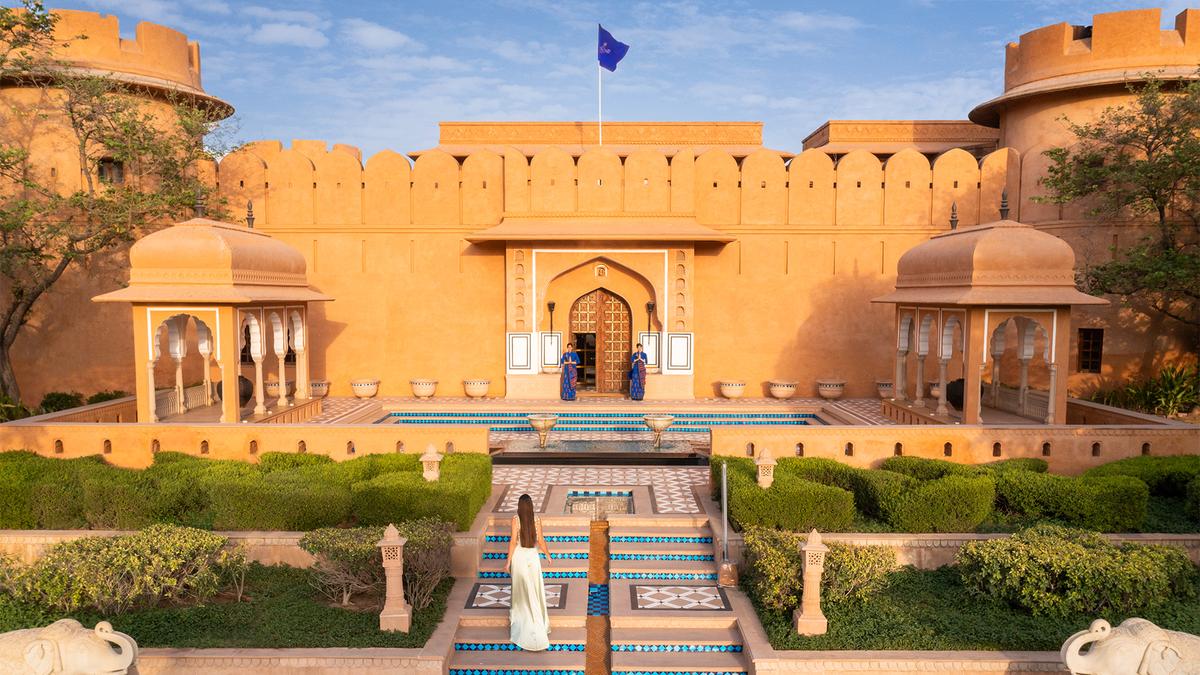
Jodphur
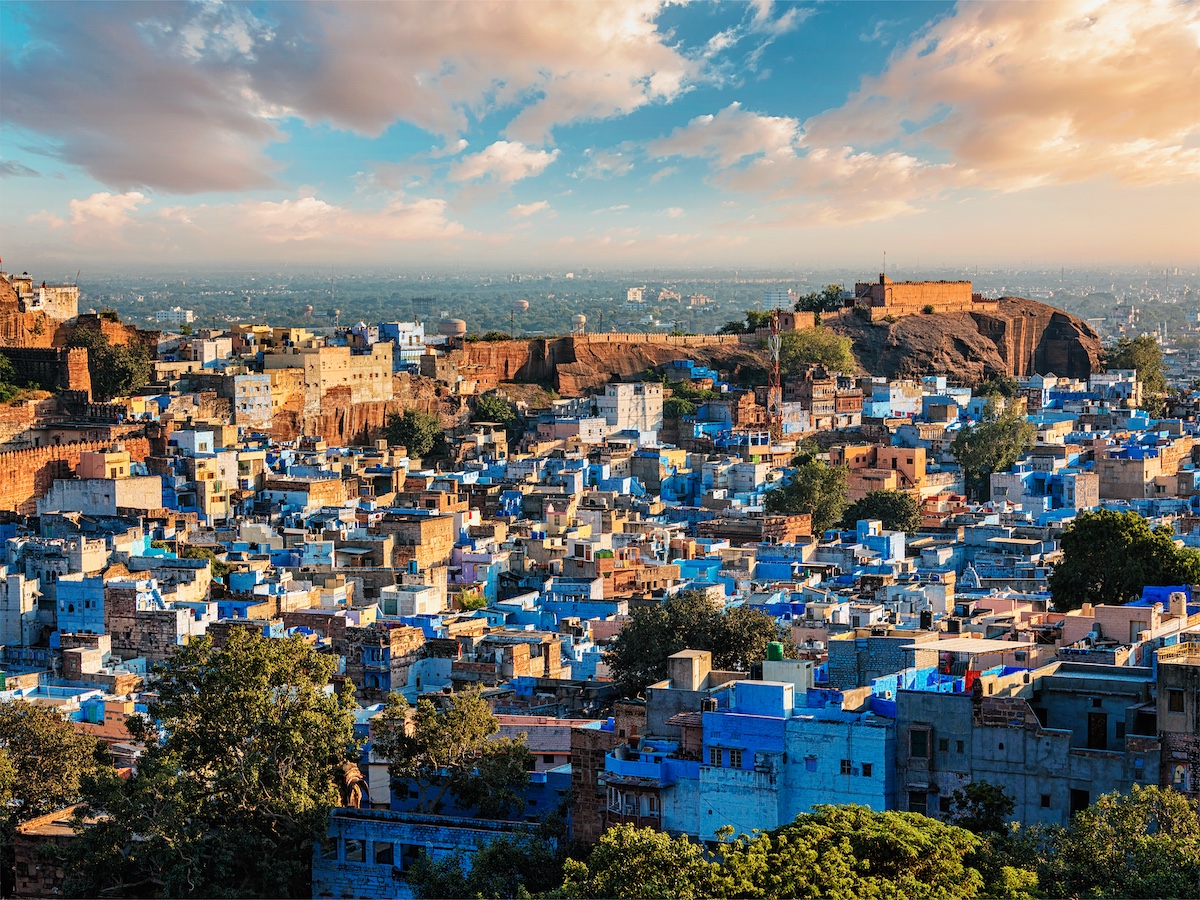
-
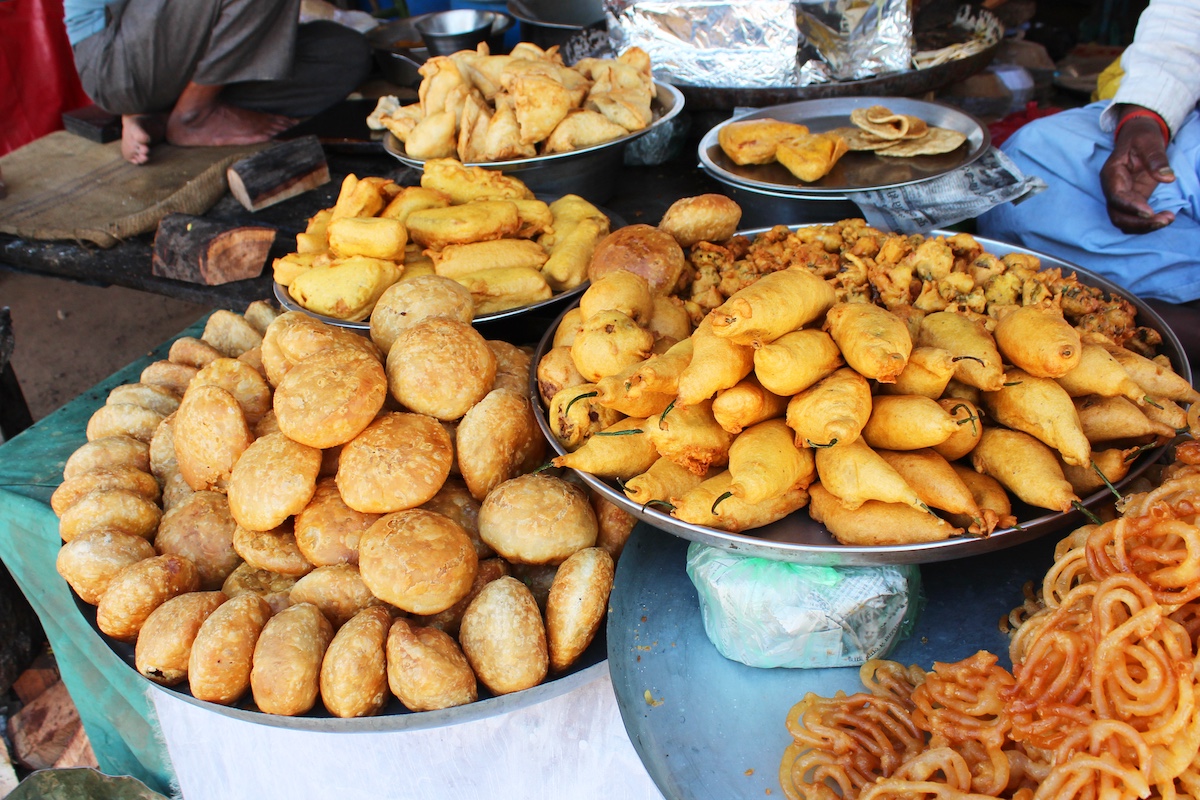
-
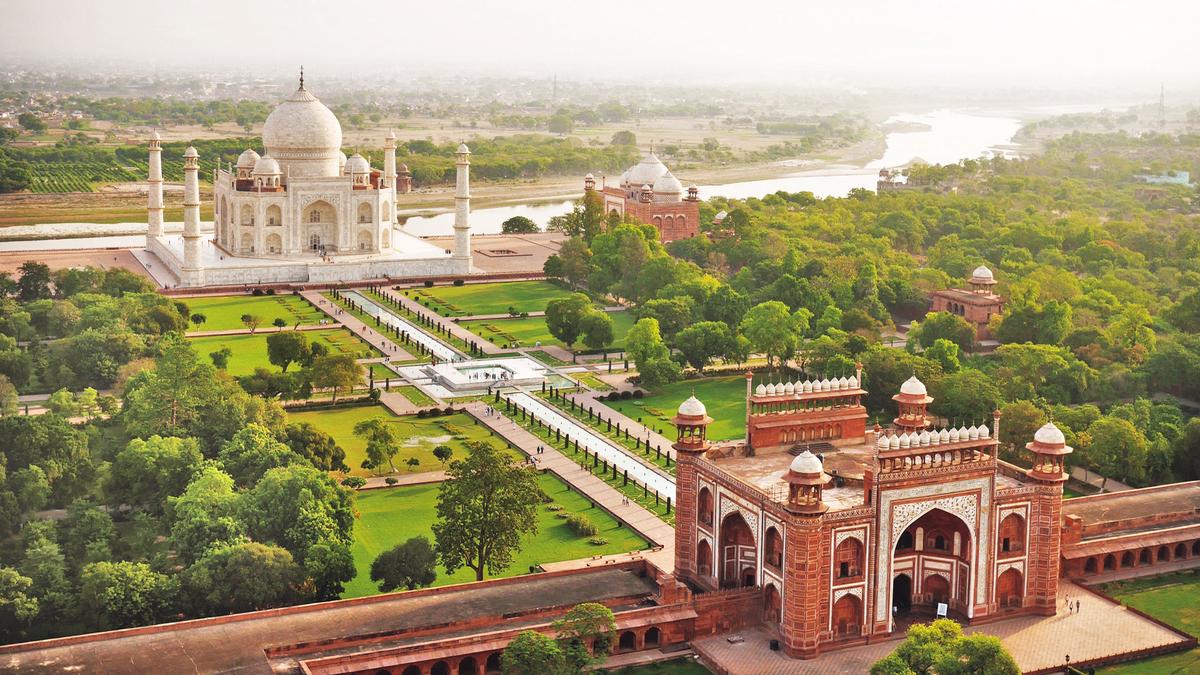
Agra Fort
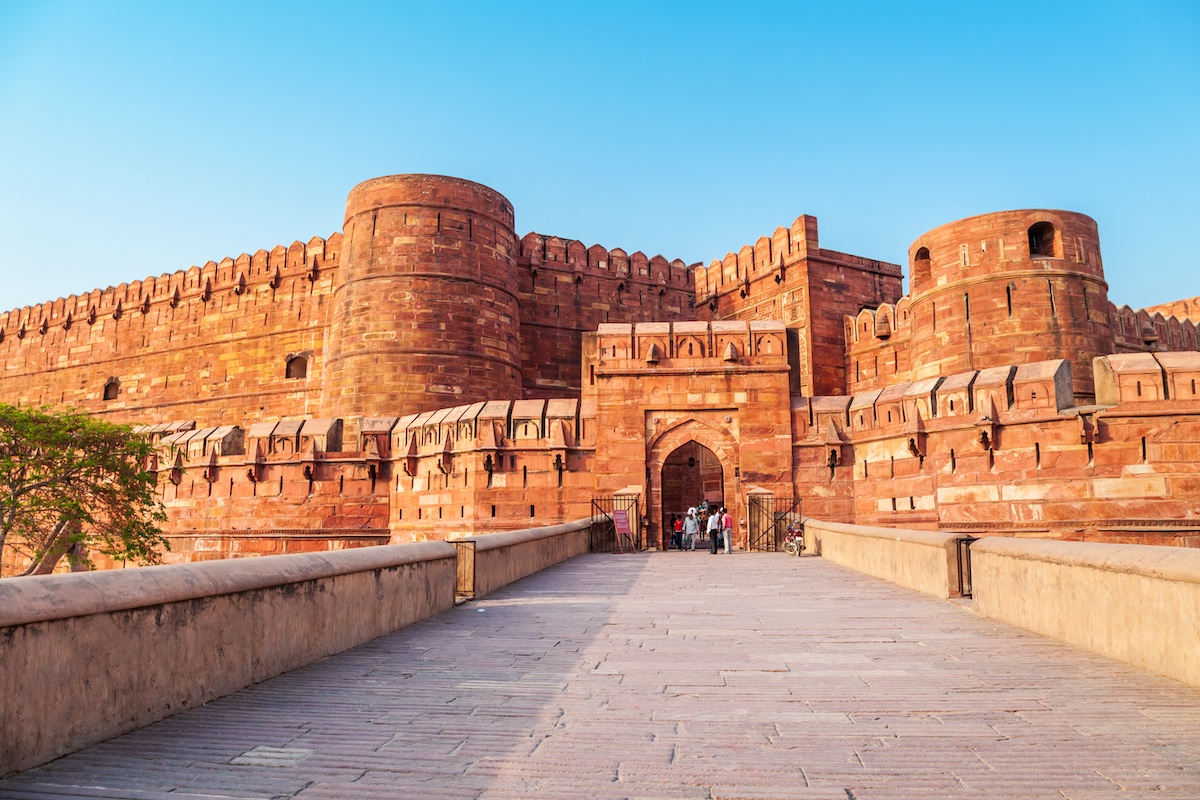
-
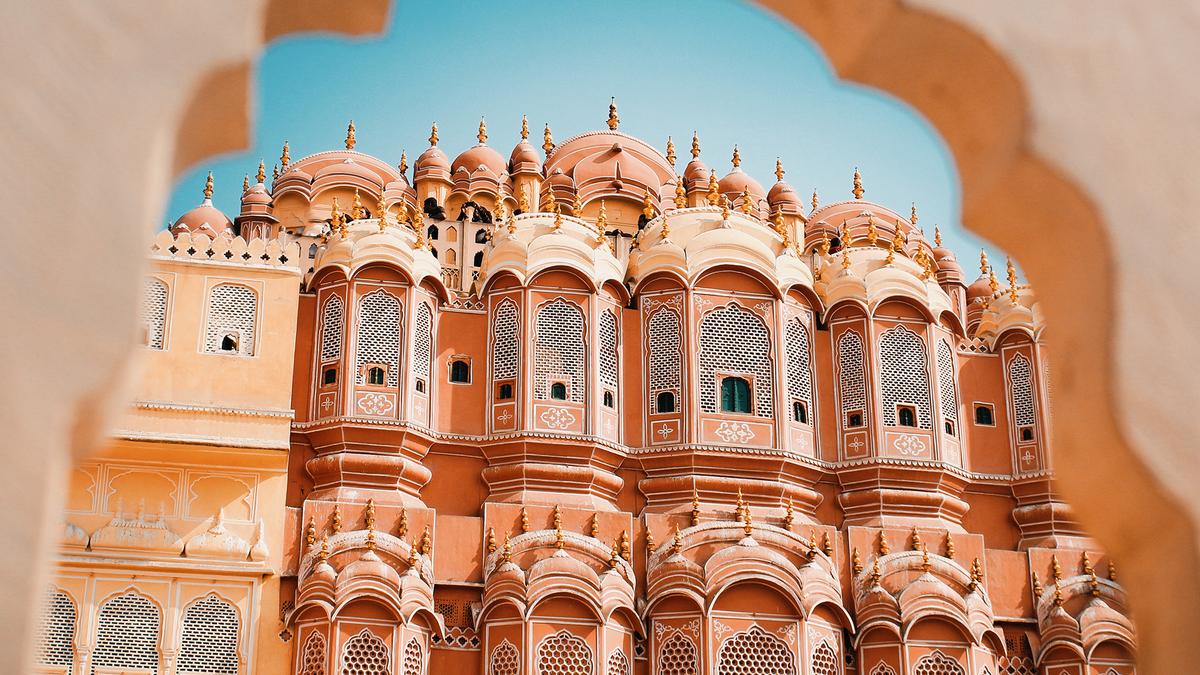
Jaipur
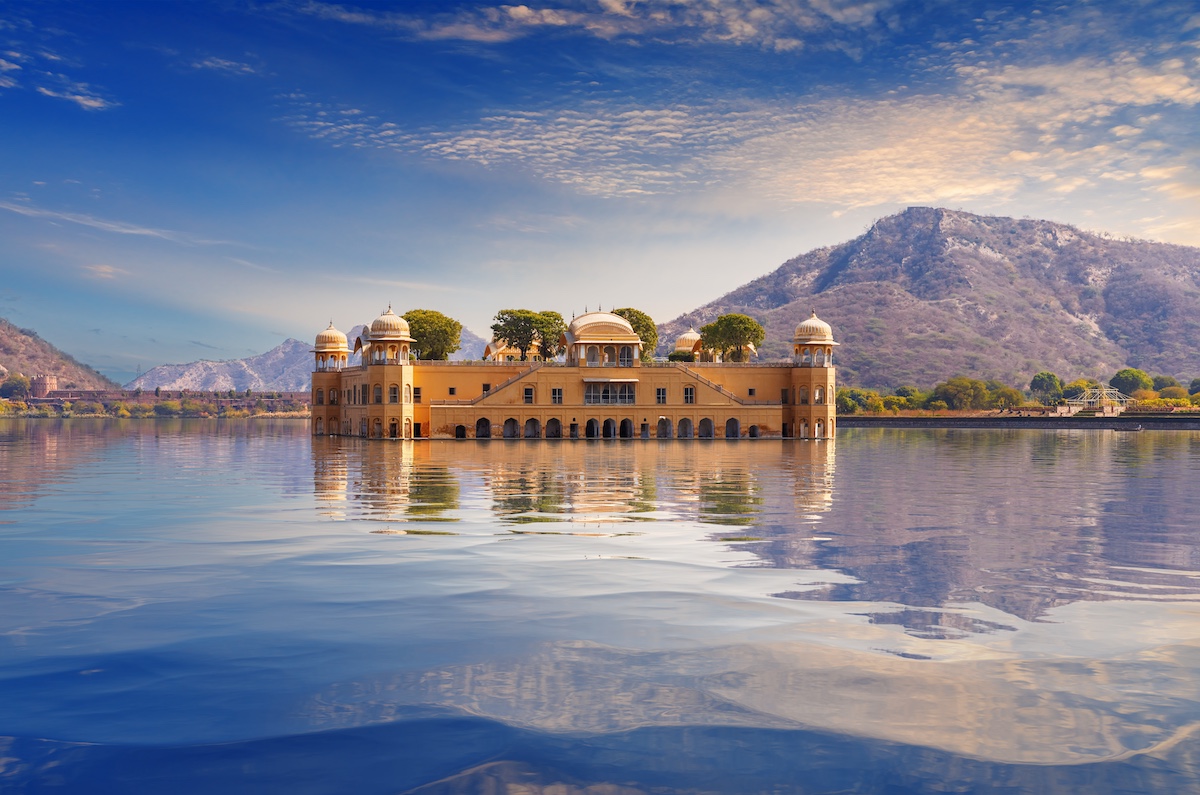
-
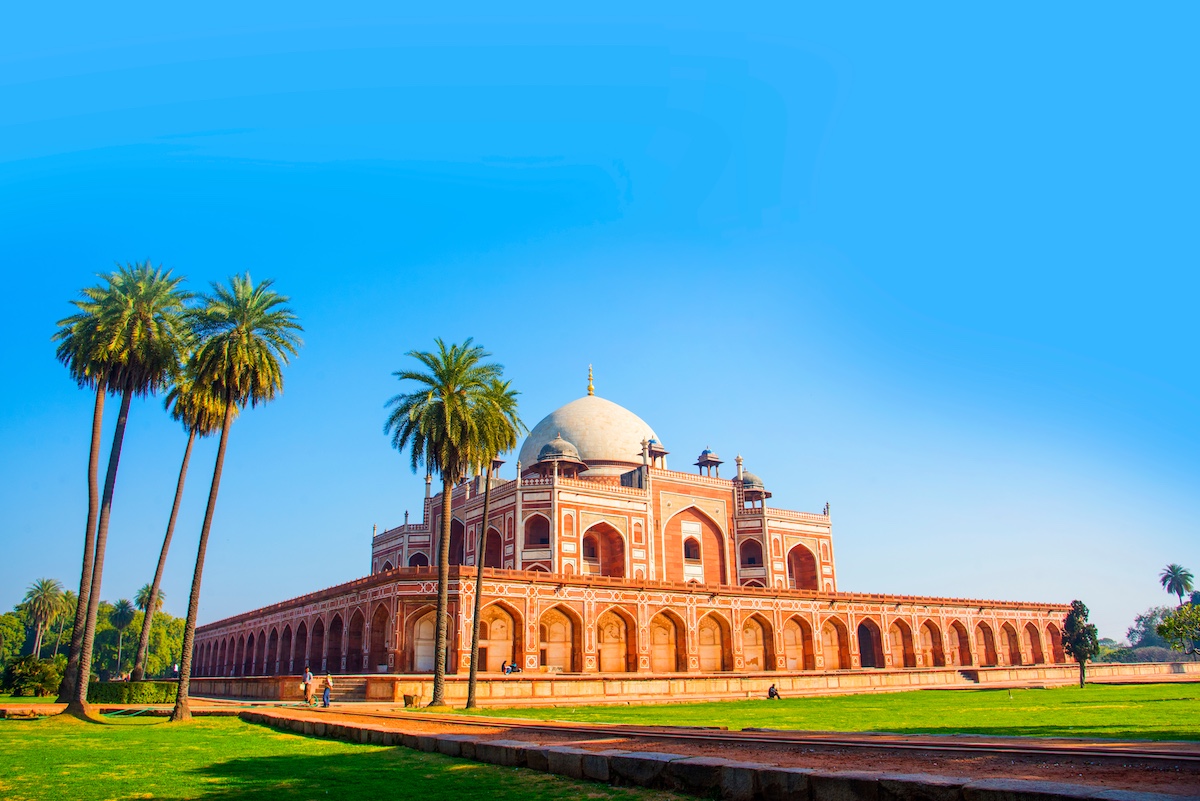
Humayun's Tomb
-
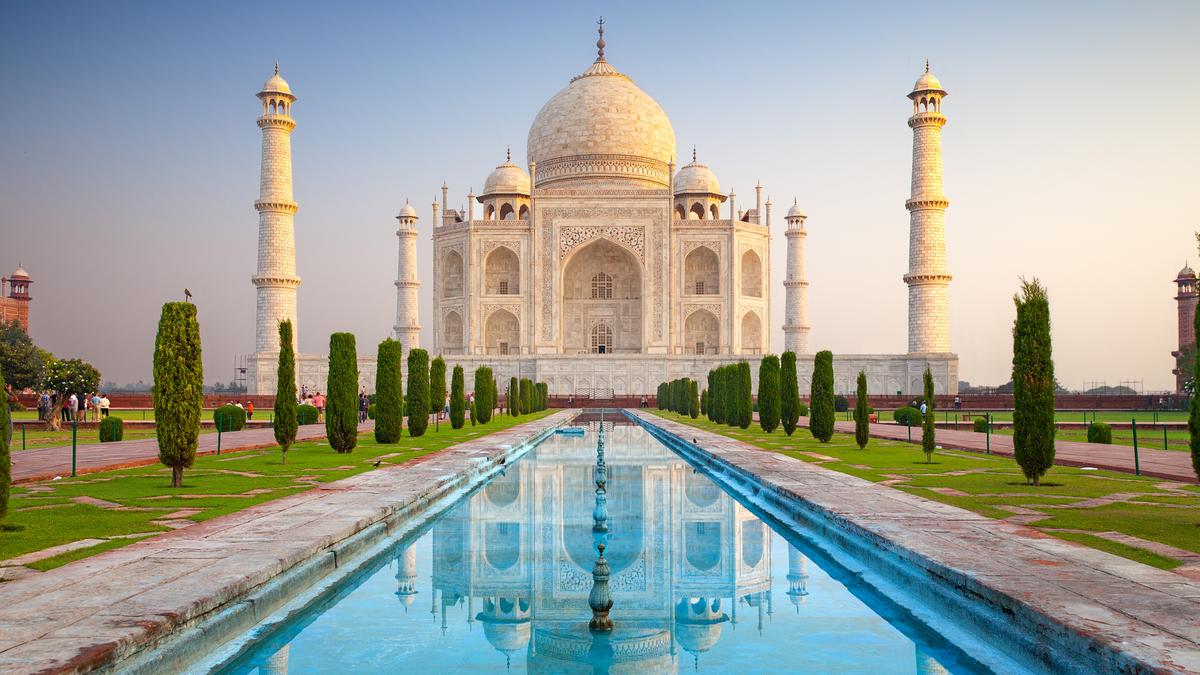
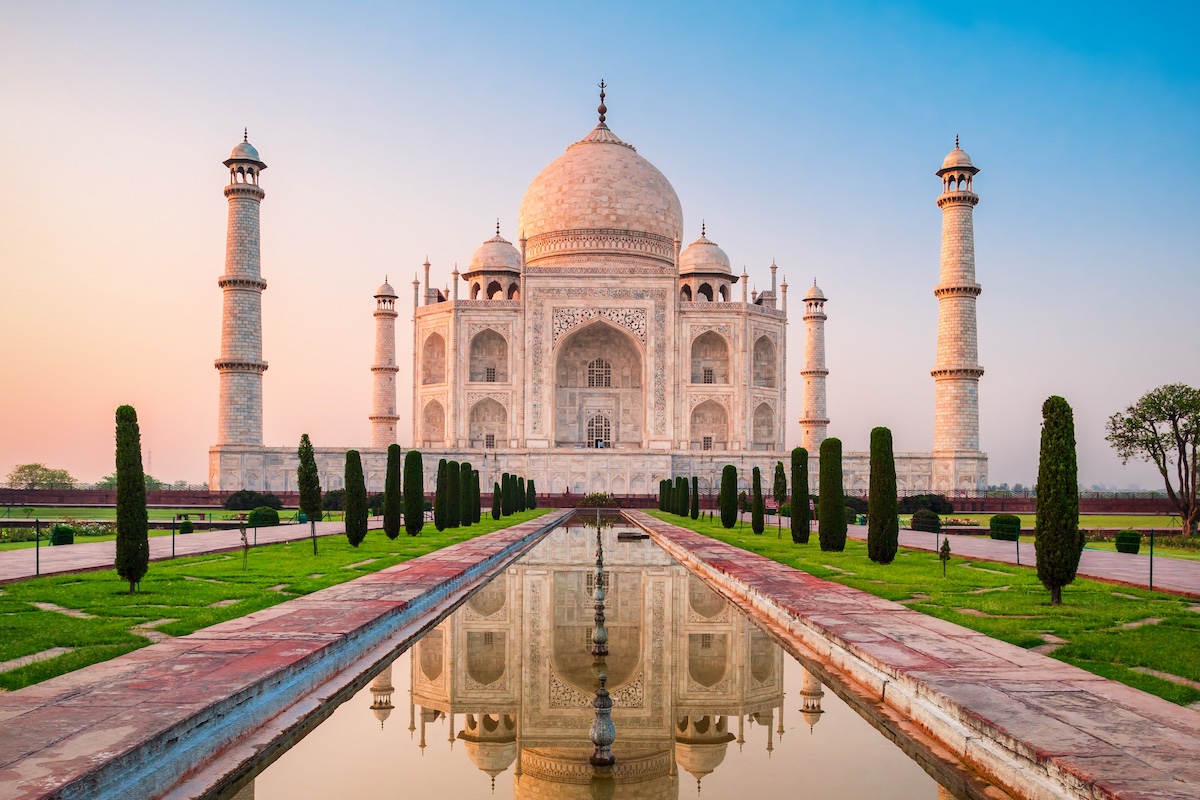
Taj Mahal




India is a country that hits hard from the moment you land. The cities are dense and fast-moving, the history runs deep and the sensory experience is unlike most other destinations. It’s also one of the most rewarding places to travel – but the gap between an underprepared trip and a well-prepared one is significant. The more you know going in, the more you’ll get out of it.
Here’s what’s useful to know before you arrive.
1. The cities are intense – in ways that take adjustment
Delhi, Agra and Jaipur are busy, noisy and constantly in motion. Traffic is a mix of cars, rickshaws, motorcycles, buses, pedestrians and, occasionally, livestock – all sharing the same road. Markets are dense and loud. The contrast between luxury hotels, historic monuments and everyday street life can be stark.
None of this is a problem – it’s just India, and it’s worth being ready for rather than surprised by. Travelling with a guide and driver means you’re not navigating any of it alone.
‘As a first time visitor to India I cannot think of a better way to experience this amazing country. India is a place of great contrast,’
– John B, Luxury Escapes Ultra Lux 9-Day India Golden Triangle Private Oberoi Tour
2. Travel times are longer than they look on a map
India is vast, and traffic conditions in cities can add significant time to journeys that look short on paper. Travel between destinations is built into the itinerary, but expect some days to involve more time in transit than anticipated. The roads between cities offer a genuine cross-section of rural India – villages, farmland, roadside markets, everyday life – which makes the journey worthwhile in its own right.
3. Accommodation is often part of the experience
Many India itineraries – particularly those covering Rajasthan – include stays in heritage hotels, historic mansions or converted palaces. These properties are a genuine feature of the trip rather than just a place to sleep: expect ornate architecture, courtyard gardens and interiors that reflect centuries of history.
Many luxury properties in India are set on large grounds away from city centres. There often isn’t much within walking distance, and most travellers spend free time at the hotel rather than exploring independently on foot.
4. The food is regional, varied and worth exploring
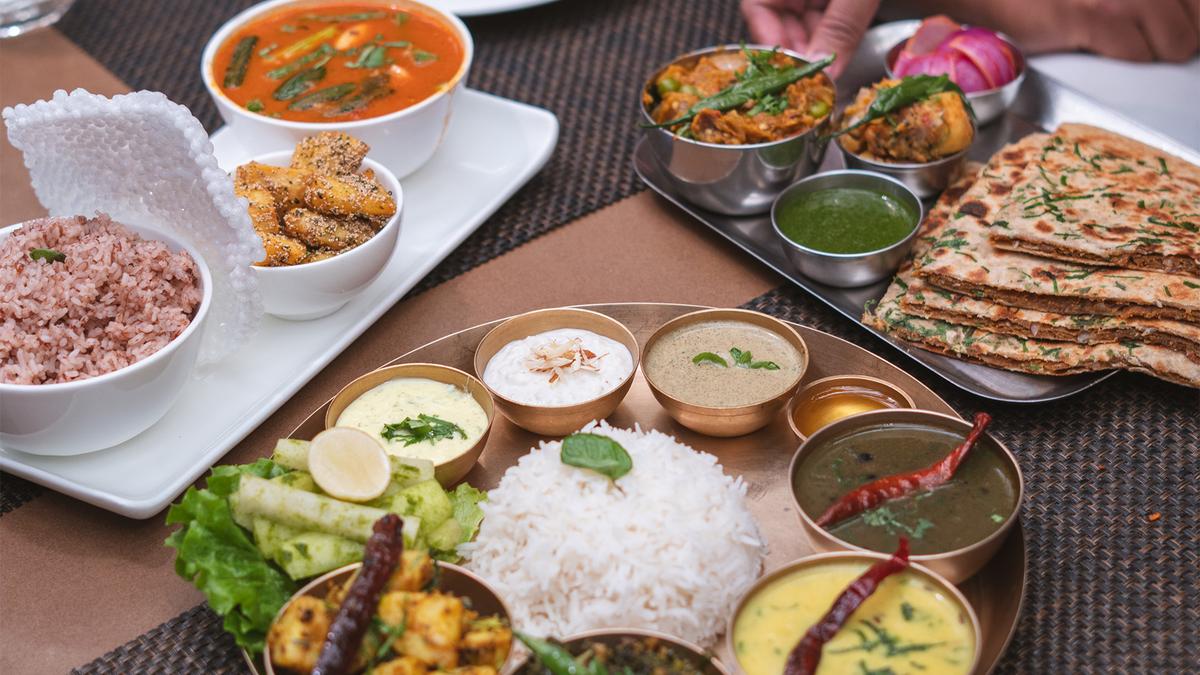
Indian cuisine changes significantly from region to region, and travelling across the country is as much a food experience as a cultural one. Expect fragrant curries, freshly baked breads, vibrant vegetarian dishes and a depth of spicing that varies by area. Most hotels and restaurants can adjust spice levels on request. Your guide is a useful resource for regional specialities worth seeking out.
On busy touring days, some meals will be at restaurants set up to handle larger groups – set menus or buffets rather than a la carte. There will be opportunities throughout the trip to eat more locally during free time.
5. Your guide is essential context
India’s landmarks carry centuries of history, mythology and cultural significance that aren’t always self-evident. The stories behind the Taj Mahal, the Amber Fort in Jaipur and the monuments of Delhi are what make them worth visiting – and a knowledgeable guide is what makes those stories accessible. Your guide will also help with local customs, language and logistics throughout the trip.
‘Our trip to India was absolutely excellent! We had the chance to see a wide selection of cities, each offering something unique and memorable. The itinerary was thoughtfully designed, and our guide was extremely experienced, informative, and passionate about sharing the culture and history of each place we visited… This was truly a wonderful way to experience the richness of India, and we couldn’t have asked for a better team to look after us. Highly recommended!’
– Sandra G, Luxury Escapes Colours of Rajasthan with Amber Fort & Taj Mahal Visits
6. Shopping stops may be included
Some sightseeing days include brief visits to local craft workshops – textiles, marble inlay work, jewellery, carpets. These are designed to showcase traditional craftsmanship and there’s no obligation to buy anything. If shopping isn’t your priority, it’s worth knowing these stops exist so they don’t feel like an unexpected detour.
7. Dress modestly at religious sites
Temples, mosques and other sacred sites require modest dress – shoulders and knees covered for both men and women. You’ll also be asked to remove shoes before entering most religious buildings. A lightweight scarf is useful to carry for unplanned stops. This applies across much of the itinerary, so it’s worth building into how you pack rather than dealing with it case by case.
It’s also courteous to ask before photographing people, particularly in markets and rural areas.
8. Early starts are worth it
Some of India’s most significant sites are best visited early. The Taj Mahal at sunrise is the obvious example – better light, smaller crowds and cooler temperatures all make the experience more manageable. Early morning visits are built into many itineraries for good reason.
9. Wildlife at Ranthambore is not guaranteed
For itineraries that include Ranthambore National Park, the safari drives offer the chance to see Bengal tigers, leopards, deer, crocodiles and birdlife. Wildlife sightings always depend on conditions, animal movement and timing – nothing is guaranteed. Bring binoculars and a zoom lens, and approach it with patience rather than expectations.
10. Give animals space
Monkeys, cows, dogs and birds move freely through many towns, markets and temple areas across India. They’re part of daily life. Avoid feeding or touching them, even if they seem approachable – your guide will flag any specific areas where this is particularly relevant.
11. Tipping is standard practice
Tipping is customary across the tourism industry in India. Guides, drivers, hotel porters and restaurant staff are typically tipped, and it’s a meaningful part of their income. Your guide will provide practical guidance on amounts and timing during the trip.
12. Carry cash
Cards are accepted at major hotels, restaurants and larger shops, but cash is widely used across India for markets, local eateries, tips and smaller purchases. ATMs are available in cities and tourist areas. Carry Indian rupees in smaller denominations – they’re far more useful day-to-day than large notes.
Mobile payments are increasingly common in cities but generally aren’t accessible to international travellers. Cash and cards cover most situations.
13. Download WhatsApp before you travel
Guides in India commonly use WhatsApp to communicate with their groups – for schedule updates, last-minute changes and general contact throughout the trip. Having it set up before you land means you’re reachable from day one.
A local SIM card or e-SIM is worth considering for affordable data throughout the trip. SIM cards are available at major airports on arrival; e-SIMs can be set up before departure so you’re connected immediately.
14. Sort visas and health requirements in advance
Most travellers need a tourist visa or e-visa arranged before arriving in India. A travel health clinic visit ahead of your trip is also advisable – recommendations on vaccinations and health precautions will depend on your specific itinerary and medical history. Don’t leave either of these late.
What to pack for your tour of India
Many of India’s historic sites – forts, palaces, old city areas – involve uneven paths, stairs and cobbled surfaces.
Comfortable, sturdy shoes are a practical necessity. Also pack: lightweight breathable clothing, a layer for air-conditioned interiors, sunscreen, a hat, insect repellent, hand sanitiser, a reusable water bottle and a small day bag or money belt for busy sightseeing days.
Tap water is not safe to drink. Bottled water is widely available throughout the trip.