USD
USD  Written by Stephanie Mikkelsen
-
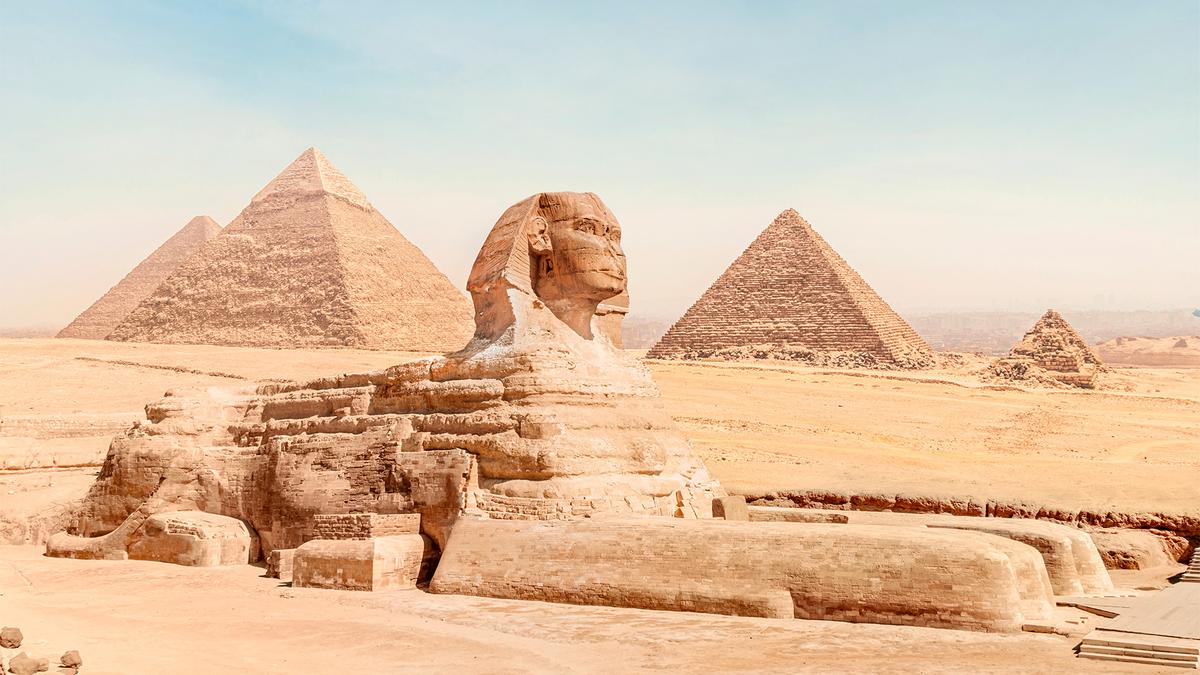
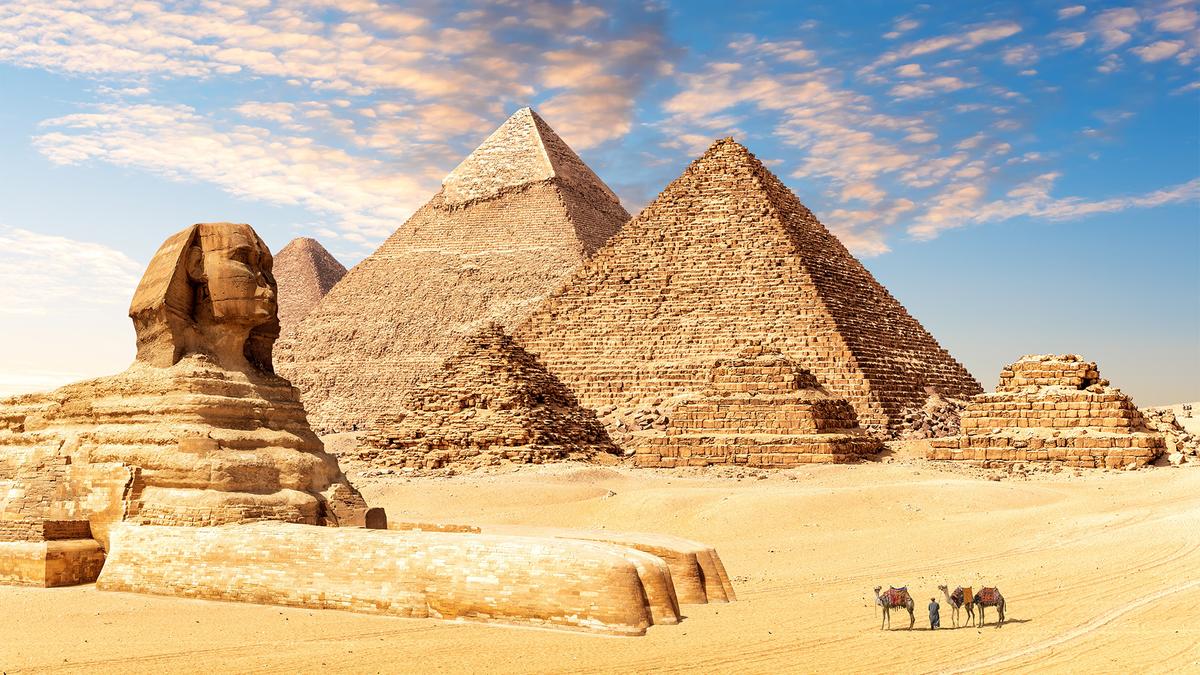
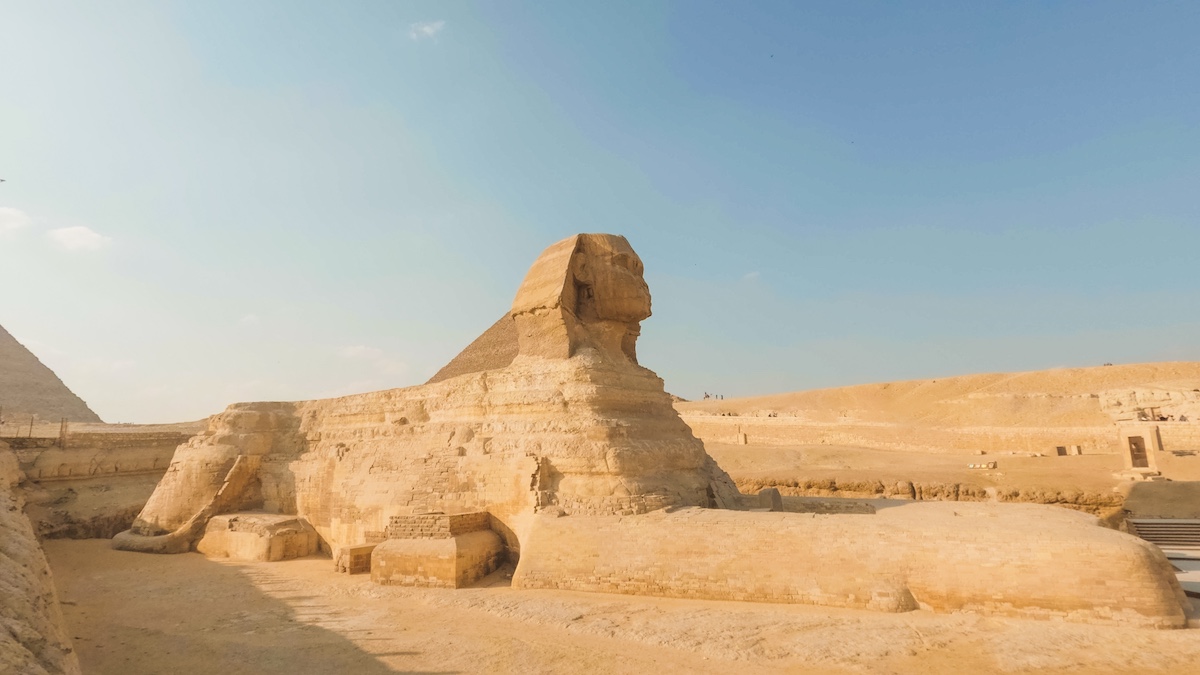
The Sphinx, Cairo
-
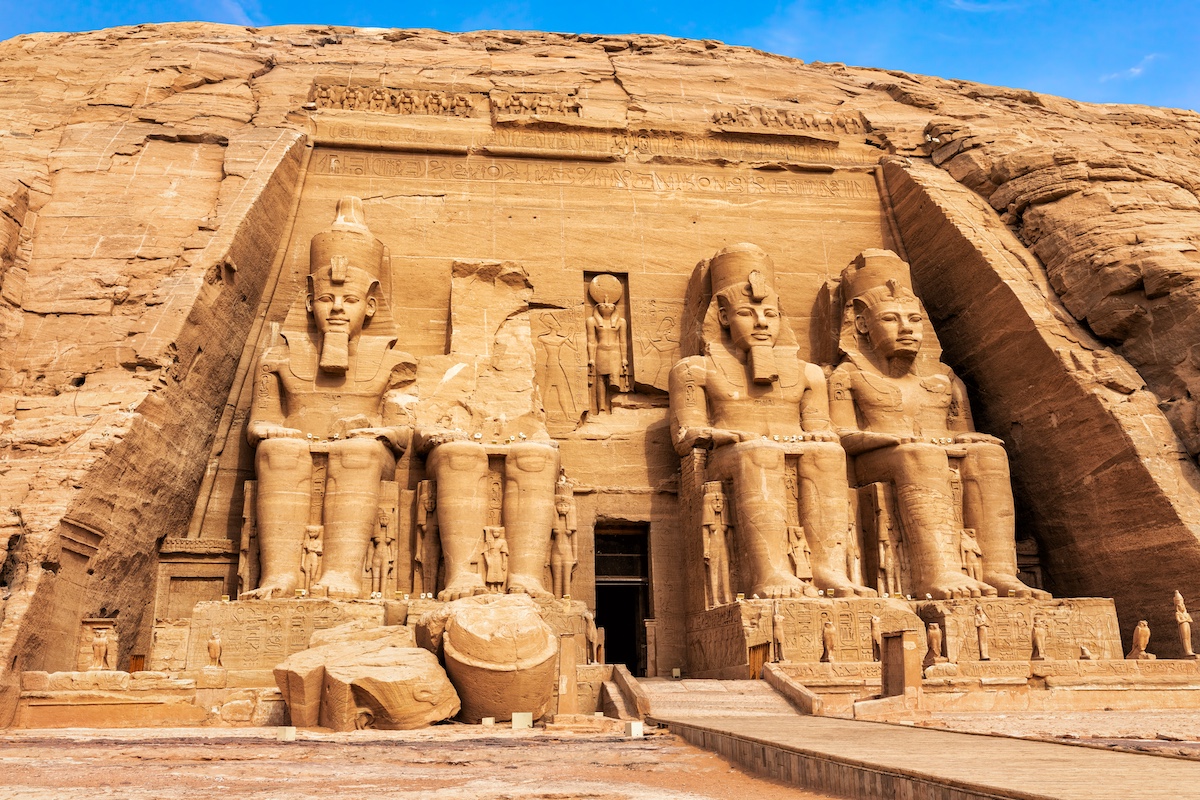
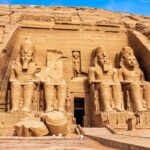
Abu Simbel
-
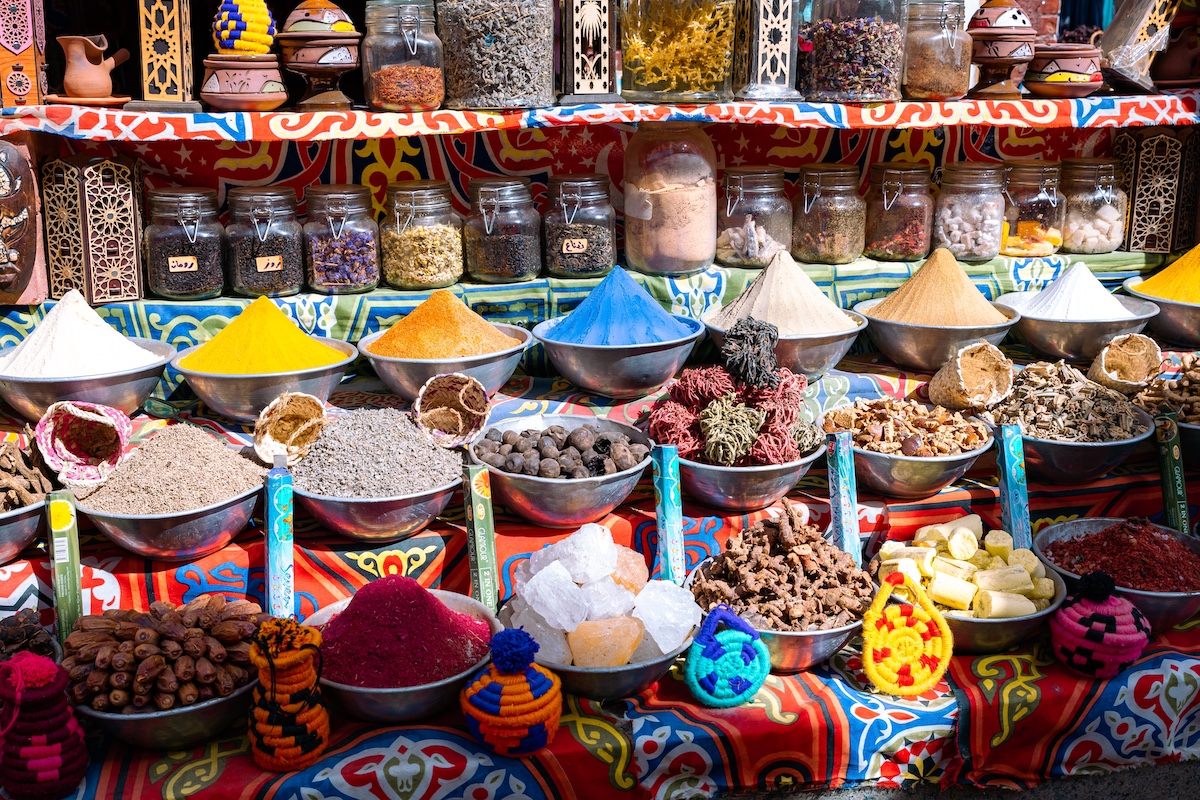
Nubian Village
-
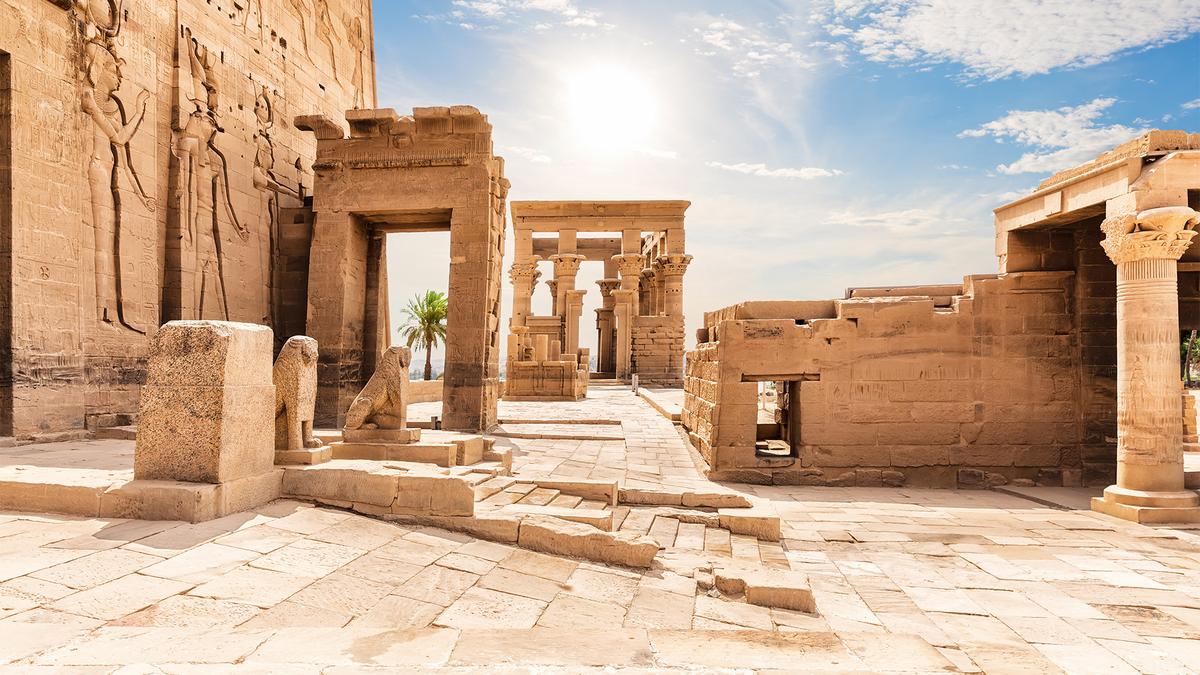
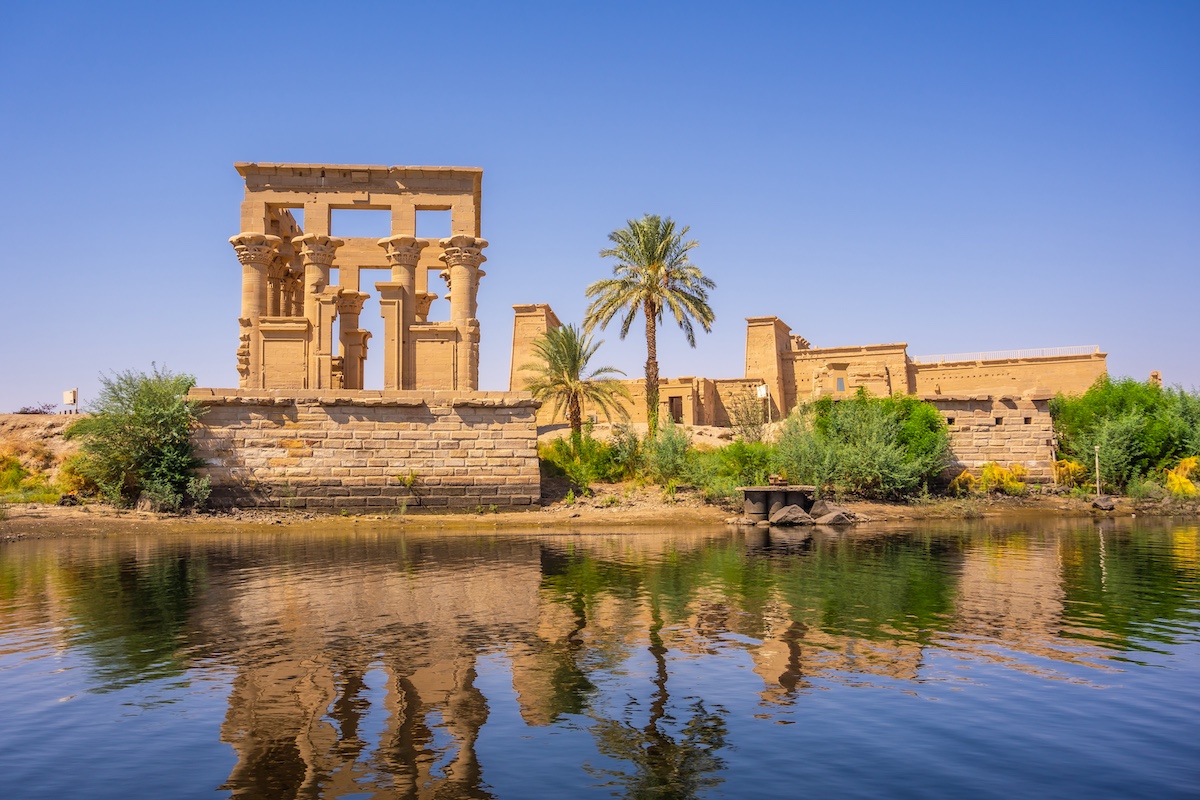
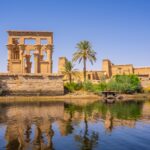
Philae
-
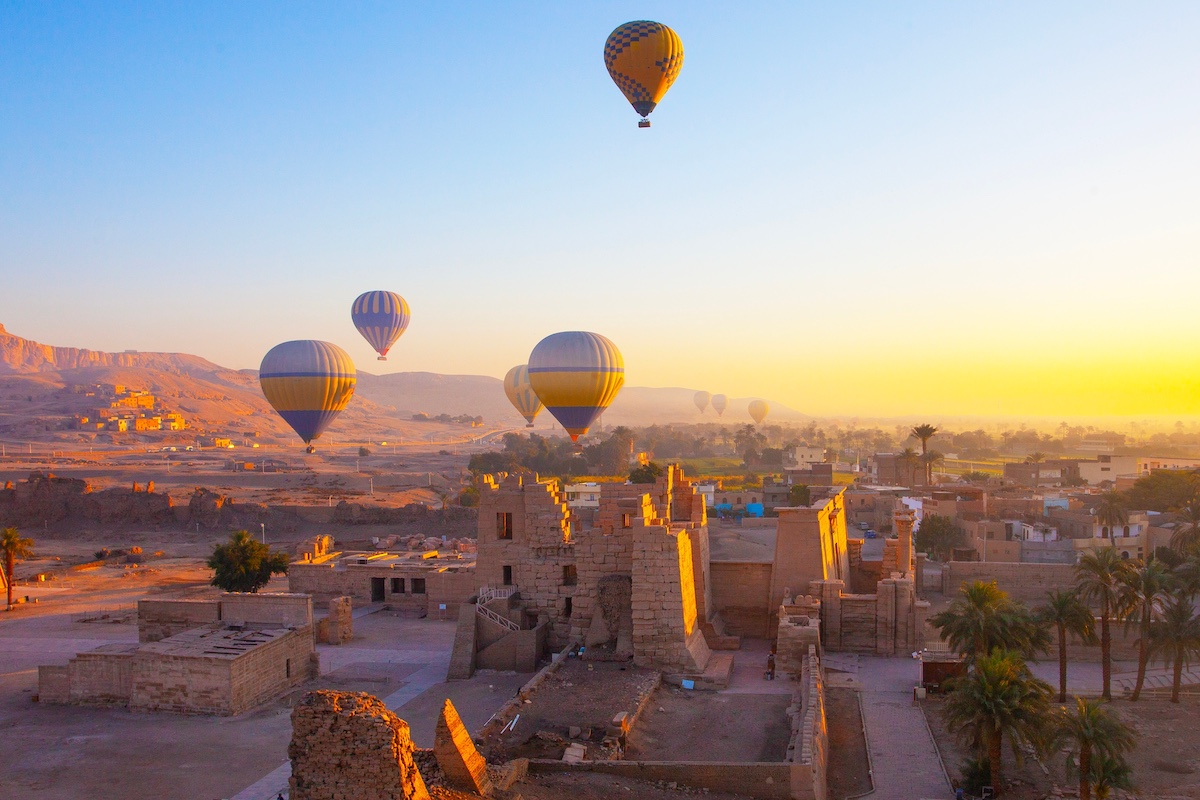
Valley of the Kings
-
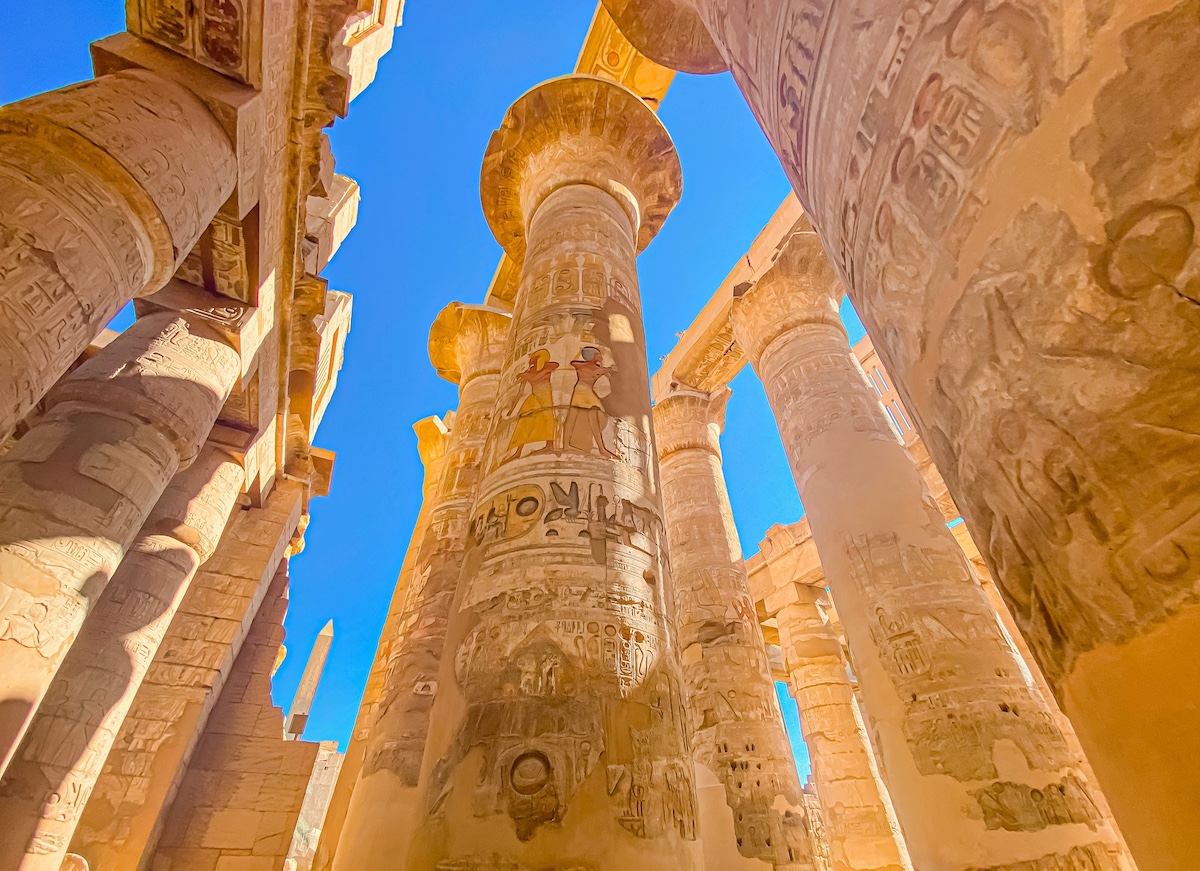
Karnak
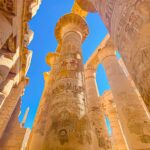
Egypt is a destination that takes a little adjustment – the pace is fast, the heat is real and the scale of what you’ll see is genuinely difficult to prepare for. The pyramids, the temples, the Nile – they’re all as significant in person as the history books suggest. Getting the most out of your tour of Egypt means knowing what to expect before you arrive.
Here’s what’s useful to know before you go.
1. The historic sites are the main event
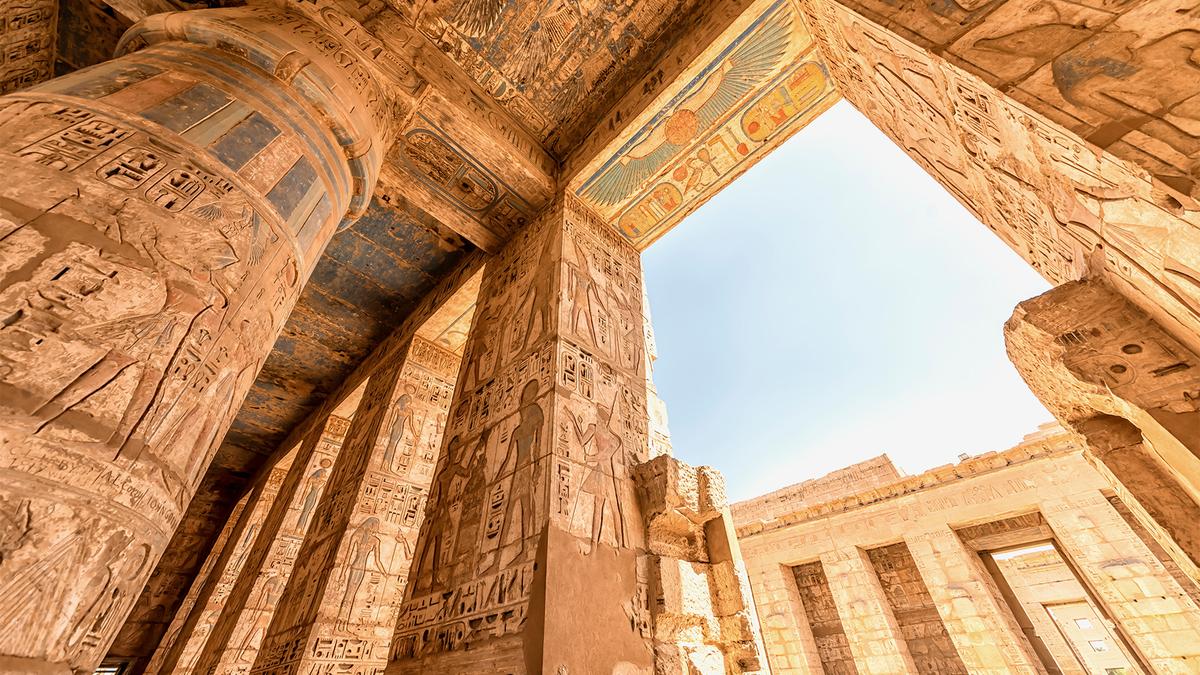
Egypt’s archaeological sites are among the most significant in the world. Depending on your itinerary, you may visit the Great Pyramids of Giza, the Sphinx, the temples of Luxor and Karnak, and the tombs of the Valley of the Kings. These are ancient, vast and best appreciated with context – which is where your guide comes in.
‘We have not long returned home from our adventure of a lifetime through Egypt and Jordan, and we wish to pass on our thanks for the incredible experience. It was an enormous privilege to visit so many precious ancient sites, and we caught ourselves not quite believing our reality as we looked out over the Nile from the sundeck of the boat. Our photos are the envy of friends and family!’
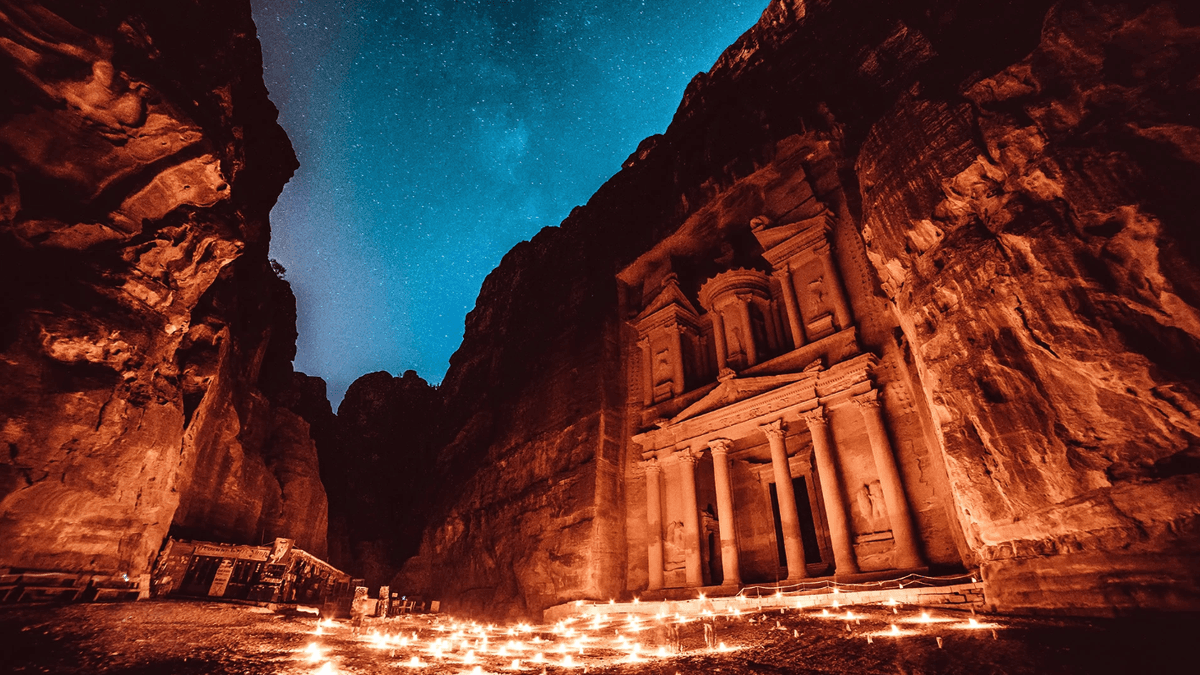
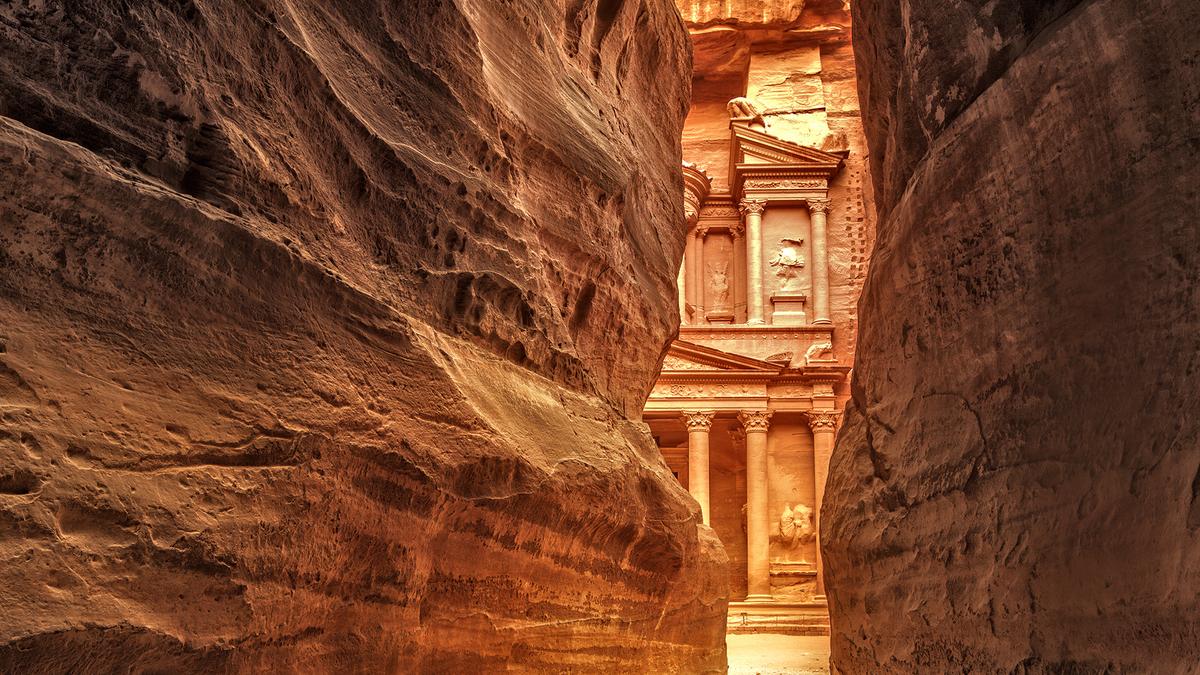
– Jason W, Luxury Escapes Deluxe 14-Day Egypt & Jordan Discovery with Dead Sea, Petra & Wadi Rum
2. Early starts are common
Many sightseeing days begin early, particularly at major archaeological sites and outdoor museums. Getting there in the cooler morning hours makes a practical difference – both for comfort and for avoiding the busiest periods of the day. On some itineraries, departures happen before sunrise. When that’s the case, hotels and cruise ships typically provide a breakfast box rather than a restaurant breakfast.
3. The schedule is full
Egypt’s most significant sites are spread across the country, and itineraries are designed to cover a lot of them. That means some days involve early starts, transfers and multiple stops. The pace reflects how much ground there is to cover rather than how much time there is to linger – though most travellers find the breadth of what they see makes it worthwhile.
4. A Nile cruise is part of many itineraries
Many Egypt tours include a multi-day cruise between Luxor and Aswan. During the day, excursions take you to temples and sites along the river; evenings are spent on board. Cruise ships include restaurants, lounges and guided shore excursions. For most travellers, the Nile cruise is one of the more memorable parts of the trip.
5. Your guide is your best resource
Egypt’s monuments are dense with history, symbolism and detail that’s easy to miss without context. Travelling with an Egyptologist guide makes a significant difference – at temple walls, burial sites and archaeological ruins, the stories behind what you’re looking at bring the whole experience into focus. Your guide will also help navigate busy attractions and provide context on modern Egyptian life throughout the trip.
“Ahmed was an amazing tour guide with a wealth of knowledge and passion for Egypt past and present. Being in a small group of seven had huge benefits as Ahmed was able to make the tour more personalised and flexible. He had a great sense of humour too,”
– Katrina S, Luxury Escapes Deluxe 9-Day Egypt Highlights with Cairo, Aswan & Luxor
6. Getting between destinations involves flights and road transfers
Cairo, Luxor and Aswan are spread across a large country, and most itineraries include domestic flights to keep travel time manageable. Road transfers are also part of the journey when visiting sites between cities. For tours with internal flights, exact timings and tickets are usually arranged locally – your guide will provide these details after arrival.
7. Hotels may not be in walkable areas
In Cairo and other major cities, hotels are often situated in quieter districts or along the Nile rather than close to shops and restaurants. This is typical for group tours operating across busy itineraries – it keeps logistics manageable. Most evenings are spent at the hotel or with the group rather than exploring independently on foot.
8. Tipping is standard practice
Tipping – known locally as baksheesh – is a normal and expected part of daily life in Egypt, particularly within the tourism industry. You can expect to tip hotel staff, drivers, site attendants and guides throughout the trip. Many Nile cruises organise a shared tip collection for crew members at the end of the voyage. Your guide will give practical guidance on amounts and timing.
9. Group meals tend to be straightforward
On busy touring days and during travel between destinations, meals are often taken at restaurants set up to handle larger groups. These venues are chosen for their efficiency and location rather than for a standalone dining experience – expect set menus or buffets rather than a la carte. There will be opportunities during free time and on the Nile cruise to explore local food more broadly.
10. Dietary requirements can often be accommodated – but flag them early
Hotels, cruise ships and many restaurants can work with dietary requirements, but this can’t be guaranteed across every meal, particularly during group dining or at smaller venues. If you have dietary needs or allergies, notify your tour operator before departure and remind your guide on arrival so they can plan ahead where possible.
11. Vendors are present near most major sites
Near popular attractions and in markets, it’s common to be approached by local vendors selling souvenirs, spices and handicrafts. A polite decline and continuing to walk is generally sufficient. Staying close to your guide in busy areas makes navigation easier.
12. Security checks are routine
Security measures are in place at airports, hotels and major tourist sites across Egypt. Bag checks and screenings are standard and apply to all visitors. Allow a little extra time at busy sites.
13. The climate is hot and dry
Egypt has a desert climate – sunny, warm and dry for most of the year. Summer daytime temperatures are intense; winter mornings and evenings are noticeably cooler. Sunscreen, a hat, sunglasses and lightweight clothing are practical necessities, not optional extras. Staying hydrated is important throughout the day.
Tap water is not safe to drink. Bottled water is widely available – carry small change to purchase it at sites and rest stops.
14. Carry cash
Credit cards work at hotels and larger businesses, but cash is essential for tips, markets and smaller purchases. ATMs are available in cities, though they dispense limited amounts and Australian dollars are difficult to exchange locally. If you’re bringing cash to exchange, USD or EUR are the most practical options. Carry smaller notes – they’re useful for tips, market purchases and public bathroom fees, which are common at major sites.
15. Historic sites are not always easy terrain
Temples, tombs and ruins are thousands of years old, and most weren’t designed for modern foot traffic. Expect uneven paths, steps and sandy surfaces. Comfortable, sturdy shoes are worth prioritising.
16. English is widely spoken in tourist areas
Arabic is Egypt’s official language, but English is spoken by most people working in hotels, airports and tourism. A few words of Arabic – shukran (thank you), marhaba (hello) – are always appreciated.
How to pack for an Egypt tour
Tap water is not safe to drink – bottled water is the standard throughout the trip.
Pack: breathable lightweight clothing, comfortable walking shoes, a hat, sunglasses, sunscreen, hand sanitiser and a small day bag for sightseeing. A scarf or light layer is useful for cooler evenings and when visiting religious sites.