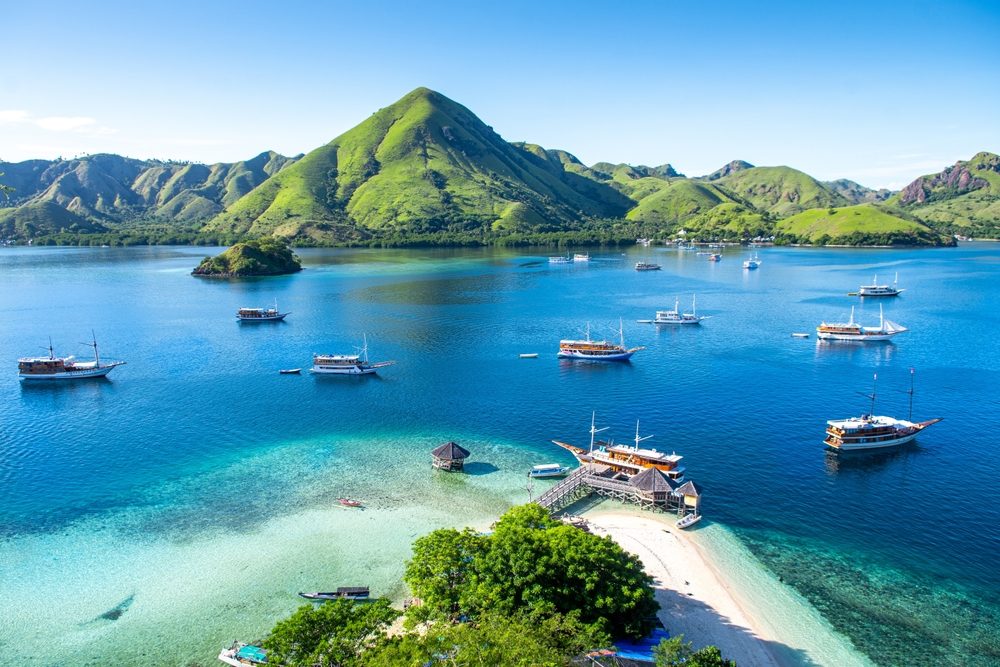
Reachable in little over an hour from Bali, Labuan Bajo is one of Indonesia’s fastest growing destinations, with increased connectivity and new resorts making a visit more compelling than ever. Most travellers arrive for the dragons – the prehistoric Komodo dragons of the national park that bears their name – and leave having swum with manta rays, eaten fire-cooked chicken in a jungle garden and watched the sun drop behind a harbour full of tall-masted Phinisi boats. This is eastern Indonesia at its most cinematic, and it’s still early enough that you’ll have most of it to yourself.
Where is Labuan Bajo?
Labuan Bajo sits on the western end of Flores, a large island within the Indonesian province of East Nusa Tenggara. The town itself (as well as the surrounding coastline) is considered a part of the famed Komodo National Park, along with three larger islands and 26 smaller islands in the region.
How to get to Labuan Bajo
For Australian travellers, the easiest route to Labuan Bajo is typically via Bali’s Denpasar International Airport (DPS), with frequent direct flights to Denpasar from major cities including Sydney, Melbourne, Brisbane, Perth and Adelaide. It’s then a 75-minute flight to Flores. Several airlines fly domestically from Jakarta, Surabaya, Bali and Kupang, including the country’s national carrier, Garuda Indonesia. International access has also expanded, with direct flights now operating from Kuala Lumpur via AirAsia and from Singapore via Scoot, further strengthening Labuan Bajo’s position as the gateway to Komodo National Park.
When is the best time to go to Labuan Bajo?
The dry season – April to October – is when Labuan Bajo is at its best. Seas are calm, diving visibility is sharp and the trails through Komodo National Park are dry underfoot. April to June is the sweet spot: the landscape is still lush from the wet season, temperatures are slightly cooler and the crowds haven’t yet arrived. July and August bring peak conditions for diving and island hopping, and more company at the popular viewpoints. September and October are arguably underrated – warm water, fewer visitors and some of the best manta ray sightings of the year.
The wet season runs November to March, bringing tropical downpours and occasionally disrupted boat schedules. It’s not without its appeal – the scenery is greener, accommodation rates are lower and the harbour feels more like the fishing village it once was. Worth knowing: Flores runs drier than Bali, so even a shoulder-season visit rarely means a washout.
Three to four days gives enough time to do a two-night Phinisi trip, visit Dapur Tara and explore at least one cave or waterfall. Five days or more allows for a dedicated dive itinerary and a slower pace around town.
Where to stay in Labuan Bajo
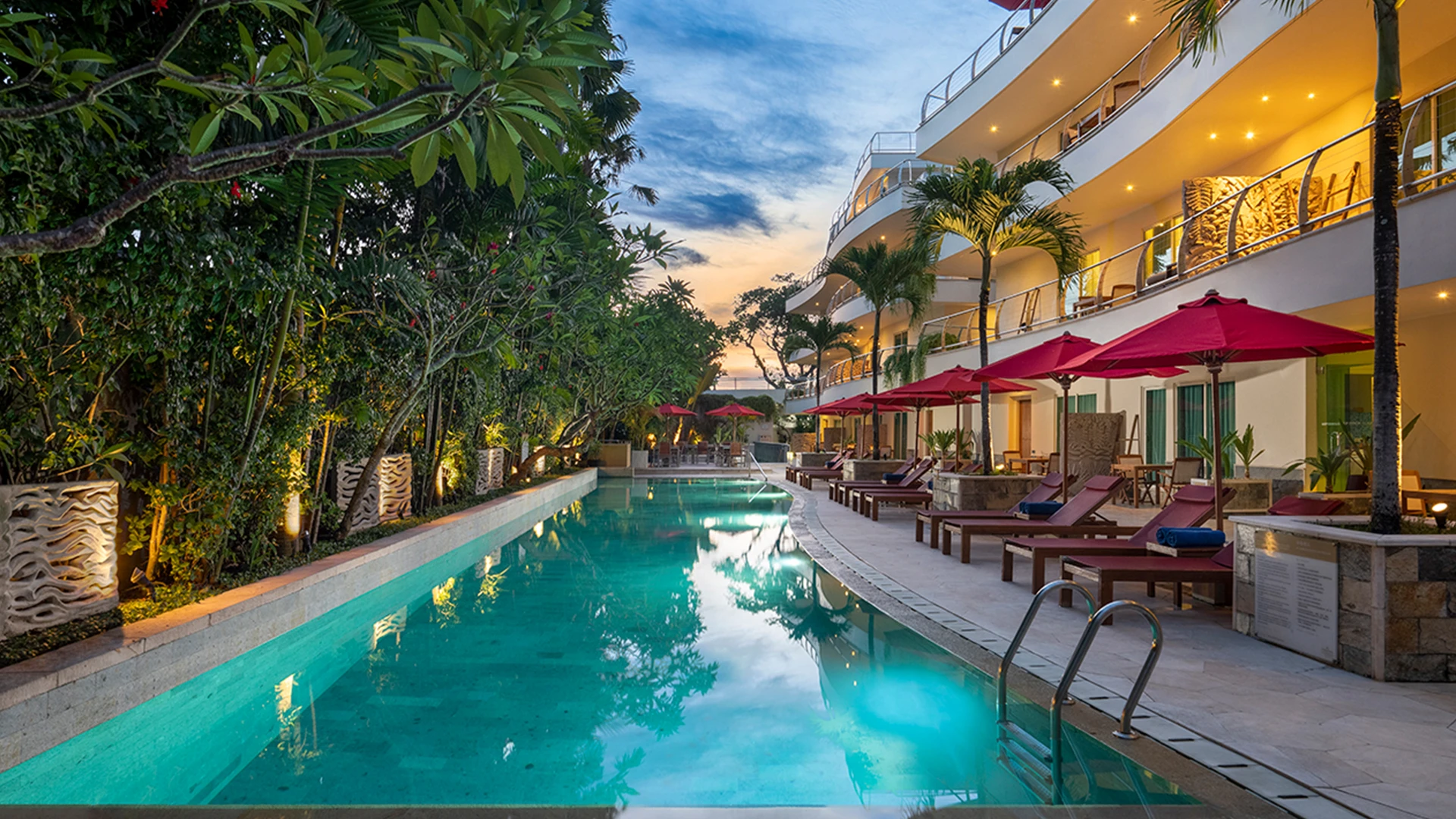
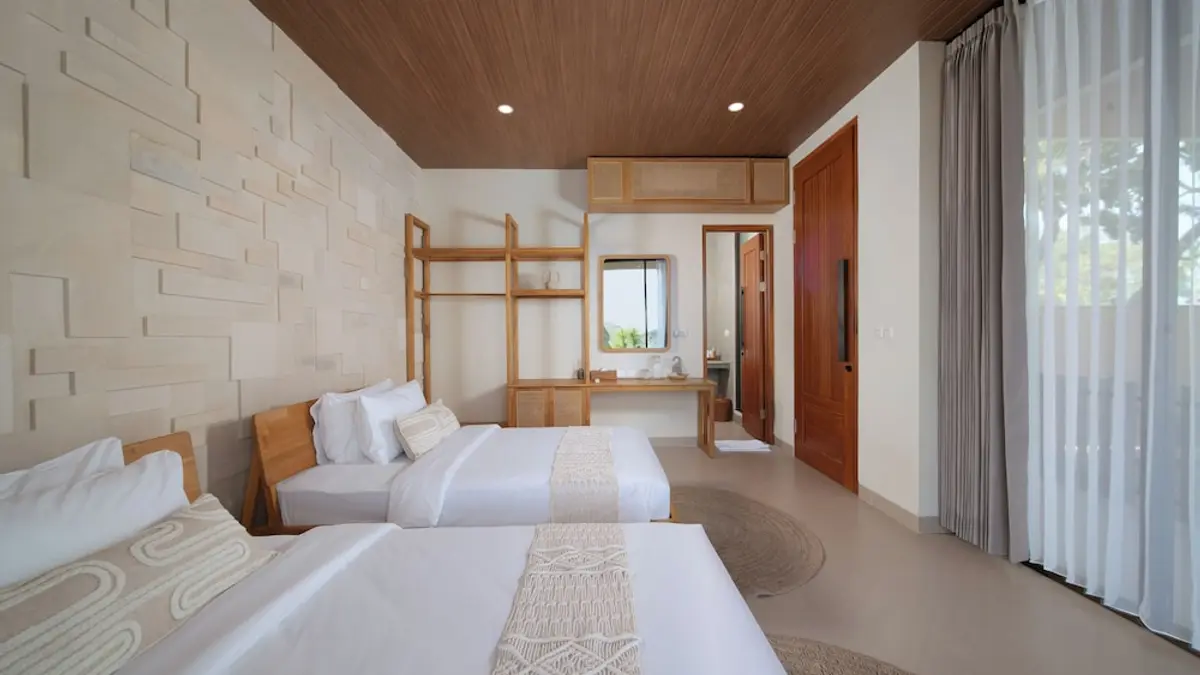
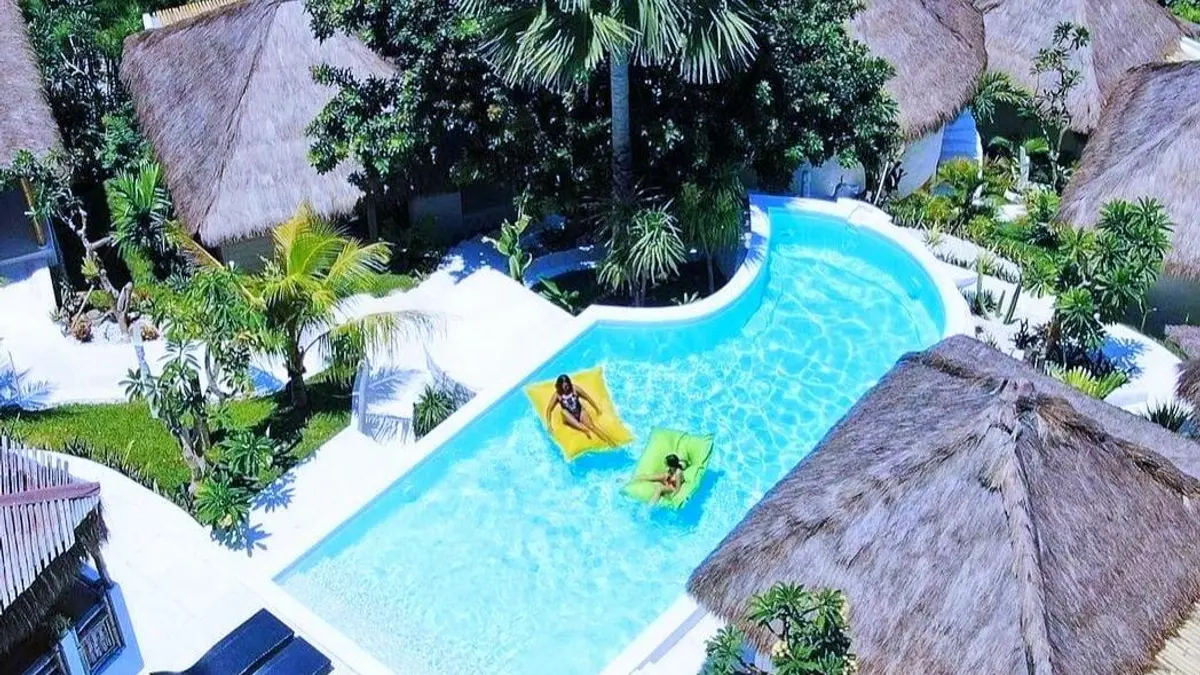
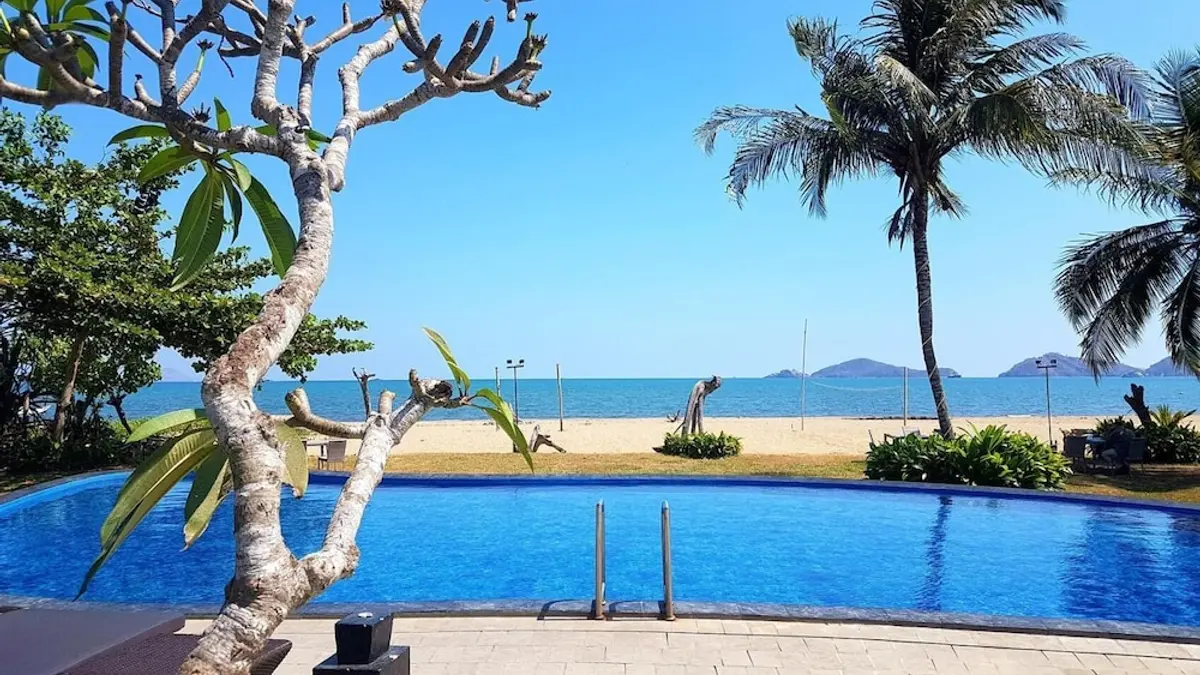
While the area is still a lesser-known Indonesian destination compared to Bali (at least for Australians), an increasing number of luxury hotels invite you to explore this lesser-known destination in superior comfort. Here are three of the best.
Meruorah Komodo Labuan Bajo
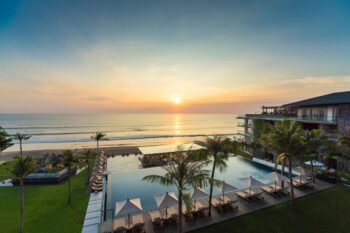
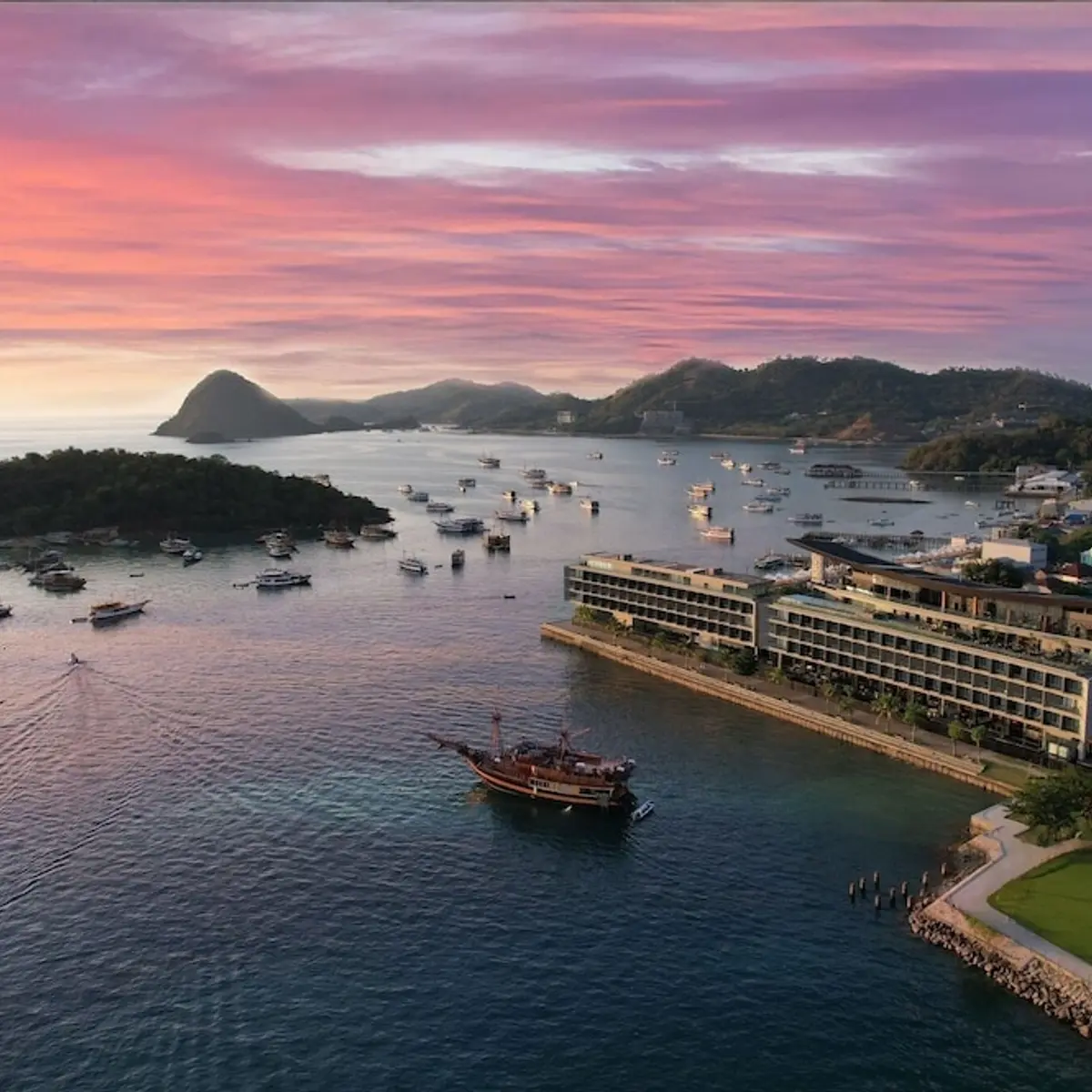
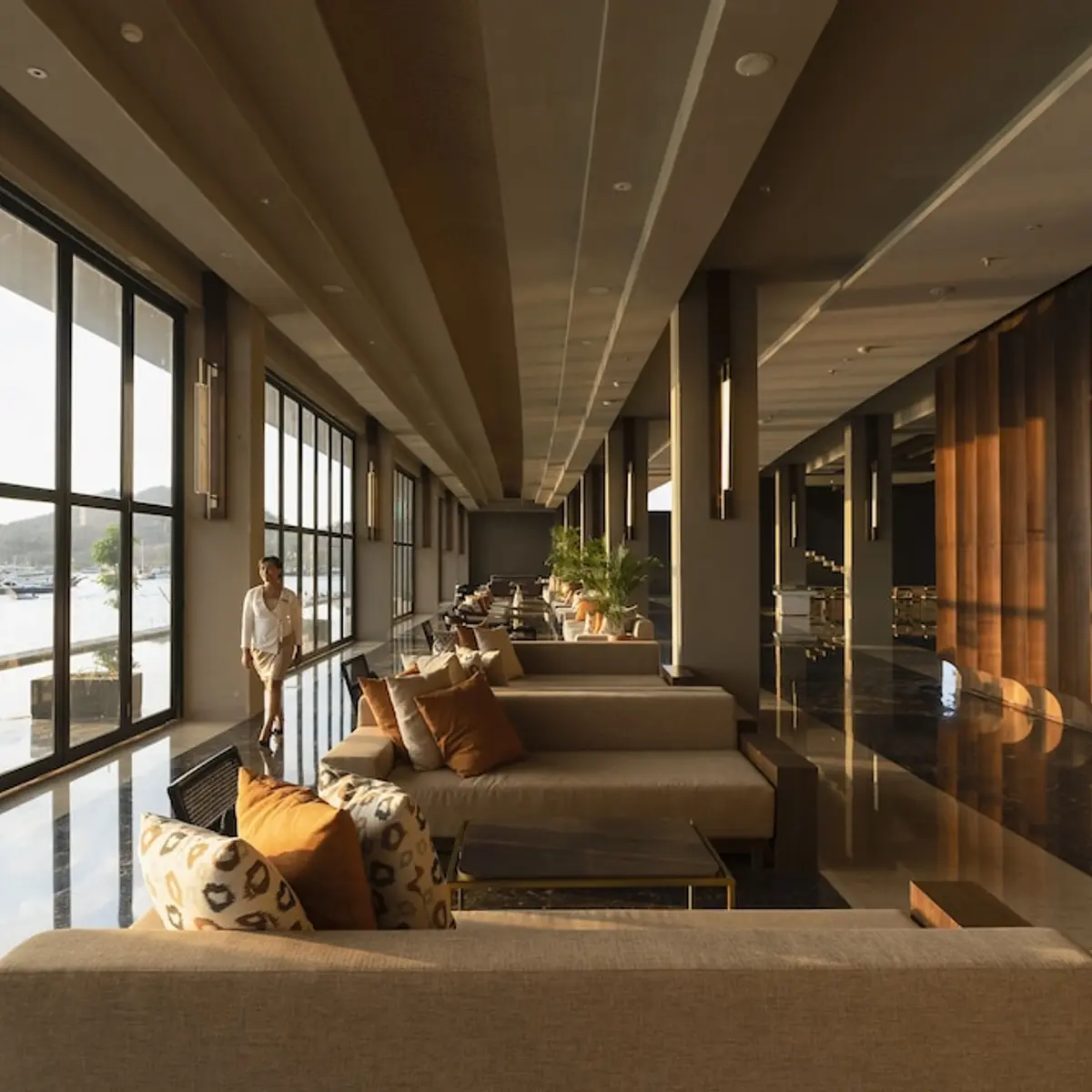
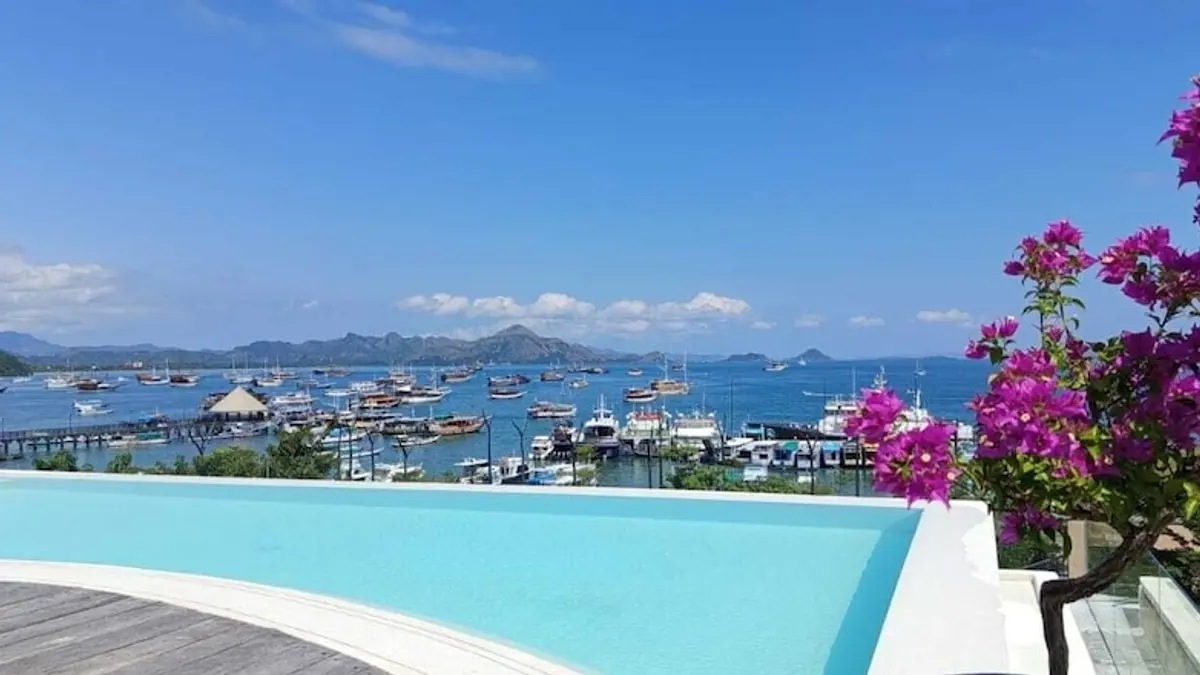
For some of the best uninterrupted views over Labuan Bajo’s sunset, five-star Meruorah Komodo Labuan Bajo is perfectly positioned directly on the waterfront in the town’s downtown marina. Head up to Moon Bar or the hotel’s rooftop infinity pool for sundowners and the panoramic views over the Flores Sea.
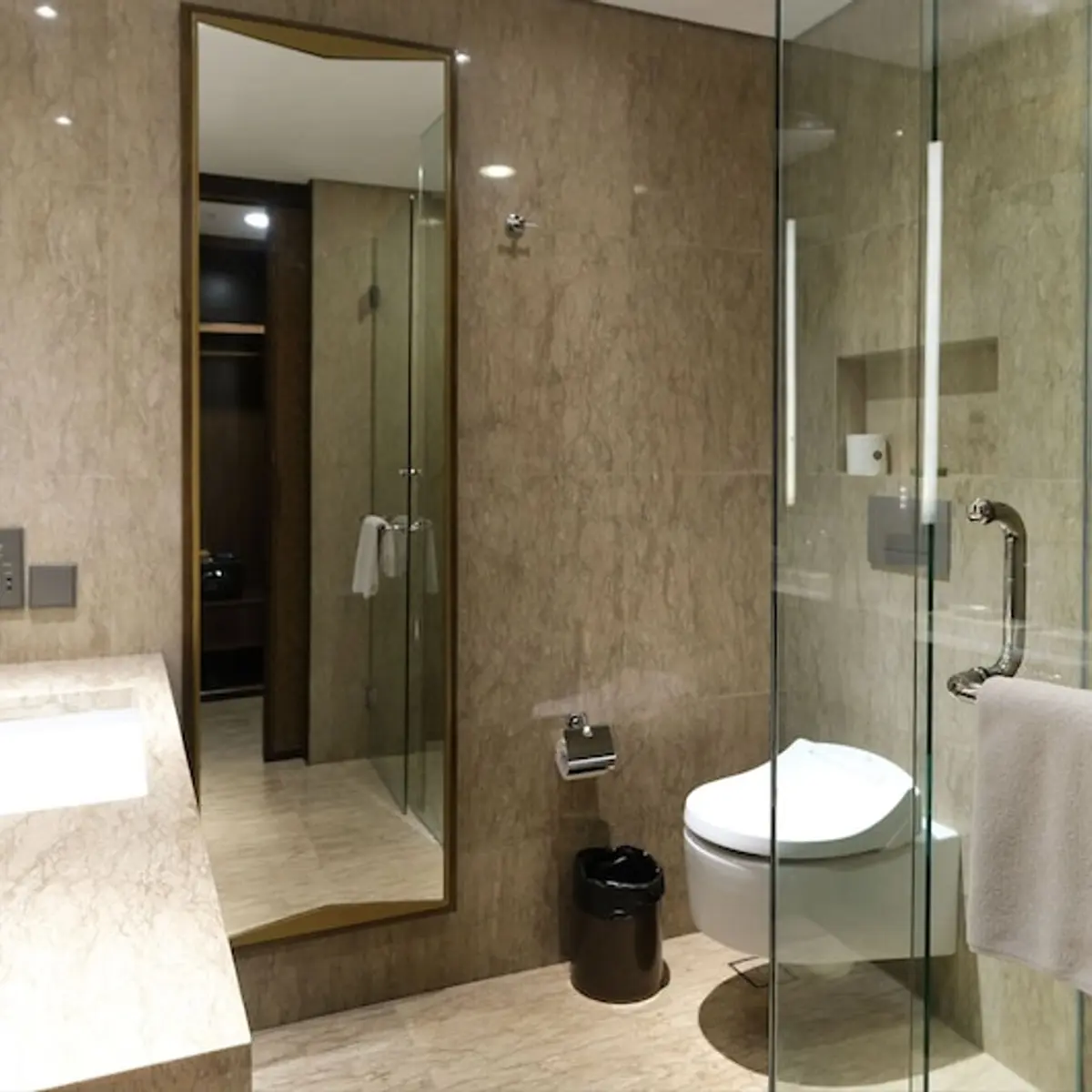
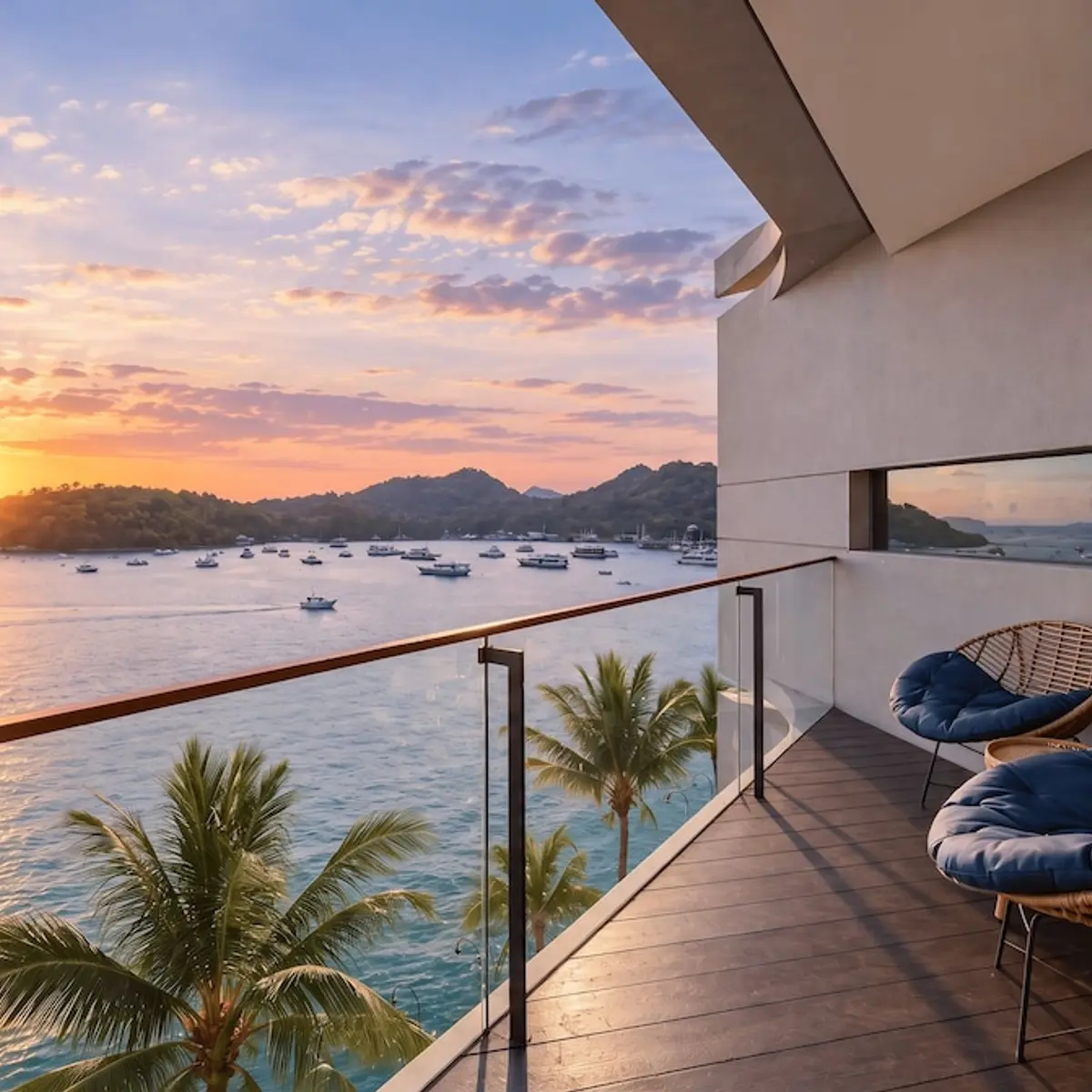
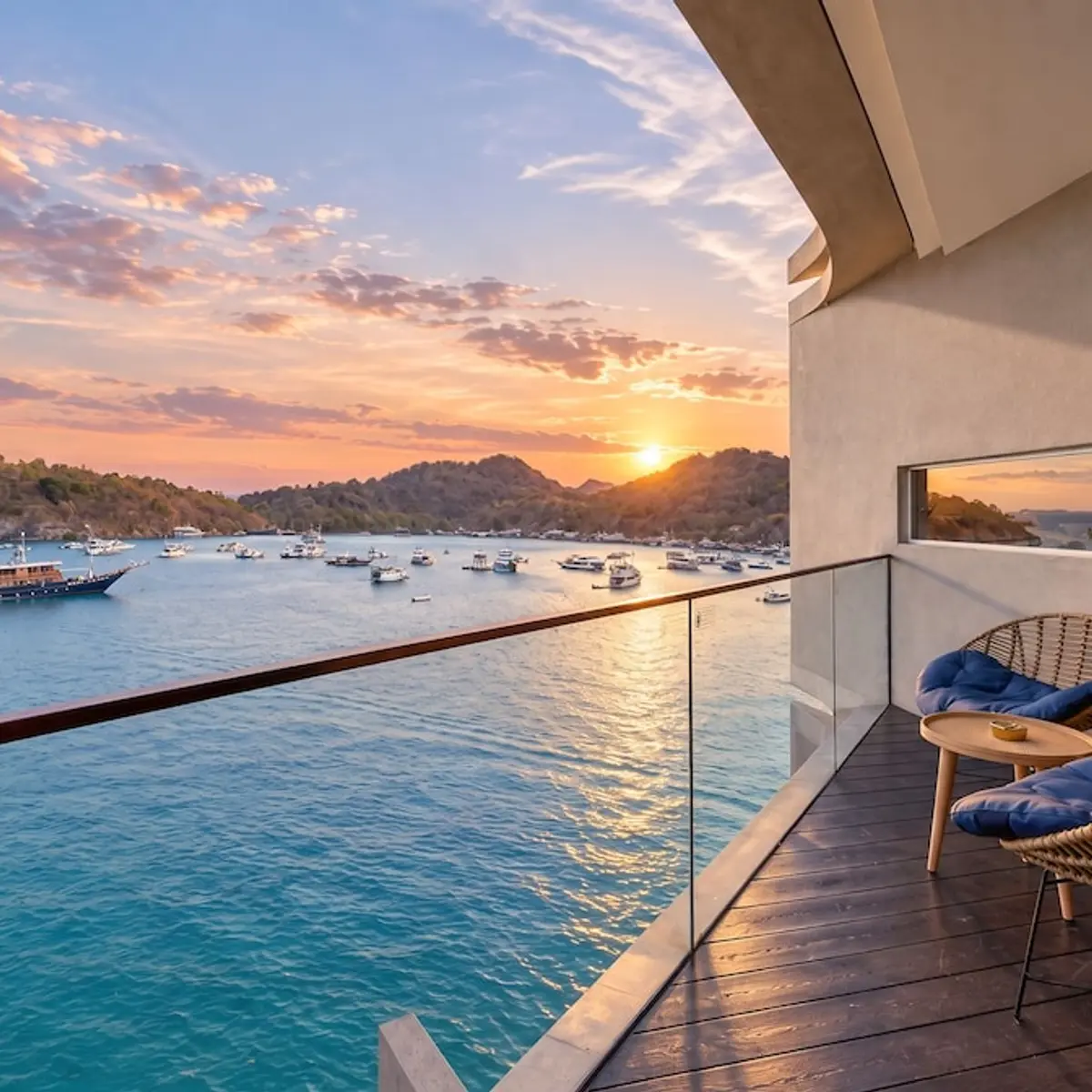
TA’AKTANA, a Luxury Collection Resort & Spa, Labuan Bajo
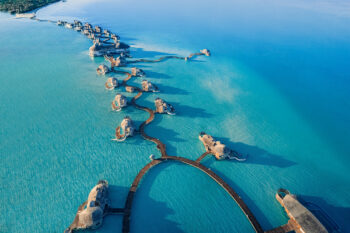
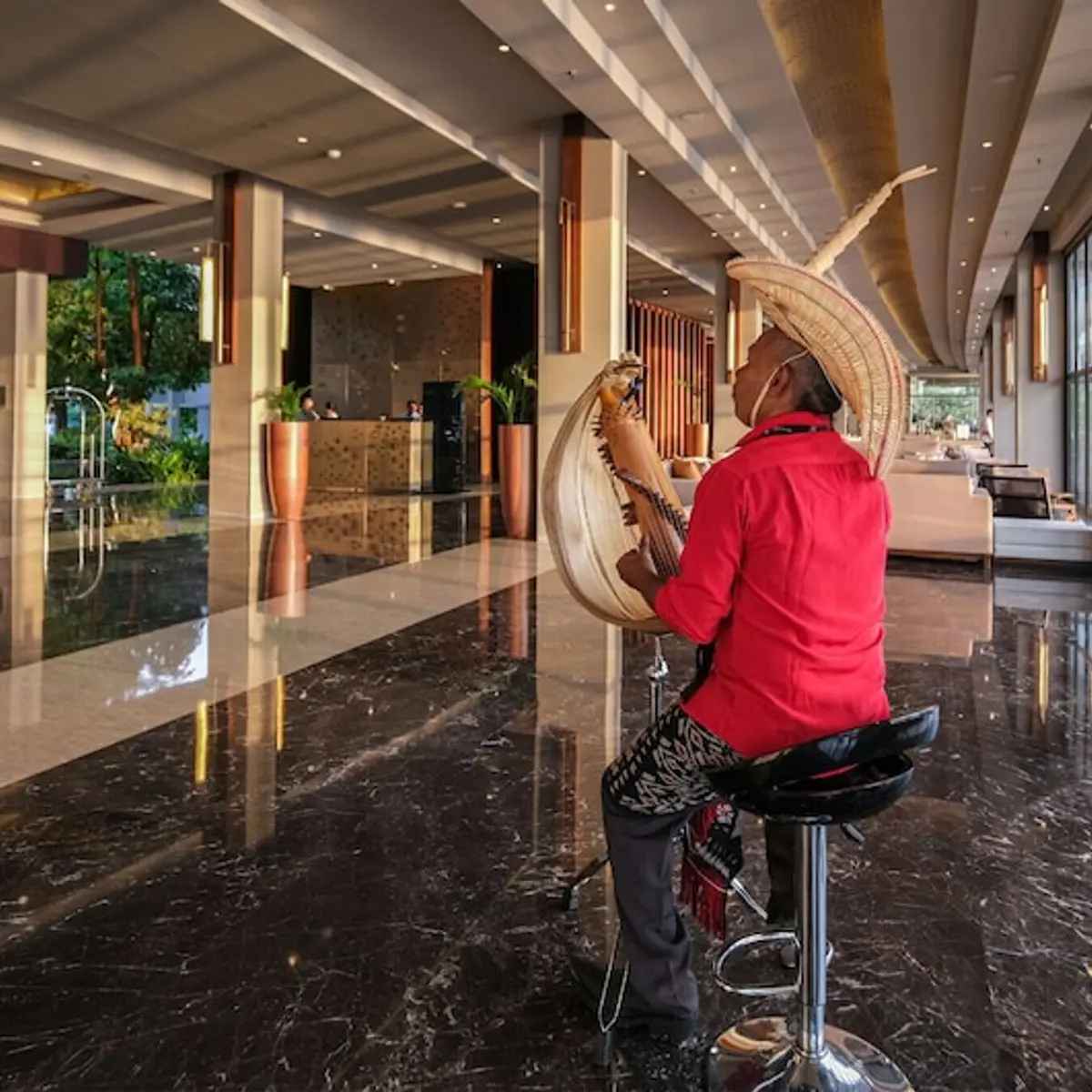
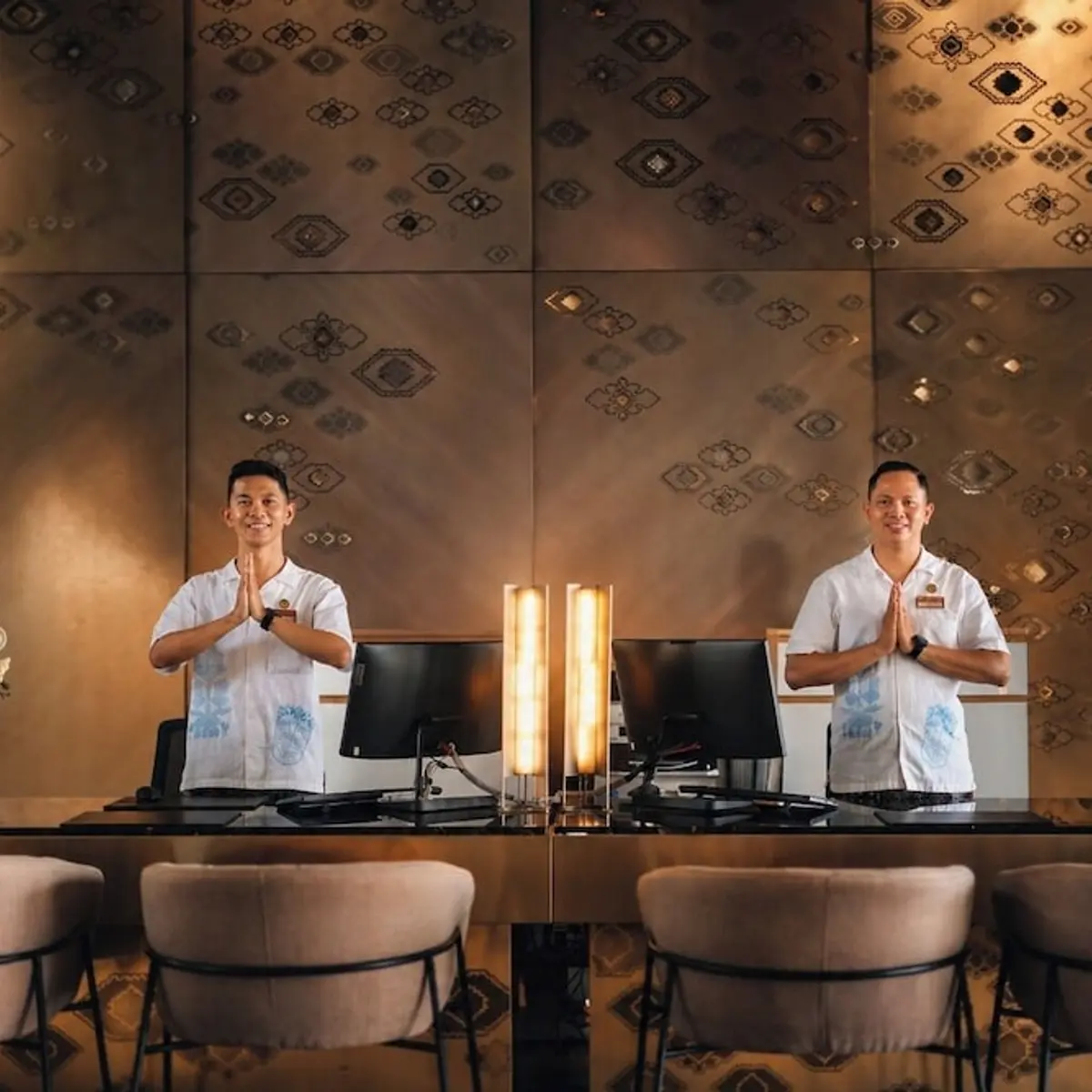
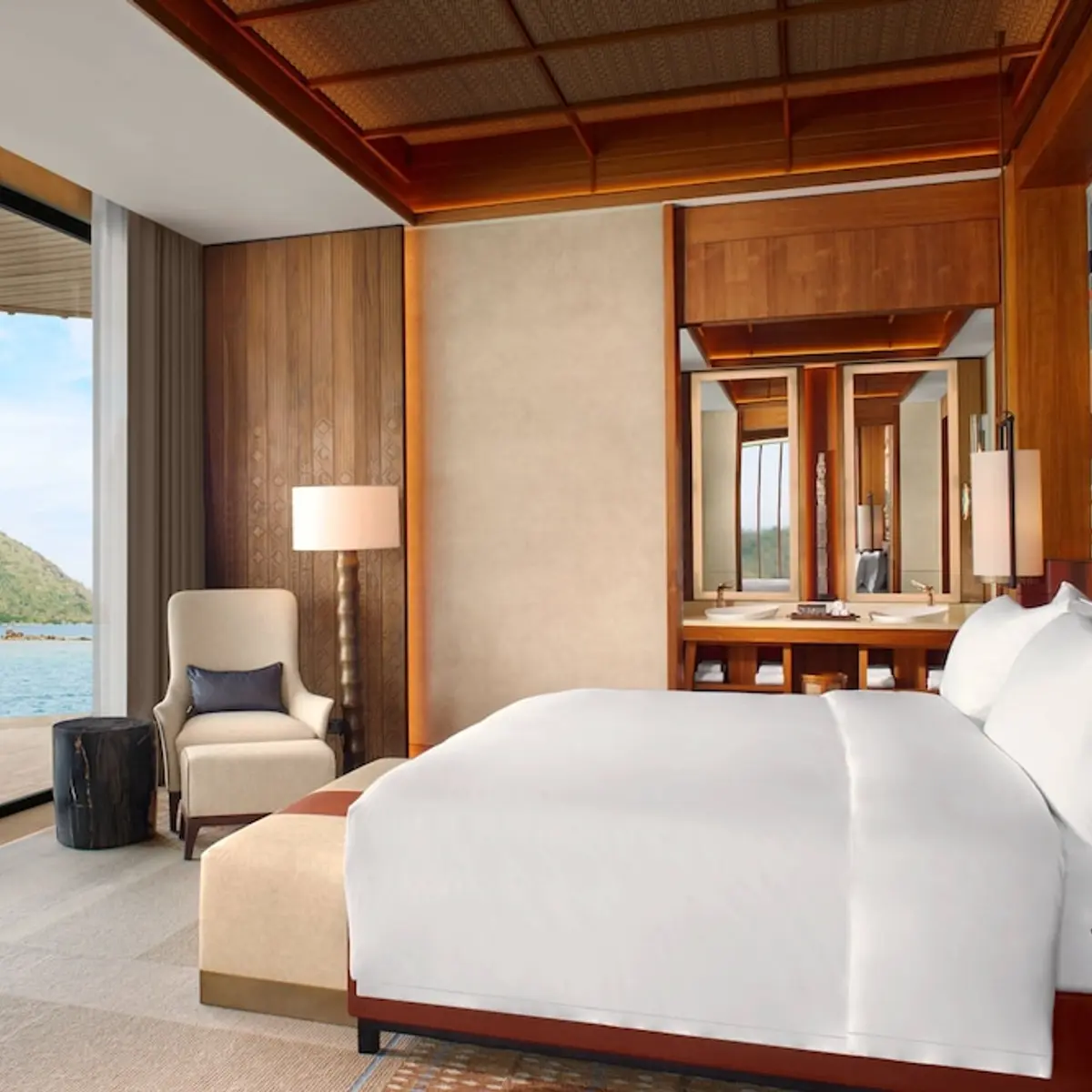
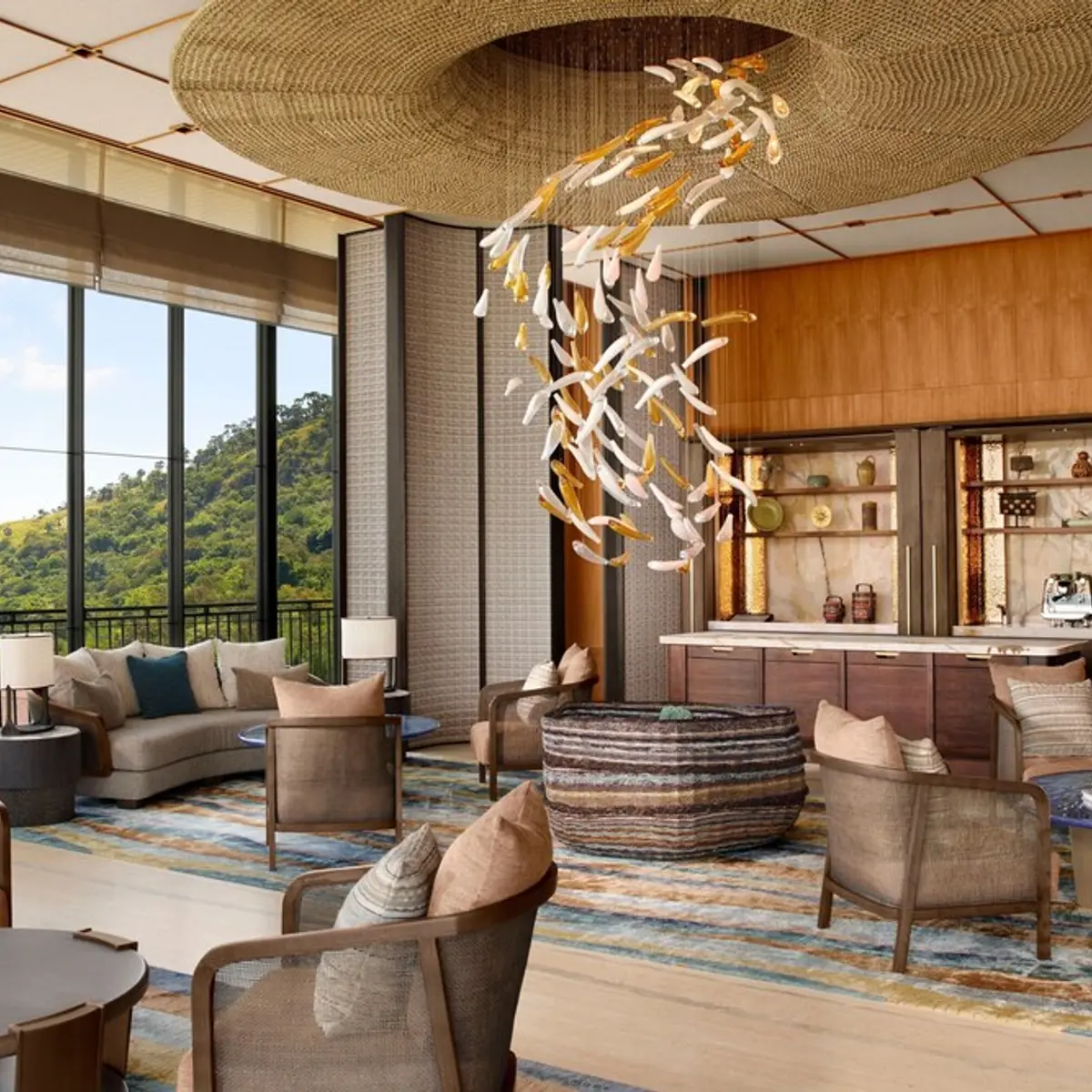
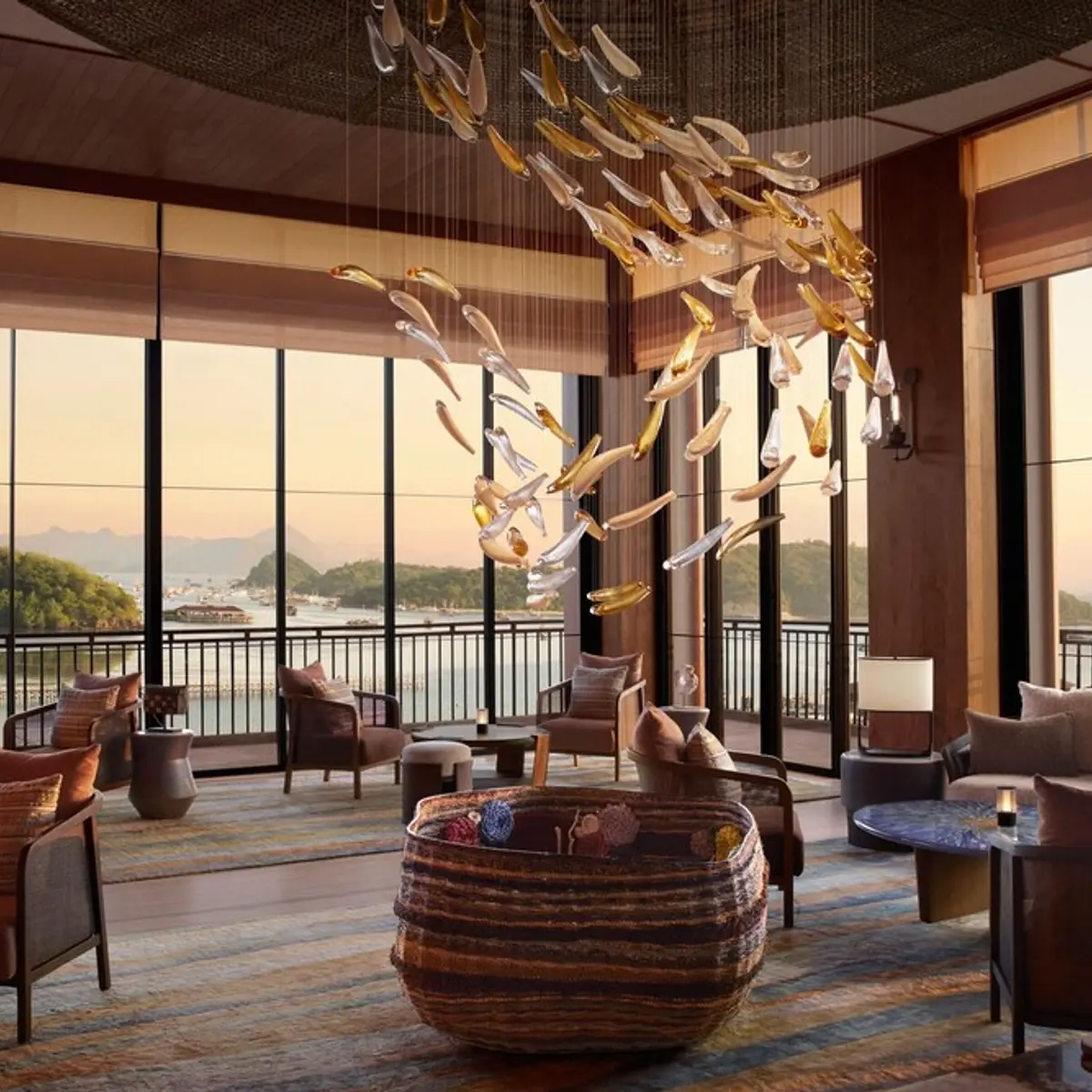
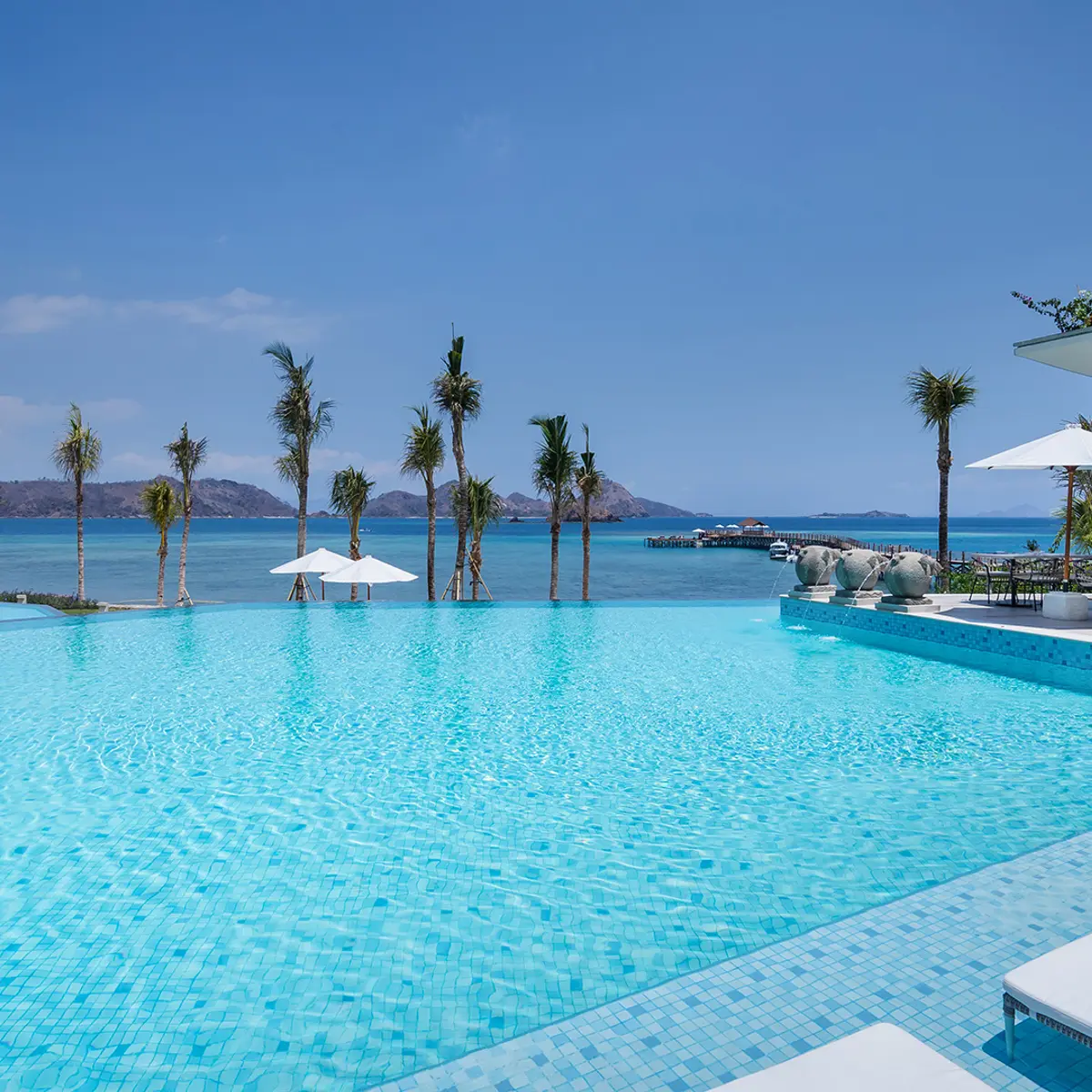
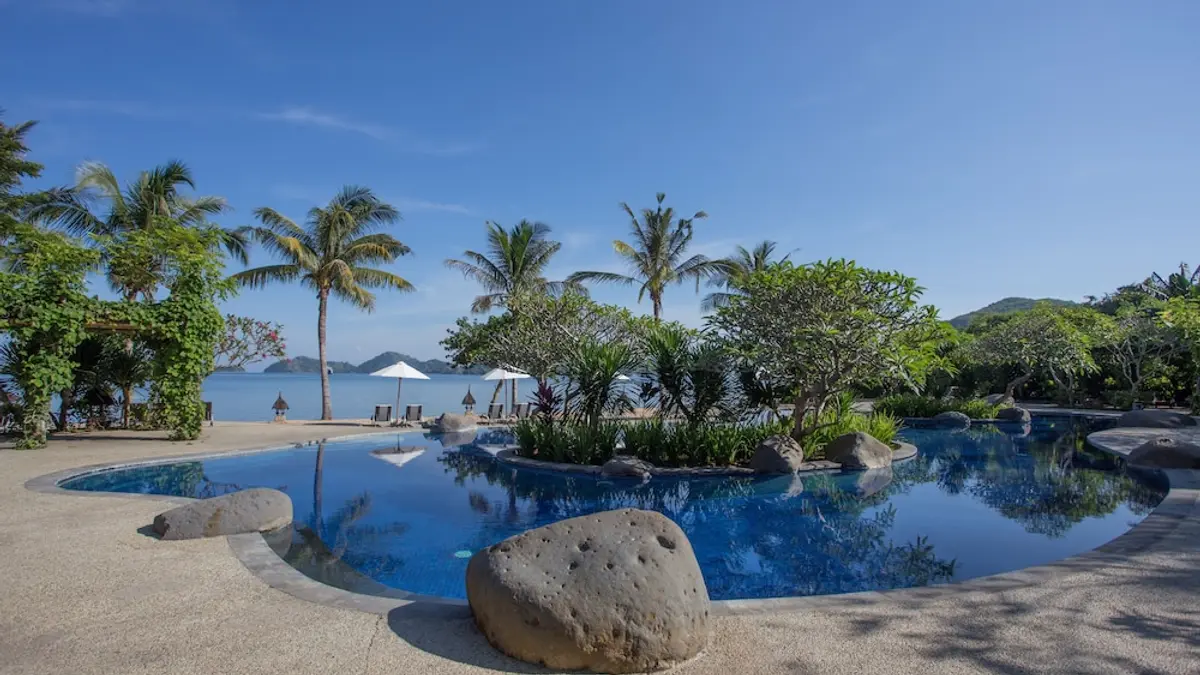
TA’AKTANA, a Luxury Collection Resort & Spa, Labuan Bajo, one of the newest additions to the island, blends Flores tradition with elegance at every turn. The hotel features an Olympic-sized swimming pool, farm-to-table restaurant Umasa and exclusive overwater villas (with butler service, of course).
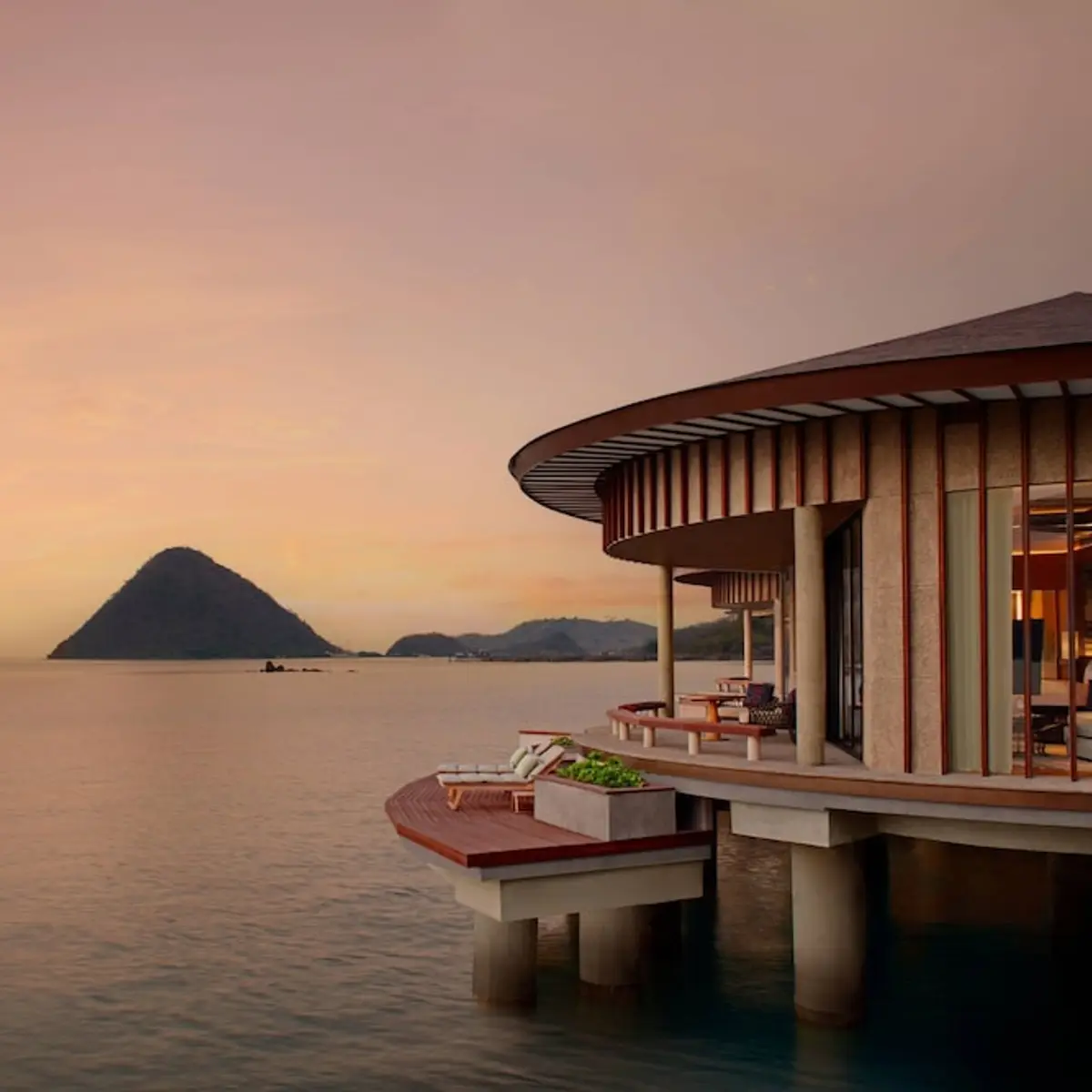

Ayana Komodo Waecicu Beach
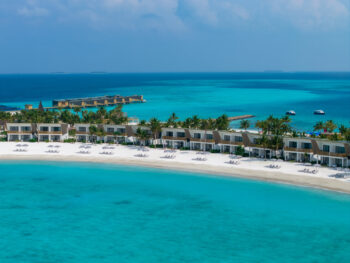
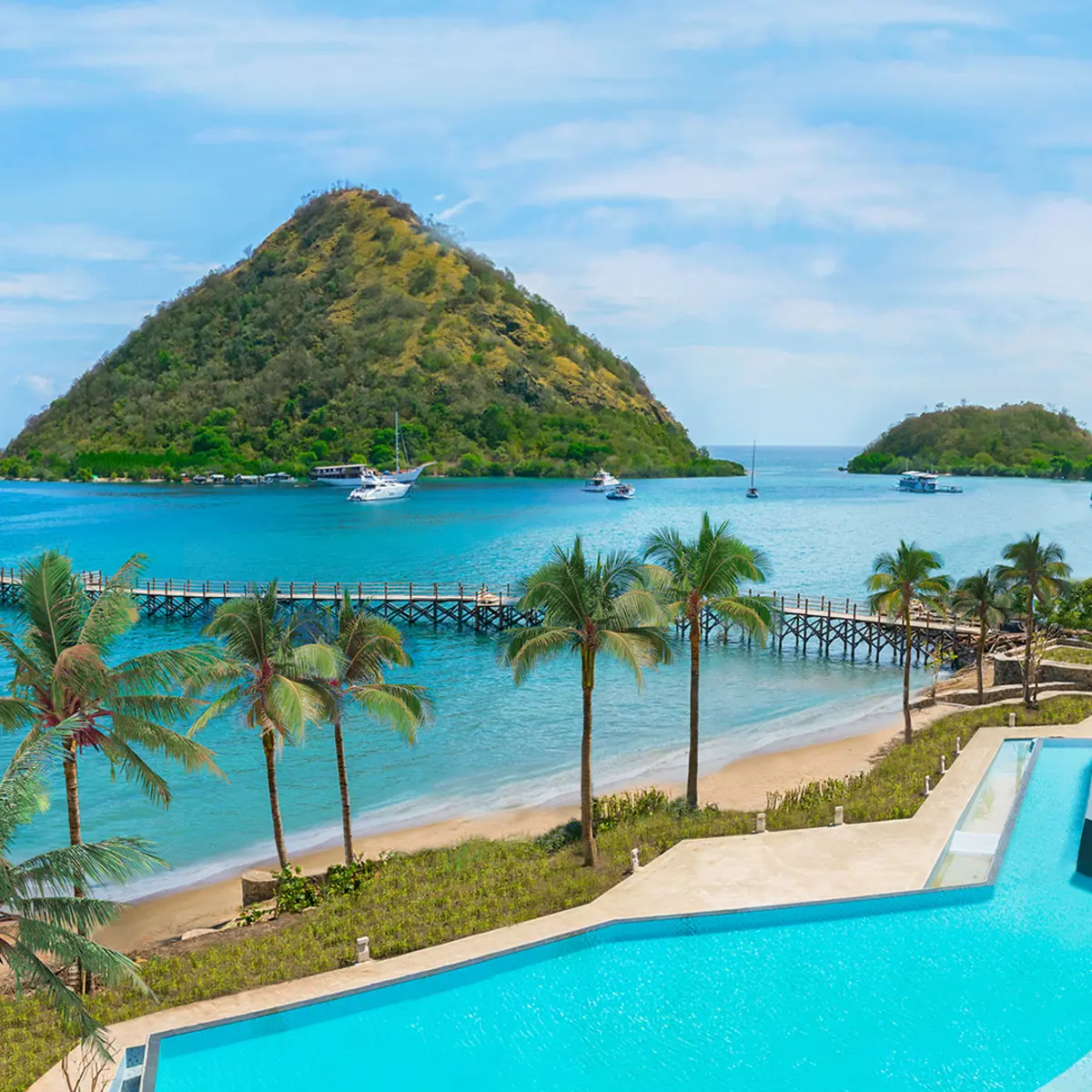
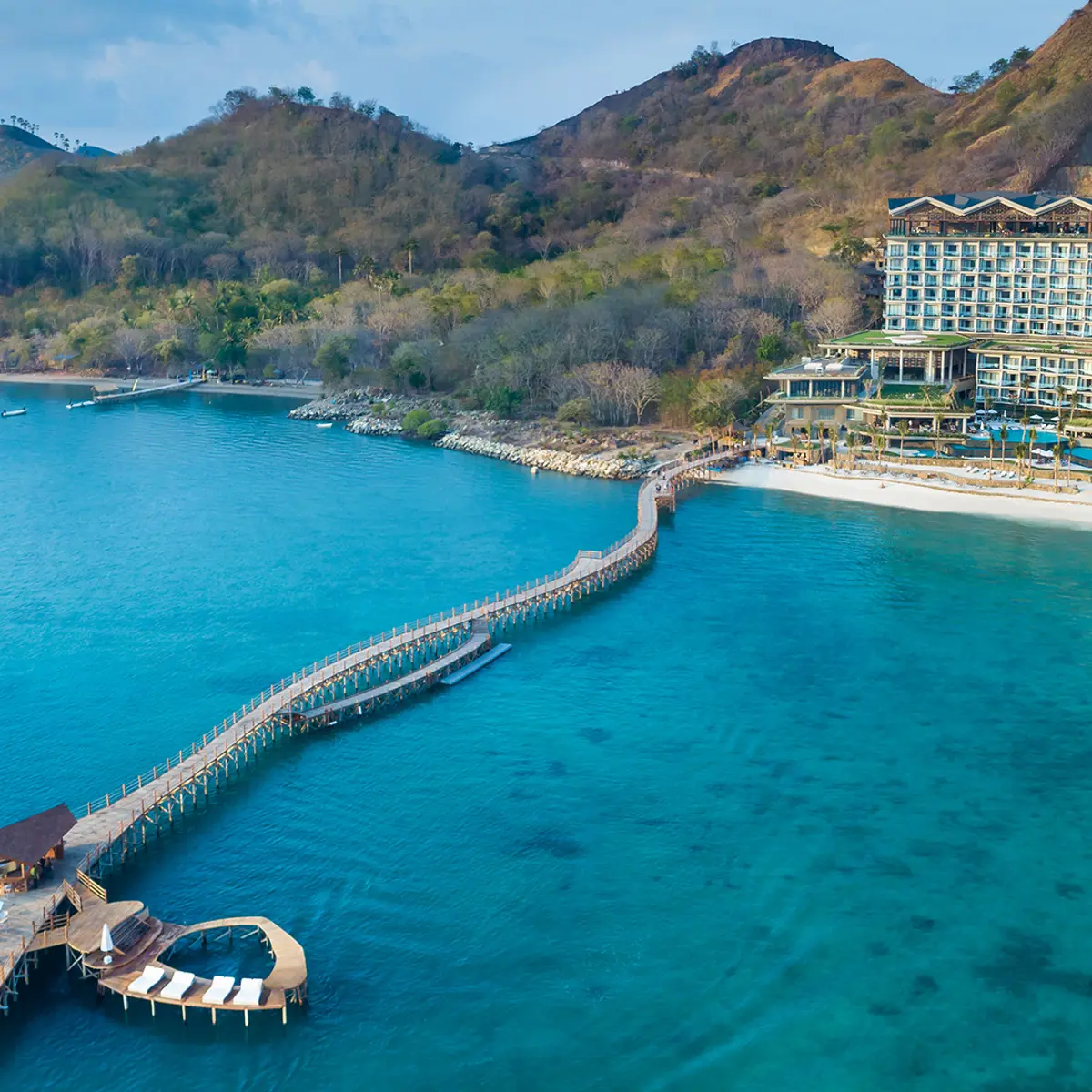
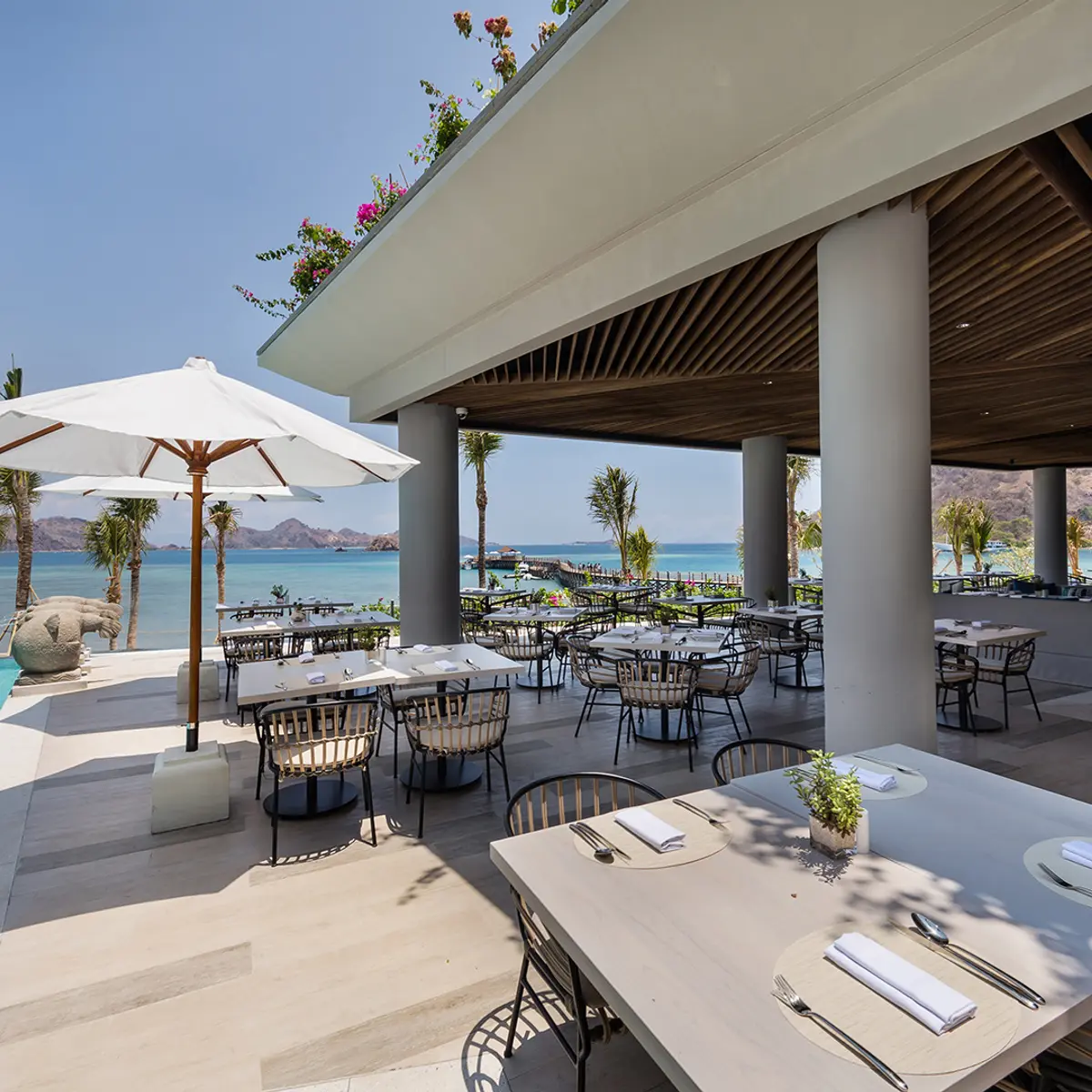
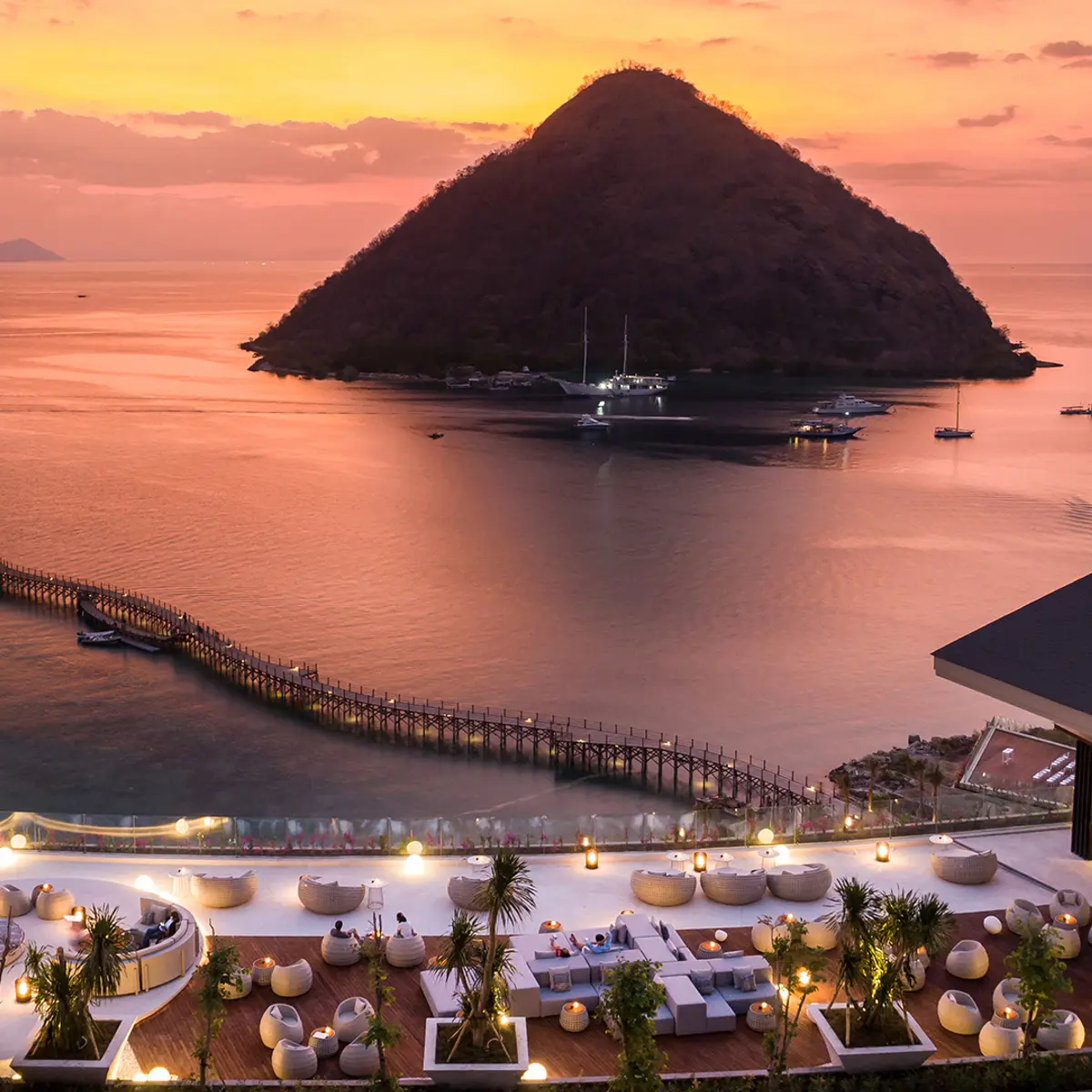
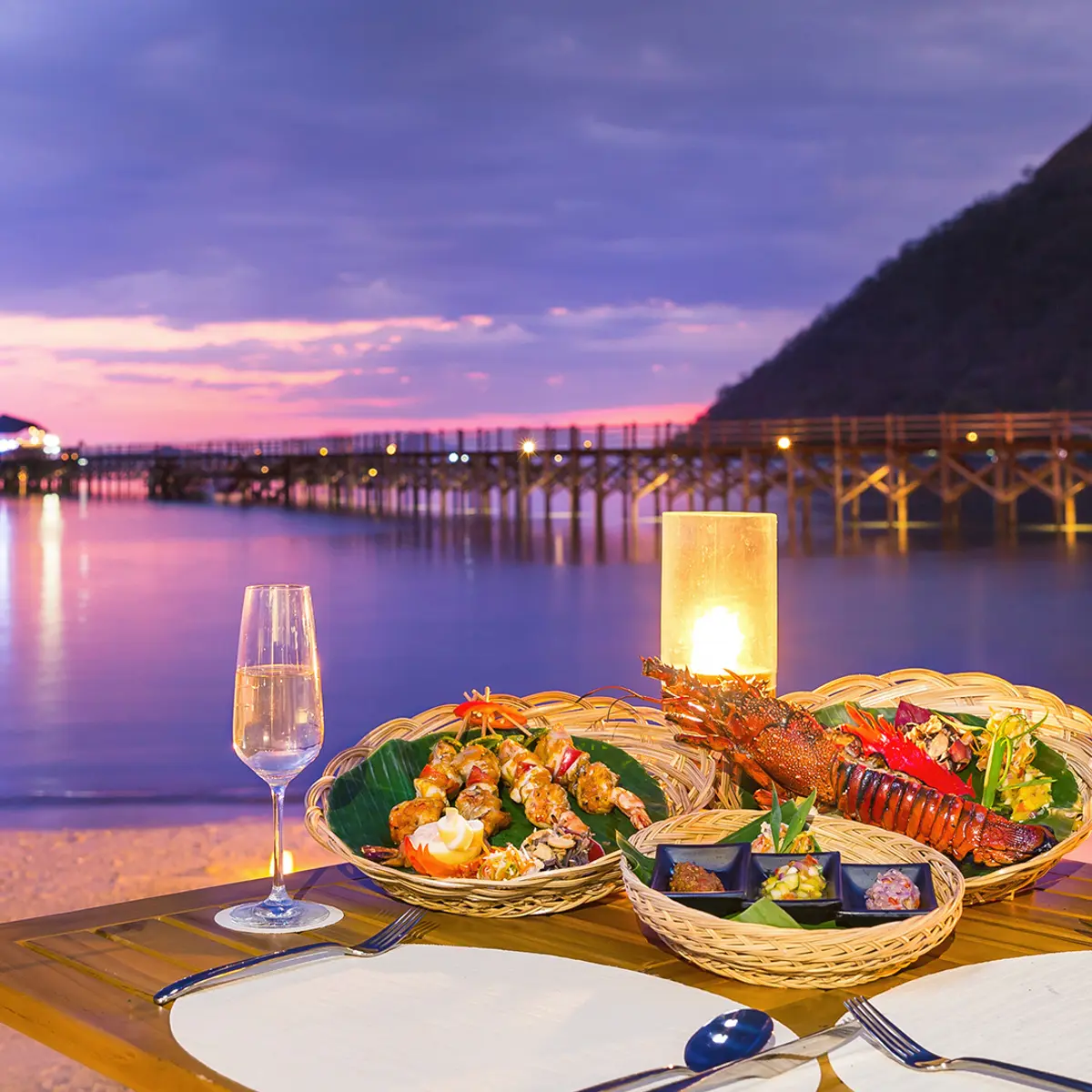
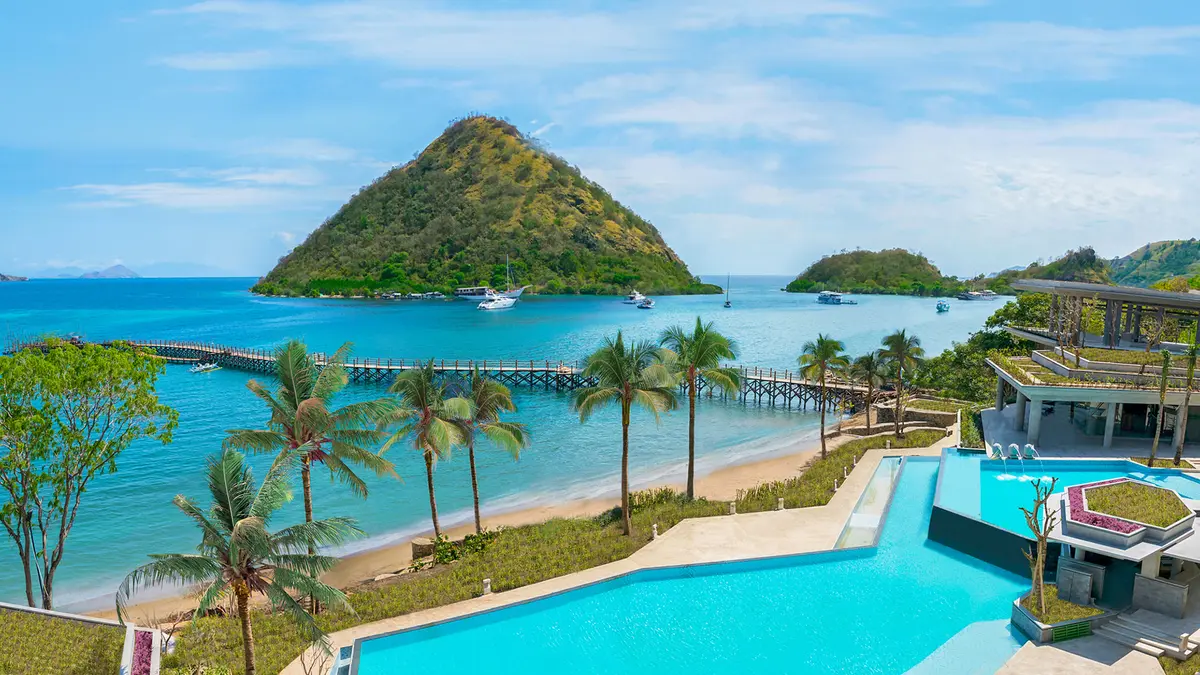
Ayana Komodo Waecicu Beach brings unparalleled luxury to the region, with exclusive amenities such as five boats, the tranquil AYANA Spa, seven bars and restaurants, and a private beach.



What to do in Labuan Bajo
Labuan Bajo rewards the curious. Beyond the national park, the region has traditional villages, fire-cooked food, hidden caves and some of the best diving in Indonesia.
Spend the night on a Phinisi yacht
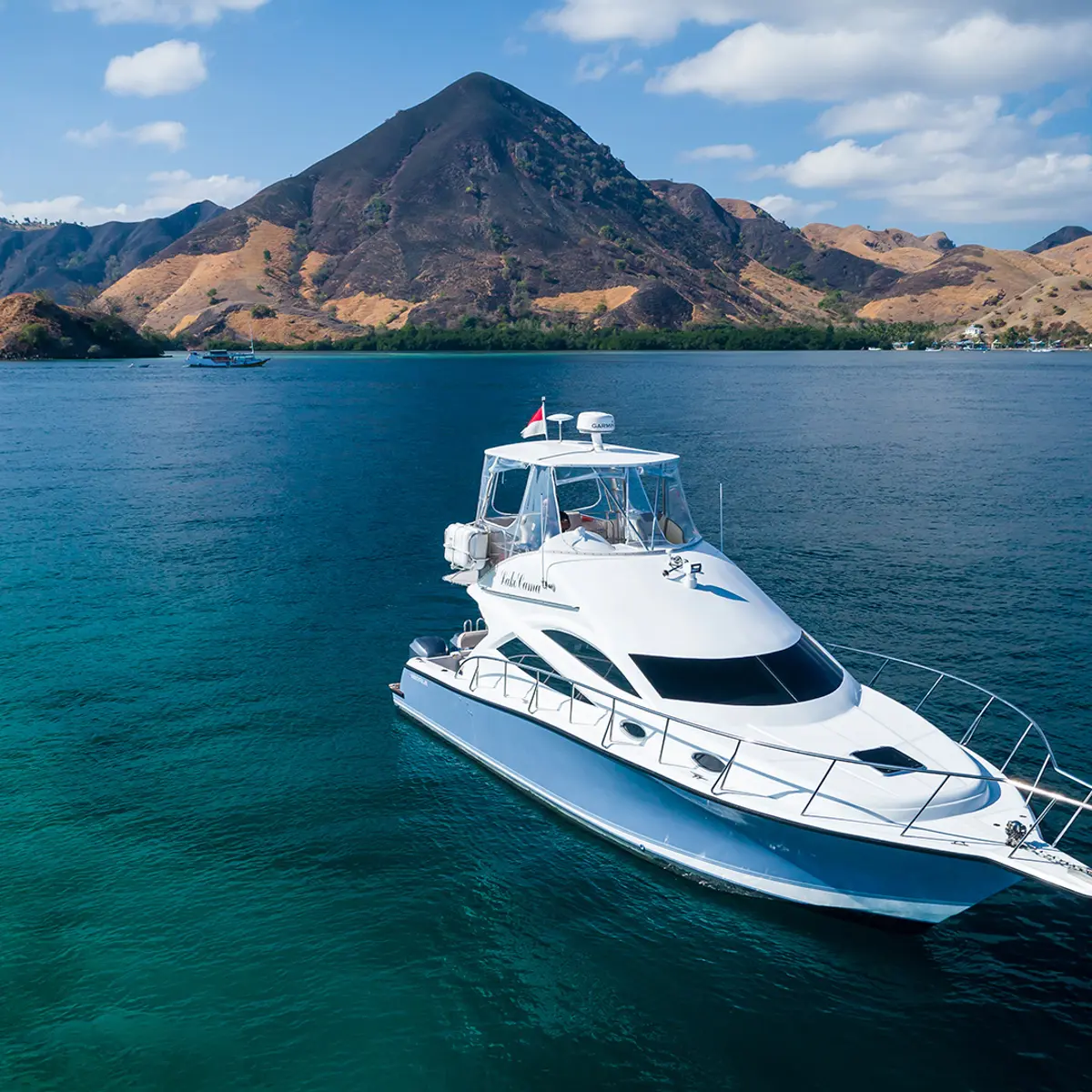
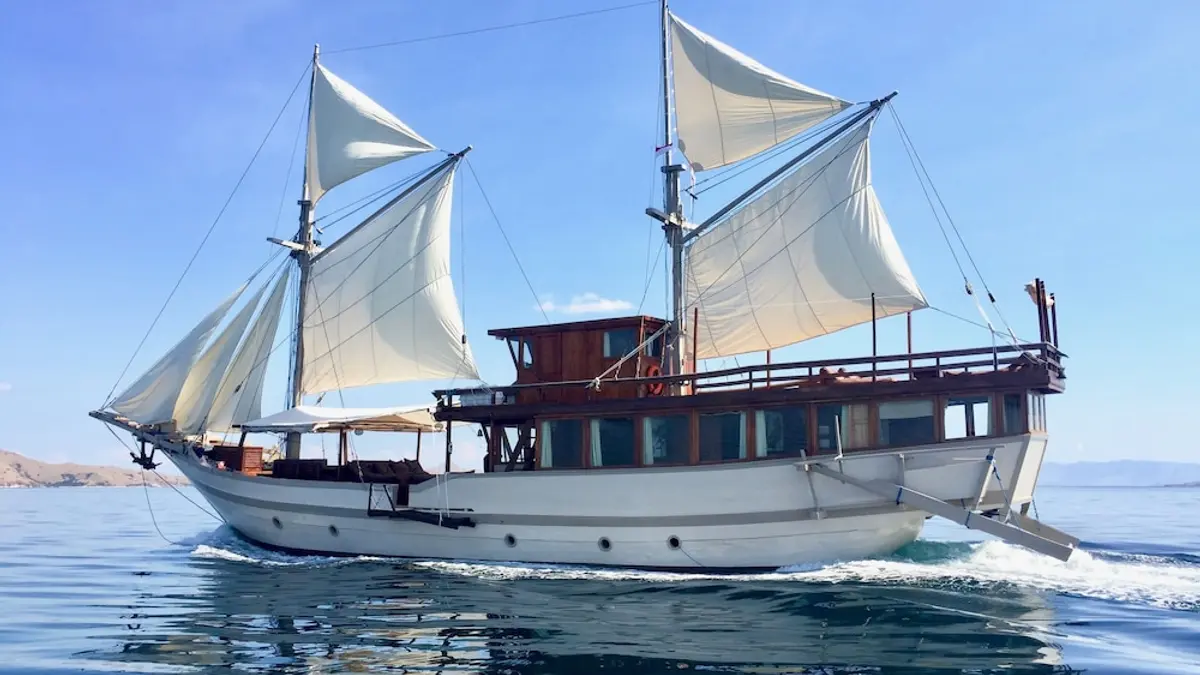
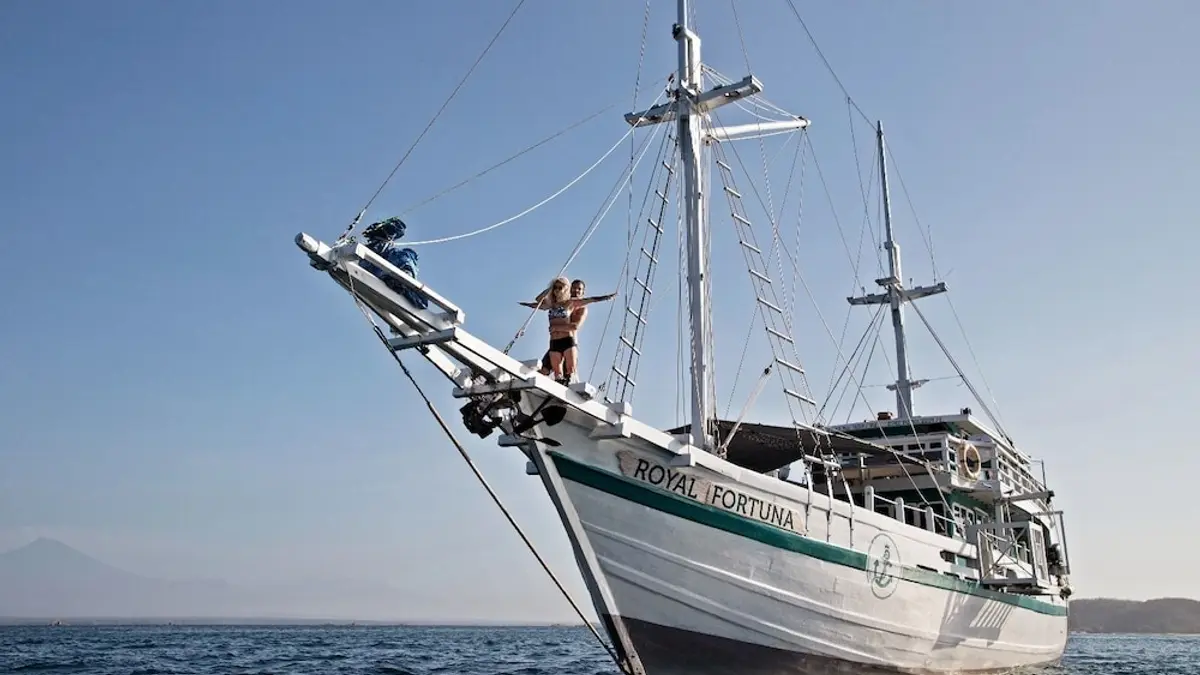
A signature experience of the area is a stay onboard a Phinisi boat (a traditional two-masted sailing ship). Upon arriving in Labuan Bajo you’ll see a harbour full of traditional sailing boats, many converted to accommodate guests wanting to experience the region in a unique way.
With a range of styles, from traditional vessels to luxurious five-star yachts (notably AYANA’s Lako Di’A), guests can charter one for a private group, or opt for a shared experience, with stays from one to three nights onboard.
Typical itineraries include a sunrise hike at Padar Island, a visit to Pink Beach for snorkelling, a stop at Kalong Island to witness the bats at sunset, Komodo/Rinca Island to spot the Komodo dragons in their natural habitat, plus a number of other hidden gems of the region, only discoverable by boat.
Visit a traditional Flores village
While Labuan Bajo continues to grow and develop, it certainly hasn’t lost its traditional charm and authenticity.
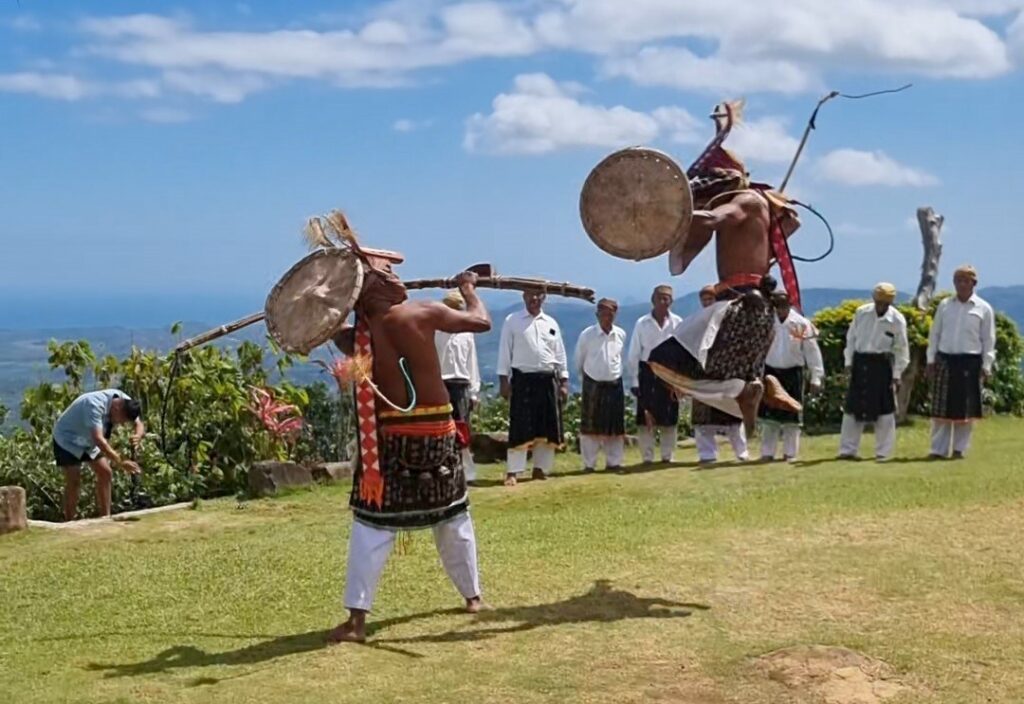
Take the 40-minute journey out of Labuan Bajo to find yourself immersed in the lush green hills of Melo Village. Take part in a half-day cultural tour of the village, to gain a greater understanding of the traditions and the history of the region. The tour begins with a warm welcome ceremony before sitting back to enjoy a number of cultural performances, while sipping on a cup of Flores coffee. Witness the traditional bamboo pole jumping game ‘Tetek Alu’, the ‘Ndundu Dake’ dance and the well-known Caci performance (a dance using whips and shields denoting war and folk games, that is performed to the beat of traditional musical instruments).
Eat fire-cooked food at Dapur Tara jungle kitchen
When it comes time to refuel, it doesn’t get more authentic than eating local ingredients foraged from an onsite jungle garden at Dapur Tara Flores Restaurant.
Traditional dishes are prepared over an open wood fire, and you can enjoy your meal in the dining area or among the garden. With specialties including six-hour smoked chicken, sticky bamboo rice, crispy papaya, Lomak and pineapple salad, savour the authentic taste of the vibrant flavours from the very garden that surrounds you.
Note that Dapur Tara operates by reservation only – book ahead via dapurtara.com.
Get off the main trail: waterfalls, rice fields and cacao
Once you’ve ticked off the main tourist attractions of the area, take your time to uncover some of the other wonders of Flores.
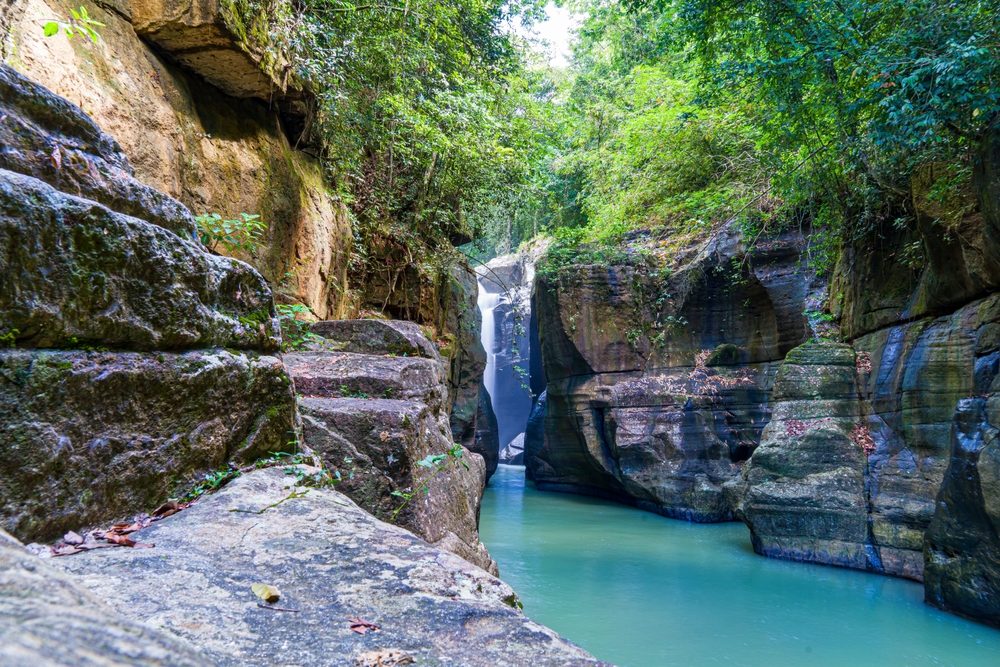
Stretch your legs with a hike out to one of the many waterfalls. Cunca Wulang Waterfall sits within the tropical rainforest, and accessed by a hike from Wesawe village. Trek past picturesque views of rice fields, discover local vegetation including vanilla, coffee and cacao before reaching the canyon and taking a dip into the clear fresh water.
Go underground: Labuan Bajo’s caves
Just four kilometres from town, Goa Batu Cermin (Mirror Stone Cave) is a tunnel in Labuan Bajo’s stone hills. The cave features tiny holes that reflect light throughout the cave, as well as visible fossils on the cave wall and a local bat colony.
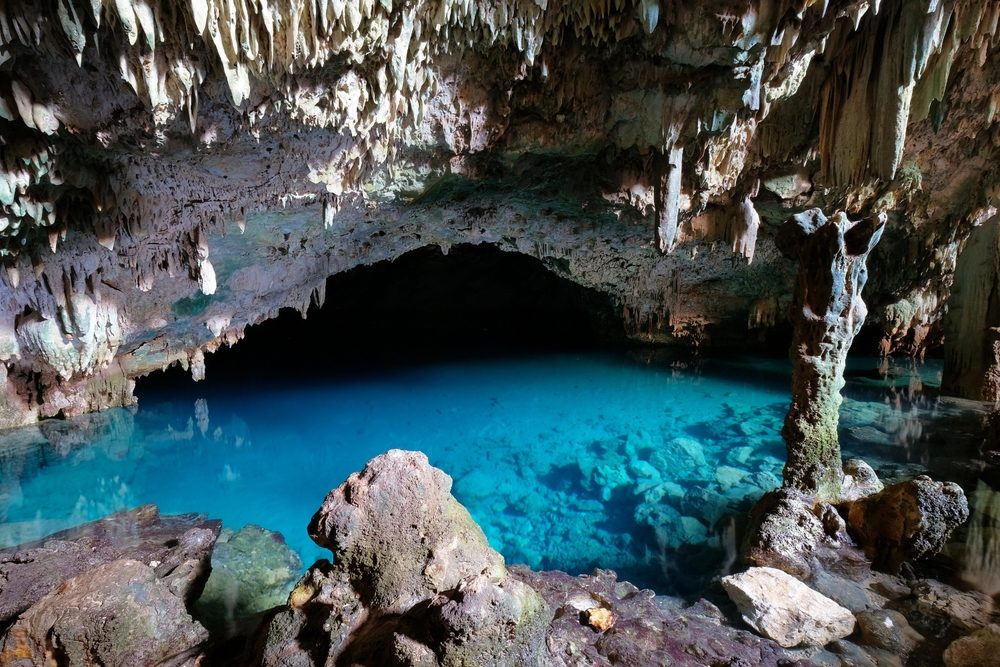
Goa Rangko (Rangko Cave) is a stunning limestone cave with a sunlit blue hue, perfect for swimming. It’s accessible only by a 10-minute boat ride from Rangko Village, a 30-minute drive from Labuan Bajo.
Dive in: 54 dive sites and manta rays
For those looking to dive a little deeper, the area is brimming with dive sites, 54 of them to be exact, and is home to one of the most diverse and vibrant underwater ecosystems. Spot reef sharks, hawksbill turtles, thorny seahorses, and (potentially one of the main draw cards to the area), various types of rays including manta rays and eagle rays.
Whether you’re a beginner looking to get certified, or an experienced open-water diver, with nearly 50 dive centres and a range of day trips to overnight excursions, you’ll be spoilt for choice regardless of your experience level.
Discover Labuan Bajo
Looking for more inspiration? Check out the Top Things to Do in Bali.
The writer was a guest of Indonesia’s Ministry of Tourism and Garuda Indonesia.