Europe‘s best-known cities and islands continue to shine; this guide also makes room for quieter spots and emerging destinations worth your attention. From Florence’s galleries to the Cotswolds’ stone villages and Etna’s vineyard slopes, consider this your 2027 Euro trip mood board.



Europe’s Greatest Hits
Florence, Italy
Best for: Art lovers, couples and a first taste of Tuscany.
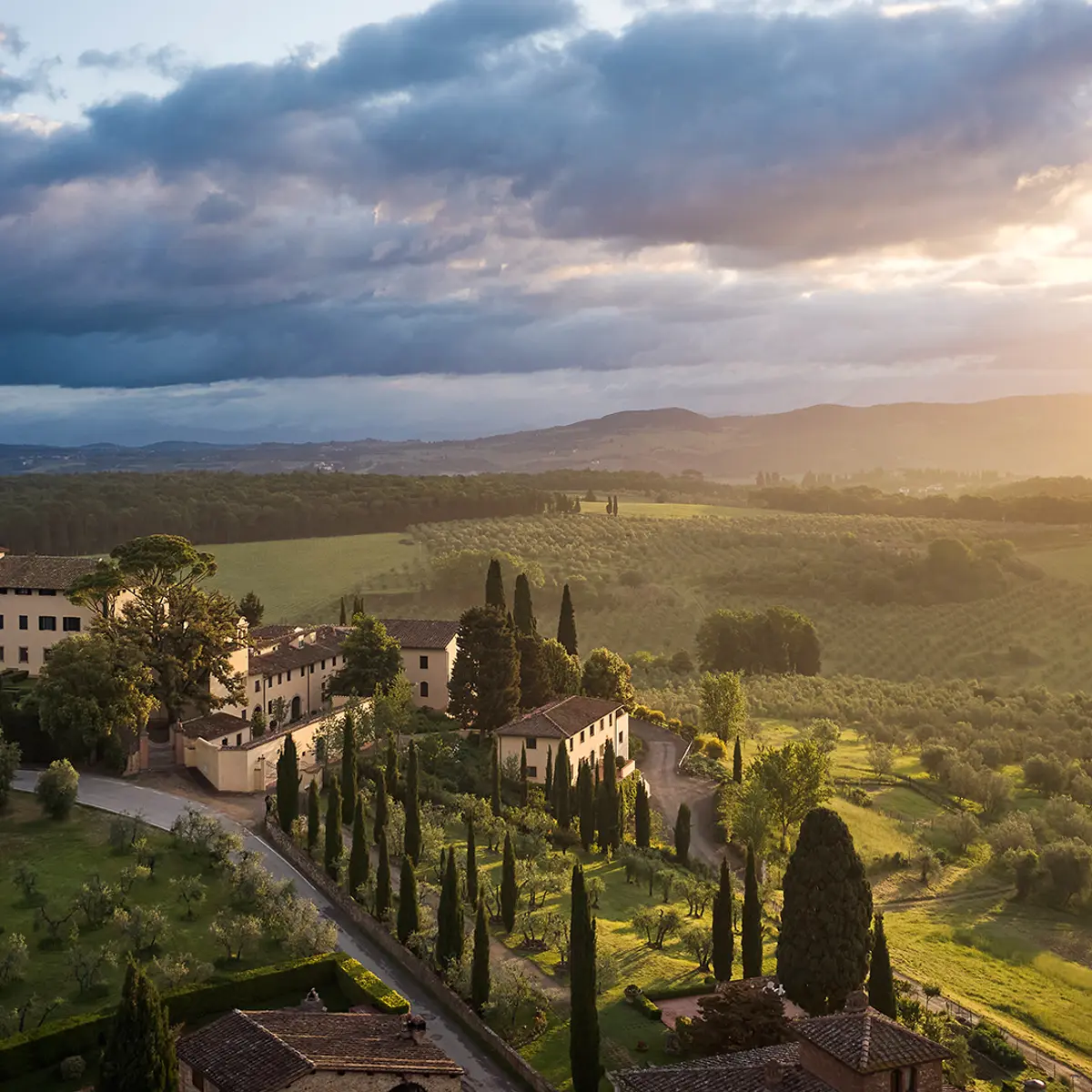
Florence‘s Duomo will stun you more than once: the cathedral’s red crown dominates the skyline, with its striped marble facade appearing at the end of alleyways and above rooftops as you meander the city. Palazzo Morrocchi is due to open in 2027 in a Baroque palace that once housed a favourite cafe of Florence’s 19th-century painters.
Art lovers, plan carefully: Florence’s most-loved works are spread across three main galleries and many more lesser-known ones. Michelangelo’s David stands in the Accademia; Botticelli’s The Birth of Venus hangs in the Uffizi; and Palazzo Pitti showcases works by Raphael, Titian and Rubens. Seeing it all in one day is possible, but it’s best to spread the visits out with gelato stops in-between.
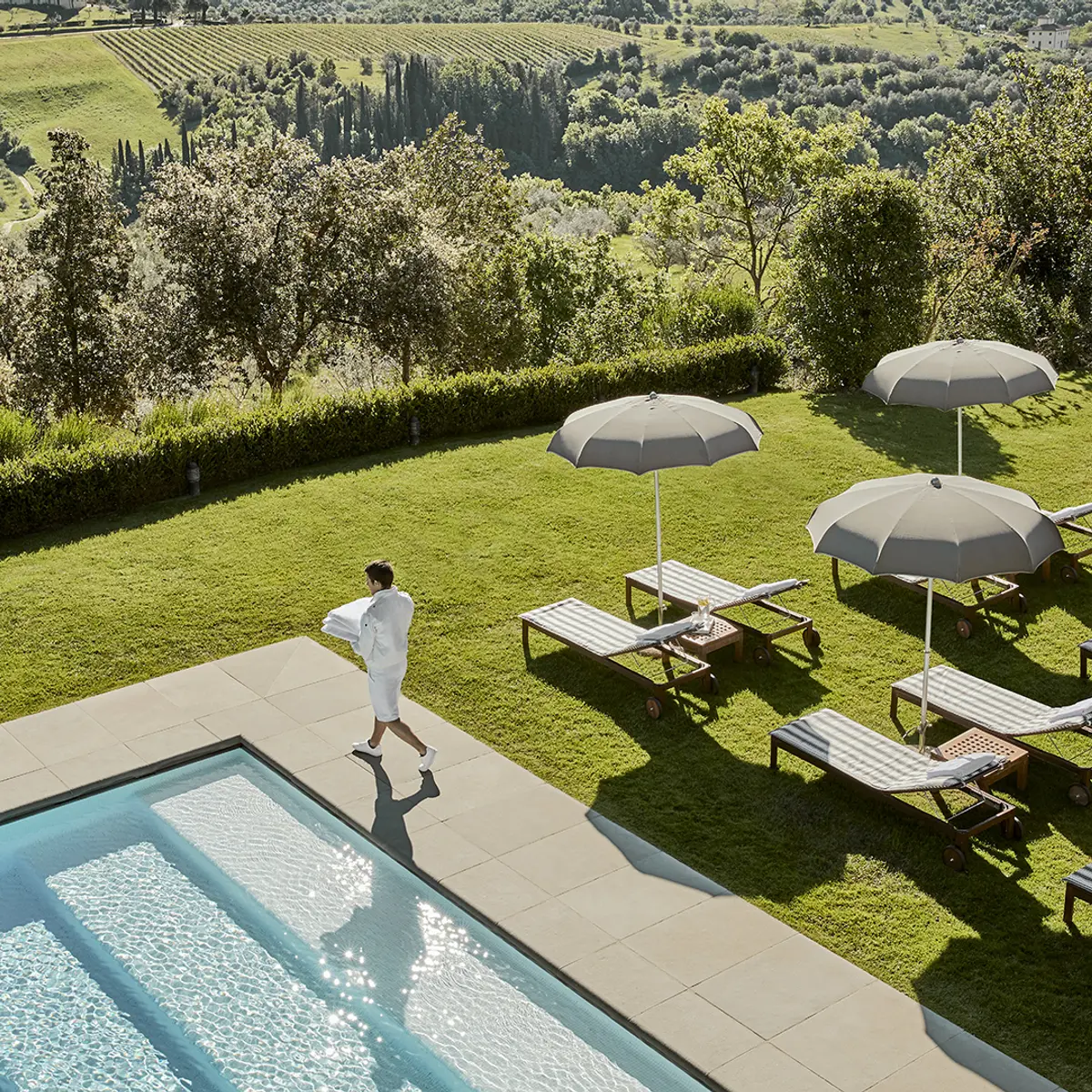
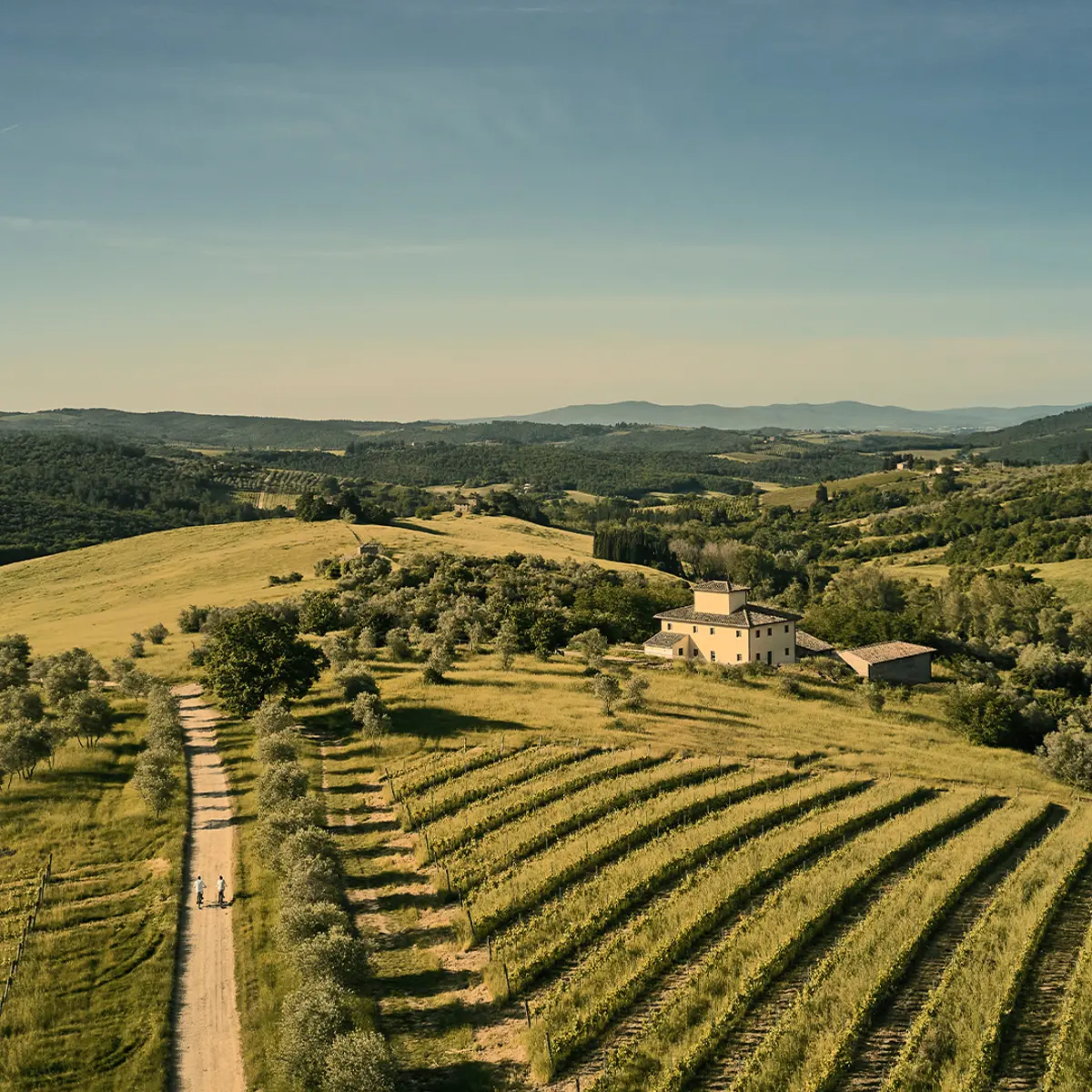
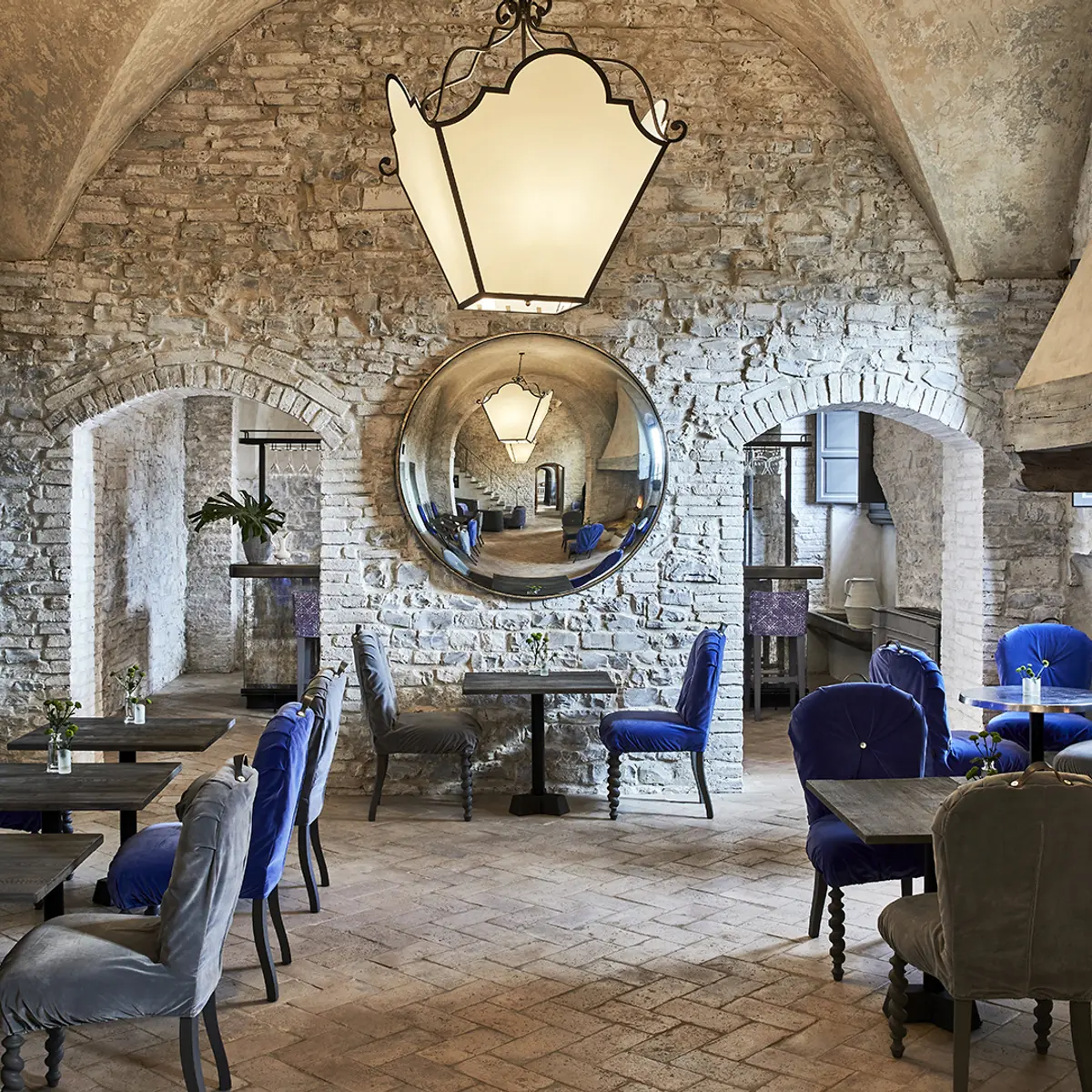
Edinburgh, Scotland
Best for: Hilltop views, old-town pubs and a festival-packed summer.
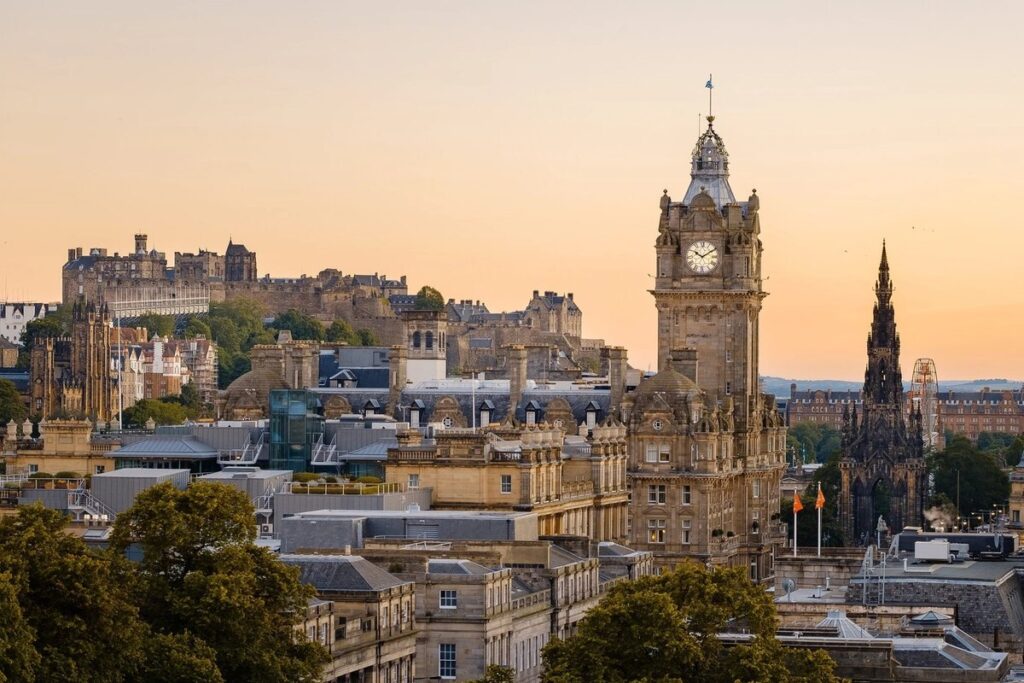
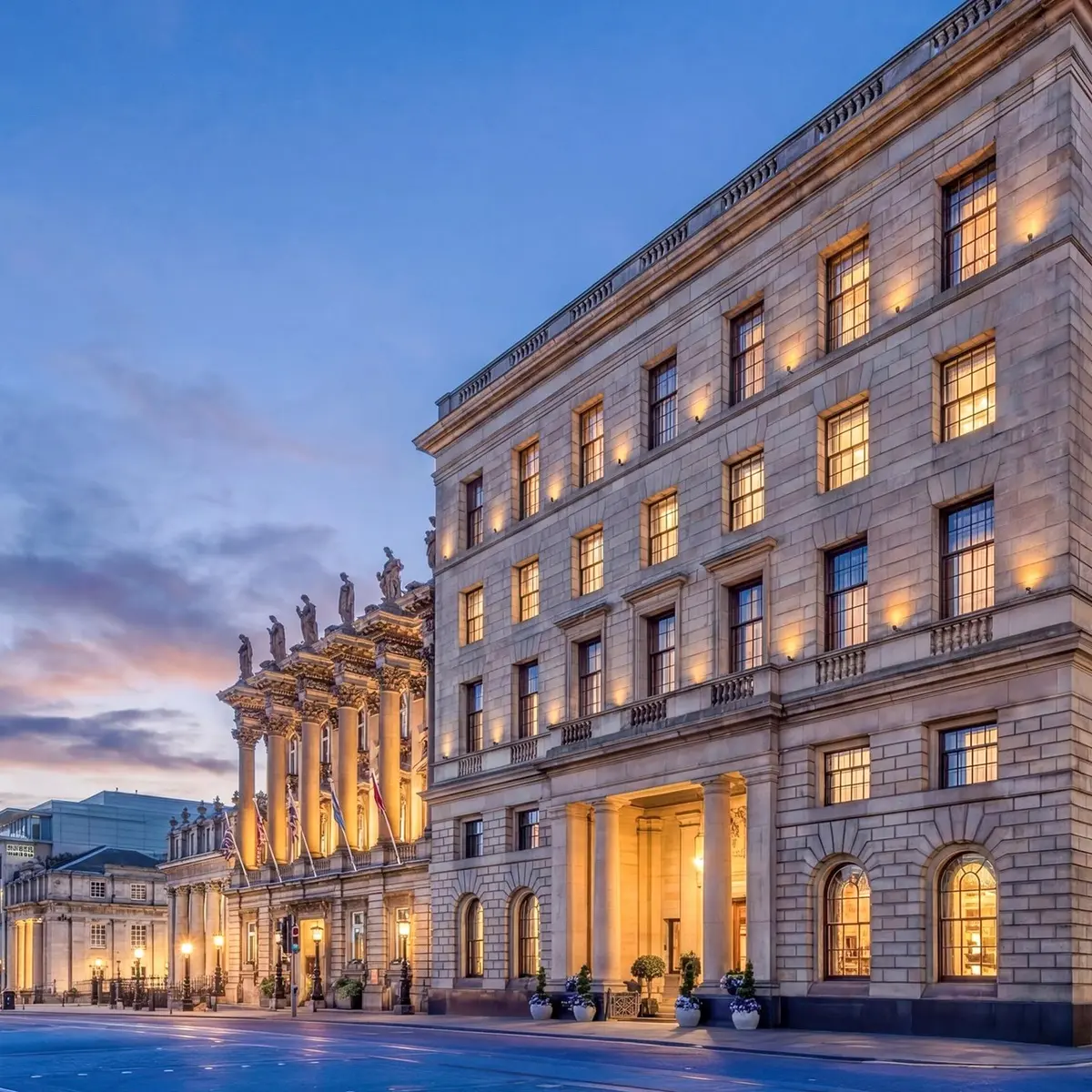
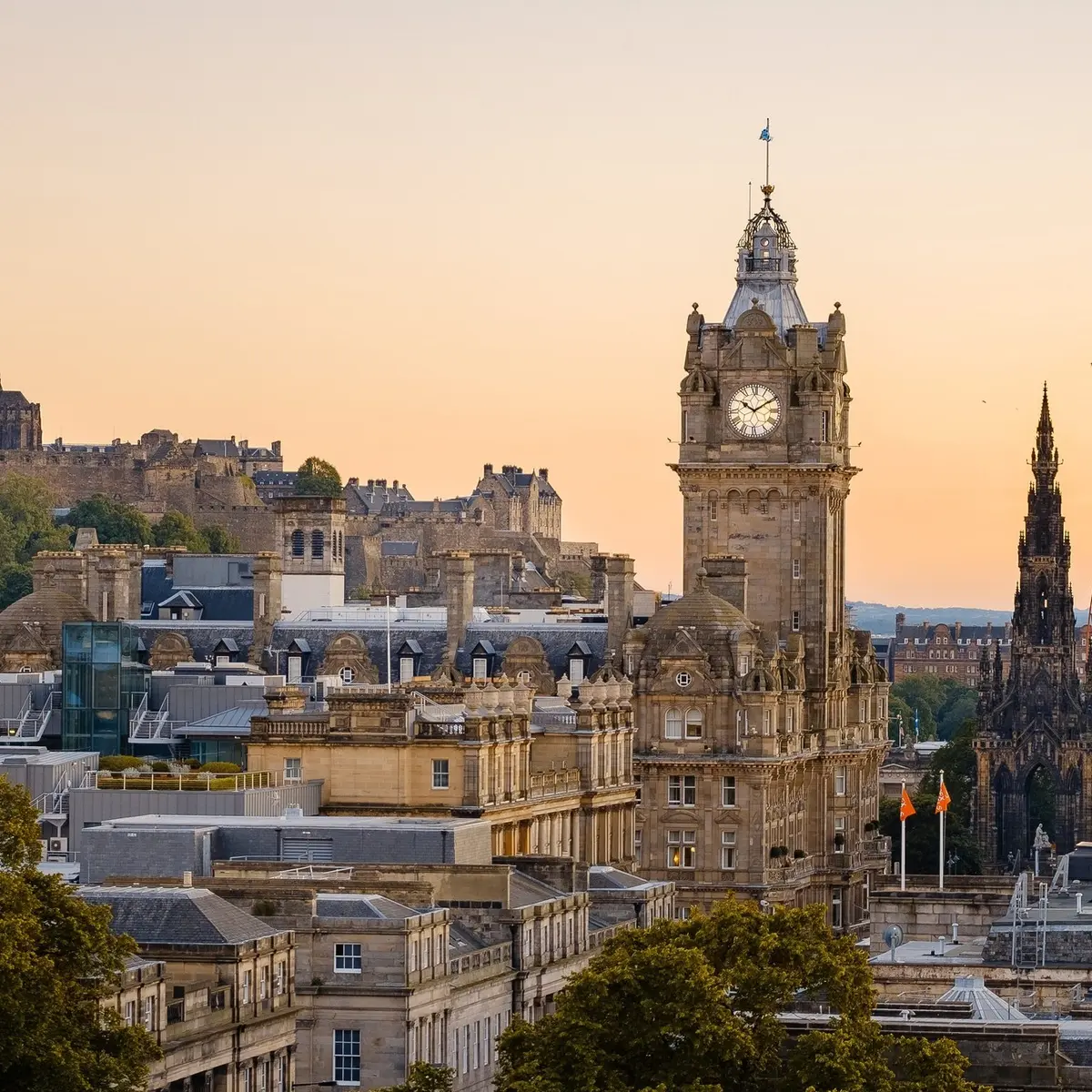
If the city’s castle-crowned skyline and medieval charm weren’t reason enough to visit, 2027 brings Tour de France to Edinburgh on 2 July, followed by the Edinburgh Fringe Festival from 6 to 30 August. Book well ahead if you visit during these events. The city is at its liveliest in August, but it’s well worth the festival buzz once you dip into a few performances.
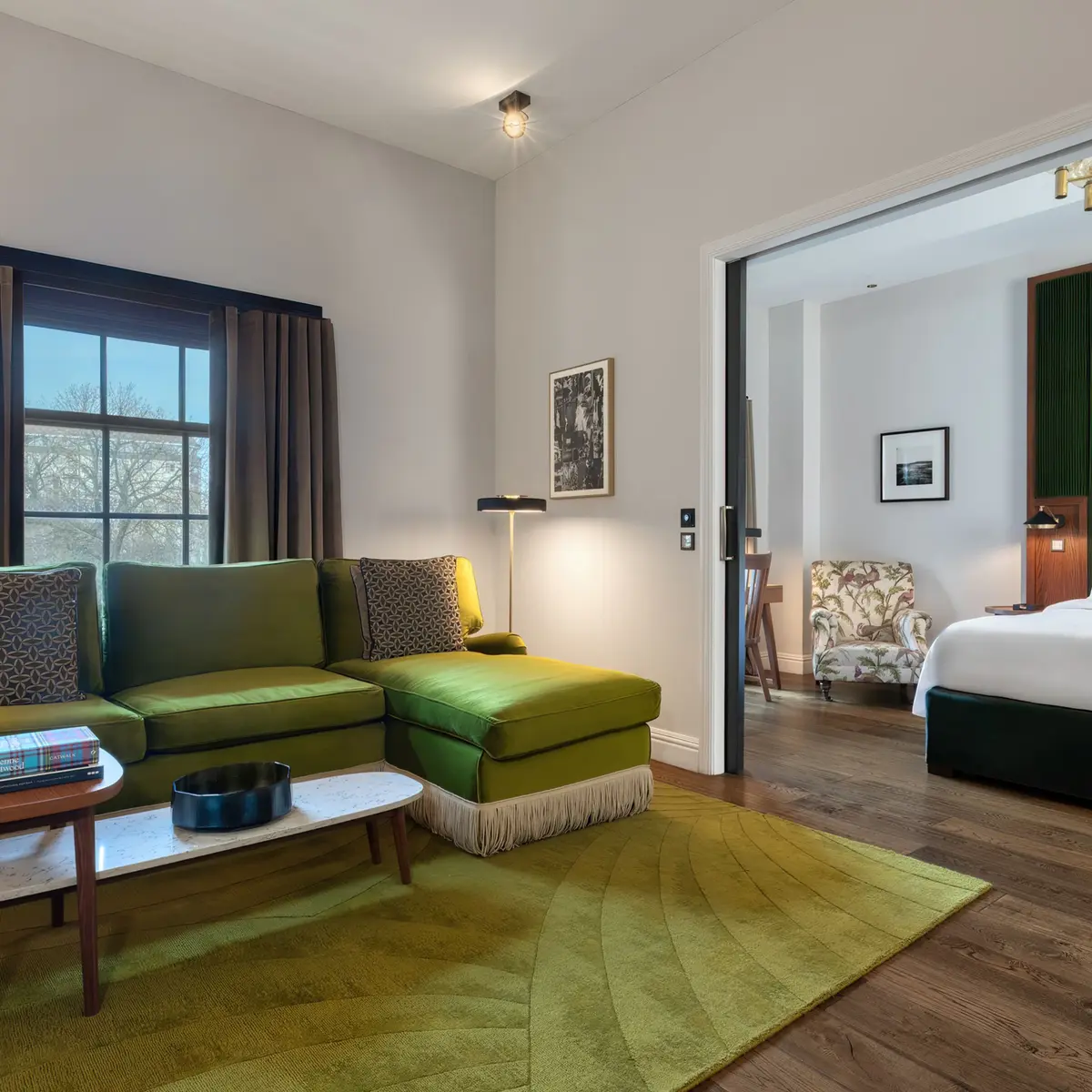
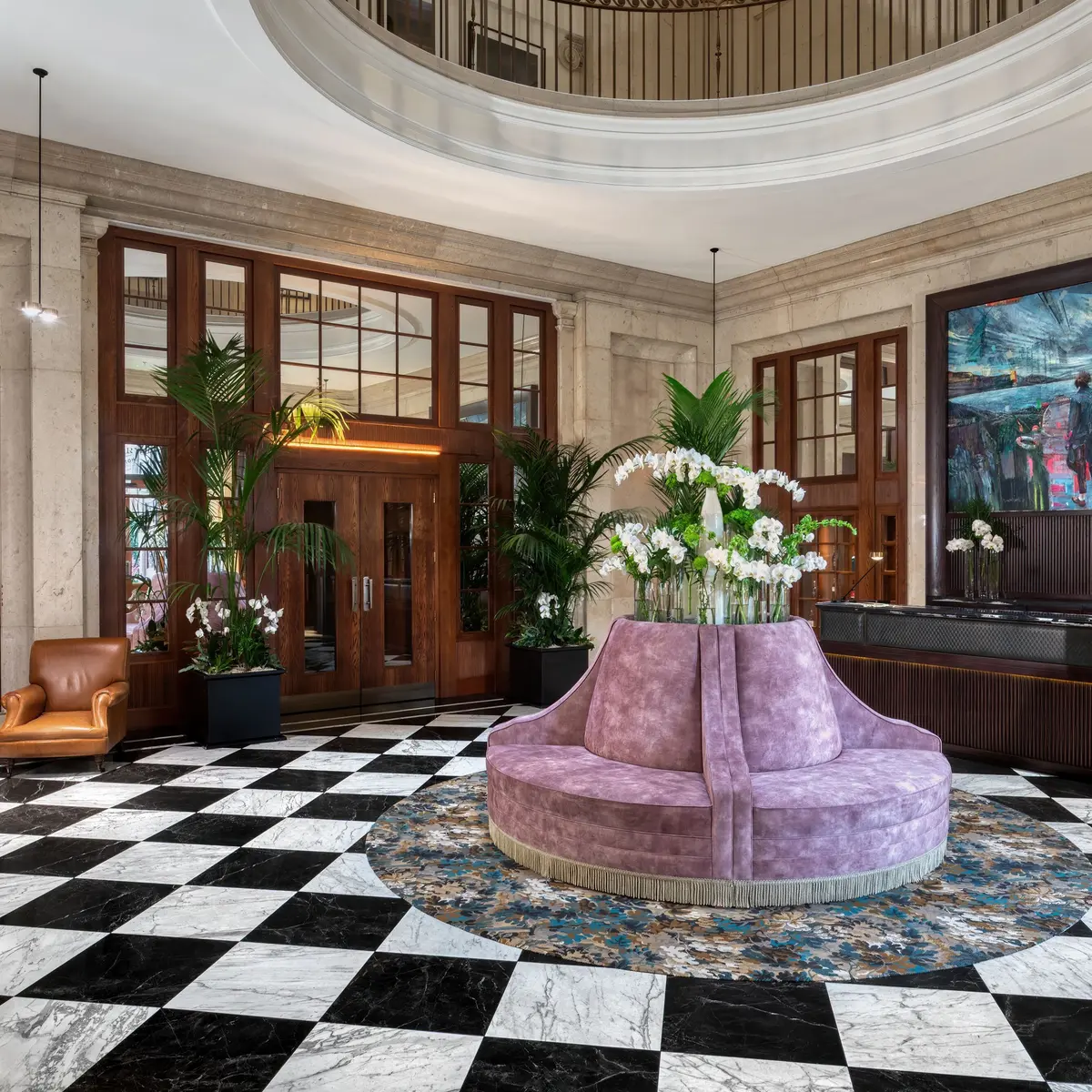
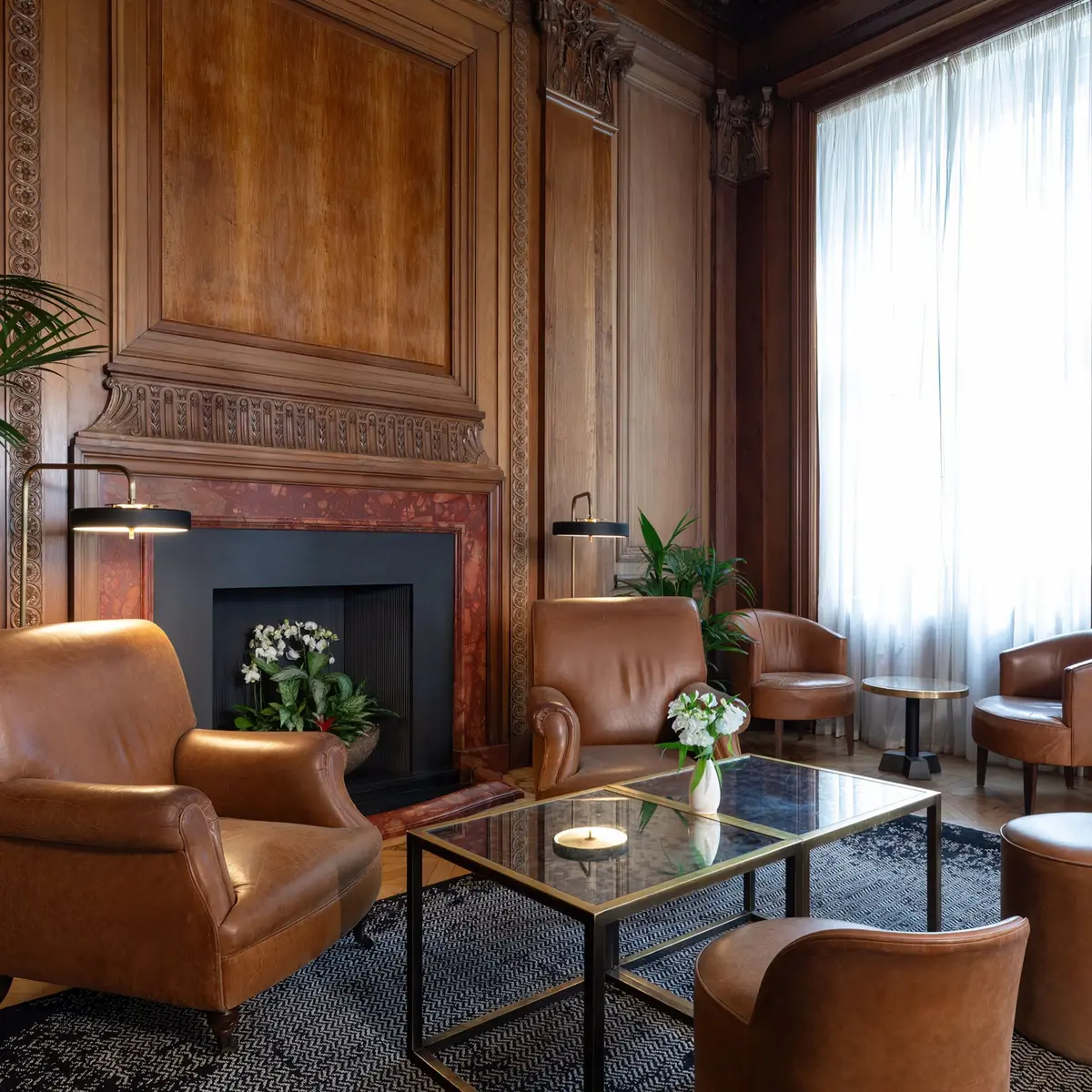
Beyond the festivities, follow the Royal Mile towards Edinburgh Castle, or see it from above with a jaunt up Arthur’s Seat. Opt for Calton Hill for a gentler walk, or have a drink at 1820 Rooftop Bar or the W Deck at W Edinburgh hotel for minimal effort and maximum city panoramas.


London, United Kingdom
Best for: Culture, nightlife and neighbourhood contrasts.
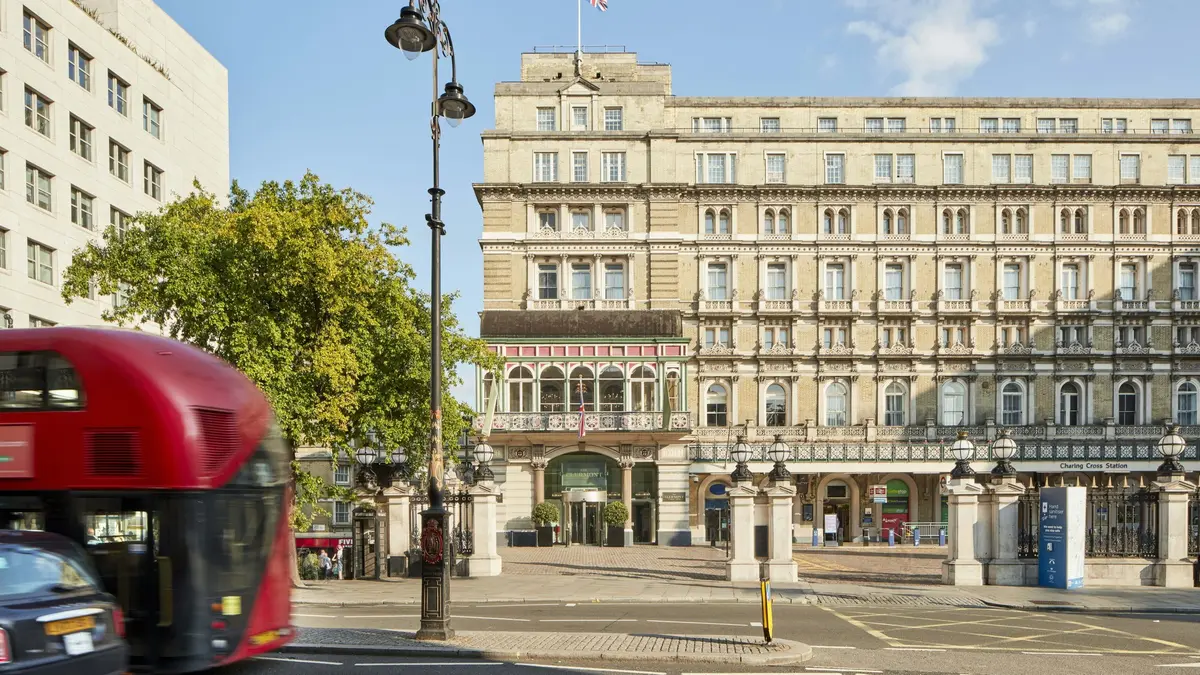
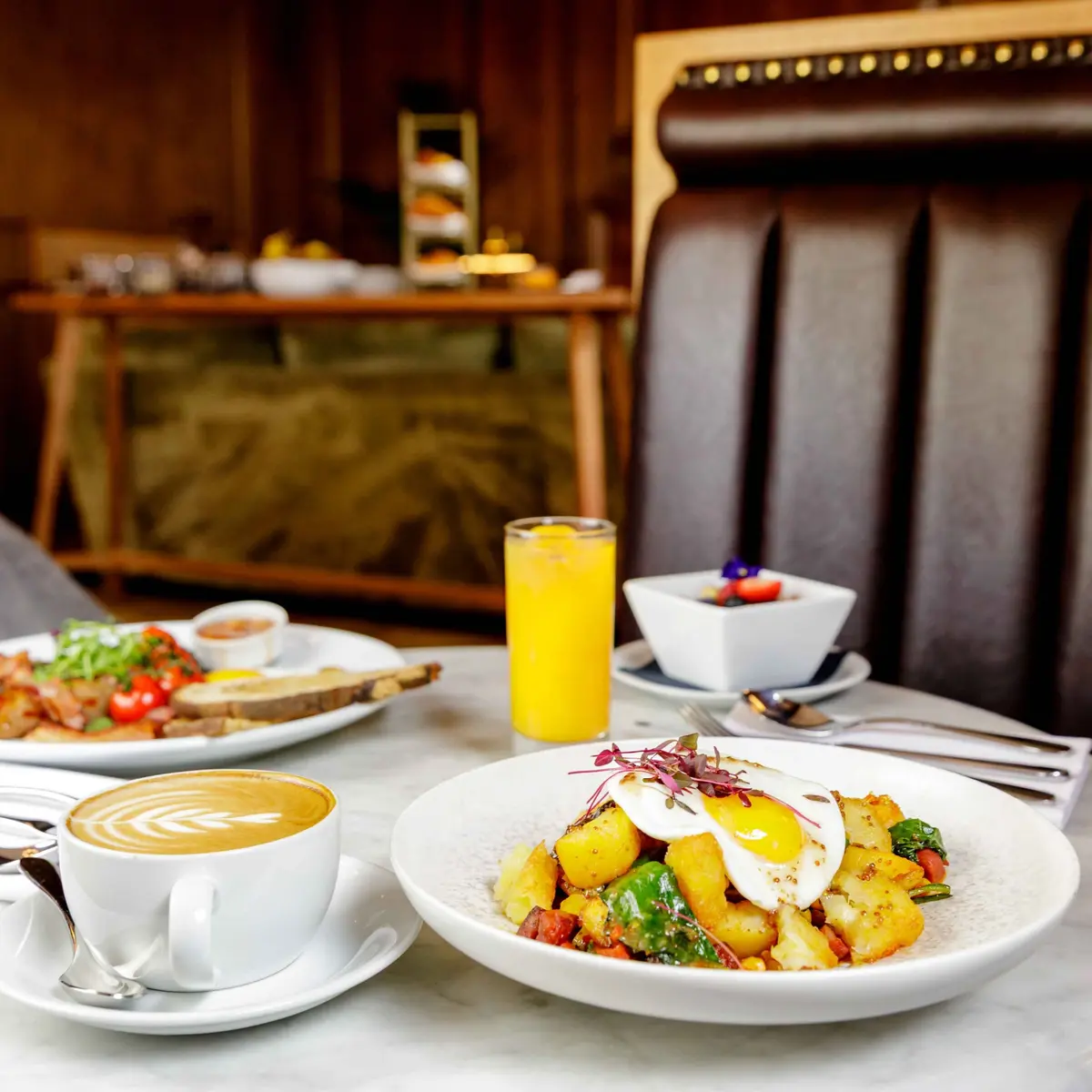
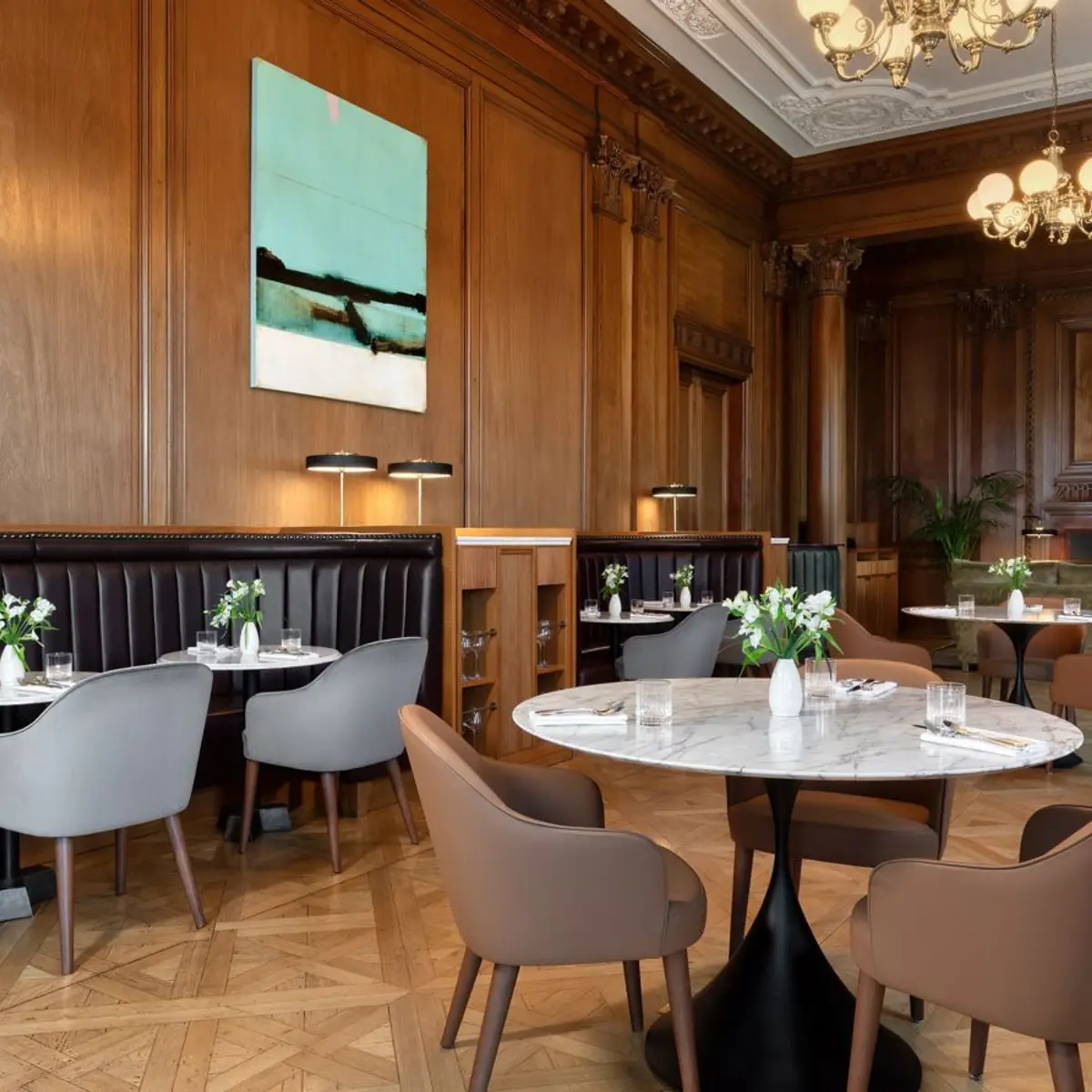
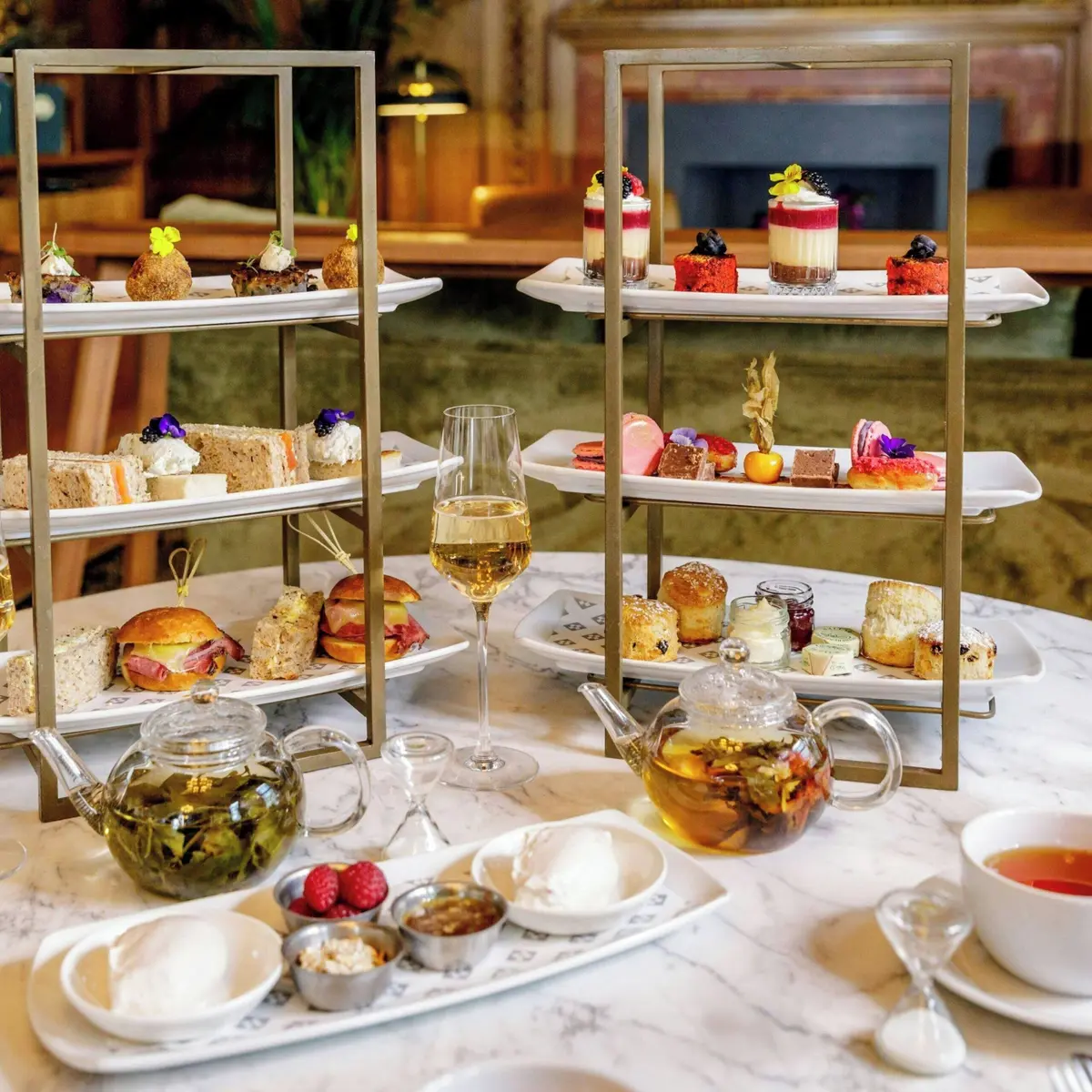
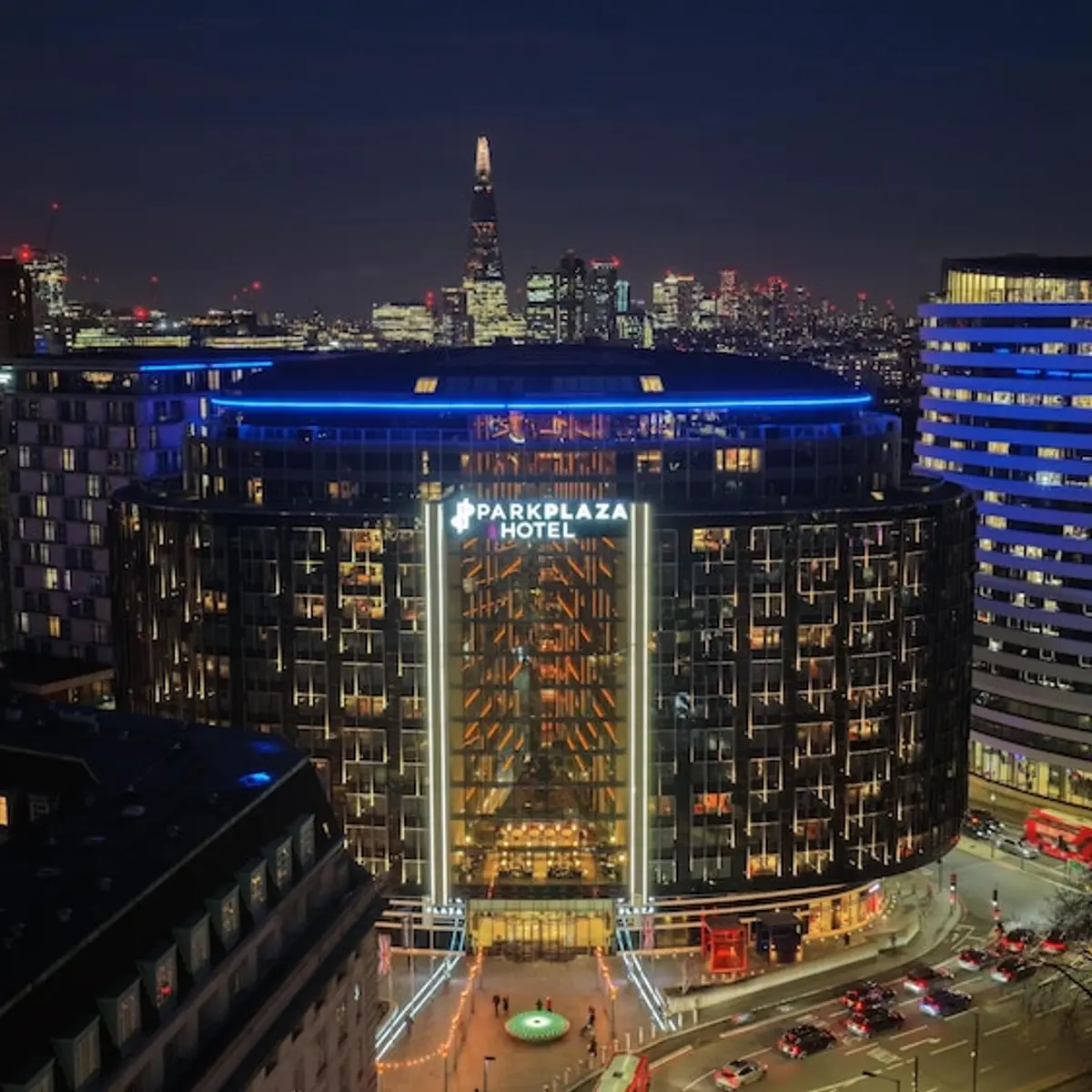
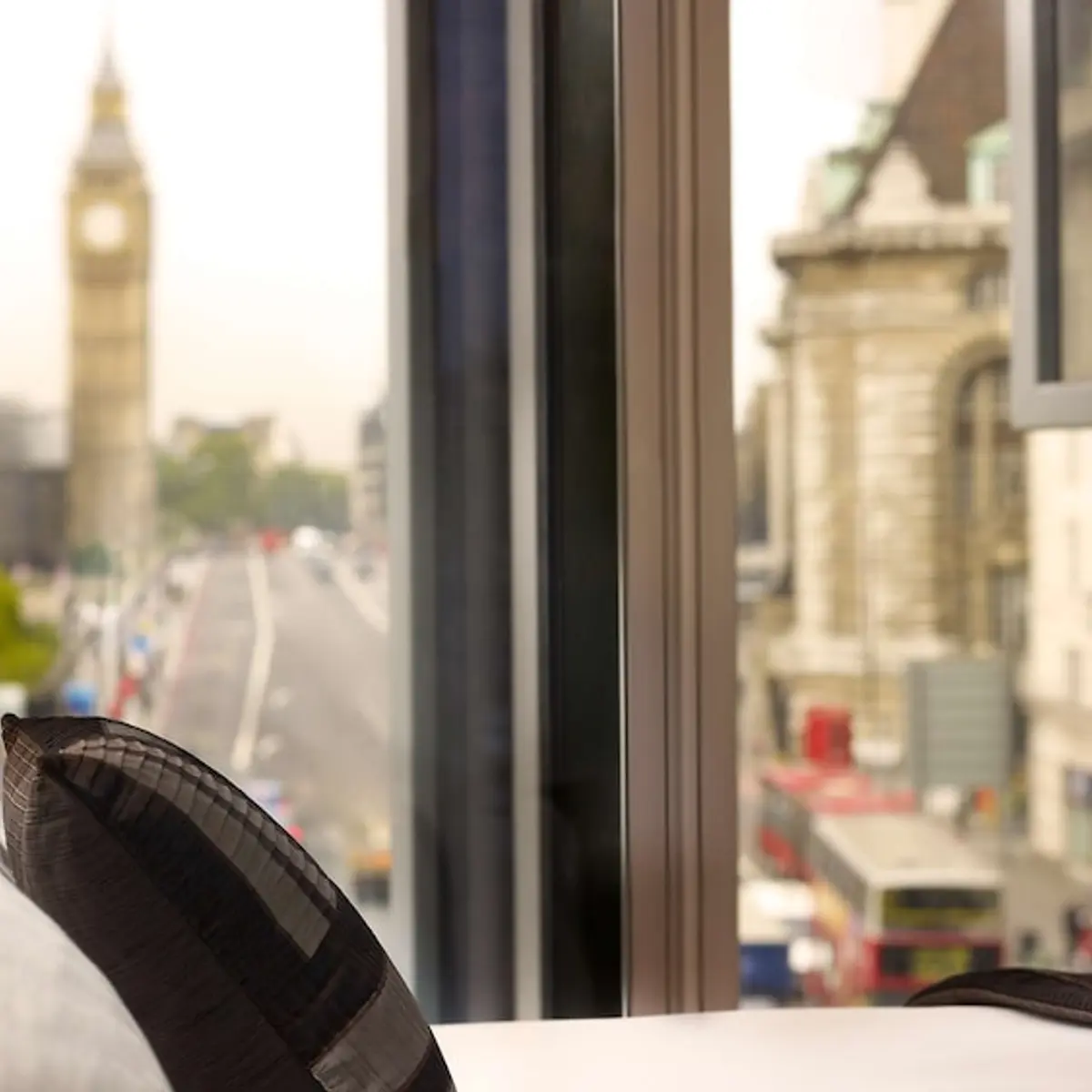
London is adding fresh reasons to revisit in 2027, from the London Museum’s Roman-era underground vaults to a new Beatles experience at the band’s former Savile Row HQ.
Spend the morning among landmarks, then browse the food stalls at the Borough Market or the boutiques around Covent Garden. Portobello Road brings vintage finds and the pastel-coloured streets seen in the movie Notting Hill; finish in Soho, where the night can take you from a tiny cocktail bar to a late jazz set at Ronnie Scott’s.





Santorini, Greece
Best for: Island scenery, volcanic landscapes and that famous sunset view.
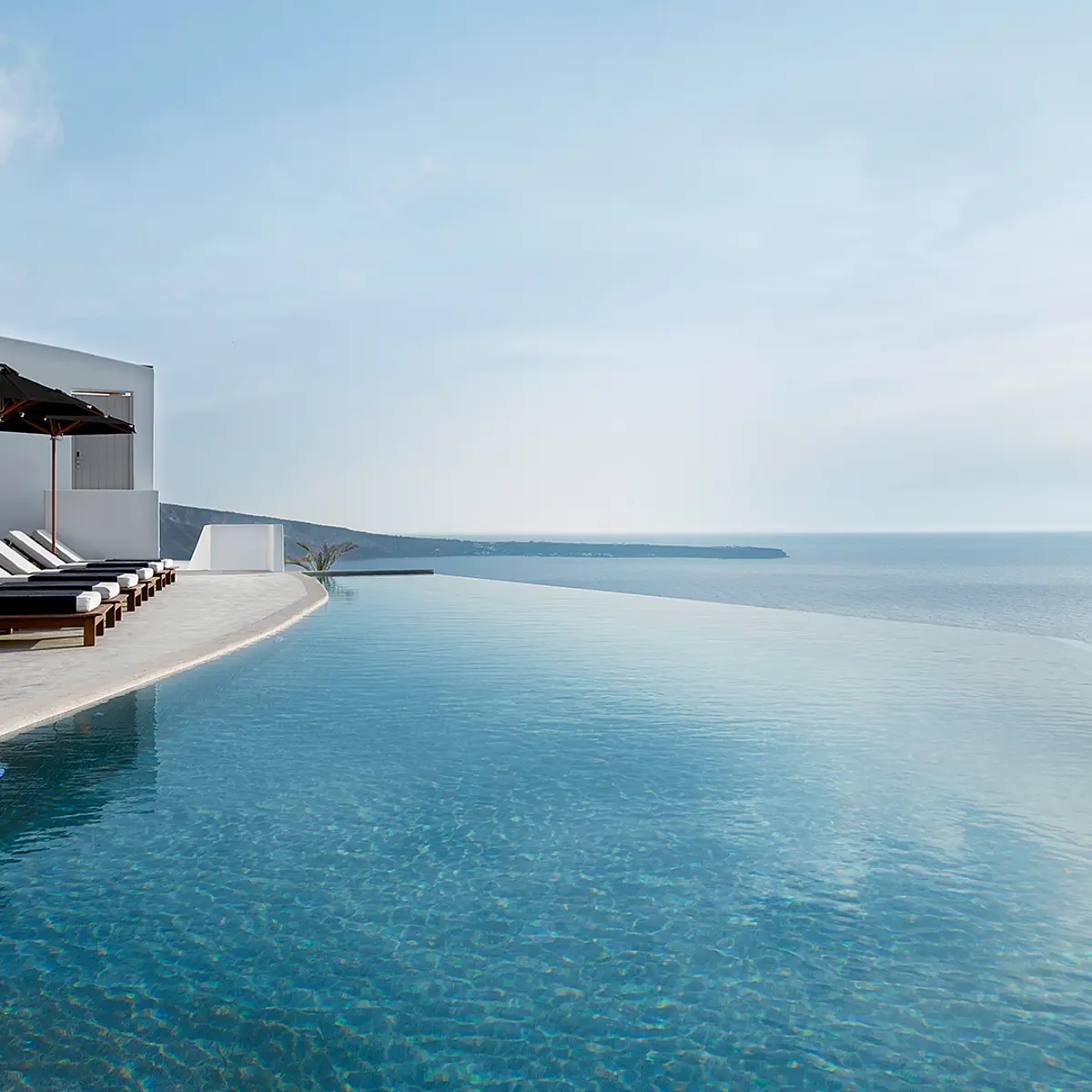
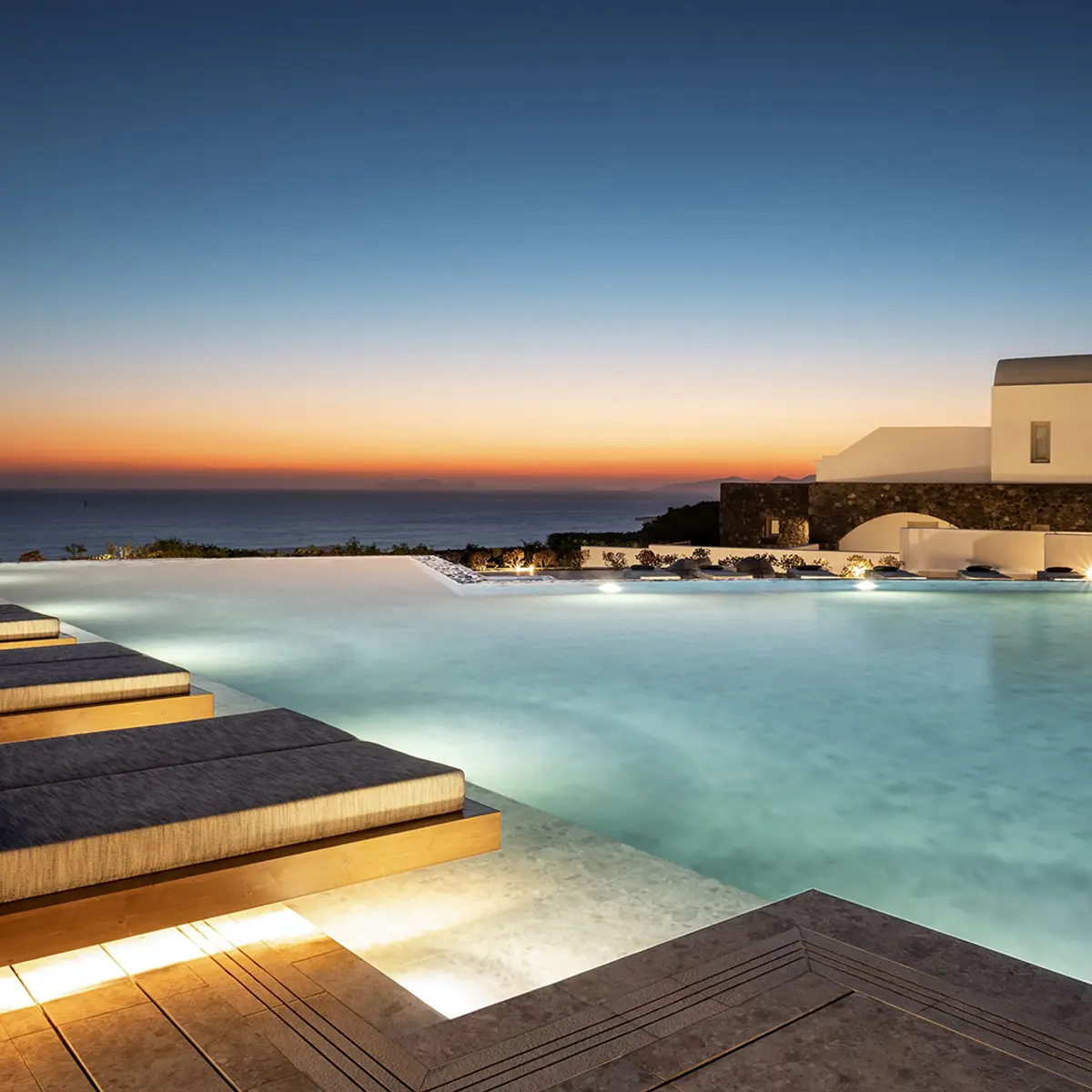
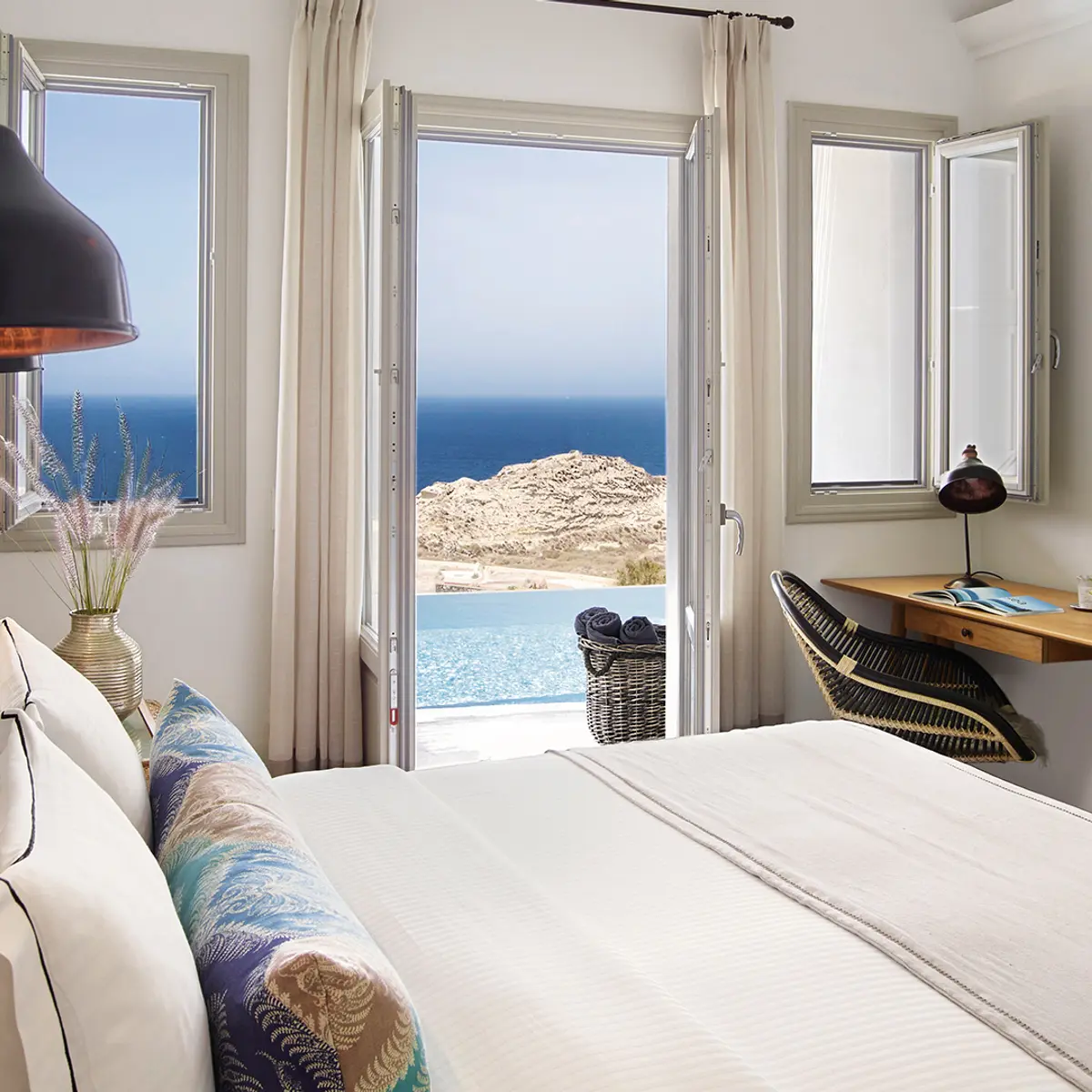
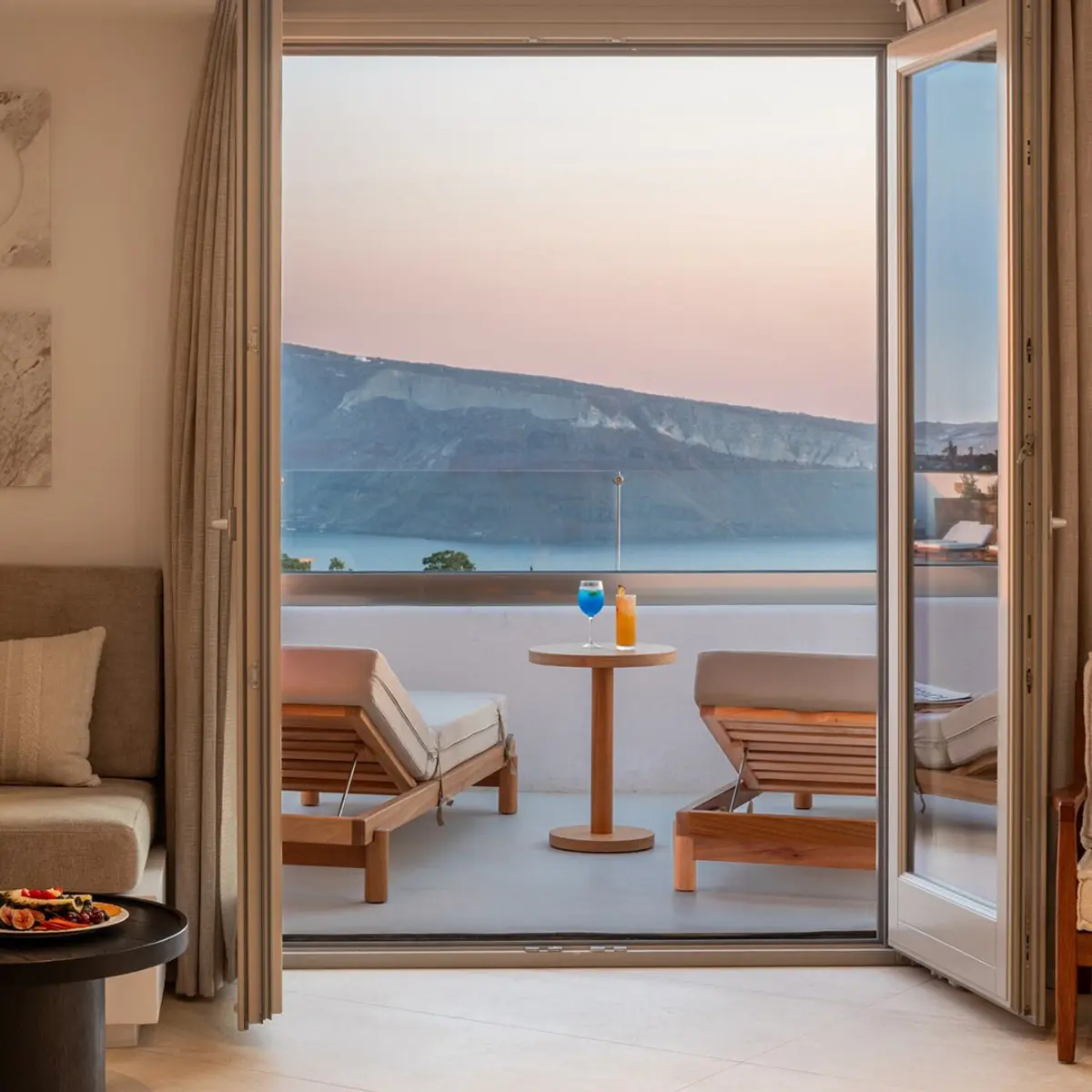
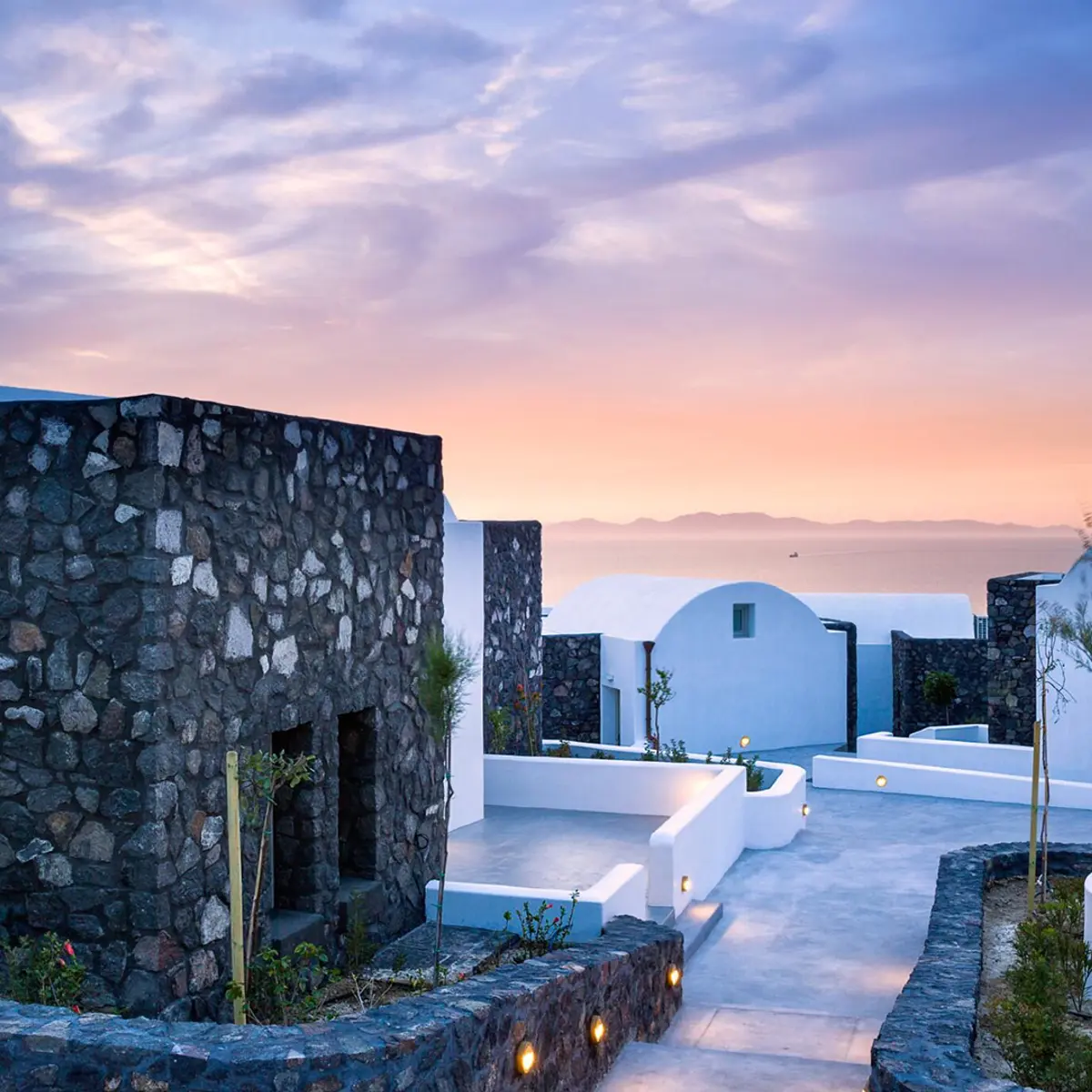
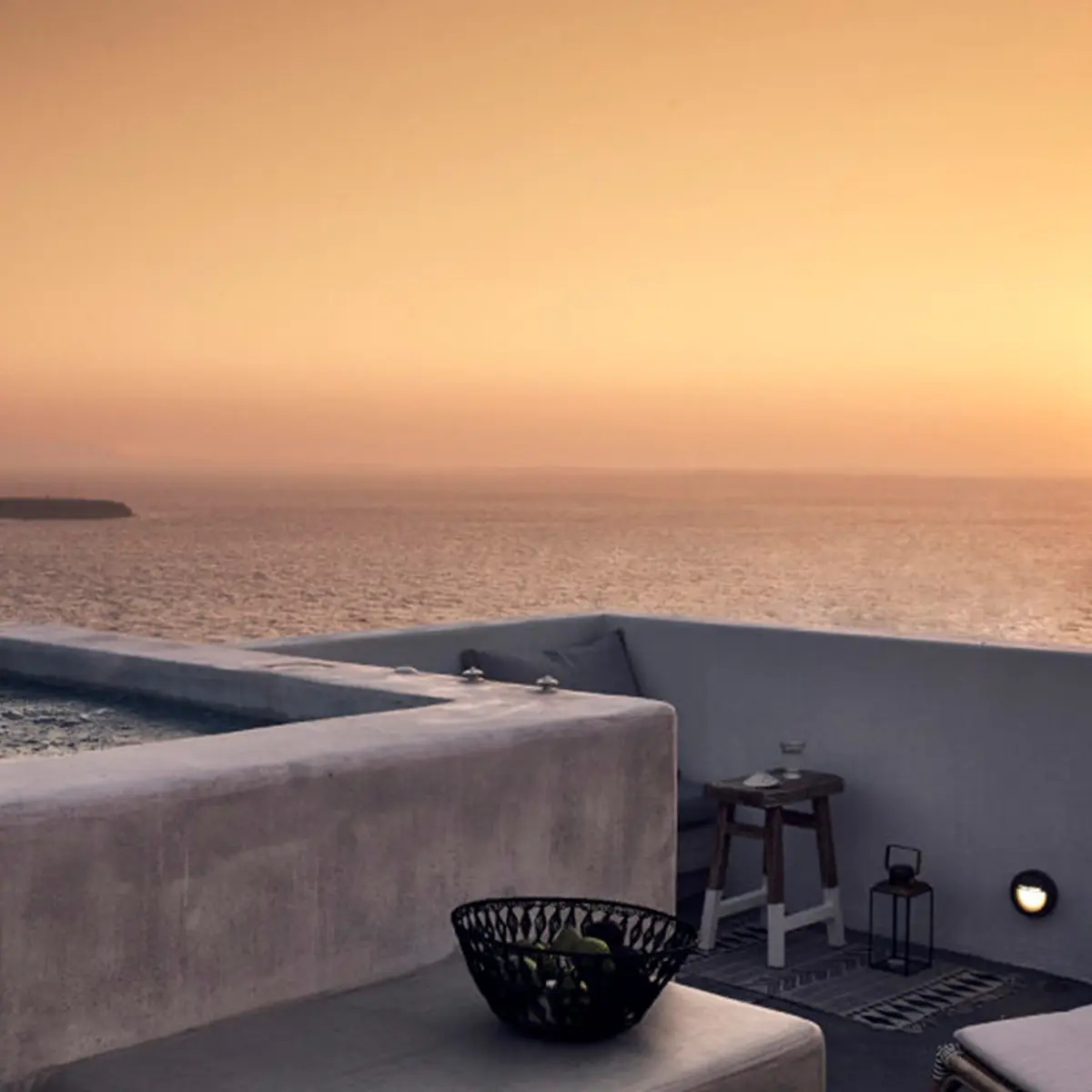
Oia’s whitewashed houses and blue-domed churches cling to Santorini’s volcanic rim, drawing crowds to the old castle for sunset. Come early if you want a spot, or save Oia for a morning wander, when its lanes are quieter. Try sunset in Pyrgos instead of Oia. Climb to the medieval Kasteli, then take a terrace table at Kastelana Café (open from May to October) for island-wide views and local wine by the glass.
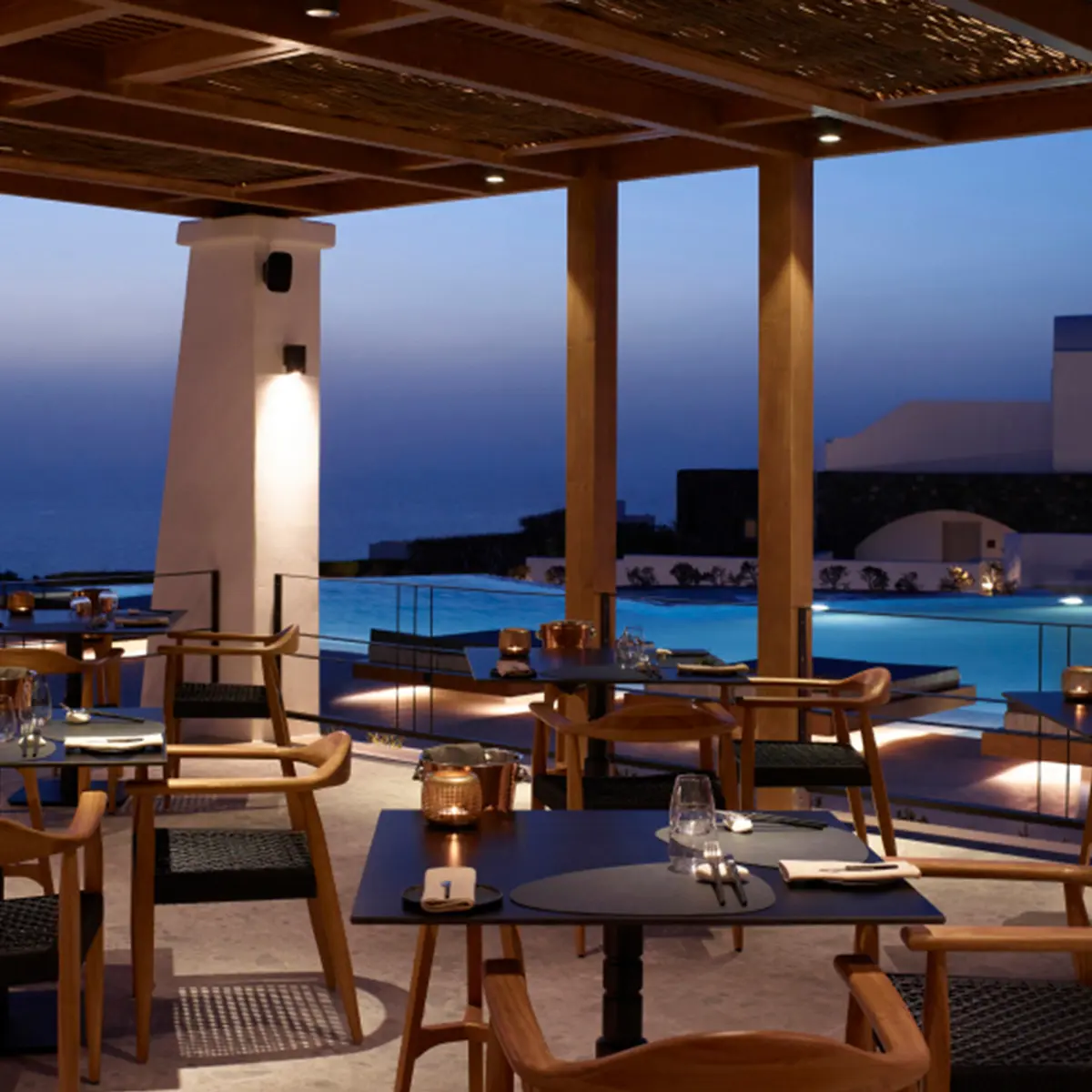
In 2027, make room for dinner too, as Santorini makes its MICHELIN Guide debut with Lycabettus – a restaurant perched above the caldera – earning two stars. For the bigger view, walk the roughly 10-kilometre caldera path from Fira to Oia via Firostefani and Imerovigli; allow three to four hours and take water.
Paris, France
Best for: Art, architecture, cafe culture and big-name sights.
Paris does sightseeing and aimless wandering equally well, with plenty to delight you well after the bucket-list sights are ticked off. Take in the Eiffel Tower and Louvre, then put the map away in the Marais or Saint-Germain-des-Prés; these corners are best enjoyed without a plan beyond finding the best coffee and croissant in town.
Art lovers have a timely reason to add the Musée de l’Orangerie to their 2027 itinerary: Monet in Private, part of the centenary programme marking 100 years since the artist’s death, runs from 28 January to 31 May.
Pack your swimmers for summer 2027: Paris plans to reopen its supervised swimming spots on the Seine in June, and the one at Grenelle has an Eiffel Tower view.

Budapest, Hungary
Best for: Danube views, thermal baths and a Grand Prix weekend.
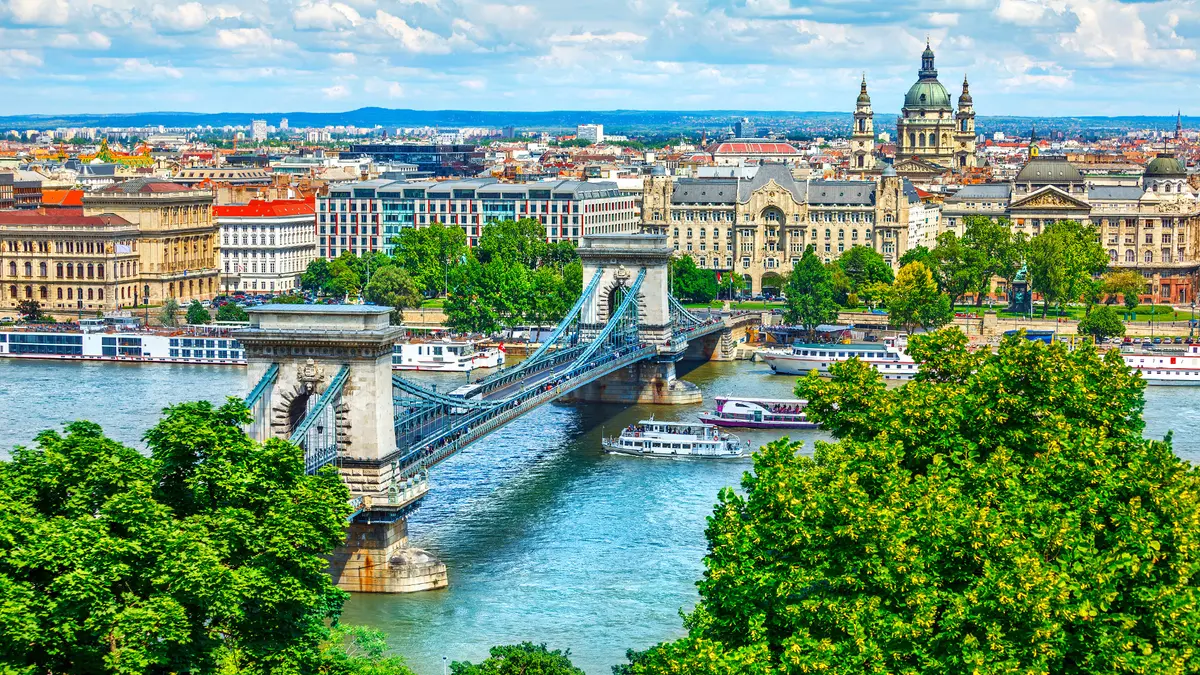
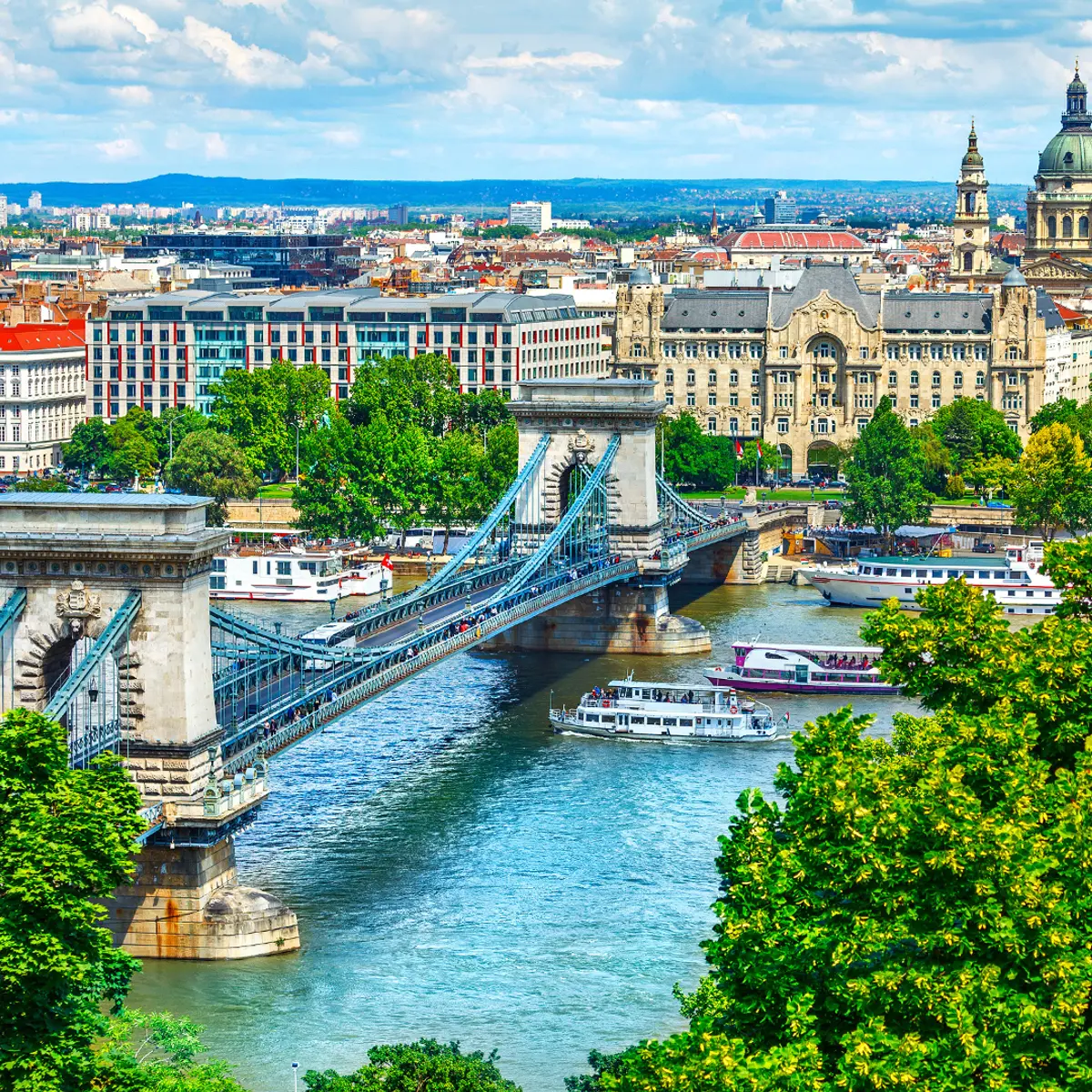
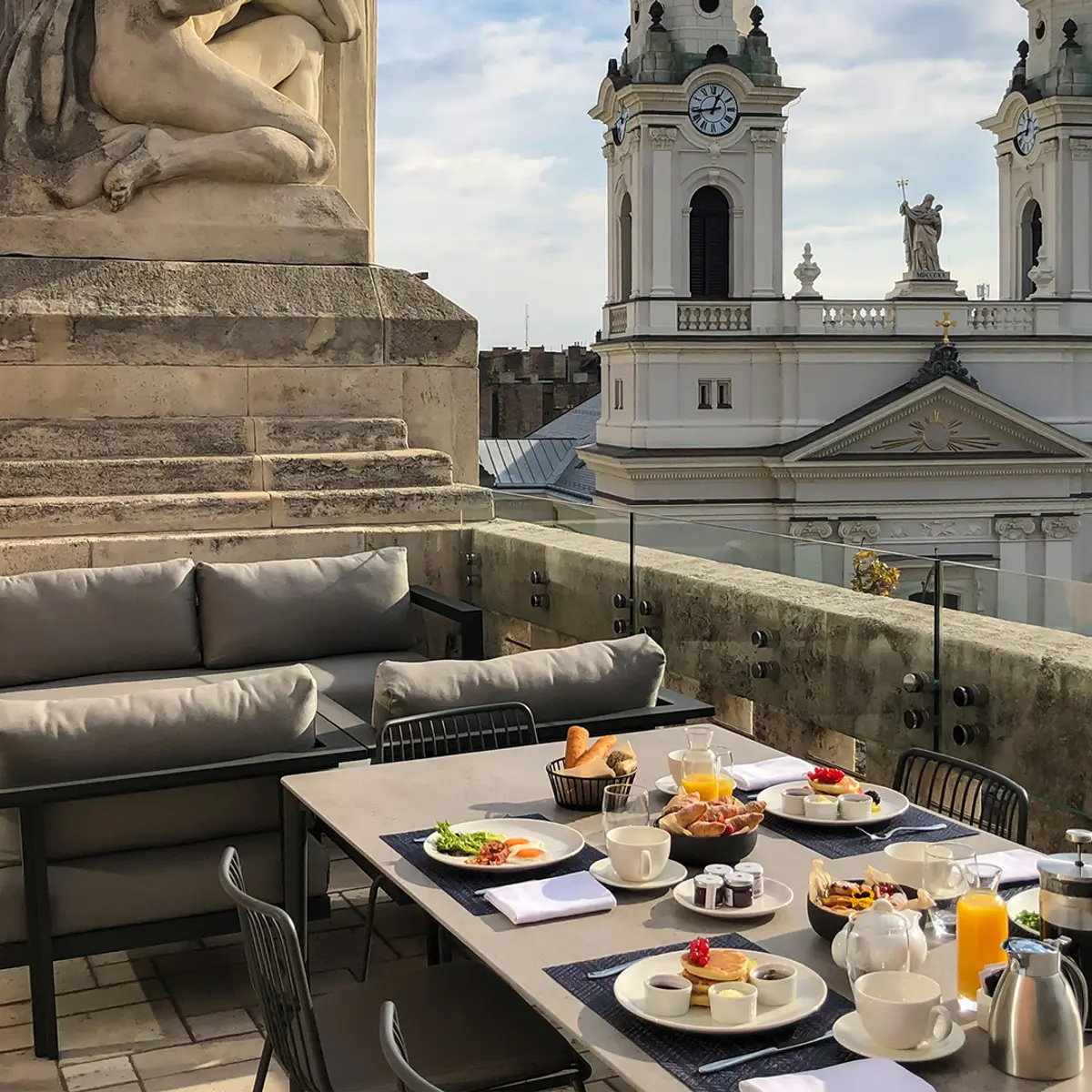
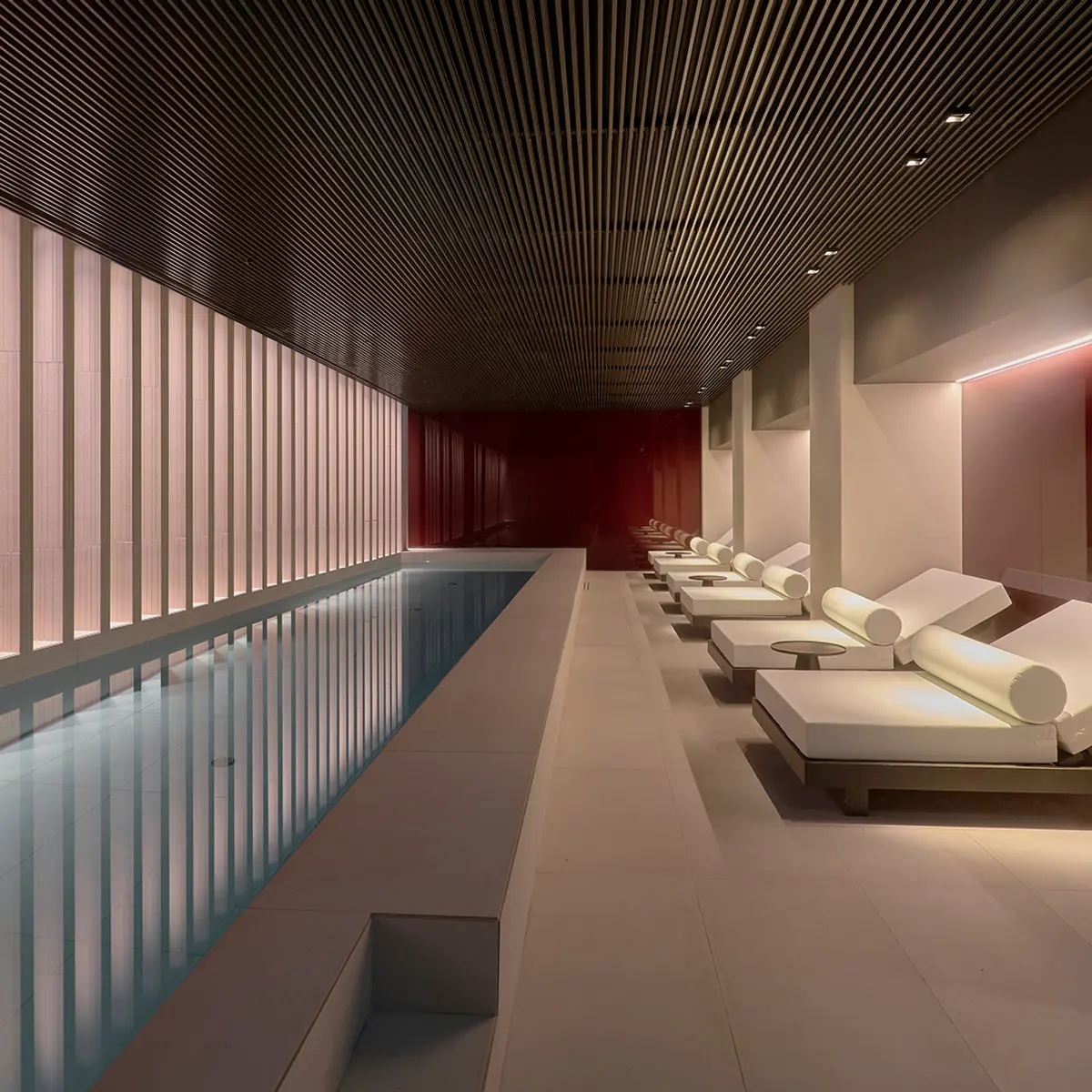
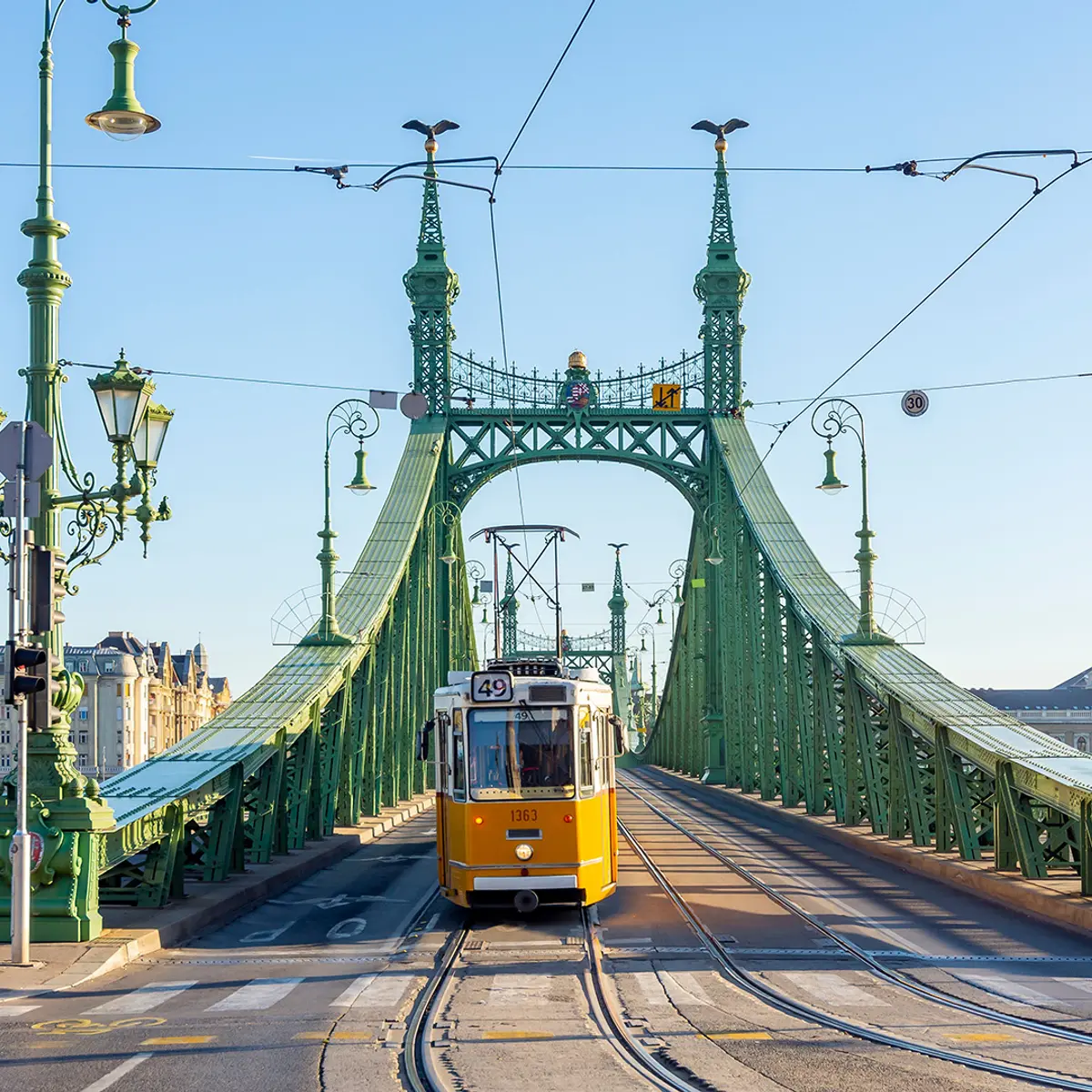
Budapest divides its pleasures across the river: Pest brings Parliament, cafes and broad boulevards; Buda rises to the Castle District. Save time for a soak, too. Rudas is one of the city’s oldest baths, with a rooftop pool overlooking the Danube.
The 2027 Hungarian Grand Prix runs from 30 July to 1 August at the Hungaroring, with dedicated race-weekend buses connecting the circuit to Keleti station in about 30 minutes.


Tromsø, Norway
Best for: Arctic scenery, Northern Lights and midnight-sun experiences.
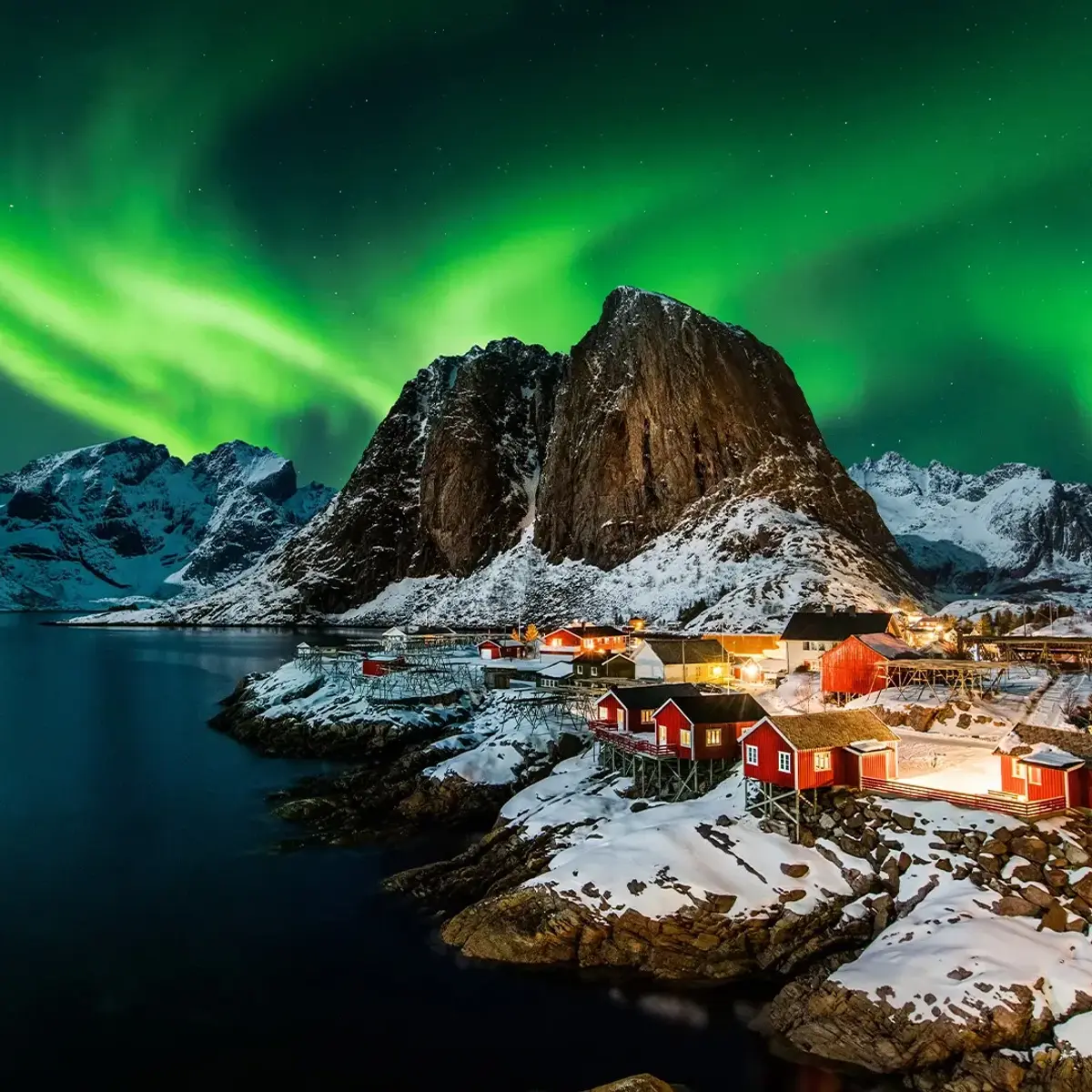
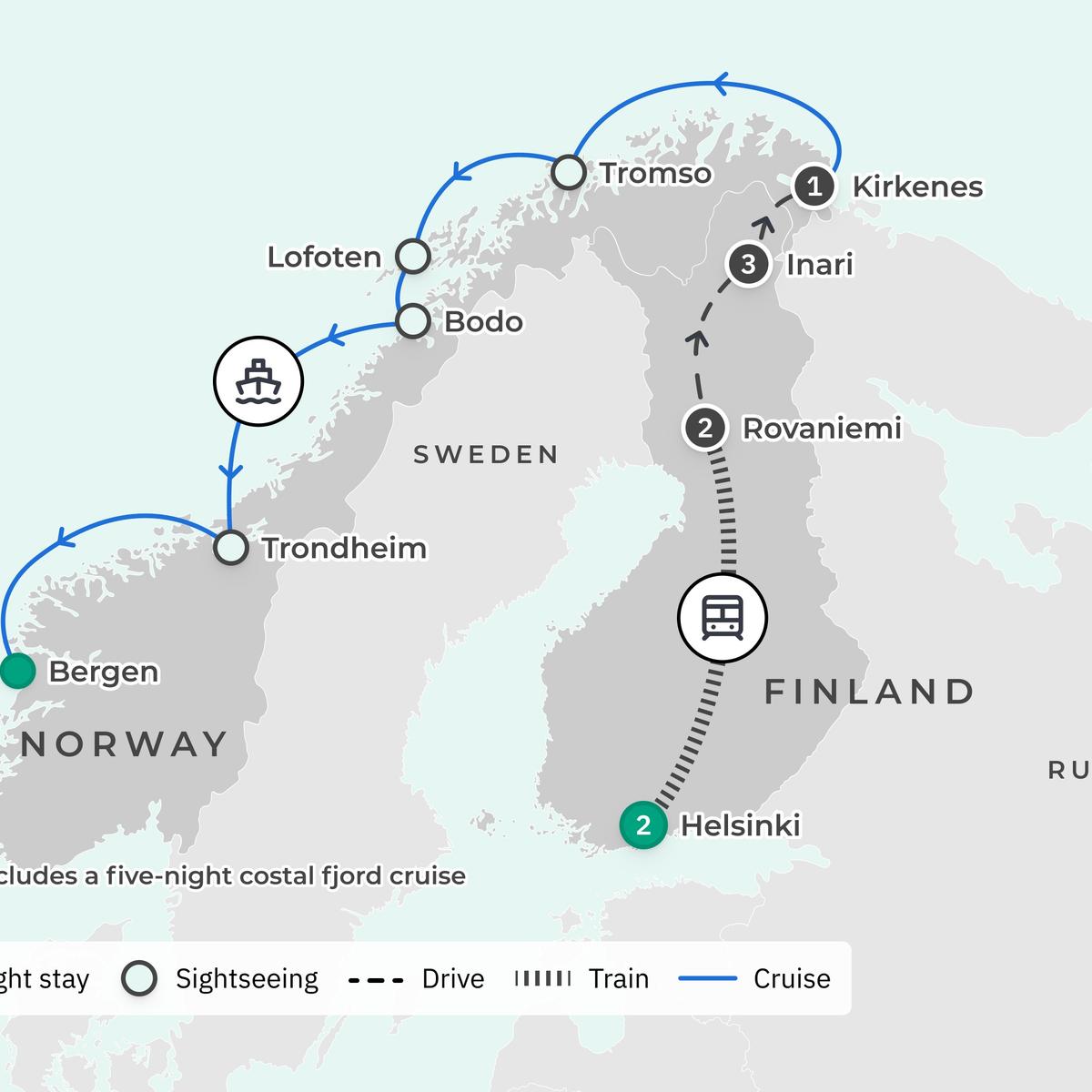
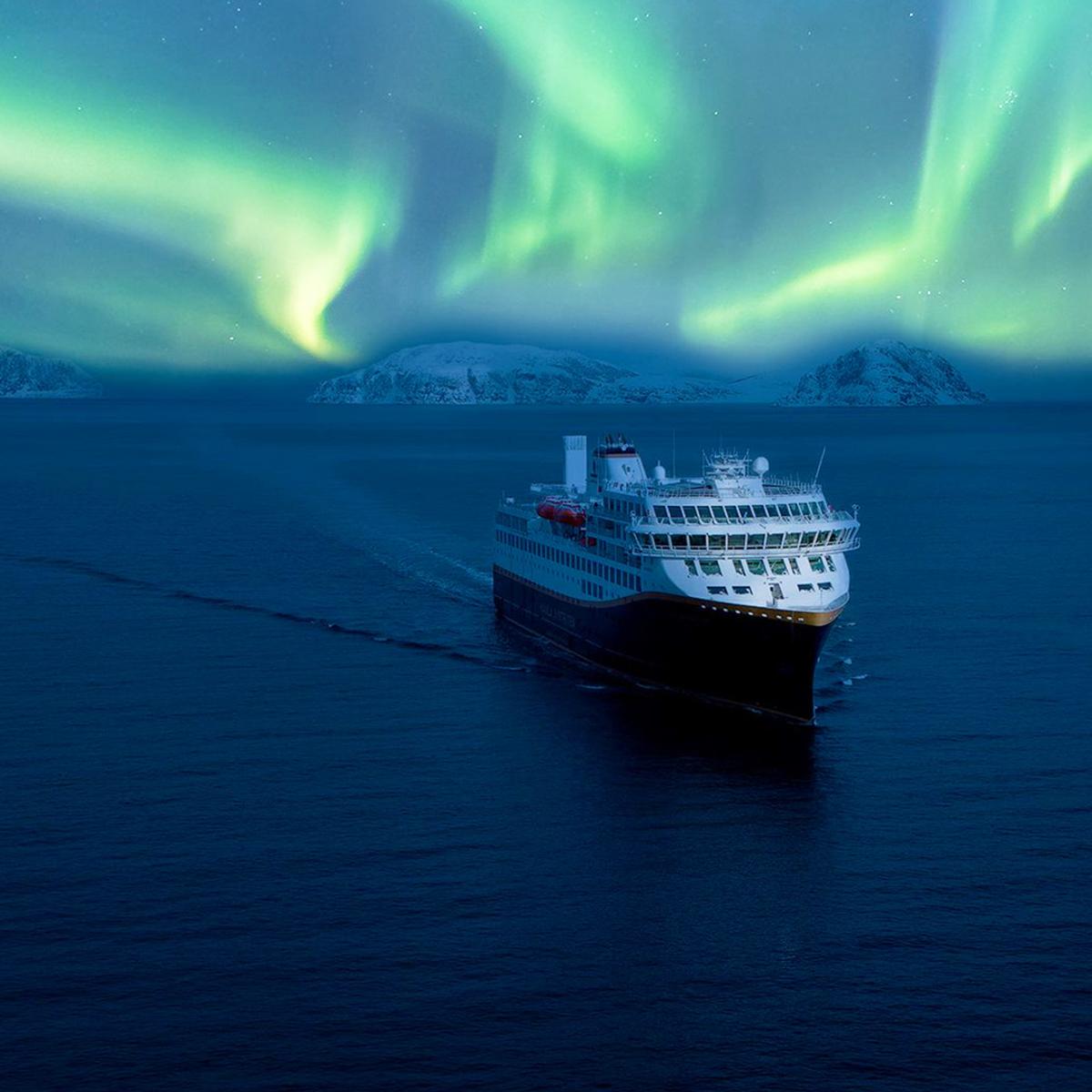
The European experience doesn’t get much better than a winter aurora chase in Tromsø in 2027: winter connections are expanding, with a new direct Helsinki route and extra Lufthansa flights from Frankfurt and Munich for the 2026–27 season.
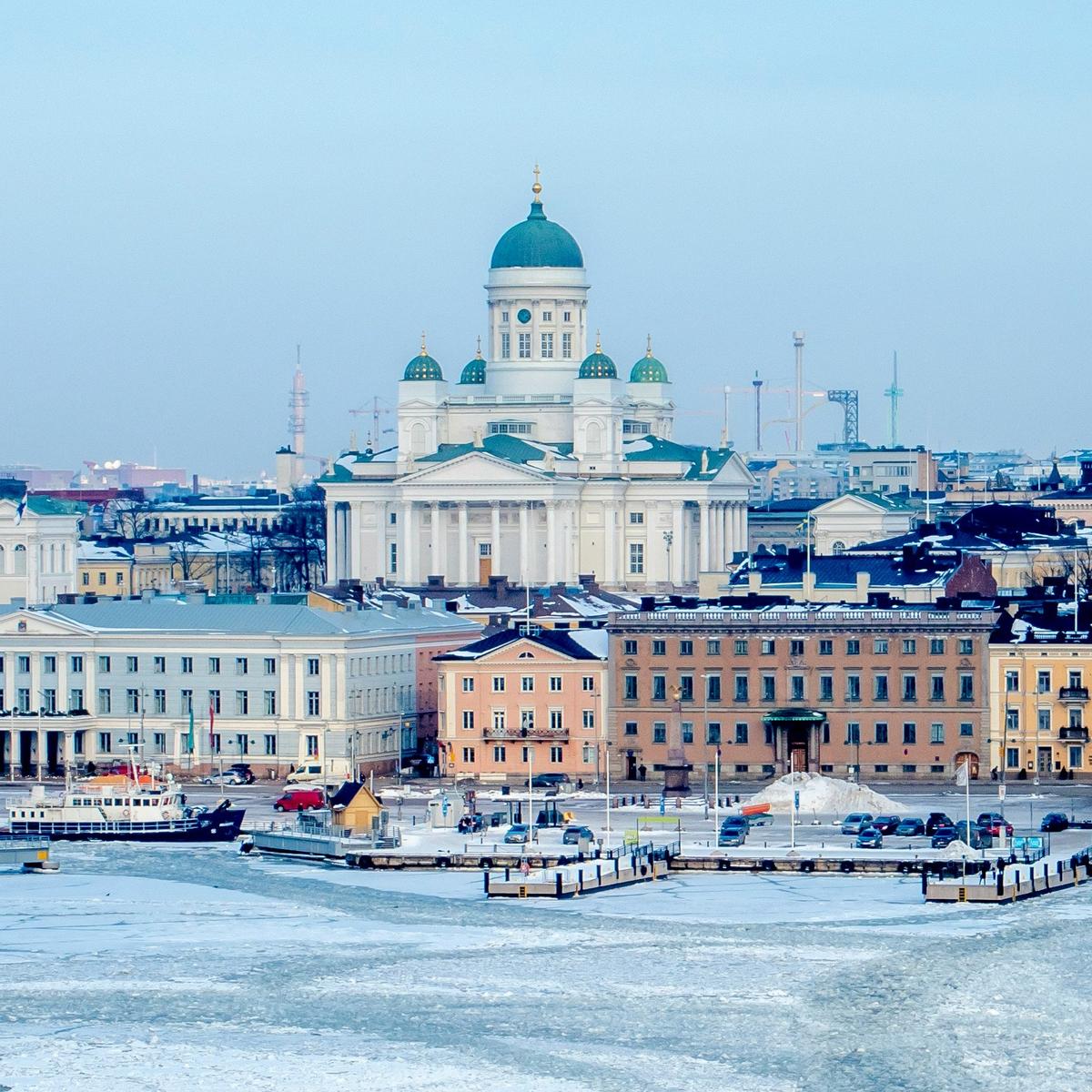
Once you arrive, Tromsø pairs a lively harbour city with a full Arctic backdrop. Browse the Polar Museum for stories of polar explorers, then take the Fjellheisen cable car up to Storsteinen for views over the islands and fjords. The aurora is visible from late August to early April, whale-watching tours usually run from November to January, and the midnight sun lasts from late May to late July.



The Algarve, Portugal
Best for: Beach days, boat trips and a Formula 1 weekend.
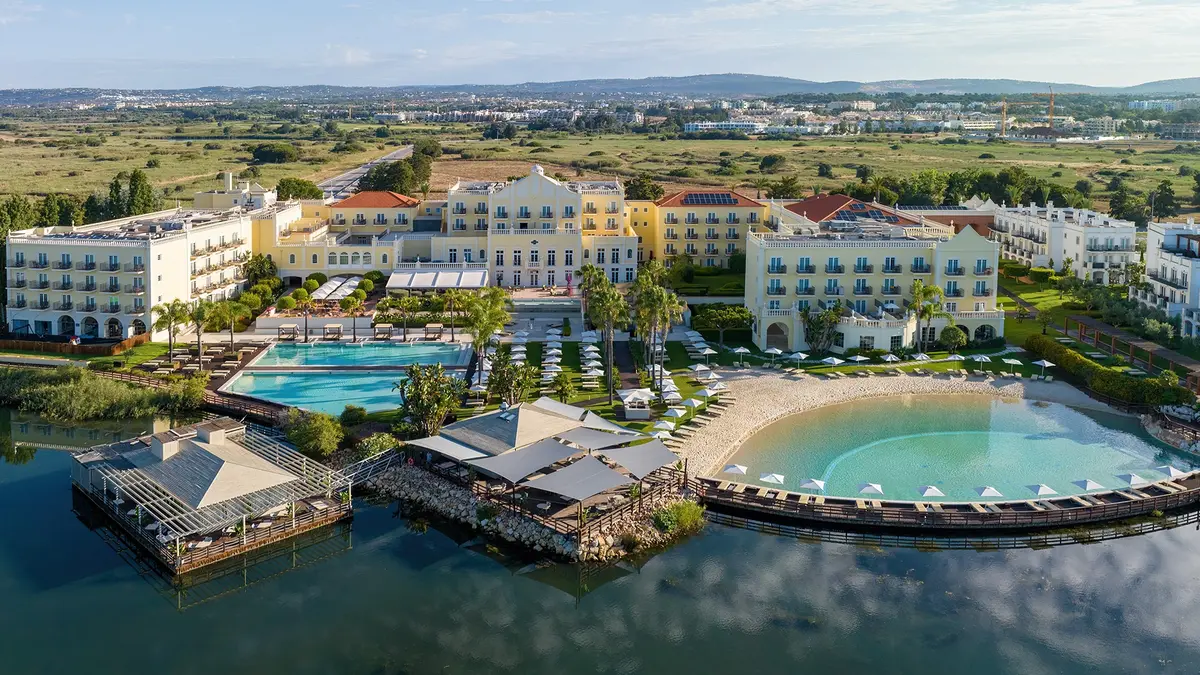
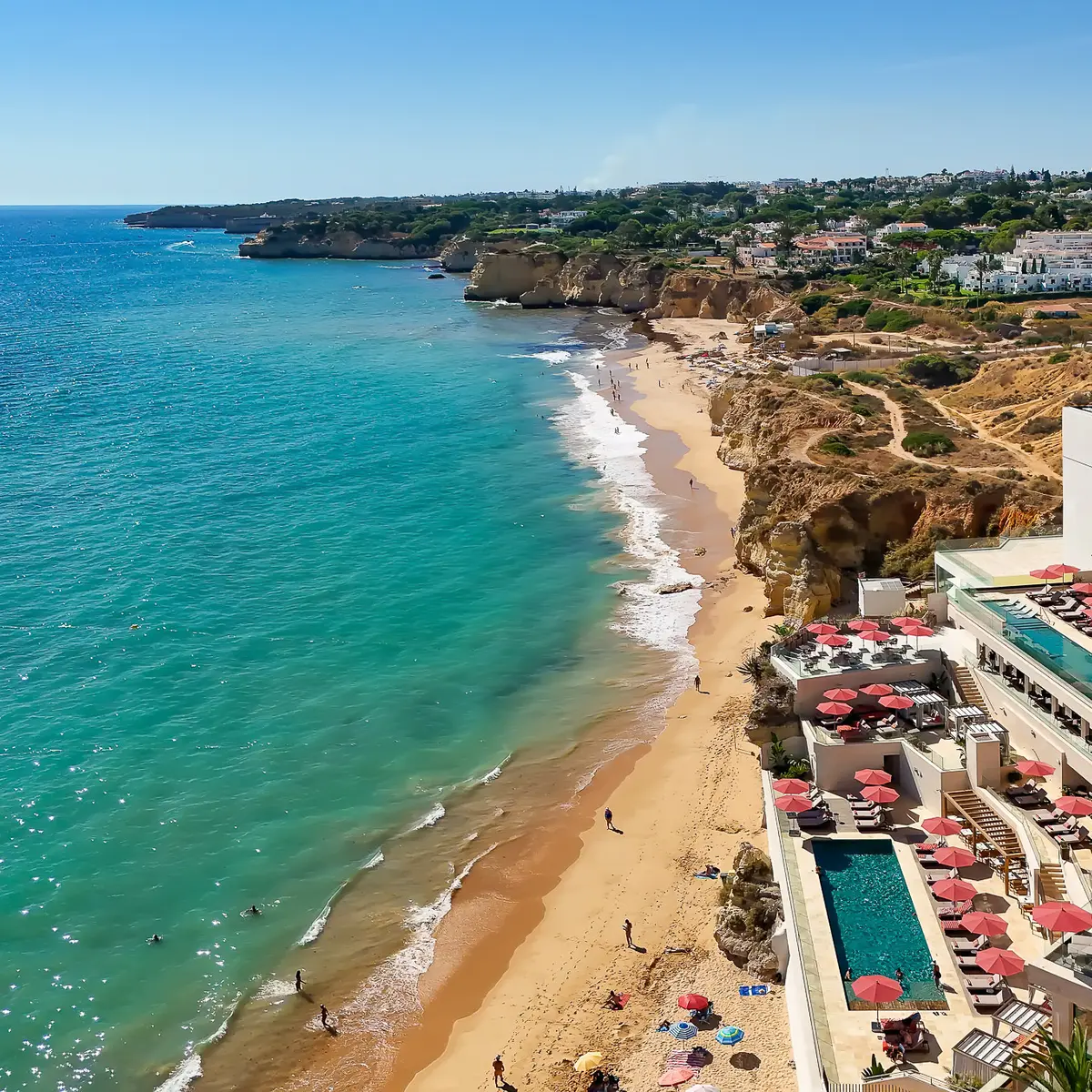
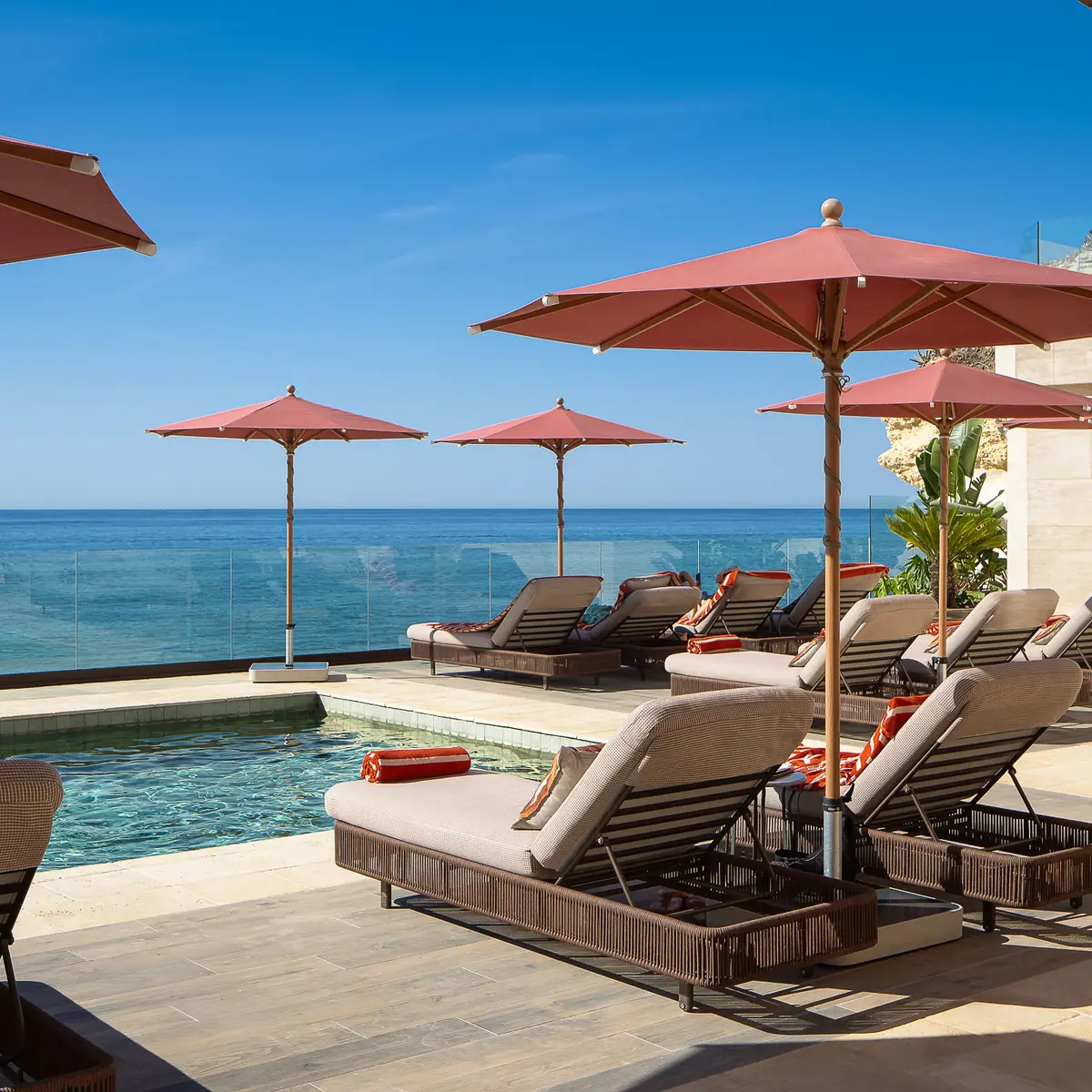
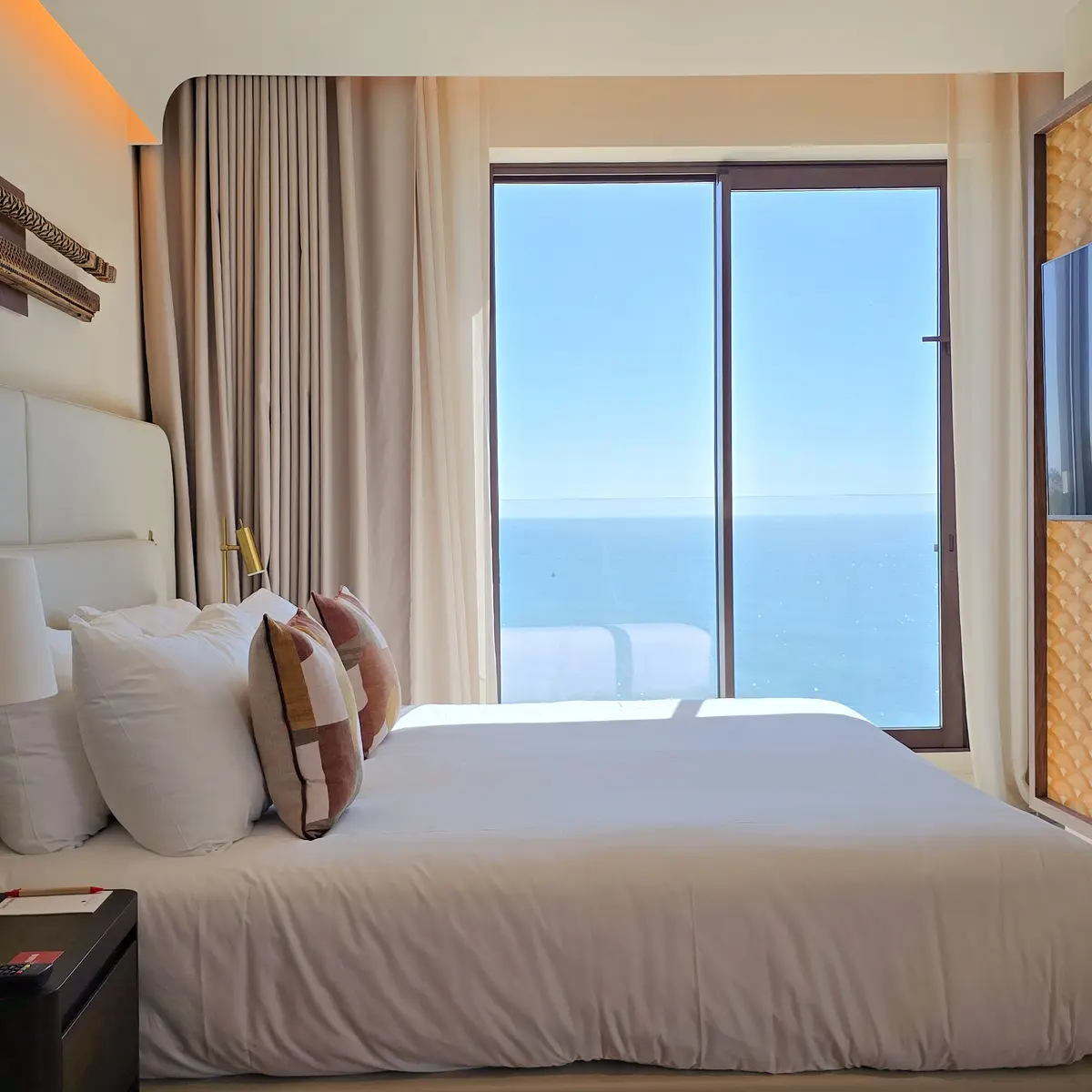
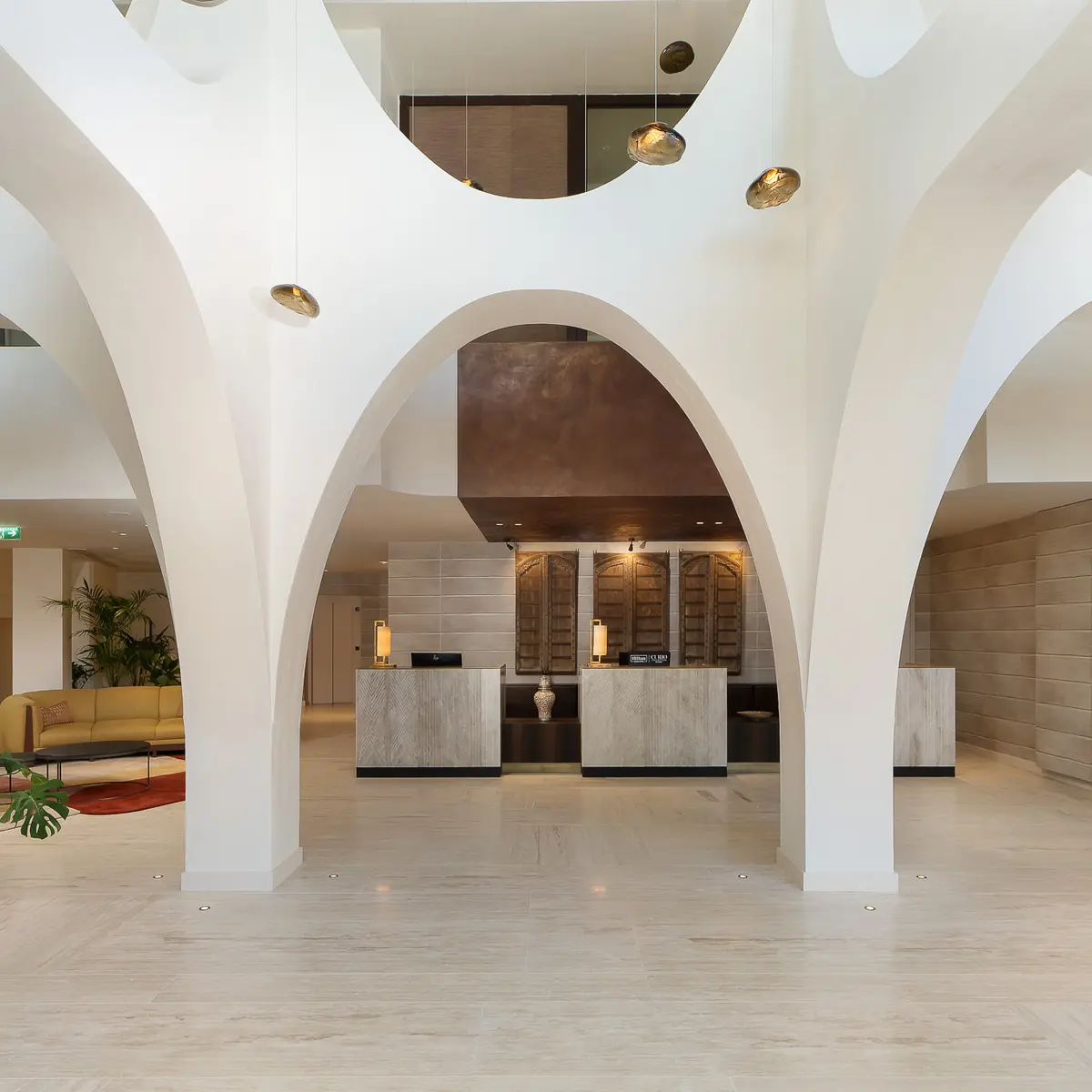
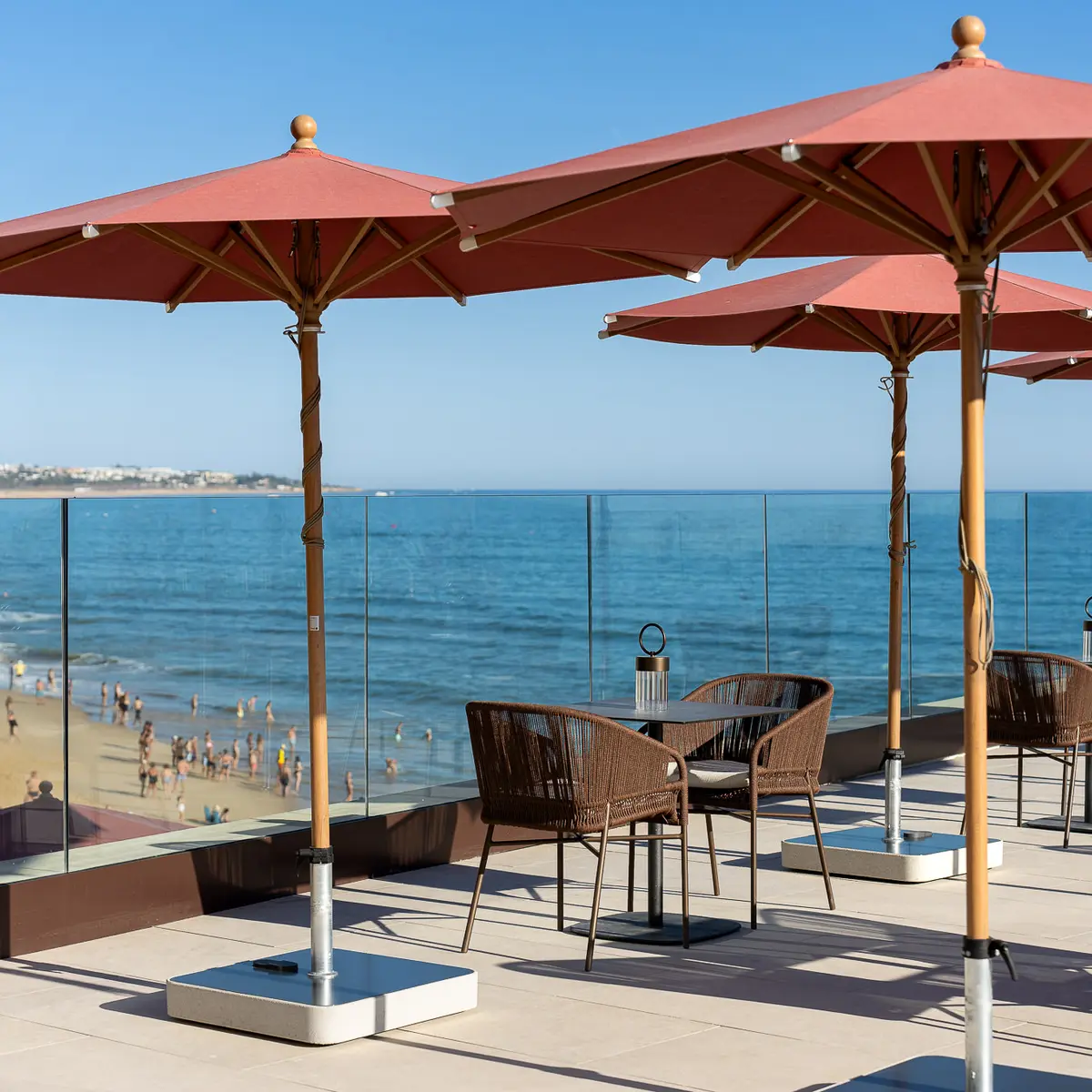
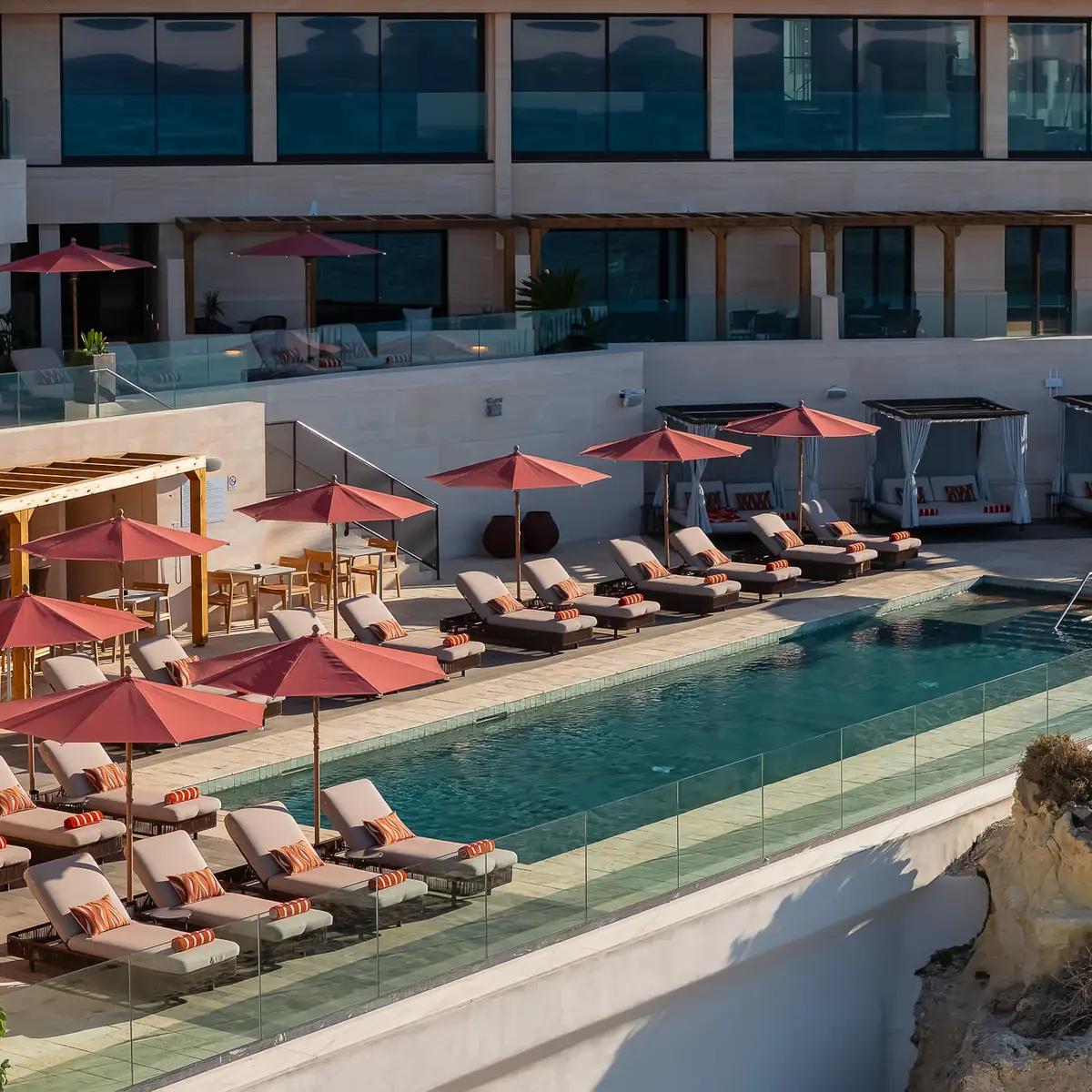
Portugal has a swish new hotel opening worth packing for: Casa de Sada Beach Resort sits on Armação de Pêra’s beachfront, with a heated ocean-view pool and a spa due to join its extensive facilities in April 2027. From there, save a morning for a boat trip out of Lagos to Ponta da Piedade, a headland riddled with sea caves. Join a guided dive from Armação de Pêra to Pedra do Valado, the Algarve’s largest coastal reef, which gained UNESCO World Heritage status in 2026.
June 2027 brings a reason to head inland, too: the Portuguese Grand Prix returns to the Algarve International Circuit near Portimão on 18–20 June. Shanti-Som Algarve is opening in 2027, offering wellness-focused retreats in a restored 19th-century farmhouse.
Europe’s Hidden Corners
The Cotswolds, United Kingdom
Best for: A slower pace, country walks and all things cosy.
Made up of sheep-dotted hills, old wool towns and quaint villages built from local limestone, The Cotswolds is a rural region in southwest England. Its picture-book villages are drawing more attention thanks to appearances on social media and TV shows like Rivals, Mobland and Clarkson’s Farm, putting places like Bilbury and Castle Combe on many a bucket list.
Broadway Tower is a worthwhile stop for views across the surrounding countryside; Chipping Campden is nearby and marks the start of the Cotswold Way, a 102-mile trail to Bath. Elsewhere, stop for some pub grub at the 16th-century Porch House in Stow-on-the-Wold, coined England’s oldest inn, or book a table at The Wild Rabbit in Kingham, a much-loved modern country pub.
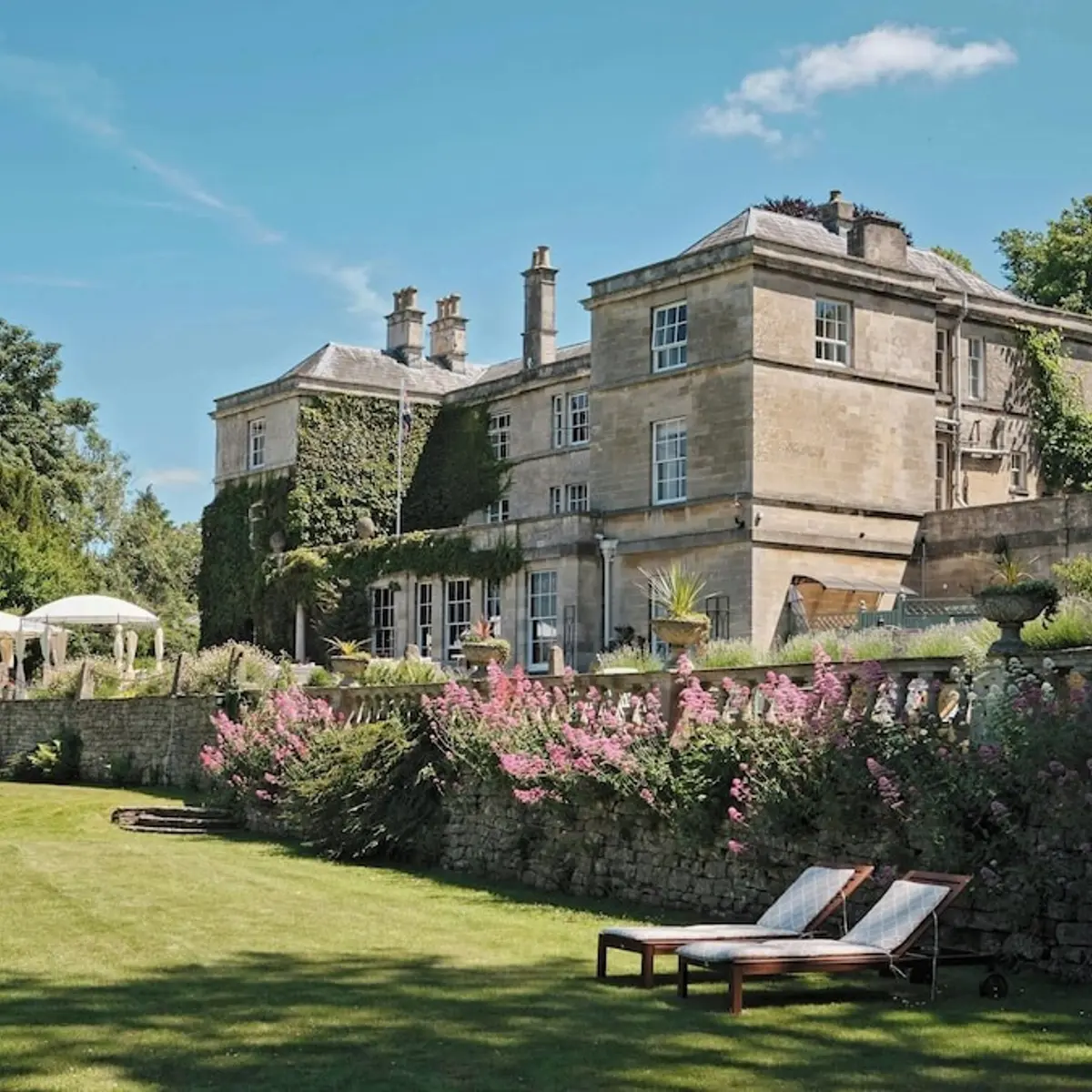
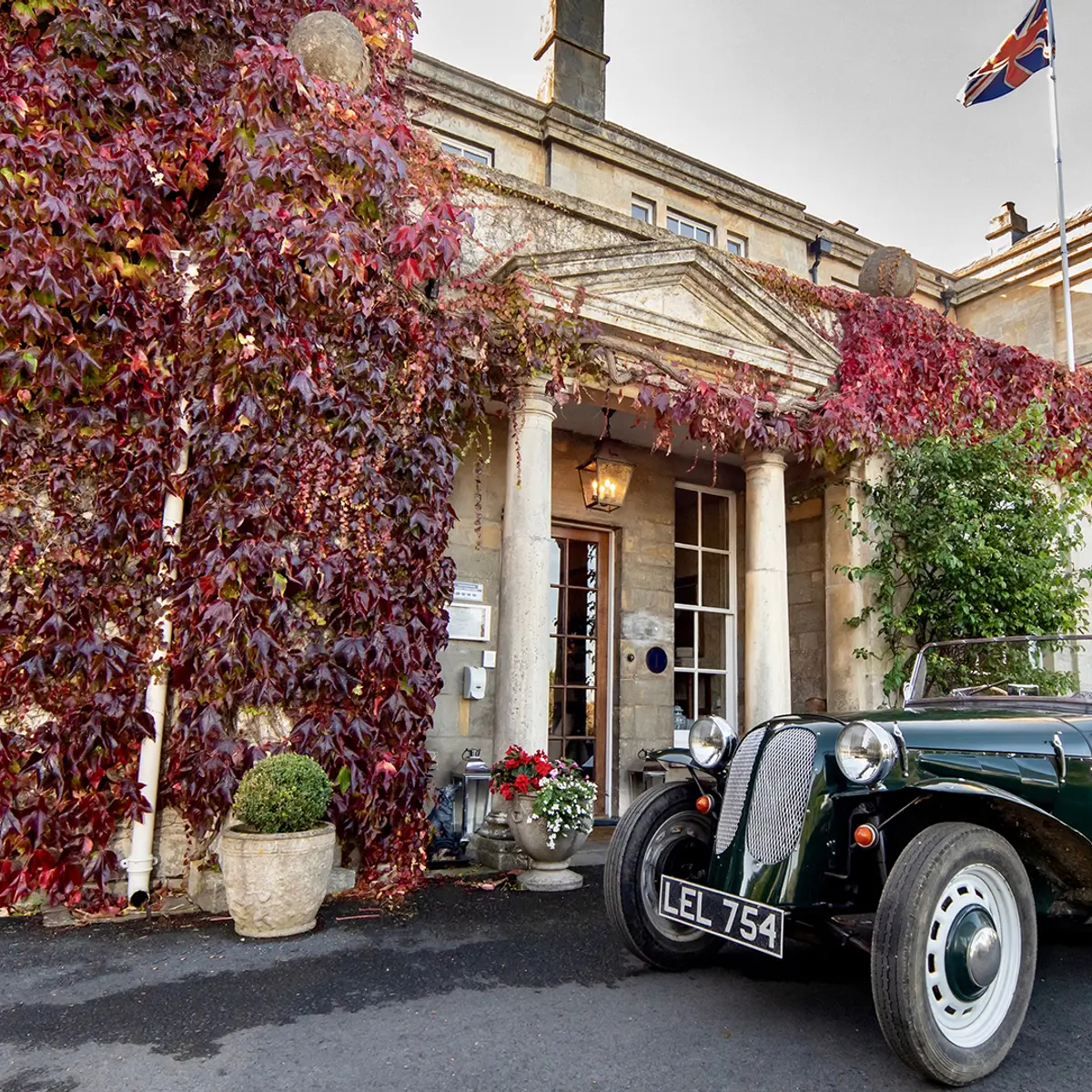
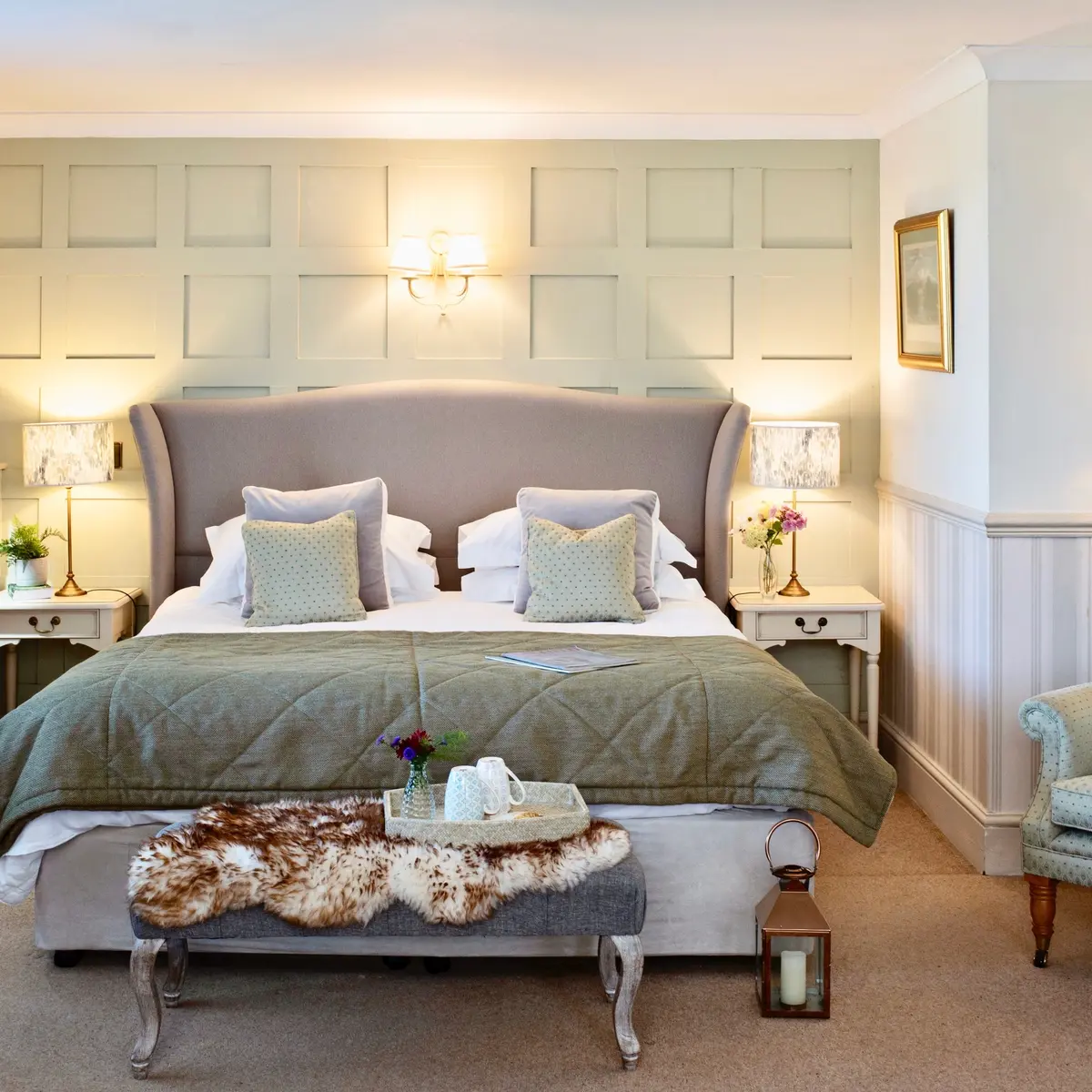
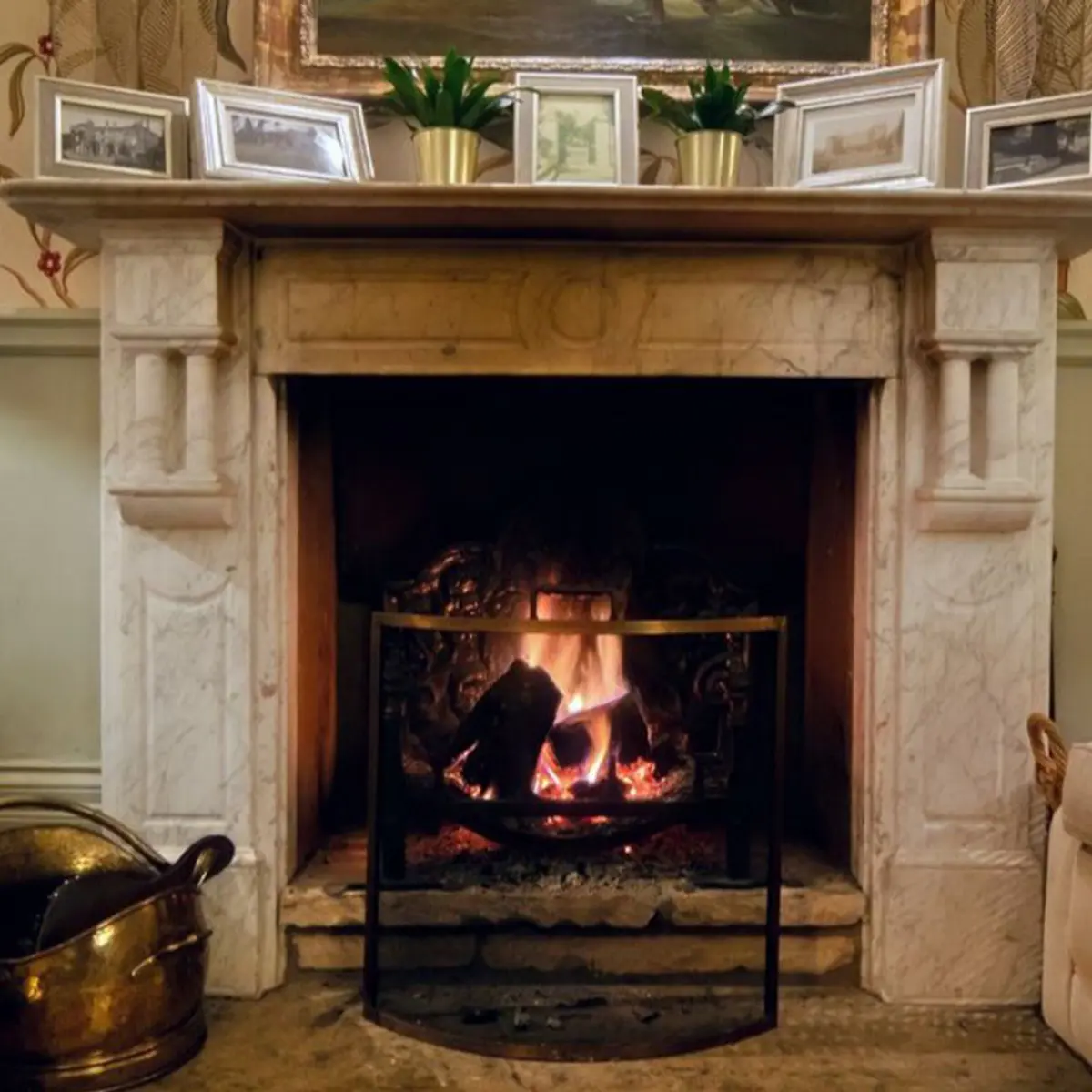
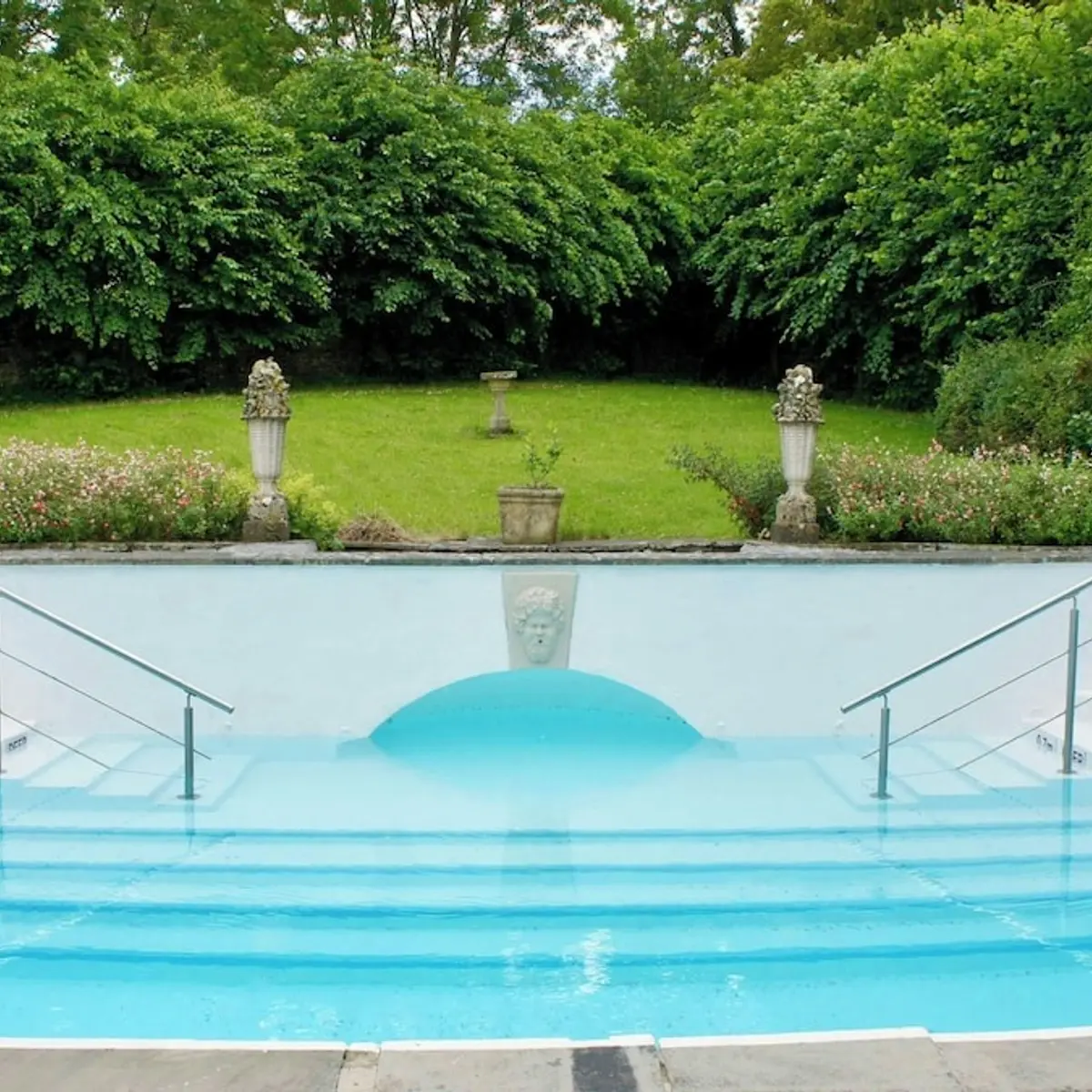
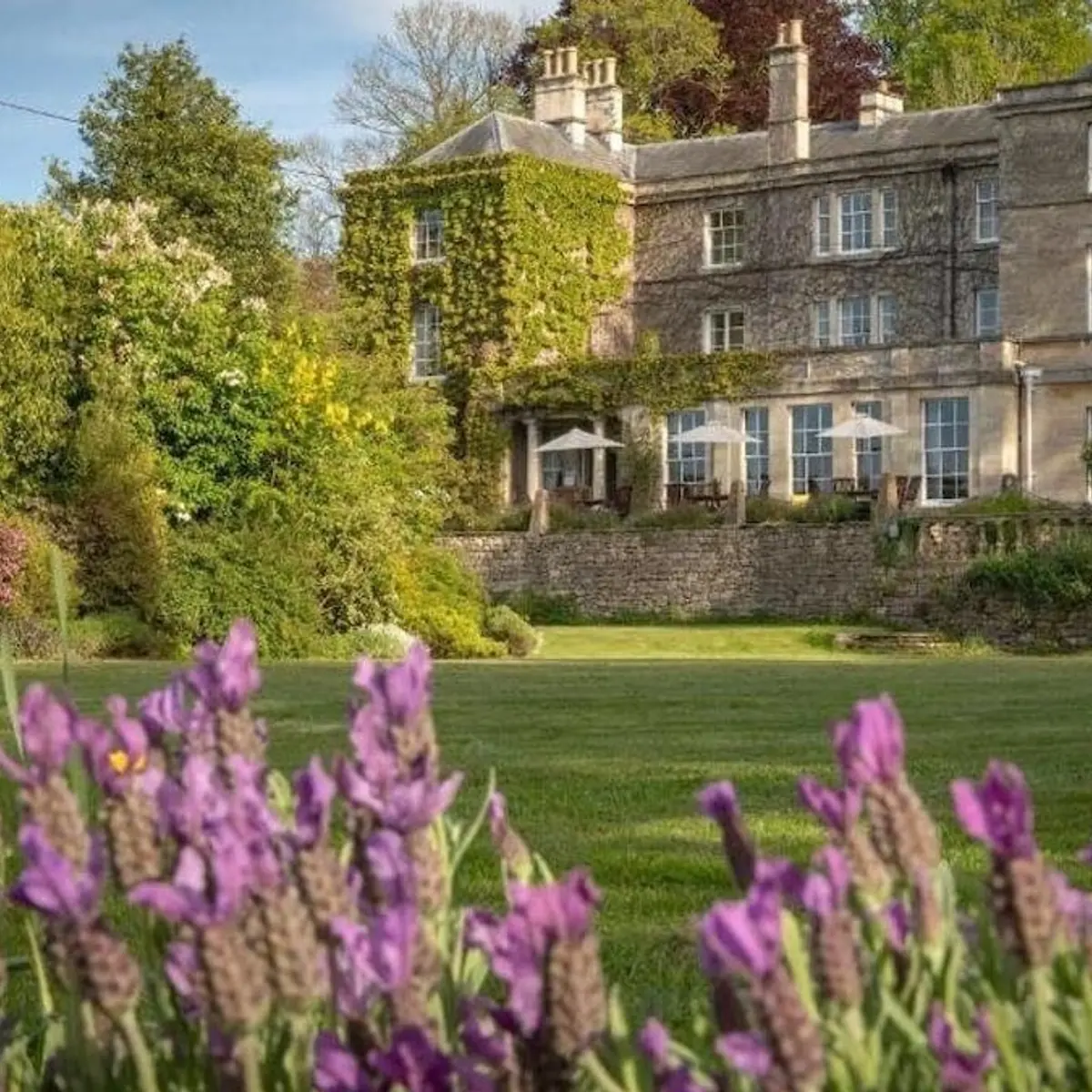
Where to stay: Burleigh Court Cotswolds is a country-house hotel near Stroud, with a restorative garden spa and views over the Golden Valley.


Aegean Coast, Türkiye
Best for: Sailing, cove hopping and tantalising seafood.
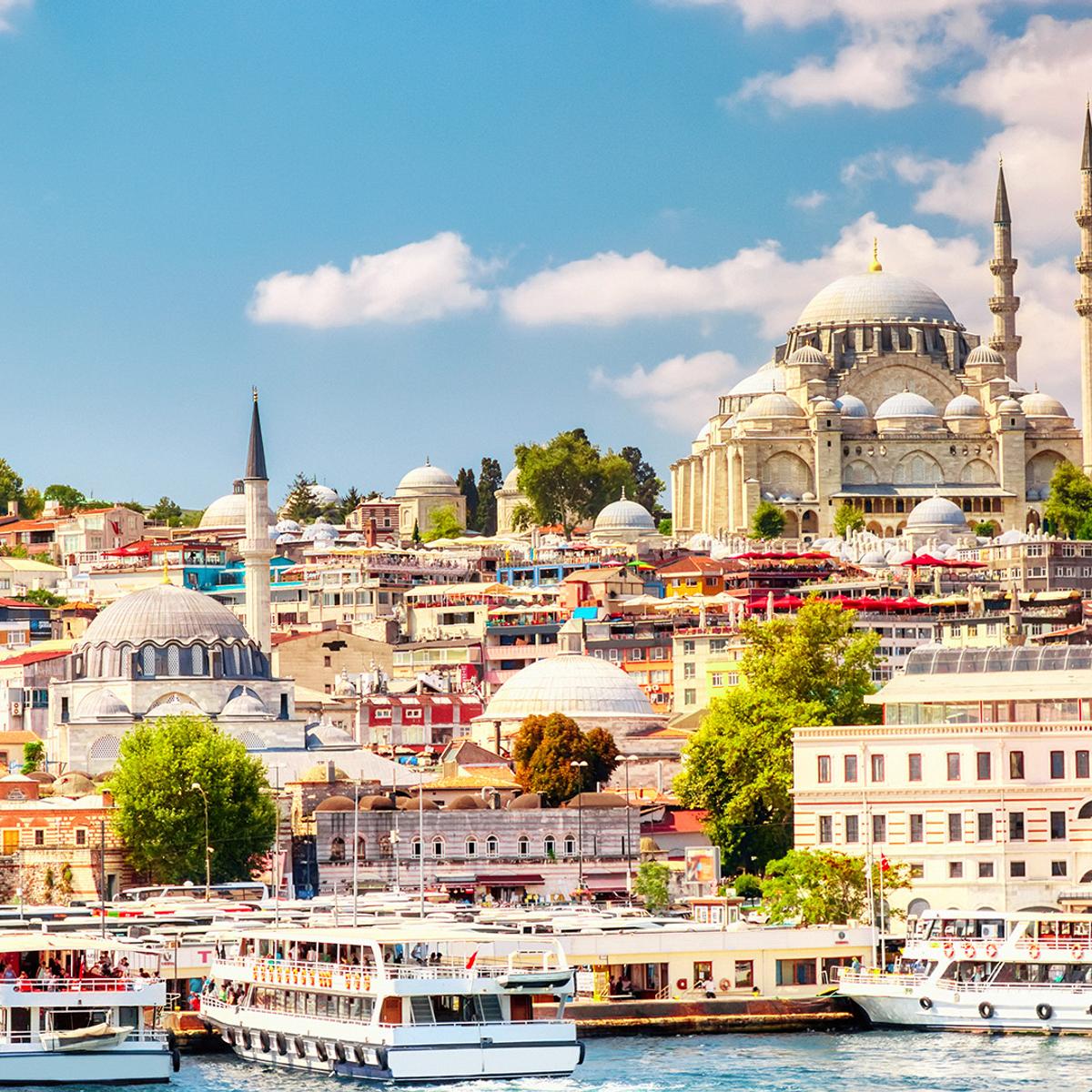
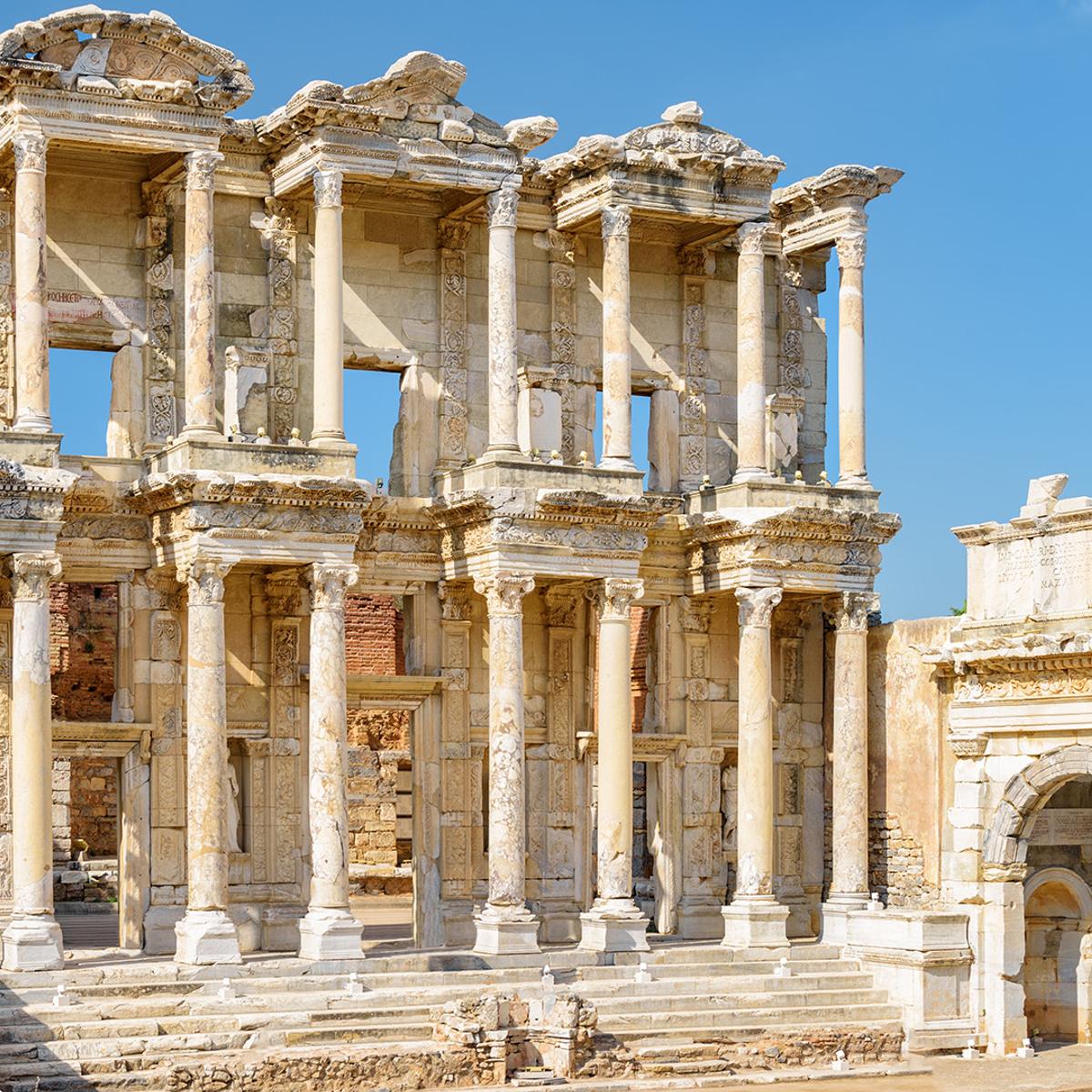
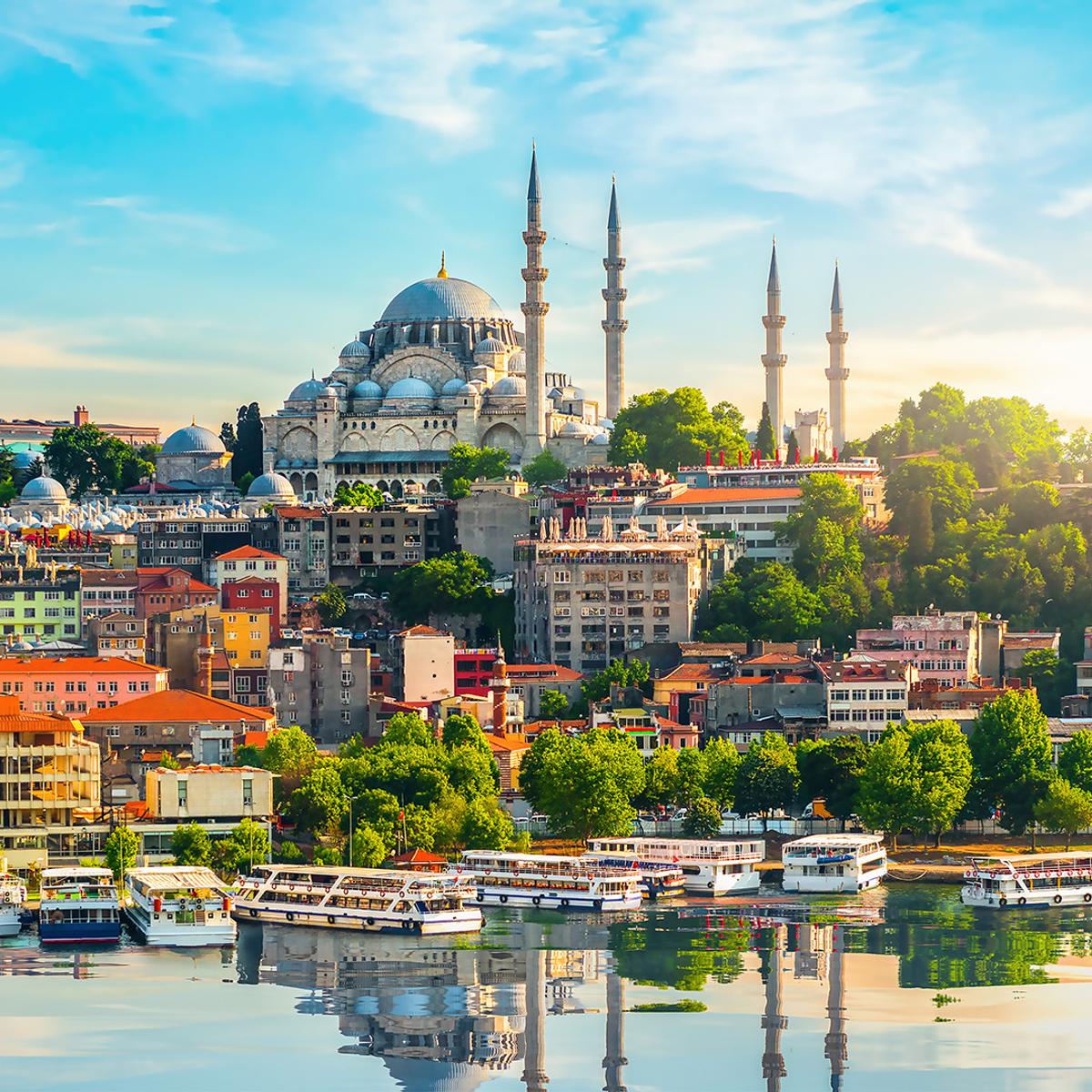
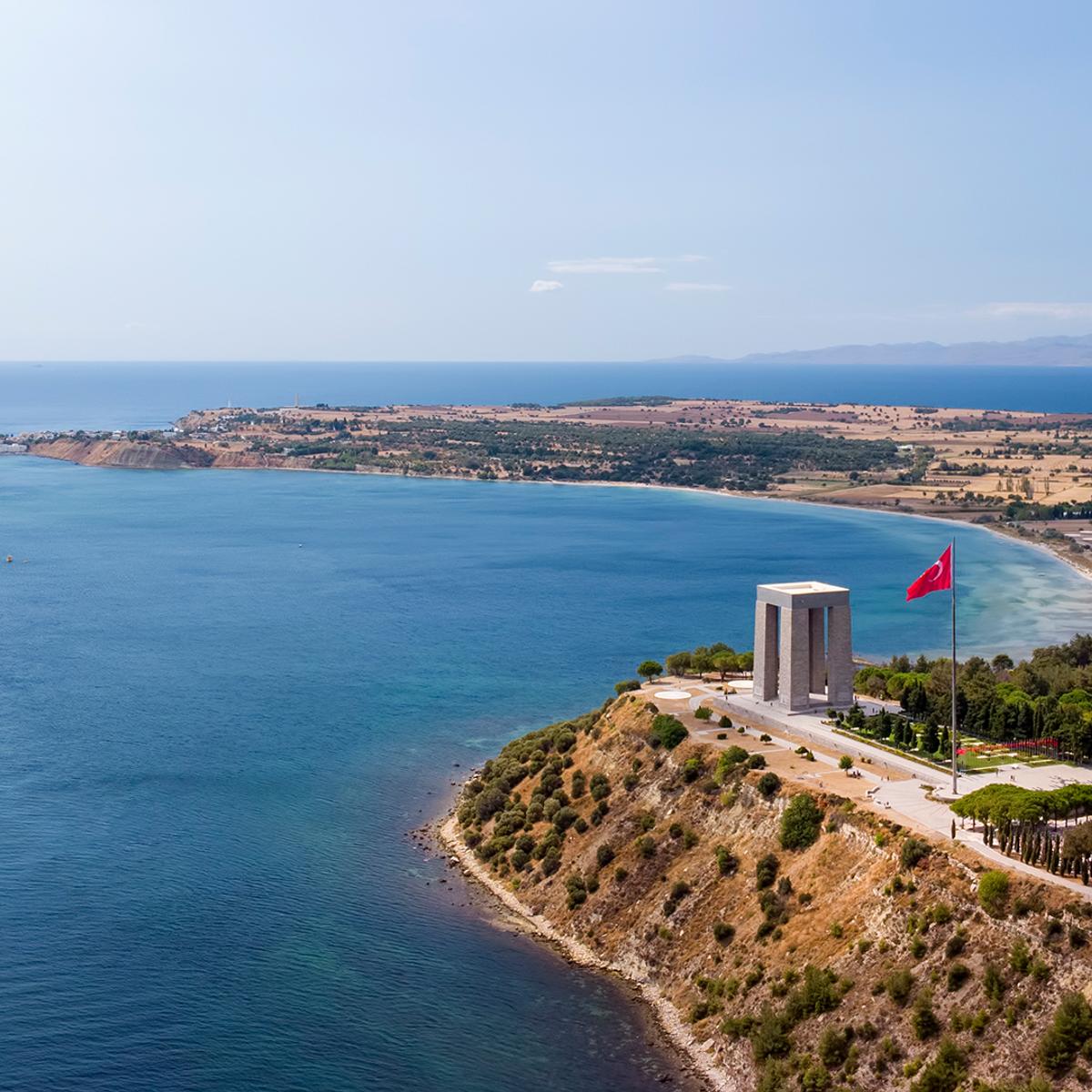
Türkiye’s Aegean coast is drawing more attention, with Bodrum among its best-known names. Gulets and superyachts share the harbour, while the remains of the Mausoleum of Halicarnassus – one of the Seven Wonders of the Ancient World – sit in the town centre. Book a cabin on a traditional wooden sailing boat and spend your days dipping into quiet coves, lunching on deck or at beachside lokantas.
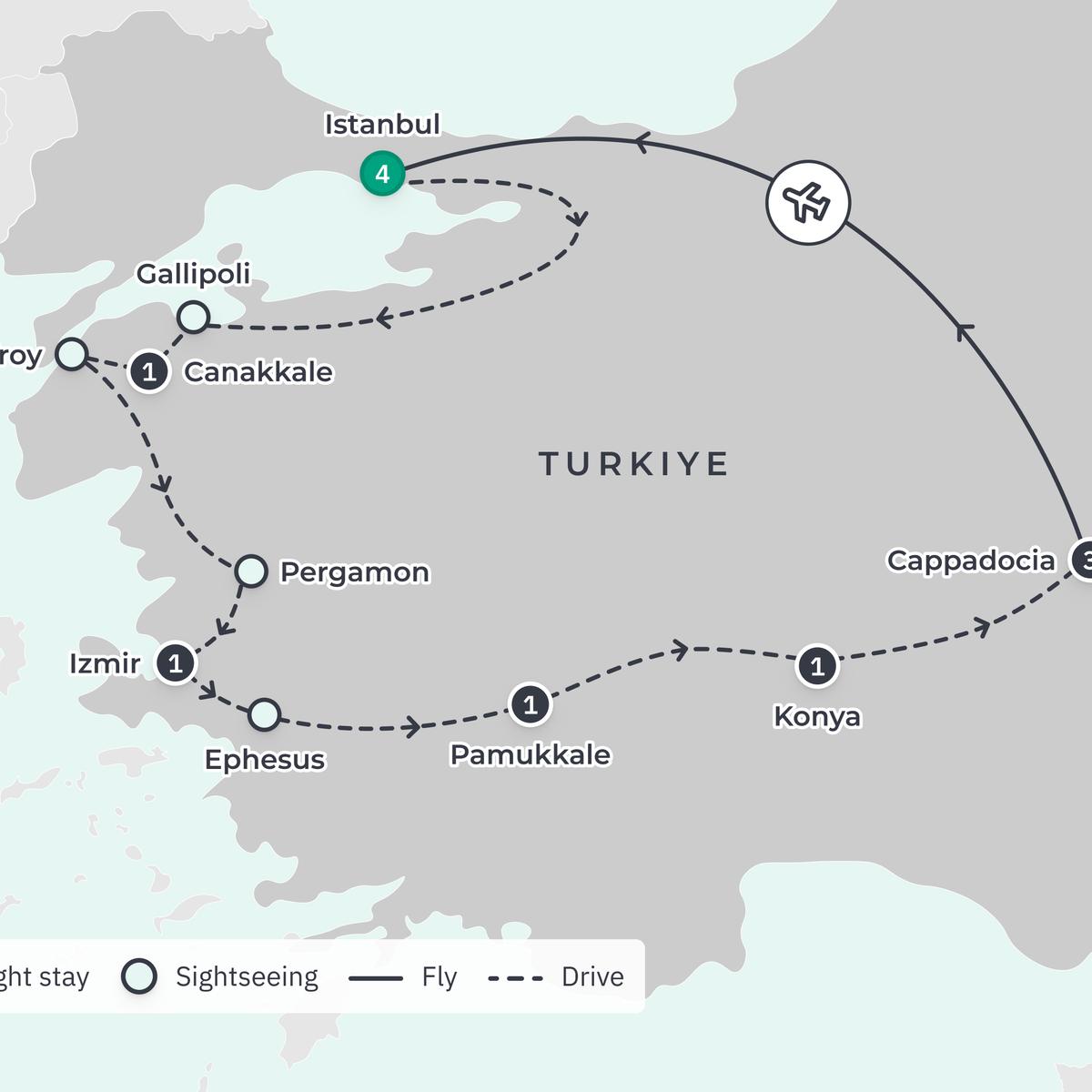
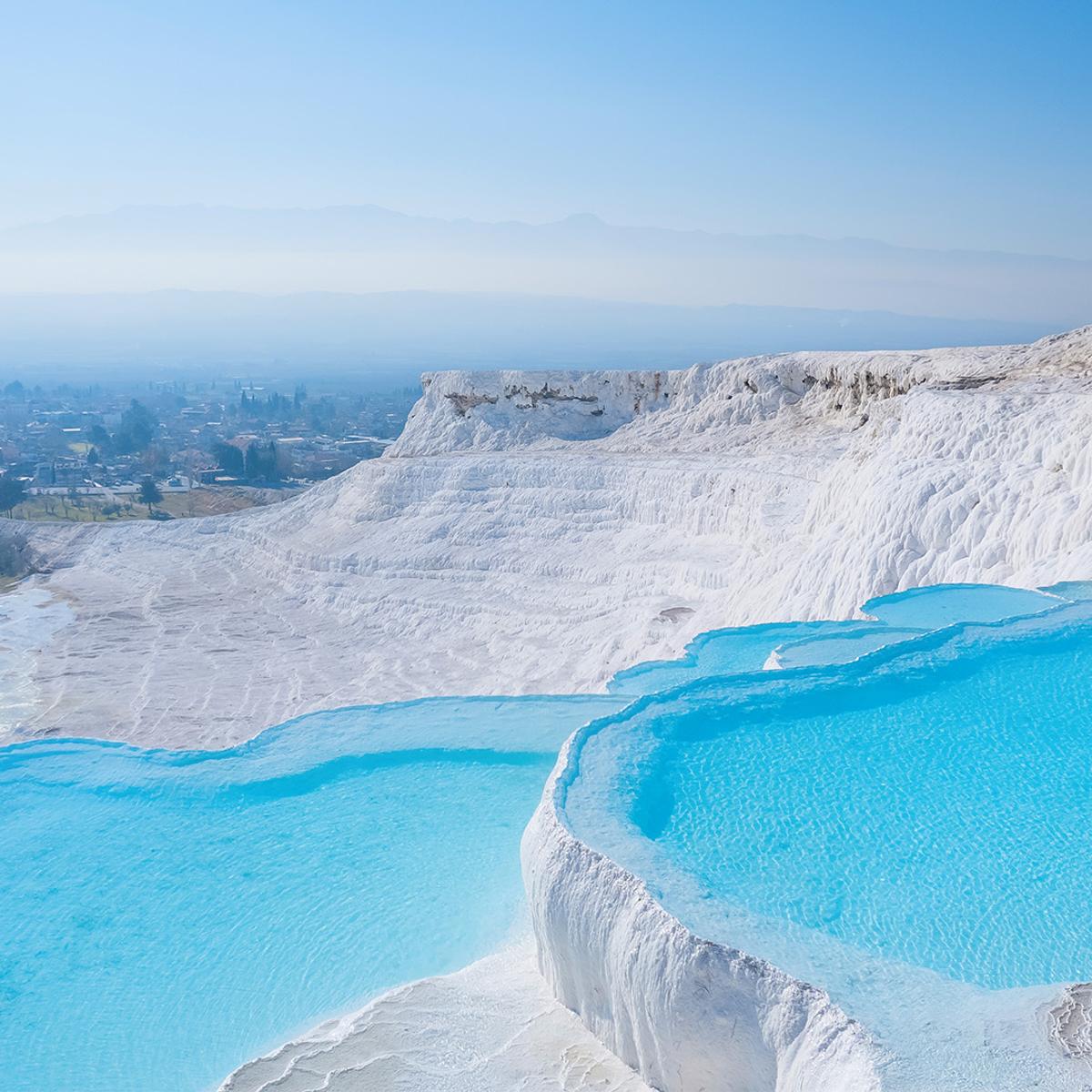
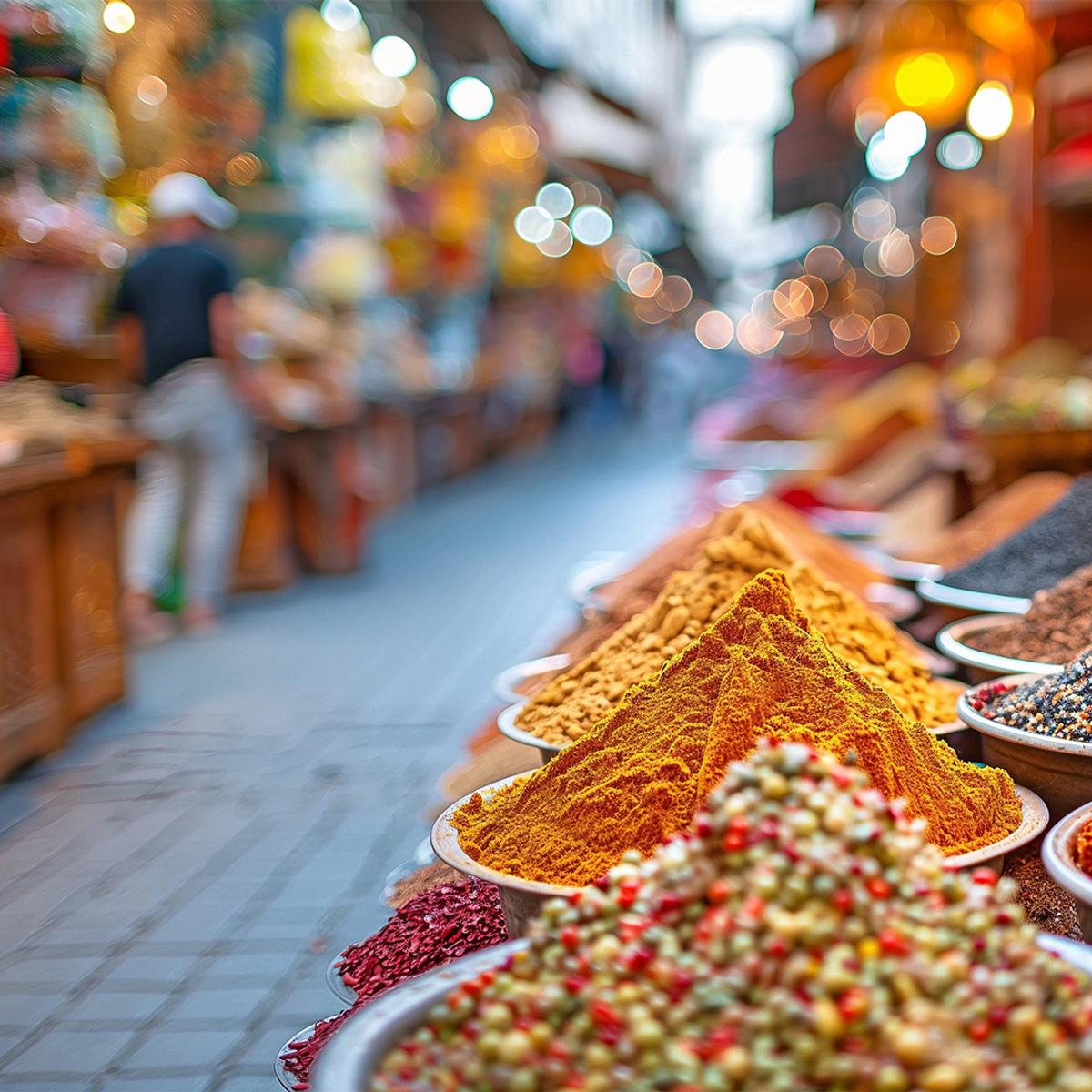
If you prefer the comfort of solid ground, Palamutbükü has a 2.5-kilometre beach and family-run seafood restaurants. Save an evening in Bodrum for Mezra Yalıkavak, which earned its first star in the 2026 MICHELIN Guide. Fly from Bodrum via Istanbul to Nevşehir or Kayseri, then stay in a cave hotel in Göreme and take a first-light hot-air balloon flight.

Santa Cruz de Tenerife, Spain
Best for: Award-winning dining and volcanic landscapes.
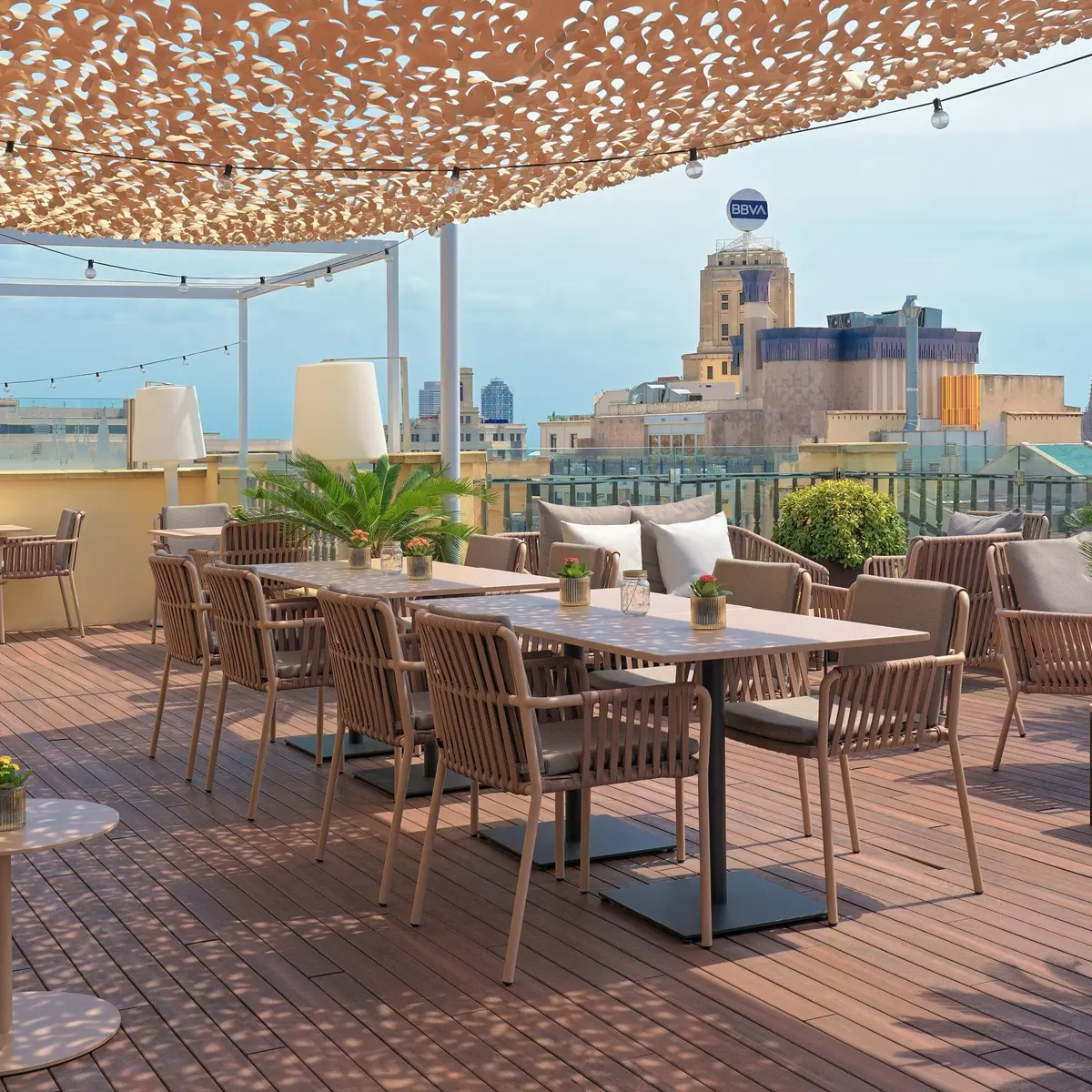
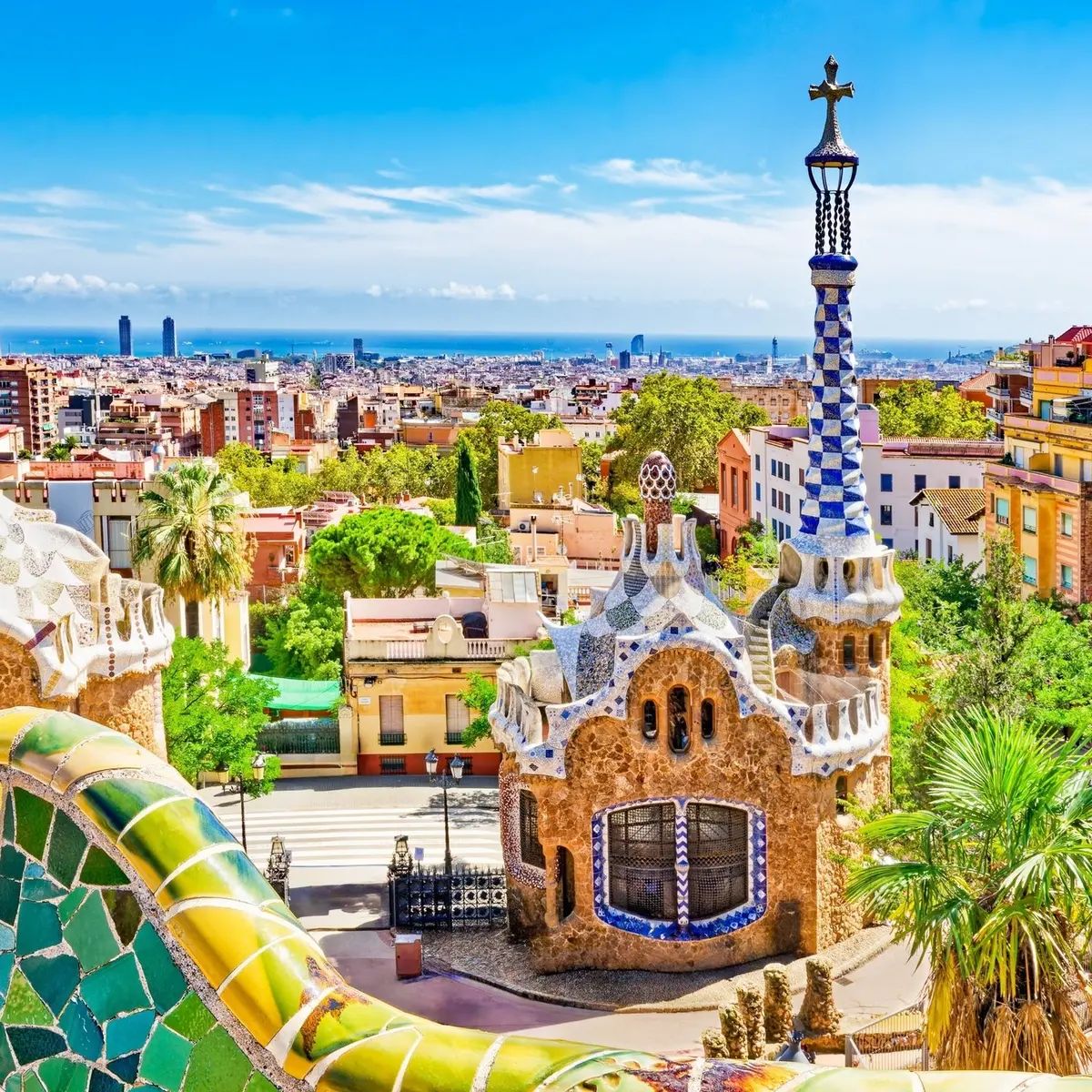
Voted Spain’s Capital of Gastronomy for 2027, Santa Cruz de Tenerife delivers distinctly Canarian flavours alongside a mix of coastal and volcanic terrain. Get acquainted with the local delicacies, including goat’s cheese and a drizzle of Tenerife honey, then head into Teide National Park for the Roques de García loop, a roughly two-hour walk around jagged volcanic rock formations beneath Spain’s highest peak.


Sicily, Italy
Best for: A seaside base, Baroque towns and volcanic scenery.
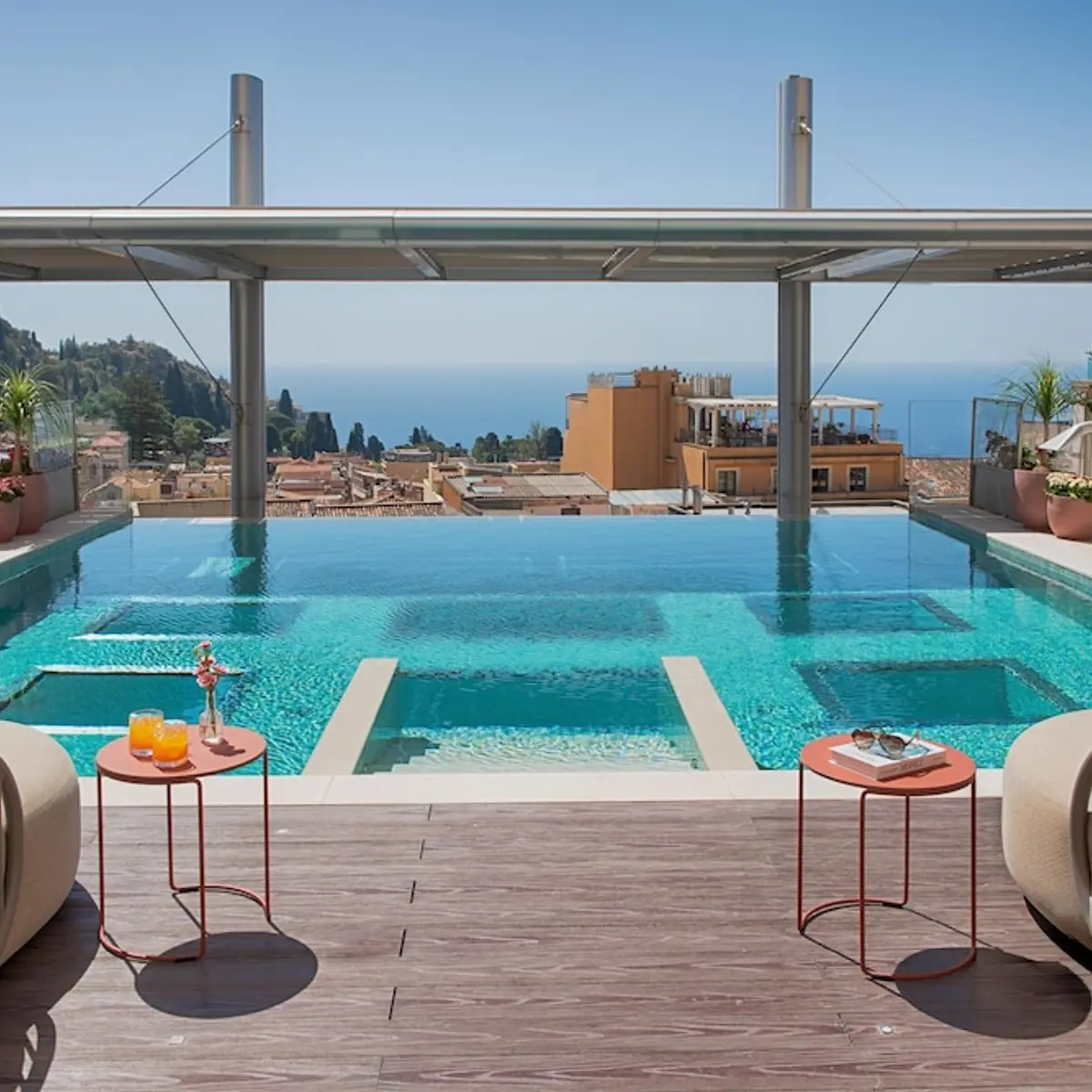
This many-sided Italian island is finding a wider audience, and Taormina is a good example of what makes the island so appealing. The town sits high above the Ionian Sea, but Mazzarò beach is just a cable-car ride downhill. Walk along the shore to Isola Bella, a small nature reserve with a pebbled beach.
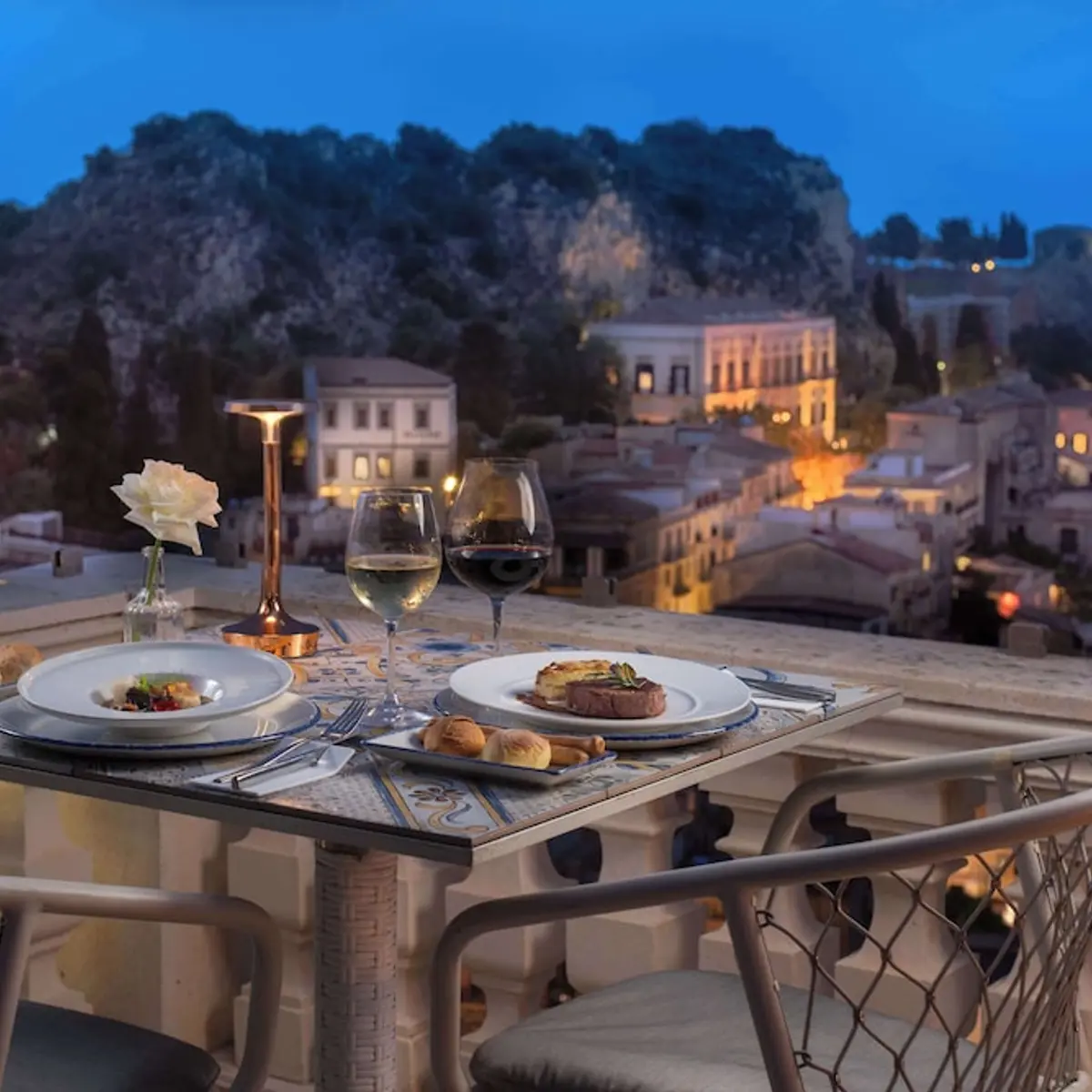
Back in town, the ancient Greek Theatre frames the sea with Mount Etna in the distance; the volcano’s slopes are dotted with wineries where you can taste Etna DOC wines made with local grapes such as Nerello Mascalese and Carricante. For a taste of Wine Enthusiast’s 2026 International Wine Region of the Year, book a visit to Benanti, an Etna winery that takes you on a volcanic cone before pouring its wines.


Reims, France
Best for: Champagne cellars, Gothic detail and Art Deco streets.
Set in France‘s Champagne region, Reims offers up an unusual double act: the cathedral where French kings were crowned, and Champagne houses ageing bottles in chalk quarries beneath the city. At Pommery, a cellar tour descends about 30 metres down, with extravagant modern art installations along the way.
Back above ground, trade contemporary art for art deco: much of Reims was rebuilt in the 1920s. Halles du Boulingrin – a market with a striking curved roof – is a great place to see that side of the city. Put 4–6 June 2027 in the diary for the first Champagne ! Rendez-vous, where winemakers and Champagne houses will host events across the region, with live music and performances.
Gdańsk and Gdynia, Poland
Best for: Colourful architecture, amber shopping and an easy seaside extension.
Gdańsk makes a colourful first impression: pastel green, pink, yellow and blue merchant houses rise above the cobblestoned Old Town, with ornate gables adding a flourish to the skyline. Have a coffee and shop for amber jewellery on Mariacka Street, where cafes spill onto raised stone terraces.
Set aside a day for Gdynia, about 30 minutes away by train. Its modernist centre joined the UNESCO World Heritage List in July 2026. Follow the UNESCO World Heritage-listed walking trail and look up: some of the 1930s apartment blocks look like ocean liners, with rounded corners and porthole windows.
Feature image: Gdansk, Poland / Photographer: Eduardo Casajús Gorostiaga / Source: Unsplash.