
By most reckonings, Mandarin Oriental, Bangkok is one of the most storied hotels in Asia. Audrey Hepburn stayed here. So did Joseph Conrad, Princess Diana and David Bowie. The portraits in the Author’s Lounge document the procession: royalty, heads of state, writers, anyone who arrived in Bangkok with fanfare and pomp. In 2024, the Michelin Guide awarded it three Keys, its highest hotel distinction. A $90 million renovation of the River Wing was completed in 2019; the Garden Wing followed in 2025.
In its 150th anniversary year, here’s what it still feels like to stay in a hotel others in Bangkok are measured against.
Pick your wing, pick your view
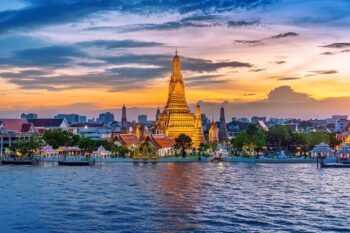
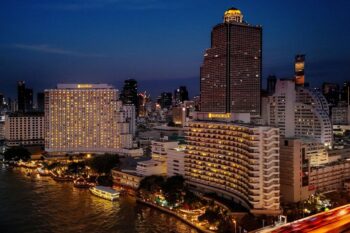
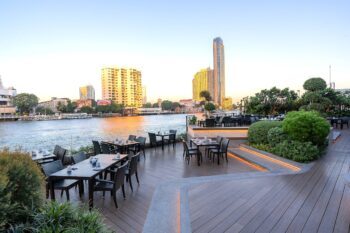
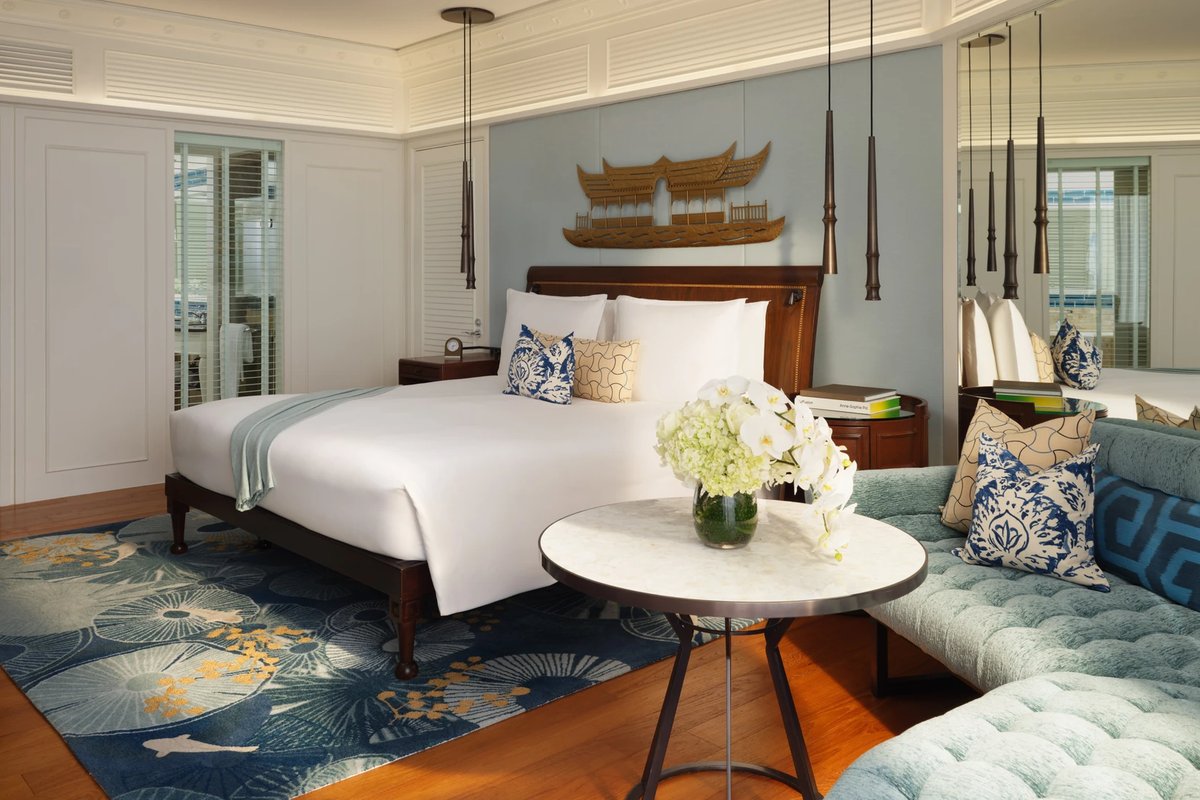
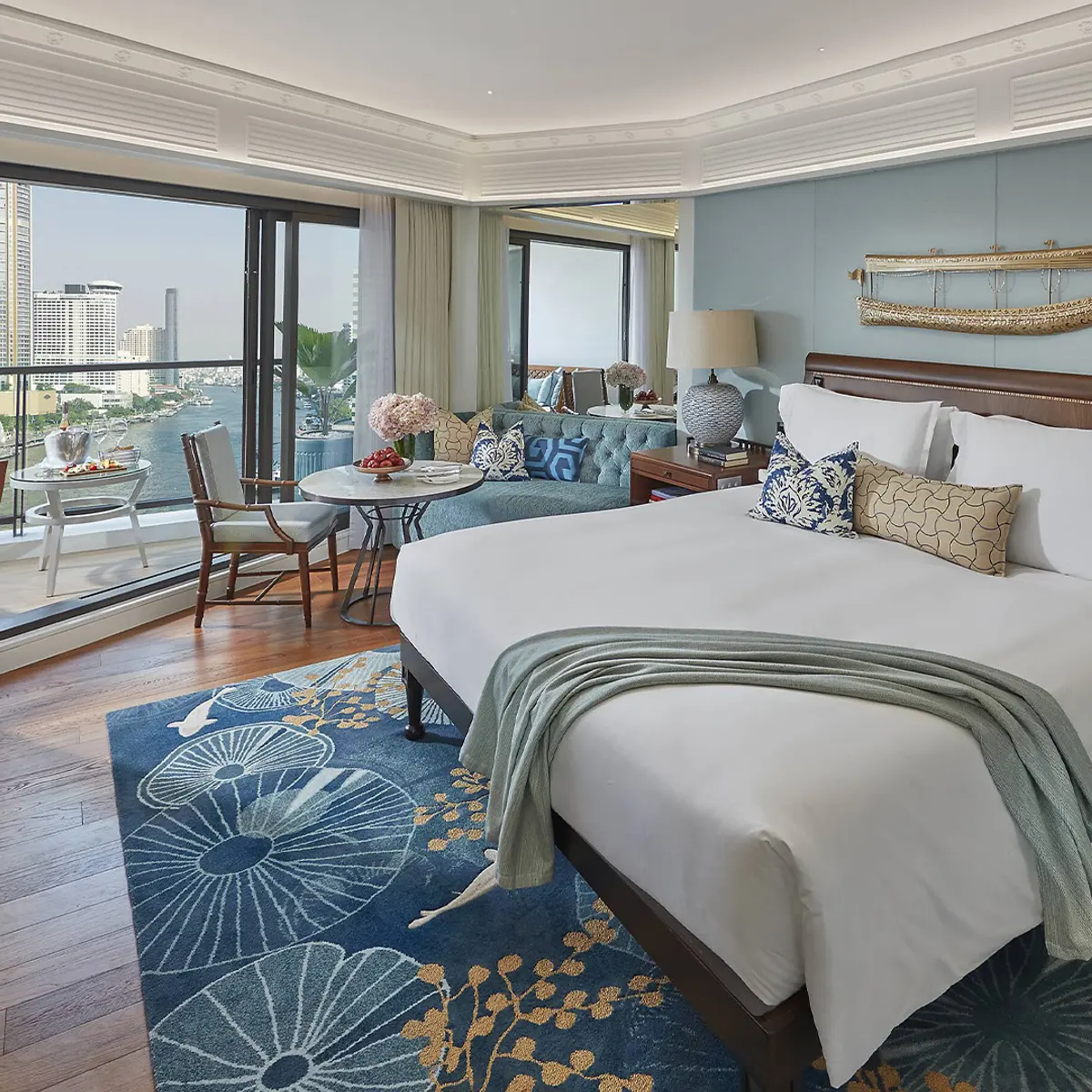
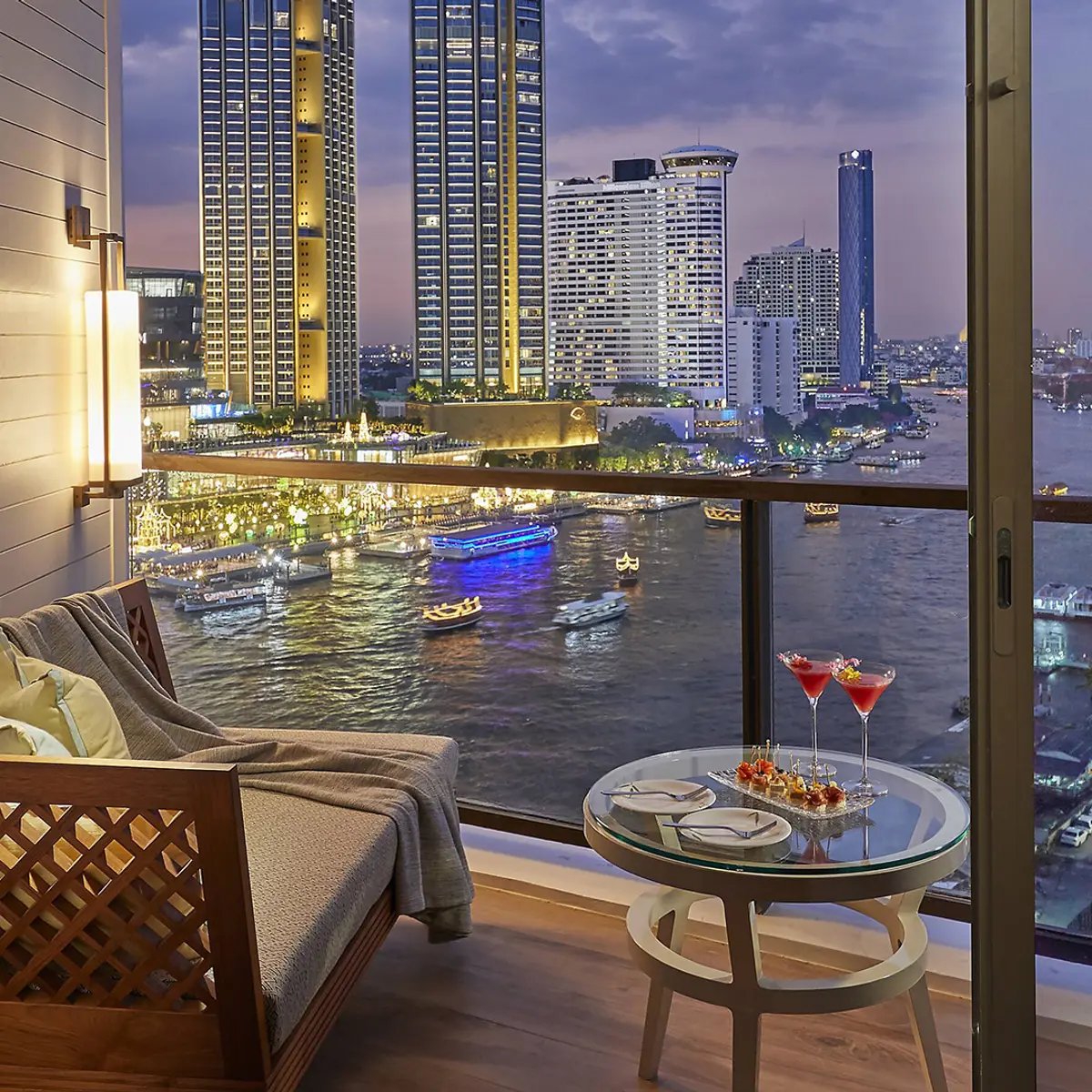
My room is in the River Wing: a Stateroom category, which means my balcony looks directly over the Chao Phraya. The water is wide and always busy – long-tail vessels, barges, the hotel’s own boats as it ferries guests to the complex where the fitness and wellness spaces, plus Baan Praya and Sala Rim Naam are located. ICONSIAM is across the river too.
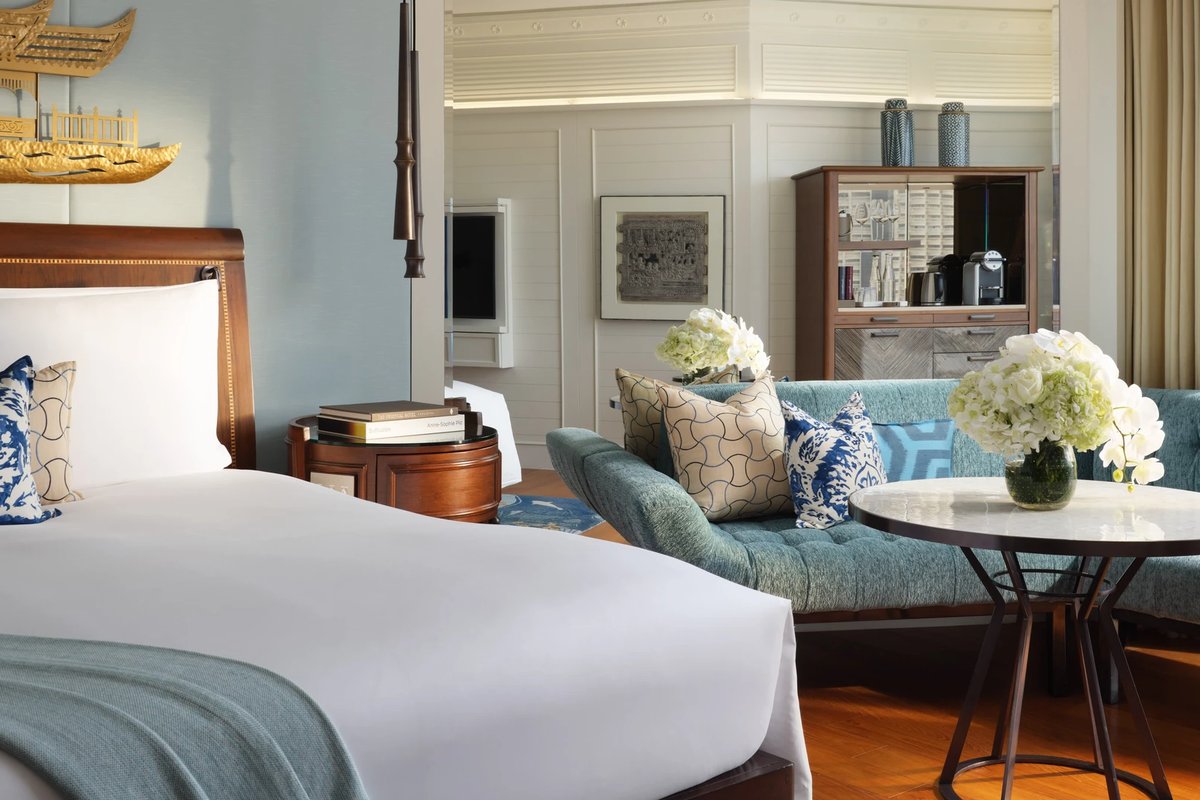
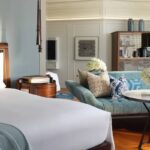
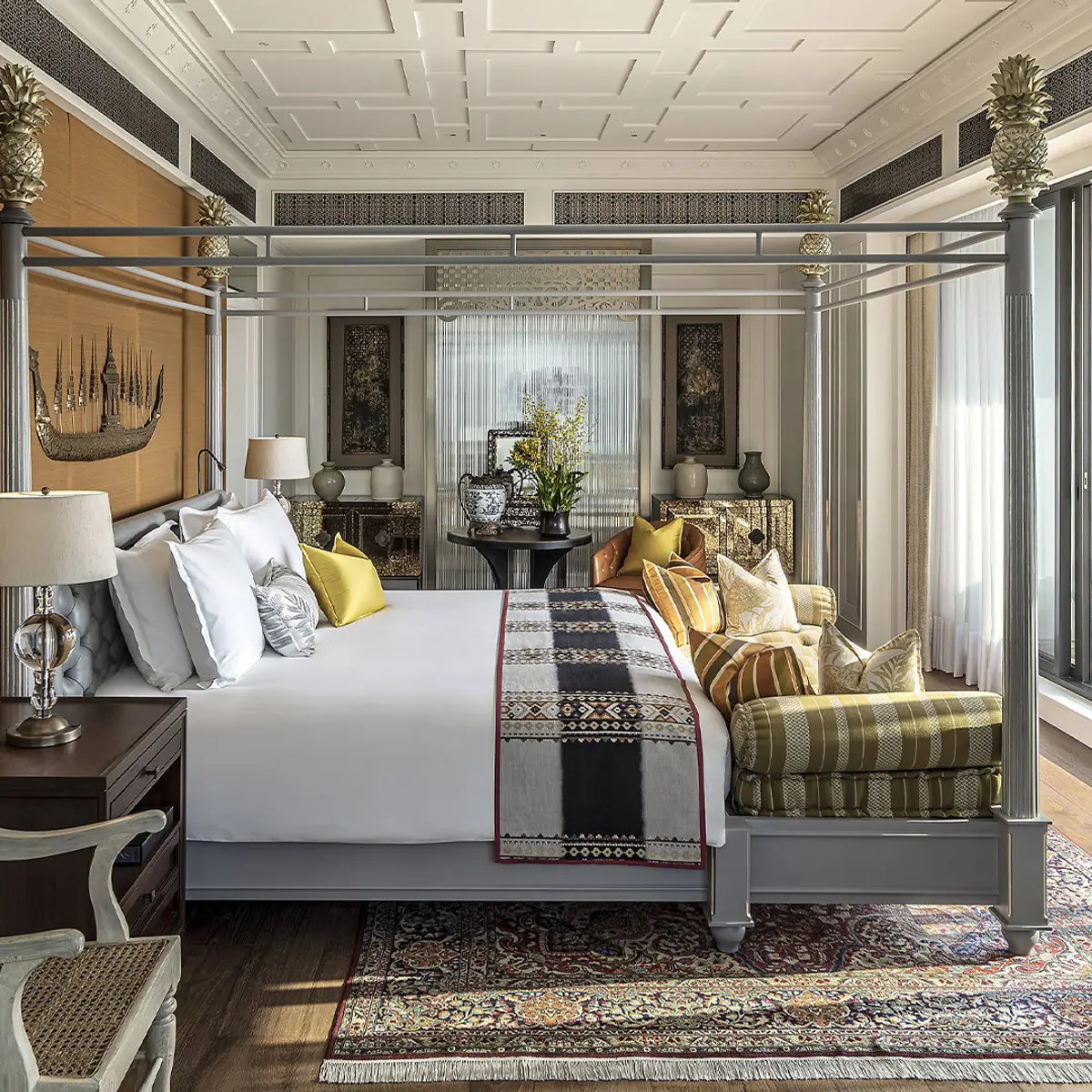
Inside: dark timbers, jewel tones, an L-shaped orange quilted couch the colour of a good sunset. I’m shown the bells and whistles by my floor butler; the tech includes a dedicated button by the phone that, when pressed, will have said butler at my door within moments. I’m also offered a chilled welcome drink, made from organic, locally grown lemongrass. I’ll encounter the zesty stalk throughout my stay: in the bathroom amenities, on the cool towels distributed at lunch. It’s a small continuity and a hallmark touch from Mandarin Oriental.
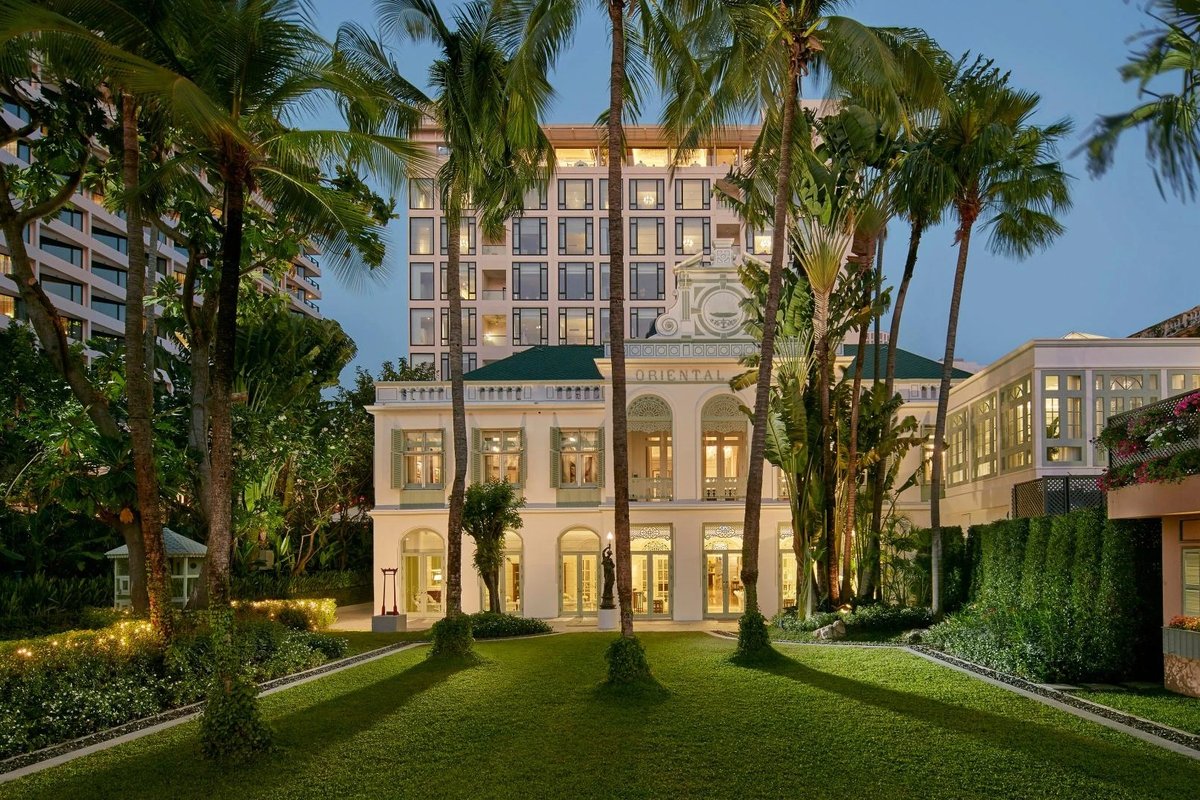
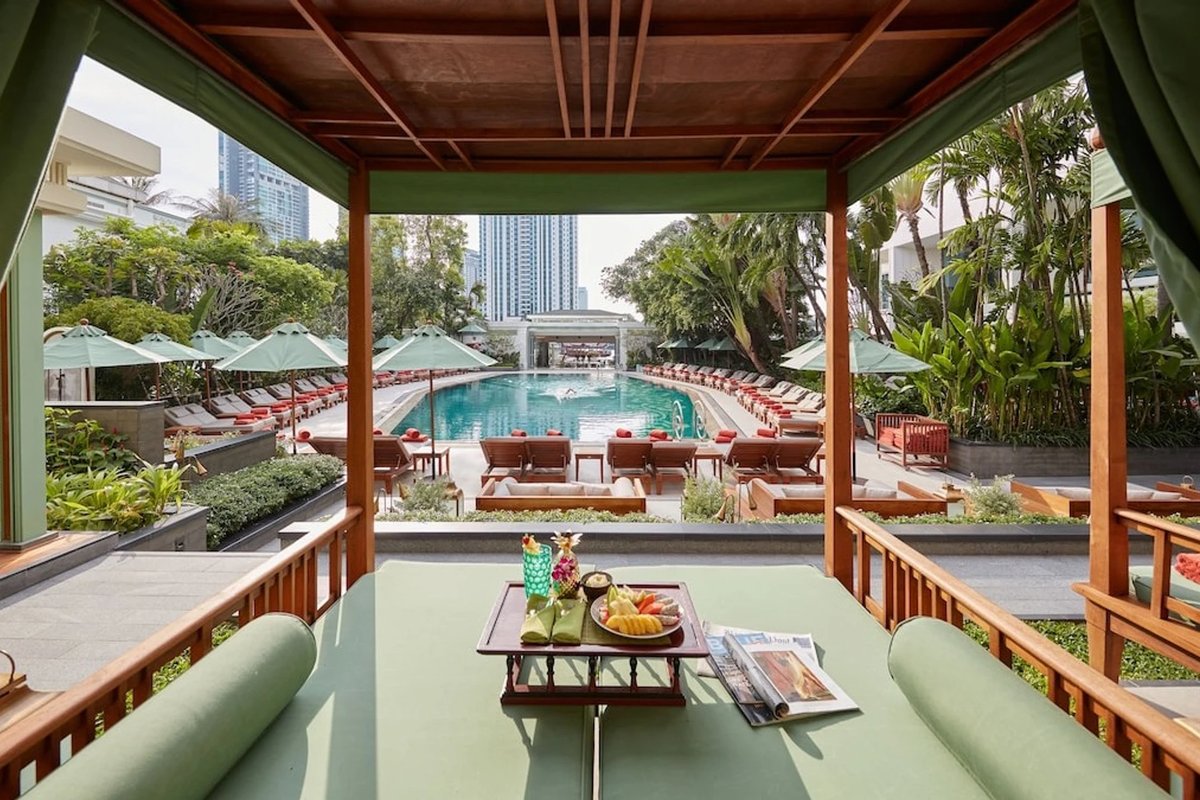
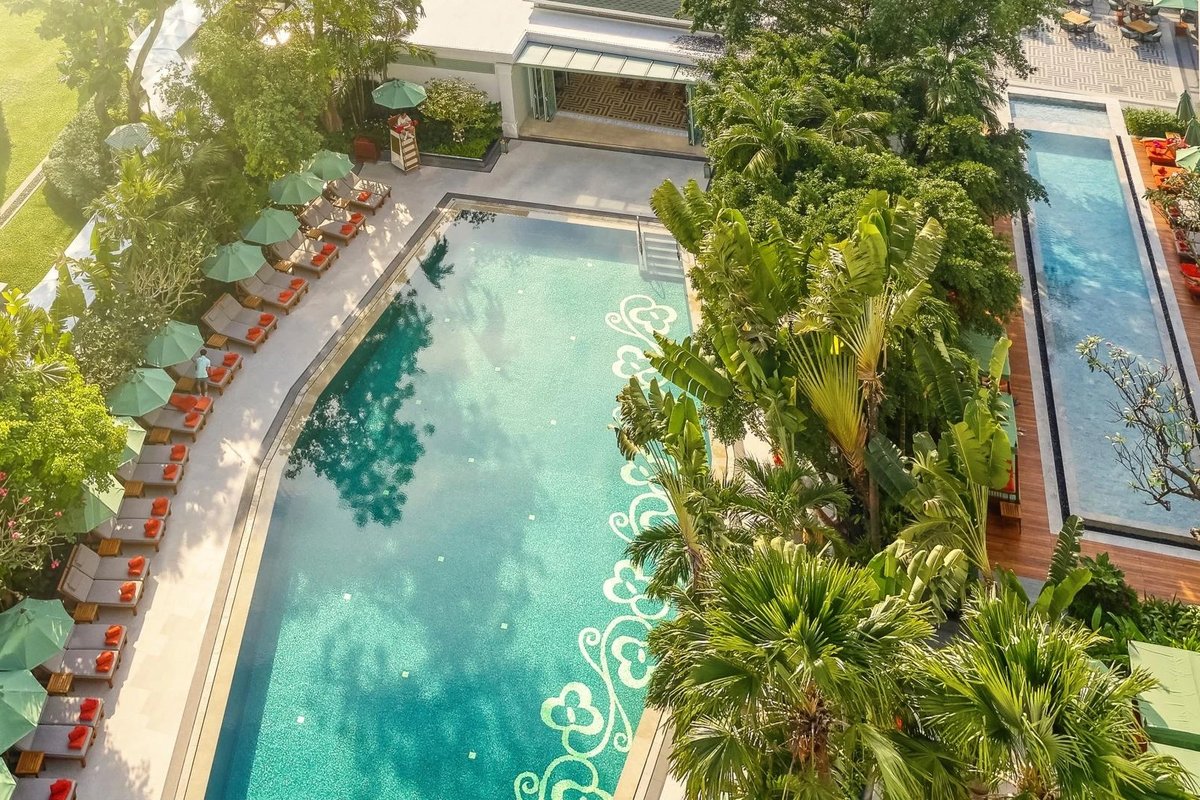
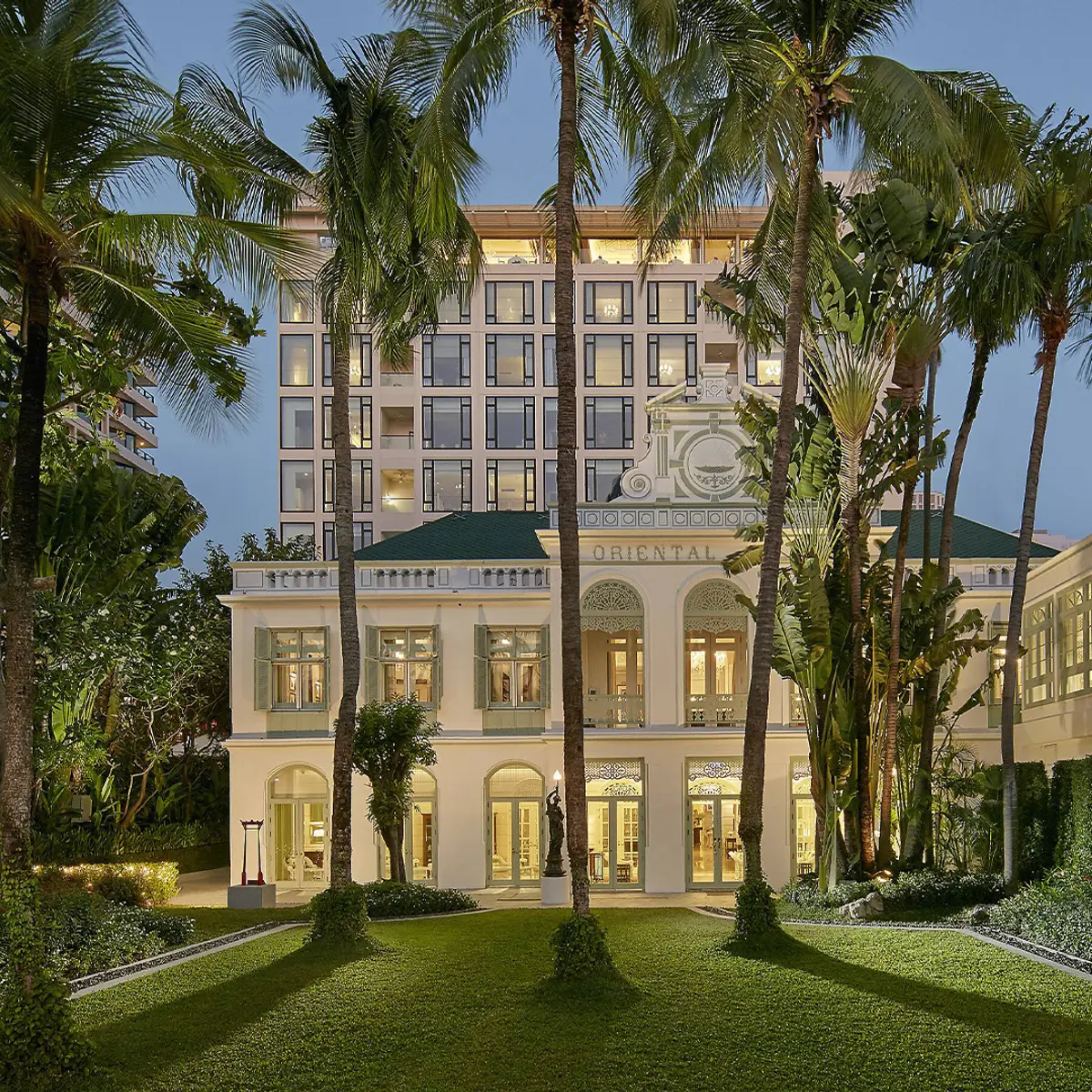
On the other side of the hotel, the Garden Wing sits ensconced in lush tropical gardens and offers a quieter, more residential feel. For the full experience, the suites in the Authors’ Wing – the original 1876 building – are named for the writers who stayed: Somerset Maugham, Joseph Conrad, Noël Coward. Graham Greene has one too.
The bones are 19th century. The styling is not.
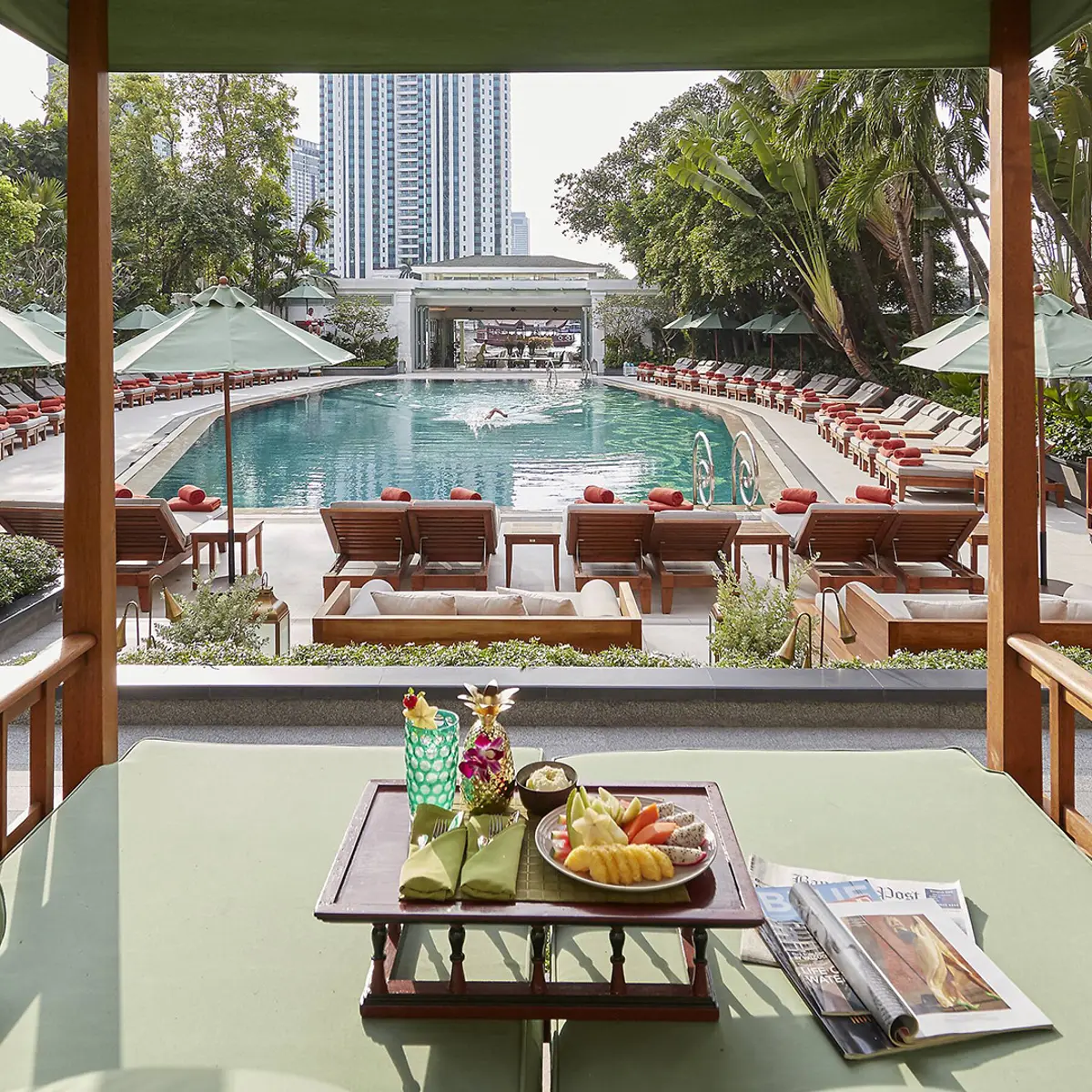
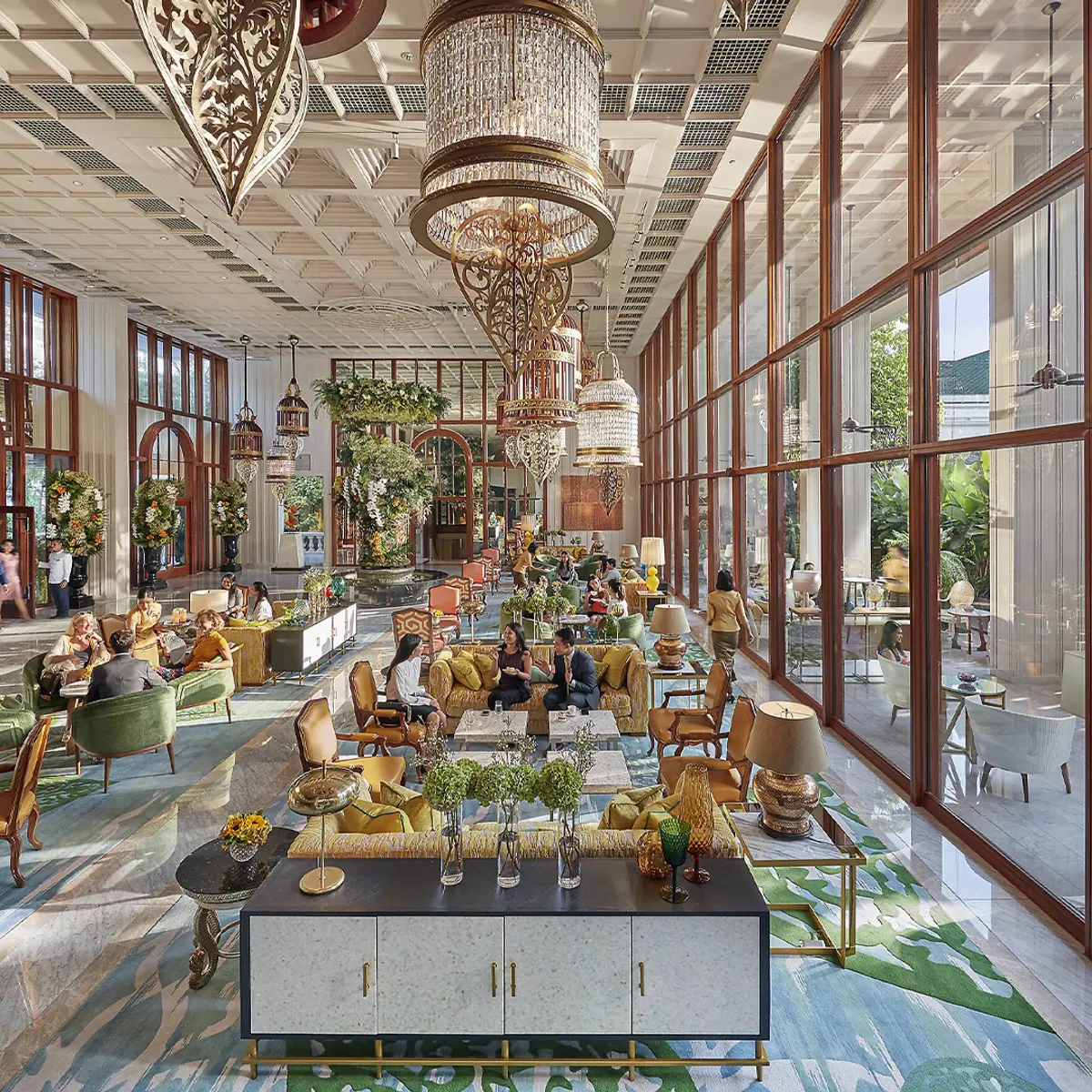
The renovation of the Garden Wing – completed in 2025, led by Jeffrey Wilkes – took its cues from the hotel’s gardens: lush, tropical, an artists’ palette of green. Local craftsmanship runs through the new interiors, in the textiles, the detailing, the colour. The result is jewel-toned and considered, and metallic surfaces catch the light. The floral installations in the lobby are oversized and changed often enough that you notice when they’re different. Earlier renovation works touched the River Wings, as well as dining and guest spaces.
The Author’s Lounge runs on 150 years of accumulated prestige
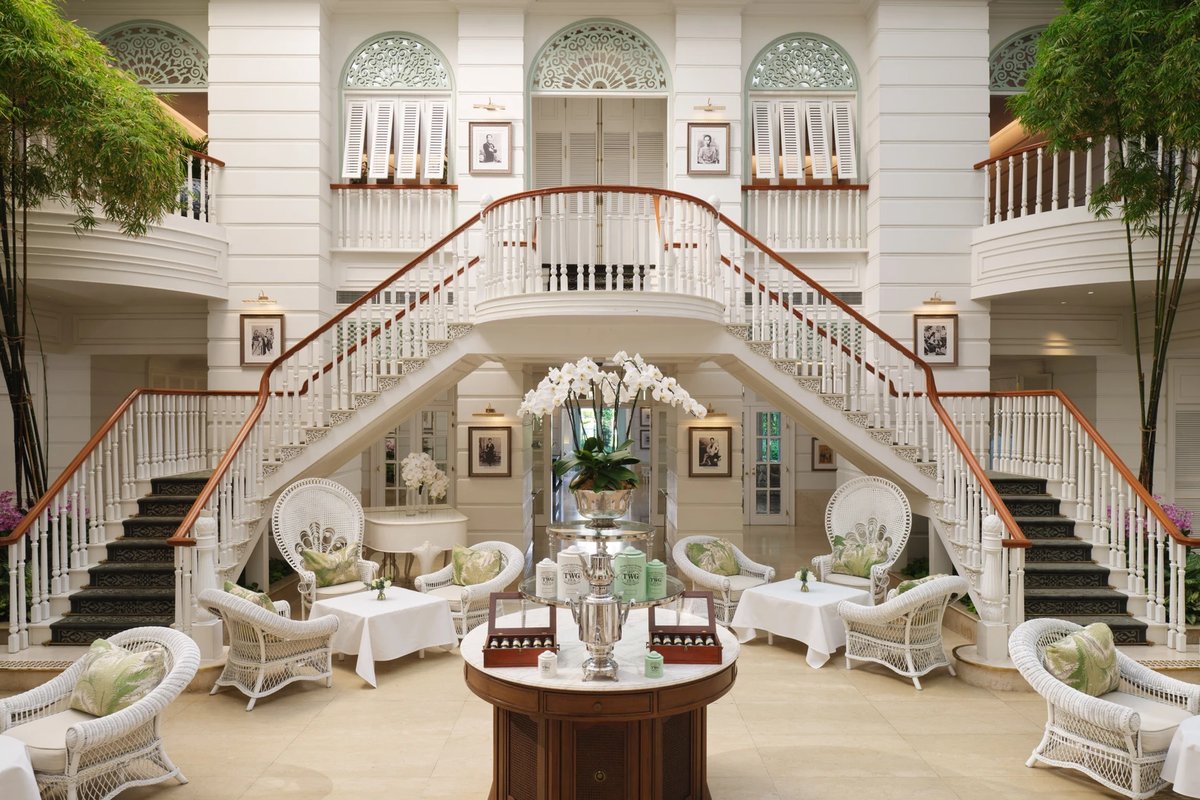
Every wall of the esteemed Author’s Lounge is hung with portraits – royalty, writers, celebrities, anyone who mattered in the last century and a half and ended up in Bangkok. It’s the kind of room that makes you sit up straighter without being asked.
Afternoon tea is the work of a collaboration with World Champion Pastry Chef Masanori Hata. A tiered stand arrives with laminated dough confections – a brioche roll with pear compote and jasmine cream, hazelnut milk chocolate cake, pistachio and griotte – alongside the savoury tier: Boston lobster with tartare sauce, smoked salmon with horseradish, coronation chicken with black olives. Warm scones come with clotted cream, mascarpone or butter. The hazelnut praline and caramel petit-beurre is the thing to reach for last, when you think you’re done. You’re not done.
There’s also an oriental set: khao chae, prawn rolls, minced duck in crispy cups, mango sticky rice.
TWG teas come brewed hot or cold, or there is house drip coffee made from Colombian Arabica if you prefer more buzz with your bites.
Don’t sleep through breakfast
Hold onto your slippers, the breakfast spread at Mandarin Oriental, Bangkok makes a run for one of the best in Thailand, if not South East Asia.
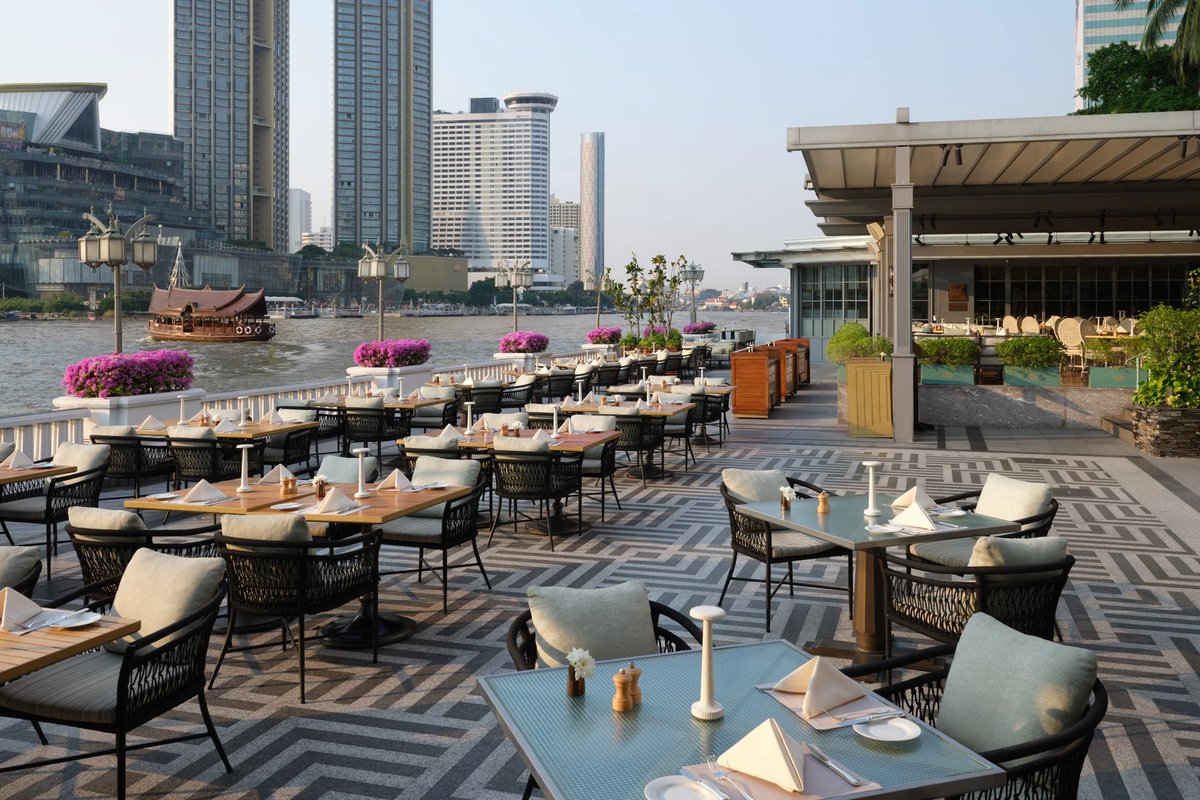
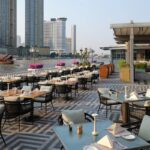
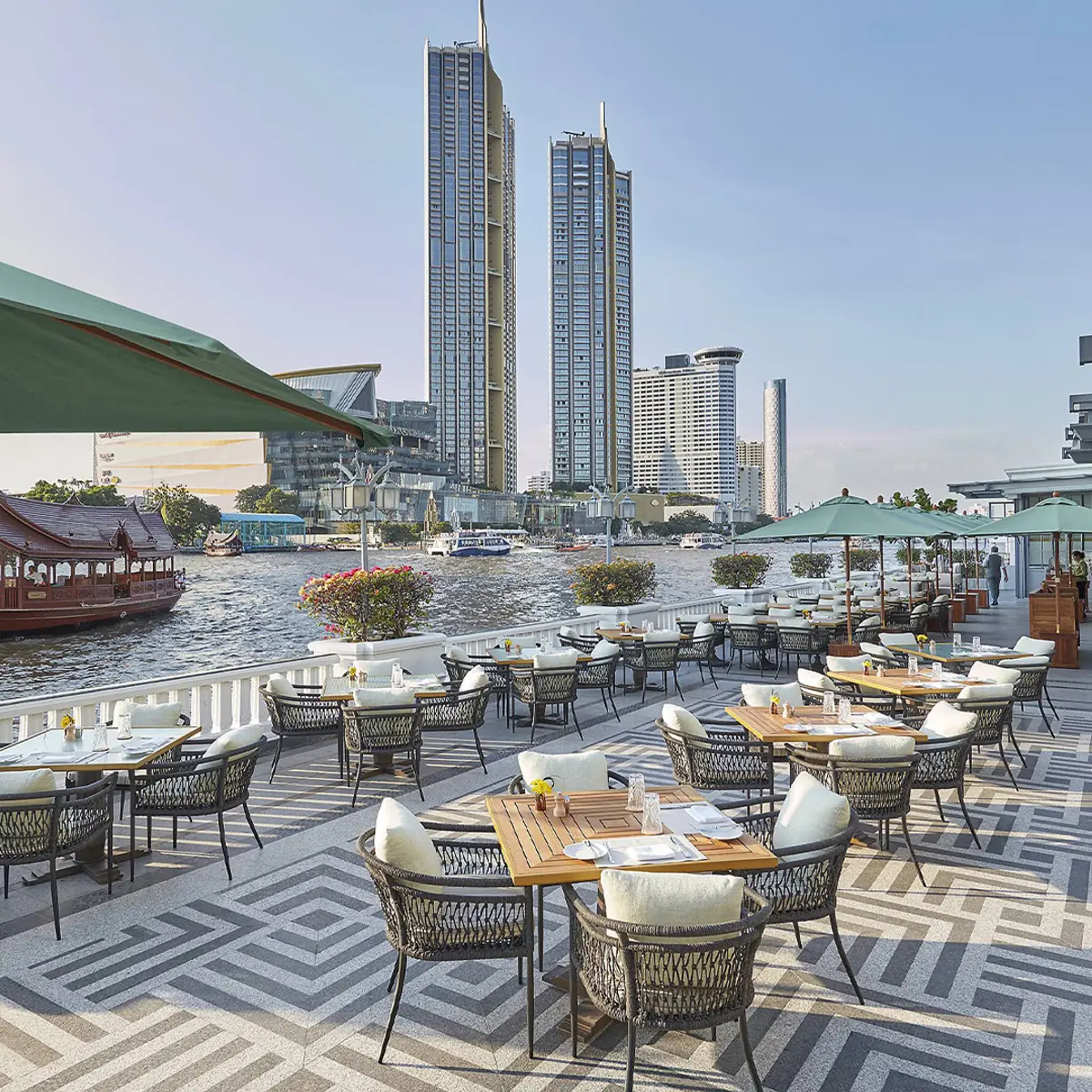
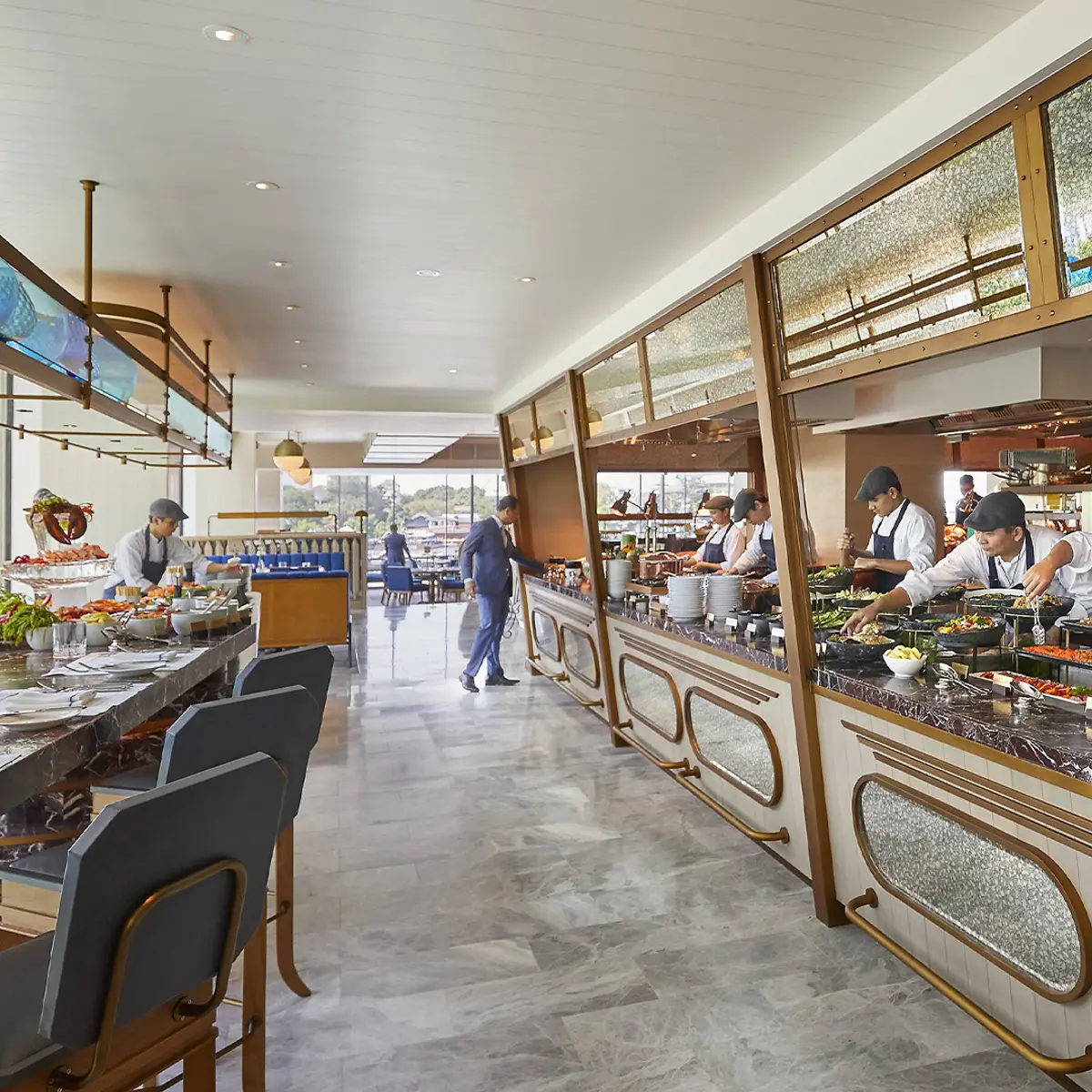
Served on the terrace overlooking the river, the breakfast buffet covers most things you might want: fresh coconuts, waffles, pancakes and French toast made to order, fridges lined with pots of chilled chia pudding, yoghurts, house-made cottage cheese and berries. A cold cuts and cheese section. A daily juice. A hot station firing grilled tomatoes, oatmeal, sausages, and an oriental selection – shu mai, custard buns – alongside the obligatory fruit station.
The viennoiserie section is where I spend most of my time. The work of a French head chef, and it shows. A raspberry danish, a pandan brioche, buttery croissants that leave a ruin of flakes on the plate – and rarely the same selection twice. I never pass the station without adding something to my plate.
Andy will sort you out
Verandah is the hotel’s all-day restaurant: more casual than the Author’s Lounge, overlooking the water, and serious about the food at every hour.
Start with the bread basket – pretzel buns, ciabatta and brown bread rolls, each table set with individual pots of butter. A signal the kitchen understands that bread-to-butter ratios matter.
Andy, the assistant restaurant manager, introduces me to my new daily order: iced Americano with coconut water. I drink one every morning until I leave Thailand. But the khao soi is the reason to come back at lunch. Andy explains that the chefs fry the egg noodles – a deliberate step, because frying creates air pockets that trap more of the sauce. It’s a northern Thai curry broth with real depth, and the only thing that stops me lifting the bowl and drinking the rest straight is my white dress.
The Khao Phad Oriental is an MO original – a generous serve, the chicken juicy and well-spiced, pork running through the rice throughout. The gaeng khua moo krob is another I wax lyrical about: a southern-style curry with pork belly and tempura-fried wild betel leaves that shatter at first bite. Rich, creamy, the kind of thing that shouldn’t feel as right as it does on a warm, humid night on the verandah.
Finish with the coconut and mango sorbets. Get both, even if you’re full.
Beyond what I ate, the hotel’s dining roster has expanded: The China House by Chef Fei – Chaoshan and Cantonese, led by a two-Michelin-starred chef – reopened in August 2025. Baan Phraya, a century-old teak residence once home to Thai nobility, is now Chef Phatchara ‘Pom’ Pirapak’s kitchen – regional and royal Thai, produce-driven. Sala Rim Naam has been drawing guests across the Chao Phraya by hotel boat since 1983. Le Normandie reopened in September 2025 under two-Michelin-starred Chef Anne-Sophie Pic
The Bamboo Bar is where the Thaijito was born
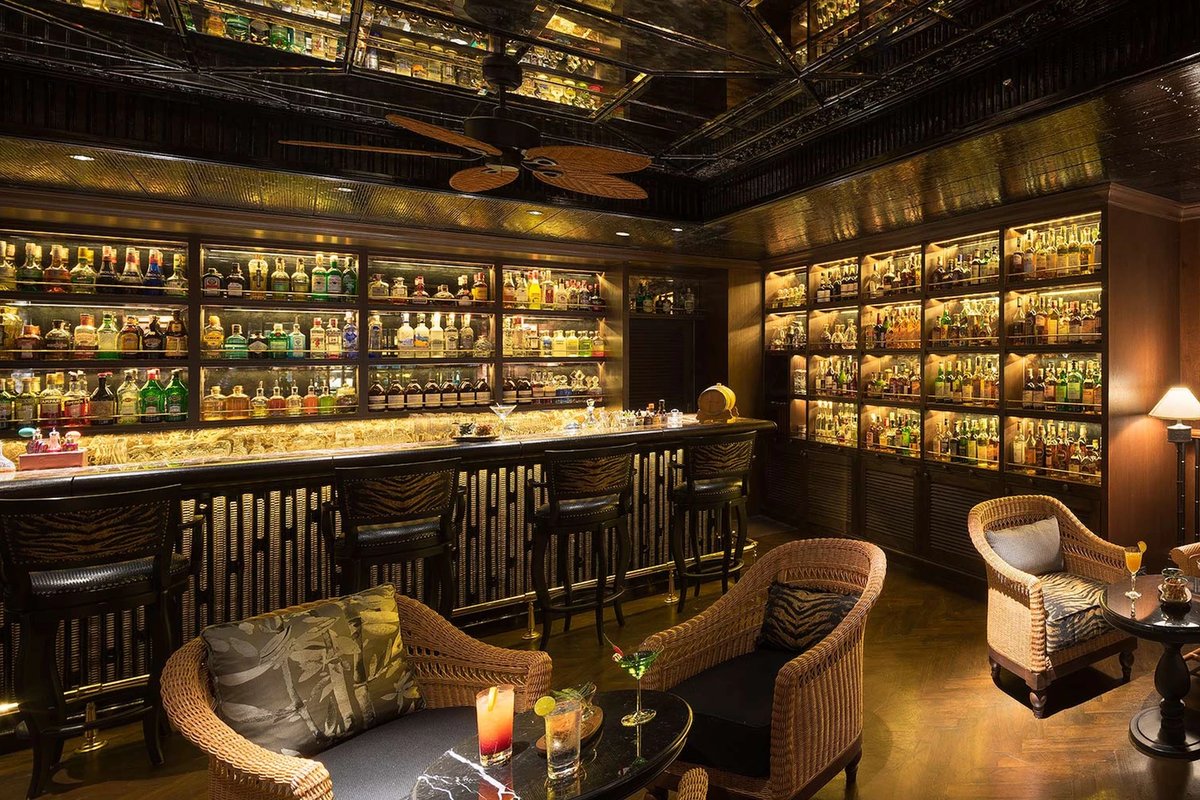
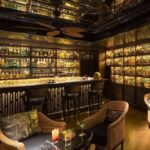
Before or after dinner, the Bamboo Bar warrants a visit. Bangkok’s first jazz venue, open since 1953, it has the kind of low-lit, rattan-and-leopard-print atmosphere that earns the word institution without trying. A live band – jazz vocalist included – plays Monday to Saturday from 8pm, with a solo pianist on Sundays; the room fills quickly and doesn’t take reservations. The Thaijito remains on the menu, created by Sompong Boonsri, who ran the bar for three decades. The current cocktail list, overseen by bar manager Chanel Adams, draws on Thai ingredients – mango, banana, lemongrass – in a menu built around the idea of things changing over time, which is a reasonable philosophy for a bar that’s been at it since the Eisenhower era. It ranked No.11 on Asia’s 50 Best Bars and was named Best Bar in Thailand, both in 2021.
A hotel that honours the people who built it
Mandarin Oriental Bangkok has the highest staff-to-guest ratio in the city – close to four to one across a team of around 1,000. The average tenure is 14 years. That second number explains the first: this is a hotel where people stay. A room off the Author’s Lounge is dedicated to Khun Ankana, a guest relations manager who served here for over 60 years and was among the first Thai women to enter the hospitality industry – Graham Greene mentioned her by name when he came back.