-
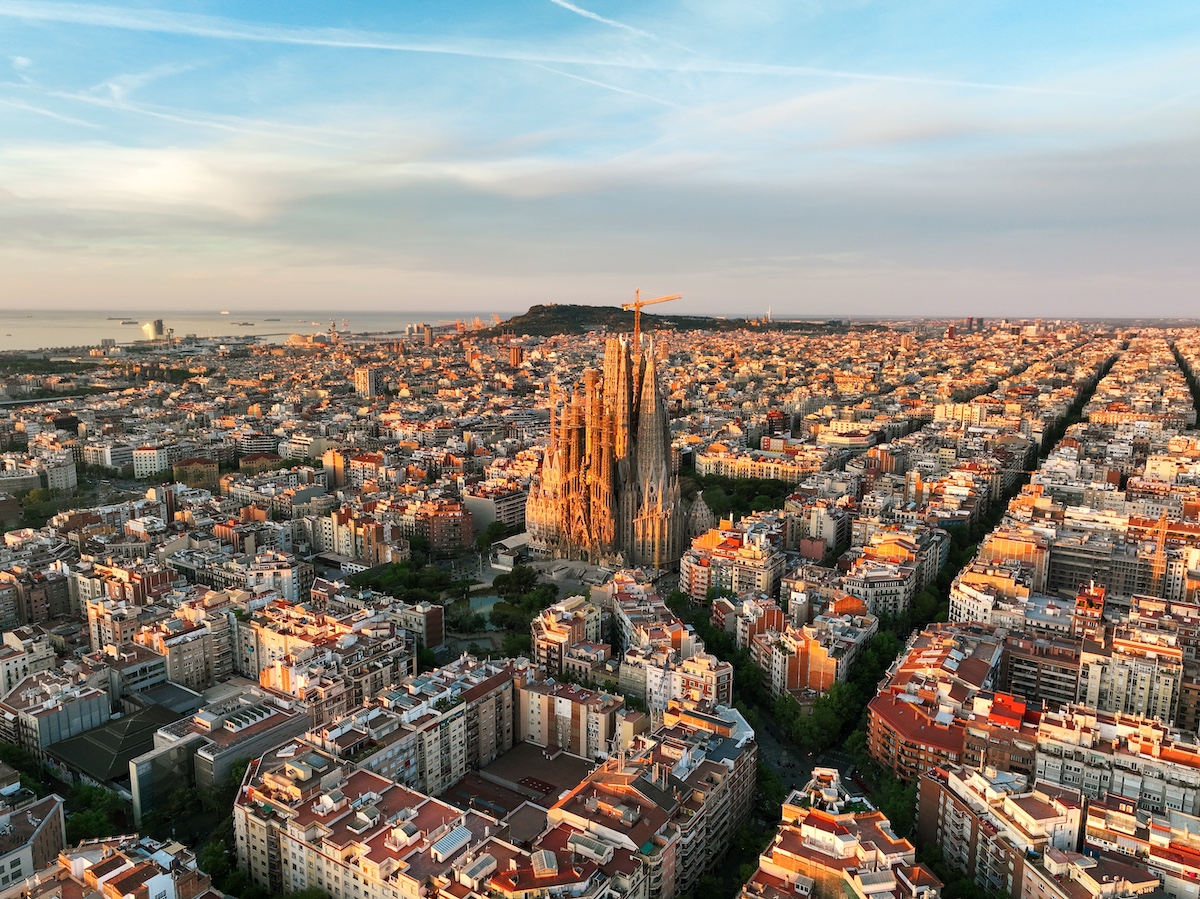
Barcelona
-
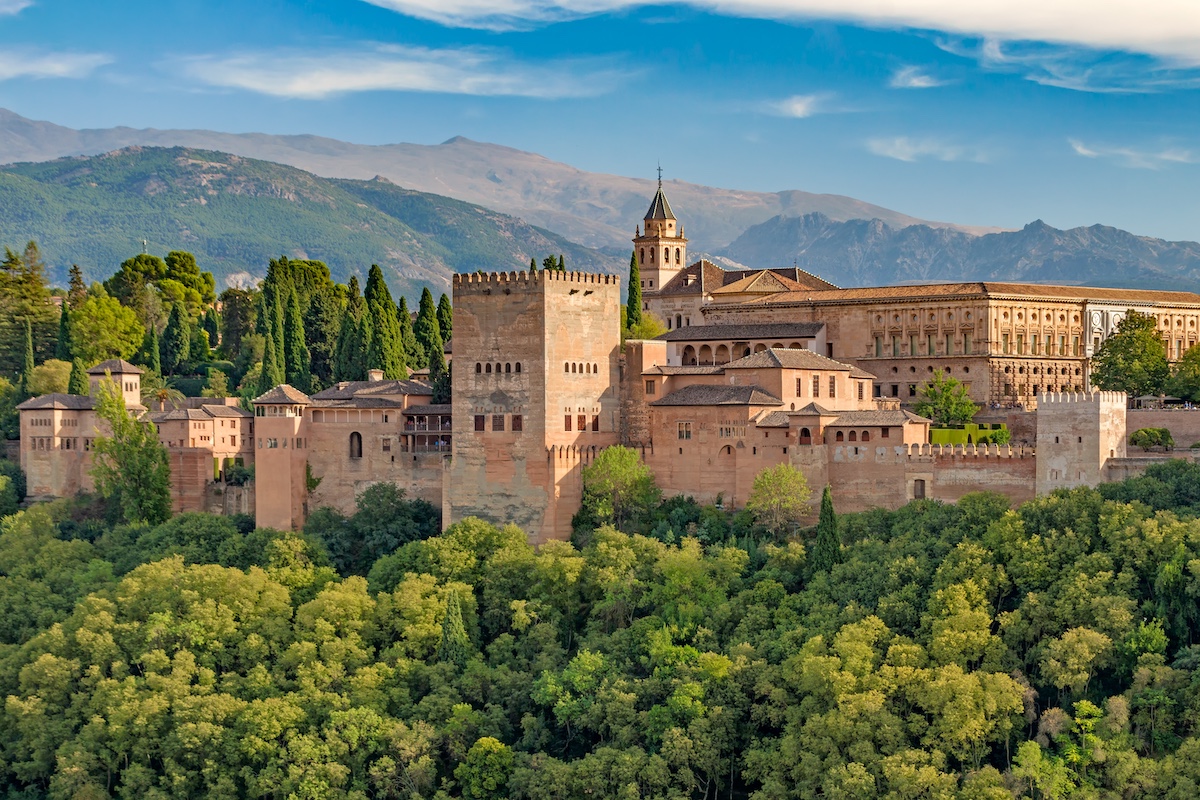
Granada
-
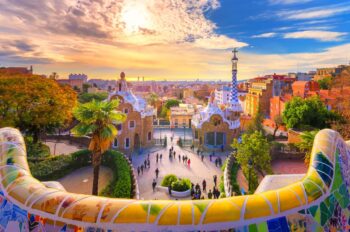
Park Güell

-
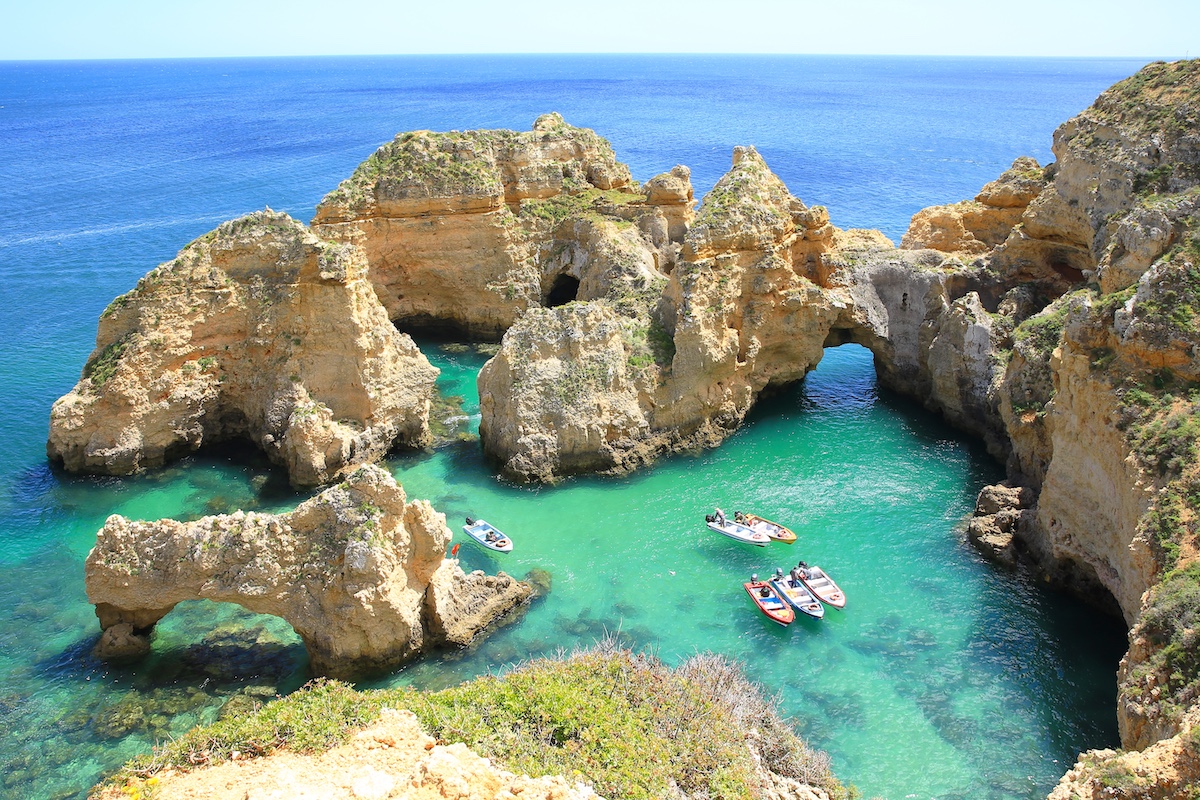
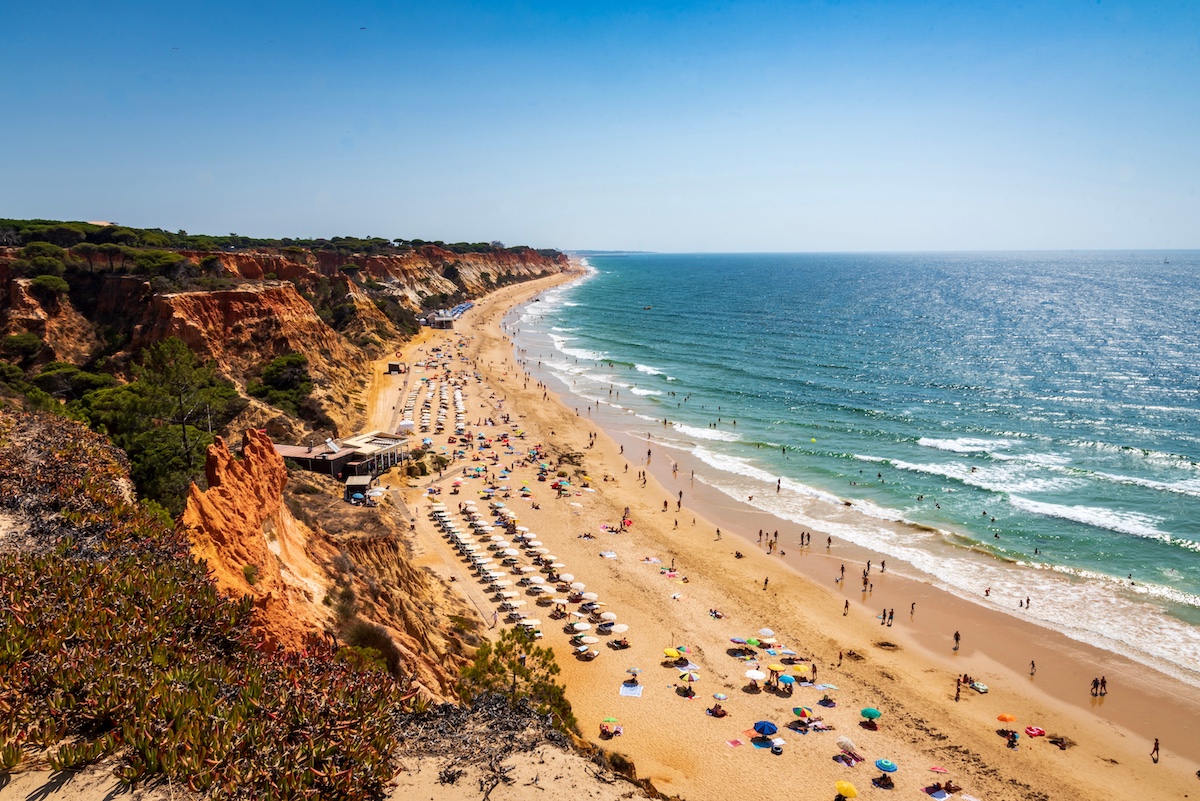
Algarve-Küste
-
-
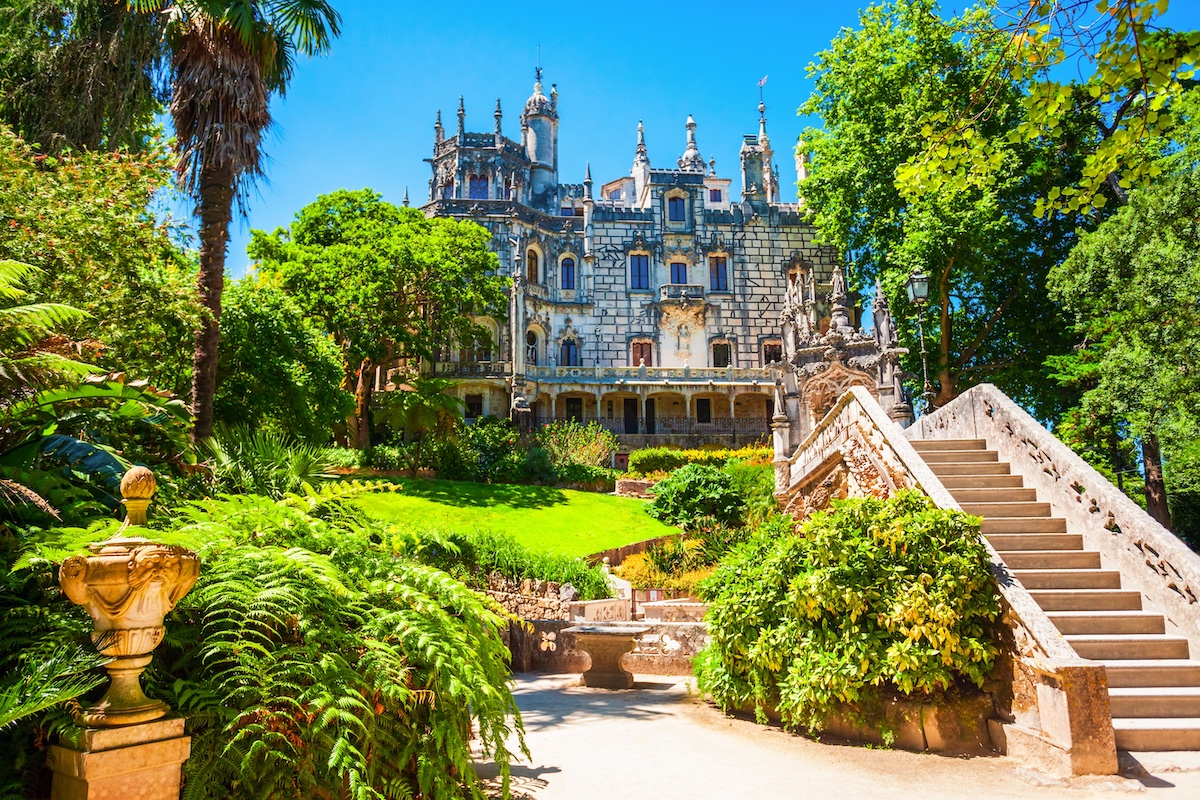
Sintra
-





Spanien und Portugal sind gut etablierte, viel bereiste Reiseziele – aber das bedeutet nicht, dass es nichts vorzubereiten gibt. Das lokale Leben ist unaufgeregt, die Esskultur folgt ihrem eigenen Zeitplan und die schiere Dichte historischer Stätten bedeutet, dass viele Reiseverläufe viel abdecken. Reisende, die wissen, was sie erwartet, können aus jedem Halt mehr herausholen.
Hier ist, was nützlich zu wissen ist, bevor Sie Ihre Tour nach Spanien und Portugal antreten.
1. Spanien und Portugal sind unterschiedliche Reiseziele
Die beiden Länder teilen sich eine Halbinsel, haben aber ihre eigenen Geschichten, Sprachen, Küchen und Identitäten. Innerhalb Spaniens selbst sind die regionalen Unterschiede tief verwurzelt – Katalonien, das Baskenland und Galizien haben jeweils ihre eigenen Sprachen, die neben Spanisch gesprochen werden, und ein starkes Gefühl regionaler Identität. Katalanisch wird in Barcelona weit verbreitet verwendet; Baskisch im Norden; Galicisch im Nordwesten.
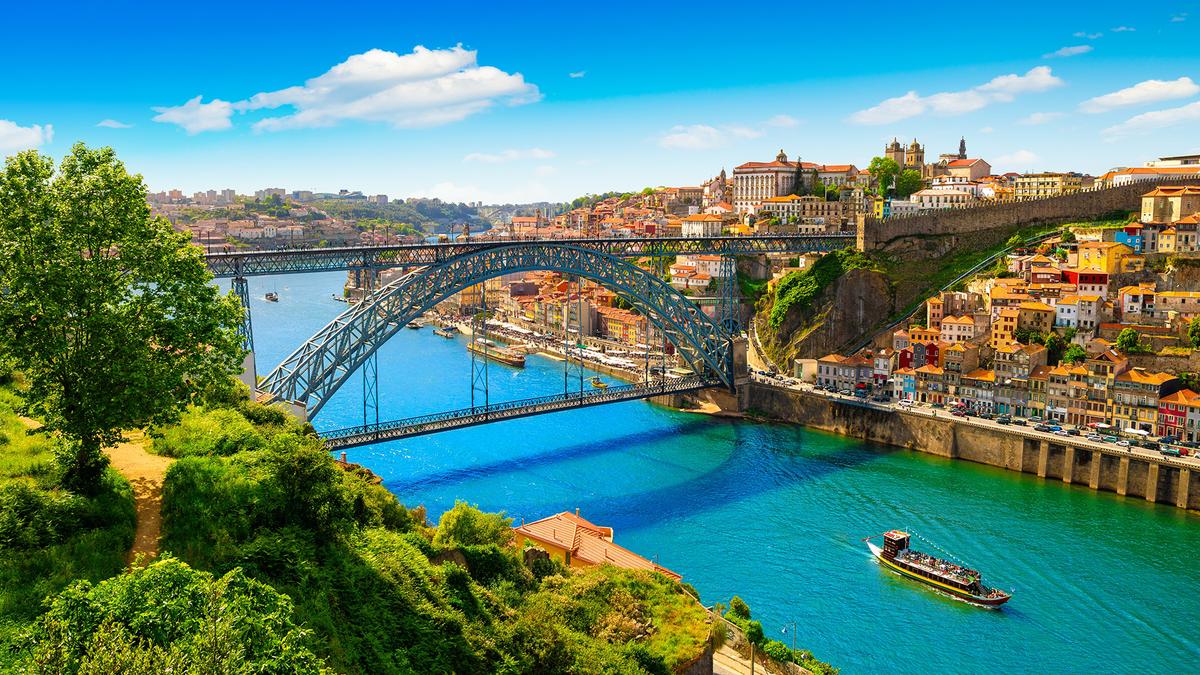
Je nach Ihrem Reiseverlauf könnten Sie zwischen königlichen Palästen in Madrid, mittelalterlichen Städten wie Salamanca, maurischer Architektur in Granada und Córdoba sowie dem Flusscharakter von Porto wechseln. Jede hat ihr eigenes, unverwechselbares Gefühl.
2. Die Fortbewegung zwischen den Städten erfolgt hauptsächlich mit dem Bus
Die meisten Reiseverläufe durch Spanien und Portugal decken mehrere Regionen ab, die durch Busübertragungen verbunden sind. Reisetage sind in der Regel gut getaktet und beinhalten oft Stopps in historischen Städten – Ávila, Mérida und Salamanca sind häufige Stationen auf dem Weg – sodass Sie das Land sehen, anstatt nur Distanz zurückzulegen.
Gelegentliche Streiks oder Demonstrationen im öffentlichen Verkehr kommen in Spanien vor. Diese sind in der Regel friedlich, können aber Zeitpläne beeinflussen. Ihr Reiseleiter wird die Pläne bei Bedarf anpassen.
3. Die historischen Stätten sind das Rückgrat des Reiseverlaufs
Spanien und Portugal beherbergen einige der bedeutendsten Architektur und Erbe Europas. Die Alhambra in Granada, die Mezquita in Córdoba, Gaudís Sagrada Família in Barcelona – diese sind keine zufälligen Stopps, sie sind der Grund, warum die meisten Menschen kommen. Allein Spanien hat Dutzende von UNESCO-Weltkulturerbestätten.
‚Ganz einfach, eine herausragende Tour insgesamt. Es gab eine solche Vielfalt an Erfahrungen, z.B. Kunst, Wirtschaft, Architektur, Geschichte. Die Aktivitäten waren gut in der Länge getaktet. Ich habe jeden Moment genossen, ich habe viel gelernt!‘
– Glenda P, Luxury Escapes Spanien, Portugal & Marokko Odyssey mit Douro-Flusskreuzfahrt & Sahara-Wüstencamp
4. Essen und Trinken stehen im Mittelpunkt des Erlebnisses
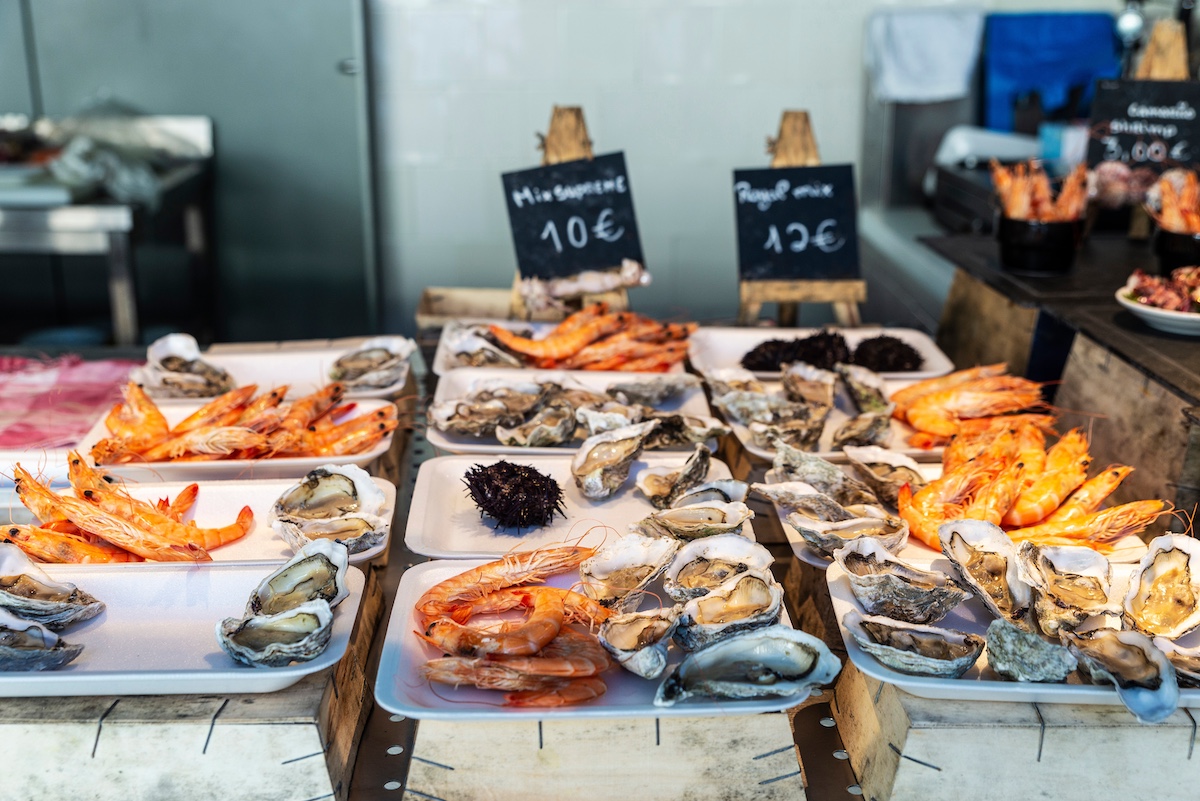
Die Küche ist in beiden Ländern in das tägliche Leben verwoben, und die meisten Reiseverläufe spiegeln das wider. Erwarten Sie Tapas-Verkostungen, regionale Weinerlebnisse, Olivenölverkostungen und, auf Reiseverläufen, die Porto einschließen, die Möglichkeit, das Douro-Tal und seine Portweine zu erkunden. Mahlzeiten hier sind gesellschaftliche Anlässe – sie nehmen Zeit in Anspruch, und das ist der Punkt.
5. Gruppenmahlzeiten sind oft unkompliziert
An geschäftigen Reisetagen und während der Reisen zwischen den Städten werden Mahlzeiten oft in Restaurants eingenommen, die in der Lage sind, größere Gruppen zu bewirten. Diese Lokale werden aufgrund von Effizienz und Lage ausgewählt, nicht als eigenständige gastronomische Erlebnisse – erwarten Sie festgelegte Menüs oder Buffets. Es wird während der Reise Gelegenheiten geben, lokale Cafés und Restaurants unabhängig während der Freizeit zu erkunden.
6. Essenszeiten sind später als die meisten Besucher erwarten
Das überrascht viele Erstbesucher. Das Mittagessen in Spanien findet typischerweise zwischen 14 und 16 Uhr statt; das Abendessen beginnt selten vor 20 Uhr, und viele Restaurants öffnen für den Abendservice erst dann. In Portugal ist es etwas früher, aber immer noch später als die Normen in Nordeuropa oder Australien. Mit dem lokalen Zeitplan zu arbeiten, anstatt gegen ihn, macht die Esskultur viel angenehmer.
7. Nachmittage können in kleineren Städten ruhig sein
In vielen Teilen Spaniens – insbesondere in kleineren Städten und Dörfern – schließen Geschäfte und Unternehmen nachmittags für einige Stunden, typischerweise zwischen etwa 14 und 17 Uhr. Städte und große Touristengebiete bleiben größtenteils geöffnet, aber es ist ratsam, um die Siesta herum zu planen, wenn Sie in ruhigeren Orten einkaufen oder unabhängig erkunden möchten.
8. Reisetage beginnen am Morgen
Die meisten Reisetage beginnen gegen 9 Uhr, was Zeit für das Frühstück lässt, bevor Sie zu geführten Touren oder Reisen aufbrechen. Ein früherer Start hilft, die größten Menschenmengen an beliebten Orten zu vermeiden und sorgt dafür, dass der Tag reibungslos verläuft. Es ist kein Ziel für frühe Starts wie Ägypten oder Safari-Reiseverläufe, aber Pünktlichkeit ist an Tagen mit mehreren Stopps wichtig.
9. Ihr Reiseleiter bietet einen Kontext, der einen Unterschied macht
Die Iberische Halbinsel hat Schichten von Geschichte – römisch, maurisch, christlich, kolonial – und viel davon ist physisch an den Orten präsent, die Sie besuchen werden. Ein guter Reiseleiter verwandelt einen Spaziergang durch die Alhambra oder die Straßen von Salamanca von interessant zu wirklich erhellend. Lokale Führer kennen auch die besten Plätze für Essen, die Abkürzungen durch belebte Stätten und die Details, die nicht in Reiseführern stehen.
10. Es gibt viel zu Fuß zu gehen
Historische Stadtzentren in Spanien und Portugal sind für Fußgänger gebaut – Kopfsteinpflasterstraßen, enge Gassen, Plätze und Altstadtviertel, die nicht mit dem Bus befahren werden können. Einige Besichtigungstage beinhalten mehrere Kilometer zu Fuß. Bequeme, gut eingelaufene Schuhe sind ein Muss zum Packen.
‚Eine großartige Möglichkeit, Orte abseits der ausgetretenen Pfade zu besuchen, die Sie sonst nicht in eine Reise einbeziehen würden. Es ist auch kulturell immersiv und äußerst angenehm. Wir haben eine Liste von fabelhaften Orten erstellt, die wir irgendwann in der Zukunft wieder besuchen werden.‘
– Michael K, Luxury Escapes Deluxe 22-tägige Spanien, Portugal & Marokko Odyssey mit Porto, Granada & Fes
11. Hotels befinden sich oft in historischen Gebäuden
Viele Unterkünfte in beiden Ländern befinden sich in älteren Gebäuden, was Charakter verleiht, aber bedeuten kann, dass die Zimmer kleiner oder anders konfiguriert sind als in modernen Hotels. Die Einrichtungen variieren. Dies ist in der Region typisch und sollte in die Erwartungen einfließen, anstatt überrascht zu sein.
12. Kleinkriminalität ist in belebten Bereichen zu beachten
Spanien und Portugal sind sichere Reiseziele, aber Taschendiebstähle kommen in stark frequentierten Touristengebieten vor – insbesondere in Barcelona und Madrid, im öffentlichen Verkehr und rund um große Attraktionen. Halten Sie Wertsachen sicher und bleiben Sie in belebten Räumen aufmerksam auf Ihre Umgebung. Ein Geldgürtel oder eine Innentasche ist in belebten Bereichen nützlich.
13. Tragen Sie einen Ausweis bei sich
Die lokalen Behörden in Spanien und Portugal können einen Ausweis verlangen, und Sie müssen möglicherweise Ihre Identität bestätigen, wenn Sie ihn nicht vorlegen können. Viele Reisende tragen eine Kopie ihres Reisepasses oder ein Foto davon, das sicher auf ihrem Telefon gespeichert ist, anstelle des Originaldokuments.
14. Das Klima variiert je nach Region und Saison
Südspanien – insbesondere Andalusien – ist im Sommer heiß. Küstengebiete werden durch Meeresbrisen gemildert; nördliche Regionen sind das ganze Jahr über grüner und milder. Packen Sie leichte Schichten, die unter verschiedenen Bedingungen funktionieren, und Sonnenschutz für wärmere Regionen, unabhängig von der Jahreszeit.
15. Karten werden weitgehend akzeptiert, aber tragen Sie etwas Bargeld bei sich
Kreditkarten funktionieren in Hotels, Restaurants und den meisten Geschäften in Städten. Kleinere Cafés, Märkte und lokale Unternehmen bevorzugen manchmal Bargeld. Euro ist die Währung in beiden Ländern. Geldautomaten sind in Städten und Gemeinden leicht zu finden. Halten Sie kleinere Scheine für Trinkgelder, Märkte und Nebenkäufe bereit.
16. Einreisebestimmungen für australische Reisende
Spanien und Portugal sind beide Teil des Schengen-Raums. Australische Reisepassinhaber können in der Regel bis zu 90 Tage innerhalb eines 180-Tage-Zeitraums ohne Visum im Schengen-Raum reisen. Standardmäßige Passkontrollen gelten bei der Ankunft. Überprüfen Sie die aktuellen Einreisebestimmungen vor der Abreise, da biometrische Einreisesysteme an einigen europäischen Grenzen eingeführt werden.
17. Vervollständigen Sie Ihre Tour mit den richtigen Extras
Eine Flamenco-Show und ein Abendessen in Granada sind es wert, lange vor Ihrer Abreise zu buchen – sie gelten als das authentischste Gypsy-Flamenco-Erlebnis in Spanien. Darüber hinaus sind eine private Weinverkostung im Douro-Tal und eine morgendliche Markttour mit einem Koch im Alfama von Lissabon beide wert, hinzugefügt zu werden, solange noch Plätze verfügbar sind. Durchstöbern Sie das gesamte Angebot an optionalen Erlebnissen für Ihre Spanien- und Portugal-Tour unter My Escapes.
Was Sie für Ihre Tour durch Spanien und Portugal einpacken sollten
Bequeme Wanderschuhe haben Priorität.
Darüber hinaus: leichte Kleidung, eine Schicht für kühlere Abende, Sonnencreme, Sonnenbrille, eine wiederverwendbare Wasserflasche und eine kleine Umhängetasche für Besichtigungen.
Packen Sie leicht – Sie werden zwischen den Städten umherreisen, und eine handhabbare Tasche macht jeden Transfer einfacher.