USD
USD  Written by Nick Rudd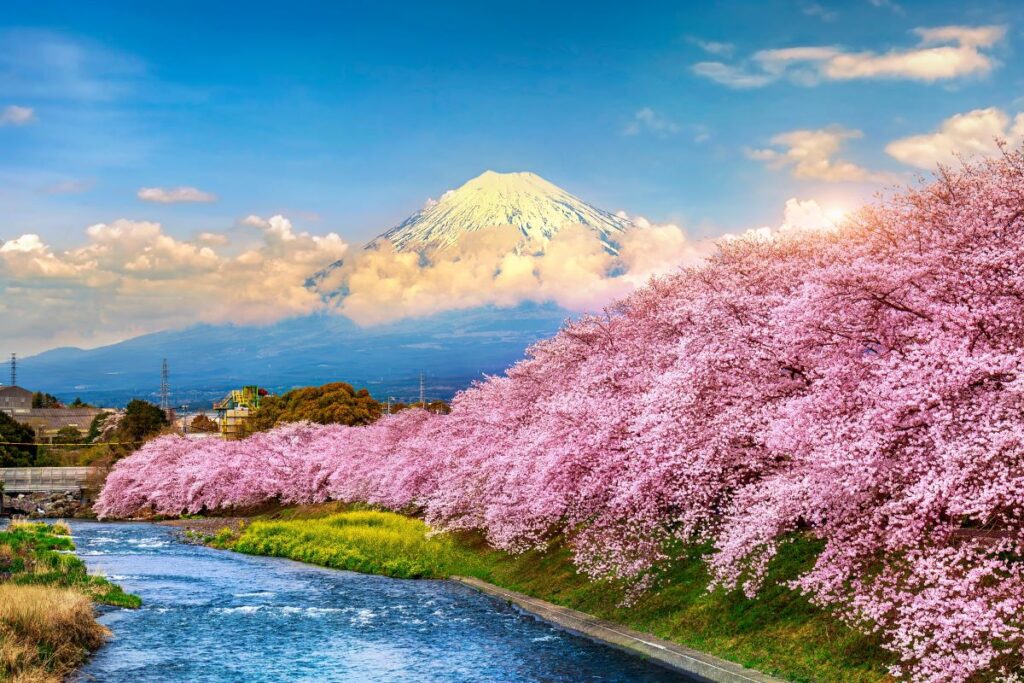
It’s a destination where vending machines dispense hot ramen, lightning-fast bullet trains make cross-country travel a breeze and world-class theme parks rub shoulders with snow-capped mountains. Japan has enough variety to keep every family member engaged – but it’s also surprisingly family-friendly, with spotless facilities and fascinating history at every turn. From the snow monkeys of Nagano to Ghibli theme parks, here’s why Japan should be your next family holiday.
It’s easy (and fun) to get around
Japan’s public transport system is legendary, and for good reason. It’s efficient, punctual and easy to use (even if you don’t speak Japanese; many signs are in English). The Shinkansen bullet trains are themselves an attraction for children and adults alike, whisking travellers between cities at speeds up to 320 km/h; convenient baggage holding areas on each train mean there’s plenty of space to store several kids’ worth of luggage. Trains run like clockwork, stations are impeccably clean and it’s an awesome feeling to glide across the country in such comfort and style, and on a clear day, kids will be thrilled to see Mt. Fuji in the distance when travelling between Tokyo and Kyoto.
Even better for families: children under six travel for free (while seated on an adult’s lap), while kids up to 11 pay half price. Reserve tickets in advance at any major station to skip the queues and secure your seats.
It’s designed for family travel
Japan does more than just accommodate families – the country’s whole infrastructure is designed around them. Major train stations feature dedicated nursing rooms with hot water dispensers for formula and private feeding areas. Department stores like Takashimaya (Shinjuku and Nihonbashi) and Isetan (Shinjuku, Tachikawa and Kichijoji) offer baby rooms with weighing scales, microwaves and rentable strollers.
Restaurants often offer child-sized chopsticks, while family restaurants like Gusto and Saizeriya offer illustrated kids’ menus with international and Japanese options. Local konbini (convenience stores) like 7-Eleven stock baby food and other essentials, so midnight emergencies are easily solved. Vending machines dispensing everything from hot corn soup to small toys appear every few blocks, turning ordinary walks into treasure hunts for curious kids.
You can explore theme parks from Disneyland to Universal Studios
Tokyo Disneyland and Tokyo DisneySea attract millions of visitors annually, with DisneySea – exclusive to Japan – offering nautical-themed lands and attractions you won’t find anywhere else, including Journey to the Center of the Earth and the Mediterranean Harbor’s spectacular shows. Universal Studios Japan in Osaka is home to Super Nintendo World, where kids can collect coins via interactive wristbands, race in Mario Kart: Koopa’s Challenge using AR technology and meet life-sized Yoshis and Toads.
Beyond these giants, Fuji-Q Highland near Mount Fuji holds multiple Guinness World Records for its roller coasters, including Takabisha with its 121-degree freefall drop; Sanrio Puroland in outer Tokyo immerses Hello Kitty fans in musical parades and character meet-and-greets. Seasonal attractions run year-round: spring brings cherry blossom festivals at parks like Kawasaki’s Yomiuri Land, and winter transforms venues like Mie Prefecture’s Nabana no Sato into LED-lit wonderlands with millions of twinkling lights.
It’s a wonderland for young anime fans
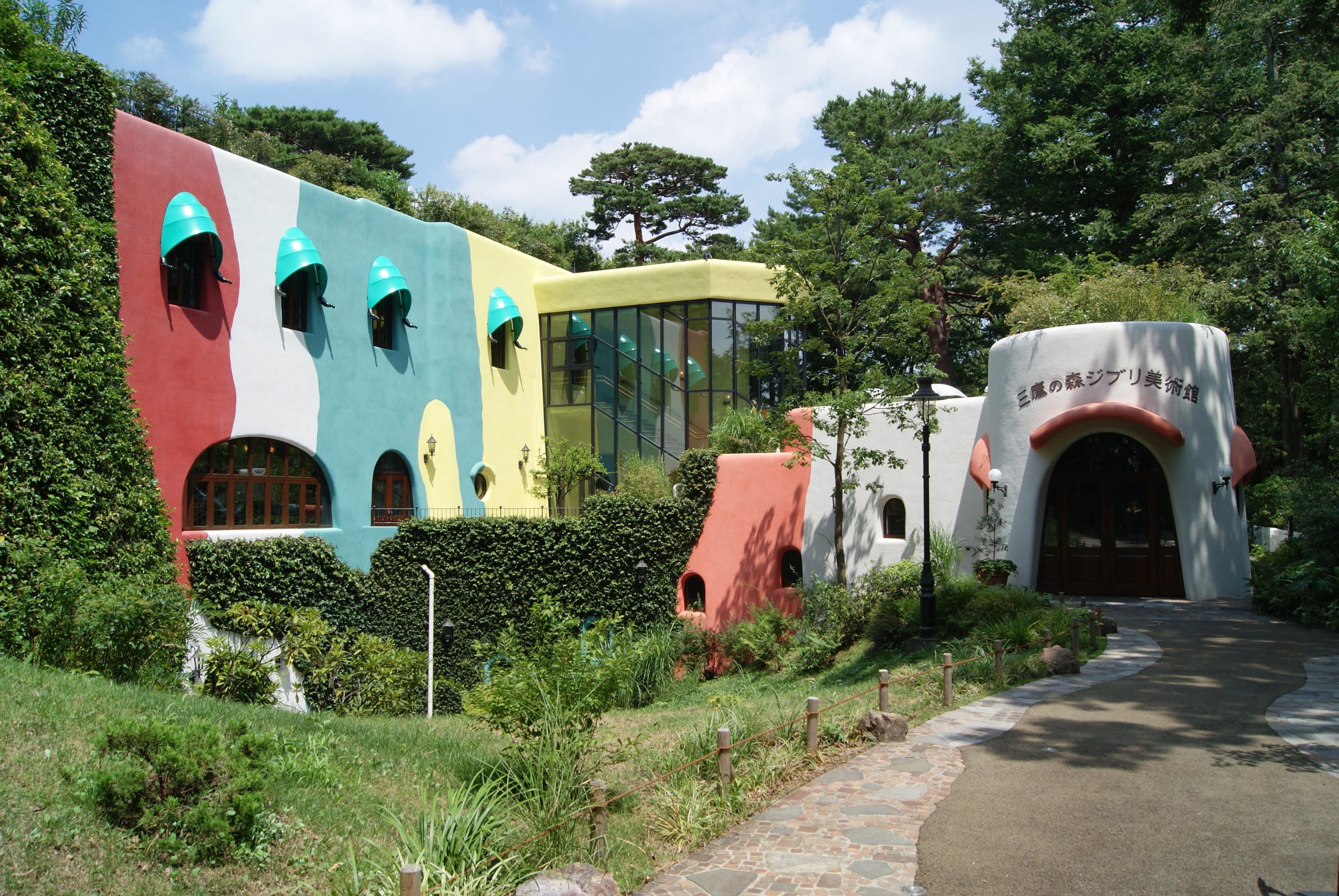
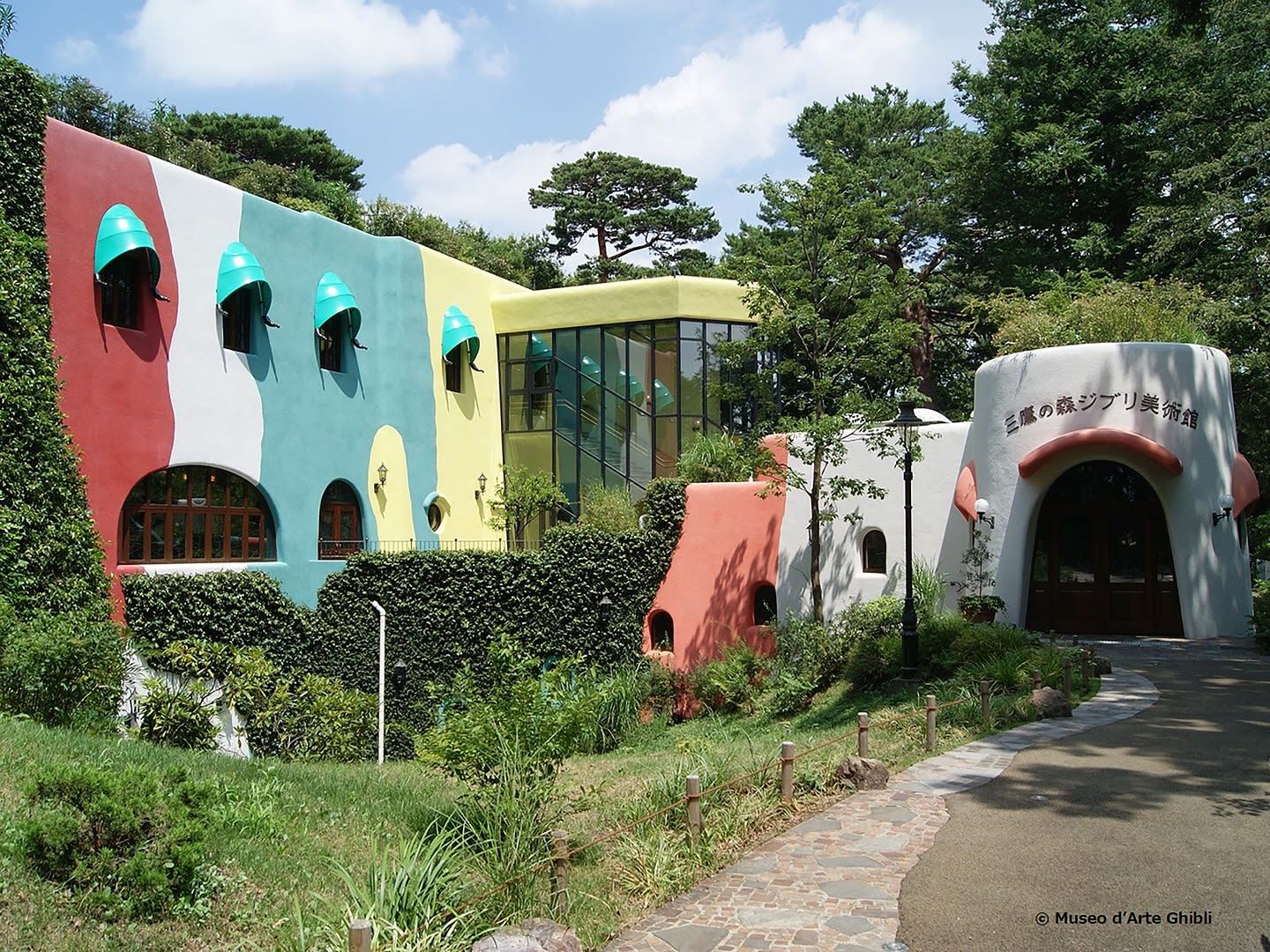
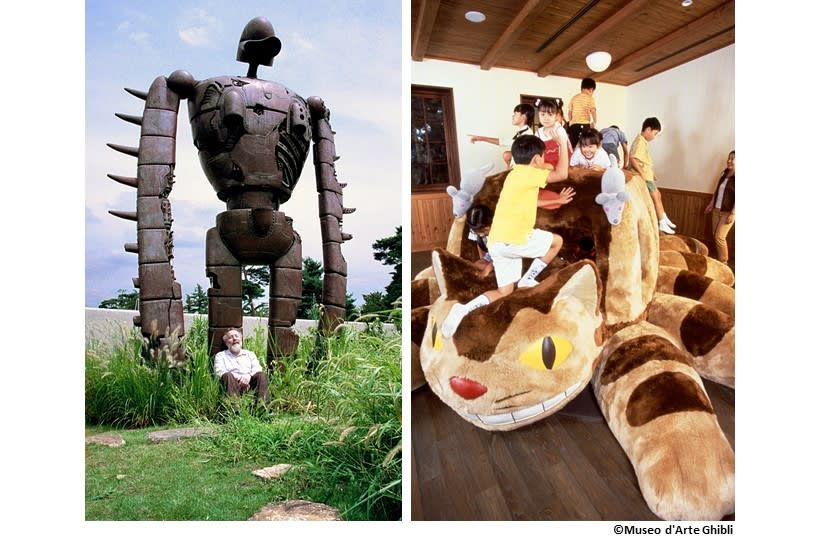
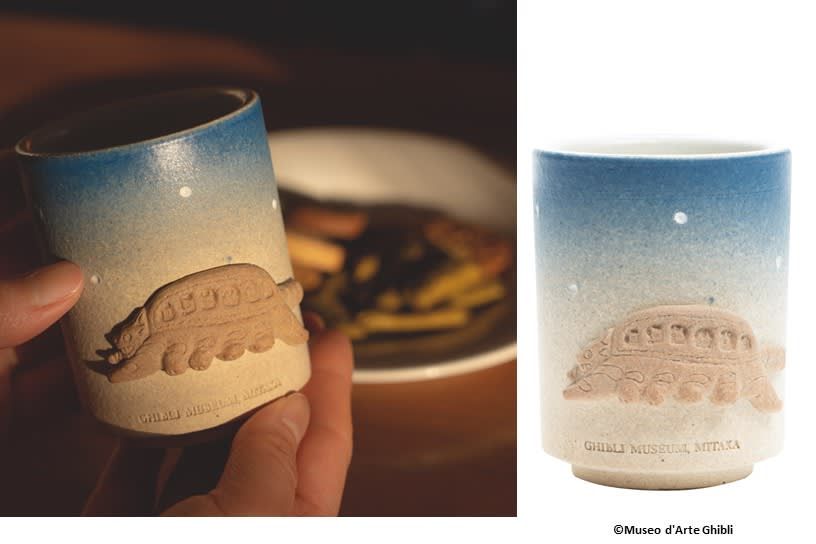
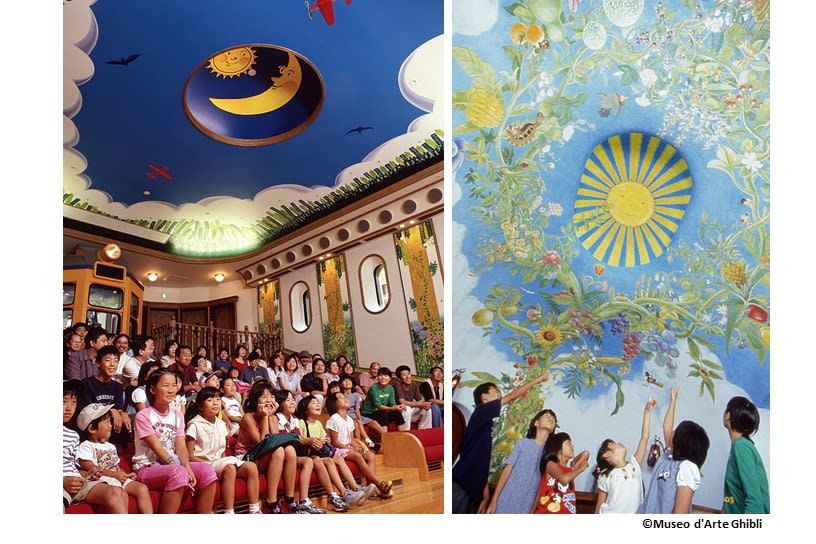
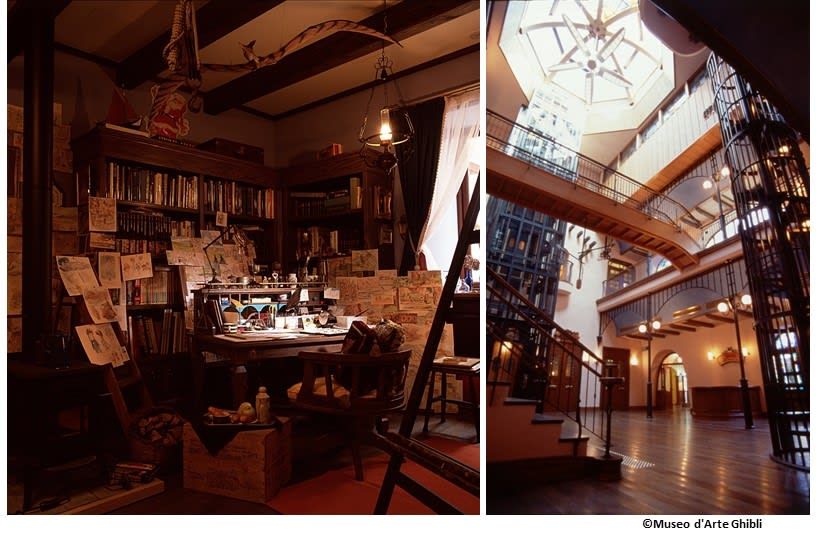
The Ghibli Museum in Mitaka (western Tokyo) requires advance booking (tickets sell out months ahead; check the museum’s website for details on how to book), but rewards planning with exclusive short films, productions of Hayao Miyazaki’s animation studios and a rooftop garden featuring a five-metre Robot Soldier from Castle in the Sky. Arrive early as entry is timed and non-transferable.
For a more laidback outing, Pokémon Center Mega Tokyo in Ikebukuro spans two floors of exclusive merchandise including regional variant plushies, limited-edition card packs and build-your-own Pokéball stations where kids can customise their catches. In Akihabara, stores like Animate and Mandarake stock manga, figurines and character goods across eight floors, while themed cafes let families reserve character dining experiences – book ahead for popular spots like the Kirby Cafe or Capcom Cafe for meals inspired by beloved video game characters.
It’s steeped in ancient history
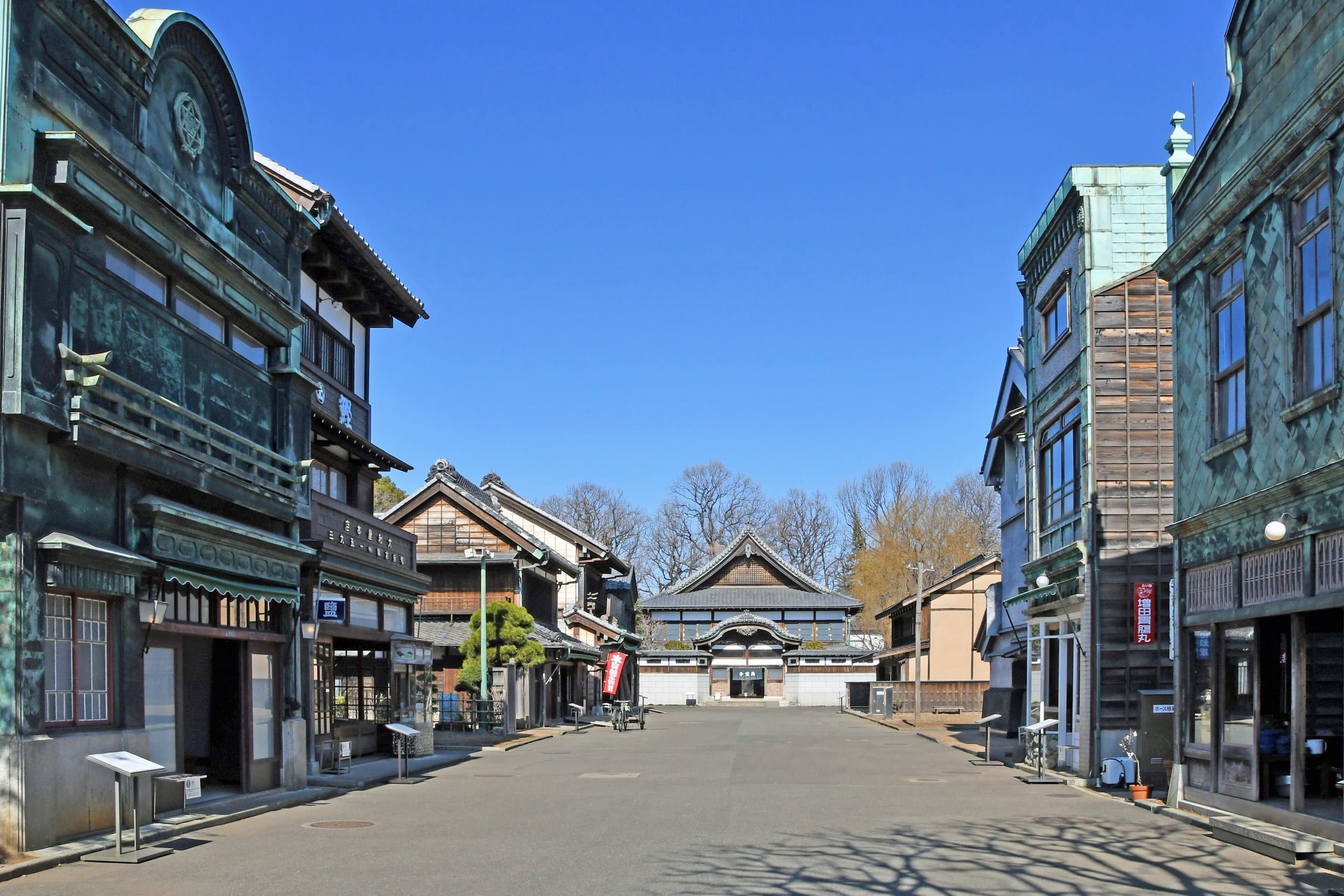
Kyoto’s Kinkaku-ji (Golden Pavilion) and Fushimi Inari’s 10,000 red torii gates make for incredible family photos, but lesser-known temples are also packed with exciting sights, like Sanjusangendo’s 1,001 hand-carved wooden statues. For an immersive experience, travellers can rent kimonos from shops near Kiyomizu-dera Temple, with child sizes and simpler yukata options available for easier wear.
Himeji Castle, a UNESCO World Heritage site and one of Japan’s twelve original castles, allows visitors to explore its maze-like defensive architecture; children will love the warrior pathways and hidden gates designed to confuse invaders.
There’s skiing and snowboarding like nowhere else
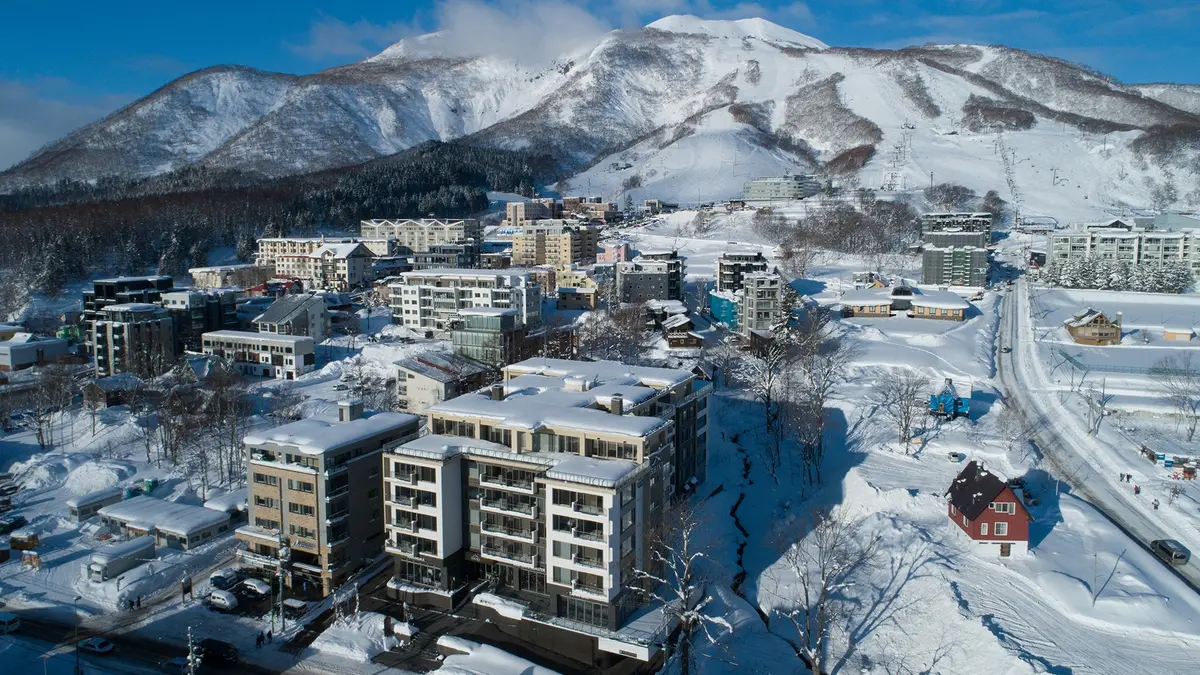
The country’s legendary ‘Ja-pow’ (’Japan powder’, perfect snow formed when Siberian winds cross the Sea of Japan) creates feather-light conditions in resorts like Niseko. Niseko United connects four resorts (Grand Hirafu, Hanazono, Niseko Village and Annupuri) on a single lift pass, offering a large area of skiable terrain with dedicated kids’ areas featuring magic carpets and gentle gradients. English-speaking instructors are standard here, and ski schools like NISS offer half-day group lessons for children (with lunch included).
Hakuba Valley hosted events during the 1998 Nagano Winter Olympics and provides 10 interconnected resorts; families often base themselves in Hakuba Echoland for its family-run lodges and direct access to beginner slopes. Most resorts also feature onsen (hot springs), with many boasting private family baths that can be booked hourly.
Its museums are perfect for children
Miraikan (more formerly known as The National Museum of Emerging Science and Innovation) in Tokyo’s Odaiba district showcases cutting-edge science and technology, with interactive exhibits that let kids explore how data moves around the world. The museum often features robot demonstrations and immersive planetarium shows (check museum schedule for more details). Tokyo’s Samurai Ninja Museum is also a great pick, offering armour try-ons and sword-holding photo ops, with English-speaking guides explaining bushido (samurai moral code) and battlefield tactics.
In Tokyo’s northeast, Ueno Park offers six major museums, whose focus ranges from cutting-edge science to the arts. The National Museum of Nature and Science makes for a great pick, with a full-sized blue whale model and dinosaur skeletons scattered throguhout.
Some of the best museums are a little further out. Yokohama’s offbeat Cup Noodles Museum (approximately a 60-minute train ride from Tokyo) lets children design custom cup artwork and select from various soup bases and ingredient combinations at its “My CUPNOODLES Factory”; Saitama’s Railway Museum (also approximately a 60-minute train journey) displays real trains, including vintage steam locomotives, plus simulators where budding engineers can practice driving Shinkansen bullet trains.
Endless animal encounters for the whole family
Animal-loving families will find countless opportunities for unique encounters. Nara Park’s wild sika deer bow for senbei crackers (deer biscuits) – though be warned, they can become pushy if they smell food, so keep bags closed. Jigokudani Monkey Park, near Nagano, requires a 30-minute uphill walk (and isn’t pram-friendly), but rewards visitors with Japanese macaques bathing in steaming natural pools year-round.
Tokyo’s Ueno Zoo, Japan’s oldest, houses giant pandas Ri Ri and Shin Shin whose cubs draw massive crowds; arrive at opening to avoid queues. Osaka Aquarium Kaiyukan’s eight-floor spiral design showcases the Pacific Rim’s marine life, including whale sharks and manta rays in one of the world’s largest tanks.
There’s plenty of new foods to try
Conveyor belt sushi chains like Kura Sushi and Sushiro use touchscreen ordering systems with photos and English menus, with plates colour-coded by price. Kids love the game element – collect 15 plates at Kura Sushi to earn a go at the prize capsule toy game.
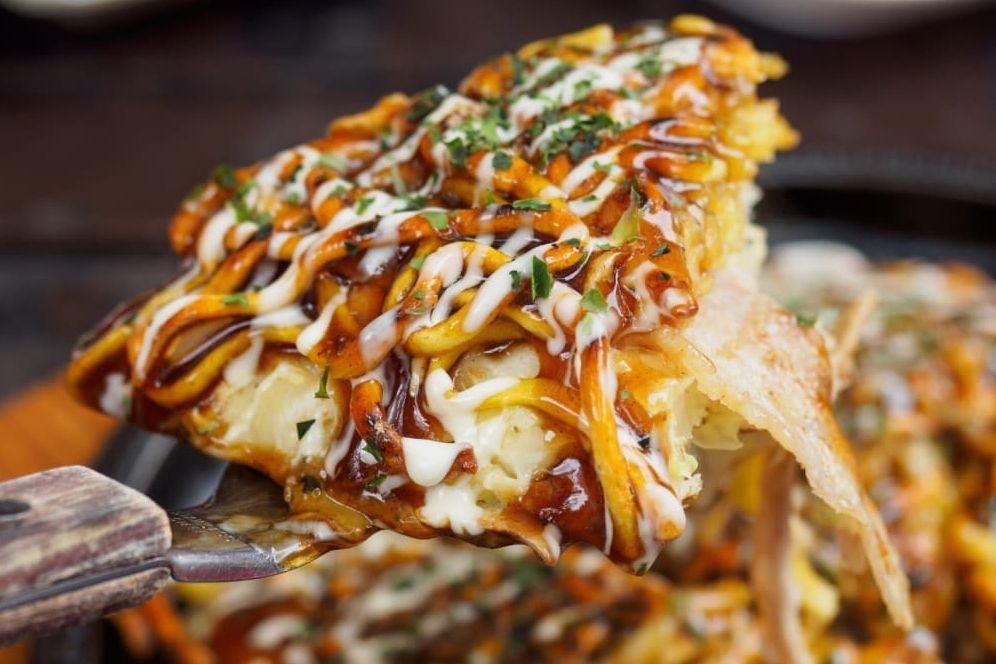
Street food at festivals includes takoyaki (octopus-filled batter balls topped with bonito flakes that “dance” from the heat), yakitori (chicken skewers), and taiyaki (fish-shaped cakes filled with red bean paste or custard). Department store food halls (depachika) offer takeaway bento boxes perfect for park picnics or bullet train meals. Even 7-Eleven convenience stores stock onigiri rice balls, fresh sandwiches (with crusts removed) and hot fried chicken.