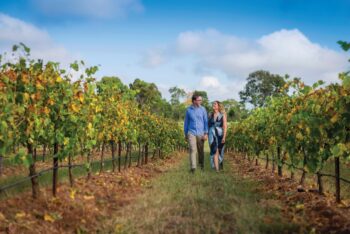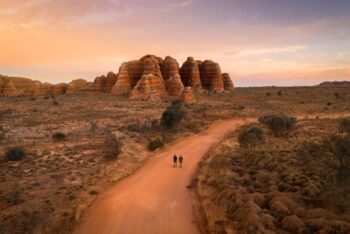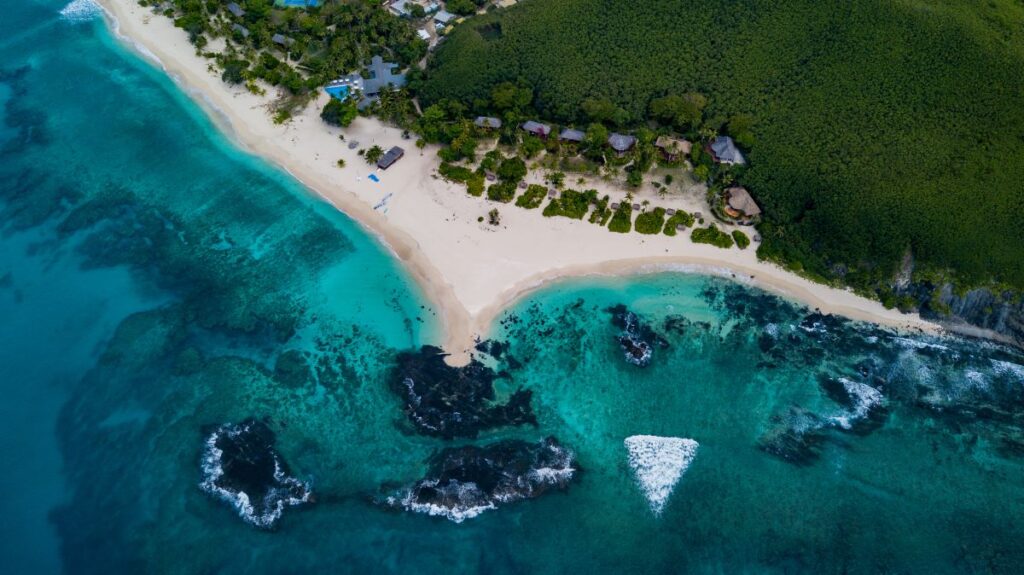
The South Pacific spans 28 million square kilometres, from the northern tip of Australia to the edges of Hawaii – Fiji, Vanuatu, Samoa, New Caledonia and the Cook Islands each just a handful of degrees apart on a map, yet worlds apart in character. Beyond the shared backdrop of coral and volcanic stone, each island holds its own traditions, languages and cuisine. But which one is right for you?
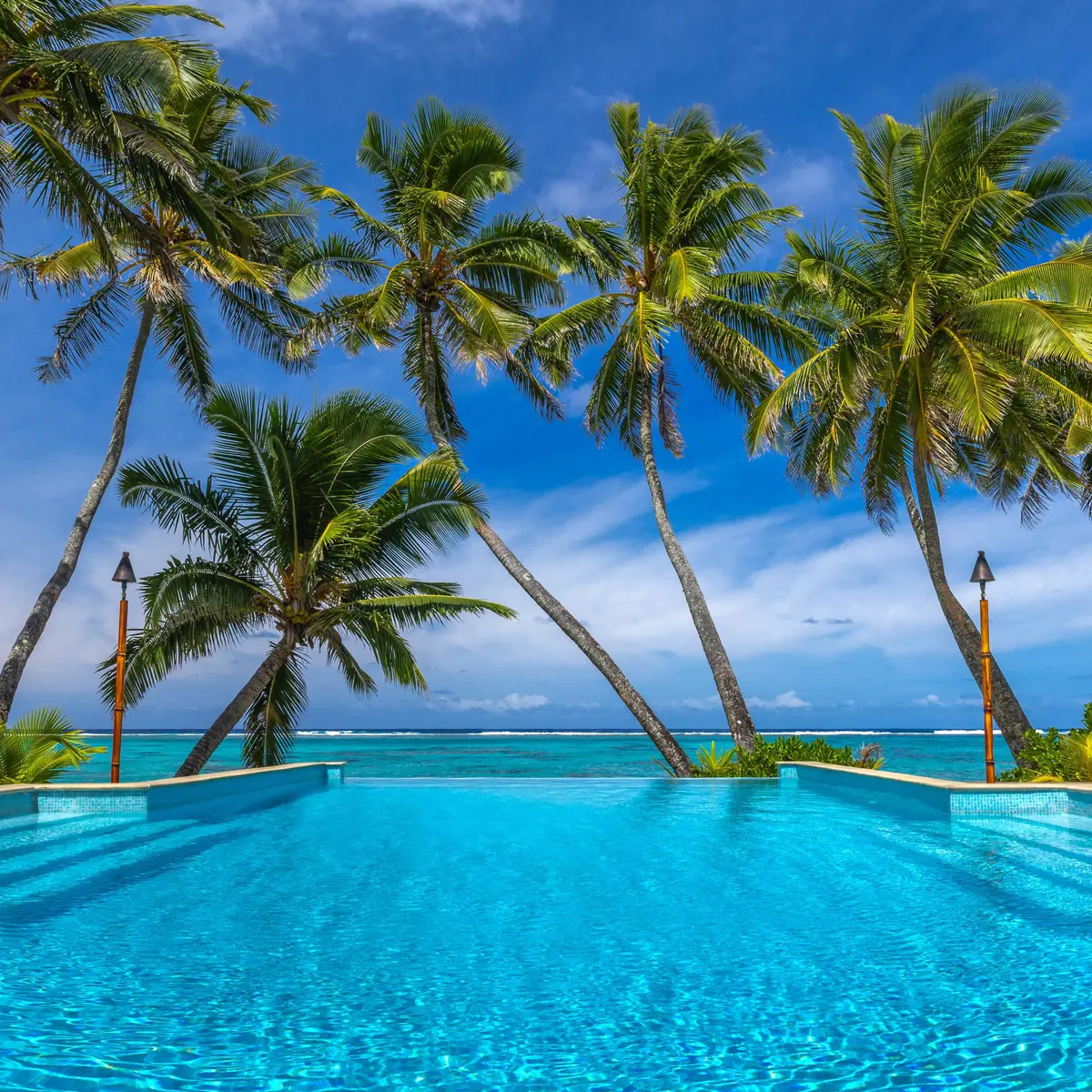
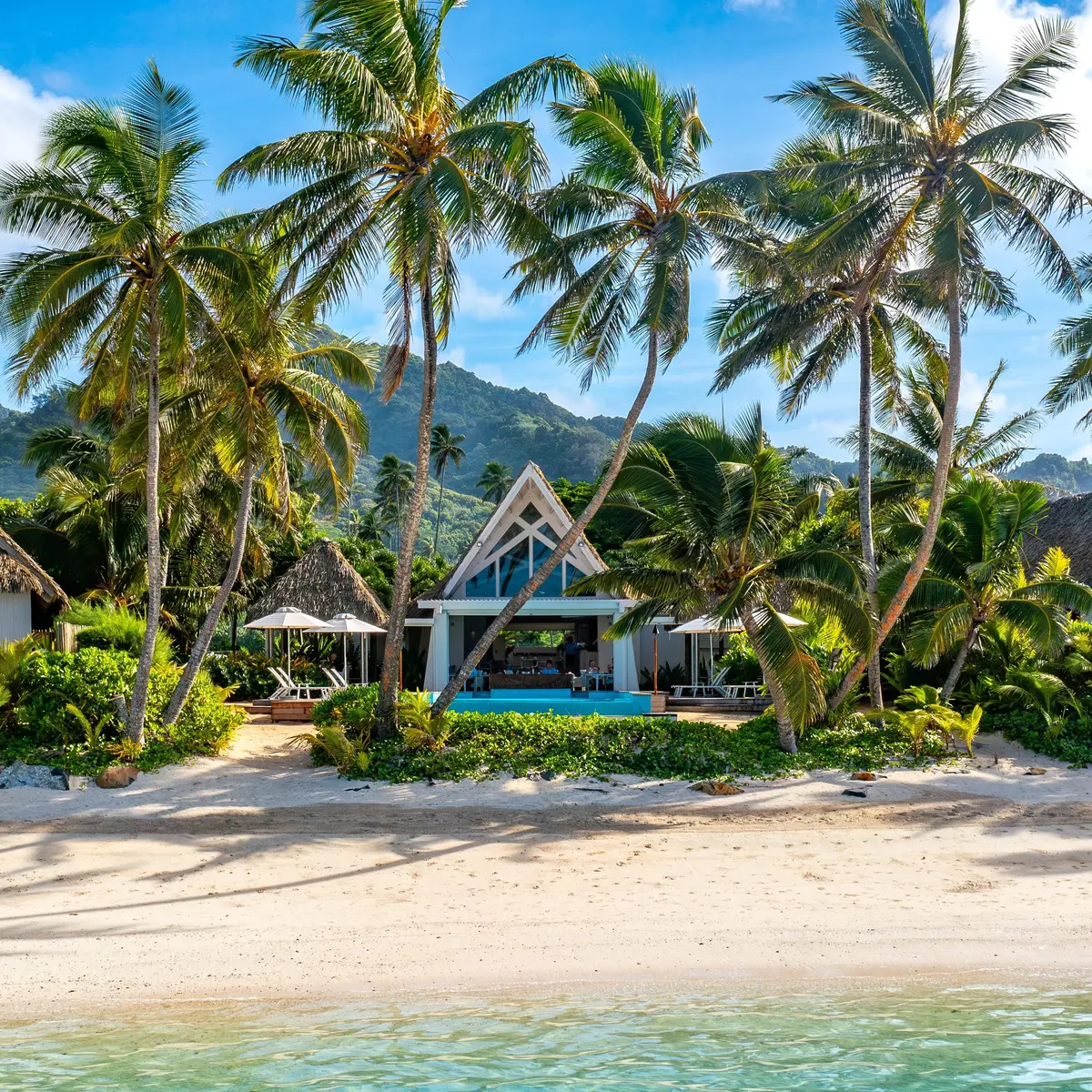
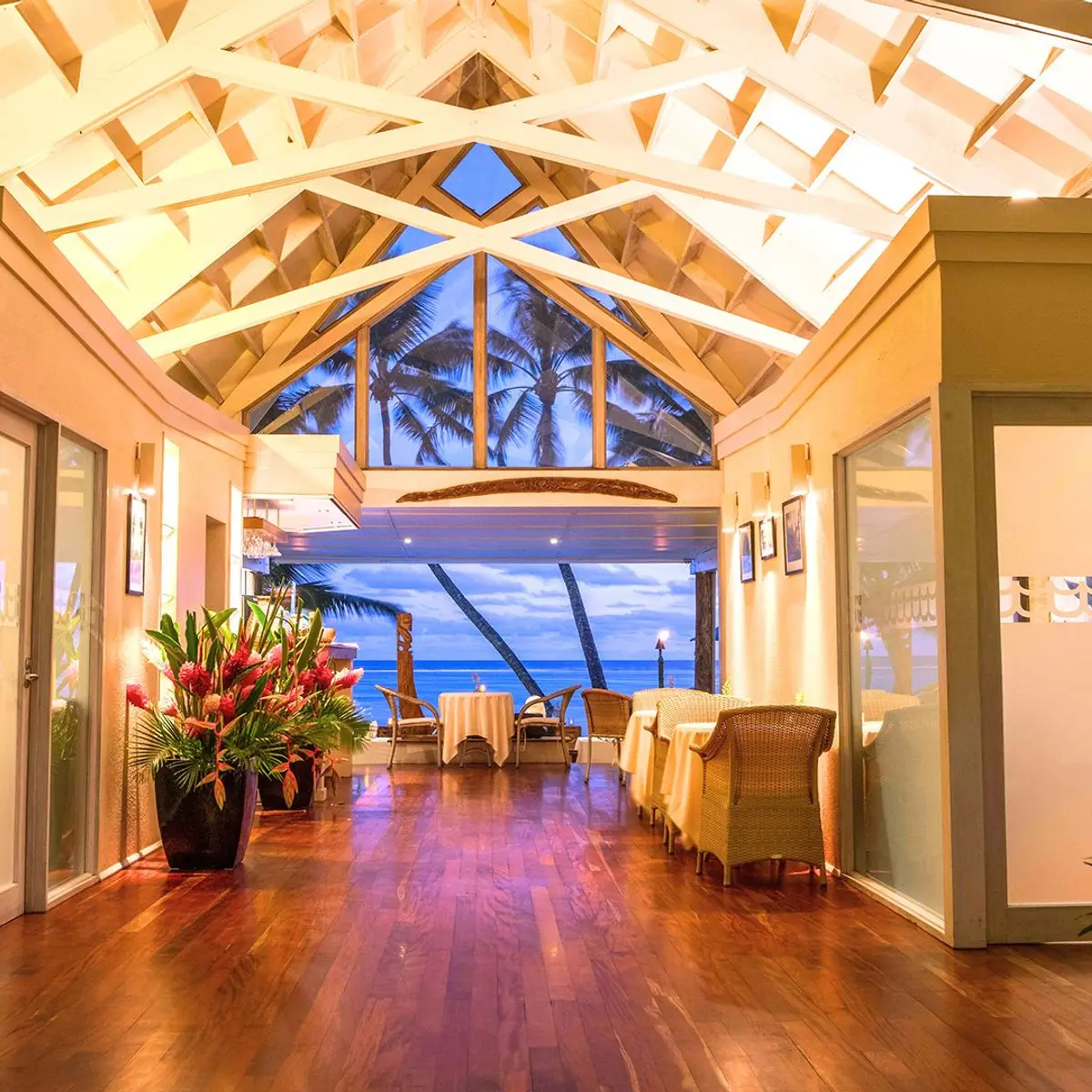
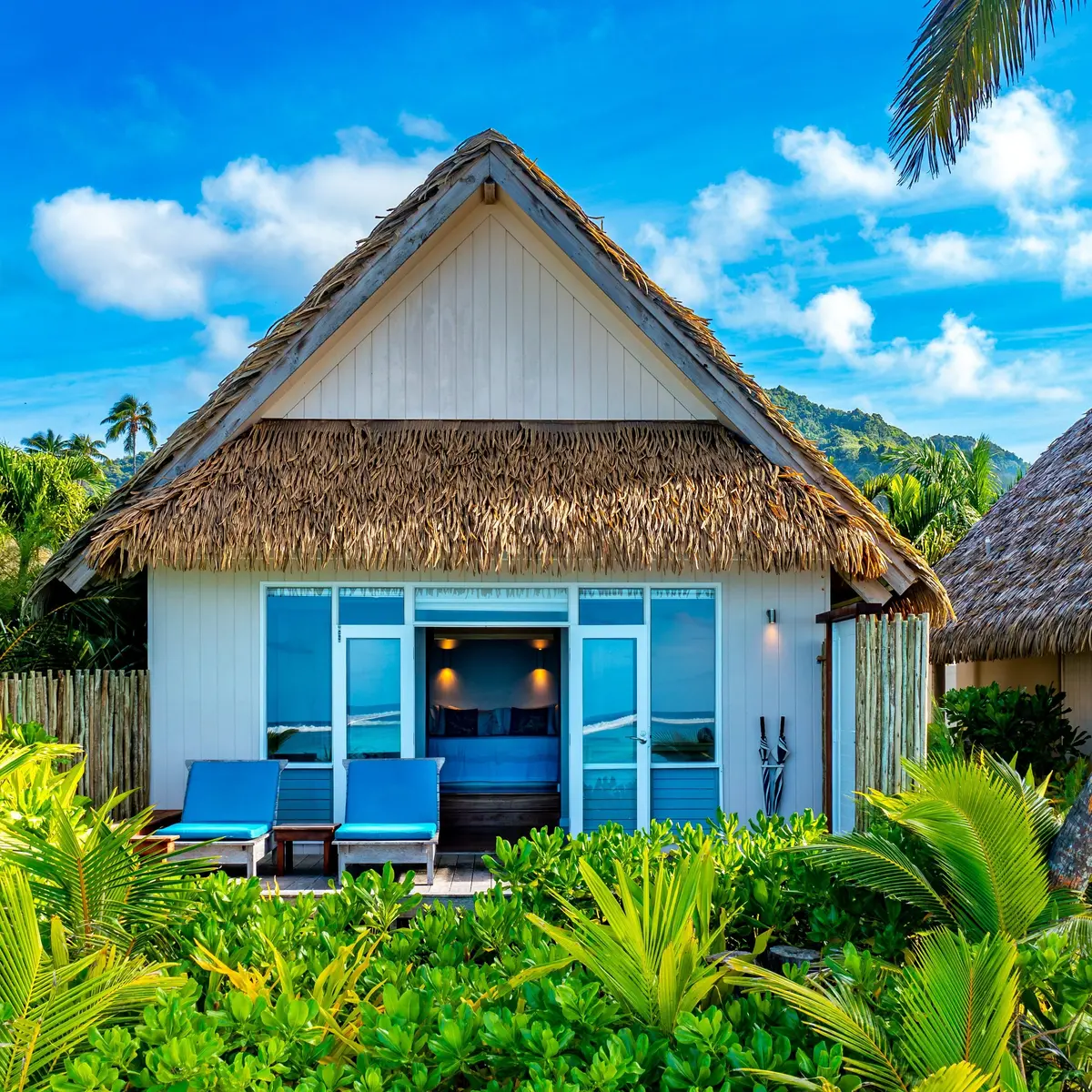


Fiji: fully equipped for families

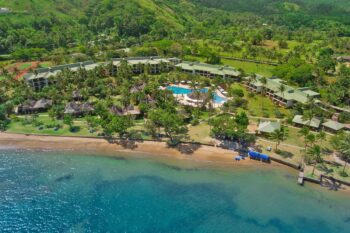
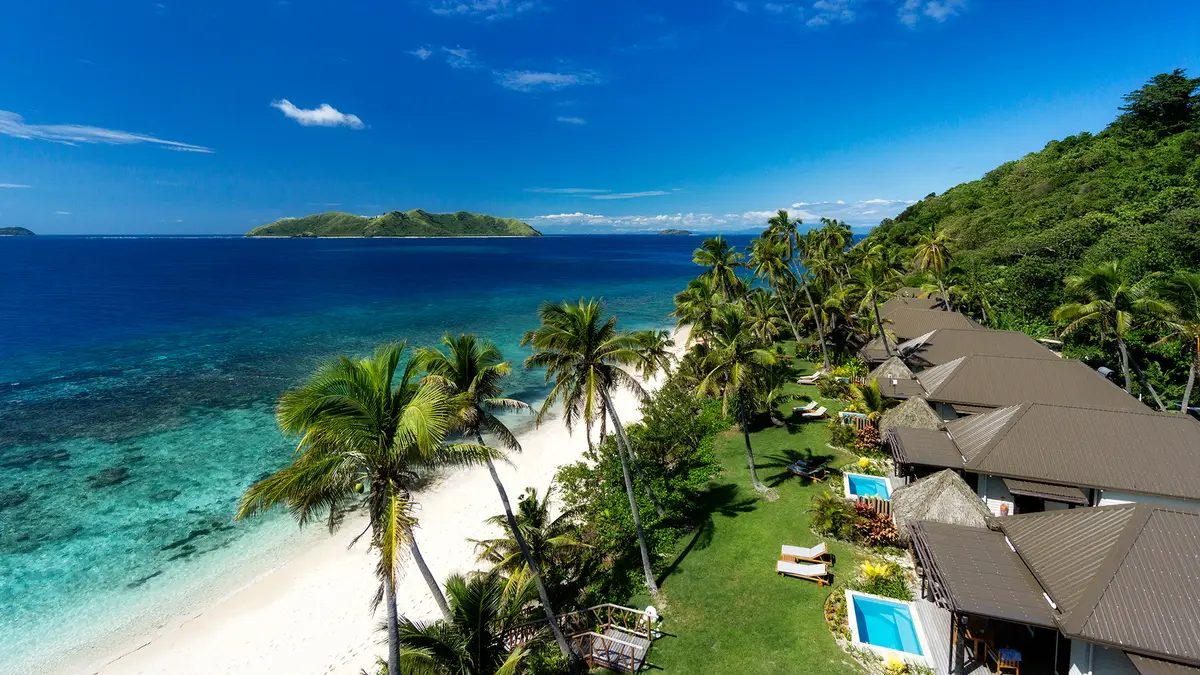
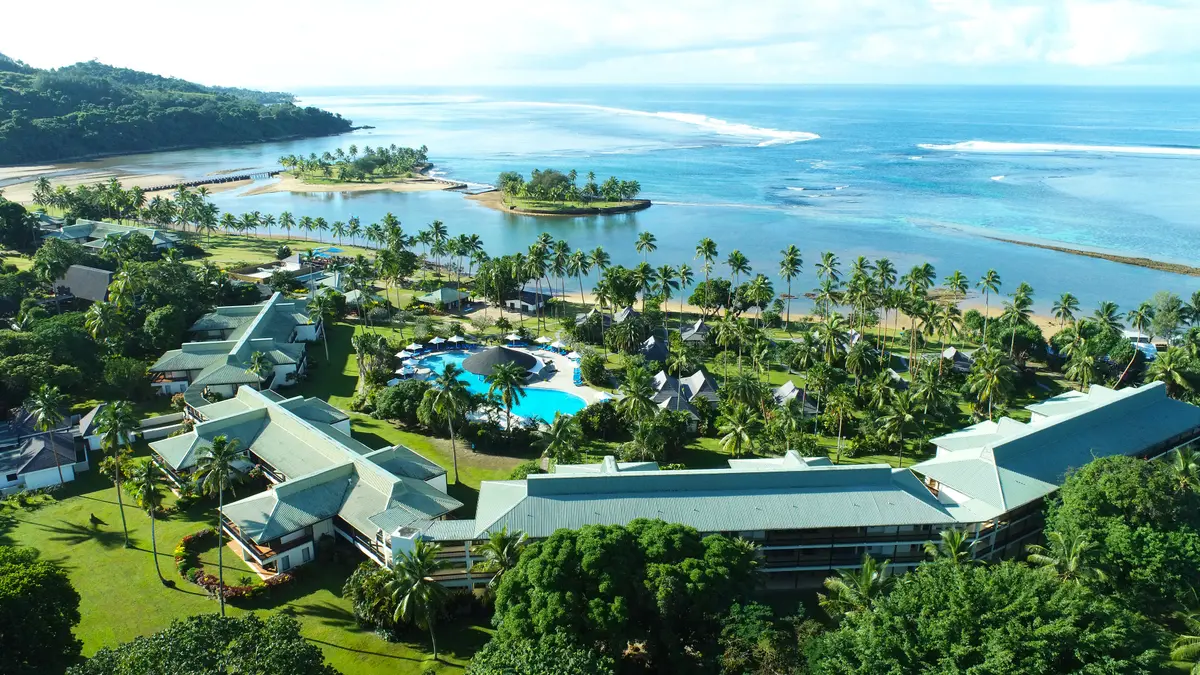
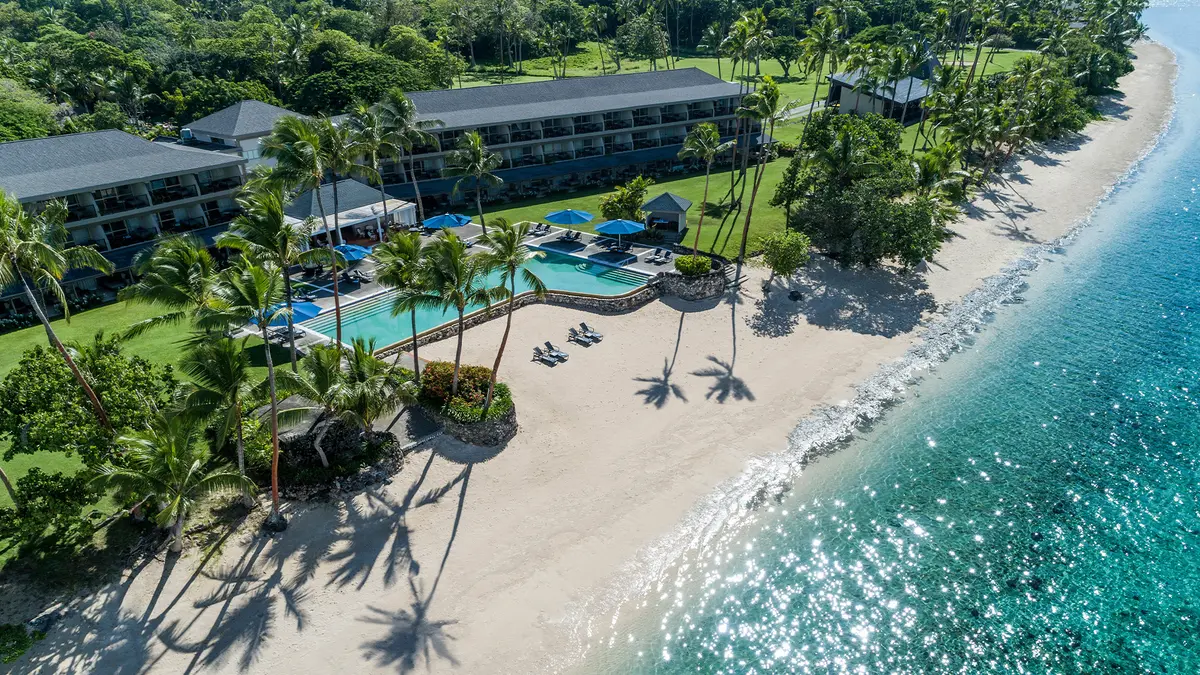
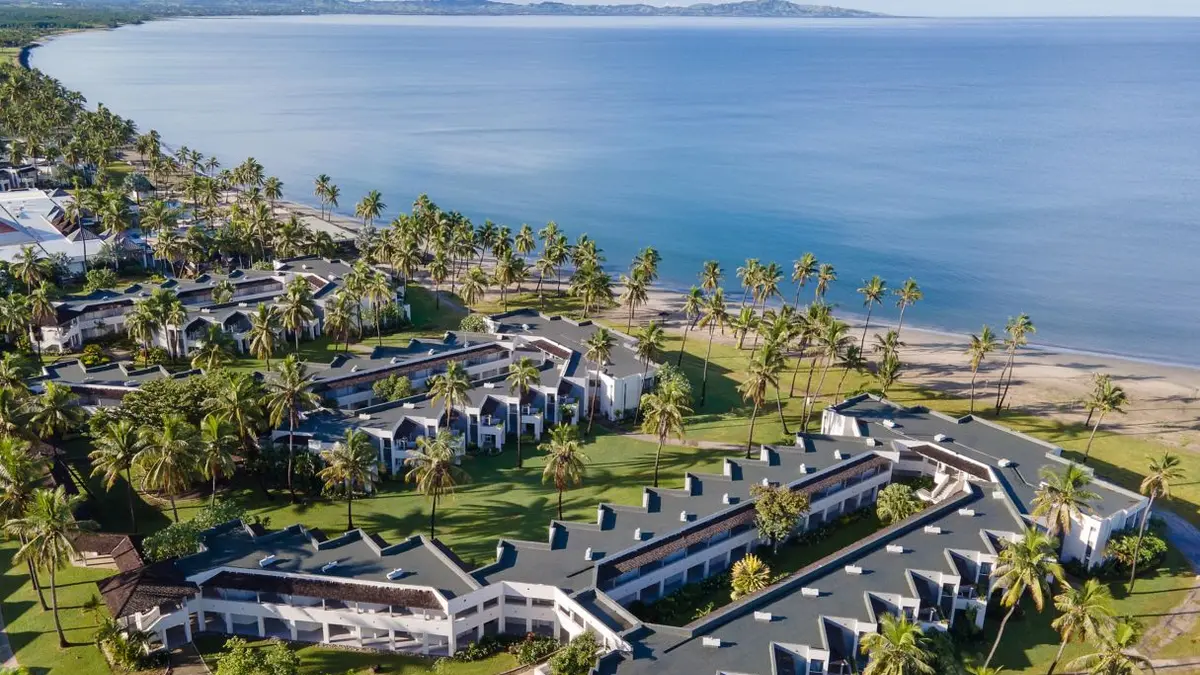
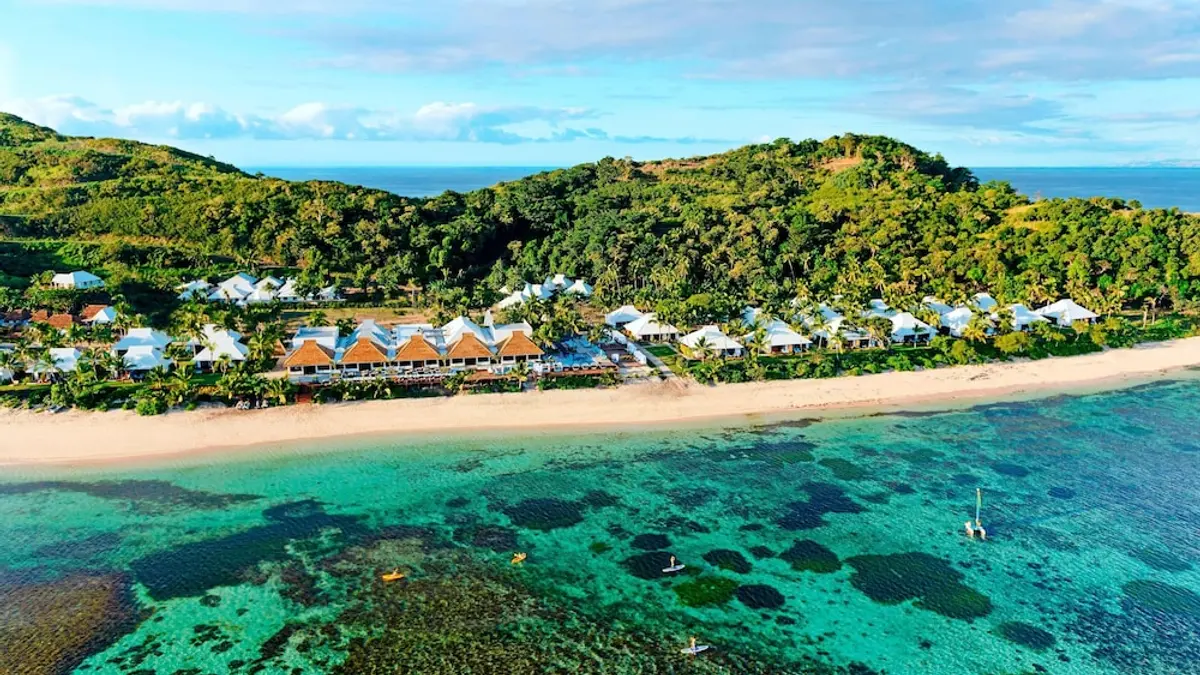
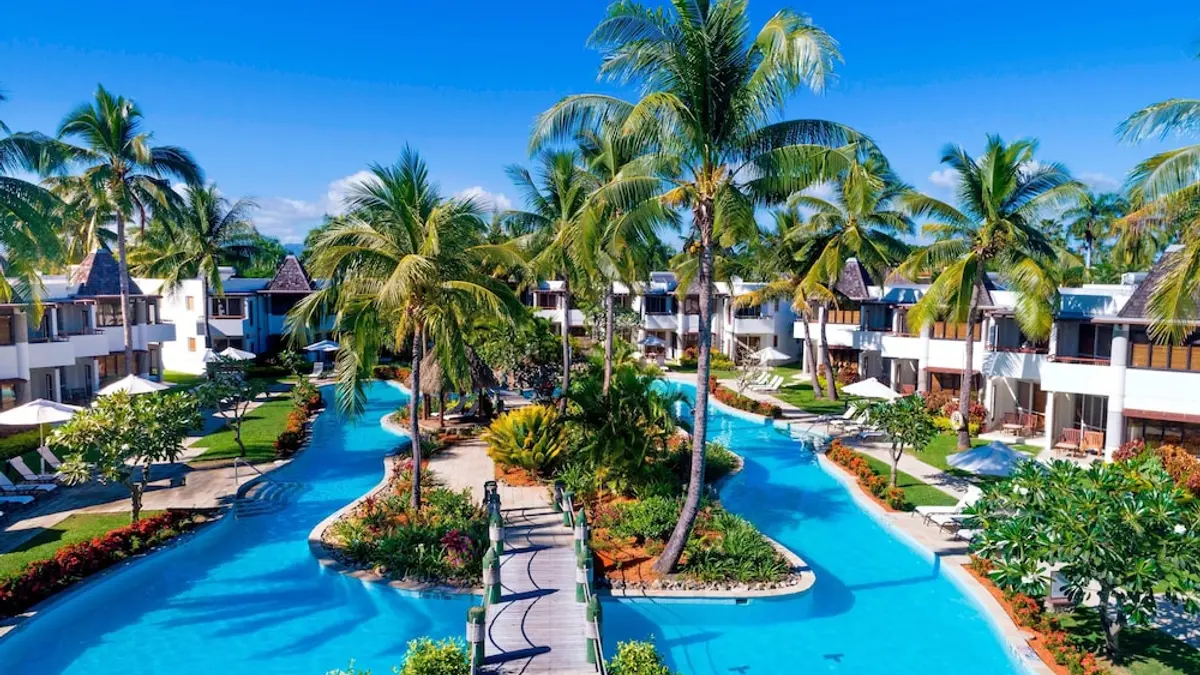
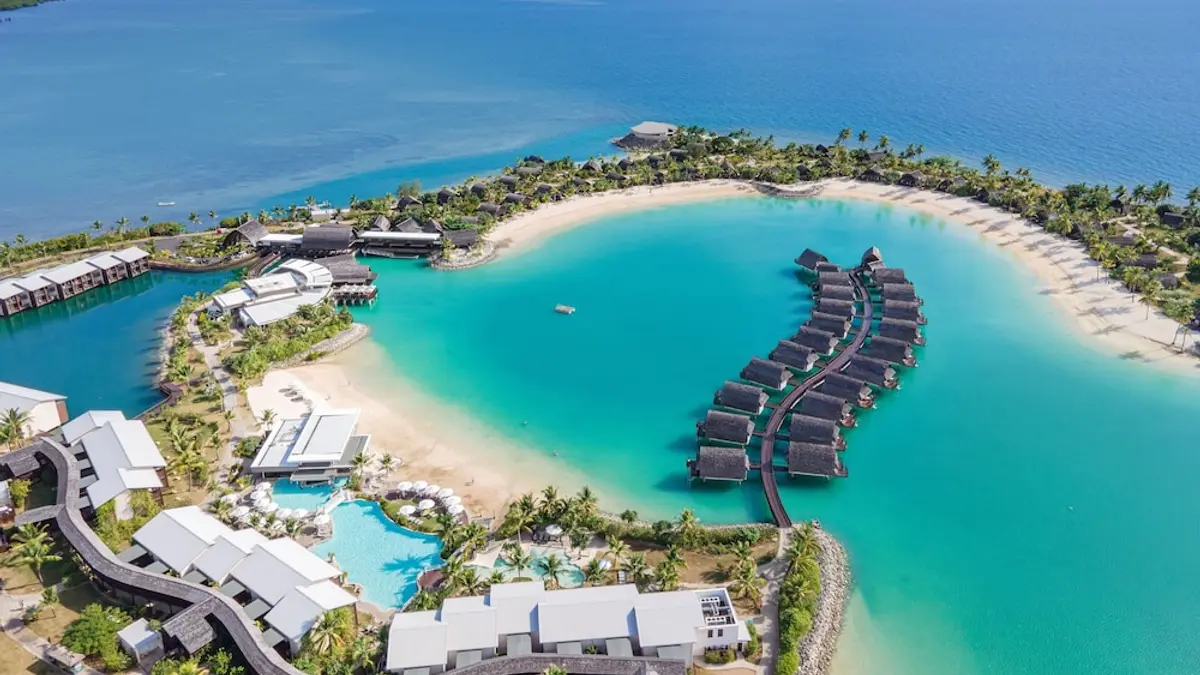
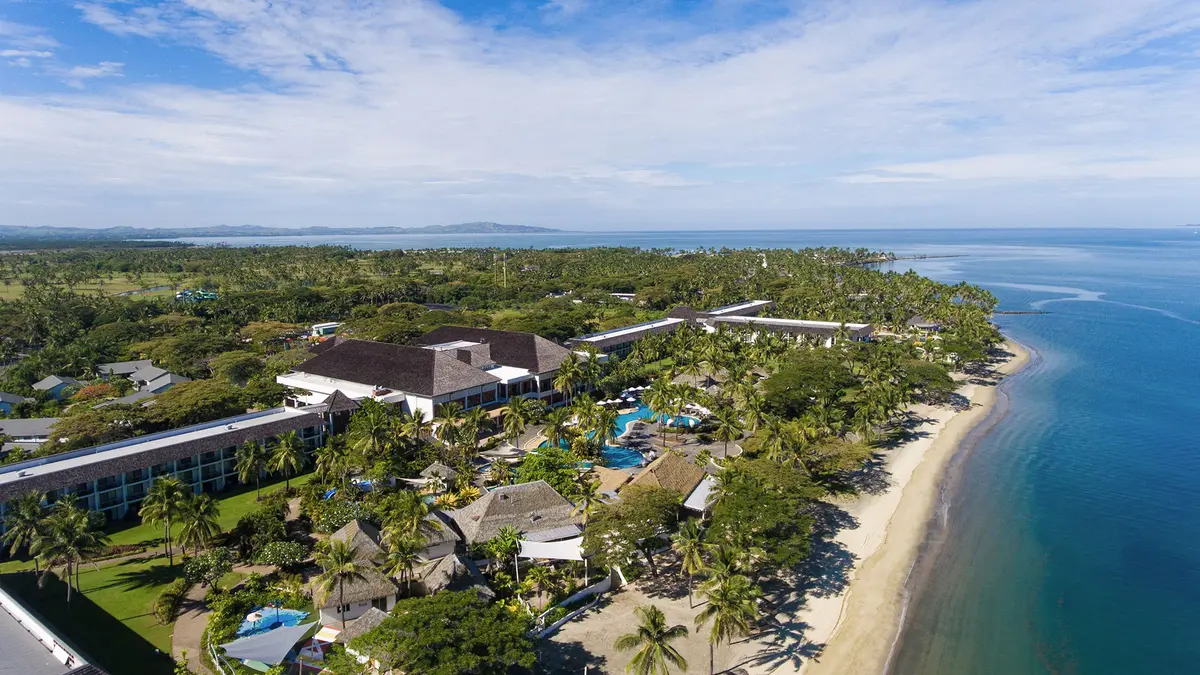
Fiji is the most tourism-ready of the South Pacific islands, and it shows – this is where the resorts run their own kids’ clubs and nanny services as standard, making it the easiest option for families travelling with young children.
It’s also one of the few places in the world to snorkel alongside manta rays in open water. Head to the Yasawa Islands or Kadavu between May and October and you’ll likely swim beside them. For something different, skip the resort spa in favour of Sabeto Hot Pools – a series of natural mud and hot spring pools where a guide covers you in warm volcanic mud before you rinse off in the spring water.
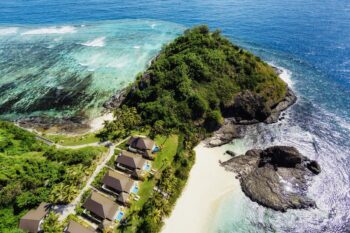
Beyond the resorts, Fiji’s rainforests, reefs and remote villages are where the culture lives. If you’d rather see nobody at all, its outer islands still offer stretches of coastline with barely a footprint on them.
Discover Fiji
Vanuatu: volcanic scenery and real, raw experiences
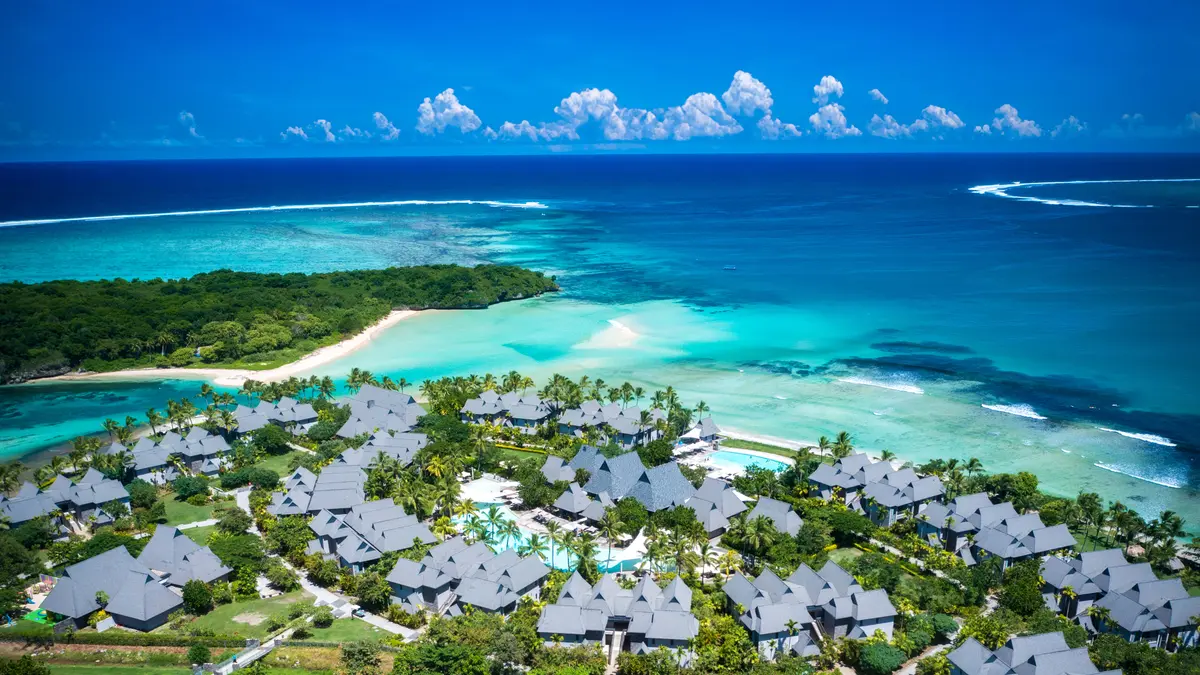
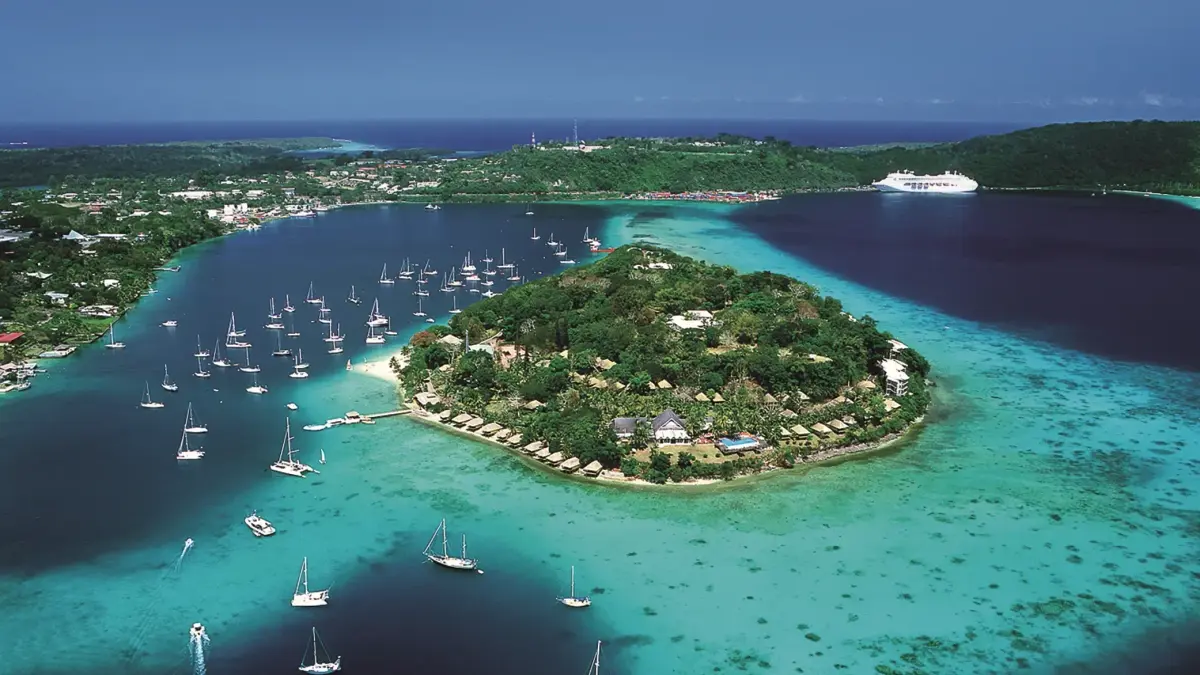
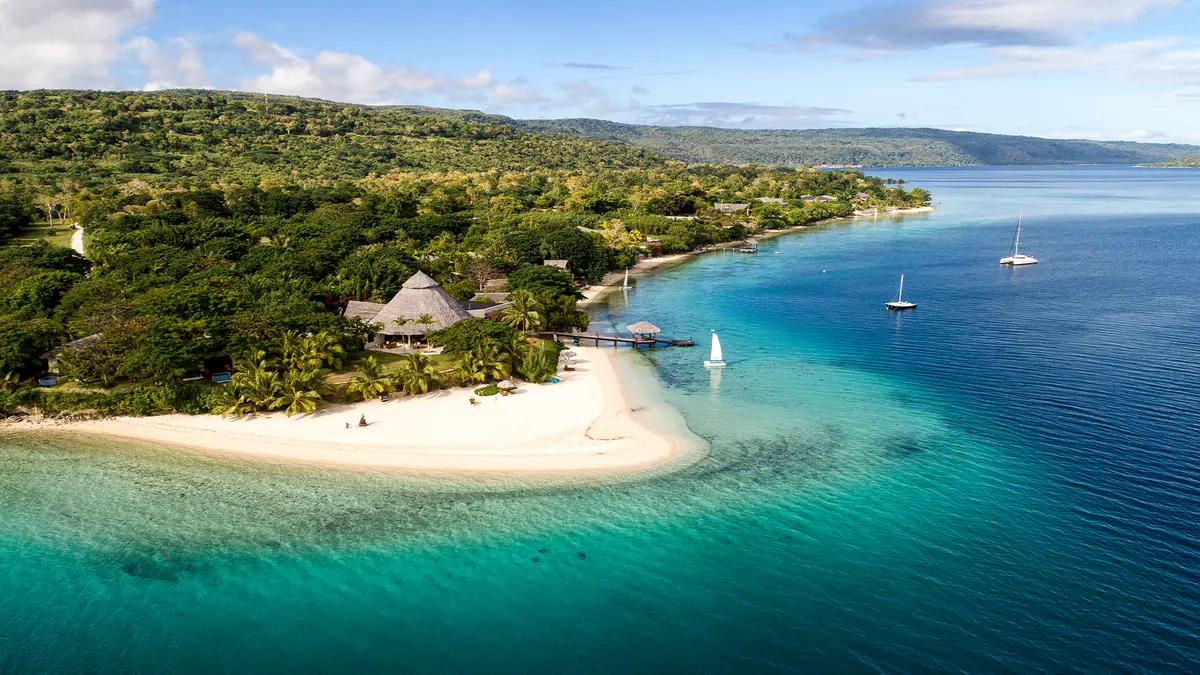
Vanuatu suits travellers drawn to dramatic scenery and unusual, hands-on experiences. Rawer than tourist-friendly Fiji, it’s built for exploration, with hiking trails, shipwrecks and dense jungle rather than resort loungers.
A short drive from Port Vila, Ekasup Village walks visitors through Vanuatu’s cultural history, including its cannibalism-era past. On Tanna, Mount Yasur, one of the world’s most accessible active volcanoes, lets you stand at the edge of an active crater; go with a tour group, as there are no safety barriers at the cindered lip.
There’s more for the intrepid traveller beyond the volcano. Trace the journey from bean to cup on a coffee plantation tour, or visit Tanna’s thermal springs, where locals use the natural heat to cook an afternoon snack. Far from the typical tourist hubs, this rugged archipelago of 83 islands rewards travellers willing to go off-script.
Discover Vanuatu
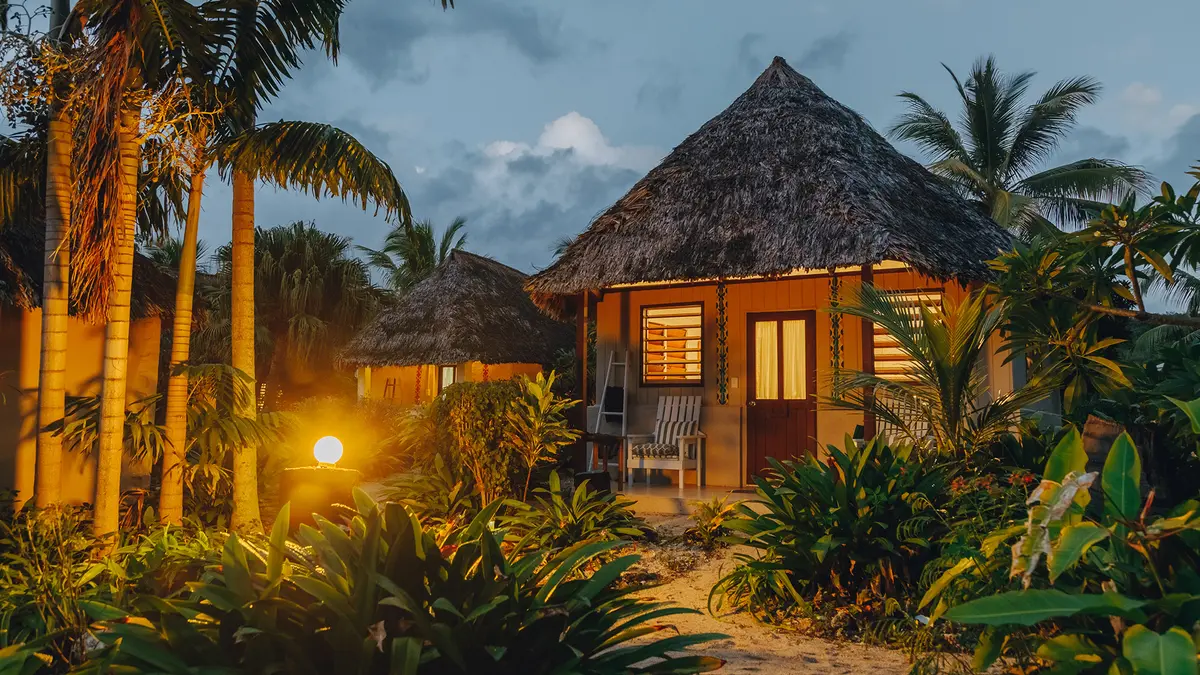
Samoa: swimming holes and a slow pace
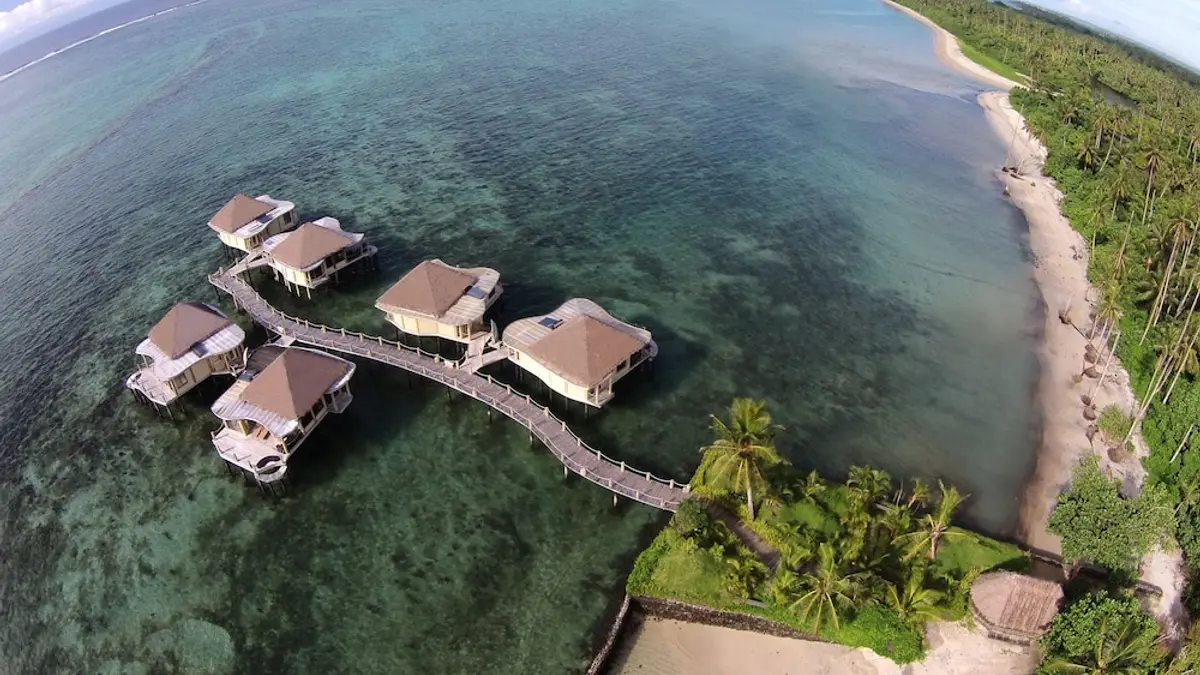
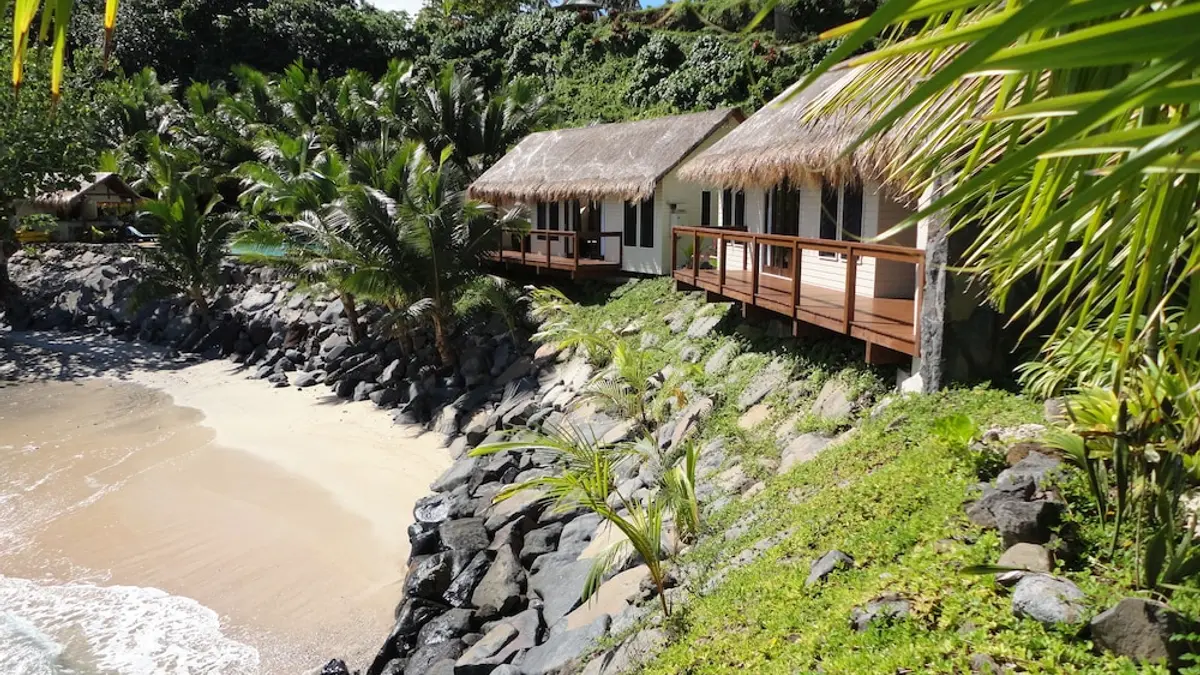
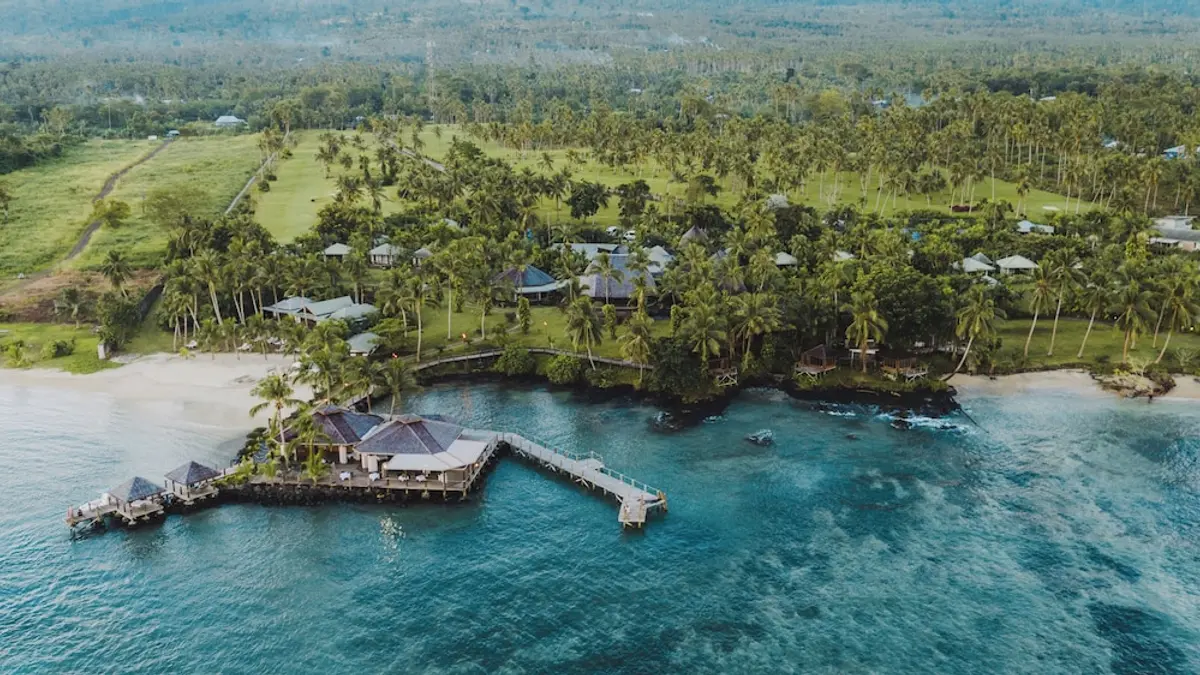
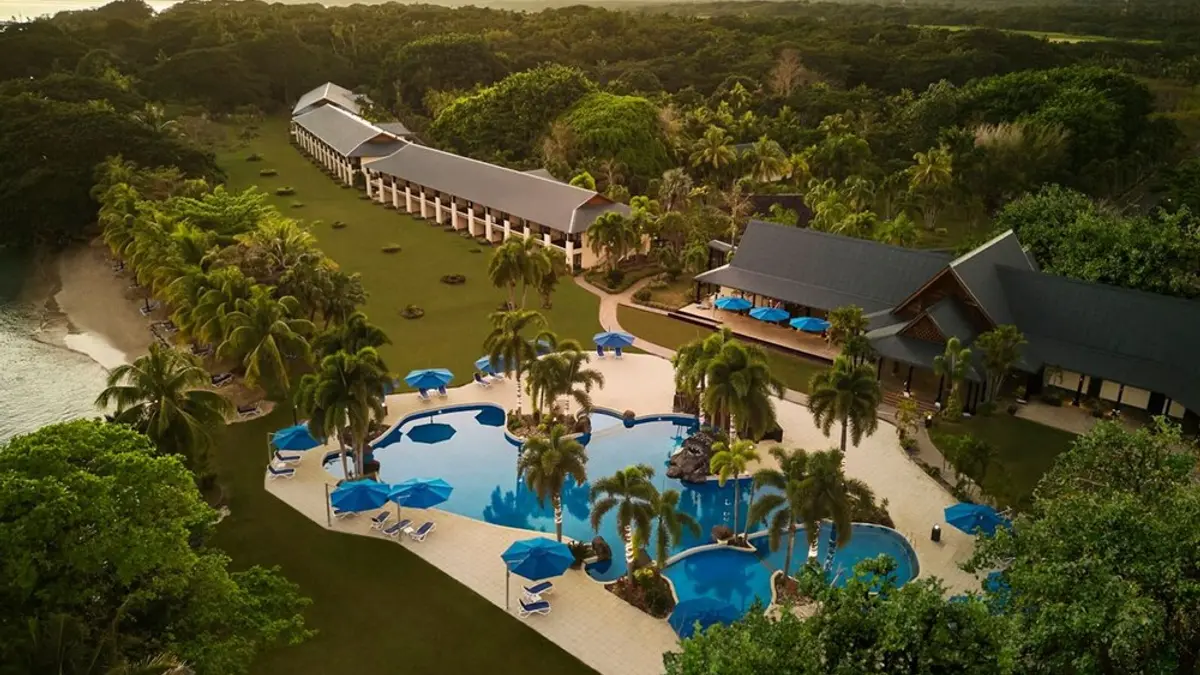
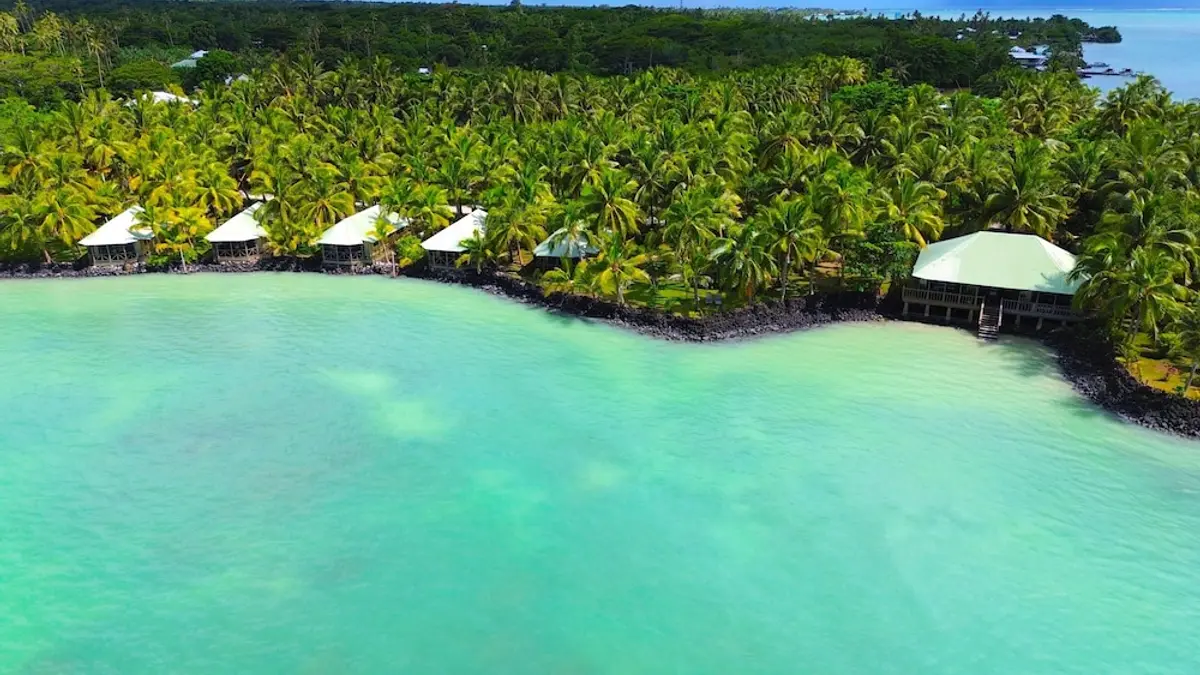
For a slower, less resort-driven side of Pacific Island life, Samoa is the pick. It has only a handful of luxury resorts, and the pace of life here is noticeably slower than elsewhere in the region.
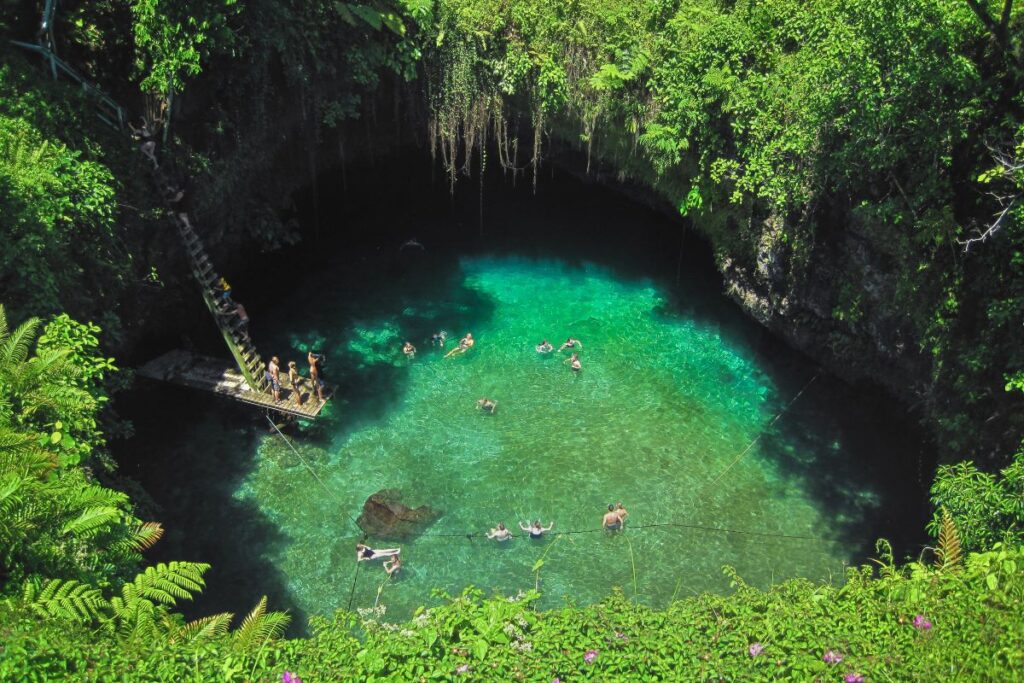
Samoa’s landscape, its coastal rock formations and lava tubes, was shaped by volcanic activity. One standout is To Sua Ocean Trench, a sunken swimming hole reached by ladder and framed by hanging vines. On Savai’i, the Alofaaga Blowholes send seawater metres into the air as waves force through channels in the lava rock.
The islands have long drawn writers and travellers. Robert Louis Stevenson, taken by Upolu’s mountains, valleys and rainforest, including the terrain now protected within O Le Pupu-Pue National Park, spent his final years at his estate overlooking Apia. On Savai’i, the Pulemelei Mound, the largest ancient structure in Polynesia, sits deep in the rainforest and is still not fully understood by archaeologists.
Discover Samoa
New Caledonia: Pacific position, French flair
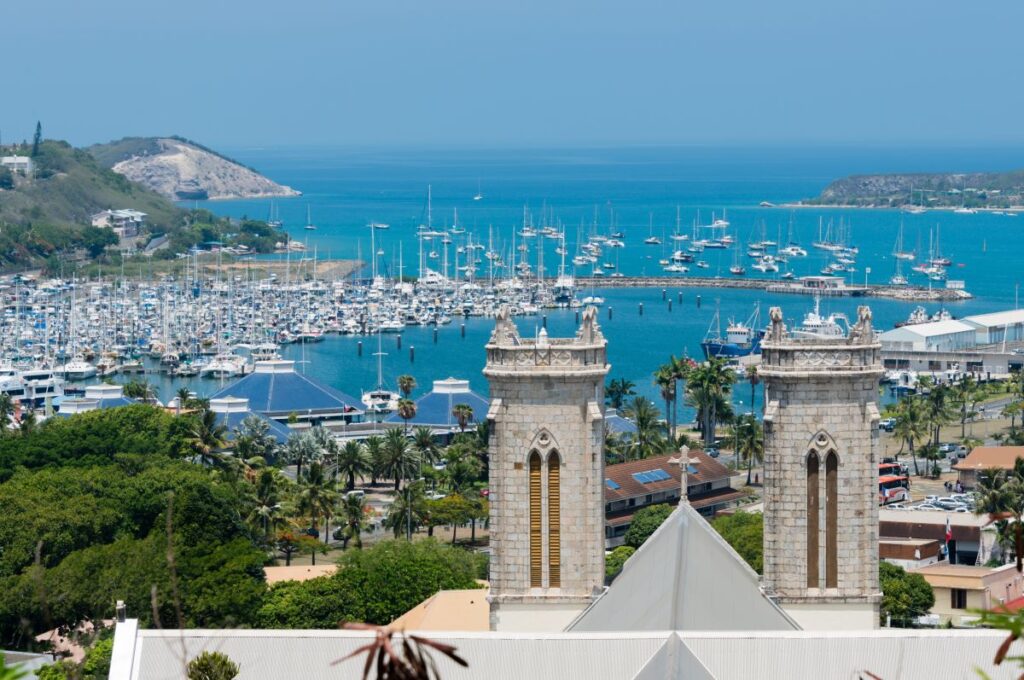
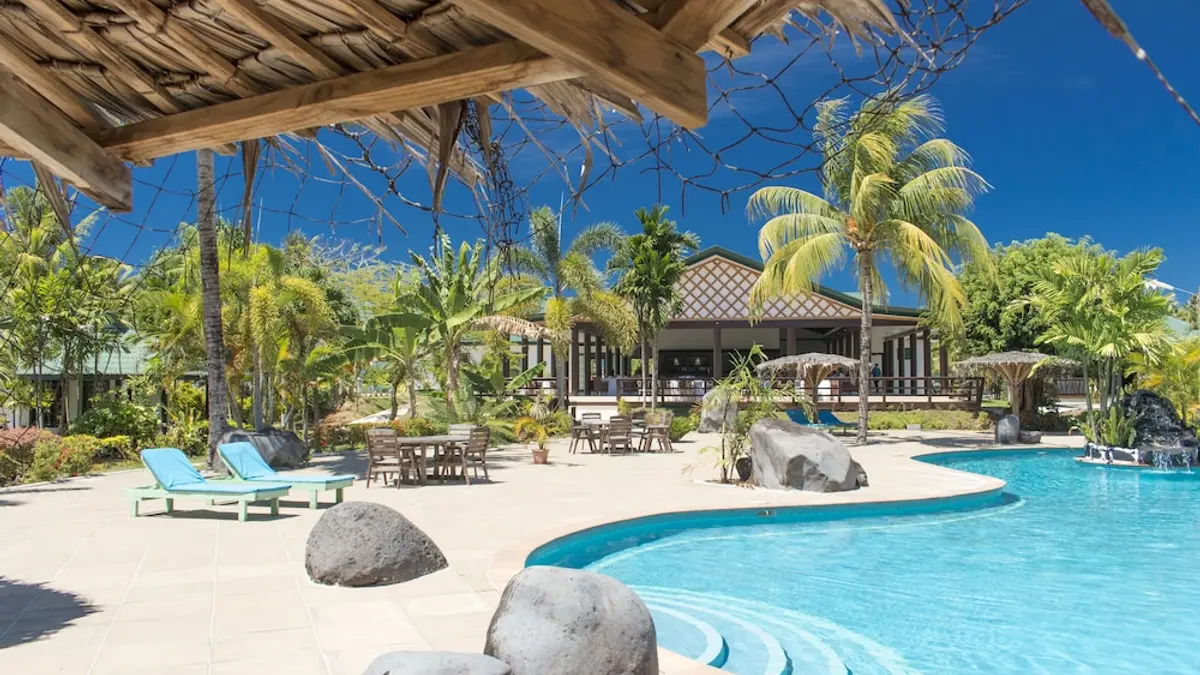
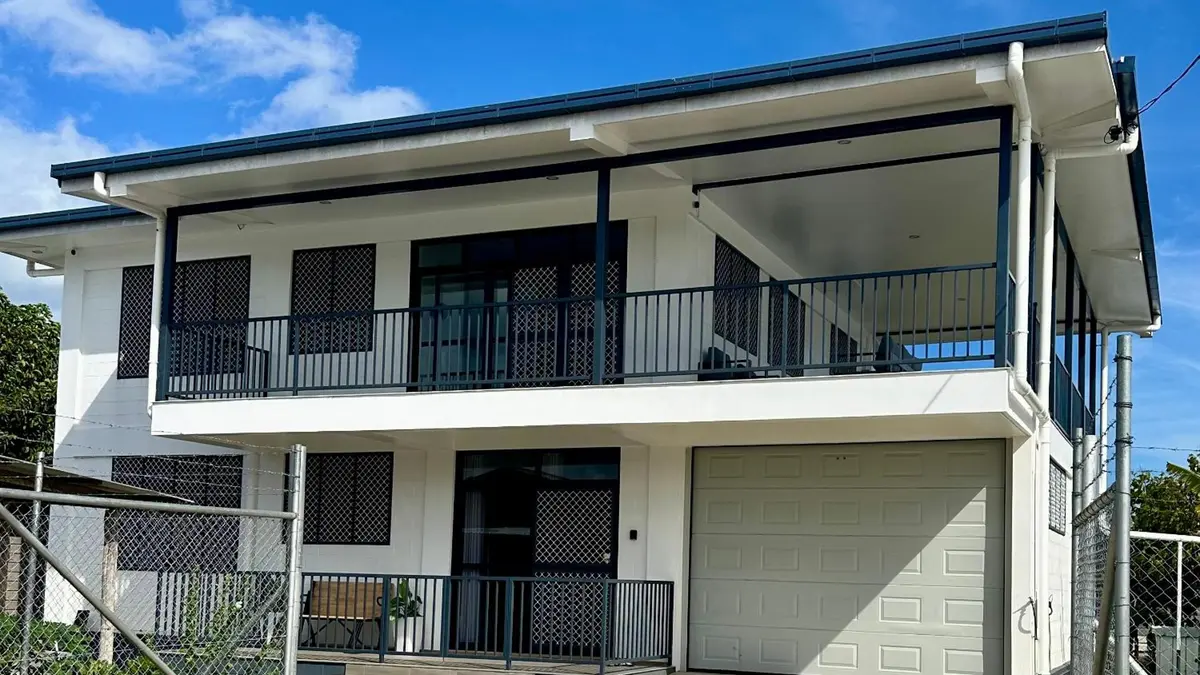
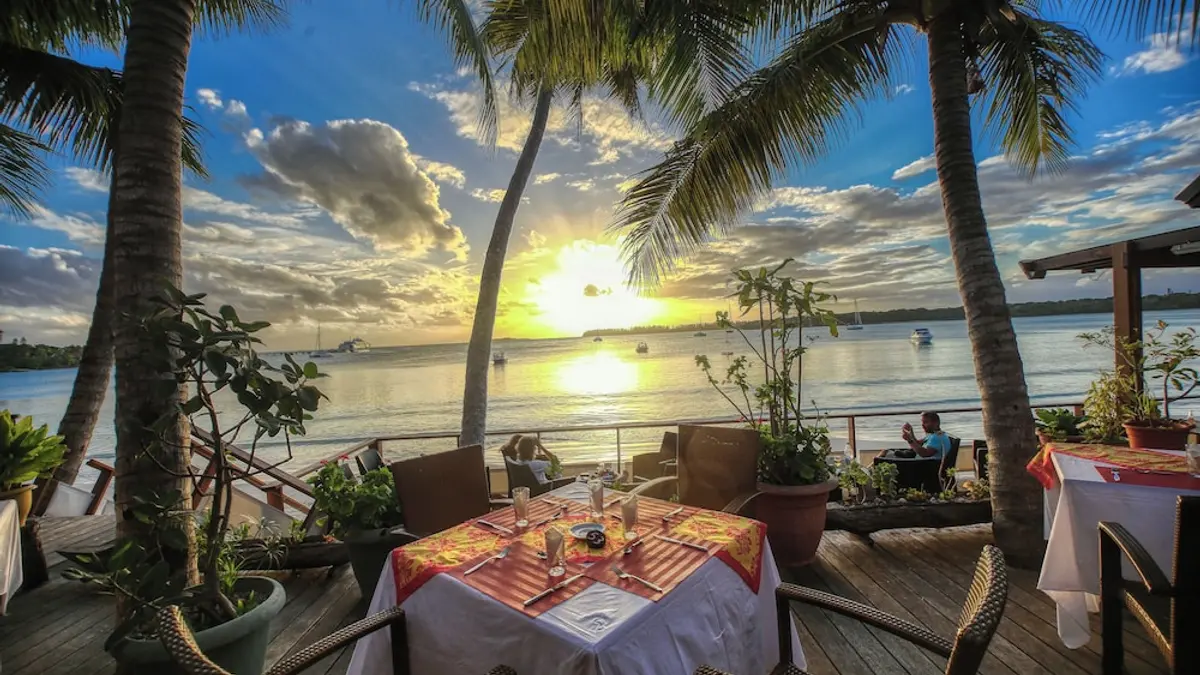
New Caledonia‘s white sand and palm trees sit an ocean away from Europe, yet this is French territory in miles-per-hour and manners. A special collectivity of France, the result is a Melanesian-French mix that shows up on the plate as much as anywhere else: fresh seafood and tropical fruit alongside proper French pastry and wine lists. In Nouméa, the boutiques carry French perfume, jewellery and leather goods you wouldn’t expect to find this far into the Pacific.
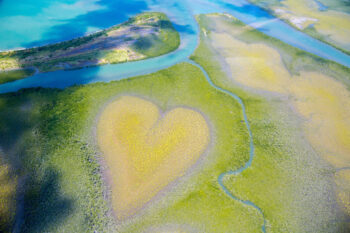
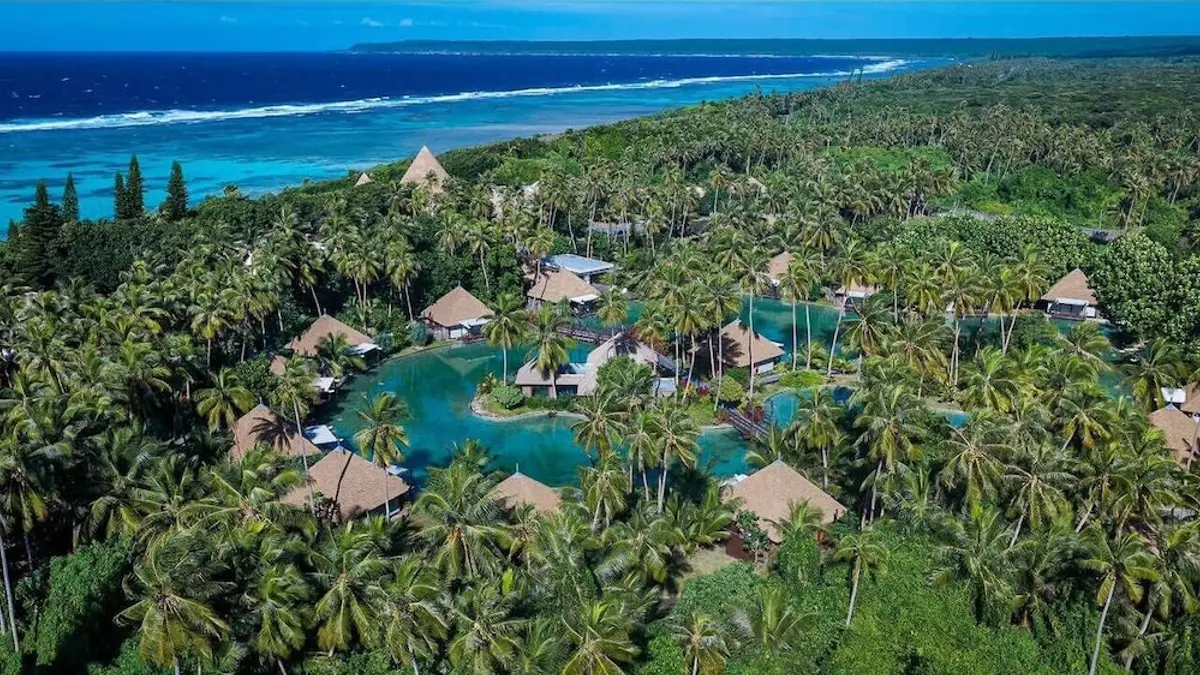
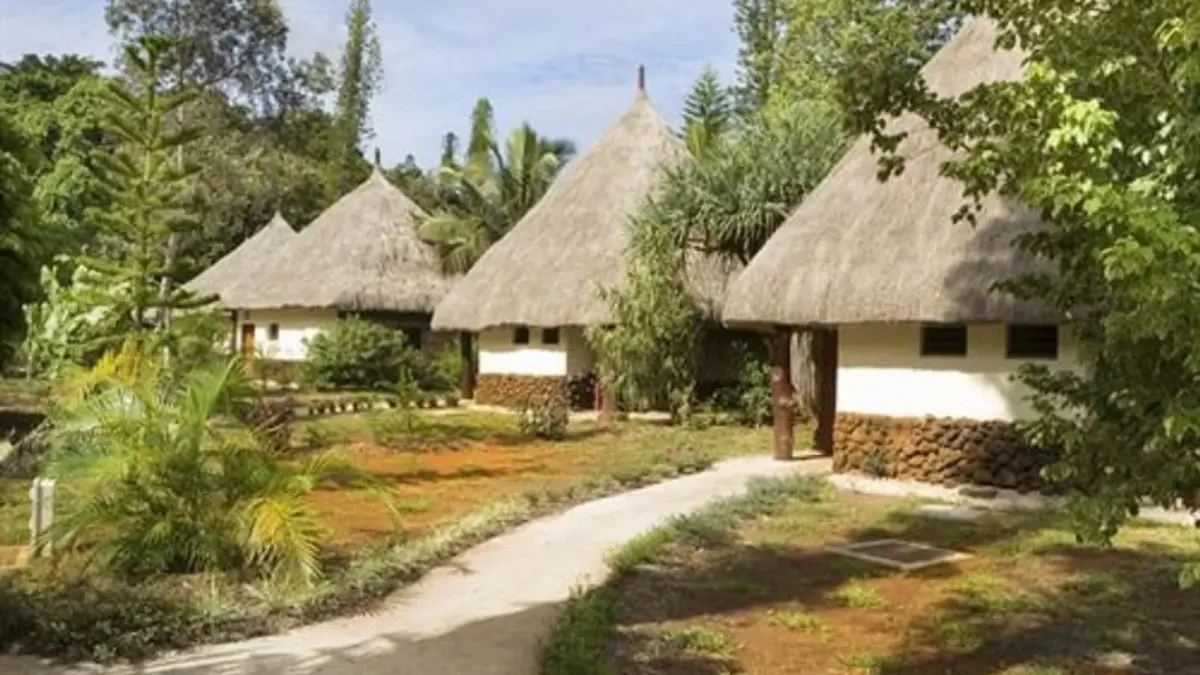
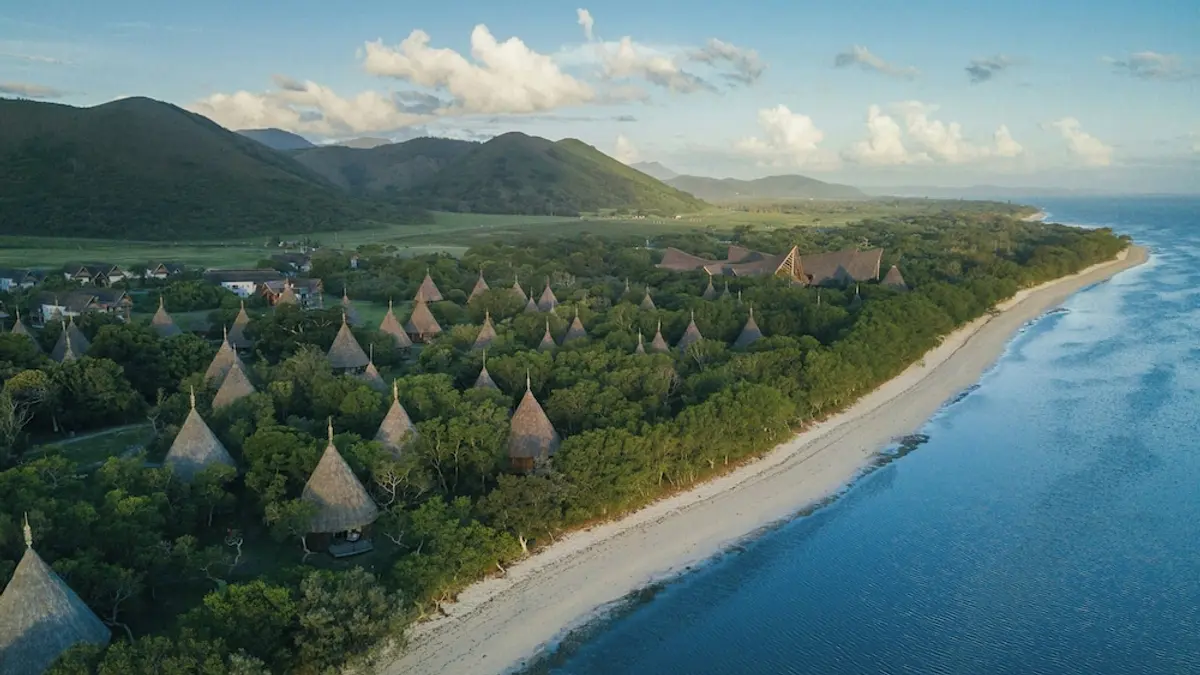
The scenery holds up its end too: thatched huts built out over the water, mountain ranges inland, waterfalls and rainforest. Most visitors base themselves on Grande Terre, one of the largest islands in the Pacific, ringed by the world’s second-largest double-barrier reef system after Australia’s Great Barrier Reef.
Discover New Caledonia

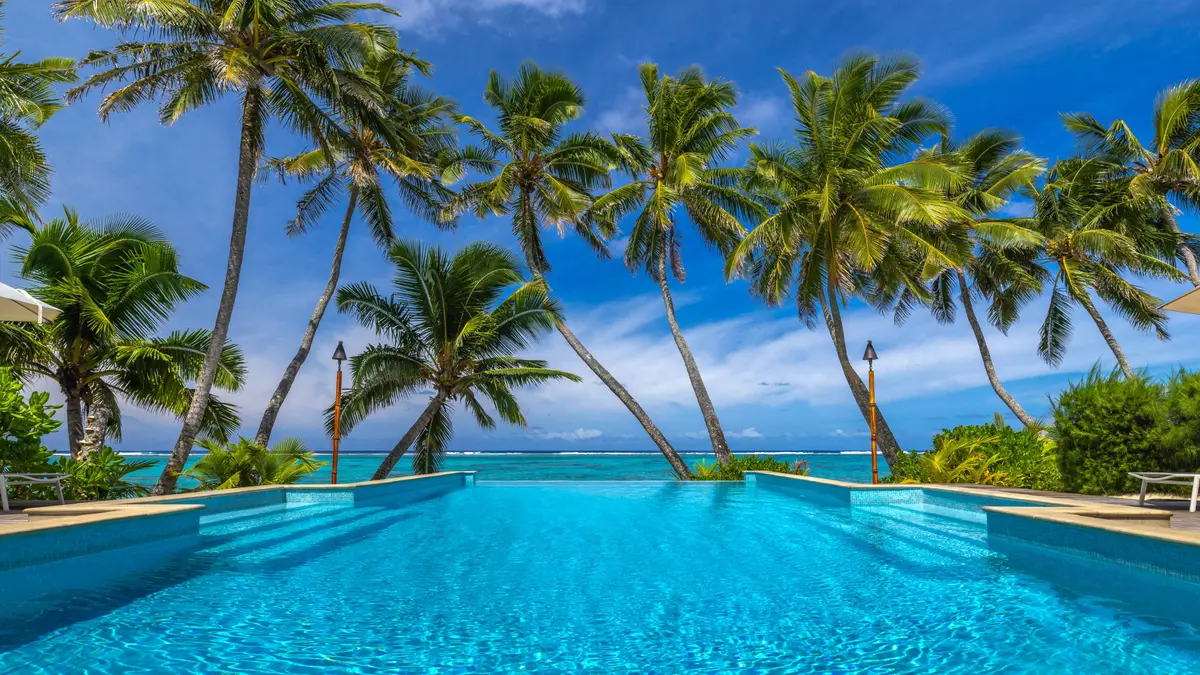
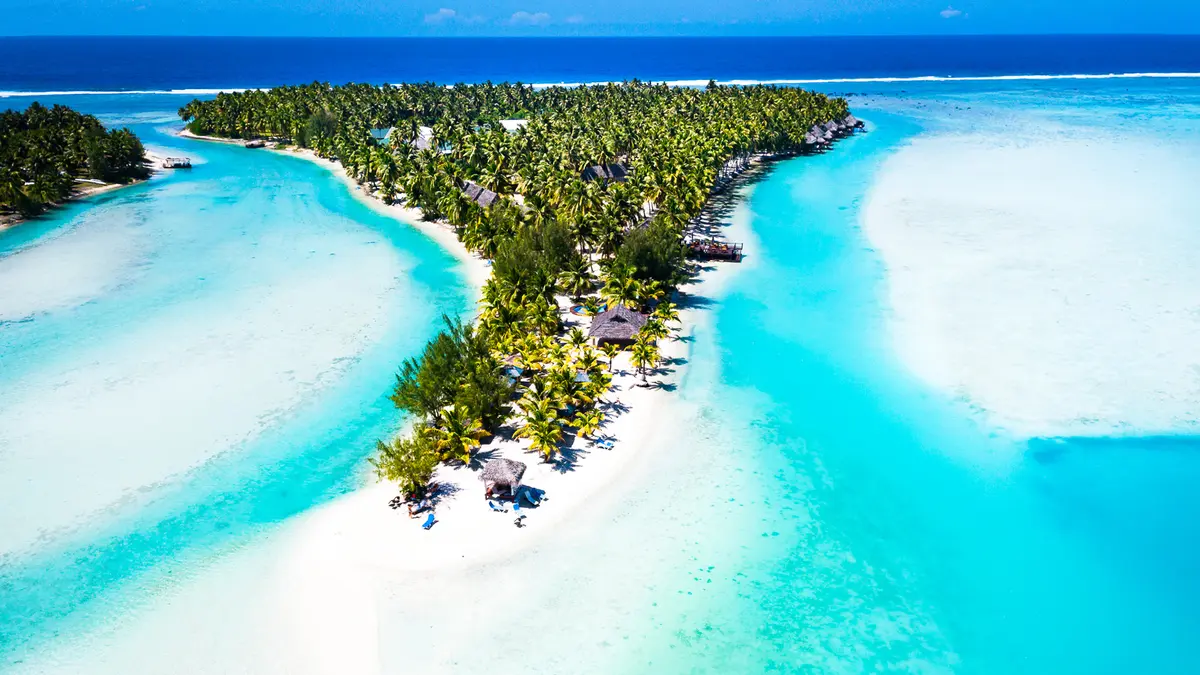
Cook Islands: the Pacific’s answer to the Maldives
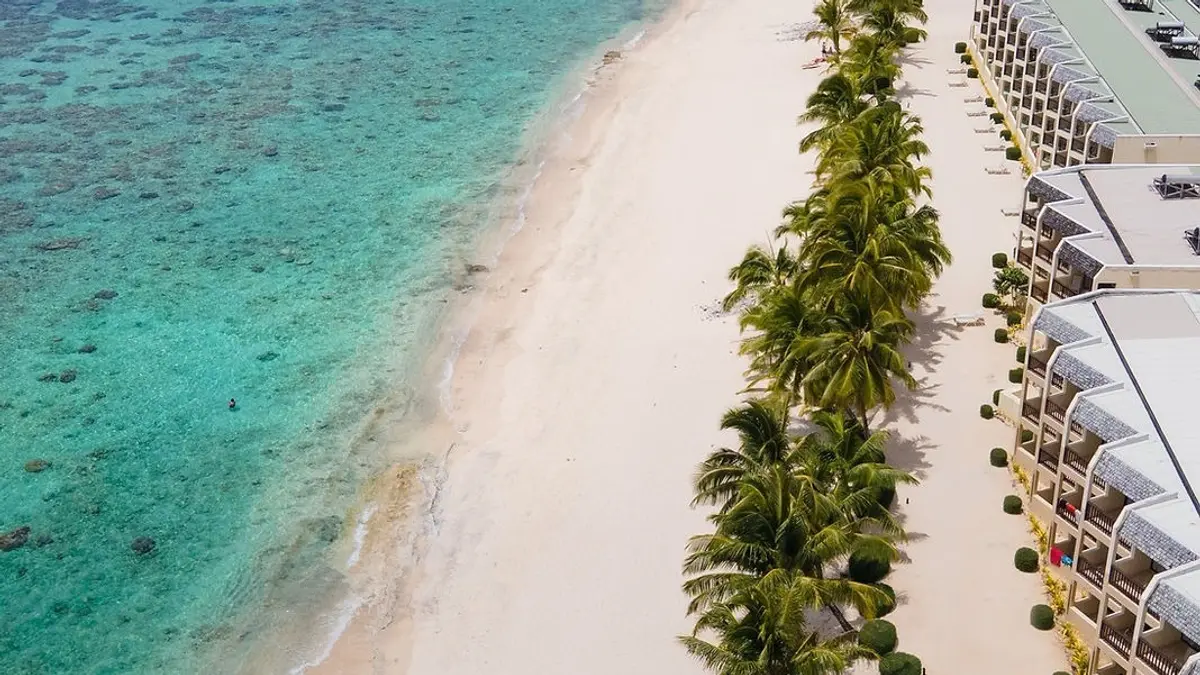
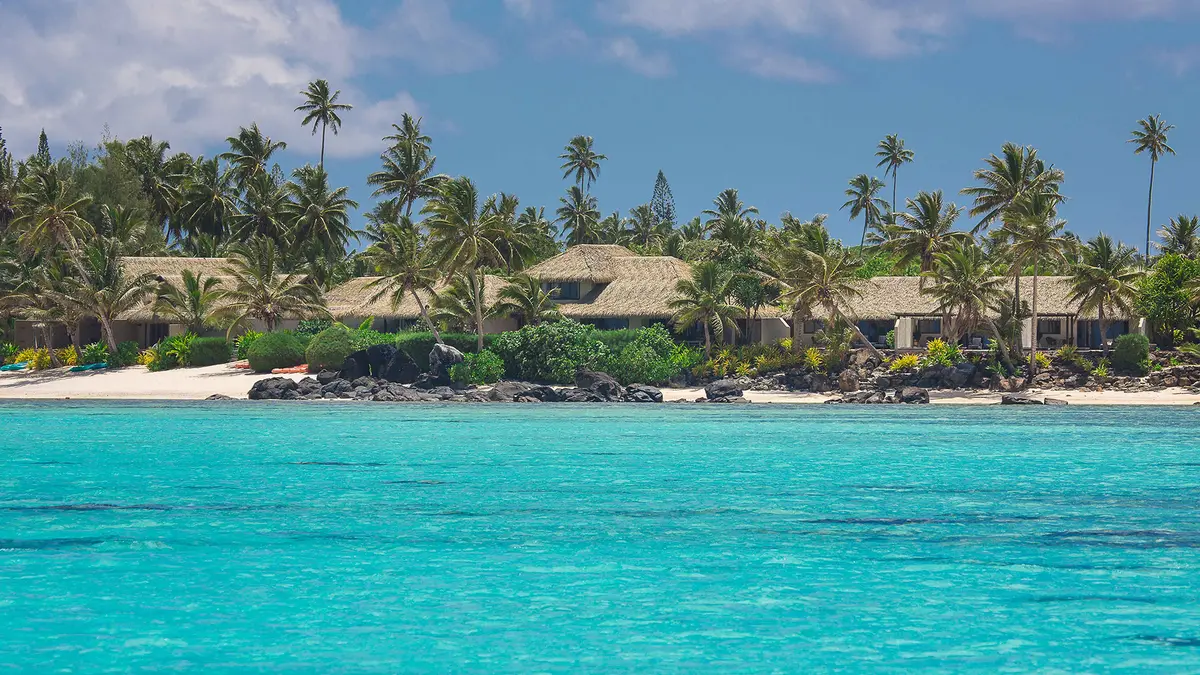
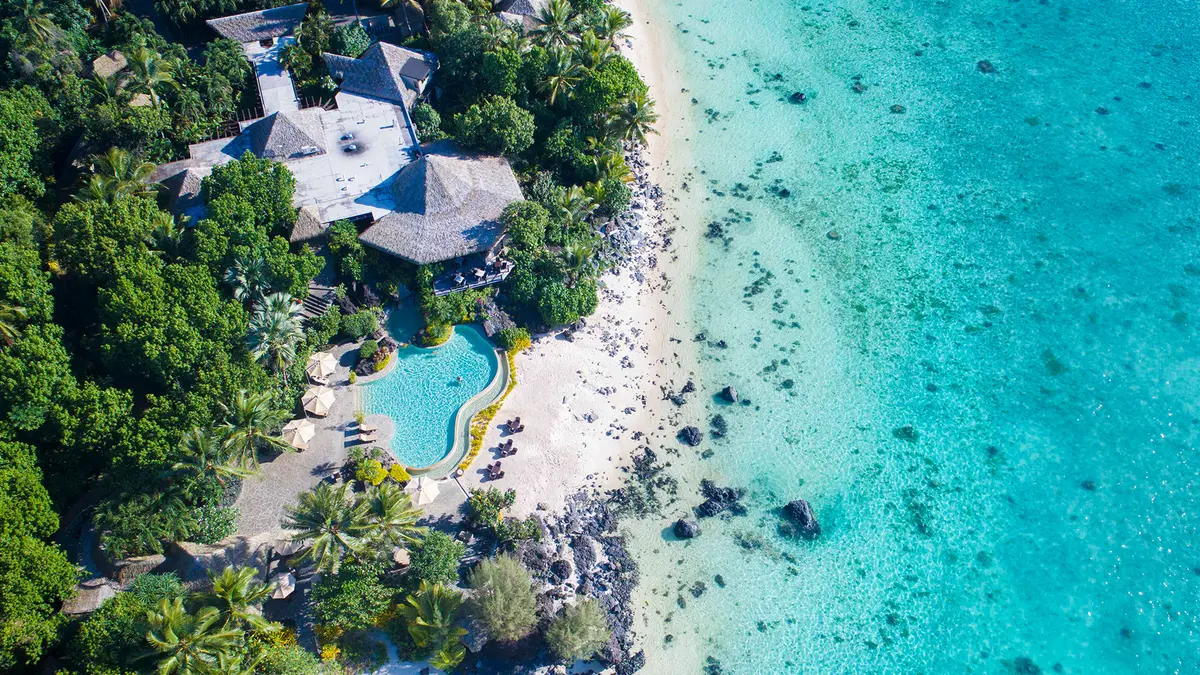
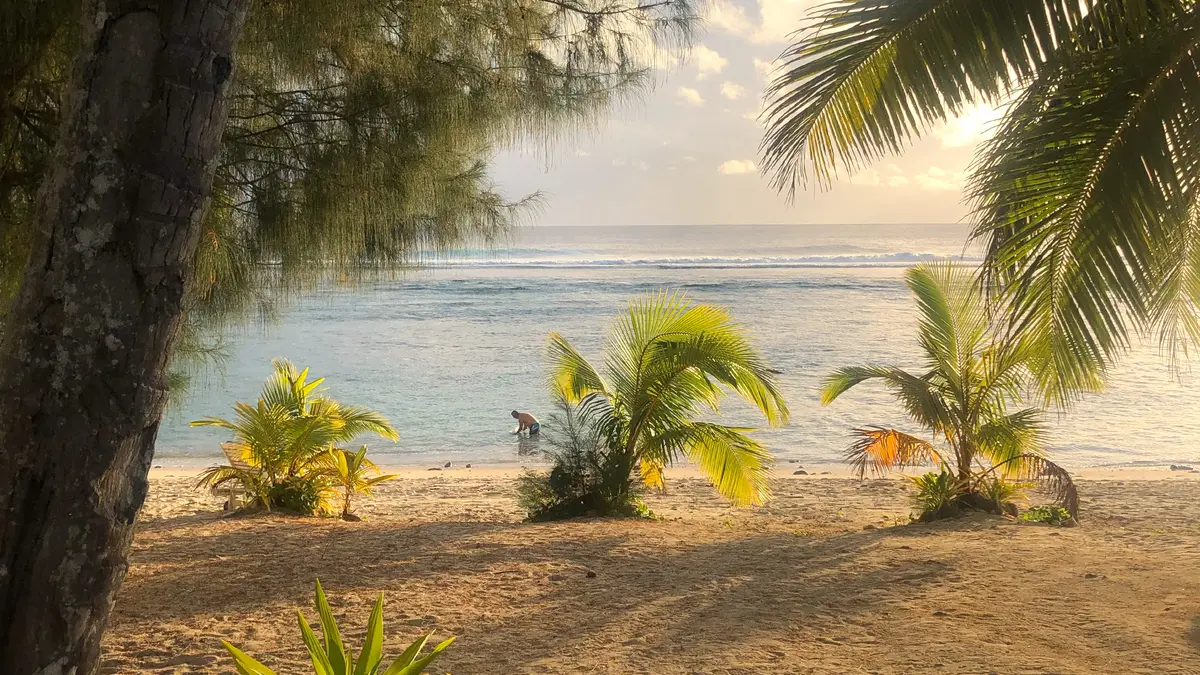
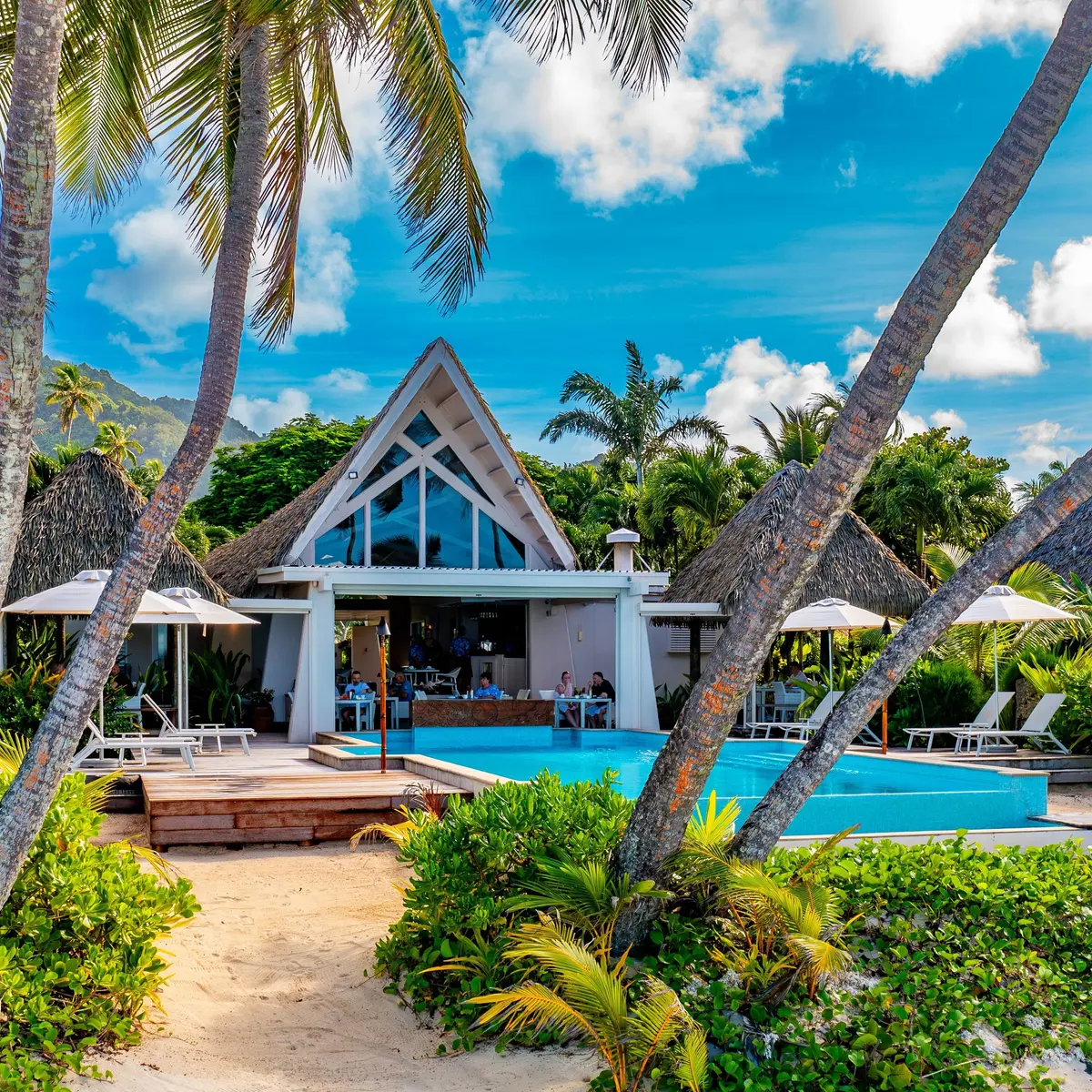
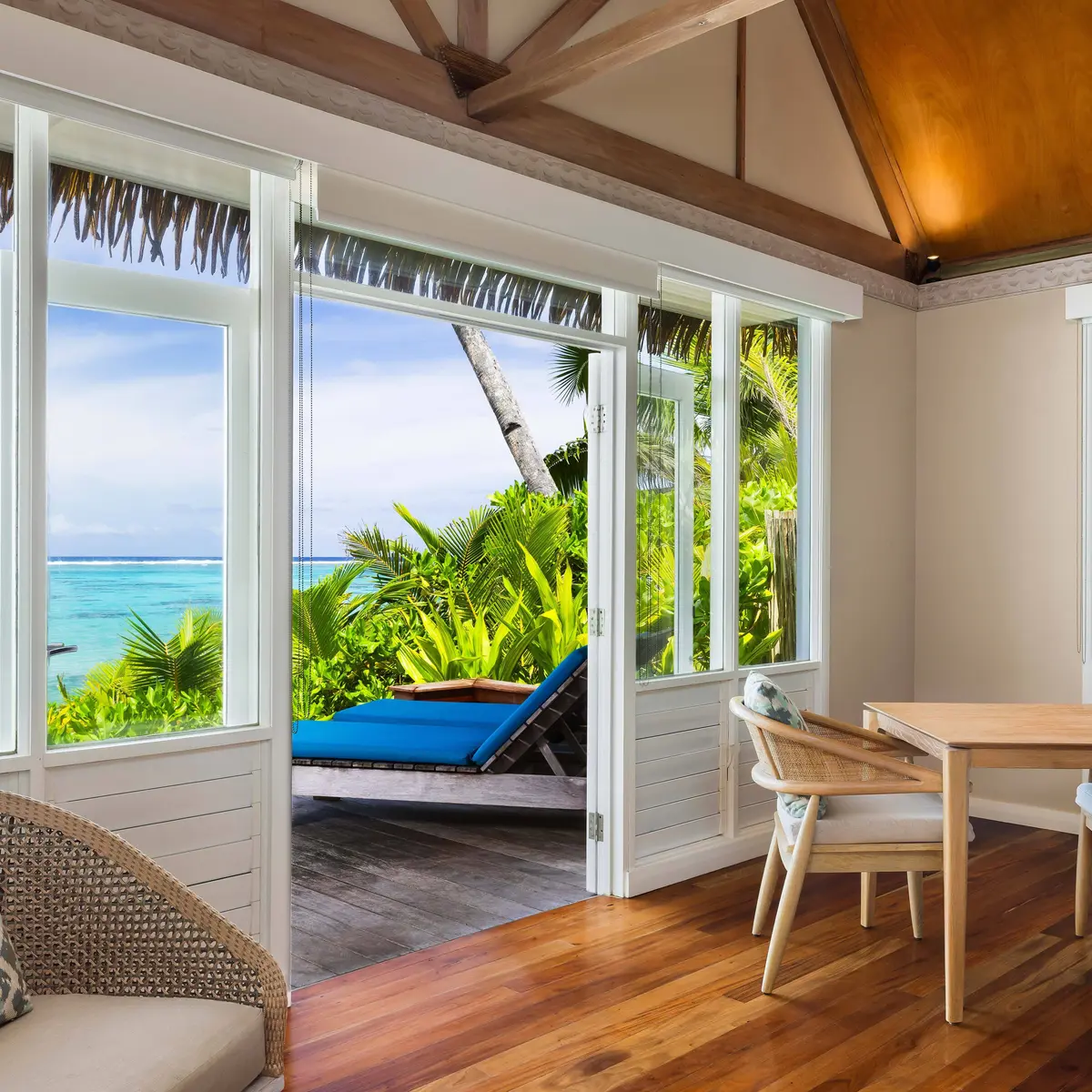
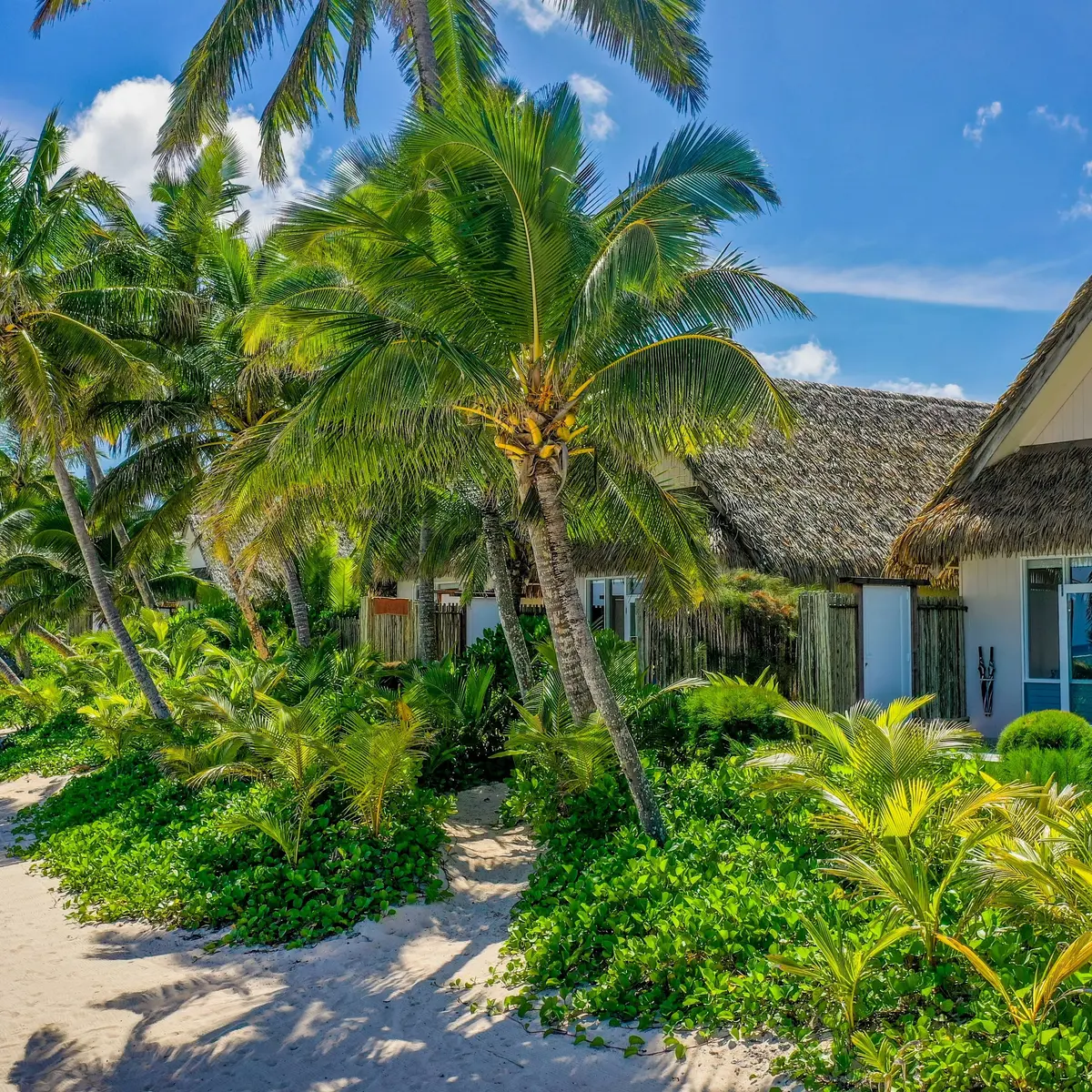
Looking for lagoons and white-sand beaches where you might not spot another person? Head off-grid to the Cook Islands.
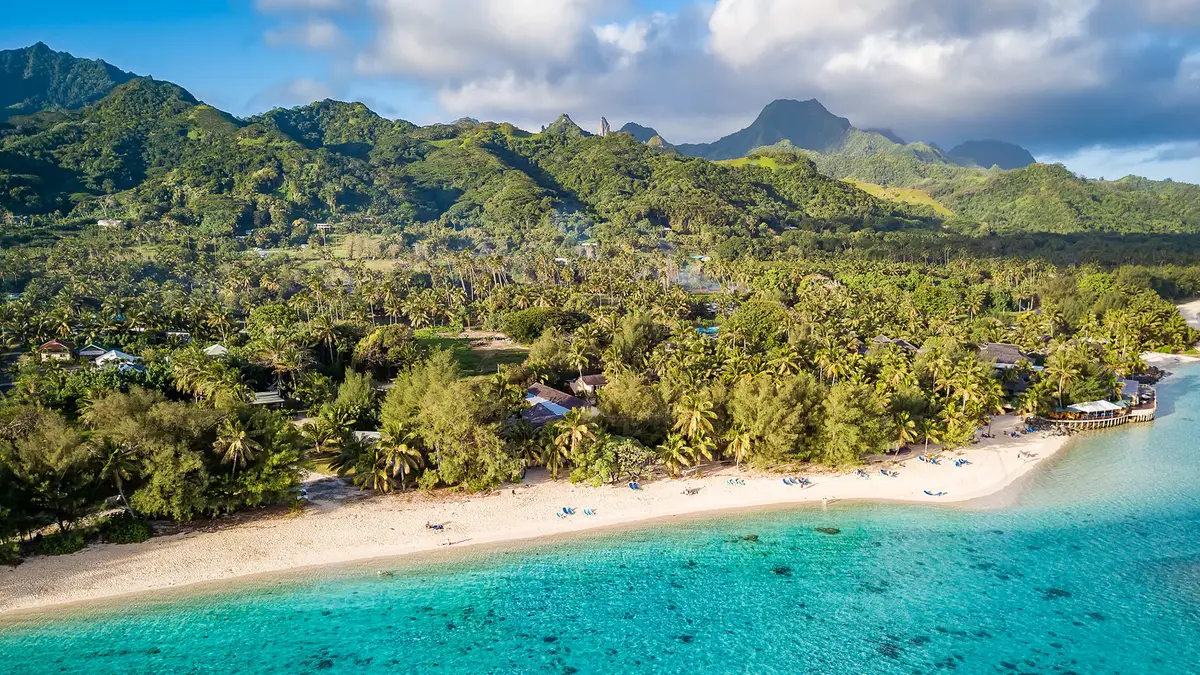
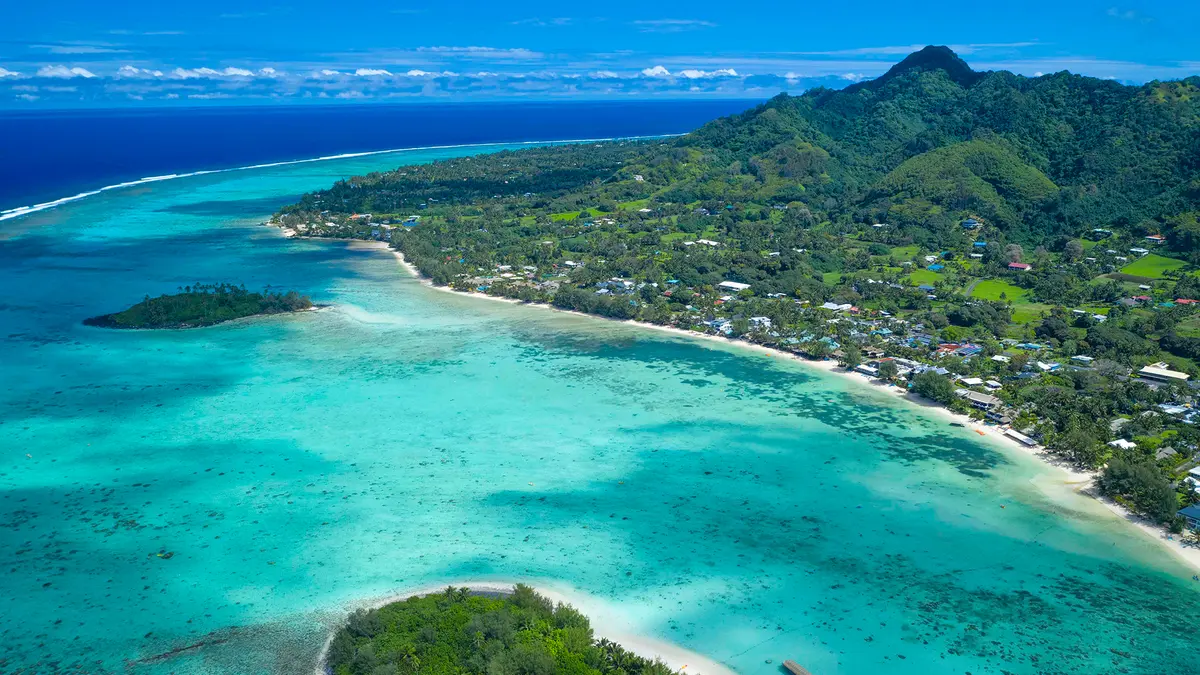
Rarotonga, known locally as ‘Raro’, pairs volcanic peaks with a lagoon that rings the entire island, making it a base for almost every water activity going. Paddleboard the shallows, or take the Cross Island Track through the forested interior to Wigmore’s Waterfall, where a swim in the pool below rewards the steep descent.
Underwater, the marine life is calm enough for kids to join in. Around Avaavaroa Passage, resident green and hawksbill turtles are frequent enough that a sea scooter tour will likely find them, alongside the occasional eagle ray or reef shark passing through.
Stay a few extra days to island-hop to Aitutaki’s lagoon, and get your passport stamped at the foot-shaped ‘One Foot Island’. At just under six hours from Sydney on a direct flight, it’s a straightforward trip for the payoff.