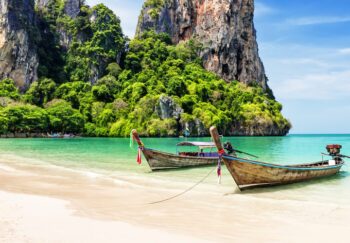
Thailand is best known for its sweeping white beaches, glittering blue ocean, monumental limestone cliffs and rock formations – which can mean many visitors overlook its national parks. Teeming with exotic plants and flowers and hundreds of fauna species, Thailand national parks are full of life and always worth the trip.
You can explore Thailand national parks by hiking well-marked trails, joining a jungle safari, taking a birdwatching or river tour, or exploring by boat through limestone grottos. Most are easily accessible from Bangkok and other major cities and islands, so you can enjoy the comfort of a luxury hotel before and after a day tour or hike. Below are five of the best Thailand national parks worth exploring.
Discover Thailand

Khao Yai National Park – the first of Thailand’s national parks
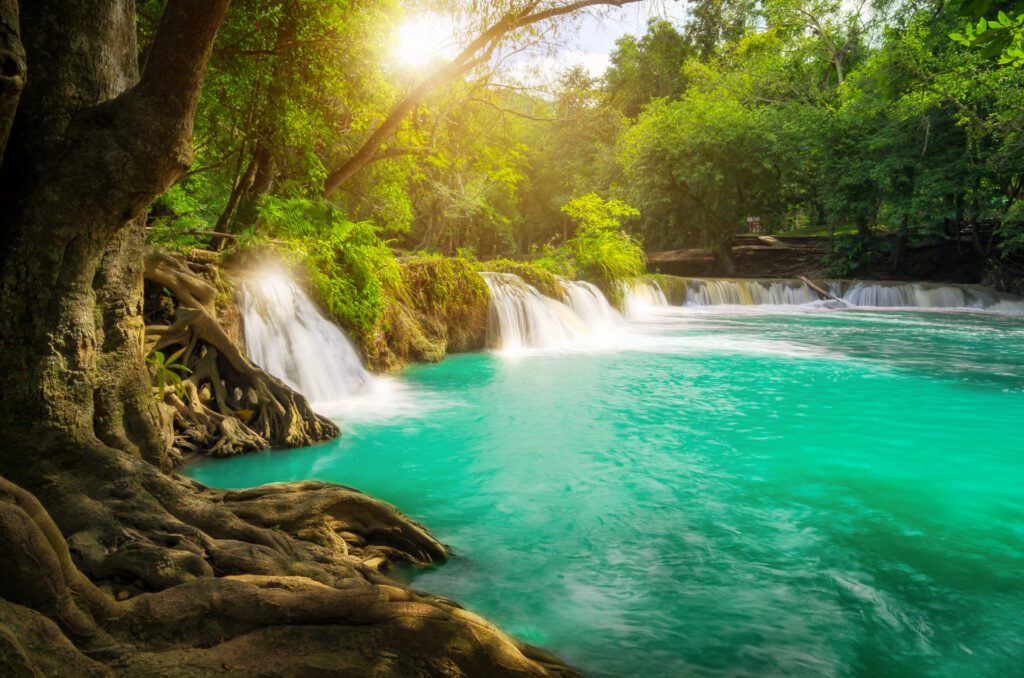
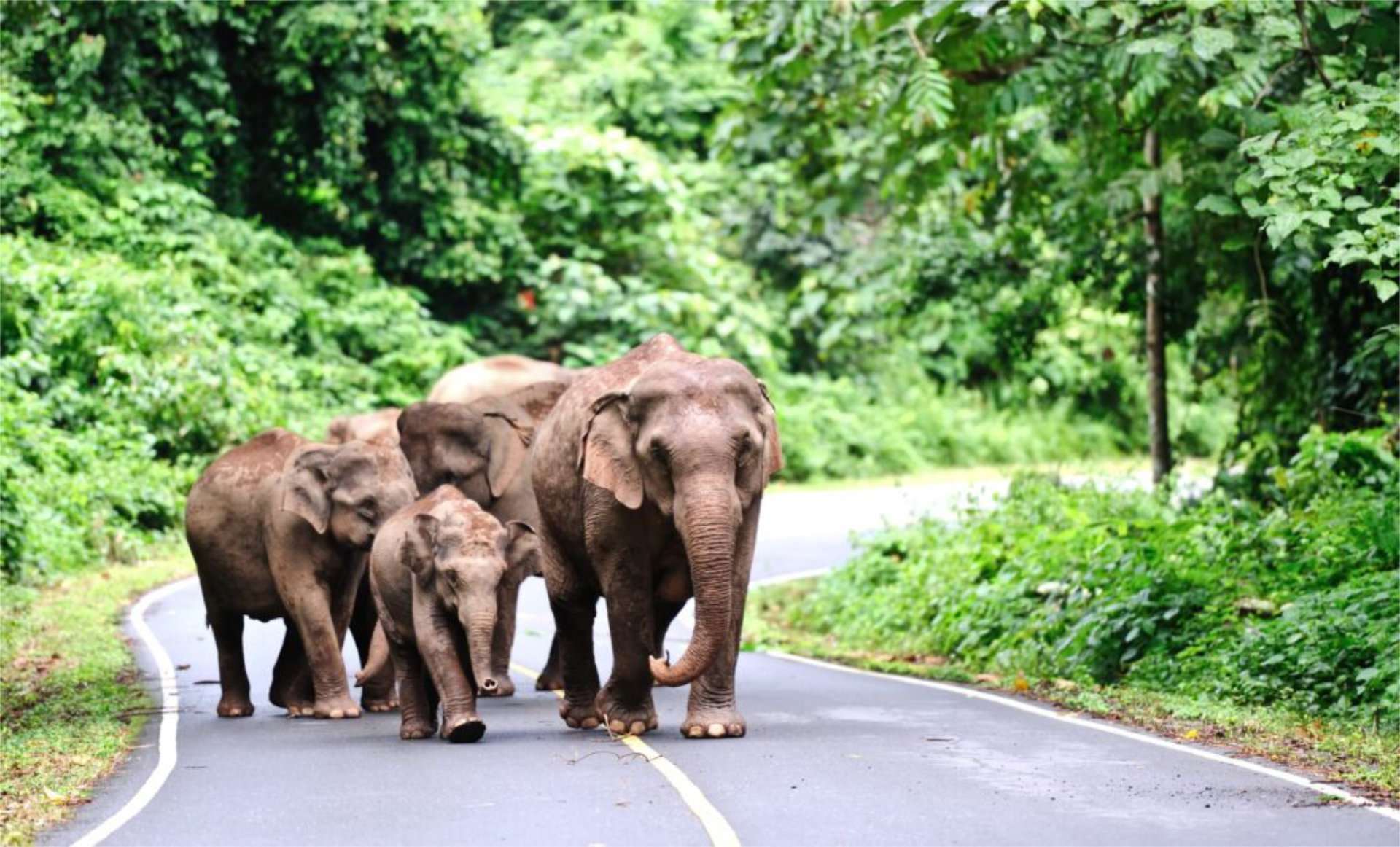
Khao Yai is Thailand’s first national park, established in 1962, and sits in the Sankamphaeng mountain range. The thick, rugged landscape is home to diverse flora and fauna, with species such as wild elephant, Asian black bear, muntjac, sambar deer, porcupine, slow loris, gibbon, macaque, gaur and leopard cat, to name but a few. There are also more than 300 bird species, and the cascading waterfalls and winding forest paths are fringed by a huge variety of colourful plant life.
Around two hours from Bangkok, this national park can be explored via trekking trails, jungle and night safaris or birdwatching tours. You can camp, or ‘glamp’, at the park, or stay at one of the many luxurious hotels nearby, making it one of the most accessible of Thailand’s national parks for a family day trip.
Easily accessible from: Bangkok (approx. a two-hour drive).







Khao Sok National Park – older than the Amazon
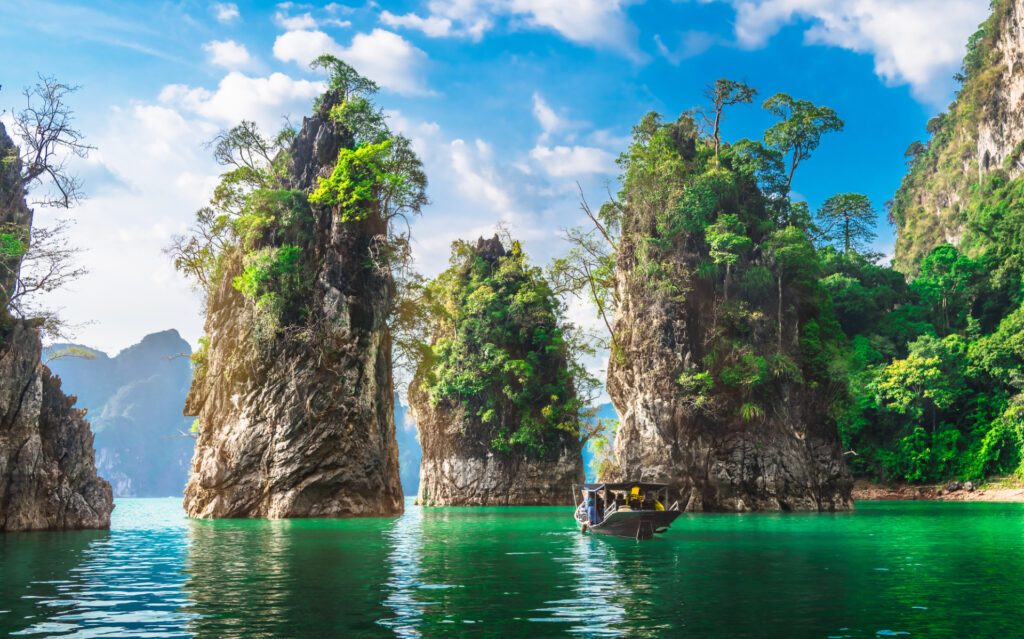
Located between Surat Thani and Krabi, Khao Sok National Park is covered by one of the oldest evergreen rainforests in the world, dated at around 160 million years, making it older than the Amazon. This diverse jungle fringes Cheow Lan Lake, a roughly 165 sq km reservoir bursting with flora and fauna. Here, you’ll see elephants, monkeys, deer, tapir, gaur, bats, pangolins and, if you keep your eyes peeled, maybe even leopards. There are over 300 species of birds, and plenty of reptiles and insects too. Flora includes the hugely impressive (but foul-smelling) rafflesia, usually in bloom between January and March. The park is calm and serene, with limestone karsts rising straight out of the water.
There’s a great selection of guided tours available at the park, including elephant experiences, canoeing and birdwatching. Stay onsite at the limited-amenity eco-huts, or find more luxurious accommodation nearby.
Easily accessible from: Krabi (approx. a two-hour drive).





Erawan National Park – home to a seven-tiered waterfall
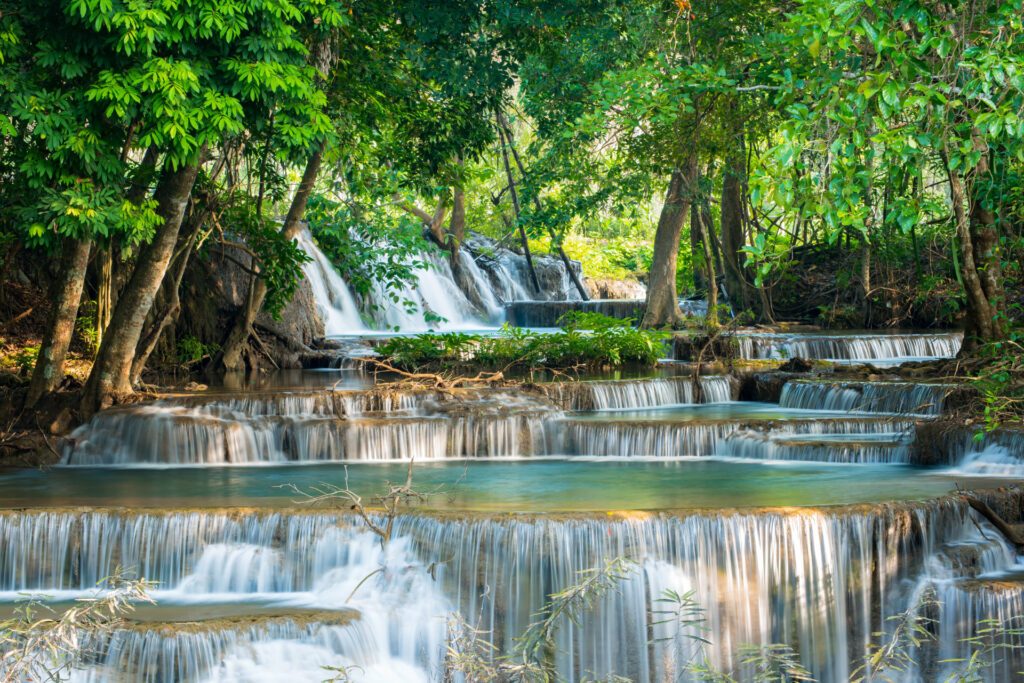
Situated in the Tenasserim Hills, about an hour from Kanchanaburi, Erawan National Park is home to the seven-tiered Erawan Waterfall – one of Thailand’s most-visited natural attractions. The falls cascade into cool, green ponds, ideal for swimming, waterside picnics and photography. There are also several caves to explore, reached via forest trails – Phra That Cave sits about 12km from the visitor centre and is a highlight for anyone up for the walk. More than 120 bird species have been recorded here, alongside elephants, monkeys, deer and wild boar.
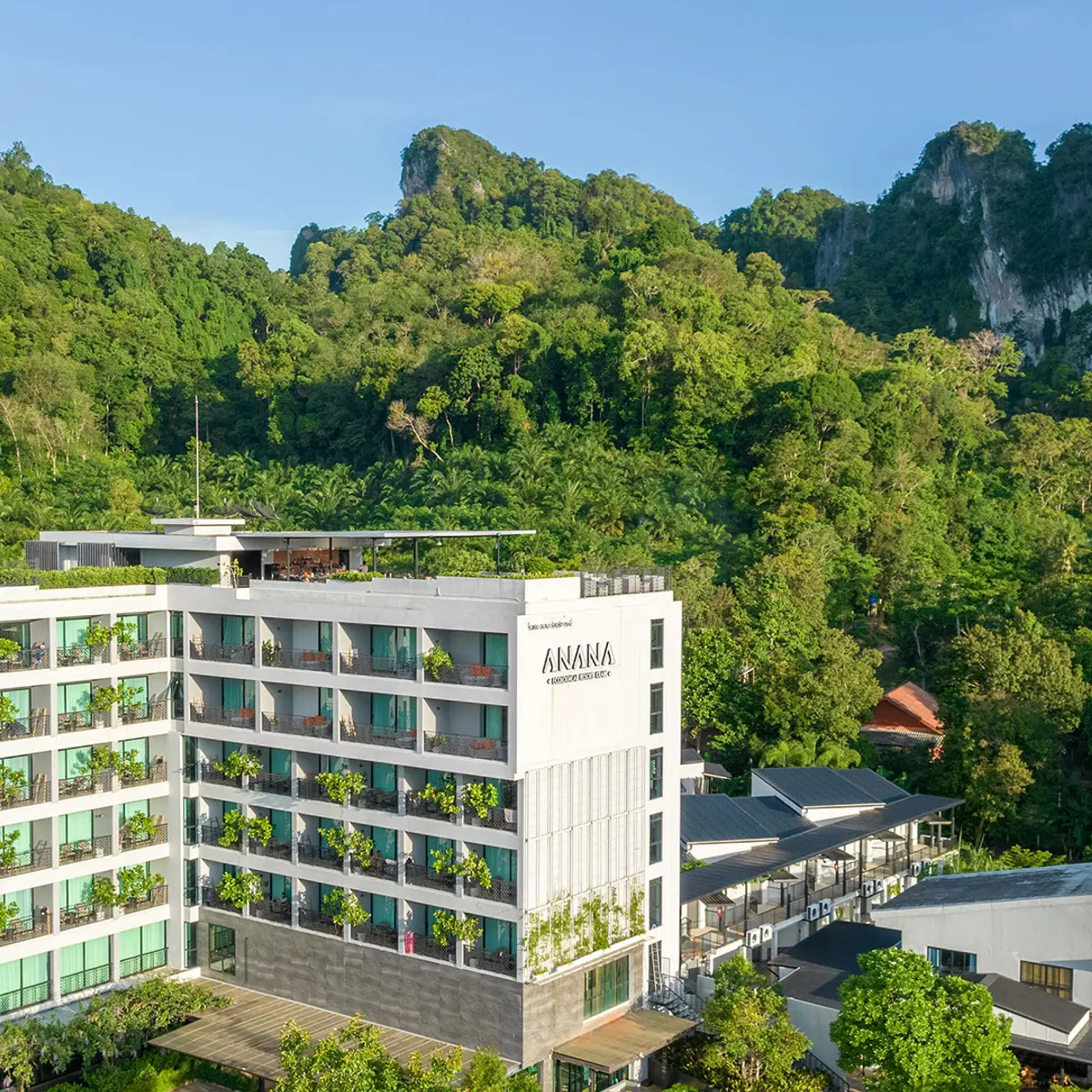
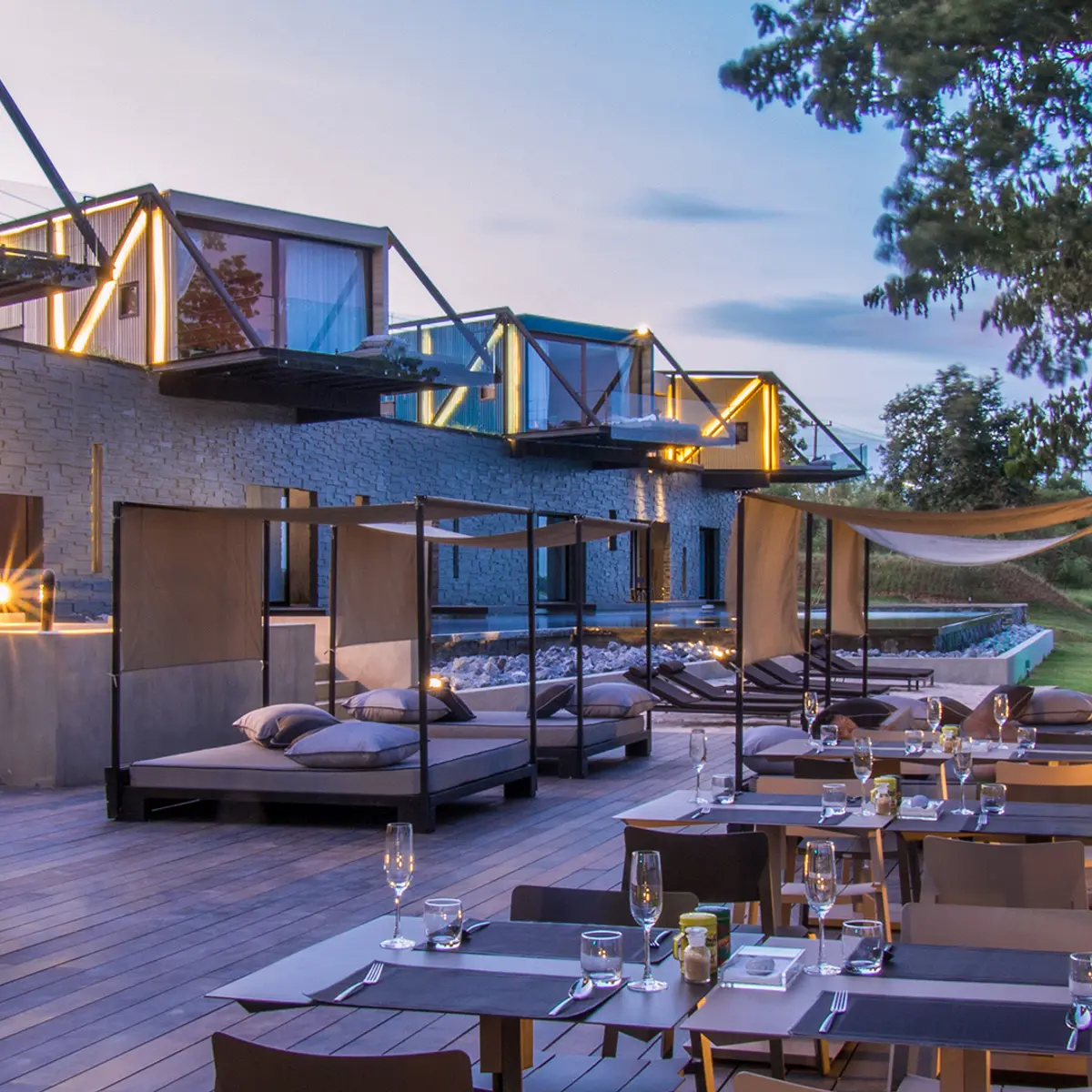
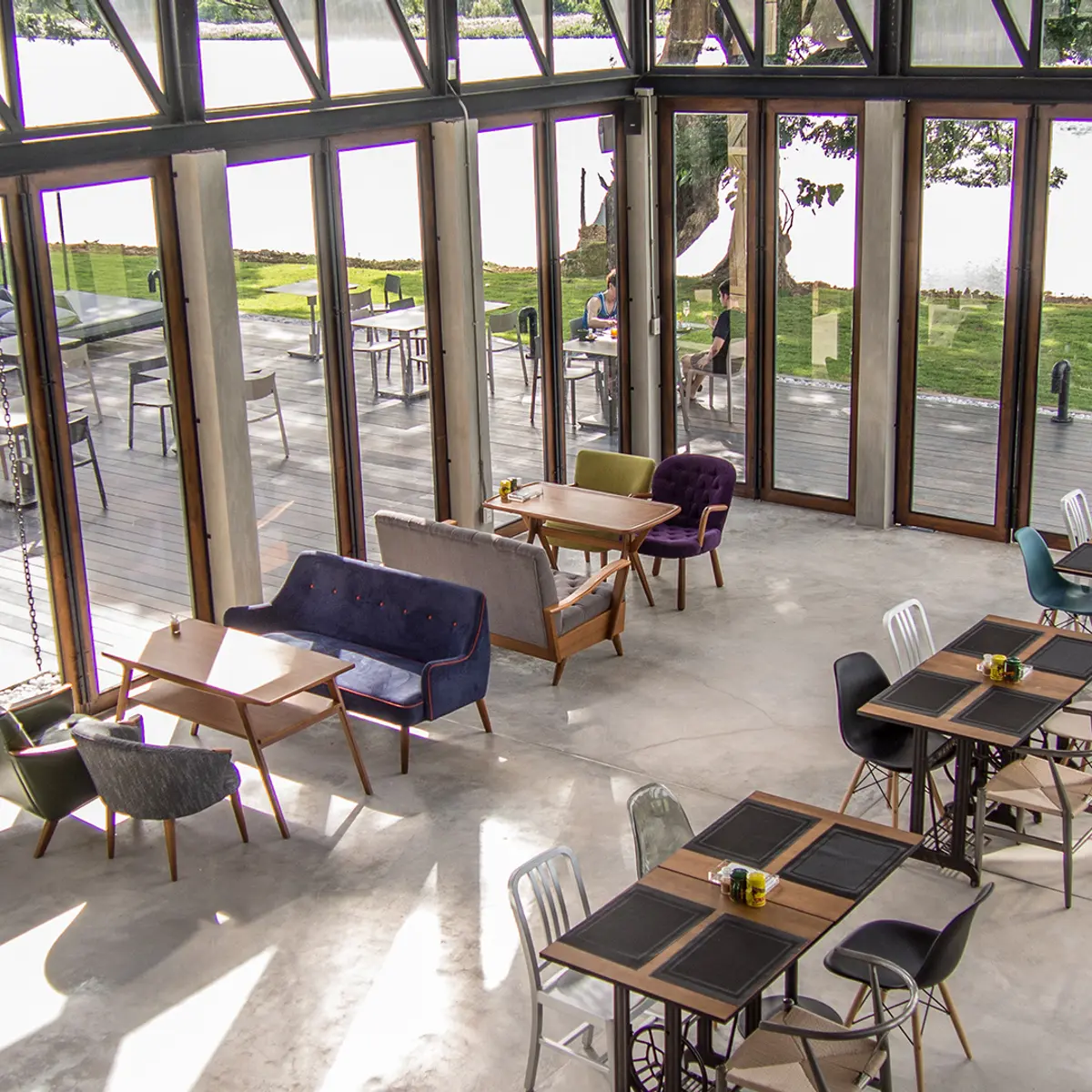
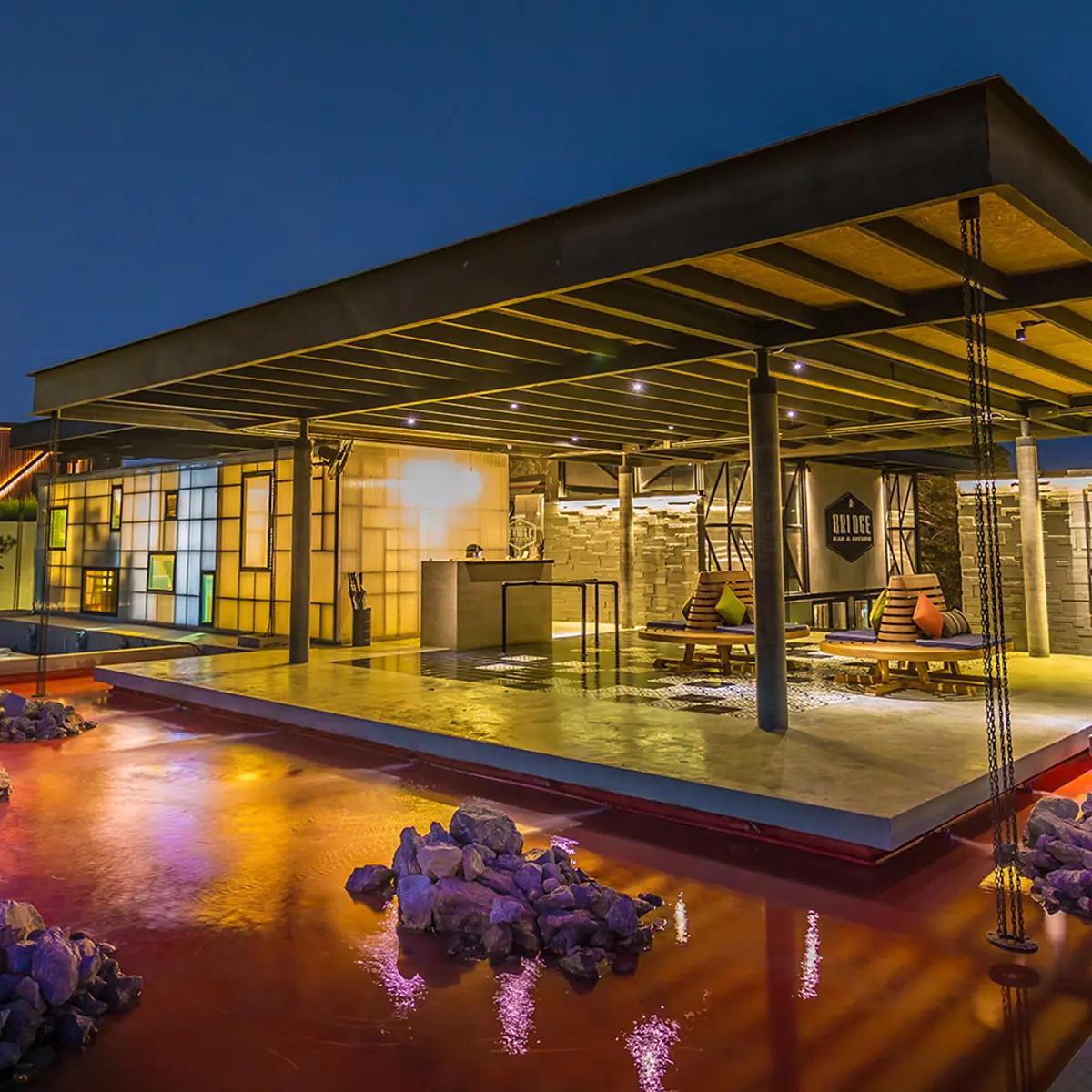
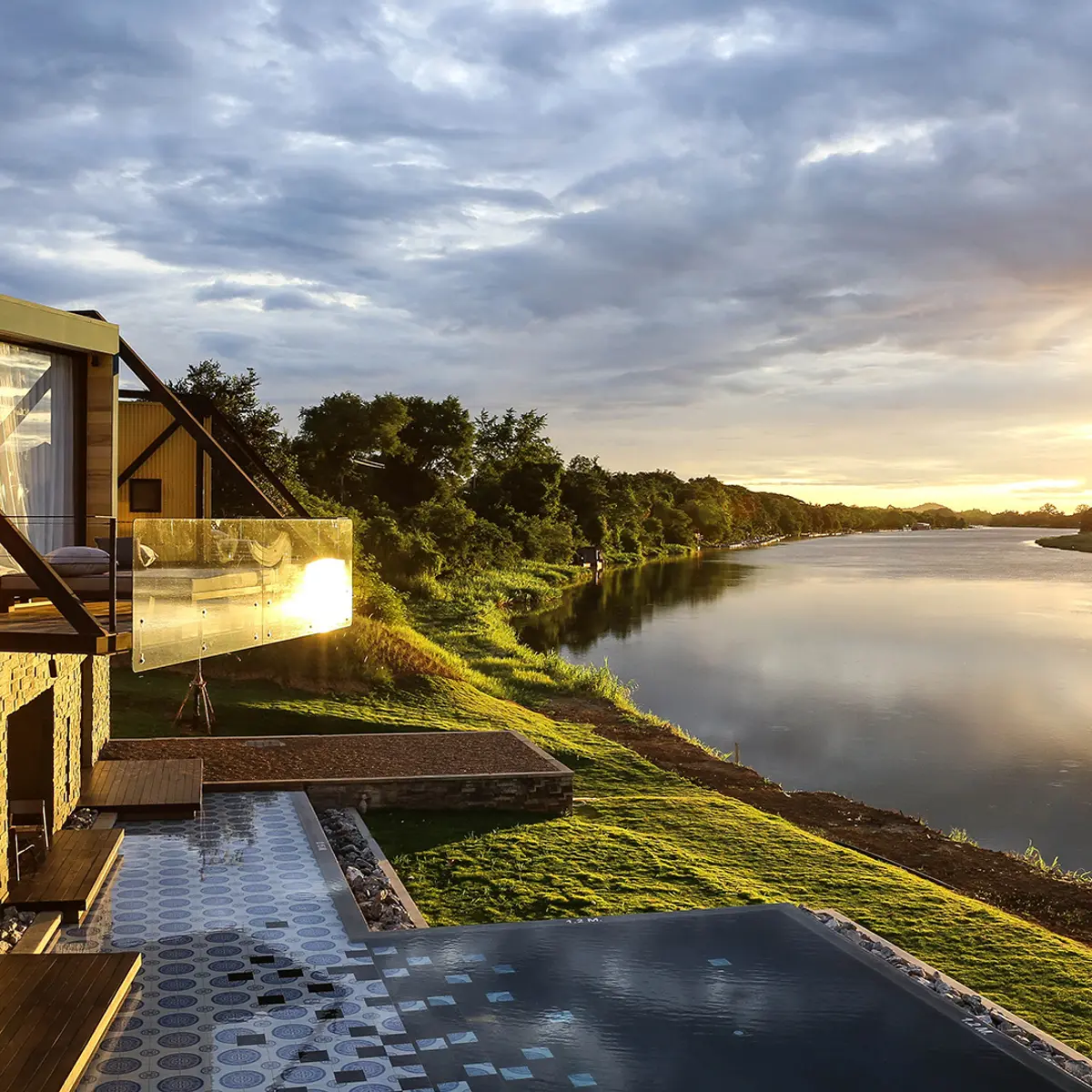
Erawan National Park can be explored on a private or guided tour, with many including cave exploration. You can rough it at the campsite nearby, or book into The Xcape River Kwai in nearby Kanchanaburi for a real treat.
Easily accessible from: Kanchanaburi (approx. a one-hour drive).


Khao Sam Roi Yot National Park – Thailand’s first marine national park
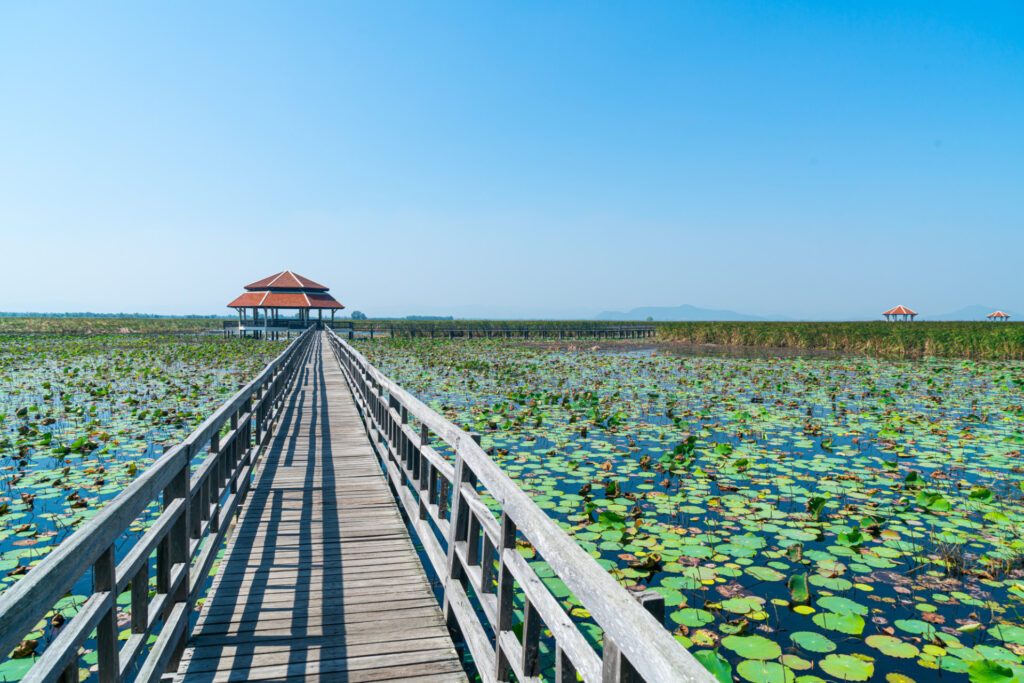
Khao Sam Roi Yot is situated just off the Gulf of Thailand, around three to four hours from Bangkok or an hour from Hua Hin. Its name is often translated as ‘the mountain with 300 peaks’. It features a huge freshwater marsh fringed by towering limestone ridges – home to more than 300 bird species that live and migrate here. Visitors may also see fishing cats, monkeys, porcupines, serows, lorises, geckos, frogs and dolphins.
The park’s fairytale-like Phraya Nakhon Cave – a giant sinkhole cave home to a gabled-roof pavilion illuminated by beams of sunlight – is one of Thailand’s more unusual sights. Be prepared for a very steep walk to witness it. You can explore the park on a self-led or guided walk, birdwatching tour or boat ride. The attractions are widely spaced, so private transport is best for getting around inside the park. You can camp at the park’s beach or find accommodation nearby.
Easily accessible from: Hua Hin (approx. a one-hour drive).


Doi Inthanon National Park – Buddhist chedis and Thailand’s highest mountain
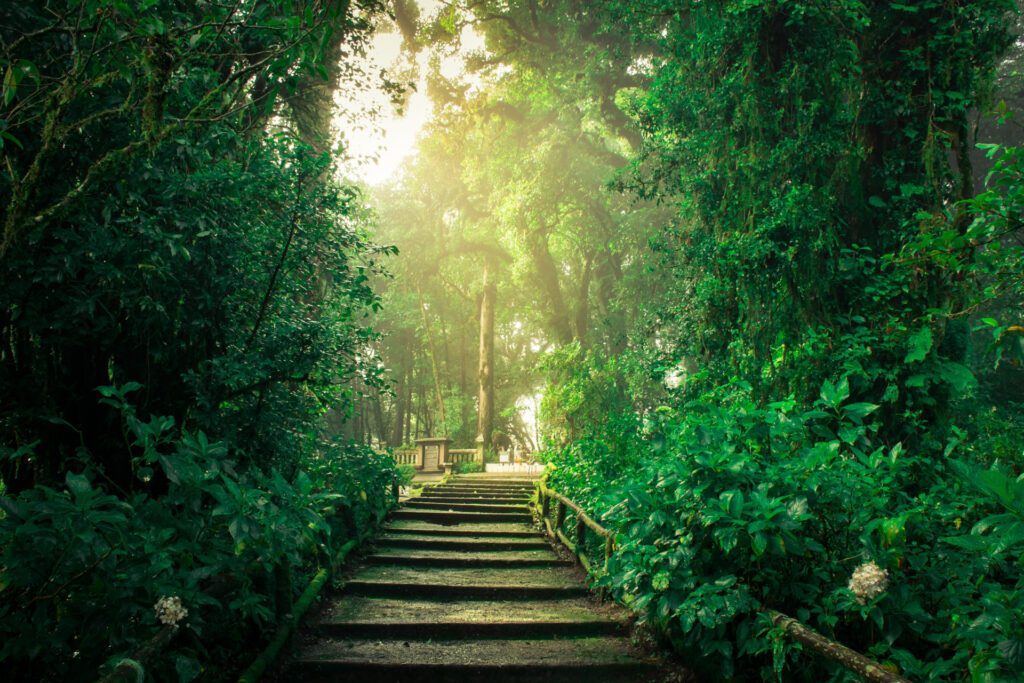
Around 2 hours from Chiang Mai, Thailand’s highest mountain, Doi Inthanon, towers over a lush, mossy landscape of cascading waterfalls, one notable limestone cave and Buddhist chedis. The 2,565m summit is worth climbing, but the landscape around it is even better. The cool season, from November to February, brings clear skies and blossoming trees, while the wet season pushes the waterfalls to full force – either way, it’s a photographer’s park. Mammal sightings are less frequent at this elevation, but you might still spot deer, gibbons, wild boar, serow, reptiles and birds.
Besides the mountain and waterfalls, highlights include the two majestic chedis, surrounded by manicured gardens, located 5km south of the summit. You’ll need a car or bike to move between attractions, and you can explore the park yourself, or join a tour or birdwatching group. There’s a campsite, or you can find accommodation in one of the nearby villages.
Easily accessible from: Chiang Mai (approx. a two-hour drive).



Discover Thailand
*Please note that jungle attractions, hikes and walking tours are subject to change according to weather conditions, and may be closed during periods of heavy rainfall.