Lanzarote, the easternmost of the Canary Islands, has a landscape so stark and volcanic that visitors have long compared it to Mars. Tenerife, the most visited of the group, feels more familiar: a cosmopolitan capital where tapas and pintxos bars rival anything on the Spanish mainland. A direct flight from London takes around four hours (depending on your chosen island), so a tropical-feeling escape is closer than it sounds. Whether you’re chasing fine white sand or lacing up hiking boots for a volcanic trail, each island offers something distinct.
Read on for where to go and what to do on each of the Canary Islands.
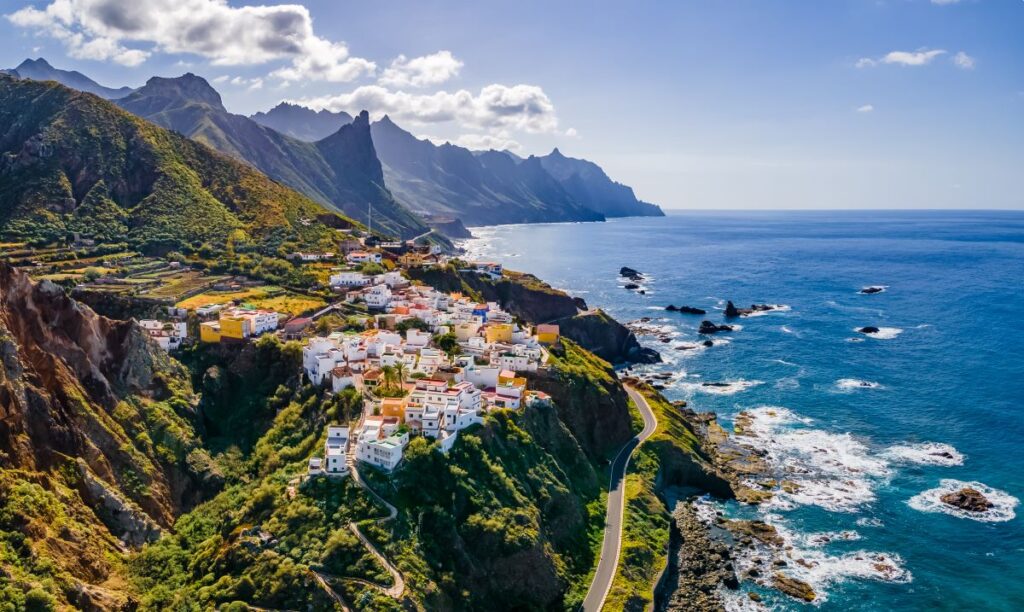
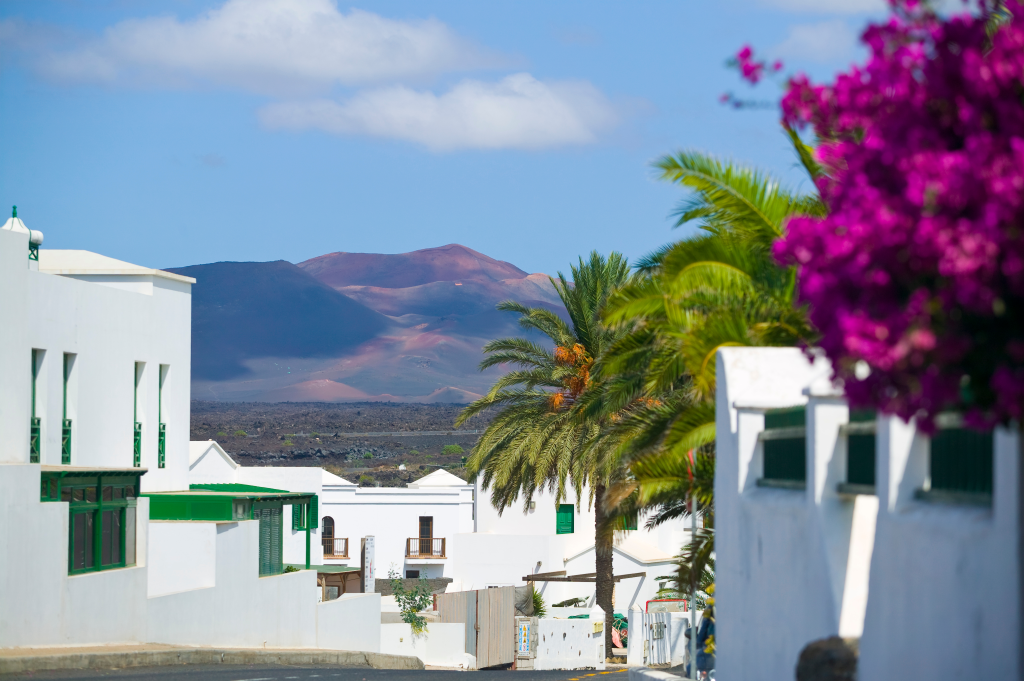
The white facades of Yaiza are a brilliant contrast to the island’s volcanic soil.
Years of volcanic activity have steeped Lanzarote in a charcoal hue, with lava rock formations across the island and dark, mineral-rich soil that has shaped a distinctive wine industry around La Geria. César Manrique, the artist most responsible for the island’s look and feel, built Jameos del Agua, a nightclub and concert space inside a volcanic tunnel, and the Jardín de Cactus, home to around 450 species of cacti.
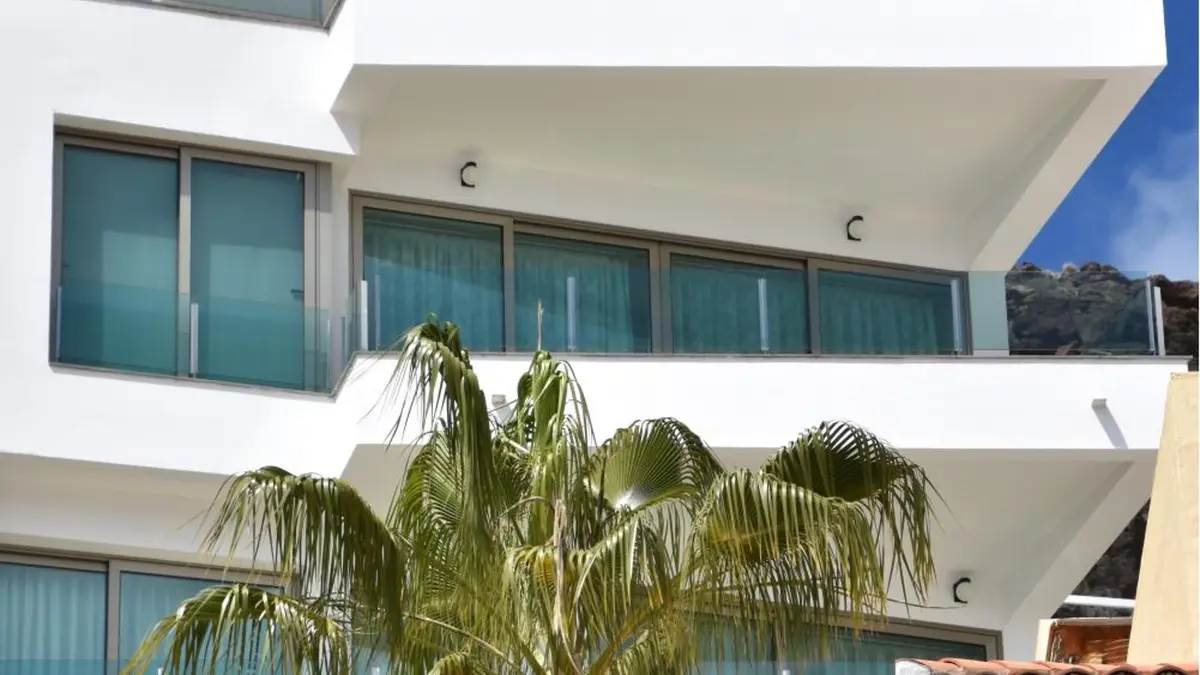
Yaiza and Uga offer a break from the dark earth, with white Mediterranean facades lining narrow streets, revealing stalls selling organic produce and small restaurants. A short drive away, Playa de los Pocillos on the southeast coast has fine pale sand that contrasts sharply with the island’s black volcanic rock; Lanzarote’s defining trick is how often dark and light landscapes sit side by side.
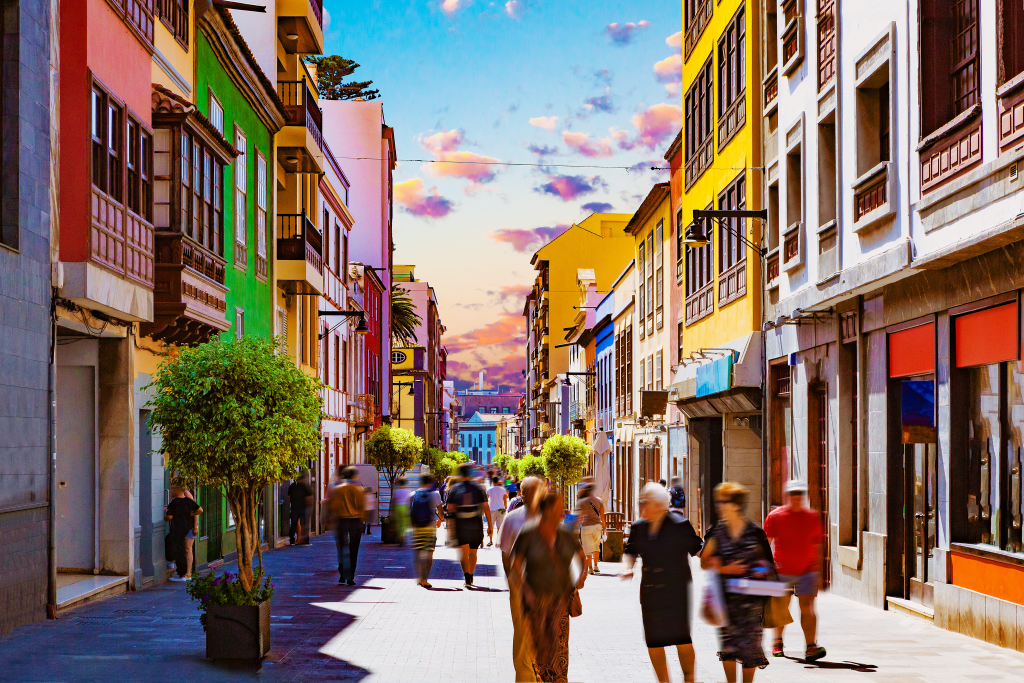
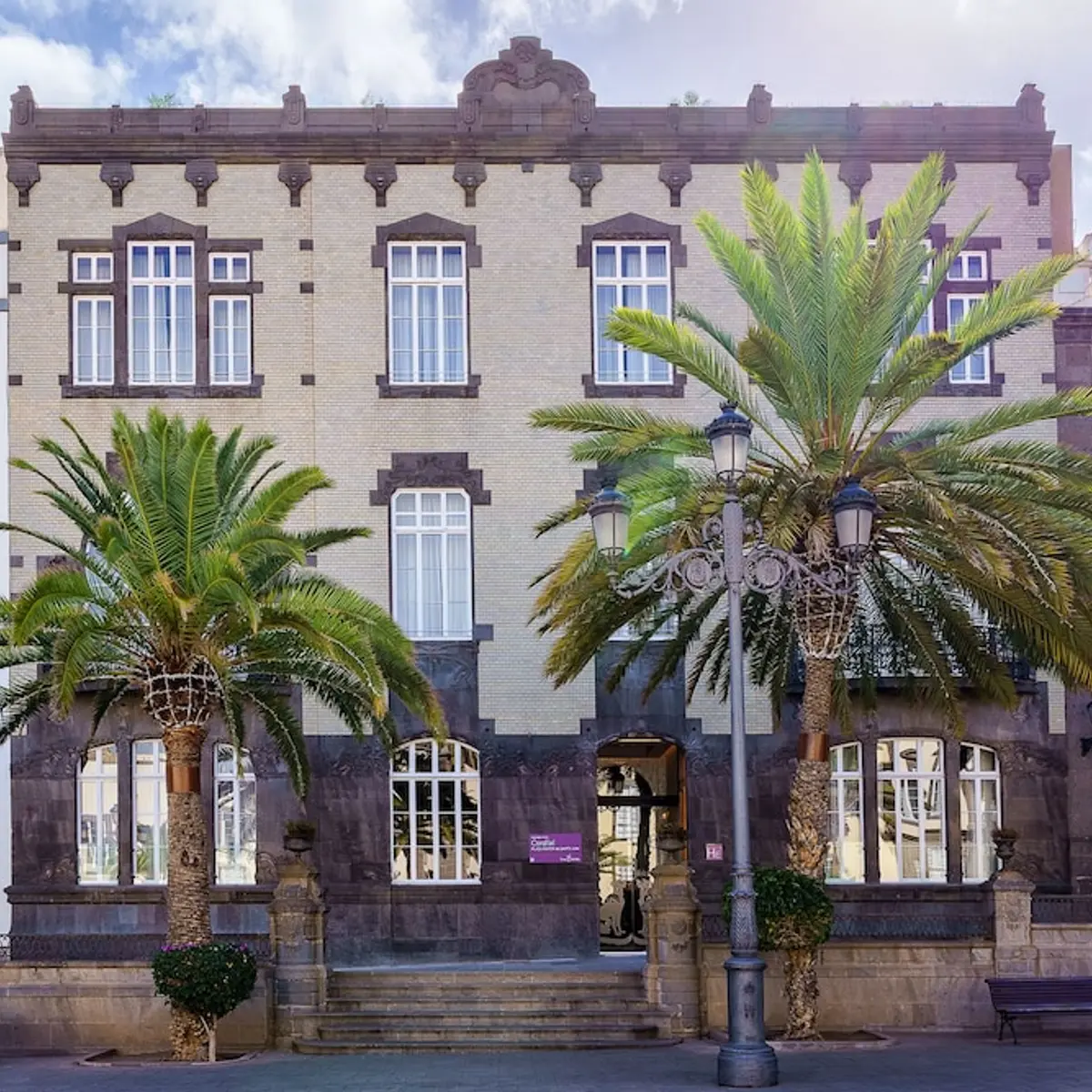
La Laguna village makes for a colourful stroll during the day.
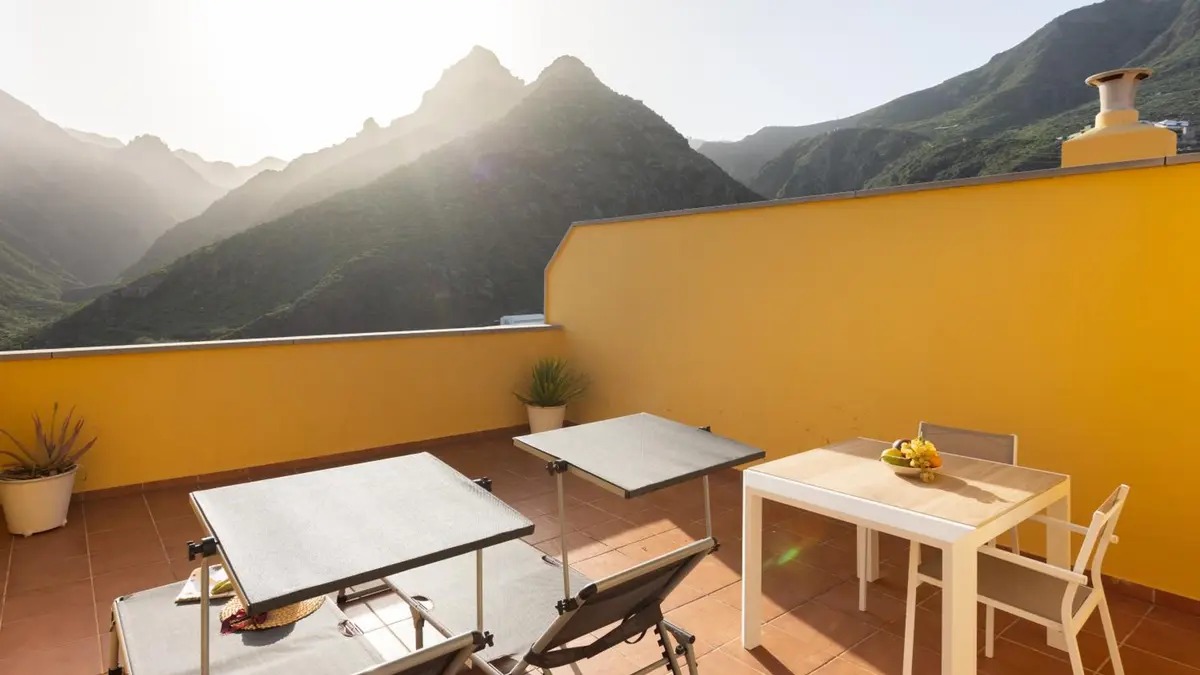
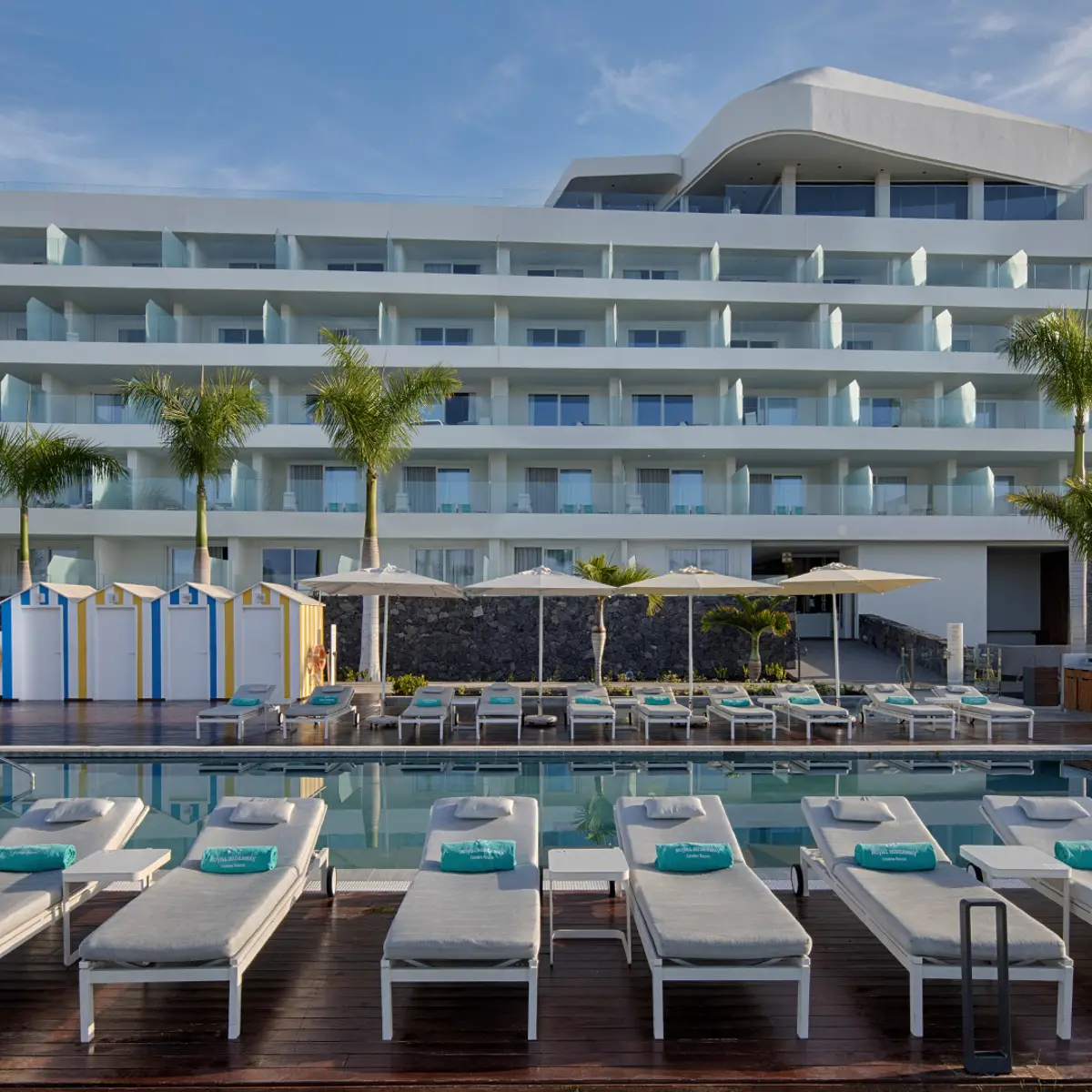
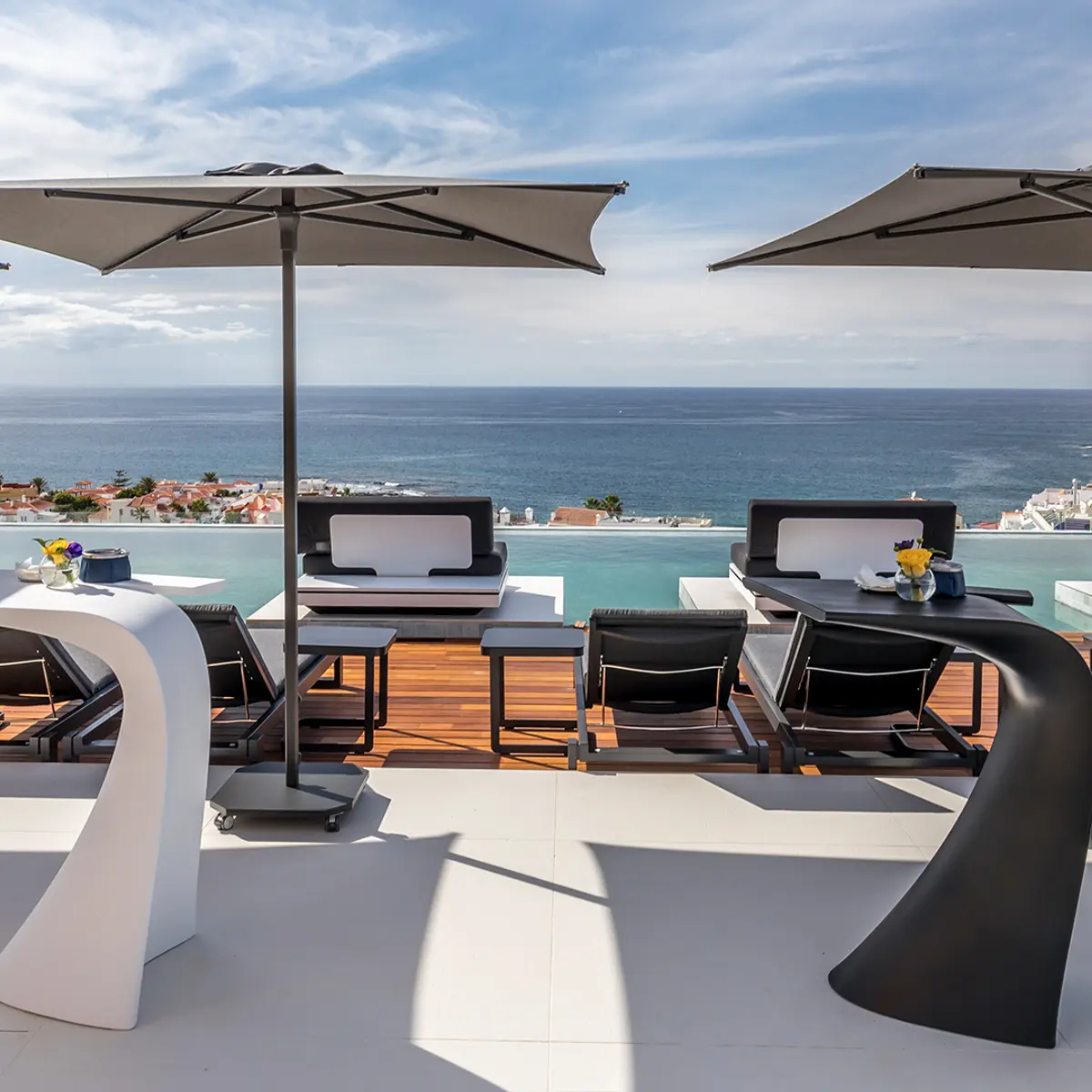
Tenerife, the most urbanised of the Canary Islands, has the island group’s widest range of upscale hotels, restaurants and family activities. However, its charms aren’t all human-made. Parque Rural de Anaga on the north coast is a UNESCO-listed laurel forest where centuries-old dragon trees grow moss-covered and gnarled; the nearby village of Afur sits at the end of one of its best hiking trails.
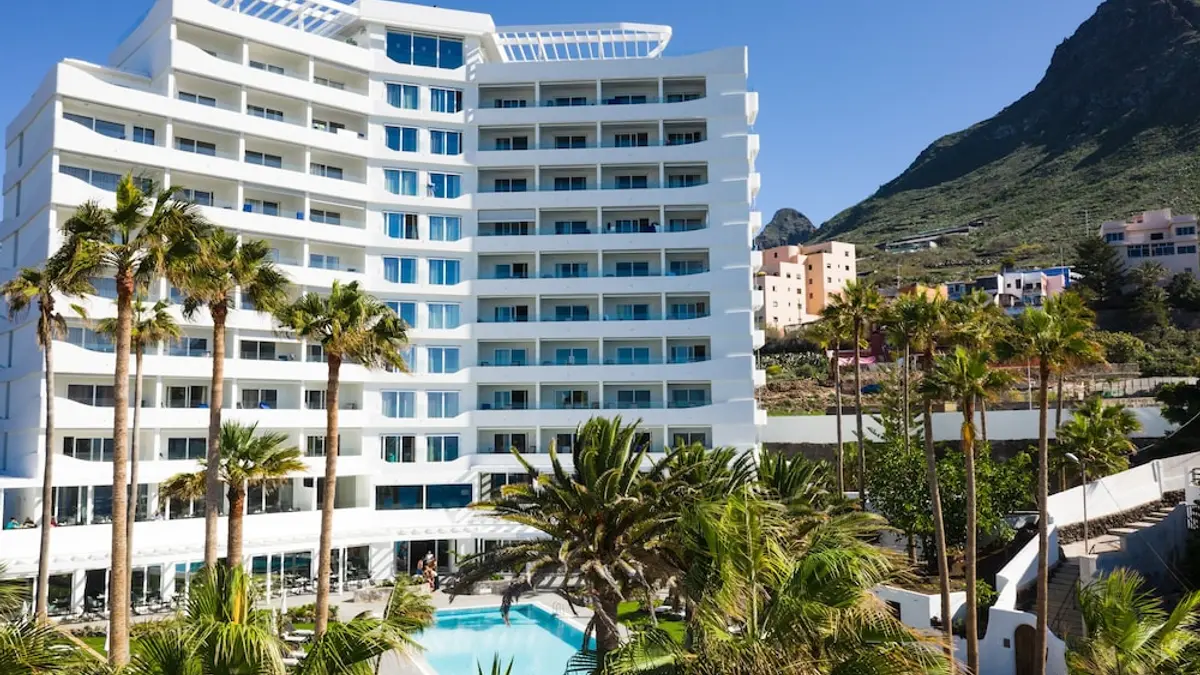
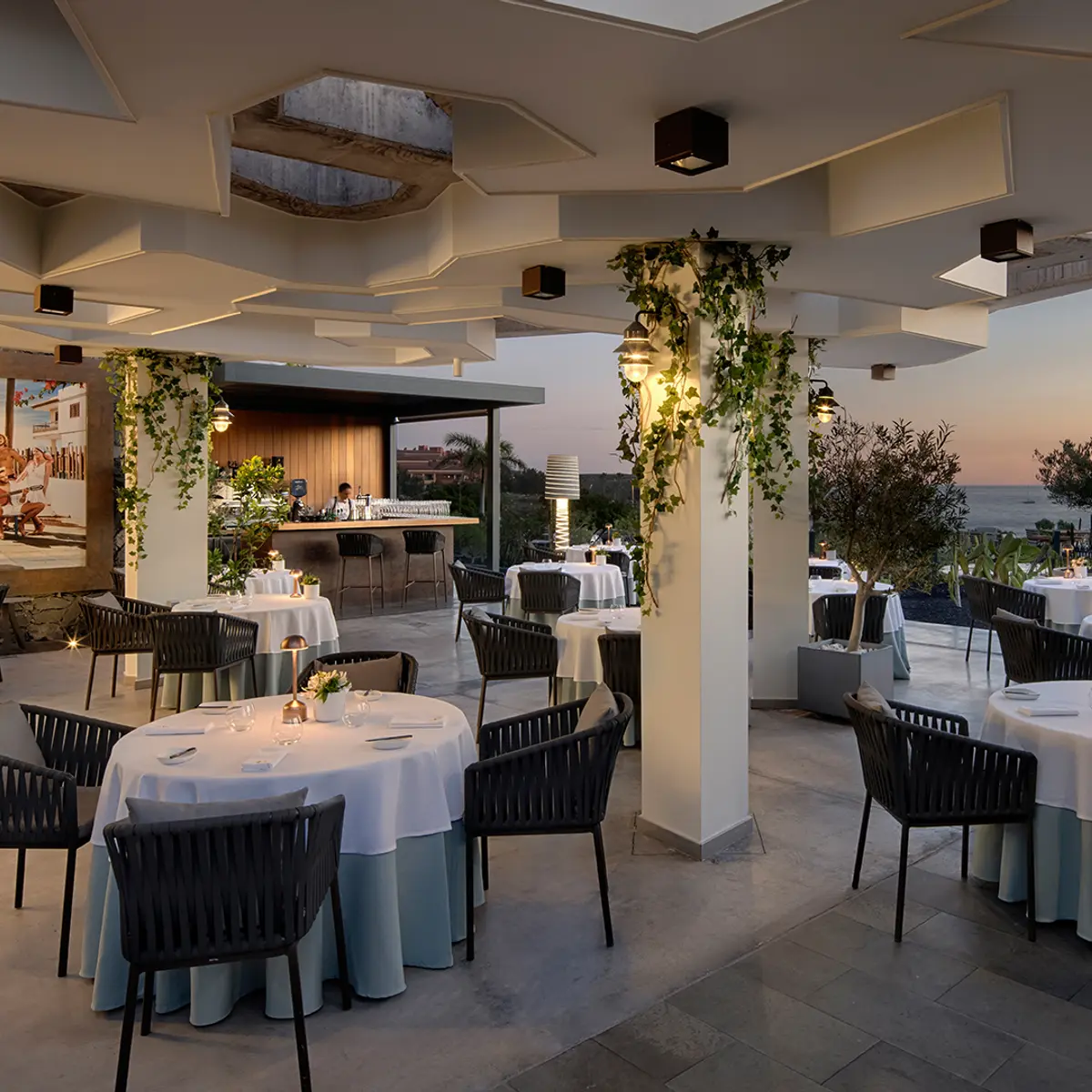
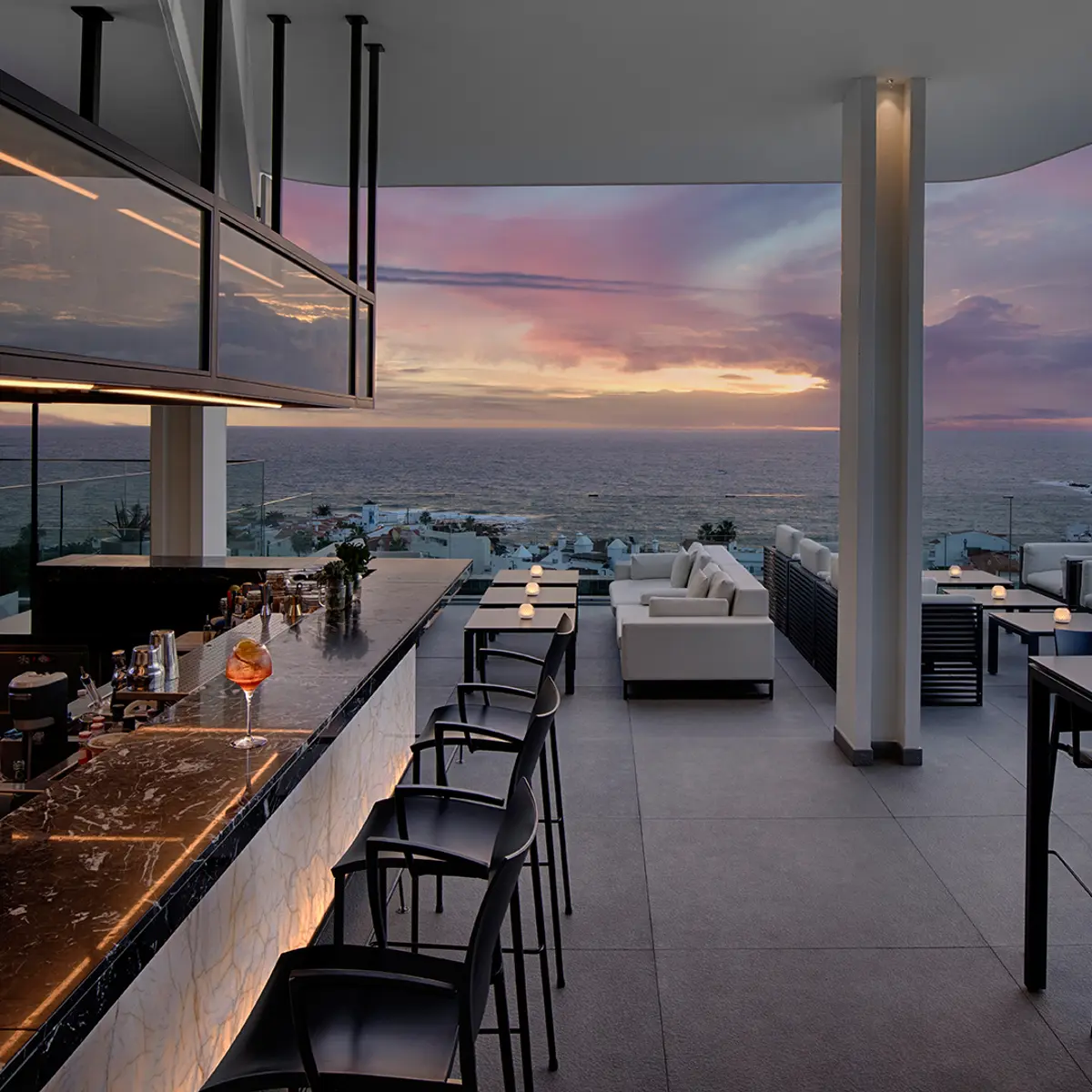
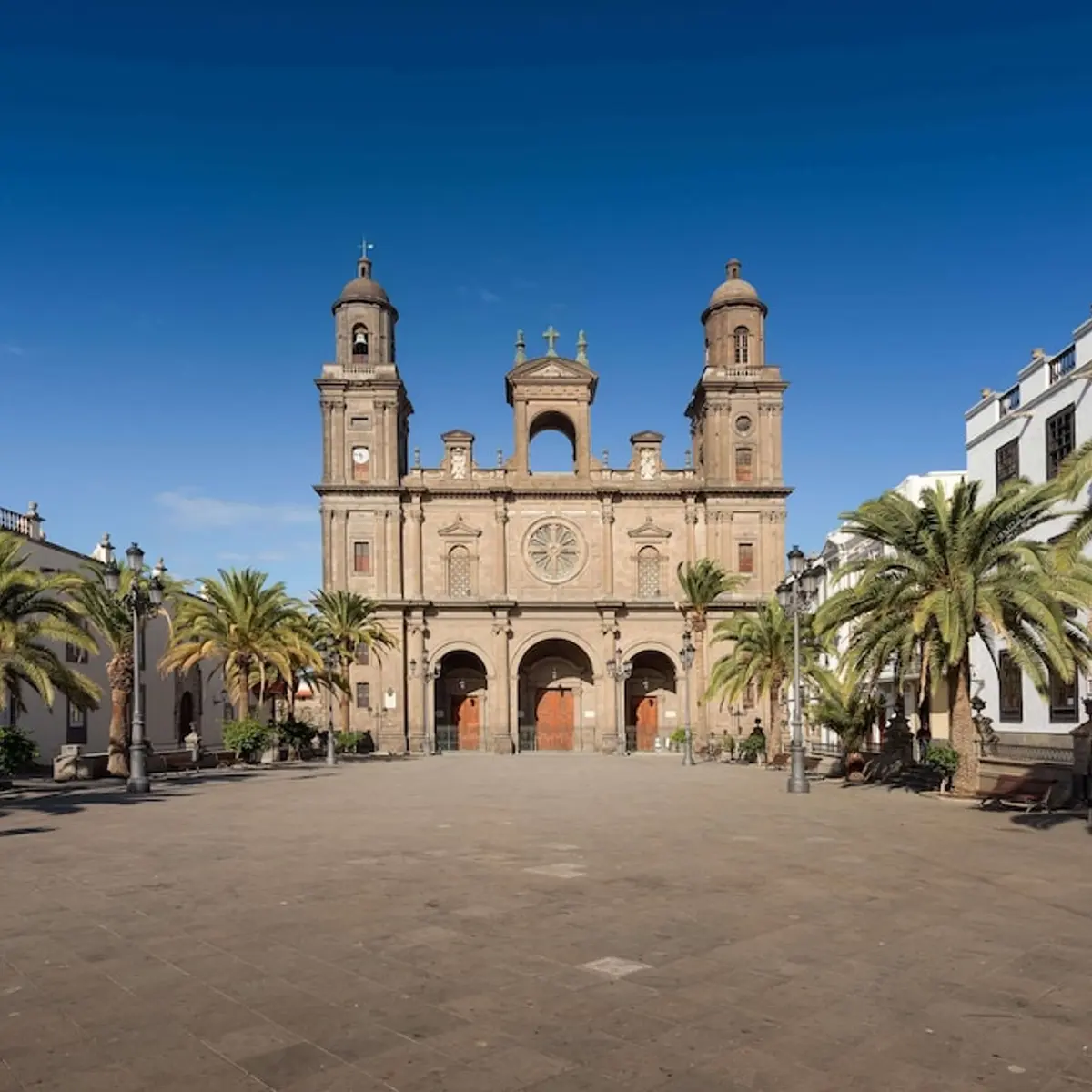
The capital, Santa Cruz, is where to go for al fresco dining, with La Laguna a short drive away for evening bars and live music. Further south, Costa Adeje is built around family resorts and water sports. Siam Park and Aqualand keep kids occupied on hot afternoons, and whale and dolphin-watching boats depart from the nearby marinas.
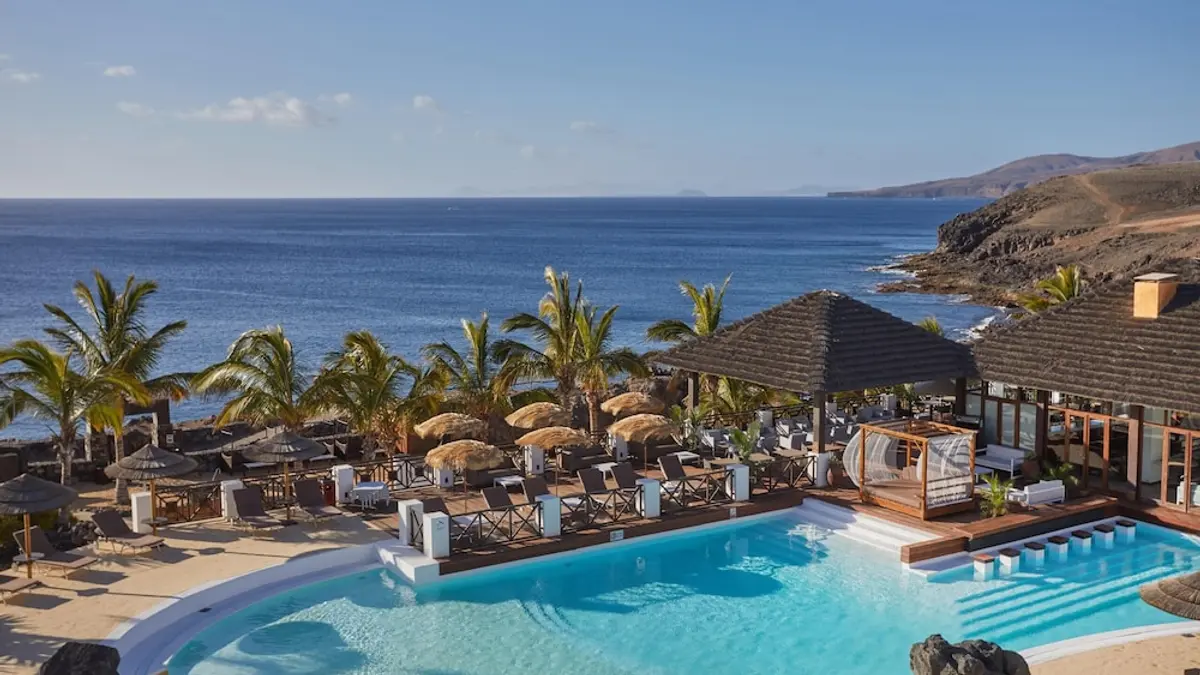
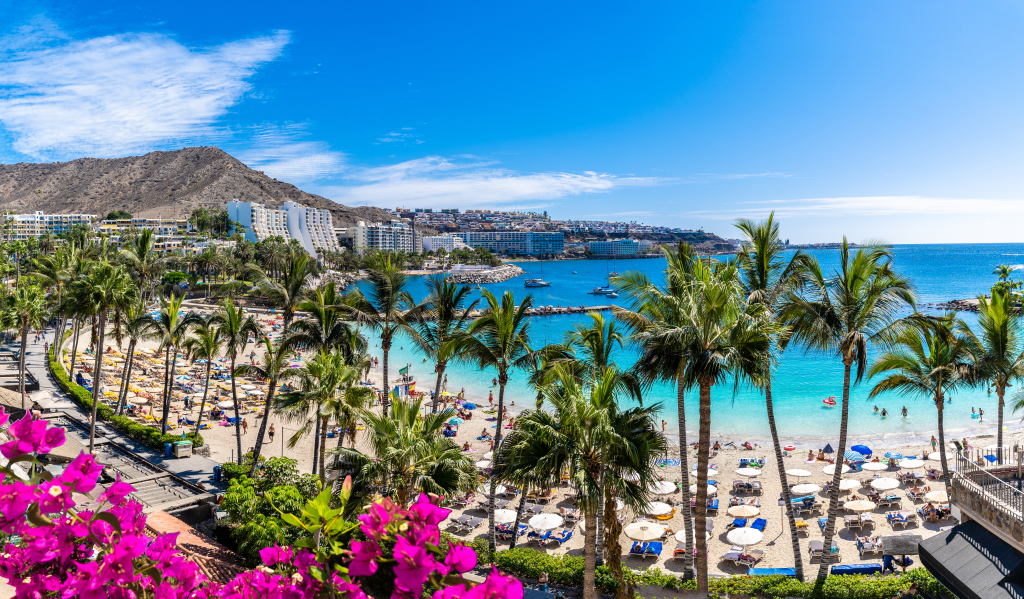
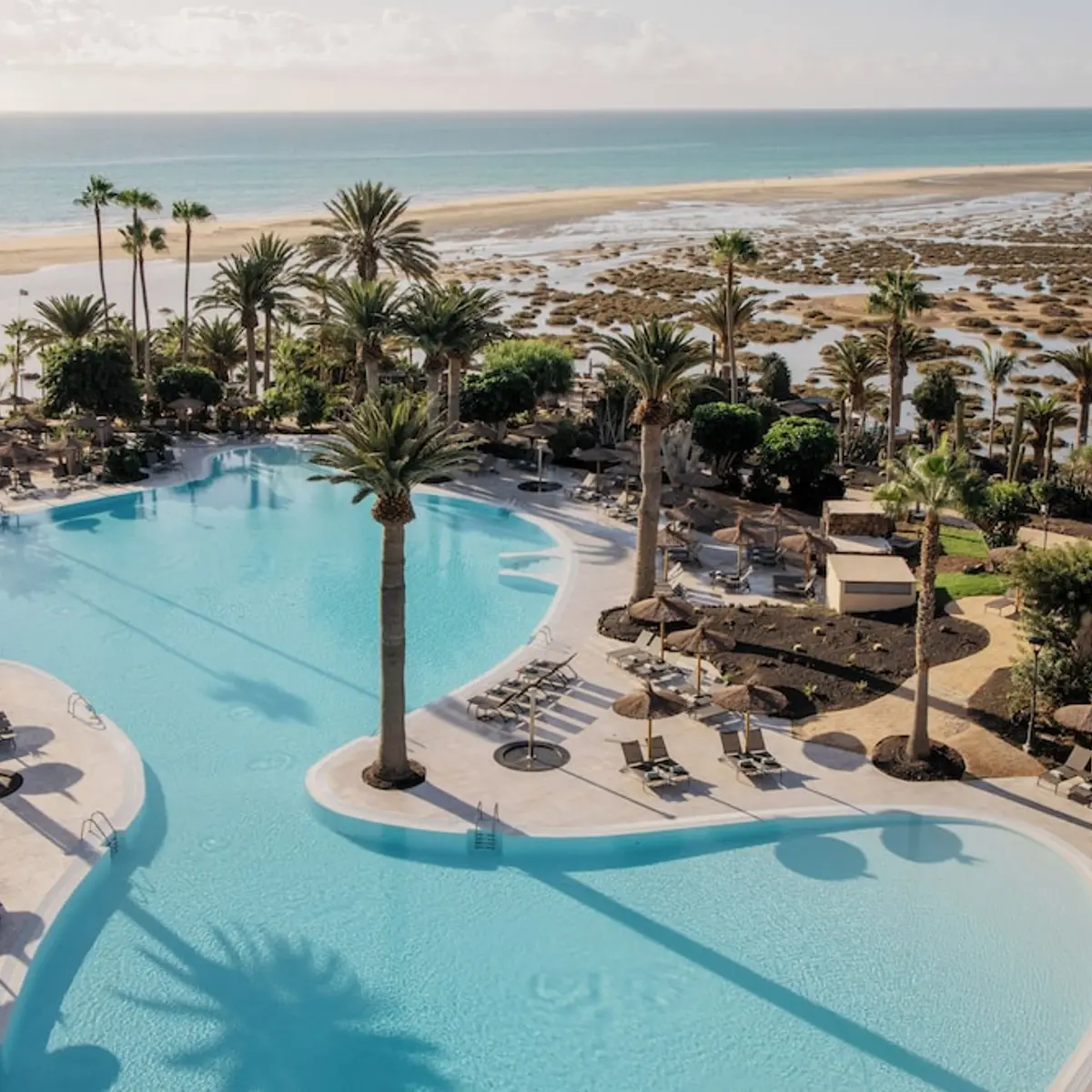
There is no shortage of palm-lined beaches in Gran Canaria.
Gran Canaria has the most varied coastline of the four islands. Playa de las Canteras, in the heart of Las Palmas, is a 3km stretch of urban beach sheltered by a natural reef that keeps the water calm enough to swim laps. Playa de Amadores, on the south coast, is a quieter cove with restricted music and noise. At Maspalomas, the dunes are worth seeing on foot or by camel trek, and Playa del Inglés mixes neon-lit shopping strips with beachside bars.
Inland, the Fiesta del Charco draws crowds to La Aldea de San Nicolás each September, when locals wade into a lagoon to catch fish by hand. Firgas, known as the City of Water, is a hillside town tiled in blue-and-white azulejos, with public fountains running through its main square.
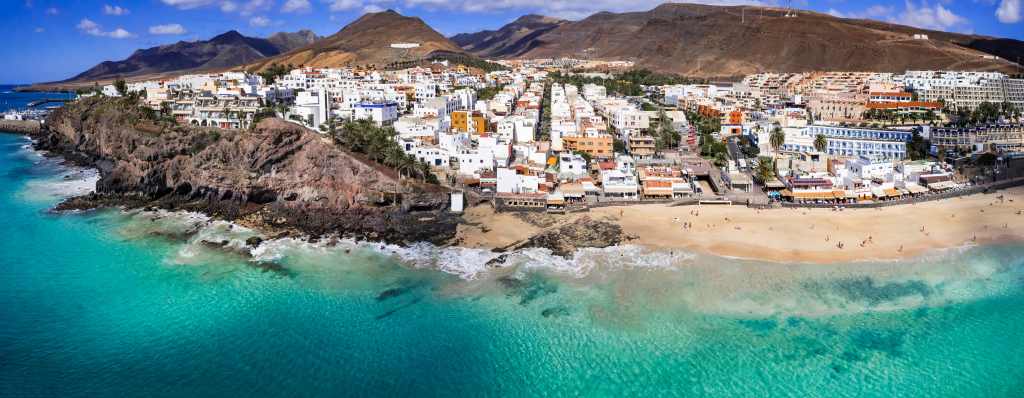
Fuerteventura rewards visitors who don’t want to stay on a sunbed. The island has surf breaks, hiking trails, dive sites and small villages built around fresh seafood and local cheese. El Cotillo, on the northwest coast, has a Friday market and a string of quiet beaches; further south, Pájara mixes colonial-era-influenced architecture with stretches of black volcanic sand.
Steady trade winds and reliable sun make Fuerteventura one of the Canaries’ best islands for water sports. Flag Beach, inside Corralejo Natural Park, draws kite surfers for its consistent wind and clear water, and the dunes nearby can be explored by buggy. Between the surf, the sand and the seafood, it’s an island built for staying outdoors until sunset.
The Canary Islands sit close enough to the African coast to stay warm year-round, with average temperatures rarely dropping below 18°C, even in winter. Spring and autumn avoid the August crowds while keeping beach weather; winter suits those chasing sun without the heat.
Which Canary Island is best for first-timers?
Tenerife suits first-time visitors best, with the most direct flight connections, the widest choice of hotels, and a capital city, Santa Cruz, that’s easy to explore without a car. Lanzarote and Fuerteventura reward those who are after quieter landscapes and outdoor activity over nightlife.
How many days do you need in the Canary Islands?
A single island can fill a week comfortably. Tenerife alone spans coastal resort towns, UNESCO-listed laurel forest and Michelin-starred dining. Island-hopping between two, such as Lanzarote and Fuerteventura, needs at least 10 days, given inter-island ferry and flight schedules.