
There is a reason couples look to Europe for destination weddings: old-world European settings, centuries-old venues, regional cuisine and easy honeymoon extensions. But choosing Europe also means being realistic about attendance, budget, and planning.
With travel costs and extra annual leave, an overseas wedding often comes with a smaller final guest list (though this can be a natural way to narrow the group for couples who want a more intimate affair). Peak-season venues in destinations like Tuscany, Santorini and the French Riviera are best approached 12 to 18 months ahead, and you may find more legal requirements than at home.
Handled well, the extra effort pays off – read on for a practical Europe wedding guide.
Need a hand planning your destination wedding? The Luxury Escapes Wedding Concierge can help with the details.



Is a Europe destination wedding right for you?
A European wedding often requires long-haul flights, extended annual leave and a higher budget. Even close friends and family may have to decline.
For some couples, a smaller group is part of the appeal. The people who attend often stay for several days, which gives everyone more time together than a traditional one-day celebration. Welcome drinks, a relaxed brunch the following day or a few unscheduled afternoons can become some of the best parts of the trip.
Our advice: Speak to the guests you could not imagine celebrating without before confirming the destination. Those conversations may shape your plans more than any venue shortlist.
Couples also need to plan earlier. For a June to September wedding in bucket-list locations like Tuscany, Santorini or the Côte d’Azur, aim to begin around 18 months ahead. The most in-demand venues can fill even earlier, so the sooner you get in touch, the better.
A note on legalities: Wedding rules vary across Europe. Requirements vary by country, nationality and the municipality where you marry. In France, eligibility for a civil ceremony can depend on your residence or connection to the municipality. In Italy, foreign nationals may need a Certificate of No Impediment or equivalent documentation, along with translated or legalised paperwork. Check the latest requirements with your venue and a legal professional; many couples choose to complete the legal ceremony at home and hold a symbolic wedding abroad.


Getting married in Italy
An Italy destination wedding can mean very different things depending on the region. Choosing the setting first will make the venue search much easier.
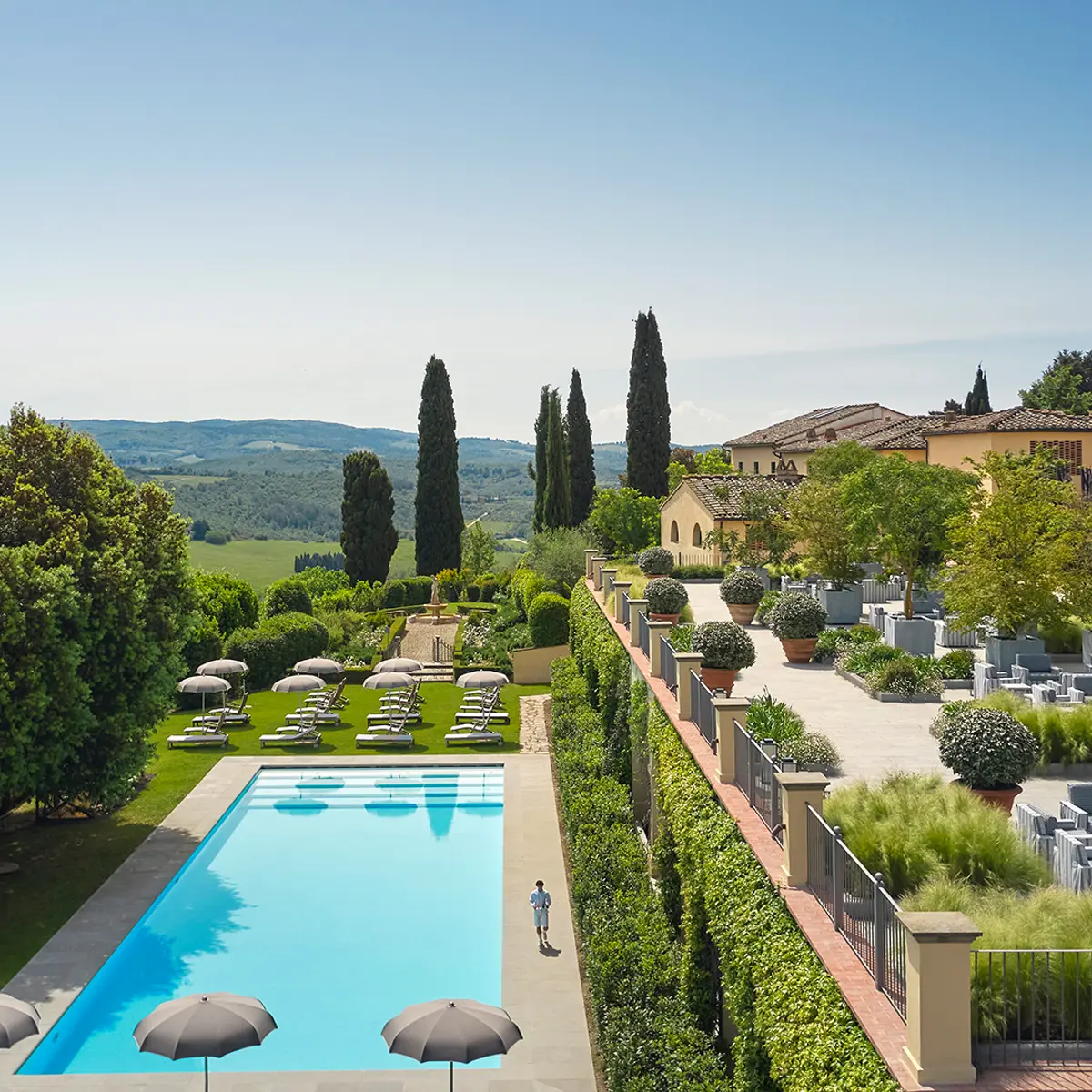
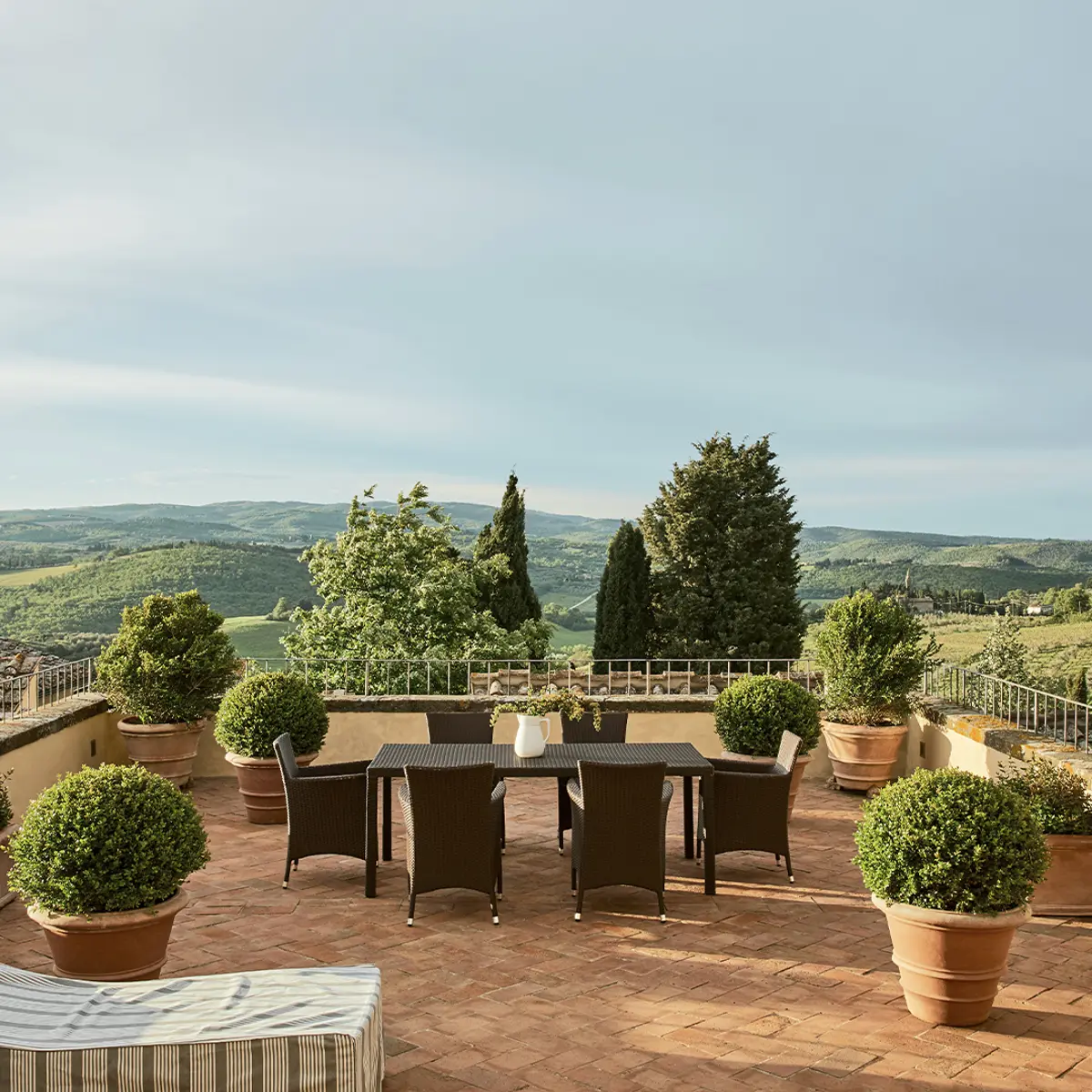
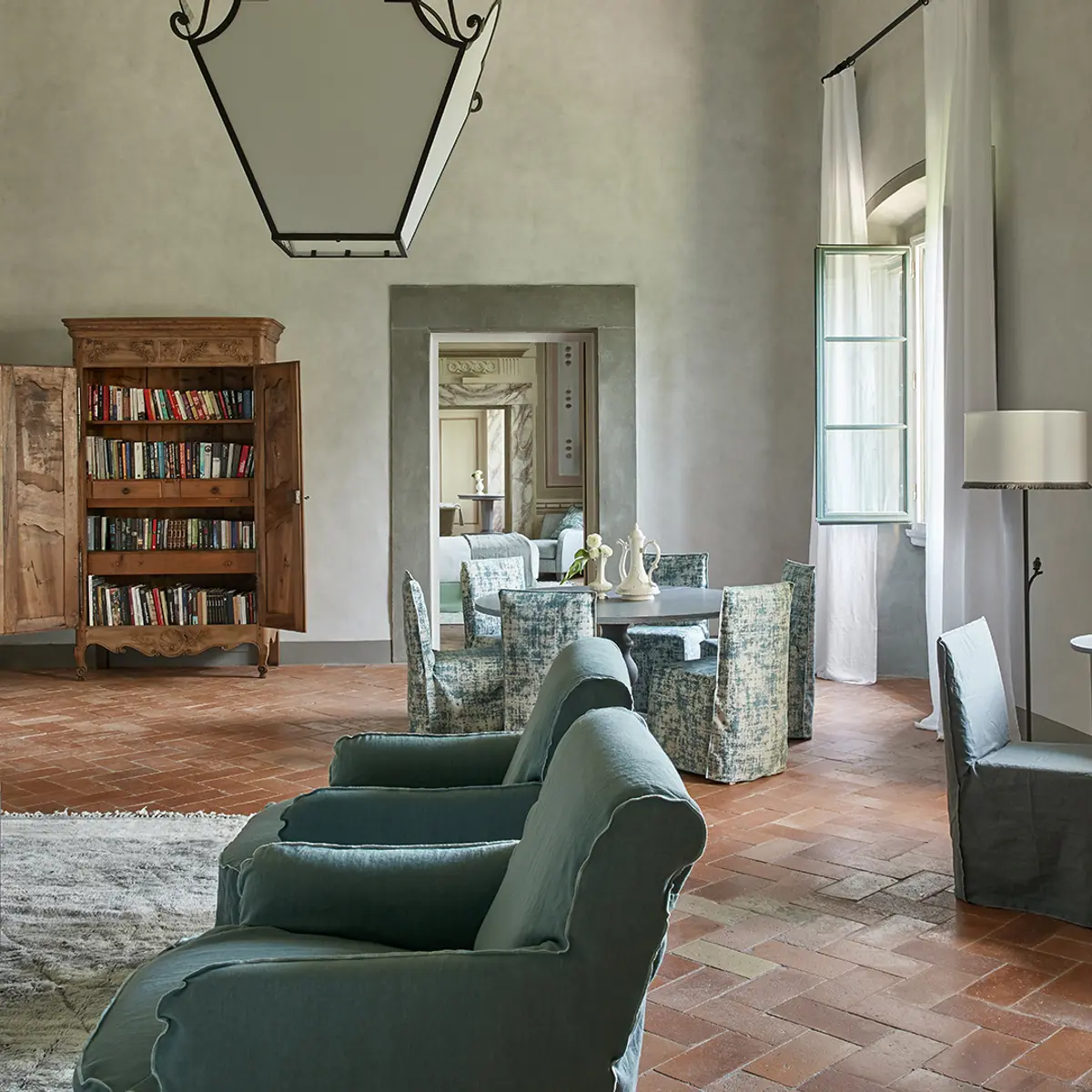
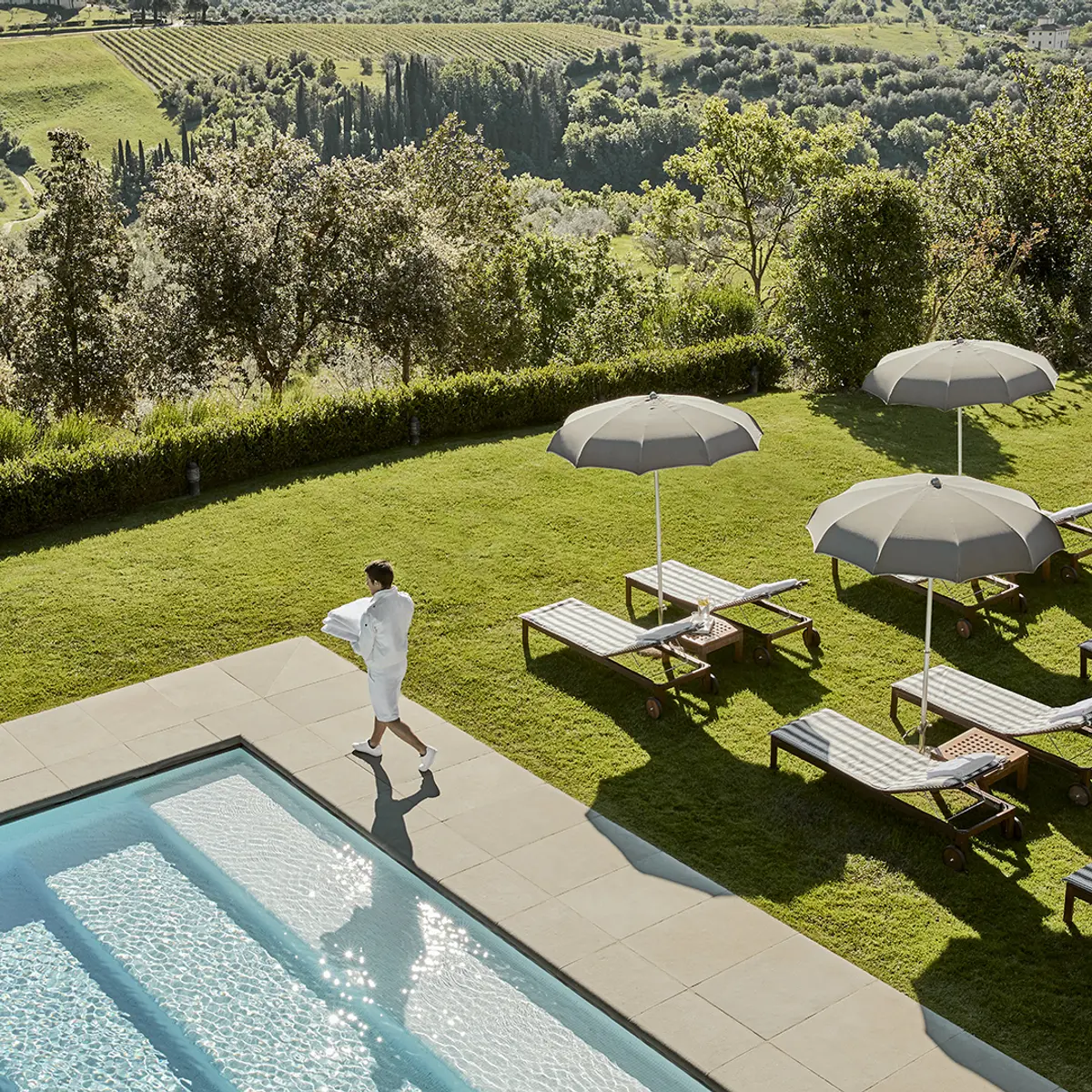
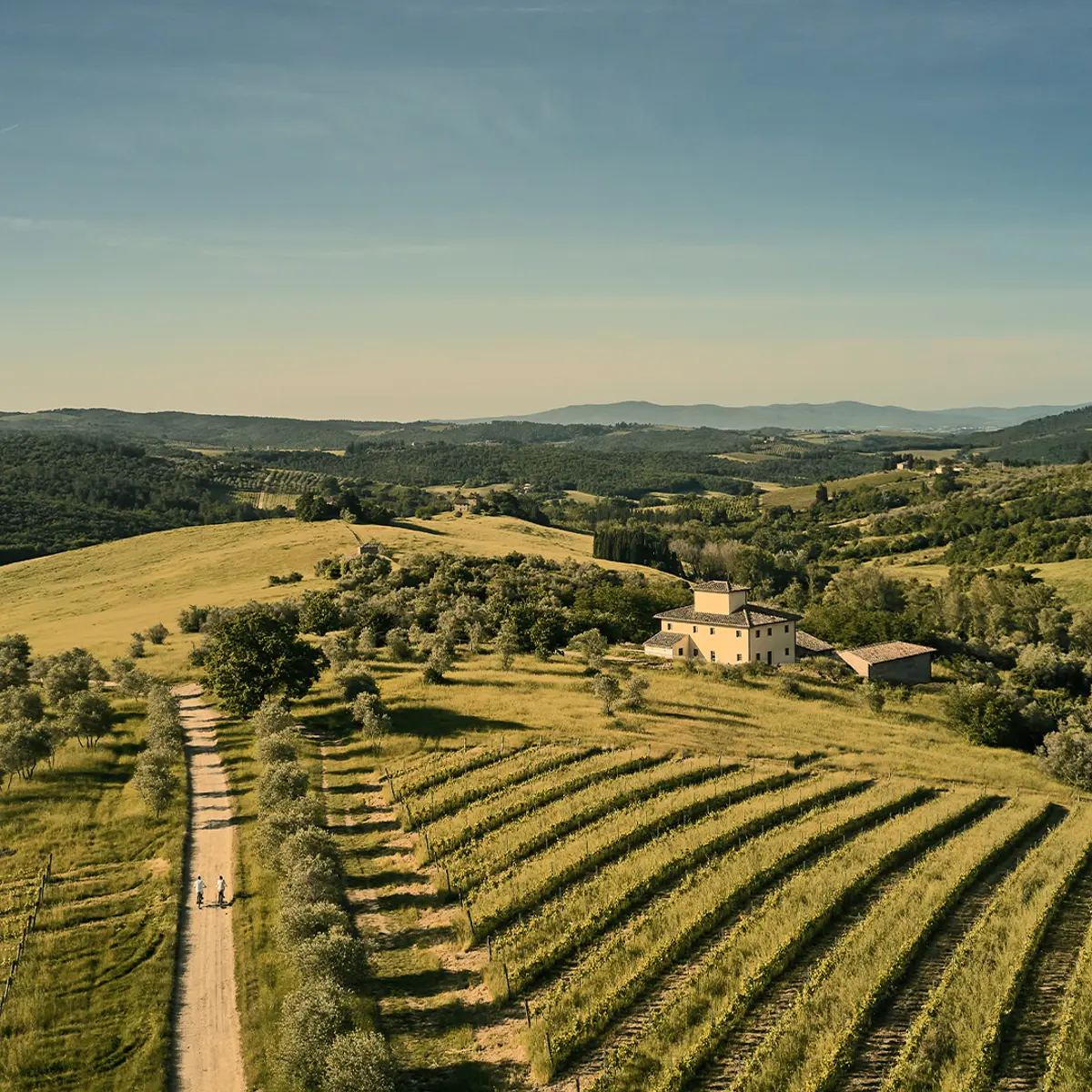
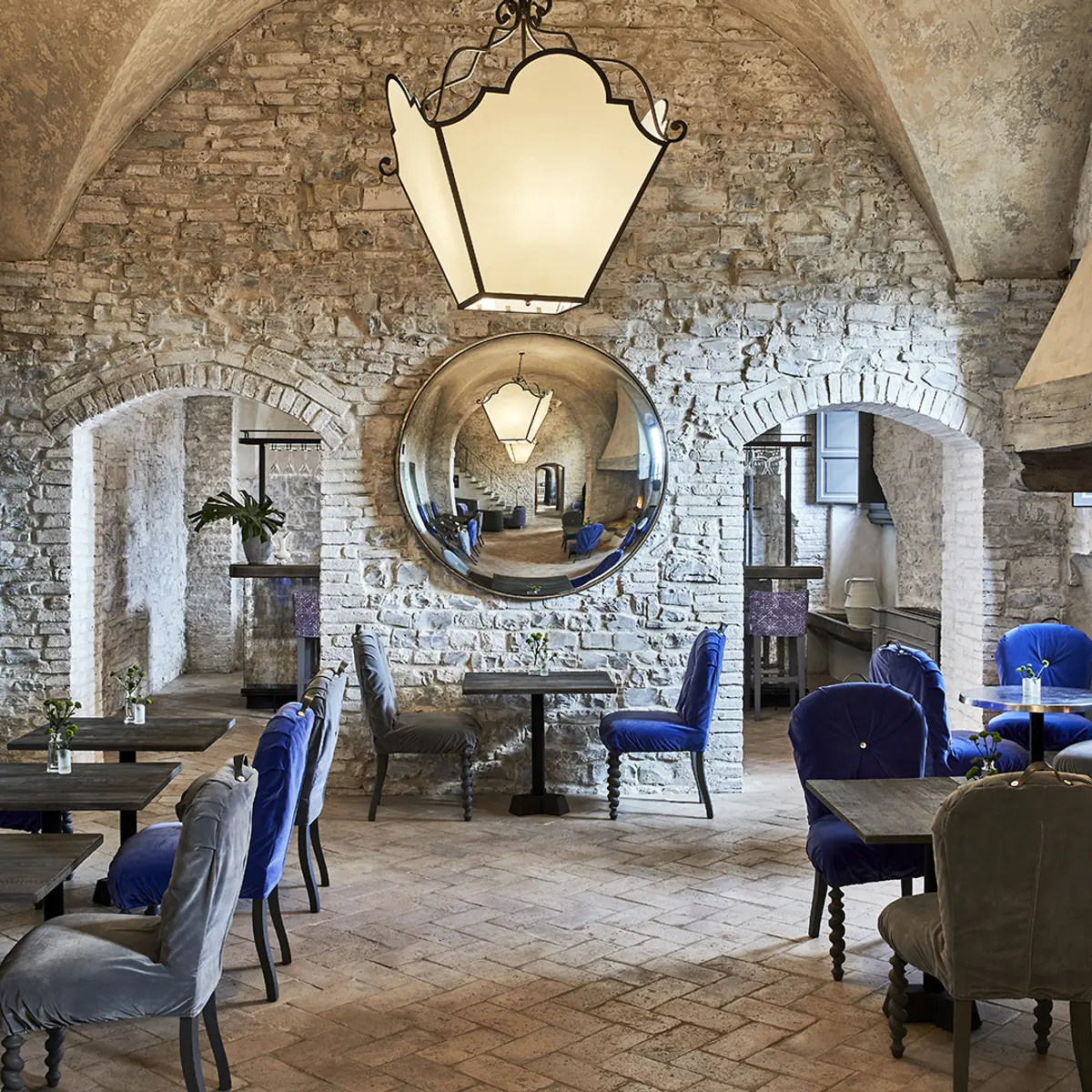
For rolling hills and wine country, Tuscany sets the benchmark. COMO Castello Del Nero in Chianti is especially suited to couples who want the ceremony and reception to happen in one place. The estate has its own 12th-century chapel, 12 different wedding venues and enough space for up to 120 guests with an exclusive buy-out – useful if you want everyone staying, dining and celebrating on site. Set against quintessentially Tuscan scenery of Chianti vineyards and olive groves, the property also has a Michelin-starred restaurant onsite, so you know the dining is in good hands.
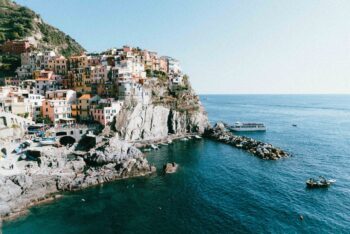
The Amalfi Coast comes with cliffside venues, pastel colour palettes and all the romance of a classic Italian film, though logistics need close attention. Narrow roads, limited parking and expensive peak-season accommodation can make guest transport more complicated. Consider choosing a resort that can accommodate all guests and provide onsite parking to limit the logistical dilemmas.
Puglia suits a more intimate celebration, often centred around a masseria or countryside estate. Demand has grown, so couples should avoid assuming it will be a cheaper or last-minute alternative to Tuscany. Sicily can work well for larger or more varied itineraries, with Baroque towns, coastal resorts and Etna wine estates giving couples more scope to combine the wedding with a few days of sightseeing.
Our advice: Look at the full route from the main airport to the final destination and consider arranging shared transport to the venue.


Getting married in Greece
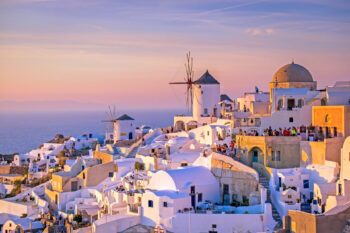
Greece offers the full Mamma Mia! package: whitewashed chapels, blue-domed backdrops, endless Aegean views and a wedding party that may or may not break into ABBA before dessert. Just bear in mind that island logistics can involve ferries, peak-season crowds and extra planning for guests.
July and August are busy, hot and expensive. May, June and September are usually better suited to a wedding, with milder weather and less pressure on rooms and transport.
Top tip: Many resorts and hotels in Greece operate seasonally, which can limit both wedding venue availability and nearby accommodation outside the main summer months.
Mykonos fits couples who want the celebration to continue beyond the reception. Beach clubs and nightlife make it a natural choice for a lively wedding weekend, though costs can climb quickly in summer.
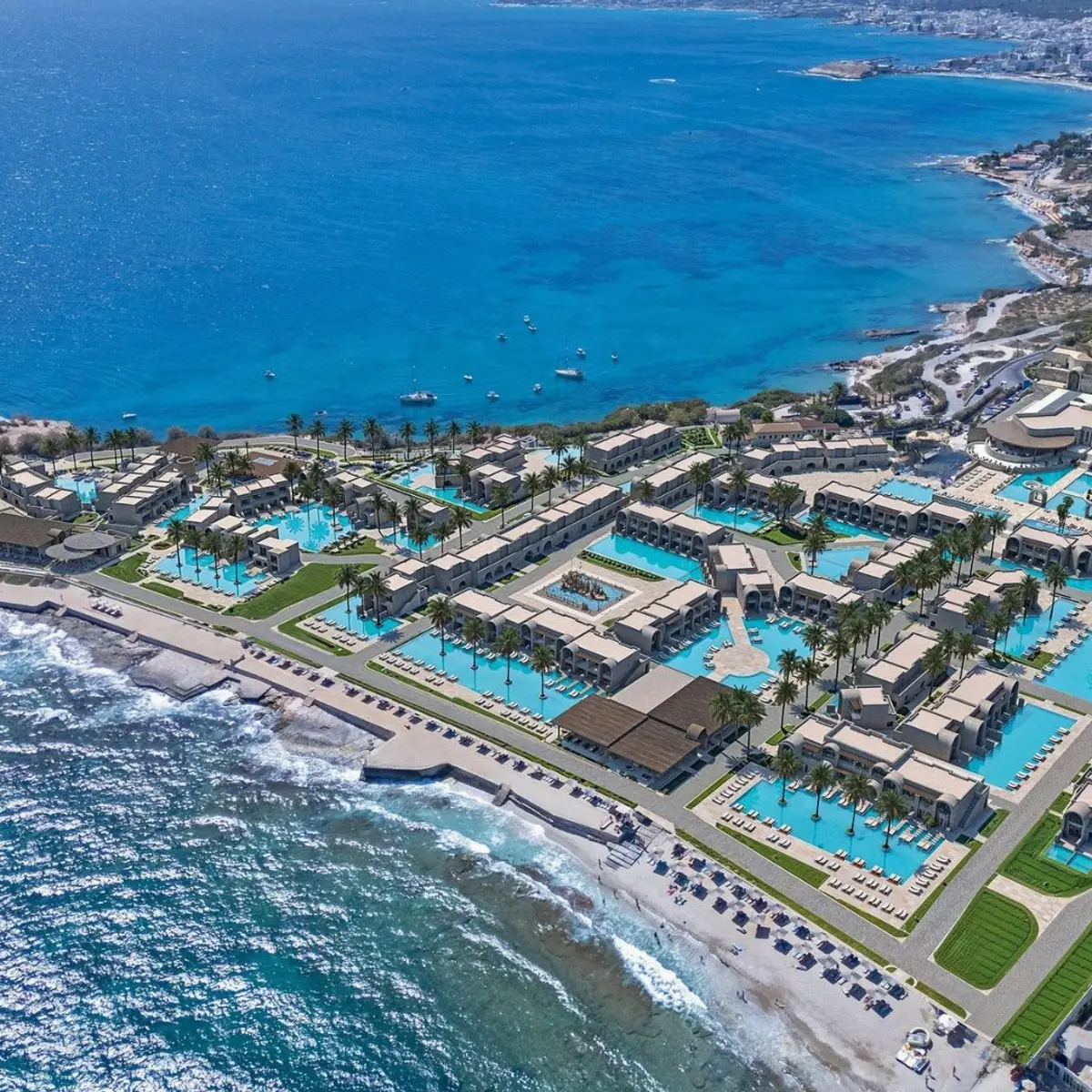
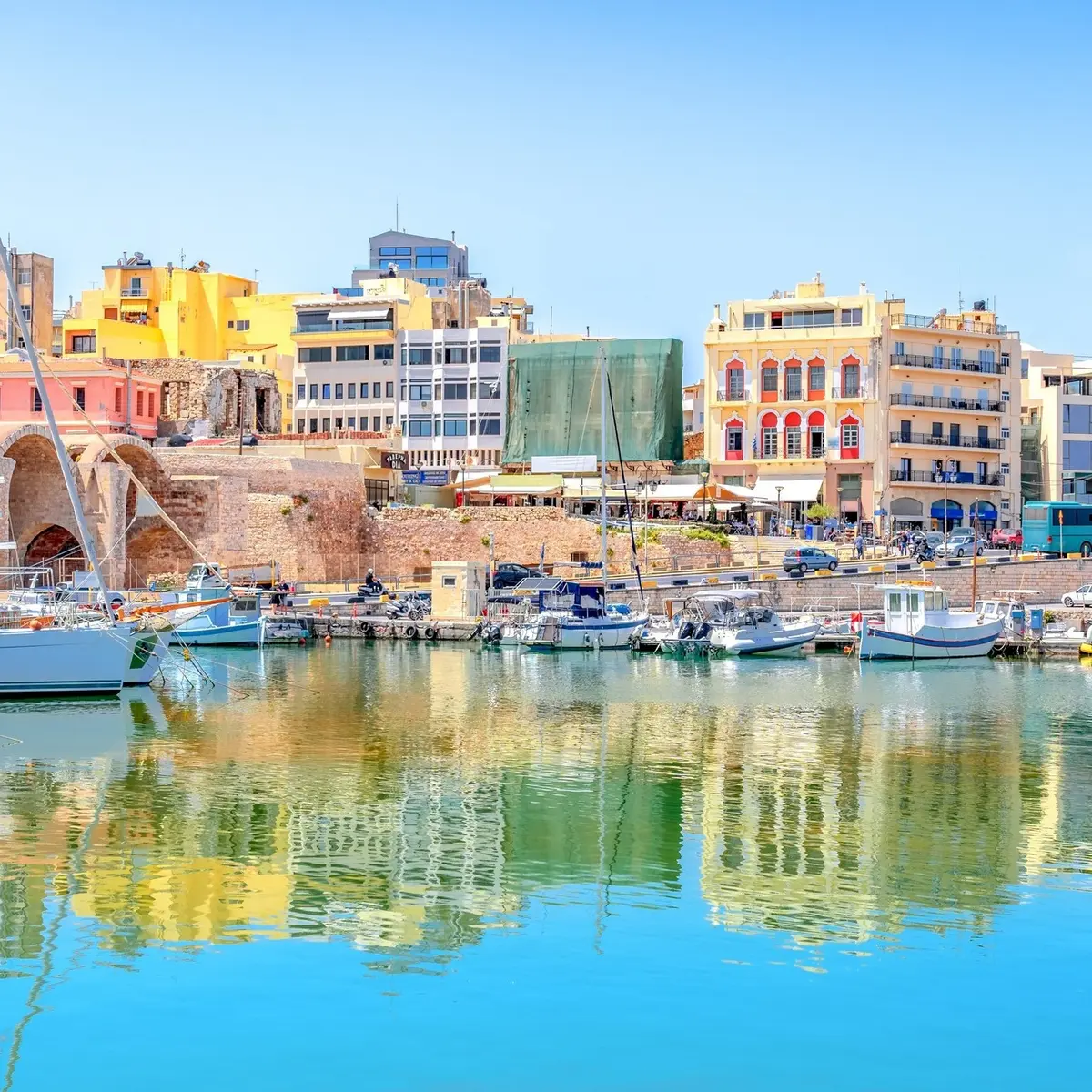
Crete offers more space and greater variety. Couples can choose between coastal resorts, countryside properties and historic settings. The island also gives guests more to explore if they plan to stay longer.
Our advice: For a Greek island wedding, check ferry or flight details early and make sure guests are aware of the logistics involved after landing in mainland Greece.





Getting married in France
A destination wedding in France gives couples several very different options within one country.
The French Riviera has Mediterranean scenery, established wedding suppliers and convenient access through Nice. It suits couples who want a coastal setting without adding an island transfer. Summer prices can be high, so accommodation planning should begin alongside the venue search.
Provence offers countryside estates, stone villages and a slower wedding schedule. Lavender season is popular, though the exact flowering period varies, so avoid building the entire visual plan around it without checking local conditions.
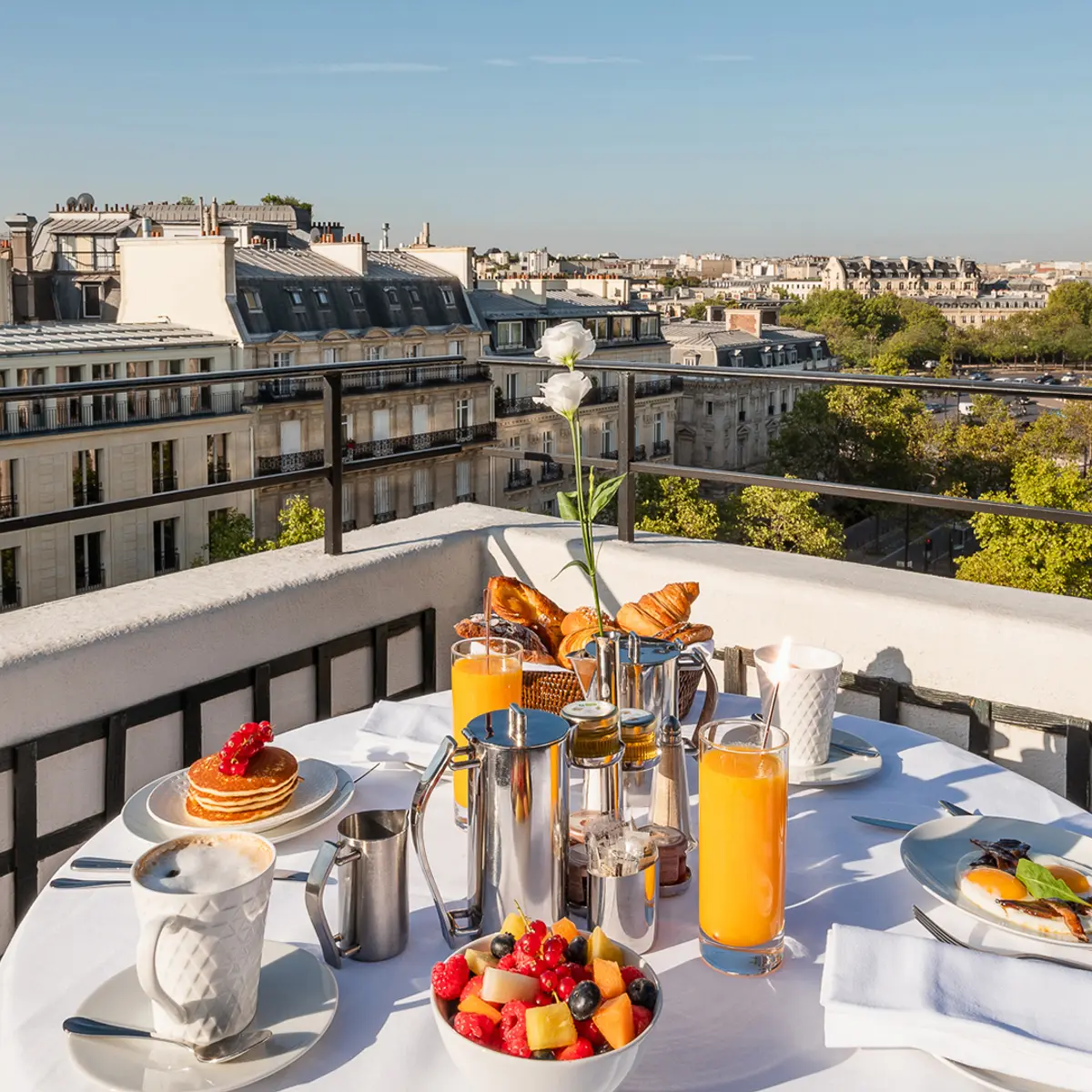
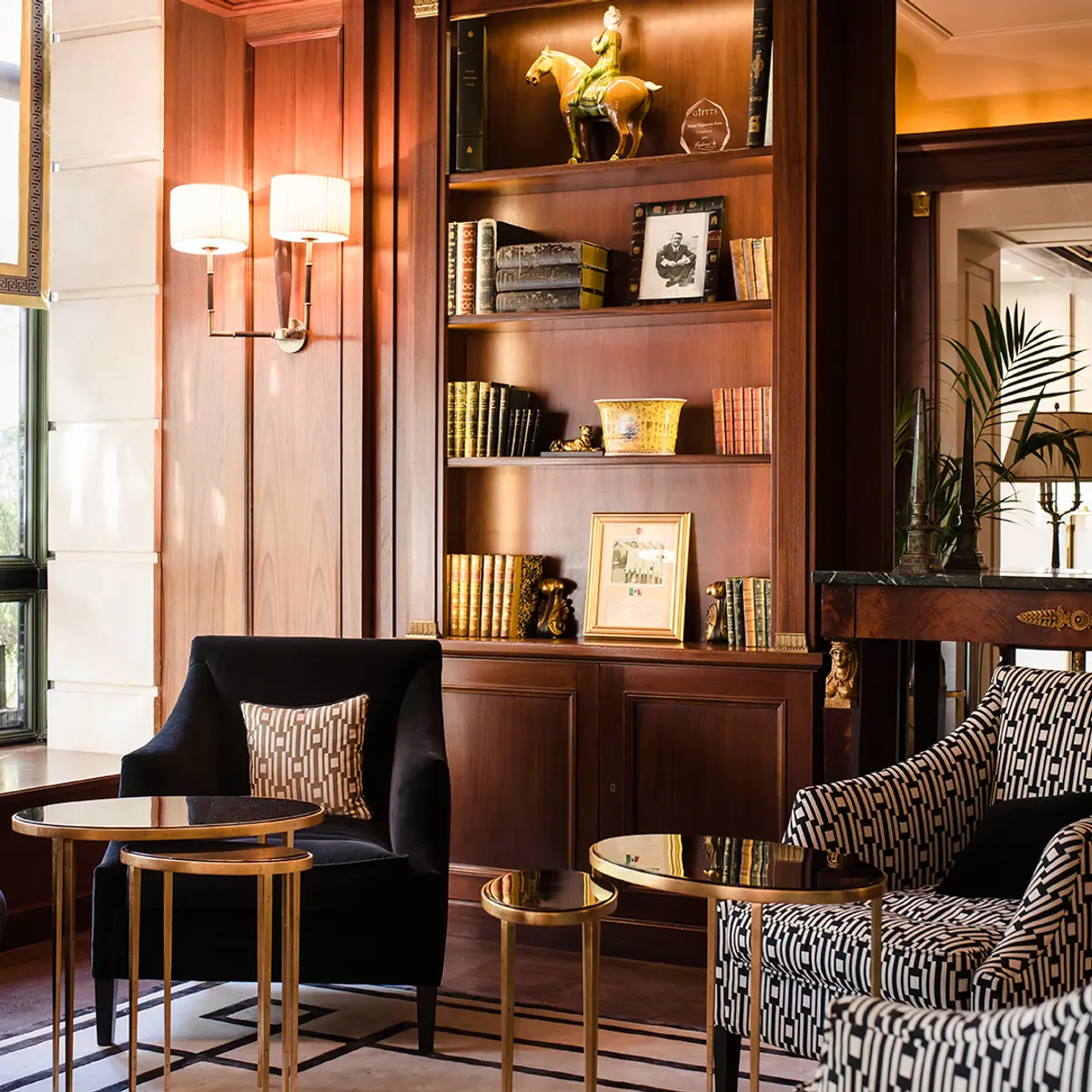
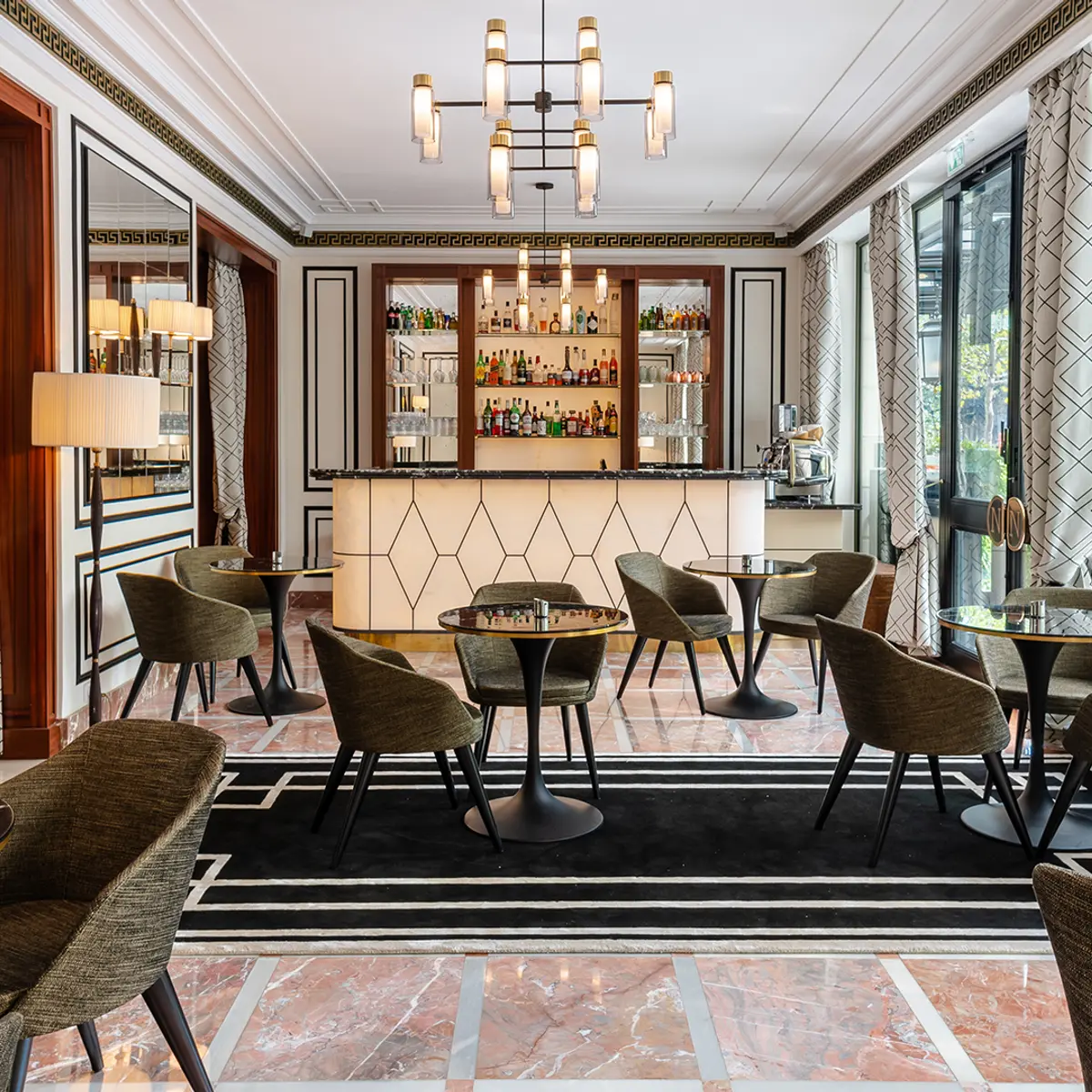
Paris is better suited to smaller celebrations. A micro-wedding followed by dinner in the city can feel special without requiring several days of organised events.


Other European alternatives
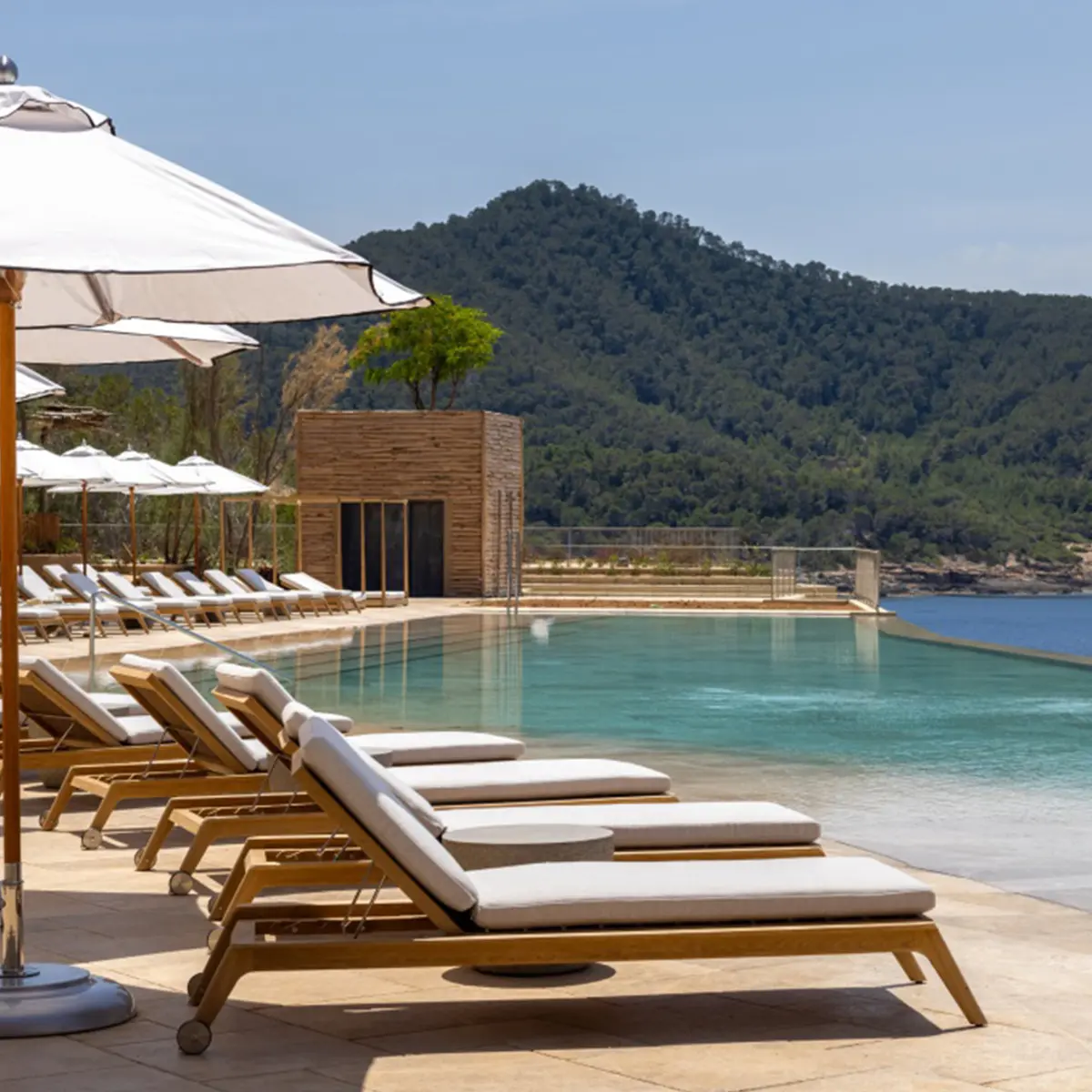
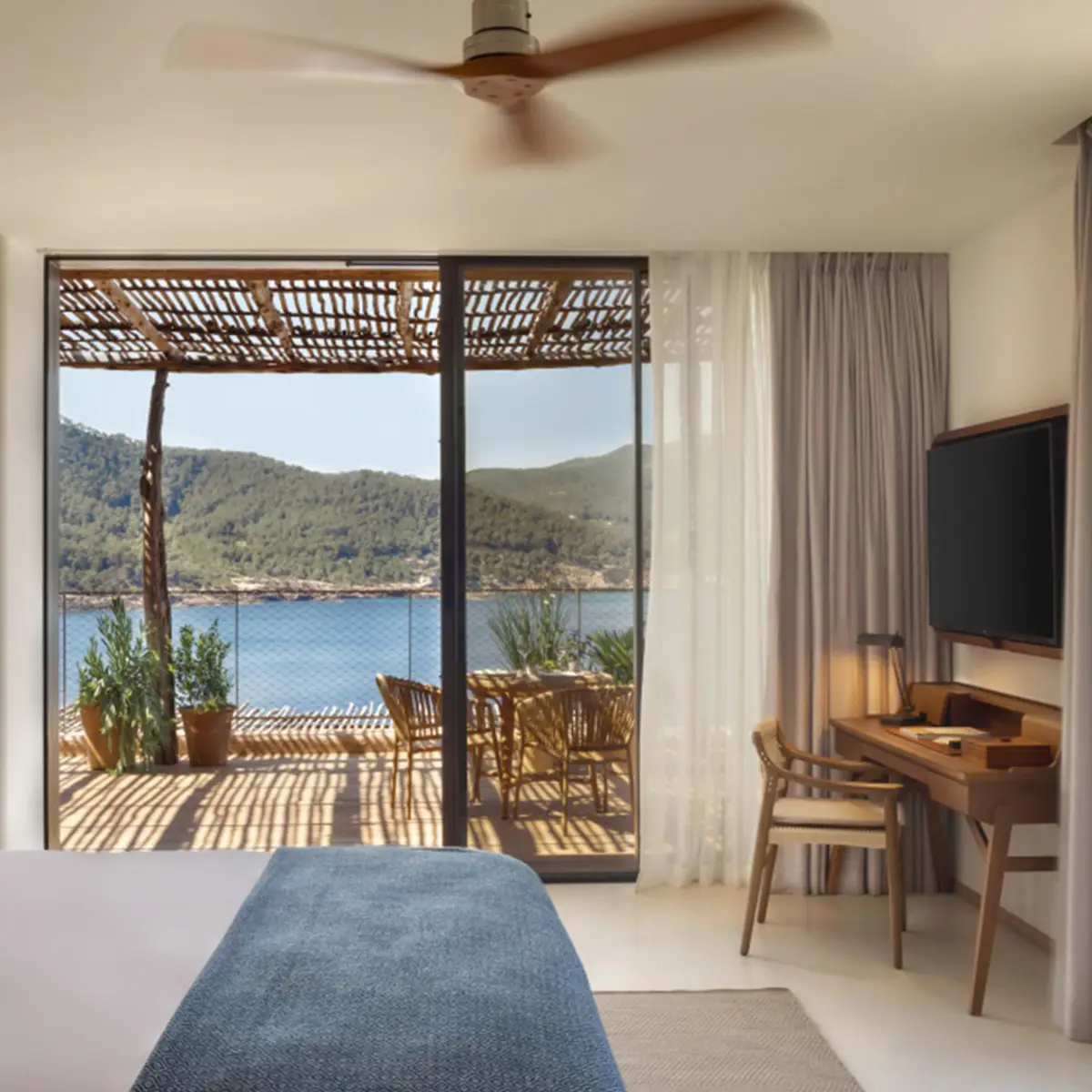
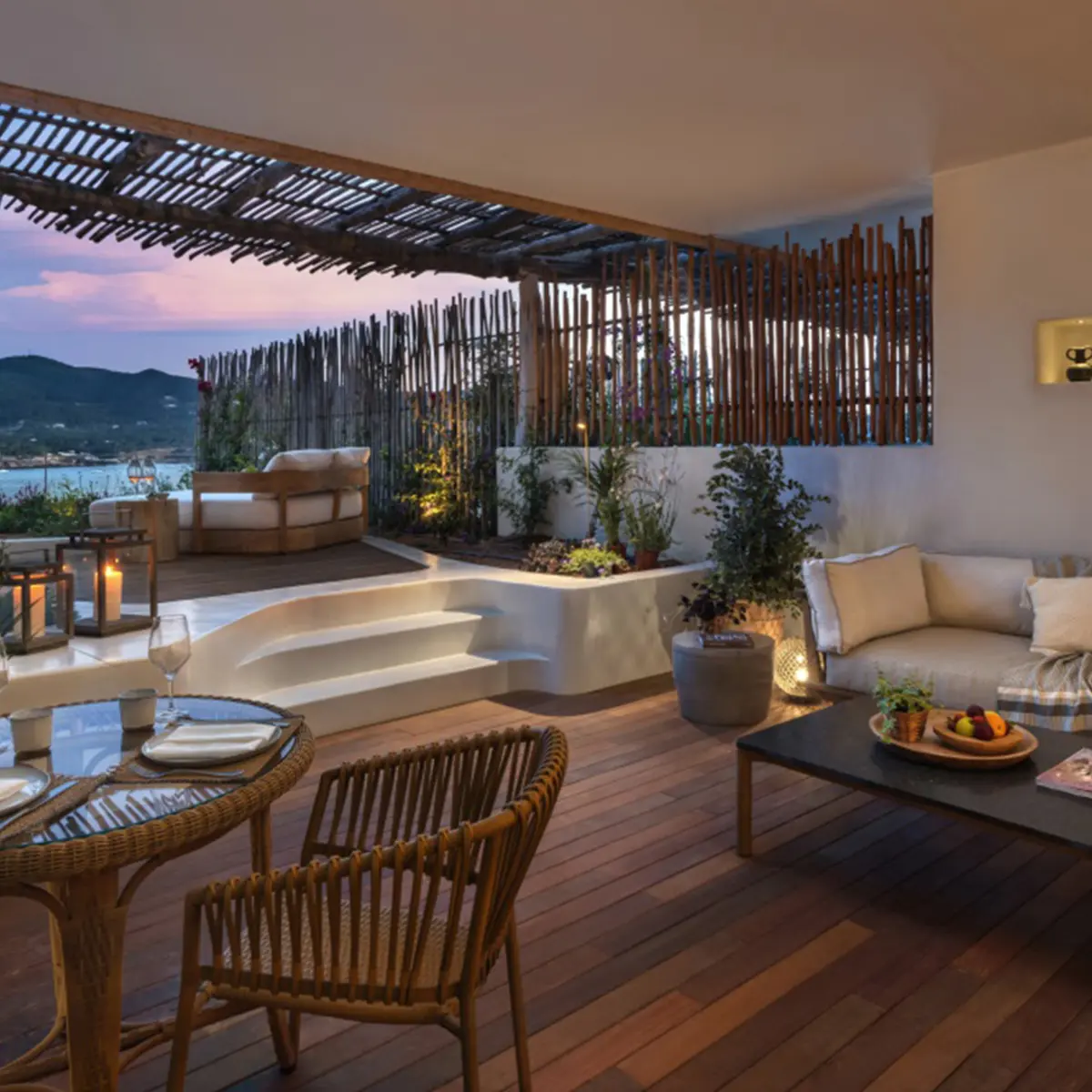
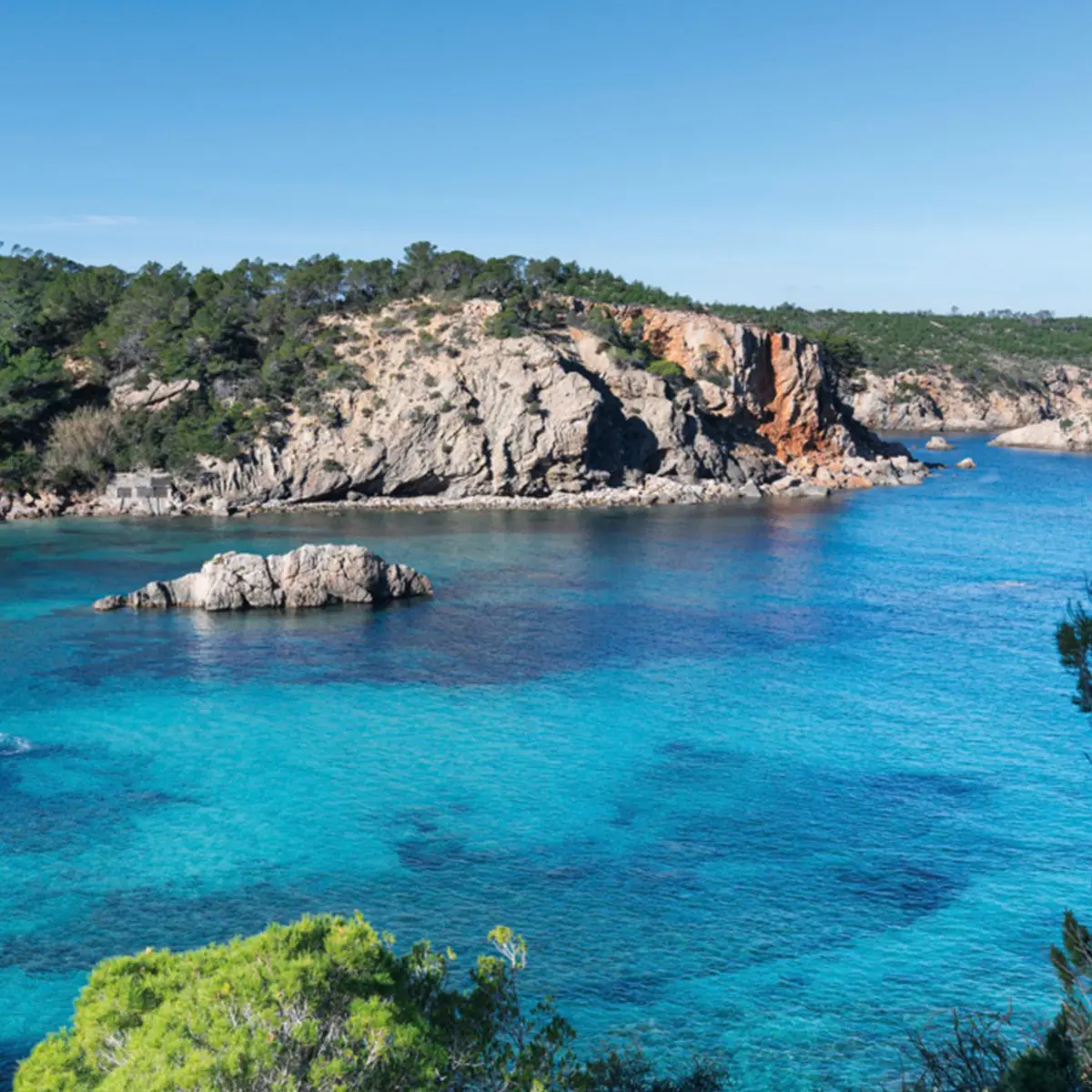
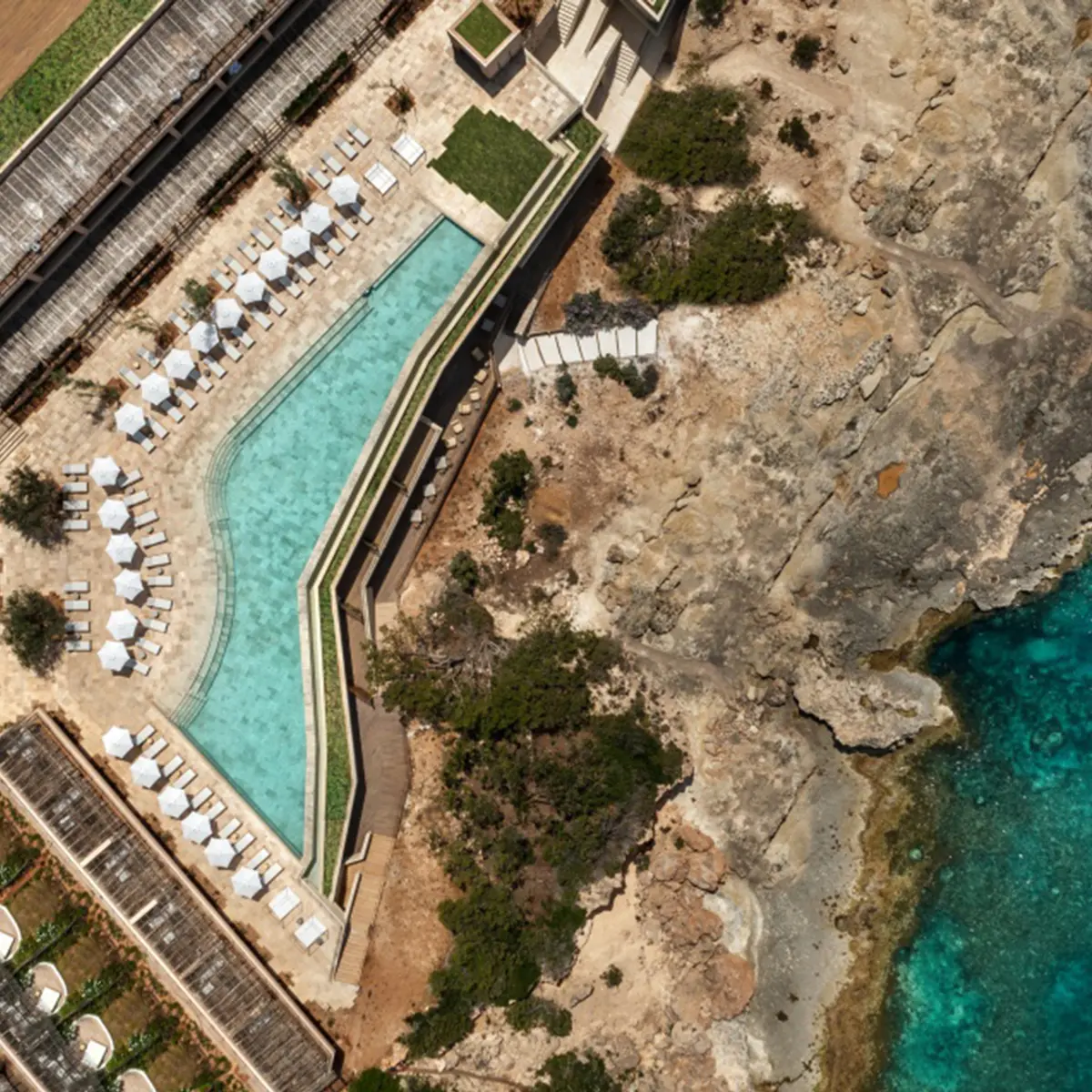
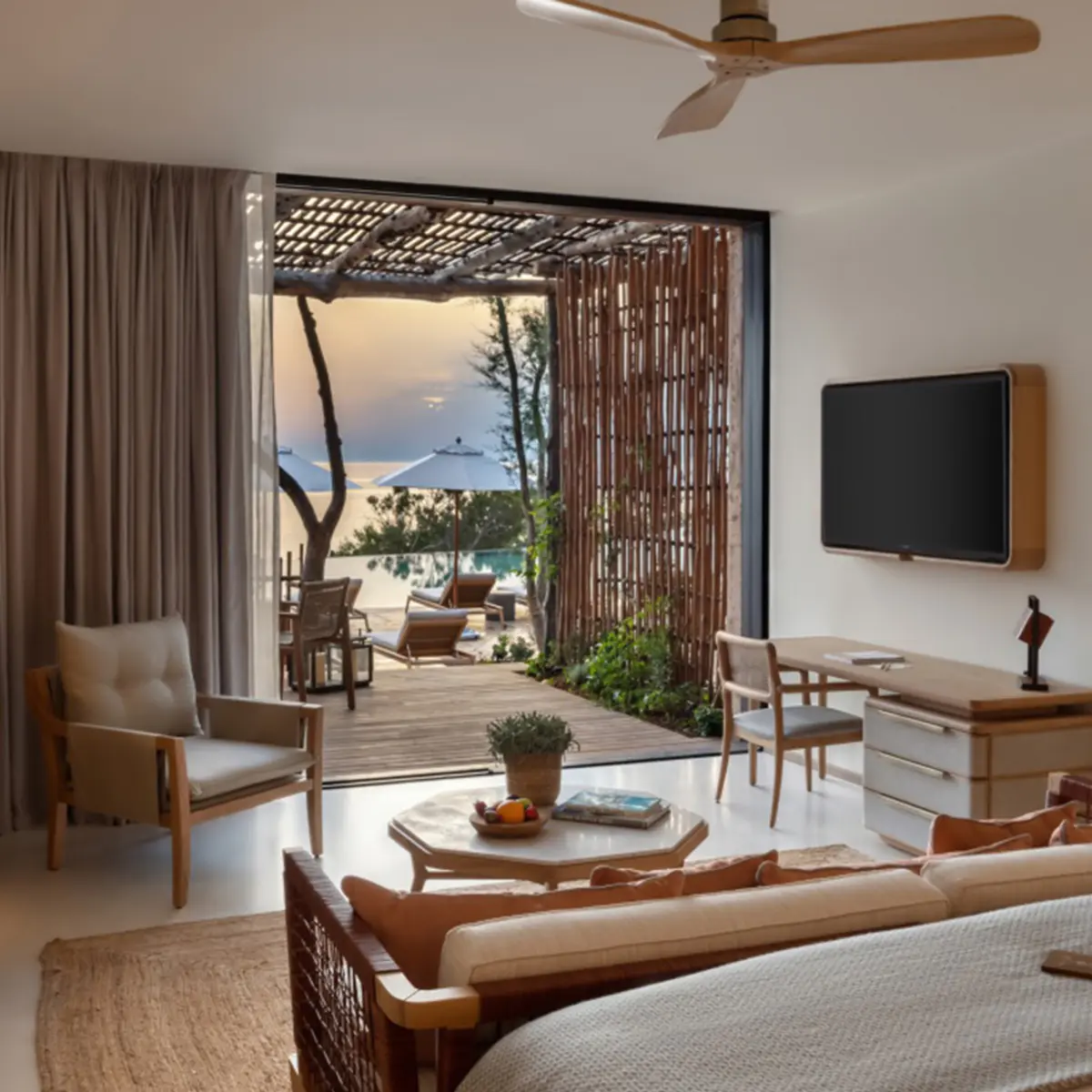
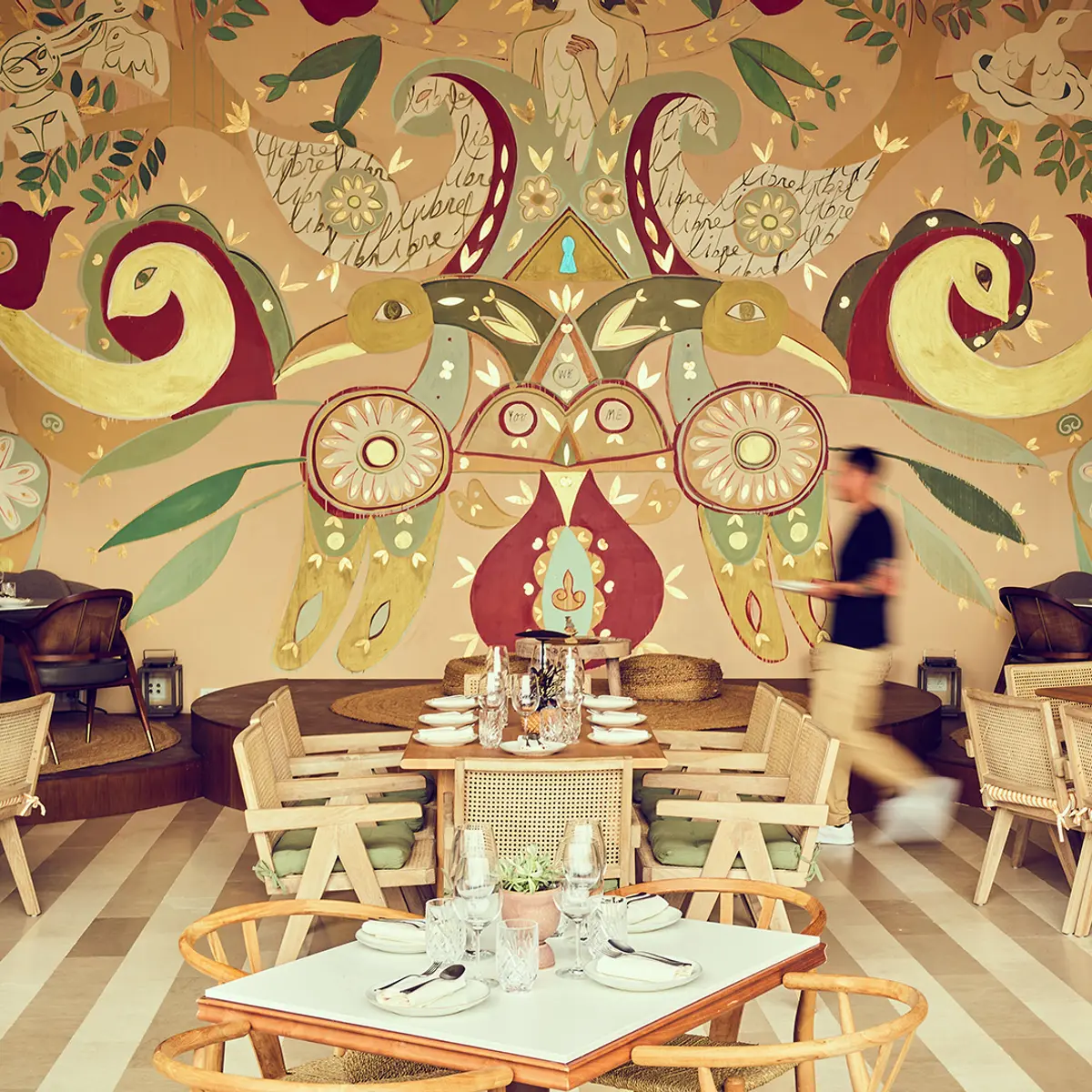
Spain is another European option to consider. For a Spanish island wedding, Six Senses Ibiza offers a romantic waterfront setting on Xarraca Bay – removed from the island’s livelier side, yet within easy reach for guests keen to continue the celebrations after dark.
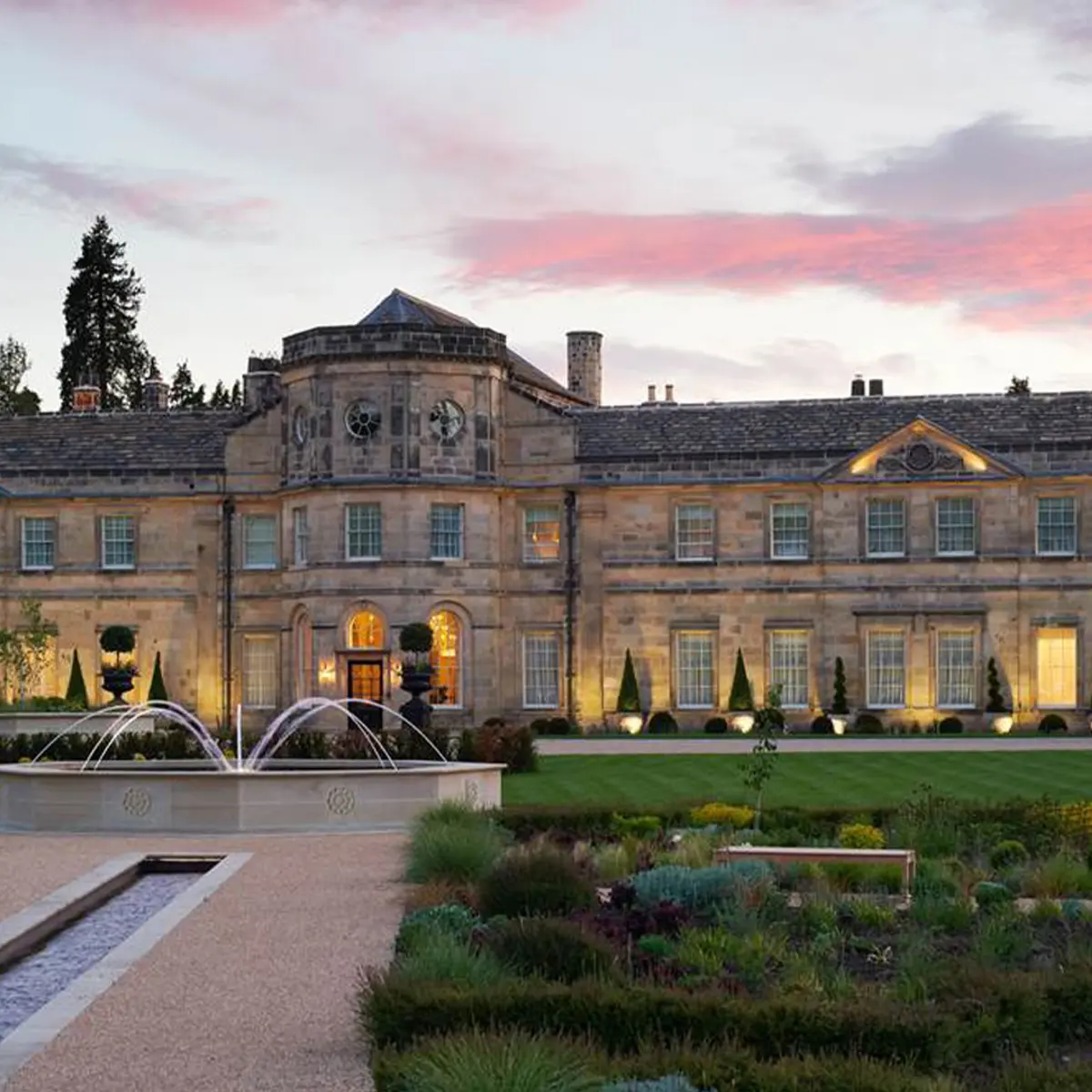
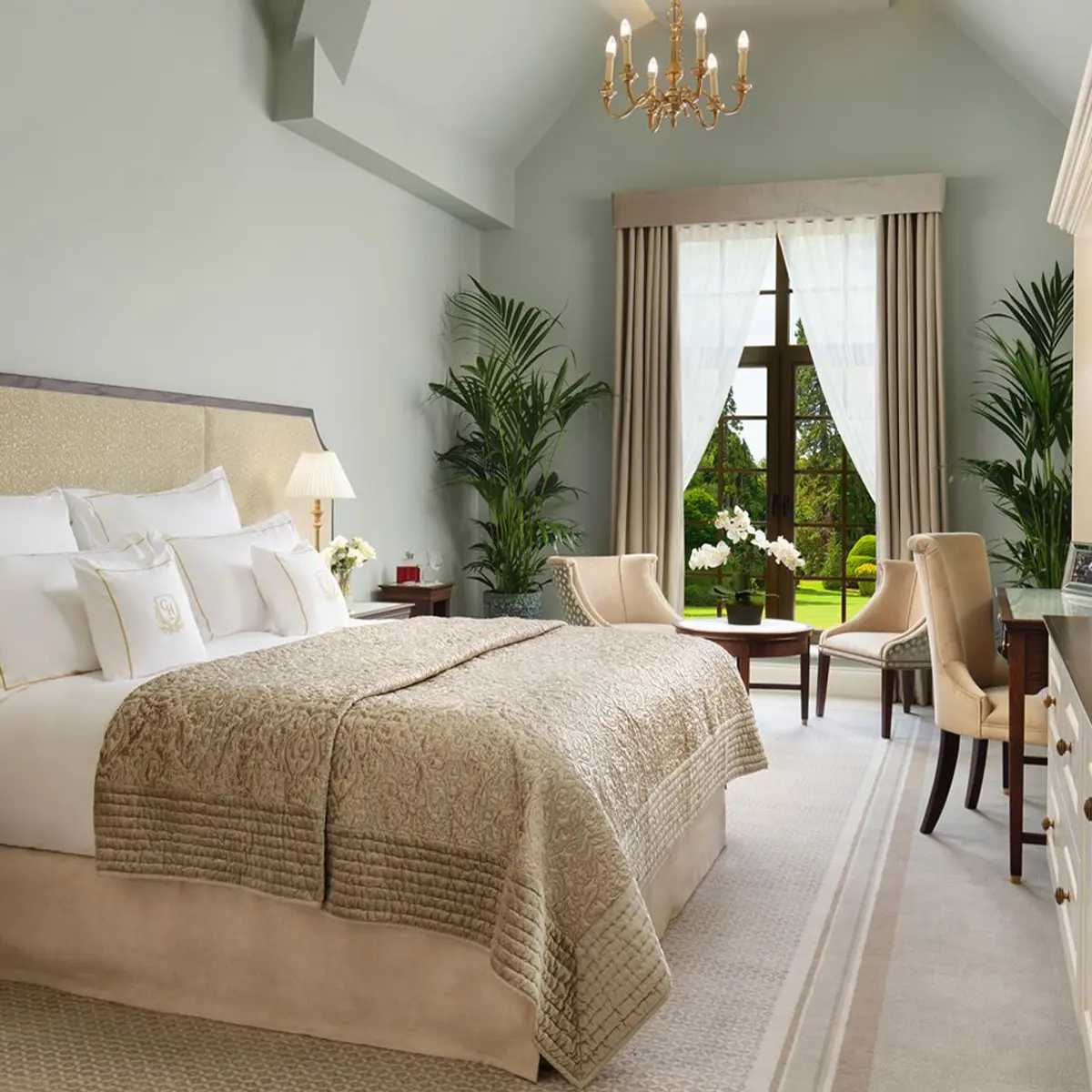
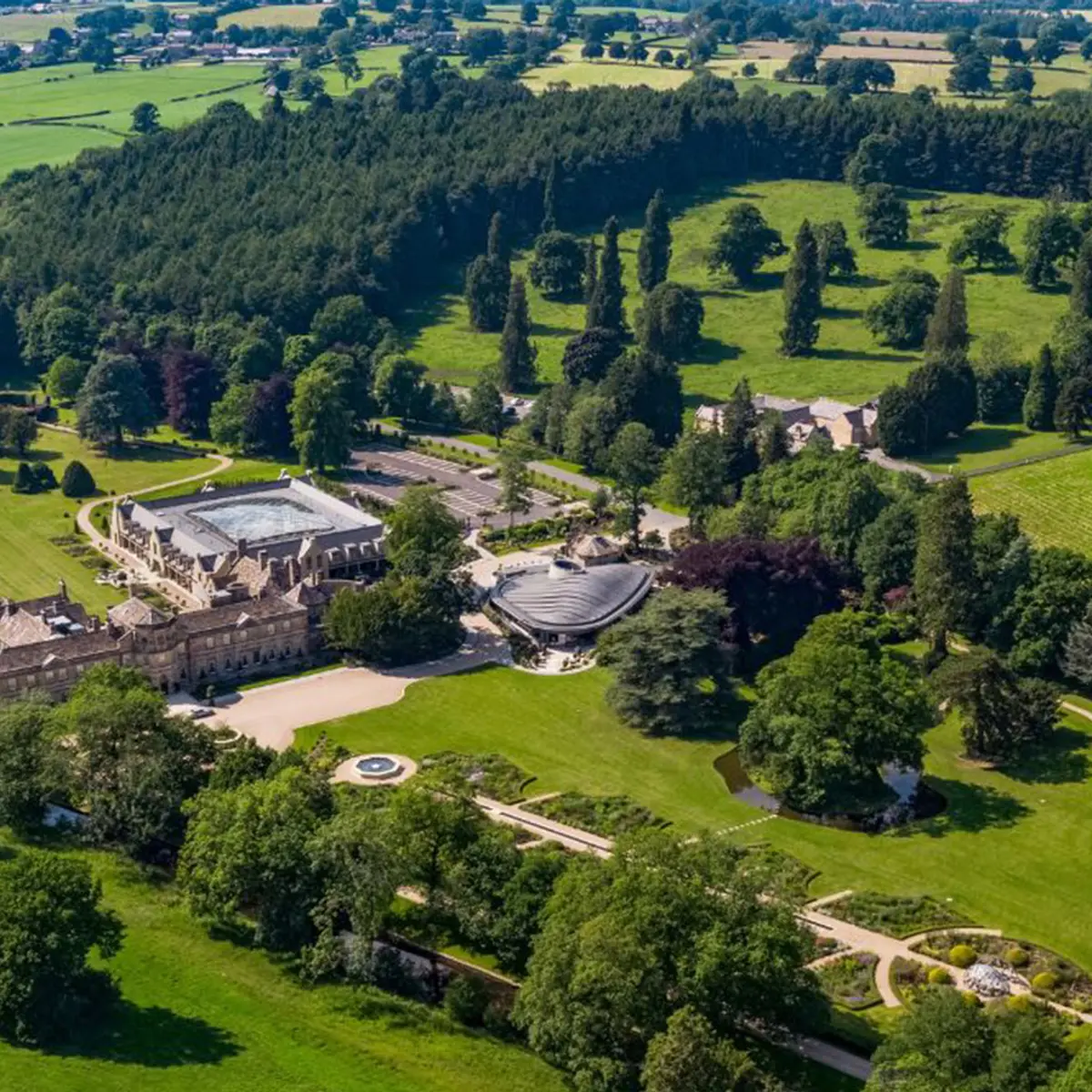
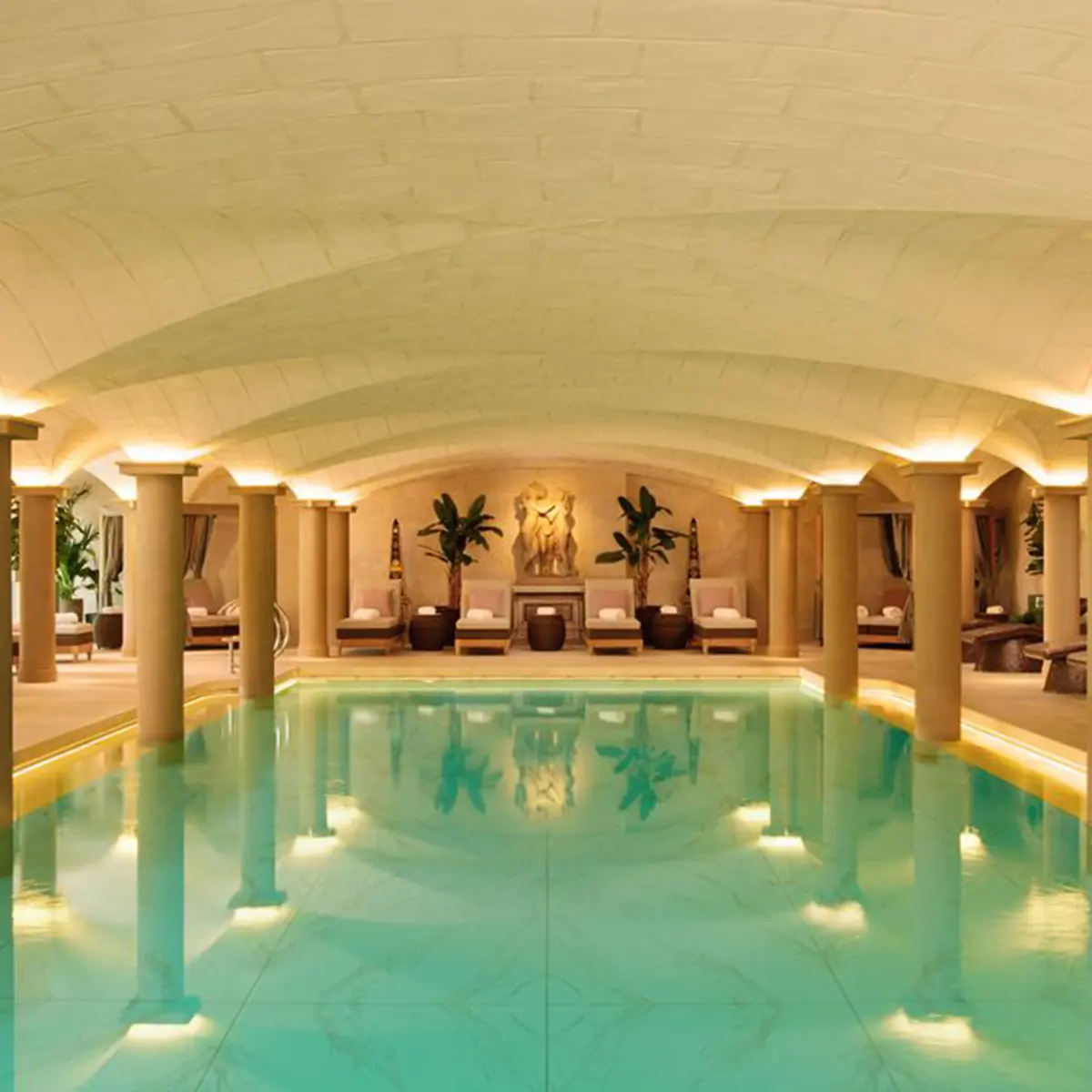
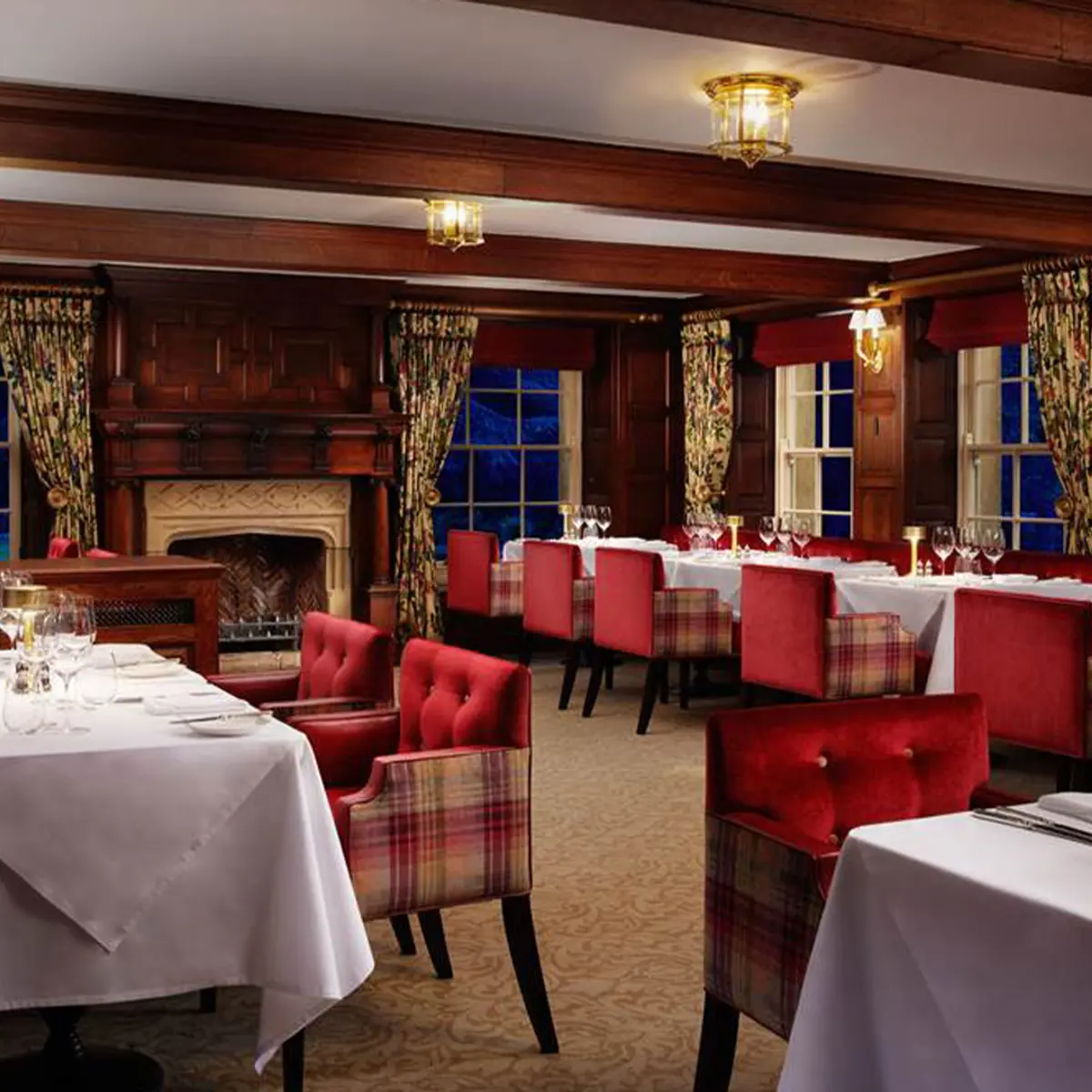
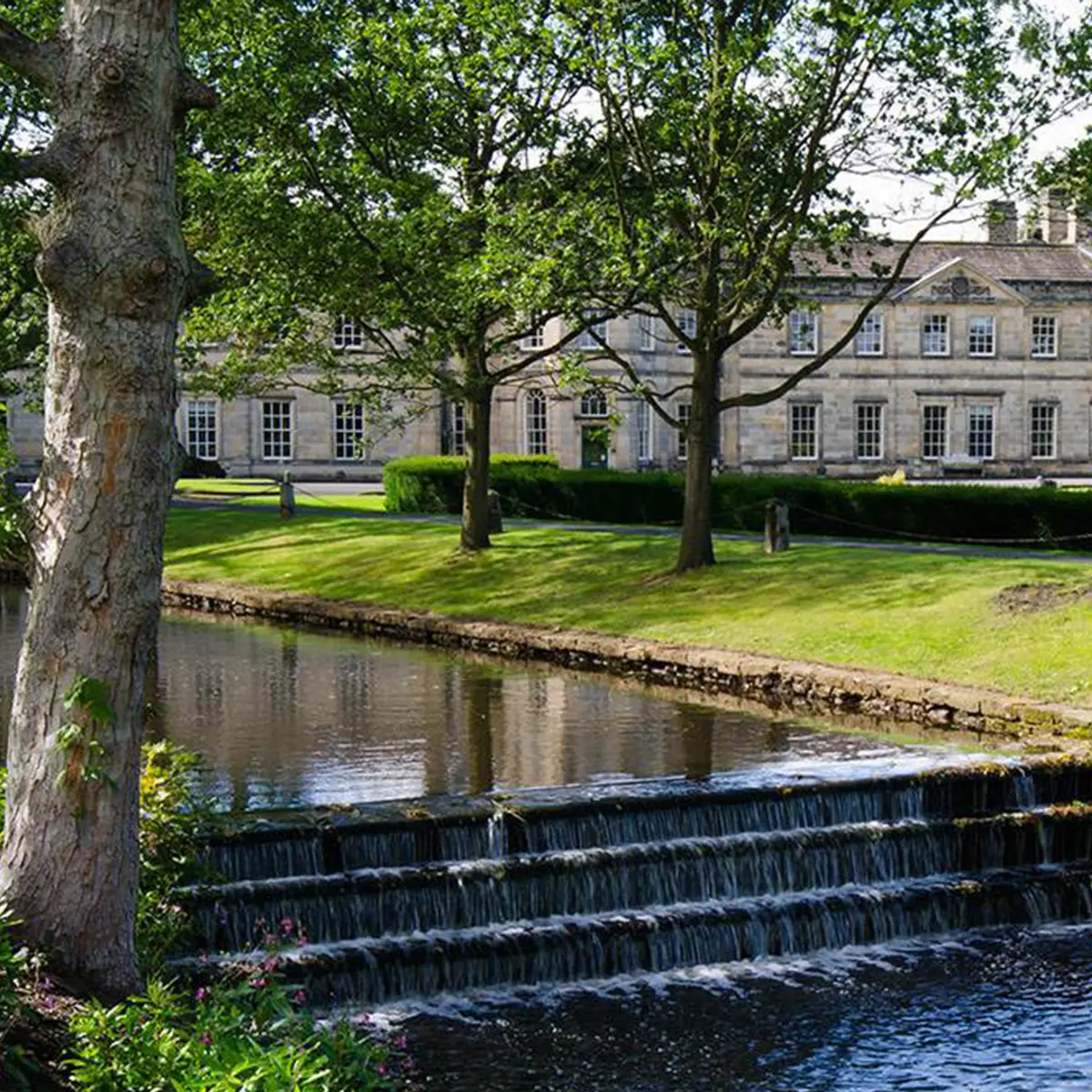
The UK is a good choice for wild landscapes, grand country-house venues and a bit of windswept romance. Grantley Hall in Yorkshire is a practical choice for larger groups because the ceremony, reception and accommodation can all be handled on the estate. Further north, Scotland offers a moodier alternative of historic castles, lochs and dramatic Highland scenery. Just make sure to plan for a chance of rain – indoor ceremony spaces and covered photo locations are your greatest allies here.
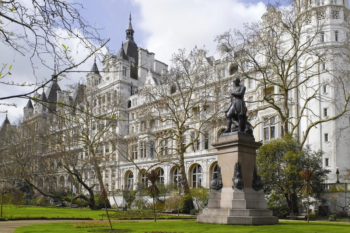
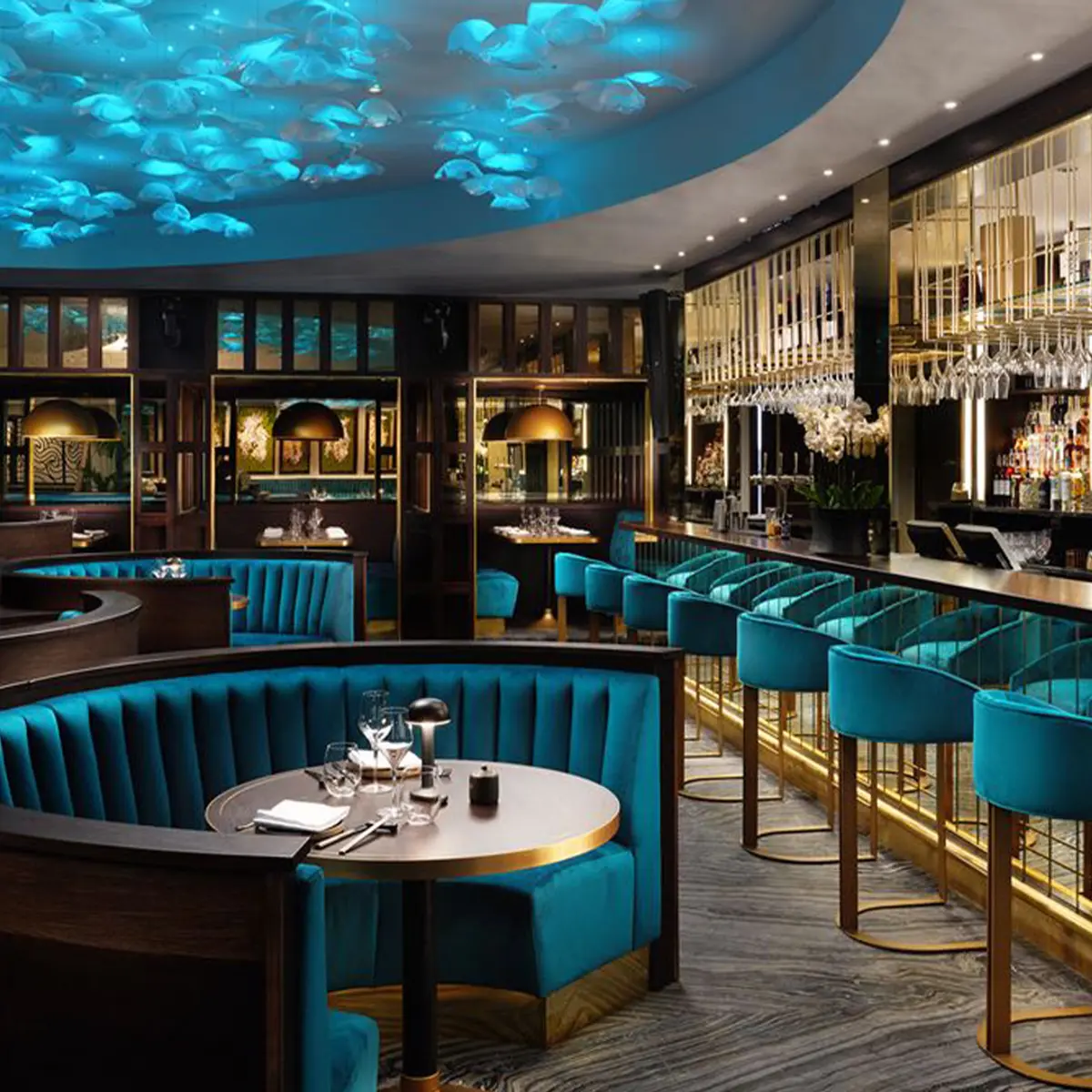
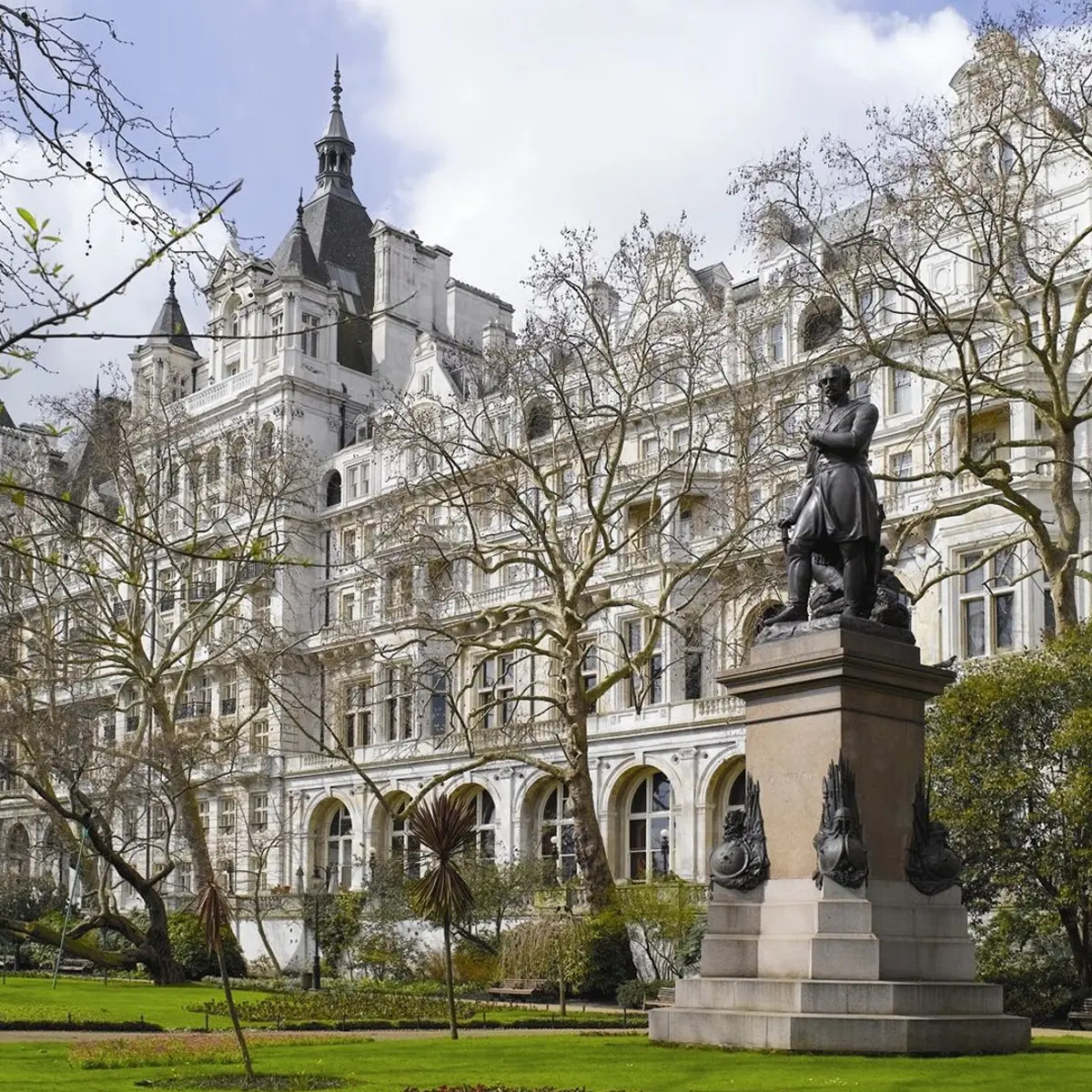
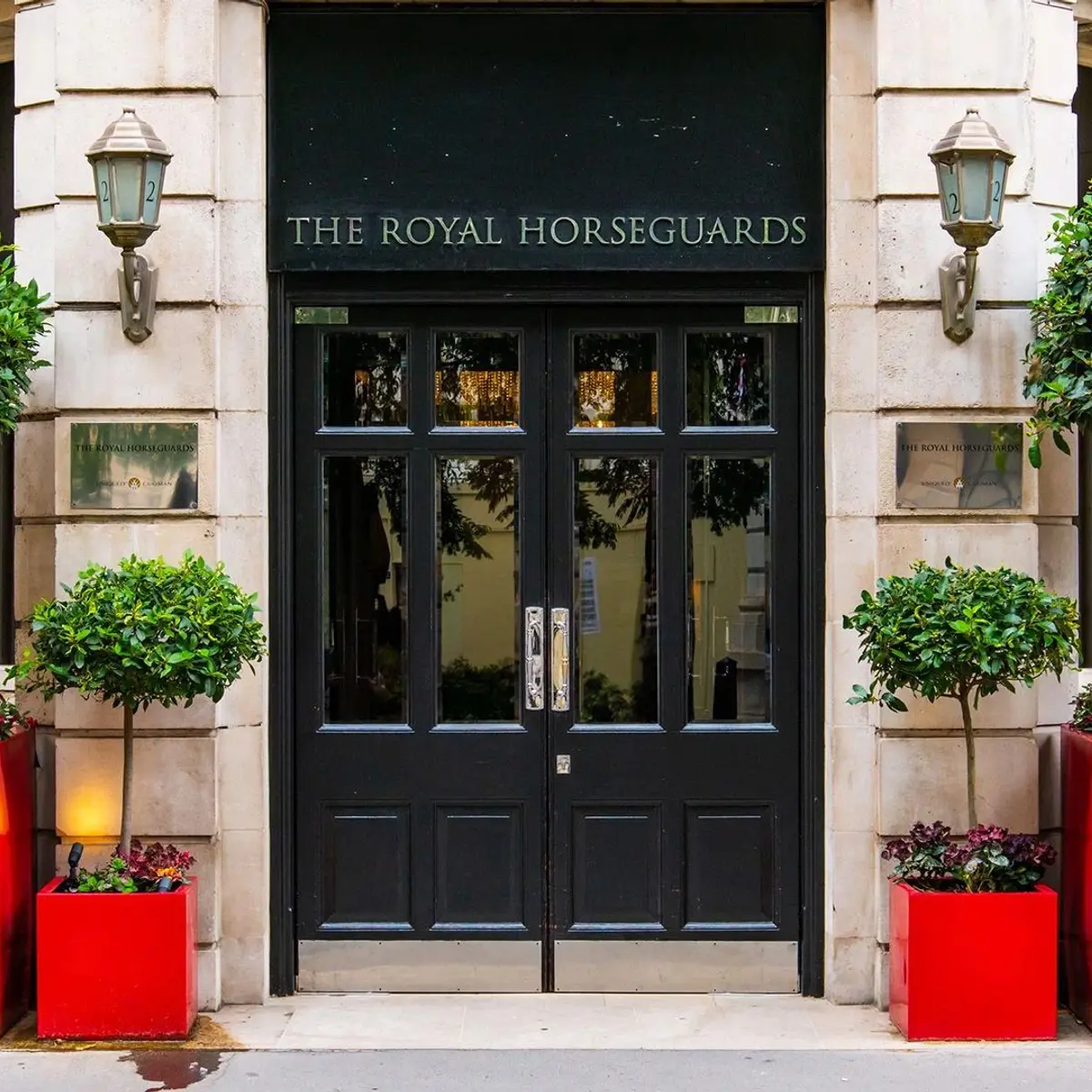
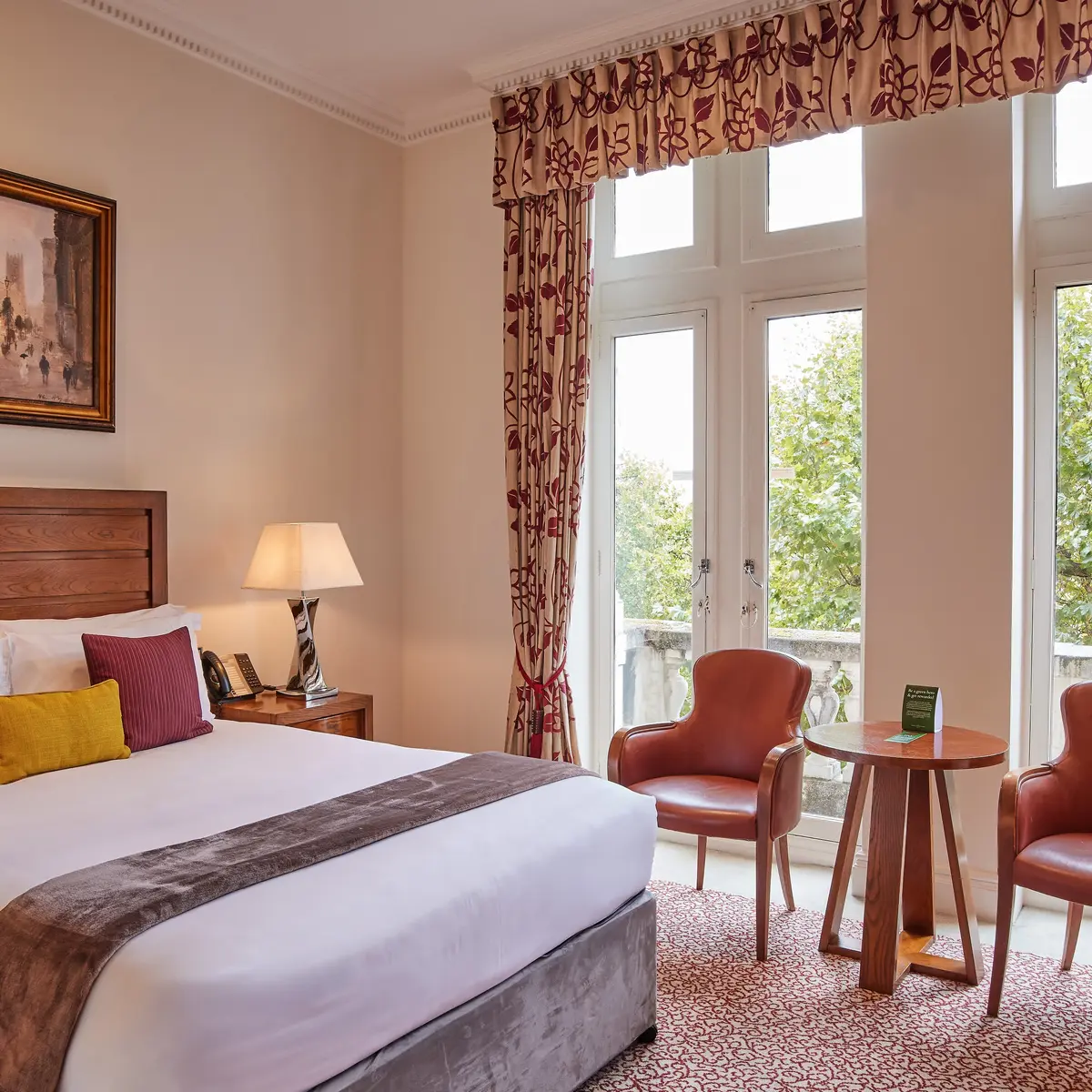
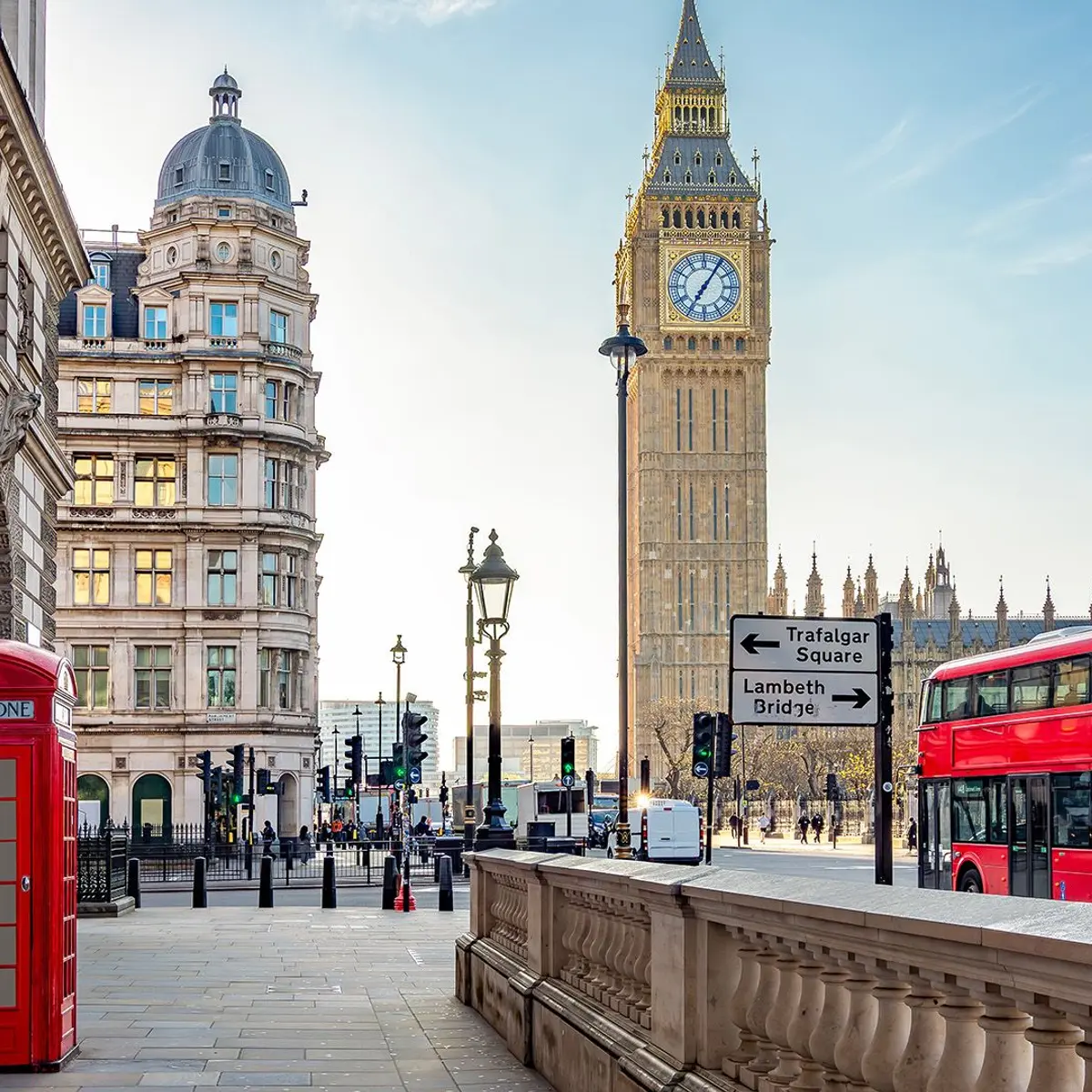
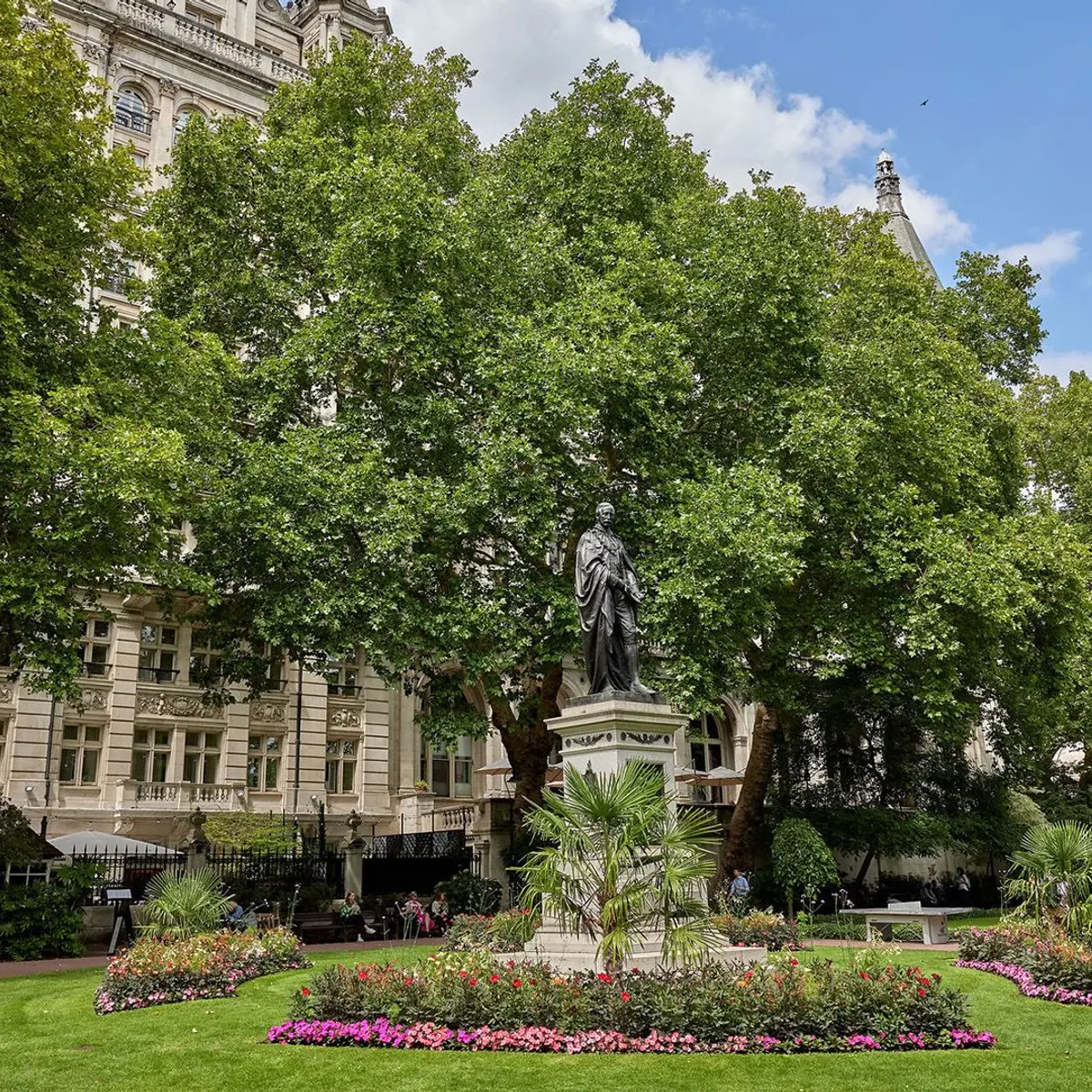
For couples drawn to a city wedding, The Royal Horseguards Hotel offers a heritage-rich London setting without requiring extensive travel after landing at one of the city’s major airports. Set along The Thames, the hotel has 14 event spaces, hosting everything from smaller celebrations to a banquet for up to 250 guests. From here, plan a UK honeymoon with a few days in the Lake District or Scottish Highlands, or take advantage of easy international connections and fly to Greece, Italy or beyond for the next leg.
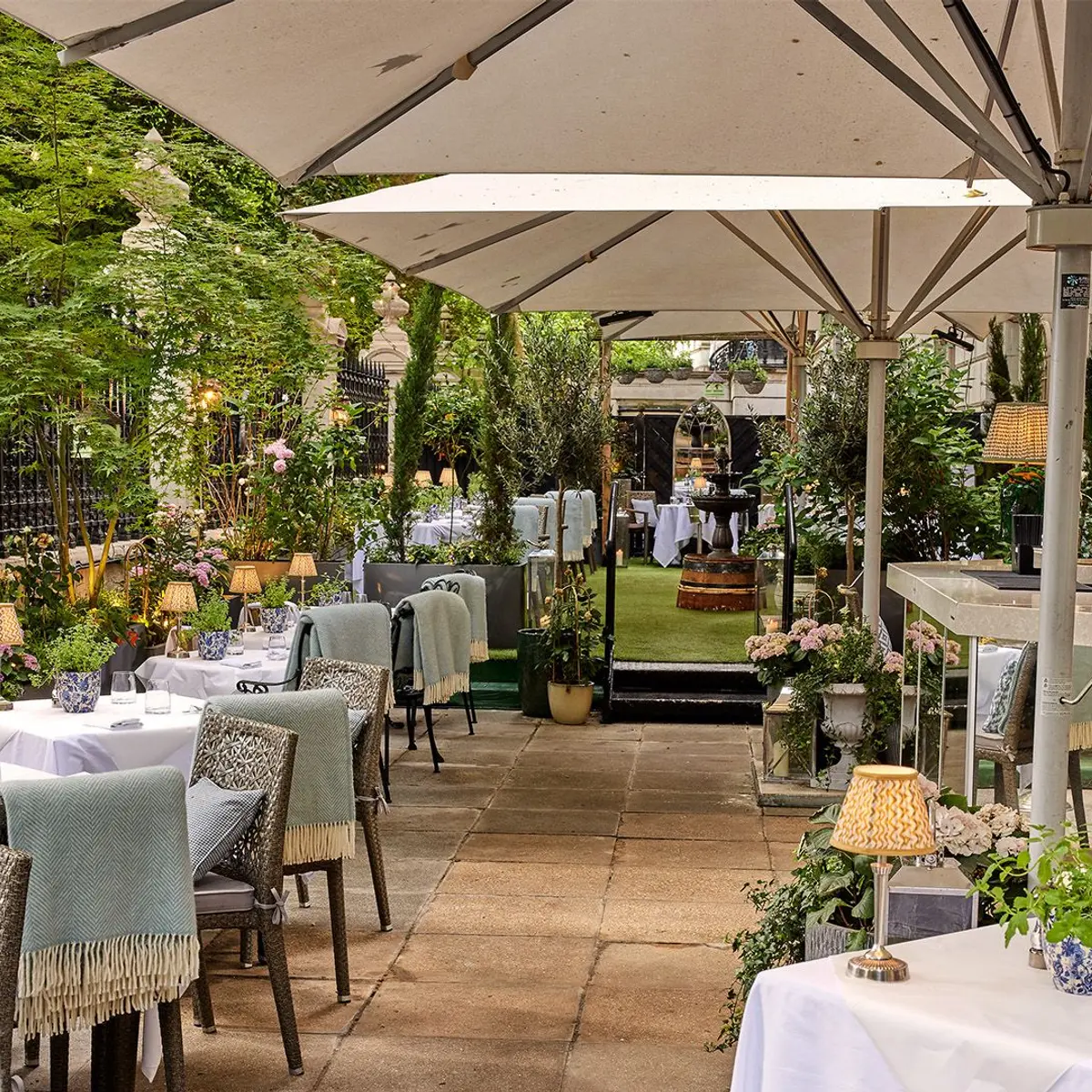
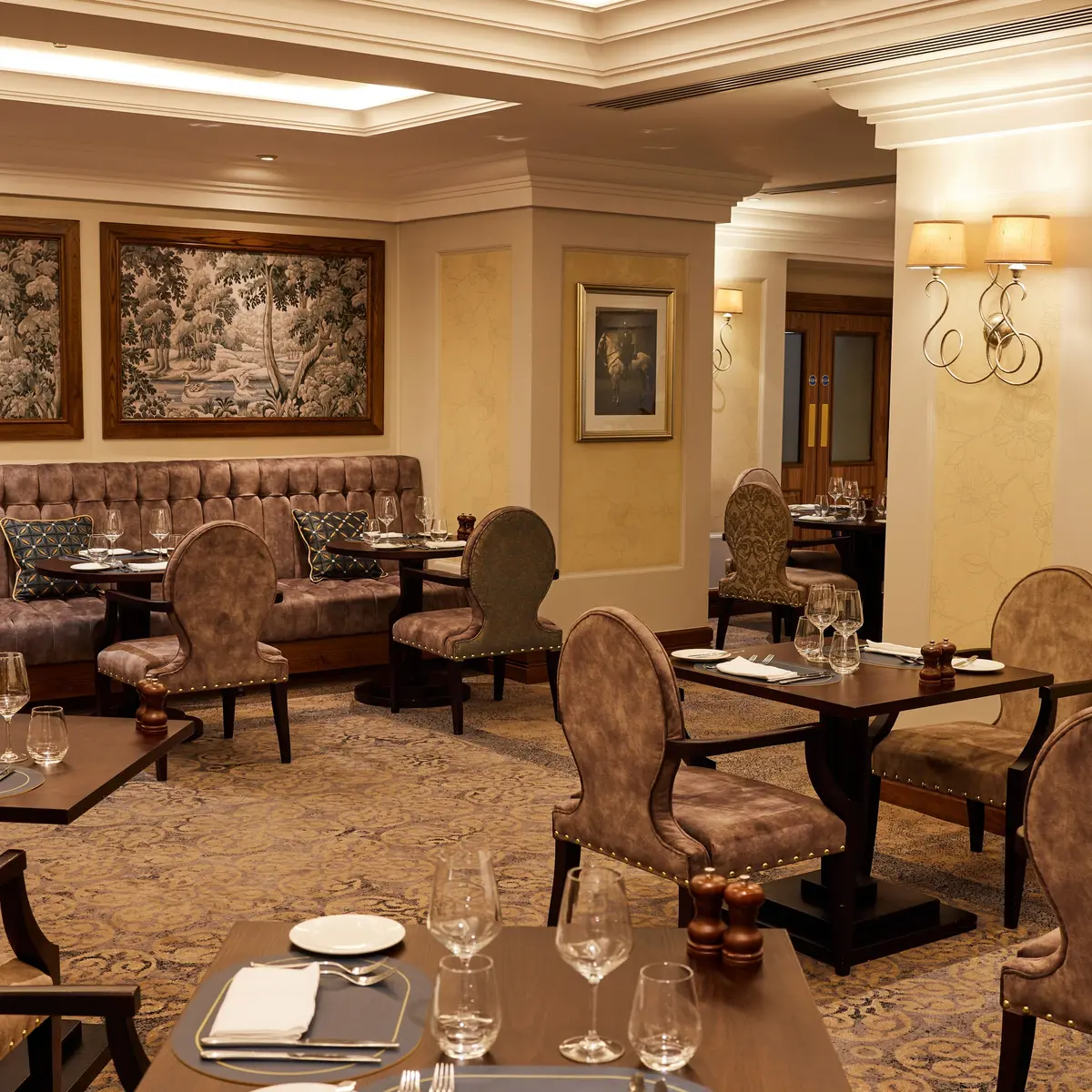
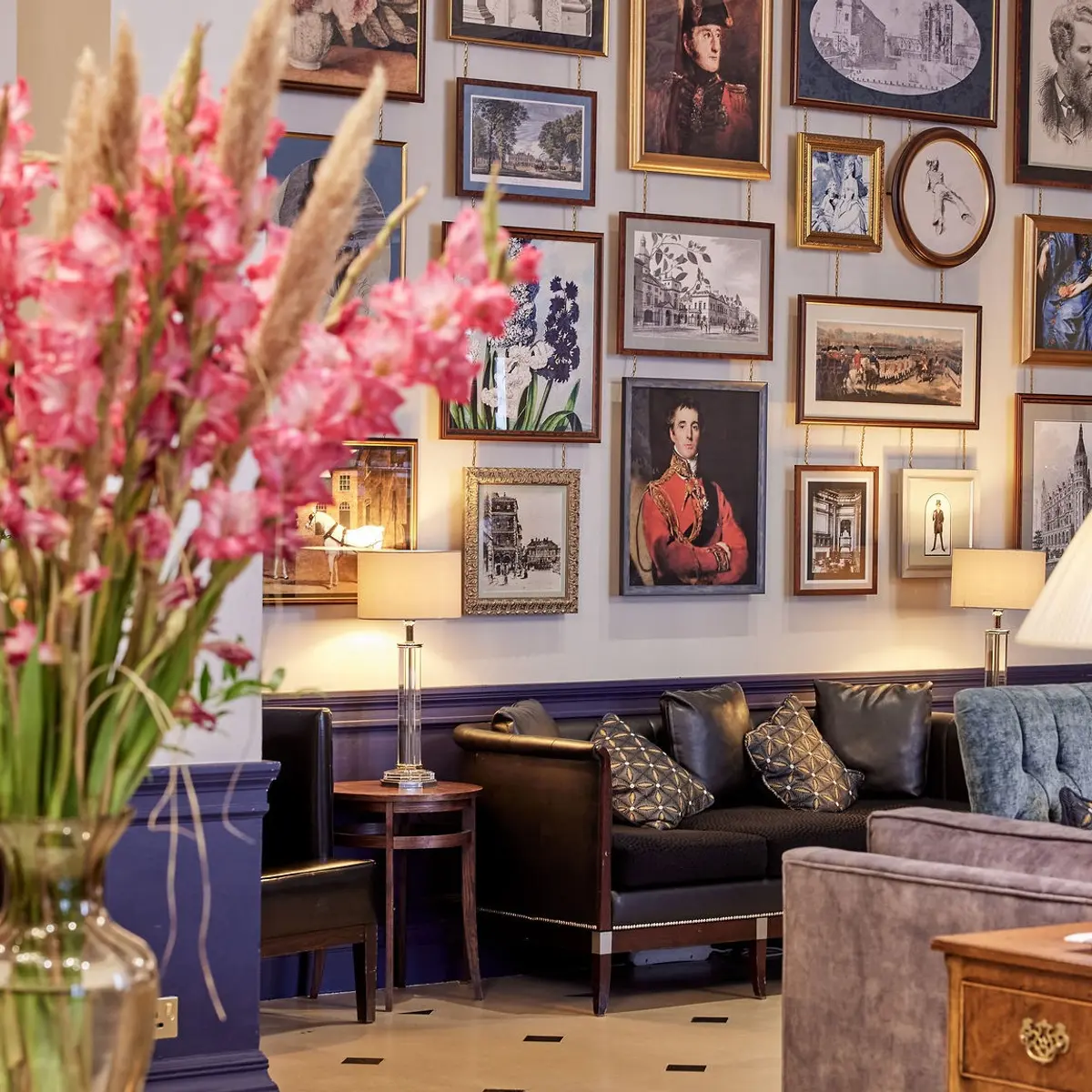
It can also pay to look beyond Europe’s best-known wedding hotspots. Destinations such as Slovenia, Montenegro or Portugal can offer equally striking scenery and characterful venues, often with lower accommodation and supplier costs than places like Santorini or Tuscany.
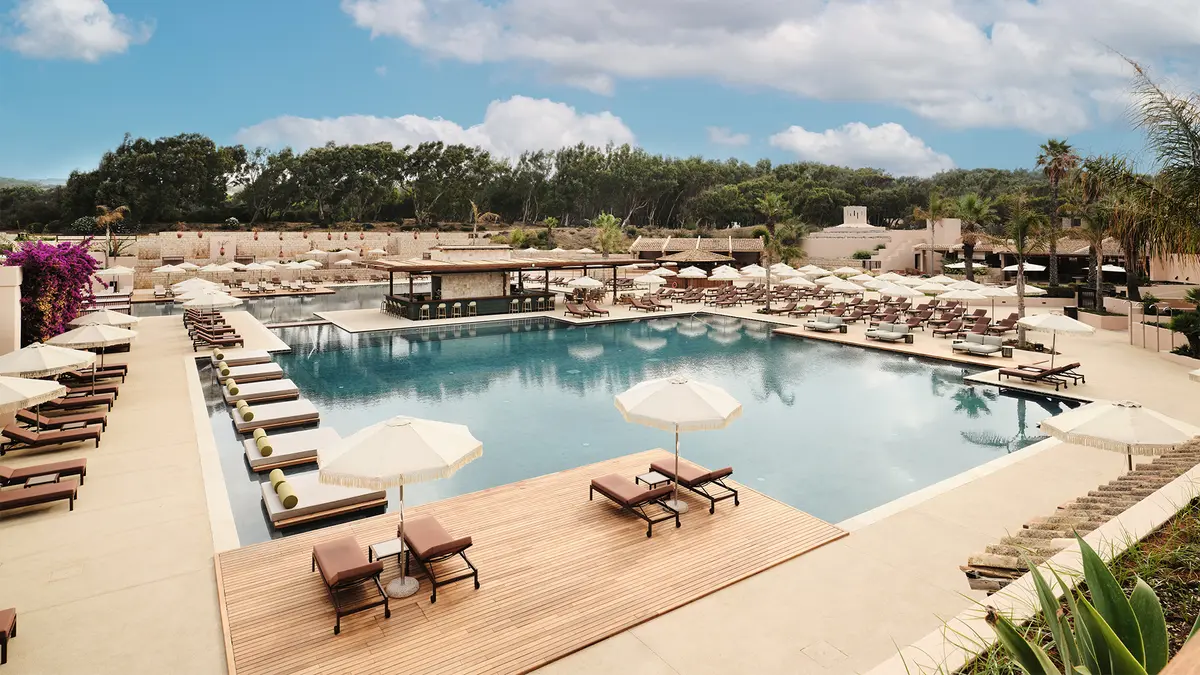
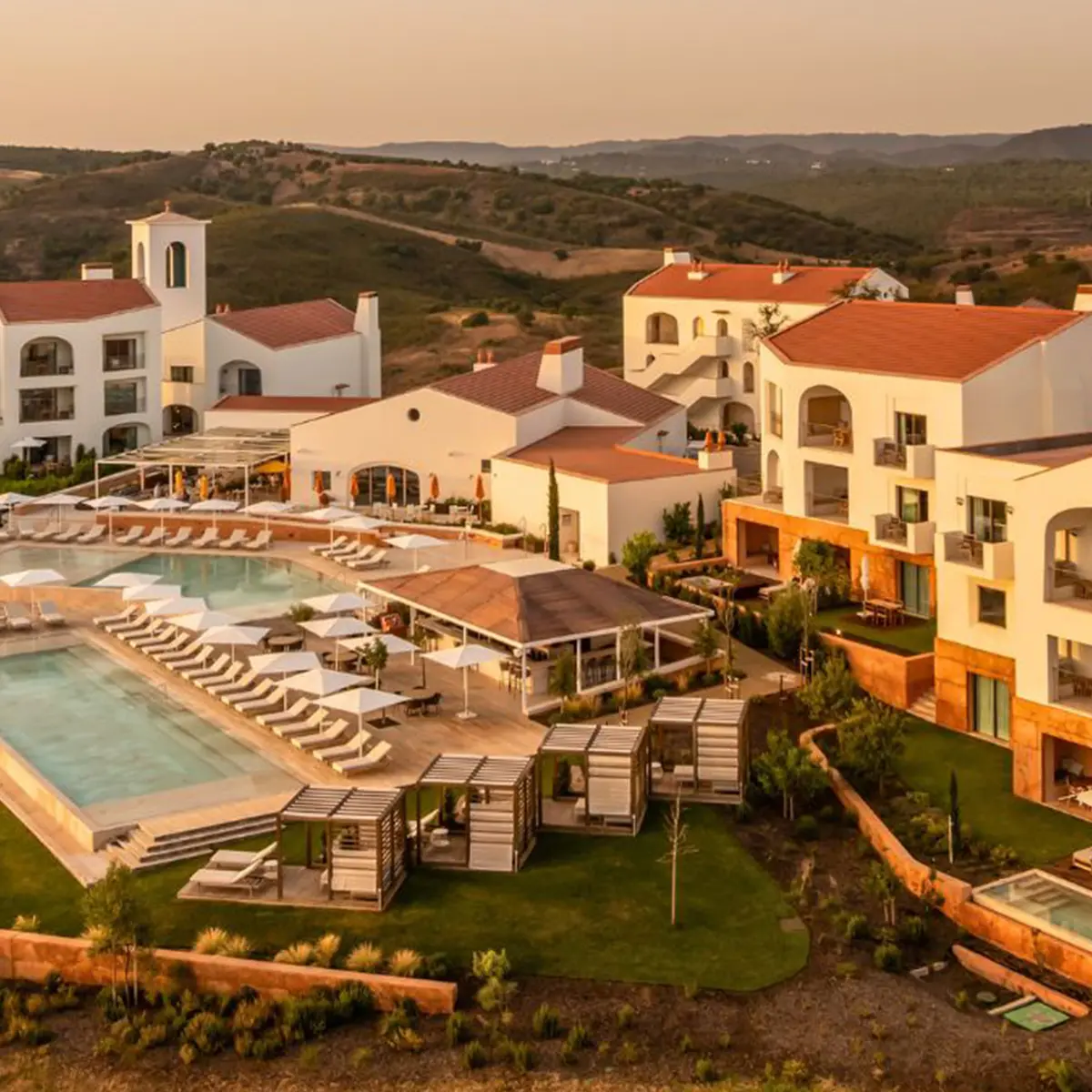
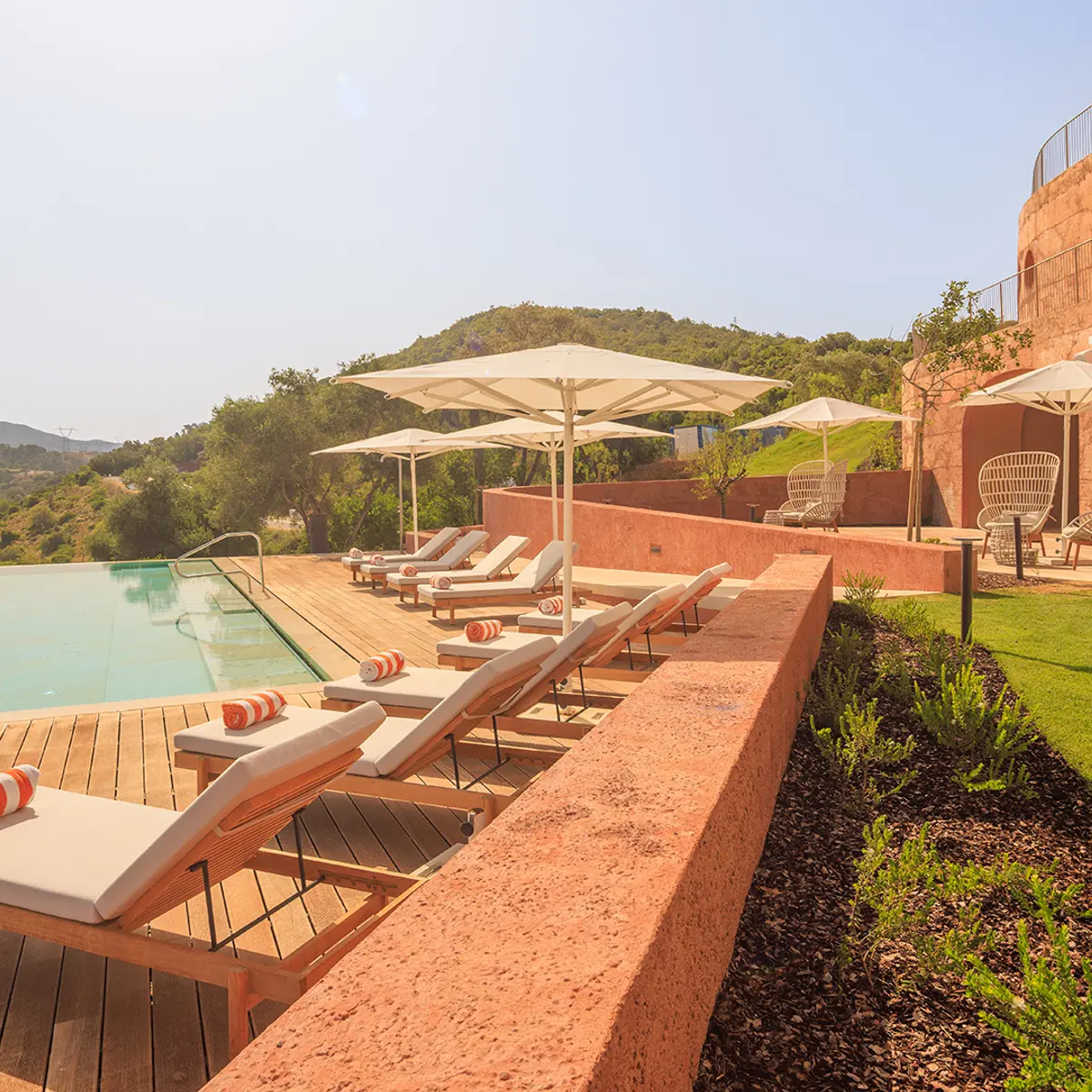
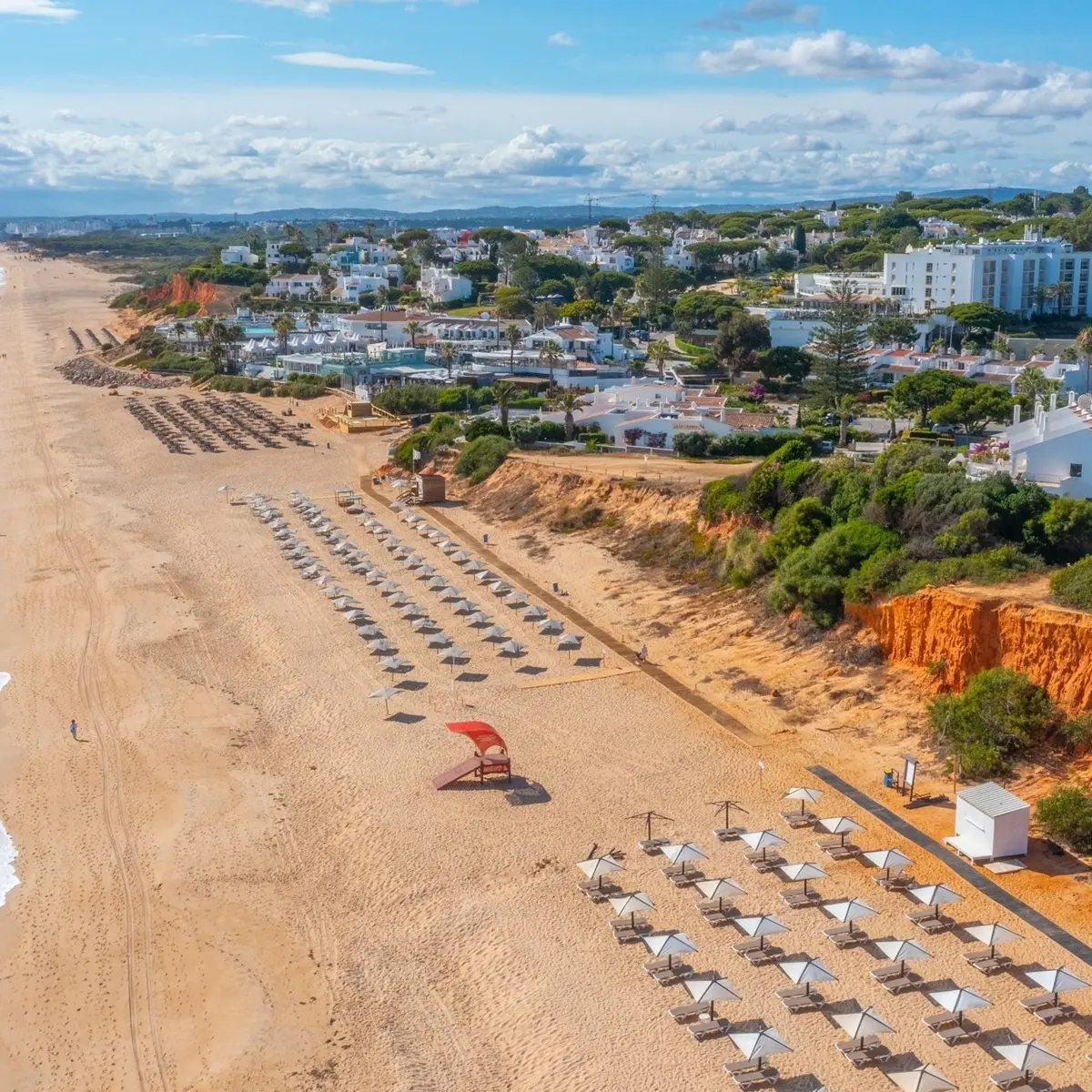
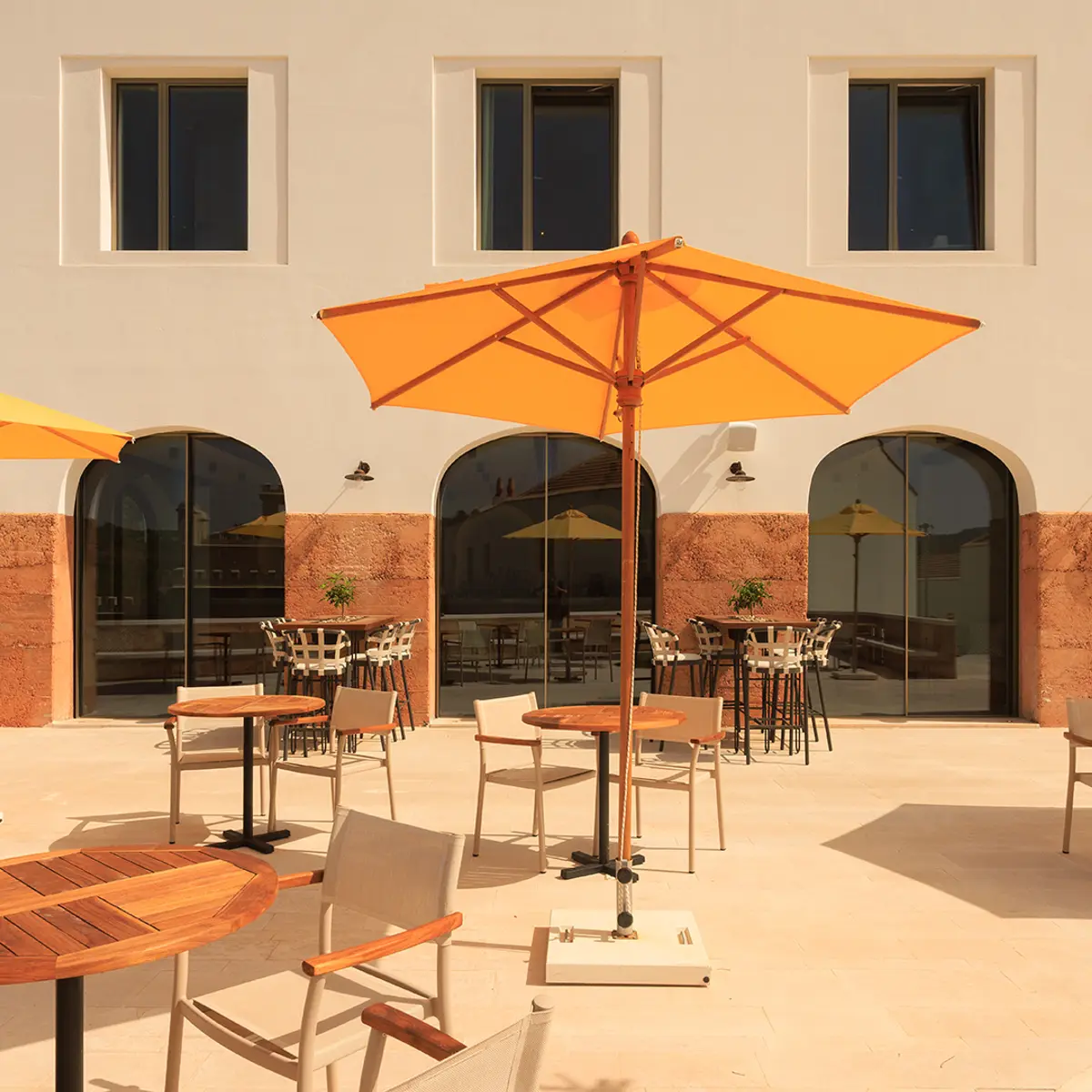
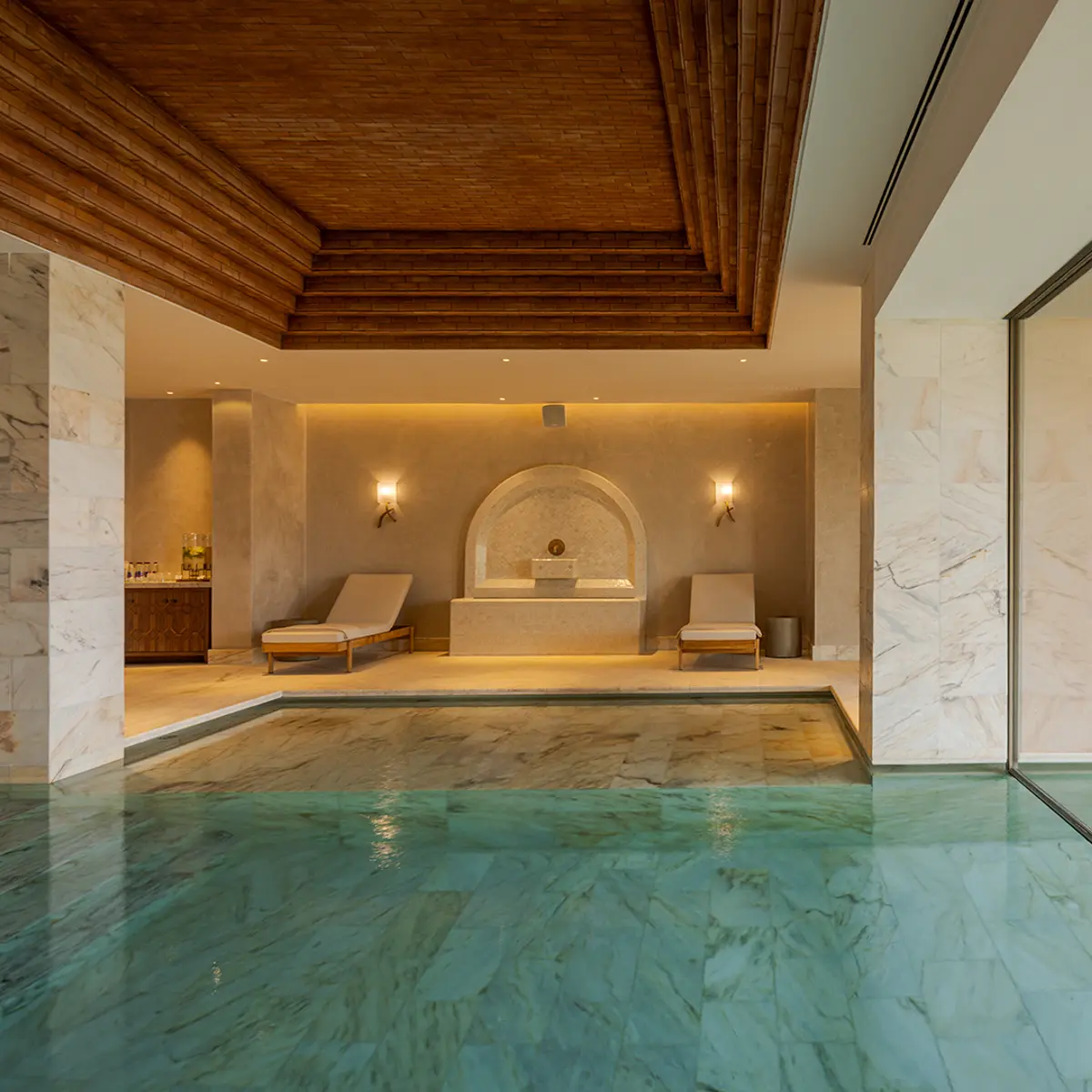
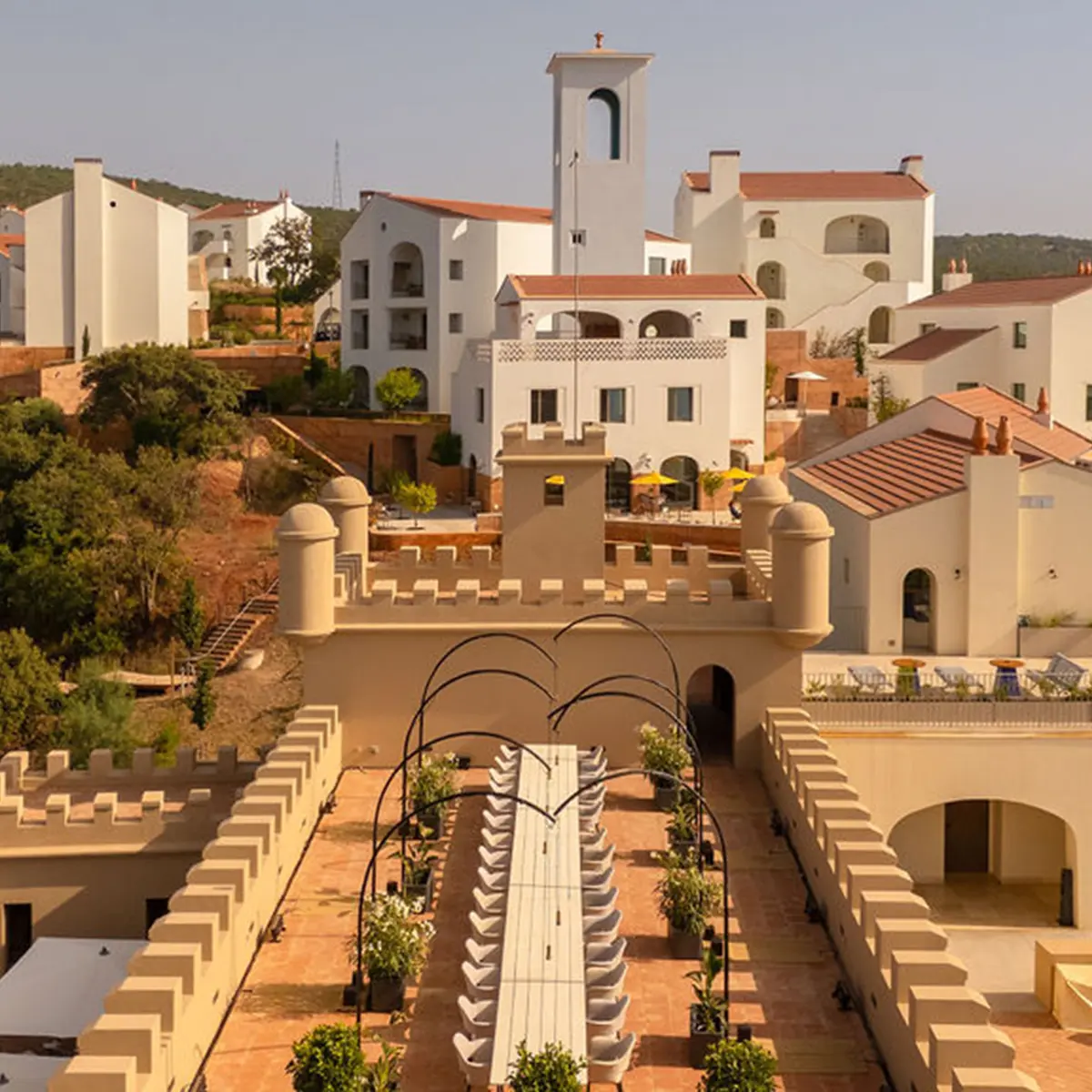
Viceroy at Ombria Algarve is great for flexible, multi-day celebrations, with a range of indoor and outdoor spaces across 13 venues. One important detail: the resort hosts symbolic ceremonies, but not religious ones, so couples seeking a legally recognised or faith-based service should confirm the arrangements before booking.



Managing guest travel from home
Guest travel is where a destination wedding can become difficult to manage.
Save-the-dates should go out around 18 months ahead, especially when people are travelling long haul.
Include the best airport options, recommended arrival dates and the expected journey from the airport to the venue. Share accommodation choices across a few price points rather than directing everyone to one property.
Negotiated room blocks can help, though couples should check the terms carefully. Some hotels require minimum bookings or impose release dates for unclaimed rooms. Guests may also prefer apartments or villas if they are travelling as families or staying longer.
The Luxury Escapes Wedding Concierge can help coordinate guest flights, accommodation and all the other details.
Our advice: Give clear information early. Leaving guests to work out the details themselves can deter some from attending and lead to last-minute dropouts from those who delay planning.

Extending the trip – wedding and honeymoon combined
Once everyone has travelled to Europe, it makes sense to consider what happens after the wedding.
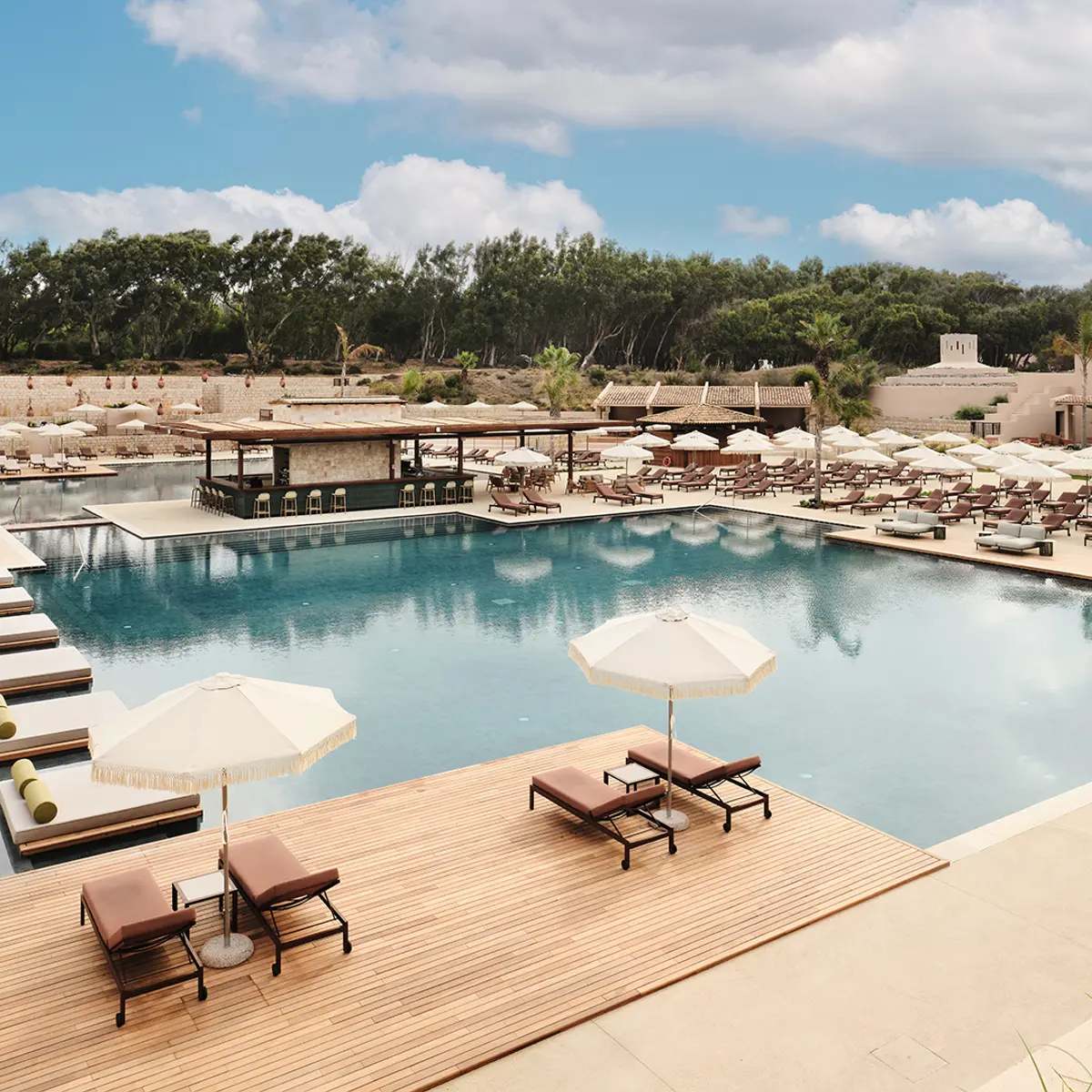
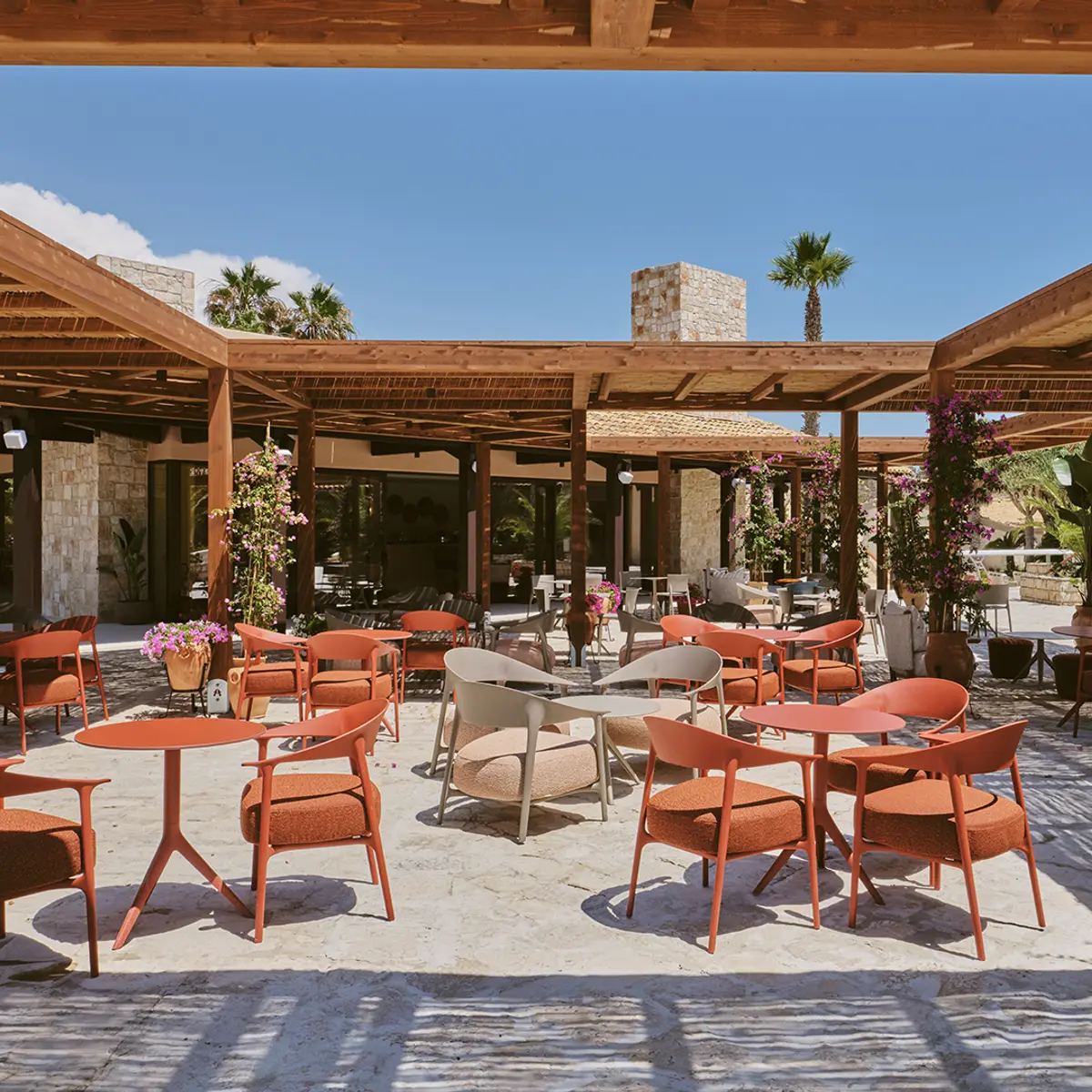
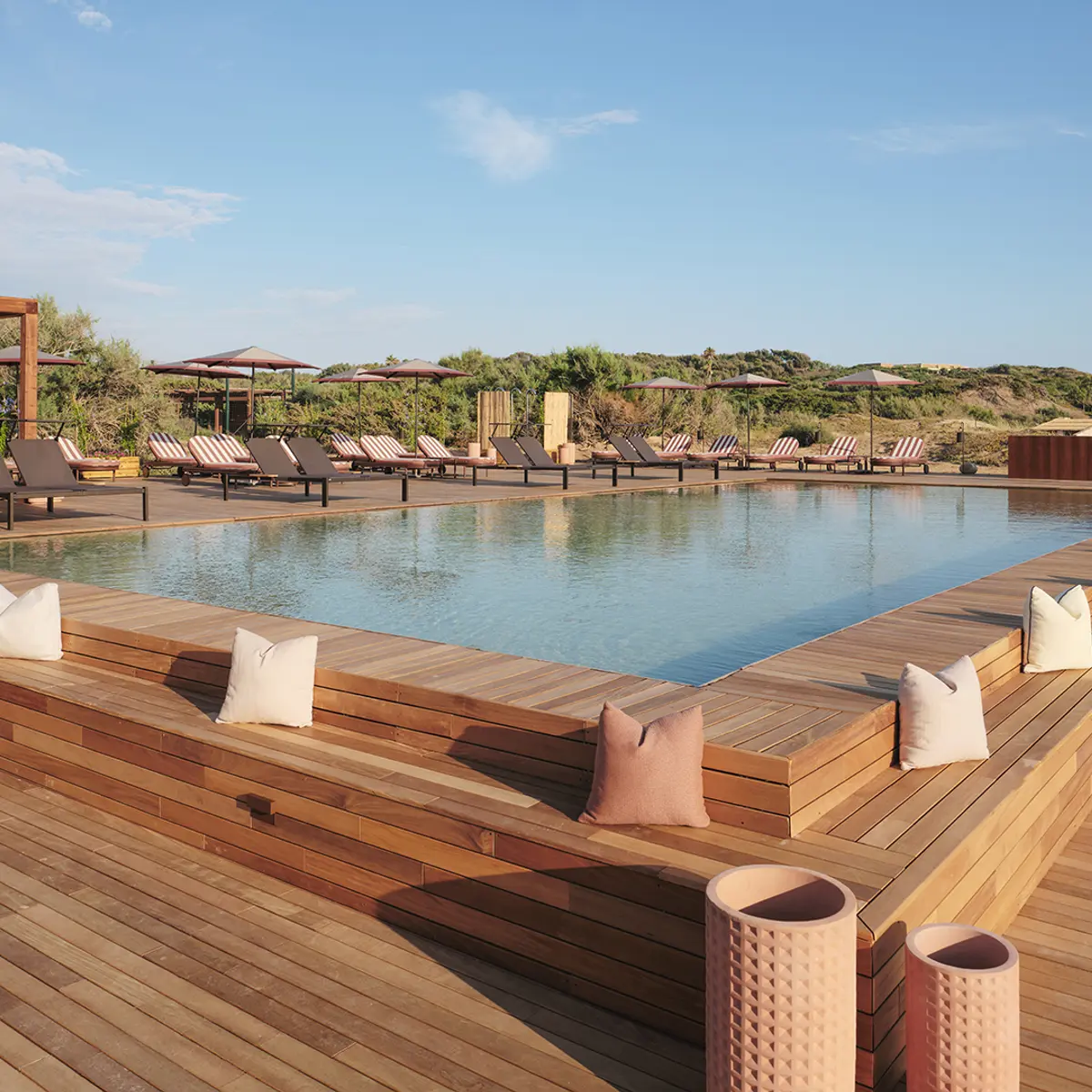
A Tuscany celebration can lead into a few days on the Amalfi Coast or a flight to Greece. Couples marrying in Santorini might continue to Mykonos or choose a slower stay in Crete. The best route usually involves one simple onward journey, rather than trying to fit several countries into a short honeymoon.
Some guests may also want to travel together before or after the ceremony. Share a few optional ideas and let them organise their own plans. A fixed group itinerary can create more work at a point when couples already have enough to manage.
Start planning your destination wedding in Europe
Weddings in Europe’s most popular destinations require plenty of lead time. Guests need clearer information; travel takes longer; and the most popular venues book early.
Start with the practical questions. Decide who needs to be there, what they can reasonably spend and how easy the destination is to reach. Then compare countries and venues with those answers in mind.
Once you have a venue in mind, confirm whether you can legally marry there or whether the property hosts symbolic ceremonies only. For a legal ceremony, contact the relevant town hall, embassy or consulate for the current document checklist and begin early – paperwork, translations and appointments can all add time.
The Luxury Escapes Wedding Concierge can help coordinate the wedding, accommodation and travel from the first enquiry onwards.