
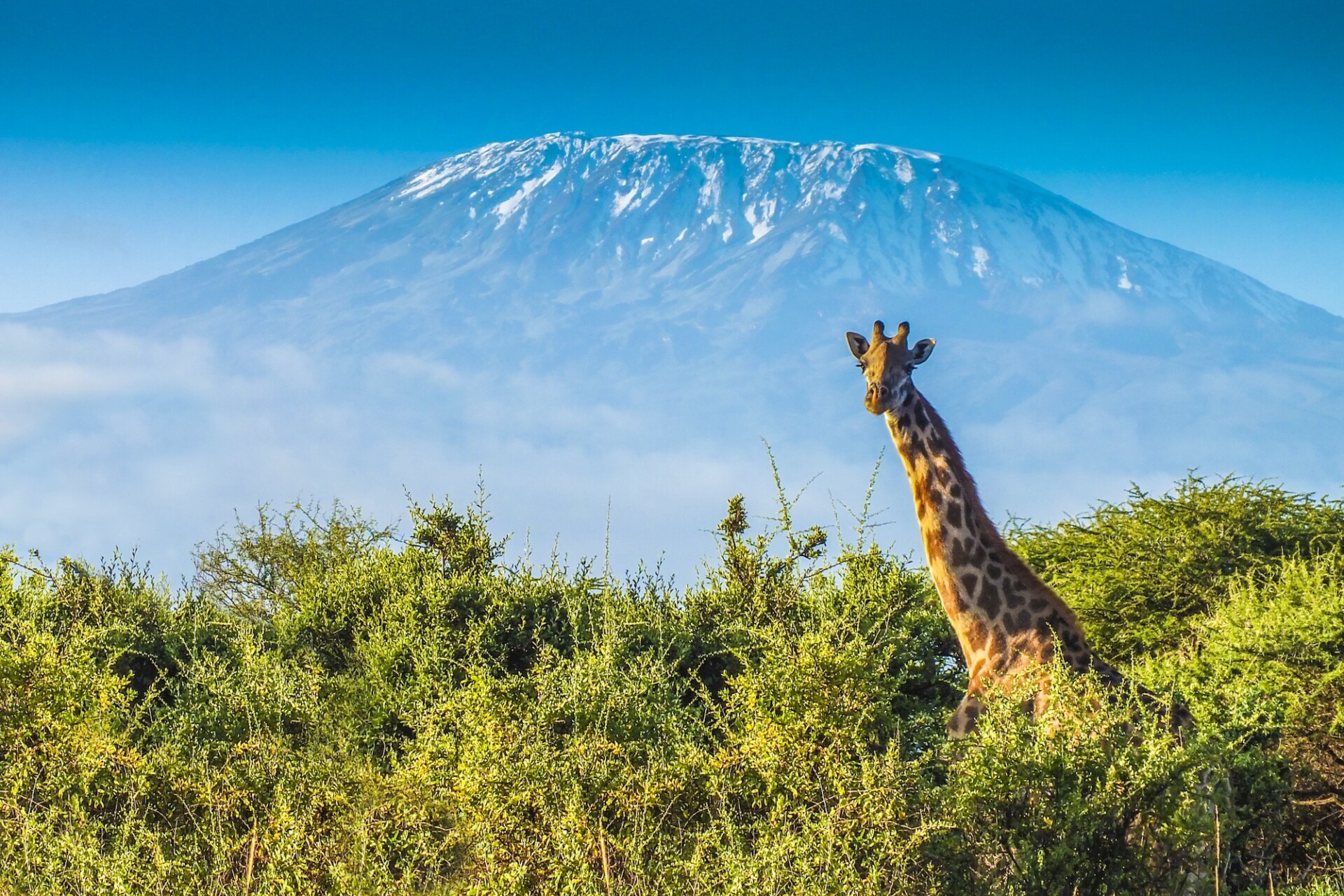
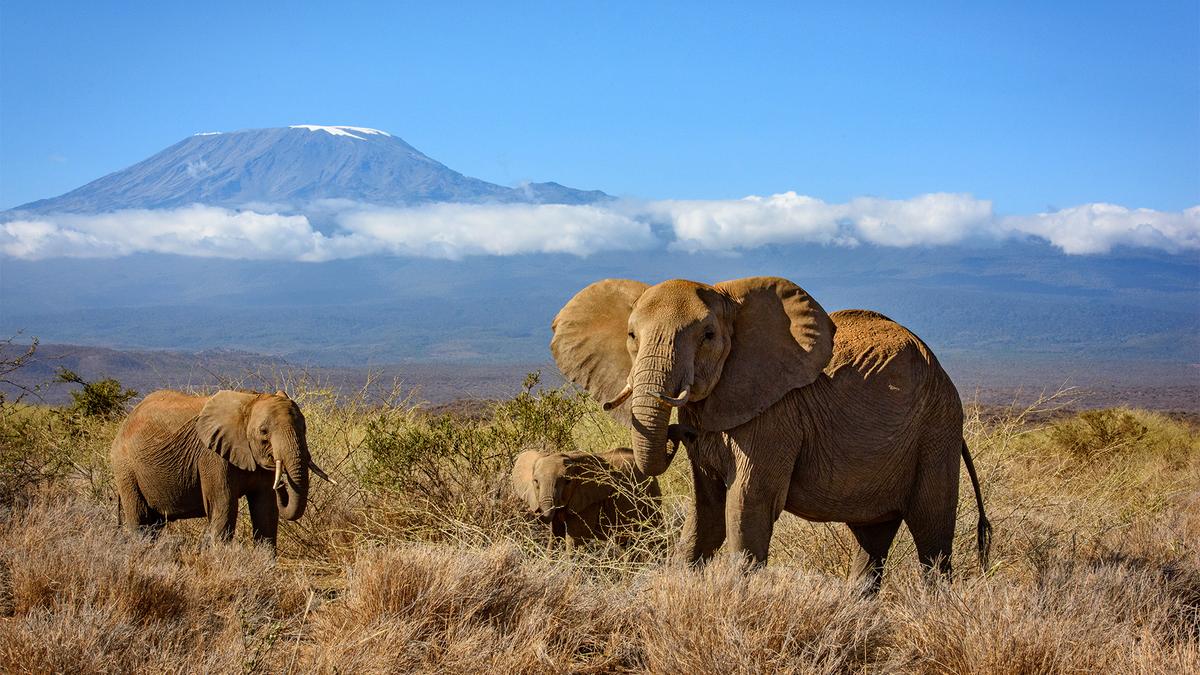
A safari can mean following elephants across the plains of East Africa, searching for a tiger in the forests of Rajasthan or watching giant tortoises make their way across the Galápagos. The setting changes what you see – and how you see it. Wildlife safari tours span Africa, Asia and South America, with itineraries that bring together game drives, guided walks, specialist guides and time in nature.
Discover wildlife safaris
Why Choose a Wildlife Safari
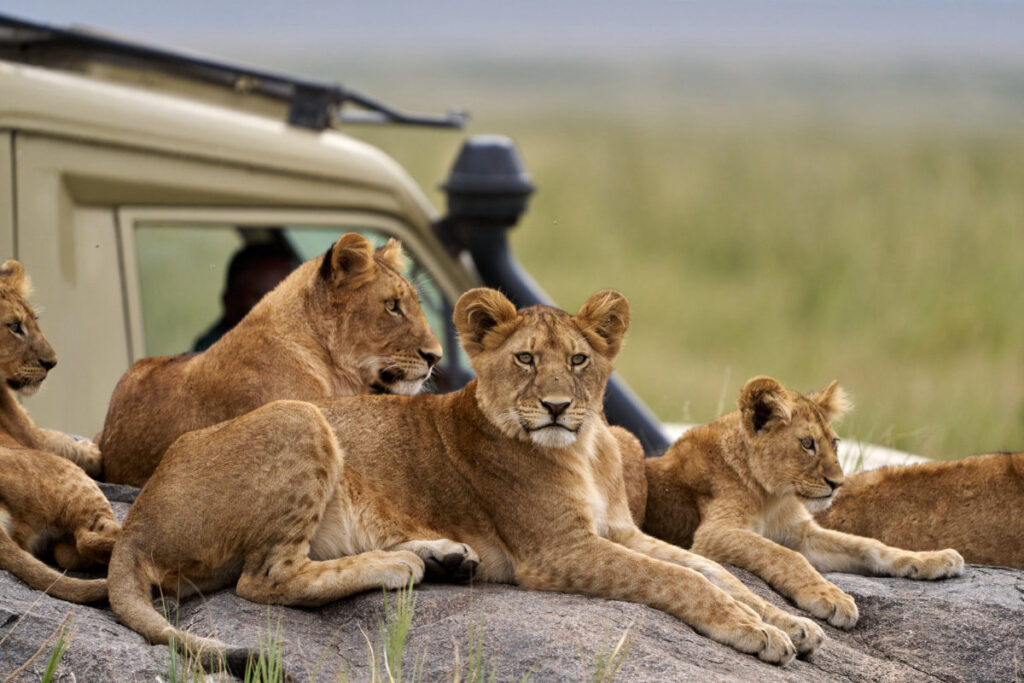
A wildlife safari is a journey planned around watching animals in their natural habitat. In Africa, this often means game drives through national parks or private reserves. In India and Sri Lanka, it can mean heading out with a naturalist in search of tigers, leopards and elephants. In South America, wildlife encounters can take place by boat as well as on land – especially among the Galápagos Islands.
The format varies by destination and itinerary. Some tours focus on wildlife; others combine safari days with cities, cultural sites or time in the countryside. Check each itinerary for the places visited, the excursions included and the time spent on game drives or other wildlife experiences.
Where Can You Go on a Wildlife Safari?
From open savannahs to rainforest rivers, the setting shapes the search. A game drive across the Serengeti is a very different day from one spent cruising the Kinabatangan in Sabah or walking among the wildlife of the Galápagos. These destinations offer a glimpse of the encounters to look out for; sightings depend on the season, location and luck.
| Destination | When to go | How long to go | What to expect | What you’ll see | Best suited to |
|---|---|---|---|---|---|
| Kenya | July to October is often chosen for the Great Migration in the Maasai Mara; wildlife viewing is possible at other times too. | Around 8 to 13 days for a Kenya safari; longer if combined with Tanzania or a coastal stay. | Game drives across open savannahs, often paired with time in Nairobi or another part of the country. | Lions, elephants, giraffes and other plains animals; migrating wildebeest and zebras may pass through the Maasai Mara, depending on timing. | First-time safari travellers and those hoping to experience the Maasai Mara during the migration period. |
| Tanzania | January to March for calving in the southern Serengeti; June to October is a popular dry period, with migration activity moving through different areas. | Around 8 to 13 days for northern Tanzania; allow more time to combine several parks or add Kenya. | Long game drives across large, varied landscapes, with itineraries that may include the Serengeti, Ngorongoro Crater and Tarangire. | Wildebeest and zebras on the migration circuit, alongside elephants, lions, leopards and other savannah animals. | Travellers looking to combine several renowned wildlife areas in a single trip. |
| South Africa | May to September is generally the dry winter season in many safari areas; conditions vary by region. | Around 8 to 14 days for a focused safari; longer itineraries can combine wildlife areas with Cape Town or other regions. | Game drives in national parks or private reserves. Some tours combine safari with cities, the coast or wine regions. | The Big Five – lion, leopard, elephant, rhino and African buffalo – as well as giraffes, hippos and birds. | Travellers who want to pair wildlife viewing with other South African highlights. |
| Botswana | May to October is the dry season across much of the country; water levels and wildlife activity in the Okavango Delta vary from year to year. | Around 8 to 14 days for a focused safari; longer if combined with South Africa, Namibia or Zimbabwe. | Game drives in areas such as Chobe, with some itineraries also exploring the Okavango Delta by water. | Elephants, hippos, crocodiles and a range of plains animals. | Travellers drawn to water-based landscapes as well as traditional game drives. |
| Namibia | May to October is generally the cooler, drier season, and a popular time to visit Etosha. | Around 10 to 14 days for an itinerary combining wildlife with the country’s main landscapes. | Open landscapes and long distances between stops; itineraries may combine Etosha with the Namib Desert and the coast. | Elephants, lions, rhinos and antelope around Etosha’s waterholes, alongside desert-adapted wildlife in some regions. | Travellers who want to see wildlife alongside striking desert landscapes and a broader overland journey. |
| Zimbabwe | May to October is generally the dry season for wildlife viewing in Hwange; water levels at Victoria Falls change throughout the year. | Around 8 to 14 days for a safari-focused trip or one combining Hwange and Victoria Falls. | Game drives in Hwange can be paired with time around Victoria Falls or the Zambezi River. | Elephants, lions, wild dogs and other animals in Hwange; water and bird life around the Zambezi. | Travellers who want to combine a national park safari with Victoria Falls. |
| India | October to April is a common travel period for Rajasthan; park opening dates and conditions vary. | Around 10 to 12 days for a tour combining Ranthambore with the Golden Triangle. | Jeep safaris through forest and scrubland, often as part of a broader cultural itinerary. | Bengal tigers are the main draw at Ranthambore; leopards, sloth bears, deer and birds may also be seen. | Travellers who want to pair wildlife viewing with India’s historic cities and cultural sites. |
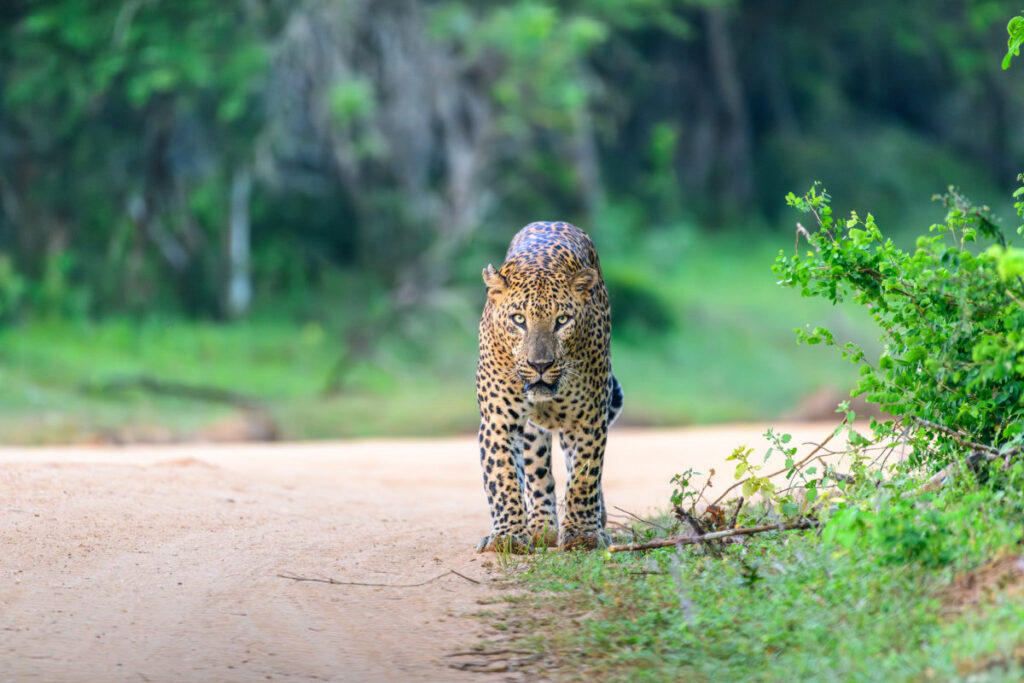
| Sri Lanka | Timing depends on the park and region. Yala is often visited during the dry months, but local conditions can change. | Around 10 to 14 days for a broader island itinerary that includes a safari. | Jeep safaris in national parks, often combined with cultural sites, tea regions or coastal stays. | Leopards, elephants, water buffalo, deer and birds; sightings depend on the park and conditions. | Travellers looking for a varied island trip with wildlife as one part of the itinerary. |
| Malaysia (Borneo) | Wildlife trips run throughout the year; rain and river conditions can affect the experience. | Around 8 to 10 days for Sabah and the Kinabatangan region; longer if combined with other parts of Malaysia. | River safaris and rainforest visits, with wildlife viewing from boats as well as on foot in designated areas. | Orangutans, sun bears, proboscis monkeys, pygmy elephants and birds can be found in Sabah. | Travellers interested in rainforest wildlife and river exploration rather than savannah game drives. |
| Ecuador (Galápagos Islands) | Wildlife can be seen year-round, although sea conditions and animal activity vary by season. | Allow around 8 days for an island-focused trip; longer itineraries can combine the islands with mainland South America. | Guided island visits and boat excursions, with time on land and in the water depending on the itinerary. | Giant tortoises, sea lions, marine iguanas, turtles and seabirds. | Travellers interested in distinctive island wildlife and guided nature experiences. |
| Brazil and Argentina | Iguazú Falls can be visited throughout the year; rain affects the water volume and conditions around the falls. | Around 9 to 12 days when Iguazú Falls is part of a broader South American itinerary. | A visit to the falls and surrounding rainforest is usually one stop on a broader city- and culture-focused trip. | Birds, butterflies and mammals such as coatis in the forest around Iguazú; wildlife encounters are secondary to the falls experience. | Travellers who want to include a major natural wonder and a rainforest setting in a broader South American tour. |
What Is a Wildlife Safari Like?
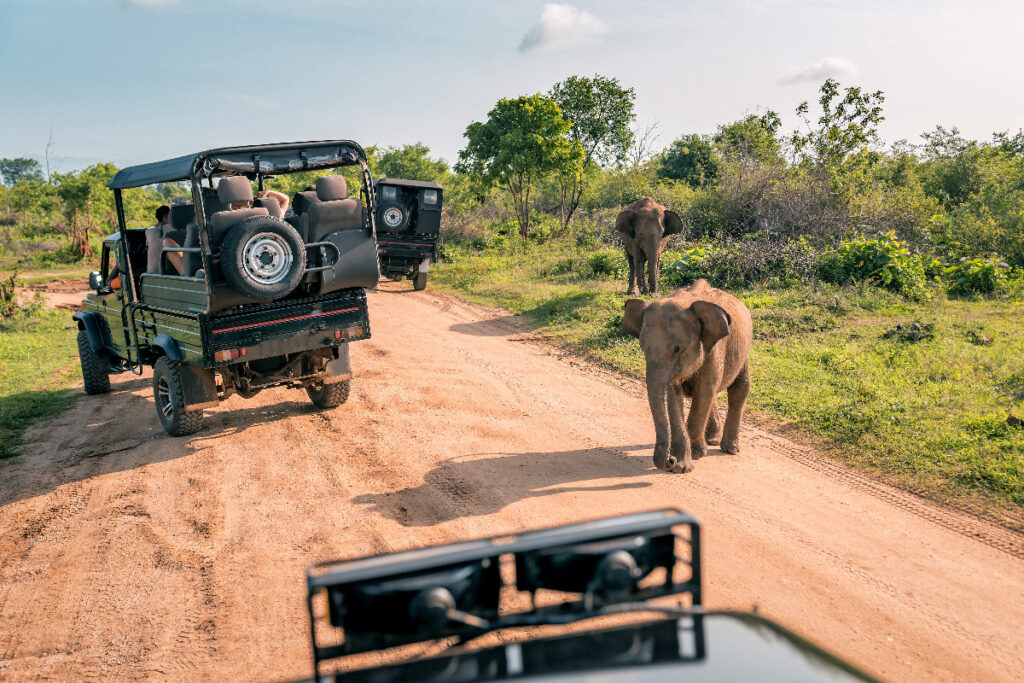
The day often begins before sunrise, when the air is cool and the animals are more active. You’ll head out with a guide and scan the landscape for movement – a shape at the edge of the waterhole, fresh tracks in the dust, birds taking flight from the grass. Some days bring a close encounter; others are quieter, with the guide’s knowledge giving the landscape an interest of its own.
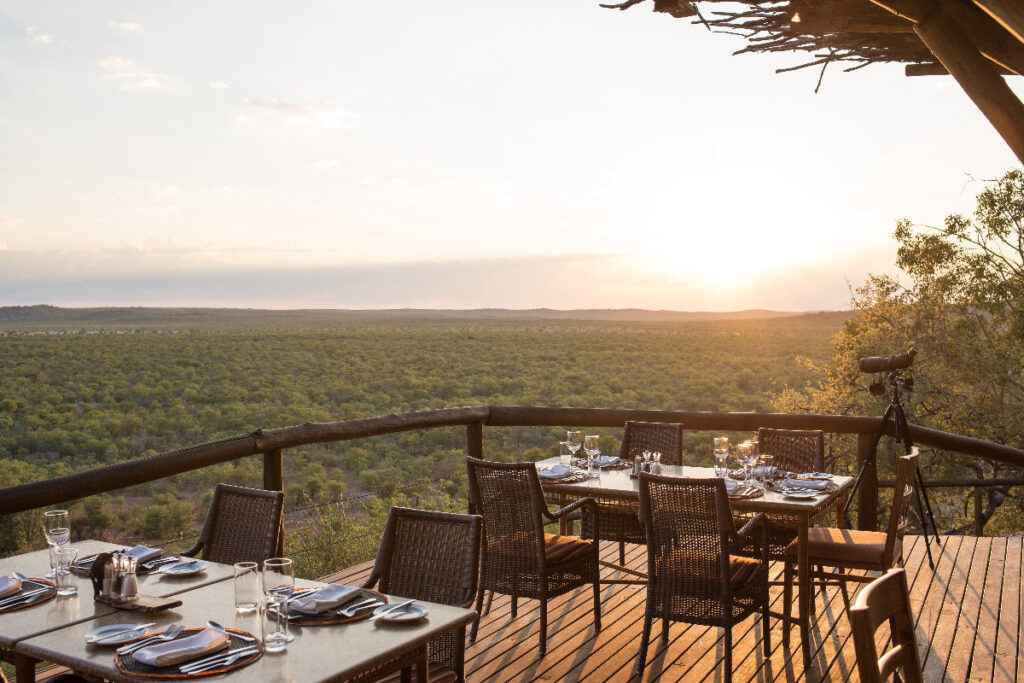
Between outings, the pace changes. You might return to a lodge or camp for breakfast and a few hours of rest before an afternoon game drive. On some itineraries, the safari is one part of a longer journey that also includes cities, cultural sites or dramatic landscapes. What’s included – from the number of game drives to the type of vehicle and accommodation – varies by tour.
National Park Safaris vs Game Reserves
The setting shapes how a safari unfolds. In a national park, game drives follow routes and visitor rules set by the park authority. A private game reserve has its own management and may allow activities such as off-road driving or night drives, subject to local regulations. These options vary between reserves, so don’t assume they’re included everywhere.
Some itineraries visit one setting; others combine both. A tour of South Africa, for example, may pair Kruger National Park with a private reserve in the Greater Kruger region. In East Africa, itineraries often link national parks and conservation areas. Check the itinerary for the specific places visited and the activities included.
Frequently Asked Questions
What animals can I expect to see on a wildlife safari?
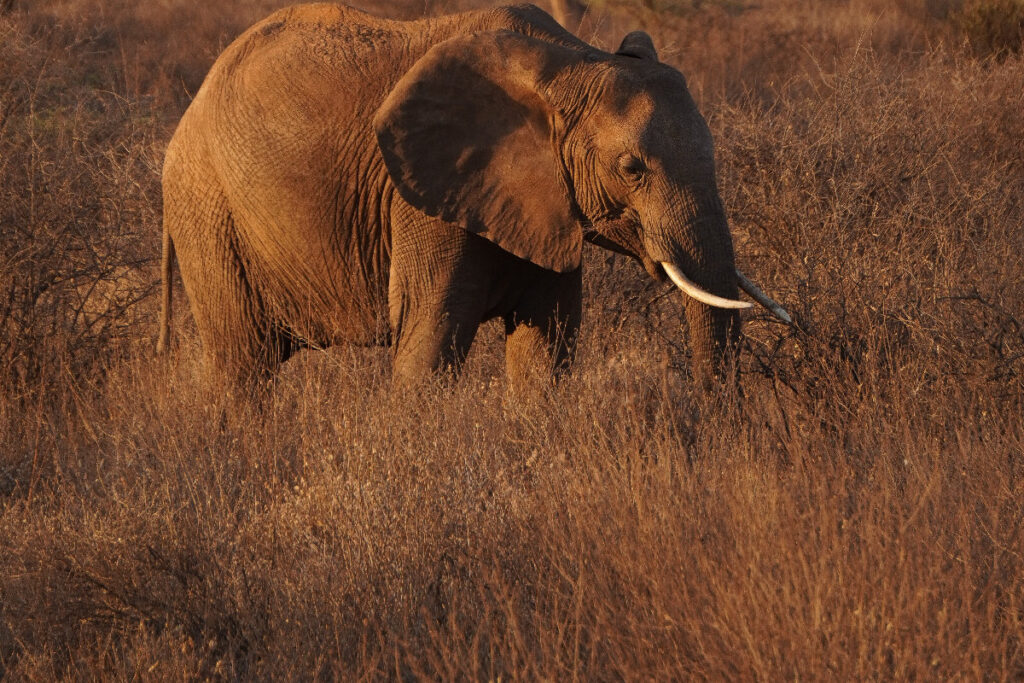
It depends on where and when you travel. East African itineraries may include the Serengeti or the Maasai Mara, where lions, elephants, giraffes and migrating wildebeest are among the wildlife to look out for. In India, Ranthambore is known for its Bengal tigers; in Sri Lanka, Yala is associated with leopard sightings. Galápagos itineraries offer a very different experience, with giant tortoises, sea lions and marine iguanas. None of these sightings can be guaranteed.
Will I see the Great Migration?
No. The Great Migration moves through the Serengeti and the Maasai Mara at different times in its annual cycle. Mara crossings are often associated with July to October, while calving takes place in the southern Serengeti around January to March. Timing varies with the rains and grazing, so a tour can put you in the right region without guaranteeing a particular event.
How many game drives are included?
It varies by itinerary. Some tours include several game drives in one safari area; others include fewer as part of a broader trip. Check the day-by-day itinerary and inclusions for the number of excursions, their location and whether any are optional.
What is the difference between a national park and a private game reserve?
National parks are generally publicly managed and operate under park-wide visitor rules. Private game reserves have their own management and may offer different activities or vehicle policies. These can include off-road driving or night drives in some locations, but practices vary. Your itinerary should name the parks or reserves visited and set out the activities included.
What should I pack for a safari?
Choose comfortable, neutral-coloured layers that suit cool starts and warmer afternoons. Pack a light jacket, closed shoes, sun protection, insect repellent and binoculars if you have them. A soft bag may be required for some light aircraft transfers. Check your tour’s advice on packing, baggage limits and seasonal conditions before departure.
Are safari days physically demanding?
Many game drives involve sitting in a vehicle for several hours, sometimes on uneven roads. Some itineraries also include walking safaris or other active excursions. Check the activity level and accessibility notes for your tour, and contact the Tour Concierge if you have questions about a specific itinerary.
What are the vehicles like on a safari?
Vehicles vary by destination and operator. A tour may use an open-sided 4WD, an enclosed vehicle or a minibus, depending on the location and itinerary. Group size can also affect how many people share a vehicle. Check the tour details for the vehicle type and maximum group size where this information is provided.
Is a wildlife safari suitable for children?
Age limits and activity rules vary by tour, park and accommodation. Some game drives may have minimum age requirements, and long days or early starts may not suit every child. Check the age guidance and itinerary for your tour before booking.
How does a Galápagos safari differ from an African safari?
In Africa, wildlife viewing often centres on game drives through parks or reserves. In the Galápagos, encounters are more likely to happen on guided island visits, walks and boat excursions, with opportunities to see giant tortoises, sea lions and seabirds. The wildlife, landscape and daily rhythm are quite different, so review the itinerary to understand how much time is spent on land and at sea.
Are meals and accommodation included on safari stays?
Inclusions differ between tours. Safari itineraries may use lodges, tented camps or hotels, and meals can range from breakfast only to full board. Review the accommodation and meal details for each day of your chosen itinerary, including any specified alternatives.