A river cruise moves at the pace of the water it sails on – close enough to shore to watch the landscape change by the hour. Here’s how the format works and where to start.

A river cruise moves at the pace of the water it sails on – close enough to shore to watch the landscape change by the hour. Here’s how the format works and where to start.
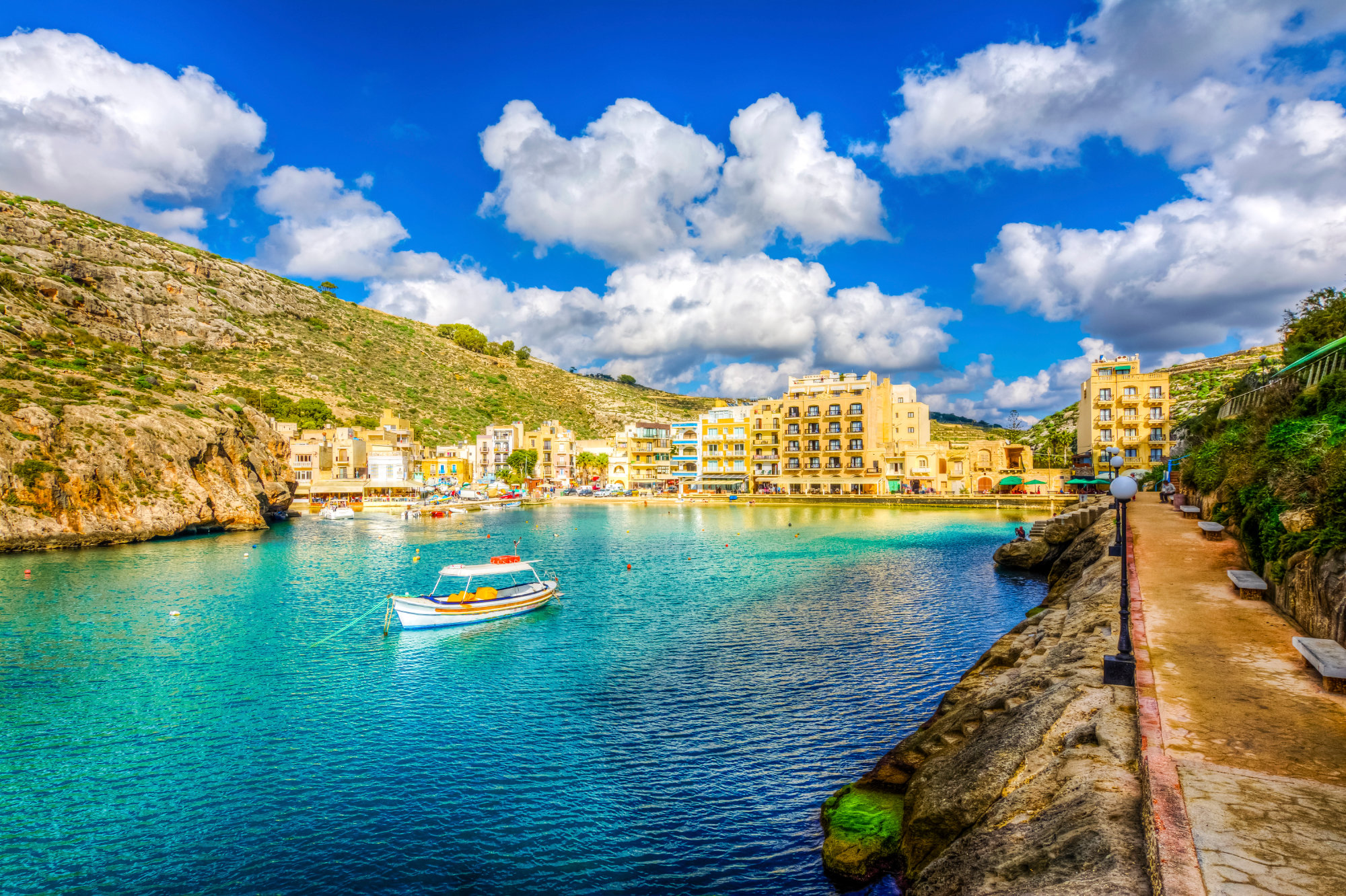
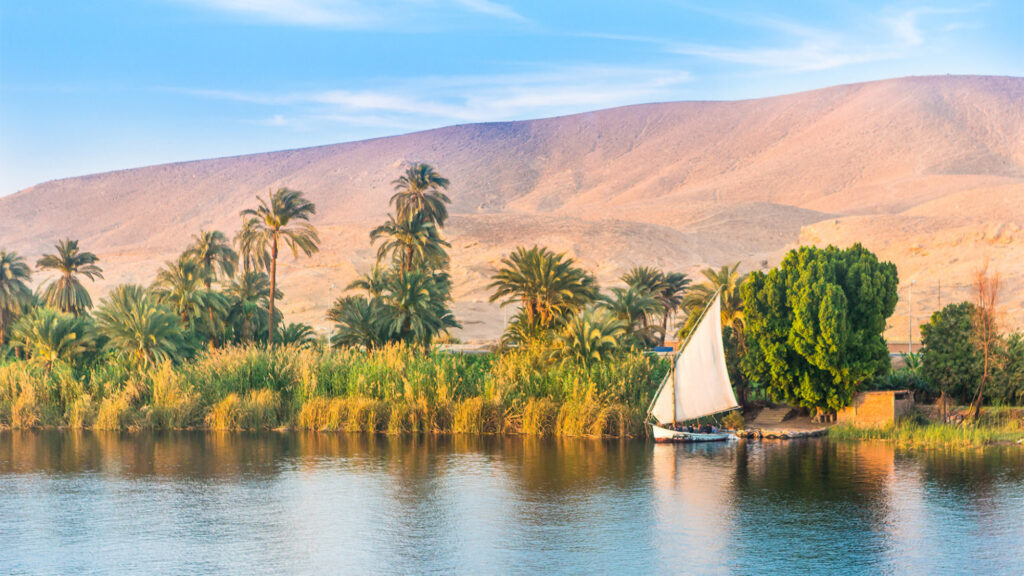
A river cruise sails close enough to shore that the landscape becomes the entertainment – steep valleys dotted with medieval castles, vineyards, villages that appear and disappear within an hour. Every cabin faces outward, so the view doesn’t depend on which deck you’re on. Locks along the route raise and lower the ship between water levels – a genuinely interesting mechanism to watch from the deck, and one that catches first-time river cruisers off guard the first time the ship tilts.
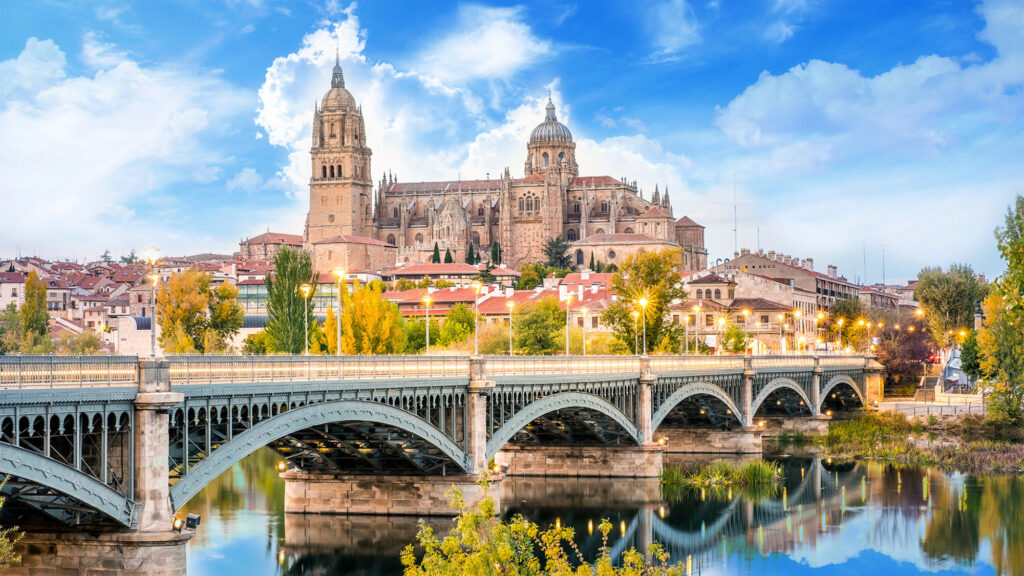
The Rhine and Danube remain the two most-booked rivers, connecting cities that reward a slow approach: Basel to Amsterdam along the Rhine, taking in Cologne’s cathedral and the vineyard towns of the Rhine Gorge; Budapest to the Black Forest along the Danube, through Vienna, Bratislava and the Wachau Valley. The Upper Rhine alone has ten locks across 185 kilometres between Basel and Iffezheim – a stretch worth being on deck for.
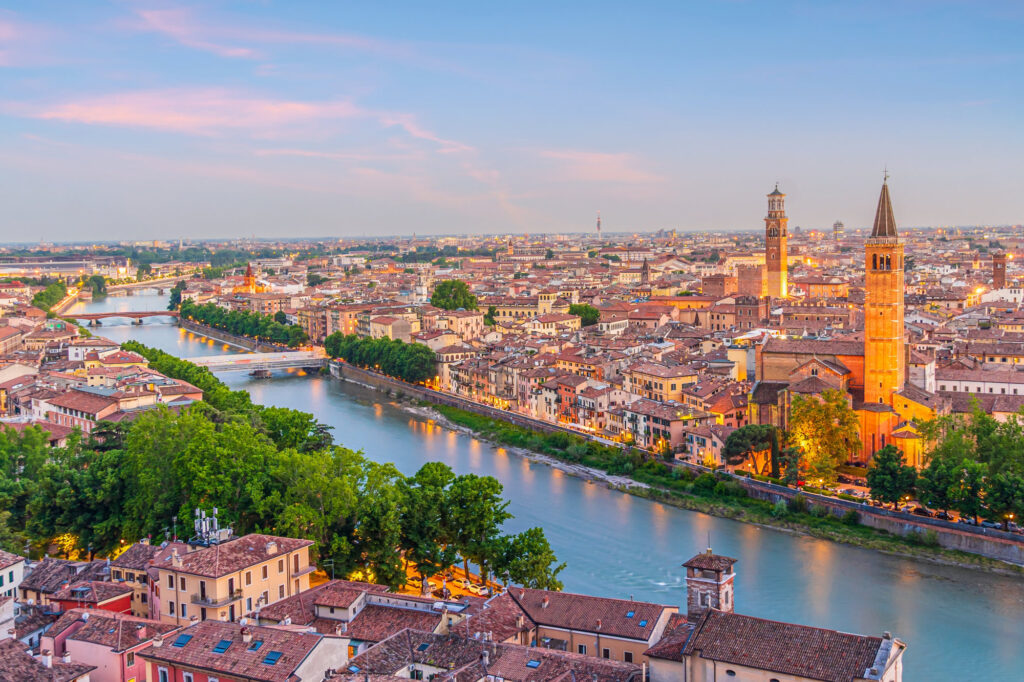
Riverside Luxury Cruises – Luxury Escapes’ exclusive river cruise line – builds in all-inclusive dining, drinks and curated shore excursions as standard. Excursions tend toward depth over breadth: a guided walking tour of a medieval old town, a cathedral visit, a regional food tour led by someone who lives there, rather than a coach tour that covers the highlights at speed.
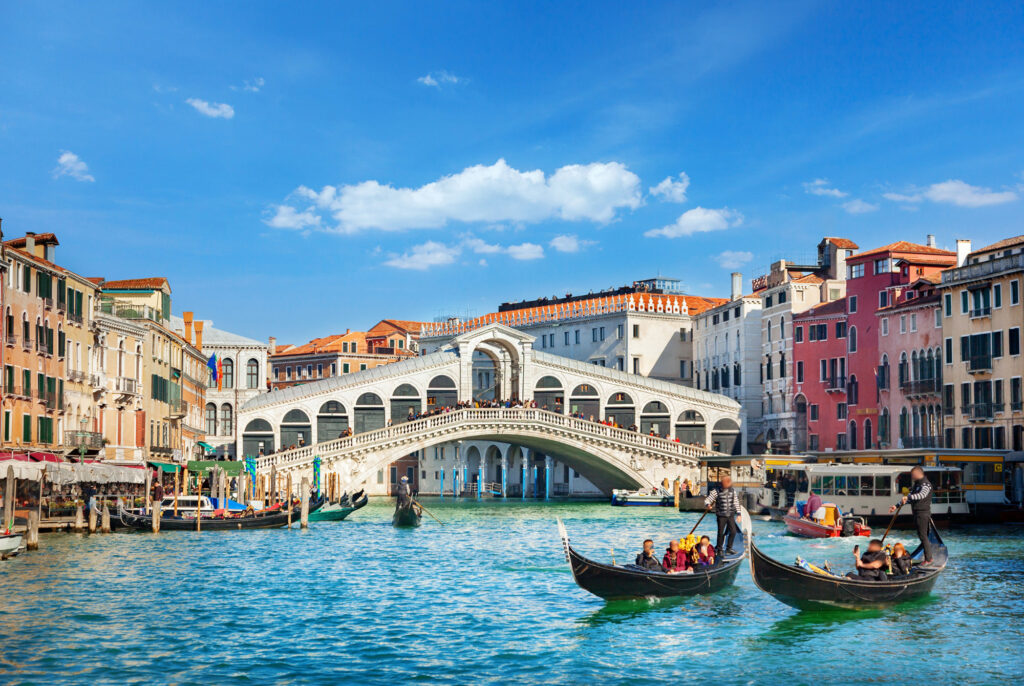
Travellers who want exploration without the logistics of constantly repacking. Because the ship itself is the accommodation, you unpack once and wake up somewhere new – a structure that suits couples, multigenerational groups and anyone who finds ocean cruising’s scale a bit much. The smaller passenger count on river vessels also means a higher staff-to-guest ratio than most ocean ships can offer.
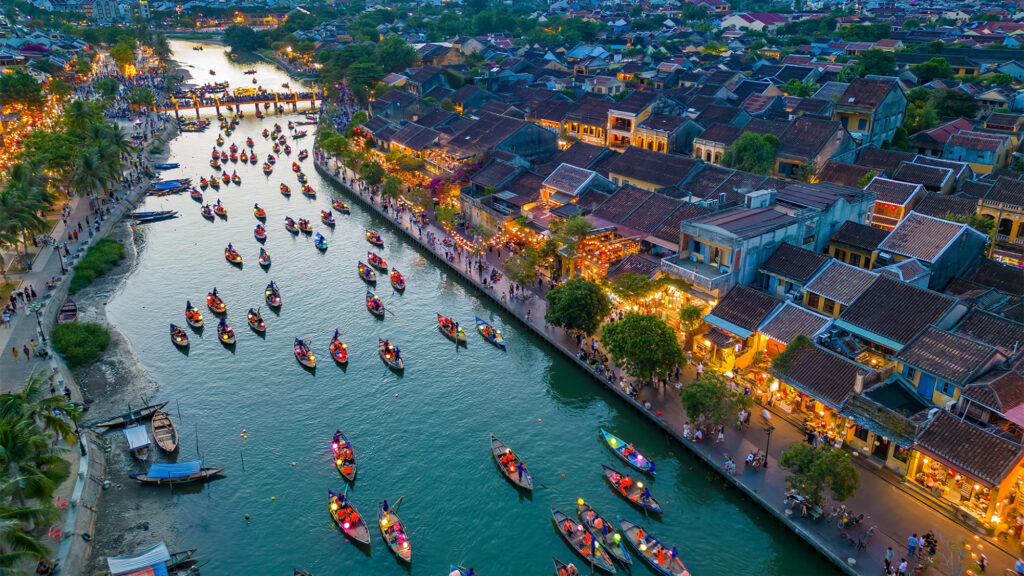
April to October covers the main sailing season, with late spring (tulip season on the Rhine) and the Christmas markets along the Danube in late November and December as the two standout shoulder-season windows.