USD
USD 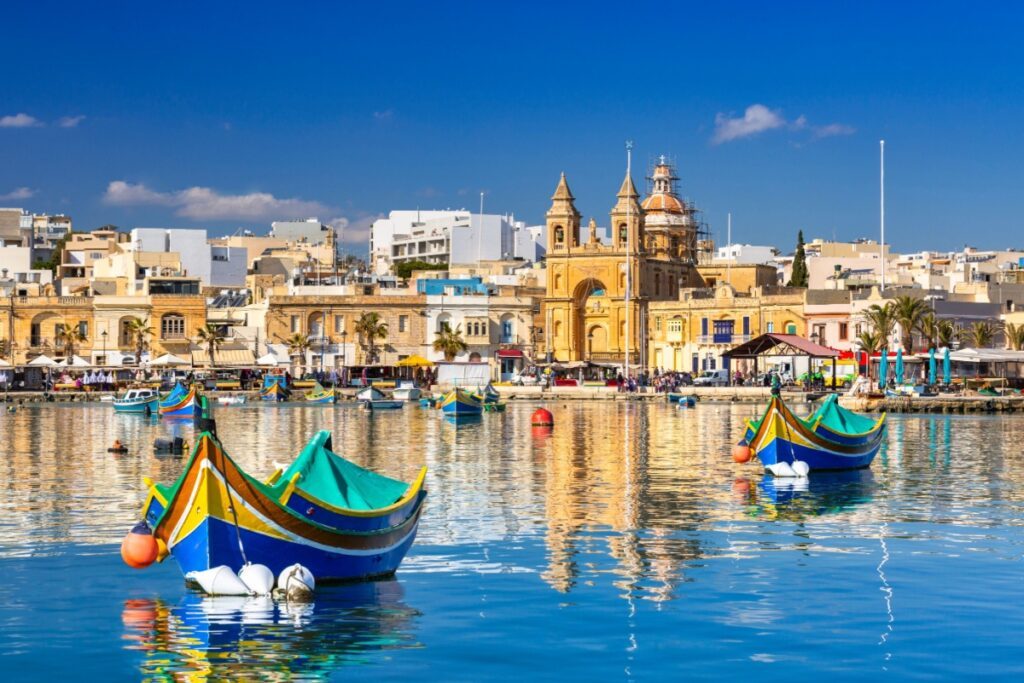
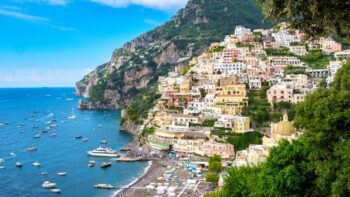
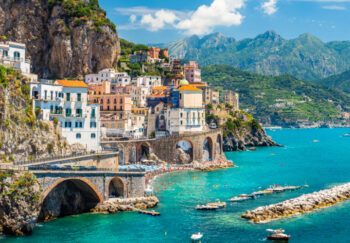
Shaped by the rise and fall of great civilisations across thousands of years, Malta is a pivotal outpost at the heart of the Mediterranean. Although small, this archipelago has a history and culture as layered as its ancient limestone buildings. With prehistoric temples, a UNESCO World Heritage-listed capital city and a coastline as breathtaking as the Amalfi, Malta is quietly growing in popularity – so now is the perfect time to visit while it’s still a hidden gem to many.
Why you should visit Malta in 2025
It’s an ideal stopover
With many flights out of Sydney and Melbourne heading to Europe, Malta’s strategic location in the Mediterranean makes it a seamless stopover for Australians seeking a European summer. Emirates and Turkish Airlines have routes from Australia with single stops in Dubai or Istanbul – from there, it’s a short hop to Malta International Airport (MLA). Those flying through major hubs like London, Rome or Frankfurt can also find frequent connections, making Malta an accessible gateway to both Western and Southern Europe.
You can explore temples older than Stonehenge
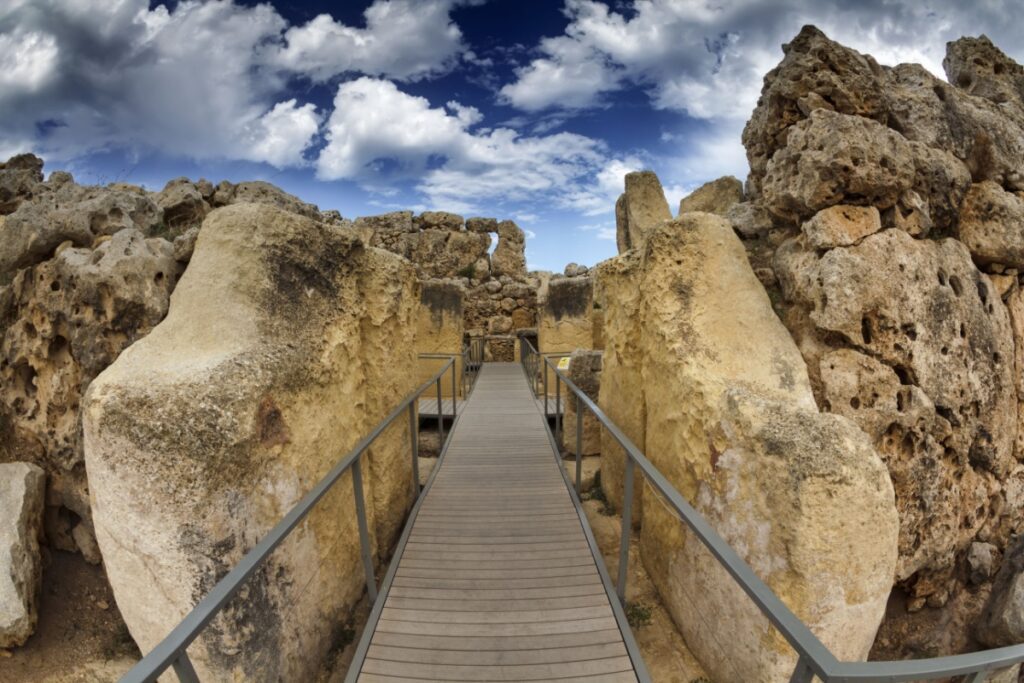
Home to some of the oldest free-standing structures on earth, Malta’s history predates some of the world’s most famous ancient sites like Stonehenge (around 5,000 years old) and the Great Pyramids of Giza (around 4,500 years old).
The Ggantija Temples on the island of Gozo are estimated to be more than 5,500 years old and are a staggering feat of Neolithic engineering, with some limestone blocks weighing more than 50 tonnes. For a rare glimpse into rituals lost to time, visit the cliffside temples of Hagar Qim and Mnajdra, designed to mark the solstices.
Its capital city is a UNESCO World Heritage-listed site
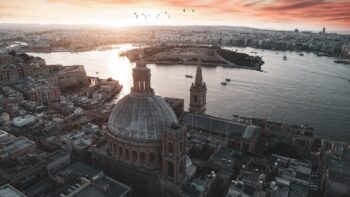
Built by the Knights of St. John in the 16th century, Valletta is a fortified grid of golden limestone. Designated a UNESCO World Heritage Site in its entirety and rich in baroque architecture, Valletta was one of the first planned cities in Europe featuring walls and moats for defence and tall buildings to protect streets from the sun. The city’s layered history is revealed in landmarks like St John’s Co-Cathedral, a gilded masterpiece that’s home to Caravaggio’s largest work: The Beheading of St. John the Baptist.
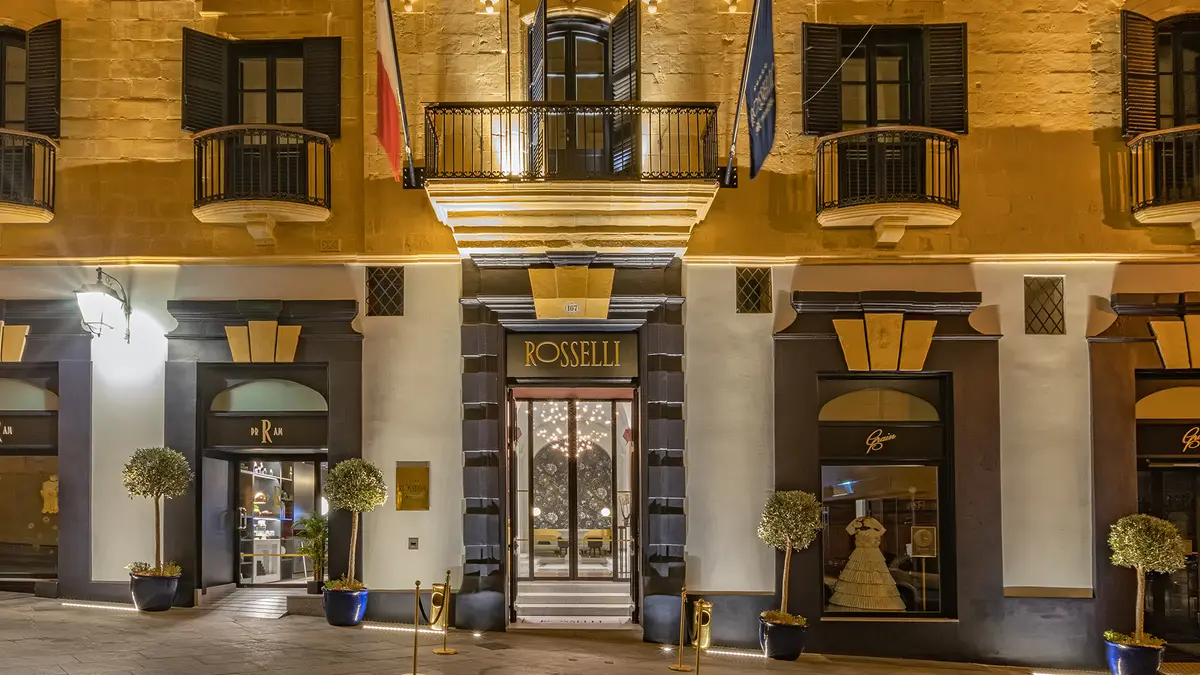
Valletta’s palatial elegance extends to its hotels – some as historic as the city itself – like Domus Zamittello, a restored 16th-century palazzo with hand-painted motifs on cupboard doors and ornate coffered ceilings. Just beyond the city gates, The Phoenicia Malta recalls 1930s glamour – think Art Deco arches, deep green shutters and 7.5 acres of manicured gardens – and was a favourite of Queen Elizabeth II.
You can swim in spots that rival the Amalfi
On Comino, Malta’s smallest island, lies the Blue Lagoon, a sheltered bay boasting crystal-clear waters framed by rugged cliffs and a handful of tiny caves. It’s no surprise that this is one of Malta’s most popular swimming spots, and being a natural lagoon it’s perfect for snorkelling. While summer brings the best conditions for swimming, temperatures stay mild from November through February.


You can visit mysterious prehistoric sites
Hidden beneath the town of Paola, the Hal Saflieni Hypogeum is a haunting subterranean necropolis dating back more than 5,000 years. This multi-level burial complex carved entirely out of limestone was used for centuries, with archaeologists uncovering the remains of more than 7,000 individuals. The underground chambers (painted with ochre spirals and geometric patterns) hint at a sophisticated ancient belief system. With only a limited number of visitors allowed into the site per day, booking well in advance is essential to secure a glimpse into this eerie and enigmatic relic of Malta’s past.
Its local cuisine is truly unique from the rest of Europe
With influences from Italy, North Africa and the Middle East, Maltese food is a direct reflection of its unique history. No trip to Malta is complete without indulging in pastizzi, the beloved pastries known for their crispy layers and savoury ricotta or spiced pea fillings. Affordable and delicious, you’ll find rows of pastries at the Malta Pastizzi (Manuela) food stall in Valletta and fresh takes on the classics at Jeff’s Pastizzeria. Beyond pastizzi, rustic rabbit stew (fenek), fresh seafood and Maltese bread with tomato paste and capers (hobz) are must-tries for any foodie.